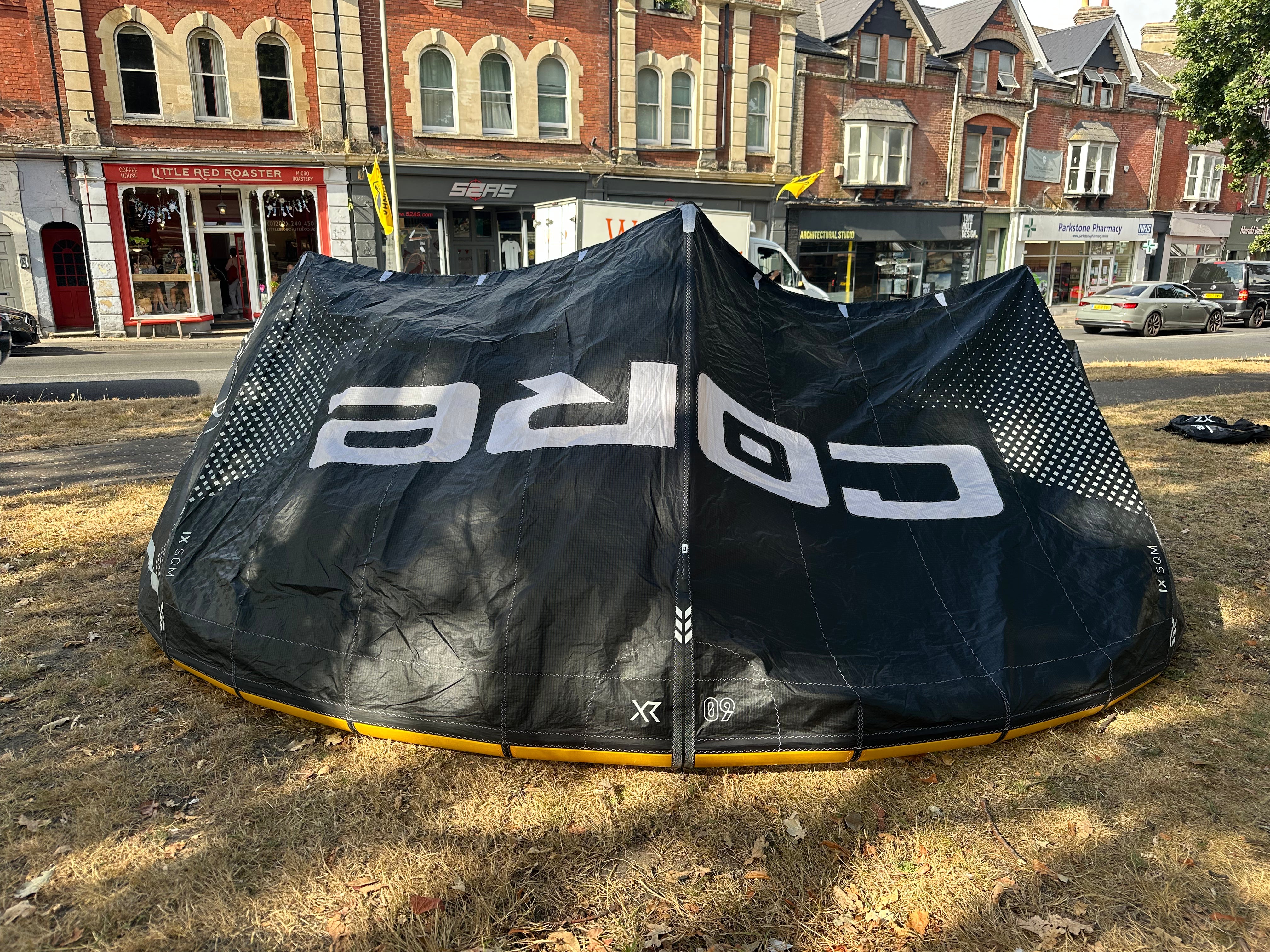
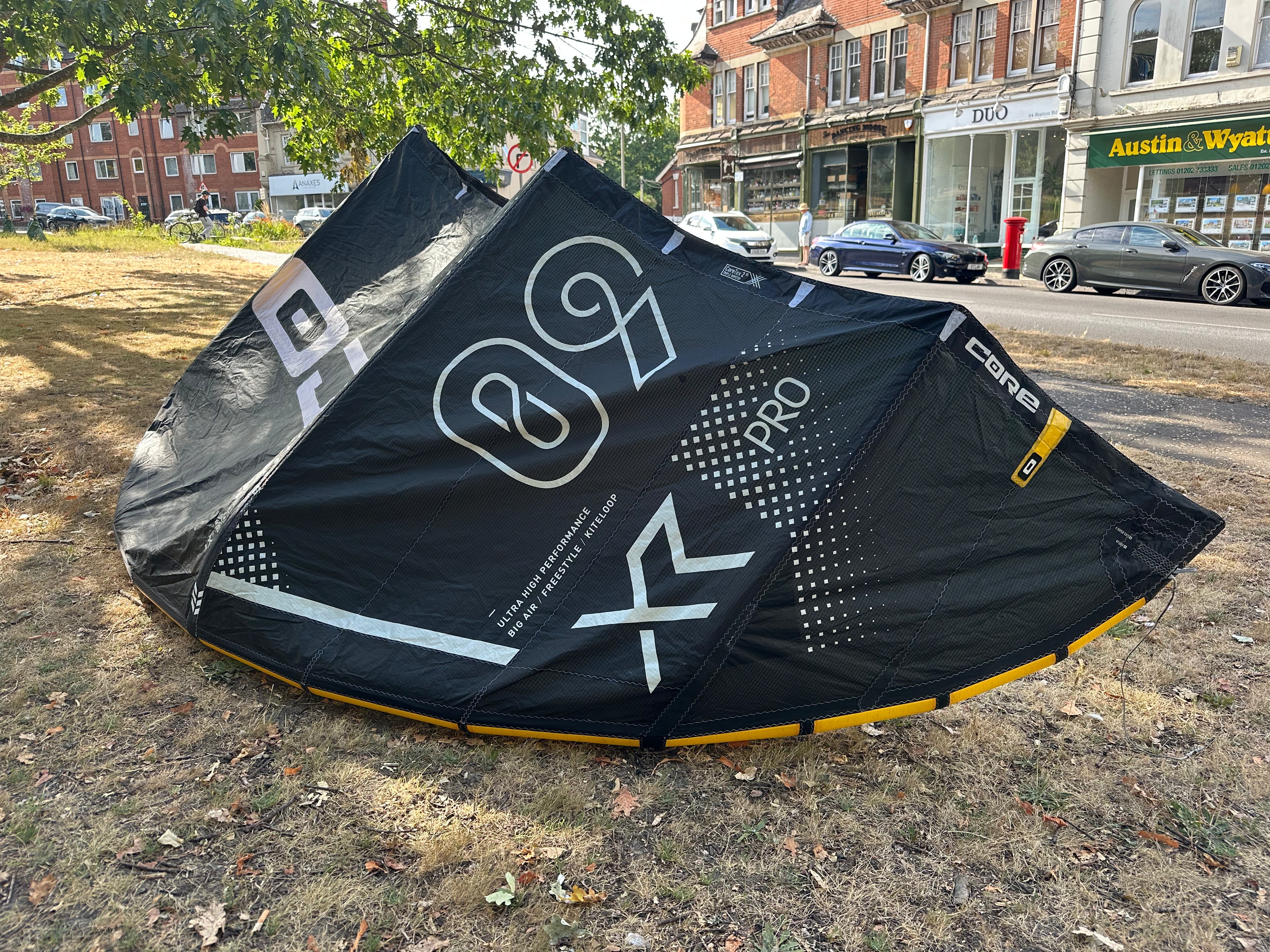
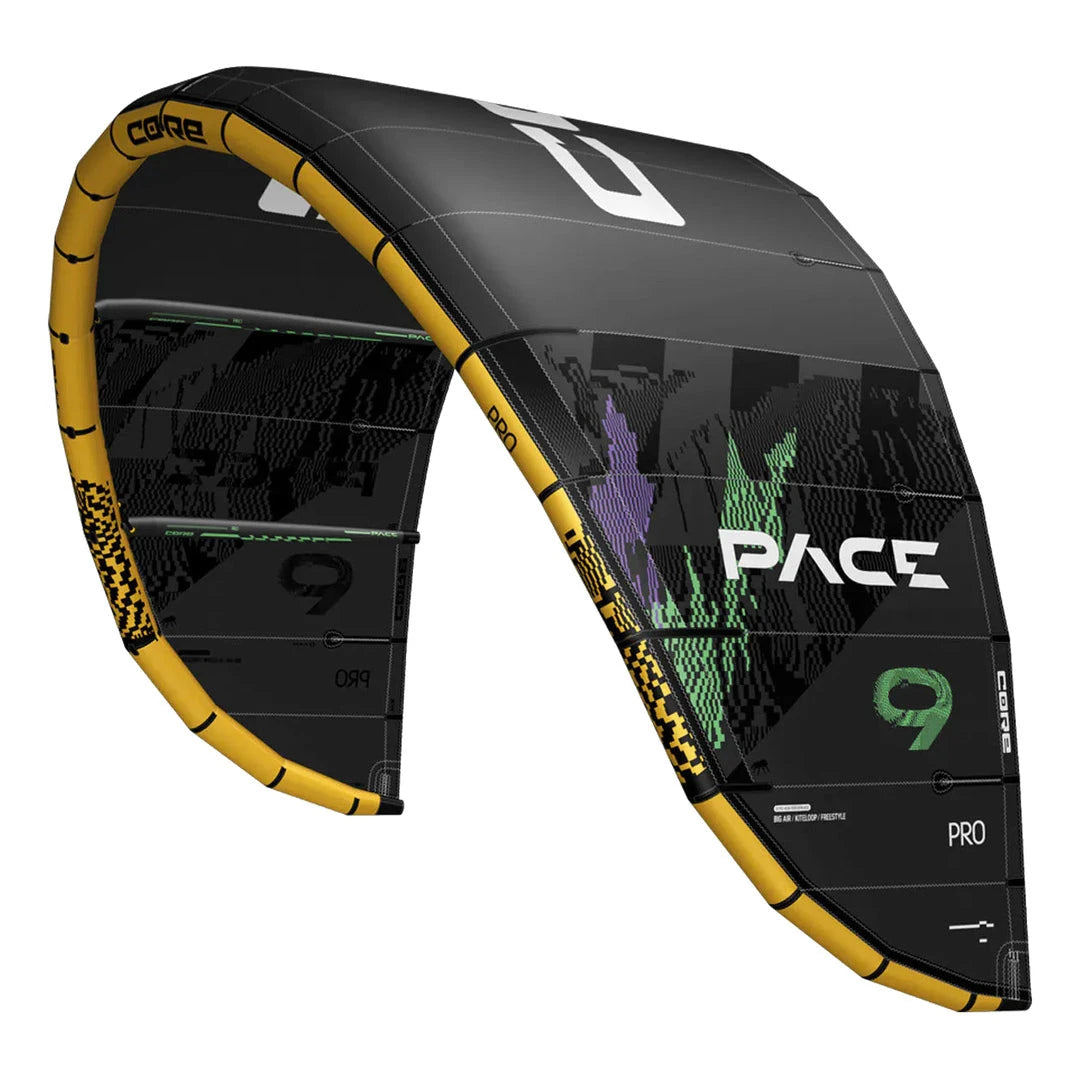
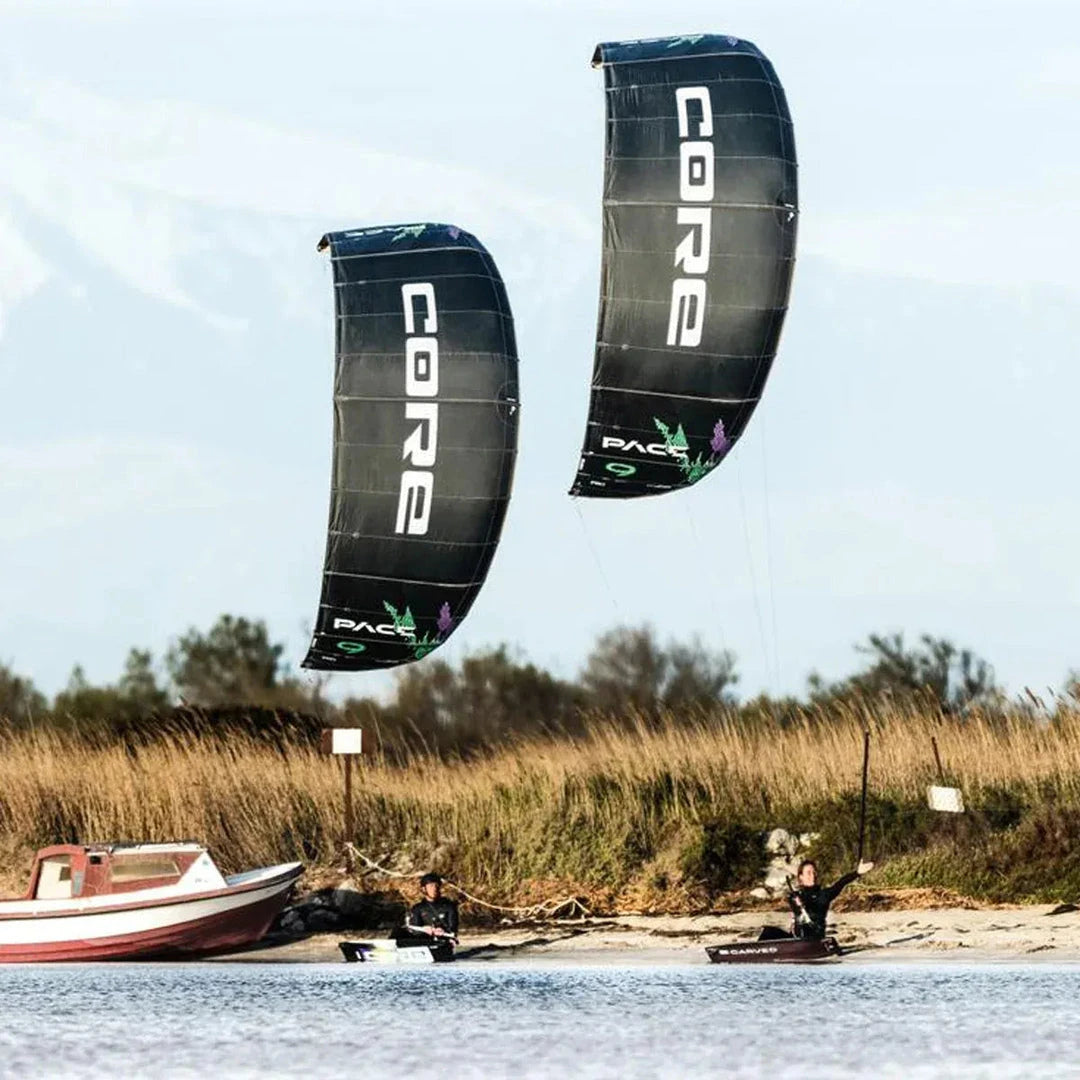
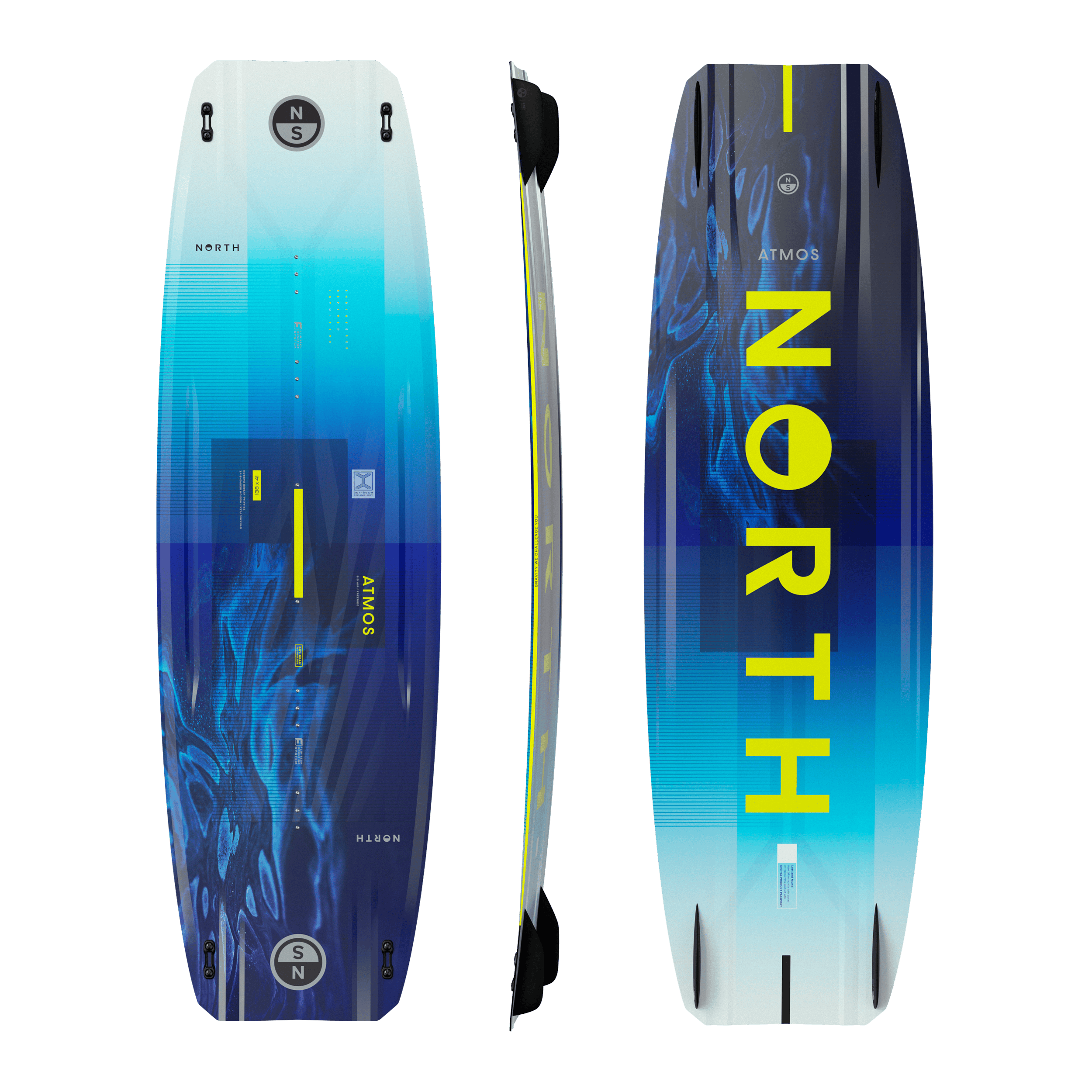
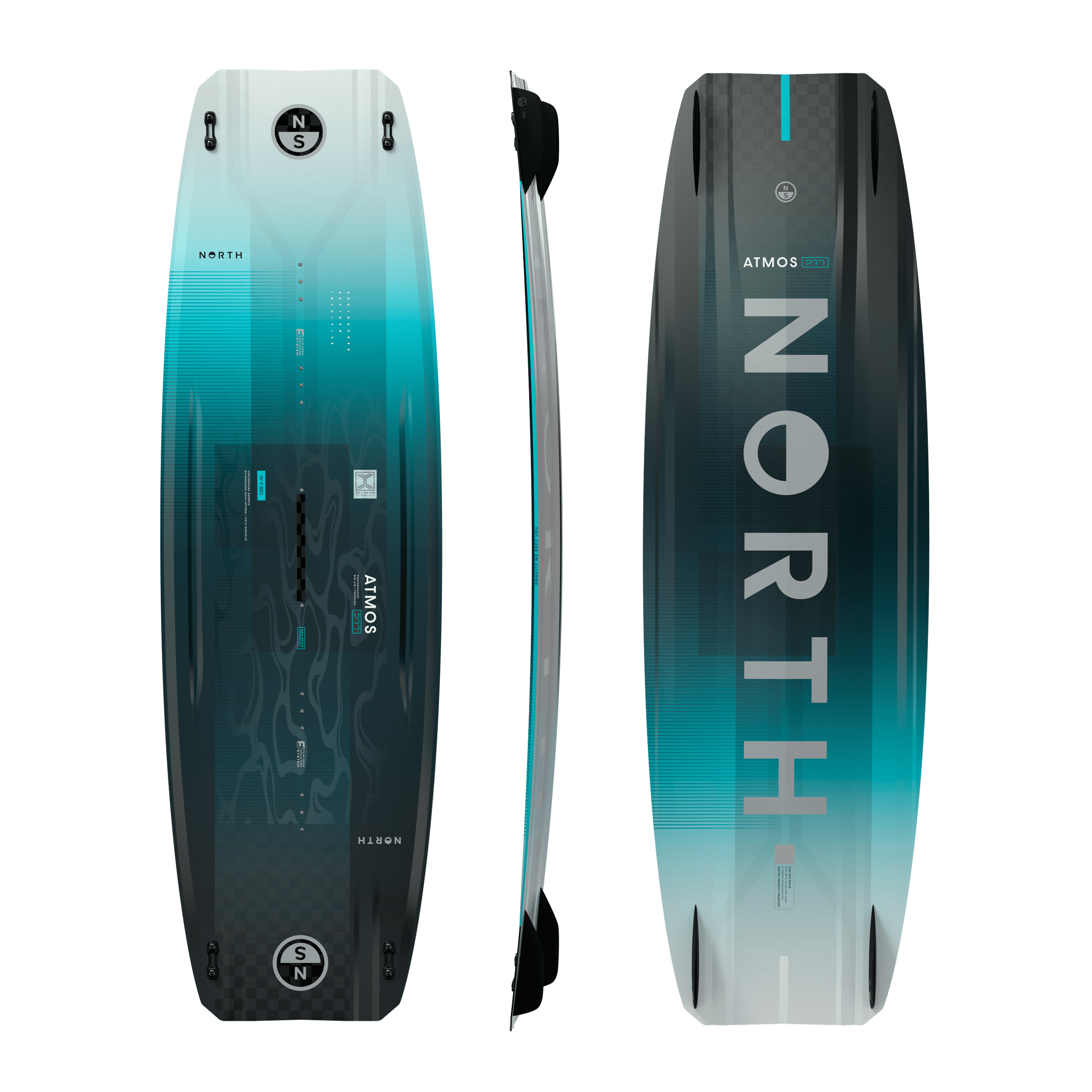
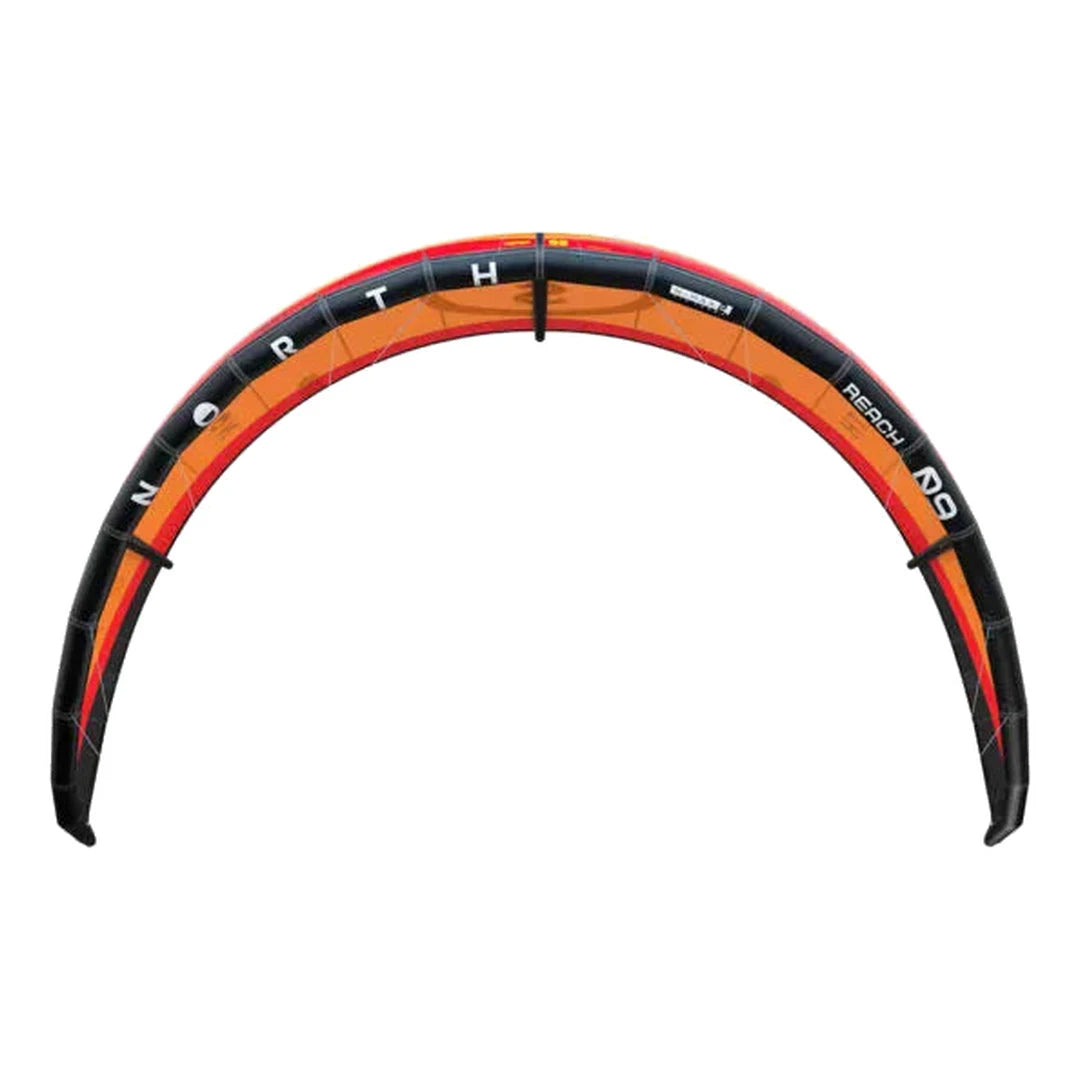
Kitesurfing is one of the most exhilarating ways to use the wind, combining a power kite with a board to ride, jump and carve across the water. It looks daunting from the beach, but with the right equipment and proper instruction it is more accessible than most people expect. Our kitesurfing range is here to help you get started and keep progressing.
This is our complete kitesurfing department, covering everything a rider needs: kites, control bars, boards, harnesses, impact vests, helmets, pumps, wetsuits and spares. We carry gear for every stage, from first-timers putting a starter kit together to experienced riders refining a quiver for big air, freestyle or waves.
Just getting into the sport? The guide below explains what a full setup involves and how to approach learning. You can also browse the core components: kites, kiteboards, and harnesses.
How Does Kitesurfing Work?
A kitesurfer stands on a board and is pulled across the water by a large, steerable kite flown overhead. You control the kite with a bar connected by lines, adjusting its power and steering it through the sky to generate drive and lift. A harness worn around your waist or hips takes the load off your arms, while a safety system lets you depower and release the kite quickly if needed. Once the basics click, it becomes an intuitive, flowing sport.
What Do You Need to Start Kitesurfing?
A complete kitesurfing setup is made up of several parts that work together:
-
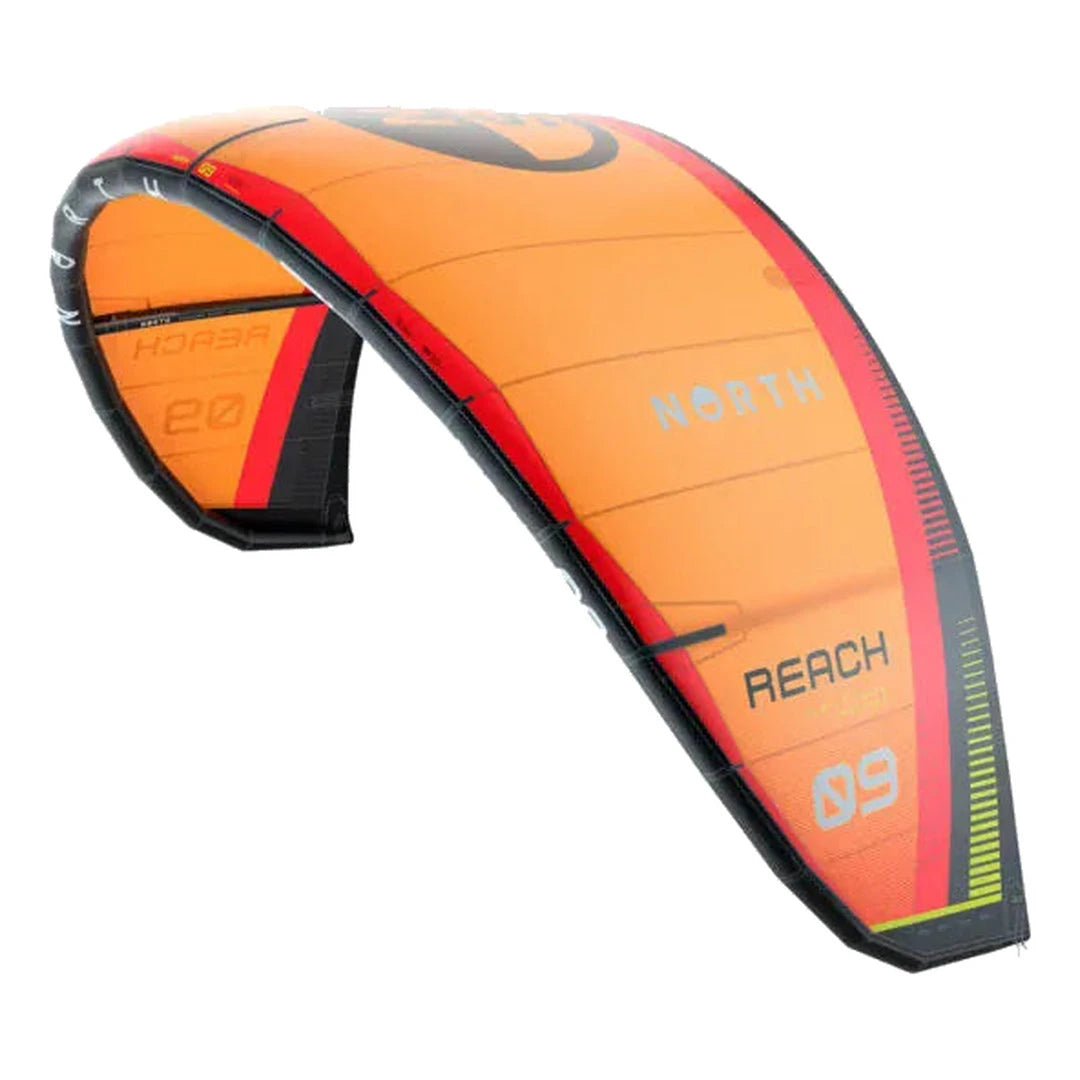
Kite: sized to your weight and local wind
-
Control bar and lines: to steer and depower the kite safely
-
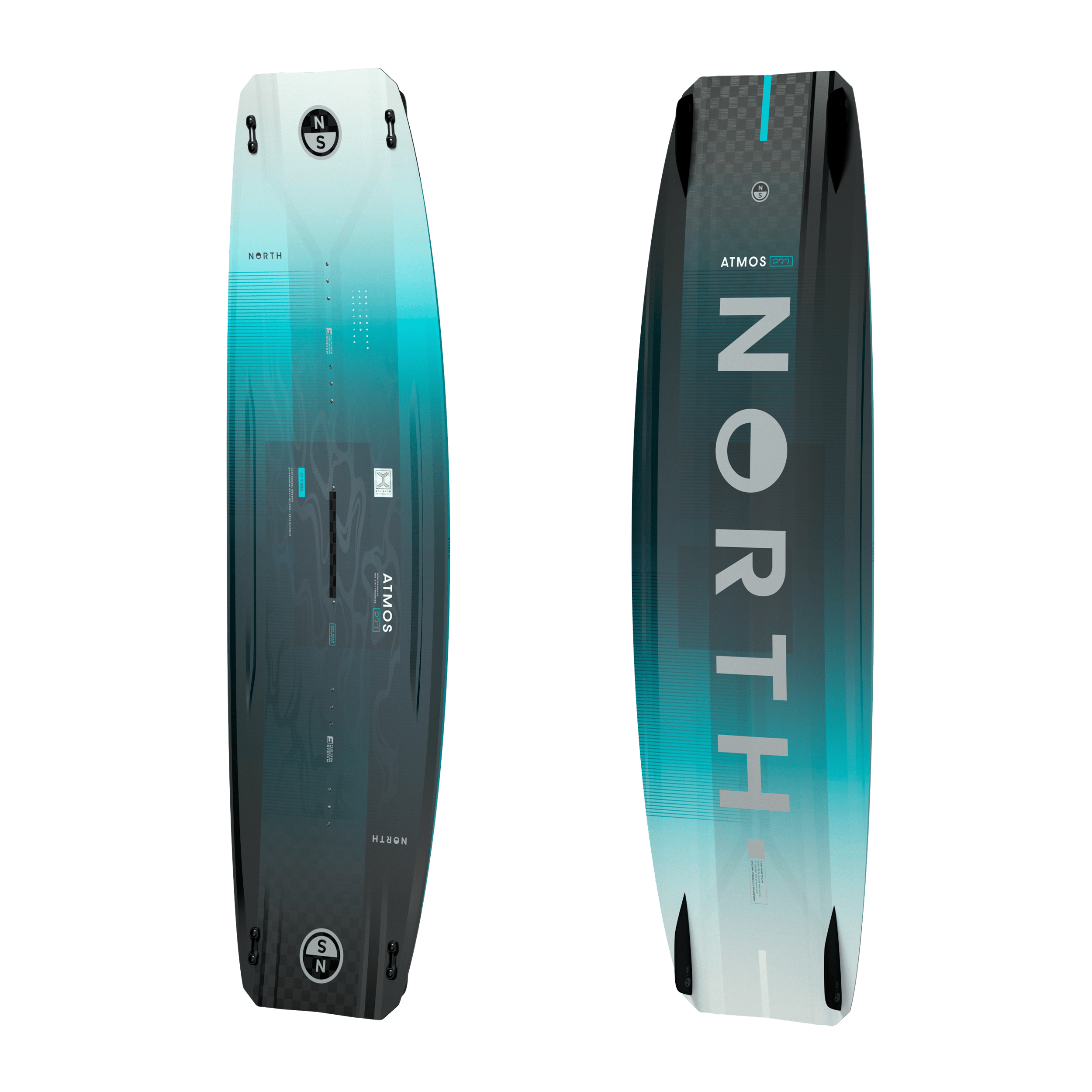
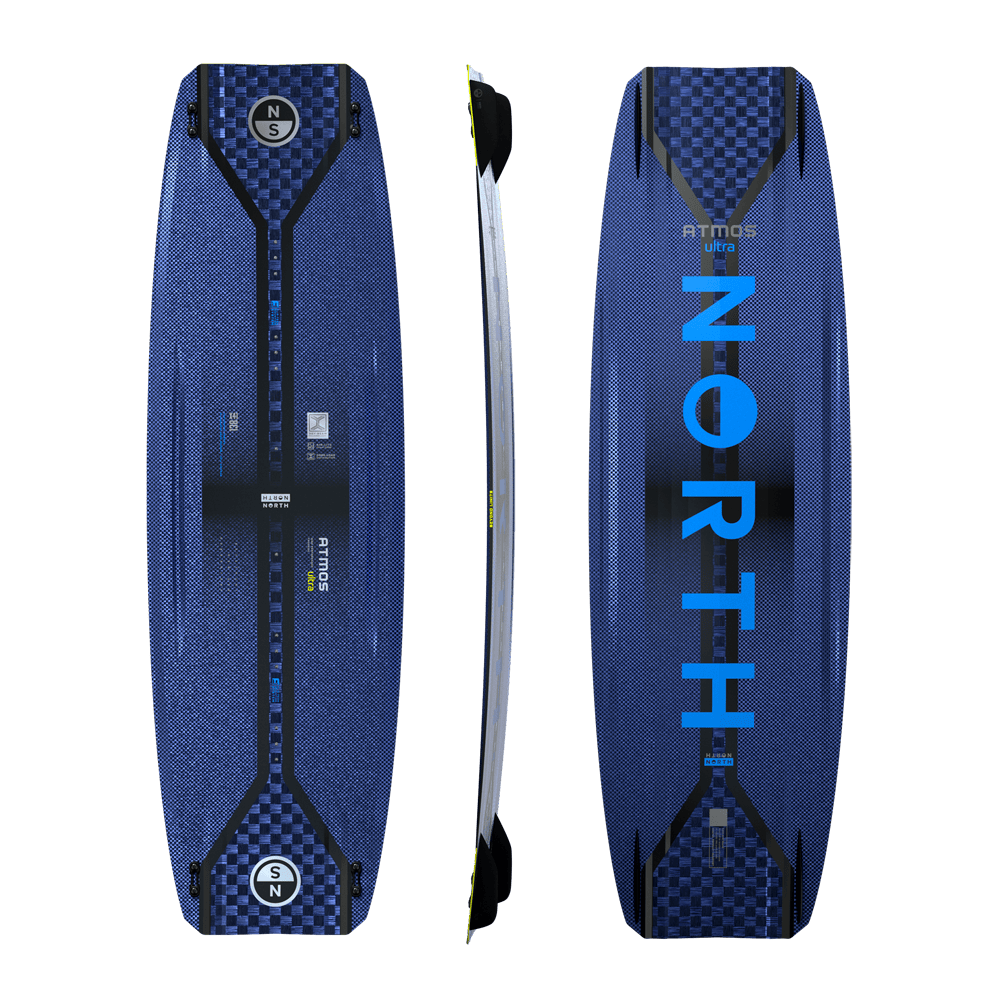
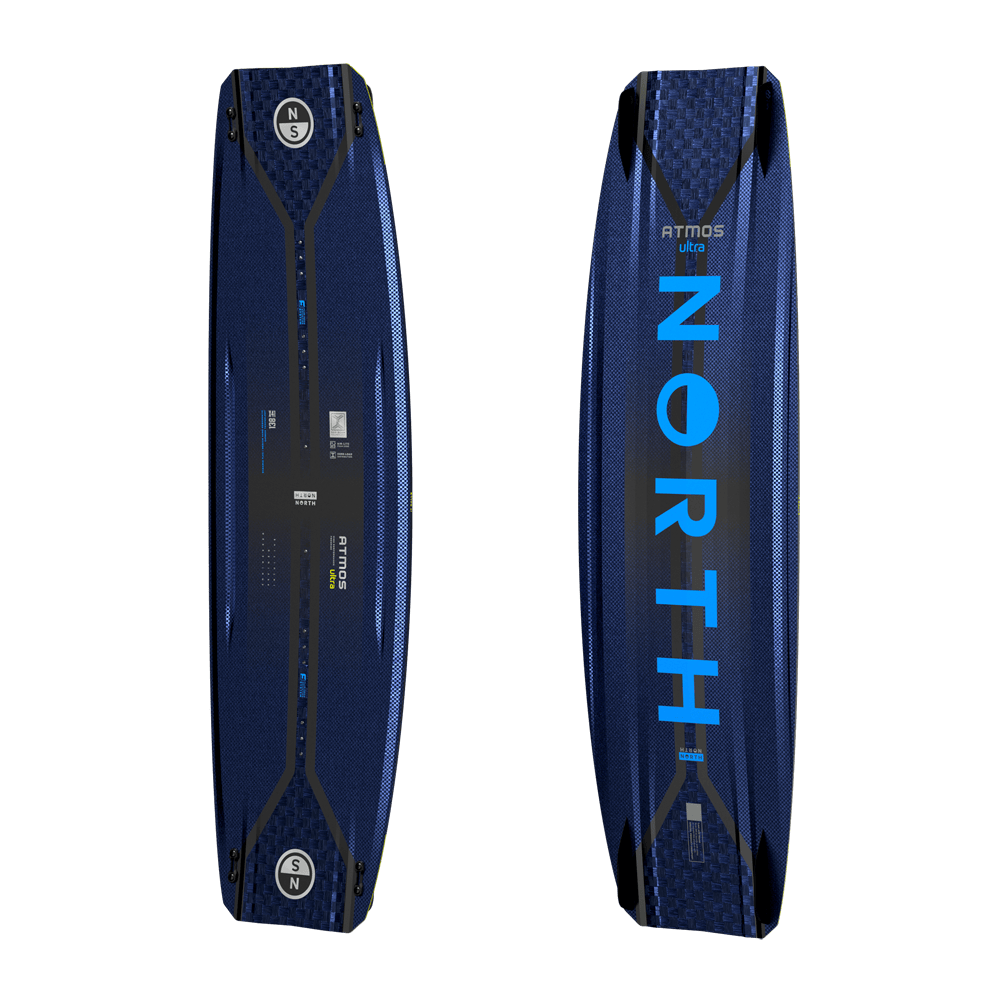
Board: usually a twin-tip to learn on
-
Harness: to transfer the kite's pull to your body
-
Safety and comfort kit: impact vest, helmet, wetsuit and a pump
Most people take lessons before buying, which is the safest way to learn and helps you choose a first setup that genuinely suits you.
Learning Kitesurfing Safely
Kitesurfing involves real forces and should always be learned with a qualified instructor. Lessons teach you to set up, launch and land safely, control the kite's power, use the safety systems, and read the wind and conditions. Beyond lessons, choosing forgiving beginner gear, riding in suitable conditions, and always using your safety leash and release are what keep the sport safe and enjoyable as you build confidence.
Choosing Your First Setup
For your first kit, prioritise ease of use and safety. A forgiving bow, hybrid or delta kite, a stable twin-tip board sized generously for your weight, and a comfortable waist harness make a solid starting combination. Your local wind and your body weight drive the kite size, so getting sizing advice before you buy is well worth it. As you progress, you can refine each part to suit the style of riding you fall in love with.
Reading the Wind and Conditions
Wind is everything in kitesurfing. You need enough, but not too much, and a direction that is safe for your spot, ideally cross-shore rather than straight onshore or offshore. Learning to read the forecast, judge gusts and pick the right kite size for the day is a core skill. Flat, shallow water is easiest to learn on, while waves and stronger winds come later as your control improves.
Staying Warm in UK Waters
Because kitesurfing is wind-powered, wind chill makes it feel colder than the water temperature alone. Most UK riders wear a wetsuit year-round, sizing up in thickness compared with surfers, and adding boots, gloves and a hood in winter. A warm, well-fitted wetsuit keeps you out longer and makes learning far more comfortable.
Caring for Your Kitesurfing Gear
Rinse kites, bars and boards with fresh water to remove salt and sand, and always dry your kite fully before packing it away. Check lines for wear and even length, and inspect bladders and valves regularly. Store everything out of prolonged sun and heat, and keep your safety release clean and working. Looking after your kit is part of looking after yourself on the water.
How Much Does Kitesurfing Gear Cost?
A full setup is an investment, with the kite, bar, board and harness each contributing to the total. Entry-level and previous-season gear offers an affordable route in, mid-range equipment balances performance and durability, and premium gear uses advanced materials for lighter, sharper handling. Buying a sensible complete setup to learn on, then upgrading individual parts over time, is a cost-effective way to grow into the sport.
Progressing Your Riding
Once you can ride upwind consistently, the sport really opens up, and your gear choices start to reflect the direction you want to take. Riders drawn to jumping and big air often favour kites with strong lift and a smooth, lofty feel, while those into freestyle and wakestyle lean towards more direct, aggressive kites and boards with more pop. Wave riders move towards directional, surfboard-style boards and kites that drift well when depowered.
This is usually the point where a quiver makes sense, with two or three kite sizes covering the range of winds you ride in, so you are rarely stuck on the beach waiting for the perfect day. It is also worth revisiting your board: the forgiving, stable twin-tip that helped you learn may give way to something more suited to your style. Progression is gradual, and there is no need to upgrade everything at once, but matching your gear to the riding you enjoy keeps the sport rewarding as your skills grow.
Why Buy Kitesurfing Gear from Surface2Air Sports?
We have been outfitting kitesurfers since 2002, with a shop in Poole and the full range online.
- Complete setups and individual components in one place
- Gear for beginners through to advanced riders
- Honest advice on sizing, safety and learning
- In-store fitting help and online support
- Options across a range of budgets
Whether you are booking your first lessons or building a quiver, we can help you choose kit that suits your weight, wind and goals. Start with the right kite and board.
Frequently Asked Questions About Kitesurfing
Is kitesurfing hard to learn?
It takes practice, but with proper lessons and forgiving beginner gear most people progress steadily. Instruction is strongly recommended for safety.
Do I need lessons before buying gear?
Yes. Learning with a qualified instructor is the safe way to start, and it also helps you choose a first setup matched to your weight and conditions.
What equipment do I need to start?
A kite, a control bar and lines, a board, a harness, and safety and comfort kit such as an impact vest, helmet and wetsuit.
What board should a beginner use?
A stable twin-tip sized generously for your weight is the usual choice, as it is forgiving and easy to ride in both directions.
What wind do I need to kitesurf?
Enough steady wind for your kite size and weight, in a safe direction for your spot, ideally cross-shore. Learning to read conditions is a core skill.
Do I need a wetsuit in the UK?
Almost always. Wind chill makes kitesurfing feel colder than surfing, so most UK riders wear a wetsuit year-round, thicker in winter with boots, gloves and a hood.
How do I look after my gear?
Rinse and fully dry your kite before packing, check lines and bladders regularly, keep the safety release working, and store everything out of sun and heat.