
Sort by
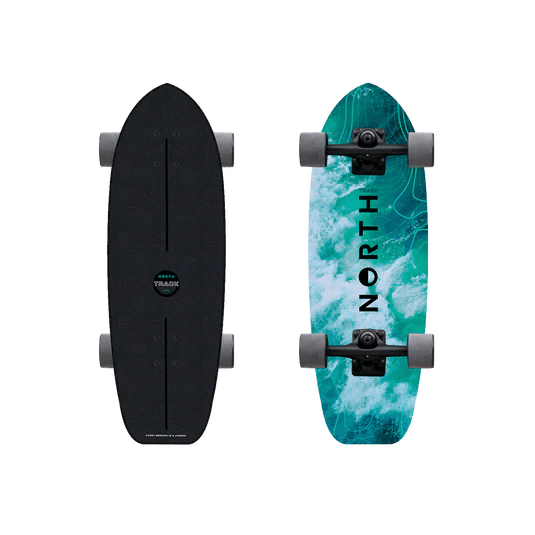
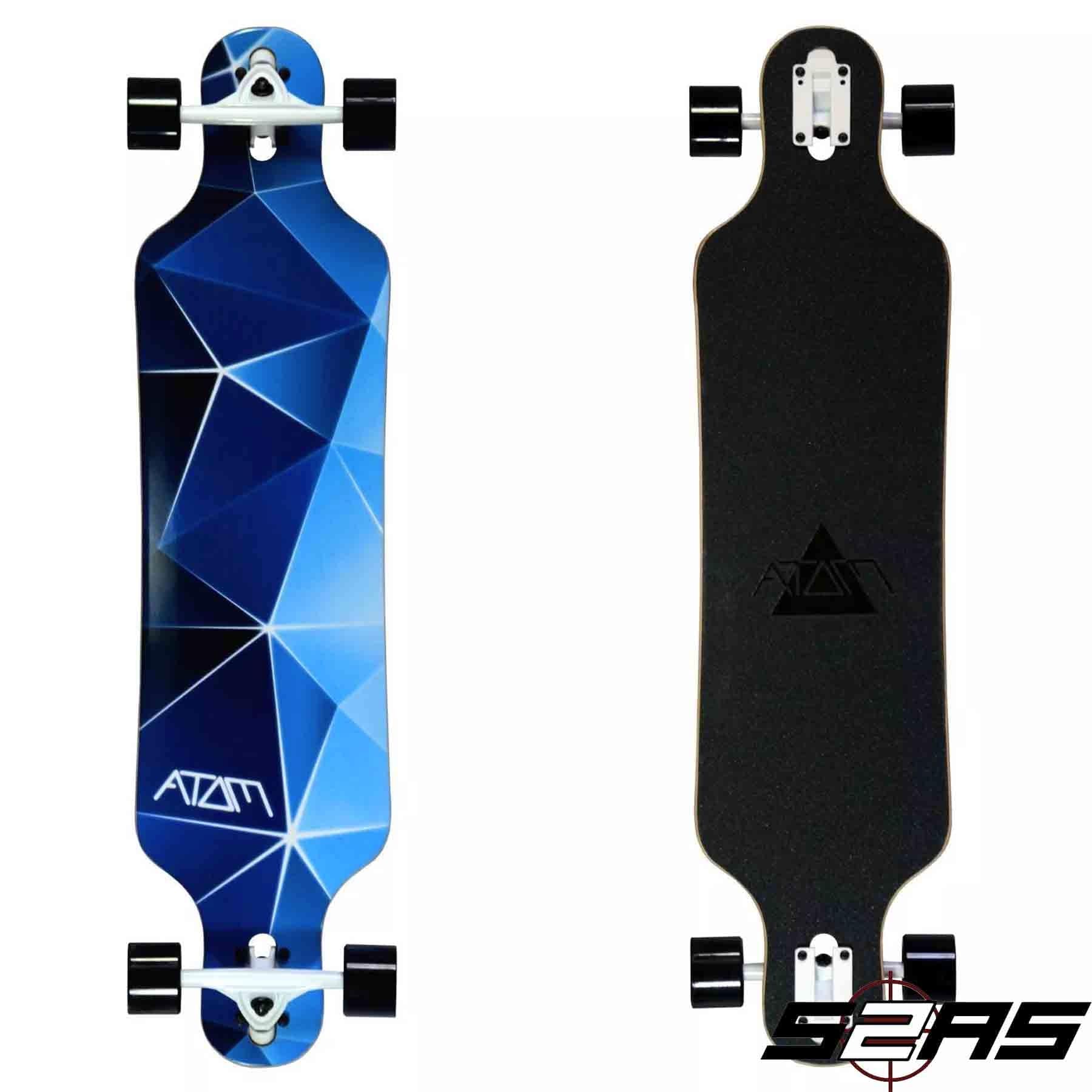
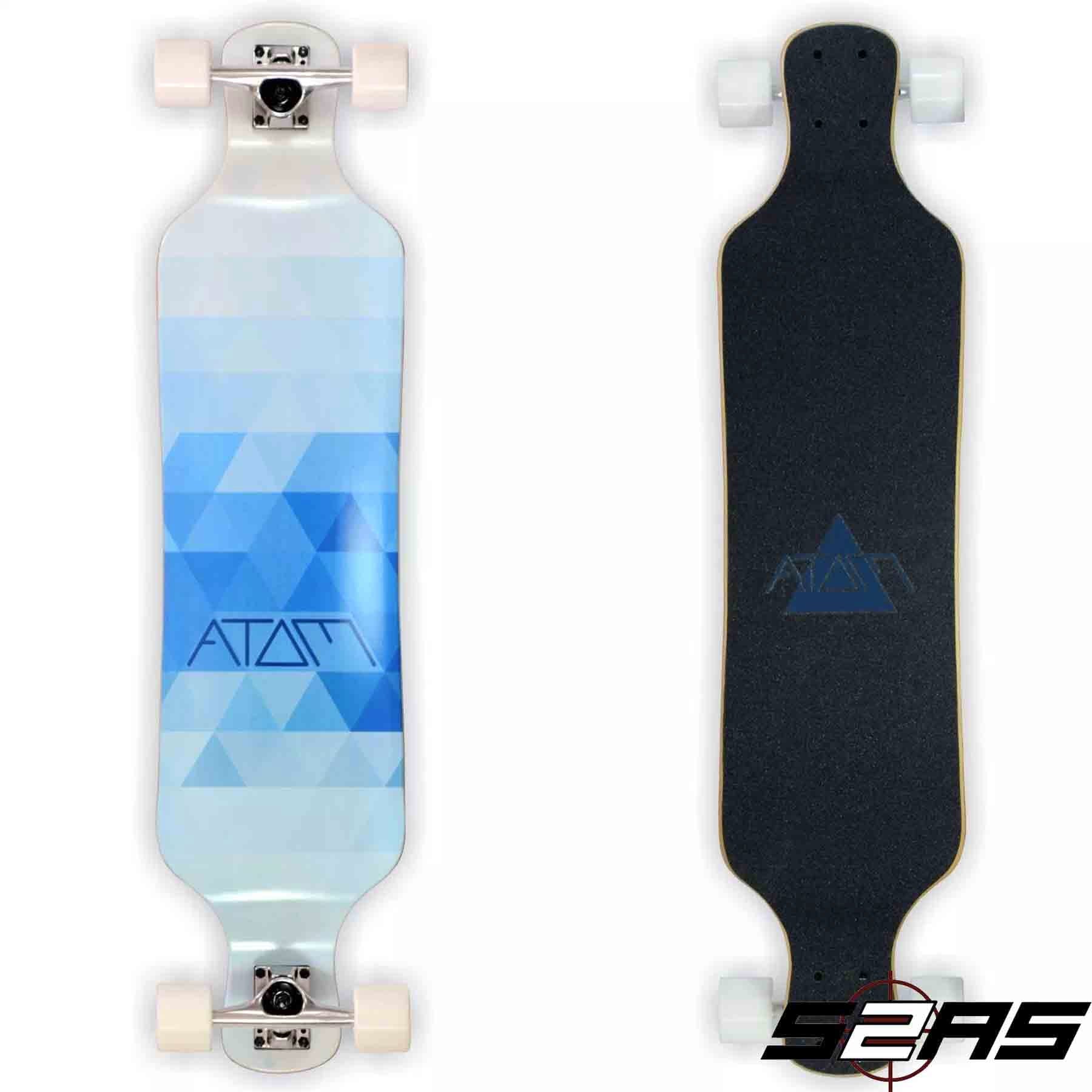
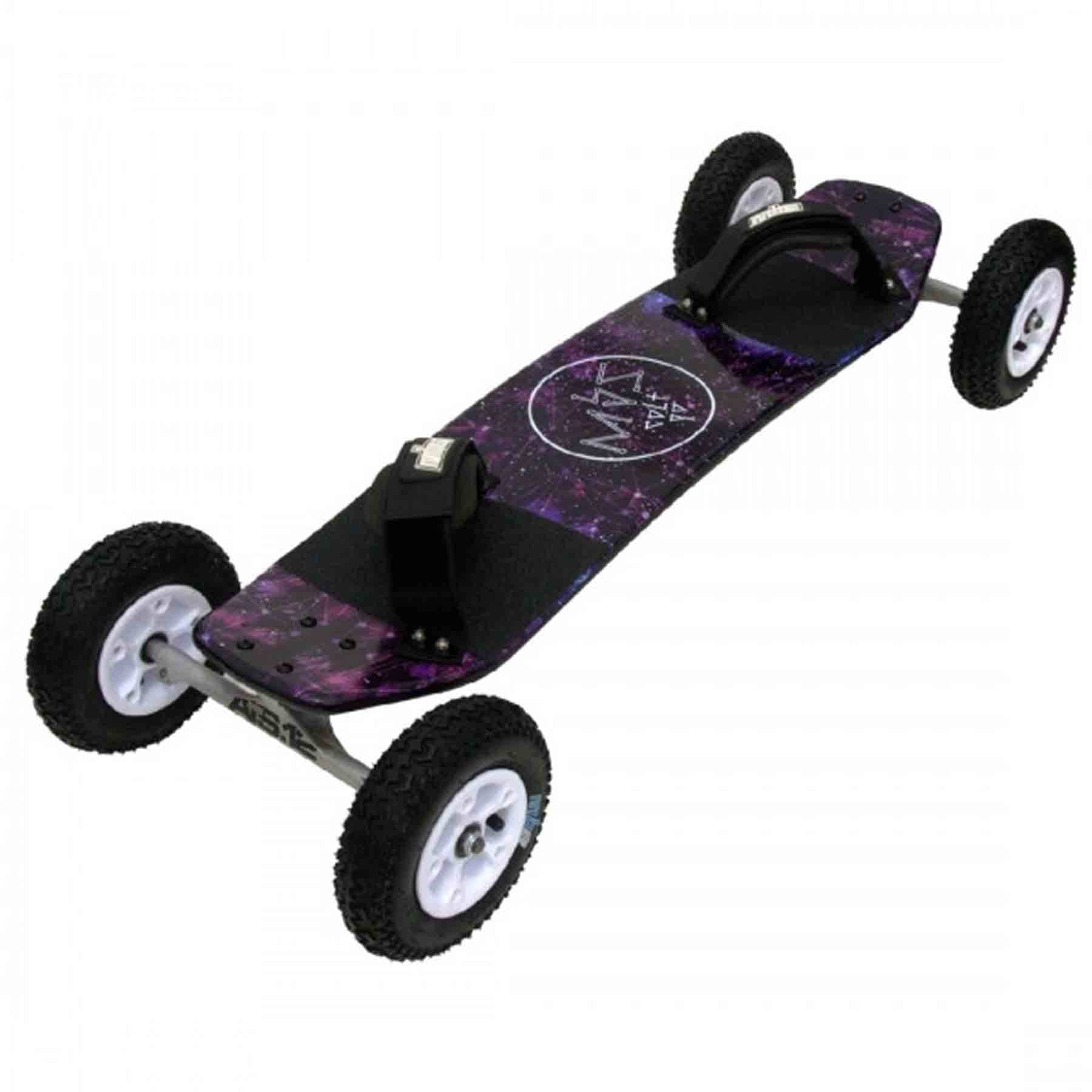
From cruising the seafront to carving down a hill or tackling a dirt trail, skateboarding comes in many forms, and the right board makes all the difference. Whether you want a classic skateboard for the park, a longboard for smooth cruising or a mountainboard for off-road adventures, there is a deck built for how and where you want to ride. Choosing well starts with being clear about the kind of riding you have in mind.
This collection brings together the skateboards, longboards and mountainboards we stock at Surface2Air Sports, from trusted brands and in a range of styles. Expect solid decks, quality components and options for every terrain. Browse the range below, and if you want help choosing the right board for your riding, our team in Poole is happy to point you in the right direction.
Types of Board
The biggest decision is which style of board suits your riding.
- Classic skateboards: popsicle-shaped decks with kicktails for street riding, parks and tricks
- Longboards: longer decks with soft wheels for smooth cruising, commuting and downhill riding
- Mountainboards: rugged boards with bindings and large pneumatic tyres for off-road terrain
- Electric boards: motorised decks for effortless cruising and commuting
Each is built for a different purpose, so matching the board to your terrain and riding style is the key first step.
Classic Skateboards for Street and Park
A traditional skateboard is built for tricks, street riding and the skatepark. The popsicle shape, concave deck and kicktails let you ollie, flip and manoeuvre, while the deck width affects stability and control. Narrower decks around 7.5 to 8 inches favour technical street tricks, while wider decks offer more stability for ramps and transition. If you want to learn tricks and ride parks, a classic skateboard is the board for you, and choosing the right width for your feet and style helps a great deal.
Longboards for Cruising and Downhill
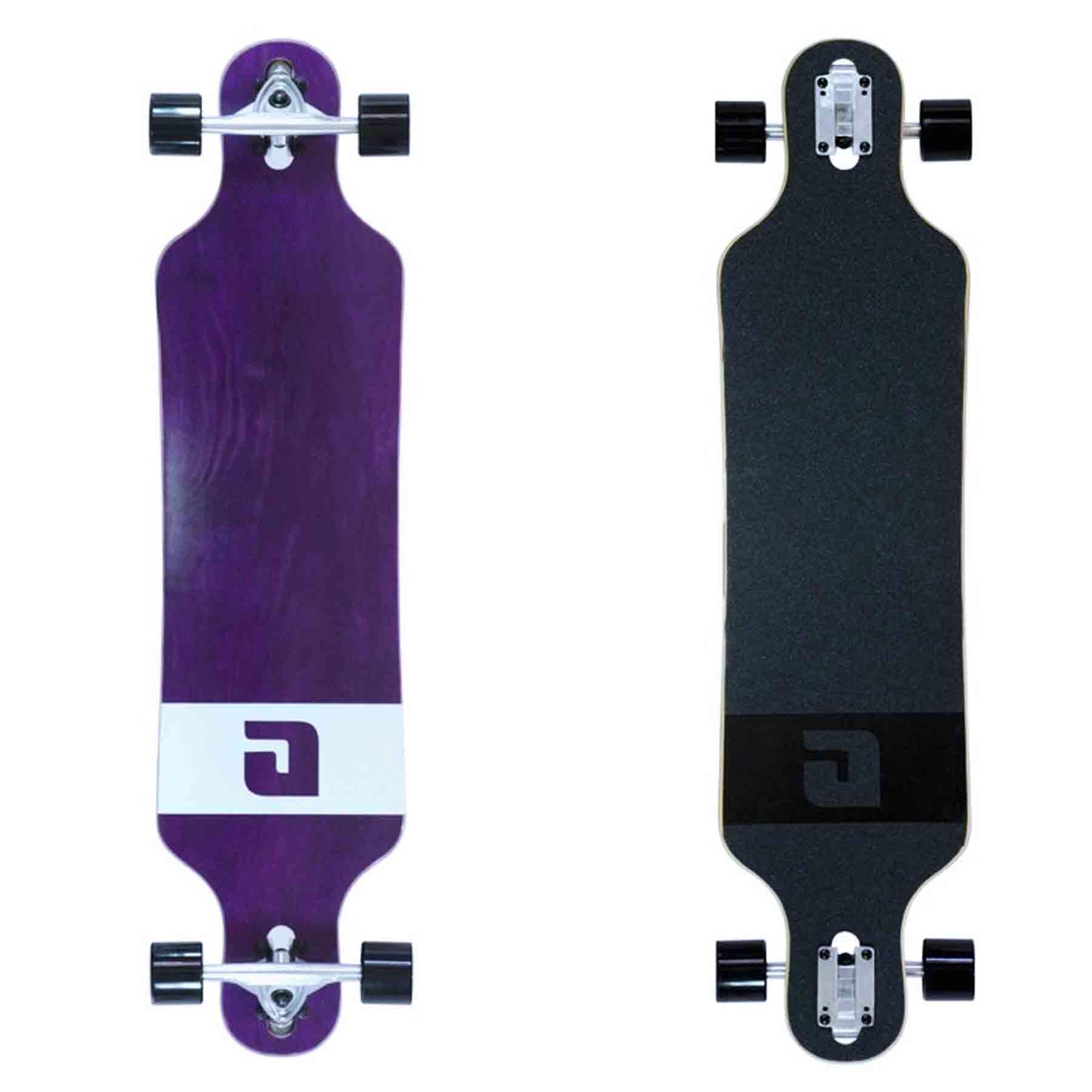
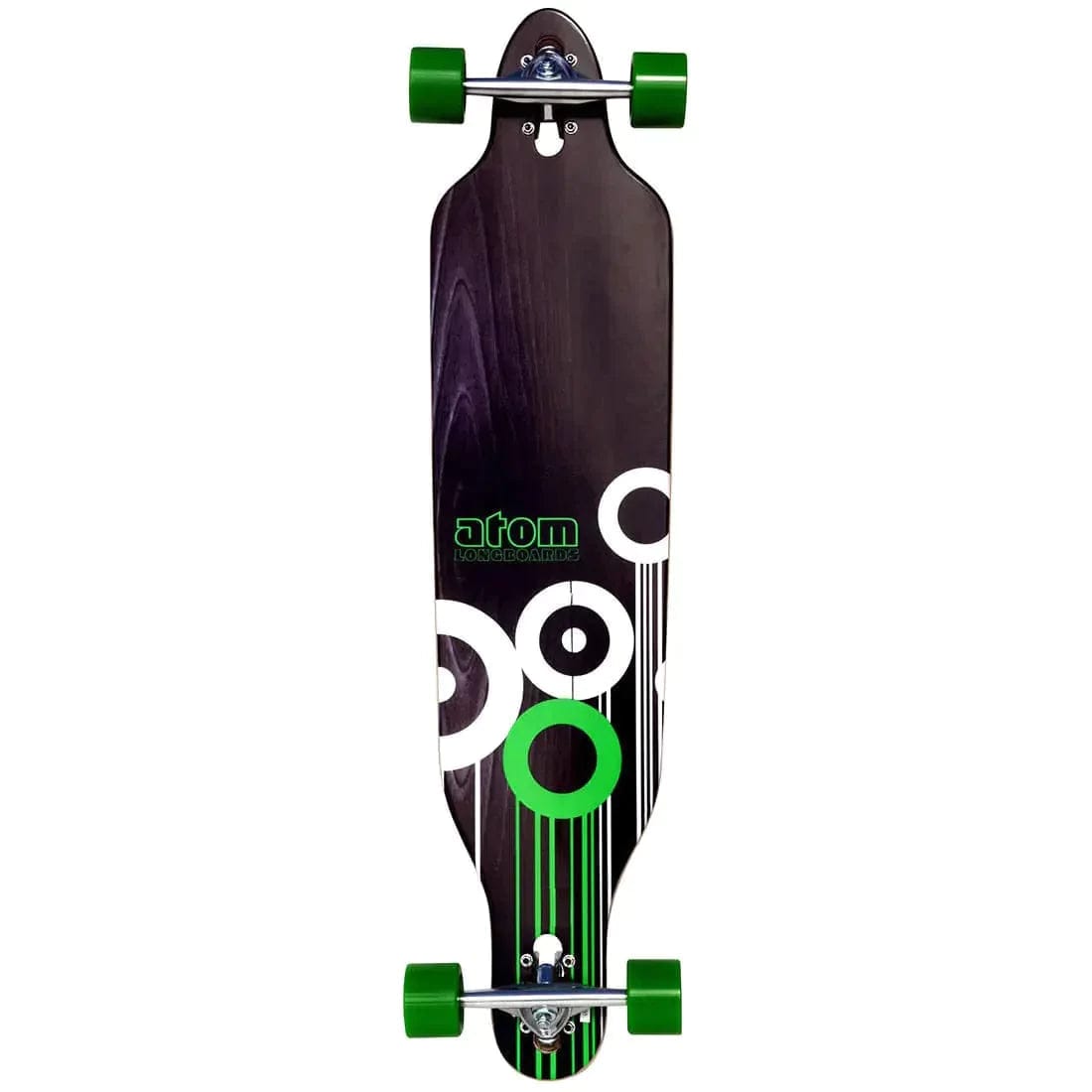
Longboards are all about smooth, stable riding. Their longer decks and larger, softer wheels roll easily over cracks and rough pavement, making them ideal for cruising, commuting and relaxed carving. Shapes vary: pintails suit easy cruising, while drop-through decks sit lower for stability at higher speeds and downhill riding. If you want a comfortable ride to get around or to carve the seafront, a longboard is the natural choice, with the shape chosen to match how fast and how far you want to go.
Mountainboards for Off-Road
Mountainboards take skateboarding off the pavement and onto dirt, grass and trails. They feature sturdy decks, foot bindings to keep you secure over rough ground, and large air-filled tyres that absorb bumps and roll over uneven surfaces. They are built for adventure and all-terrain fun, and some riders even use them for kite-powered riding. If you want to ride away from smooth surfaces, a mountainboard opens up a whole new kind of terrain.
How to Choose the Right Board
A few questions make the choice clear:
- Where will you ride? Street and park, pavements and paths, or off-road trails
- What is your goal? Tricks, cruising, commuting or downhill thrills
- What is your experience? Beginners often find longboards and wider decks more forgiving
- Deck size and shape: match these to your feet, terrain and riding style
If you simply want to cruise and get around, a longboard is the easiest and most comfortable starting point, while trick riders should look at a classic skateboard.
Safety and Protective Gear
Whatever you ride, protective gear is well worth having. A helmet is the single most important item, and knee pads, elbow pads and wrist guards all help as you learn and push your riding. Beginners in particular benefit from building confidence on smoother surfaces before taking on speed or rough terrain, and learning to fall safely is part of the process. Riding within your limits and wearing the right protection keeps the fun going and the injuries at bay.
Caring for Your Board
A little maintenance keeps a board rolling smoothly.
- Keep the bearings clean and dry, as water and grit wear them quickly
- Check the trucks and bolts are tight before riding
- Inspect the deck for cracks and the wheels for flat spots
- Store indoors, away from damp, to protect the deck and bearings
- Replace worn wheels, bearings and grip tape as needed
Keeping bearings clean and bolts tight makes the biggest difference to how a board rides and how long it lasts.
Understanding Trucks, Wheels and Bearings
Beyond the deck, the components underneath shape how a board rides. Trucks are the metal axles that let you turn and carve, and their width should roughly match the deck so the board feels balanced. Wheels vary in size and hardness: larger, softer wheels roll smoothly over rough ground and suit cruising and longboards, while smaller, harder wheels are quicker and better for tricks and parks. Bearings control how freely the wheels spin, and clean, quality bearings make any board roll better.
These parts matter because they can be tuned and replaced. A cruiser set up with soft wheels feels completely different from a street board with hard ones, even with a similar deck. As you get a feel for how you like to ride, swapping wheels or bearings is a cheap way to change how a board behaves without buying a whole new setup. For a first board, a sensible complete setup takes the guesswork out of matching these parts, and you can fine-tune later.
How Much Do Skateboards Cost?
Pricing in GBP reflects the type, components and build quality. Complete beginner skateboards and simpler longboards sit at the lower end and are great value for getting started, mid-range boards bring better decks, trucks and wheels, and premium longboards, mountainboards and electric boards sit higher because of their components and construction. Matching the board to how often and how hard you will ride is more important than simply buying the cheapest or most expensive option.
Why Buy Your Board from Surface2Air Sports?
We have been kitting out board riders since 2002, from our Poole shop and online.
- A good range of skateboards, longboards and mountainboards
- Boards for street, cruising, downhill and off-road
- Honest advice on the right board for your terrain and style
- In-store help and online support
- Options to suit a range of budgets
To explore the range, take a look at our longboards and mountainboards for the style of riding you have in mind.
Frequently Asked Questions About Skateboards
What is the difference between a skateboard and a longboard?
A classic skateboard is shorter with kicktails and is built for tricks and park riding, while a longboard is longer with soft wheels for smooth cruising, commuting and downhill. Choose based on how you want to ride.
Which board is best for beginners?
Longboards and wider decks are often more forgiving and stable for beginners, especially for cruising. If you want to learn tricks, a classic skateboard is the right type, but expect a steeper learning curve.
Are mountainboards suitable for beginners?
They can be, especially for off-road adventures, but it is wise to build confidence on smoother surfaces first. Bindings and large tyres give stability, though rough terrain adds its own challenge.
What size skateboard deck should I choose?
Narrower decks around 7.5 to 8 inches favour technical street tricks, while wider decks give more stability for ramps and transition. Match the width to your feet and the kind of riding you do.
Can I use a longboard for tricks?
Longboards are built mainly for cruising and downhill rather than technical tricks, though some freestyle longboards offer a compromise. For flips and street tricks, a classic skateboard is far better suited.
How do I look after my board?
Keep the bearings clean and dry, check the trucks and bolts are tight, inspect the deck and wheels for wear, and store it indoors away from damp. Replace worn wheels, bearings and grip tape as needed.
Let customers speak for us
The bag is sturdy, spacious and water proofed on the inside. In addition, it can be worn as a backpack but it also comes with a strap for putting over a shoulder as a bag. I am happy with the purchase.

My first order of gummy straps never arrived so I contacted S2AS and they were very apologetic as Royal Mail had lost my parcel. They immediately sent out a second sets of straps which arrived the following day.
The customer service I recieved was exceptional and I would highly recommend this company for their swift response. I will definitely order with them again.

the whole exercise

item as dscribed, looks fantastic

As described and looks fantastic. thank you
My first board and binding set up after using hire equipment for over a year. These will take some getting used to but step in and strap is a vast improvement. Large to size 12UK looks like it only just fits across the toe strap.
S2AS are my go to online store for anything Snowboarding related and as they say any query just pick up the phone and speak to Ollie (who sounds a lot like Jamie Lang)

Wait for snow
Loved the service in the shop Ollie was very helpful and a pleasure to deal with. Recommend highly
Kind regards
Matt

2026 Slingshot KTV EverShred Wakeboard Bindings

Exceptionally quick delivery, would definitely recommend buying from this site

Hi my in store experience was fantastic from email to shop with your representative Ollie could not have been more polite & helpful
Once I’ve tried the bourd I will send further feedback
Hope your all well
Kind regards
Matt

We ordered a large amount of items that all arrived safely, we kept everything save two jackets which we ordered wrong, but the team were great, we sent them back and got a refund with no hassle. Will definitely use in the future!

Great graphics, good fit and quality

I purchased a wing that was 70% off and I am delighted with my new toy. I had it out today for the first time and despite only being a 2.8m wing, the power and control was amazing. It is so good that I am tempted to buy a bigger size to add to my collection. Thanks again S2AS for another great product for a bargain price 😊

Great carbonboard from Shinn and Raptor fin set at a good price from Surface2Air Sports. Delivered without any problems.

Really well made, super comfortable and love the carry wrap that they are supplied in. Much better than the usual drawstring bags that disintegrate. Best beach chair yet