Sort by
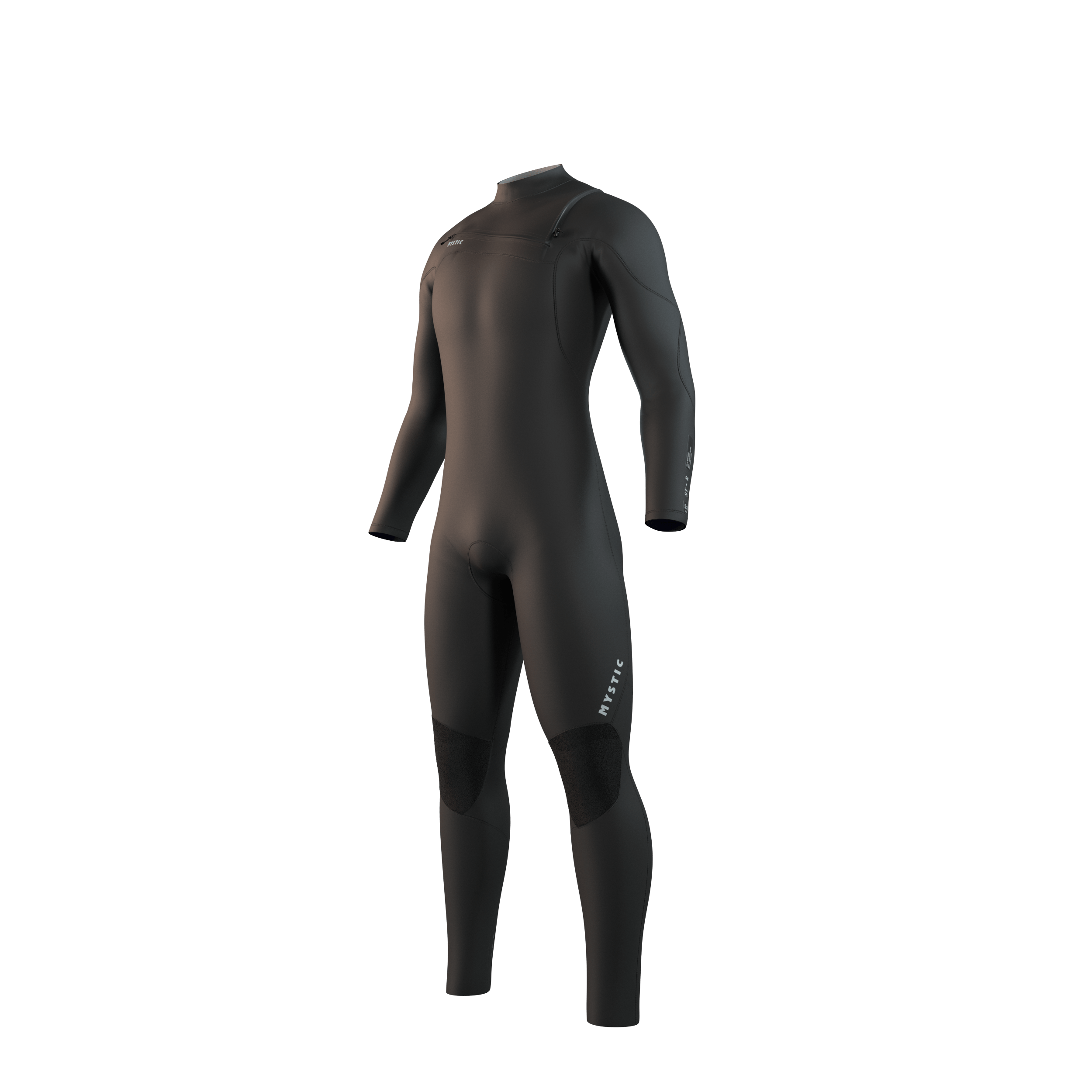
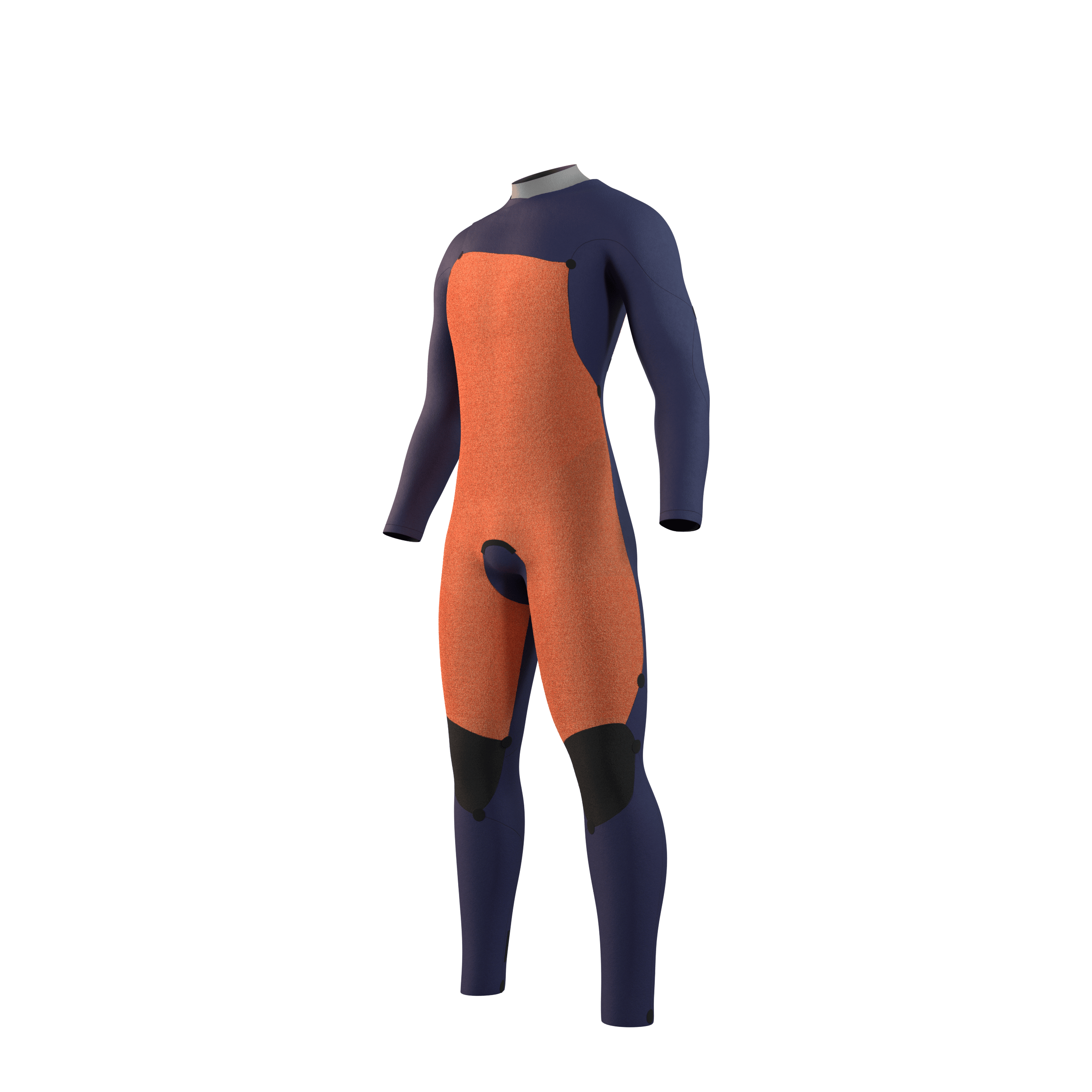
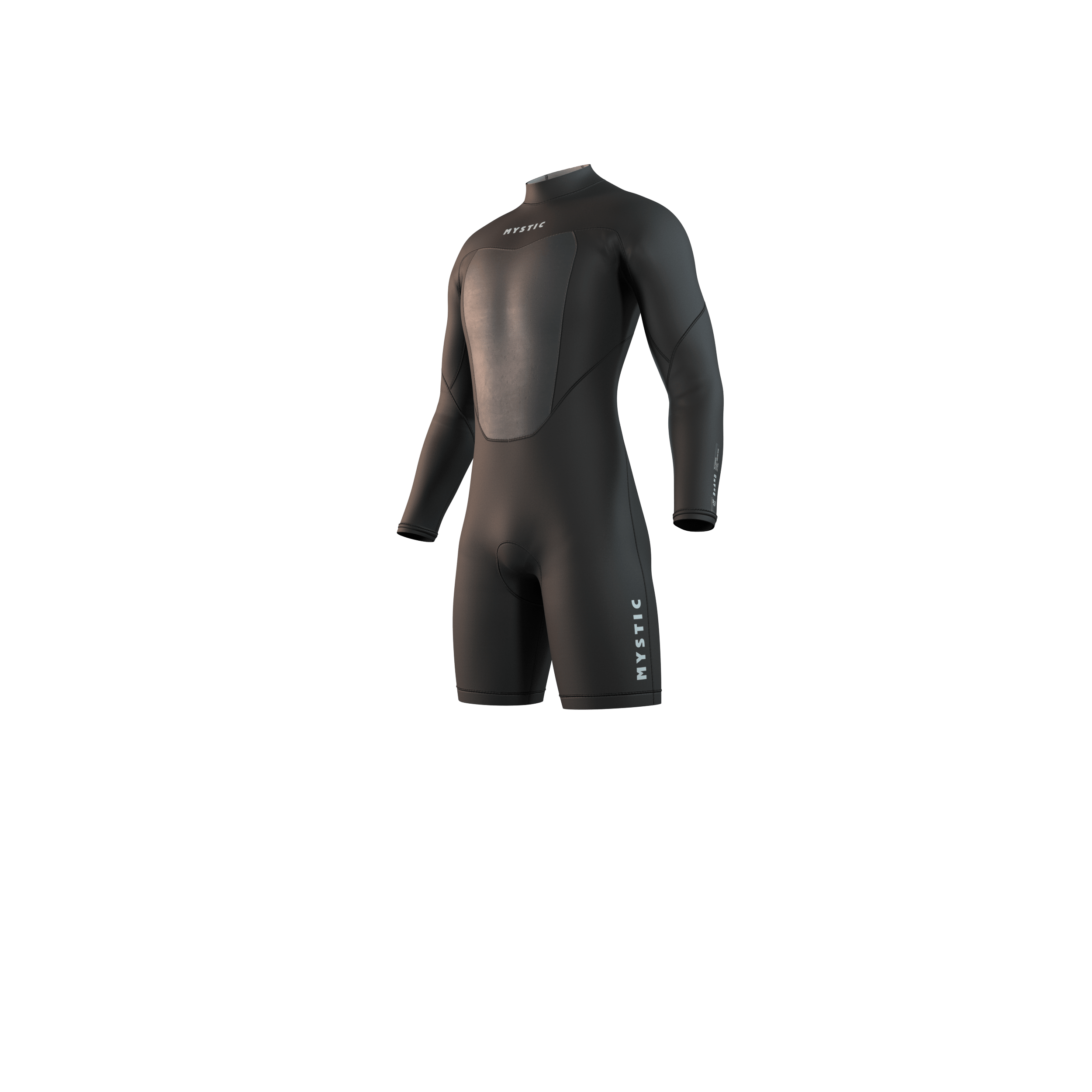
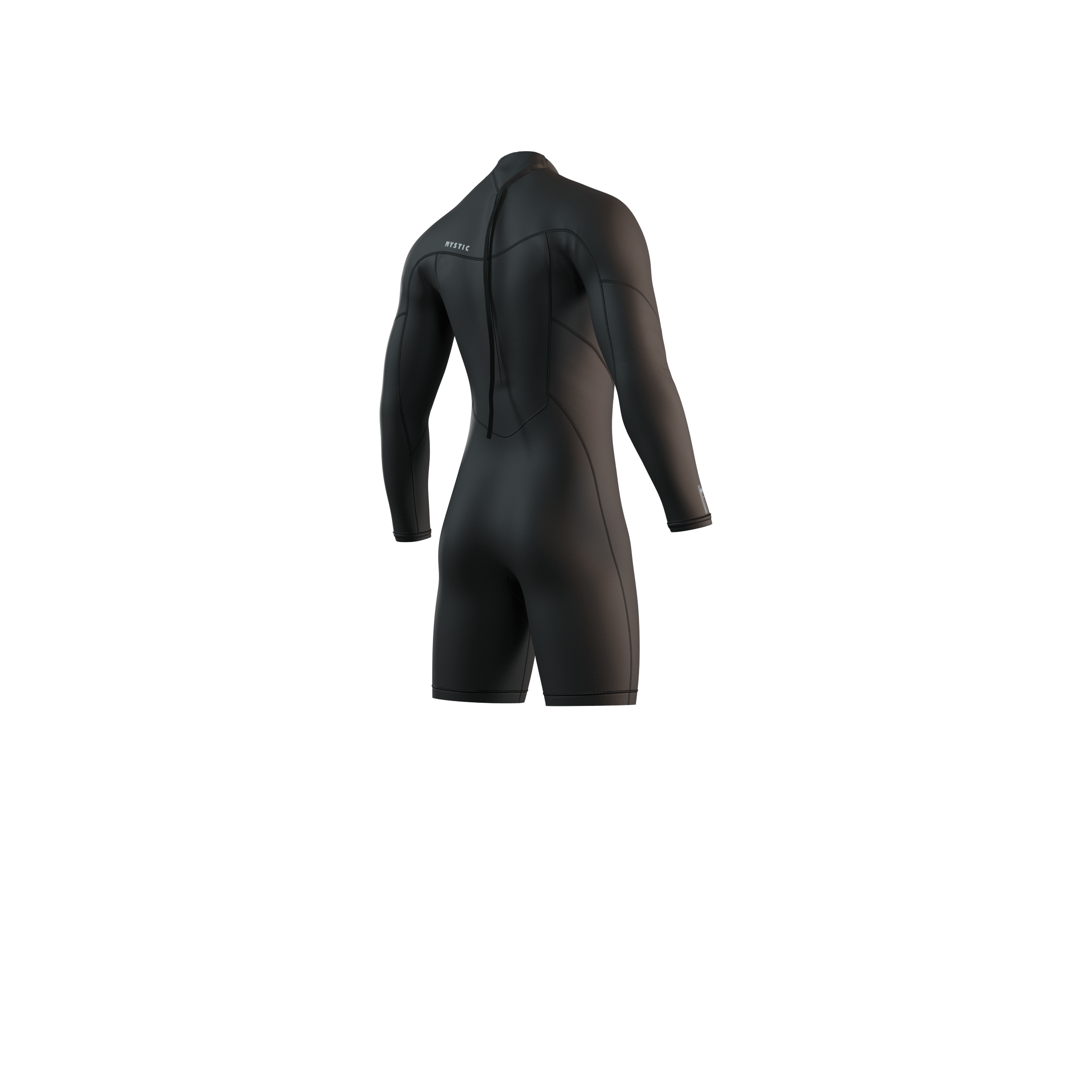
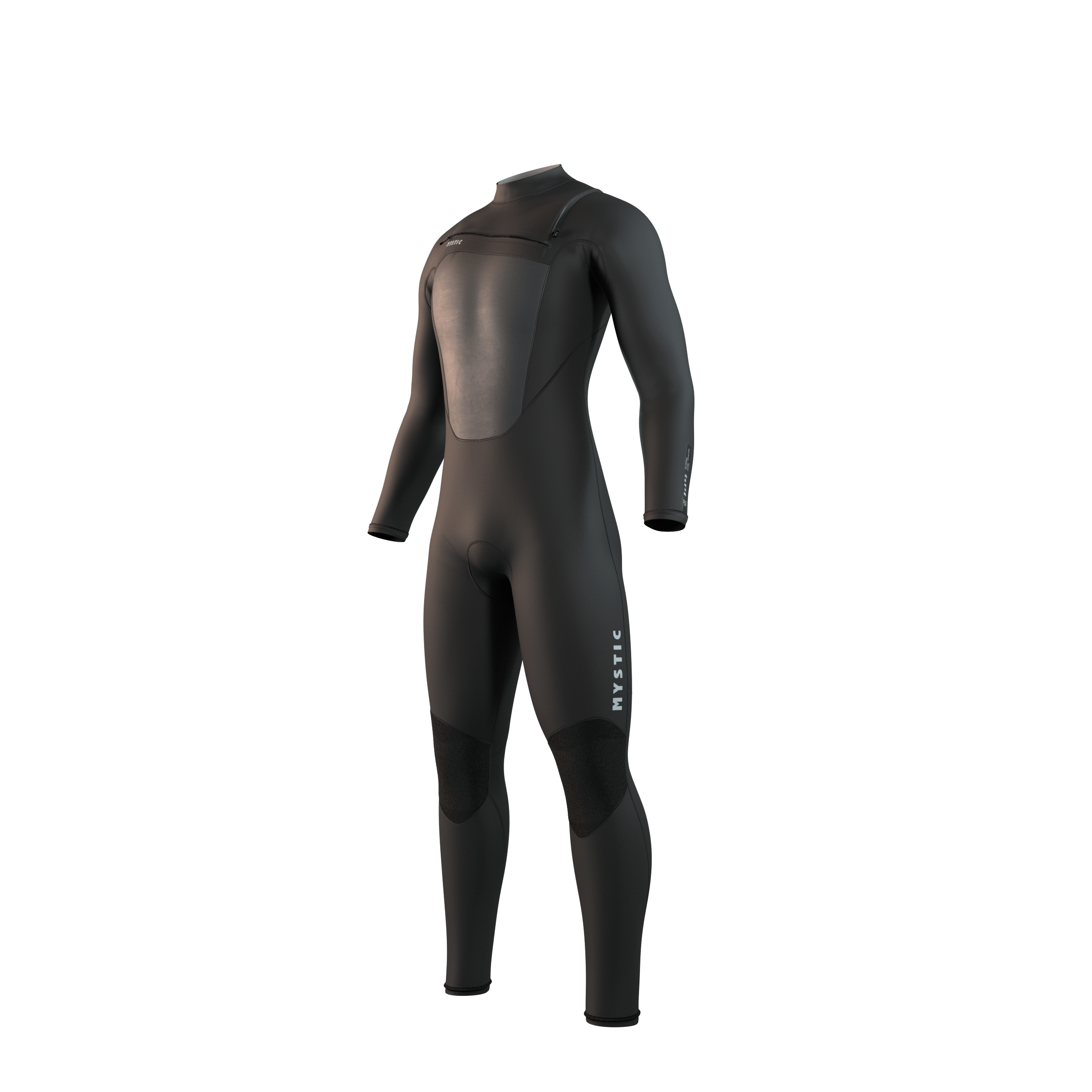
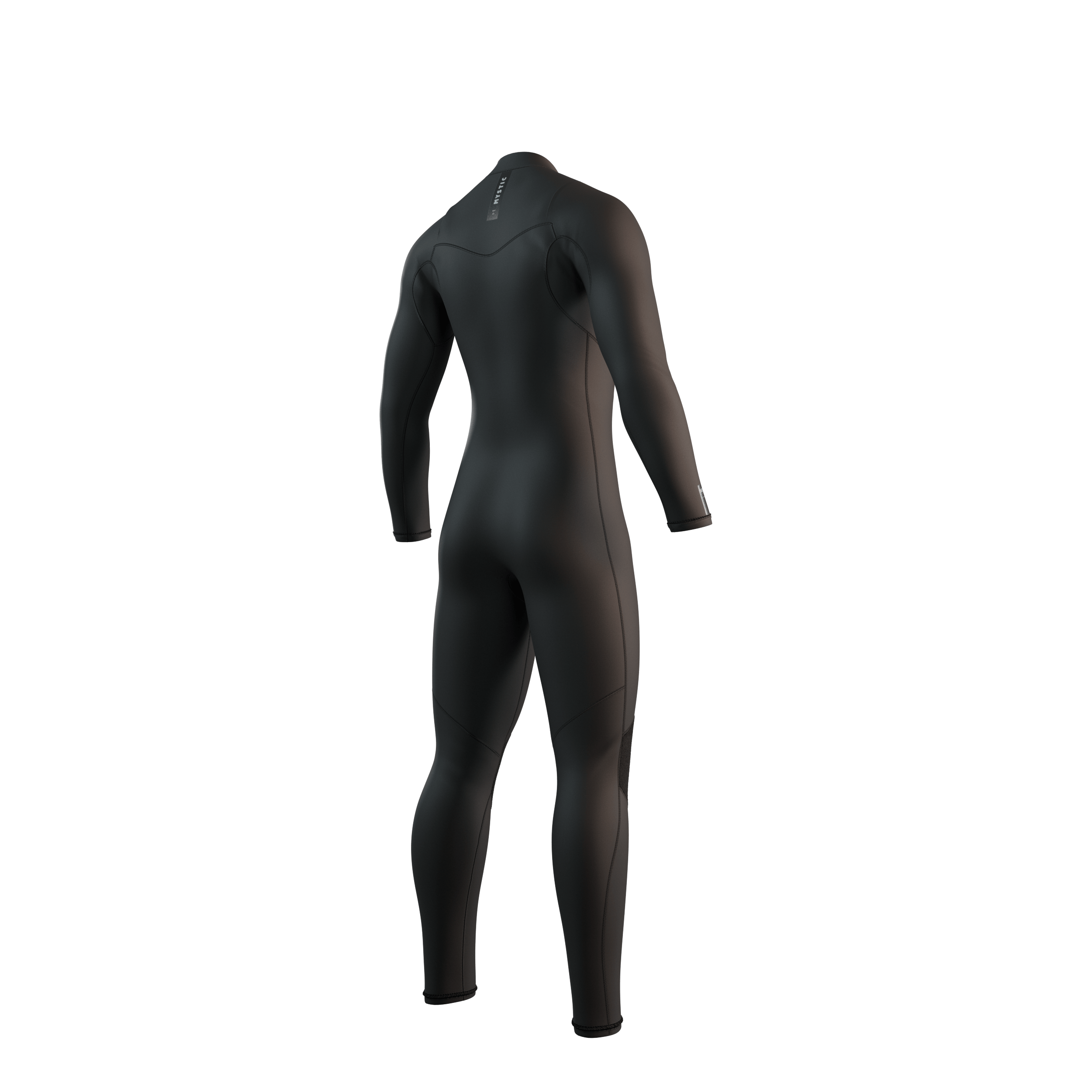
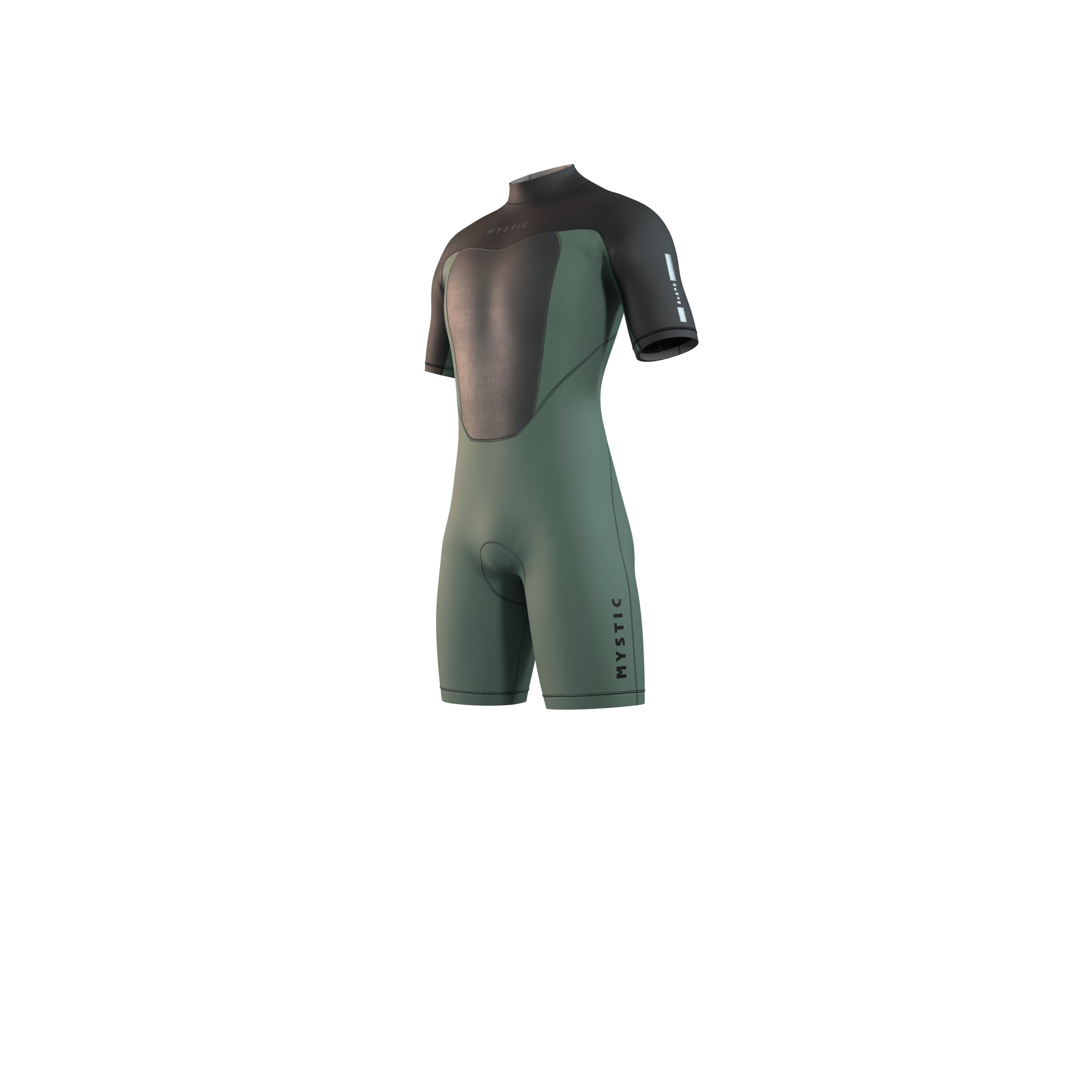
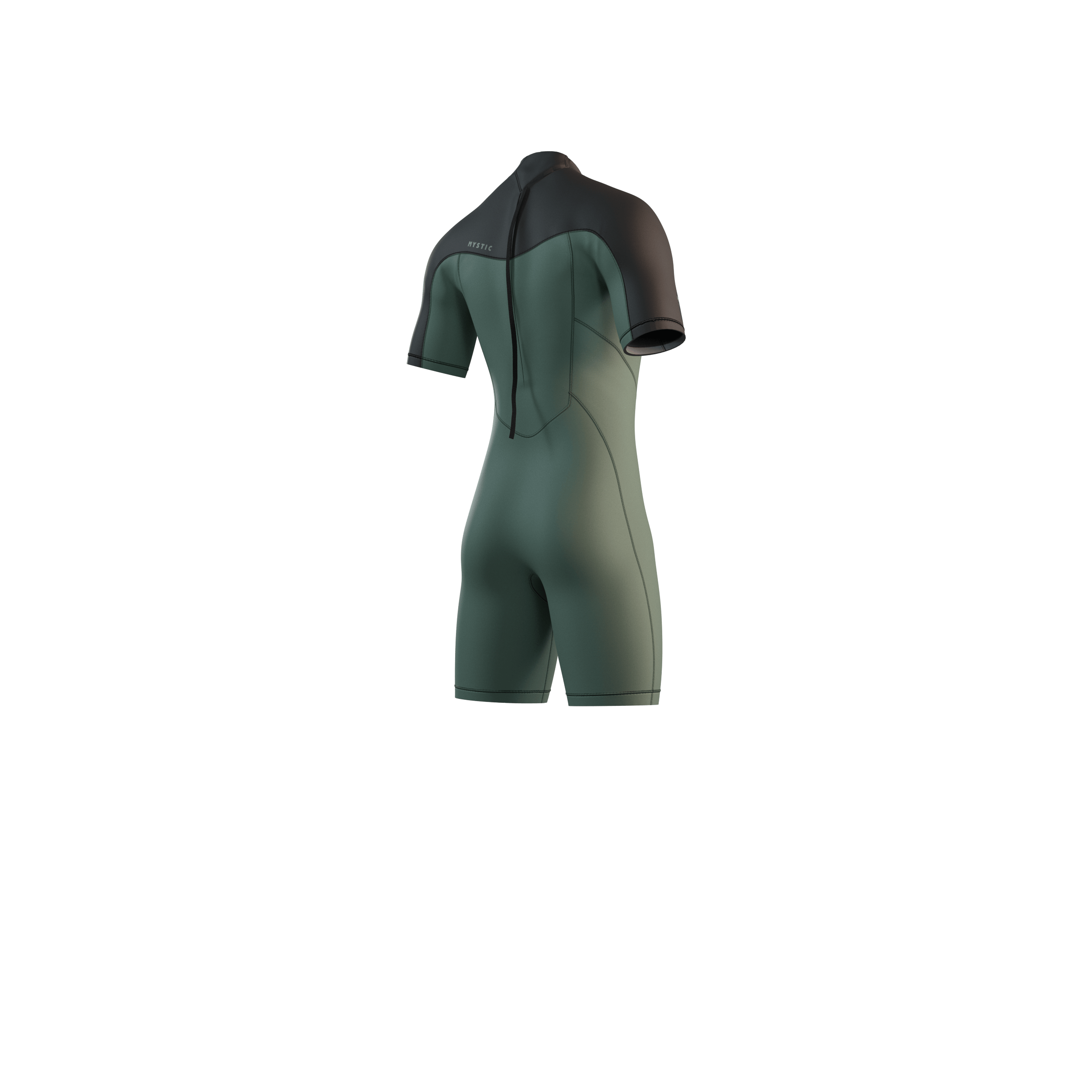
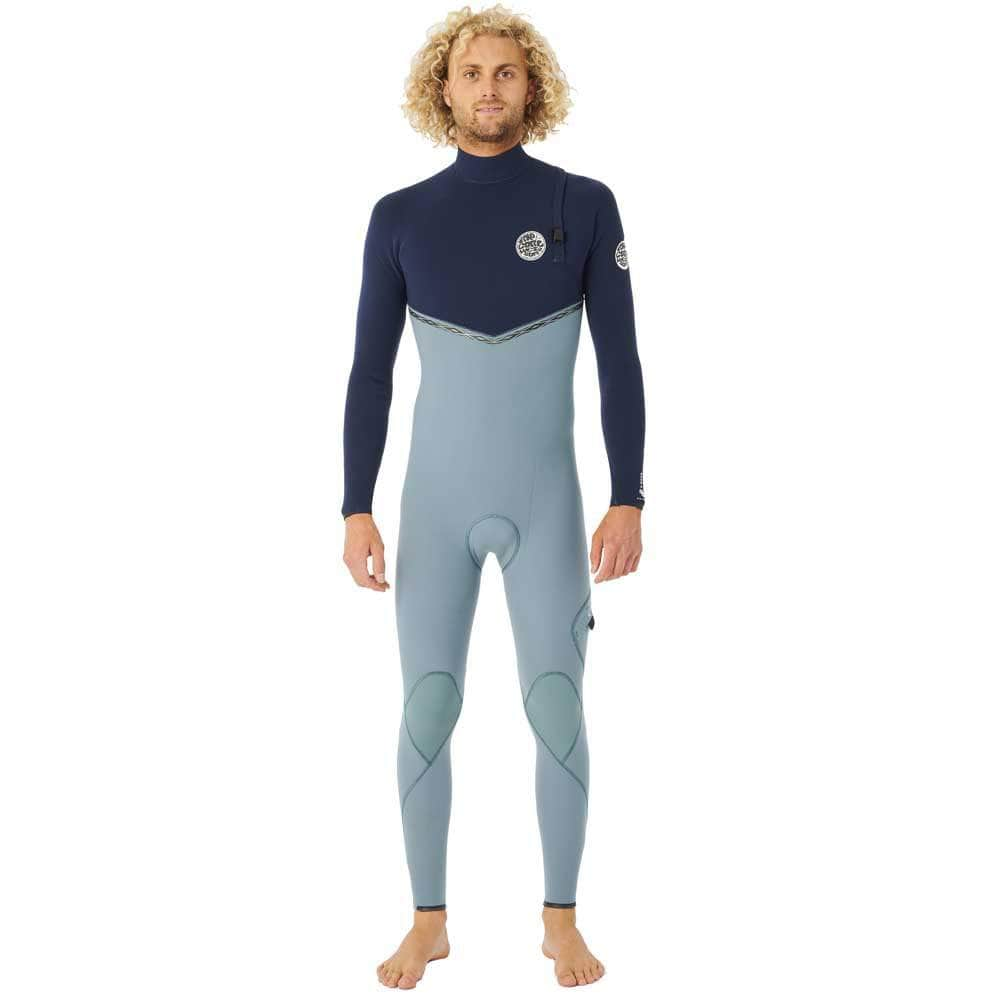

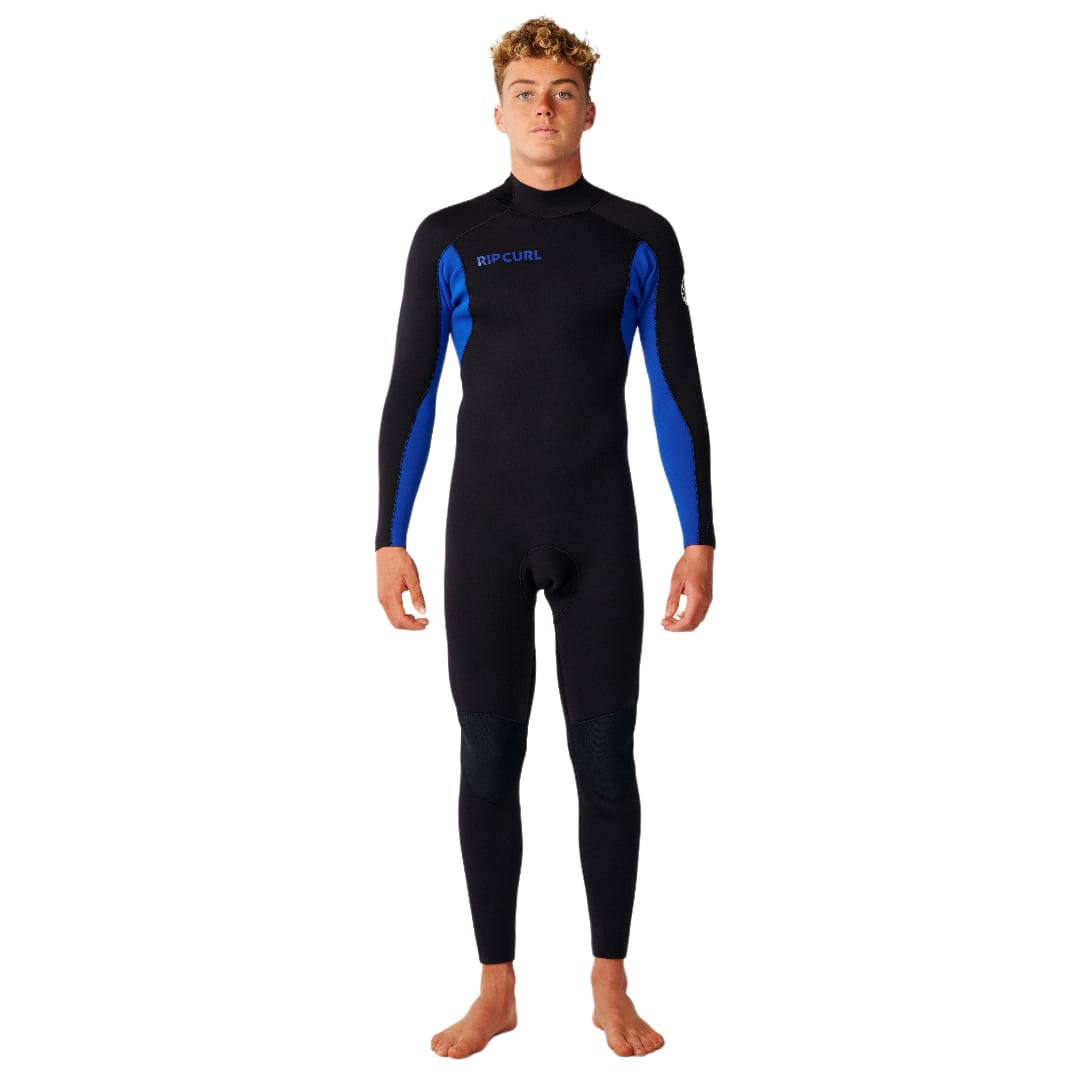
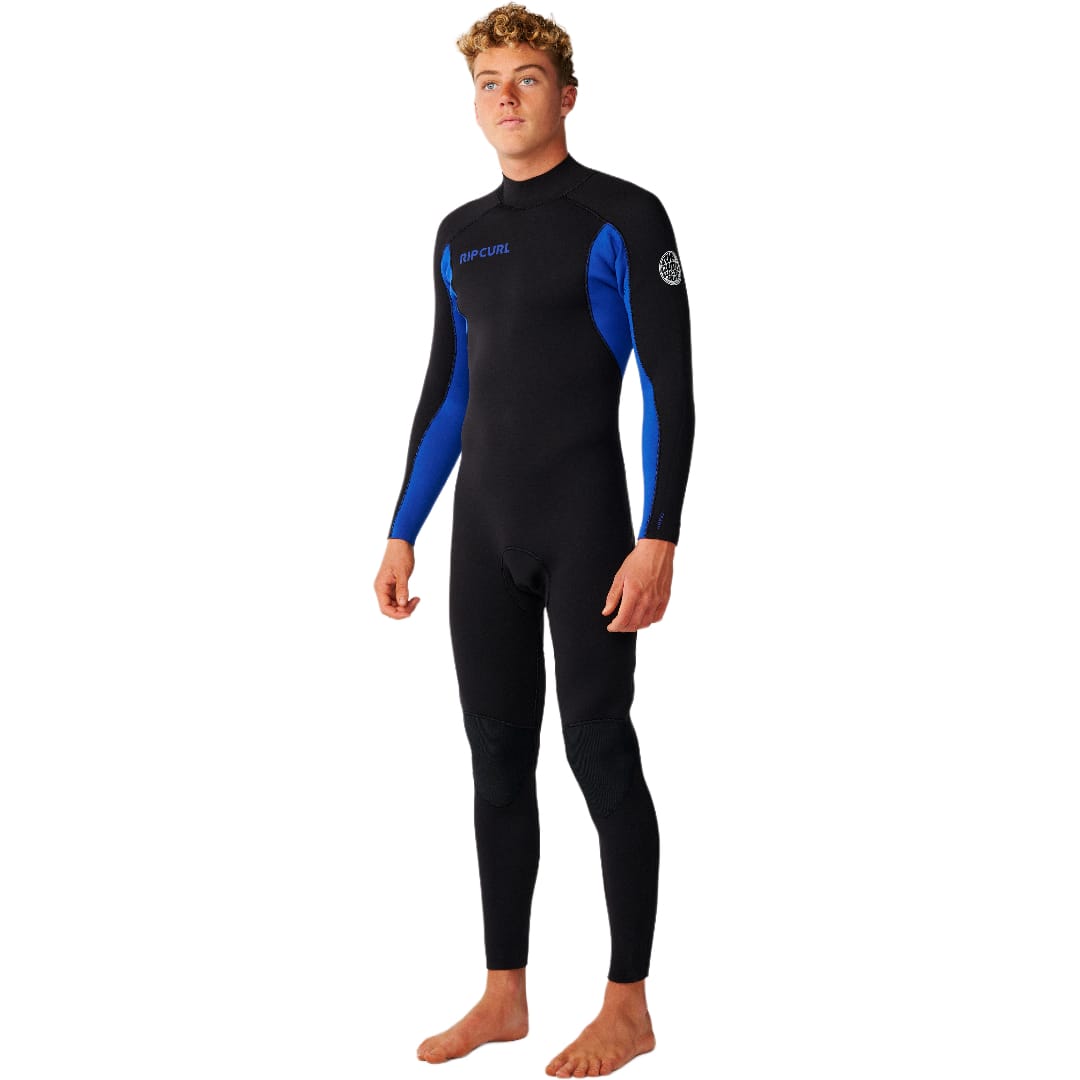
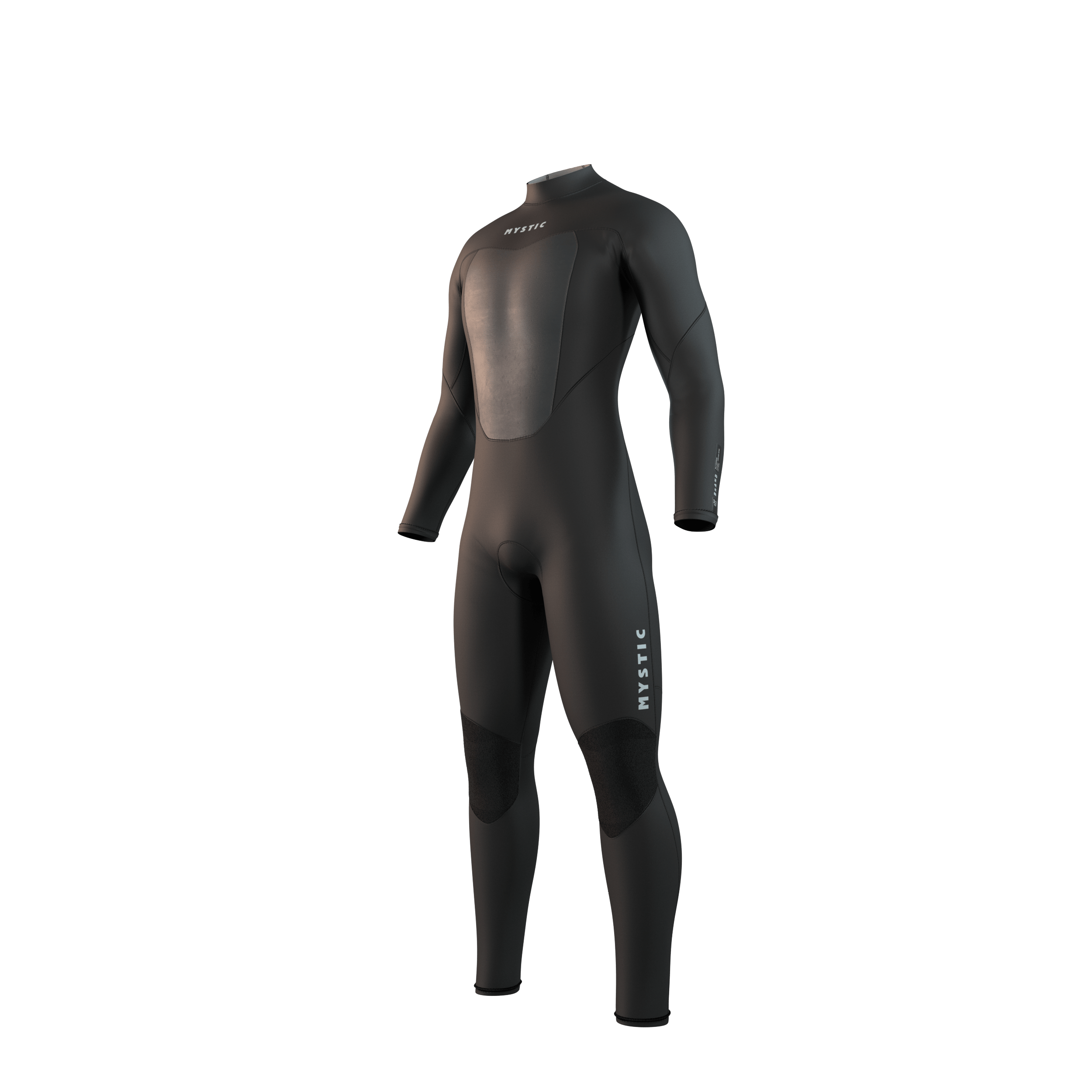
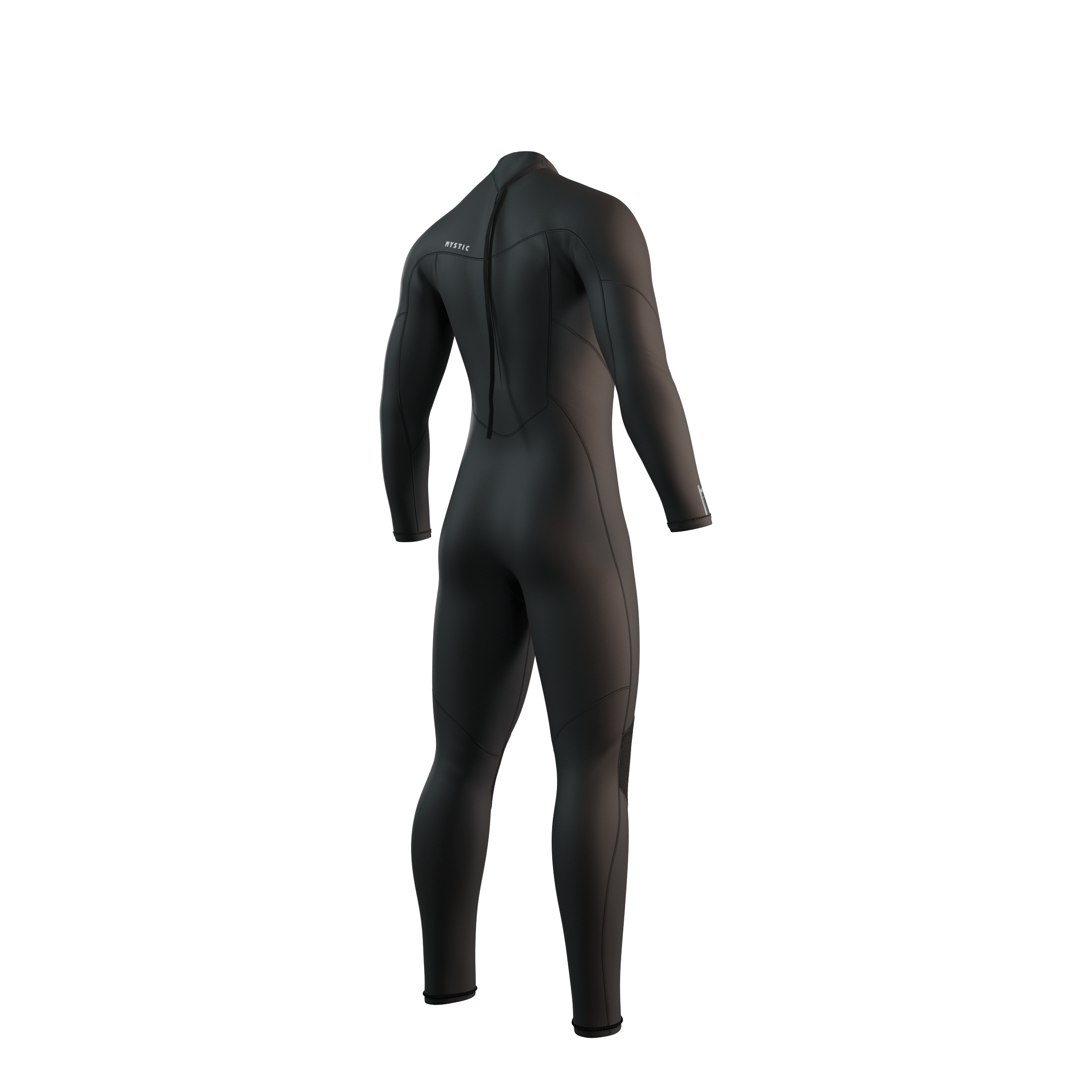
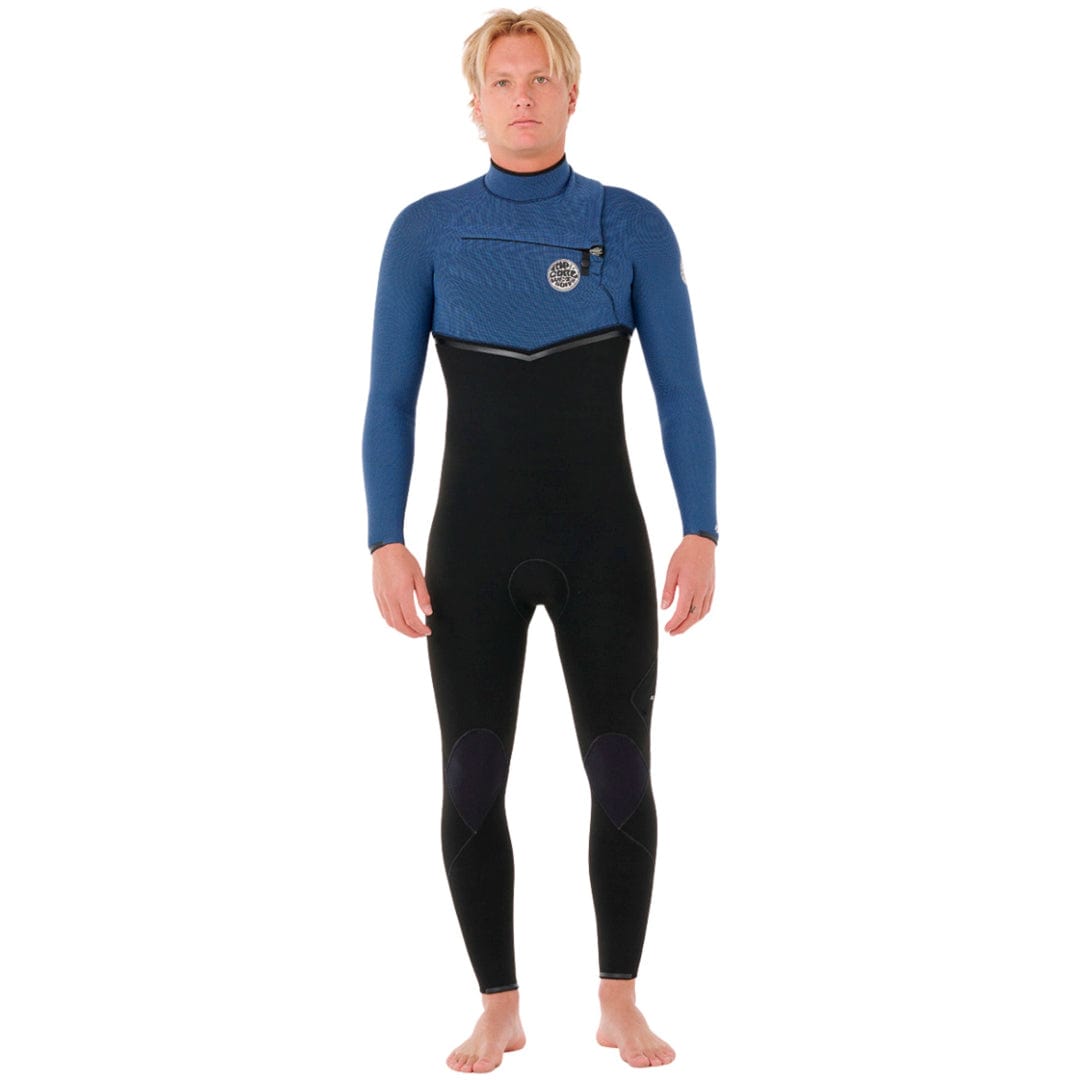
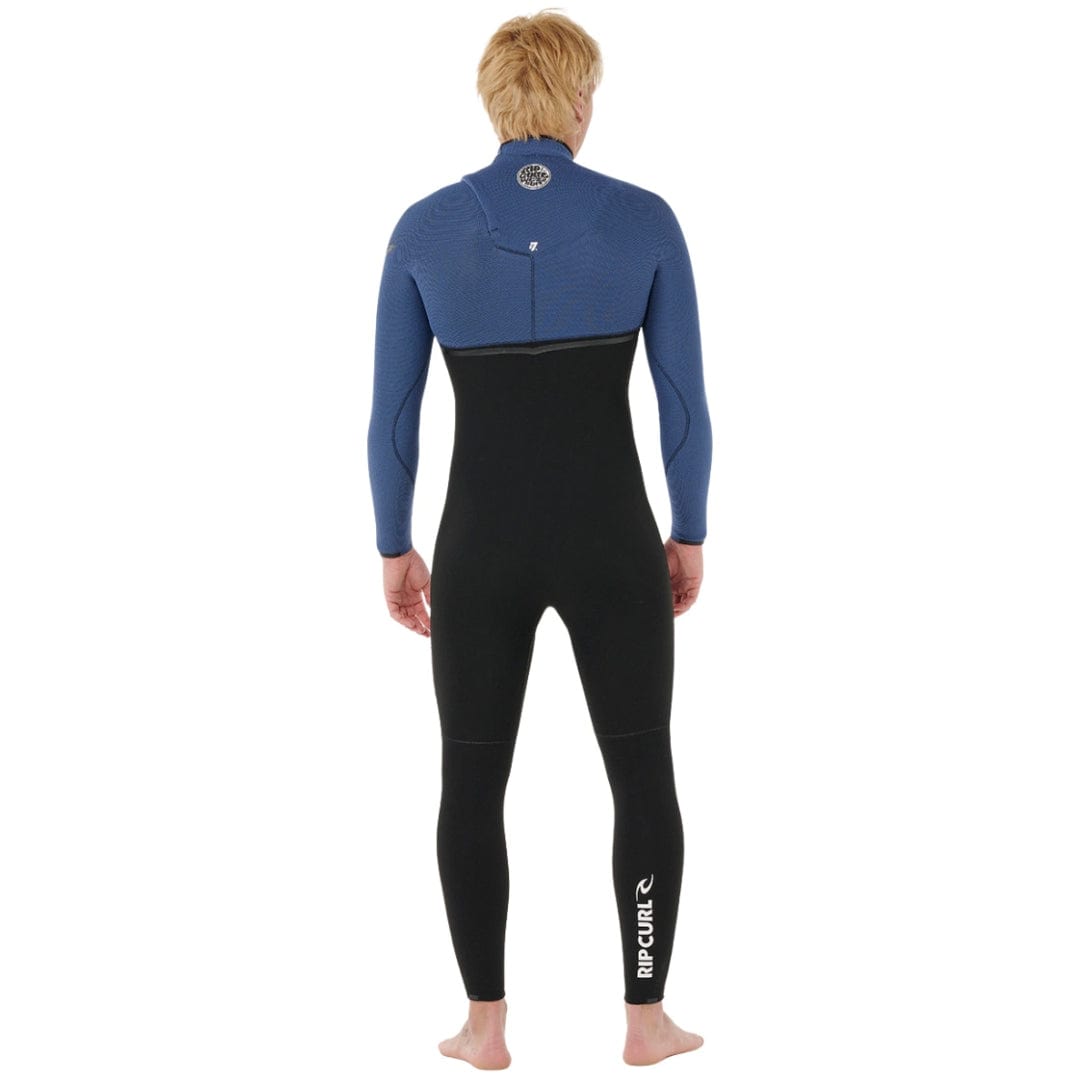
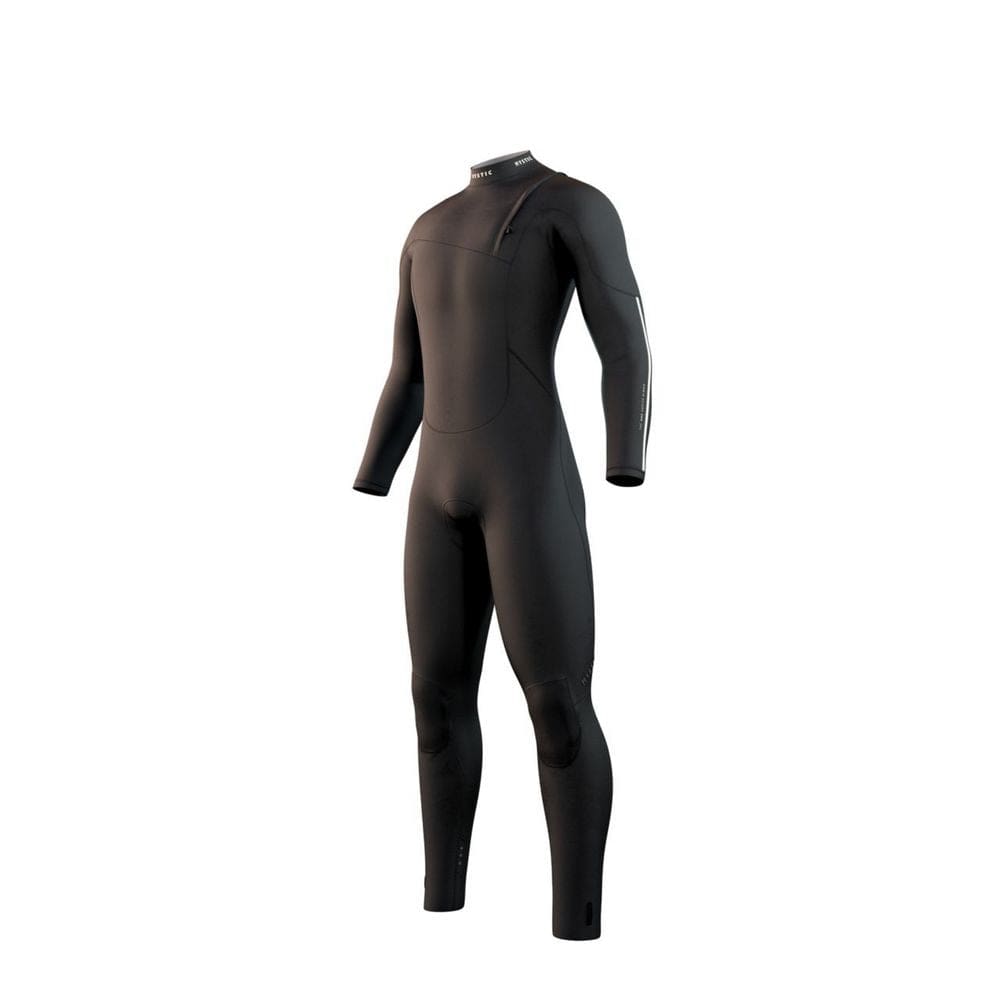
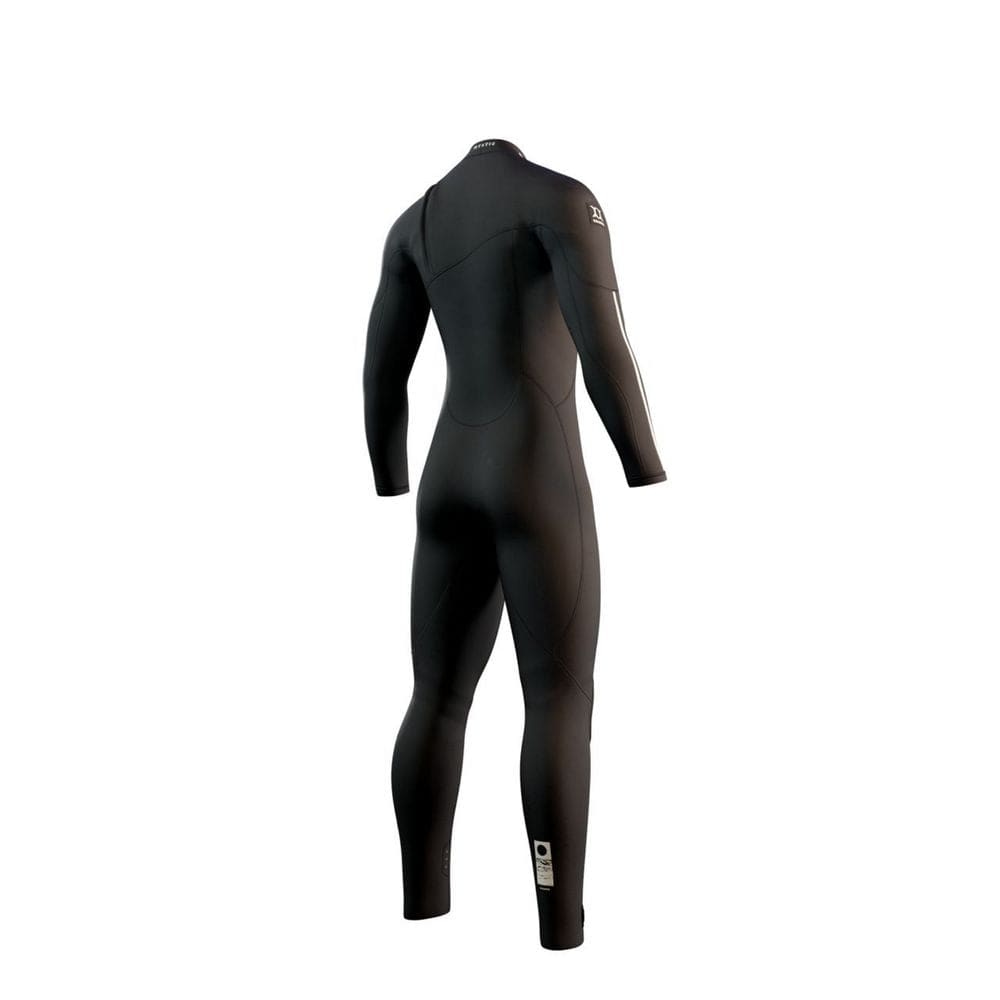
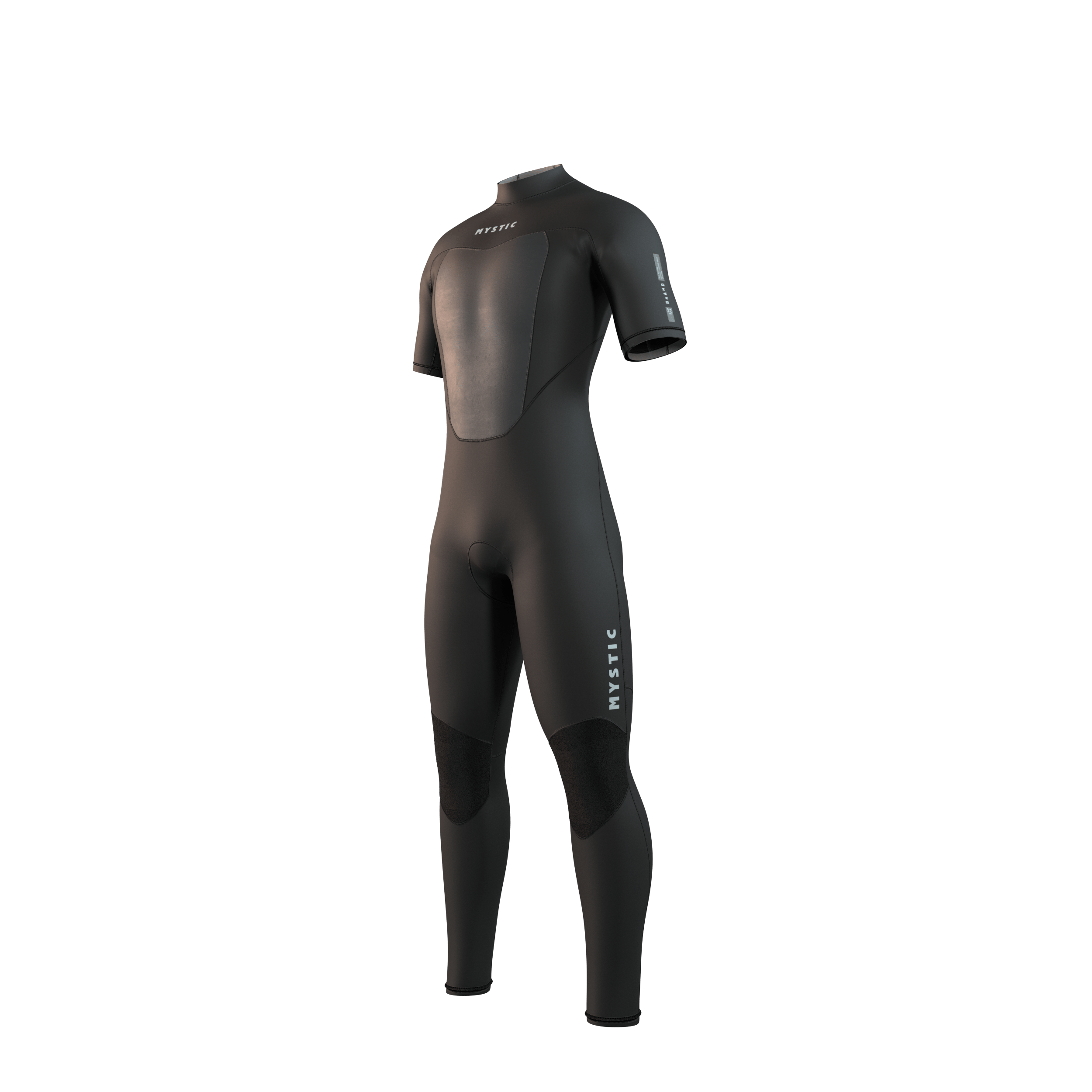
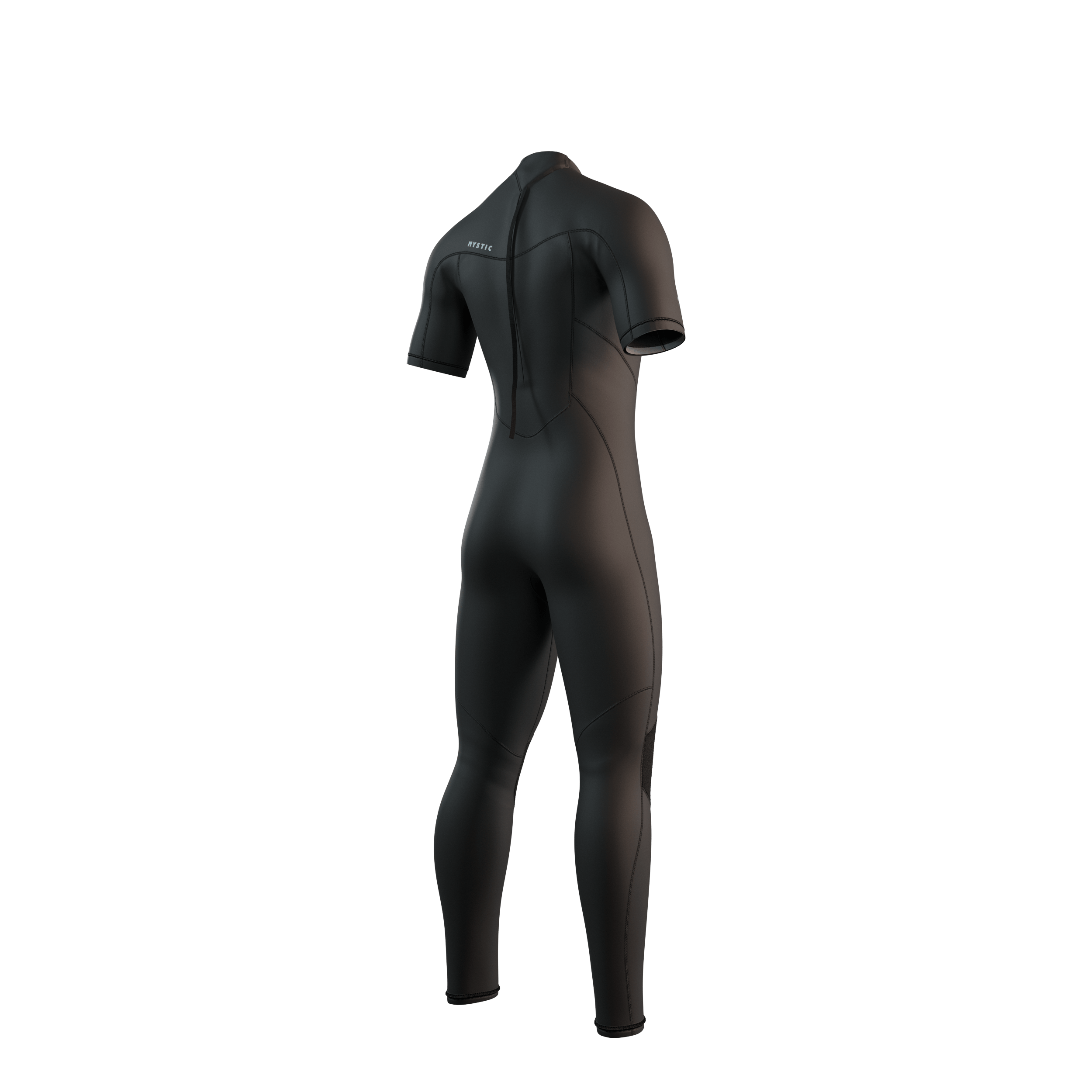
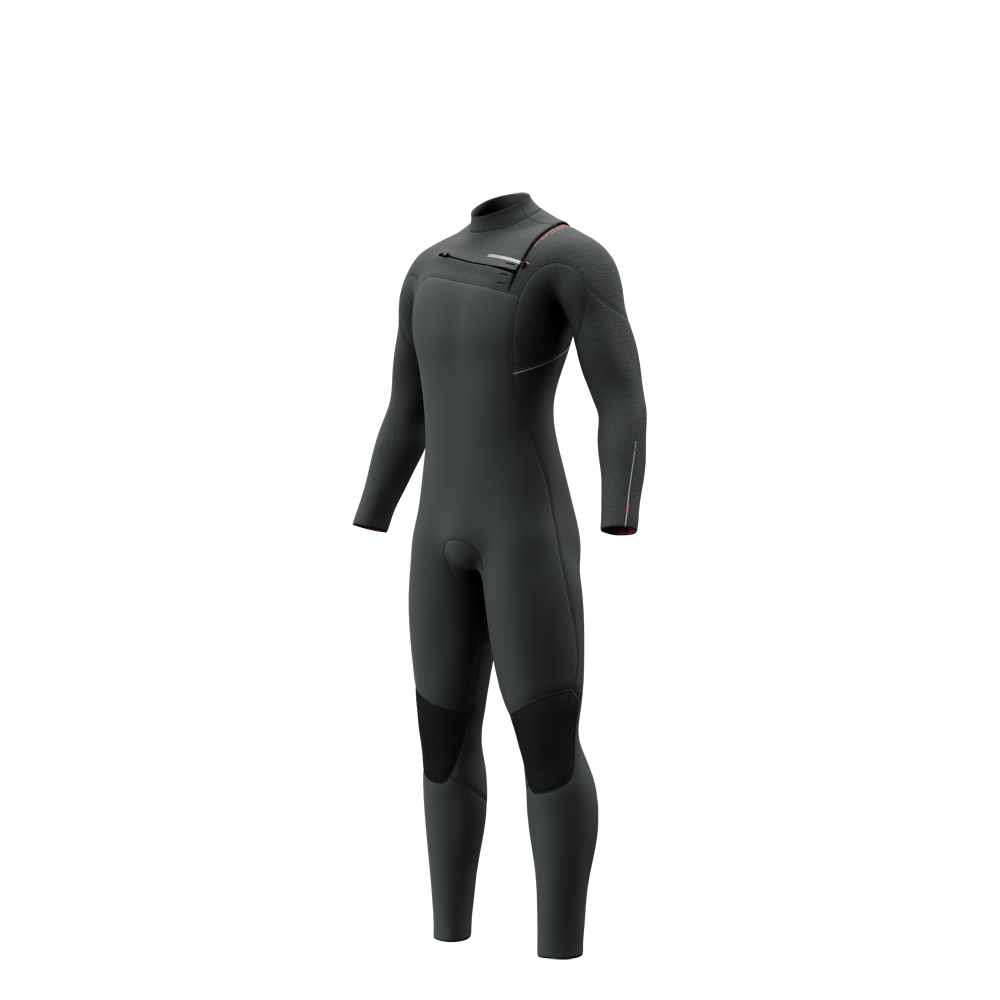
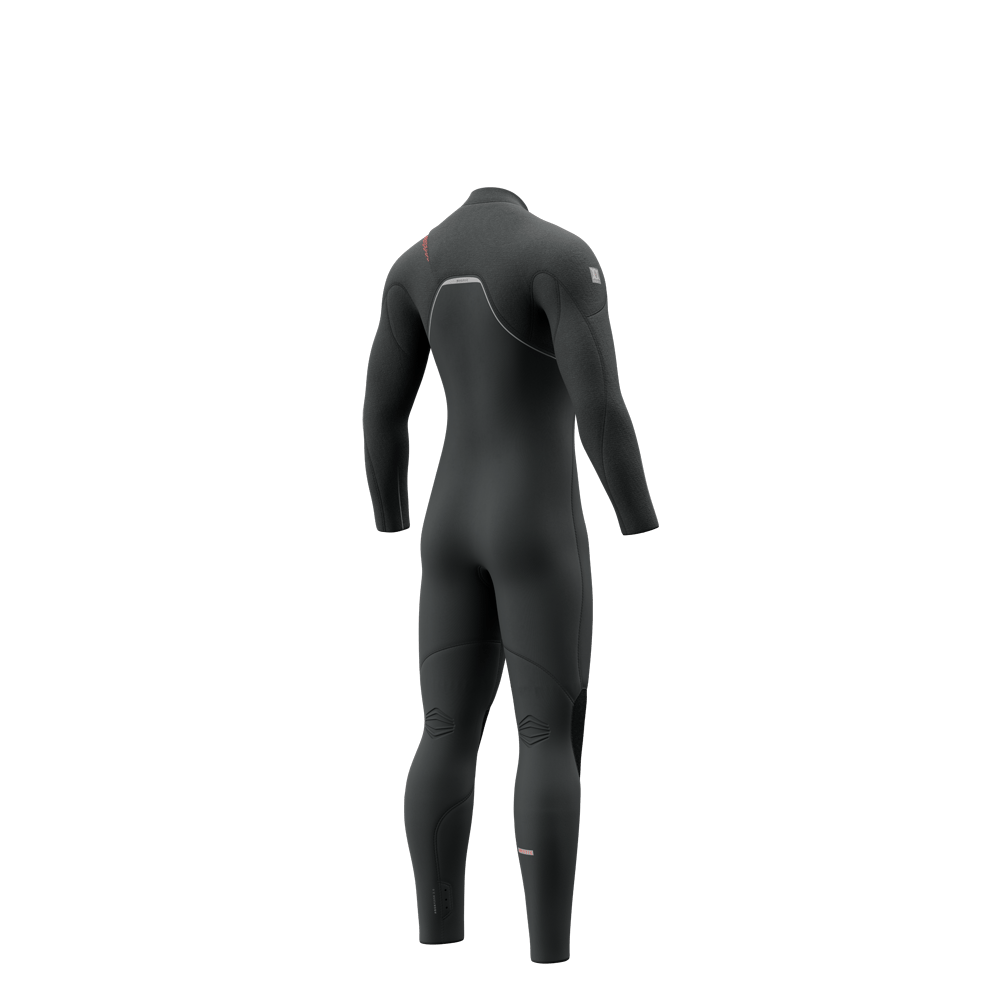
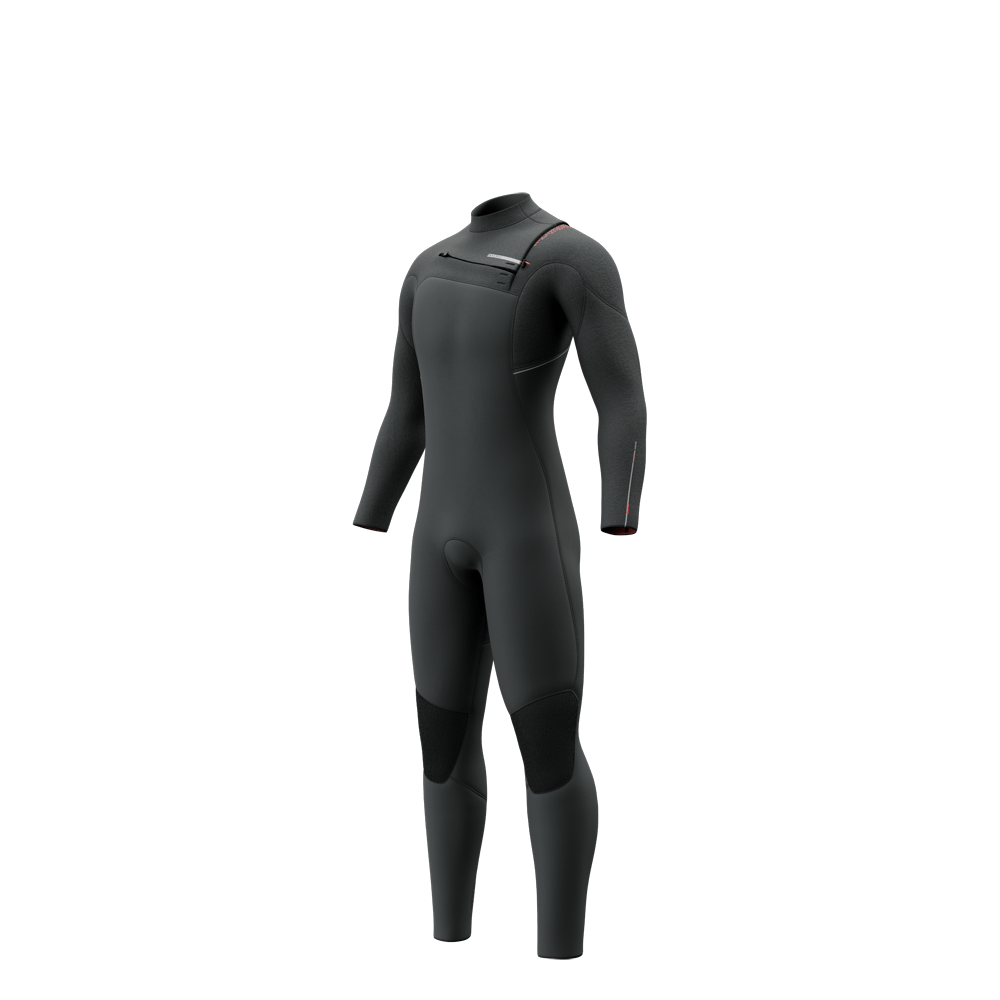
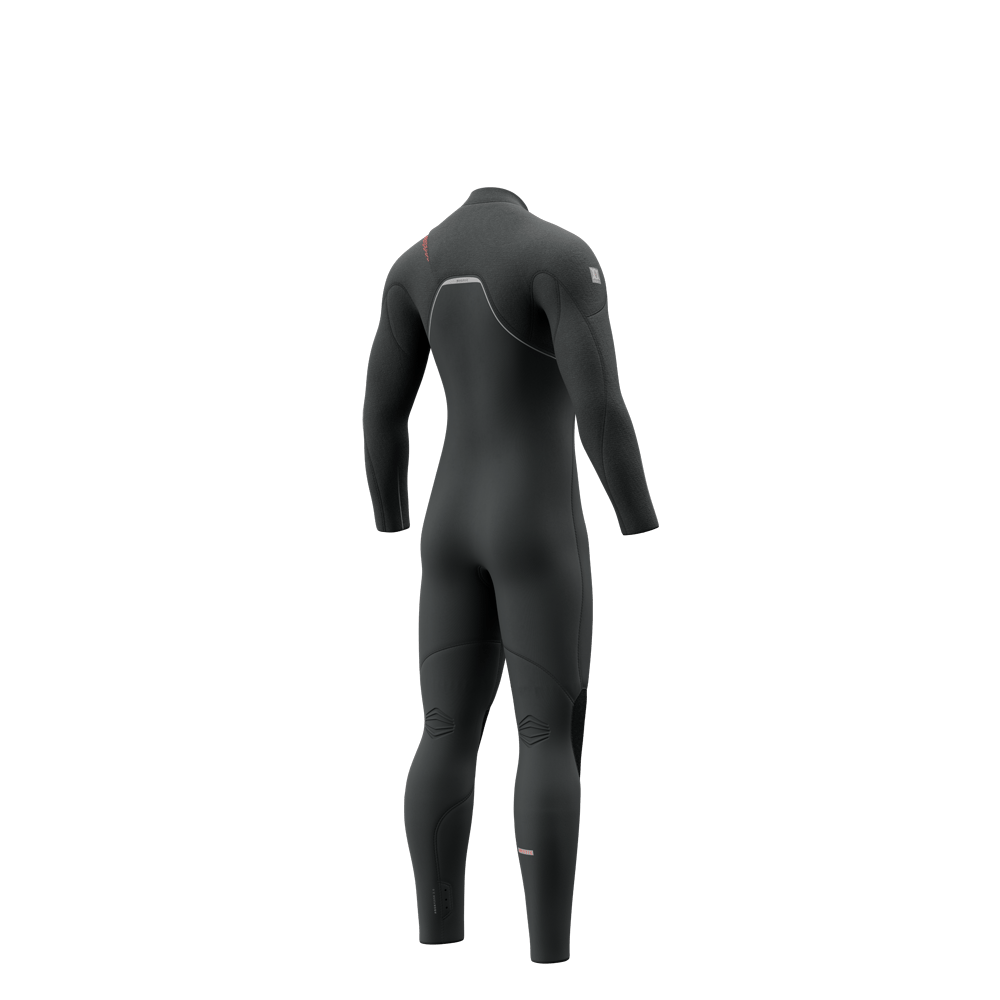
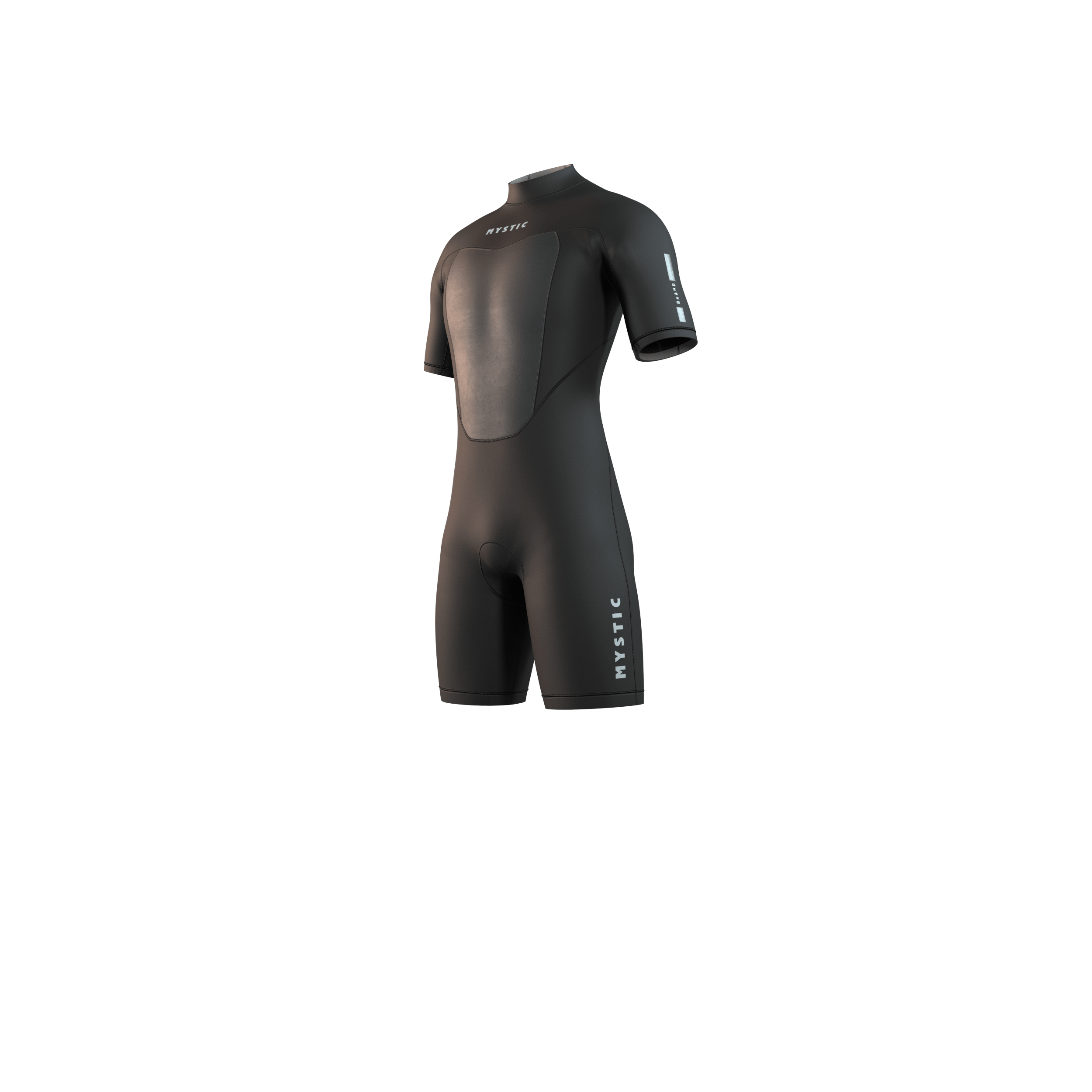
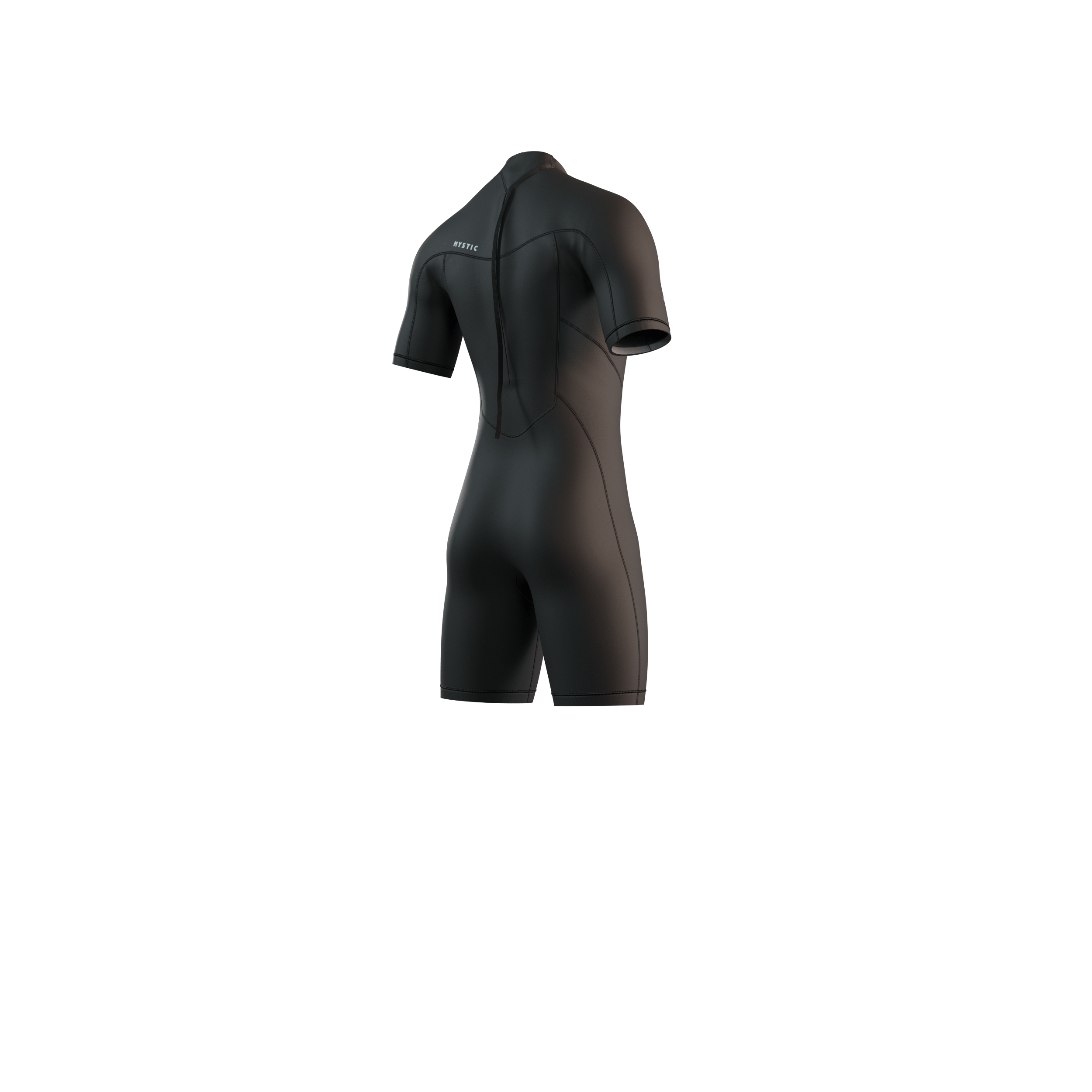
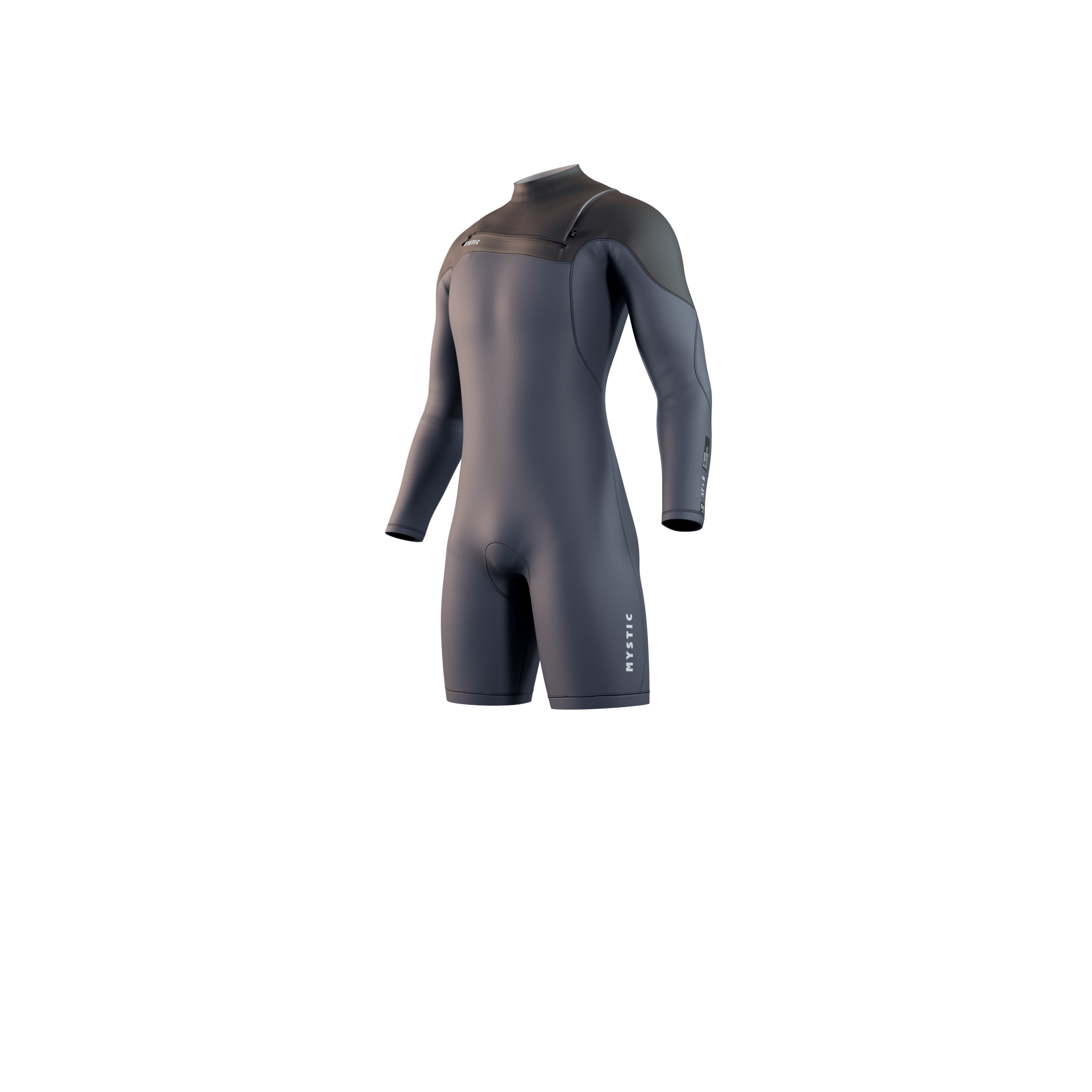
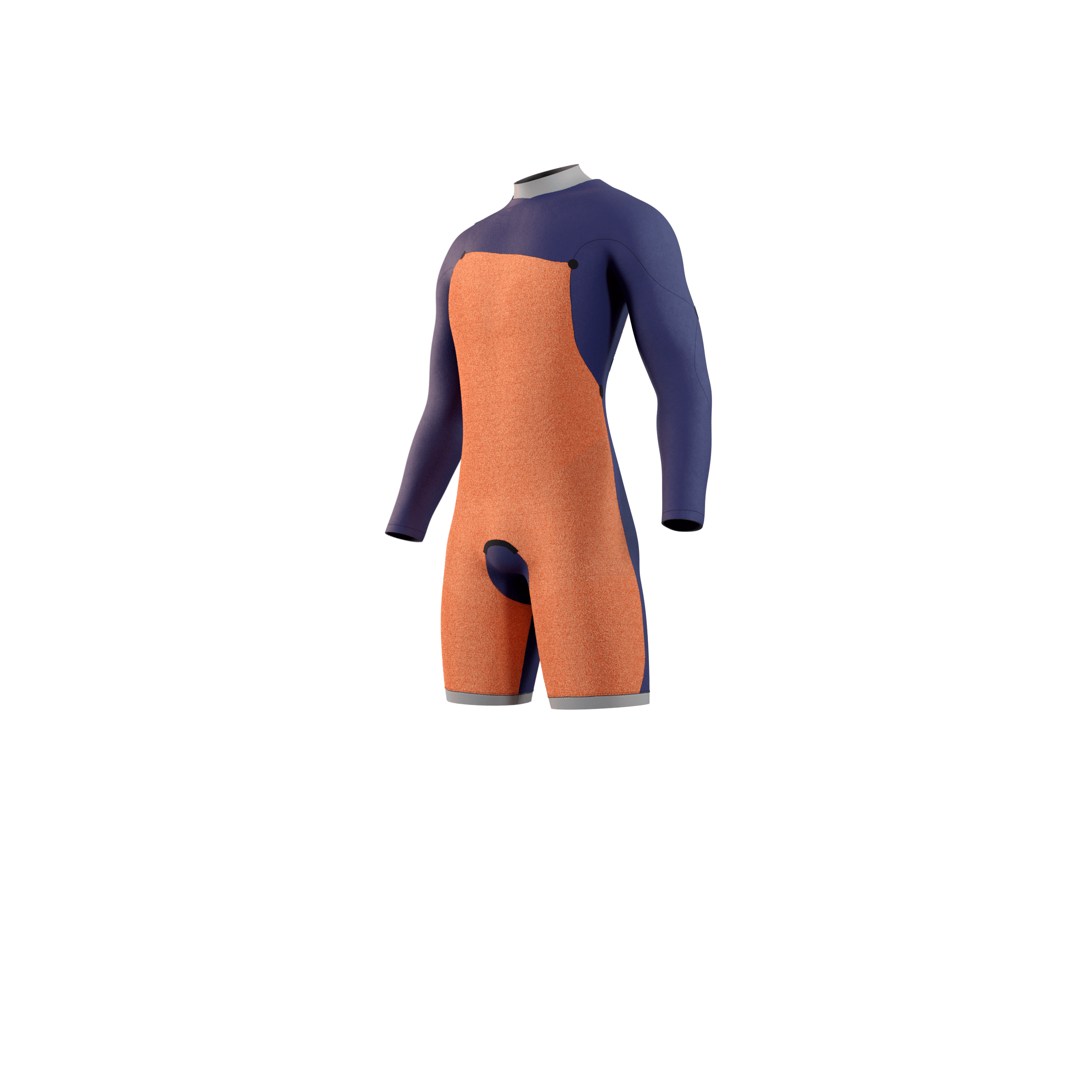
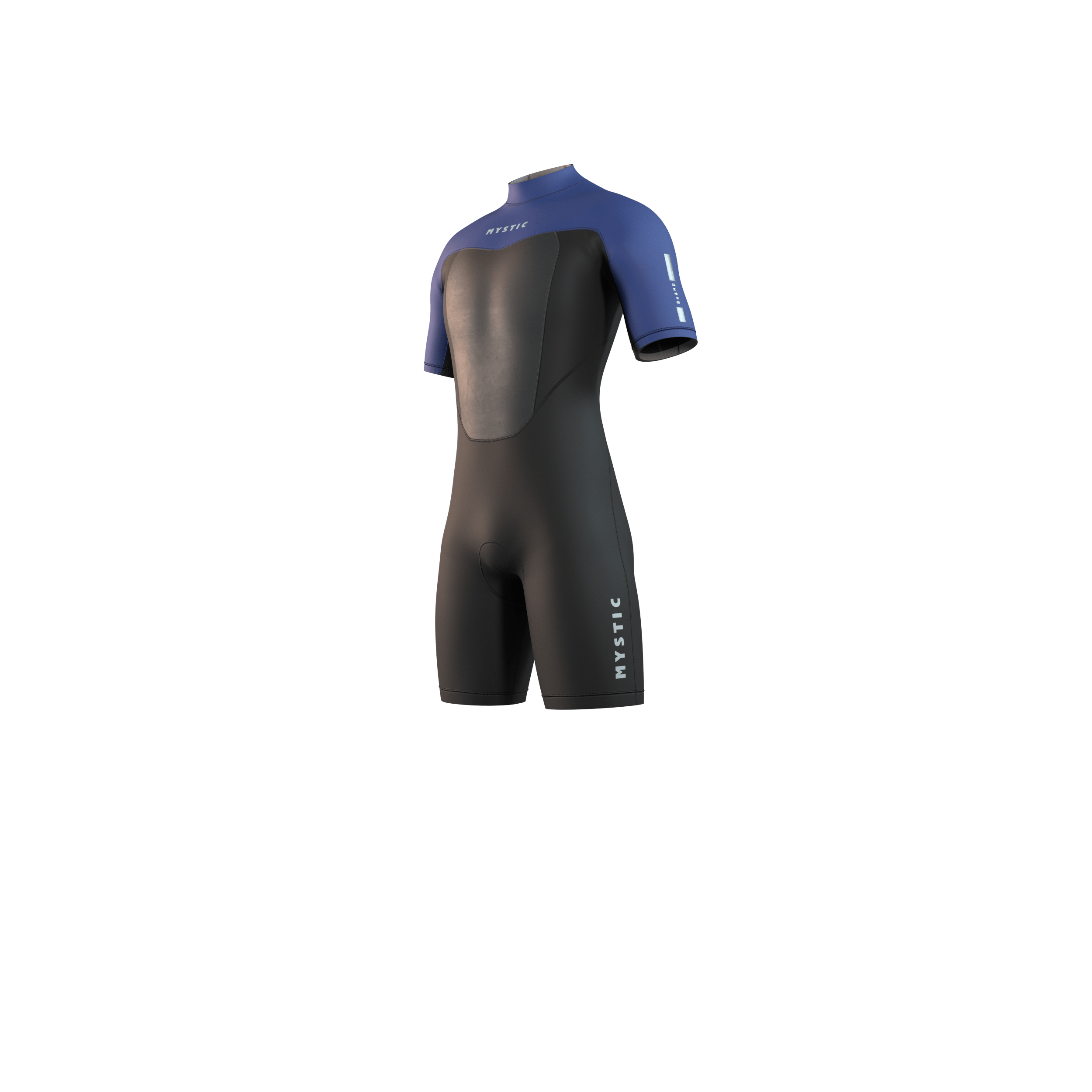

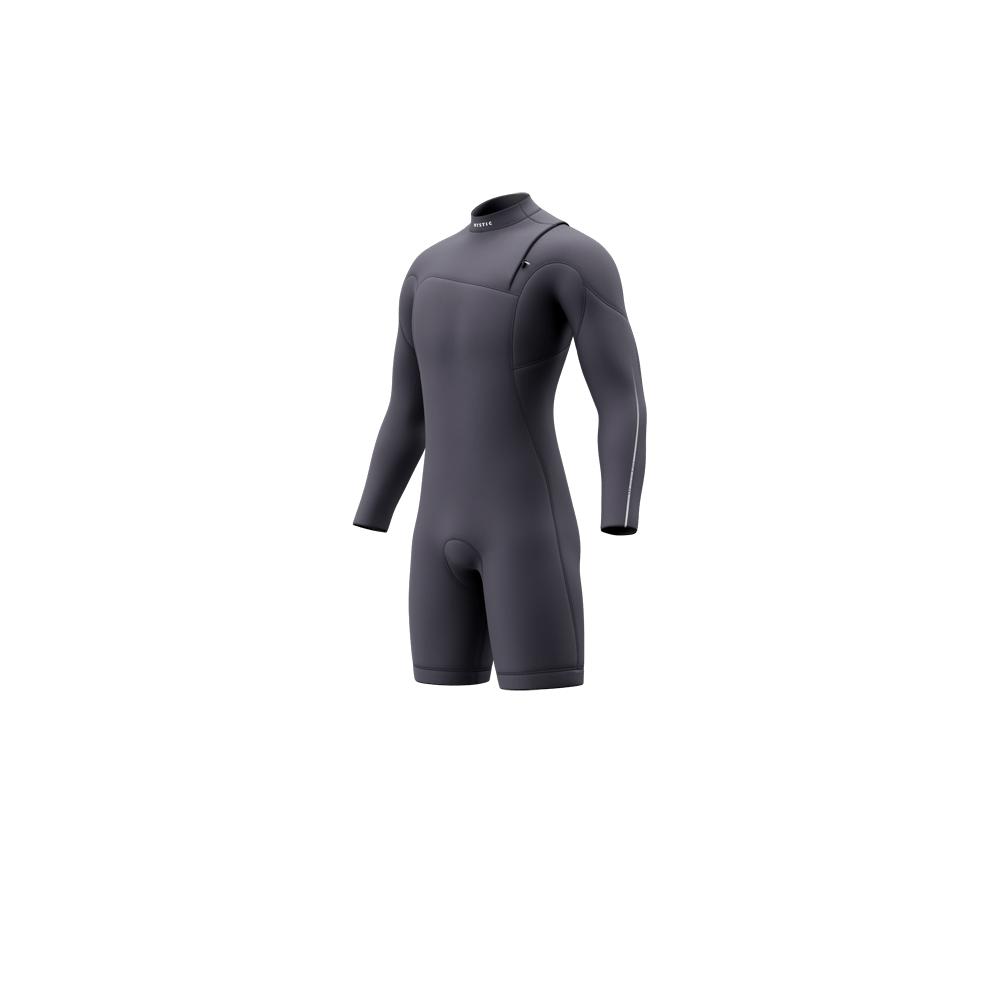
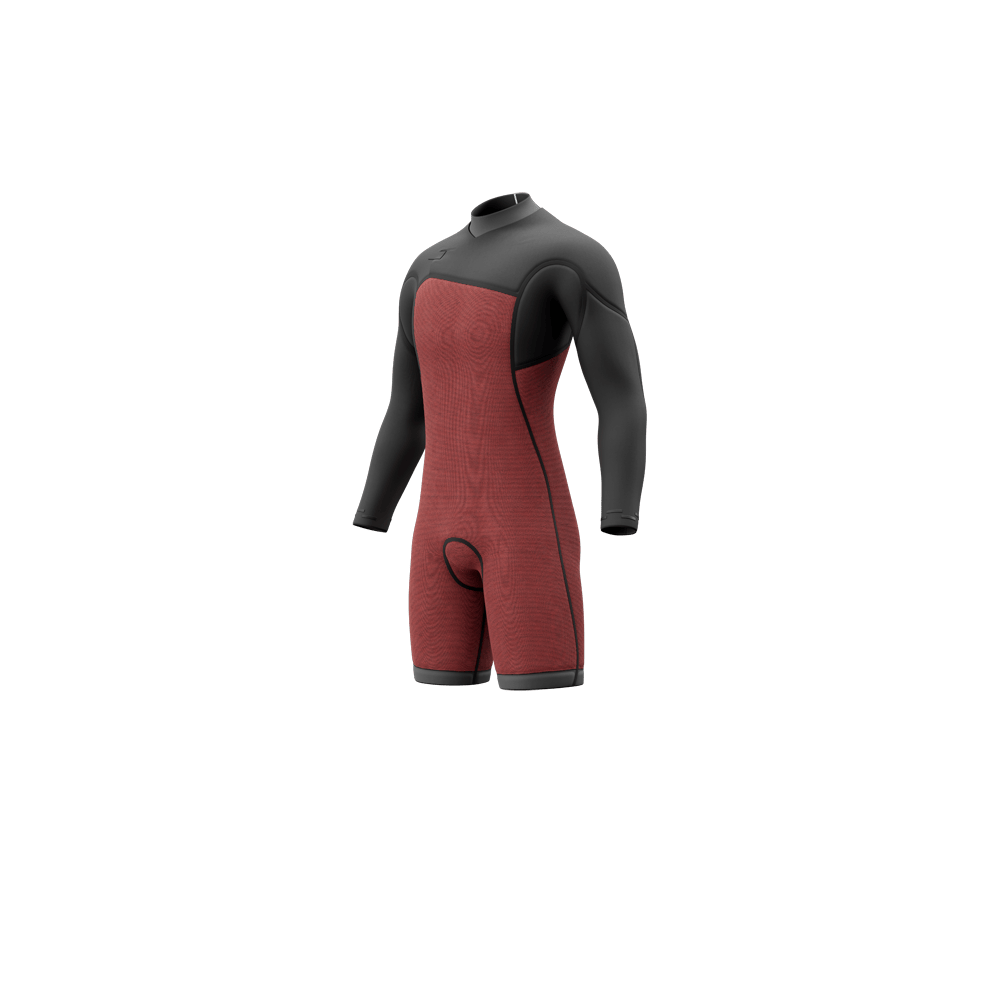
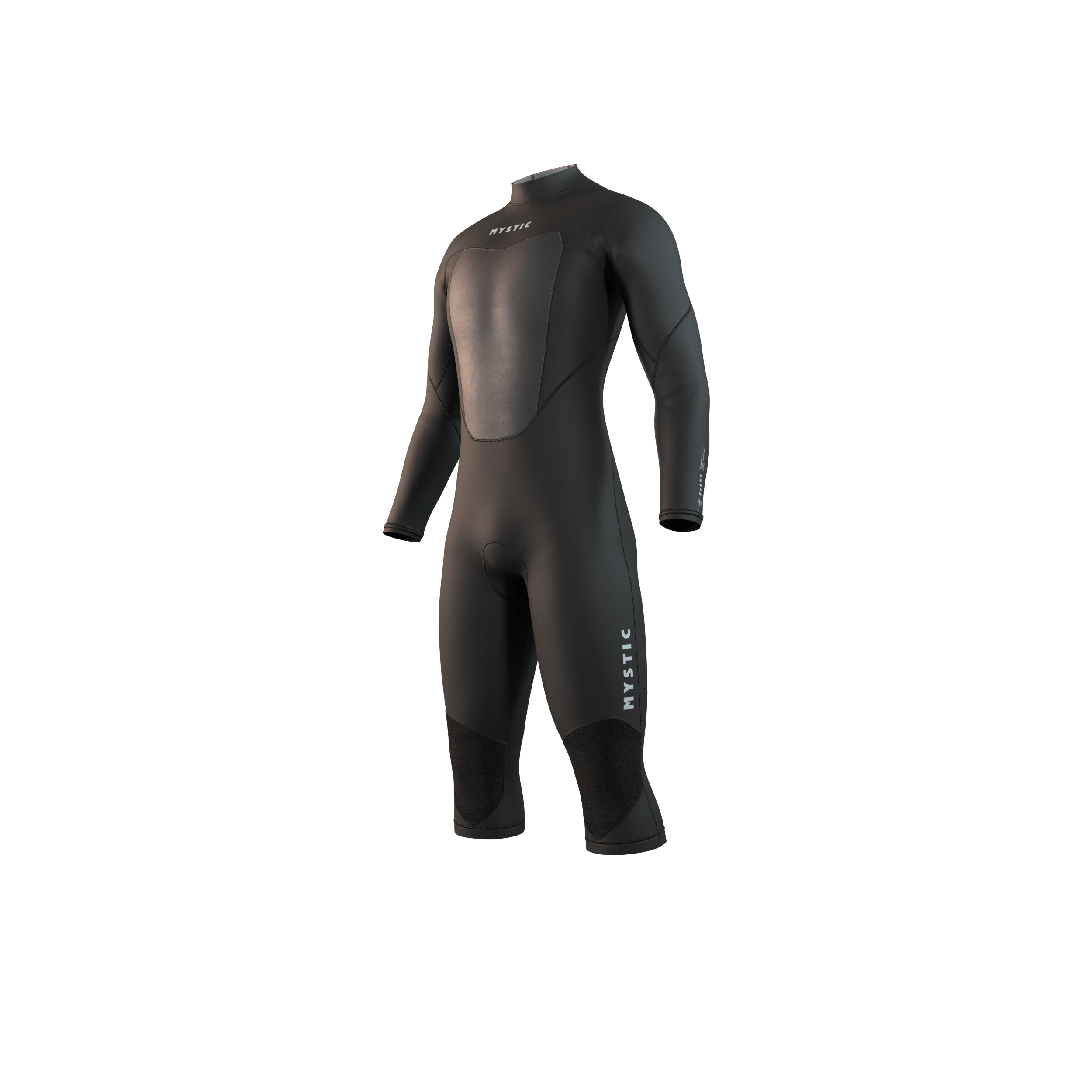
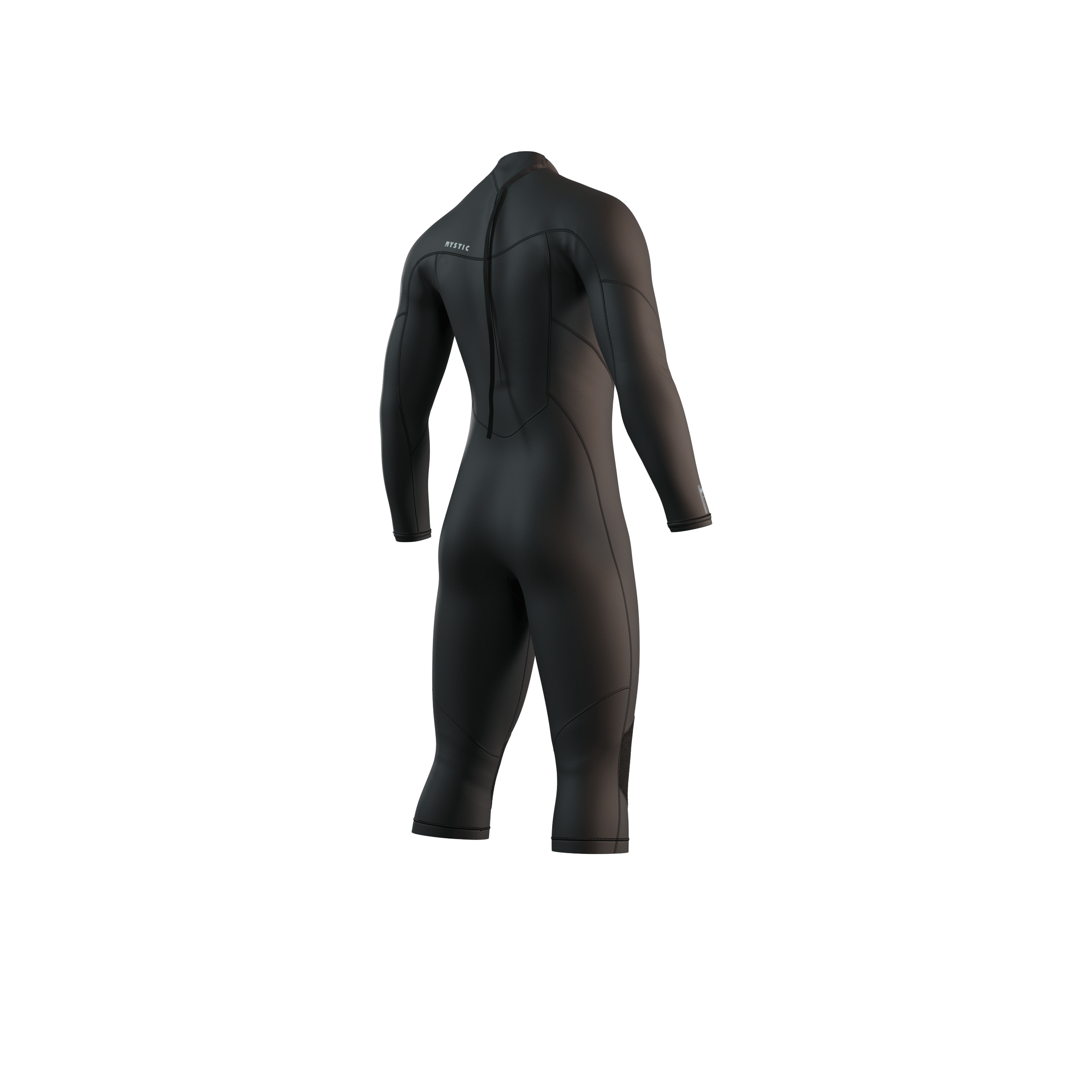
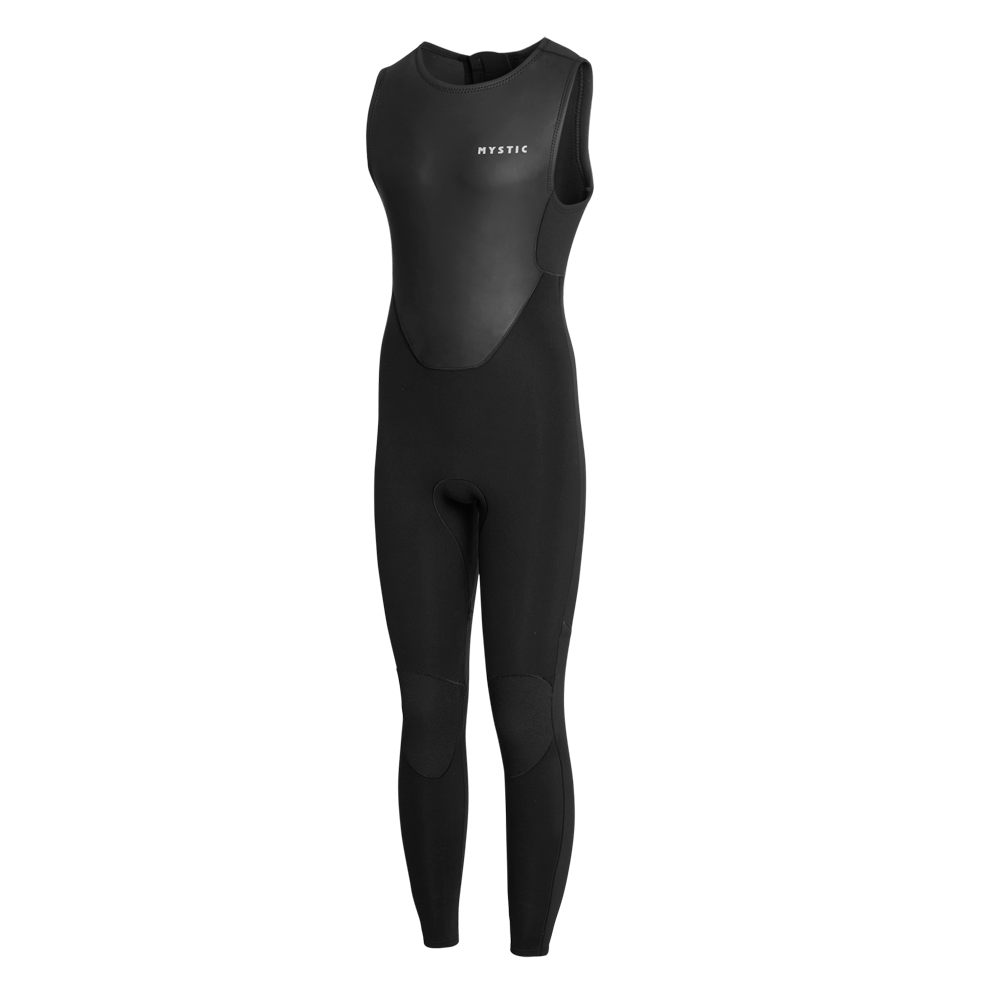
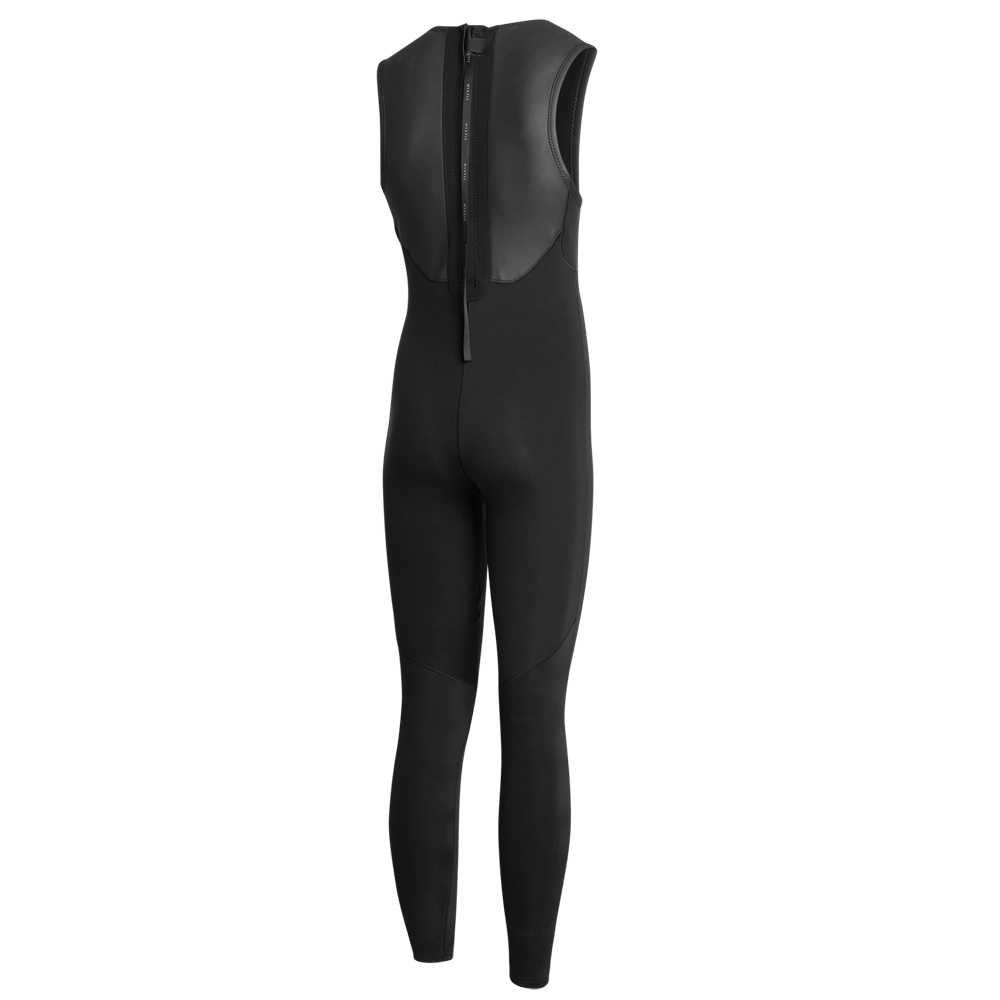
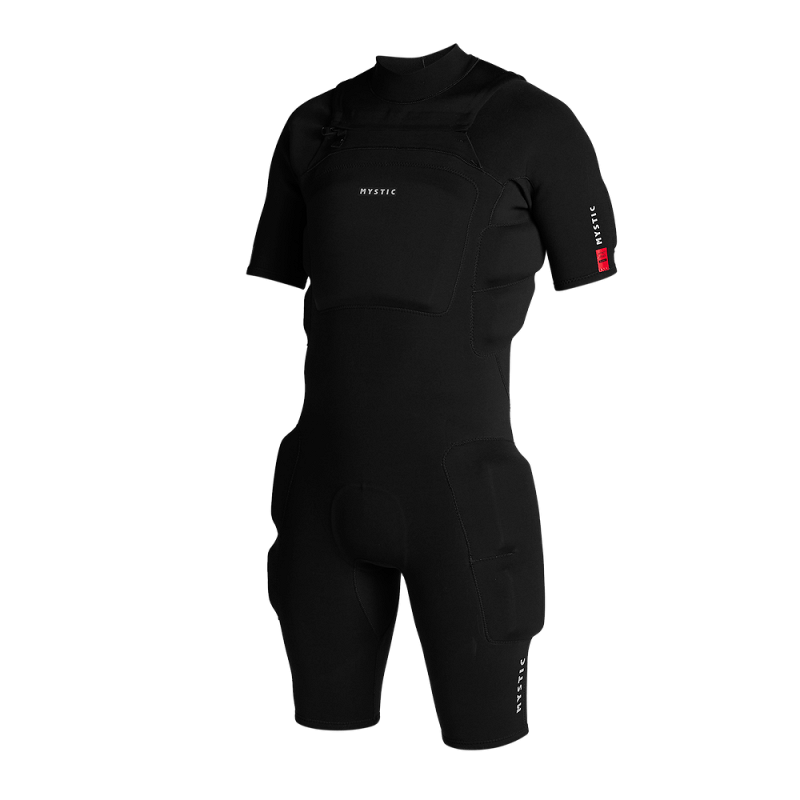
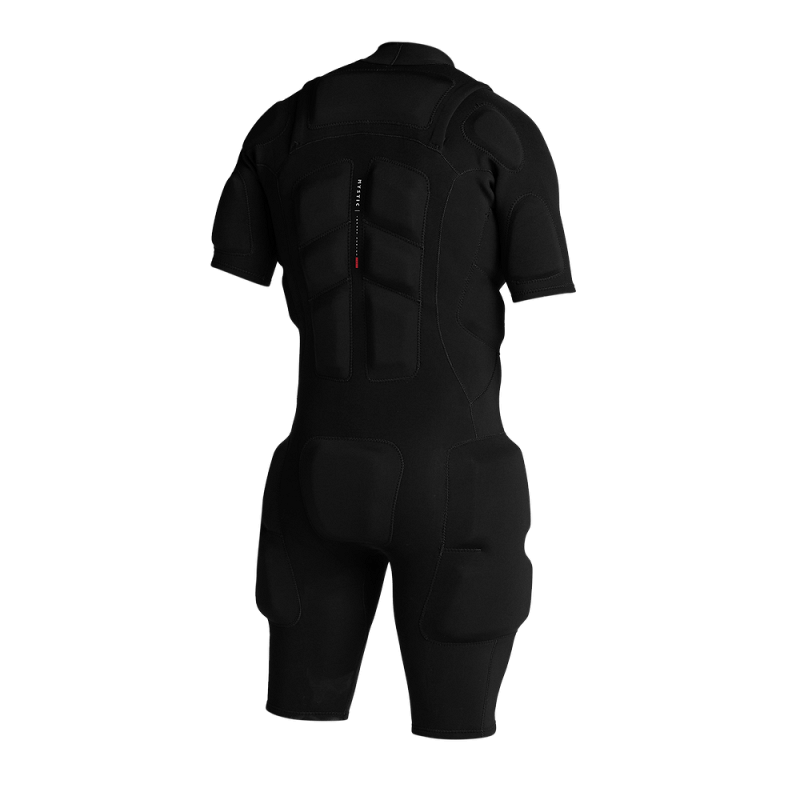
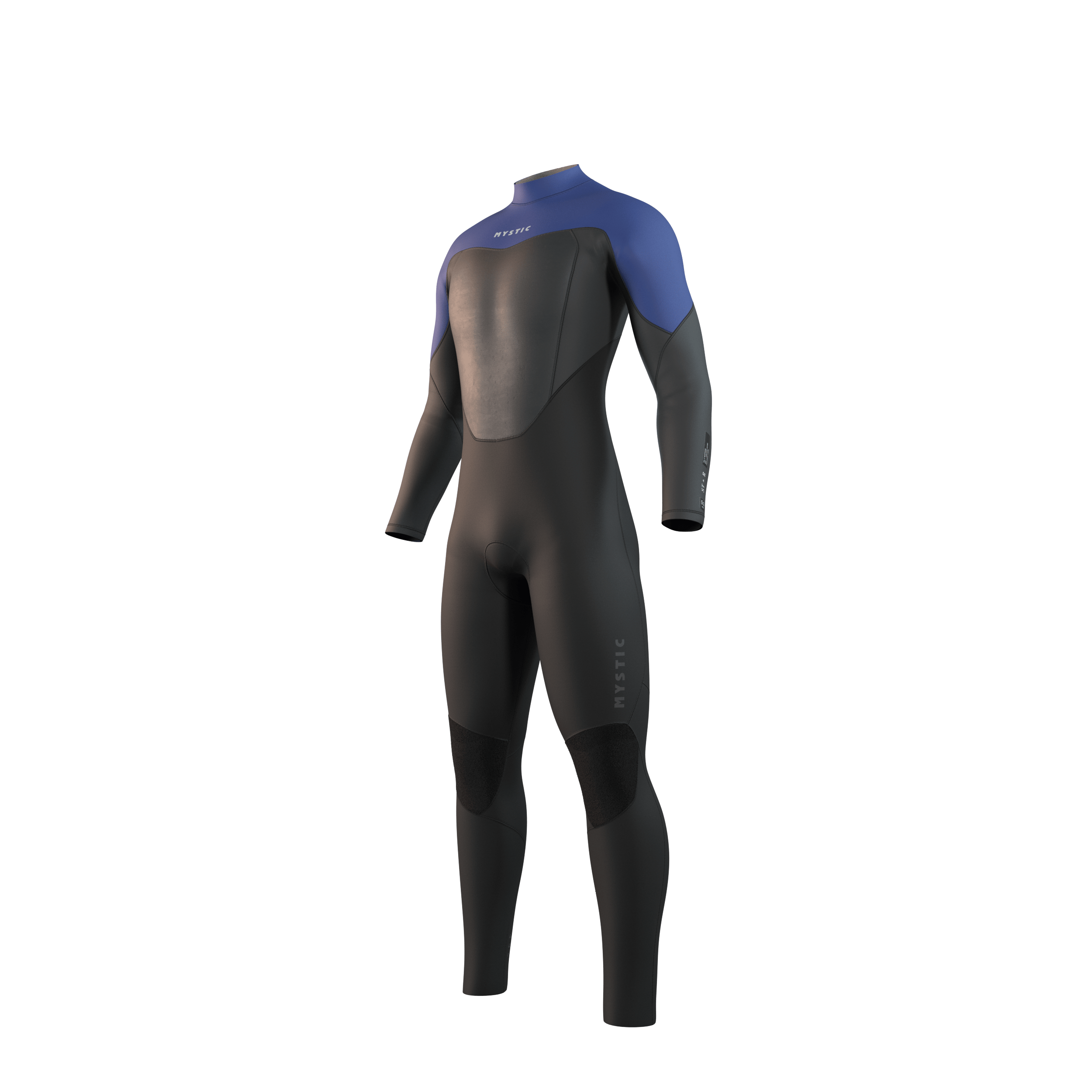
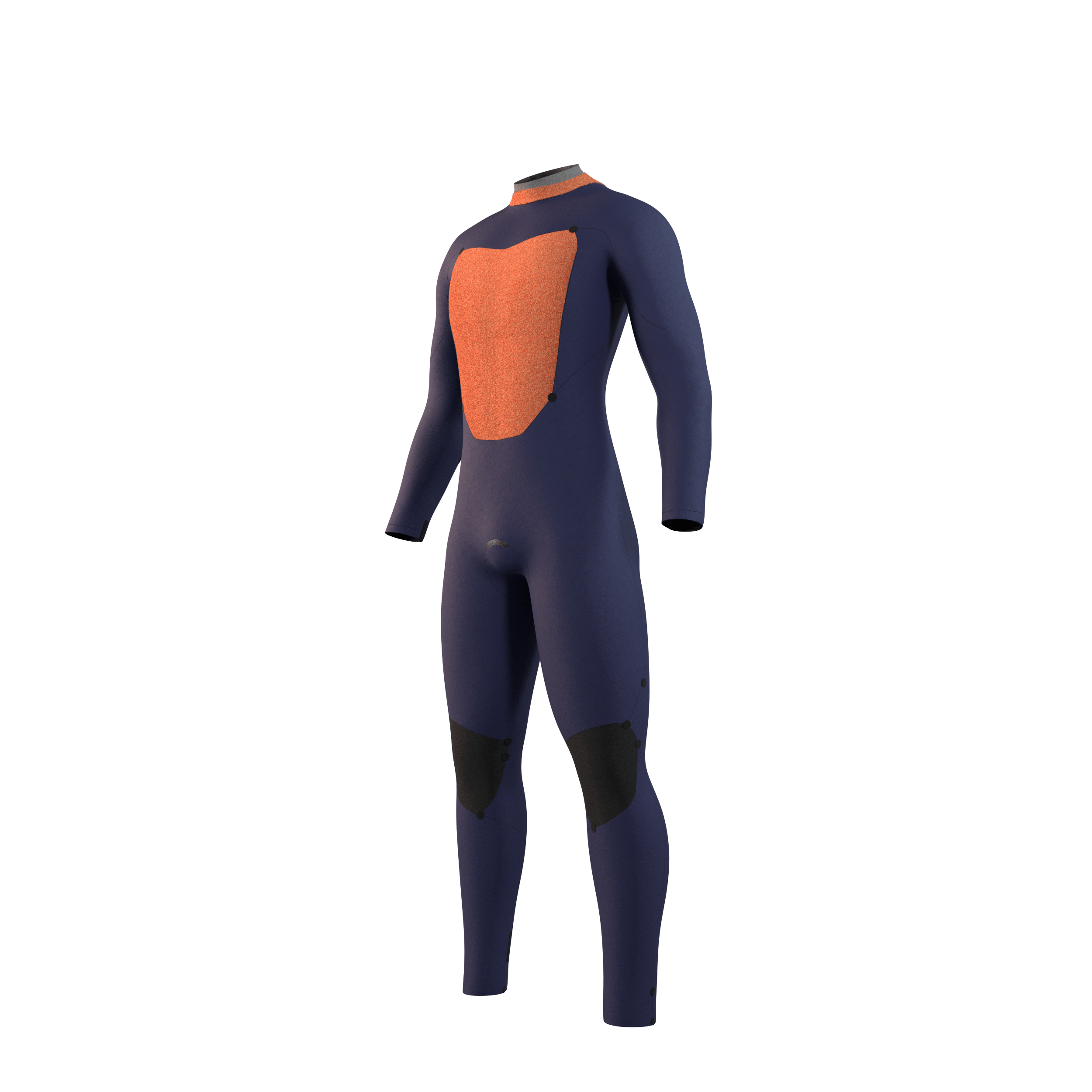
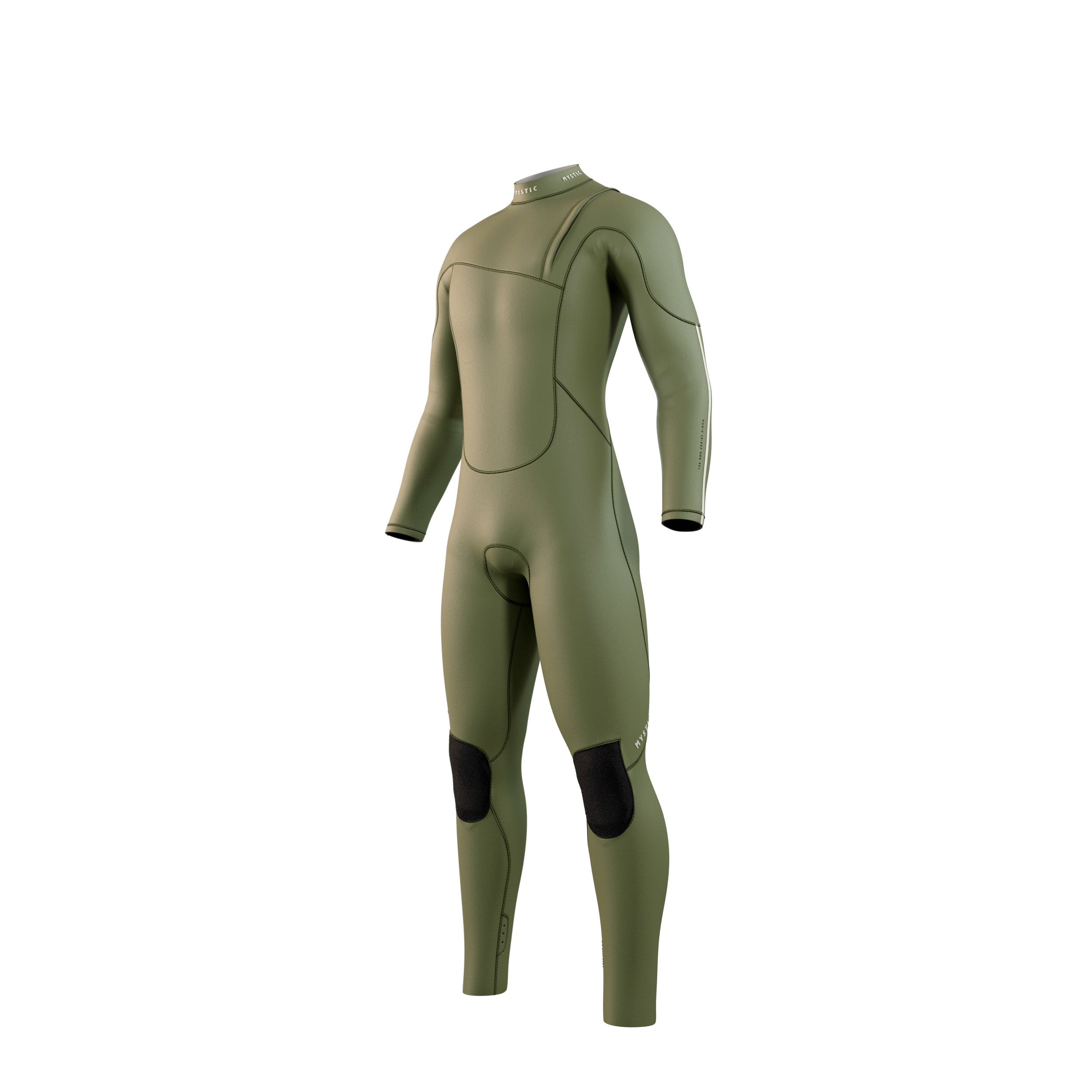
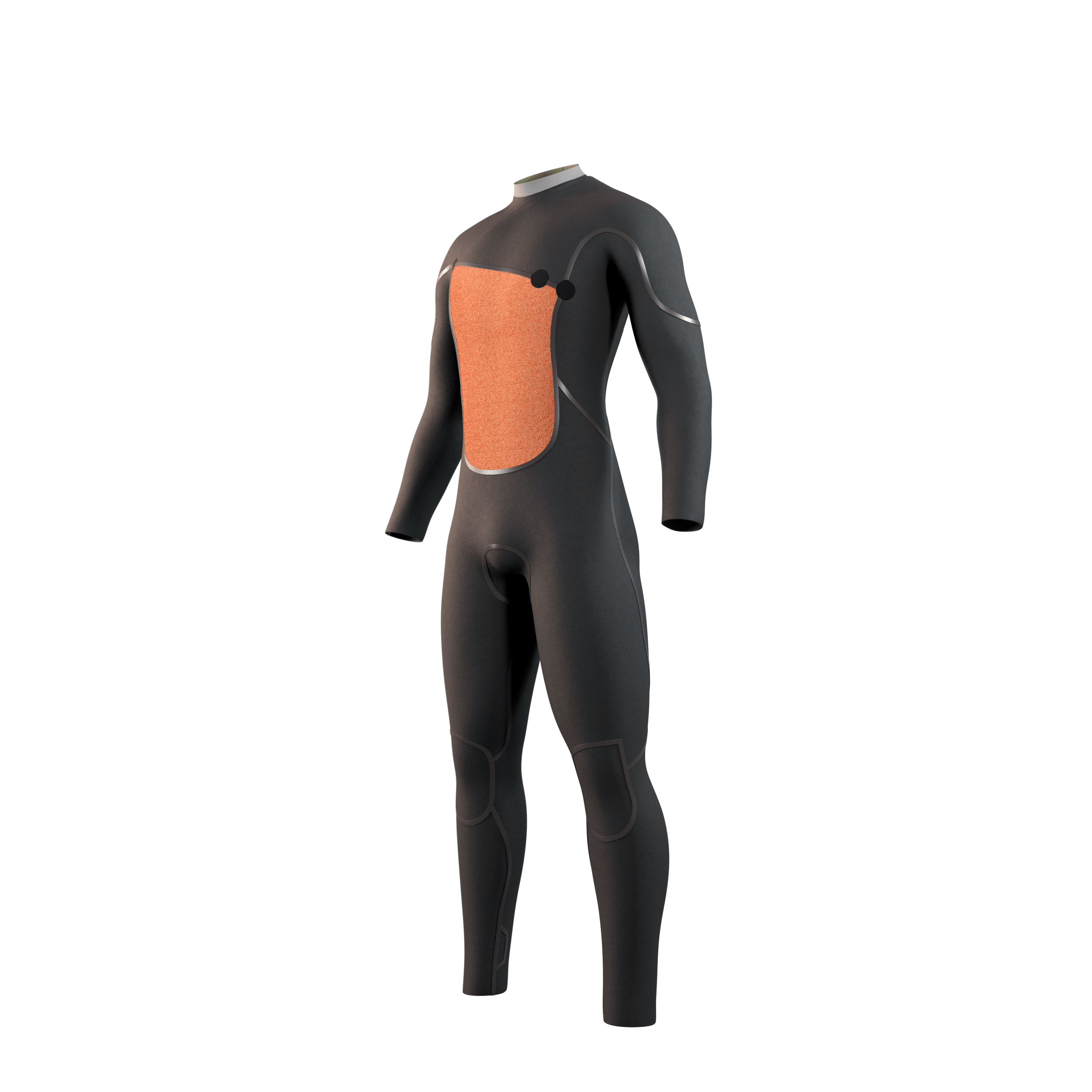
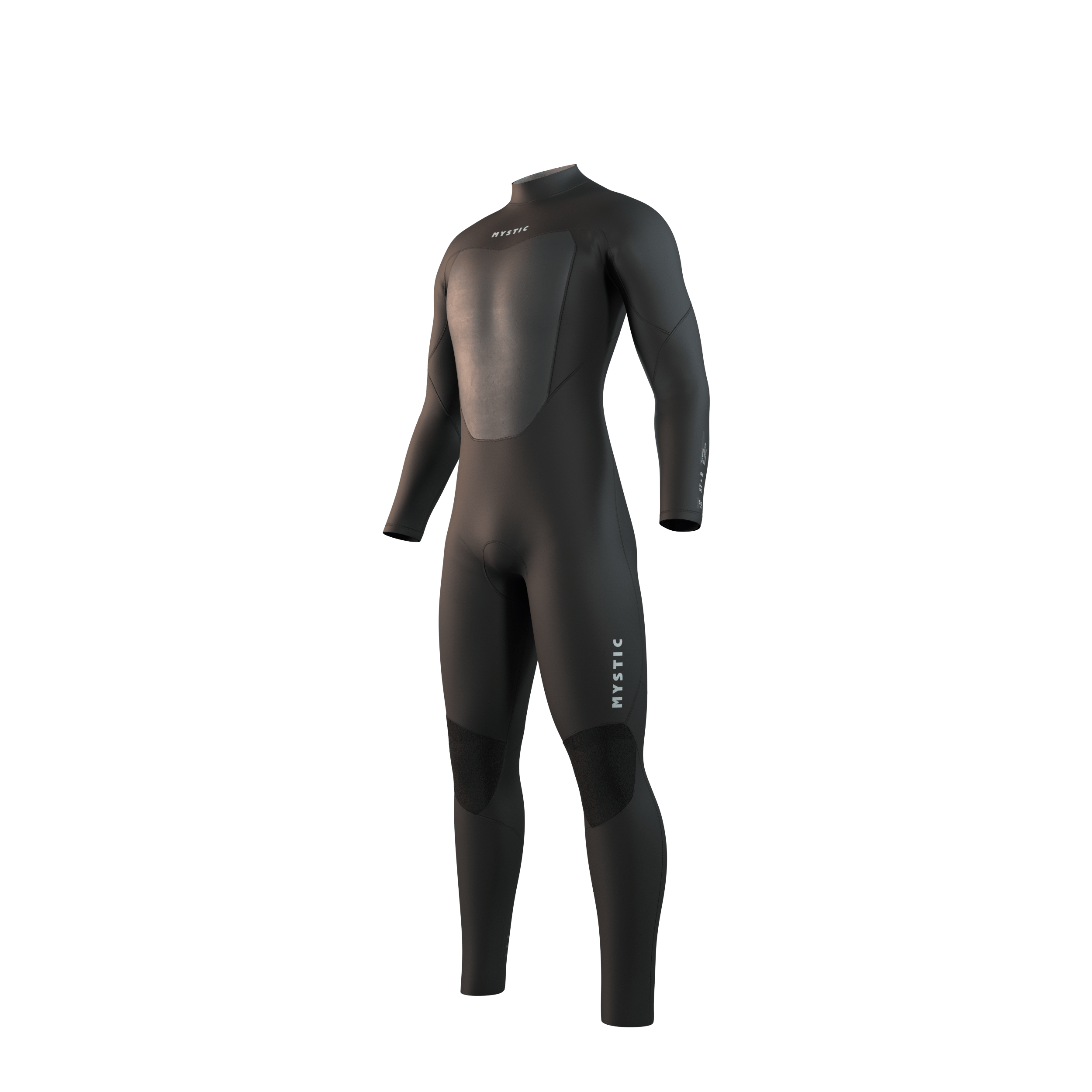
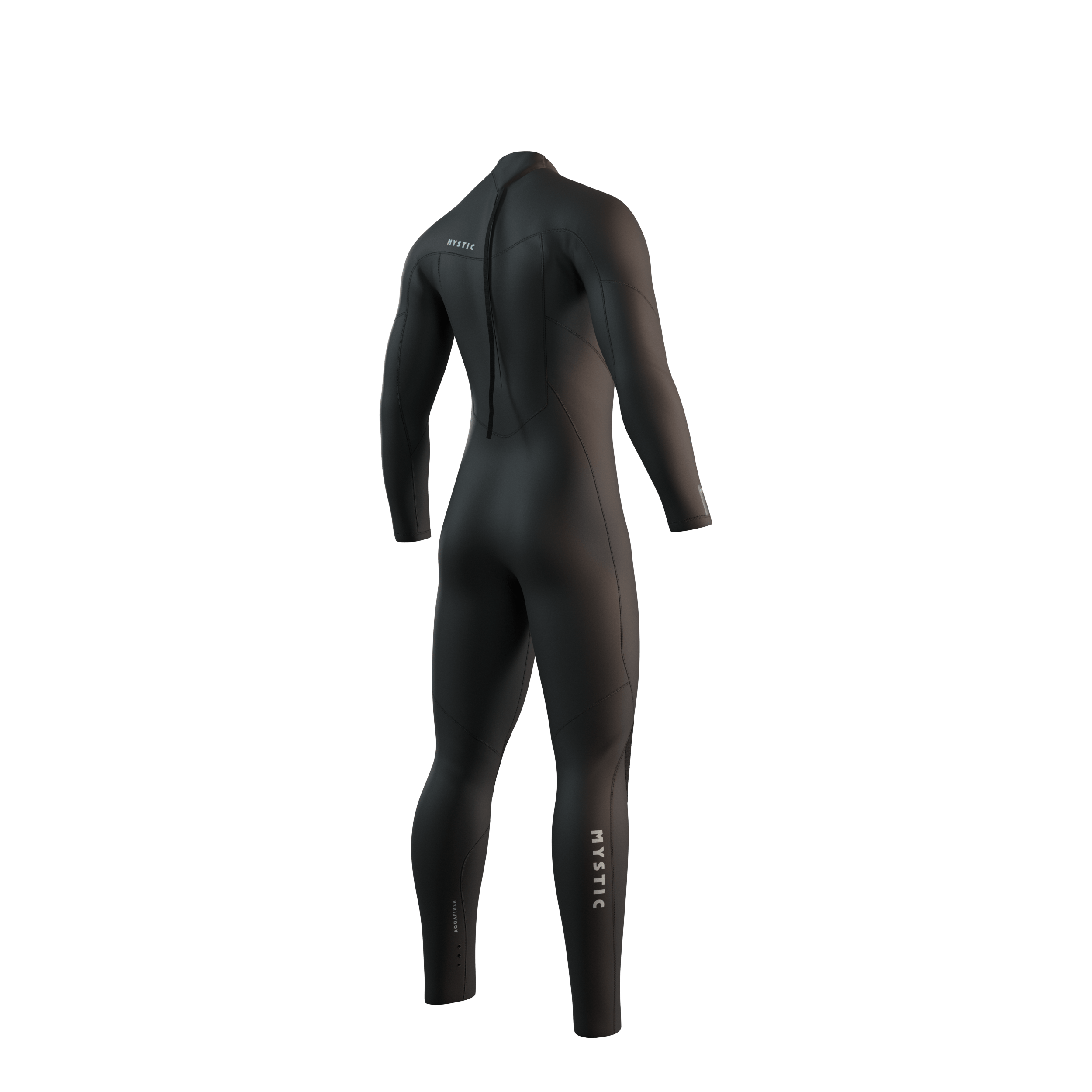
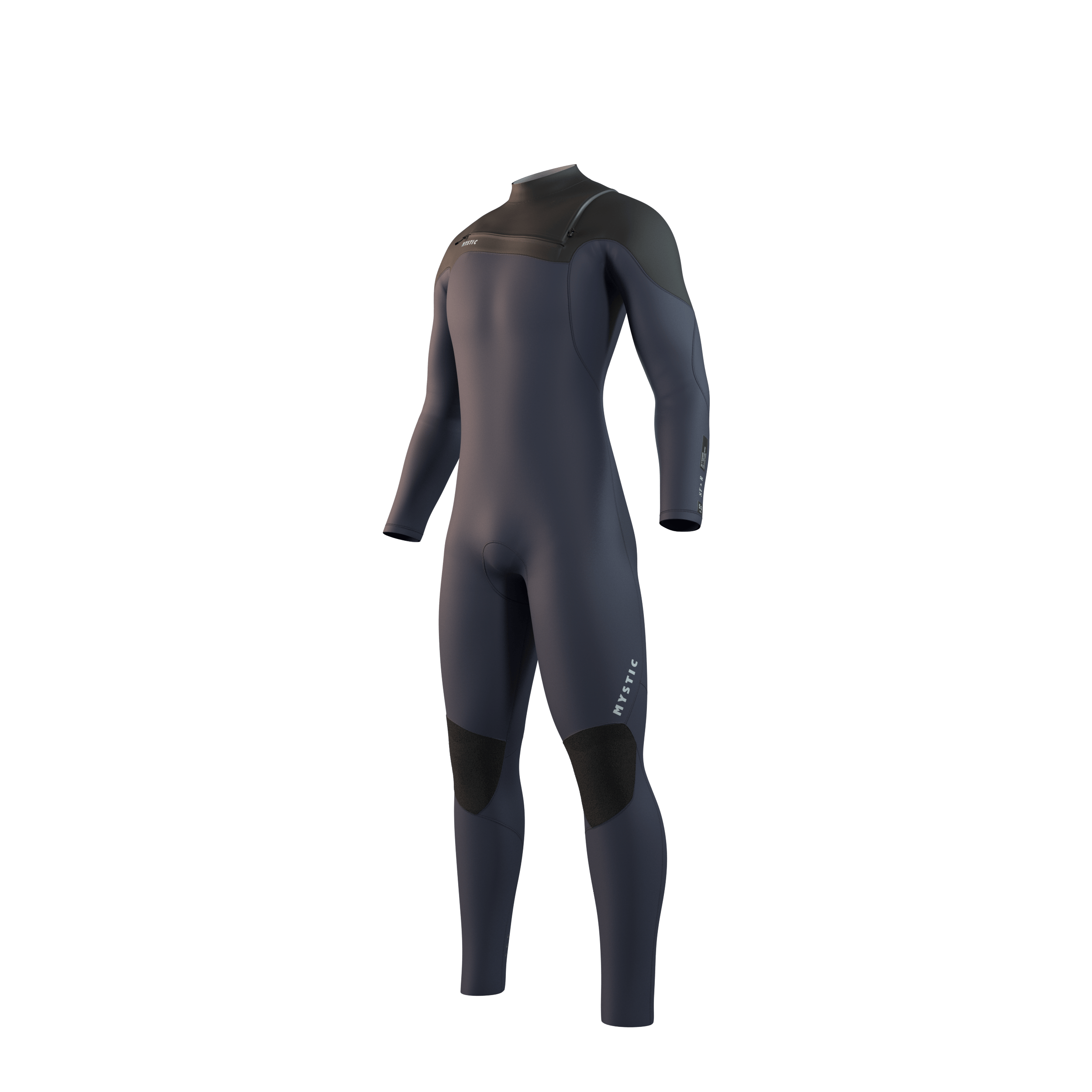
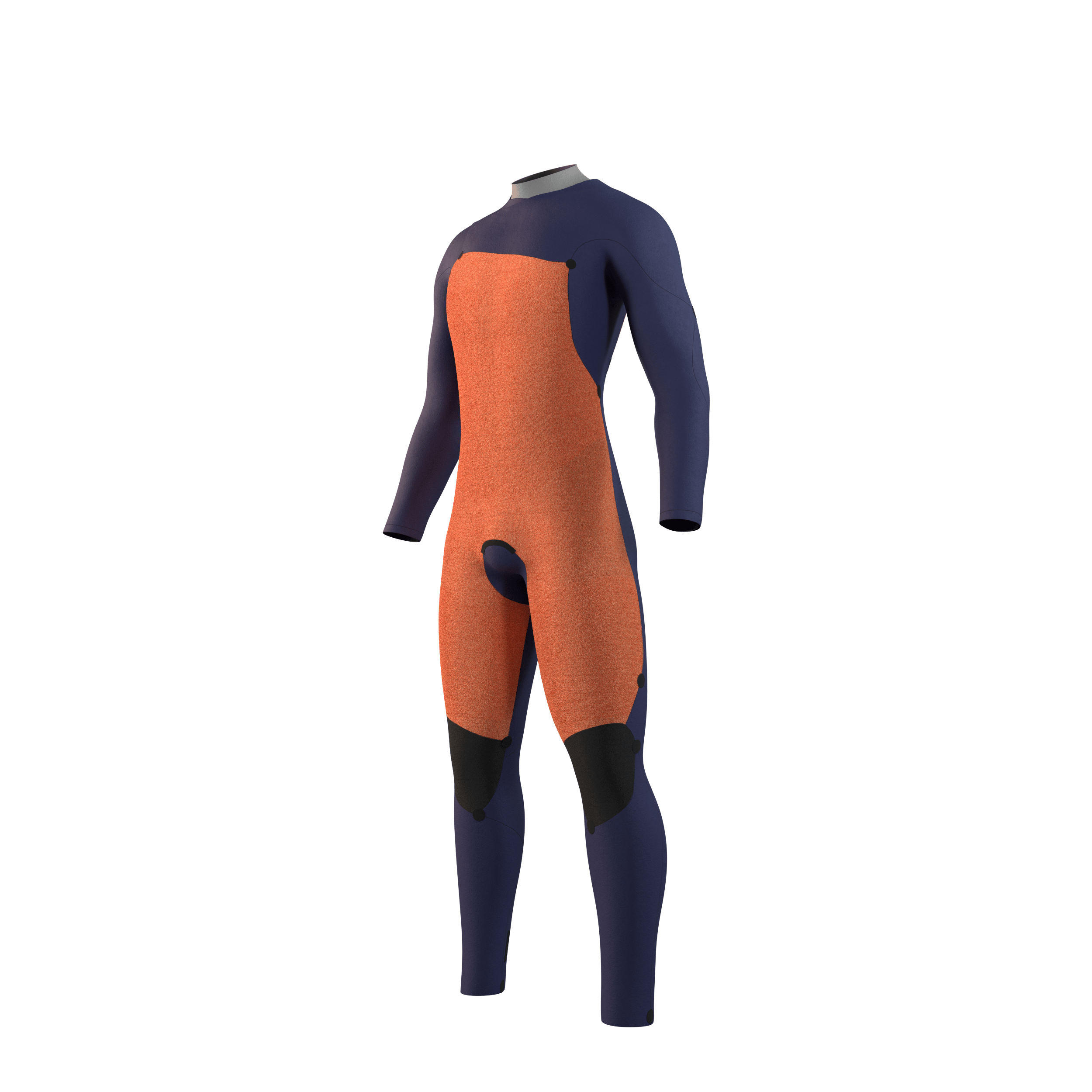
A 3mm wetsuit is the one most UK surfers and watersports riders reach for through the warmer half of the year. Thin enough to move freely, warm enough for spring, summer, and early autumn water, it is the versatile workhorse of a British wetsuit collection. For many men it is the only full suit they need outside the coldest months.
Our men's 3mm wetsuits range covers full suits and shorties in 3mm and 3/2mm neoprene from trusted brands, built for comfort, warmth, and flexibility in mild conditions. Whether you surf, paddleboard, kitesurf, or swim, a well-chosen 3mm suit keeps you comfortable without the bulk of a thick winter steamer.
Not sure if 3mm is right for you? The guide below explains thickness, fit, and when to wear one. Browse the range below, and see our wider wetsuits collection for other thicknesses.
What Does 3mm Mean on a Wetsuit?
The 3mm refers to the thickness of the neoprene. A suit labelled 3/2mm has 3mm neoprene around the core and 2mm on the arms and legs, giving warmth where you need it most while keeping your limbs flexible. A straight 3mm suit uses 3mm throughout. The thicker core keeps your vital organs warm, and the thinner limbs let you paddle, pump, and move freely.
A wetsuit works by trapping a thin layer of water against your skin, which your body warms. The neoprene then slows how fast that heat escapes, so a good fit matters as much as the thickness. A 3mm suit strikes a balance between warmth and freedom of movement that suits milder water well.
When Should You Wear a 3mm Wetsuit?
In the UK, a 3mm or 3/2mm suit is the natural choice for late spring, summer, and early autumn, when the water sits roughly in the mid teens Celsius. It keeps you comfortable on warm days without overheating, and it is light enough for active sports where a thicker suit would feel restrictive.
As the water cools into autumn and winter, most riders move up to a 4/3mm or a 5/4/3mm suit. Think of a 3mm as your warm-season suit: if you only get out between late spring and early autumn, it may be the only full suit you need, while year-round riders usually own a 3mm alongside a thicker winter suit.
Full Suit or Shorty?
At 3mm you have a choice between a full suit and a shorty. A full suit has long arms and legs and is the most versatile option, covering cooler summer days and early autumn sessions. A shorty has short arms and legs, offering core warmth and sun protection for the warmest days when a full suit would be too much.
Many riders own a 3/2mm full suit as their main warm-season wetsuit and add a shorty for peak summer. If you only want one, a full 3/2mm covers the widest range of conditions.
Wetsuit Construction and Seams
How a suit is put together affects its warmth and flexibility as much as the neoprene itself. Seam construction is a key feature to look at.
- Flatlock seams: stitched flat and comfortable, common on warmer-water 3mm suits, though they let a little water through
- Glued and blind-stitched (GBS) seams: sealed against water for more warmth, found on better 3/2mm suits
- Stretch neoprene panels: placed around the shoulders and arms for easy paddling and movement
For summer use, flatlock seams are perfectly comfortable, while GBS seams add warmth for cooler spring and autumn sessions. Higher-stretch neoprene makes any suit easier to move in.
Zip Types
The entry system affects warmth, flexibility, and how easy the suit is to get on. Back-zip suits are the easiest to get in and out of, with a zip running down the back, though they can let in slightly more water. Chest-zip suits seal higher across the chest for more warmth and less flushing, and are more flexible, at the cost of being a little trickier to put on.
For a 3mm summer suit, either works well, so the choice often comes down to personal preference and how easily you want to get changed on the beach.
How Should a 3mm Wetsuit Fit?
A wetsuit should fit like a second skin, snug but not restrictive. There should be no loose folds of neoprene and no large gaps at the lower back, under the arms, or behind the knees, as these let cold water flush through. You should be able to move your arms overhead, crouch, and twist, though a suit always feels tighter on land than it does in the water.
Men's 3mm suits are sized by chest, height, and weight, and sizing varies between brands. Always check the size guide, and if you are between sizes or unsure, our team in Poole can help you find the right fit.
Caring for Your Wetsuit
Good care keeps neoprene flexible and warm for longer.
- Rinse in fresh, cool water after every session
- Avoid hot water, washing machines, and tumble dryers
- Dry it inside out, away from direct sunlight
- Hang it over a wide hanger, not a thin one, to protect the shoulders
- Store it flat or loosely hung, never folded tightly for long periods
Leaving a wet suit scrunched up in a bag or a hot car boot breaks down the neoprene over time, so rinse and dry it properly between sessions.
How Much Do 3mm Wetsuits Cost?
Prices depend on the neoprene quality, the seam construction, and the brand. Entry-level 3mm suits with flatlock seams sit at the lower end of the range, mid-range 3/2mm suits with sealed seams and stretch panels offer a good balance of warmth and value, and premium suits with high-stretch neoprene and refined seams sit higher.
A more expensive suit usually means warmer, more flexible neoprene and better seams. For regular summer use, a mid-range 3/2mm suit is often the sweet spot. You'll find a spread of budgets across the range.
Why Buy Your 3mm Wetsuit from Surface2Air Sports?
We have been fitting watersports enthusiasts since 2002, with a shop in Poole and a full range online.
- Men's 3mm and 3/2mm full suits and shorties
- Trusted wetsuit brands
- A spread of styles and budgets
- Honest advice on thickness, fit, and seams
- In-store fitting help and online support
Whether you want a versatile warm-season suit or a summer shorty, we can help you choose. If you ride year-round, pair your 3mm with a 5mm winter suit, and add boots and gloves from our wetsuit accessories range.
Frequently Asked Questions About 3mm Wetsuits
What does 3/2mm mean?
It means 3mm neoprene around the core and 2mm on the arms and legs. The thicker core keeps you warm while the thinner limbs keep you flexible.
When should I wear a 3mm wetsuit?
In the UK, a 3mm or 3/2mm suit suits late spring, summer, and early autumn, when the water is roughly in the mid teens Celsius. Move to a thicker suit as the water cools.
Is a 3mm suit warm enough for UK winter?
No. For UK winter water you need a 4/3mm or 5/4/3mm suit, usually with boots, gloves, and a hood. A 3mm suit is a warm-season suit.
Should I choose a full suit or a shorty?
A full 3/2mm suit is the most versatile and covers the widest range of warm-season conditions, while a shorty suits the warmest summer days when a full suit is too much.
What is the difference between flatlock and GBS seams?
Flatlock seams are comfortable and common on warmer-water suits but let a little water through, while glued and blind-stitched seams are sealed for more warmth.
How should a 3mm wetsuit fit?
Snug like a second skin, with no loose folds or large gaps, while still letting you move your arms overhead and crouch. It will feel tighter on land than in the water.
How do I look after my wetsuit?
Rinse it in fresh cool water after each session, dry it inside out away from direct sun, and avoid hot water, machines, and tight folding.
Do you stock thicker wetsuits too?
Yes. Our wider wetsuits range covers 4/3mm and 5/4/3mm winter suits, shorties, and suits for women and kids.
Let customers speak for us
Great job well dun thanks for your help with the purchase..

The bag is sturdy, spacious and water proofed on the inside. In addition, it can be worn as a backpack but it also comes with a strap for putting over a shoulder as a bag. I am happy with the purchase.

My first order of gummy straps never arrived so I contacted S2AS and they were very apologetic as Royal Mail had lost my parcel. They immediately sent out a second sets of straps which arrived the following day.
The customer service I recieved was exceptional and I would highly recommend this company for their swift response. I will definitely order with them again.

the whole exercise

item as dscribed, looks fantastic

As described and looks fantastic. thank you
My first board and binding set up after using hire equipment for over a year. These will take some getting used to but step in and strap is a vast improvement. Large to size 12UK looks like it only just fits across the toe strap.
S2AS are my go to online store for anything Snowboarding related and as they say any query just pick up the phone and speak to Ollie (who sounds a lot like Jamie Lang)

Wait for snow
Loved the service in the shop Ollie was very helpful and a pleasure to deal with. Recommend highly
Kind regards
Matt

2026 Slingshot KTV EverShred Wakeboard Bindings

Exceptionally quick delivery, would definitely recommend buying from this site

Hi my in store experience was fantastic from email to shop with your representative Ollie could not have been more polite & helpful
Once I’ve tried the bourd I will send further feedback
Hope your all well
Kind regards
Matt

We ordered a large amount of items that all arrived safely, we kept everything save two jackets which we ordered wrong, but the team were great, we sent them back and got a refund with no hassle. Will definitely use in the future!

Great graphics, good fit and quality

I purchased a wing that was 70% off and I am delighted with my new toy. I had it out today for the first time and despite only being a 2.8m wing, the power and control was amazing. It is so good that I am tempted to buy a bigger size to add to my collection. Thanks again S2AS for another great product for a bargain price 😊
Great carbonboard from Shinn and Raptor fin set at a good price from Surface2Air Sports. Delivered without any problems.