
Sort by
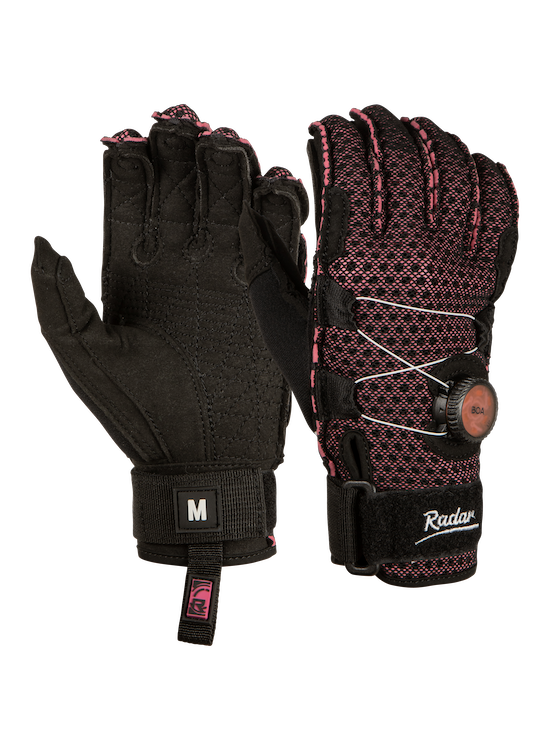
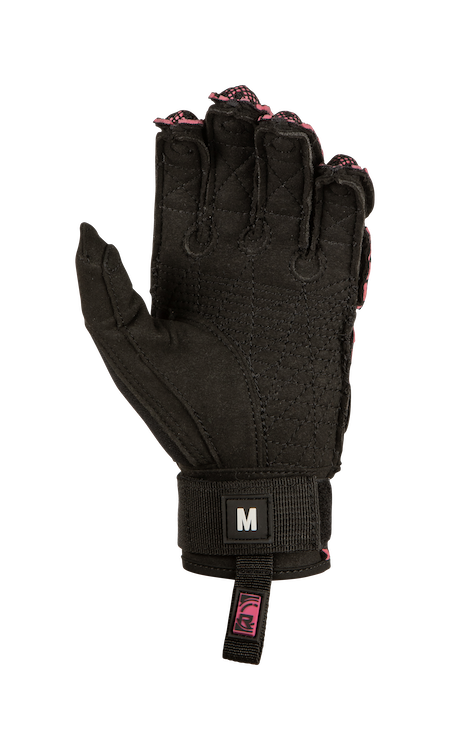
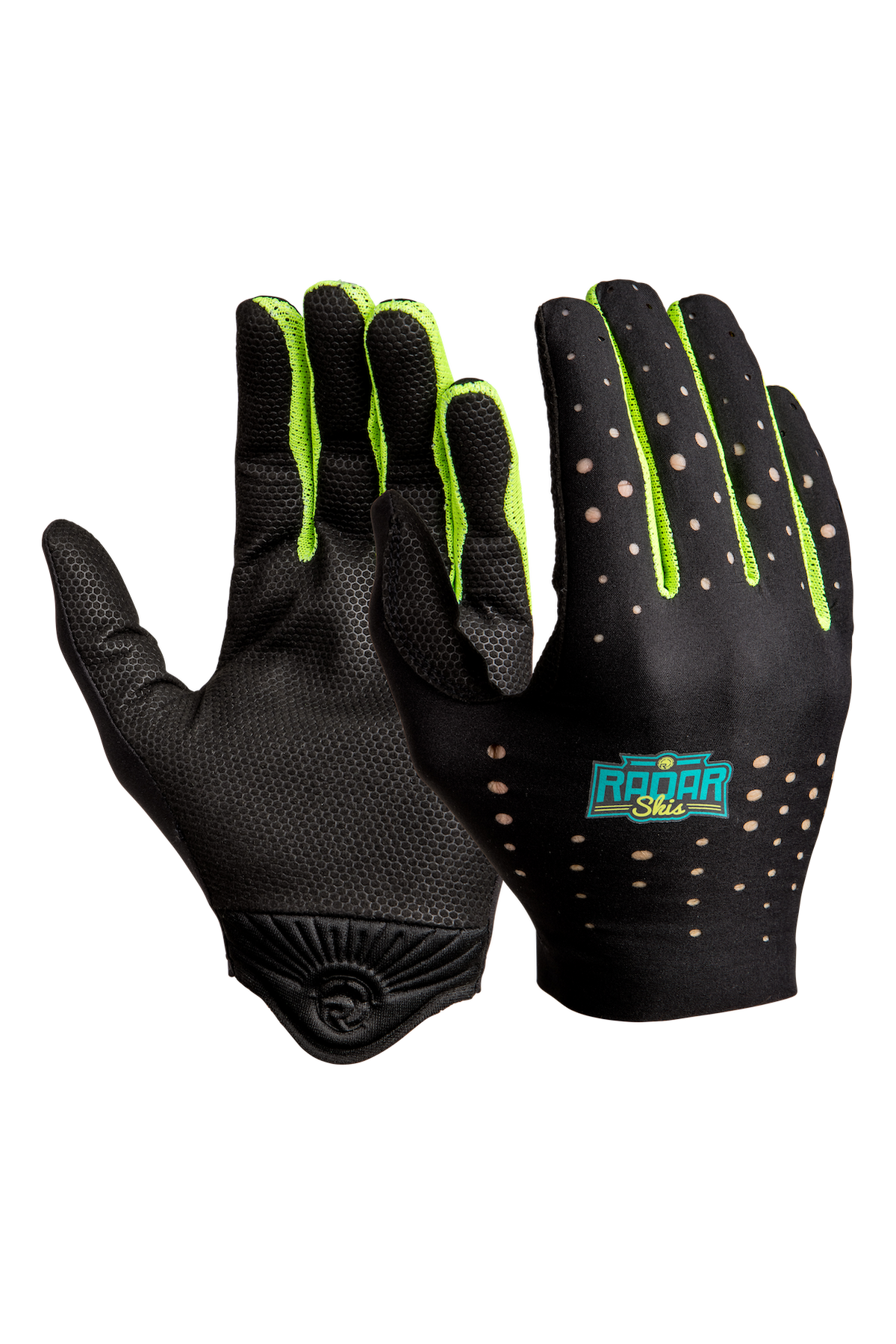
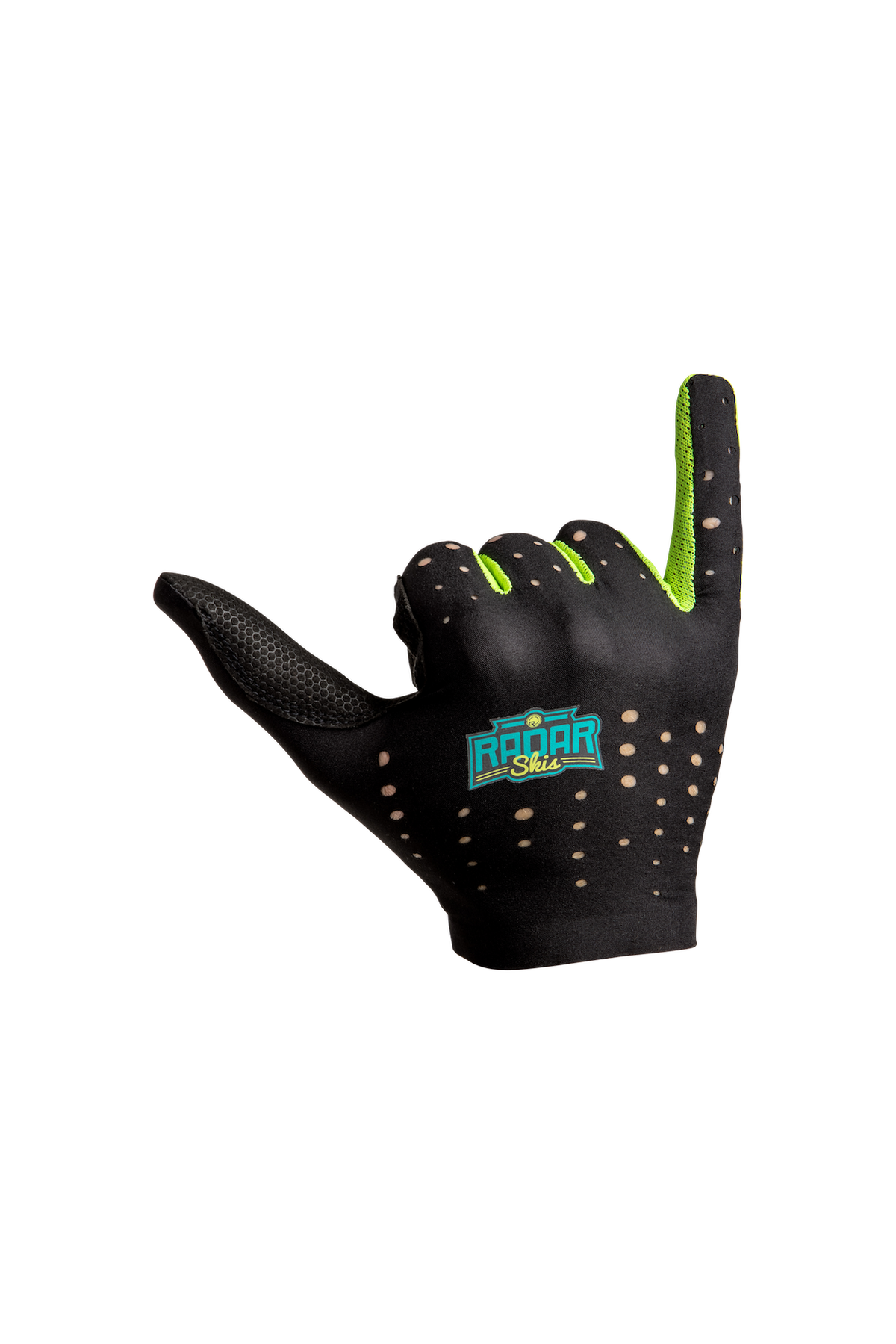
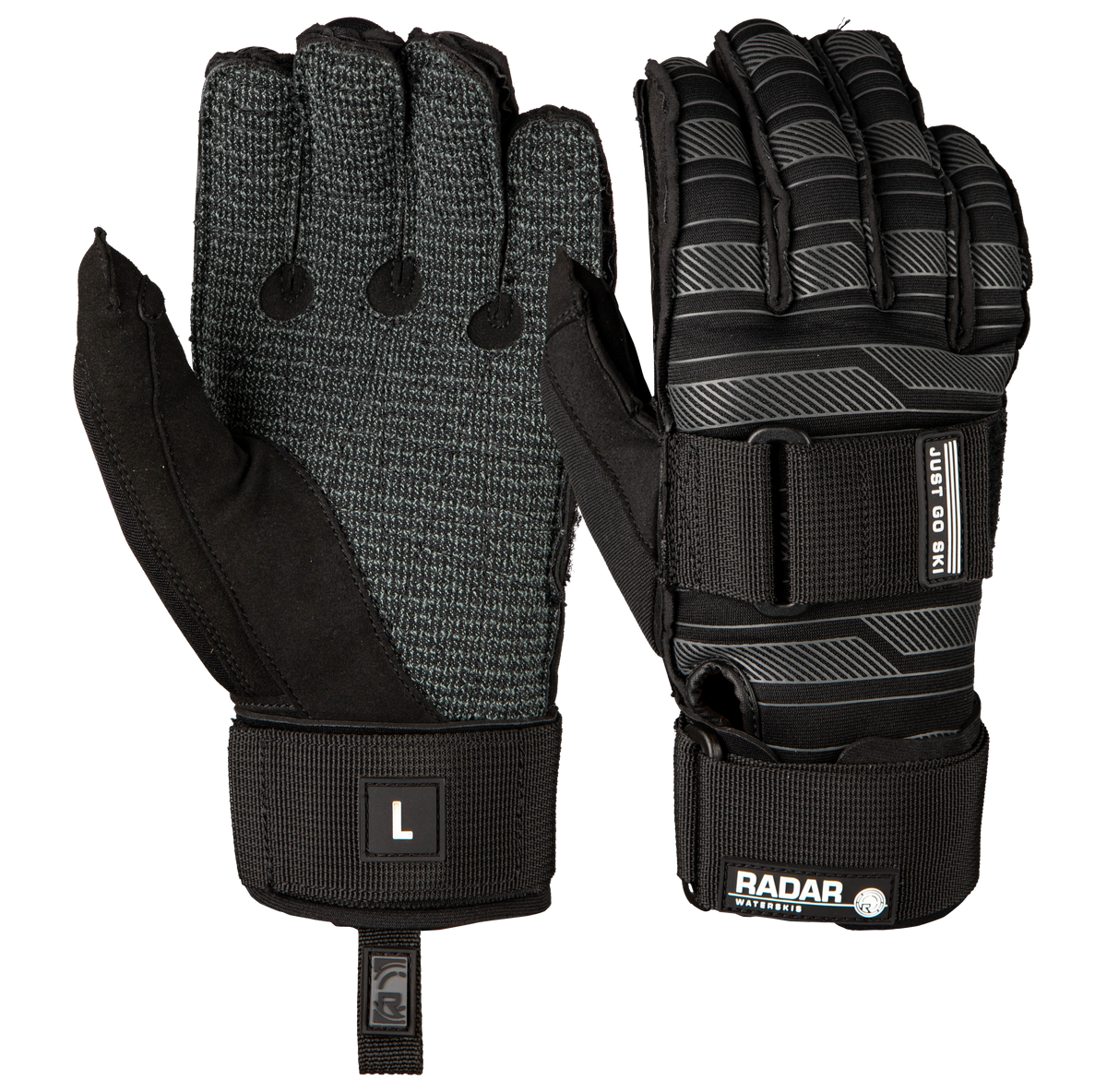
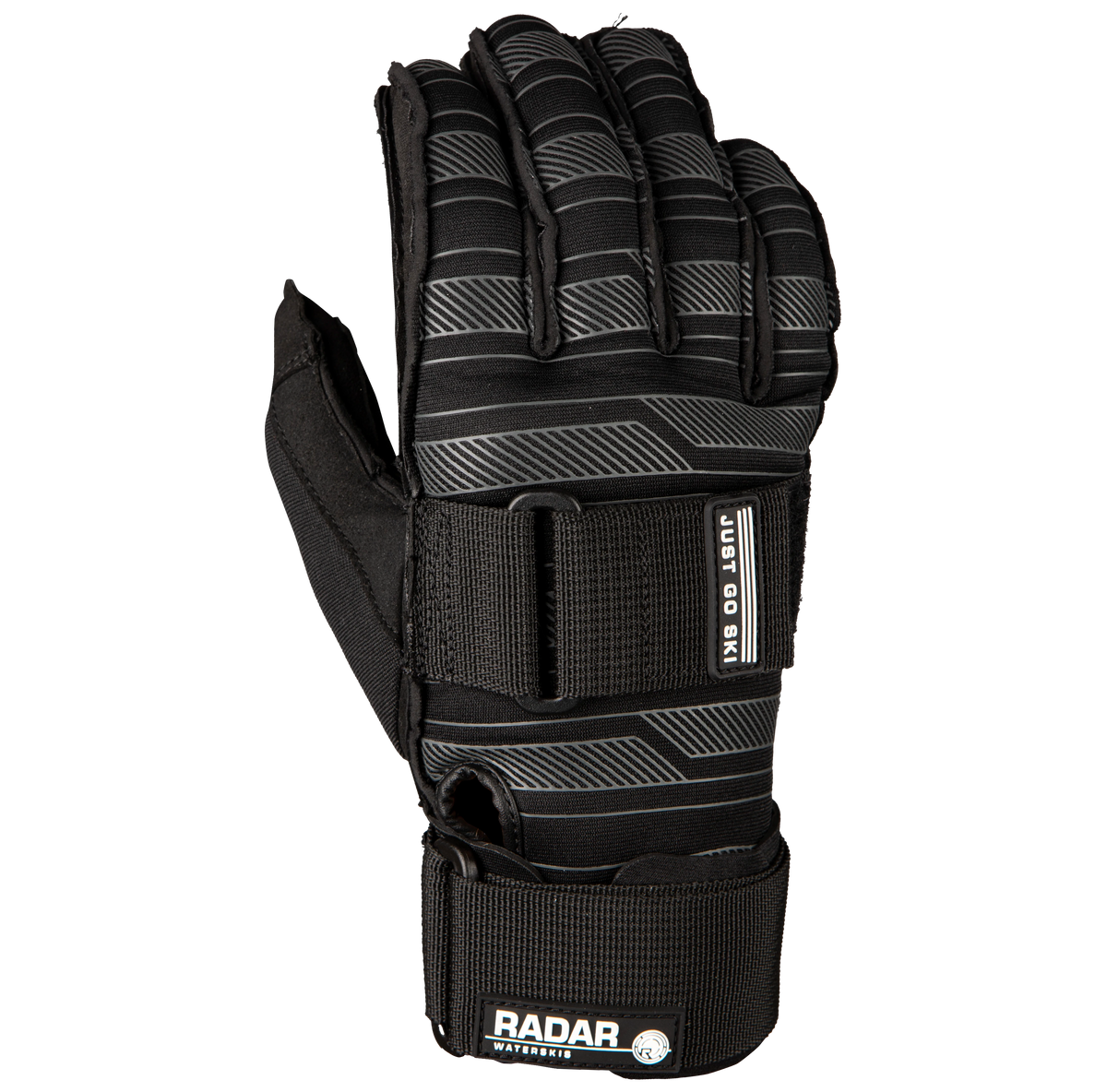
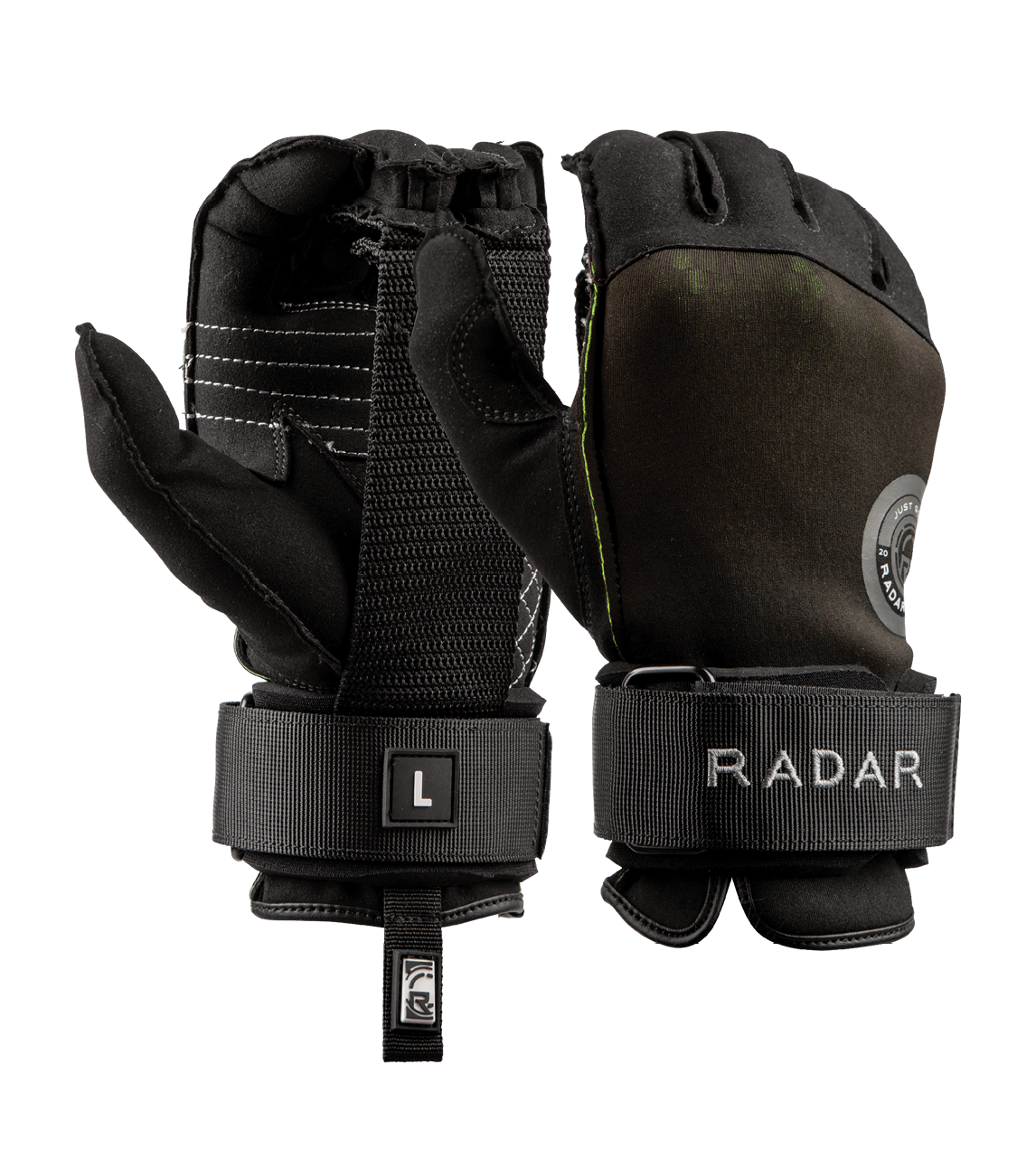
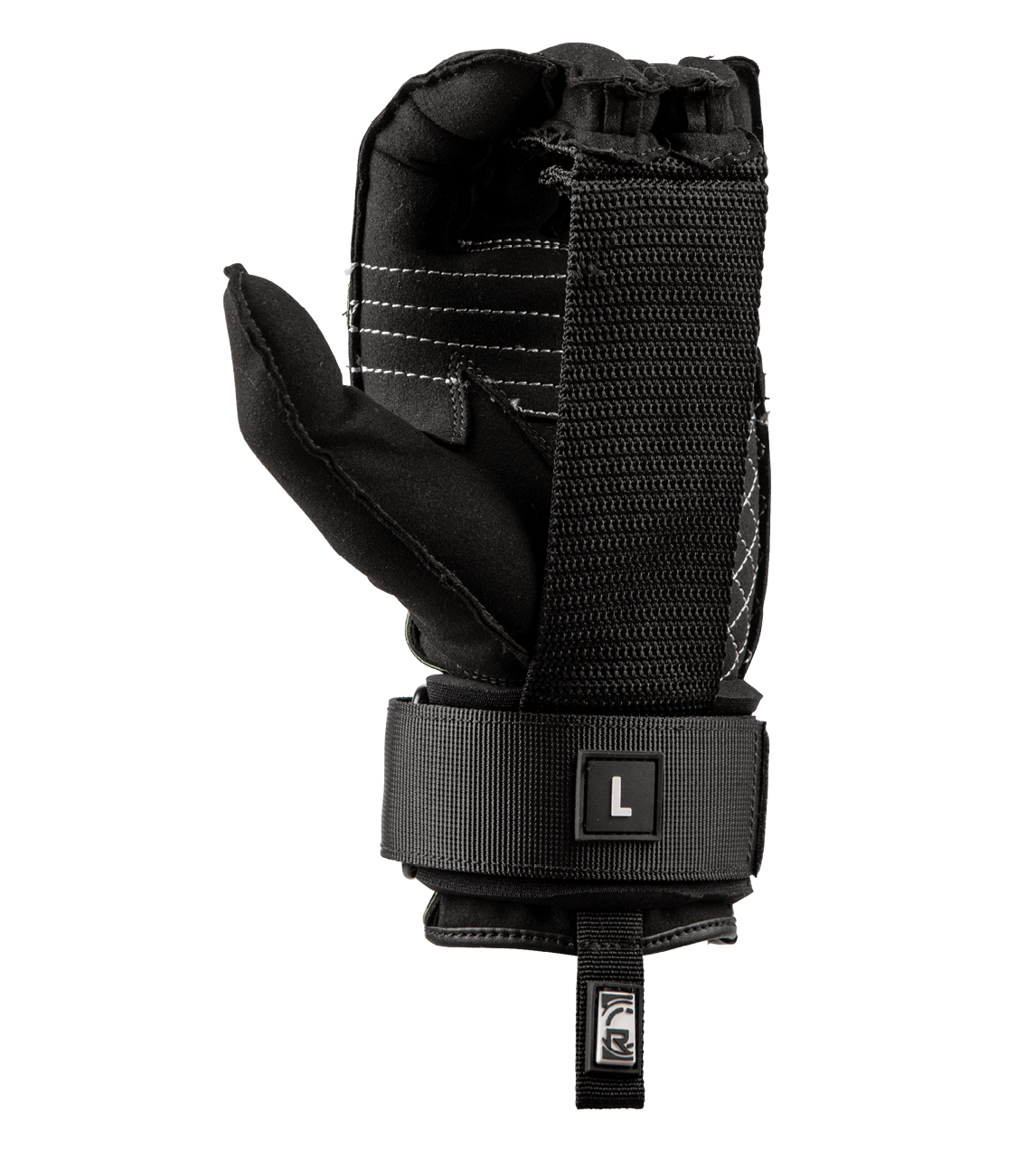
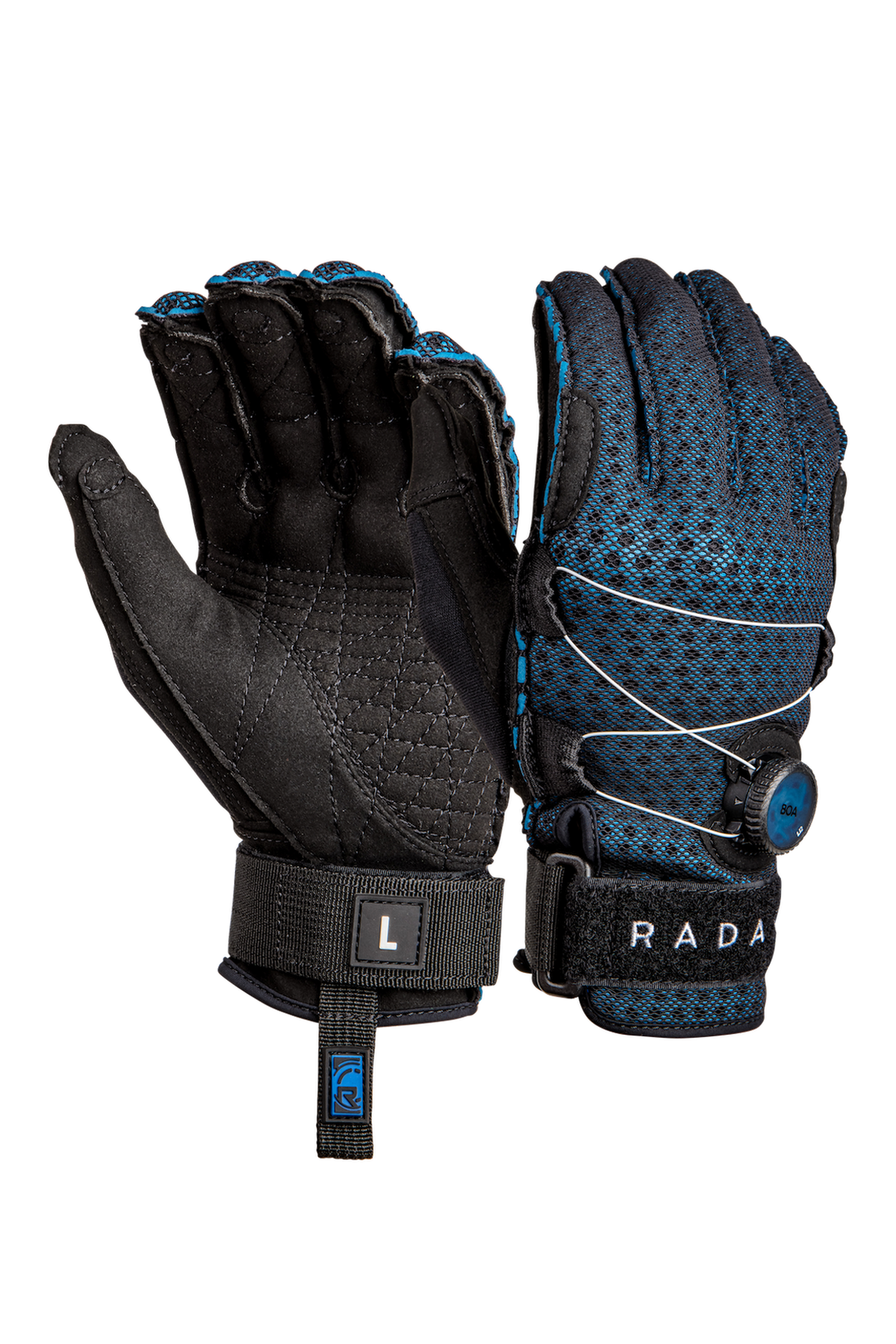
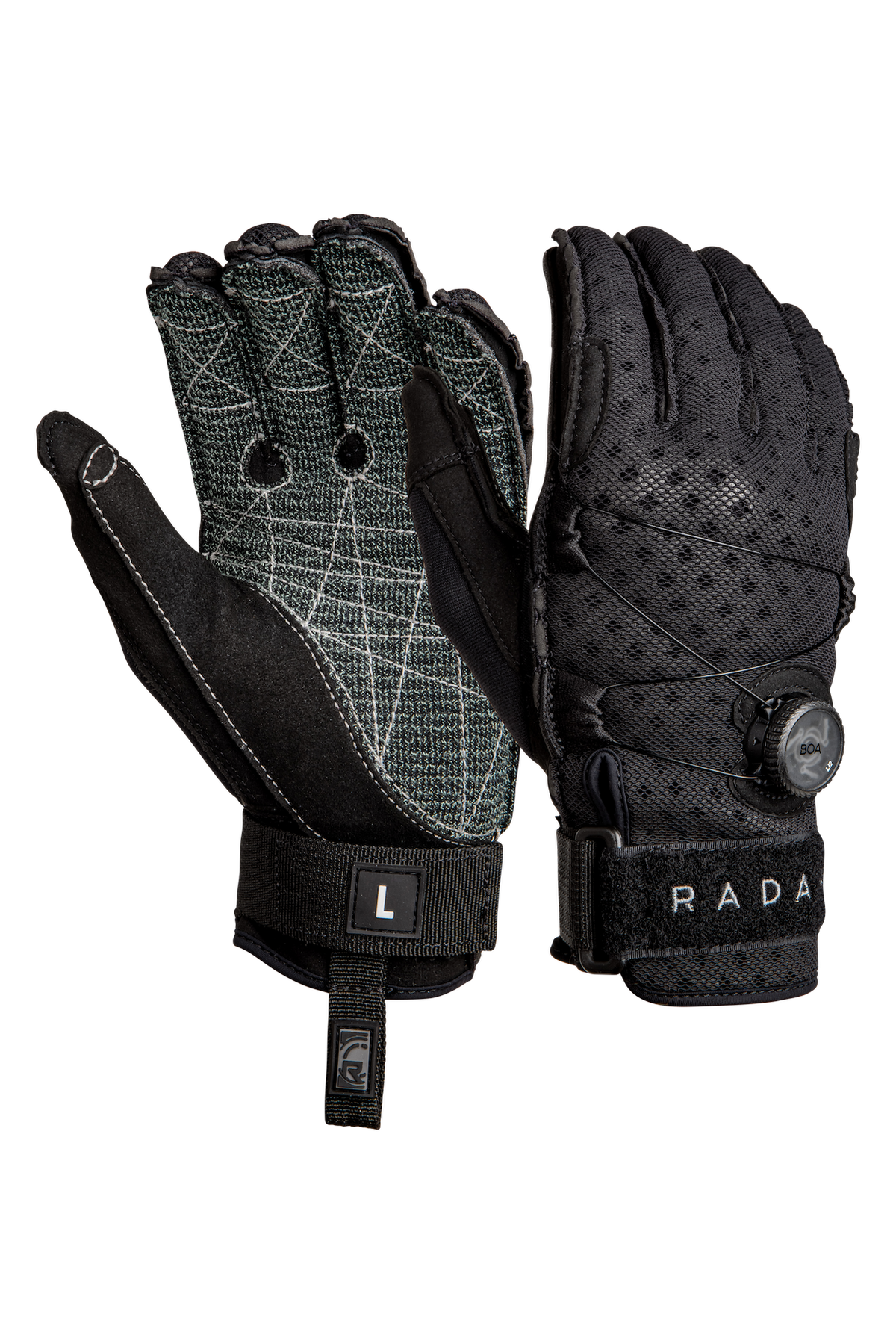


Waterskiing puts real load through your hands, and the right gloves make the difference between a long, comfortable set and sore, slipping palms. A good pair grips the handle securely, cushions your hands against the pull of the boat, and helps prevent the blisters that cut sessions short. For anyone skiing regularly, gloves are one of the most worthwhile pieces of kit you can own.
Our waterski gloves range brings together gloves from trusted brands, in styles and sizes for skiers of every level. Whether you are learning to get up or carving hard through the slalom course, there are gloves here to give you the grip and comfort you need on the water.
Not sure what to look for? The guide below explains grip, materials, and fit. Browse the range below, and pair your gloves with gear from our waterski collection.
Why Wear Waterski Gloves?
The pull of a boat through a tow rope puts significant force through your hands, and without gloves that force quickly leads to tired grip, sore palms, and blisters. Waterski gloves solve this by giving you a secure, tacky grip on the handle and cushioning your hands against the rope, so you can hold on longer and ski harder with less fatigue.
Better grip also means better control, which matters most when you are cutting across the wake or running a slalom course. For regular skiers, gloves are not a luxury but an essential that makes every set more comfortable and controlled.
What to Look for in Waterski Gloves
- Grip: tacky or textured palms that hold the handle securely, even when wet
- Comfort: pre-curved fingers that match a natural grip and reduce hand fatigue
- Flexibility: neoprene or stretch materials that move with your hands
- Secure fit: adjustable wrist straps that keep the gloves in place
- Durability: hard-wearing palm materials that stand up to the rope
The balance of grip, comfort, and durability you need depends on how hard and how often you ski.
Materials and Construction
Waterski gloves use a few key materials, each doing a job. Palms are often made from tacky, hard-wearing materials that grip the handle and resist wear from the rope, with some using a leather-style material prized for durability and feel. The back of the glove is usually a flexible material such as neoprene, which moves with your hand and adds a little warmth in cooler water.
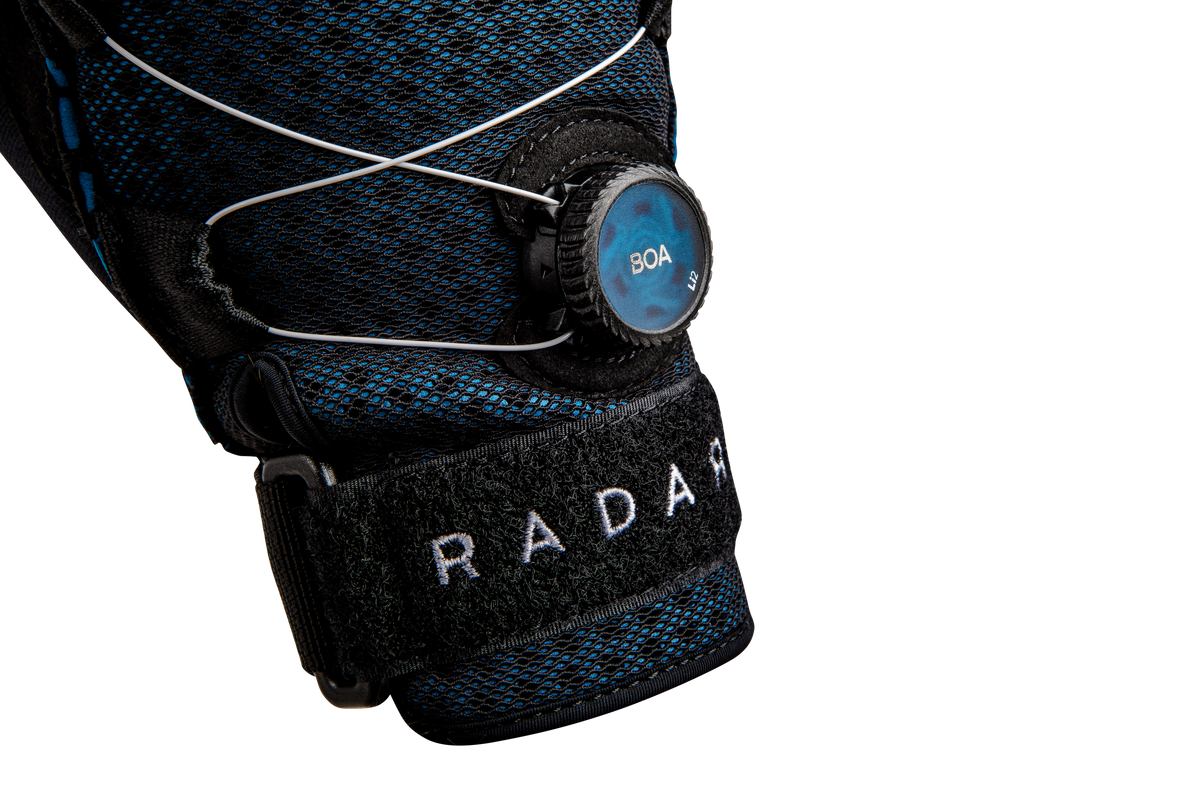
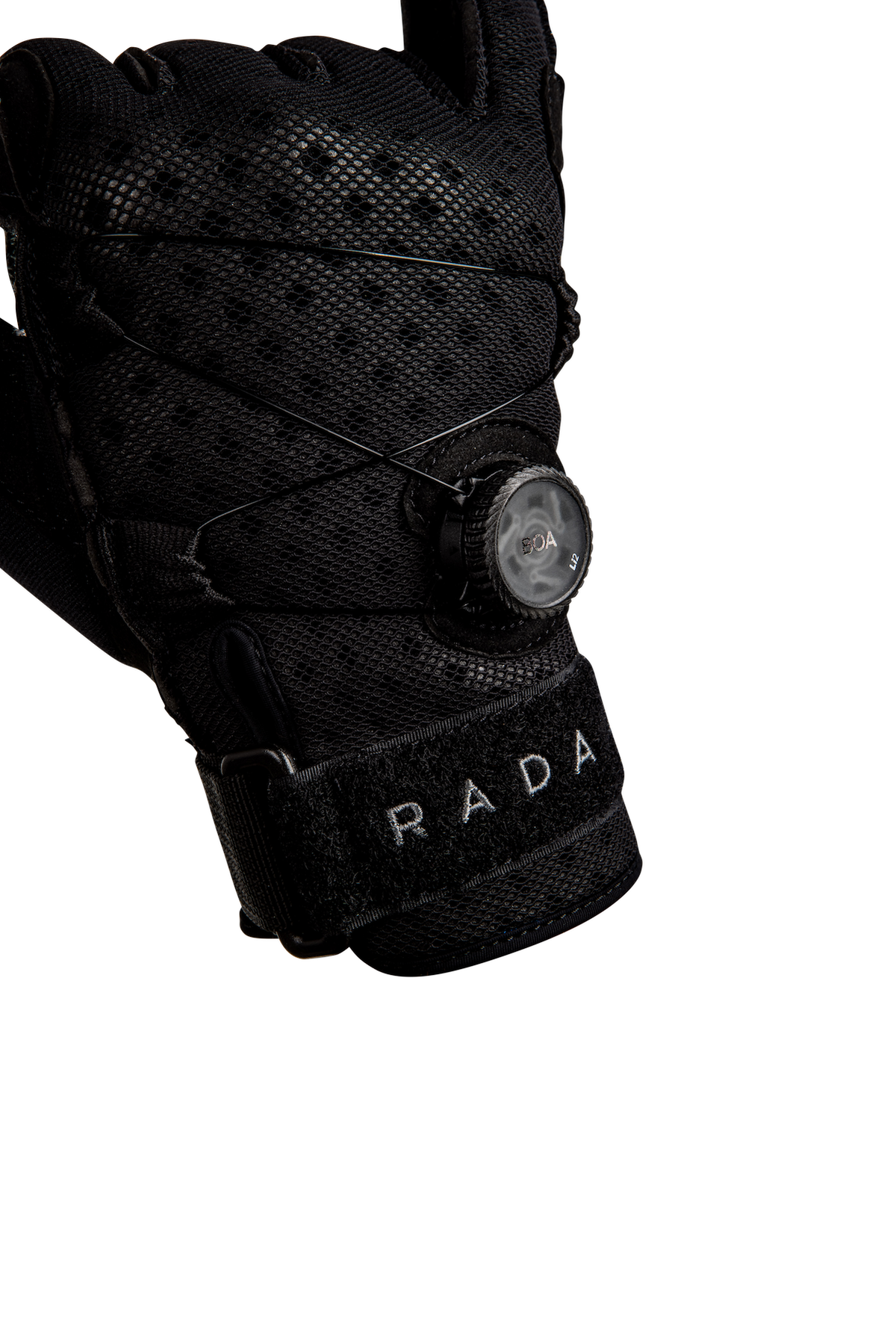
Pre-curved fingers are a common feature, shaping the glove to a natural gripping position so your hand works less to hold on. Adjustable wrist closures, often with a hook-and-loop strap, lock the fit so the gloves do not shift or slip during a hard pull.
Full-Finger or Fingerless?
Waterski gloves come in full-finger and open, fingerless styles. Full-finger gloves give the most protection and grip, covering the whole hand, which suits skiers who want maximum comfort and the least risk of blisters. Open or fingerless styles leave the fingertips exposed for more feel and dexterity, which some skiers prefer for a more direct connection to the handle.
The choice comes down to whether you value protection and grip or feel and dexterity. Many skiers prefer full-finger gloves for the comfort on longer sets and harder pulls.
Getting the Right Fit
Fit is key to how well gloves grip and how comfortable they are. A waterski glove should fit snugly without being so tight it restricts movement or circulation, holding close to your hand so it grips the handle rather than the glove sliding around. Loose gloves bunch up and cause the very blisters they are meant to prevent.
Gloves are sized by hand measurement, so check the brand's sizing chart using your hand circumference and length. Sizing varies between brands, so it is worth checking each guide, and our team in Poole can help you find the right fit if you are unsure.
Caring for Your Waterski Gloves
A little care keeps gloves gripping and lasting.
- Rinse them in fresh water after every session to remove salt and debris
- Let them air dry fully before storing
- Keep them out of prolonged direct sunlight, which degrades materials
- Check the palms and stitching for wear and the straps for damage
- Replace gloves when the palms wear smooth and lose their grip
Salt and sun are hard on glove materials, so a quick rinse and a proper dry after each session go a long way to keeping them in good shape.
How Much Do Waterski Gloves Cost?
Prices depend on the materials, the construction, and the brand. Simpler gloves sit at the lower end of the range, mid-range gloves add better grip materials and comfort features, and premium gloves with durable palms and refined construction sit higher. A more expensive glove usually means better grip, comfort, and durability.
For regular skiing, a comfortable, hard-wearing pair is worth investing in, as good gloves make every set more enjoyable and last longer before the palms wear. You'll find a spread of budgets across the range.
Why Buy Your Waterski Gloves from Surface2Air Sports?
We have been serving the UK waterski community since 2002, with a shop in Poole and a full range online.
- Waterski gloves from trusted brands
- Full-finger and open styles for every level
- A range of grip and comfort options
- Honest advice on materials and fit
- In-store fitting help and online support
Whether you are buying your first pair or replacing worn gloves, we can help you choose. Complete your kit with gear from our waterski equipment range, and explore Radar for gloves and skis.
Frequently Asked Questions About Waterski Gloves
Why do I need waterski gloves?
They give a secure grip on the handle and cushion your hands against the boat's pull, reducing fatigue and preventing blisters so you can ski longer and more comfortably.
How should waterski gloves fit?
Snugly without restricting movement or circulation, holding close to your hand so it grips the handle rather than the glove sliding. Loose gloves cause blisters.
What features improve grip?
Tacky or textured palms hold the handle securely, and pre-curved fingers match a natural grip. Adjustable wrist straps keep the gloves from shifting.
Should I choose full-finger or fingerless gloves?
Full-finger gloves give the most protection and grip, while fingerless styles leave the fingertips exposed for more feel. Most skiers prefer full-finger for comfort on hard pulls.
How do I choose the right size?
Size by your hand measurement using the brand's sizing chart, considering hand circumference and length. Sizing varies between brands, so check each guide.
Can I use waterski gloves for wakeboarding too?
Yes. The grip and hand protection are useful for wakeboarding and other tow sports, so a good pair works across several watersports.
How do I care for my gloves?
Rinse them in fresh water after each session, air dry them fully, keep them out of prolonged sun, and replace them when the palms wear smooth.
Do you sell other waterski gear?
Yes. Our waterski range covers skis, ropes, handles, vests, and accessories to complete your setup.
Let customers speak for us
Great job well dun thanks for your help with the purchase..

The bag is sturdy, spacious and water proofed on the inside. In addition, it can be worn as a backpack but it also comes with a strap for putting over a shoulder as a bag. I am happy with the purchase.

My first order of gummy straps never arrived so I contacted S2AS and they were very apologetic as Royal Mail had lost my parcel. They immediately sent out a second sets of straps which arrived the following day.
The customer service I recieved was exceptional and I would highly recommend this company for their swift response. I will definitely order with them again.

the whole exercise

item as dscribed, looks fantastic

As described and looks fantastic. thank you
My first board and binding set up after using hire equipment for over a year. These will take some getting used to but step in and strap is a vast improvement. Large to size 12UK looks like it only just fits across the toe strap.
S2AS are my go to online store for anything Snowboarding related and as they say any query just pick up the phone and speak to Ollie (who sounds a lot like Jamie Lang)

Wait for snow
Loved the service in the shop Ollie was very helpful and a pleasure to deal with. Recommend highly
Kind regards
Matt

2026 Slingshot KTV EverShred Wakeboard Bindings

Exceptionally quick delivery, would definitely recommend buying from this site

Hi my in store experience was fantastic from email to shop with your representative Ollie could not have been more polite & helpful
Once I’ve tried the bourd I will send further feedback
Hope your all well
Kind regards
Matt

We ordered a large amount of items that all arrived safely, we kept everything save two jackets which we ordered wrong, but the team were great, we sent them back and got a refund with no hassle. Will definitely use in the future!

Great graphics, good fit and quality

I purchased a wing that was 70% off and I am delighted with my new toy. I had it out today for the first time and despite only being a 2.8m wing, the power and control was amazing. It is so good that I am tempted to buy a bigger size to add to my collection. Thanks again S2AS for another great product for a bargain price 😊
Great carbonboard from Shinn and Raptor fin set at a good price from Surface2Air Sports. Delivered without any problems.