Sort by


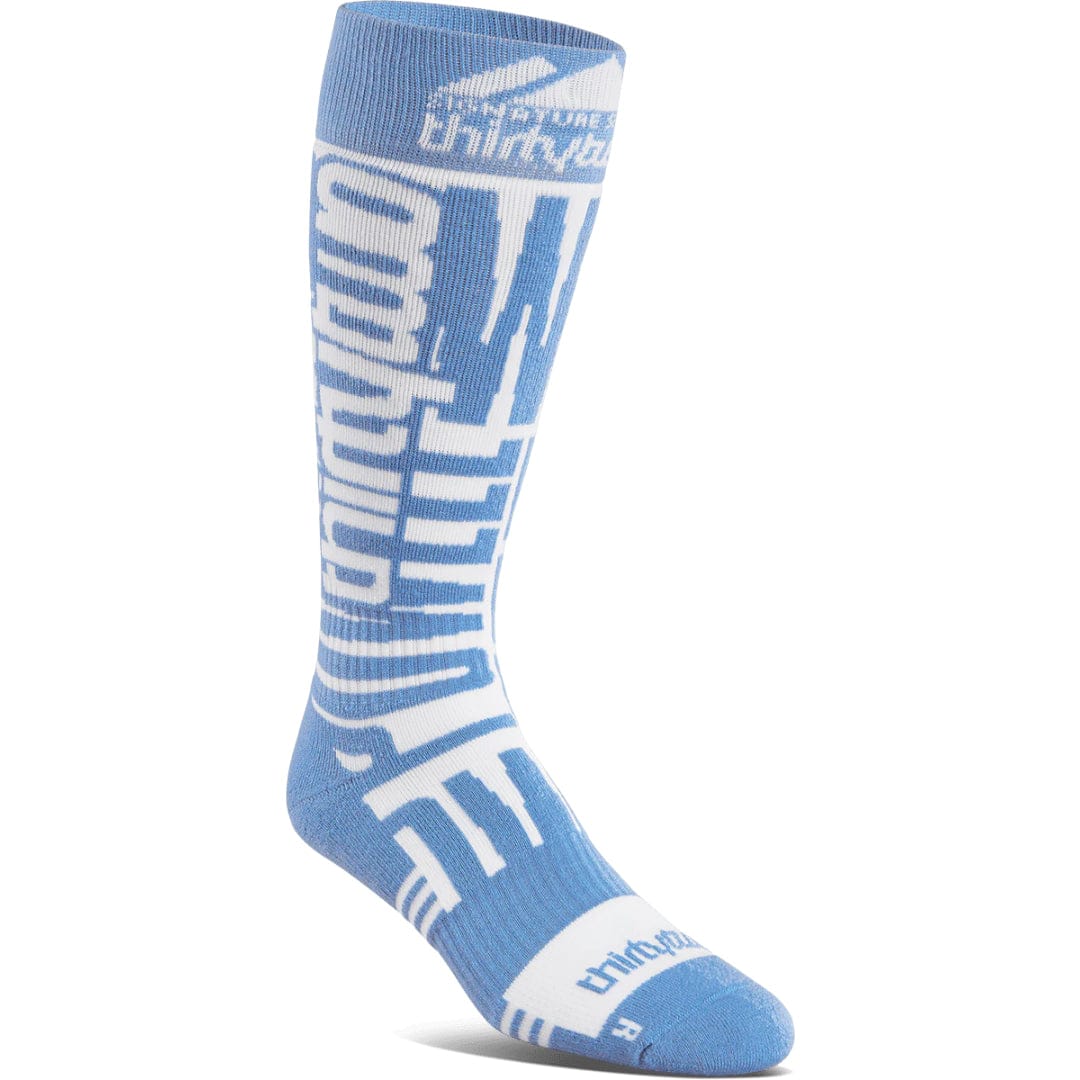
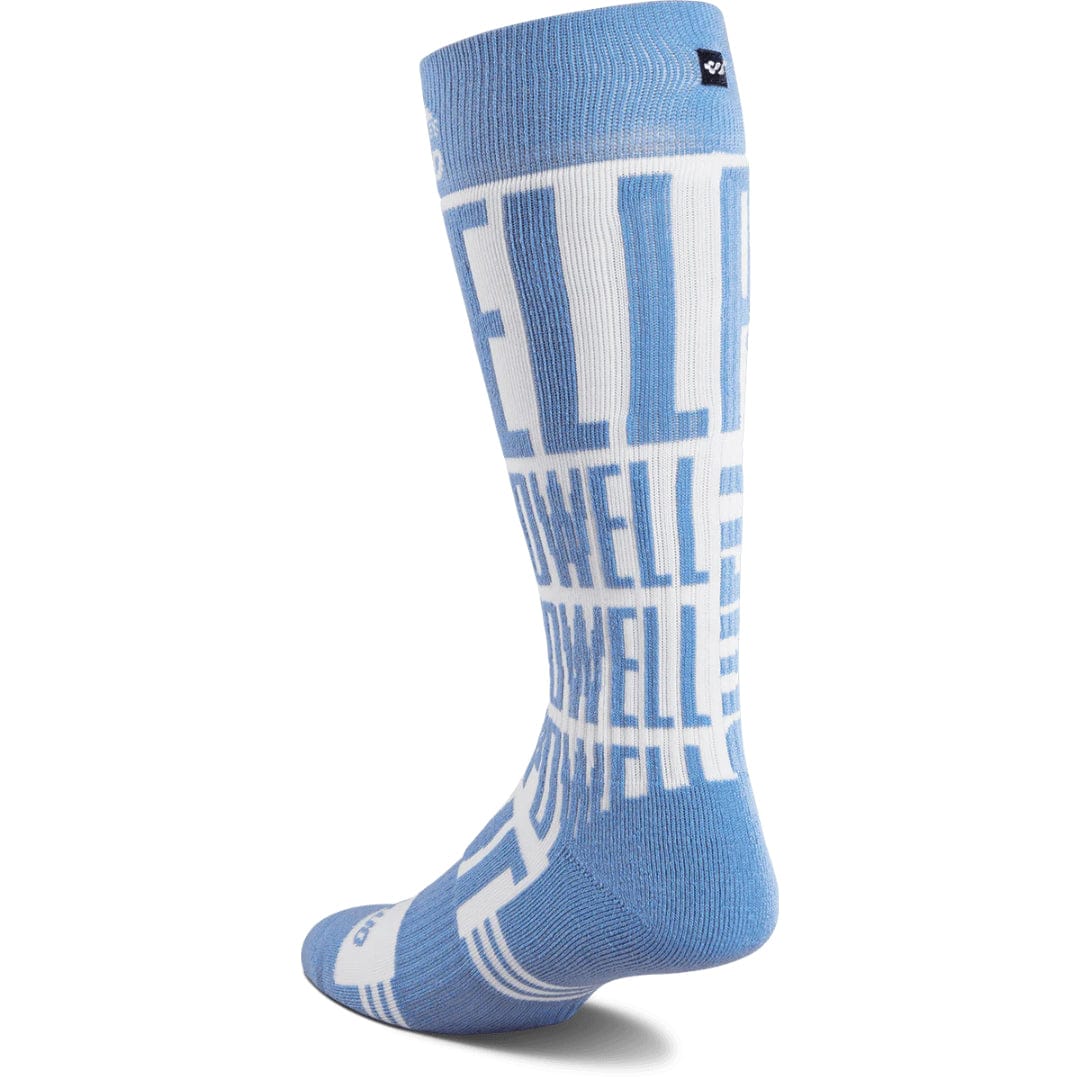
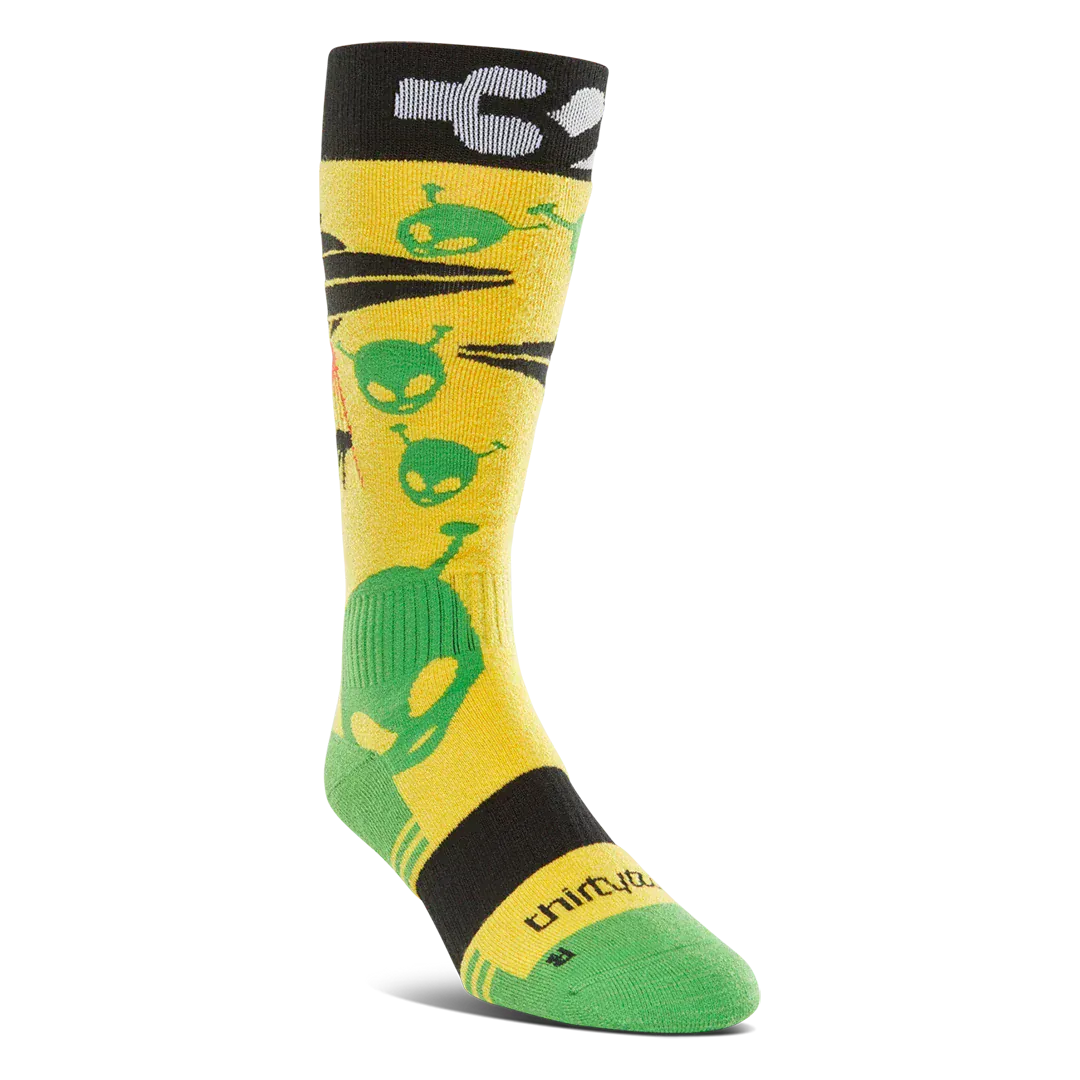
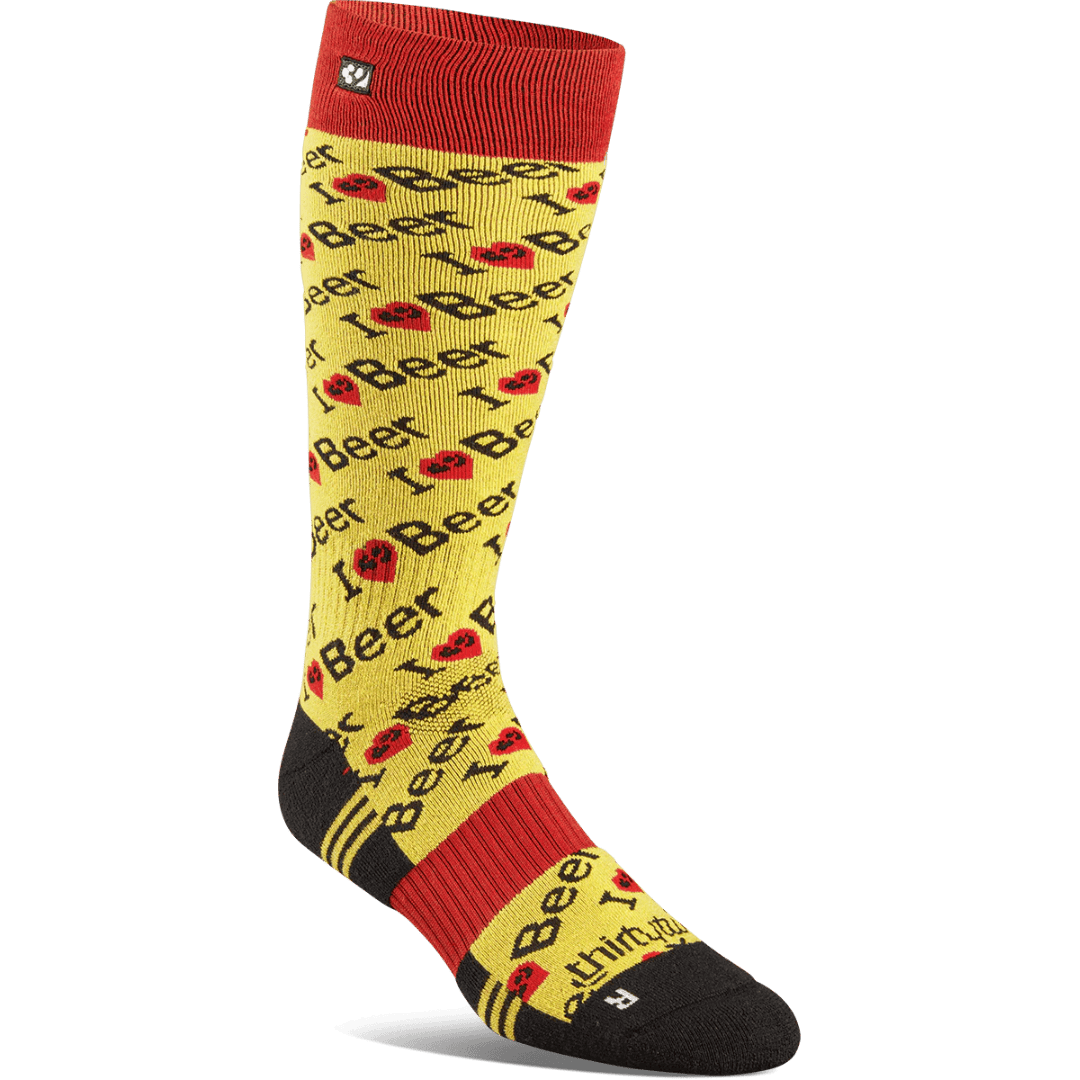
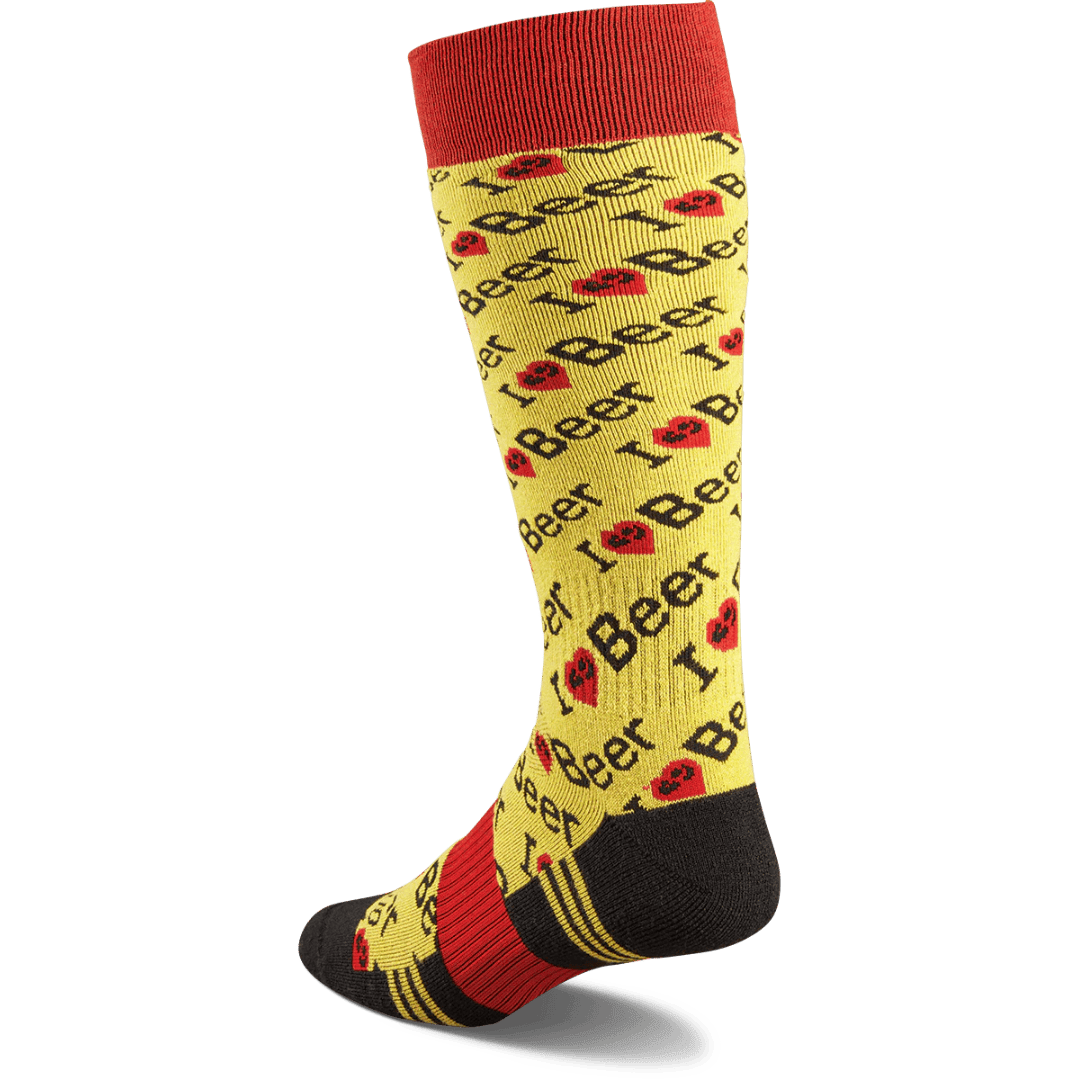
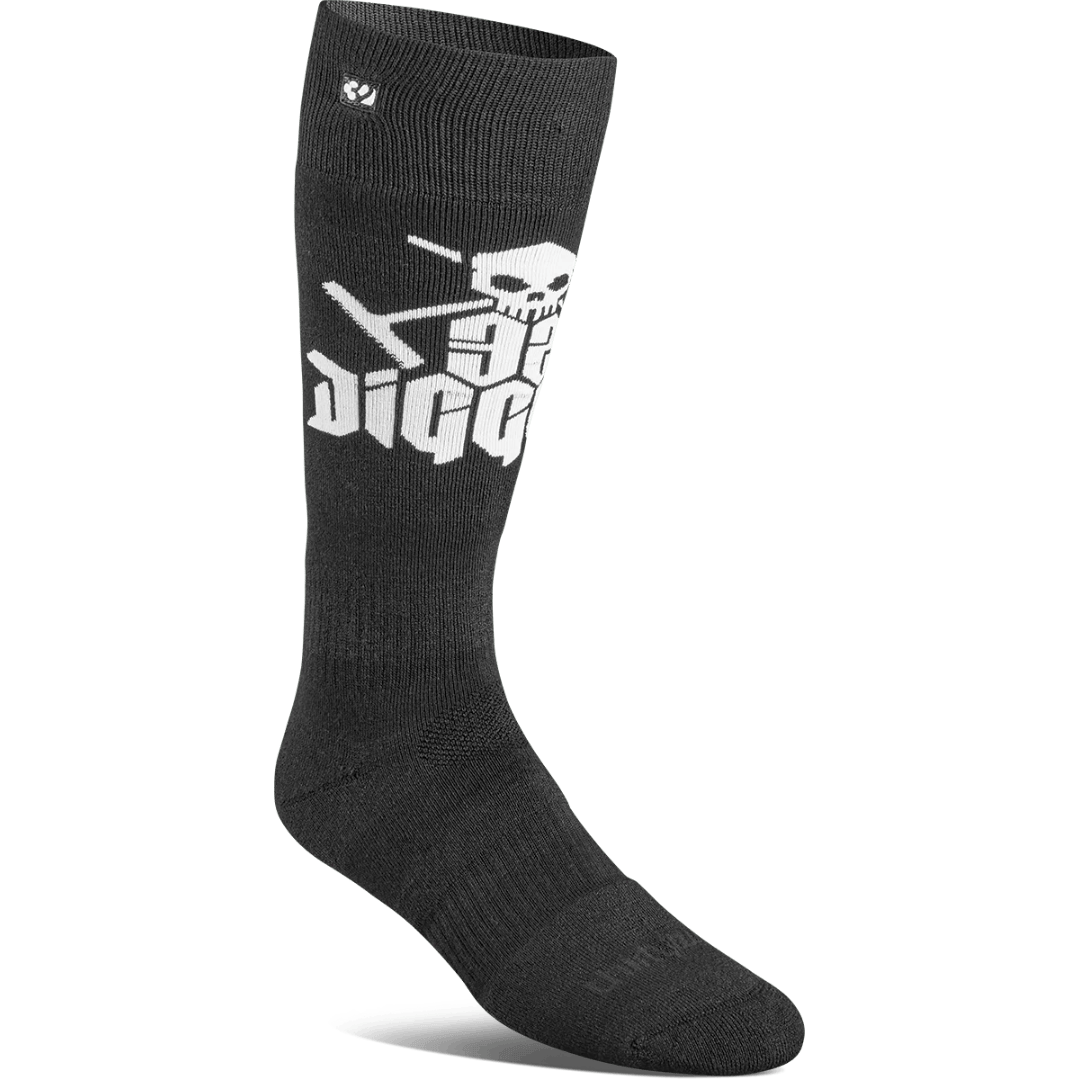
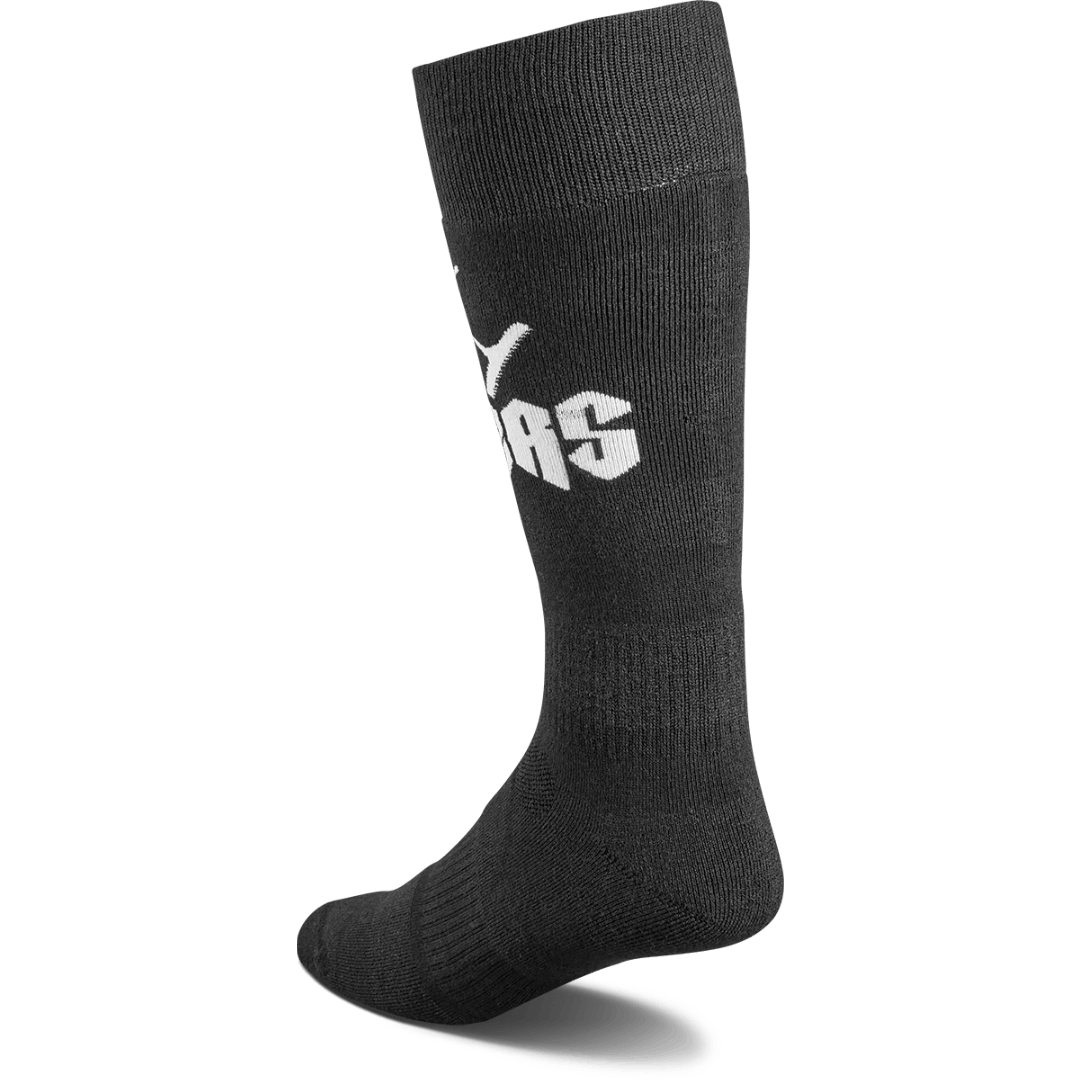
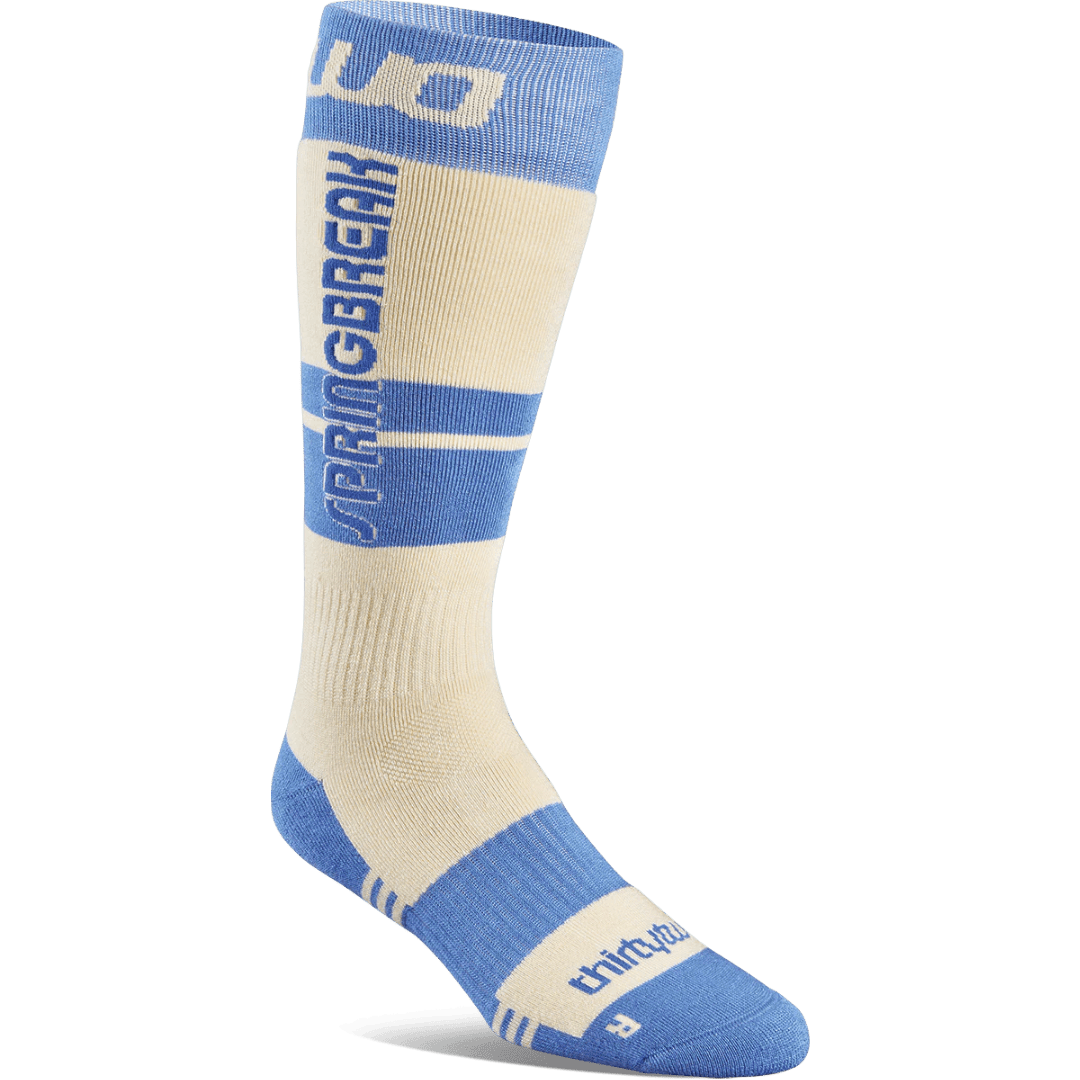

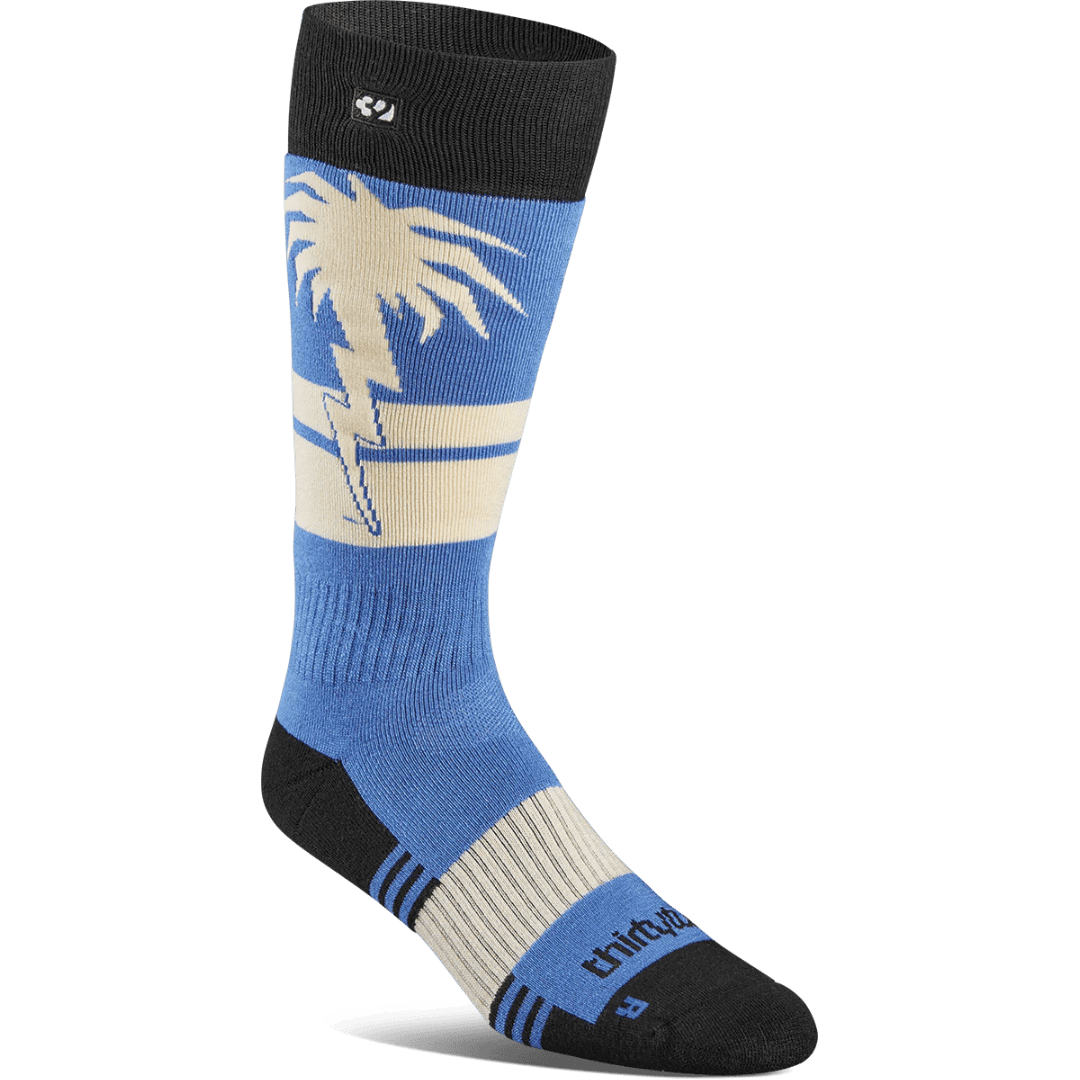
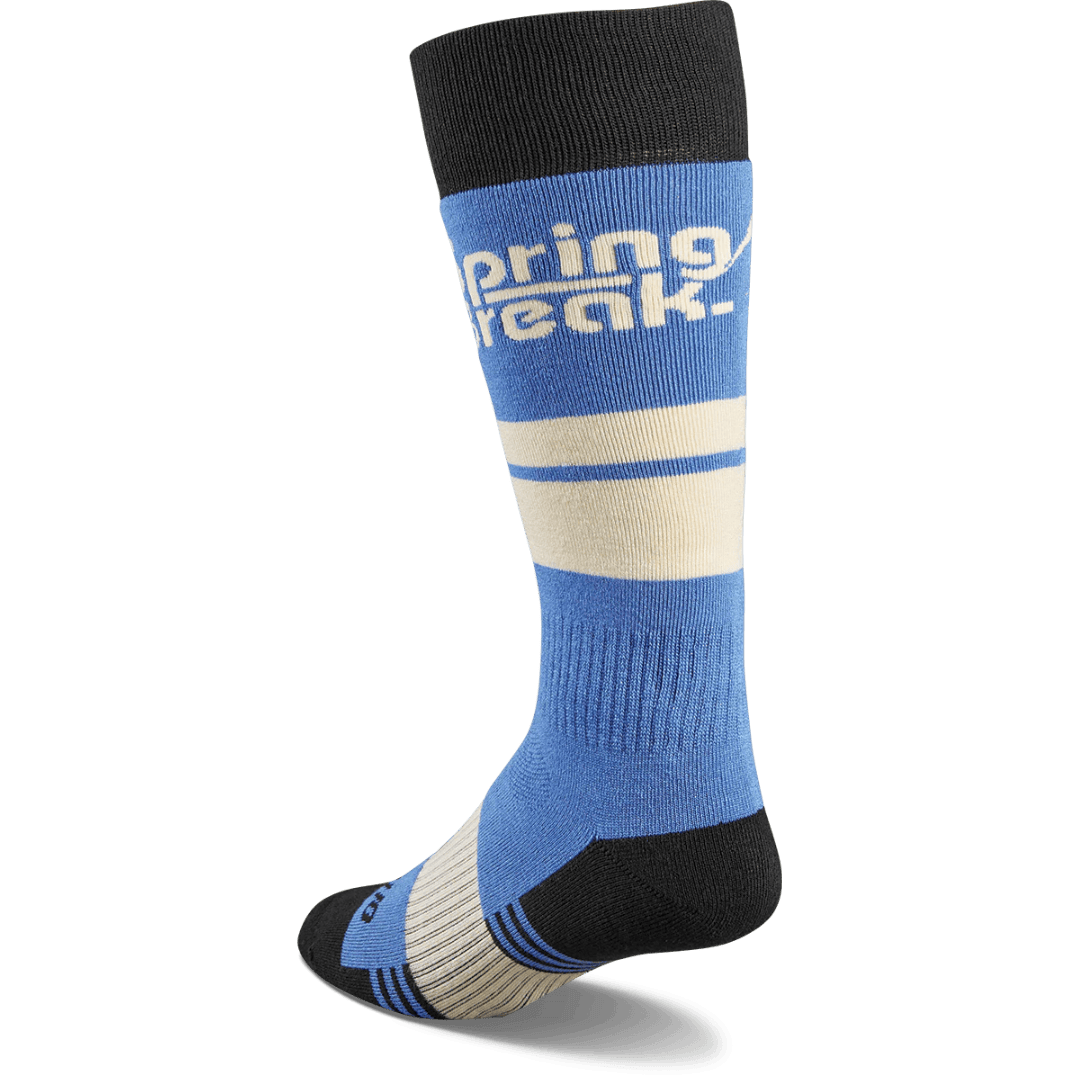
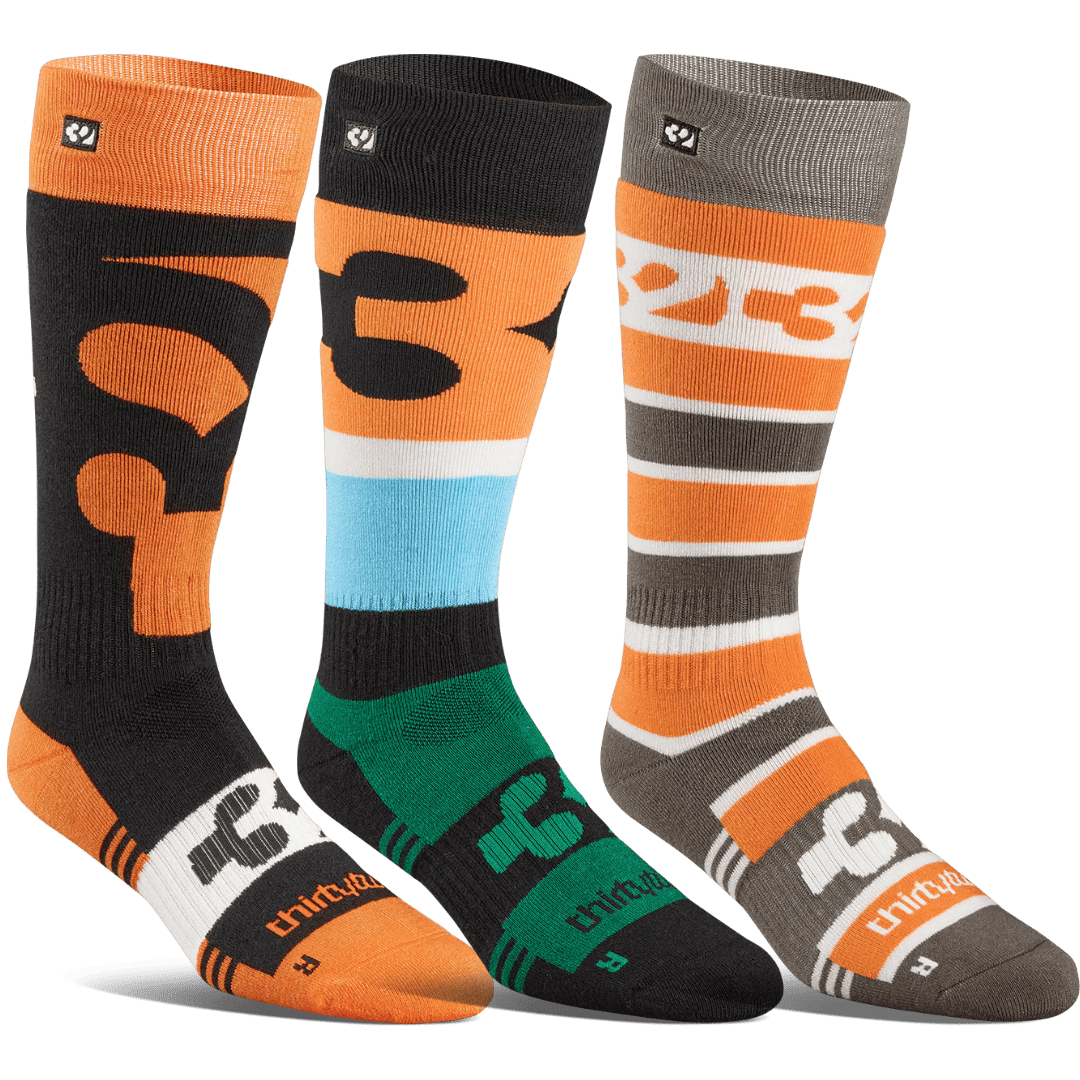
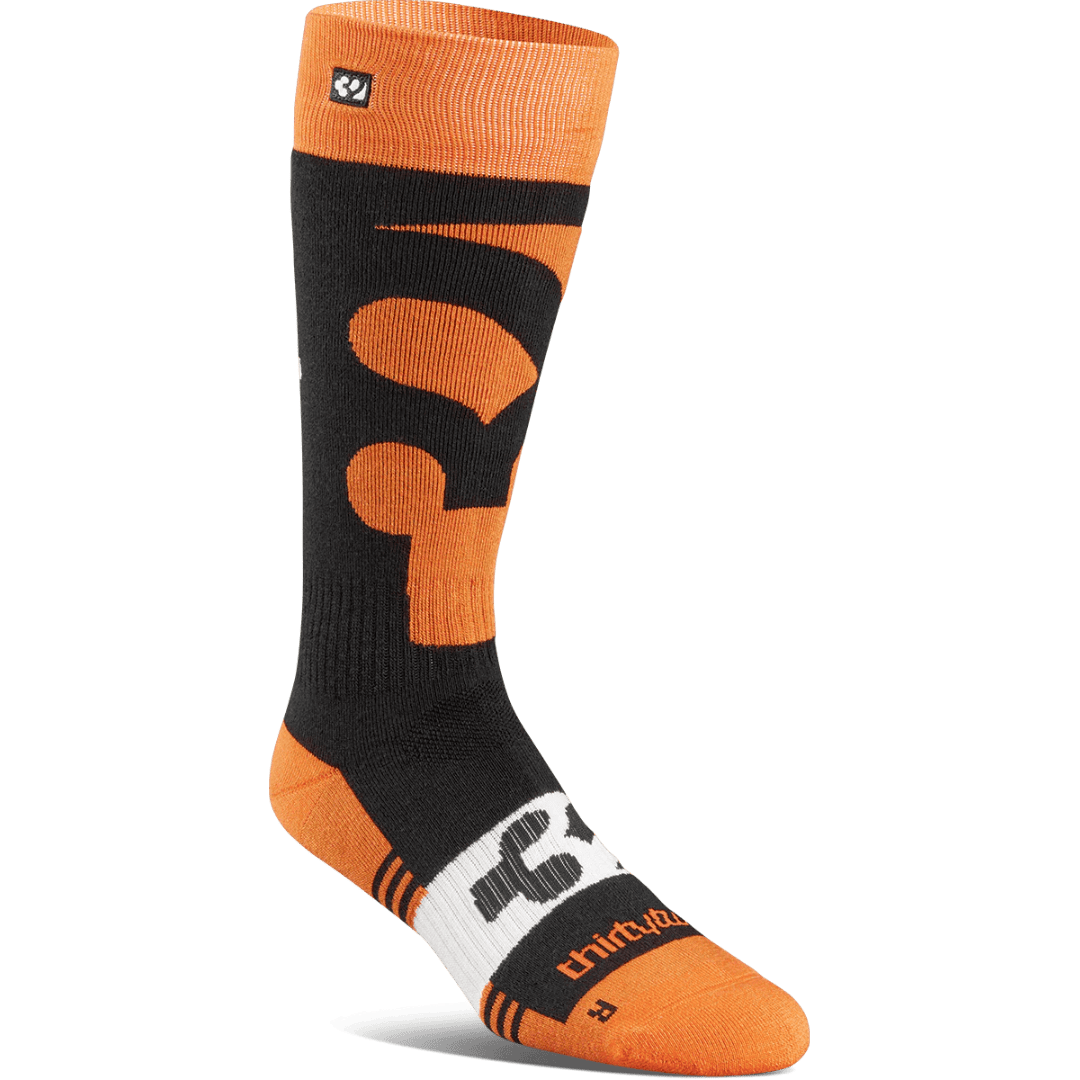

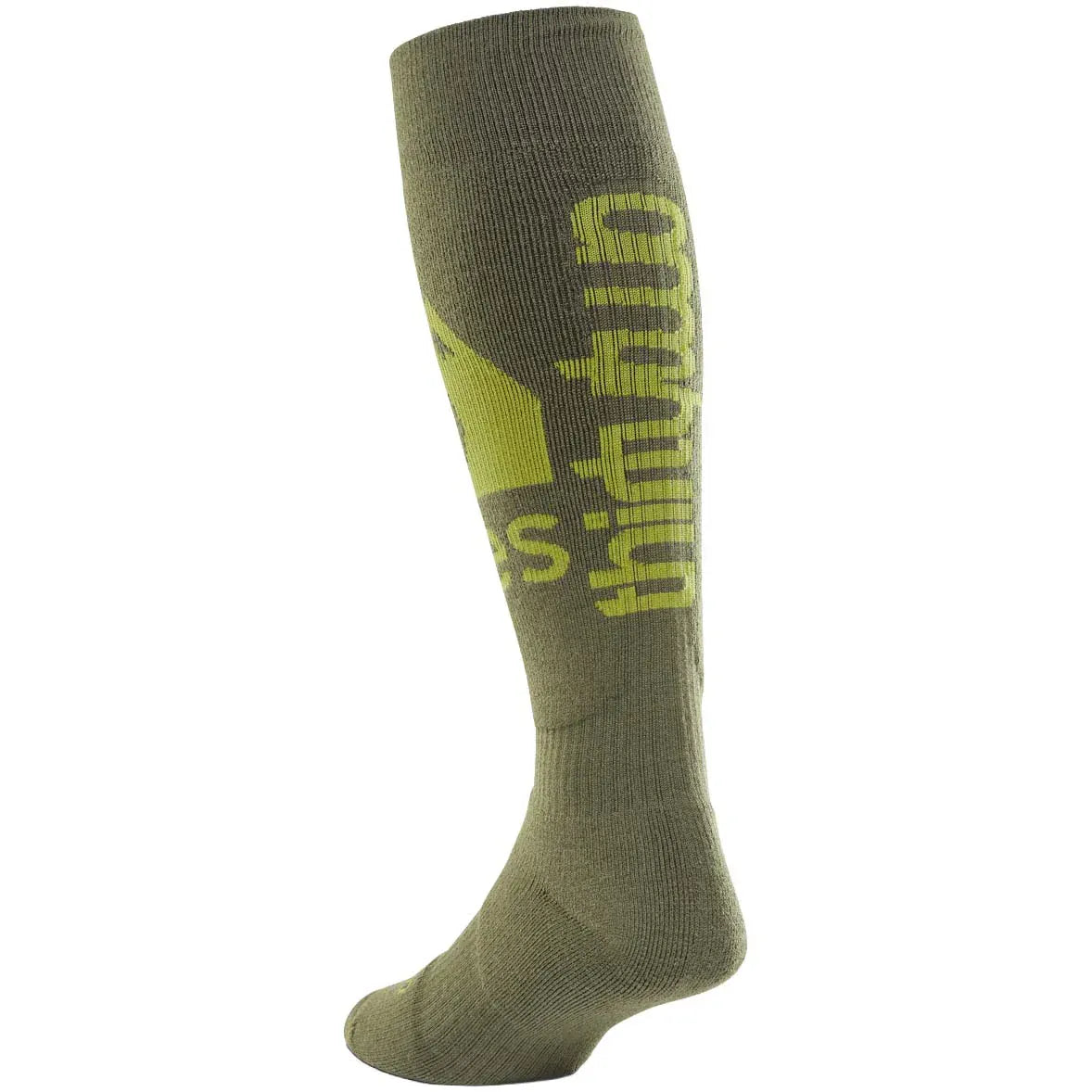
The right pair of snow socks does far more work than most riders expect. On a long day in the cold, your socks manage sweat, add a thin layer of cushioning in the right places, and help your boot fit the way it should. Get them wrong and you face cold, clammy, aching feet by early afternoon. Get them right and you barely think about your feet at all.
Our snow sock range is built for real winter conditions on the slopes, with technical merino wool blends, shaped padding, and a tall cut that sits above the top of a ski or snowboard boot. Whether you tend to run cold, struggle with sweaty feet, or simply want socks that hold their shape for more than one season, there is a pair here to suit.
Not sure what to look for? The guide below covers materials, thickness, height, and fit, and our team is always happy to help you choose. Browse the full range below, and once you have your socks sorted, make sure your snowboard boots fit correctly too.
What Makes a Good Snow Sock?
A good snow sock is thin, warm, and quick to move moisture away from your skin. That last point surprises people, because thick, fluffy socks feel cosy in the shop but trap sweat, and damp feet get cold fast. The best snow socks use a technical knit that wicks moisture, dries quickly, and adds padding only where your boot needs it, usually across the shin and around the heel.
Why Merino Wool?
Most quality snow socks use a merino wool blend rather than pure cotton or basic synthetics. Merino is naturally warm even when slightly damp, it resists odour over several days of use, and it regulates temperature well so your feet stay comfortable in changing conditions. Blending merino with nylon and elastane adds durability and stretch, so the sock keeps its shape and support through the season.
Thin or Cushioned: Choosing the Right Thickness
Modern ski and snowboard boots are designed to be worn with a thin sock. A thin, well-shaped sock lets the boot liner do its job and keeps your foot connected to the board or ski. Choose a lightly cushioned sock if you feel pressure points, ride in very cold temperatures, or simply prefer a little extra comfort. Avoid thick, bulky socks, as they bunch up, reduce circulation, and can actually make your feet colder.
Sock Height and Why It Matters
Snow socks are cut tall on purpose. The top of the sock should sit above the cuff of your boot so there is no bare skin rubbing against the hard shell. A sock that is too short slips down during the day and leads to painful rubbing across the shin. Look for a sock that reaches comfortably up the calf and stays in place.
How Should Snow Socks Fit?
A snow sock should fit snugly with no loose fabric around the toes or heel. Wrinkles and folds are the main cause of blisters and cold spots, so the sock needs to hug the foot and stay put. Many designs use left and right specific shaping, a supportive arch band, and seamless toes to remove pressure points. Always match the sock size to your foot, not your boot size.
One Thin Pair, Not Two
A common mistake is wearing two pairs of socks, or doubling up a thin and a thick pair, in the hope of staying warmer. In practice this restricts blood flow and traps moisture, which leaves you colder. One quality technical sock almost always keeps your feet warmer than two ordinary pairs.
Men's, Women's, and Kids' Snow Socks
Snow socks come in cuts shaped for different feet. Women's socks are usually narrower through the foot and calf, while kids' socks focus on warmth and a secure fit for smaller feet. Choosing the right cut makes a real difference to comfort over a full day. If you are buying for a growing child, a sock with good stretch will see them through more of the season.
Caring for Your Snow Socks
- Wash merino blends on a cool, gentle cycle
- Avoid fabric softener, which coats the fibres and reduces wicking
- Never tumble dry on high heat, as this can shrink wool and damage elastane
- Dry flat or on a low heat, away from direct radiators
- Rotate two or three pairs through the season so each has time to recover
Good care keeps the padding springy and the fit snug, so your socks last far longer.
How Much Do Snow Socks Cost?
Snow socks sit at the affordable end of winter kit, yet they make a big difference to comfort. Basic synthetic socks are the cheapest, merino blends sit in the middle, and premium socks with targeted cushioning, left and right shaping, and higher merino content cost a little more. For most riders a mid-range merino blend offers the best balance of warmth, durability, and value, and keeping two or three pairs means you always have a dry pair ready.
Why Buy Your Snow Socks from Surface2Air Sports?
We have been fitting skiers and snowboarders since 2002, with a shop in Poole and a full range online.
- Technical merino blend socks built for cold conditions
- Thin and lightly cushioned options to suit your boots
- Men's, women's, and kids' sizing
- Honest advice on thickness, height, and fit
- Trusted winter brands
Sorting your socks is a small step that makes a big difference to your day. While you are here, take a look at our wider snowboarding range and our snow clothing to complete your winter kit.
Frequently Asked Questions About Snow Socks
Are thick socks warmer for skiing and snowboarding?
No. Thick socks trap moisture and restrict circulation, which makes feet colder. A thin, technical merino blend sock keeps you warmer.
Should I wear two pairs of socks?
One quality sock is better than two. Doubling up causes bunching, poor blood flow, and damp feet, all of which lead to cold toes.
Why are snow socks so tall?
The sock needs to sit above the top of your boot to stop the hard cuff rubbing against bare skin. A tall cut also stays in place through the day.
Can I wear normal cotton socks?
It is best not to. Cotton holds sweat against the skin and stays wet, which quickly makes your feet cold and prone to blisters.
What size snow sock should I buy?
Match the sock to your foot size, not your boot size. A snug fit with no loose fabric around the toes or heel prevents blisters and cold spots.
How do I keep merino socks in good condition?
Wash cool, skip fabric softener, and avoid high heat when drying. Rotating a few pairs through the season also helps them last.
Let customers speak for us
Great job well dun thanks for your help with the purchase..

The bag is sturdy, spacious and water proofed on the inside. In addition, it can be worn as a backpack but it also comes with a strap for putting over a shoulder as a bag. I am happy with the purchase.

My first order of gummy straps never arrived so I contacted S2AS and they were very apologetic as Royal Mail had lost my parcel. They immediately sent out a second sets of straps which arrived the following day.
The customer service I recieved was exceptional and I would highly recommend this company for their swift response. I will definitely order with them again.

the whole exercise

item as dscribed, looks fantastic

As described and looks fantastic. thank you
My first board and binding set up after using hire equipment for over a year. These will take some getting used to but step in and strap is a vast improvement. Large to size 12UK looks like it only just fits across the toe strap.
S2AS are my go to online store for anything Snowboarding related and as they say any query just pick up the phone and speak to Ollie (who sounds a lot like Jamie Lang)

Wait for snow
Loved the service in the shop Ollie was very helpful and a pleasure to deal with. Recommend highly
Kind regards
Matt

2026 Slingshot KTV EverShred Wakeboard Bindings

Exceptionally quick delivery, would definitely recommend buying from this site

Hi my in store experience was fantastic from email to shop with your representative Ollie could not have been more polite & helpful
Once I’ve tried the bourd I will send further feedback
Hope your all well
Kind regards
Matt

We ordered a large amount of items that all arrived safely, we kept everything save two jackets which we ordered wrong, but the team were great, we sent them back and got a refund with no hassle. Will definitely use in the future!

Great graphics, good fit and quality

I purchased a wing that was 70% off and I am delighted with my new toy. I had it out today for the first time and despite only being a 2.8m wing, the power and control was amazing. It is so good that I am tempted to buy a bigger size to add to my collection. Thanks again S2AS for another great product for a bargain price 😊
Great carbonboard from Shinn and Raptor fin set at a good price from Surface2Air Sports. Delivered without any problems.