
Waterski Boots
Sort by


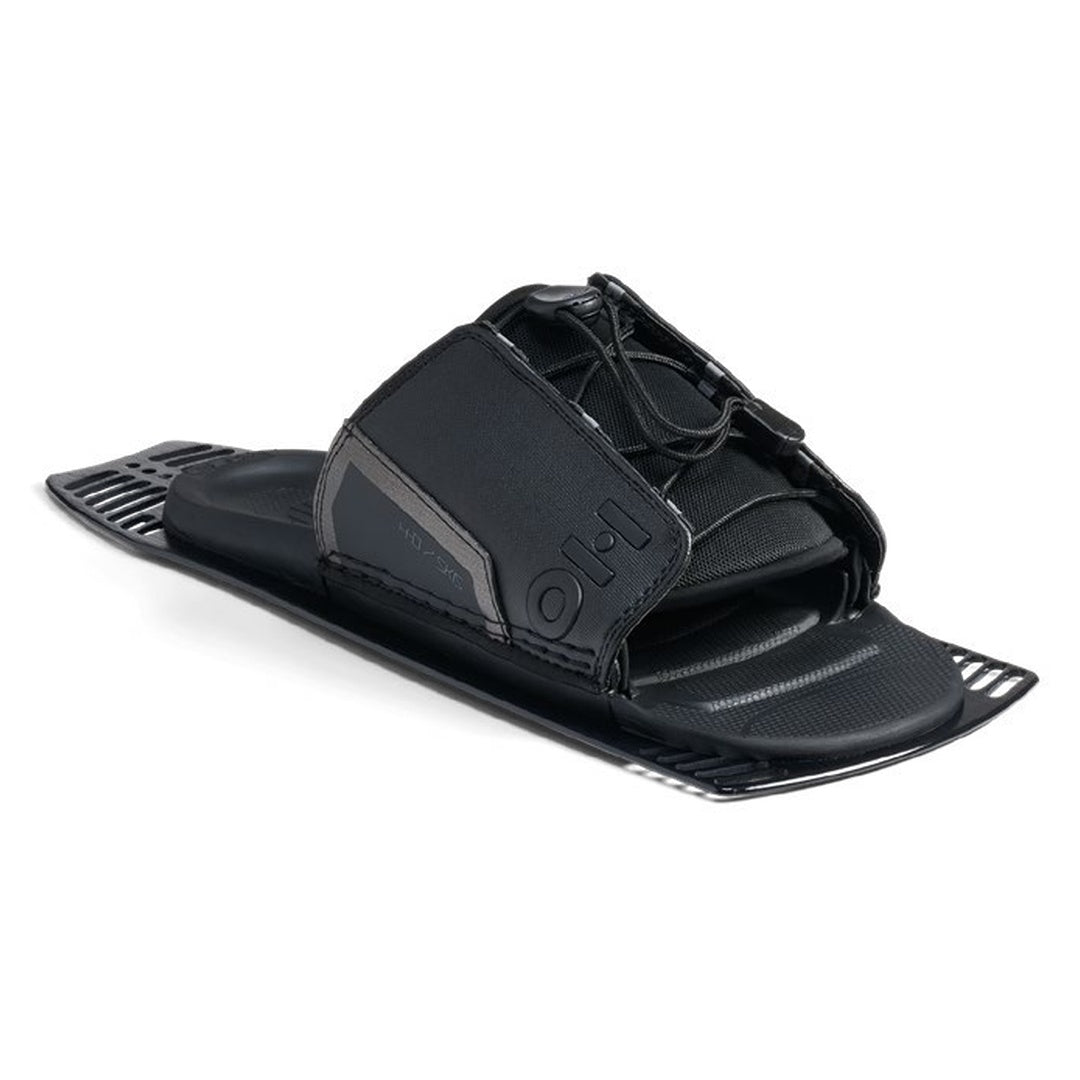
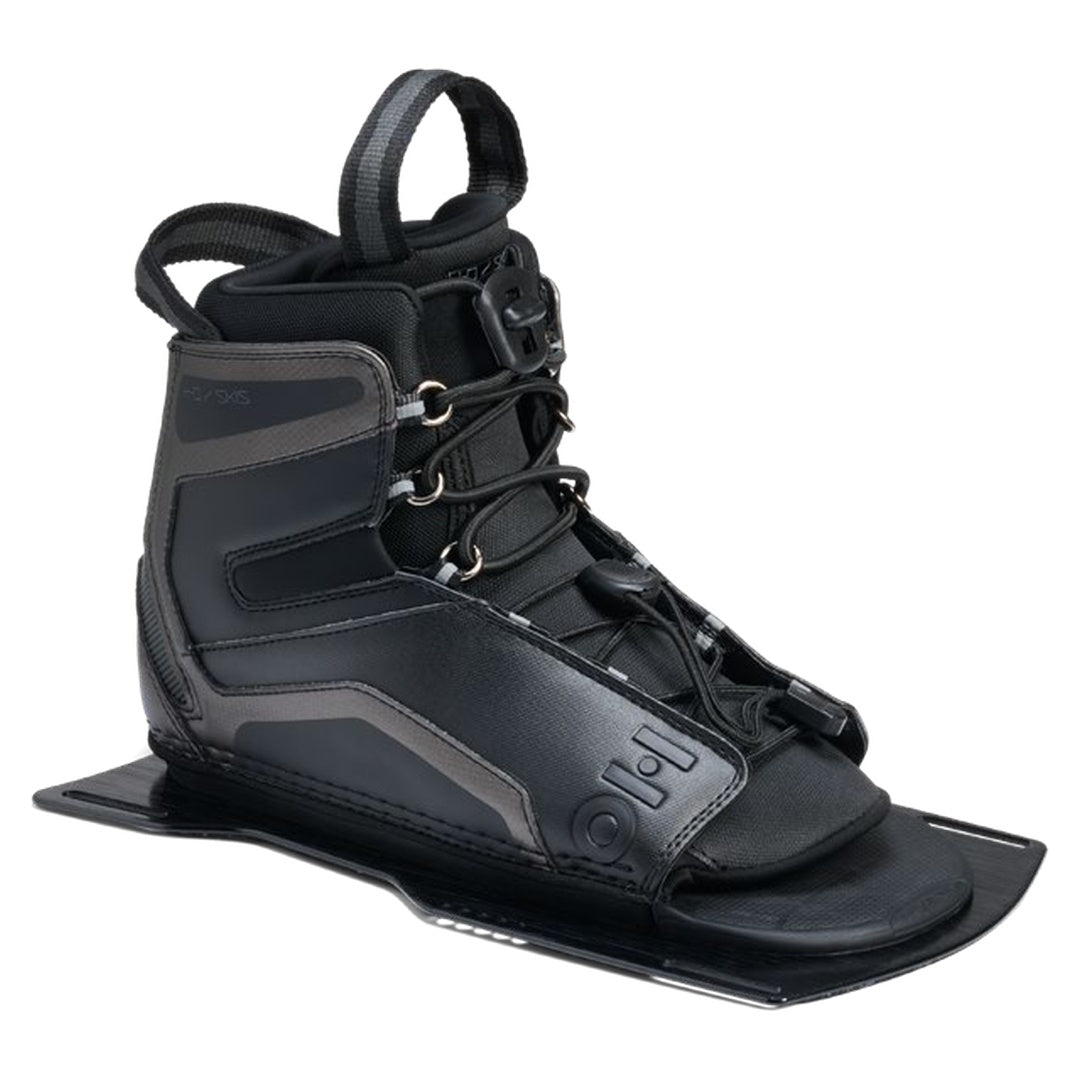
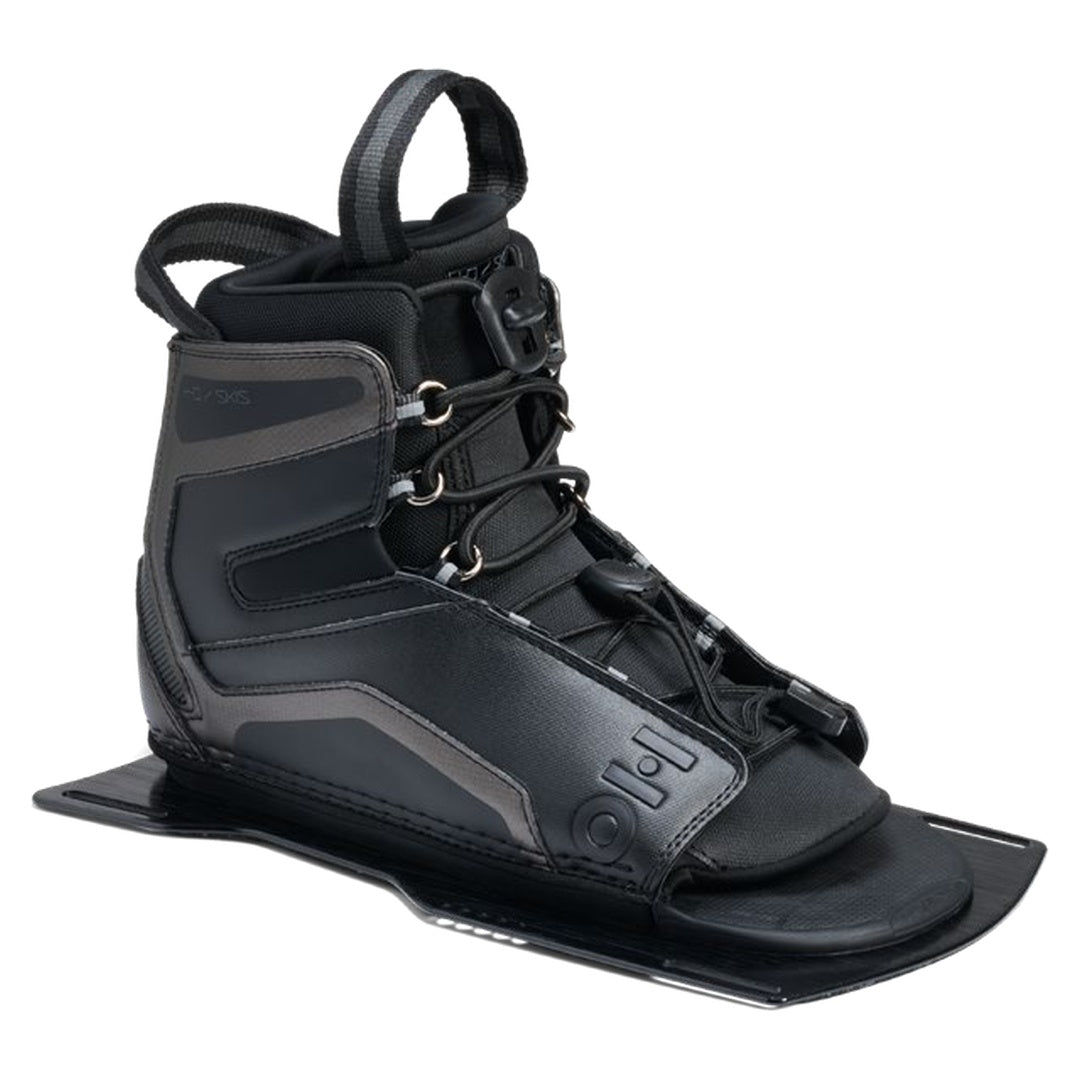
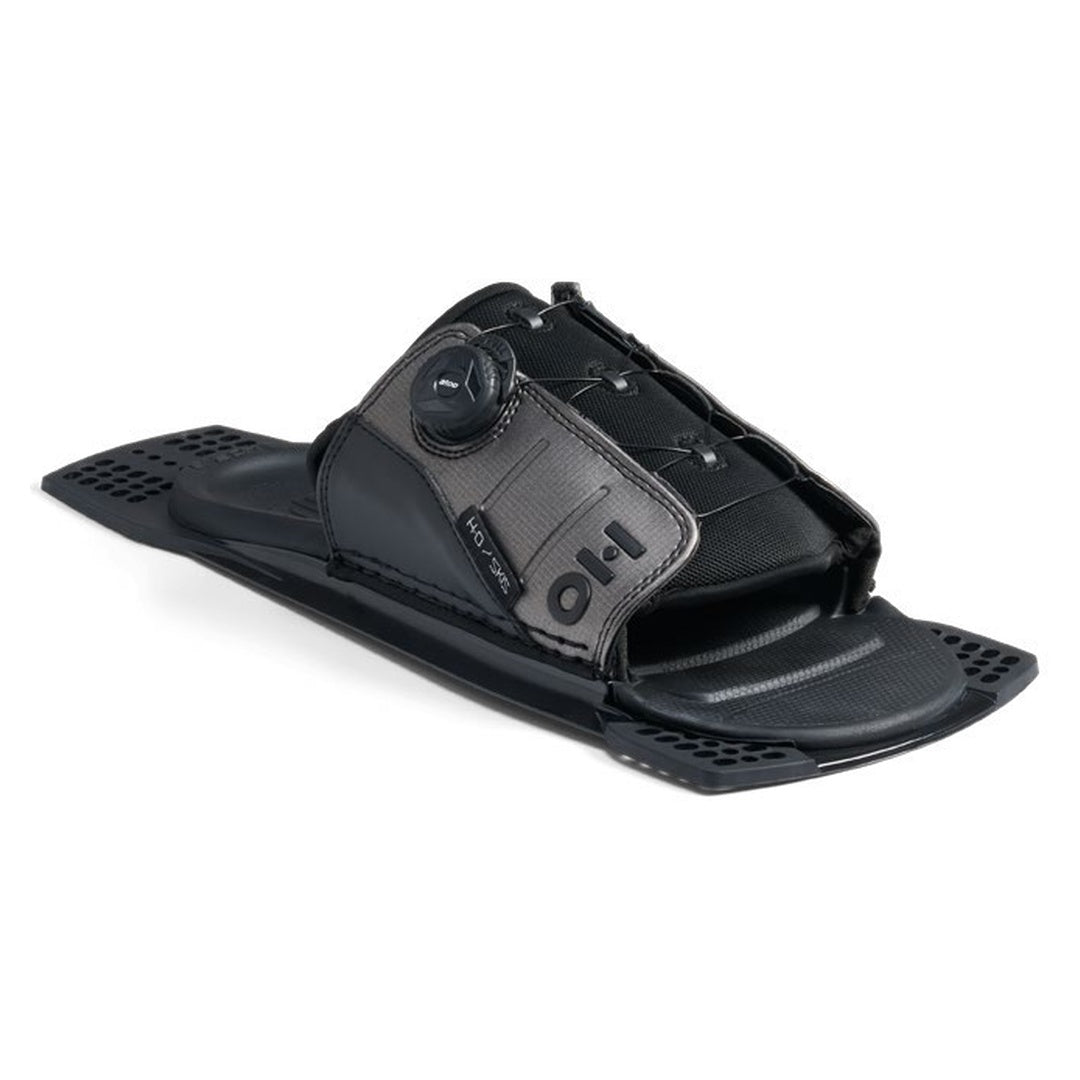
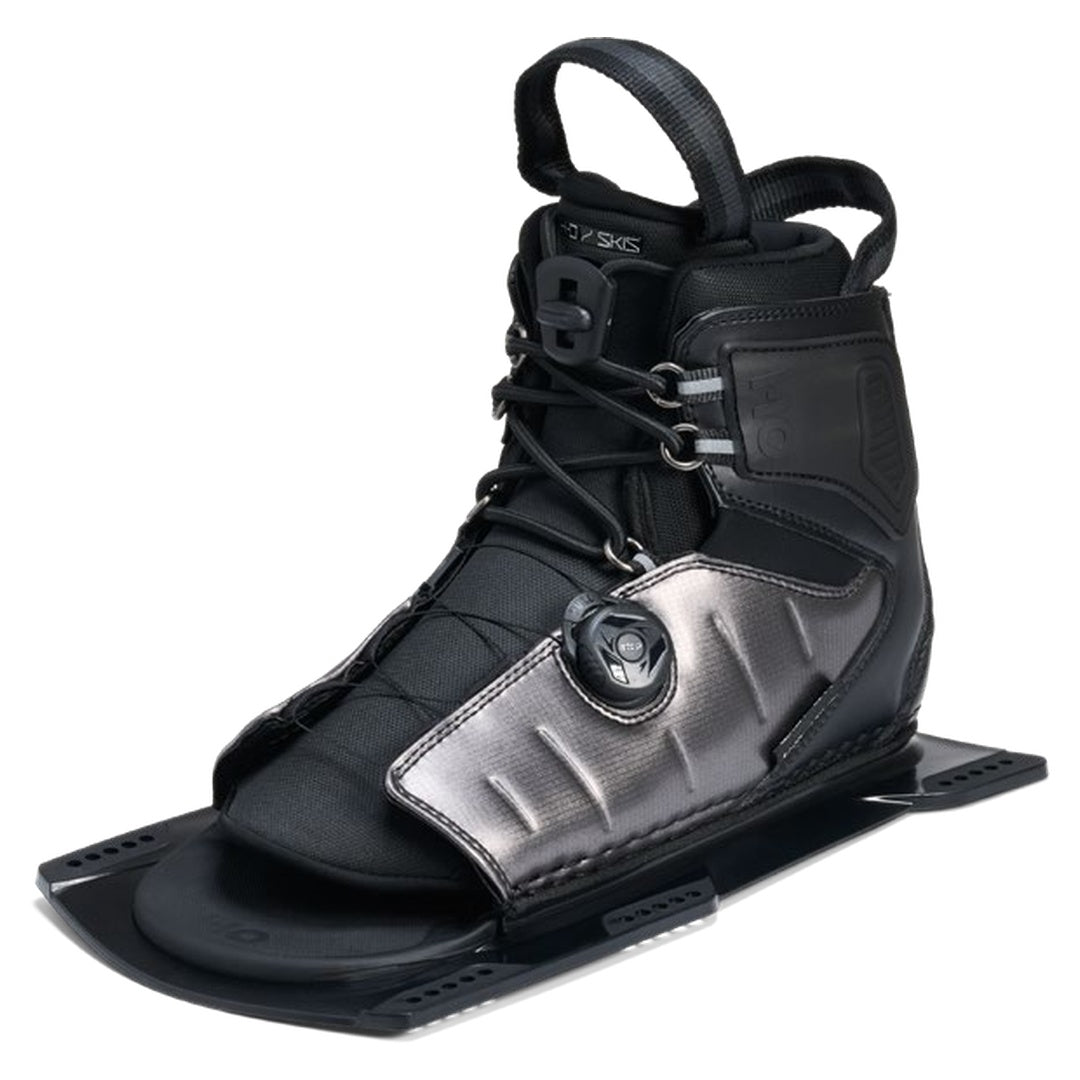

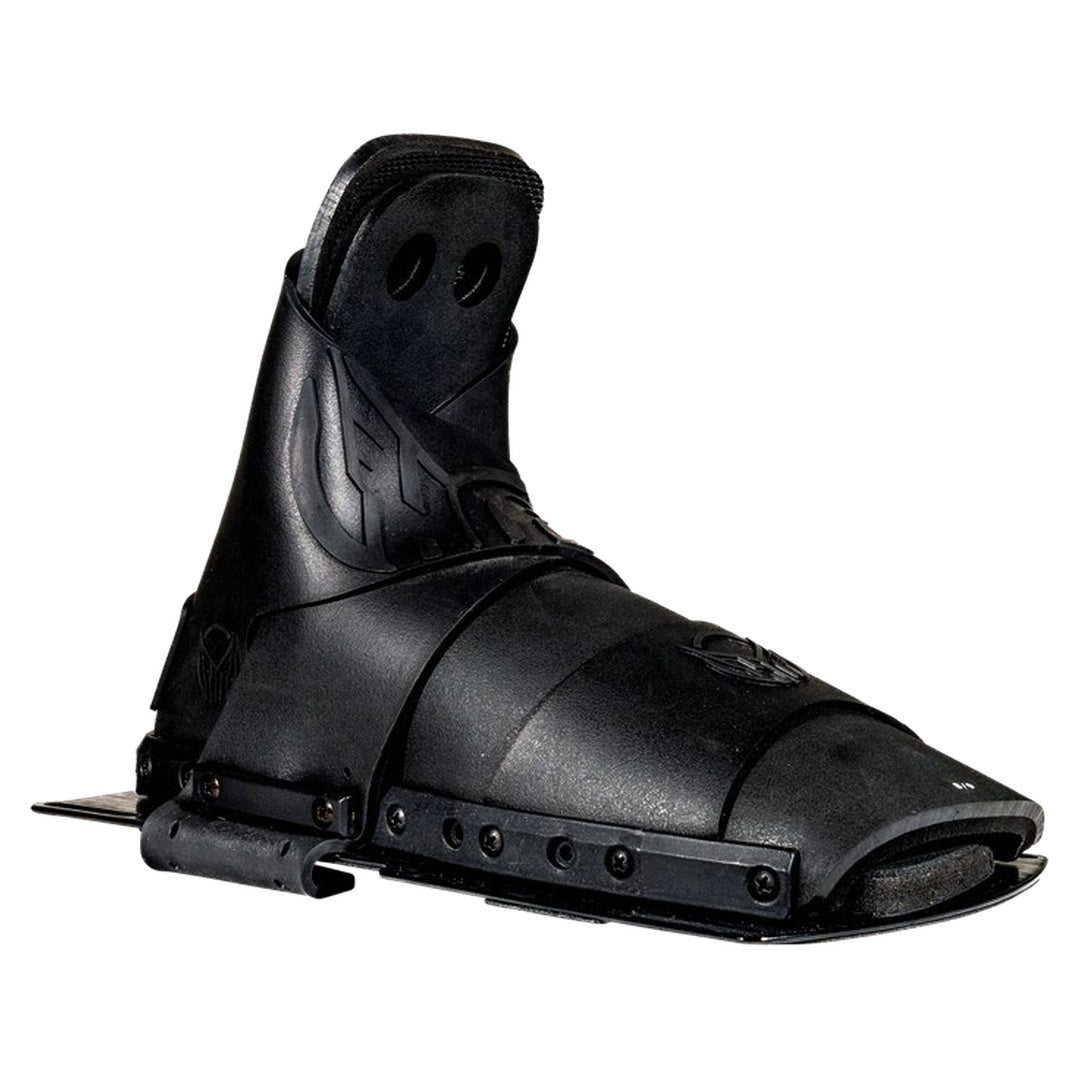


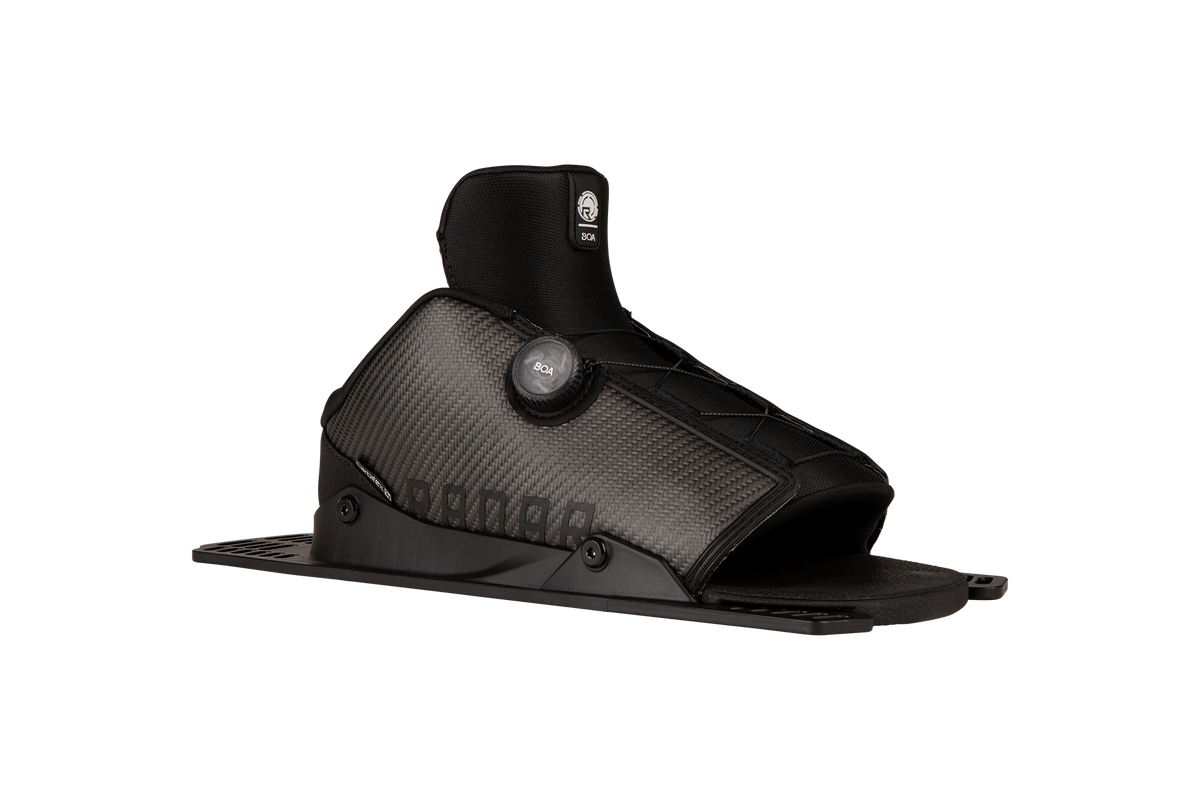
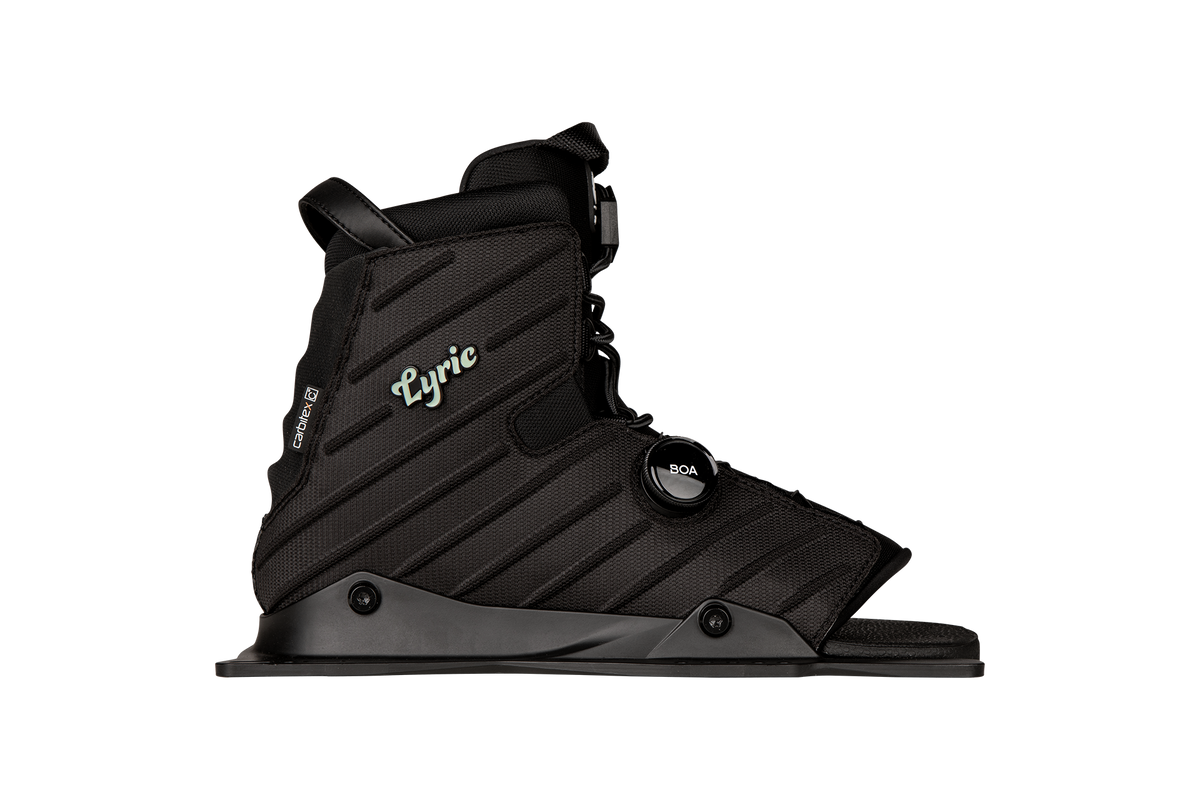
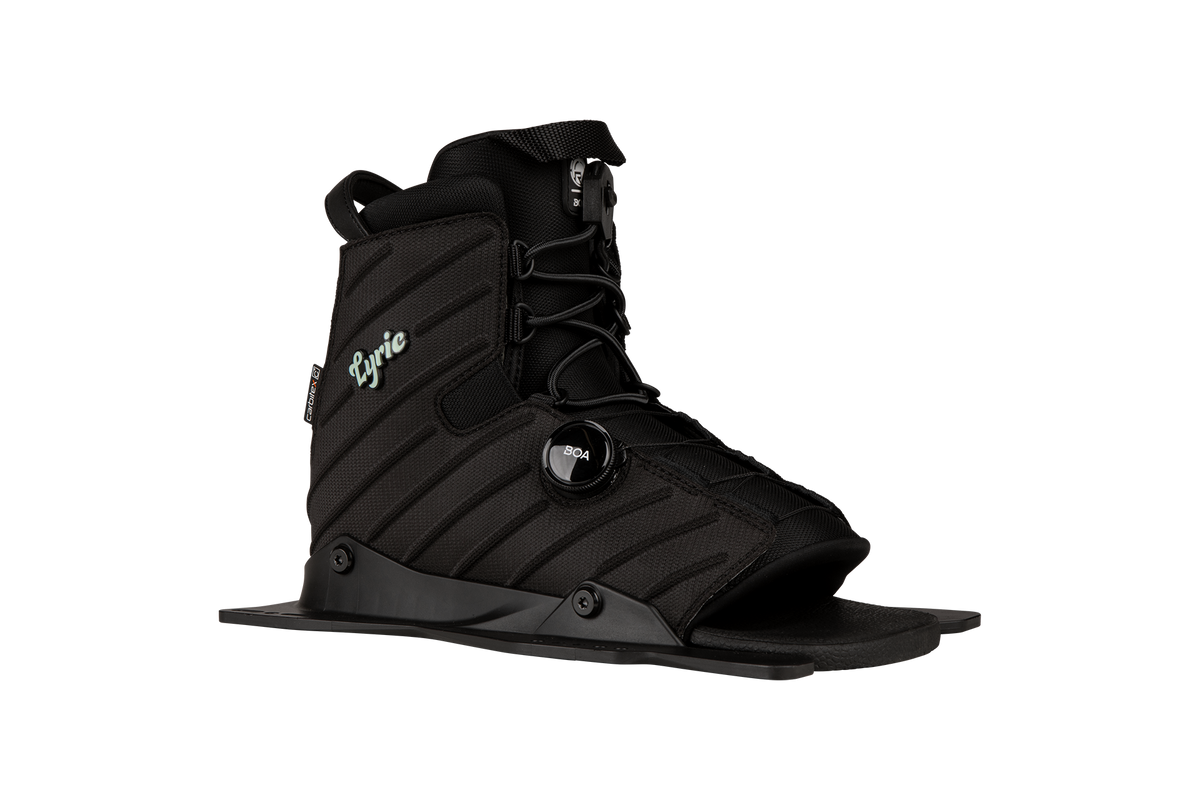
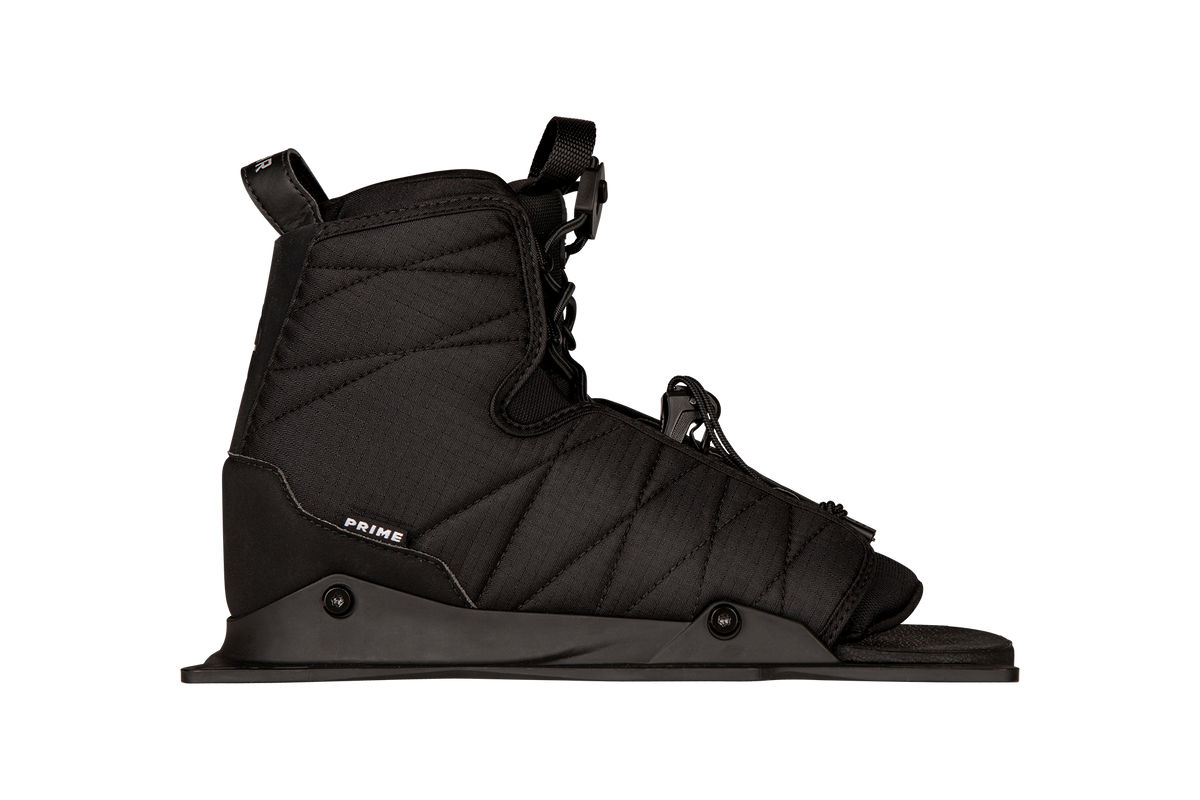
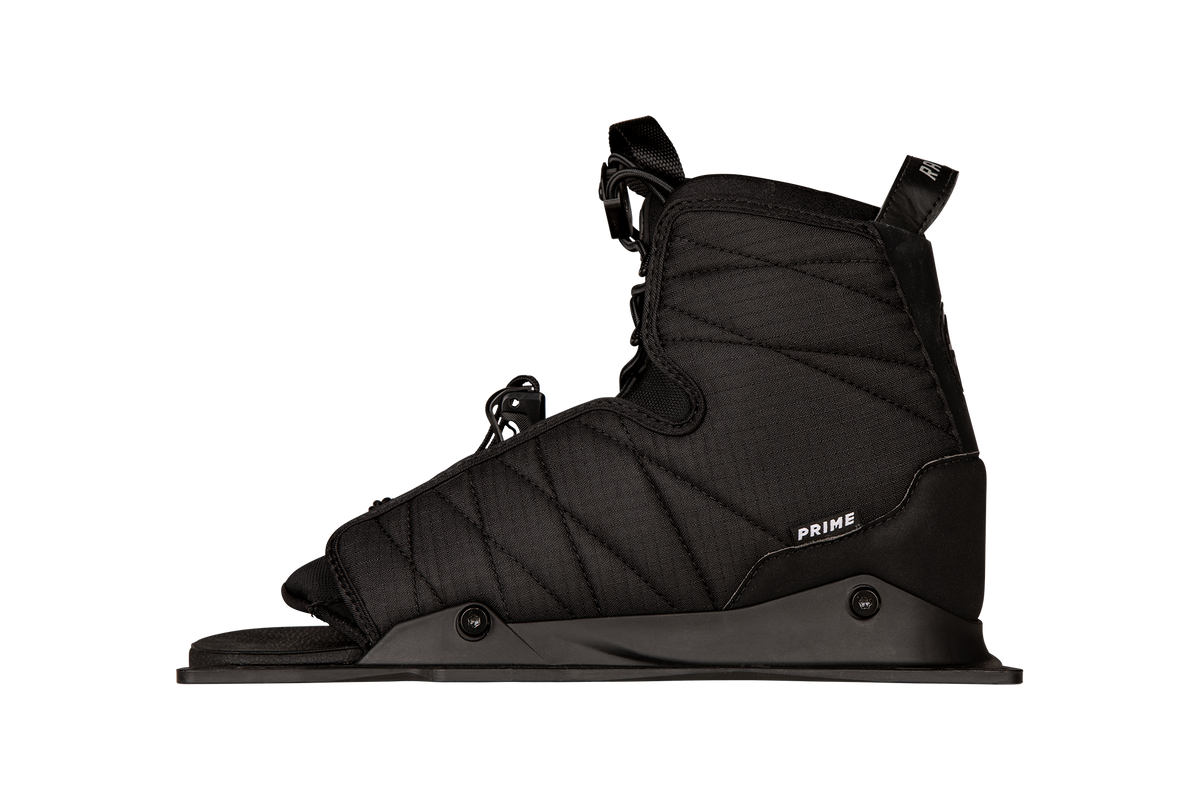
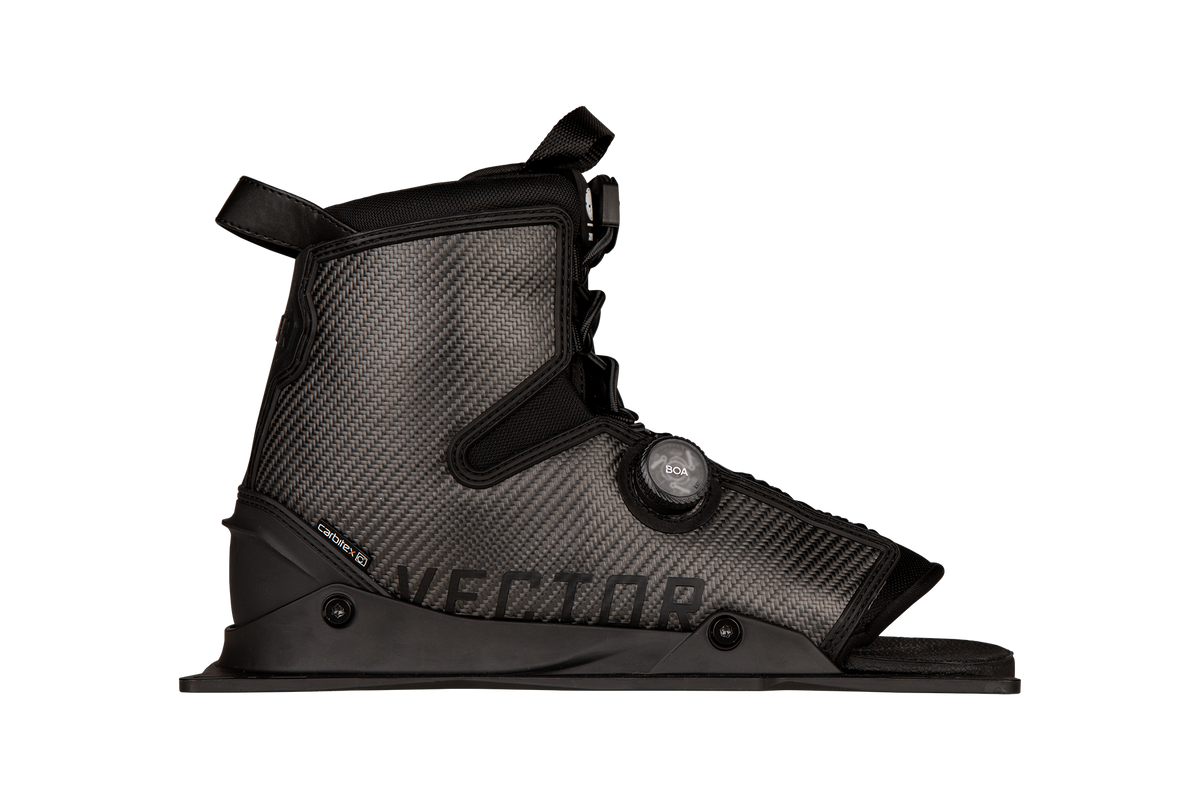
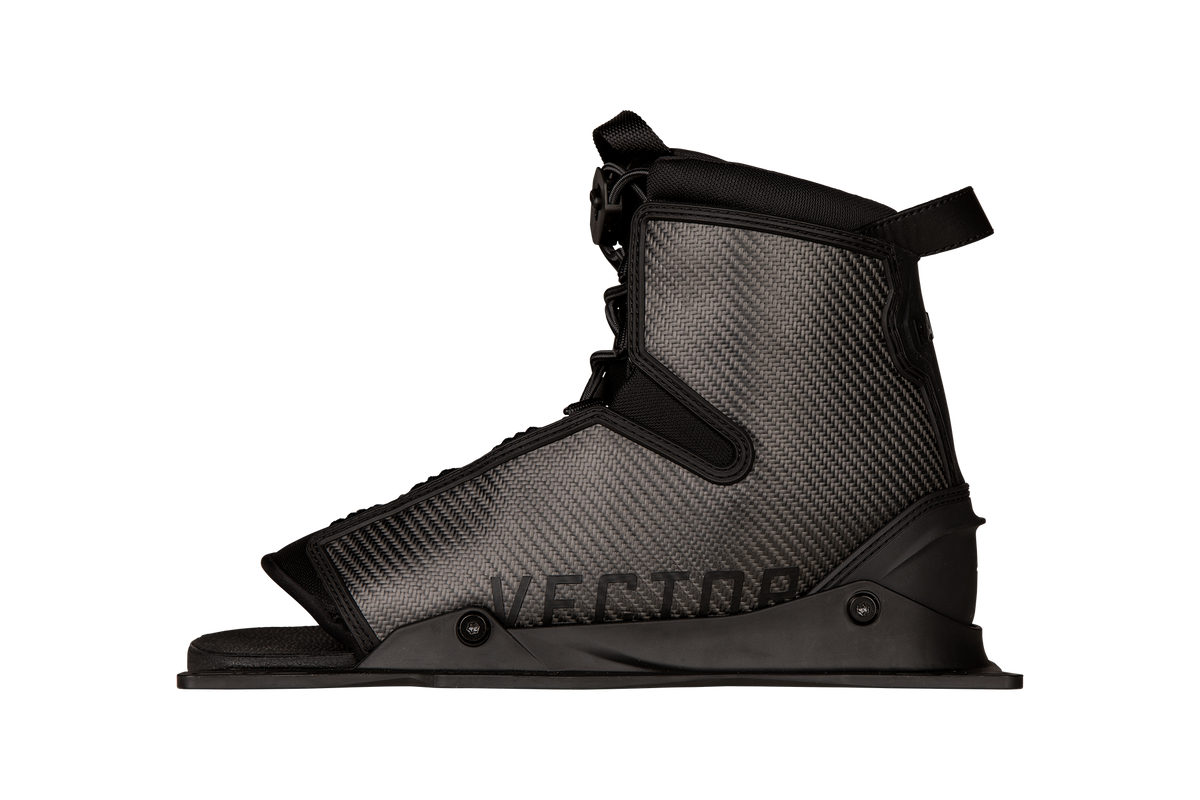

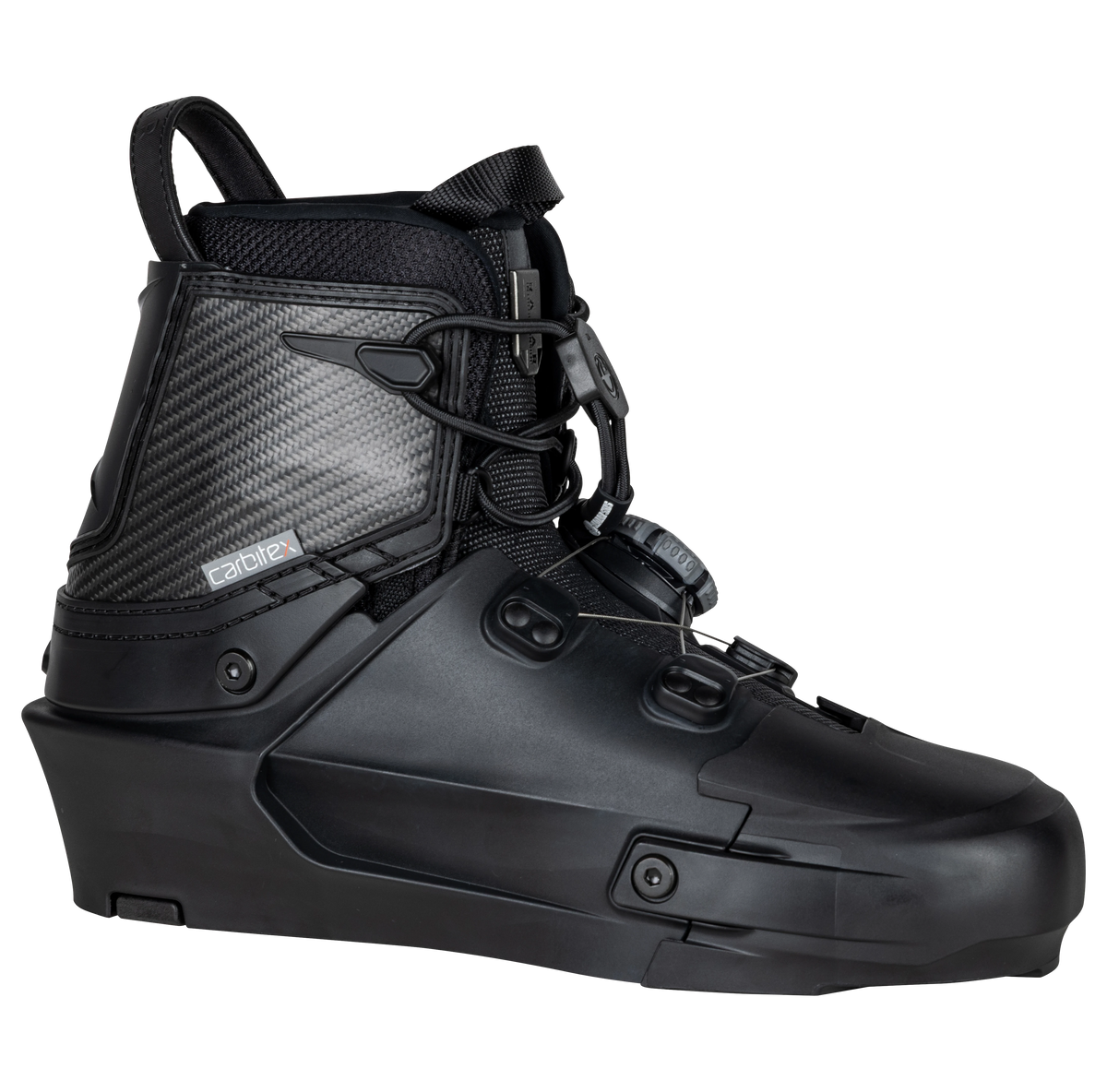


Your boots are the single point of contact between you and your waterski, so getting them right has a big effect on control, comfort, and confidence on the water. The right boots hold your feet securely, pass your movements cleanly into the ski, and behave predictably in a fall. The wrong ones leave you fighting for grip or worrying about your ankles.
This collection covers waterski boots and the plates and hardware that mount them, from plush rubber bindings through to supportive high-wrap boots with BOA lacing, plus front plates, rear toe plates, and mounting parts. Whether you are building up a slalom ski from scratch or simply replacing worn bindings, there is an option here to match your ski and your level.
Not sure what you need? The guide below explains boot types, sizing, mounting, and release. Browse the range below, and pair your setup with the right waterskis.
Waterski Boots Explained
Waterski boots, often called bindings, hold your feet to the ski and determine how much support and feedback you get. On a slalom ski you usually have a front boot and a rear boot or toe plate, both mounted onto the ski through a plate system. The amount of support, the lacing style, and the way the boot releases all change how the ski feels and how safe it is to use.
Types of Waterski Boot
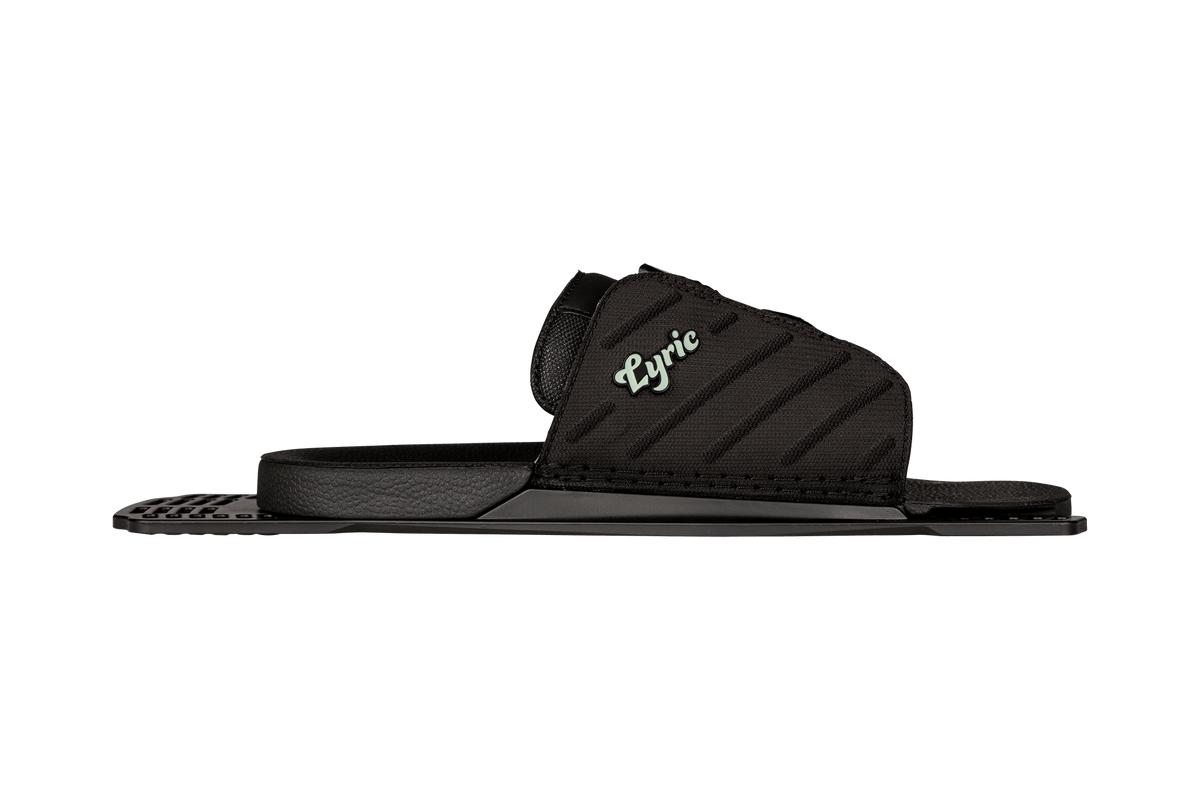
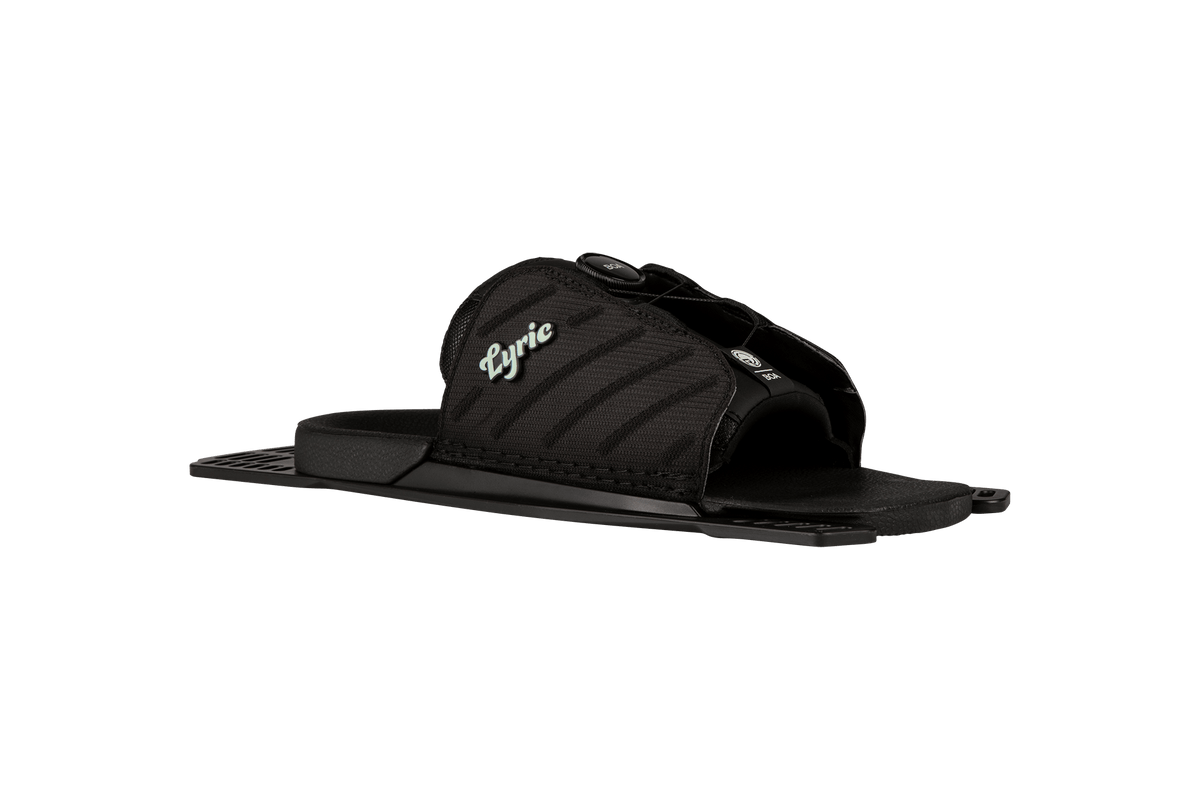
- Rubber bindings: flexible, forgiving, and easy to get in and out of, ideal for beginners and recreational skiers
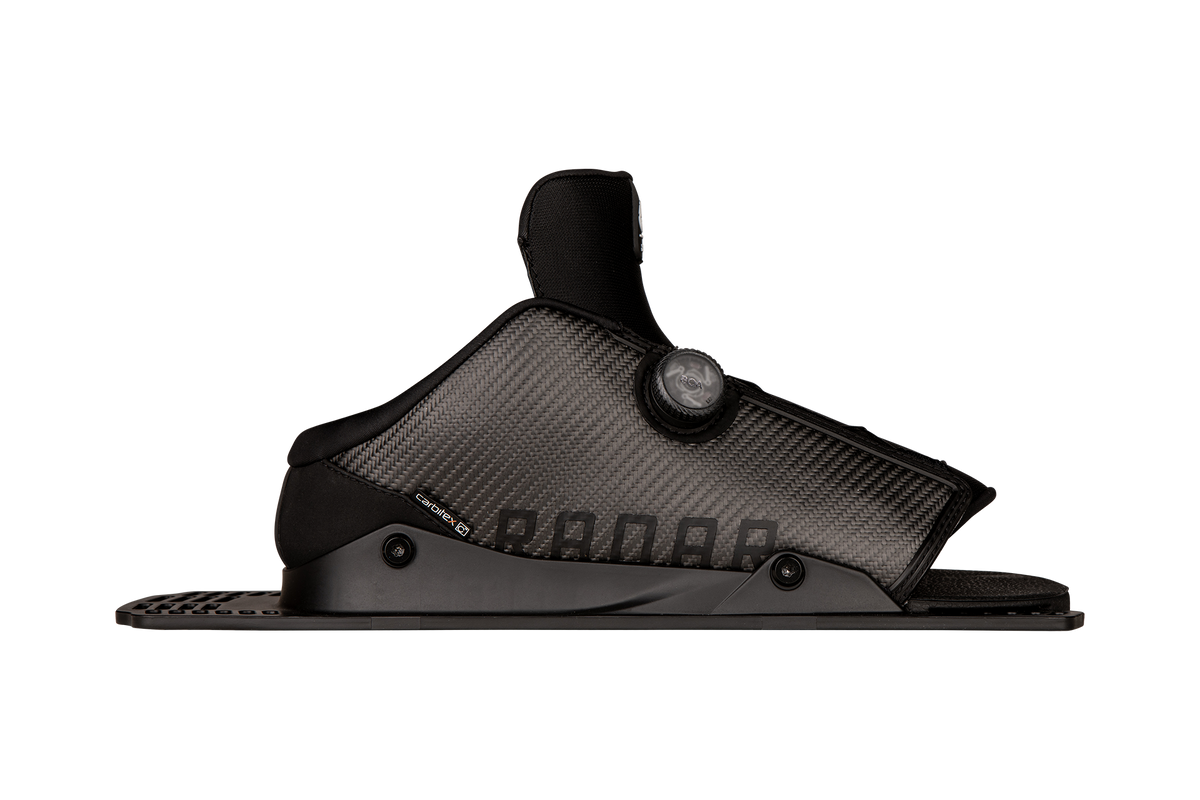
- High-wrap boots: taller and more supportive around the ankle for responsive, high-performance skiing
- BOA and laced boots: a precise, adjustable fit that locks the foot in for serious slalom skiers
- Rear toe plates and kickers: an open rear option that lets the back foot slip out easily in a fall
As your skiing progresses, you tend to move from soft rubber bindings towards more supportive, adjustable boots.
Front and Rear Boot Setups
Most slalom skiers run a front boot and a rear boot, both fully enclosing the foot, for maximum control. Others prefer a front boot with an open rear toe plate, which gives a secure front foot while letting the back foot release freely. Beginners and those learning to drop a ski often choose the rear toe plate option. Your choice affects both performance and how the ski behaves if you fall.
Boot Plates and Mounting Hardware
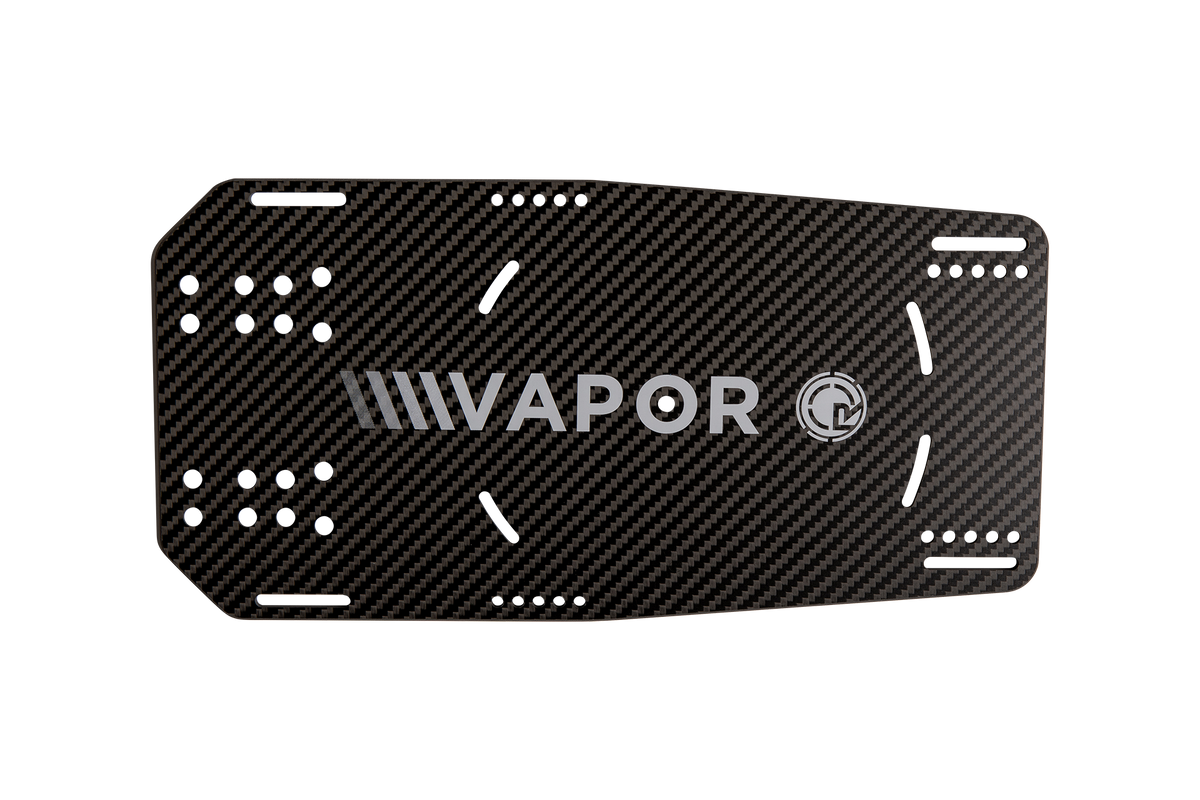
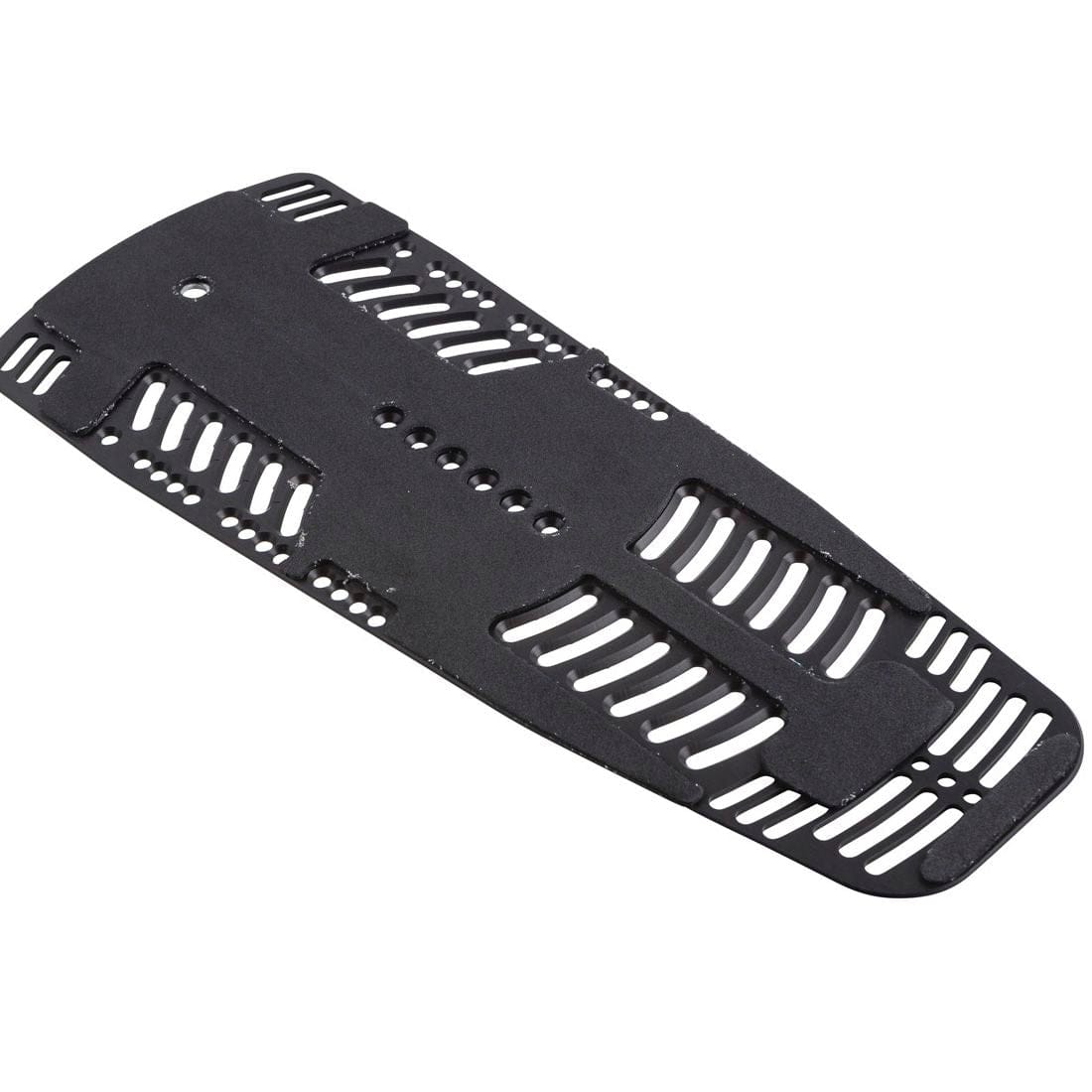
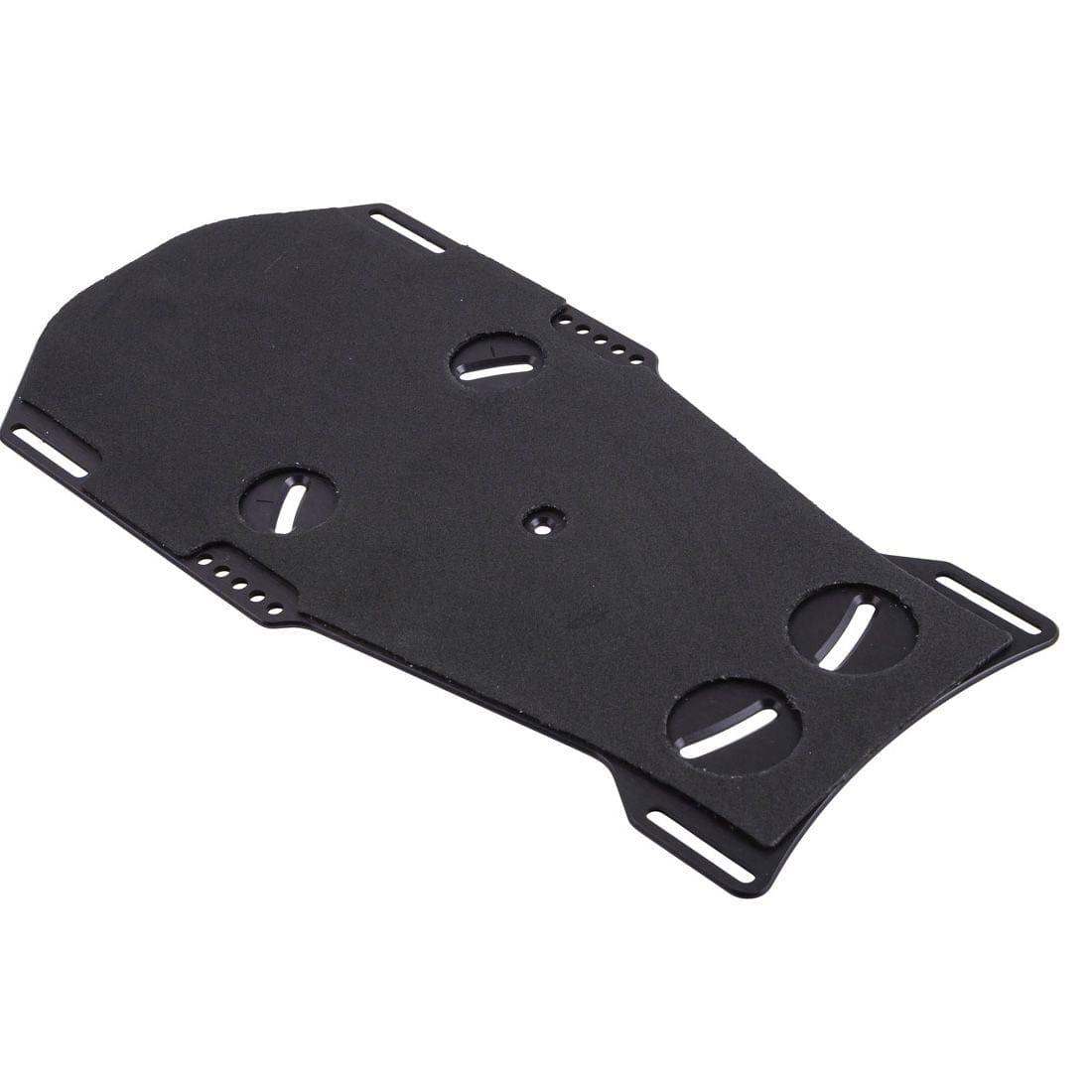
Modern boots mount to the ski using an aluminium or composite plate system rather than bolting straight through the ski. Front and rear plates, adaptable mounting tracks, and quick-adjust hardware let you fine-tune boot position for your stance and even move boots between compatible skis. If you are upgrading boots, always check that the plate system matches your ski and your chosen boots before buying.
Rubber Bindings vs Supportive Boots
Rubber bindings flex with your foot, are simple to share between skiers of different sizes, and release relatively easily, which makes them a safe, friendly starting point. Supportive high-wrap and BOA boots hold the foot more firmly and transmit input more directly, giving sharper response for aggressive slalom skiing. The trade-off is a more precise fit and, in some setups, a firmer hold, so matching the boot to your ability matters.
How to Choose Waterski Boots
The right boots depend on a few things: your skill level, how aggressively you ski, whether you want maximum support or easy release, and your ski and plate system. A recreational skier is well served by comfortable rubber bindings, while an experienced slalom skier chasing performance will benefit from supportive, adjustable boots. If you share a ski across the family, forgiving bindings with a wider size range make life easier.
Getting the Right Size and Fit
Waterski boots should fit snugly, with your foot held firmly and no painful pressure points. A loose boot moves on the ski and robs you of control, while an over-tight boot restricts circulation. Check the size guide for each boot, as fit varies between brands and models, and remember that adjustable systems like BOA give you some fine-tuning. If you are between sizes or unsure, our team can help.
Release and Safety
How your boots release in a fall is an important safety consideration. Rubber bindings and rear toe plates generally let the foot come free easily. Fully enclosed high-wrap boots hold more firmly, so some skiers pair them with release plates designed to let go under load. Always set up and test your release to suit your weight and skiing, and never ski in boots that are damaged or seized.
Caring for Your Boots
- Rinse boots and plates with fresh water after use, especially after salt water
- Check bolts, plates, and laces regularly for wear and corrosion
- Dry boots out of direct sunlight to protect the rubber and liners
- Store somewhere cool and dry, not a hot car boot
Regular checks keep your setup safe and extend the life of the rubber and hardware.
How Much Do Waterski Boots Cost?
Prices depend on the support, materials, and adjustment on offer. Simple rubber bindings are the most affordable and a sensible choice for beginners and shared use. High-wrap and BOA boots cost more, reflecting the construction, support, and precision fit aimed at performance skiing. Plates and mounting hardware are priced separately, so factor those in when you are building or upgrading a setup.
Why Buy Your Waterski Boots from Surface2Air Sports?
We have supplied waterski kit since 2002, with a shop in Poole and a full range online.
- Rubber bindings, high-wrap boots, and BOA systems
- Front plates, rear toe plates, and mounting hardware
- Options for beginners through to competitive slalom skiers
- Honest advice on support, release, and compatibility
- Help matching boots to your ski and plate system
Whether you are replacing worn bindings or dialling in a slalom setup, we can help you choose. Explore the full waterski equipment range and the wider wakeboard and waterski shop to complete your kit.
Frequently Asked Questions About Waterski Boots
What is the difference between rubber bindings and high-wrap boots?
Rubber bindings are flexible, forgiving, and easy to release, which suits beginners. High-wrap boots are taller and more supportive for responsive, high-performance slalom skiing.
Should I use a rear boot or a rear toe plate?
A full rear boot gives the most control, while an open rear toe plate lets the back foot release easily, which beginners and those learning to drop a ski often prefer.
How should waterski boots fit?
Snugly, with the foot held firmly and no painful pressure points. A loose boot moves on the ski and reduces control, so check each model's size guide.
Will any boots fit my ski?
Not always. Boots mount through a plate system, so check that the plates and hardware are compatible with your ski before buying new boots.
Are waterski boots designed to release in a fall?
Release varies by type. Rubber bindings and toe plates come free easily, while supportive boots hold firmly and are often paired with release plates. Always test your setup.
How do I look after my boots?
Rinse with fresh water after skiing, check bolts and laces for wear, dry out of direct sun, and store somewhere cool and dry.
Let customers speak for us
When ordered item was not in stock but when it has arrived the team kept me filled in with when it would arrive and it did promptly! Would use again

Rapid delivery!!

Great job well dun thanks for your help with the purchase..

The bag is sturdy, spacious and water proofed on the inside. In addition, it can be worn as a backpack but it also comes with a strap for putting over a shoulder as a bag. I am happy with the purchase.

My first order of gummy straps never arrived so I contacted S2AS and they were very apologetic as Royal Mail had lost my parcel. They immediately sent out a second sets of straps which arrived the following day.
The customer service I recieved was exceptional and I would highly recommend this company for their swift response. I will definitely order with them again.

the whole exercise

item as dscribed, looks fantastic

As described and looks fantastic. thank you
My first board and binding set up after using hire equipment for over a year. These will take some getting used to but step in and strap is a vast improvement. Large to size 12UK looks like it only just fits across the toe strap.
S2AS are my go to online store for anything Snowboarding related and as they say any query just pick up the phone and speak to Ollie (who sounds a lot like Jamie Lang)

Wait for snow
Loved the service in the shop Ollie was very helpful and a pleasure to deal with. Recommend highly
Kind regards
Matt

2026 Slingshot KTV EverShred Wakeboard Bindings

Exceptionally quick delivery, would definitely recommend buying from this site

Hi my in store experience was fantastic from email to shop with your representative Ollie could not have been more polite & helpful
Once I’ve tried the bourd I will send further feedback
Hope your all well
Kind regards
Matt

We ordered a large amount of items that all arrived safely, we kept everything save two jackets which we ordered wrong, but the team were great, we sent them back and got a refund with no hassle. Will definitely use in the future!

Great graphics, good fit and quality