Sort by
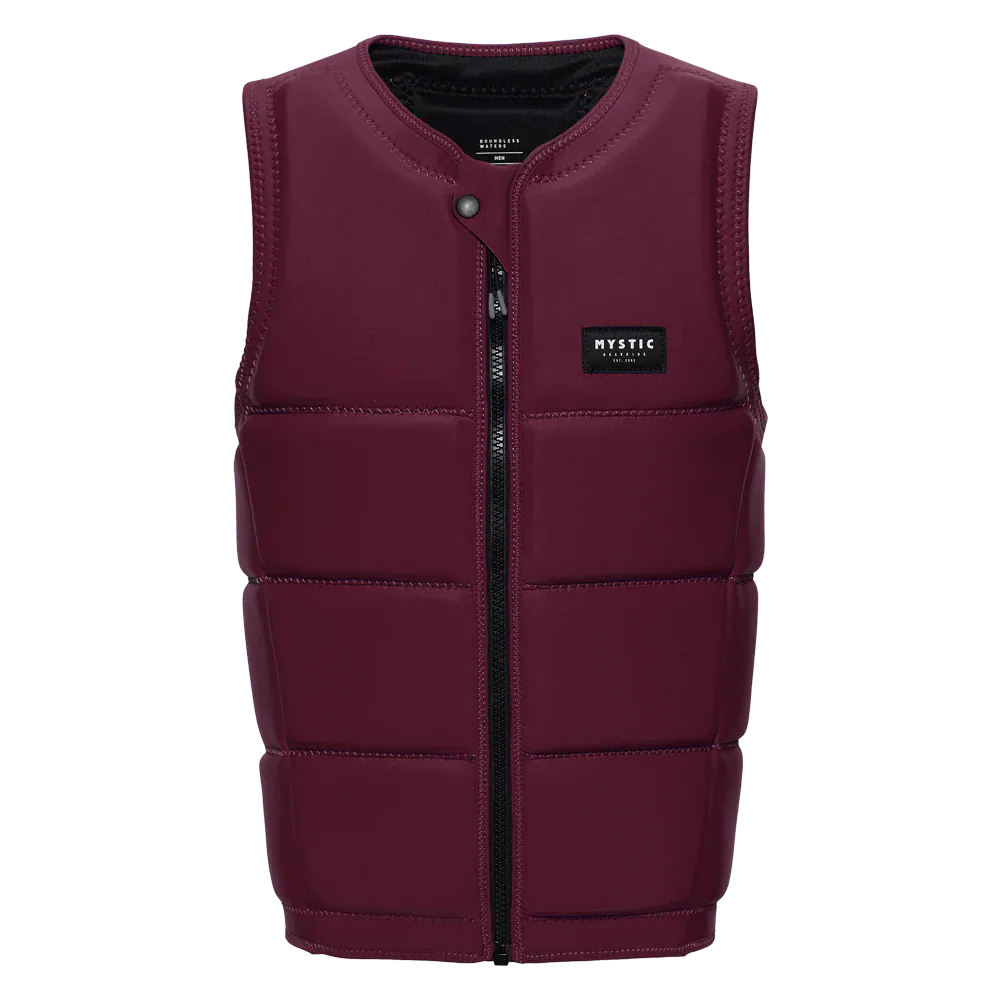
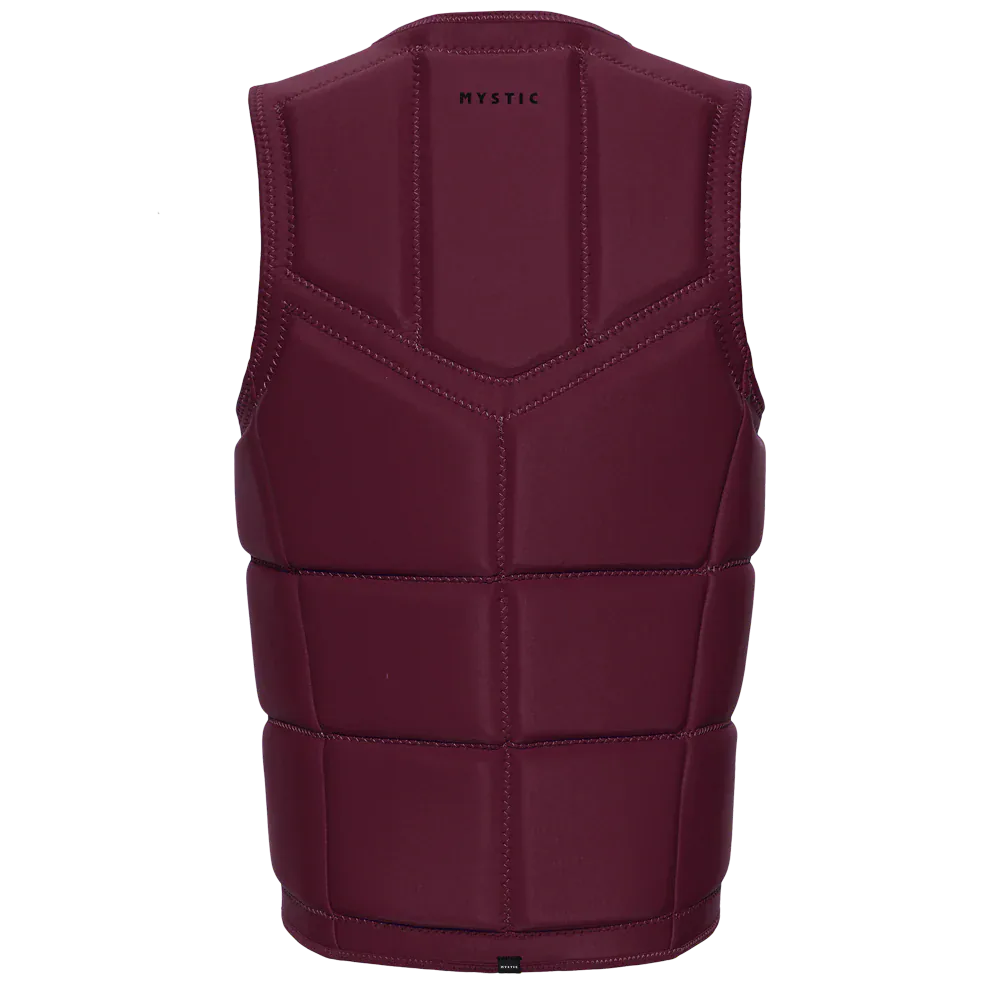
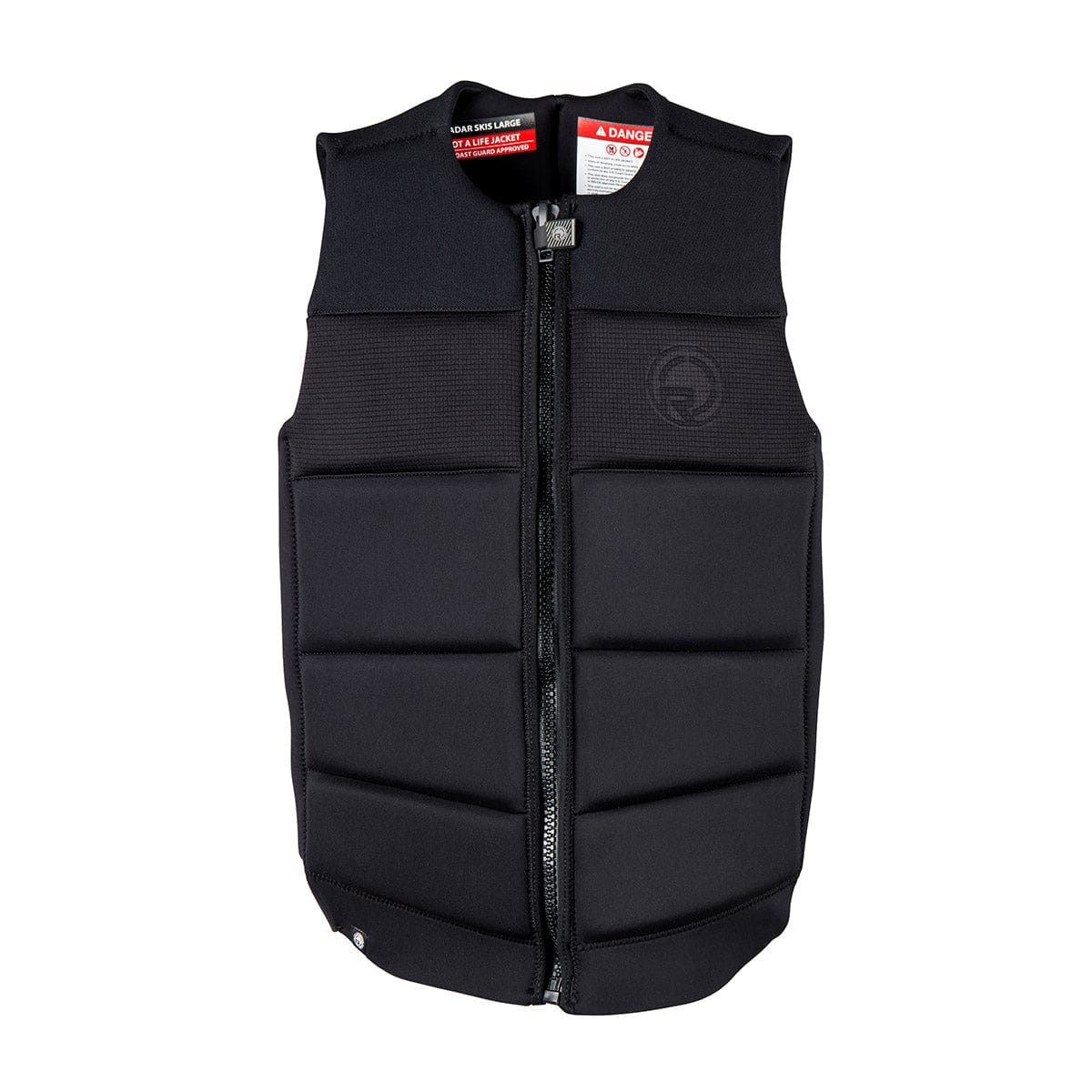
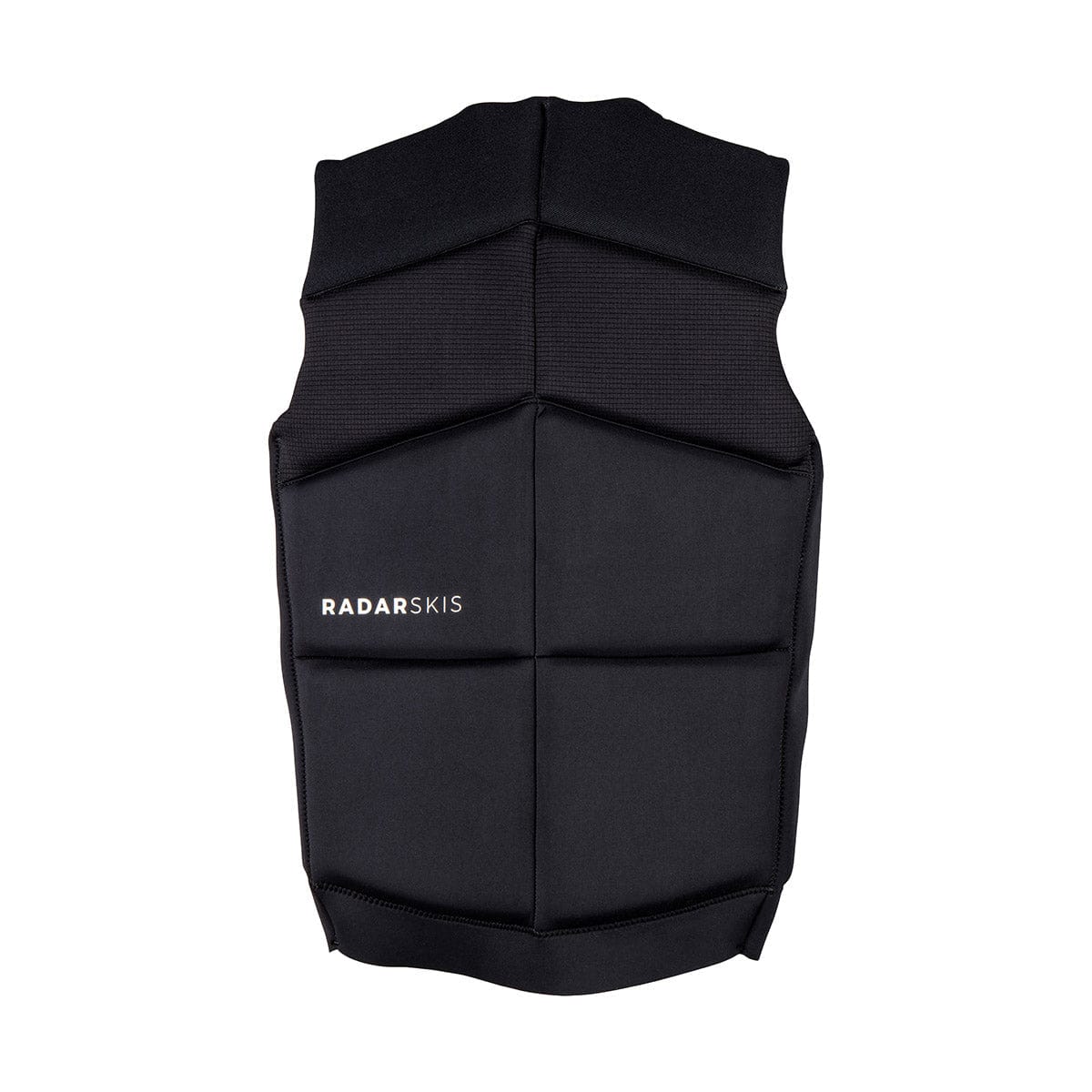
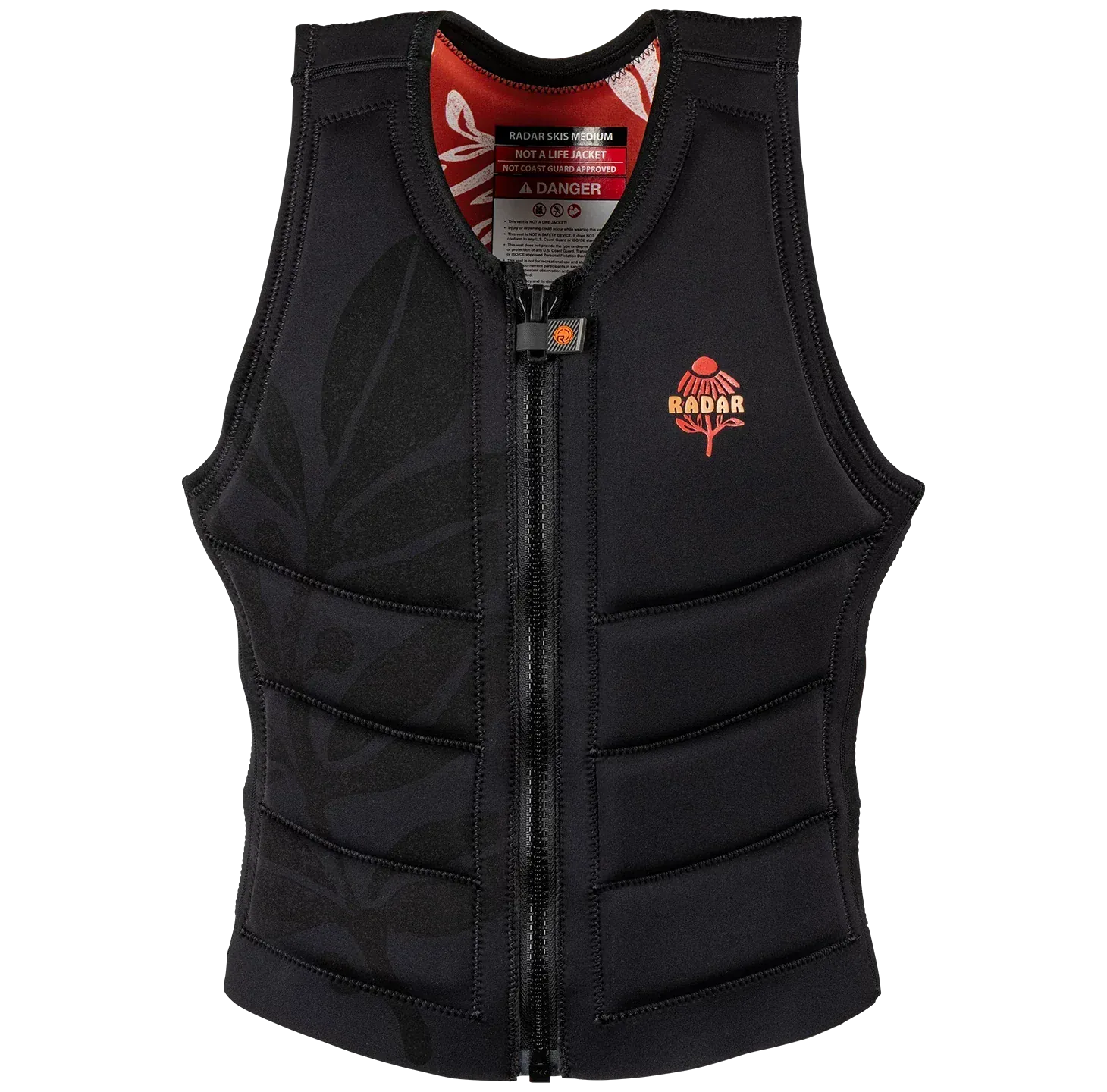
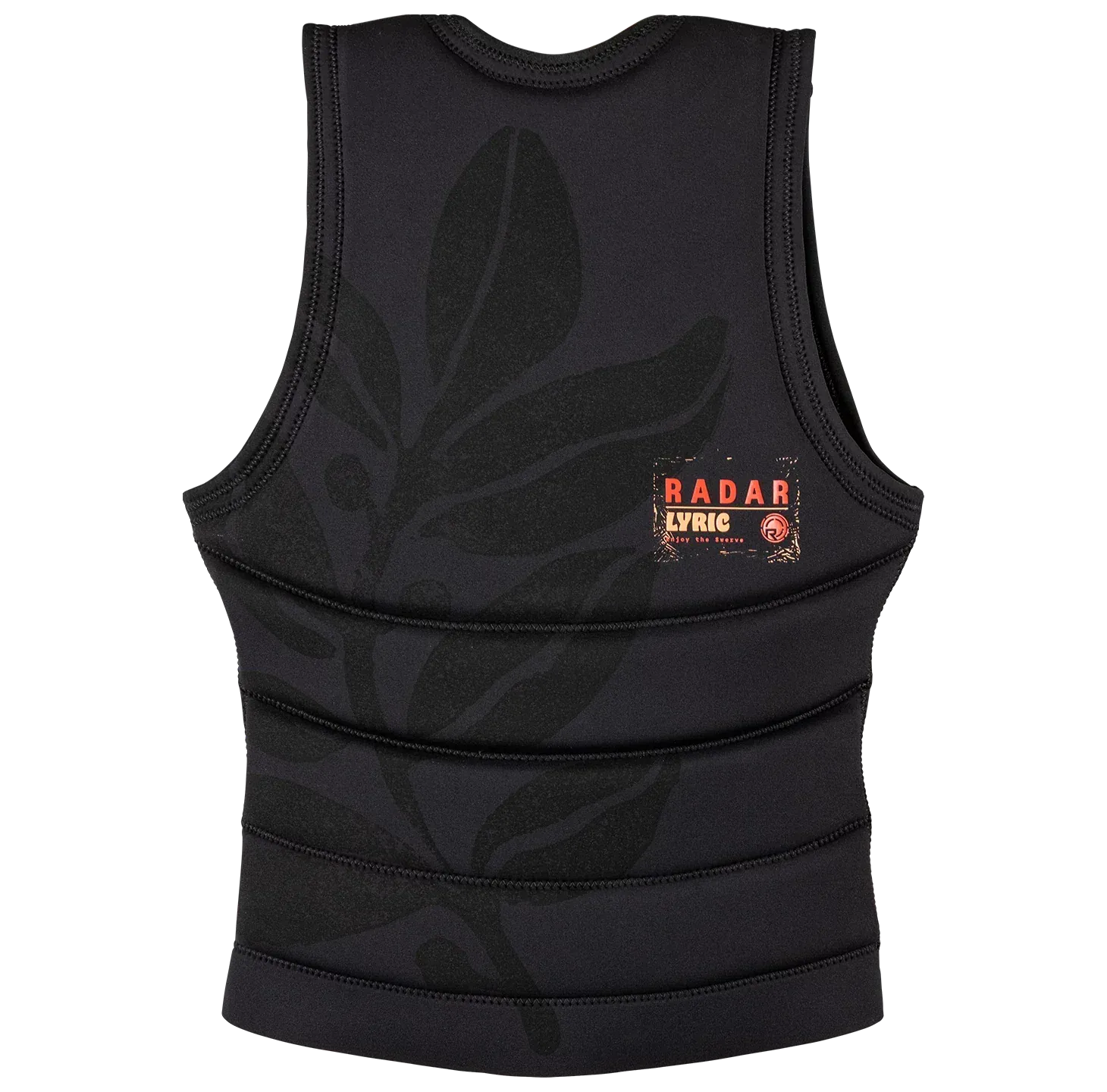
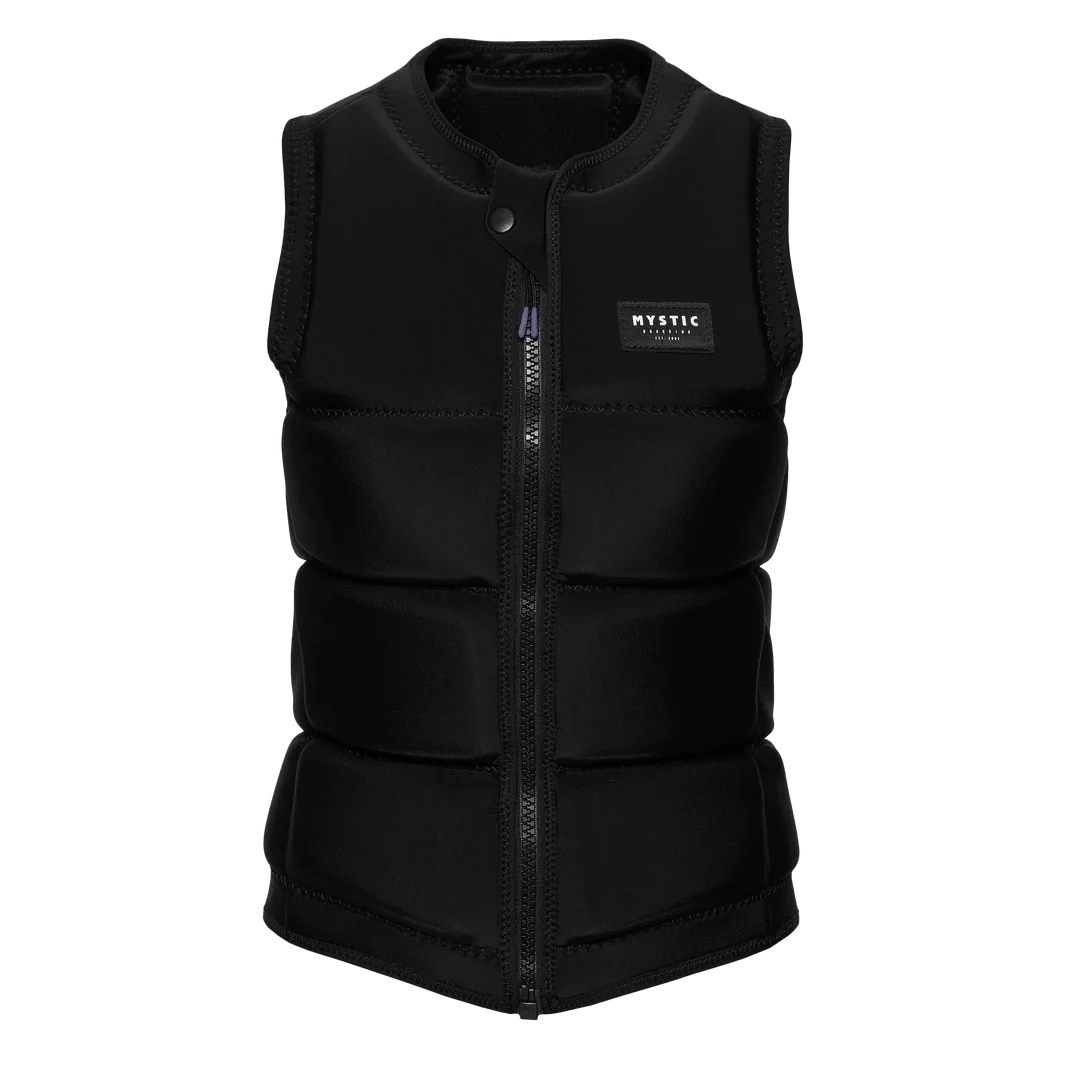
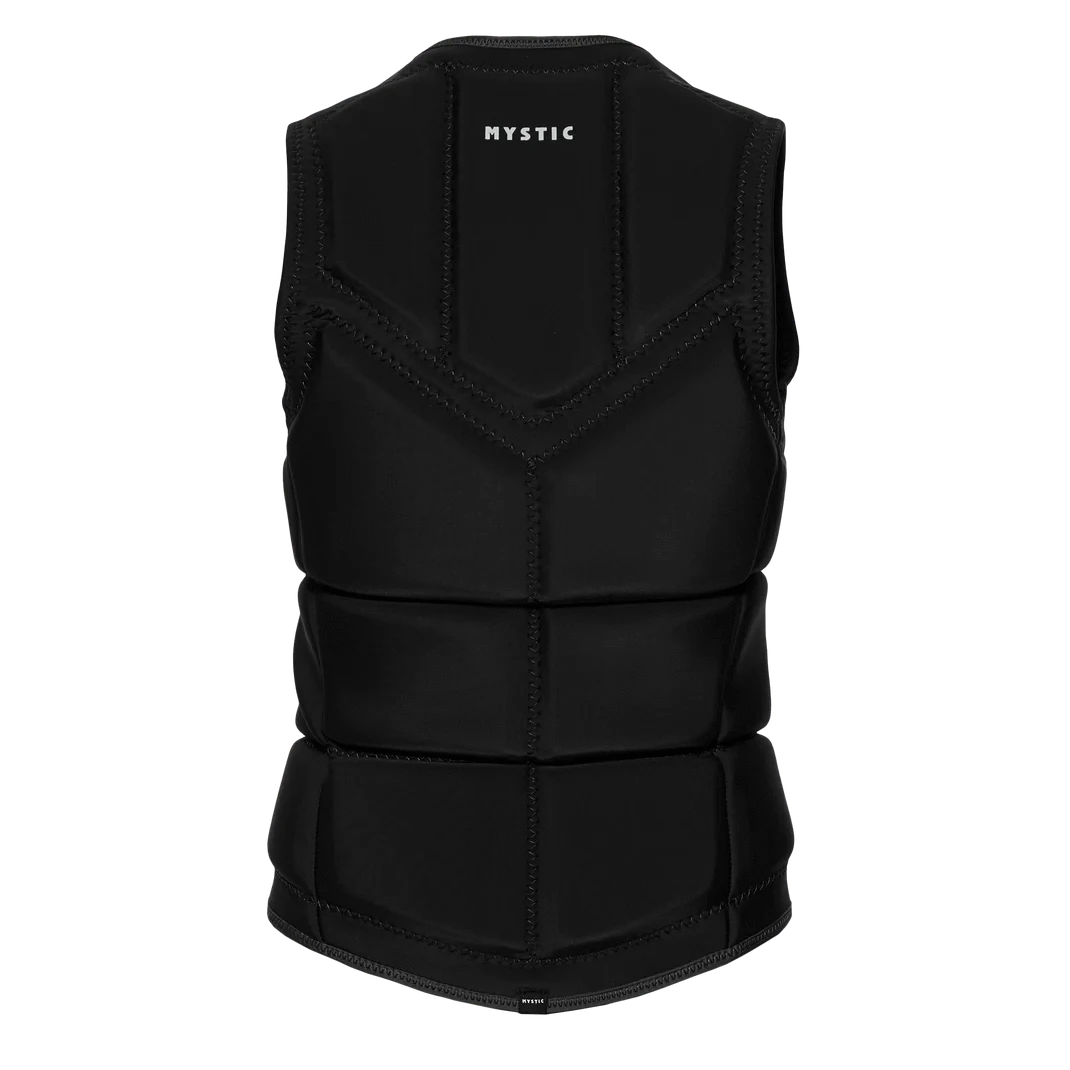
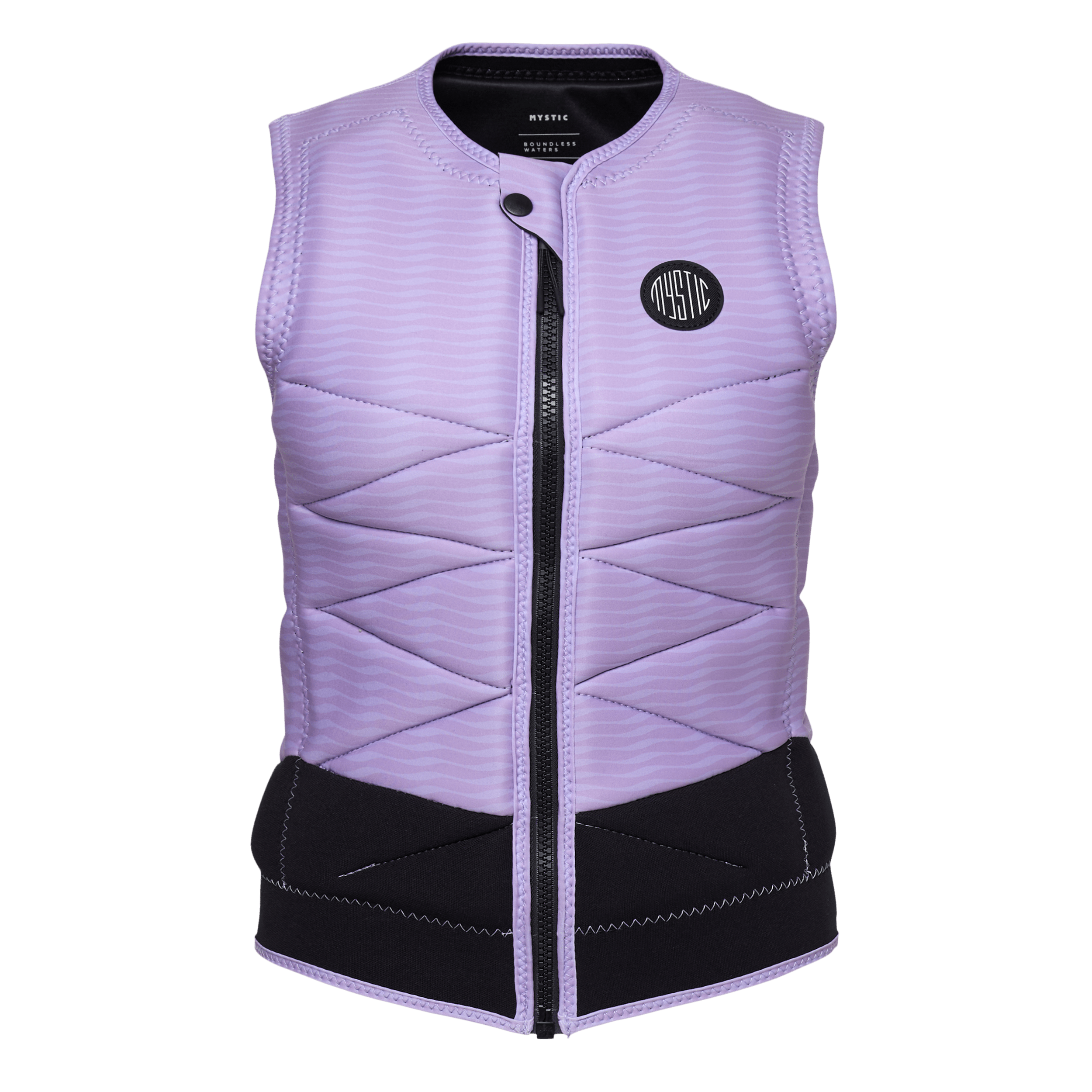
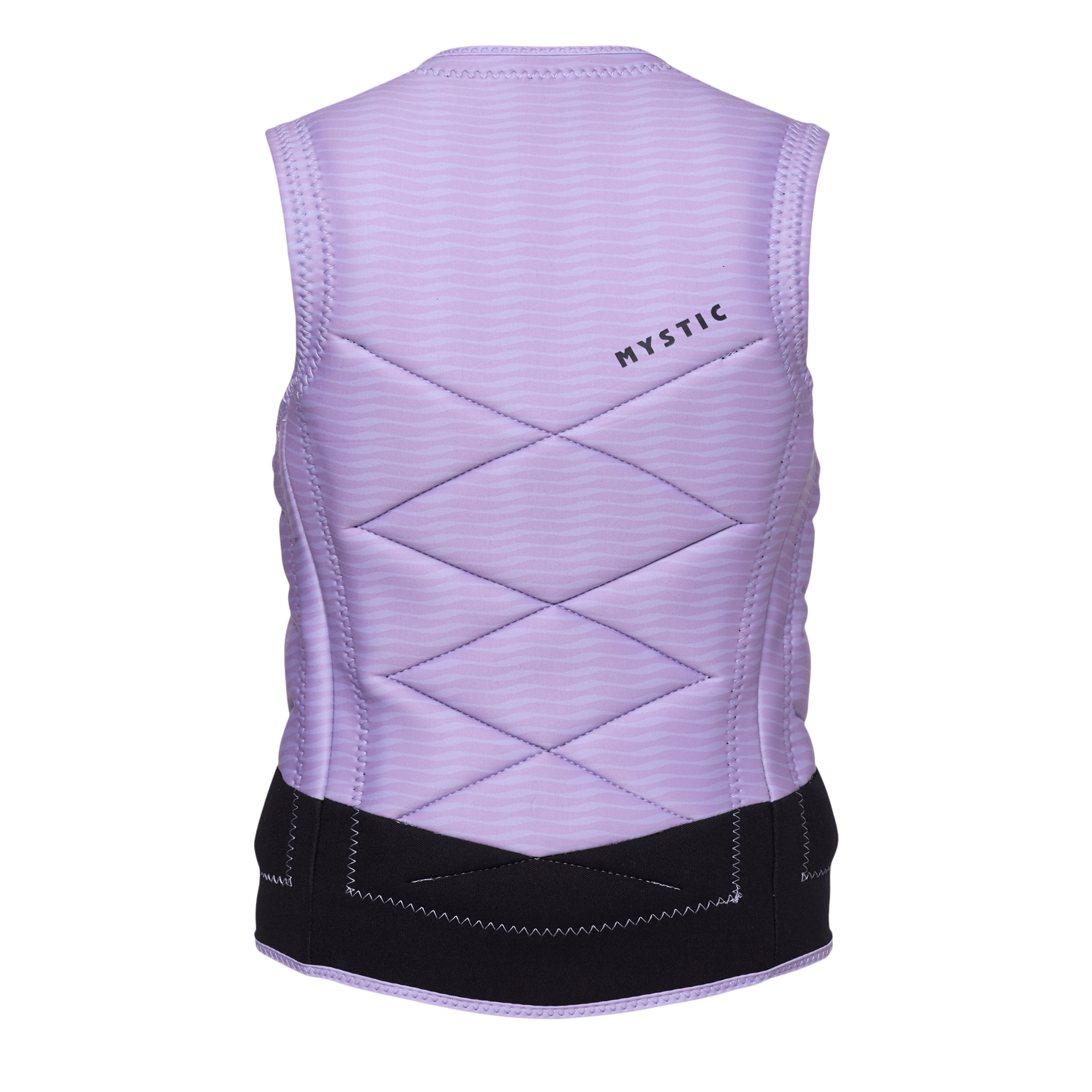
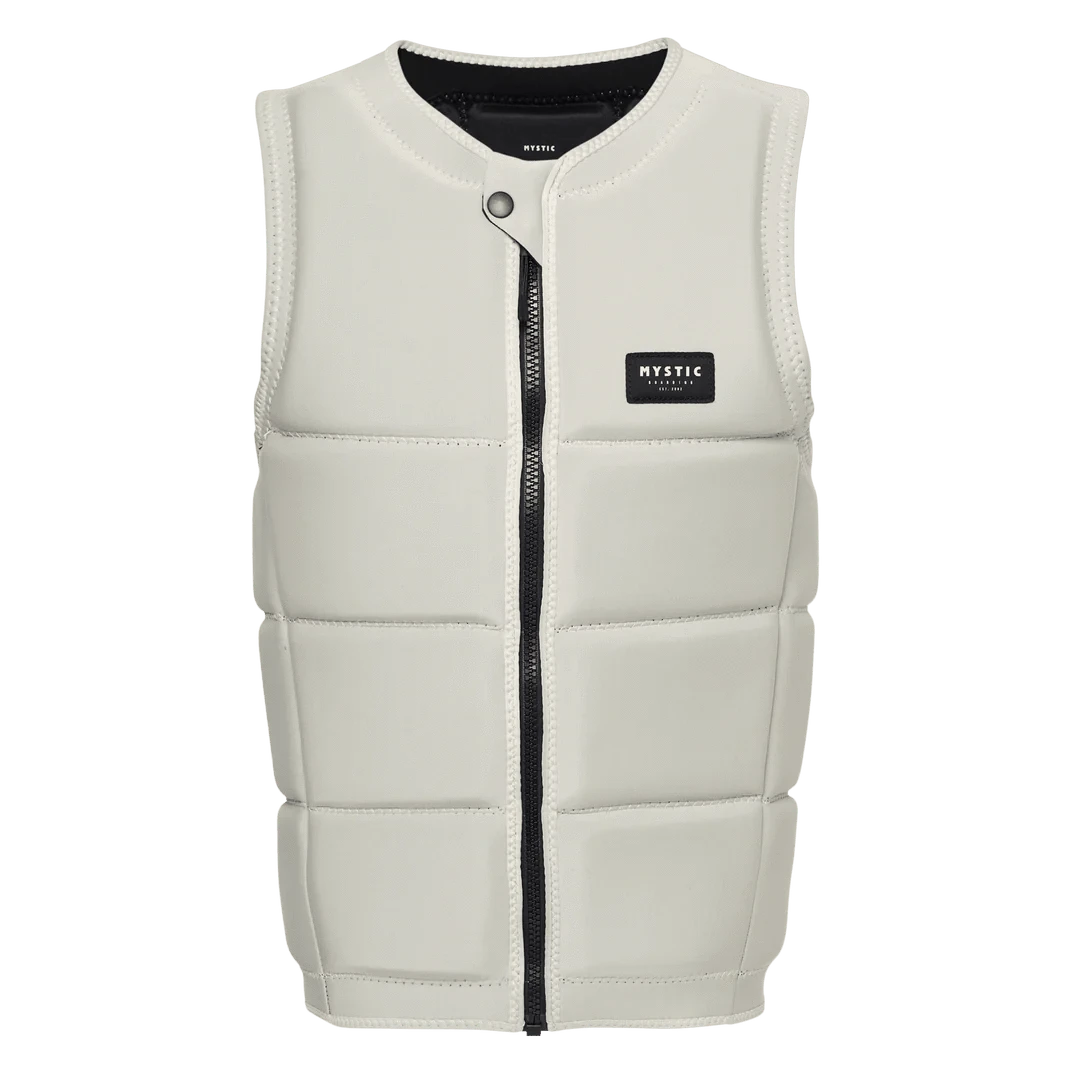

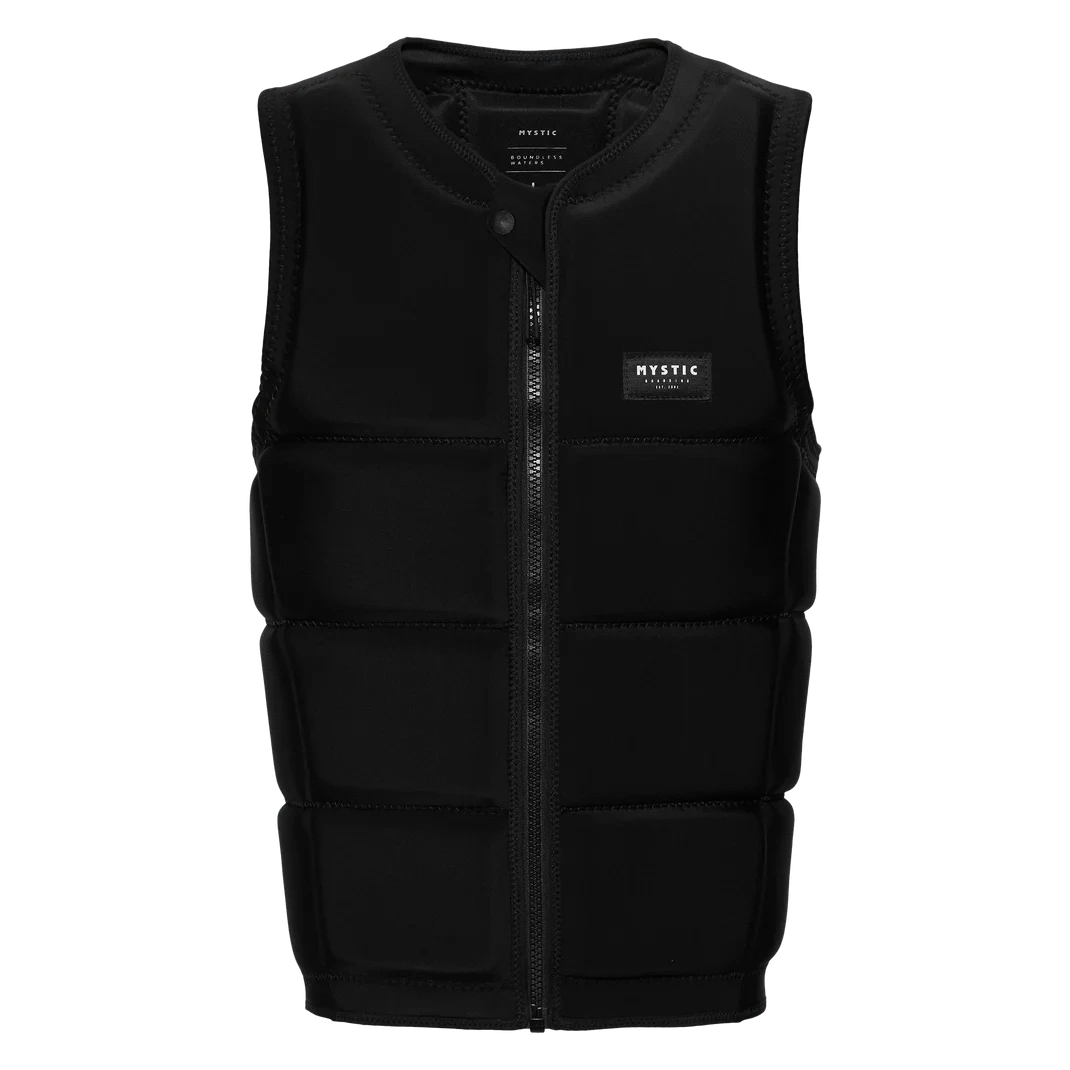
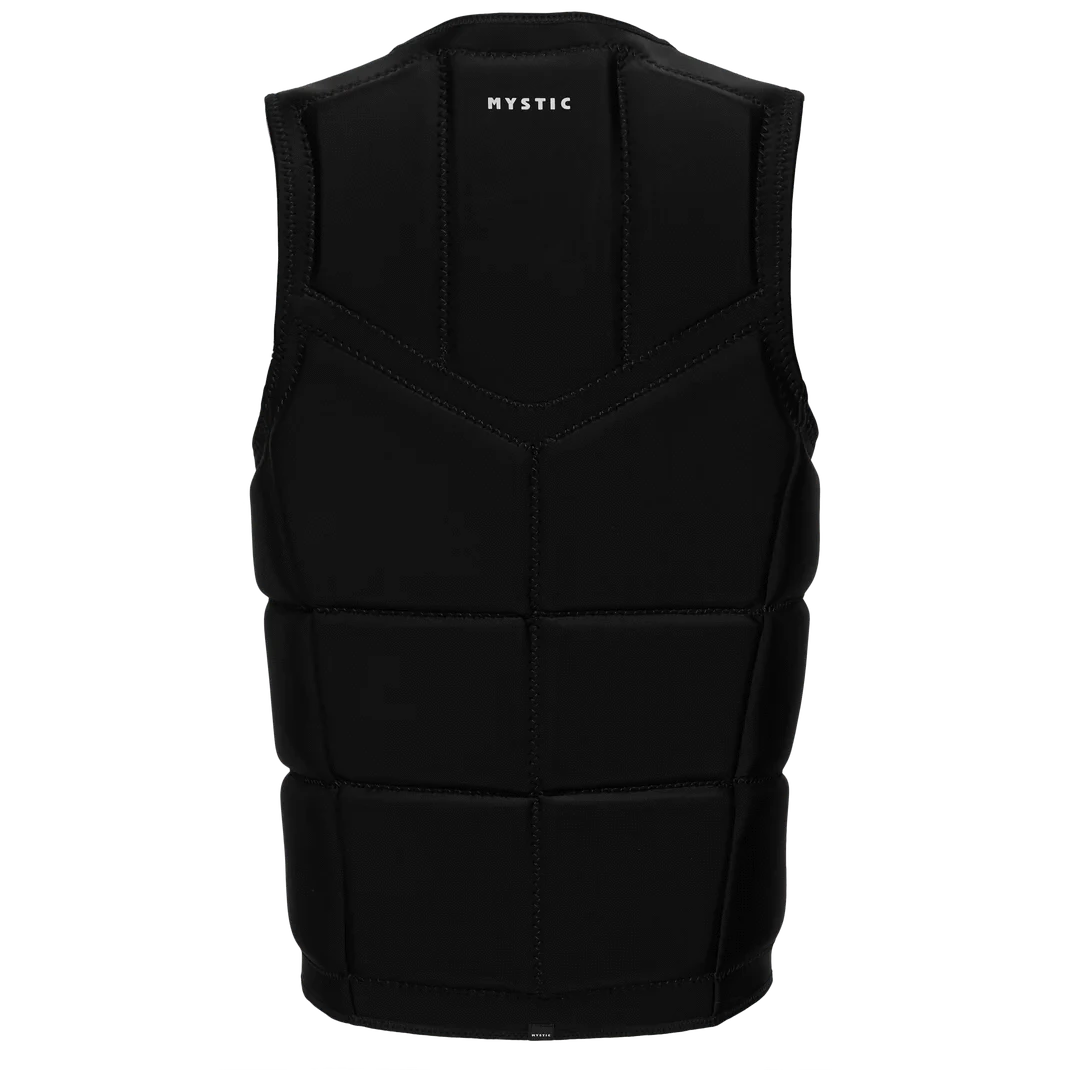
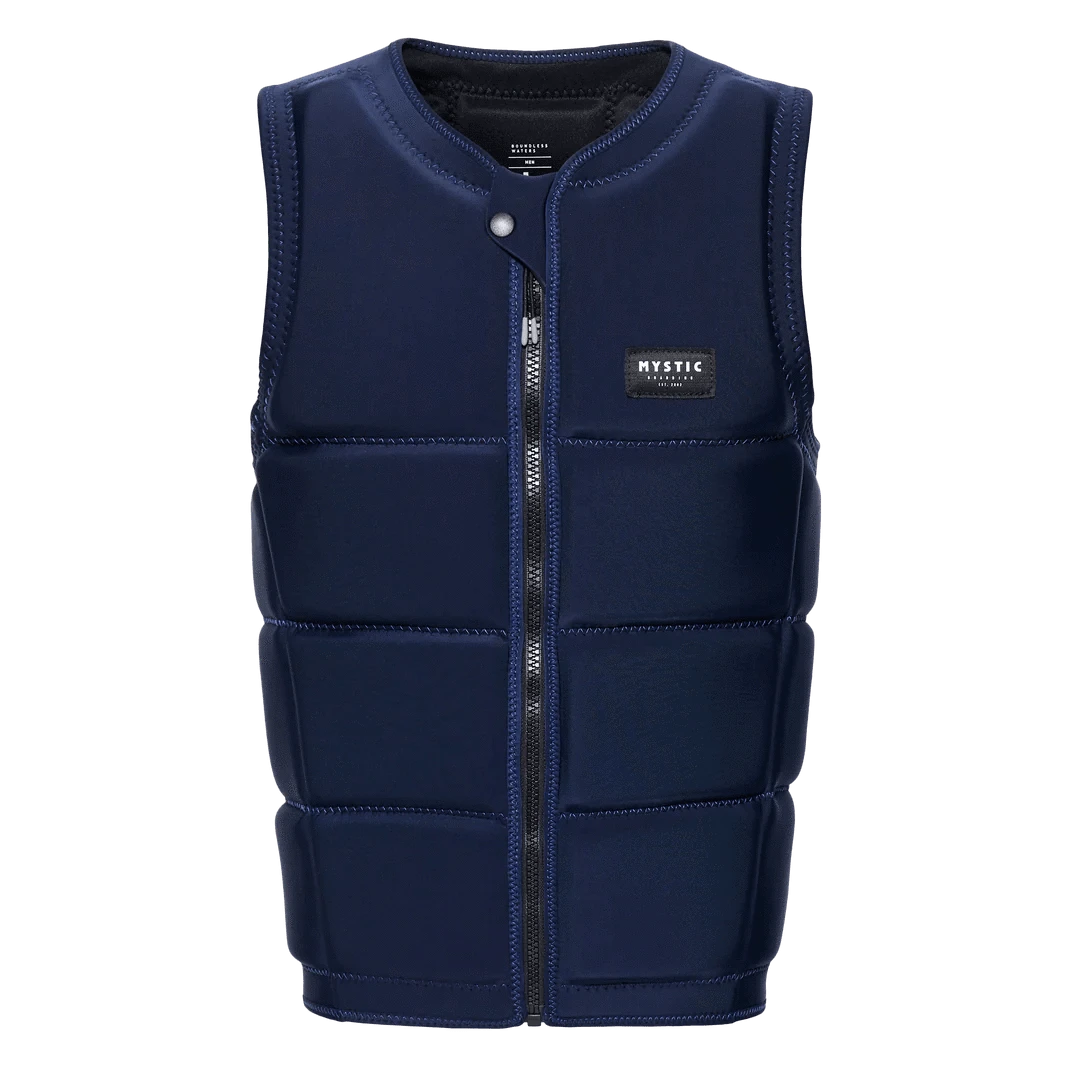

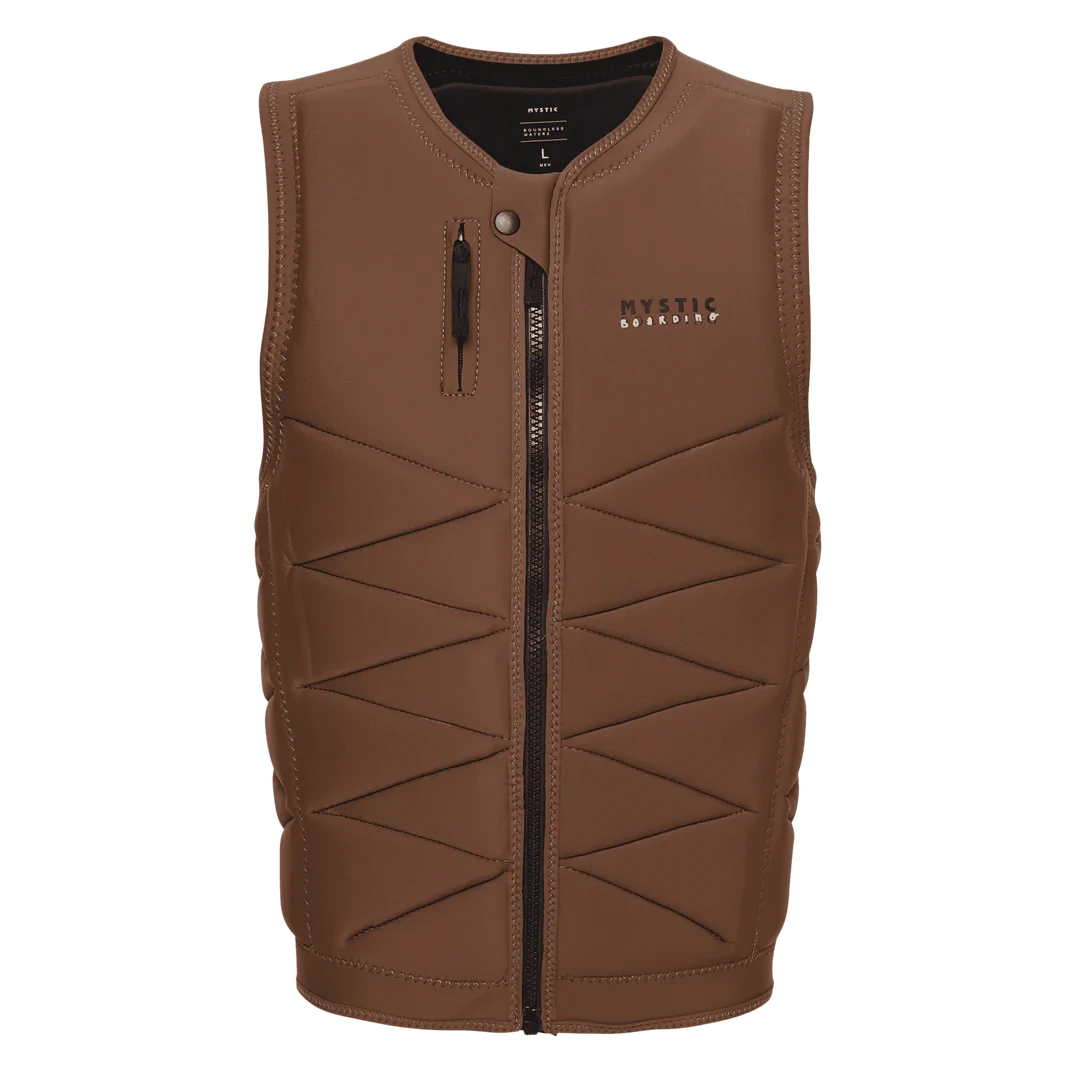
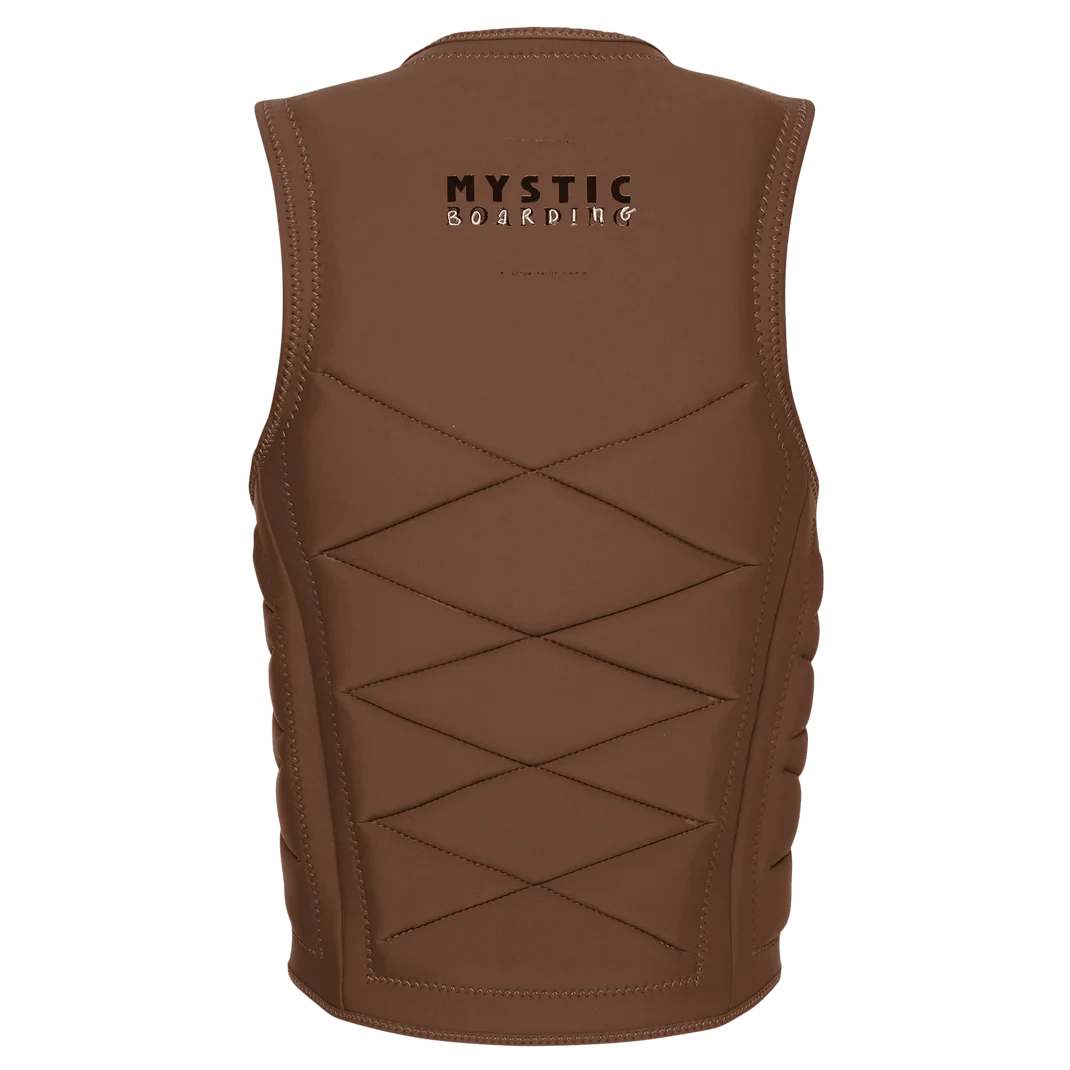
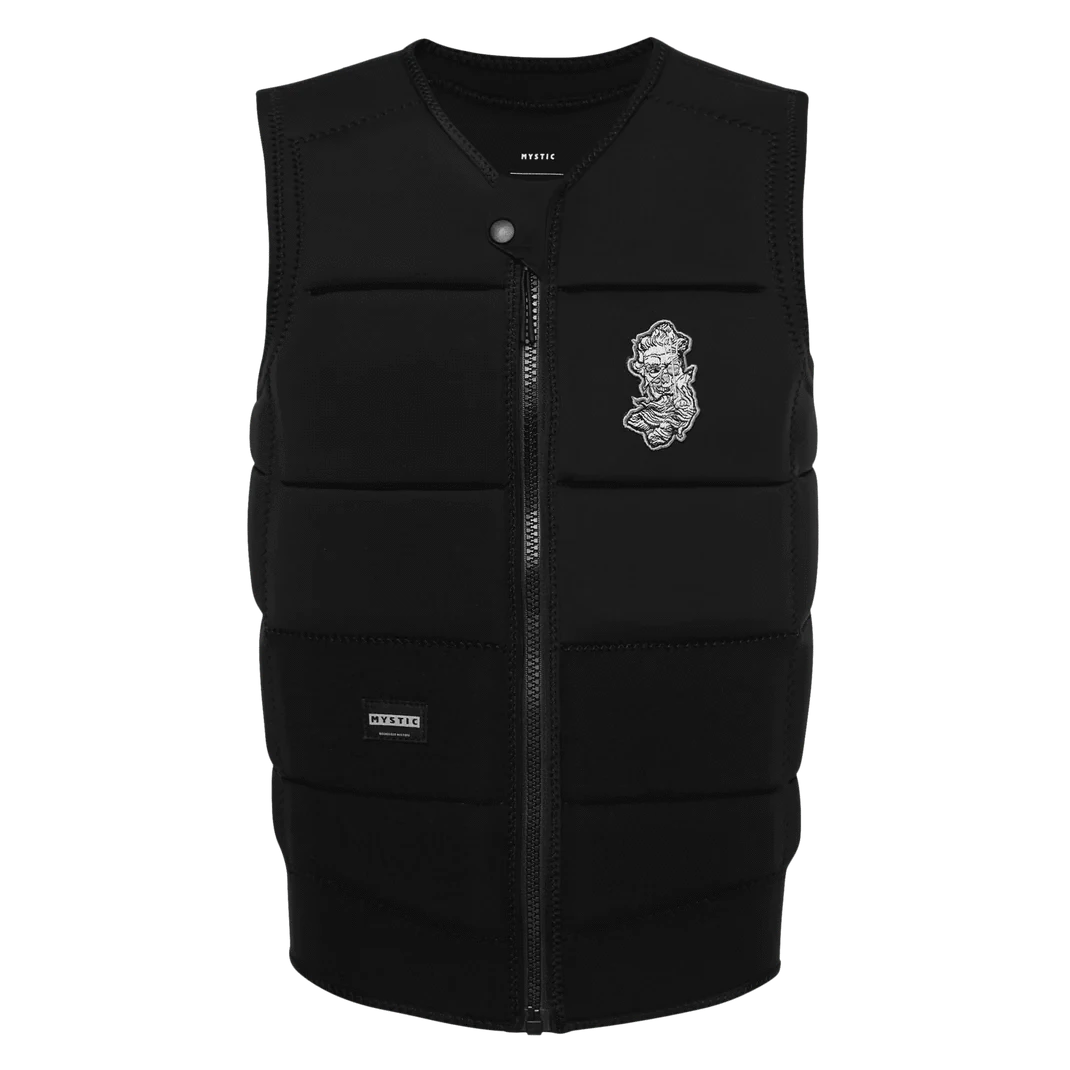
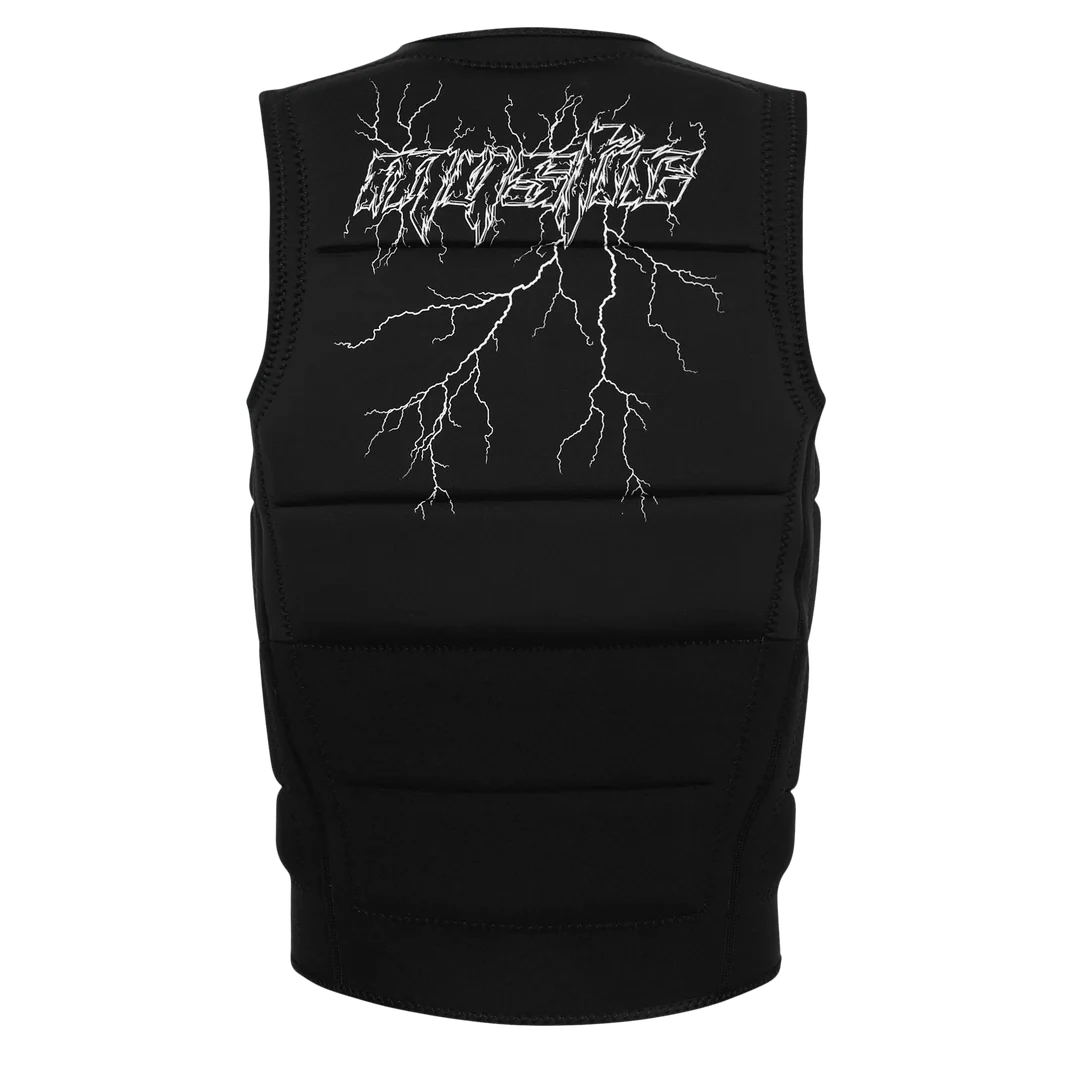
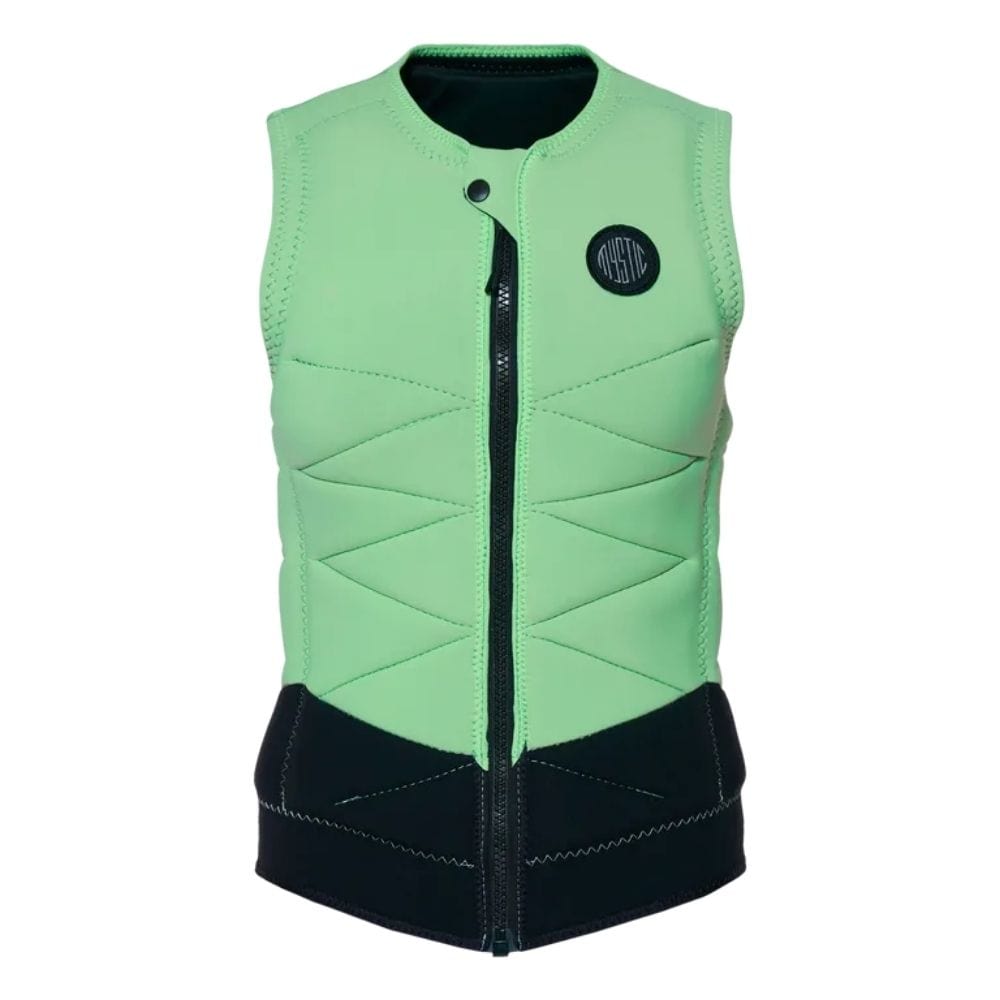
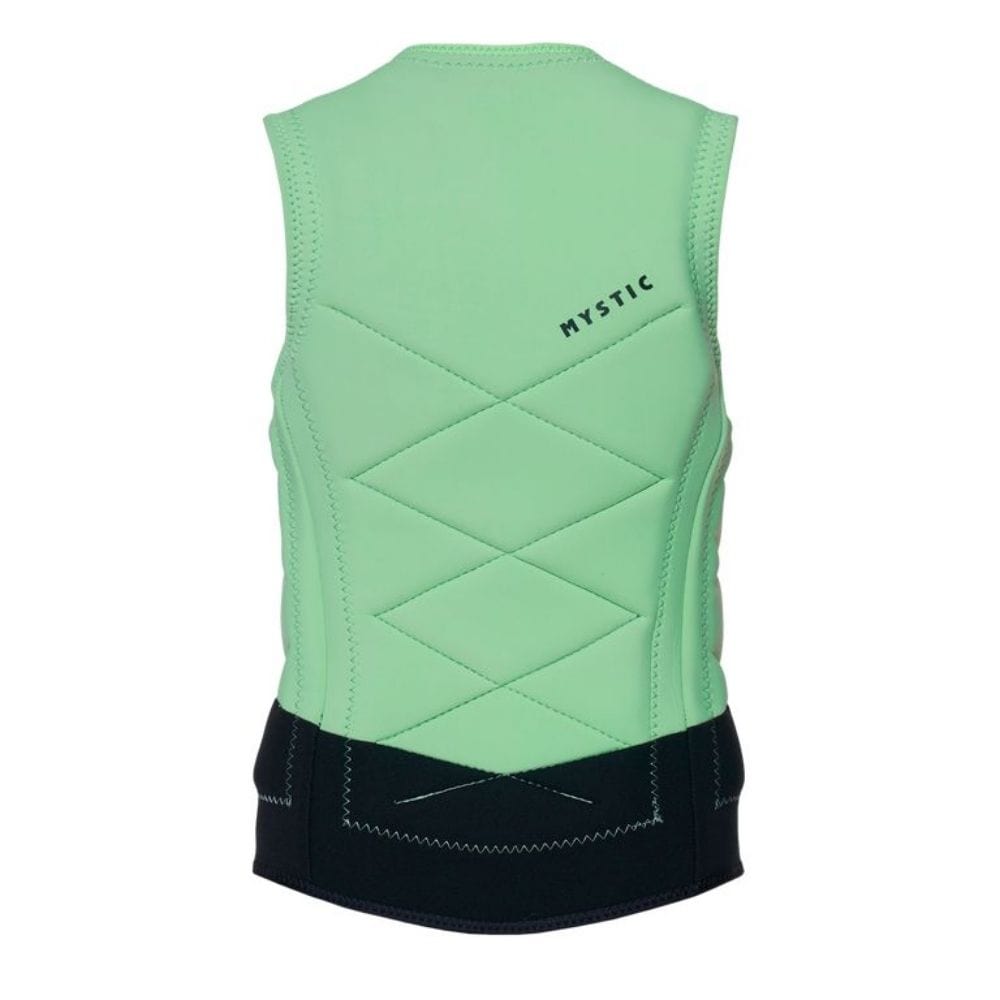
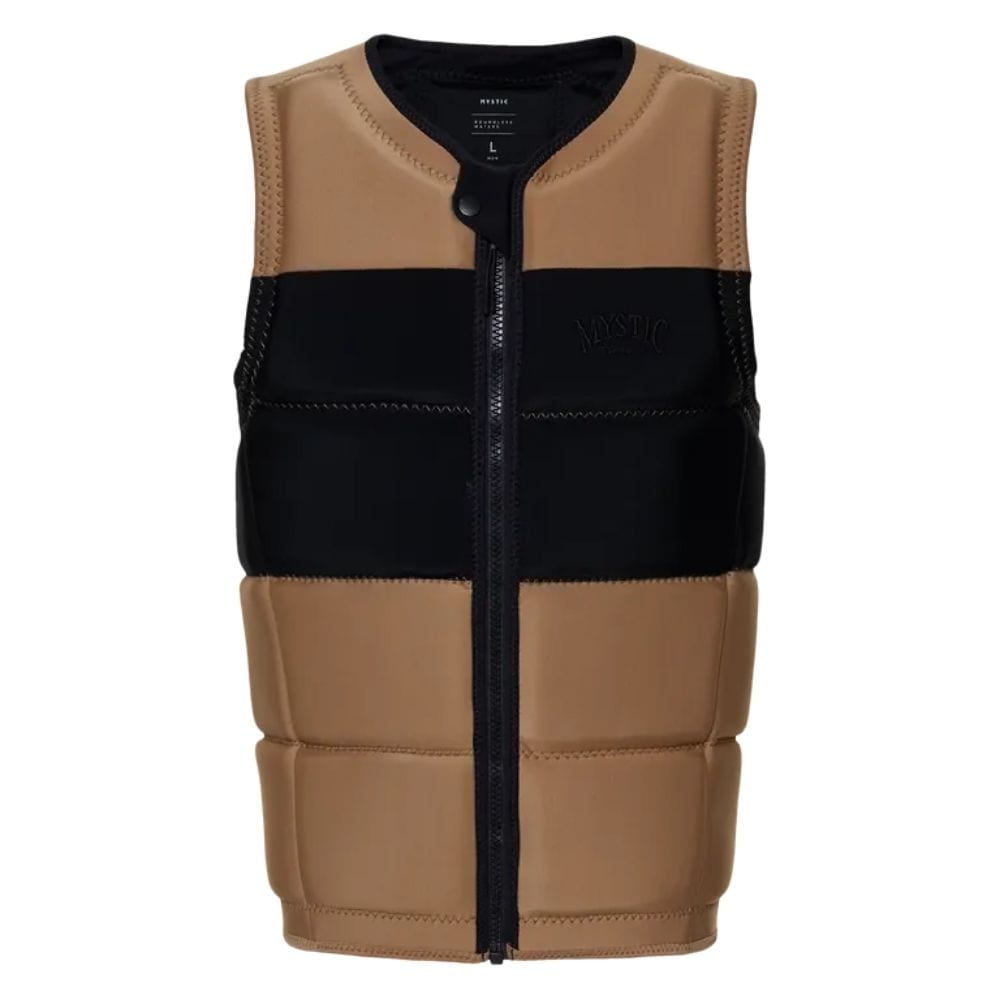
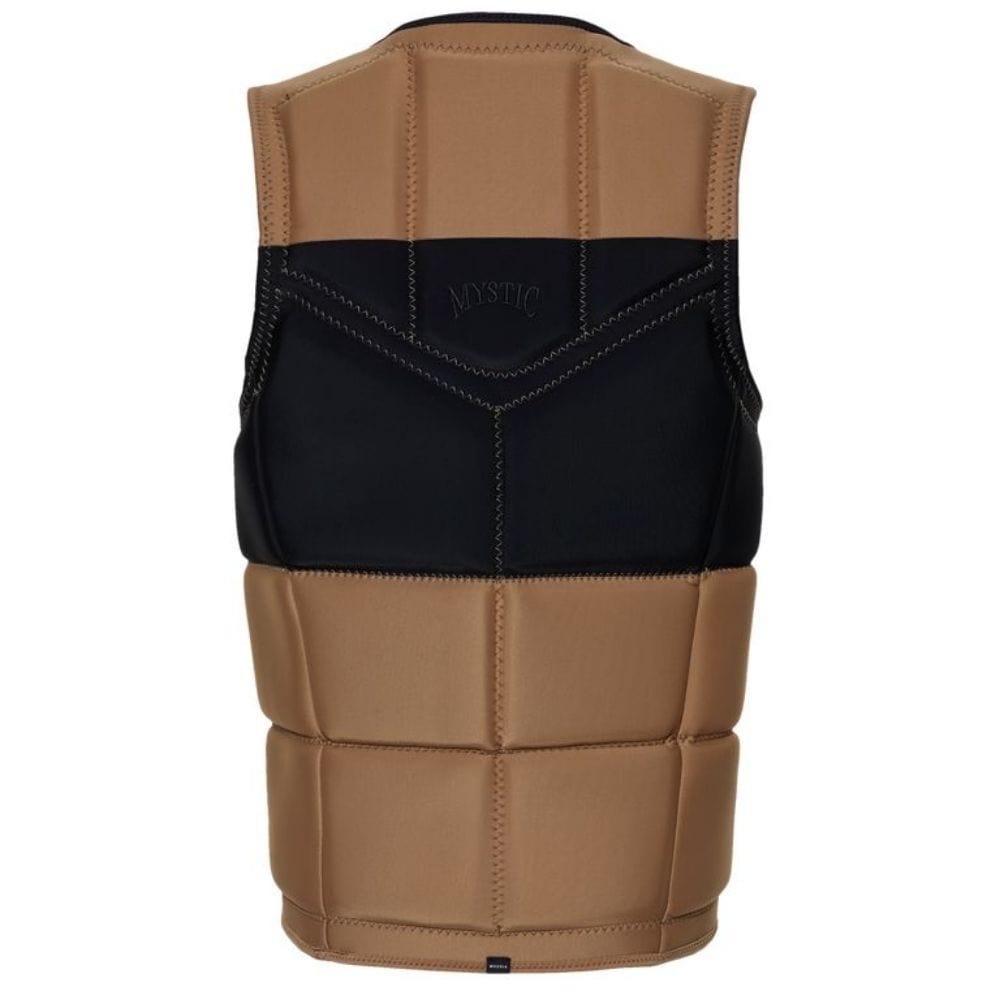
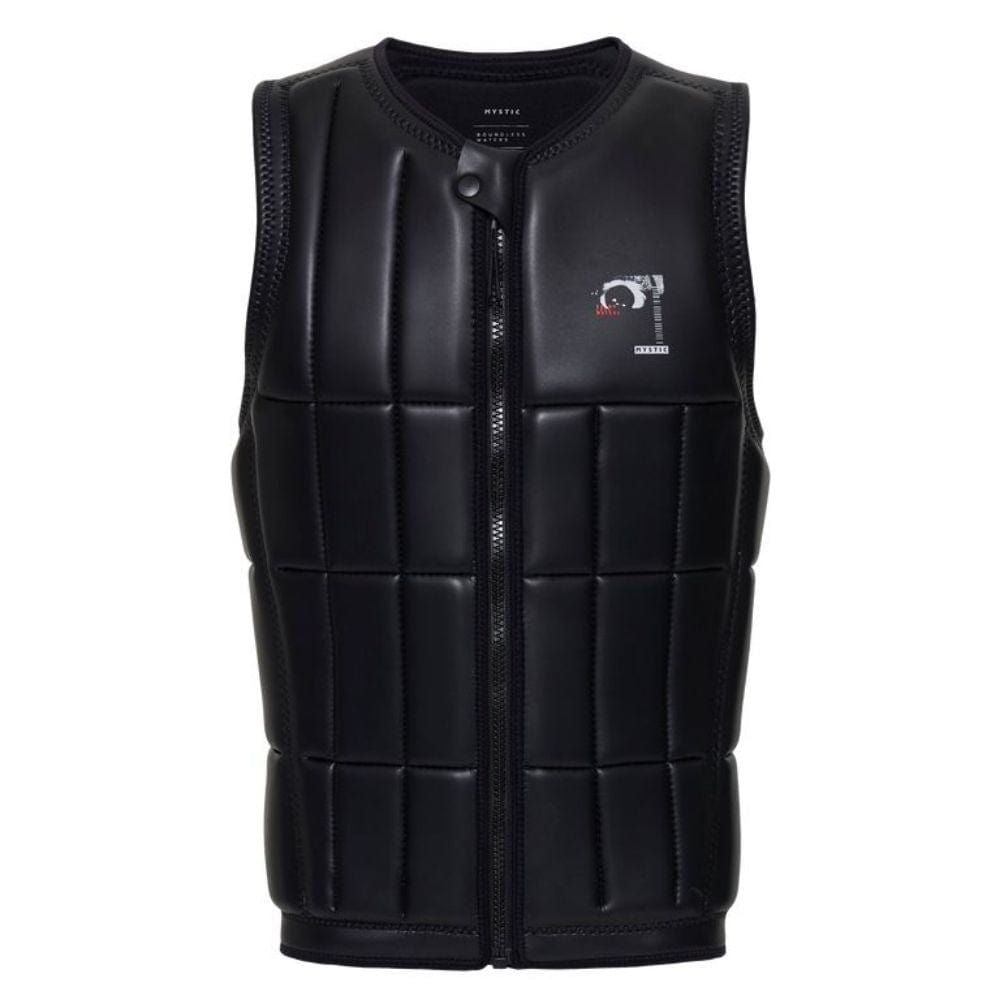
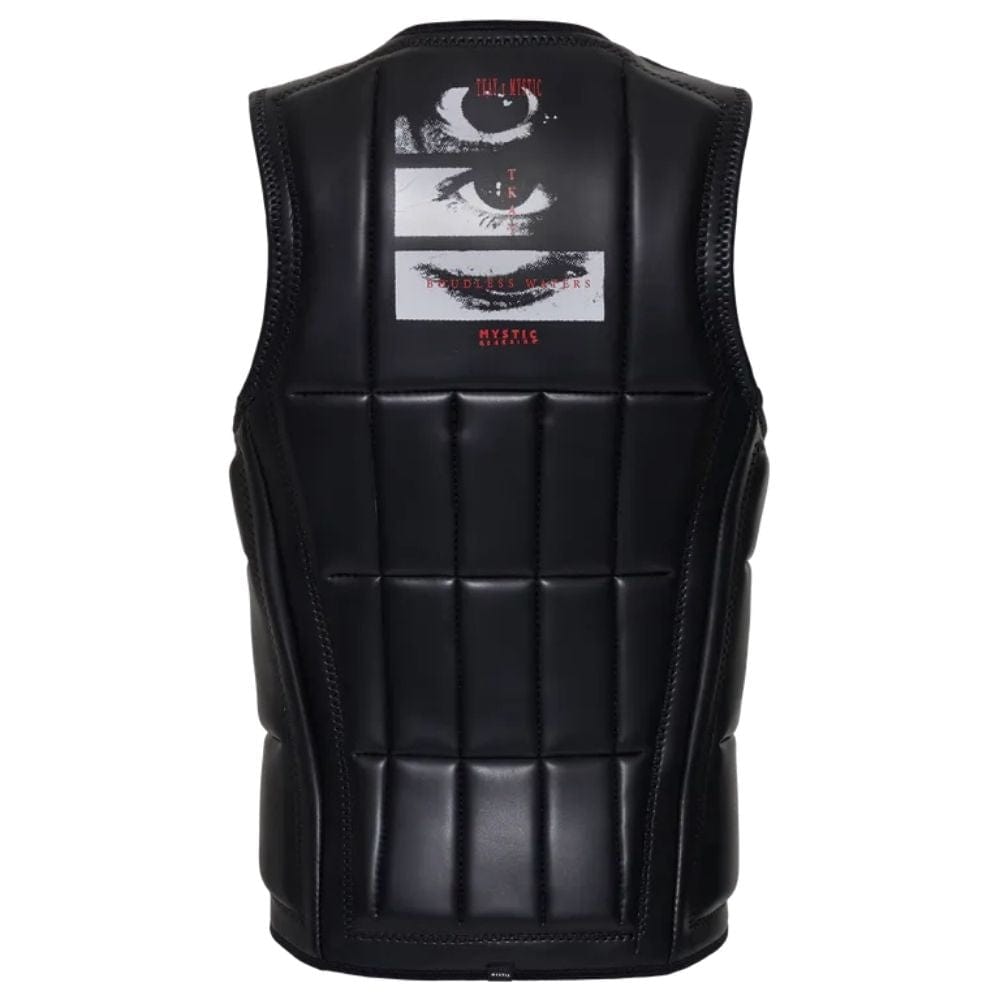
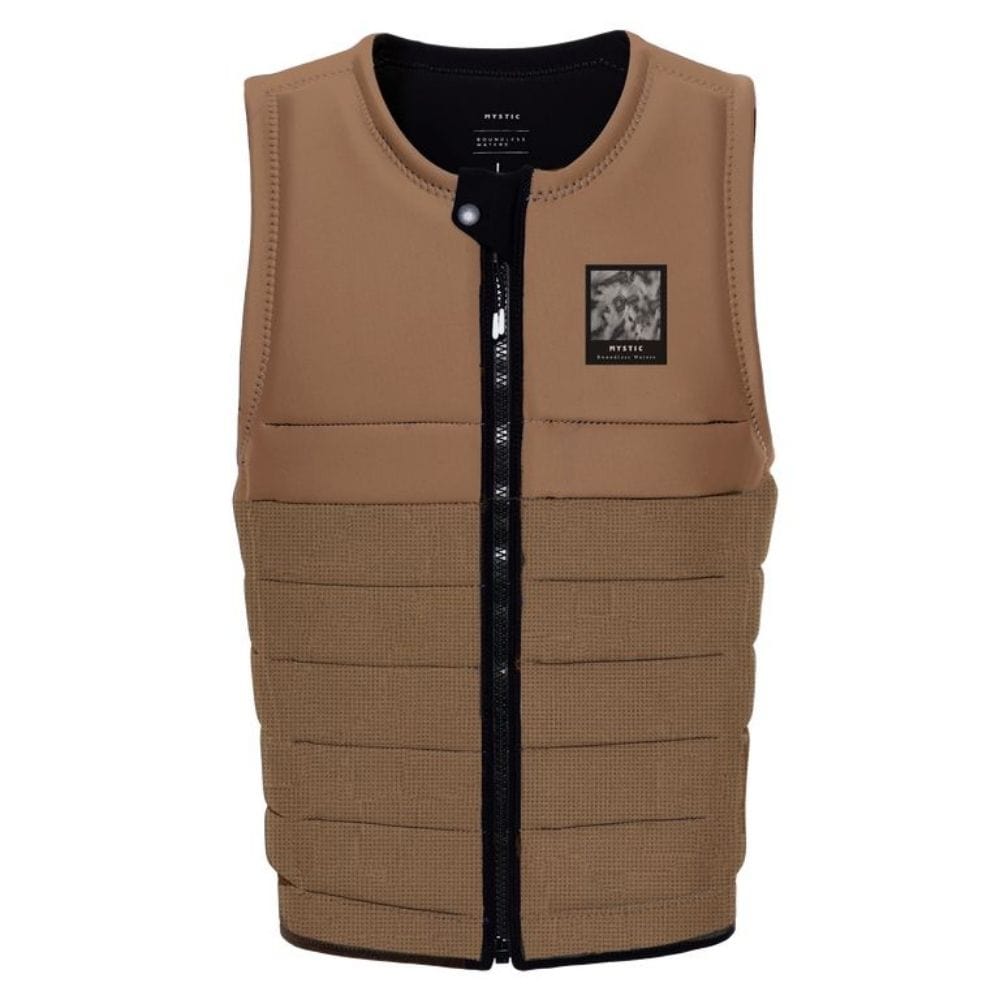
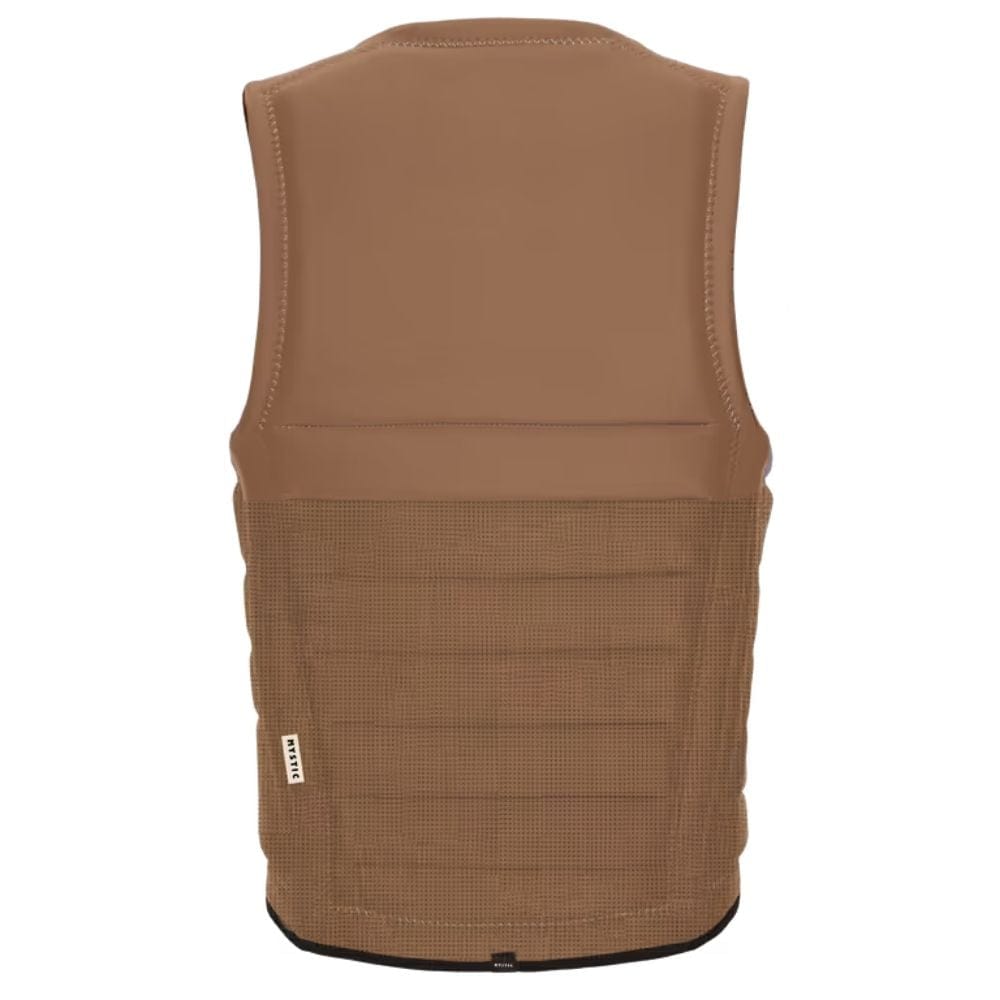
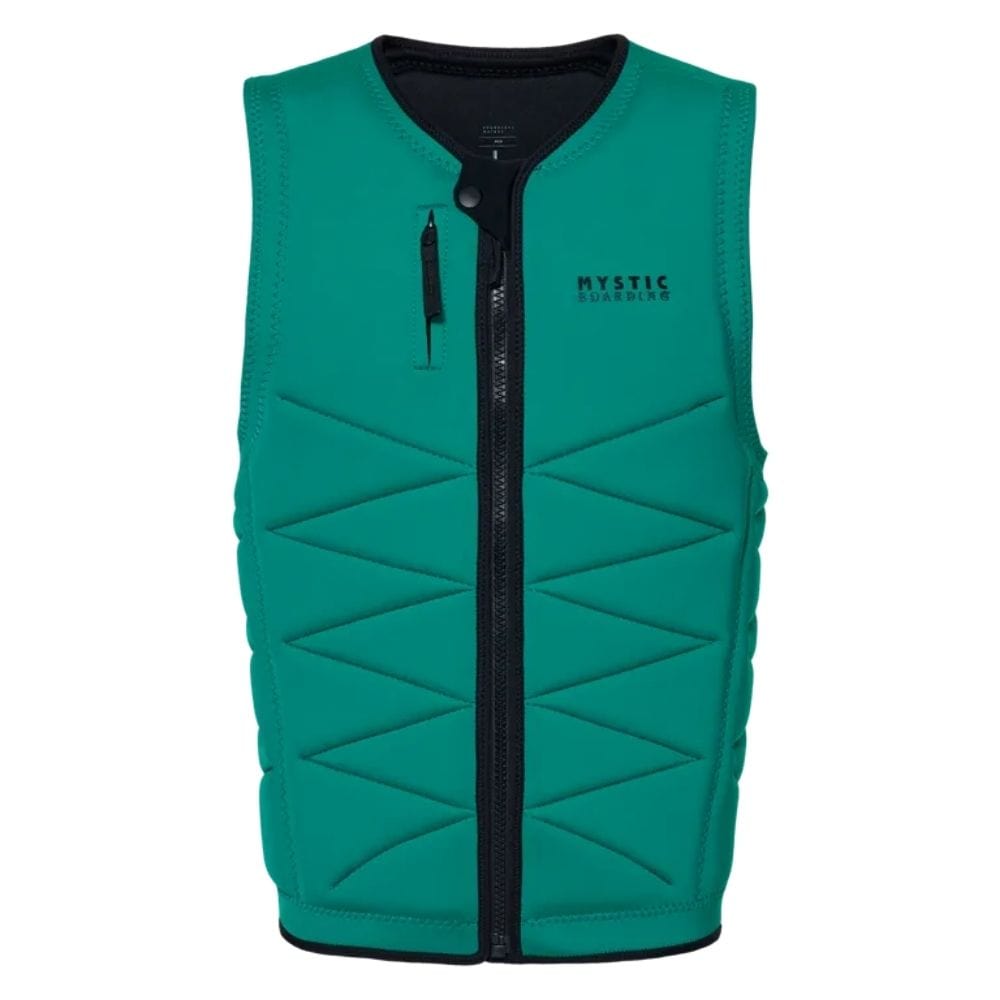
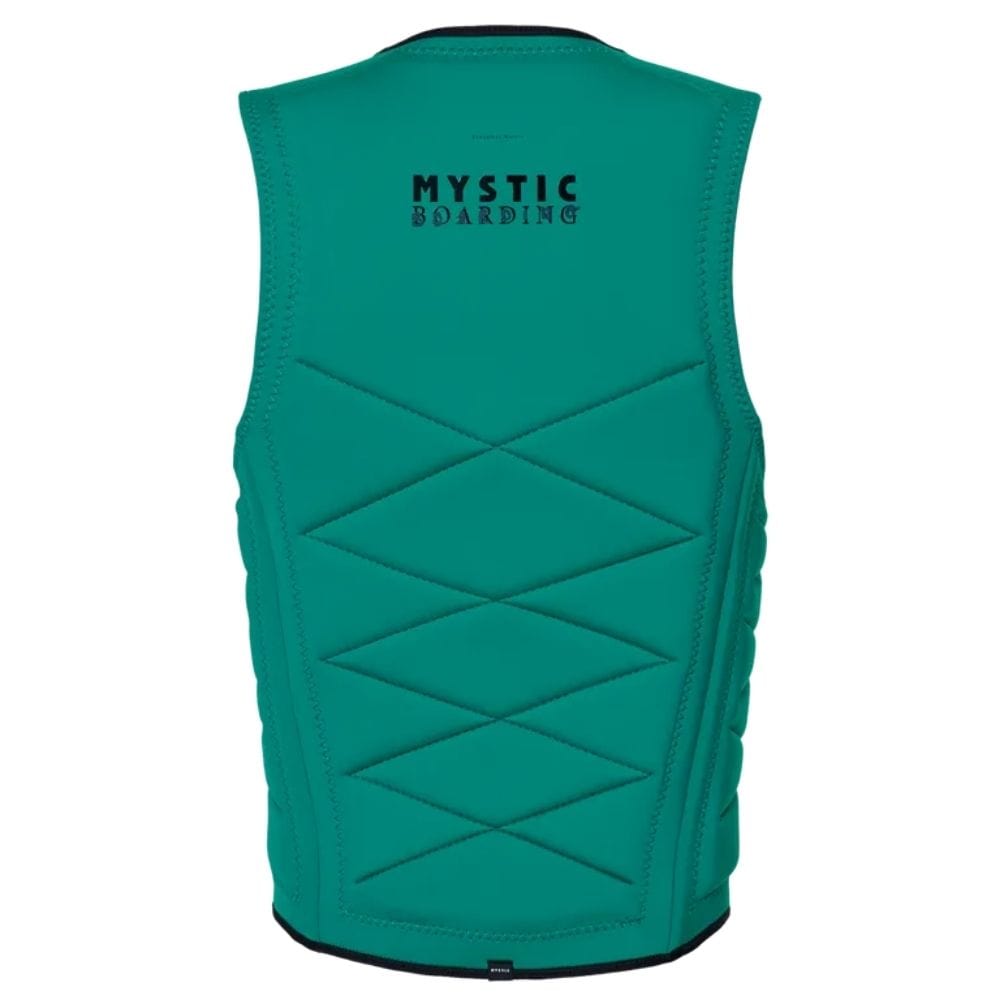
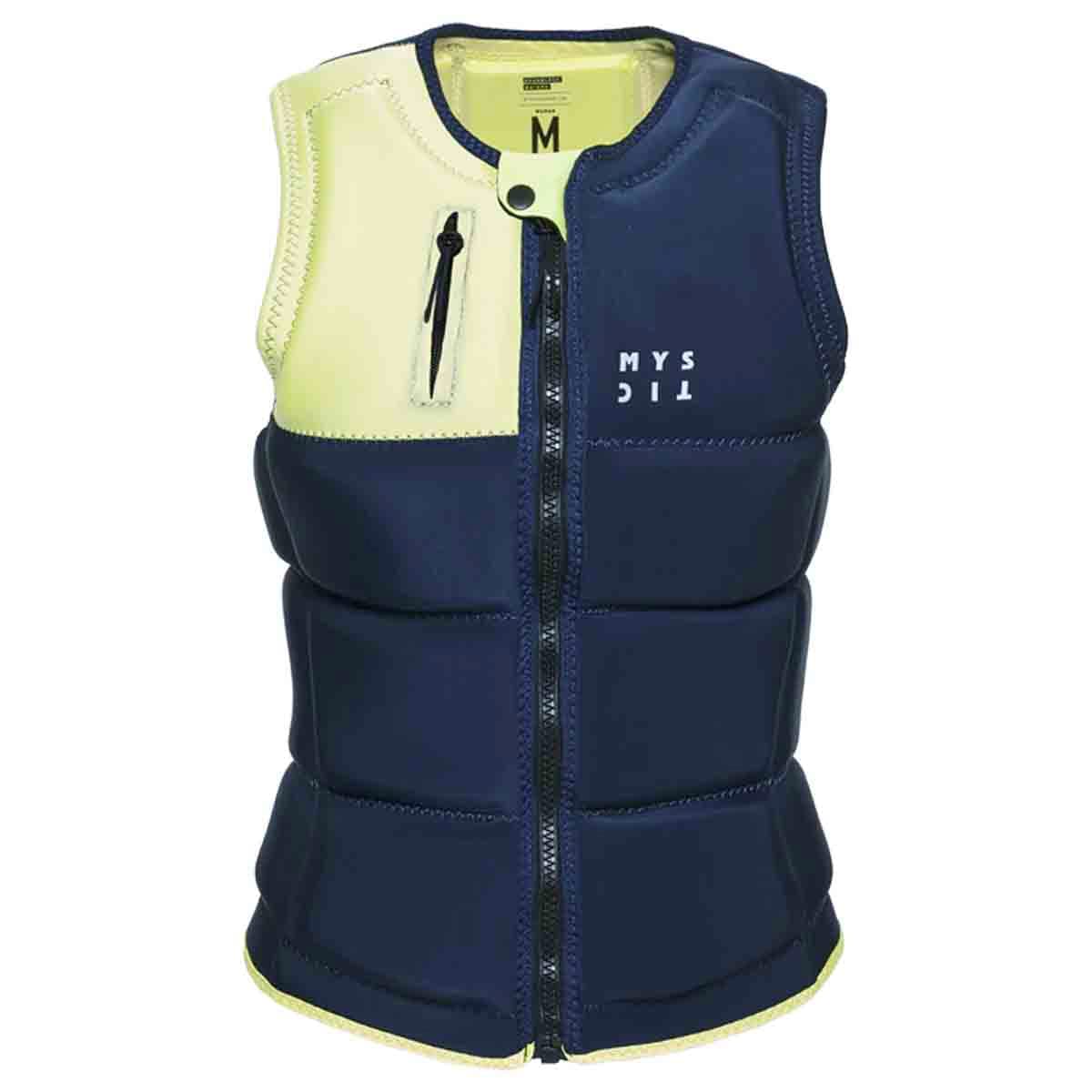
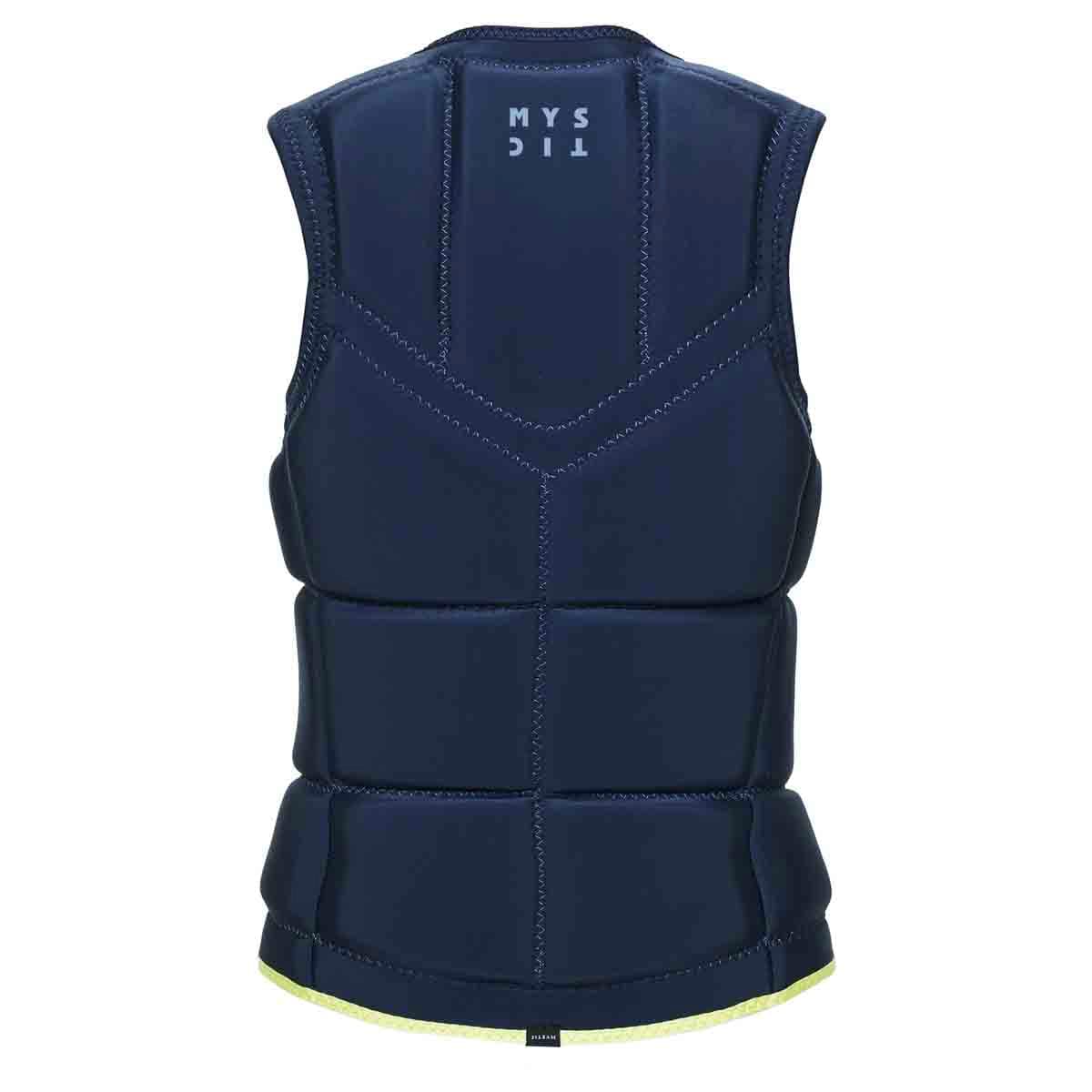
Wakeboarding puts you in the air and brings you down hard, and a good impact vest softens those landings while helping you float. The right vest protects your ribs and torso when a trick goes wrong, keeps you comfortable through a long set behind the boat or at the cable, and still lets you move freely. It is one of the smartest pieces of kit a wakeboarder can own.
This collection covers wake impact vests for men, women, and younger riders, in a range of fits and constructions. Whether you are learning your first edge or throwing inverts, there is a vest here to keep you protected and comfortable.
Not sure what to look for? The guide below explains the types, fit, and buoyancy. Browse the range below, and pair your vest with the right wakeboard.
What Is a Wake Impact Vest?
A wake impact vest is a neoprene vest with built-in foam that cushions impacts and adds flotation. It is designed to take the sting out of hitting the water at speed, protect your torso, and help you stay on the surface after a fall. Unlike a bulky life jacket, it is cut close to the body and built for movement, which is exactly what you want when wakeboarding.
Impact Vest vs Buoyancy Aid vs Life Jacket
It is important to understand the difference. A standard impact vest is designed for impact protection and extra flotation for confident swimmers, but it is not always a certified life jacket. A buoyancy aid offers more flotation and may carry a safety rating, while a life jacket is designed to turn an unconscious person face up. For riding behind a boat or at a cable where help is close, many wakeboarders choose an impact vest, but always check the rating and choose a certified buoyancy aid if you need guaranteed flotation.
How Impact Vests Help Wakeboarders
Wakeboarding falls often happen at speed and from height, and landing flat can wind you or bruise your ribs. The foam in an impact vest spreads that force and reduces the sting, so you get back up and keep riding. The flotation also saves energy between attempts, which matters during a long session. For progression, that confidence to commit to a trick knowing you are protected is a real benefit.
Segmented vs Neoprene Construction
Vests come in two broad styles. Fully flexible neoprene vests with segmented foam panels move with your body and are very comfortable for freeriding and tricks. Firmer vests with larger foam sections offer more protection and flotation but a little less flexibility. Think about whether you value maximum mobility for throwing tricks, or extra protection and float, and choose accordingly.
Front Zip vs Side Zip
Impact vests close in different ways. A front zip is quick and easy to get on and off, and is the most common style. A side zip or zip-free pullover design removes the front zip for a cleaner, often more flexible fit that some riders prefer. All should hold the vest firmly in place so it does not ride up when you hit the water.
Getting the Right Fit
Fit is key to both comfort and protection. A wake impact vest should be snug, holding firmly to your torso so it cannot ride up over your head in a fall, yet still allowing you to breathe and move your arms freely. If it is loose, it will shift on impact and offer less protection. Do up the zip and any straps, then raise your arms and twist to check it stays put. Check the size guide, as fit varies between brands.
Buoyancy and Safety Ratings
Check whether a vest is a pure impact vest or a rated buoyancy aid. Some carry a recognised buoyancy certification, while others are protection-focused and assume a confident swimmer with supervision nearby. Neither replaces sensible safety practice on the water. If you ride in open water, ski alone, or are a weaker swimmer, choose a certified buoyancy aid and always ride within your limits.
Men's, Women's and Kids' Vests
Vests are cut for different bodies. Women's vests are shaped through the chest and torso for a better fit, while kids' vests focus on secure flotation and a snug hold. Choosing the right cut makes the vest more comfortable and more effective. For children especially, a correctly fitted, appropriately rated vest is essential.
Caring for Your Impact Vest
- Rinse with fresh water after every session, especially in salt water
- Dry fully out of direct sunlight before storing
- Check zips, straps, and seams for wear
- Avoid leaving it crushed or folded for long periods
- Store flat or hung somewhere cool and dry
Good care keeps the foam and fittings in shape so the vest protects you for many seasons.
How Much Do Wake Impact Vests Cost?
Prices depend on construction, flexibility, and whether the vest is rated. Entry-level vests are affordable and fine for learning, mid-range vests add better flexibility and comfort for regular riders, and premium vests use segmented, high-stretch construction for maximum mobility. Certified buoyancy aids may sit at a different price point. For frequent riders, a comfortable, well-fitted vest is well worth the spend.
Why Buy Your Wake Impact Vest from Surface2Air Sports?
We have supplied wakeboarders since 2002, with a shop in Poole and a full range online.
- Wake impact vests for men, women, and children
- Flexible neoprene and higher-protection options
- Front zip, side zip, and pullover styles
- Honest advice on fit, buoyancy, and ratings
- Help choosing the right vest for how and where you ride
Whether you are learning or progressing, we can help you ride protected. Explore our wake equipment accessories and the wider wakeboard and waterski shop.
Frequently Asked Questions About Wake Impact Vests
Is an impact vest the same as a life jacket?
No. An impact vest cushions falls and adds flotation for confident swimmers, but it is not always certified. A life jacket is designed to turn an unconscious person face up. Check the rating.
Why do wakeboarders wear impact vests?
Wakeboard falls happen at speed and height, and the foam spreads the force to protect your torso and ribs, while the flotation saves energy between attempts.
How should an impact vest fit?
Snug, so it cannot ride up over your head in a fall, yet still allowing you to breathe and move your arms. A loose vest shifts on impact and protects less.
Should I get a rated buoyancy aid instead?
If you ride in open water, ski alone, or are a weaker swimmer, choose a certified buoyancy aid for guaranteed flotation rather than a pure impact vest.
What is the difference between segmented and firm vests?
Segmented neoprene vests move with you for tricks and freeriding, while firmer vests offer more protection and flotation with slightly less flexibility.
How do I look after my vest?
Rinse with fresh water, dry out of direct sun, check zips and seams, avoid crushing it, and store flat or hung somewhere cool and dry.
Let customers speak for us
the whole exercise

item as dscribed, looks fantastic

As described and looks fantastic. thank you
My first board and binding set up after using hire equipment for over a year. These will take some getting used to but step in and strap is a vast improvement. Large to size 12UK looks like it only just fits across the toe strap.
S2AS are my go to online store for anything Snowboarding related and as they say any query just pick up the phone and speak to Ollie (who sounds a lot like Jamie Lang)

Wait for snow
Loved the service in the shop Ollie was very helpful and a pleasure to deal with. Recommend highly
Kind regards
Matt

2026 Slingshot KTV EverShred Wakeboard Bindings

Exceptionally quick delivery, would definitely recommend buying from this site

Hi my in store experience was fantastic from email to shop with your representative Ollie could not have been more polite & helpful
Once I’ve tried the bourd I will send further feedback
Hope your all well
Kind regards
Matt

We ordered a large amount of items that all arrived safely, we kept everything save two jackets which we ordered wrong, but the team were great, we sent them back and got a refund with no hassle. Will definitely use in the future!

Great graphics, good fit and quality

I purchased a wing that was 70% off and I am delighted with my new toy. I had it out today for the first time and despite only being a 2.8m wing, the power and control was amazing. It is so good that I am tempted to buy a bigger size to add to my collection. Thanks again S2AS for another great product for a bargain price 😊

Great carbonboard from Shinn and Raptor fin set at a good price from Surface2Air Sports. Delivered without any problems.

Really well made, super comfortable and love the carry wrap that they are supplied in. Much better than the usual drawstring bags that disintegrate. Best beach chair yet

Excellent item really pleased with it good delivery

2026 Mystic Patrol Boots wakeboard Bag