Sort by
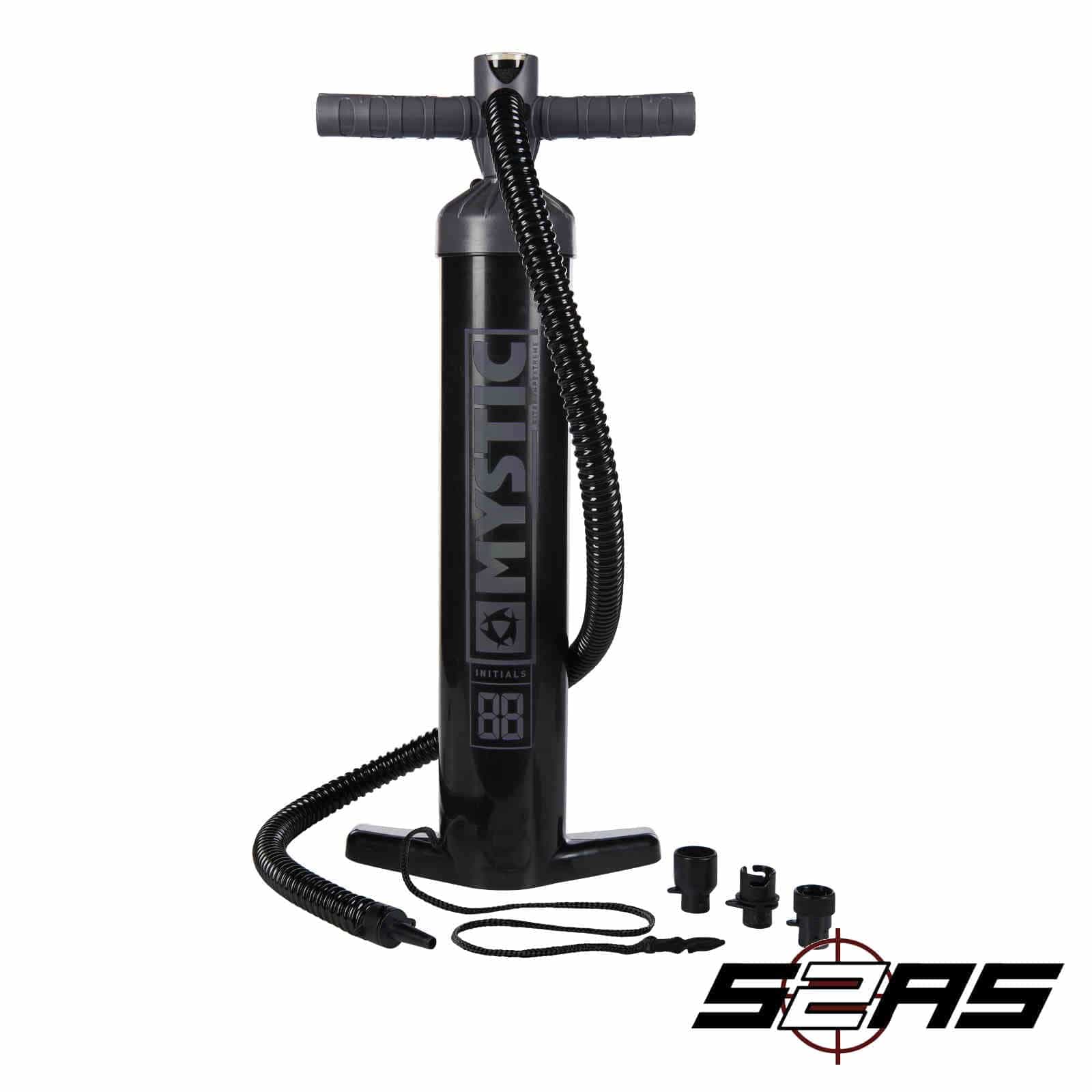
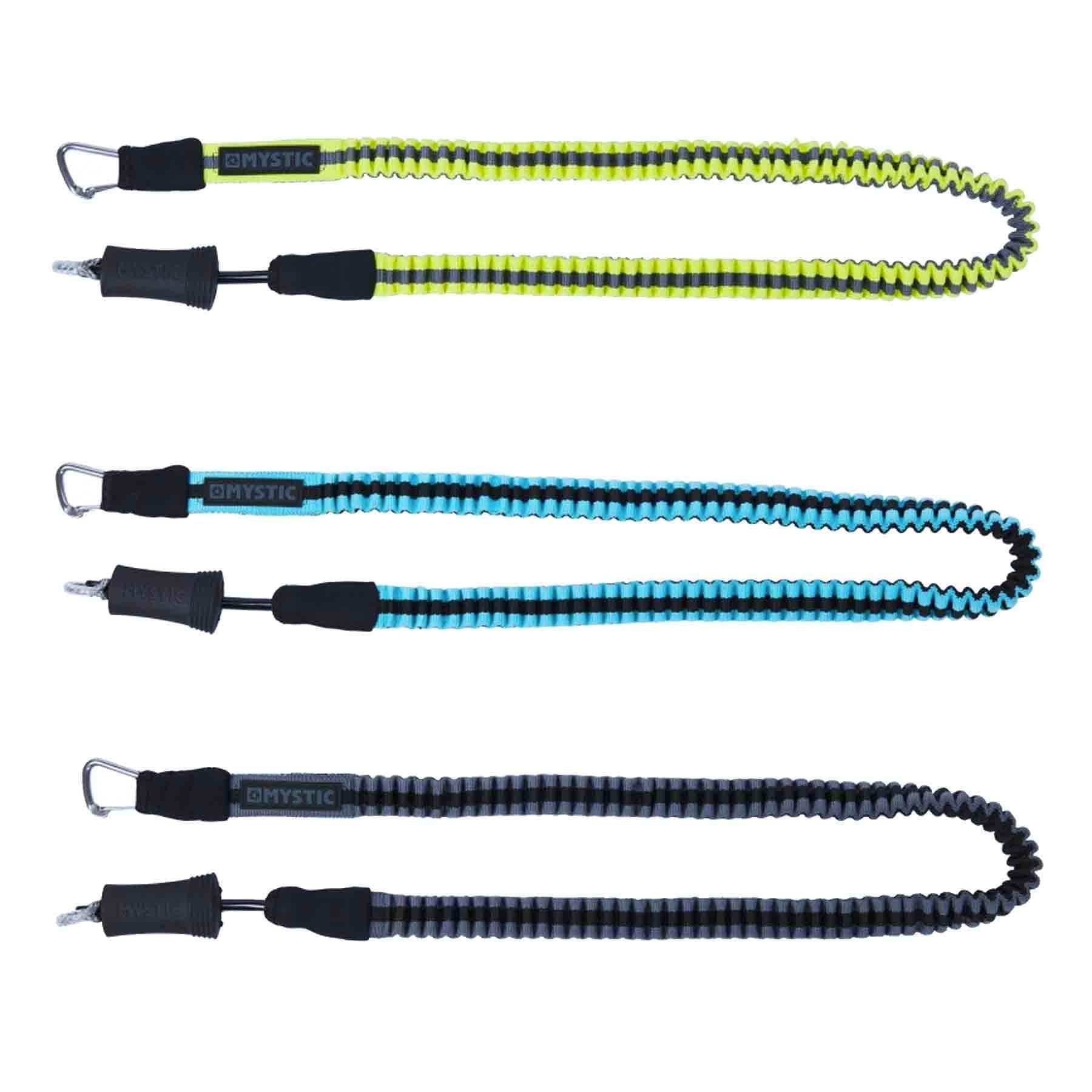
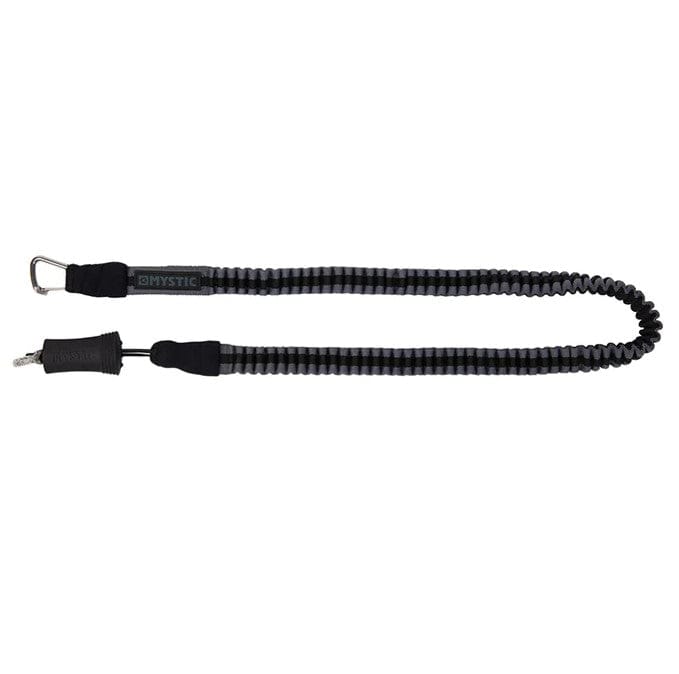

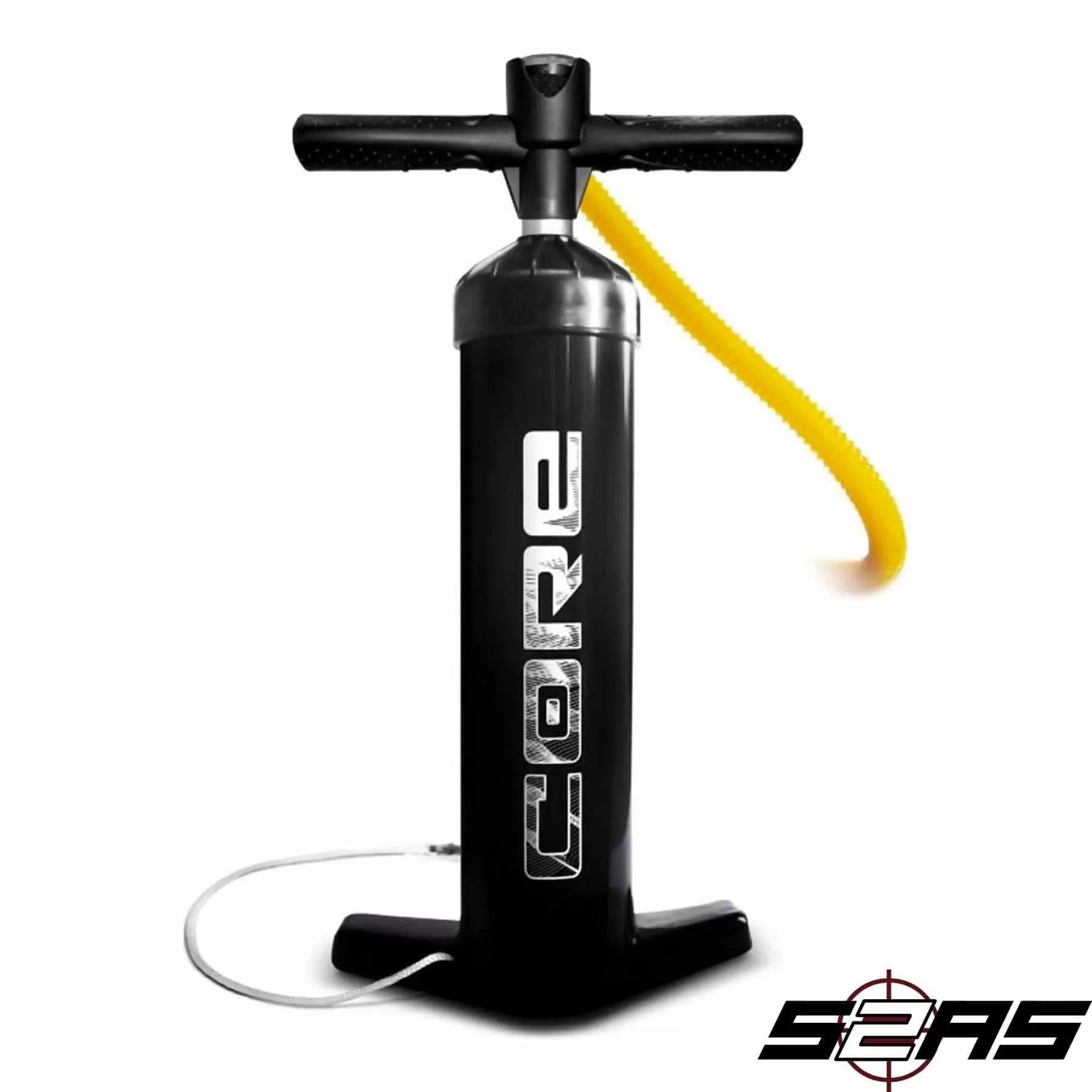
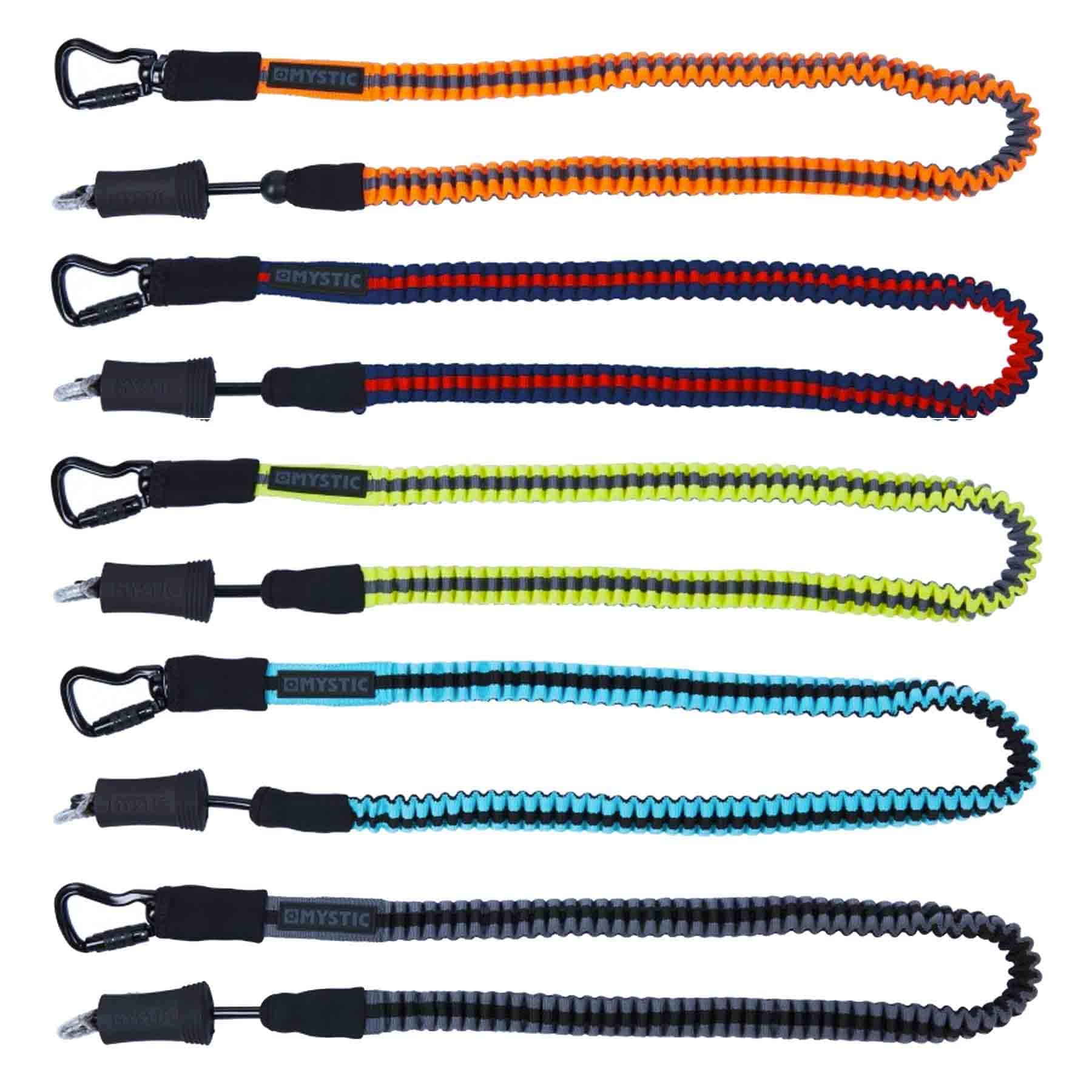
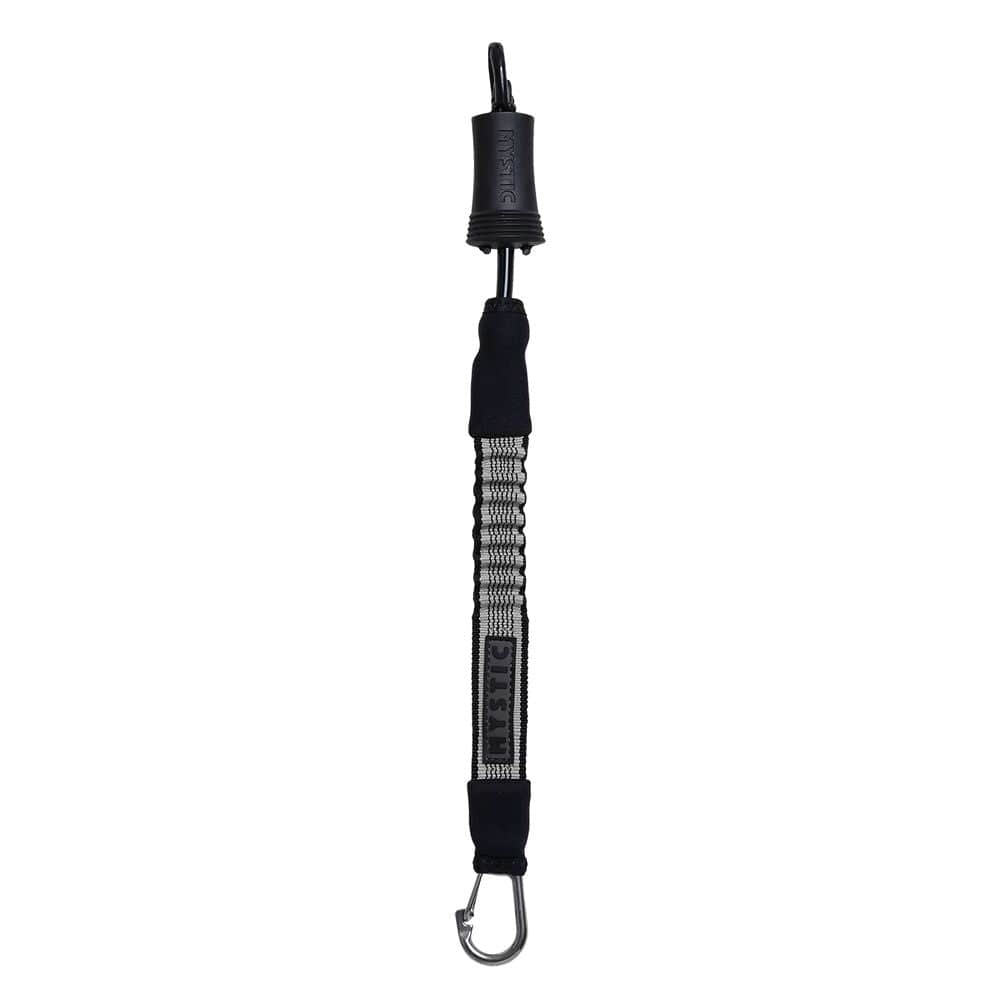
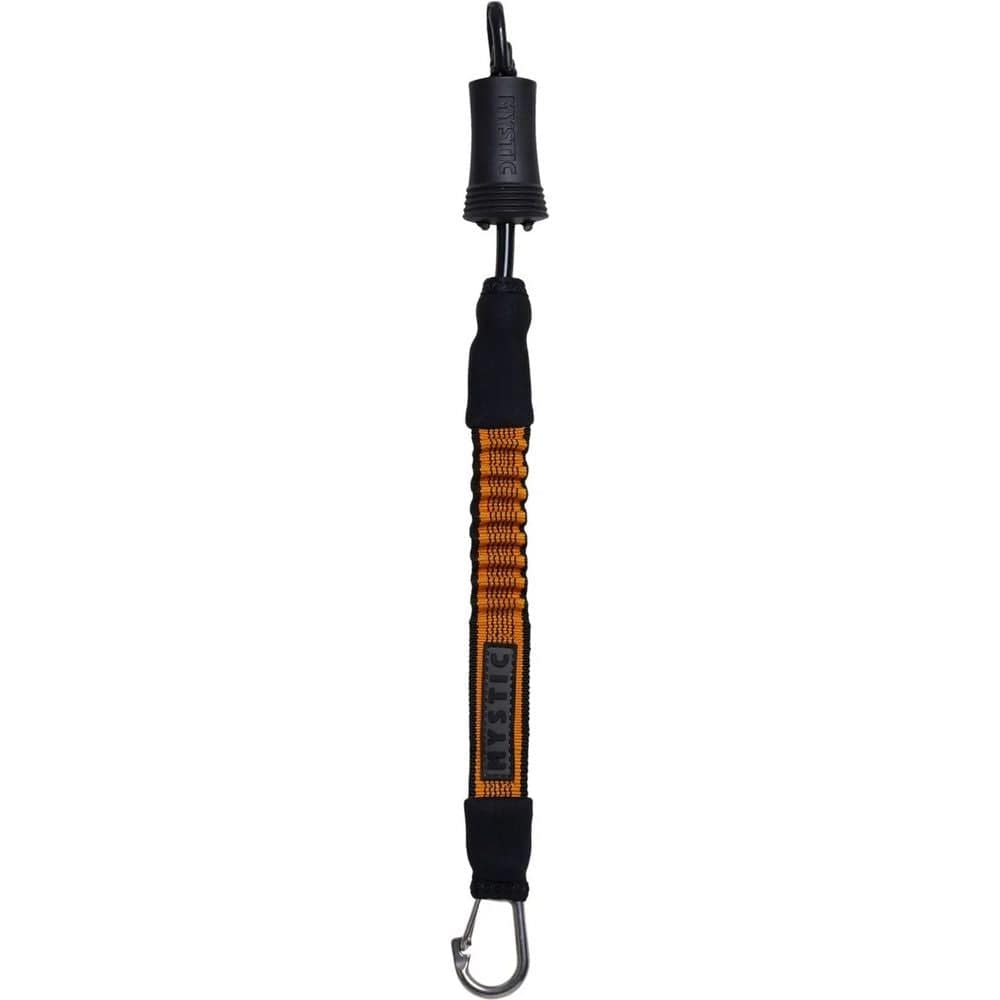
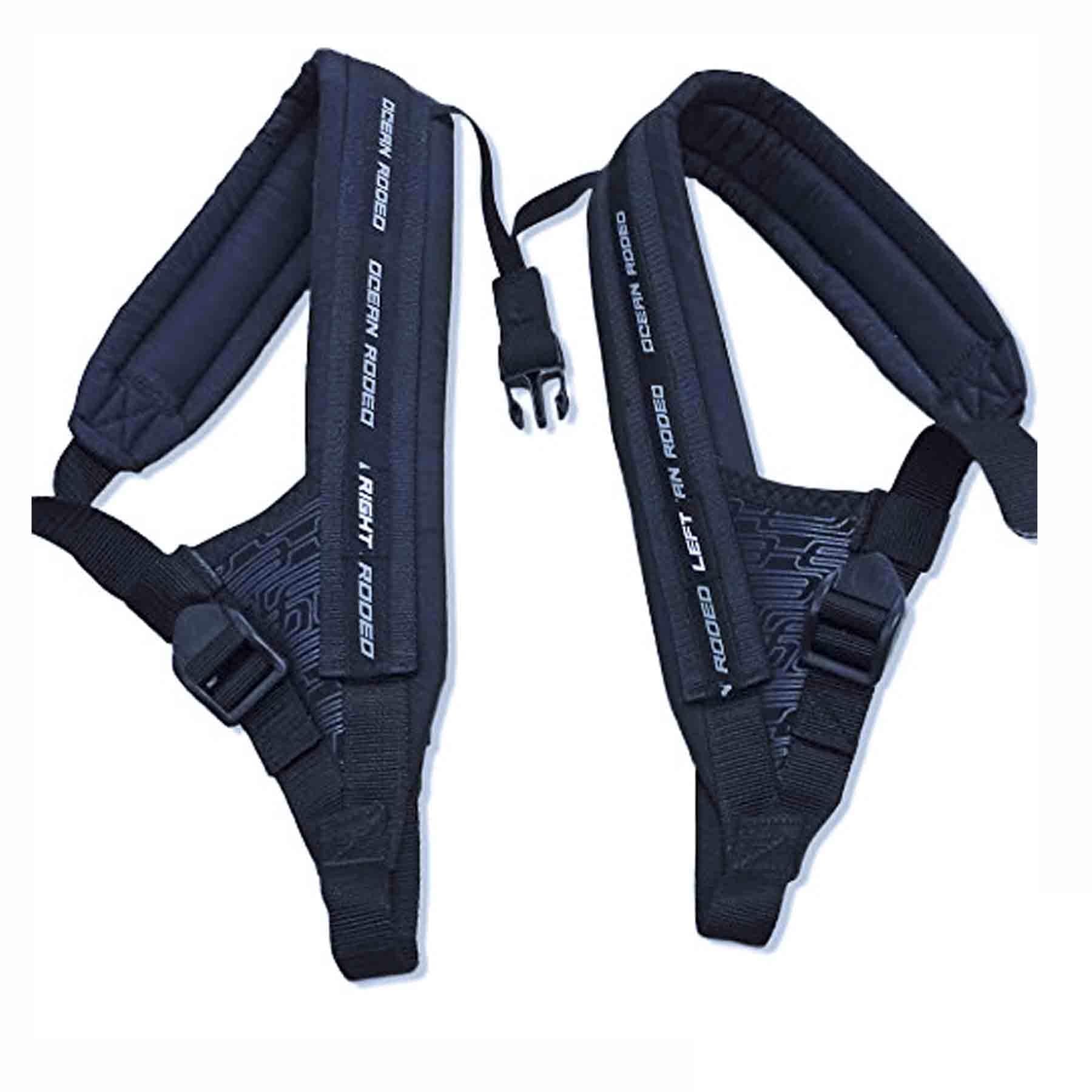
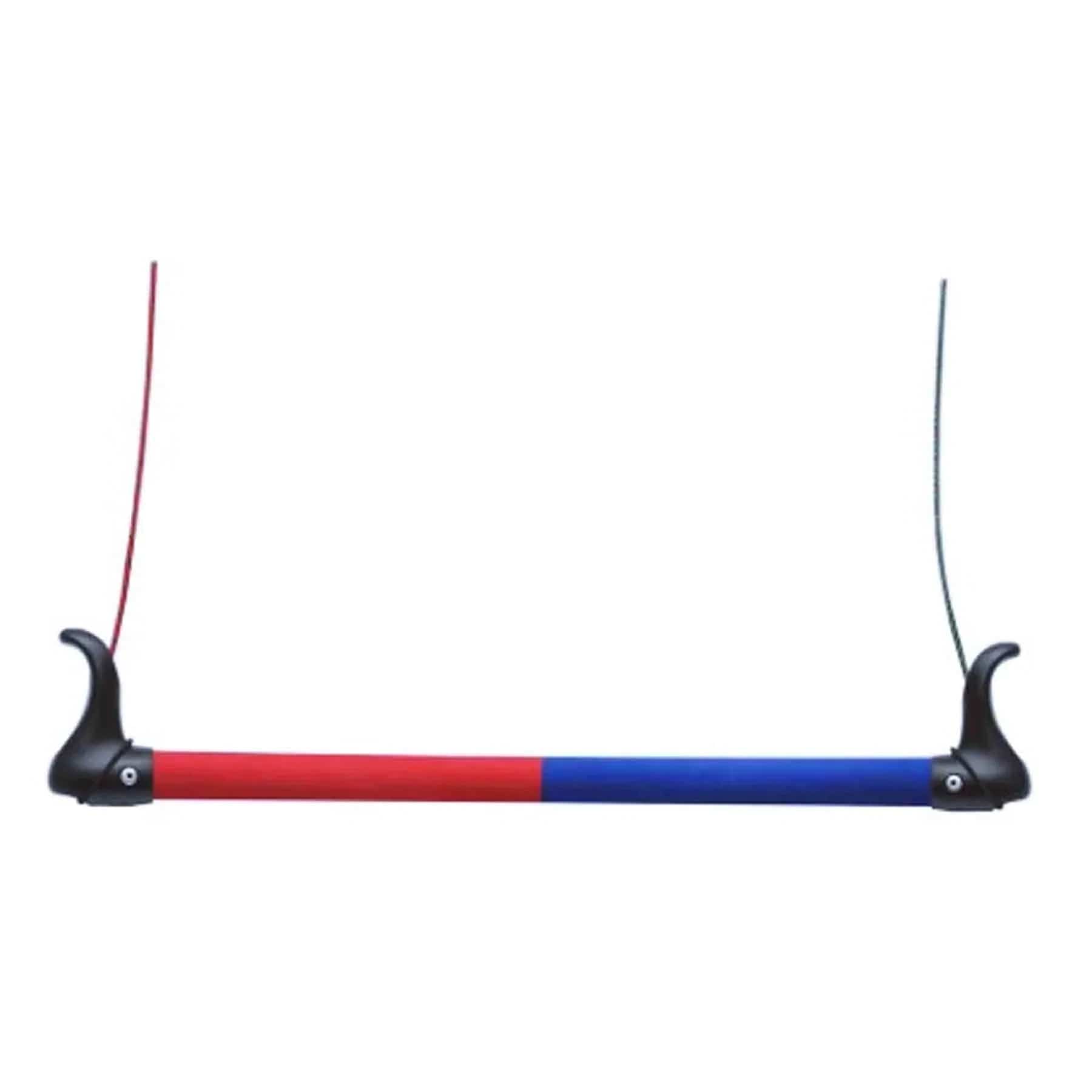
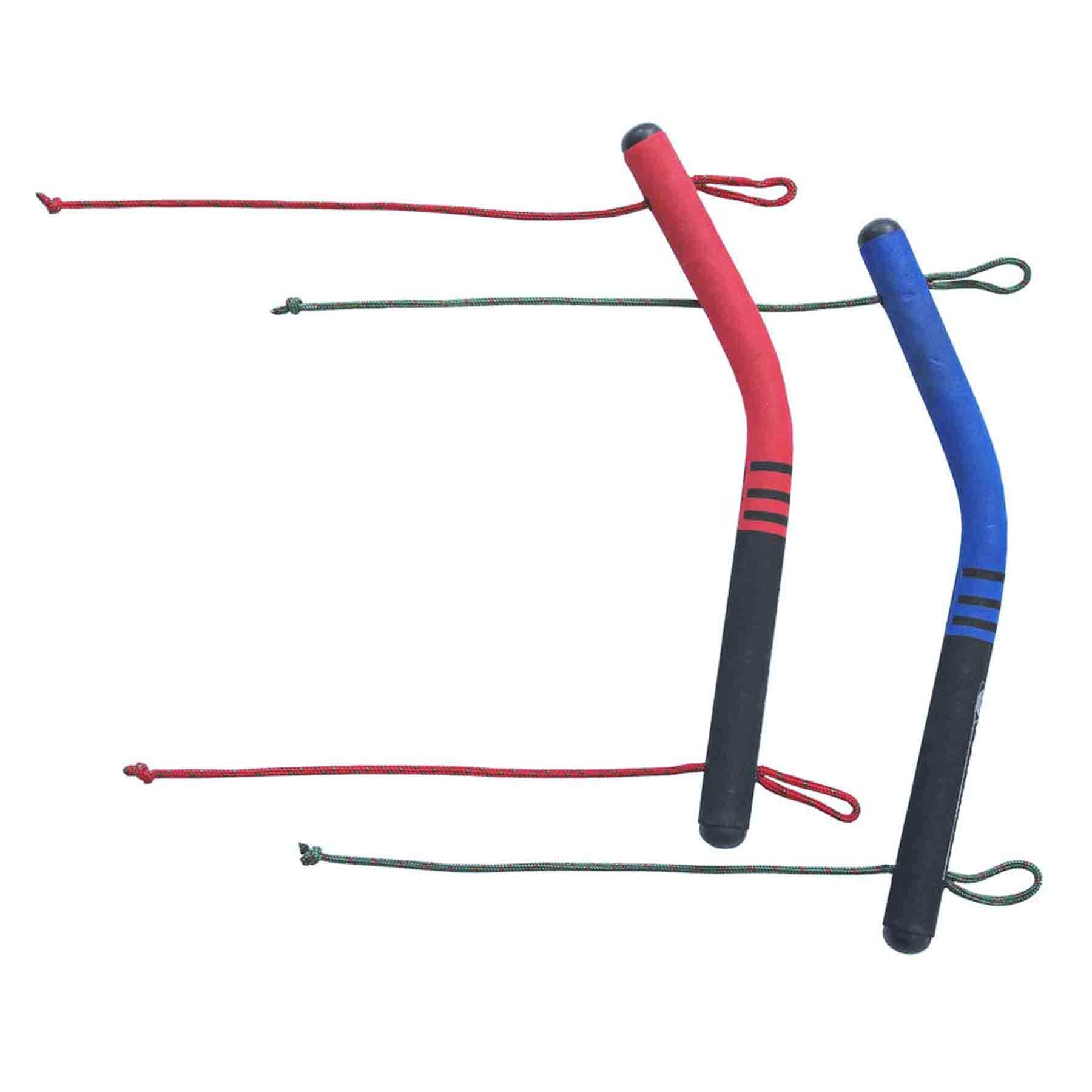
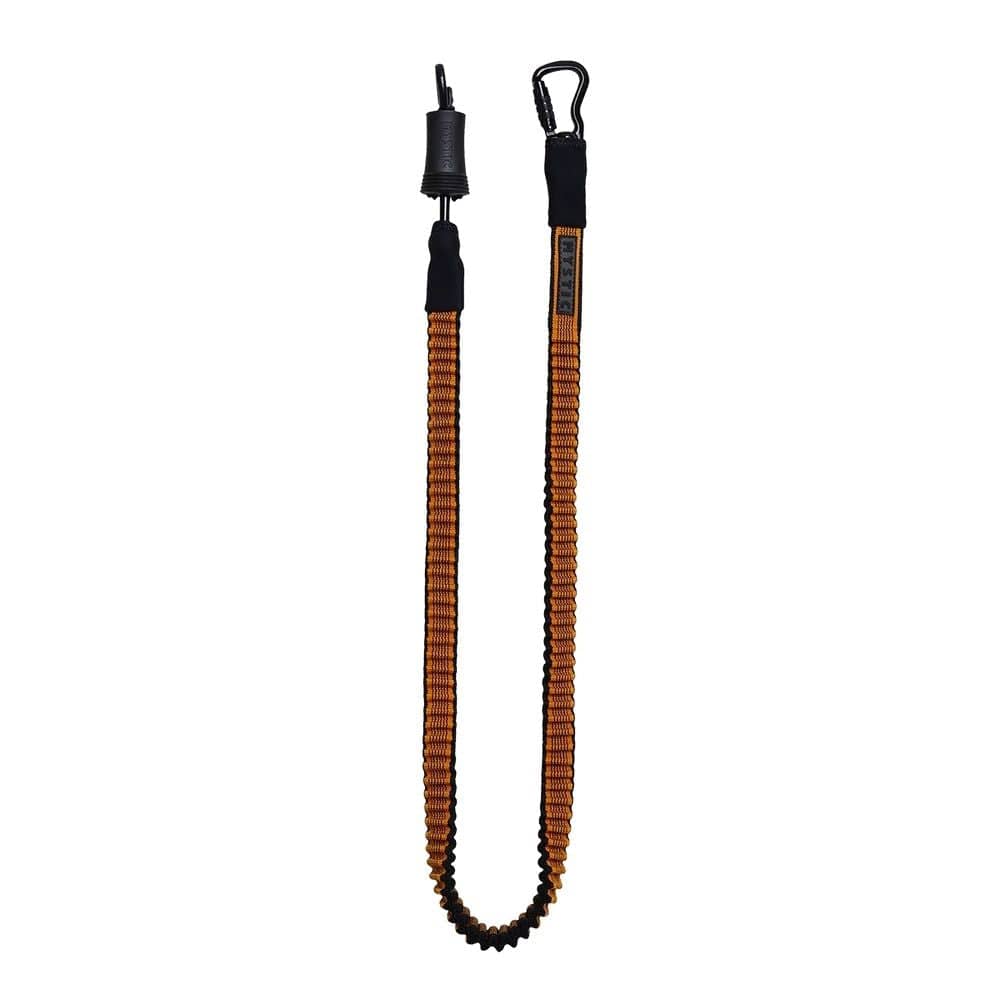
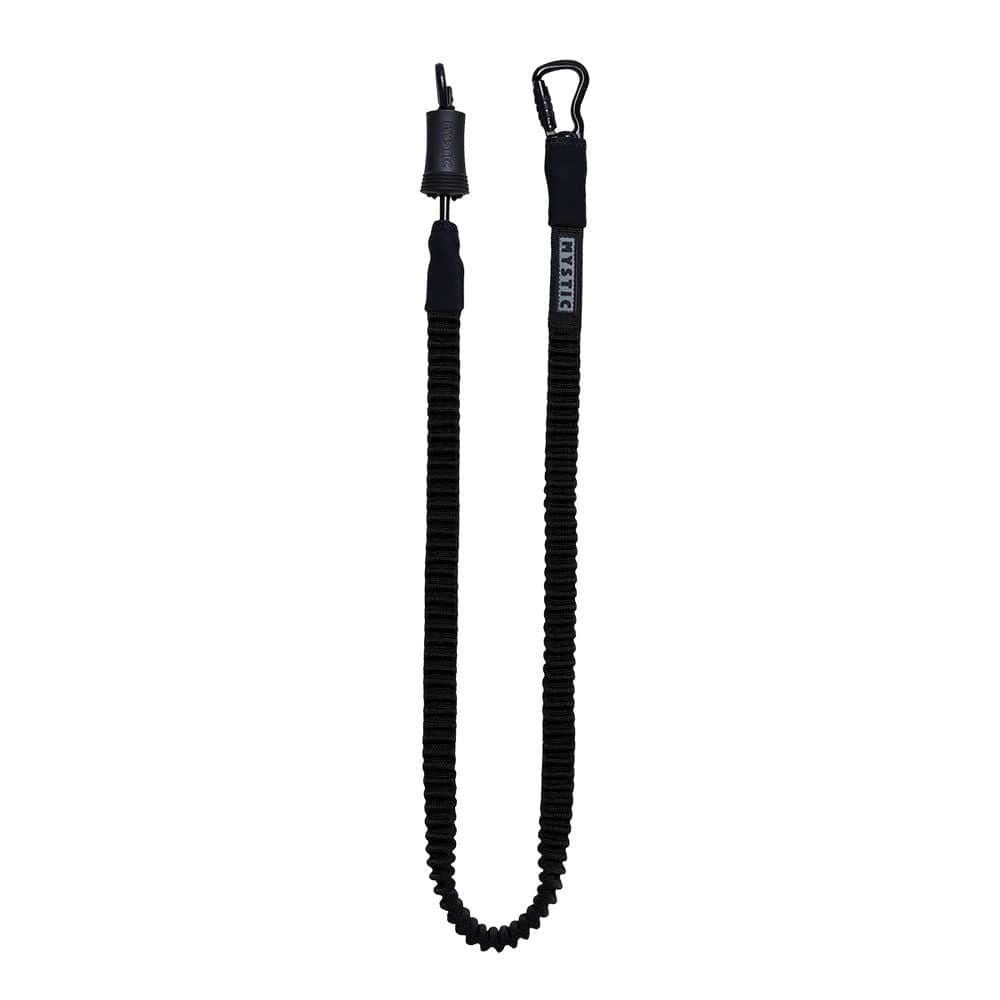
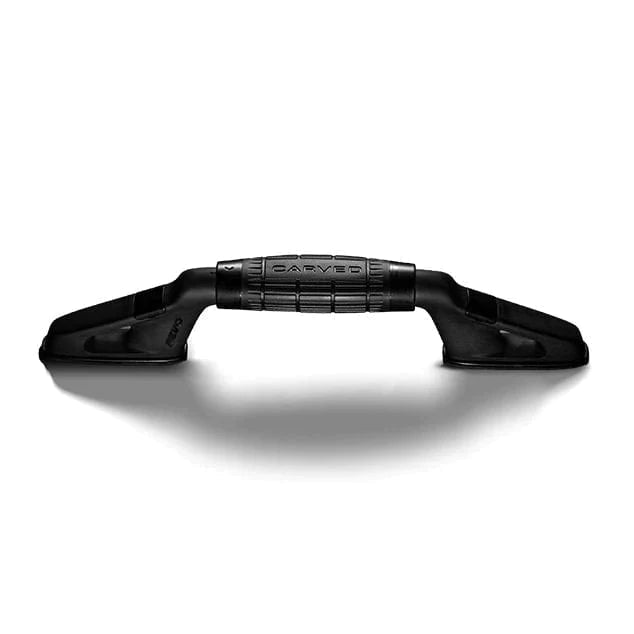
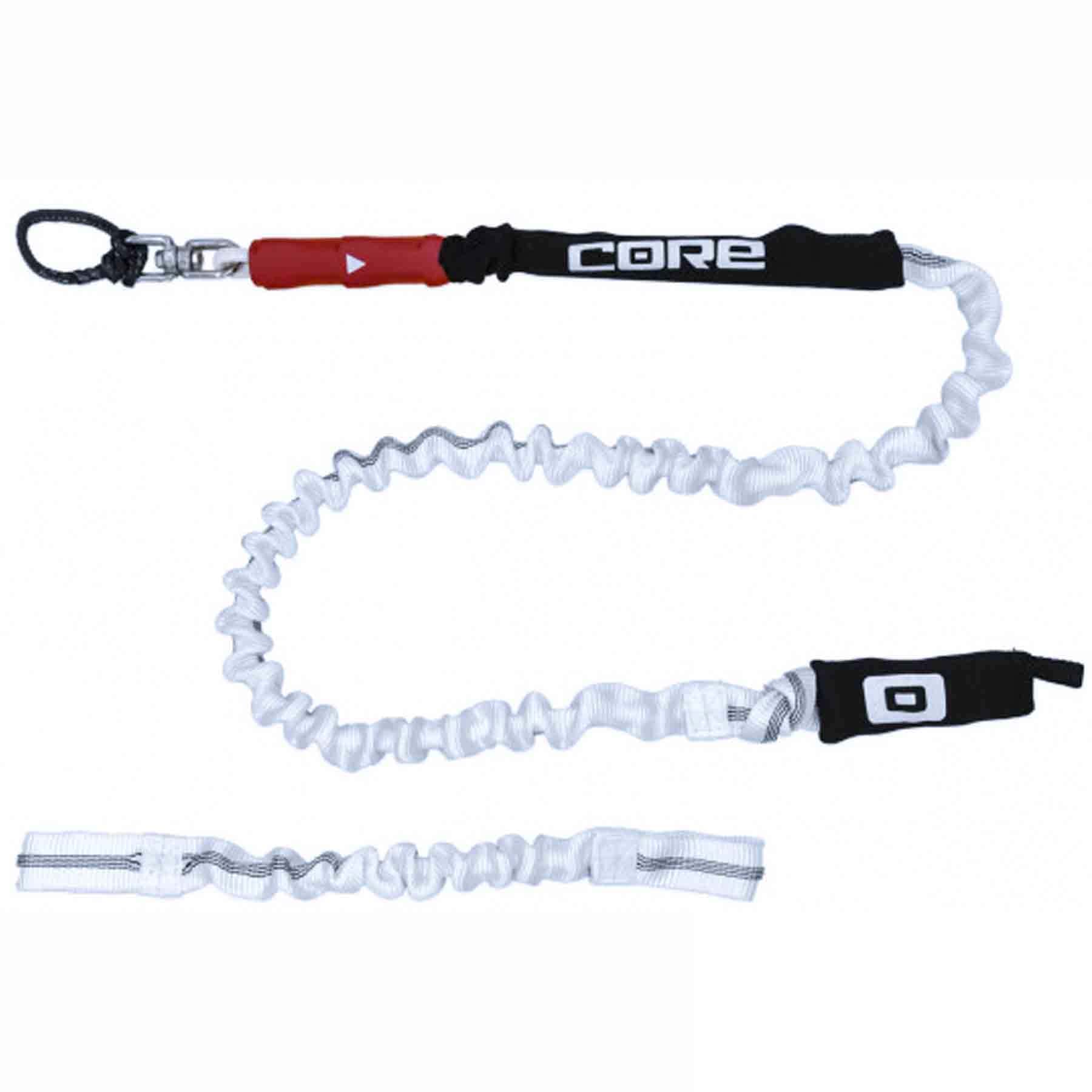
Two of the most important bits of kit in your kitesurfing bag are also two of the easiest to overlook: your pump and your safety leash. A good pump gets your kite rigged quickly and to the right pressure, while a reliable safety leash is a core part of staying safe on the water. Neither is glamorous, but both make a real difference to your session.
This collection brings together kite pumps and safety leashes to keep your setup quick and your riding safe. There are pumps for fast, easy inflation and leashes to suit different styles of riding, from relaxed freeride to unhooked freestyle.
Not sure what you need? The guide below explains pump types, valve compatibility, and how to choose a leash. Browse the range below, and explore our wider kitesurfing equipment for the rest of your kit.
Why Pumps and Leashes Matter
Your pump is the first thing you reach for at the beach, and a slow or awkward pump turns rigging into a chore. A good pump inflates your kite quickly, reaches the correct pressure, and lasts for years. Your safety leash is the link that lets you release and depower your kite in an emergency, so it needs to be reliable and suited to how you ride. Both are worth getting right rather than treating as an afterthought.
Types of Kite Pump
- Single-action pumps: inflate on the down stroke only, simple and steady
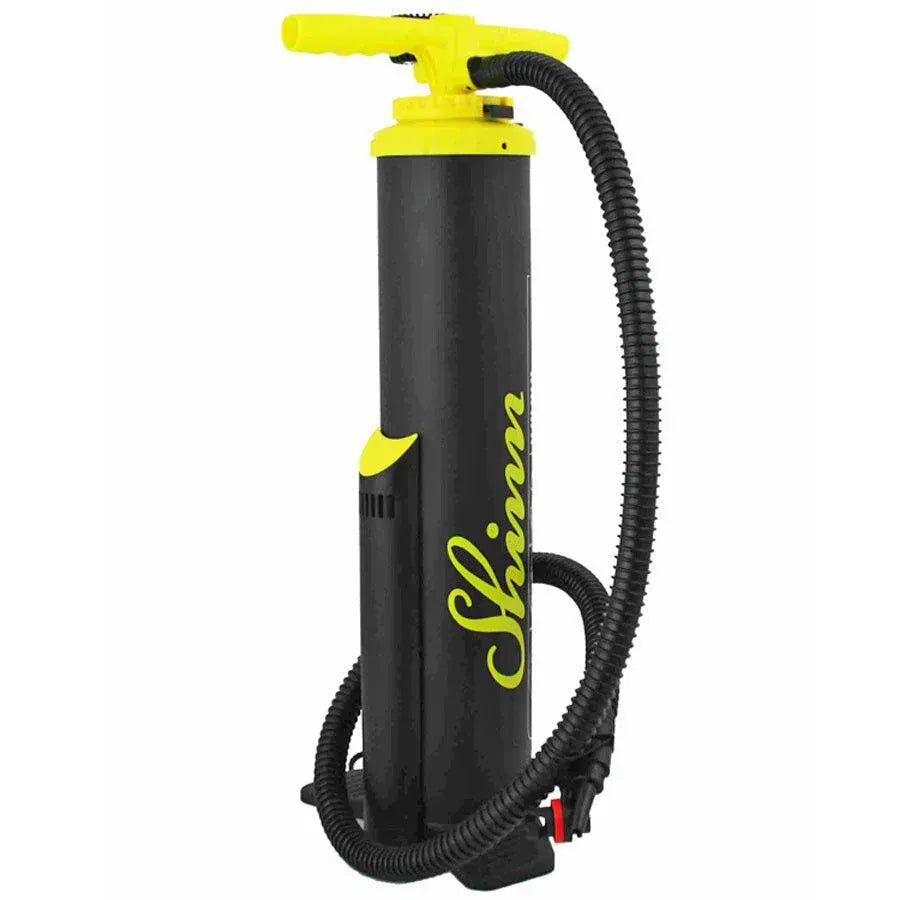
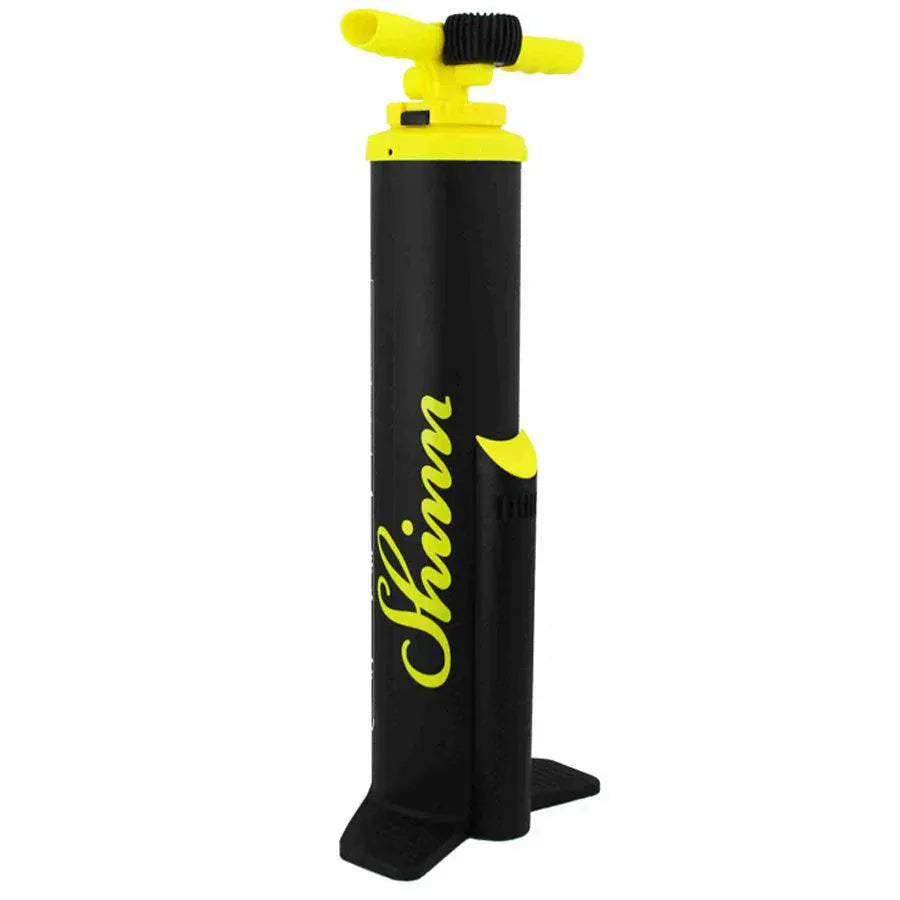
- Double-action pumps: inflate on both the push and the pull for faster rigging
- High-volume pumps: move more air per stroke, ideal for larger kites
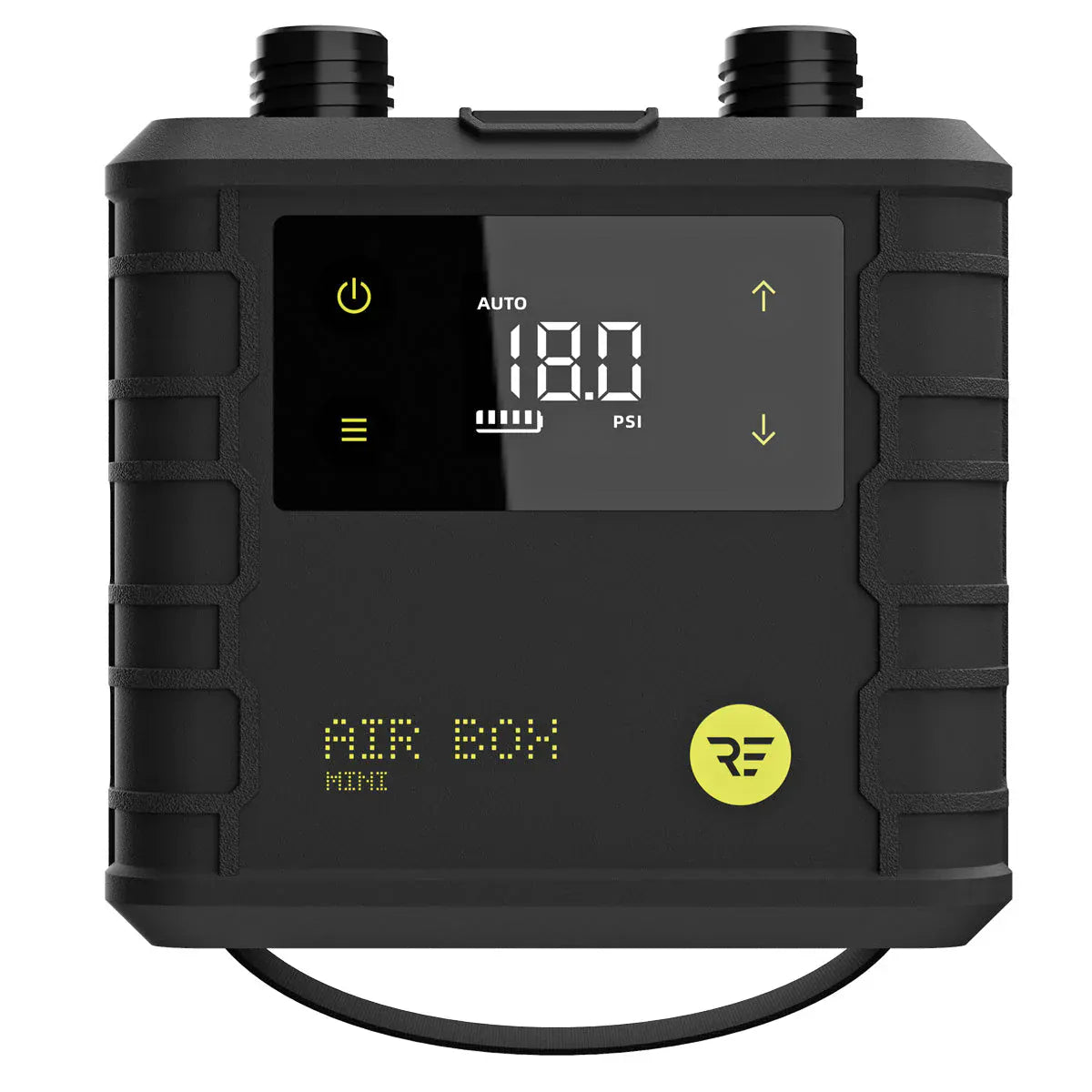
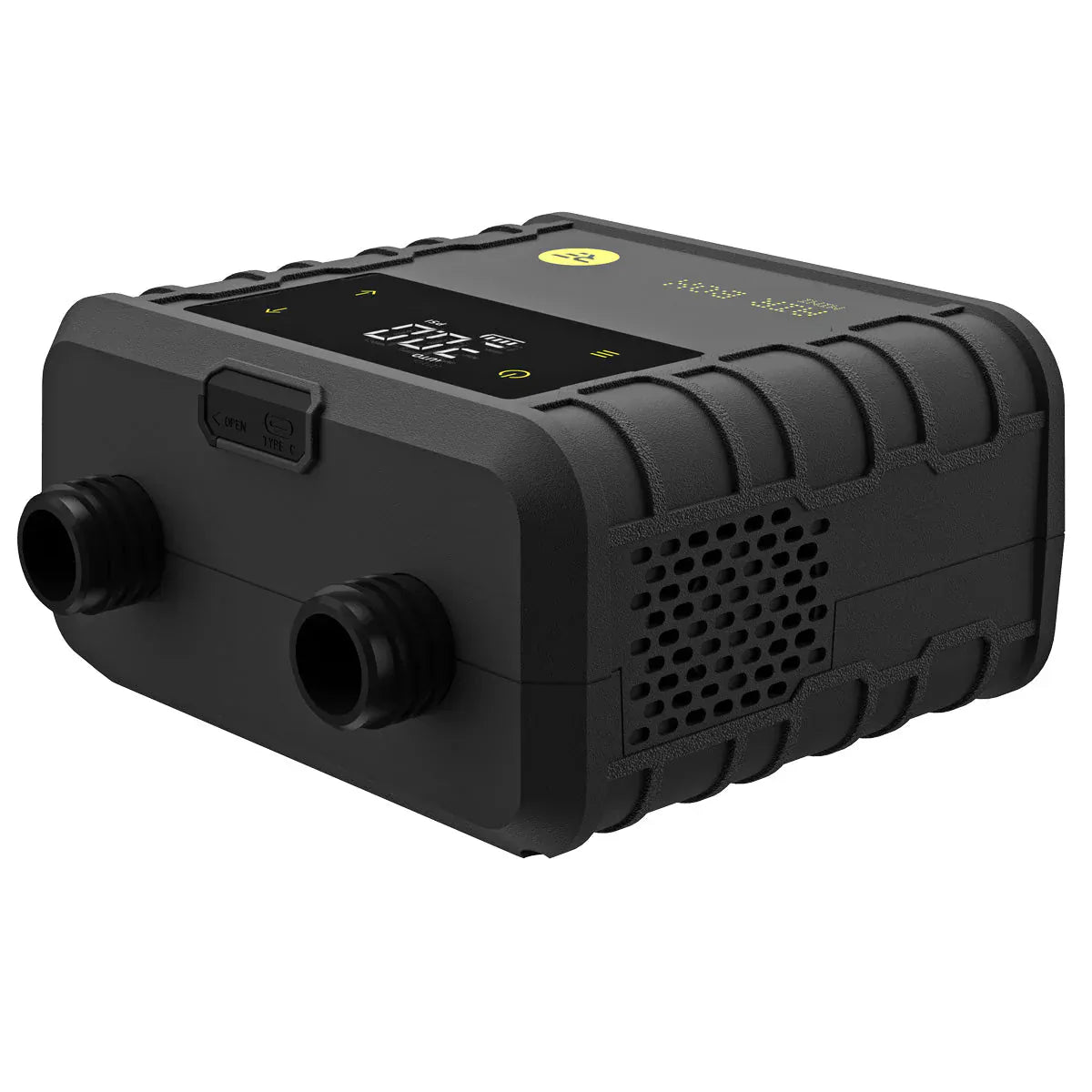
- Electric pumps: inflate the kite for you, handy if you rig several kites or want to save energy
Most riders are well served by a sturdy double-action or high-volume manual pump, with electric pumps a convenient upgrade.
Valve and Nozzle Compatibility
Kites use different inflation valves, so your pump needs the right nozzle or adaptor to fit. Many pumps come with a set of adaptors to cover common valve types, which is useful if you own kites from more than one brand. Before you buy, check that the pump works with your kite's valve, or choose a pump that includes a range of nozzles so you are covered.
Pressure and Gauges
Inflating your kite to the correct pressure matters. Too soft and the kite will not hold its shape or fly properly, too hard and you risk stressing the bladder. A pump with a clear pressure gauge takes the guesswork out, letting you match the pressure recommended for your kite. This small feature protects your kite and helps it fly as designed.
Kite Safety Leashes Explained
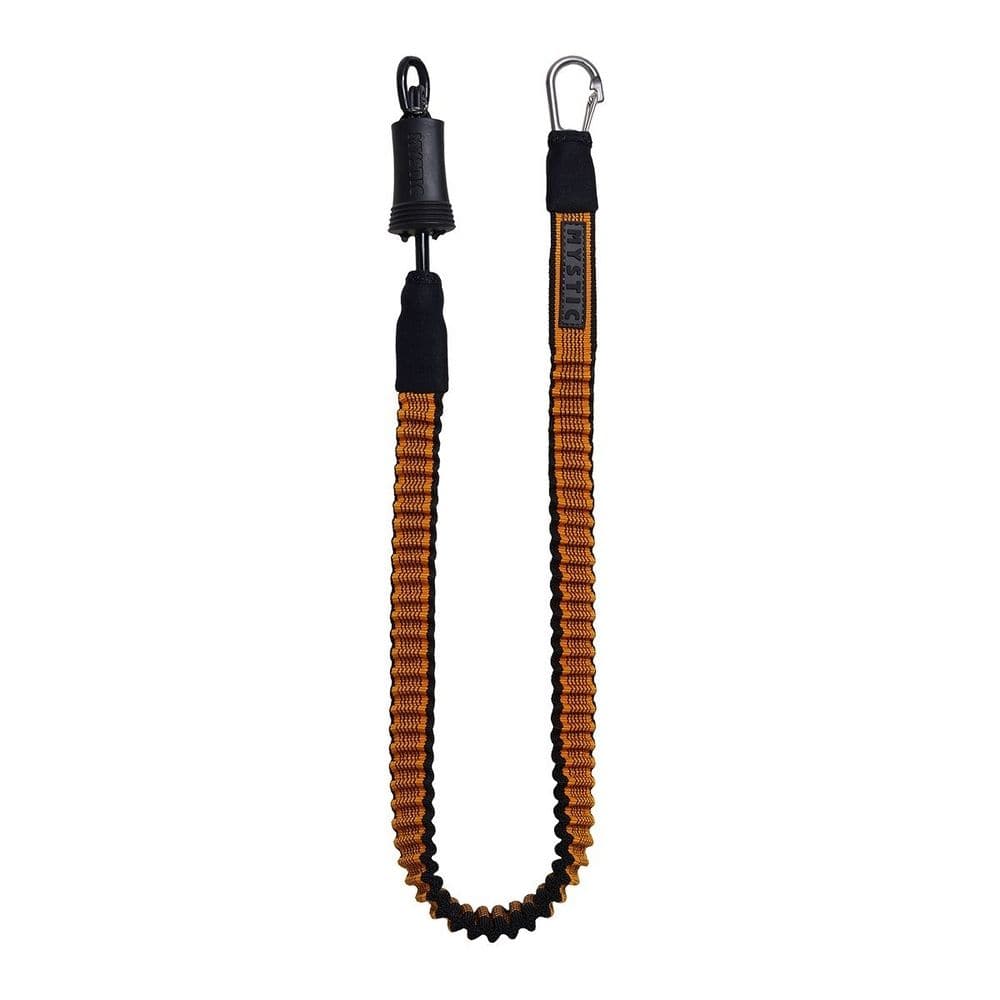
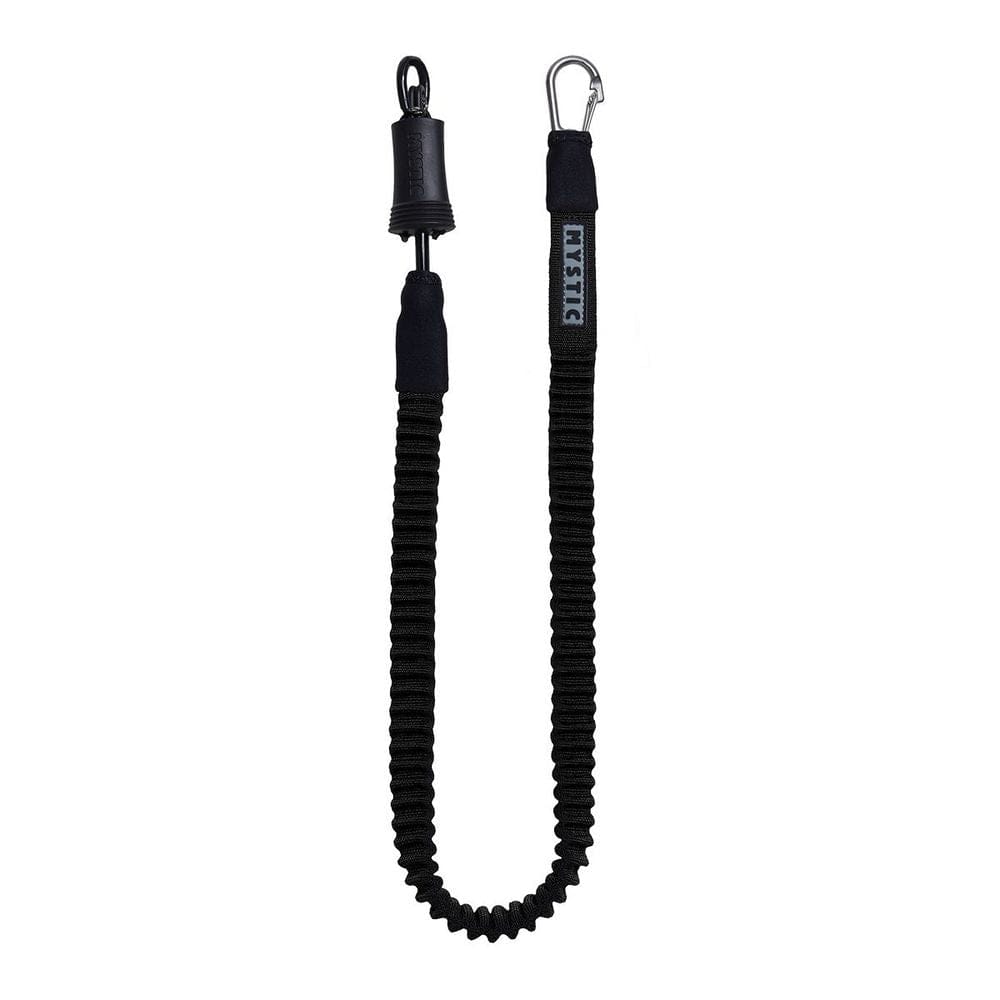
A safety leash connects you to your kite's safety system, so that when you release the bar the kite depowers and you stay attached to it rather than losing it. It is a critical safety item, and a worn or incorrect leash is a real risk. A quality leash has a strong, easy-to-use quick release and a swivel to stop your lines twisting up during riding.
Short vs Long Leashes
Leashes come in different lengths to suit different riding. A shorter leash keeps everything neat and is popular for general freeride and hooked-in riding. A longer leash gives more freedom of movement and is often preferred for unhooked freestyle, where you move around more relative to the bar. Choosing the right length keeps the safety system working cleanly without getting in your way.
Choosing a Leash for Your Riding
Match your leash to your style and your bar. Freeride and wave riders usually want a simple, reliable short leash. Freestyle riders who ride unhooked often prefer a longer leash with a strong quick release they can reach easily. Always make sure the leash is compatible with your control bar's safety system, and replace any leash that shows signs of wear, as this is not an item to take chances with.
Looking After Pumps and Leashes
- Rinse pumps and leashes with fresh water after salty, sandy sessions
- Keep sand out of the pump shaft, as grit wears the seals
- Check the pump hose and nozzles for splits and leaks
- Inspect the leash quick release regularly and keep it clean and free moving
- Store out of direct sunlight to protect plastics and webbing
A quick rinse and regular checks keep both items reliable for years.
How Much Do Pumps and Leashes Cost?
Both sit at the more affordable end of kitesurfing kit, yet both are worth buying well. Manual pumps are inexpensive, with high-volume and electric pumps costing more for the speed and convenience. Safety leashes are also modestly priced, and spending a little more on a quality leash with a dependable quick release is money well spent given its safety role.
Why Buy Pumps and Leashes from Surface2Air Sports?
We have supplied kitesurfers since 2002, with a shop in Poole and a full range online.
- Manual, high-volume, and electric kite pumps
- Safety leashes in a range of lengths and styles
- Nozzles and adaptors for common valve types
- Honest advice on compatibility and safety
- Help matching kit to your kite and bar
Keeping your pump and leash in good order is a simple way to protect your kit and your safety. Explore our kitesurfing kites and the wider Mystic range for more gear.
Frequently Asked Questions About Kite Pumps and Leashes
What type of kite pump is best?
A sturdy double-action or high-volume manual pump suits most riders. Electric pumps are a convenient upgrade if you rig several kites or want to save energy.
Will any pump fit my kite?
Kites use different valves, so check nozzle compatibility. Many pumps include a set of adaptors to fit common valve types across brands.
Why does a pressure gauge matter?
It lets you inflate the kite to the correct pressure, so it holds its shape and flies properly without over-stressing the bladder.
What does a kite safety leash do?
It keeps you attached to your kite's safety system, so when you release the bar the kite depowers and you stay connected to it rather than losing it.
Should I use a short or long leash?
Short leashes suit general freeride and hooked-in riding, while longer leashes give more movement for unhooked freestyle. Match the leash to your bar and style.
How do I look after this kit?
Rinse with fresh water, keep sand out of the pump, check the hose and leash release regularly, and store out of direct sunlight.
Let customers speak for us
Rapid delivery!!

Great job well dun thanks for your help with the purchase..

The bag is sturdy, spacious and water proofed on the inside. In addition, it can be worn as a backpack but it also comes with a strap for putting over a shoulder as a bag. I am happy with the purchase.

My first order of gummy straps never arrived so I contacted S2AS and they were very apologetic as Royal Mail had lost my parcel. They immediately sent out a second sets of straps which arrived the following day.
The customer service I recieved was exceptional and I would highly recommend this company for their swift response. I will definitely order with them again.

the whole exercise

item as dscribed, looks fantastic

As described and looks fantastic. thank you
My first board and binding set up after using hire equipment for over a year. These will take some getting used to but step in and strap is a vast improvement. Large to size 12UK looks like it only just fits across the toe strap.
S2AS are my go to online store for anything Snowboarding related and as they say any query just pick up the phone and speak to Ollie (who sounds a lot like Jamie Lang)

Wait for snow
Loved the service in the shop Ollie was very helpful and a pleasure to deal with. Recommend highly
Kind regards
Matt

2026 Slingshot KTV EverShred Wakeboard Bindings

Exceptionally quick delivery, would definitely recommend buying from this site

Hi my in store experience was fantastic from email to shop with your representative Ollie could not have been more polite & helpful
Once I’ve tried the bourd I will send further feedback
Hope your all well
Kind regards
Matt

We ordered a large amount of items that all arrived safely, we kept everything save two jackets which we ordered wrong, but the team were great, we sent them back and got a refund with no hassle. Will definitely use in the future!

Great graphics, good fit and quality

I purchased a wing that was 70% off and I am delighted with my new toy. I had it out today for the first time and despite only being a 2.8m wing, the power and control was amazing. It is so good that I am tempted to buy a bigger size to add to my collection. Thanks again S2AS for another great product for a bargain price 😊