Sort by
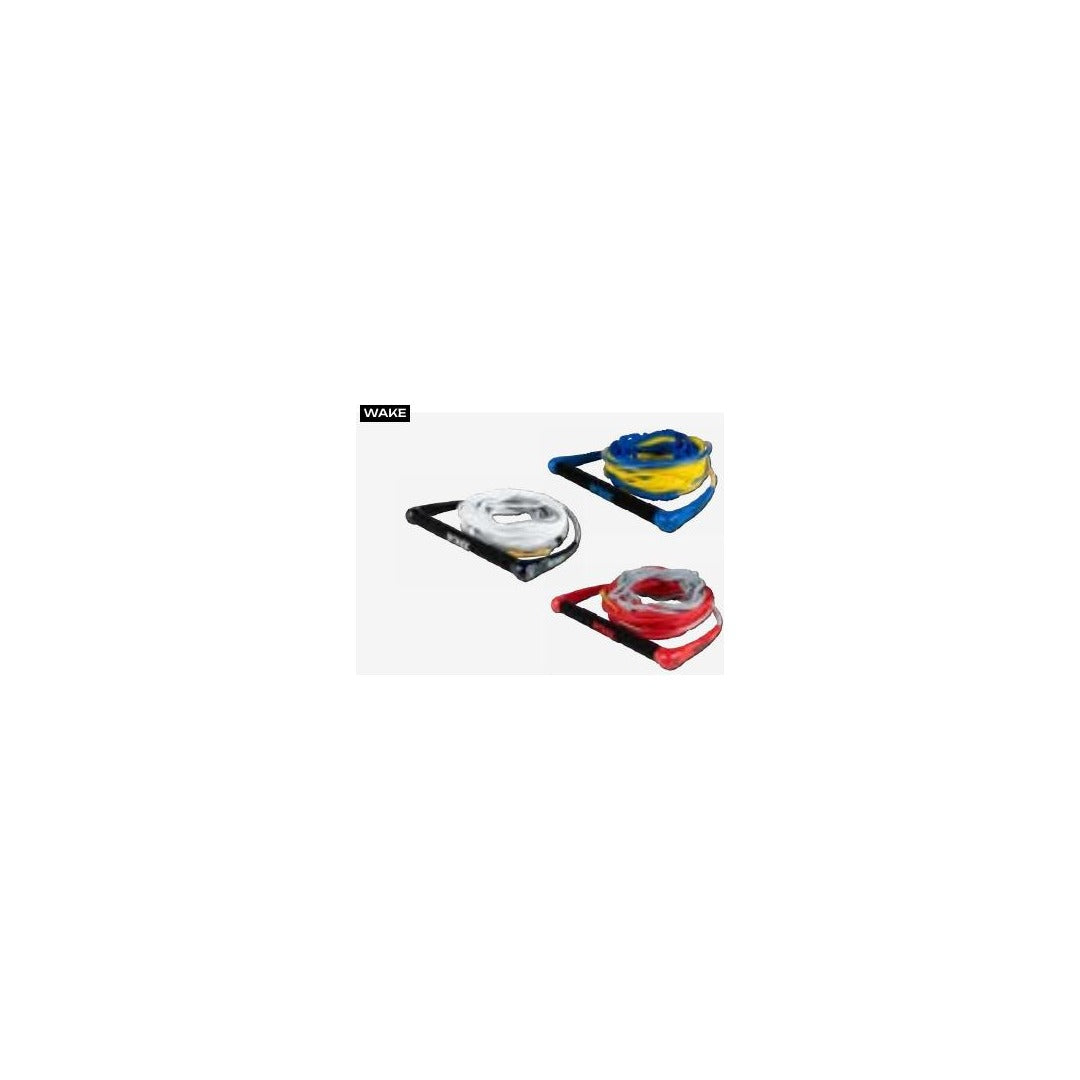


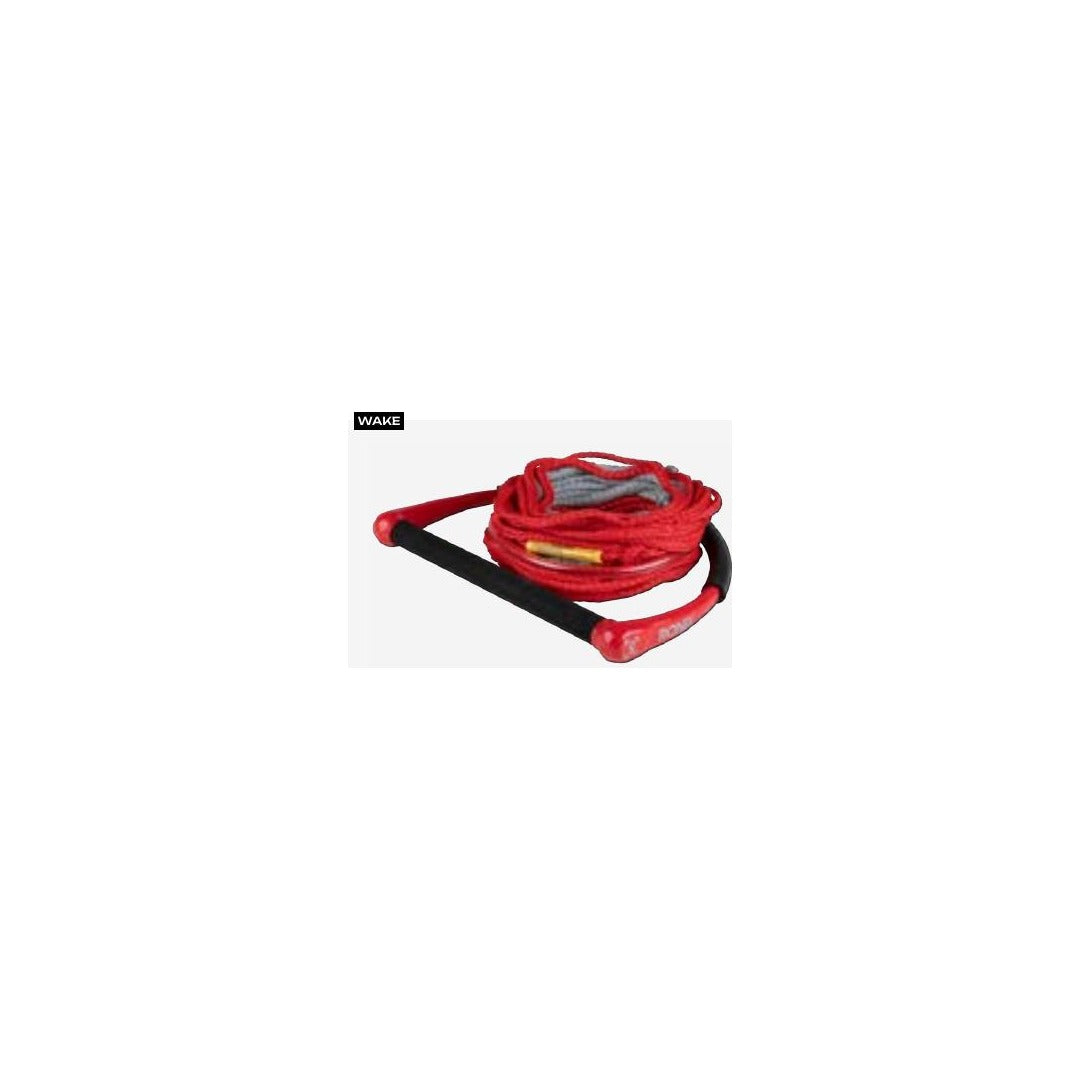


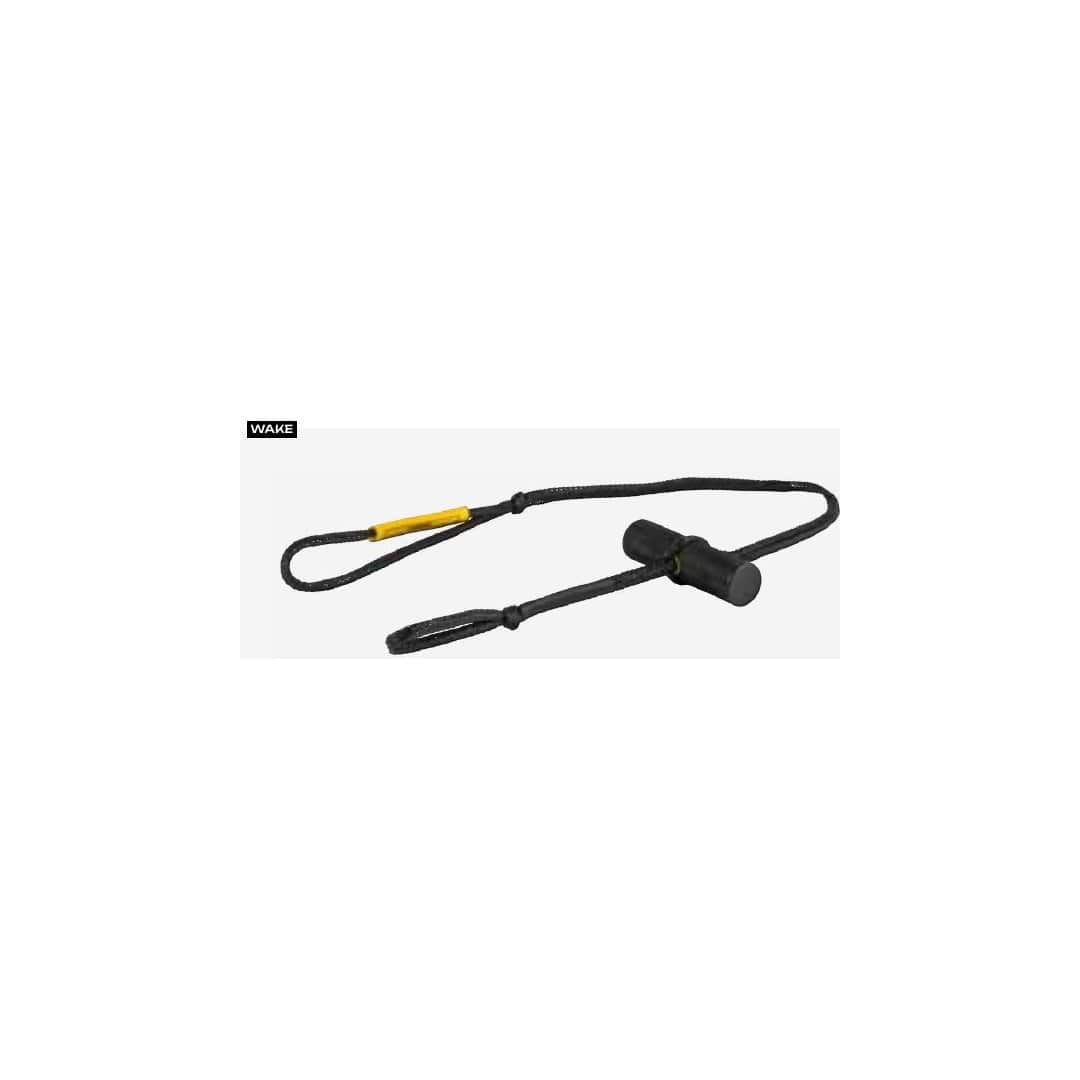



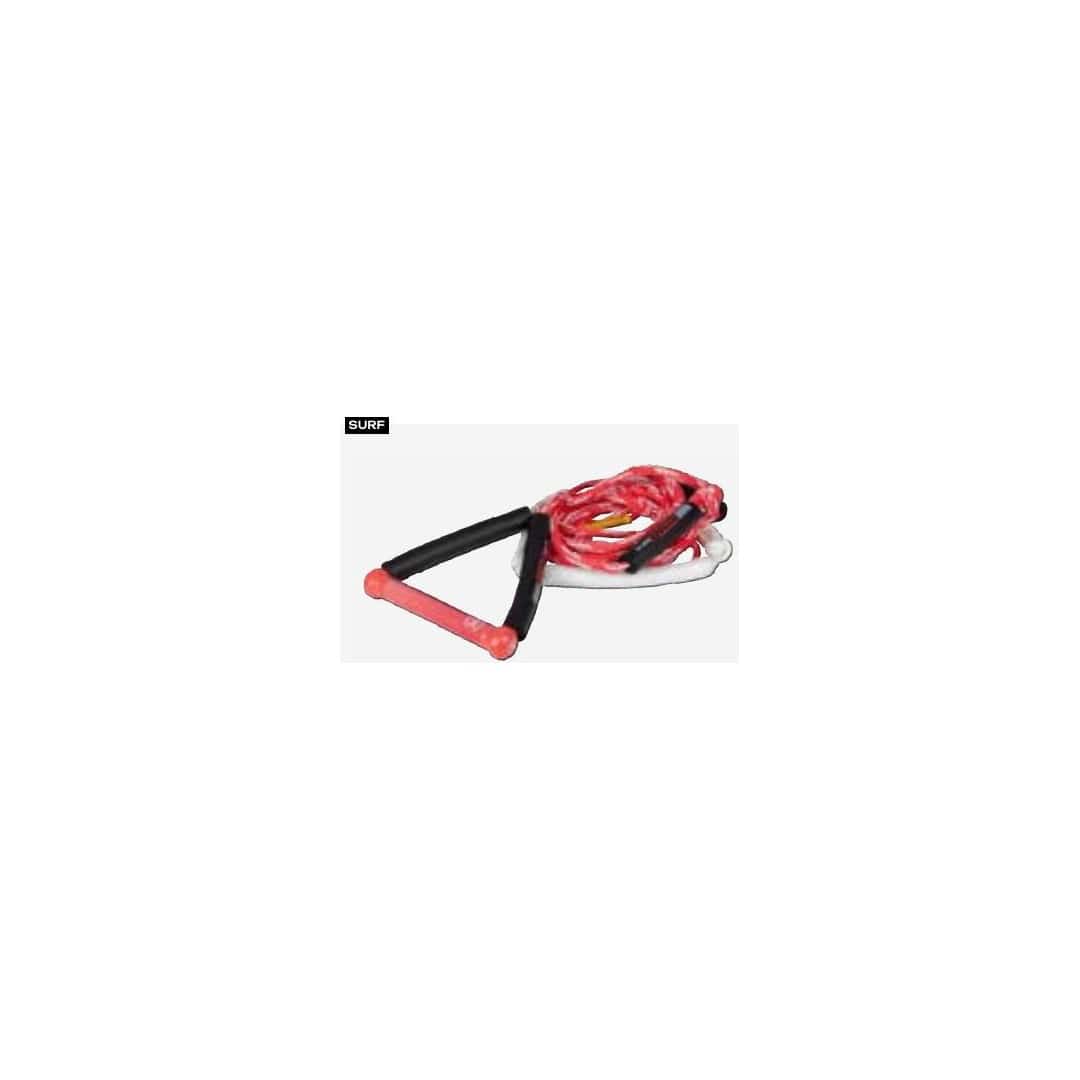
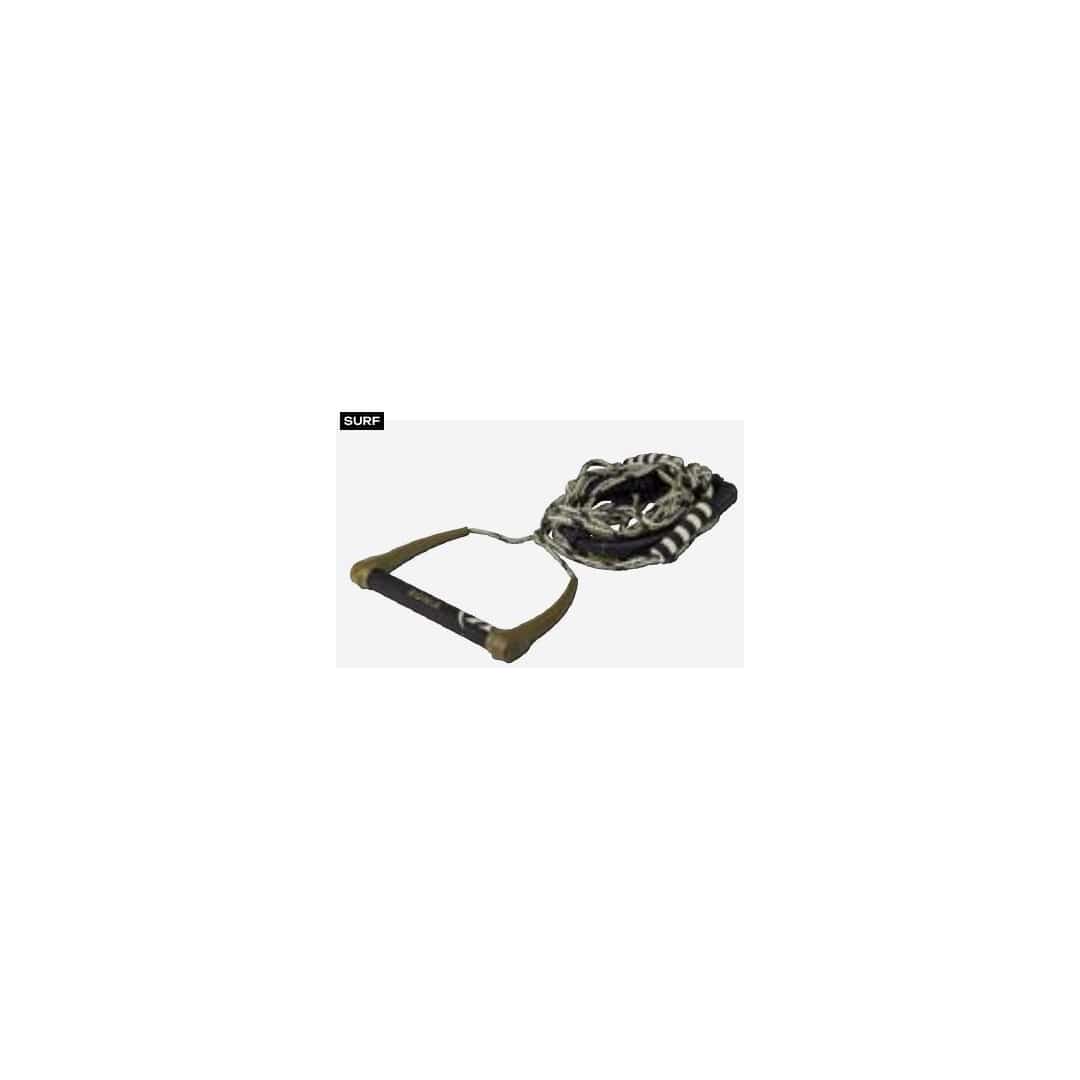
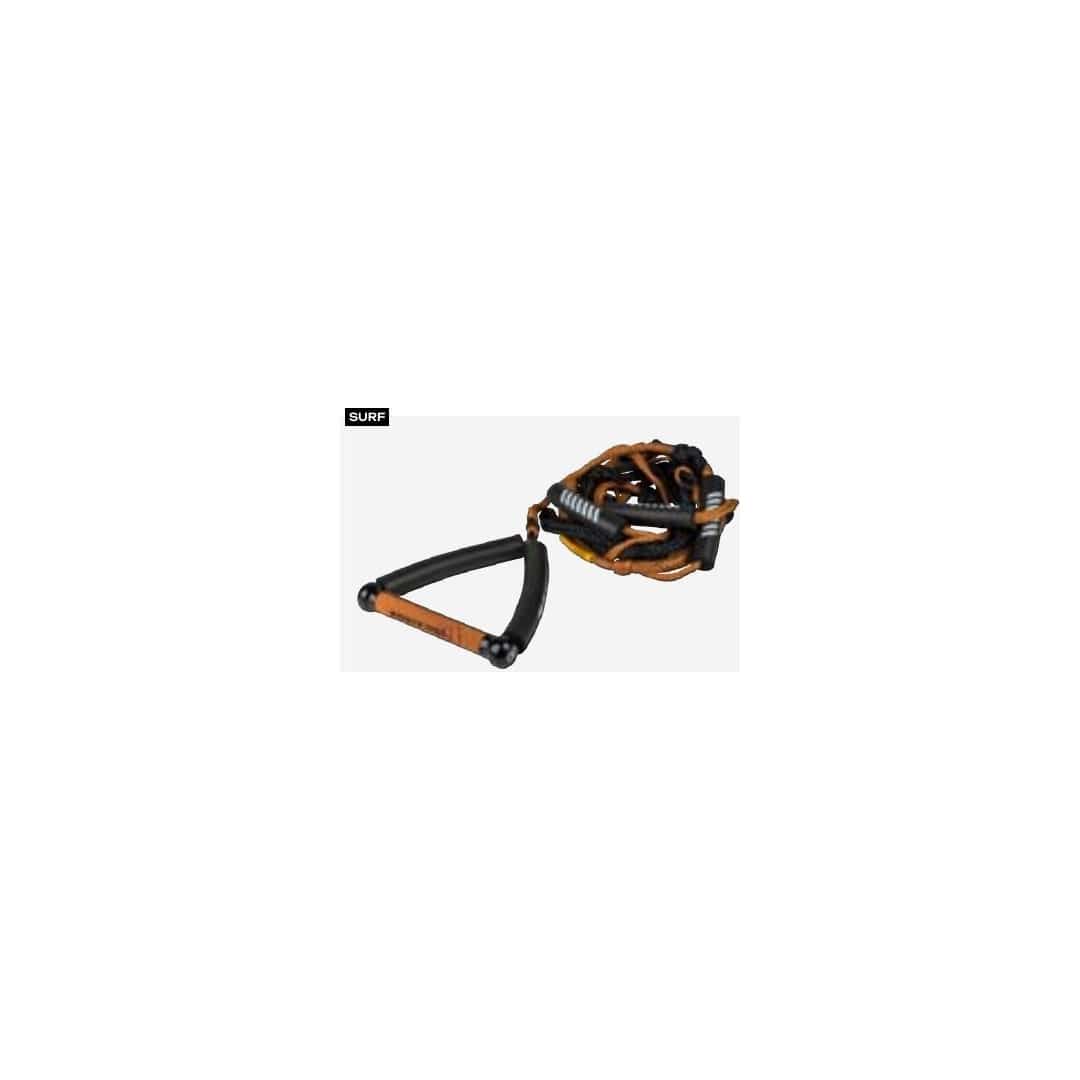
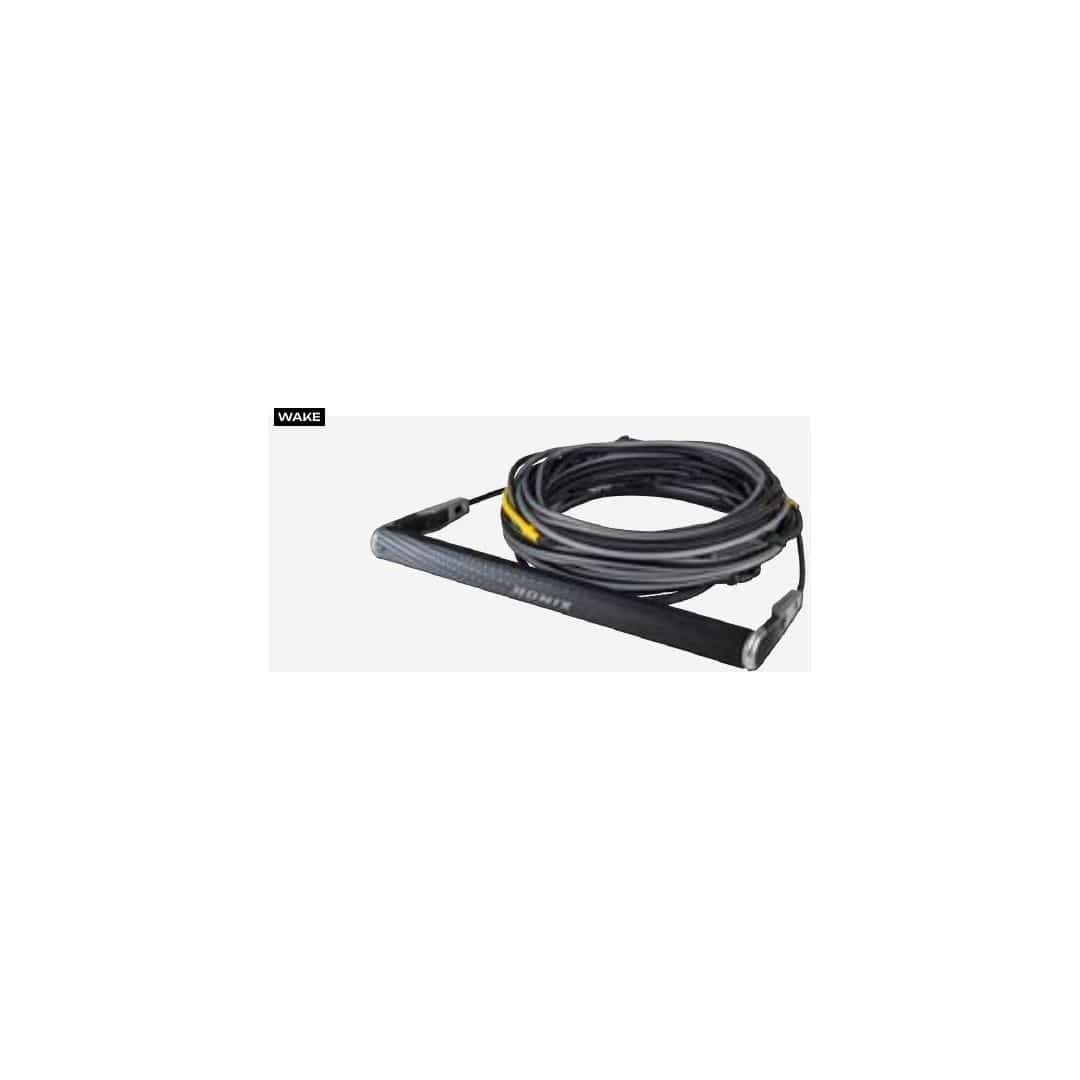


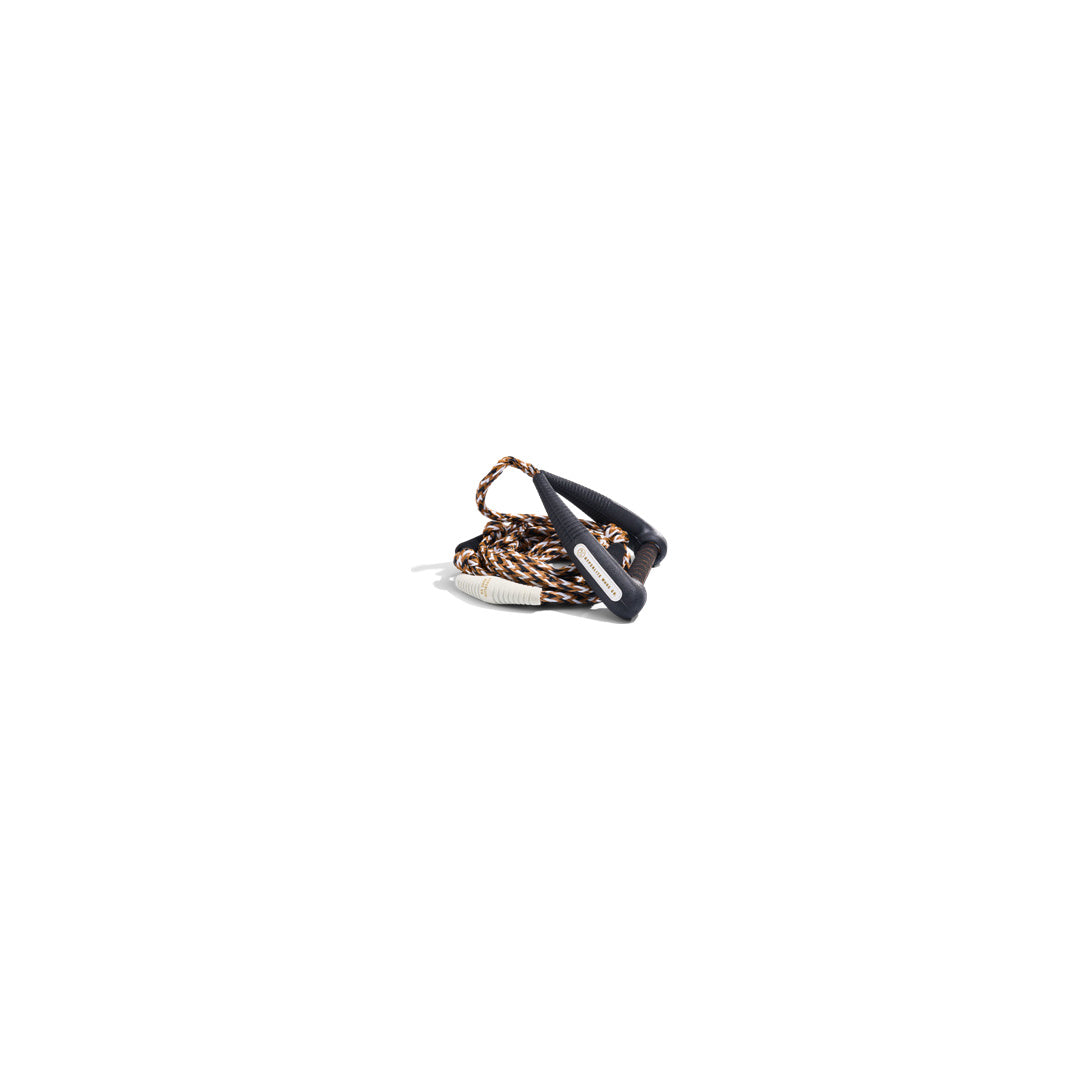





The rope and handle are easy to overlook, yet they shape every pull behind the boat. The right rope gives a consistent, predictable feel that helps you balance and progress, while the right handle keeps your grip comfortable through long sets. For wakeboarding and waterskiing, matching the rope to your sport and level makes a real difference.
This collection covers ropes and handles for wakeboarding and waterskiing, in a range of lengths, materials and grip sizes. We stock trusted brands across a spread of budgets so you can find a setup that suits how and what you ride.
Not sure which rope you need? The guide below explains it. Browse the range below, or see the full wakeboard and waterski collection for everything else behind the boat.
Why Does the Rope Matter?
The rope controls how the boat's pull reaches you. A rope with the right amount of stretch, or none at all, gives a steady, repeatable load so you can time edges, jumps and turns. The wrong rope, too stretchy or the wrong length, makes the pull unpredictable and holds back progression. It is a small piece of kit with a big effect on how you ride.
Wakeboard Ropes or Waterski Ropes?
The two sports use different ropes, and it matters.
- Wakeboard ropes: low or no stretch for a consistent pull off the wake, often with take-off sections to adjust length
- Waterski ropes: very low stretch and set lengths, designed for the steady load skiing needs, with slalom ropes marked in sections
Using the right rope for your sport gives the feel each discipline is designed around.
Understanding Rope Length
Length changes where you sit relative to the wake and how the pull feels.
- Shorter ropes: put wakeboarders closer to the boat where the wake is narrower, good for learning
- Longer ropes: place you further back where the wake is wider for bigger air
- Adjustable sections: let you add or remove length to match your level and the wake
Many wakeboard ropes include take-off loops so you can fine-tune length as you progress.
Rope Materials and Stretch
Modern ropes use low-stretch materials like Spectra or Dyneema for a crisp, consistent pull. Some beginner and general ropes have a little more give to soften the load, while performance ropes have virtually no stretch for precise timing. For wakeboarding tricks and slalom skiing, low stretch is what you want.
Choosing a Handle
The handle is where comfort and grip live.
- Handle width: wider bars suit wakeboarding and give room for grabs and passes, narrower bars suit skiing
- Grip diameter: a grip that fits your hands reduces fatigue and blisters
- Grip material: tacky rubber and textured finishes hold well when wet
- Floating handles: stay on the surface for easy pickups
A comfortable handle makes long sessions far more enjoyable.
How to Choose the Right Setup
Match the rope and handle to your riding:
- Sport: a dedicated wakeboard or waterski rope
- Level: a little stretch and shorter length for learning, low stretch for progression
- Handle: width and grip size to suit your sport and hands
- Your budget
Beginners do well with a general low-stretch rope and a comfortable handle, upgrading as skills grow.
Caring for Your Rope and Handle
Simple care keeps your setup safe and reliable.
- Rinse with fresh water after use, especially in salt water
- Dry fully before storing to avoid mildew and grip damage
- Check the rope for frays and the handle for cracks before each use
- Store out of direct sunlight, which weakens ropes over time
Replace a rope showing wear, since a failure under load is both frustrating and unsafe.
How Much Do Ropes and Handles Cost?
Price depends on materials, construction and features. Basic ropes and handles sit at the affordable end, mid-range setups add low-stretch materials and better grips, and performance ropes bring premium materials and precise lengths. Spending more usually buys a crisper pull, more comfort and longer life. A quality rope is a worthwhile upgrade for anyone progressing.
Why Buy from Surface2Air Sports?
We have supplied watersports riders since 2002, in store and online.
- Dedicated wakeboard and waterski ropes
- A range of lengths, materials and grips
- Trusted watersports brands
- Honest advice on length and stretch
- Options to suit different budgets
Whether you are learning or chasing cleaner passes, we can help you choose. Pair your rope with gear from our wakeboarding equipment and Radar ranges.
Matching Rope Length to the Wake
Rope length changes where you sit behind the boat and how the wake feels. Shorter lengths put a wakeboarder closer to the boat where the wake is narrower and more forgiving, which is ideal while you learn. As you progress and want more air, moving further back on a longer line gives you a wider wake to work with. Many wakeboard ropes include take-off sections so you can fine-tune the length as your riding develops, rather than buying a new rope each time.
Rope Safety and Inspection
A rope works under real load, so it is worth checking before every session. Look for frays, nicks and worn sections along the line, and inspect the handle for cracks in the bar and wear in the grip. Replace anything showing damage, since a failure under load can cause injury and will always end your session. Store ropes out of direct sunlight, which weakens the fibres over time, and rinse them after salt use.
Choosing a Comfortable Handle
The handle is where comfort lives through a long set. Grip diameter should suit your hands, since a grip that is too fat or thin causes fatigue and blisters, and a tacky, textured grip holds well when wet. Handle width is matched to the sport, with wider bars giving wakeboarders room for grabs and passes and narrower bars suiting skiing. A floating handle is a handy extra that stays on the surface for quick pickups.
Frequently Asked Questions About Ropes and Handles
Can I use the same rope for wakeboarding and waterskiing?
They are designed differently. A wakeboard rope and a waterski rope each give the feel their sport needs, so a dedicated rope is best.
What rope length should a beginner wakeboarder use?
A shorter length puts you closer to the boat where the wake is narrower, which makes learning easier. Add length as you progress.
Why do performance ropes have no stretch?
Low or no stretch gives a consistent, predictable pull, which is essential for timing edges, jumps and slalom turns.
What handle width should I choose?
Wider handles suit wakeboarding and allow grabs and passes, while narrower handles suit waterskiing.
Do floating handles matter?
They stay on the surface, making pickups quick and easy after a fall, which is a handy convenience.
How do I know when to replace a rope?
Replace any rope showing fraying or damage. A failure under load is unsafe, so inspect before each use.
How should I store my rope?
Rinse, dry fully, and store out of direct sunlight, which weakens rope materials over time.
Let customers speak for us
Great job well dun thanks for your help with the purchase..

The bag is sturdy, spacious and water proofed on the inside. In addition, it can be worn as a backpack but it also comes with a strap for putting over a shoulder as a bag. I am happy with the purchase.

My first order of gummy straps never arrived so I contacted S2AS and they were very apologetic as Royal Mail had lost my parcel. They immediately sent out a second sets of straps which arrived the following day.
The customer service I recieved was exceptional and I would highly recommend this company for their swift response. I will definitely order with them again.

the whole exercise

item as dscribed, looks fantastic

As described and looks fantastic. thank you
My first board and binding set up after using hire equipment for over a year. These will take some getting used to but step in and strap is a vast improvement. Large to size 12UK looks like it only just fits across the toe strap.
S2AS are my go to online store for anything Snowboarding related and as they say any query just pick up the phone and speak to Ollie (who sounds a lot like Jamie Lang)

Wait for snow
Loved the service in the shop Ollie was very helpful and a pleasure to deal with. Recommend highly
Kind regards
Matt

2026 Slingshot KTV EverShred Wakeboard Bindings

Exceptionally quick delivery, would definitely recommend buying from this site

Hi my in store experience was fantastic from email to shop with your representative Ollie could not have been more polite & helpful
Once I’ve tried the bourd I will send further feedback
Hope your all well
Kind regards
Matt

We ordered a large amount of items that all arrived safely, we kept everything save two jackets which we ordered wrong, but the team were great, we sent them back and got a refund with no hassle. Will definitely use in the future!

Great graphics, good fit and quality

I purchased a wing that was 70% off and I am delighted with my new toy. I had it out today for the first time and despite only being a 2.8m wing, the power and control was amazing. It is so good that I am tempted to buy a bigger size to add to my collection. Thanks again S2AS for another great product for a bargain price 😊
Great carbonboard from Shinn and Raptor fin set at a good price from Surface2Air Sports. Delivered without any problems.