Sort by
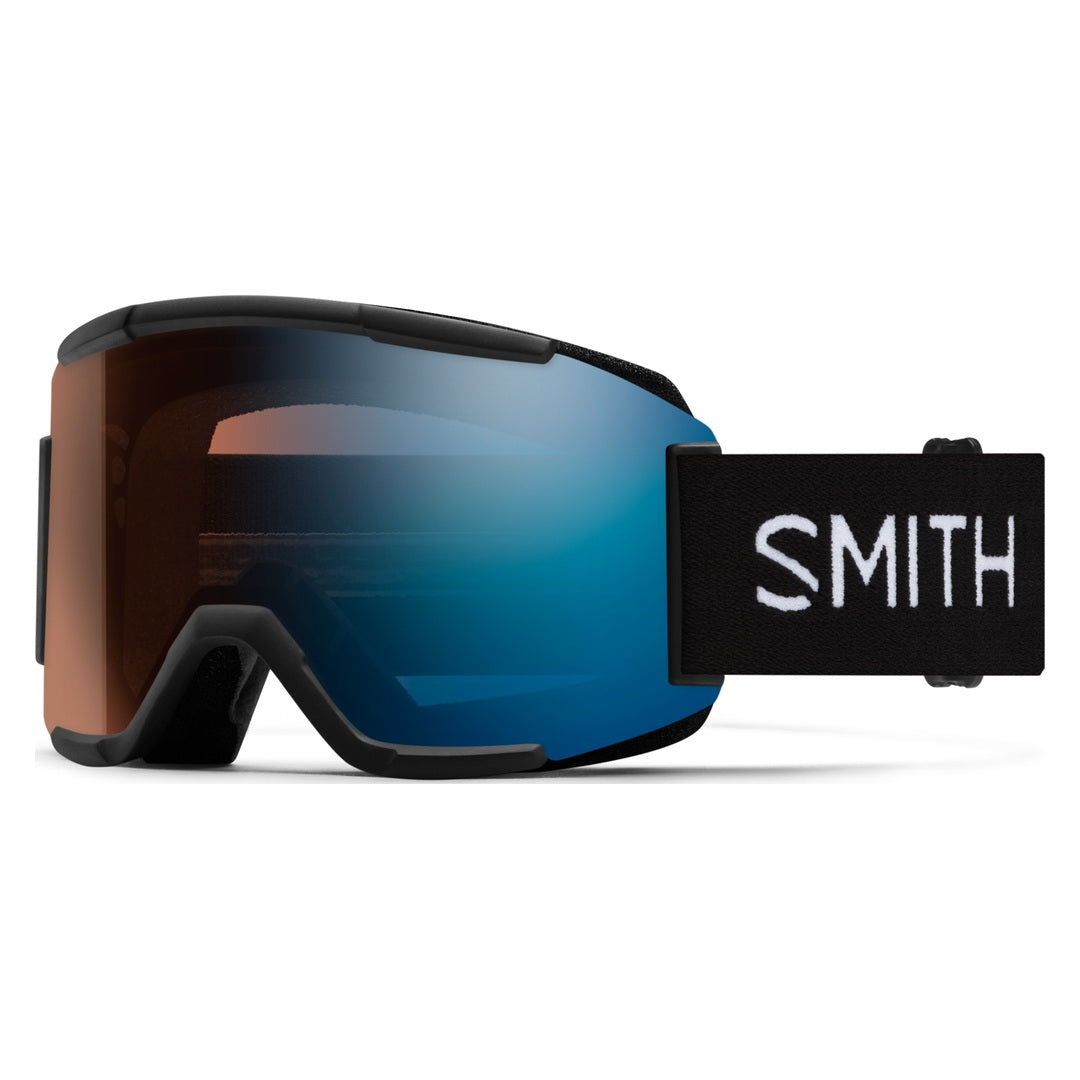
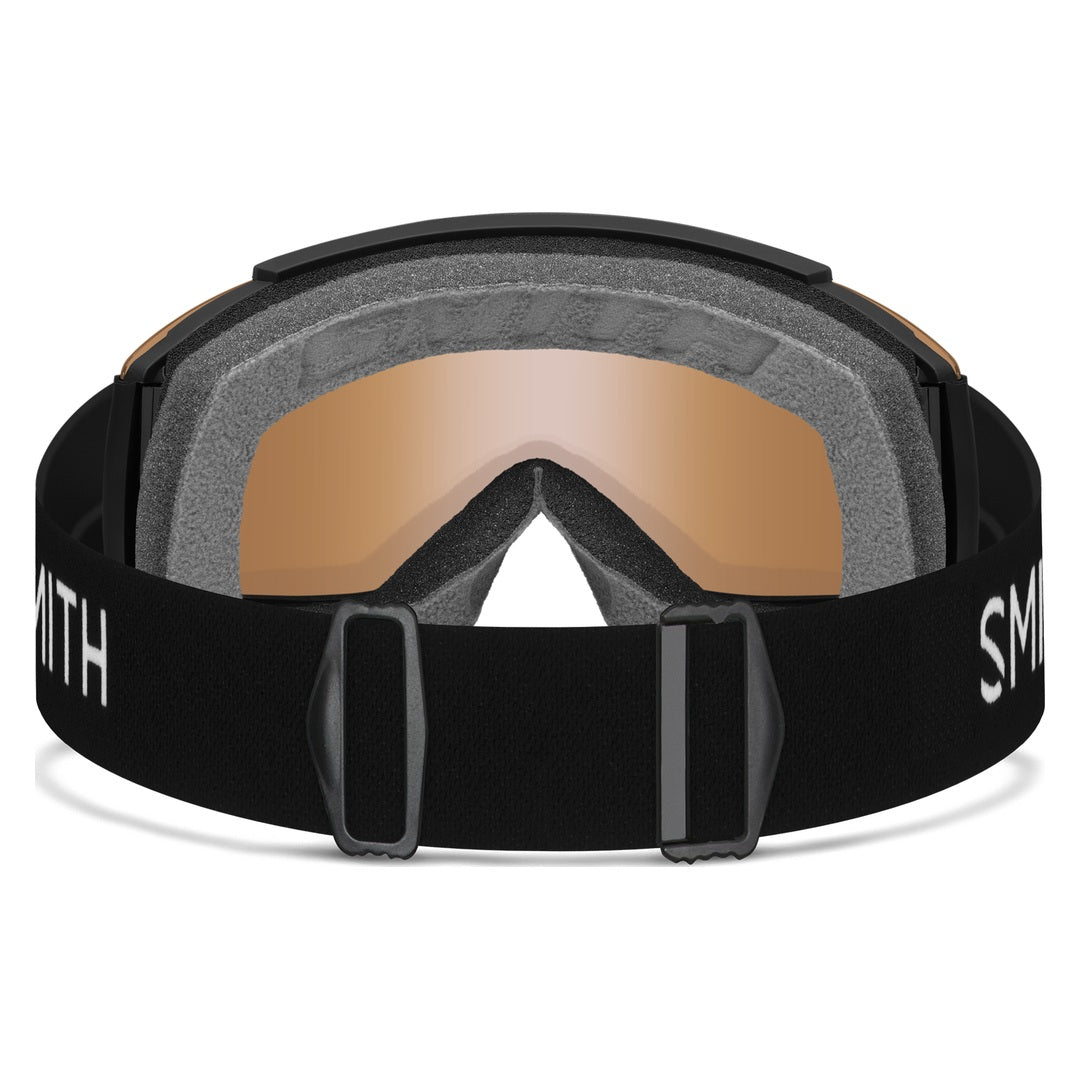
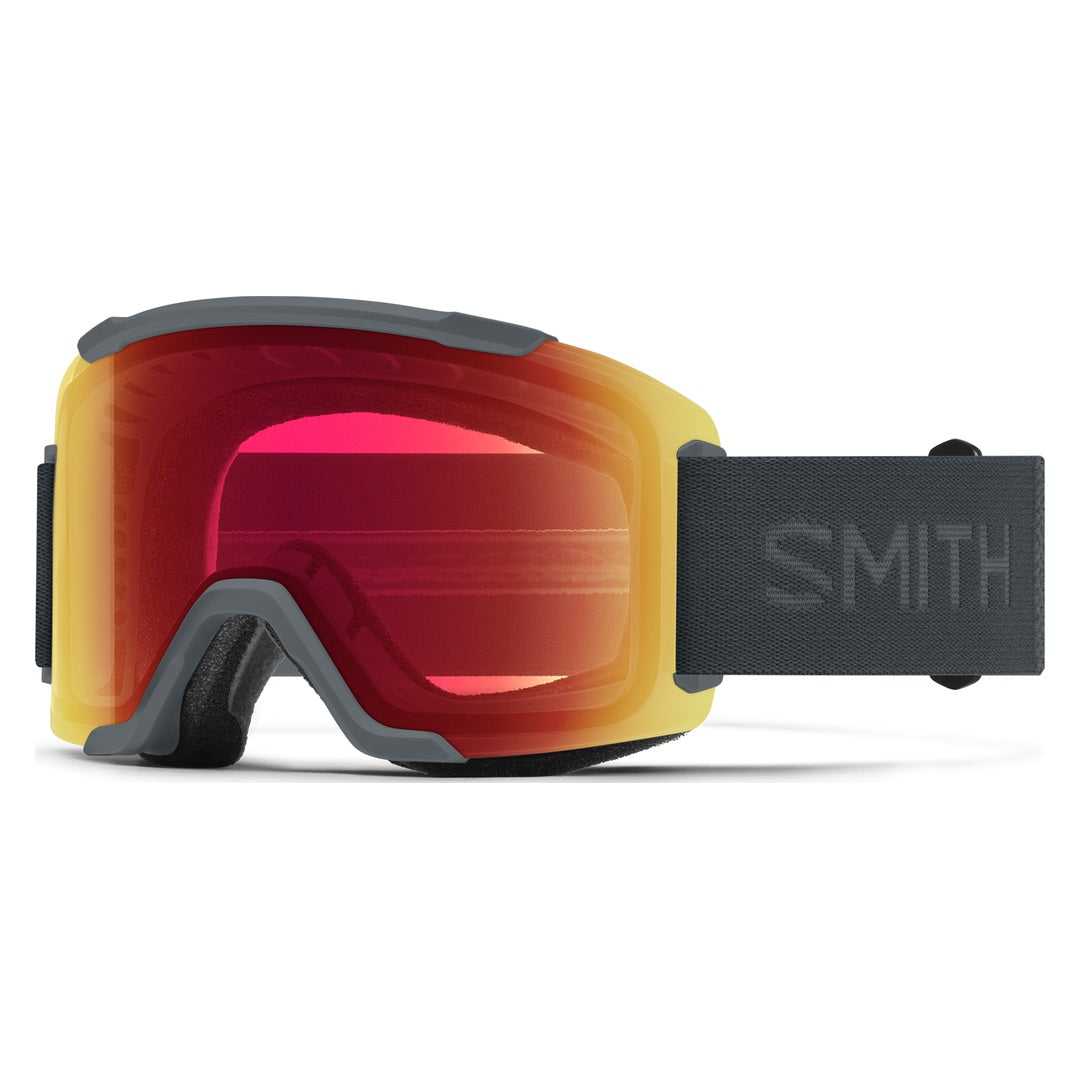
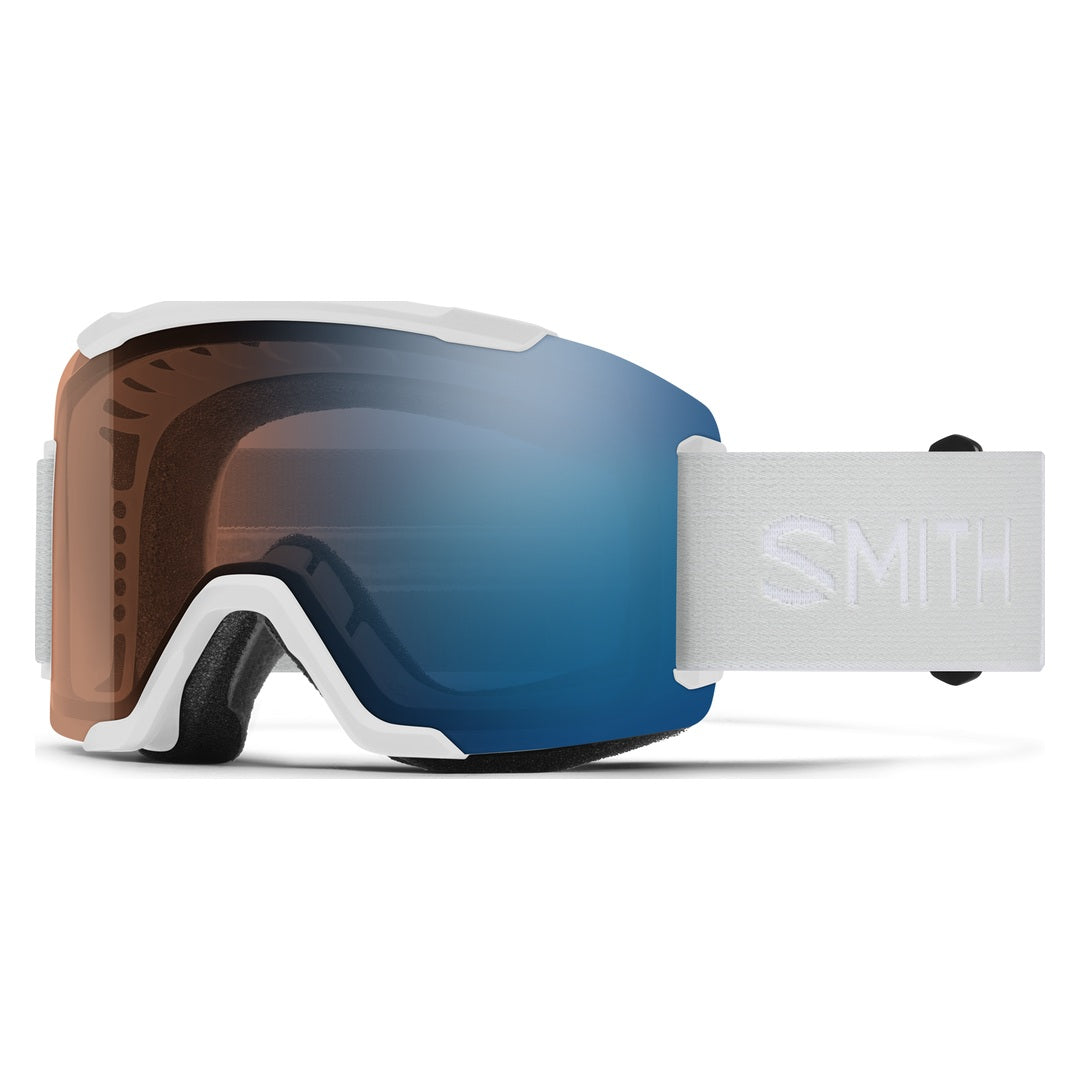
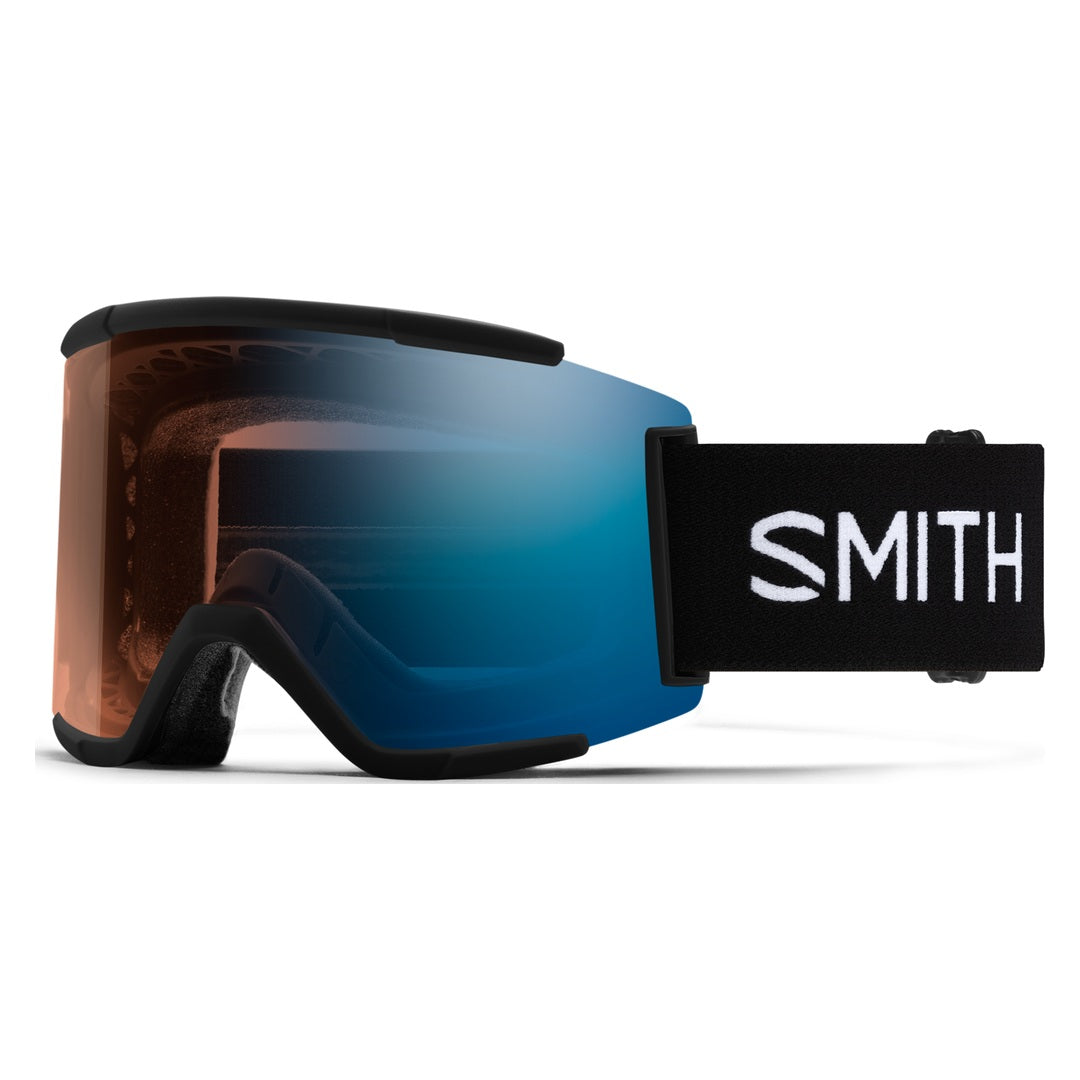
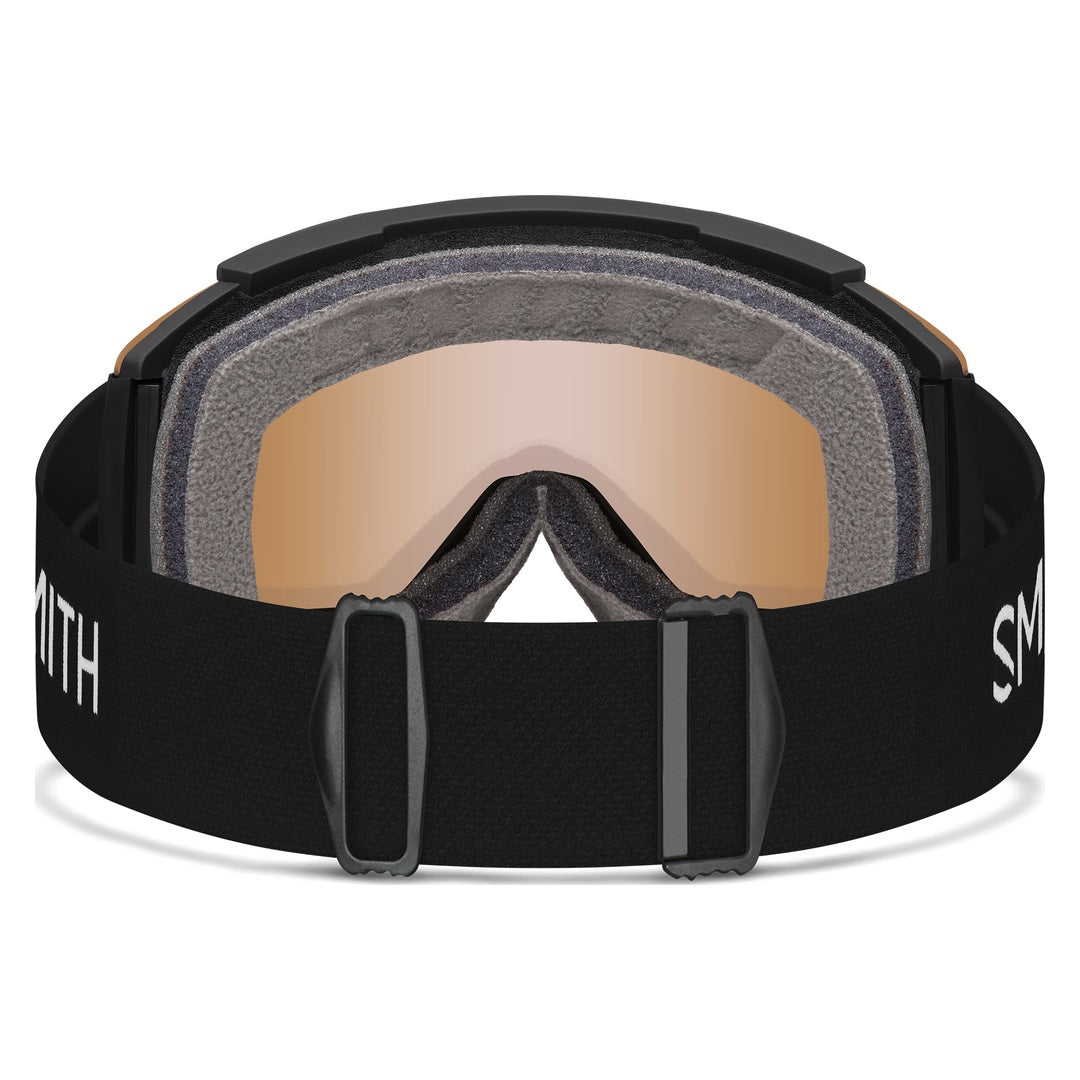
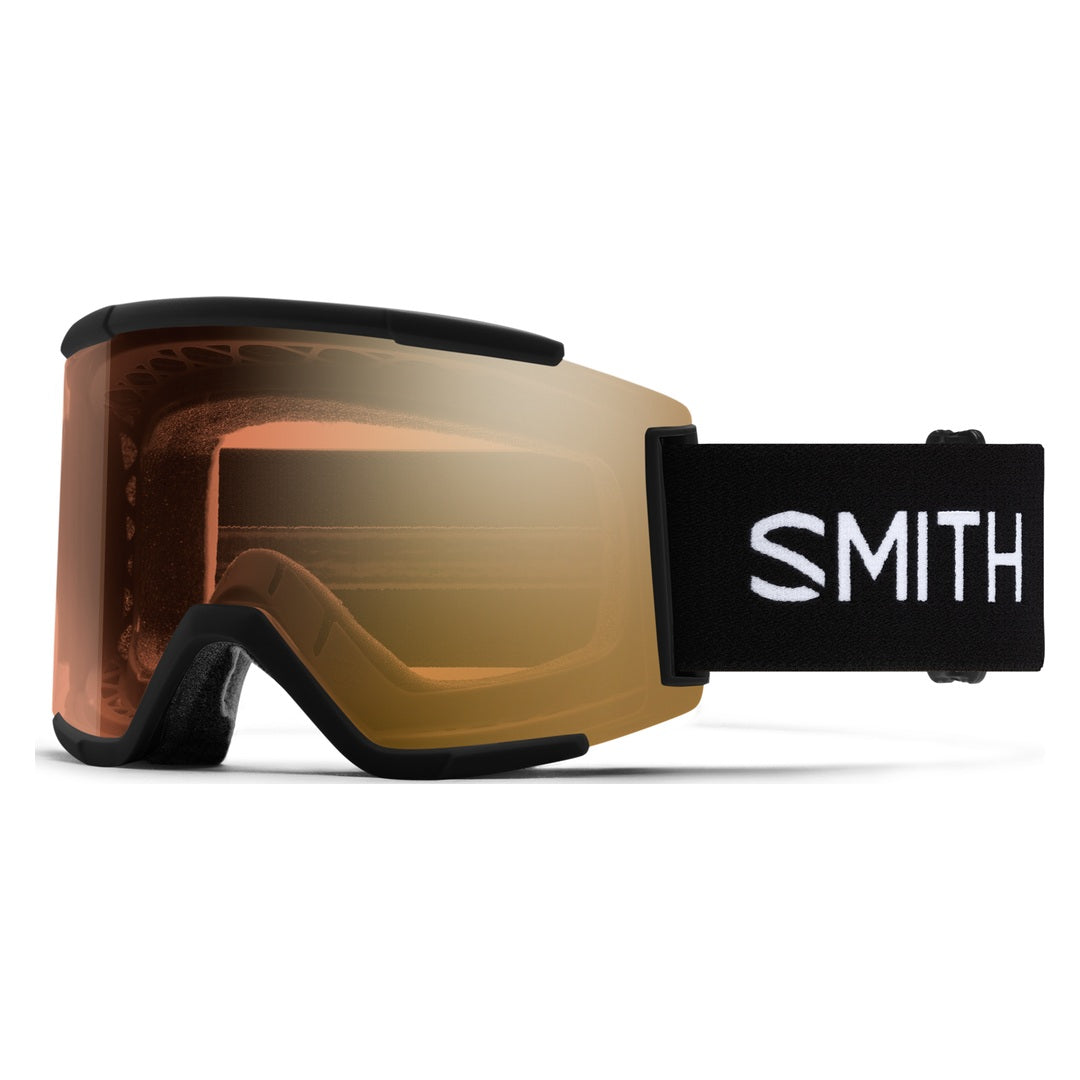
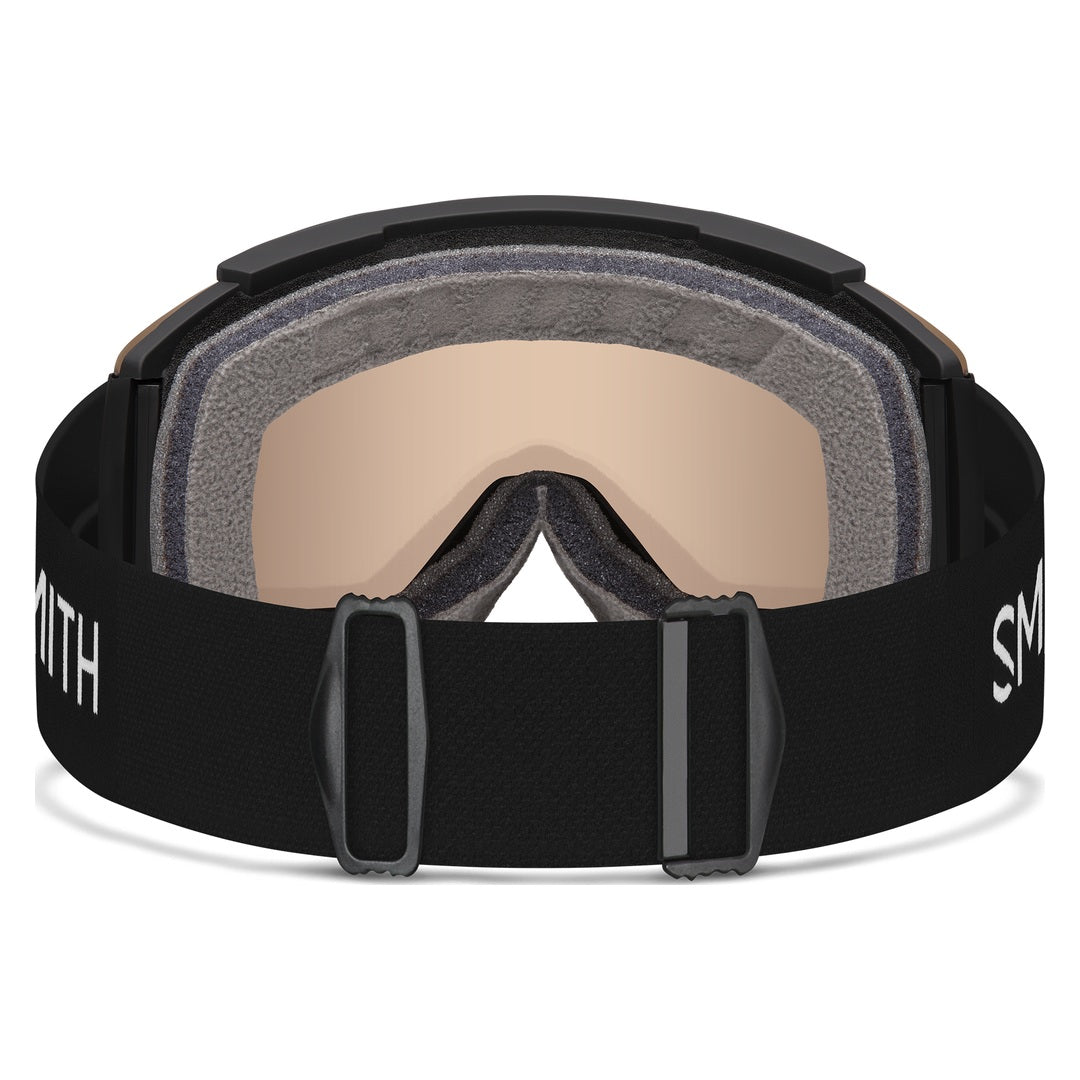
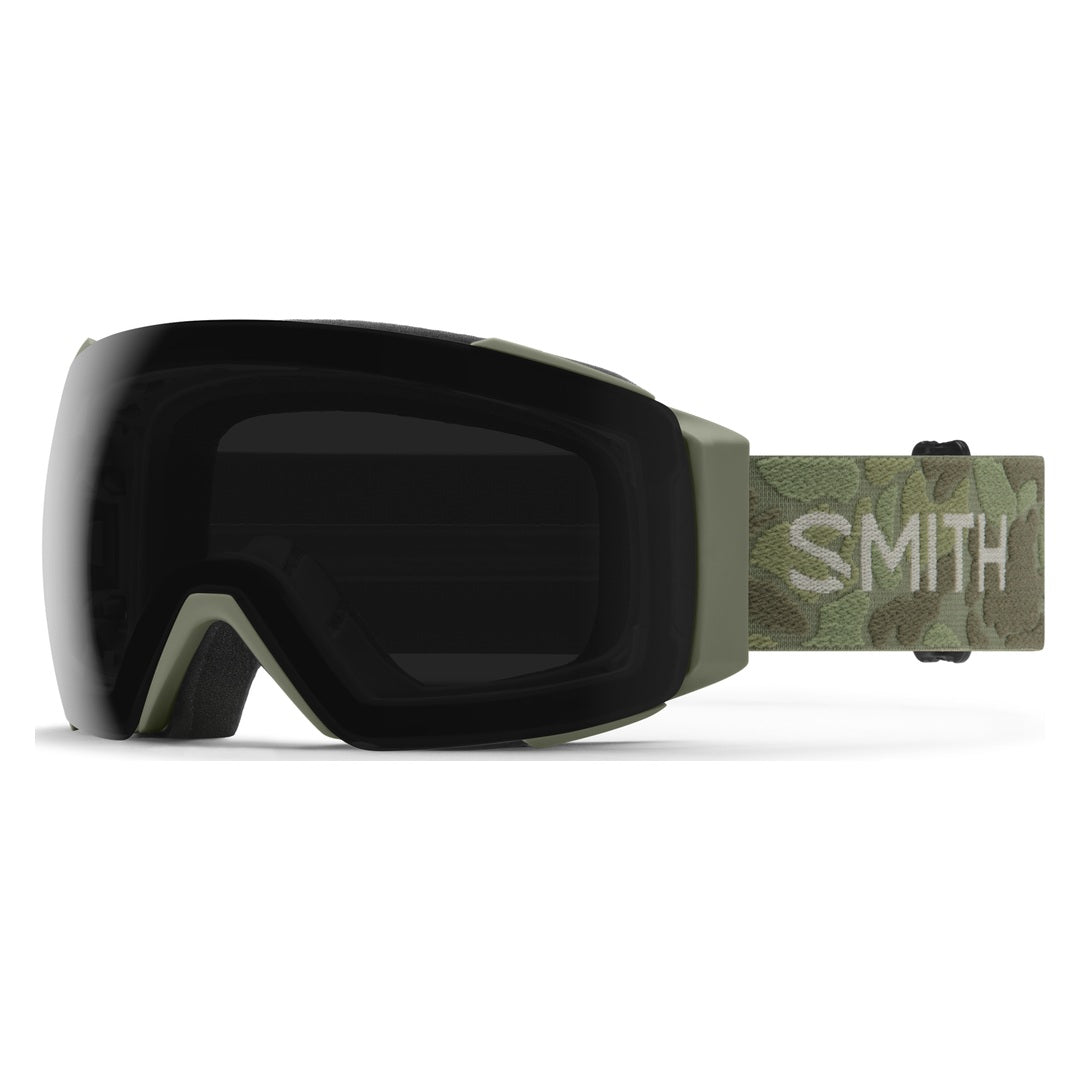
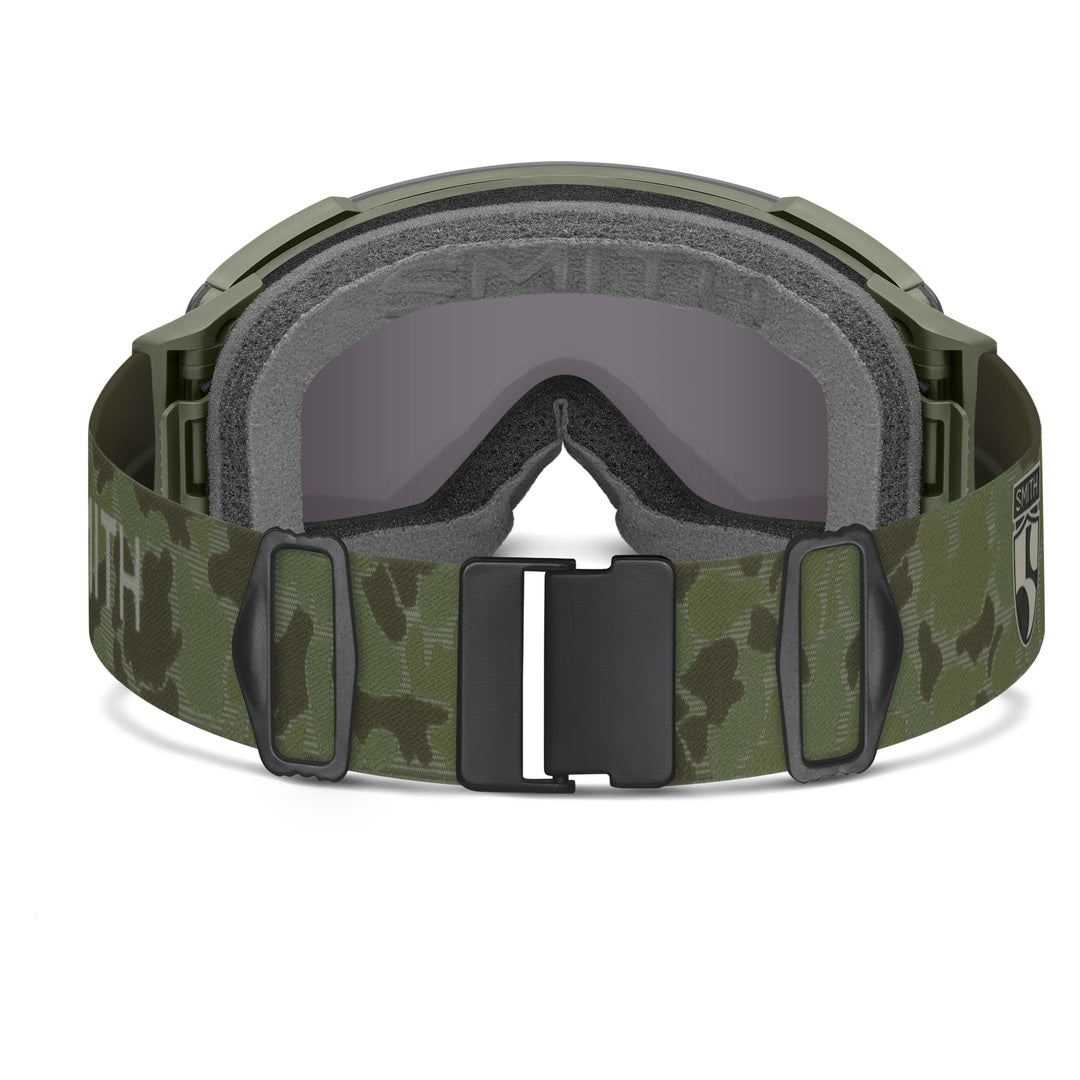
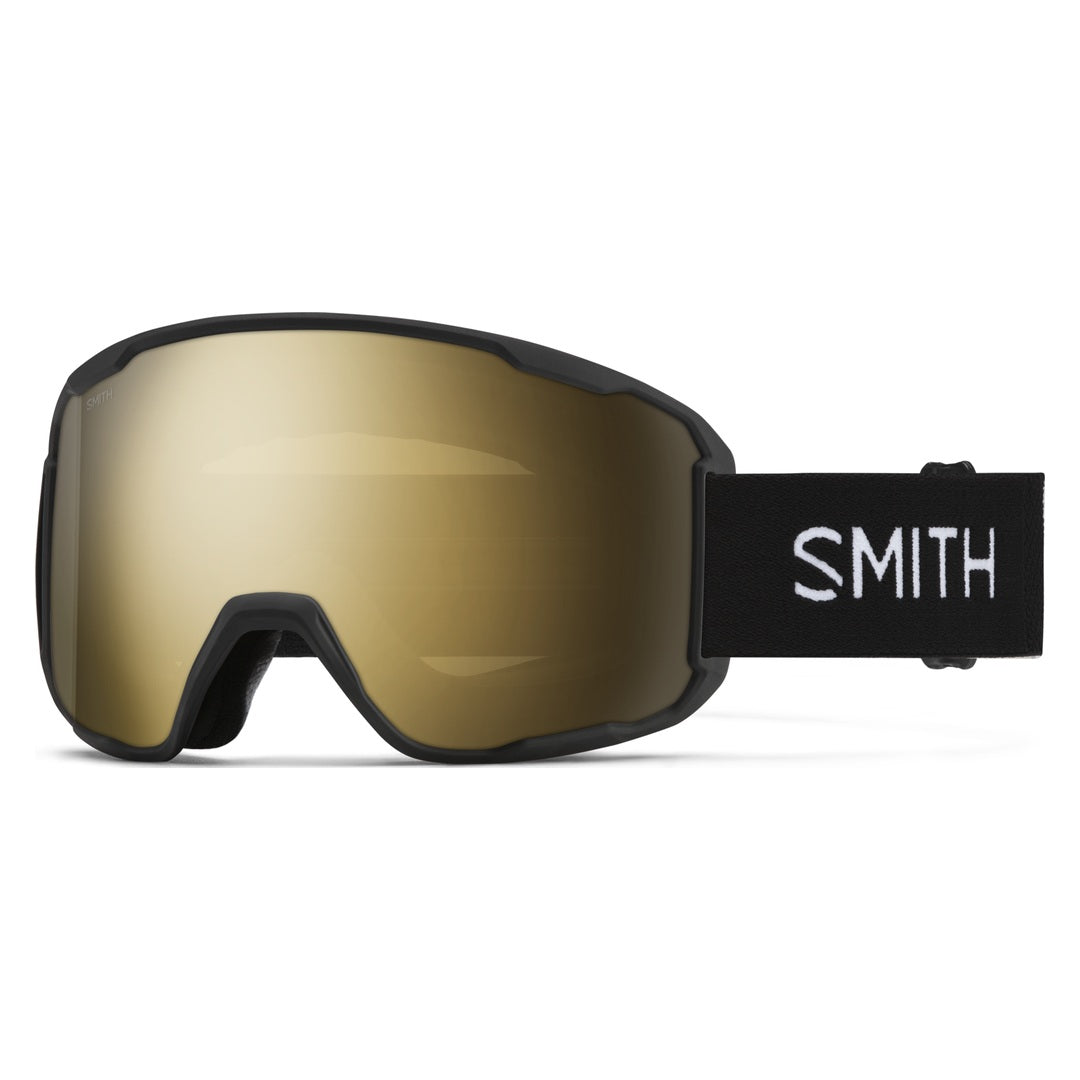
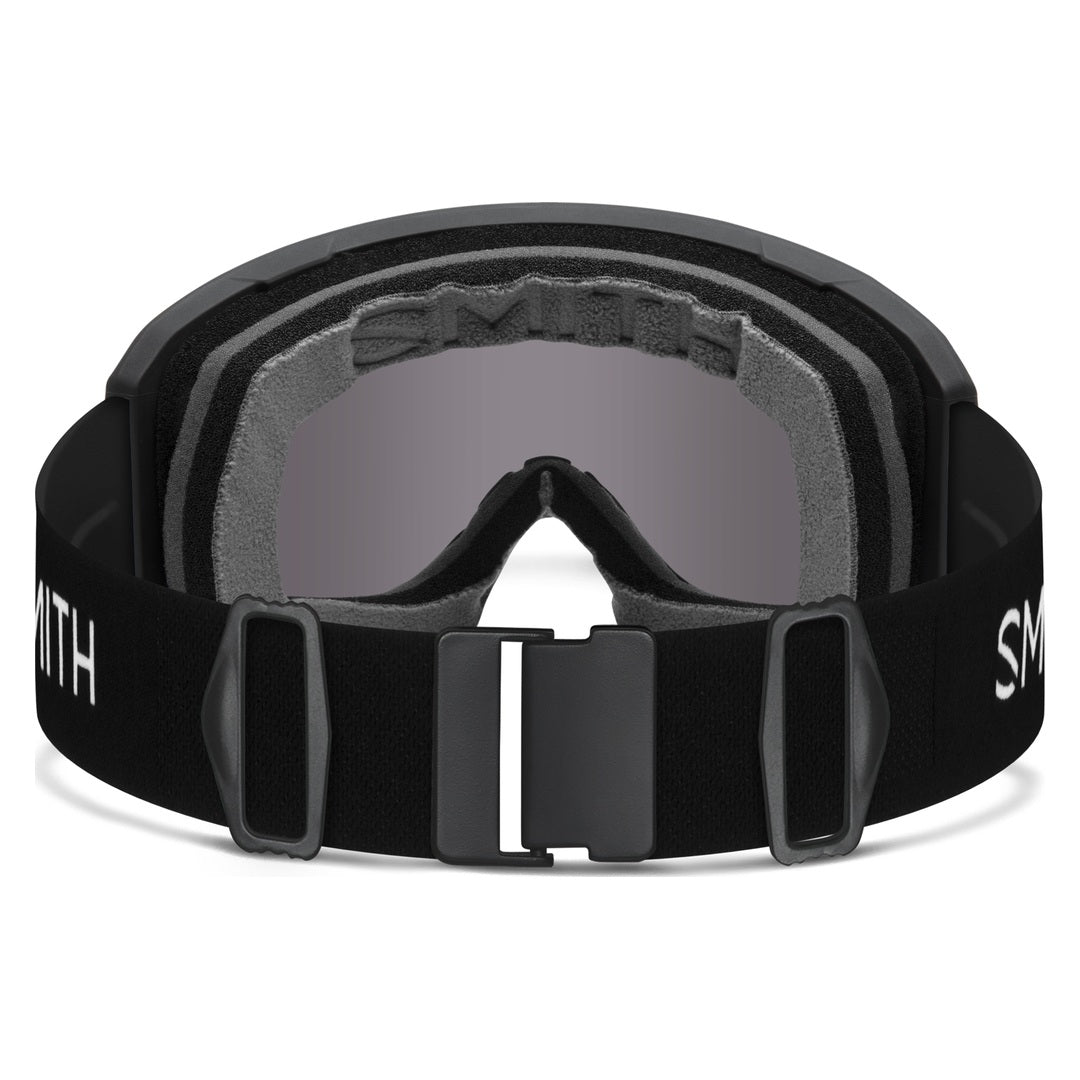
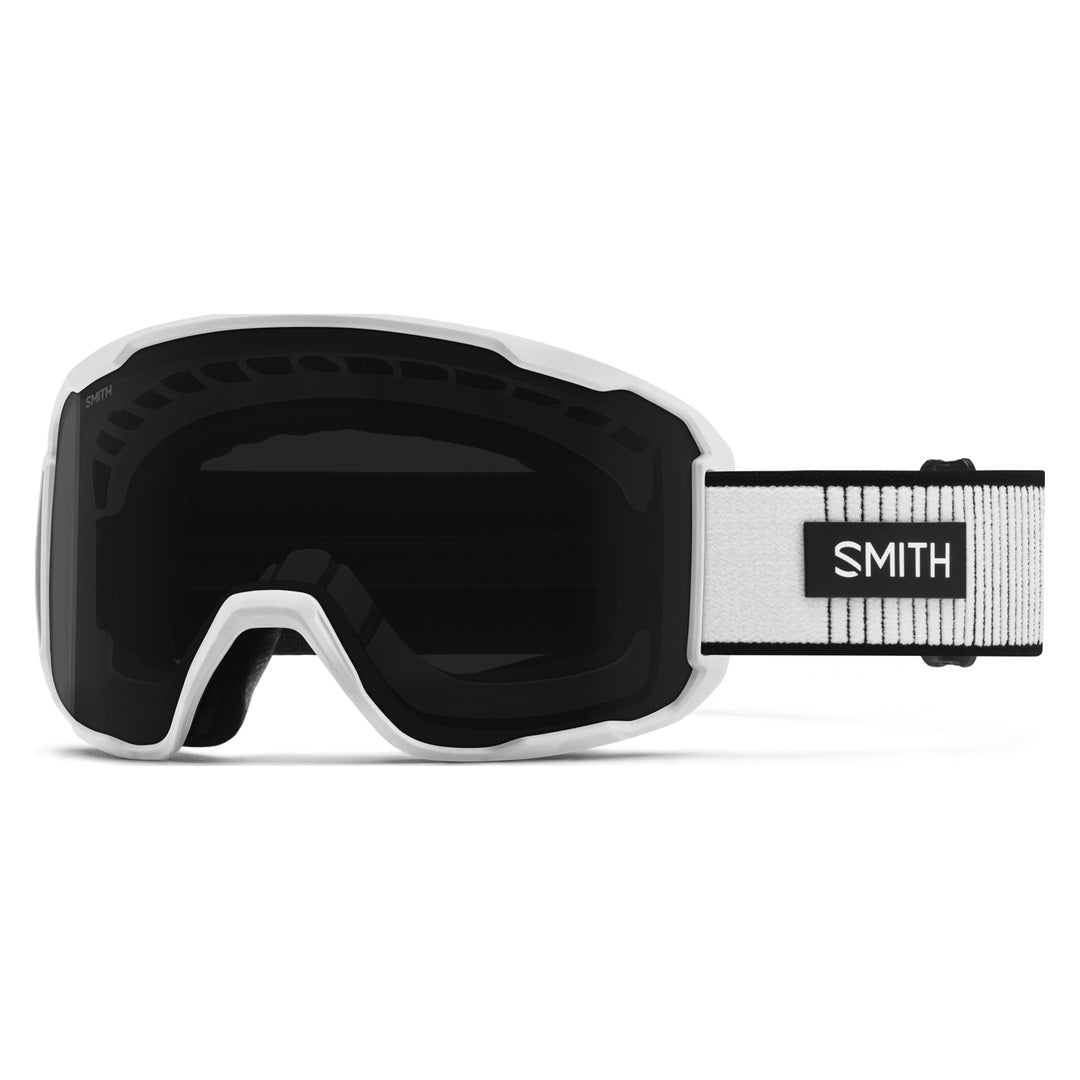
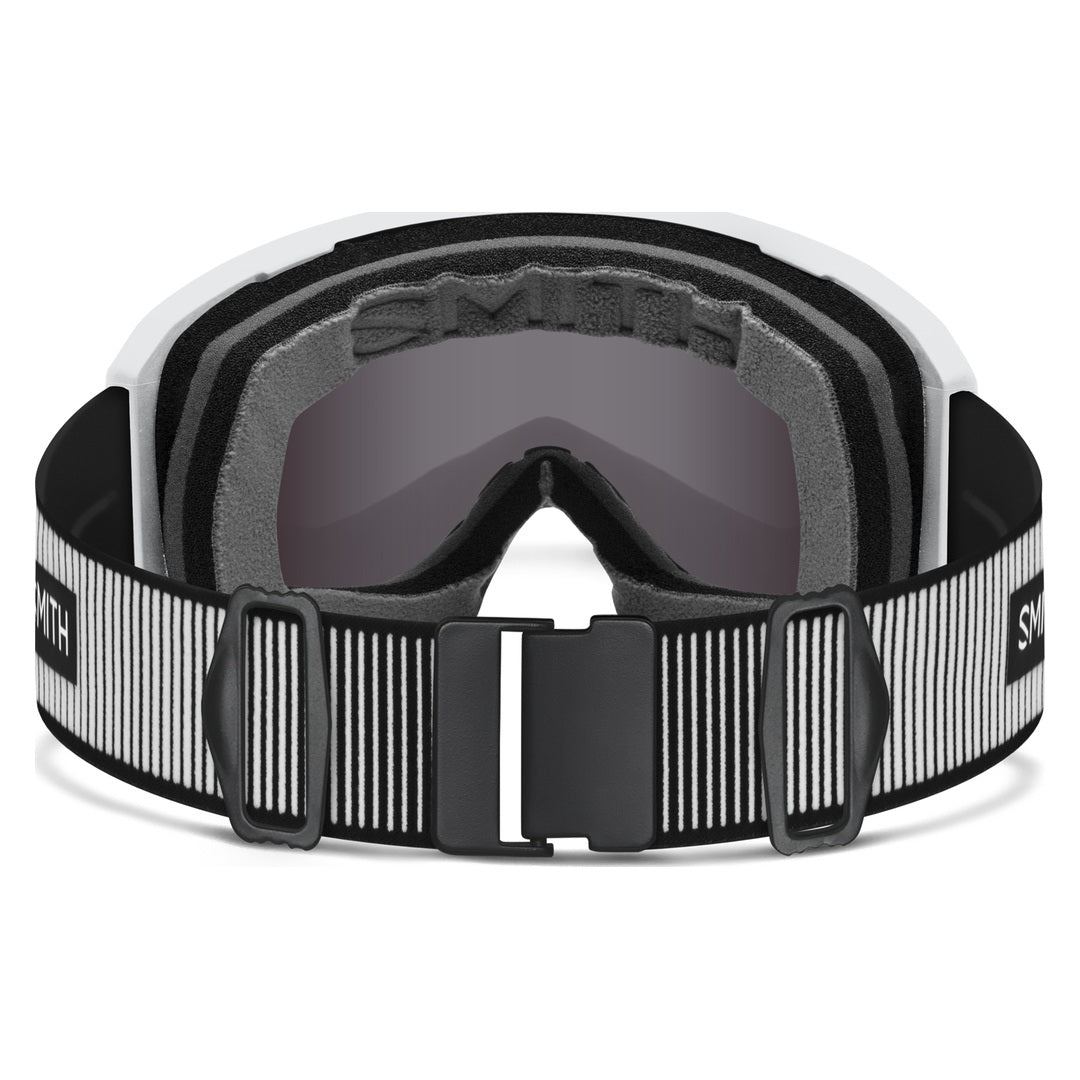
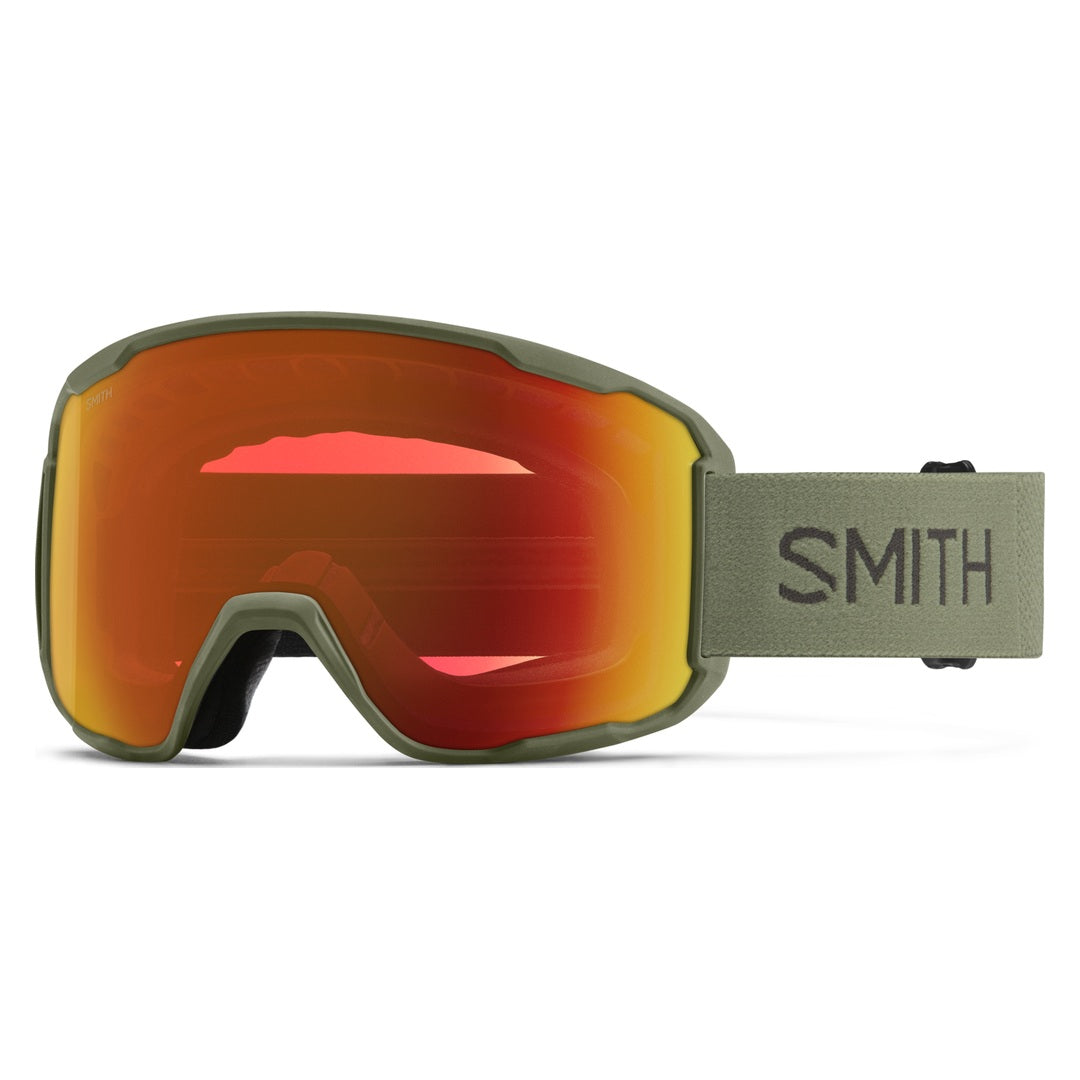
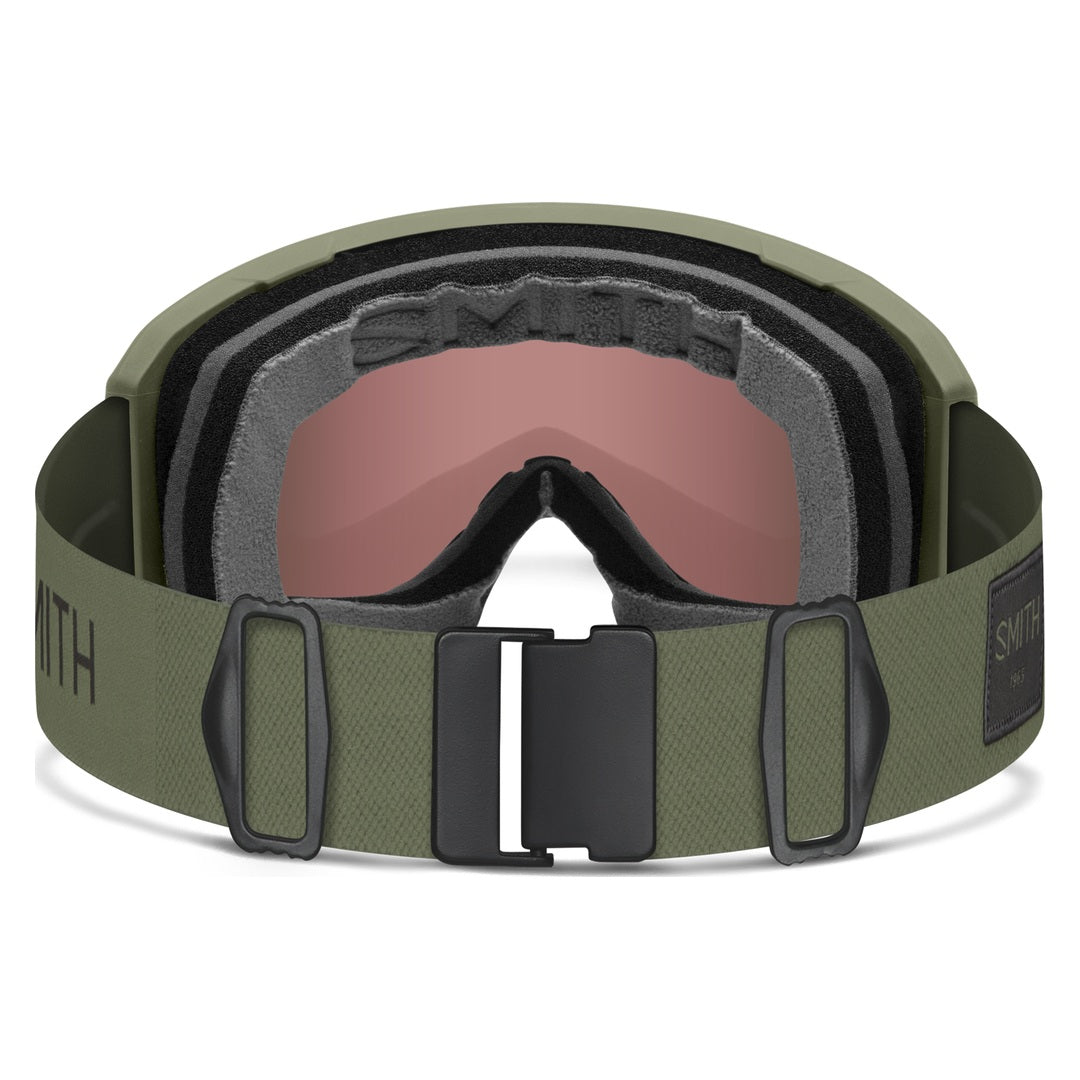
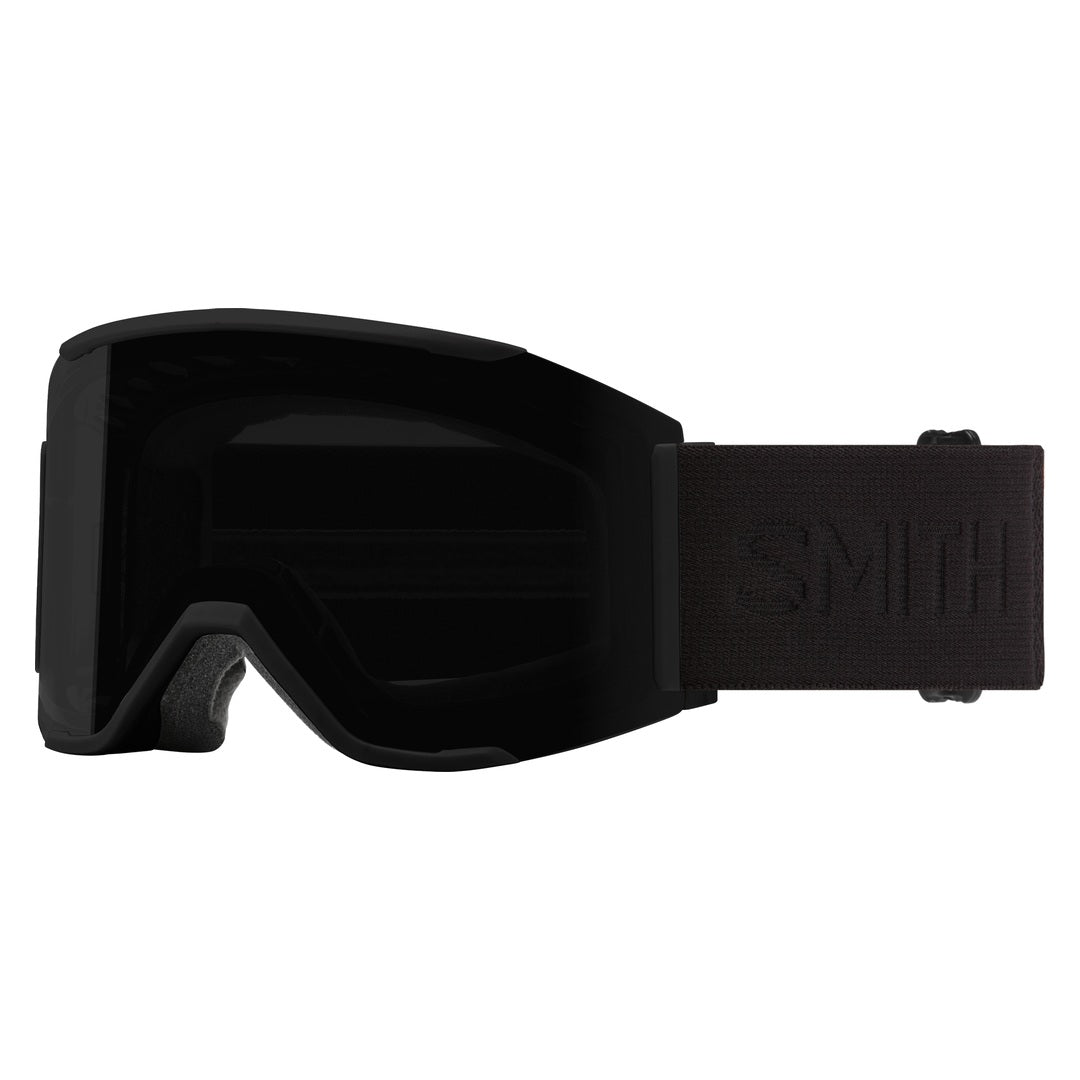
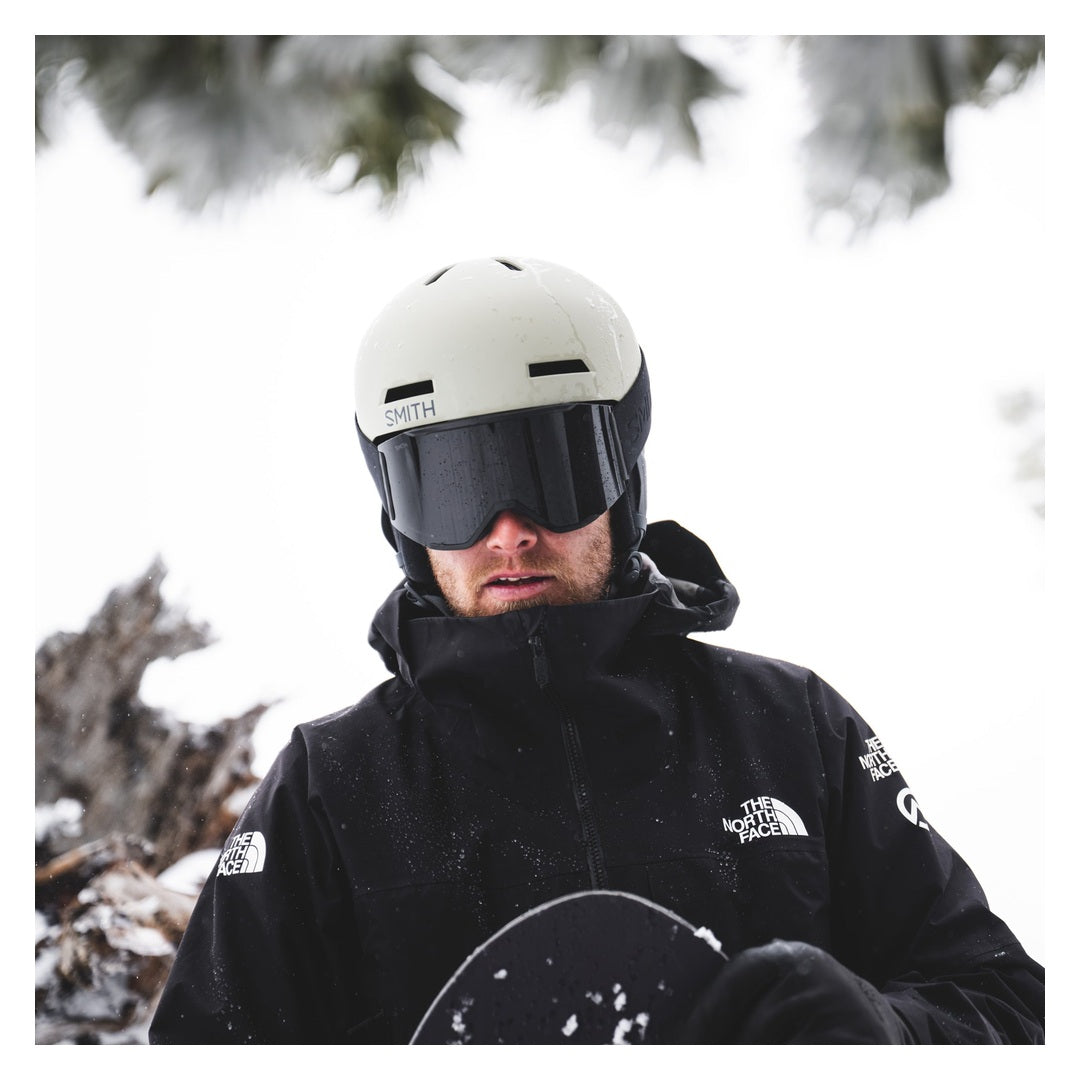

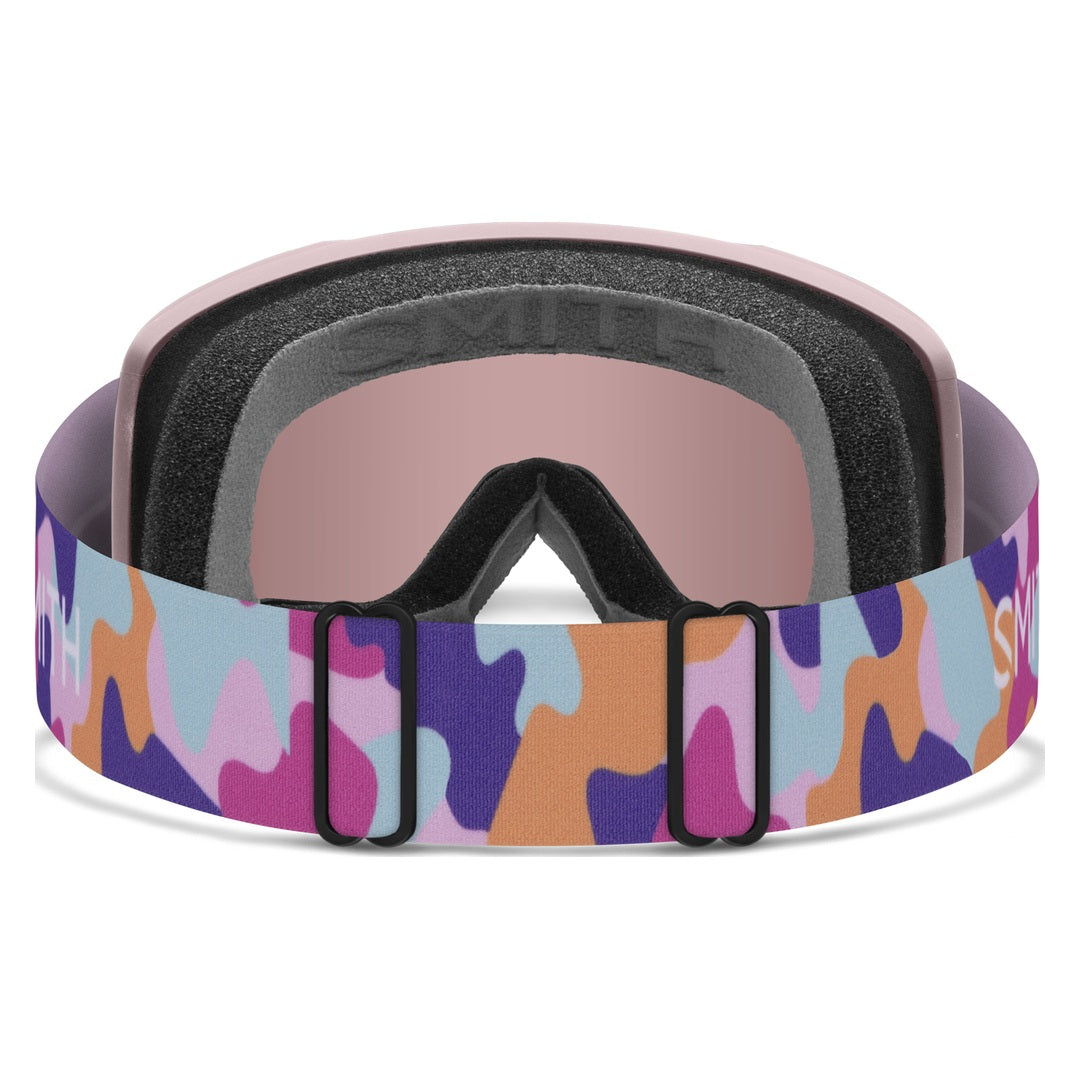
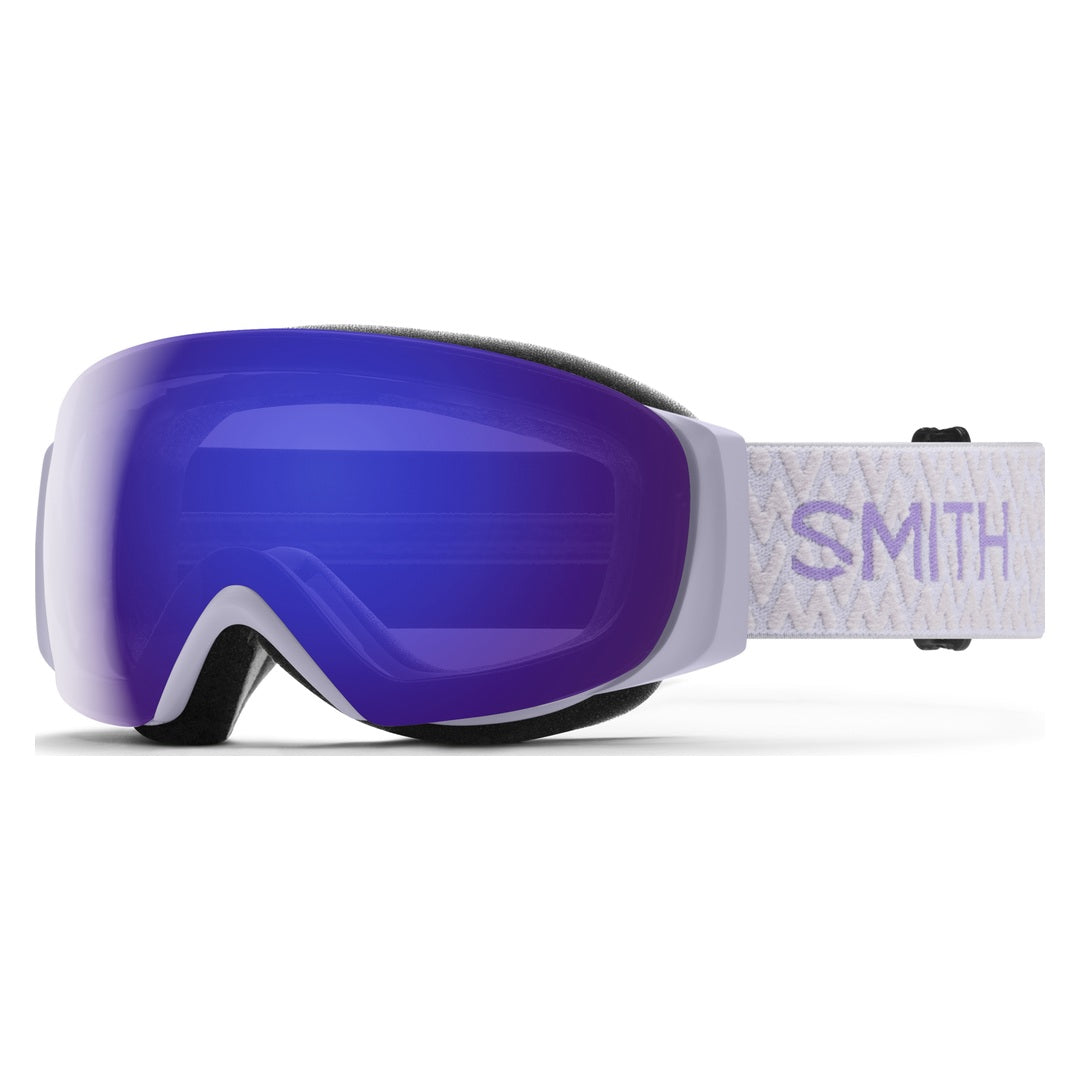
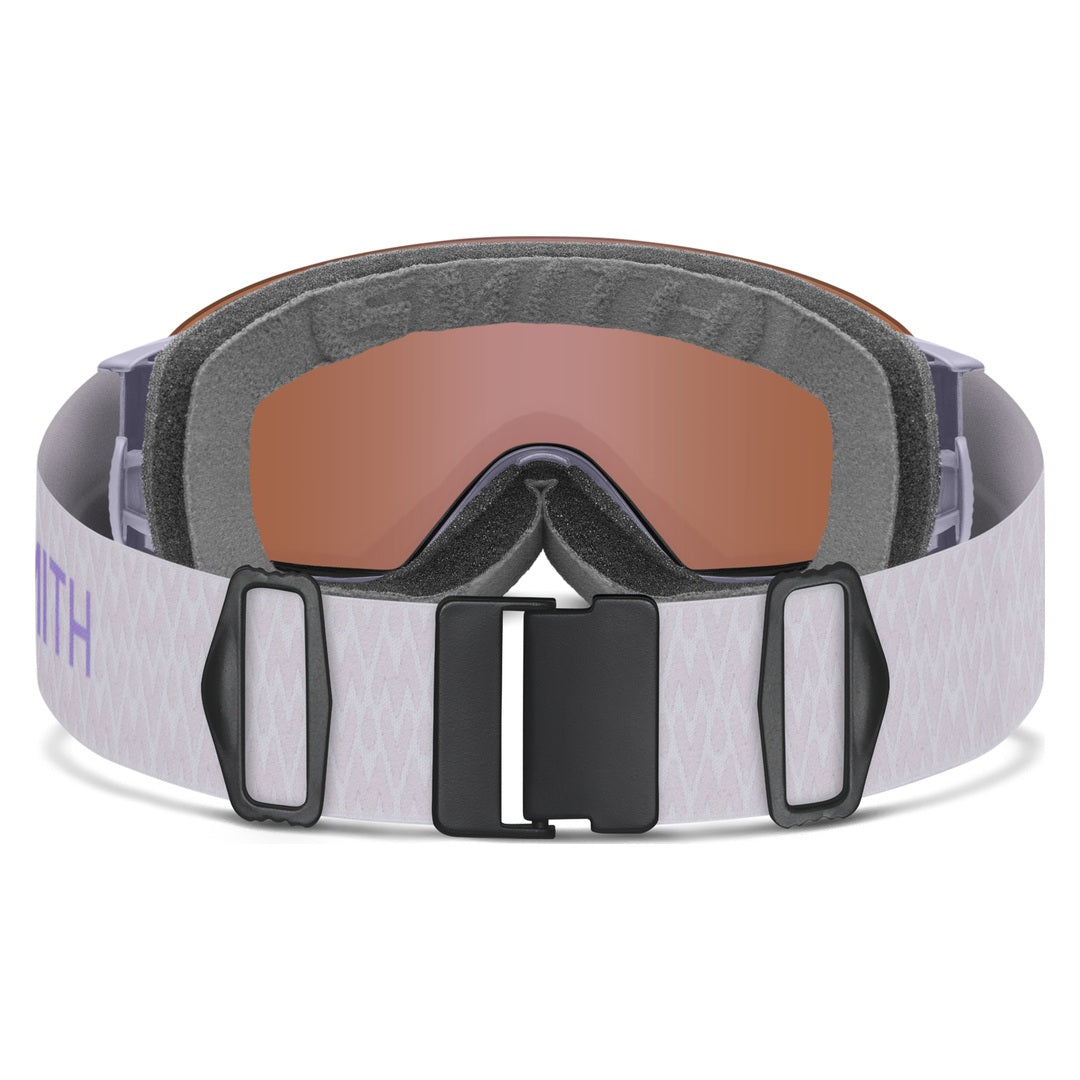
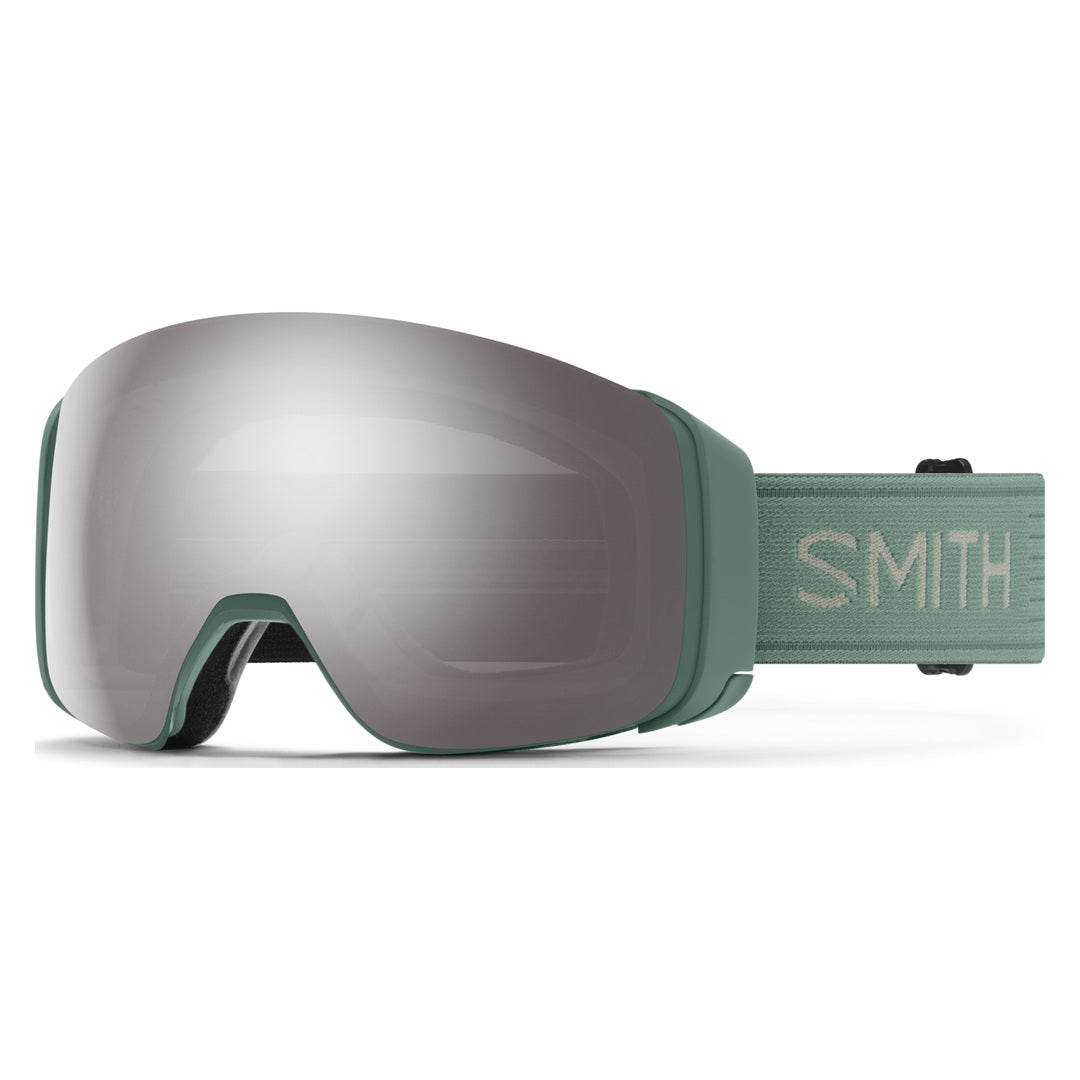
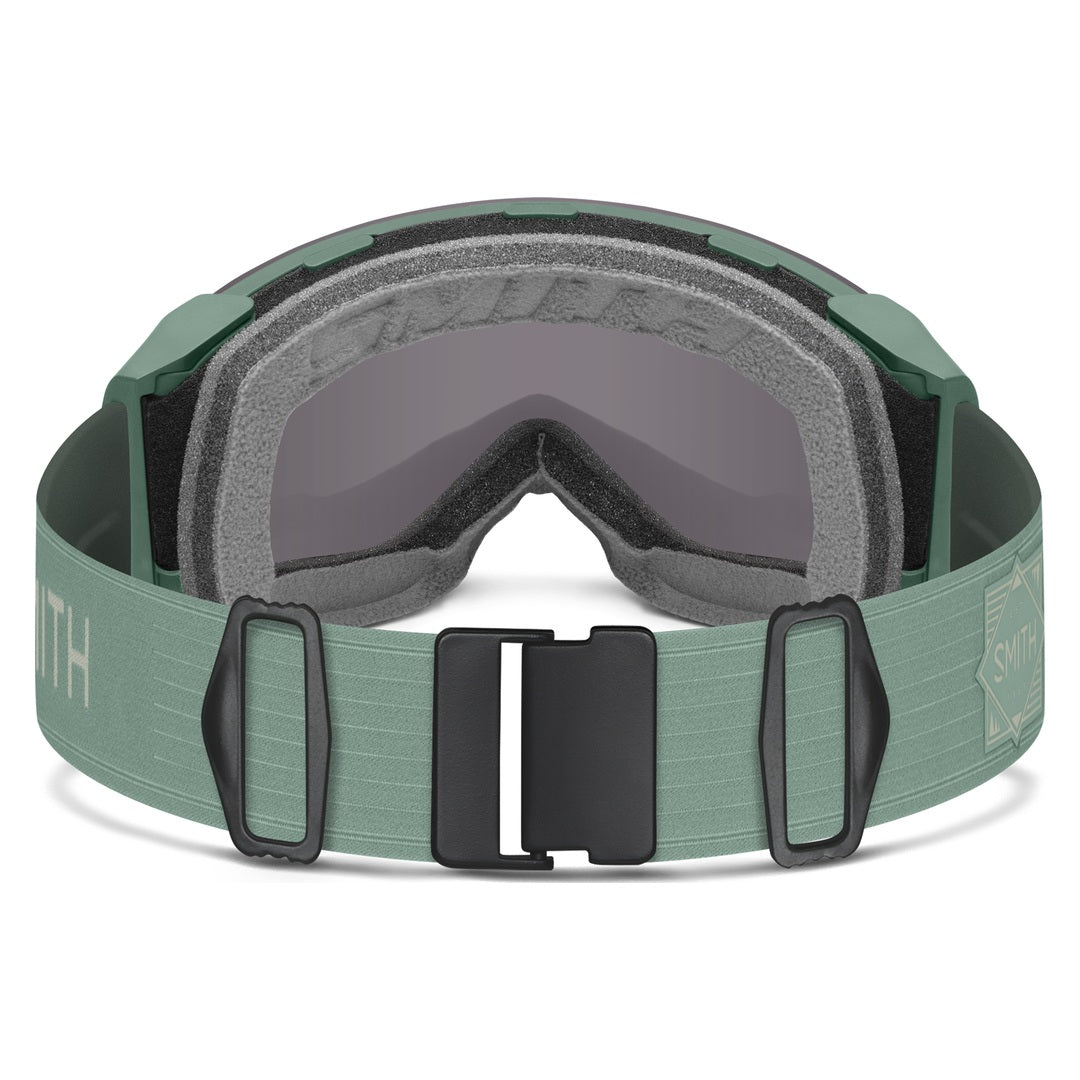
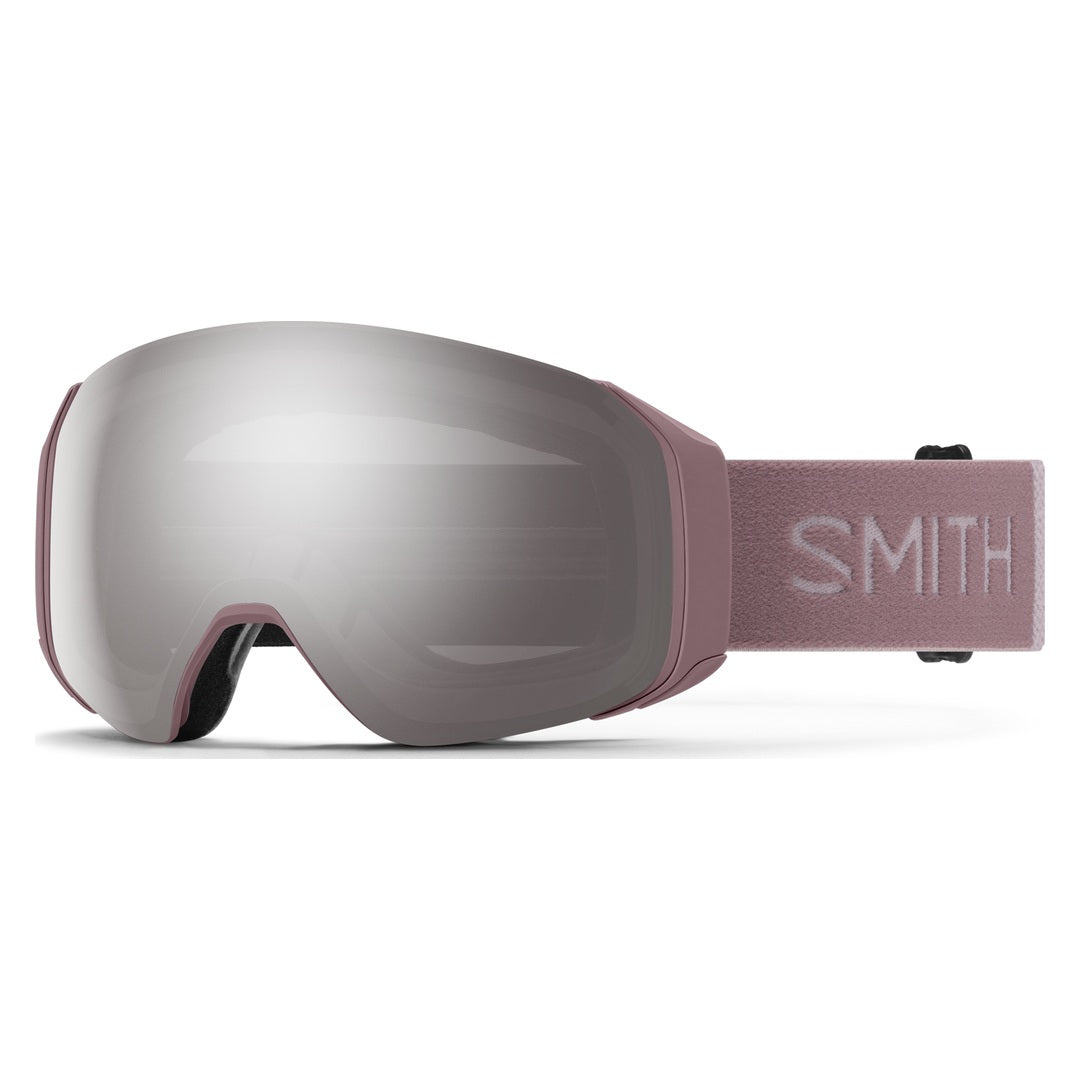
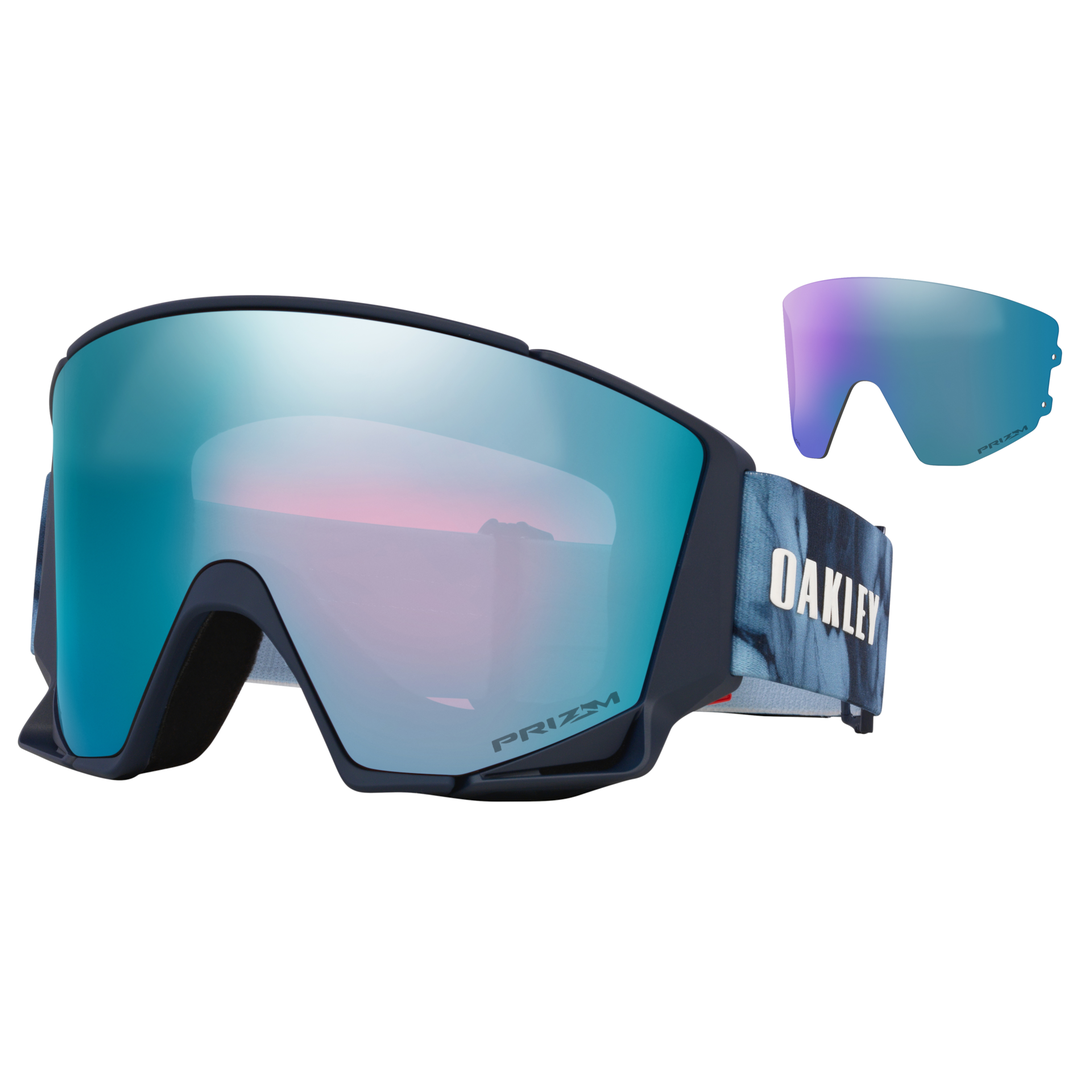
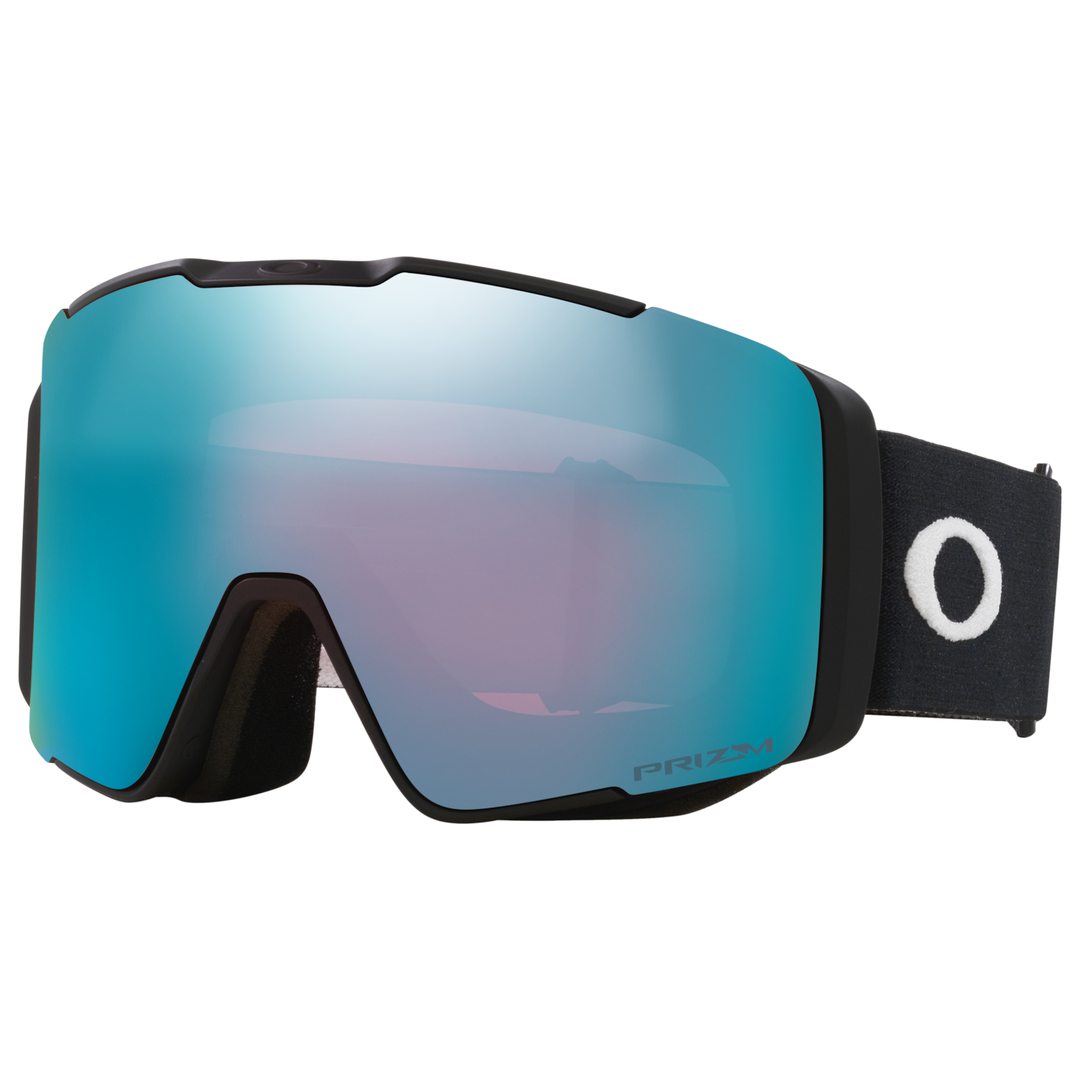

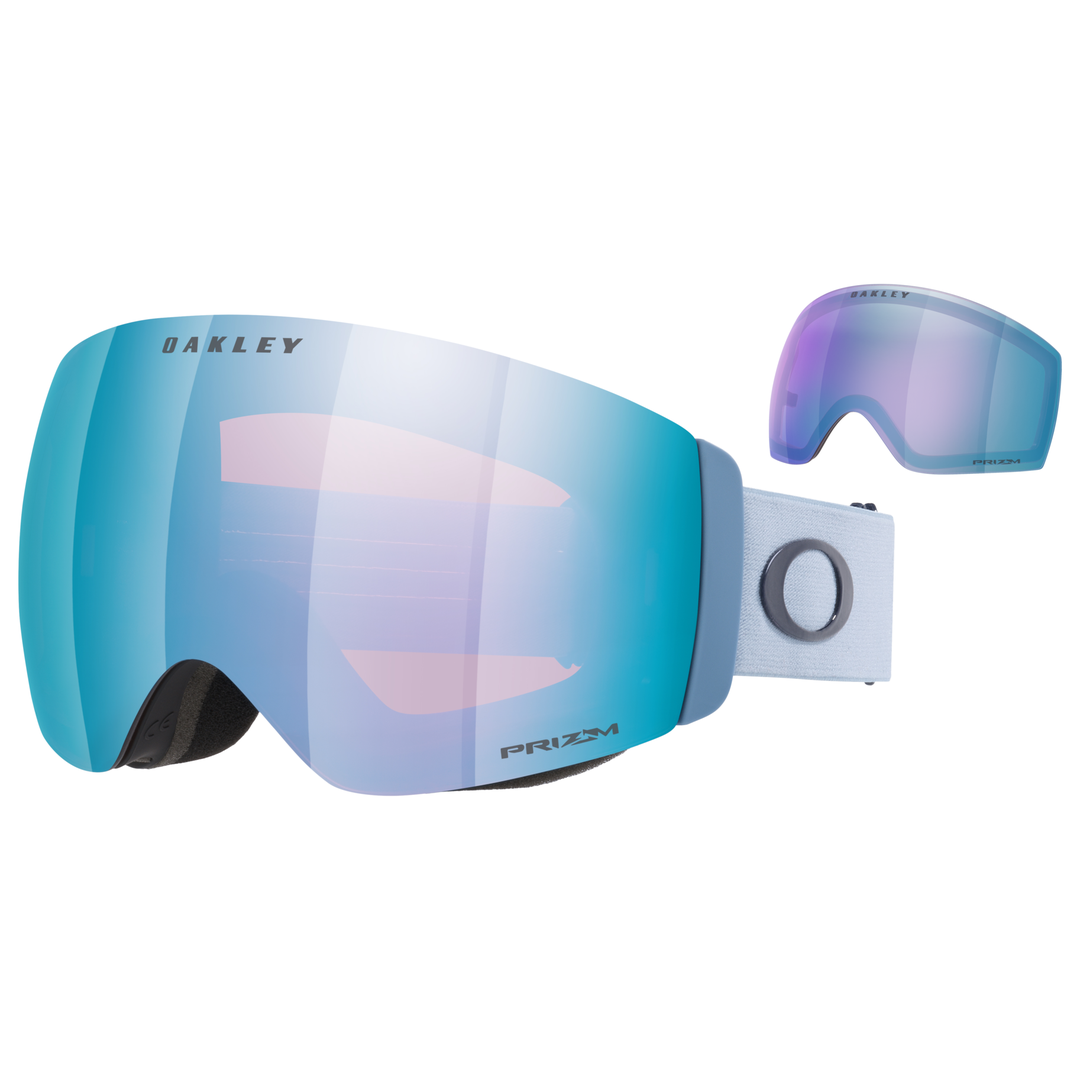
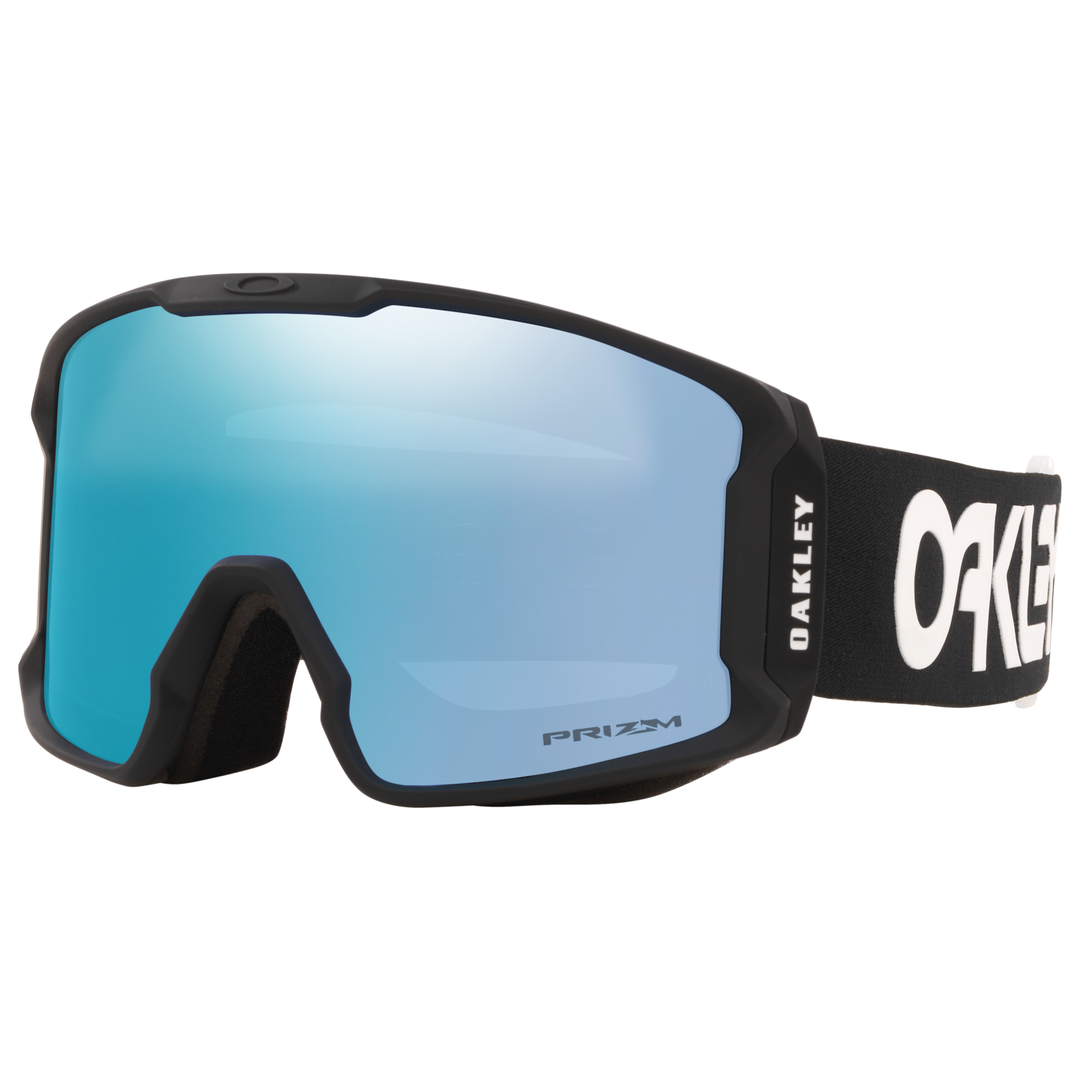
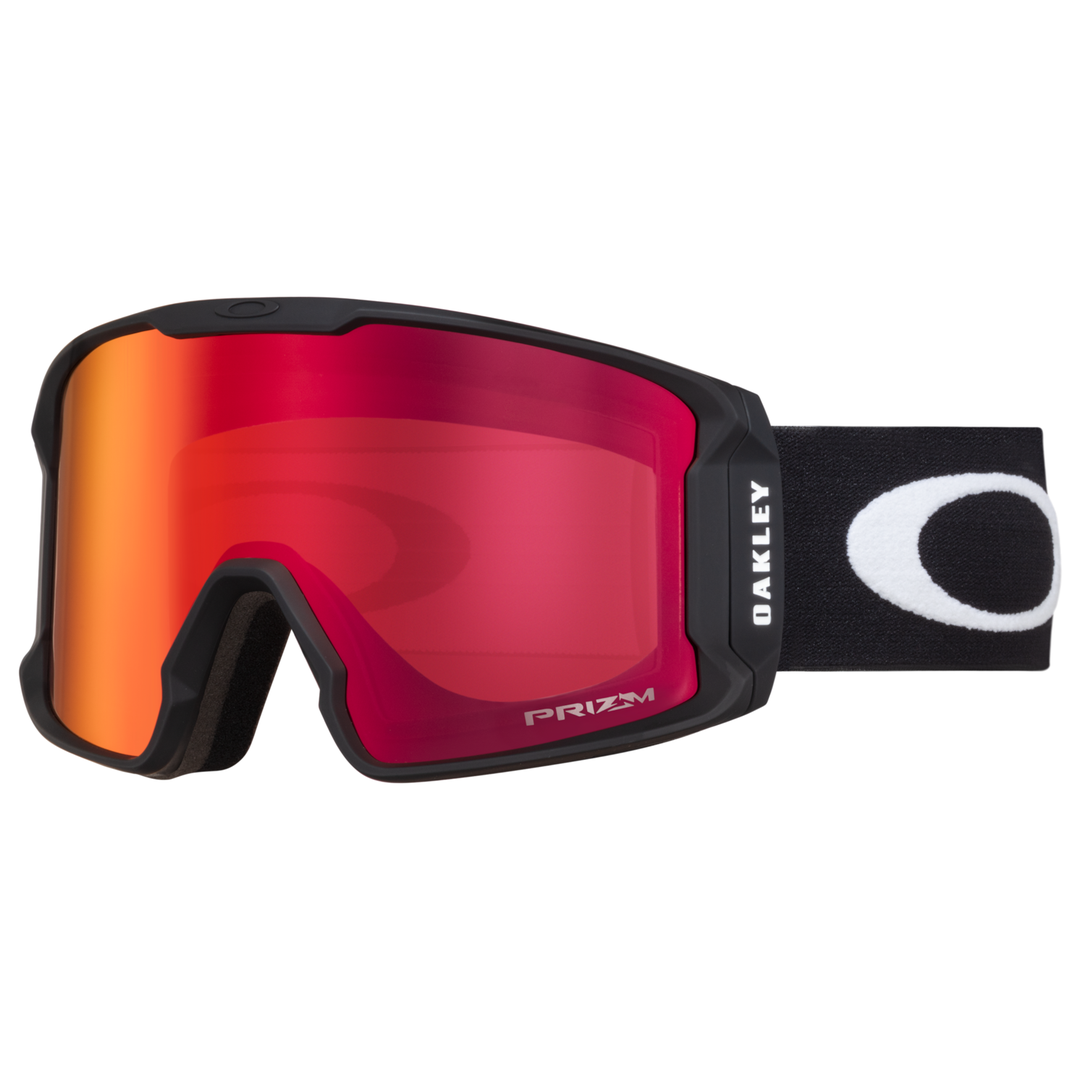
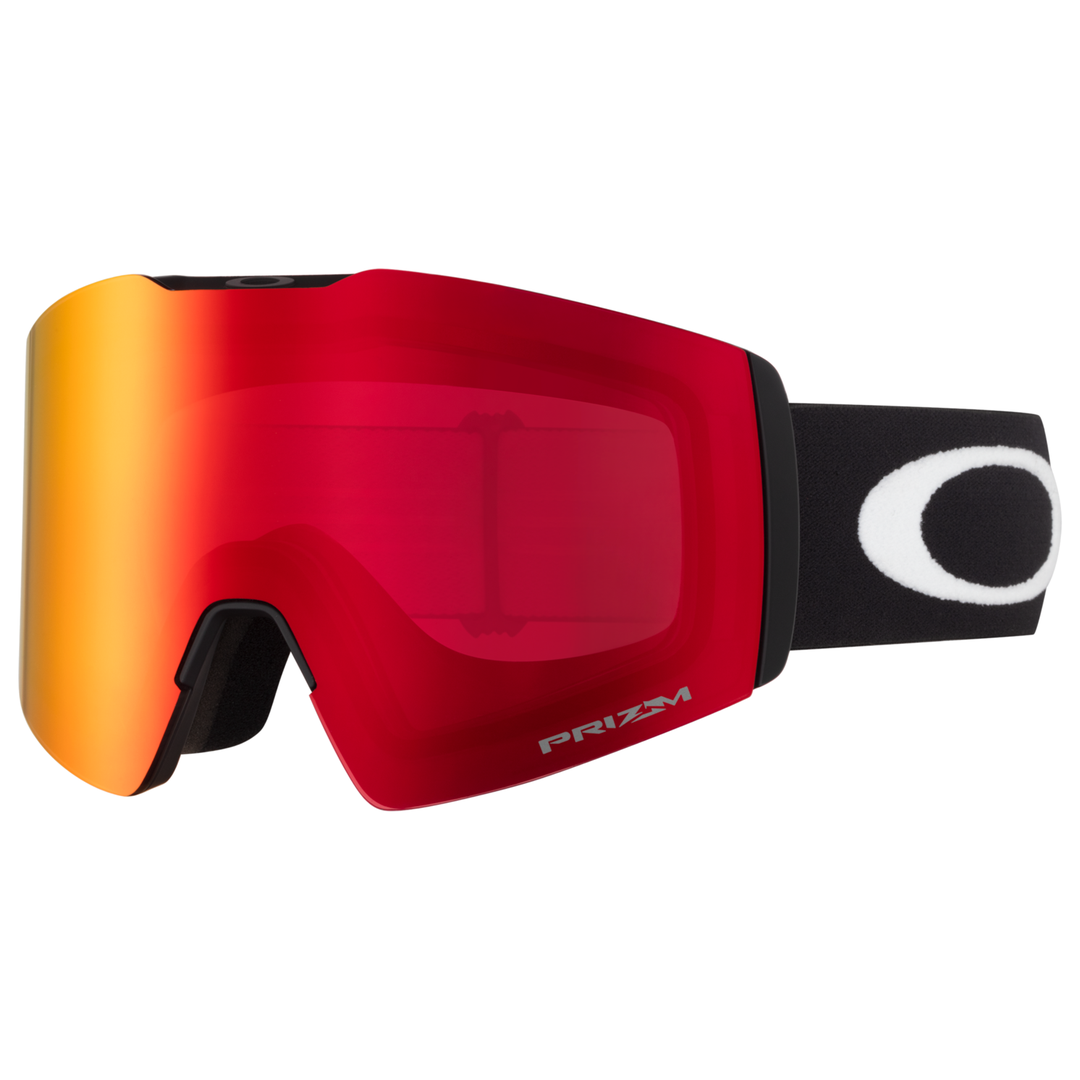
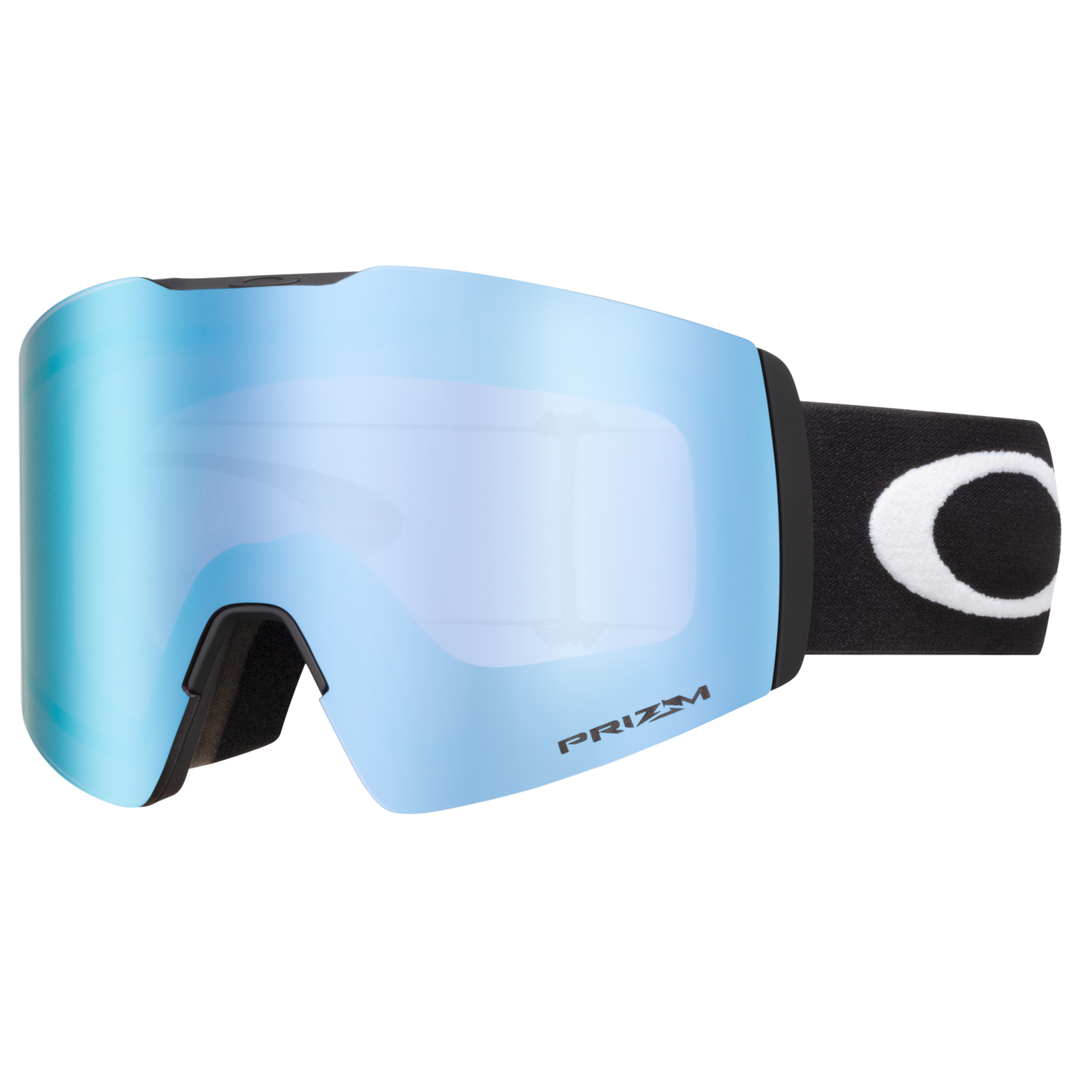
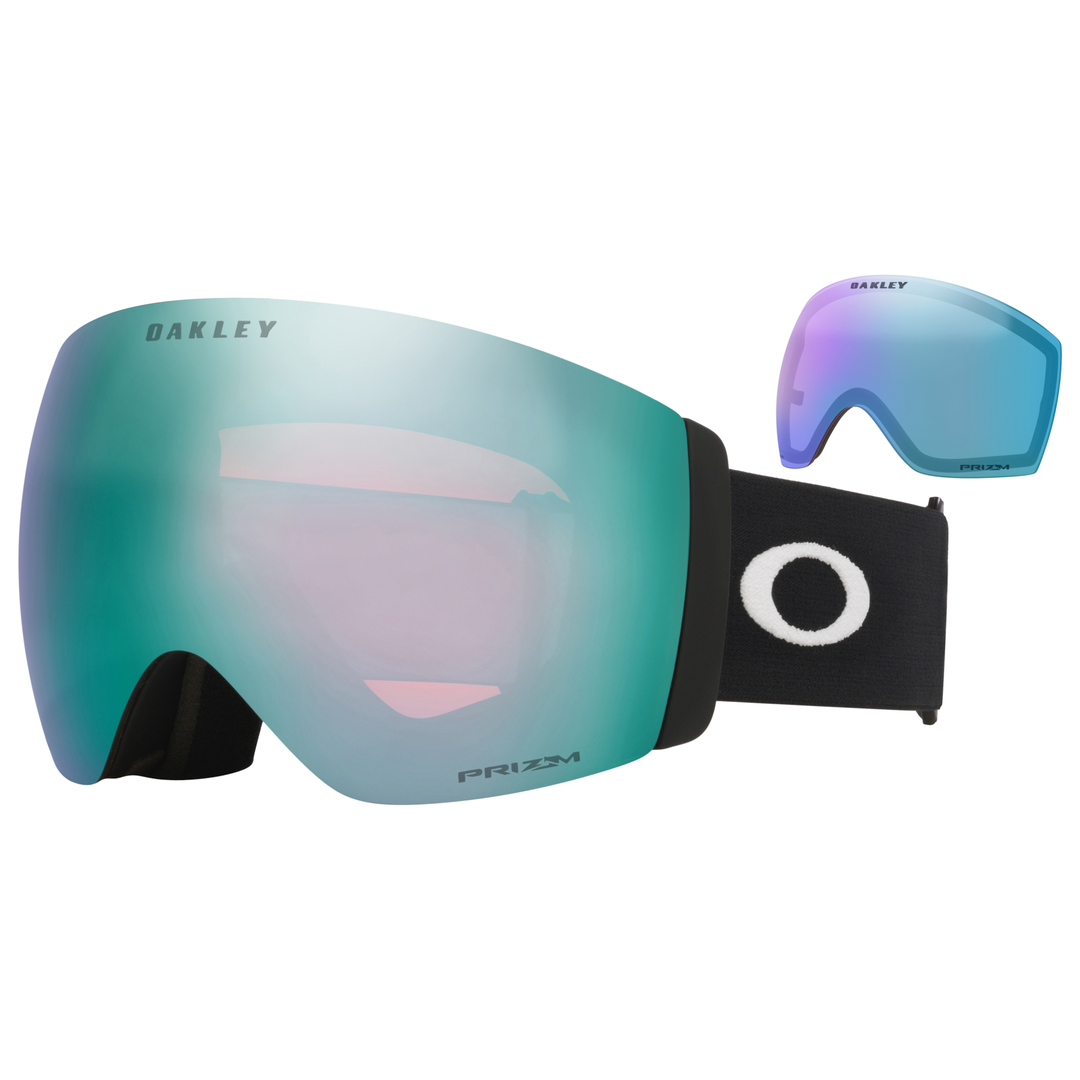
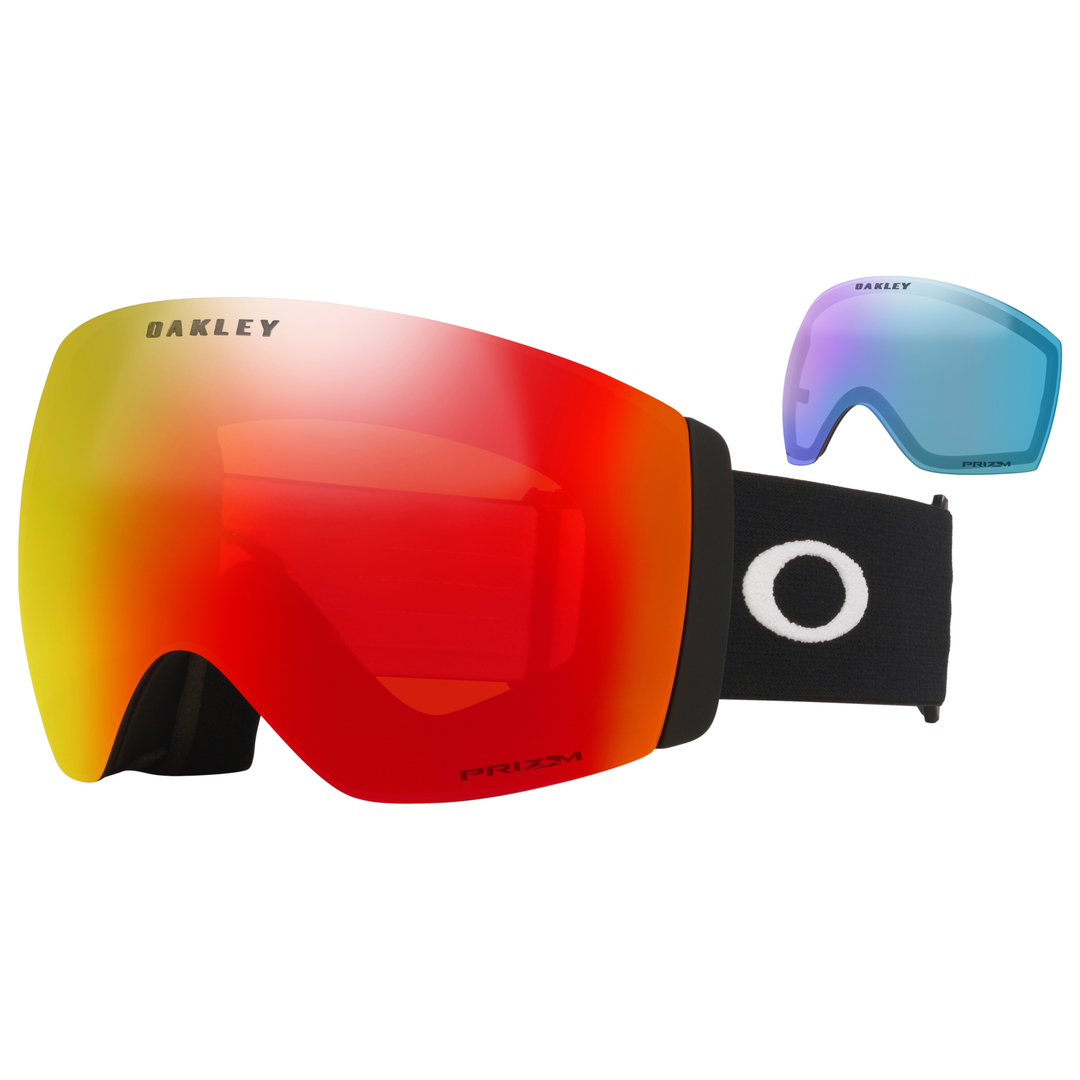
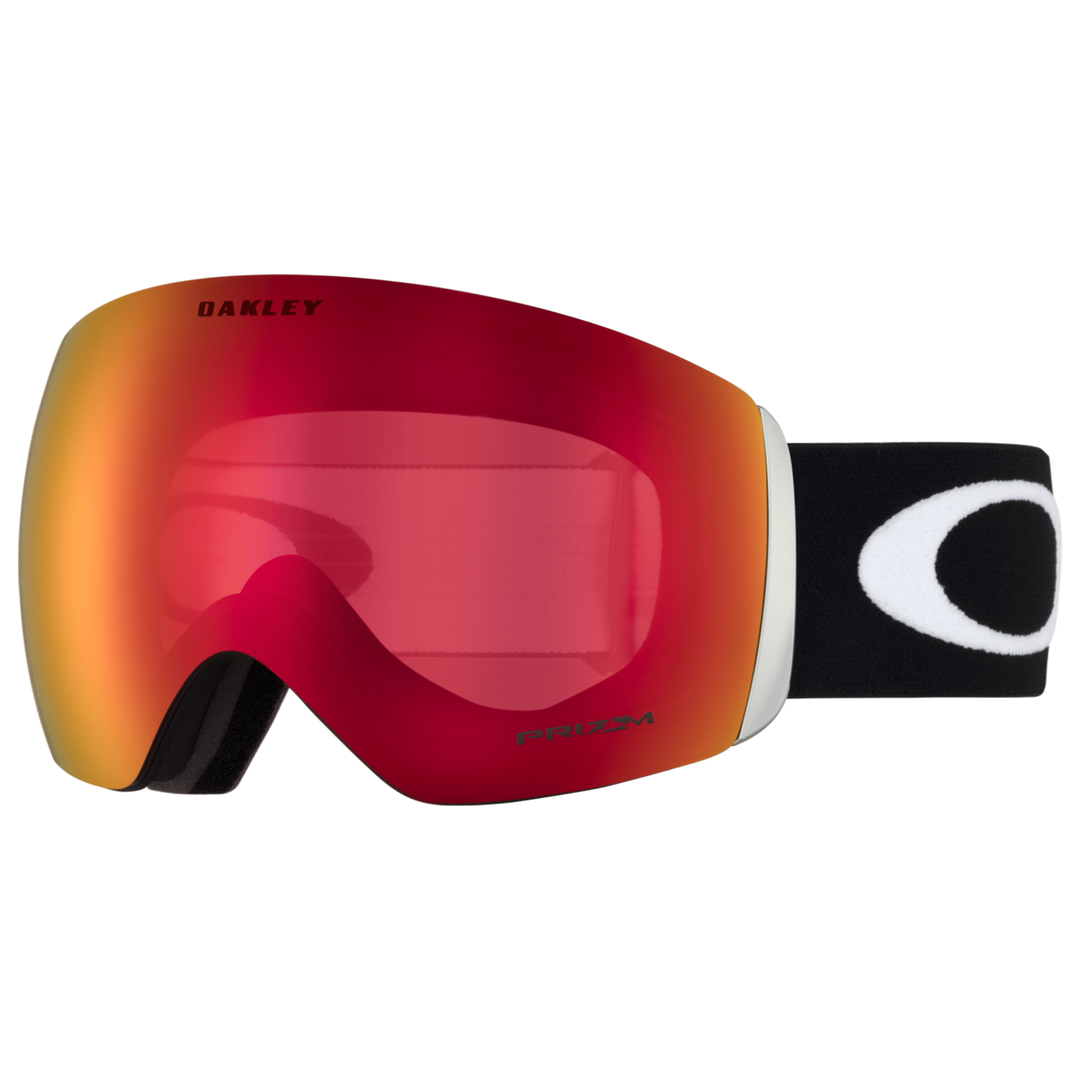
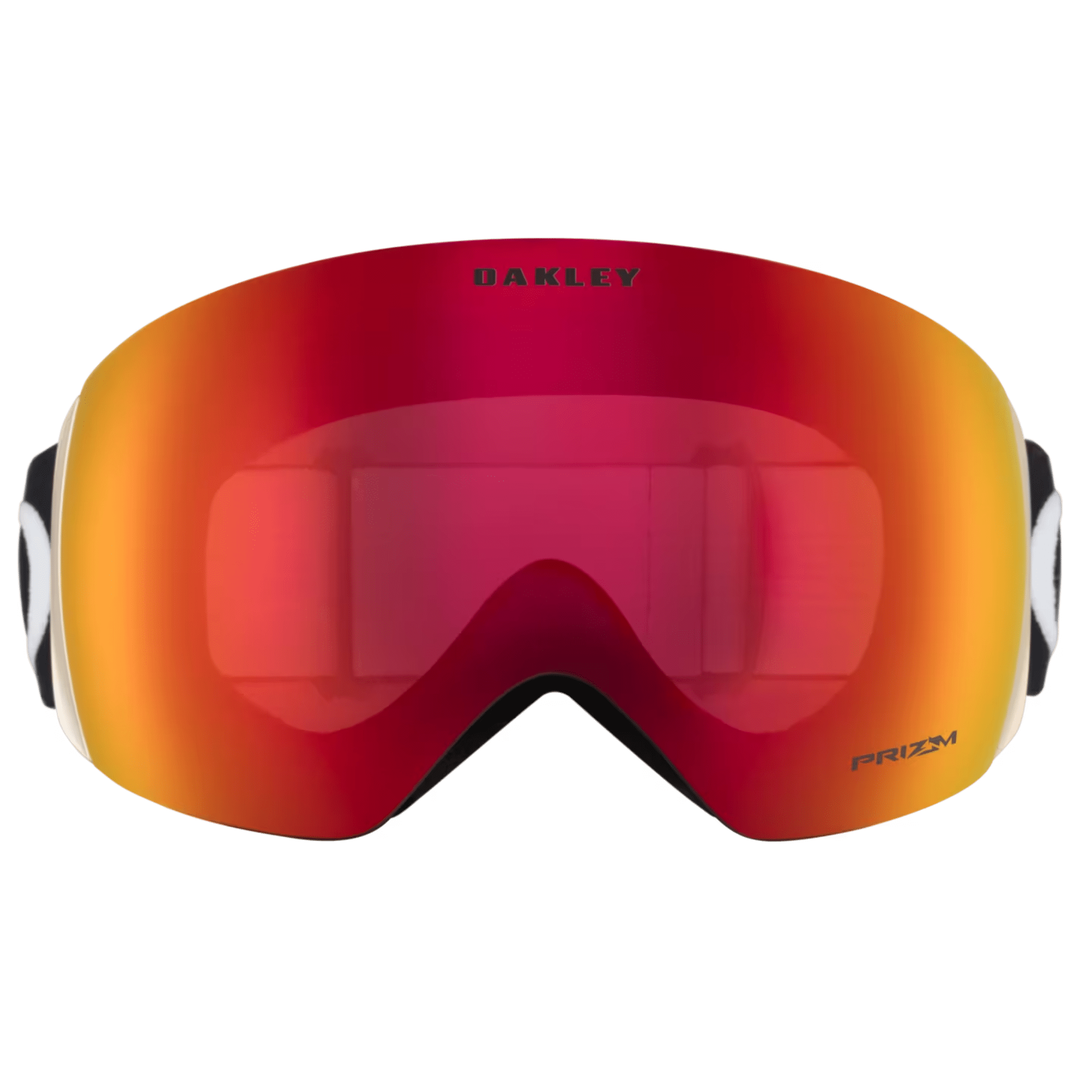
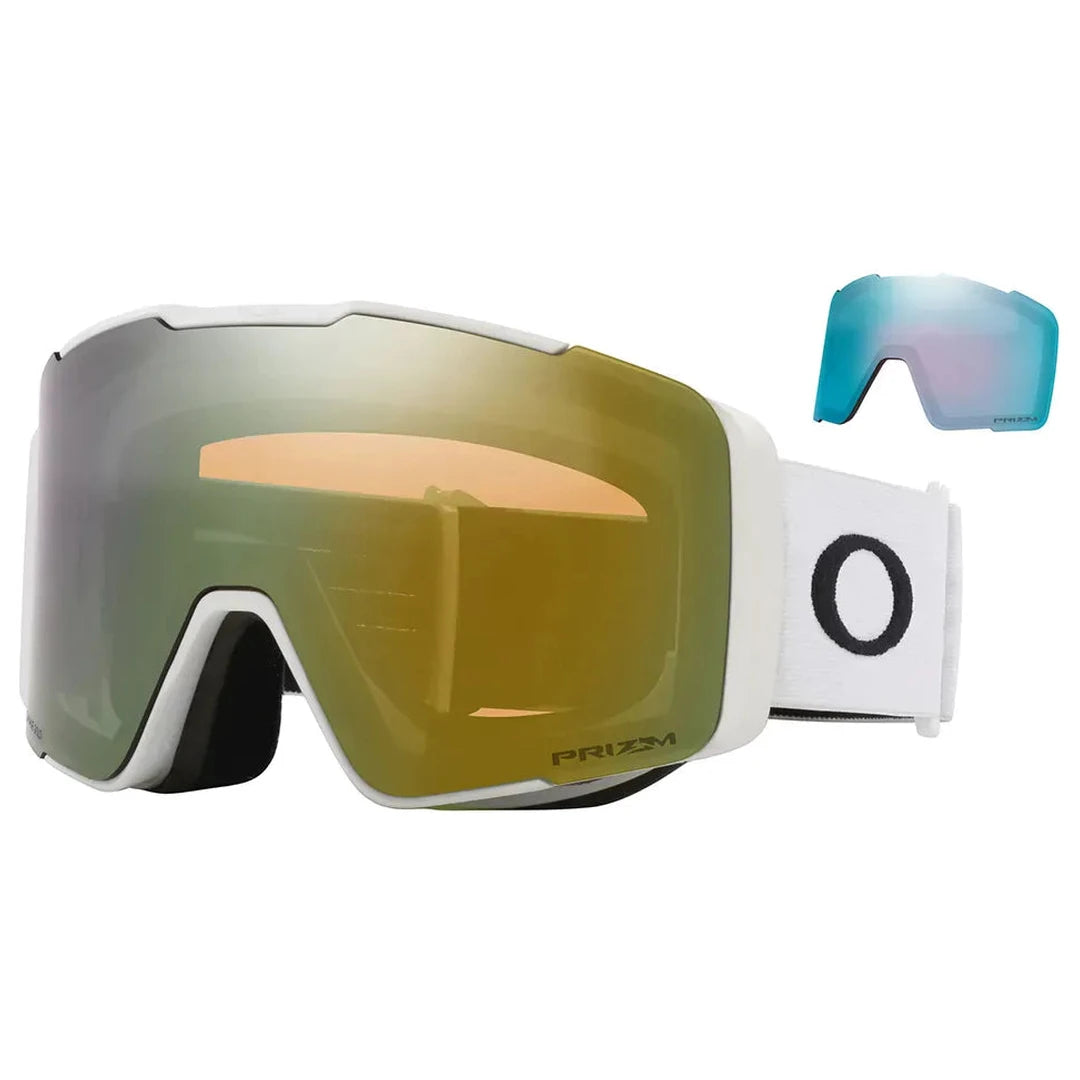
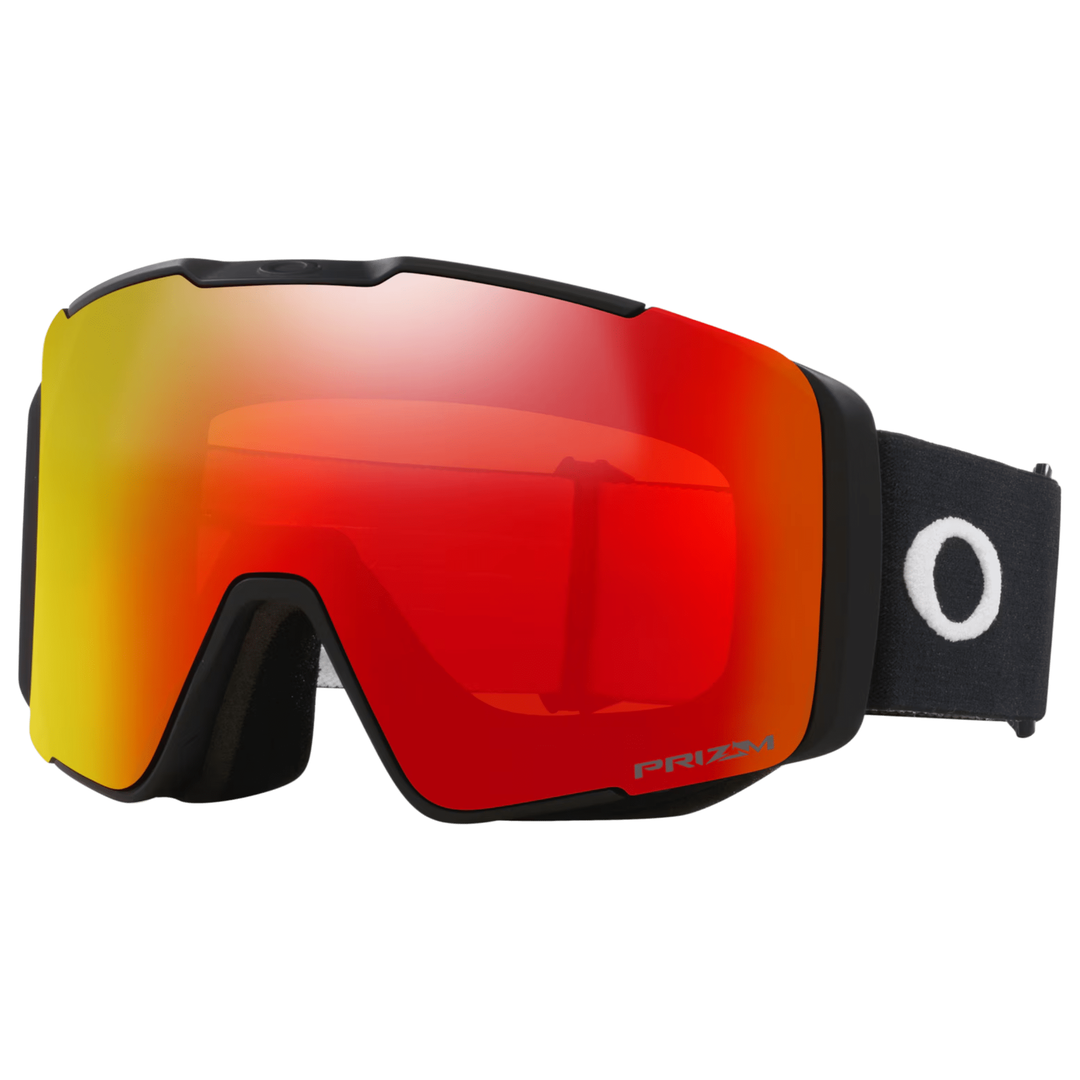
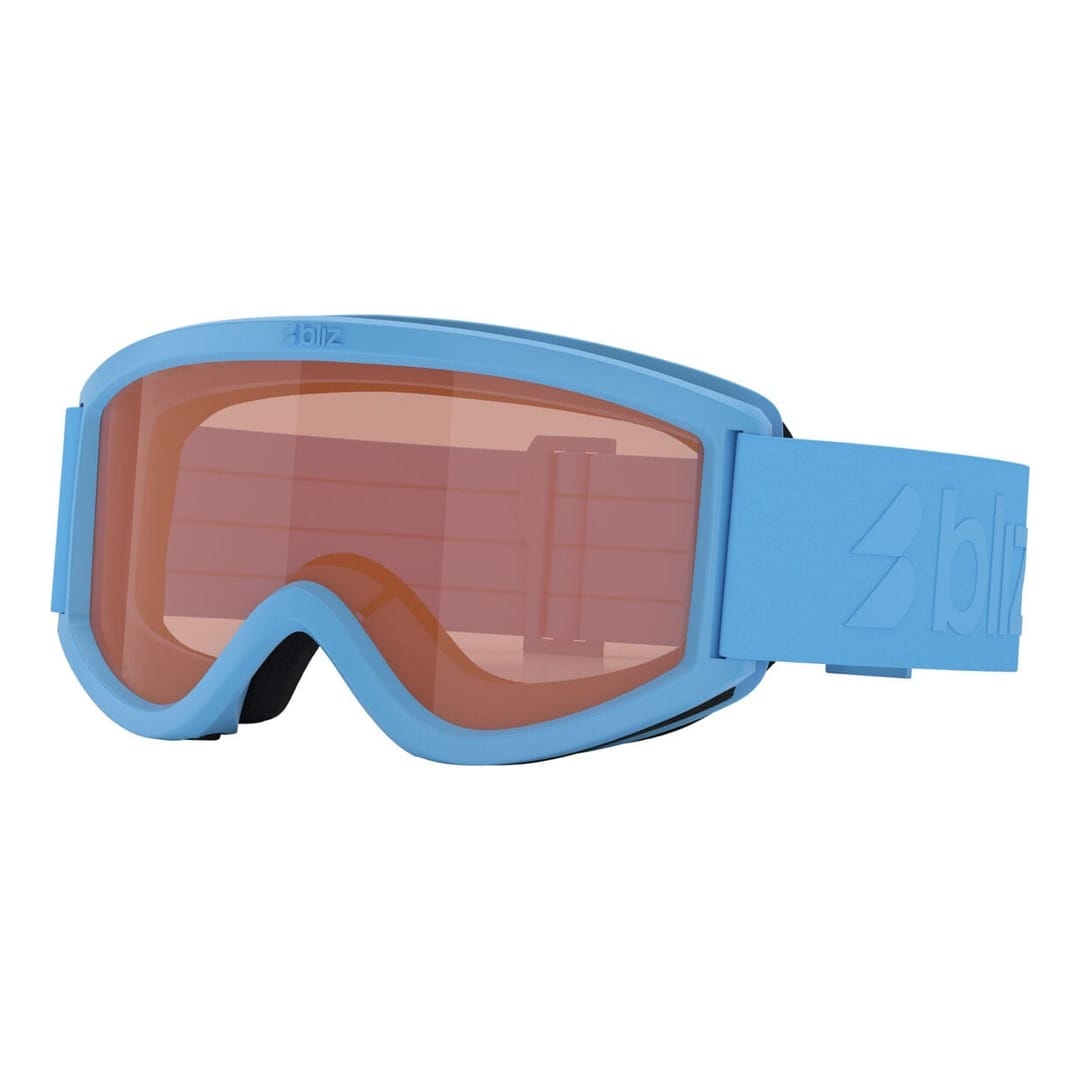
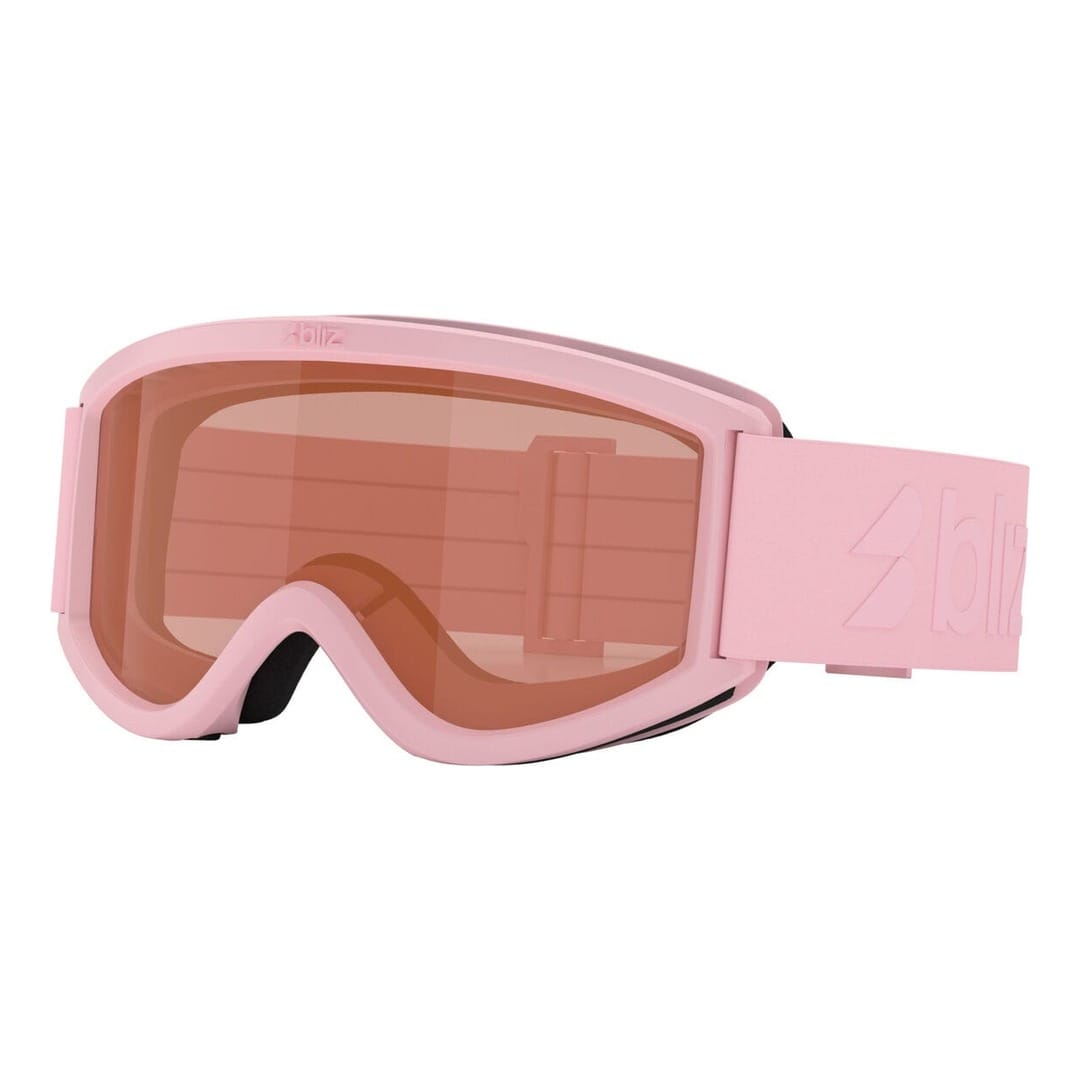
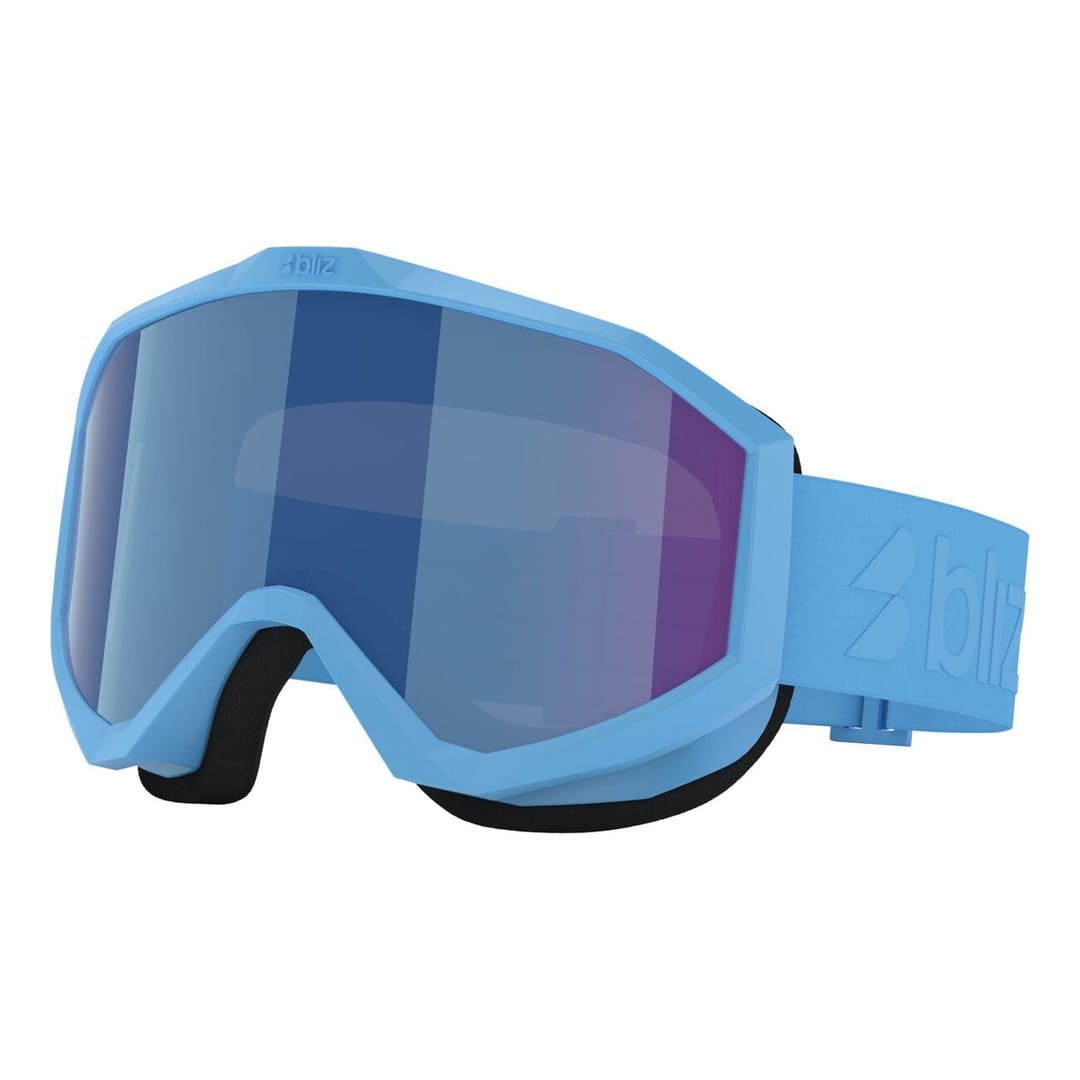
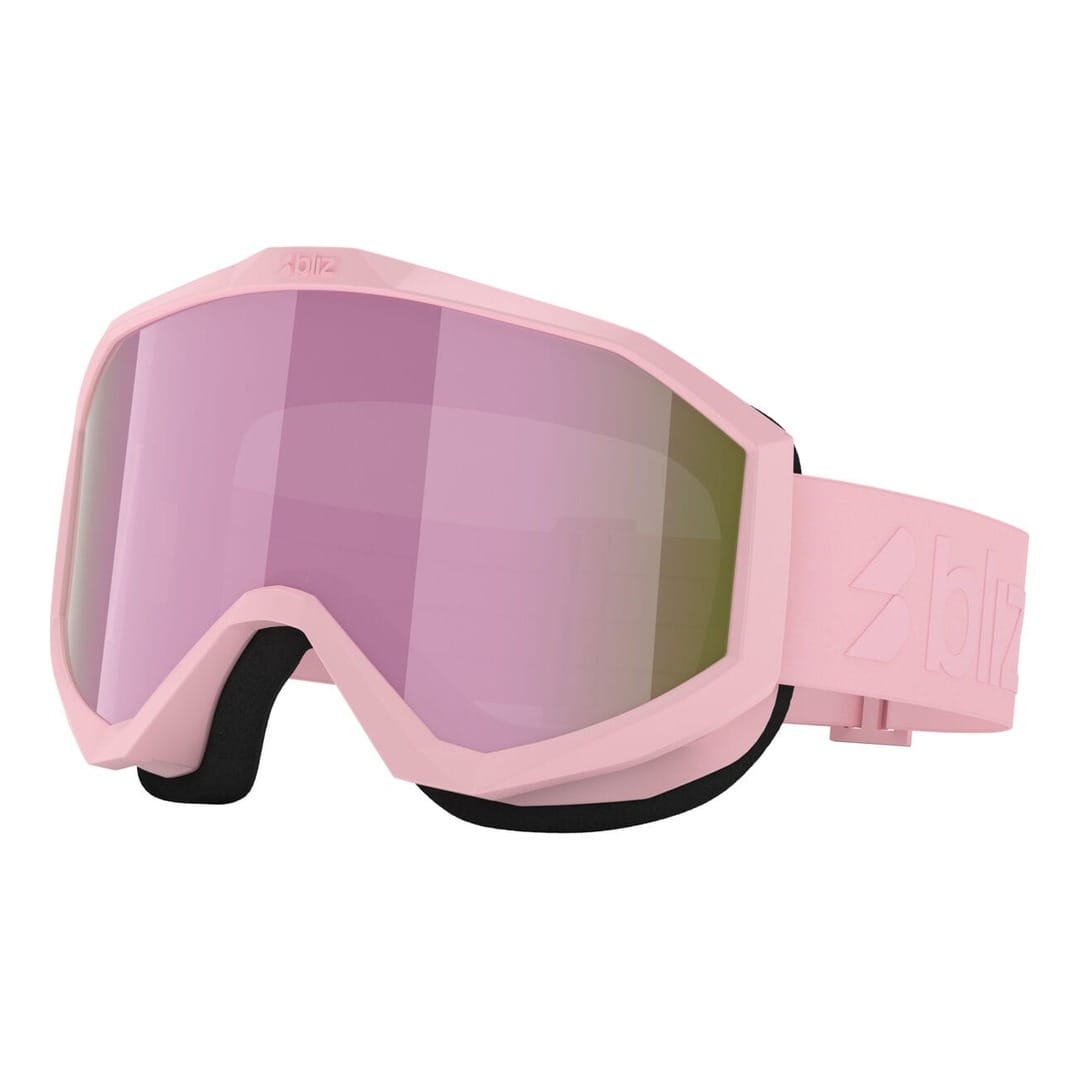
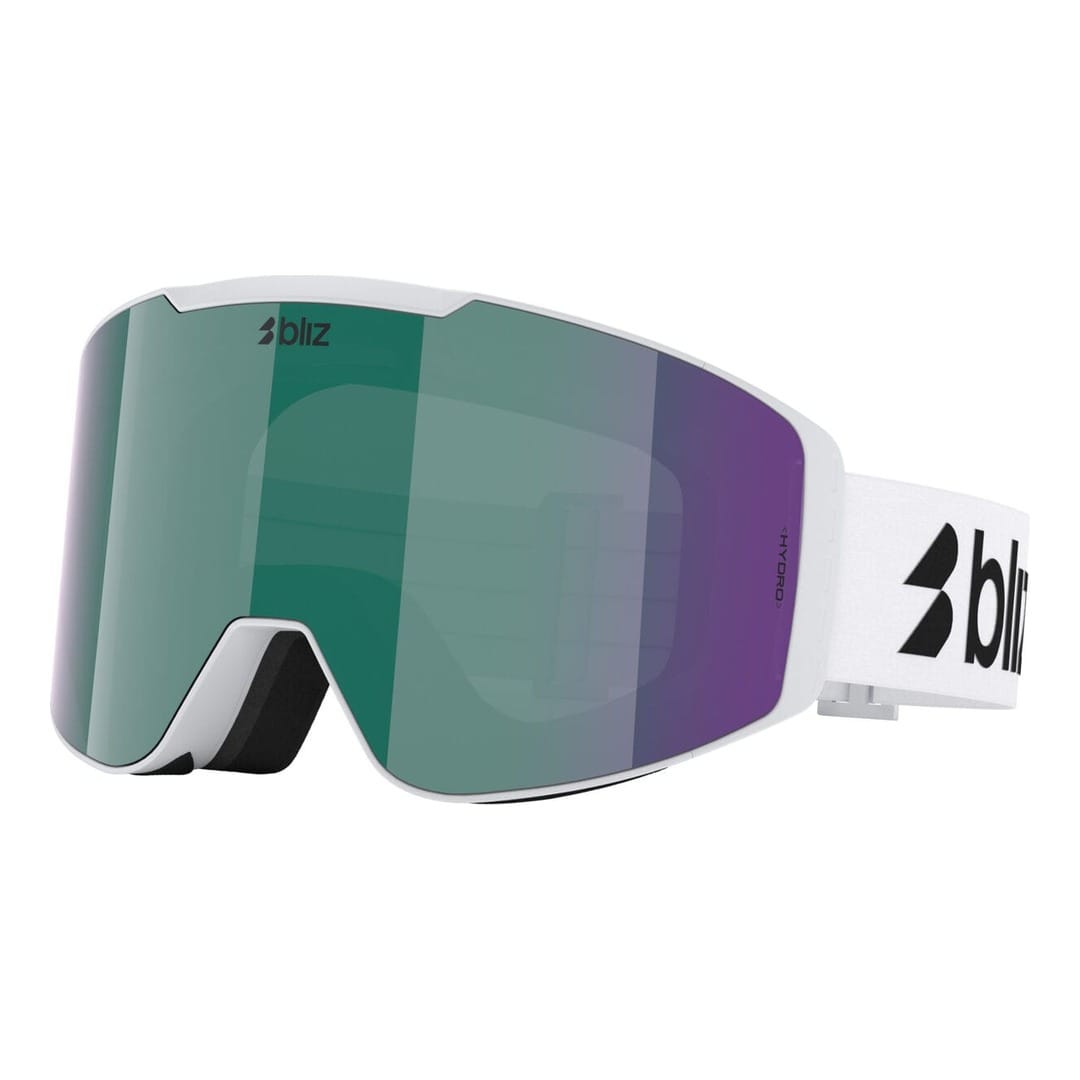
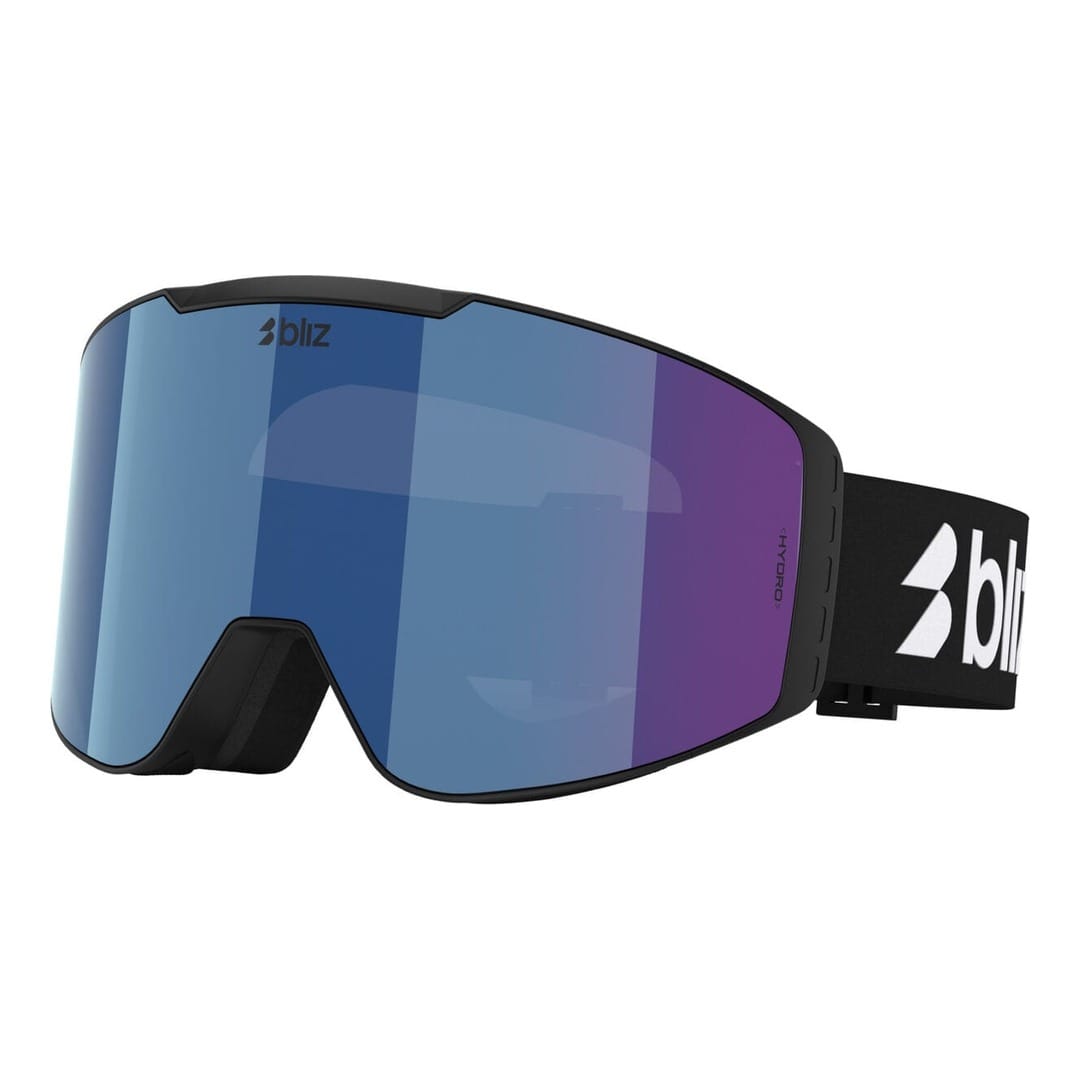
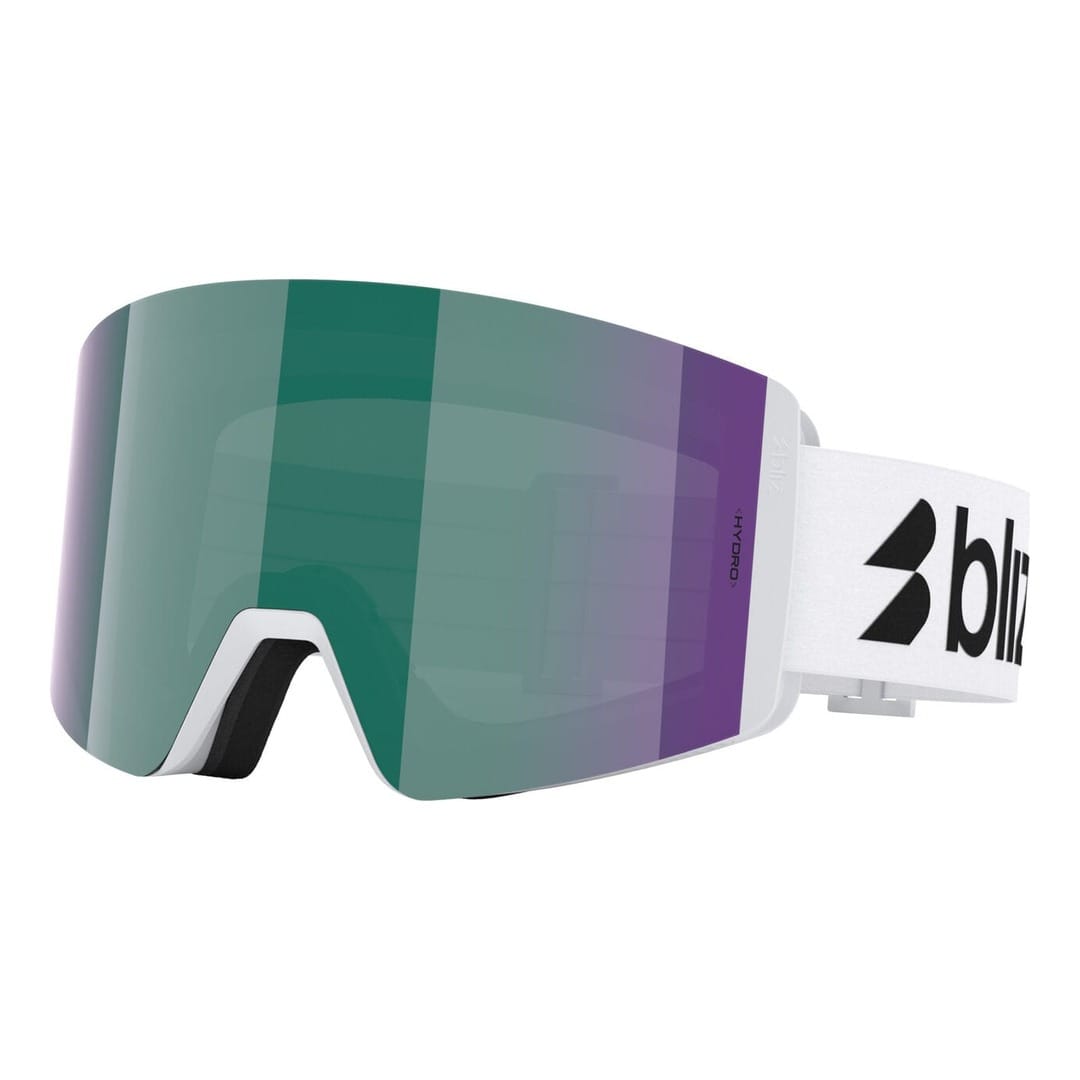
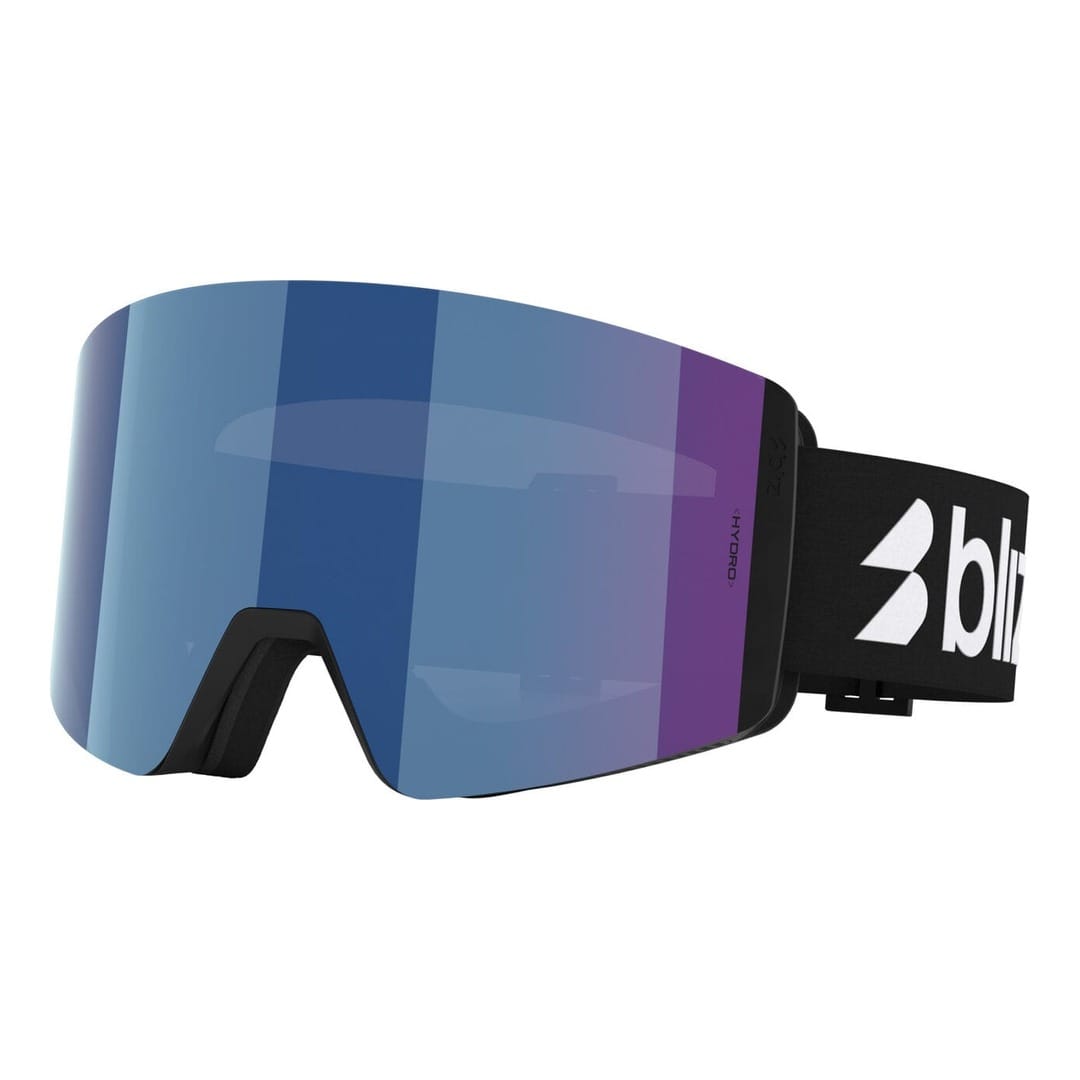
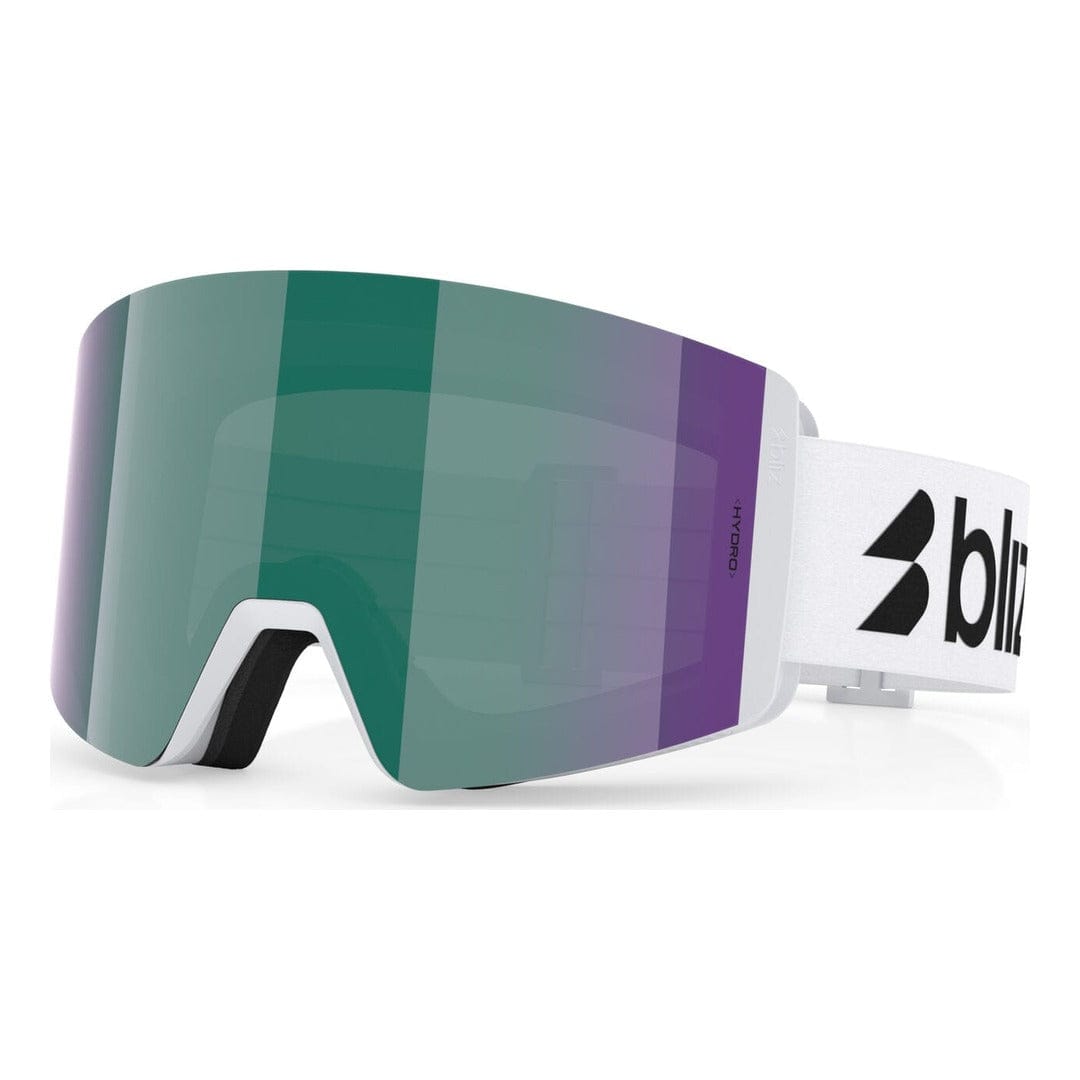
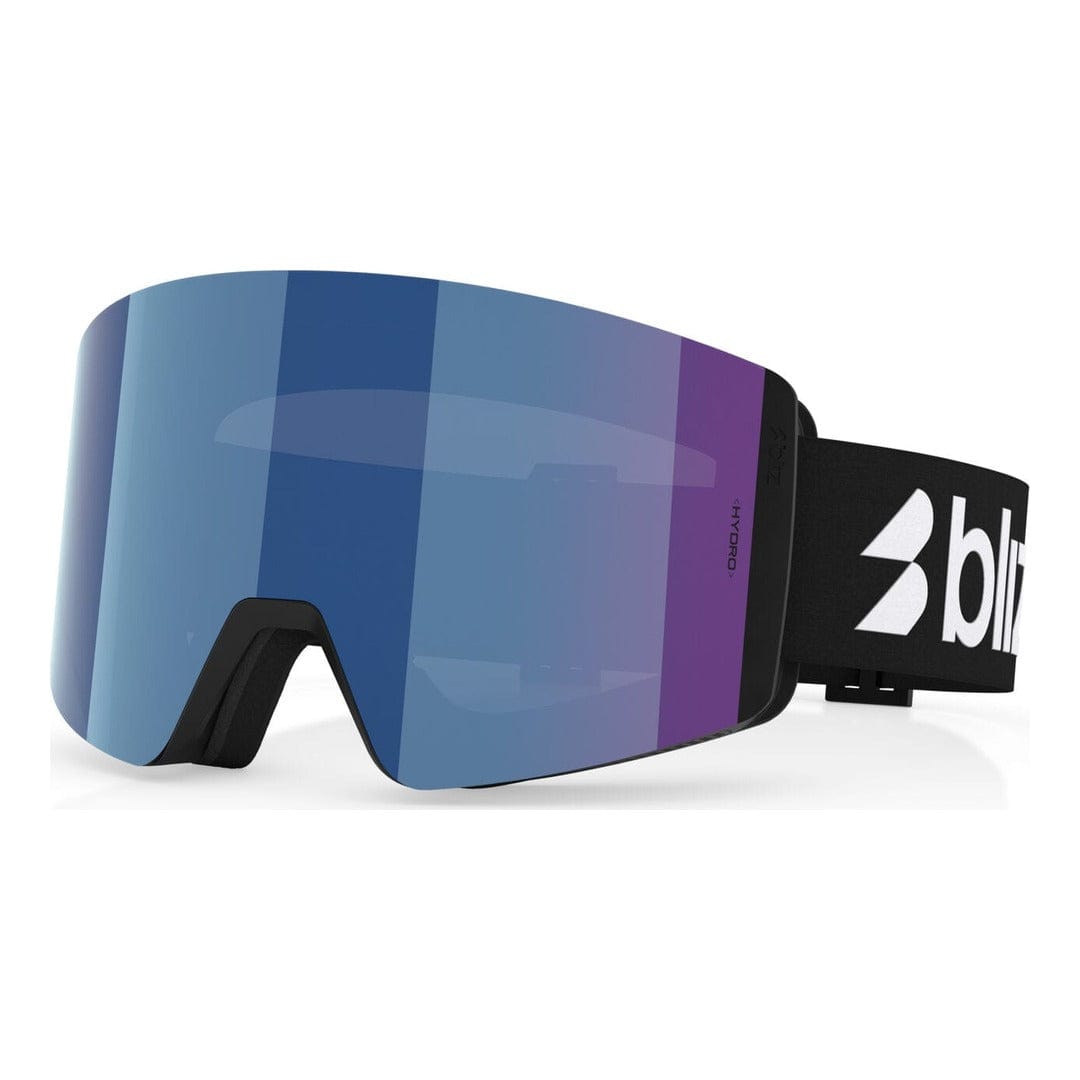


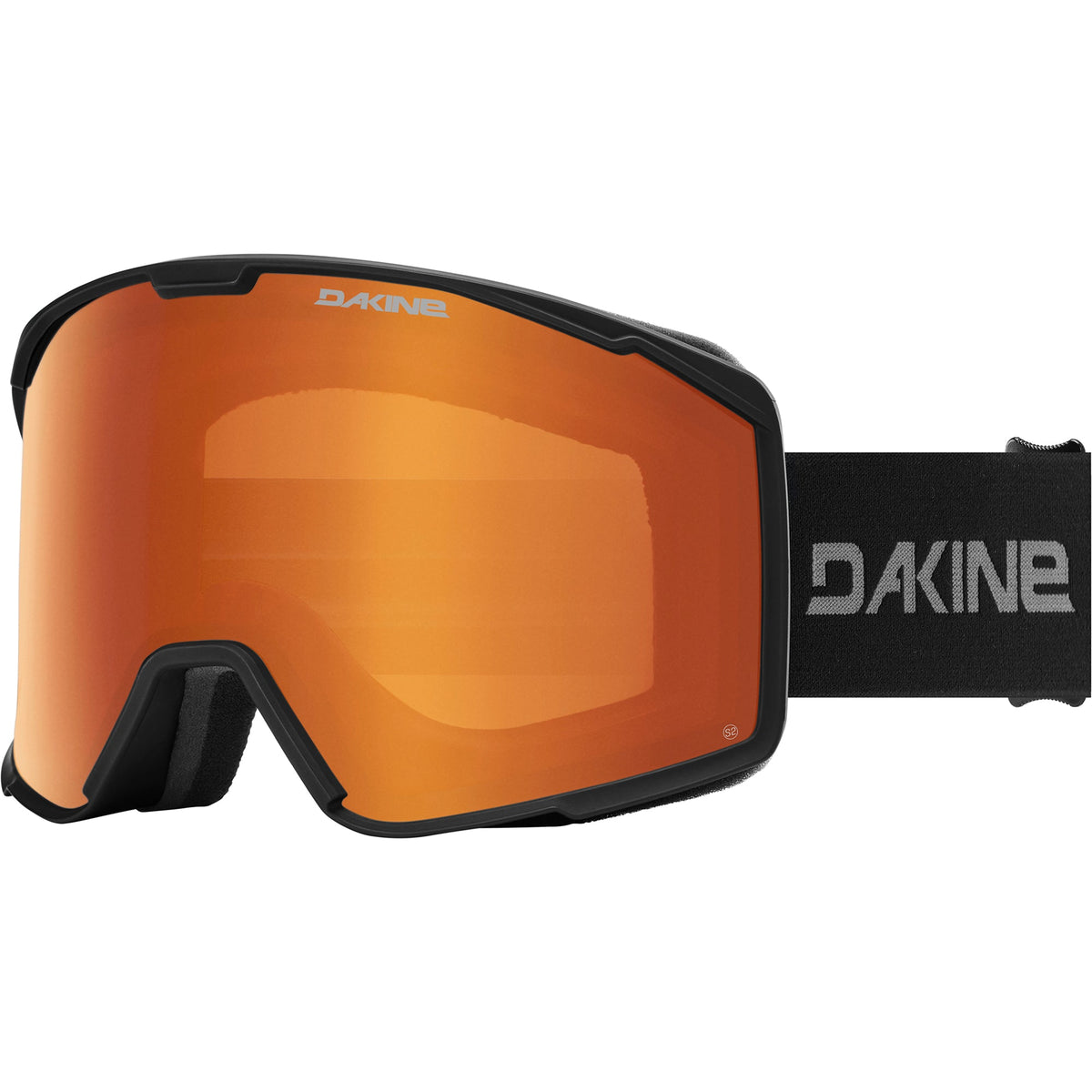
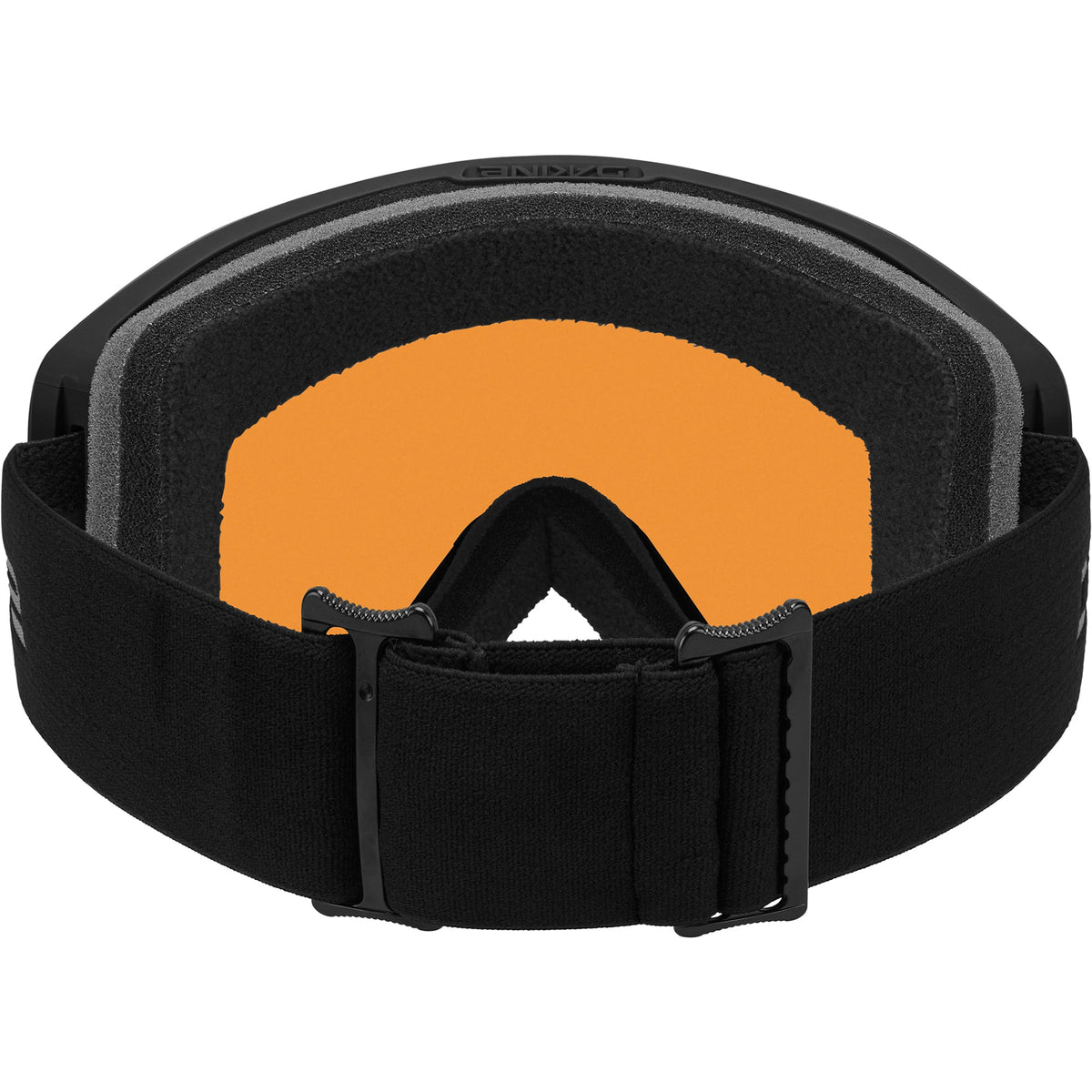
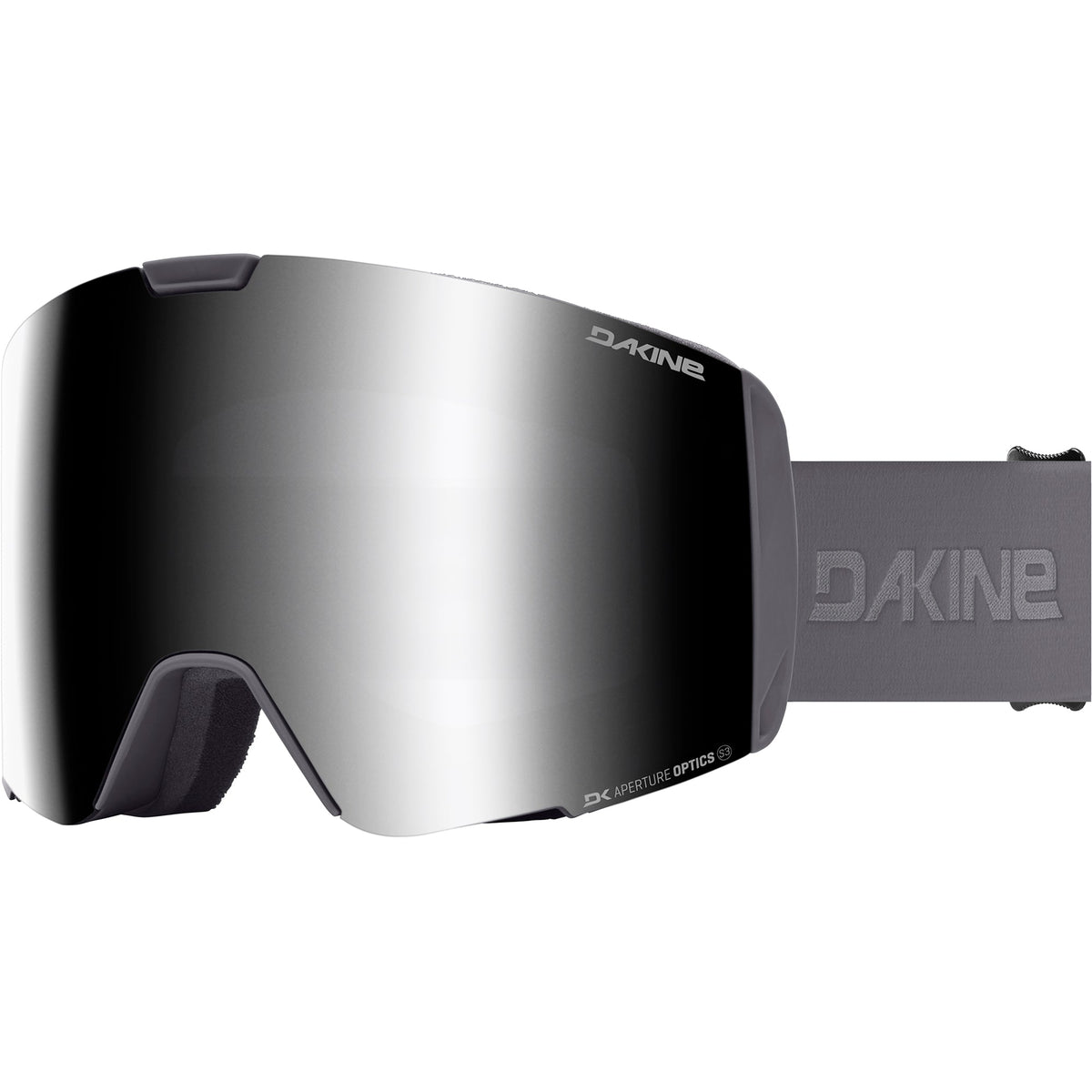

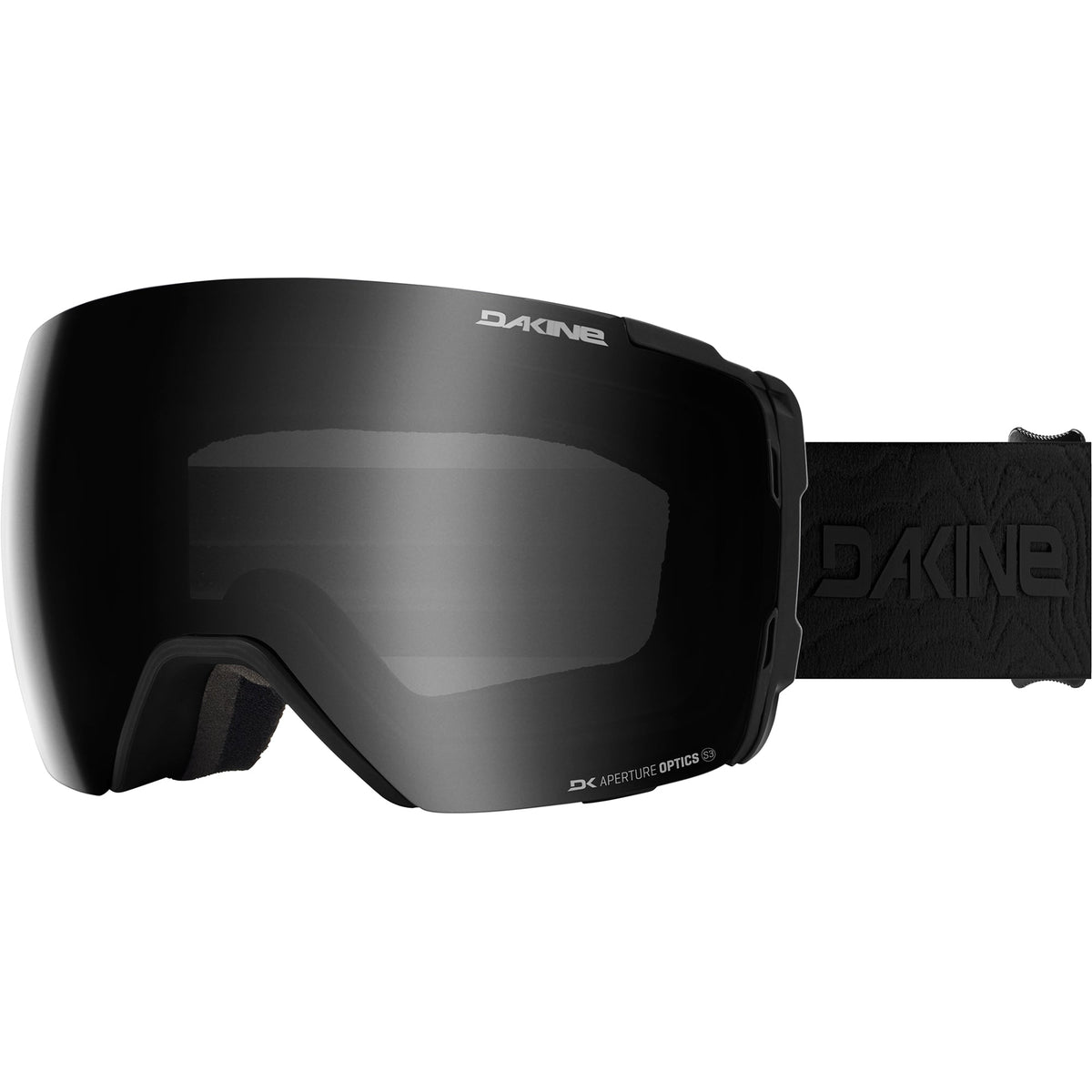
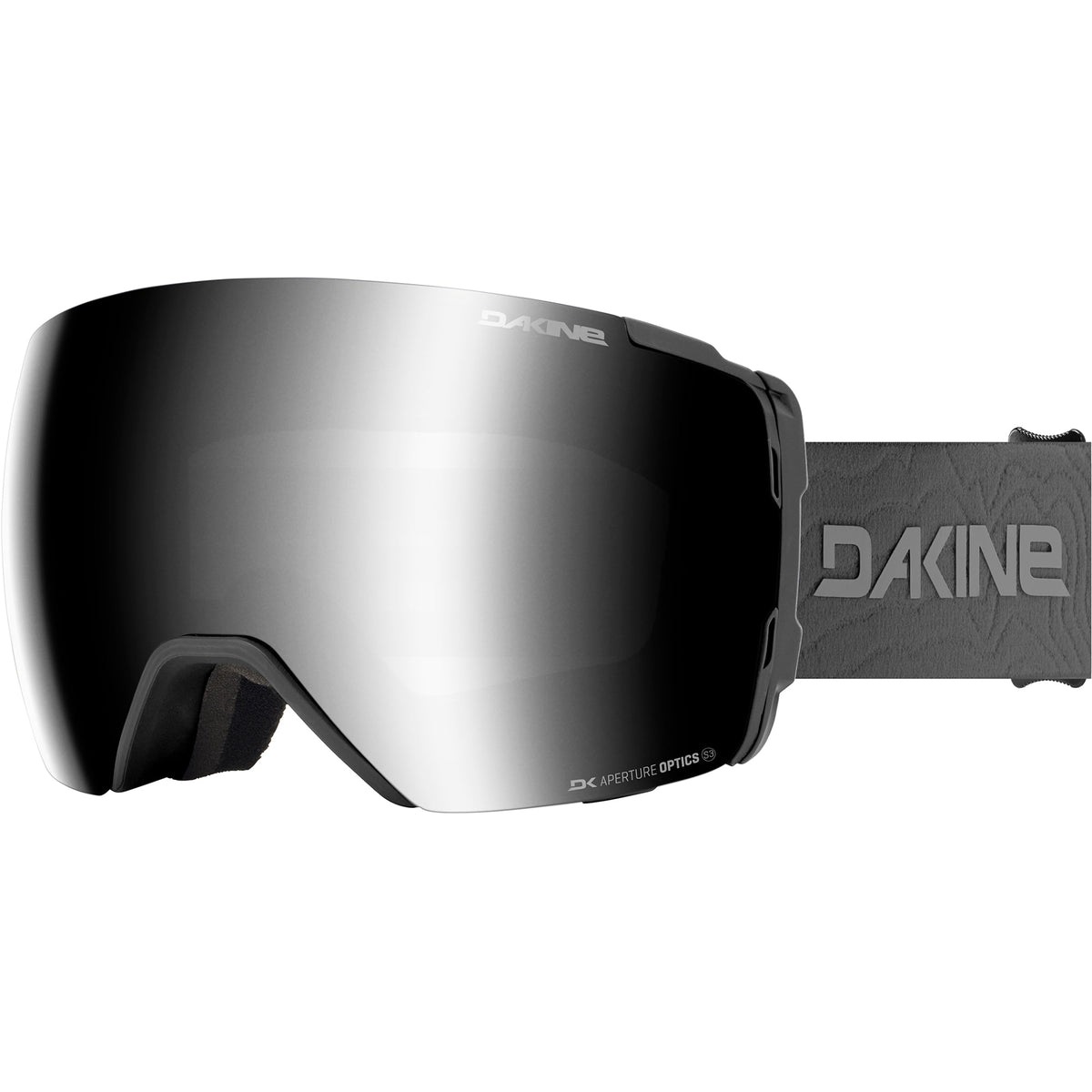
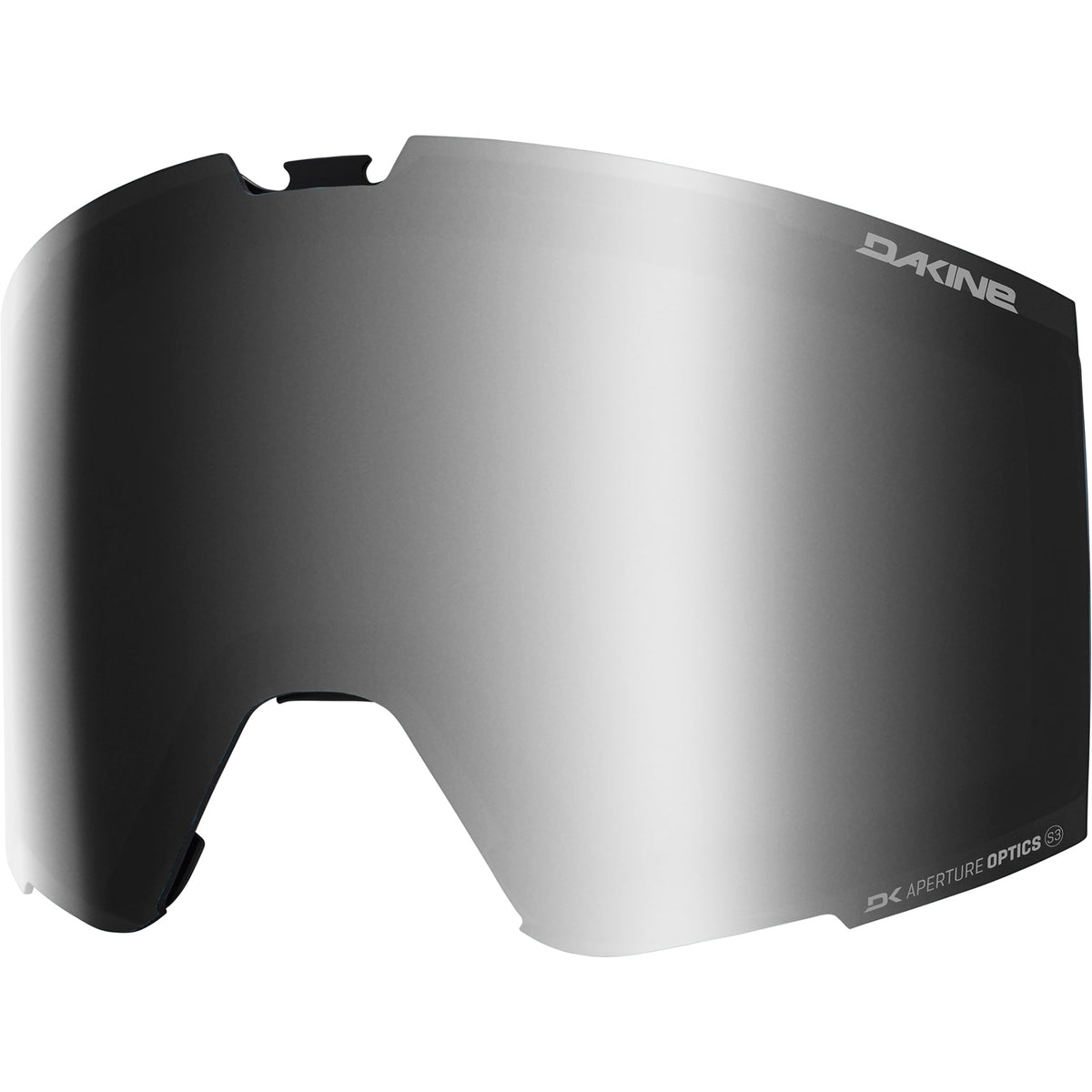
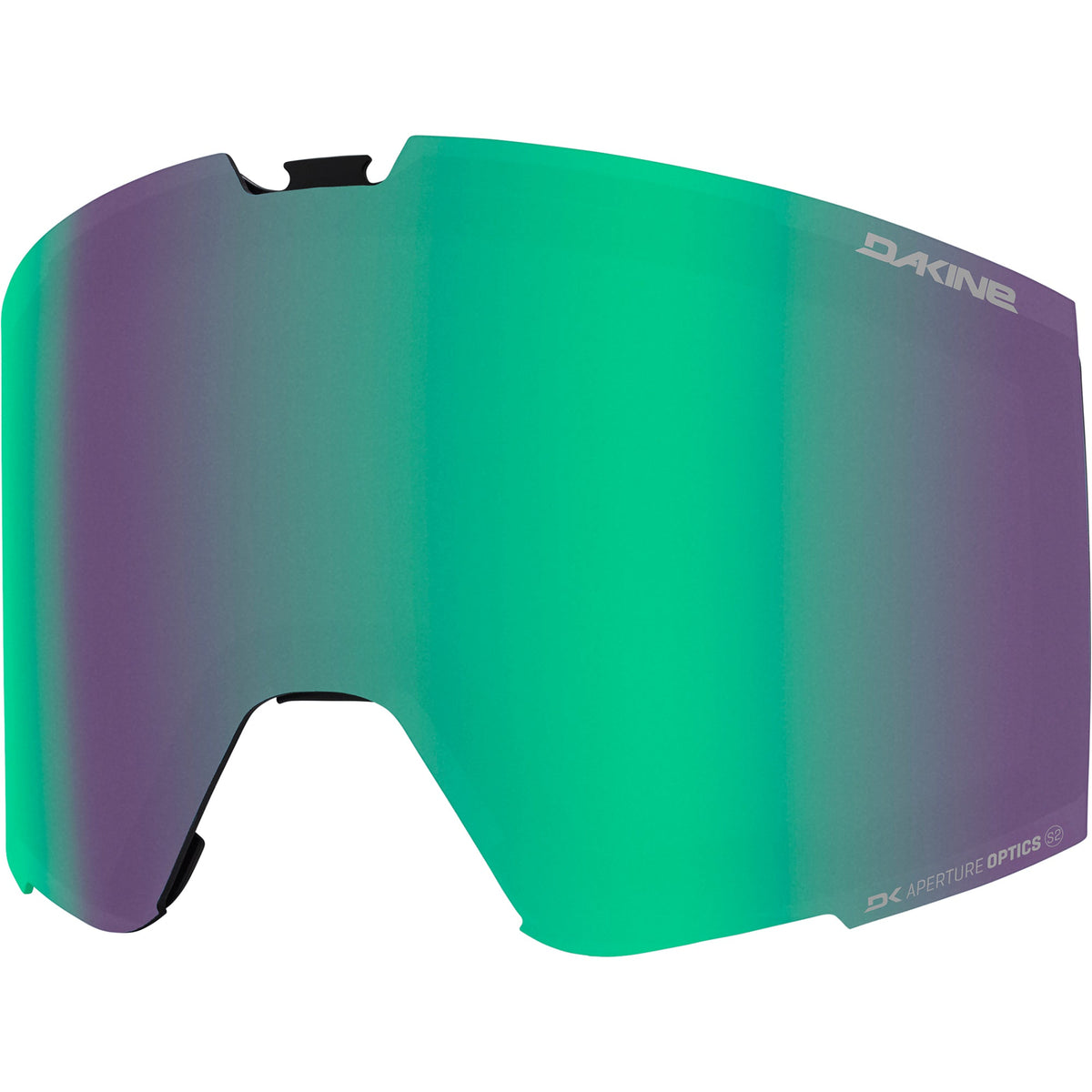
Clear vision is safety on the mountain, and good goggles are what give it to you. The right pair protects your eyes from UV, wind and glare, keeps your view sharp in changing light, and resists fogging so you can ride confidently. Matching the lens to the conditions and the fit to your face and helmet makes all the difference.
This collection covers snowboard and ski goggles from trusted brands, with a range of lens tints, frame sizes and fit options. From bright bluebird days to flat light and snowfall, there is a lens and fit to suit how and where you ride.
Not sure which lens or fit you need? The guide below explains it. Browse the range below, or see the full snowboarding collection to complete your kit.
Why Do Goggles Matter?
Goggles protect your eyes from UV, wind, cold and flying snow, and they sharpen the contrast of the terrain so you can read bumps and edges. Poor or fogged lenses flatten your view and tire your eyes, which is both uncomfortable and unsafe at speed. A good pair keeps your vision clear so you can focus on riding.
Understanding Lens Tint and VLT
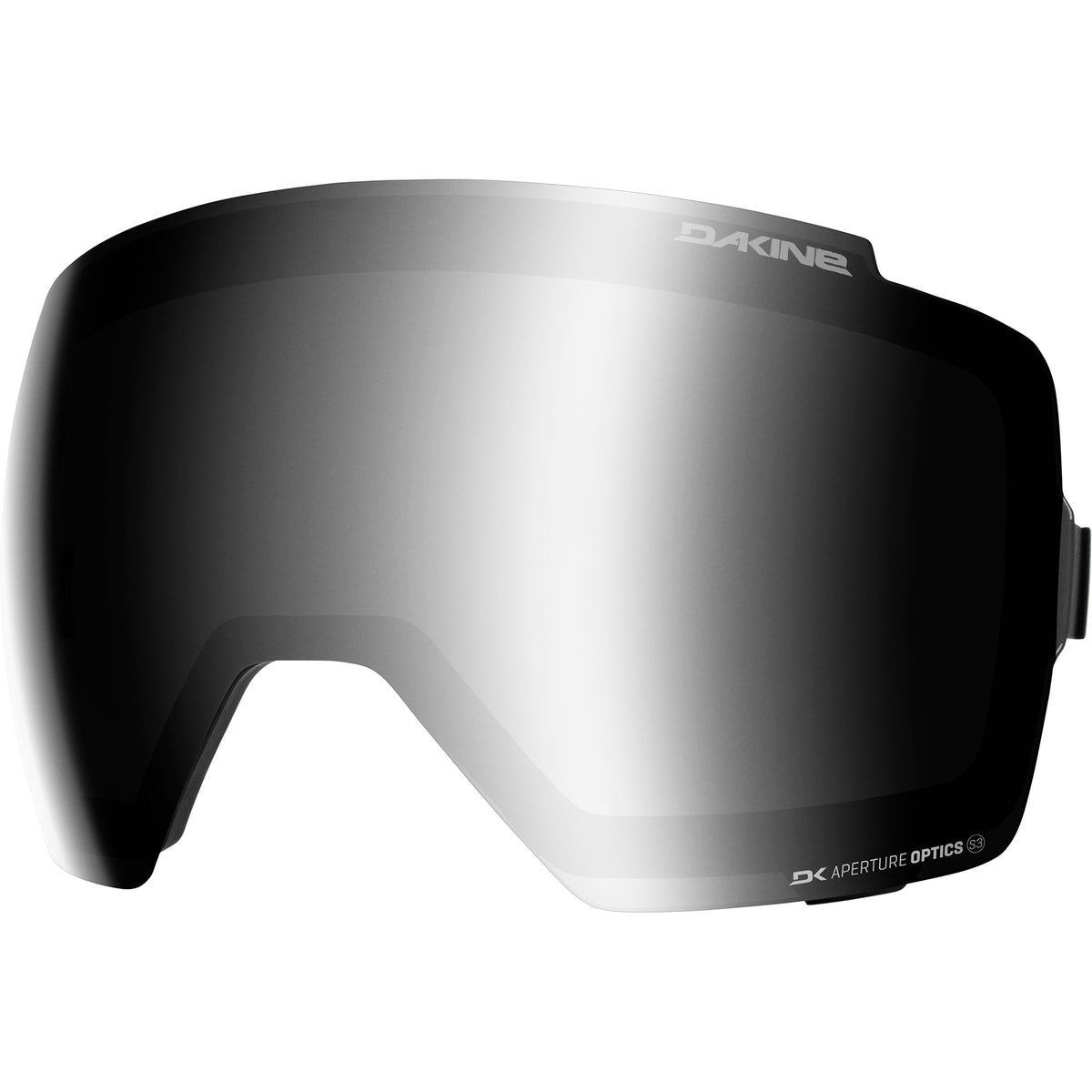
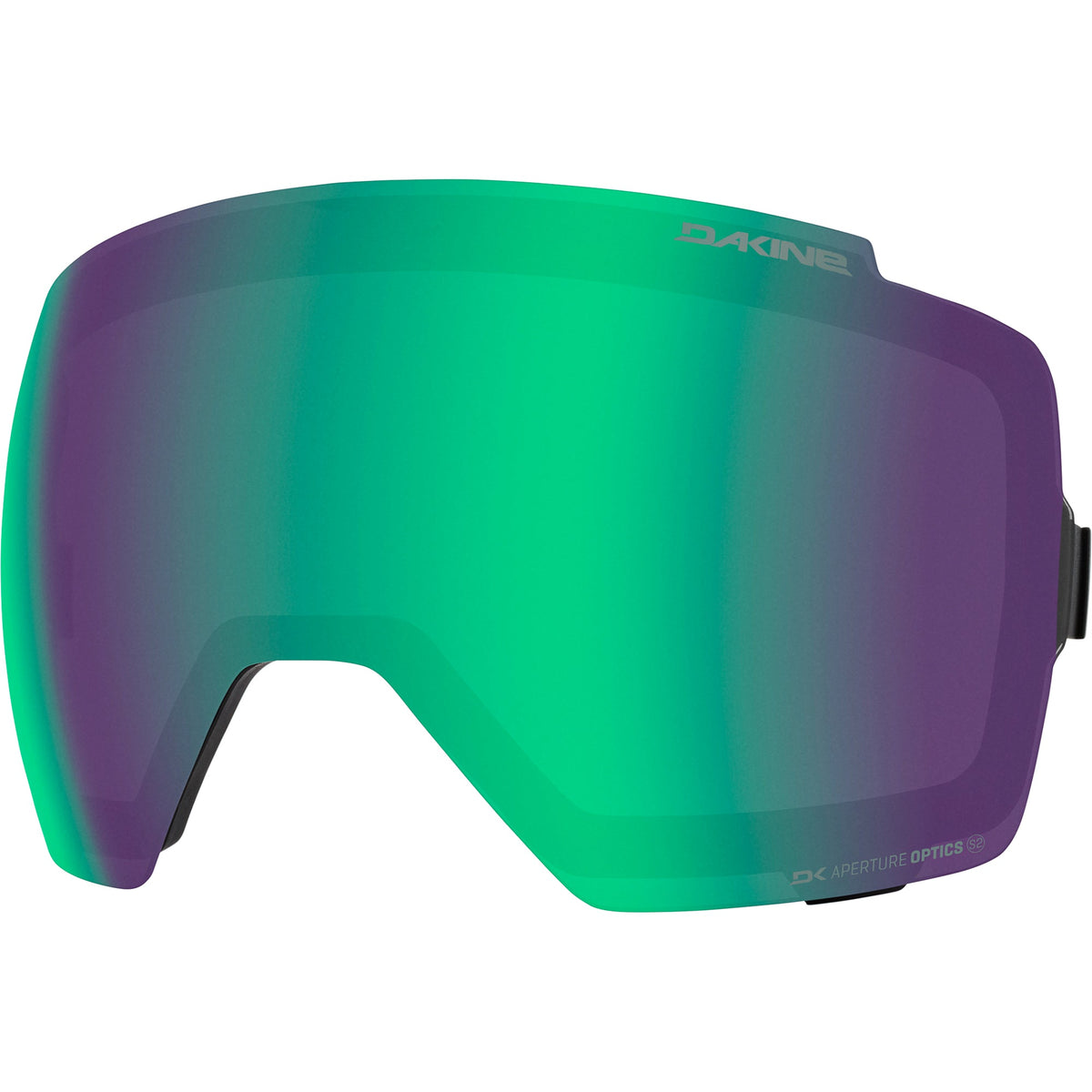
Lens tint is described by VLT, or visible light transmission, the percentage of light a lens lets through. This is the single most useful number when choosing a lens.
- Low VLT (dark lenses): for bright, sunny days
- Mid VLT: versatile for mixed and partly cloudy conditions
- High VLT (light lenses): for flat light, snowfall and overcast days, lifting contrast when it is dull
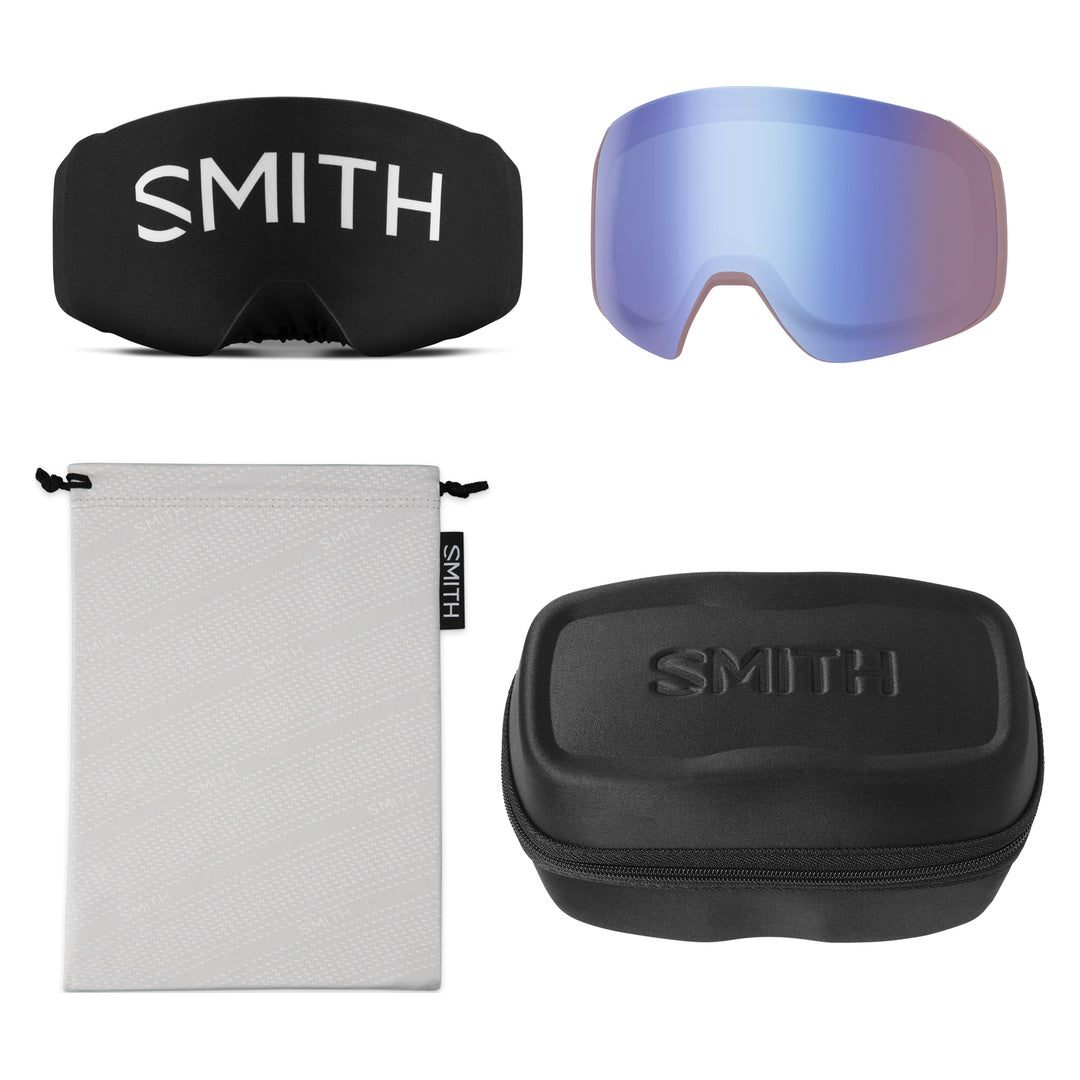
Many riders own two lenses, a dark one for sun and a light one for flat light, or choose an interchangeable system to swap as conditions change.
Lens Shapes
Lens geometry affects optics and field of view.
- Cylindrical: curves across the face only, good value with solid optics
- Spherical: curves across and vertically for a wider view and less distortion
- Toric: a refined curve that blends spherical optics with a sleeker look
Spherical and toric lenses tend to give a wider, clearer view, while cylindrical lenses offer great value.
Fighting Fog
Fogging is the most common goggle frustration. Double lenses with an air gap, anti-fog coatings and good venting all help keep lenses clear. A fit that lets air flow, and not tucking the goggle under a beanie that blocks the vents, also makes a big difference. Avoid wiping the inside of a lens when it fogs, as this can damage the anti-fog coating.
Fit, Helmets and OTG
Goggles should sit comfortably against your face with no gaps, and work with your helmet so there is no cold gap at the forehead.
- Frame size: choose a size to suit your face, from small to oversized
- Helmet compatibility: check the goggle pairs well with your helmet
- OTG: over-the-glasses designs have channels to fit spectacles underneath
A secure, gap-free fit keeps you warm, comfortable and seeing clearly.
UV Protection
Snow reflects a lot of UV, so full UV protection is essential at altitude. Quality goggles block UV regardless of tint, so even a light flat-light lens still protects your eyes. Never judge protection by how dark a lens looks.
Caring for Your Goggles
Careful handling keeps lenses clear.
- Let goggles air-dry, and never wipe the inside when wet
- Use the soft bag they come in to clean and store the lens
- Avoid leaving them on your forehead, where they fog and scratch
- Store dry and out of direct heat
Treating the anti-fog coating gently is the key to goggles that stay clear.
How Much Do Goggles Cost?
Price depends on lens technology, optics and features. Entry-level goggles cover the basics, mid-range goggles add better lenses and anti-fog, and premium goggles bring spherical or toric optics and quick-change lens systems. Spending more usually buys clearer optics, better fog resistance and the flexibility to swap lenses. For regular riders, interchangeable lenses are a worthwhile feature.
Why Buy Your Goggles from Surface2Air Sports?
We have supplied snow sports riders since 2002, in store and online.
- Goggles from trusted snow brands
- Lens tints for sun, mixed and flat light
- Cylindrical, spherical and toric options
- Helmet-compatible and OTG fits
- Honest advice on lenses and fit
Whether you need a sunny-day lens or an all-conditions setup, we can help you choose. Pair your goggles with Oakley goggles options or the wider snow wear range.
Interchangeable Lens Systems
Mountain light changes constantly, and interchangeable lens systems let you keep up with it. These goggles make swapping lenses quick, often with magnetic or clip fittings, so you can fit a dark lens for a bluebird morning and switch to a bright, high-contrast lens when cloud rolls in. Many come with two lenses in the box, which is excellent value and means you are never caught out by flat light part way through the day.
Caring for the Foam, Strap and Lens
Goggles last longer with gentle handling. Let them air-dry after a wet day rather than wiping the inside, which can damage the anti-fog coating, and use the soft bag they come in to protect and clean the outer lens. Keep the face foam dry between uses, and avoid leaving goggles pushed up on a warm forehead or helmet, where they fog and scratch. Stored dry and out of direct heat, a good pair stays clear for many seasons.
Getting the Fit Right with a Helmet
Goggles and helmet should work as a pair. The top of the goggle frame should meet the helmet with no gap at the forehead, which keeps you warm and looks right, and the strap should sit around the helmet to stay secure. Try the combination together where you can, since a good fit means no cold spots, no pressure points and a clear, comfortable view all day.
Frequently Asked Questions About Goggles
What lens tint do I need?
Use the VLT figure: dark lenses for bright sun, light lenses for flat light and snowfall, and mid tints for mixed conditions.
What does VLT mean?
Visible light transmission, the percentage of light a lens lets through. Lower VLT is darker for sun, higher VLT is lighter for dull days.
How do I stop my goggles fogging?
Choose double lenses with anti-fog coatings and good venting, keep the vents clear, and never wipe the inside of the lens when wet.
What is the difference between cylindrical and spherical lenses?
Cylindrical lenses curve across the face and offer great value, while spherical lenses also curve vertically for a wider, clearer view.
Do goggles work with helmets?
Most do, but it is worth checking the goggle and helmet pair without a gap at the forehead for warmth and comfort.
Can I wear glasses under goggles?
Yes, with OTG goggles, which have channels designed to fit spectacles underneath comfortably.
Do light lenses still protect against UV?
Yes. Quality goggles block UV regardless of tint, so a light flat-light lens still protects your eyes.
Let customers speak for us
the whole exercise

item as dscribed, looks fantastic

As described and looks fantastic. thank you
My first board and binding set up after using hire equipment for over a year. These will take some getting used to but step in and strap is a vast improvement. Large to size 12UK looks like it only just fits across the toe strap.
S2AS are my go to online store for anything Snowboarding related and as they say any query just pick up the phone and speak to Ollie (who sounds a lot like Jamie Lang)

Wait for snow
Loved the service in the shop Ollie was very helpful and a pleasure to deal with. Recommend highly
Kind regards
Matt

2026 Slingshot KTV EverShred Wakeboard Bindings

Exceptionally quick delivery, would definitely recommend buying from this site

Hi my in store experience was fantastic from email to shop with your representative Ollie could not have been more polite & helpful
Once I’ve tried the bourd I will send further feedback
Hope your all well
Kind regards
Matt

We ordered a large amount of items that all arrived safely, we kept everything save two jackets which we ordered wrong, but the team were great, we sent them back and got a refund with no hassle. Will definitely use in the future!

Great graphics, good fit and quality

I purchased a wing that was 70% off and I am delighted with my new toy. I had it out today for the first time and despite only being a 2.8m wing, the power and control was amazing. It is so good that I am tempted to buy a bigger size to add to my collection. Thanks again S2AS for another great product for a bargain price 😊

Great carbonboard from Shinn and Raptor fin set at a good price from Surface2Air Sports. Delivered without any problems.

Really well made, super comfortable and love the carry wrap that they are supplied in. Much better than the usual drawstring bags that disintegrate. Best beach chair yet

Excellent item really pleased with it good delivery

2026 Mystic Patrol Boots wakeboard Bag