Twintips
Sort by
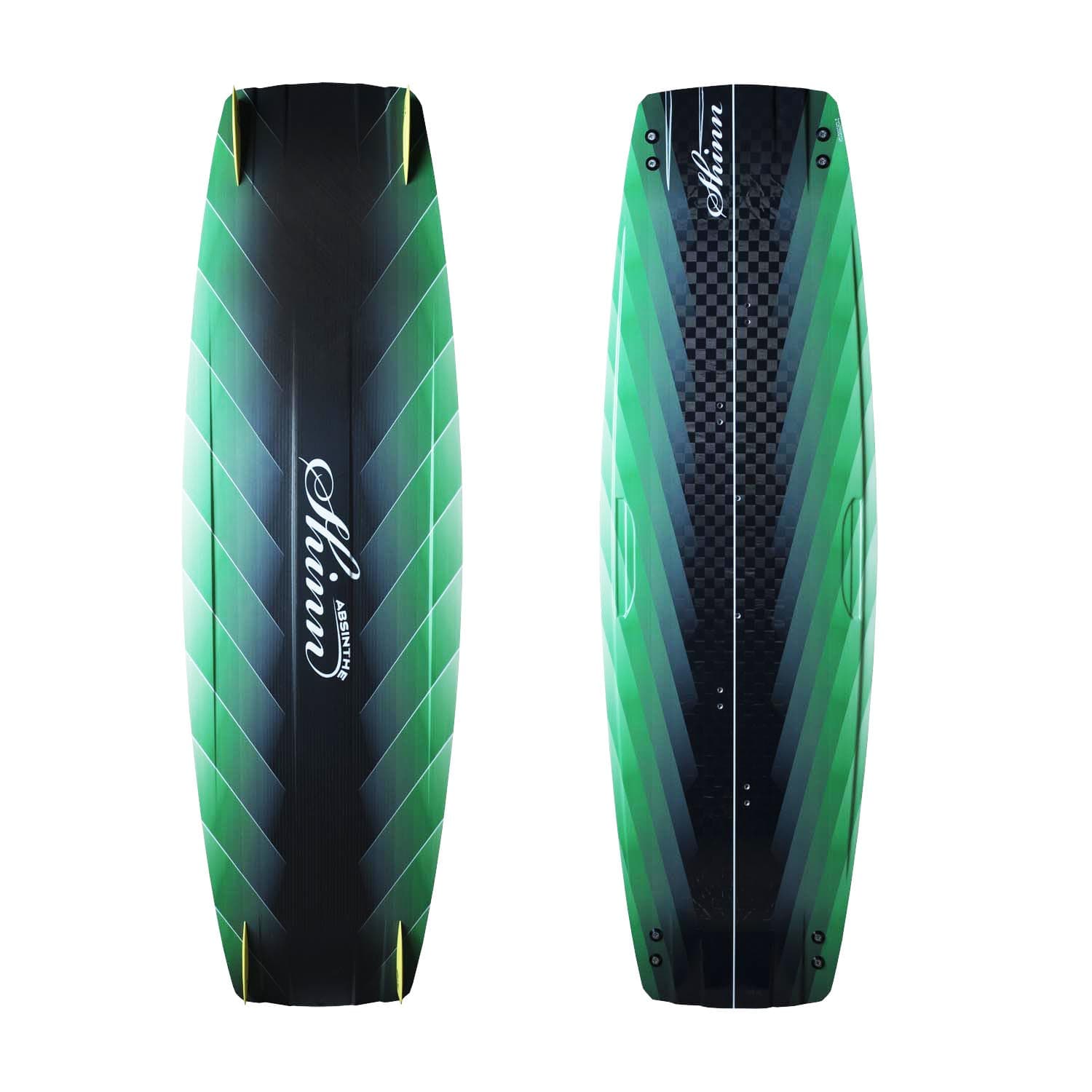
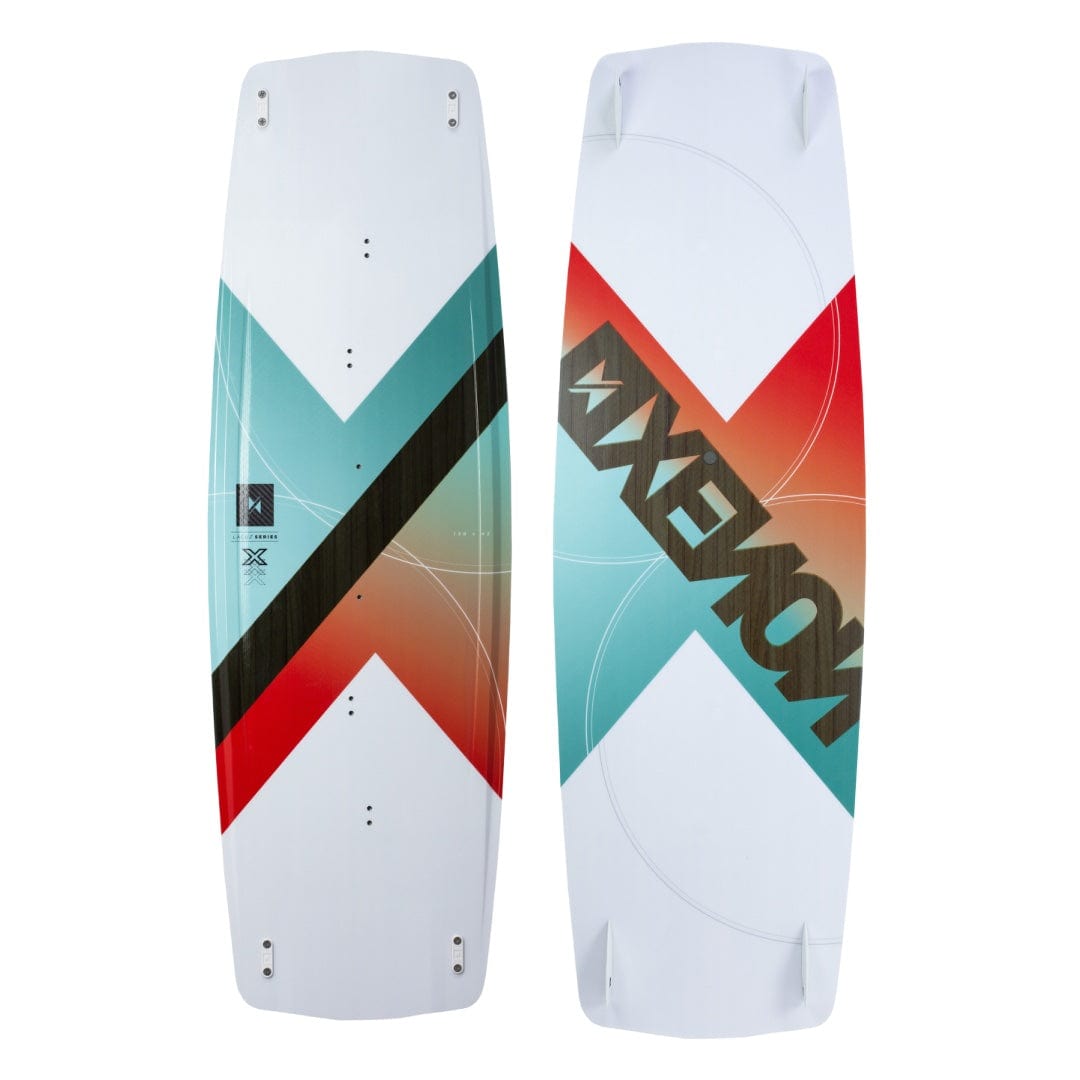
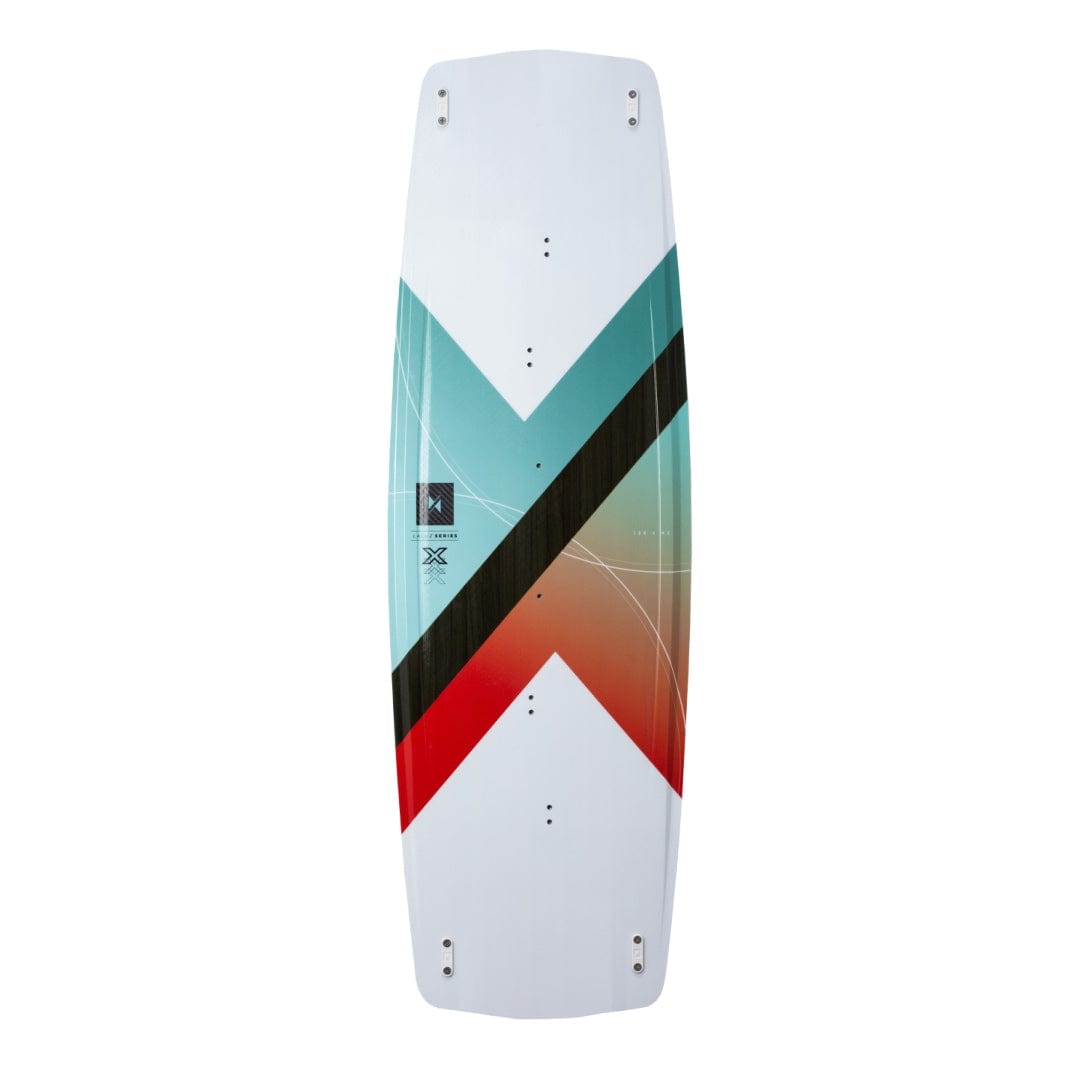
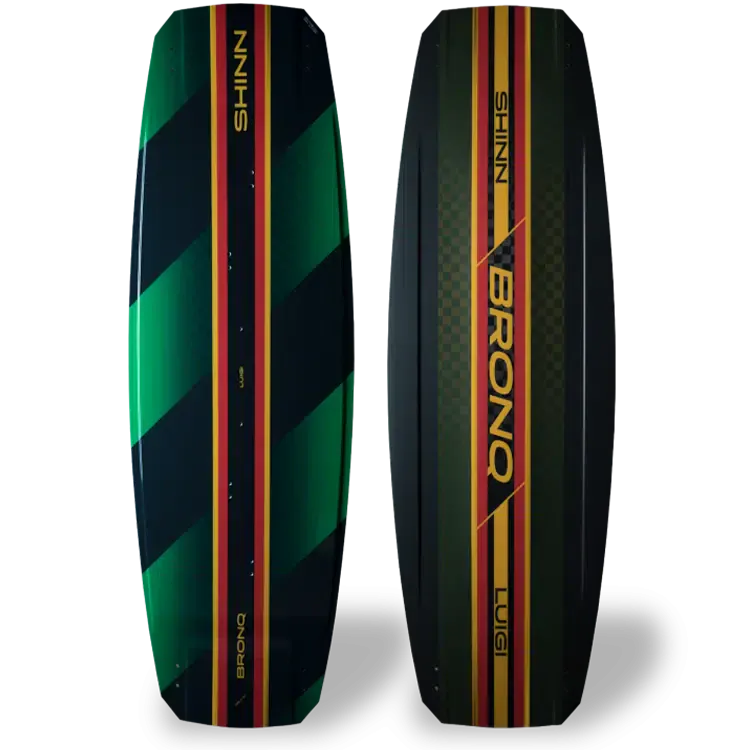
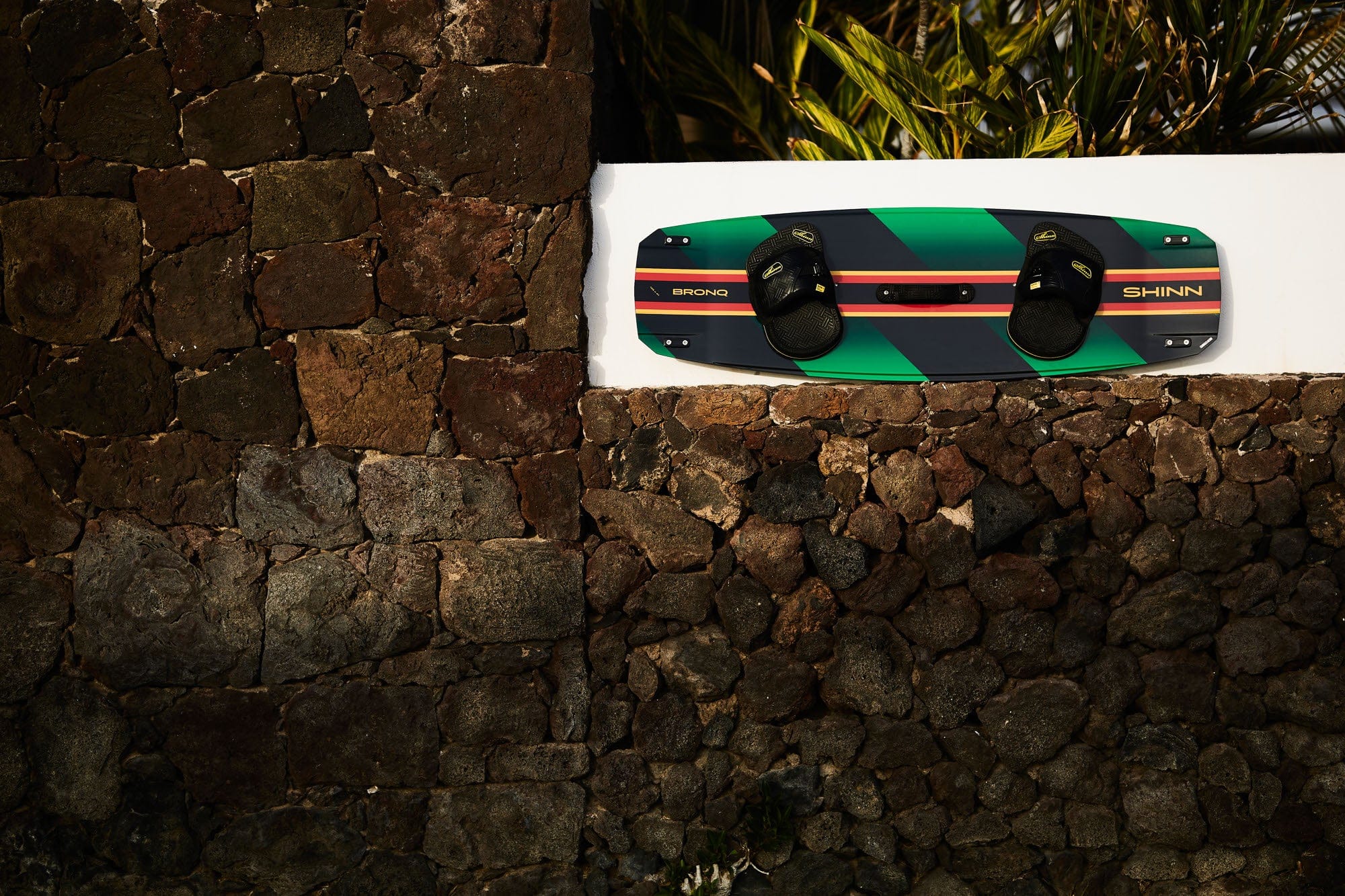
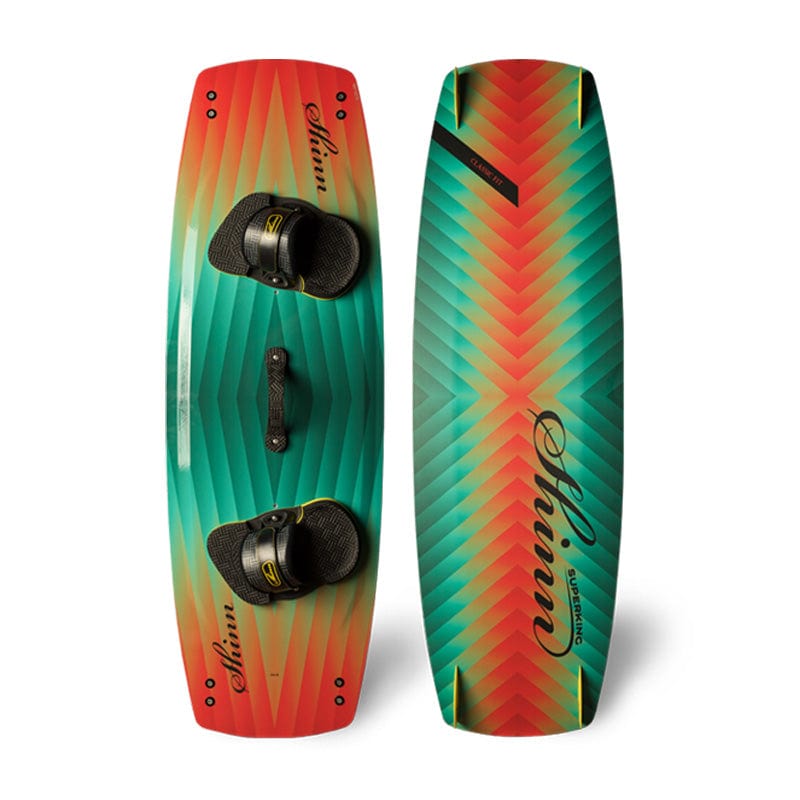
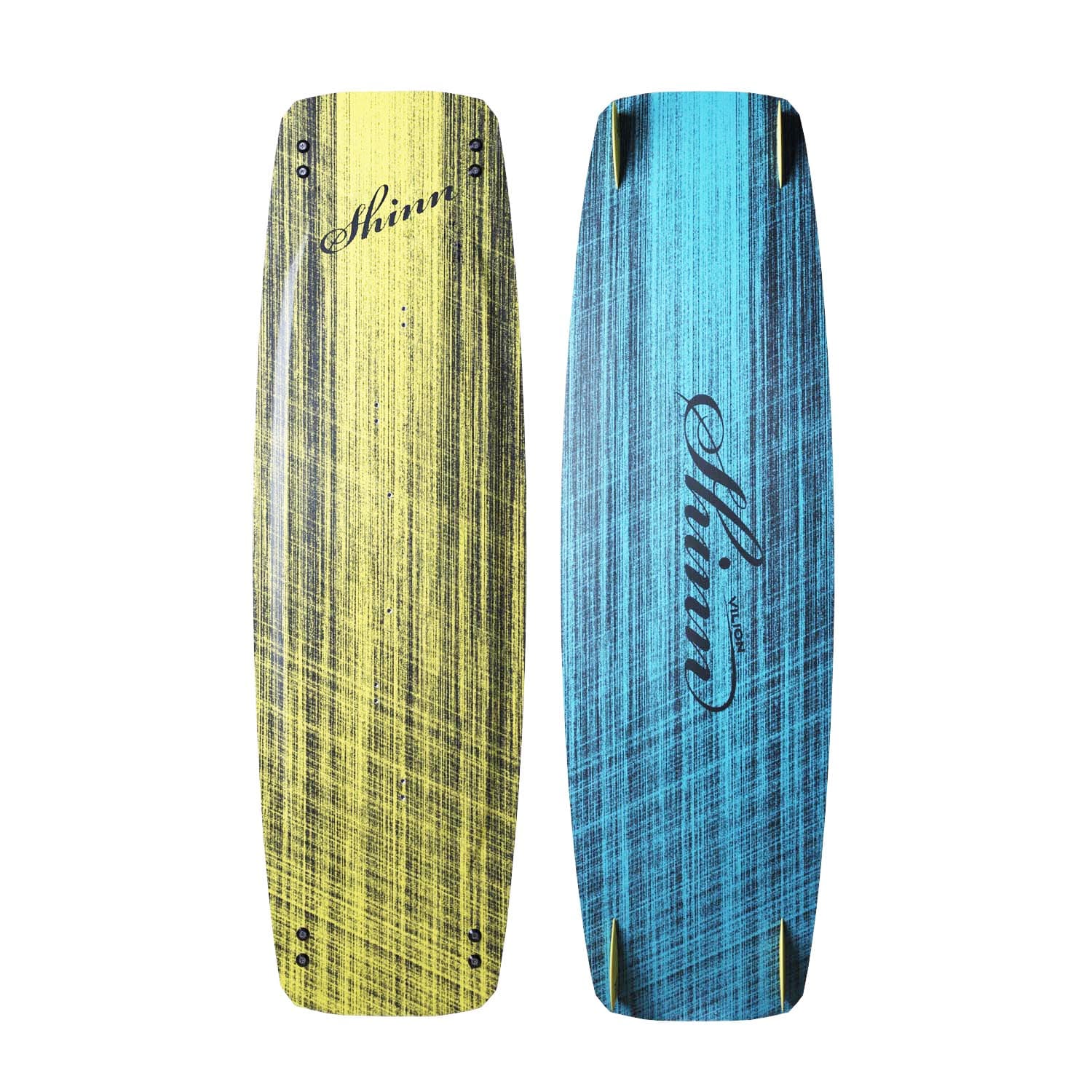
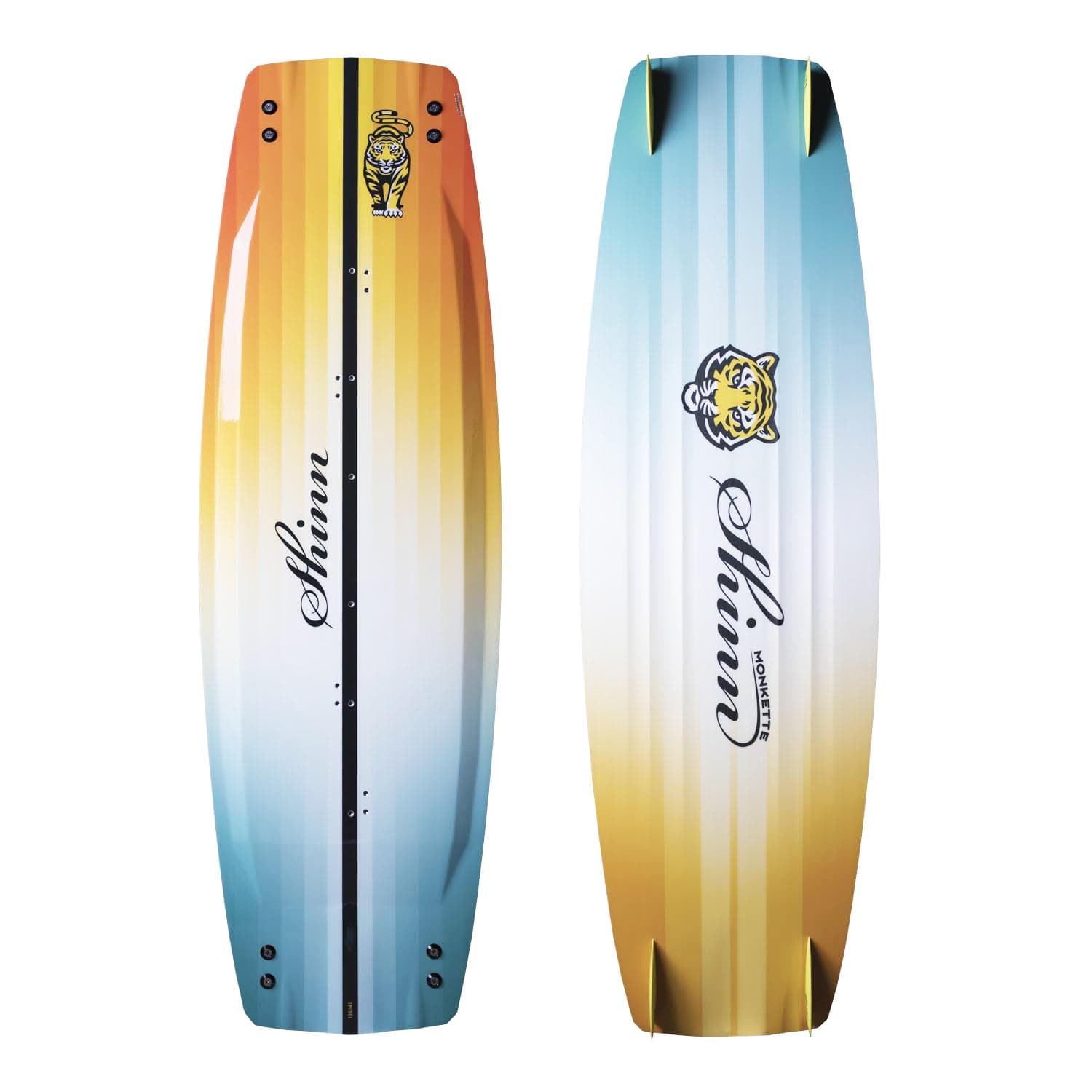
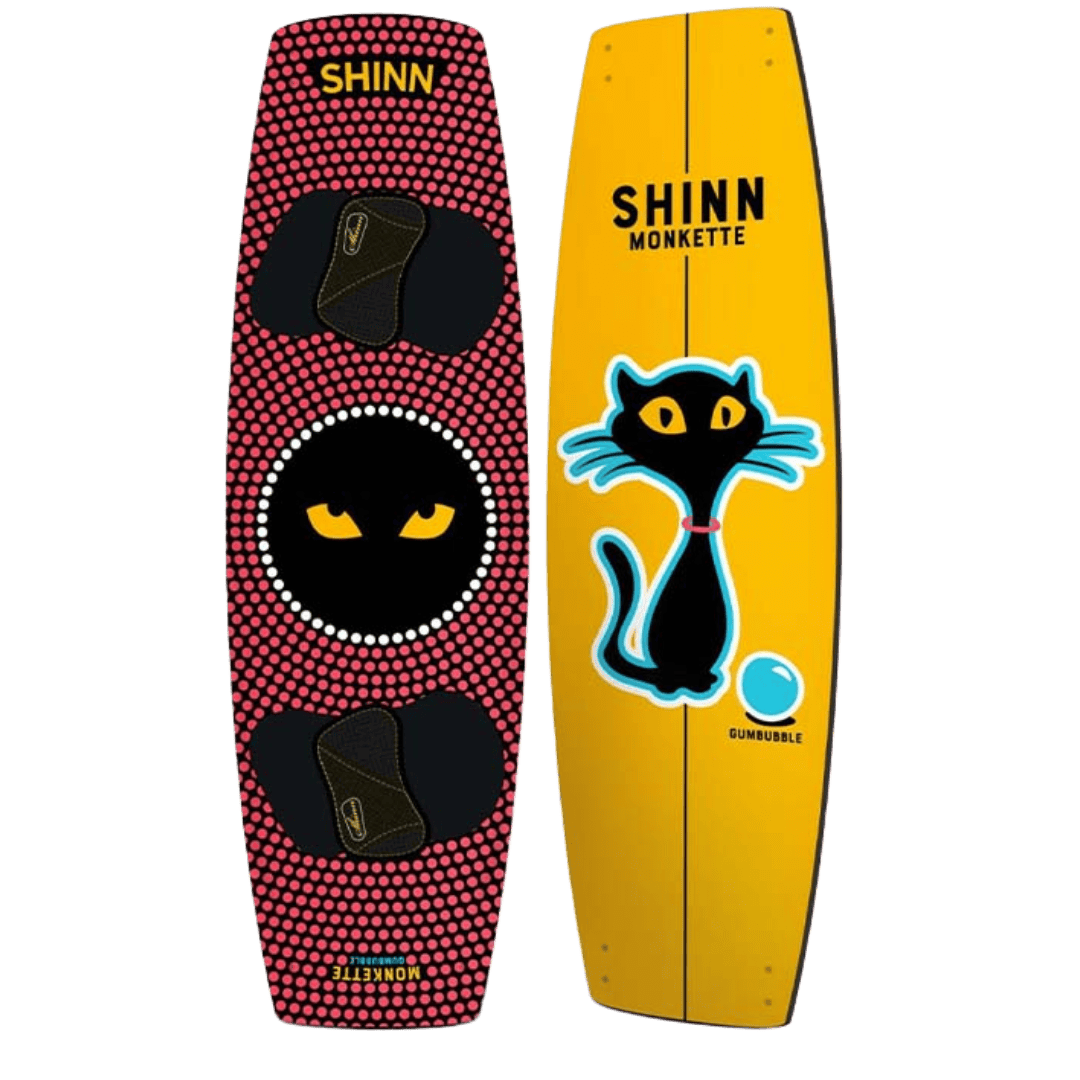
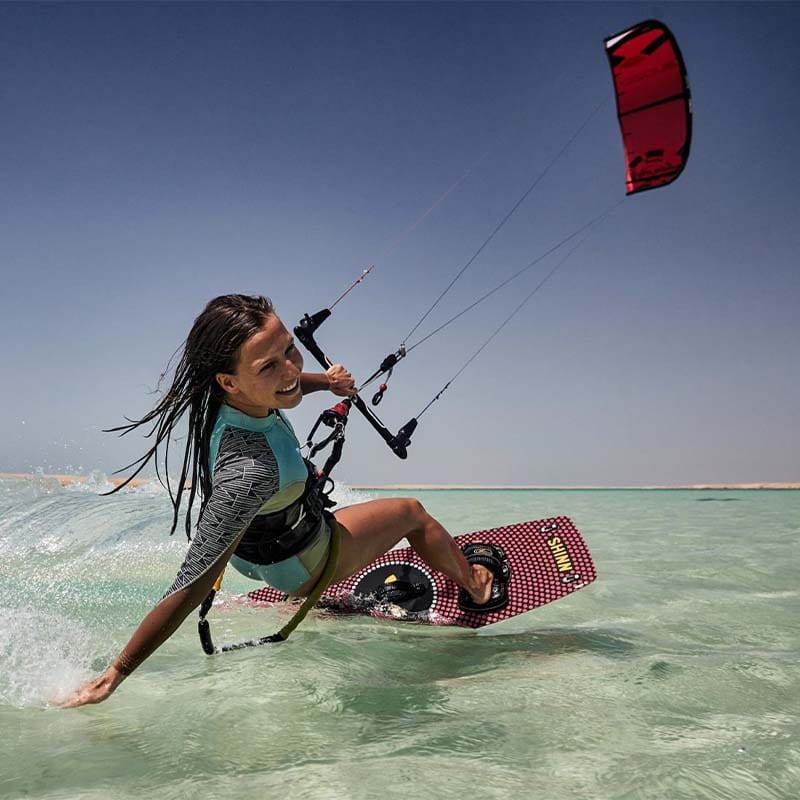
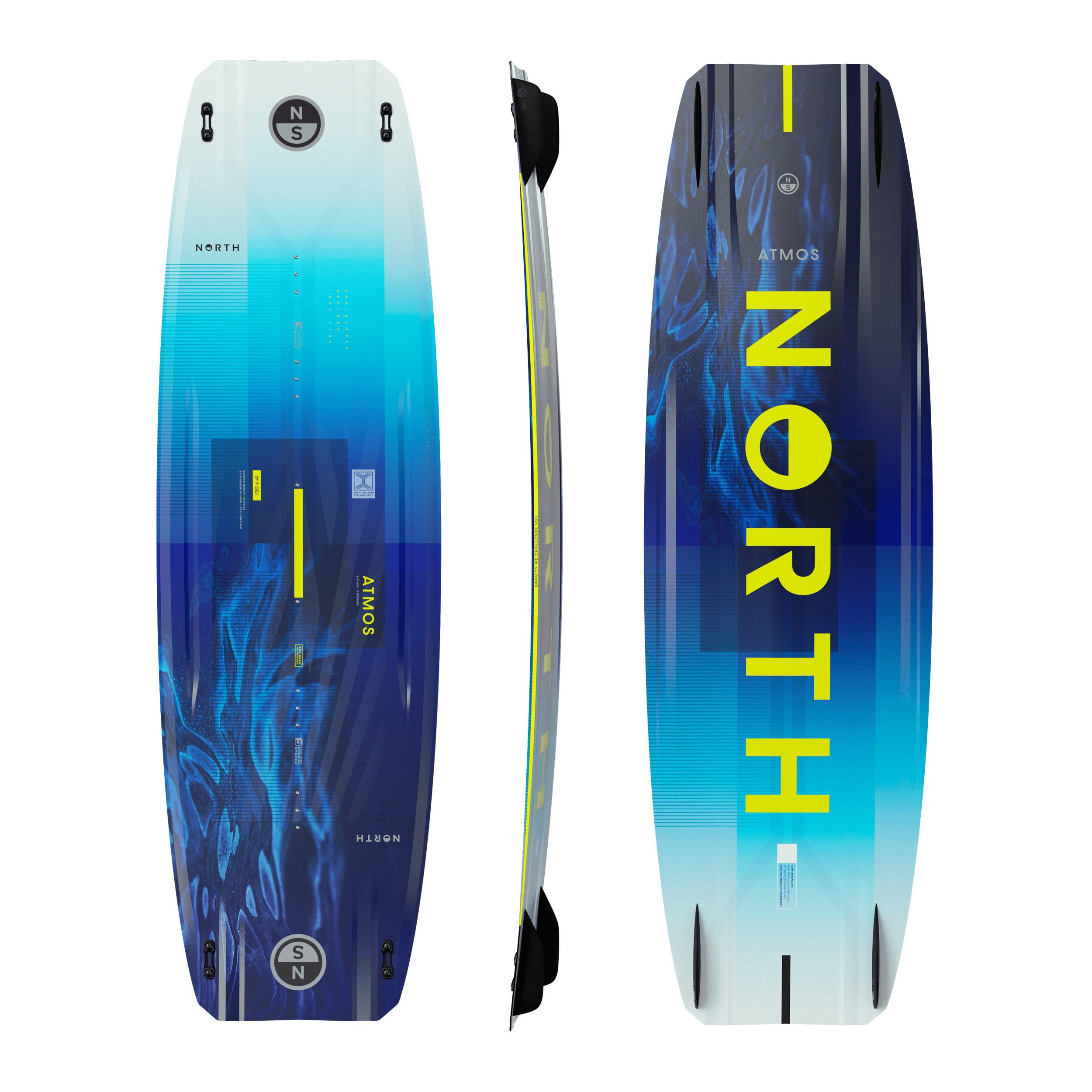

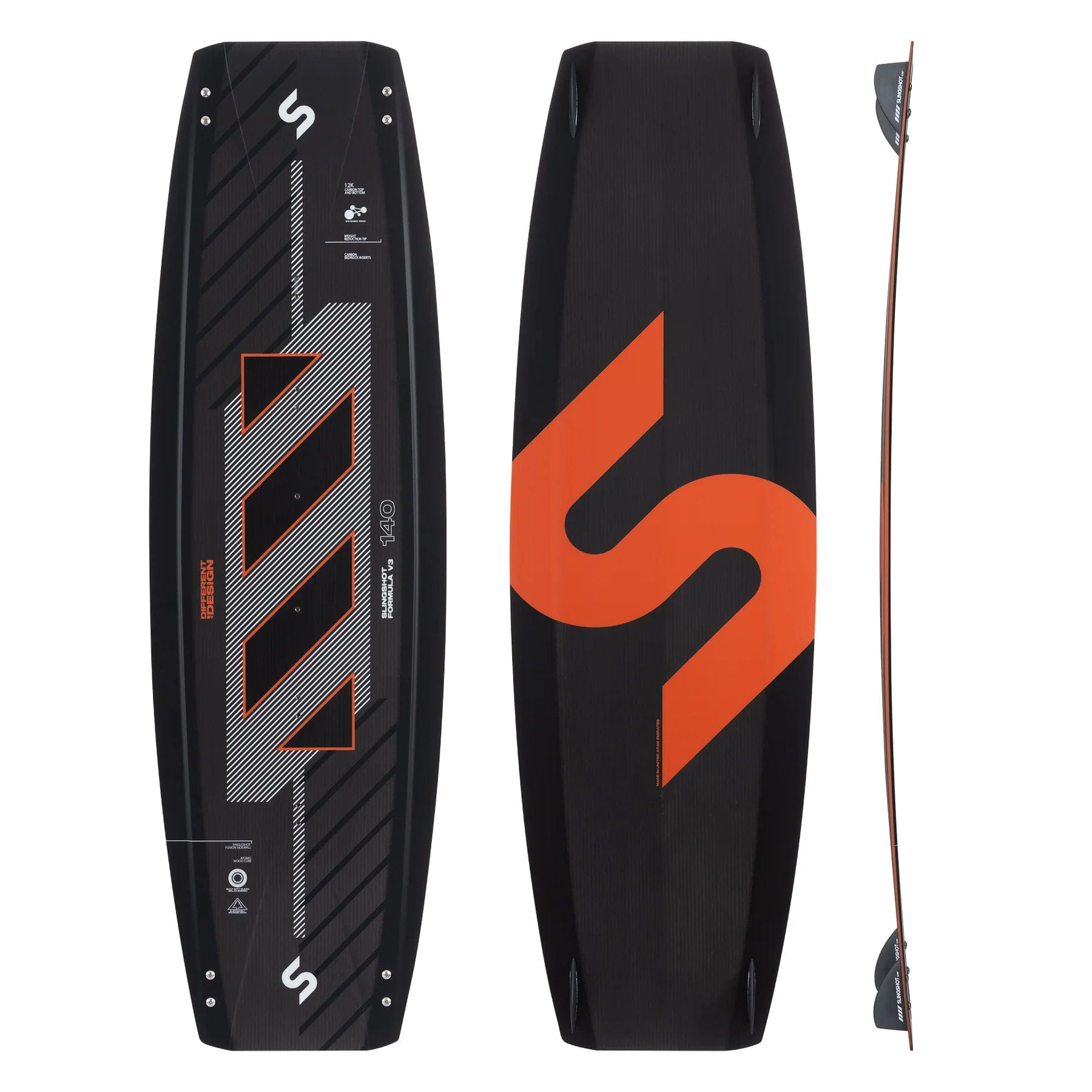
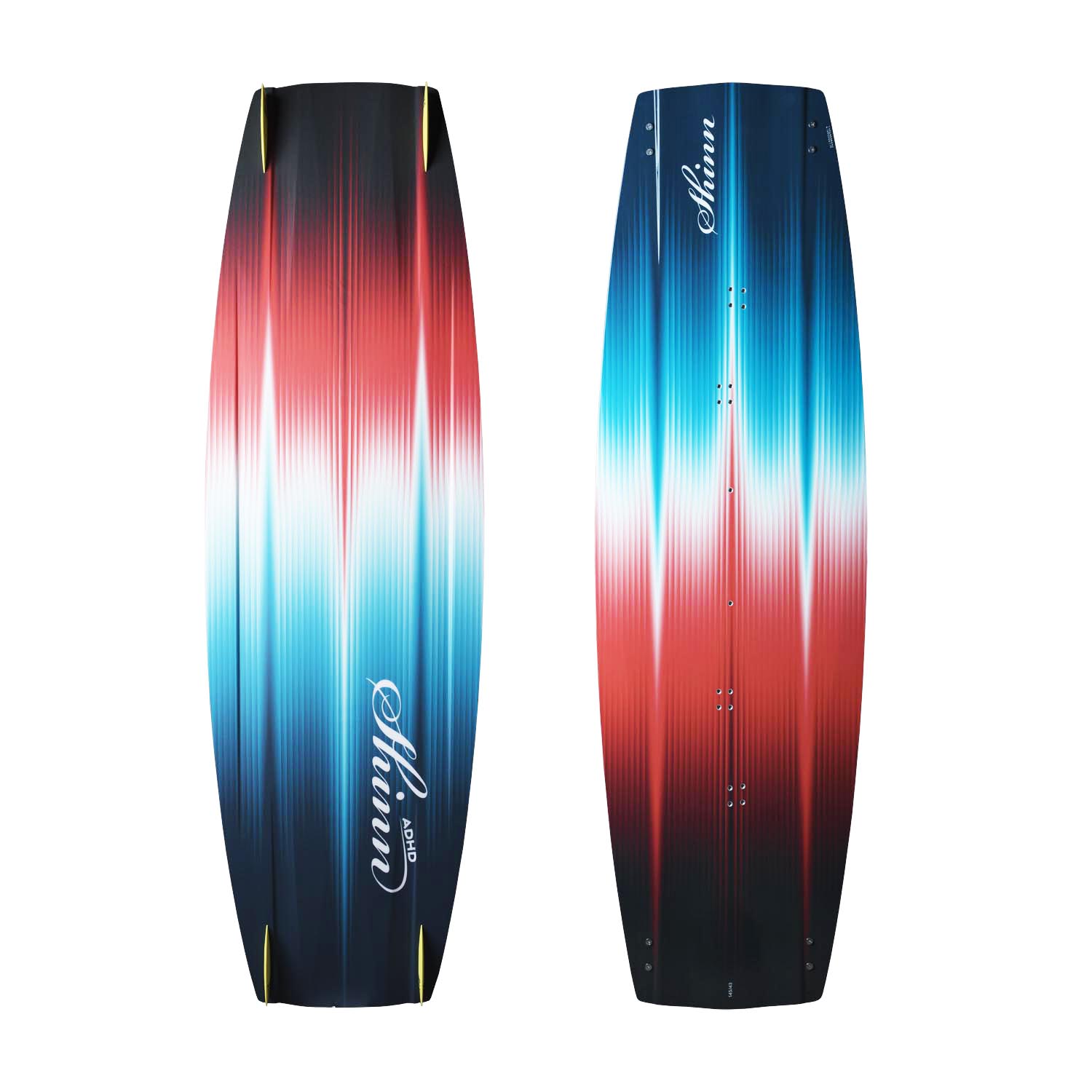
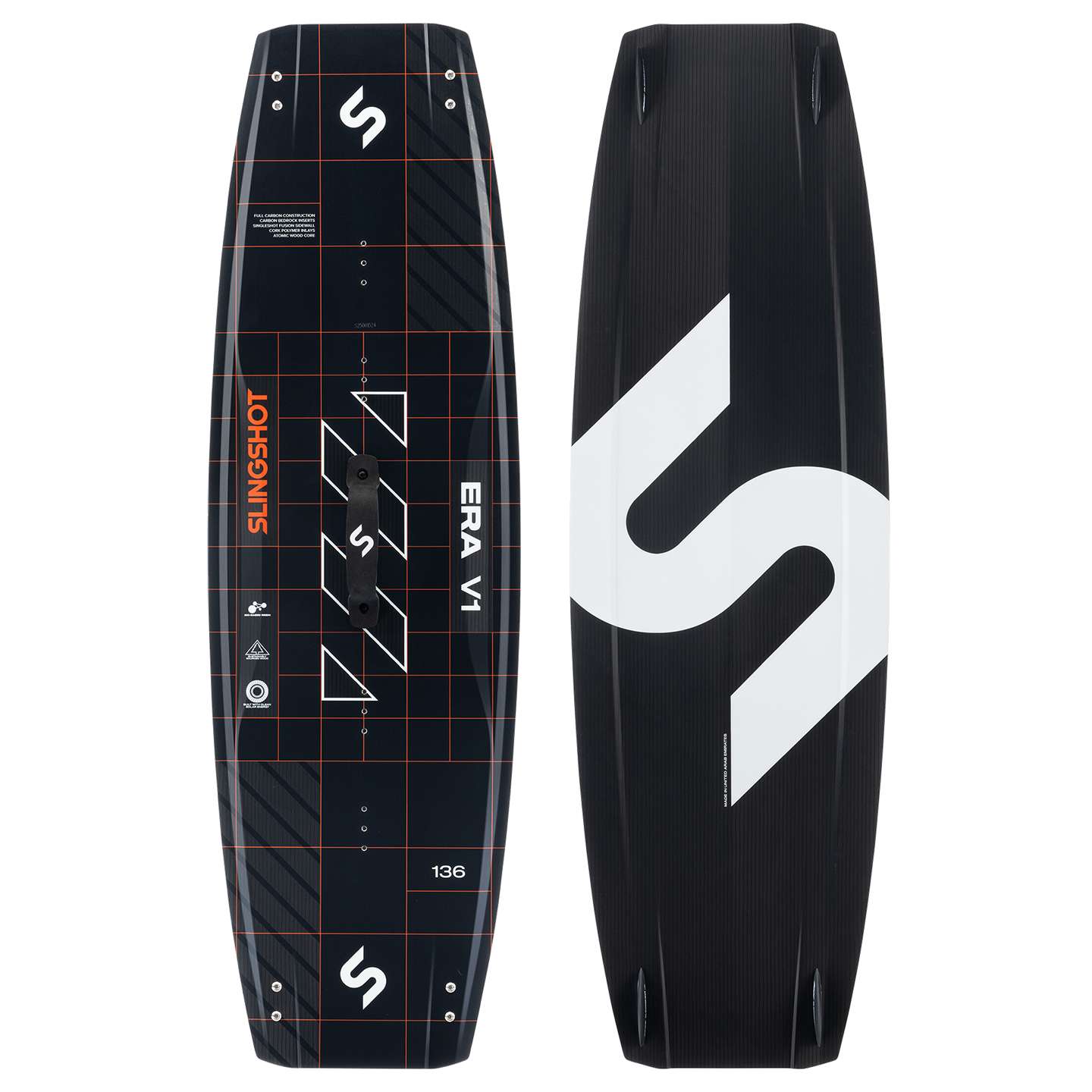
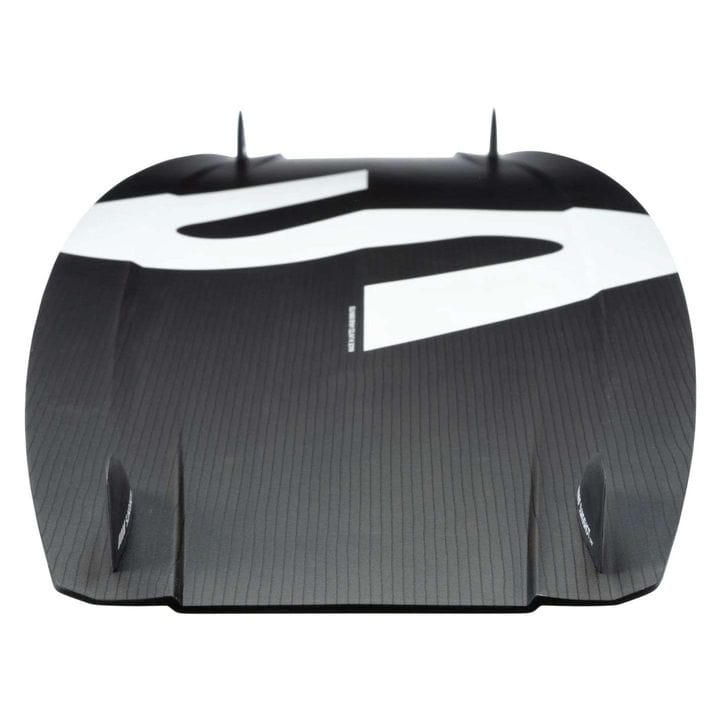
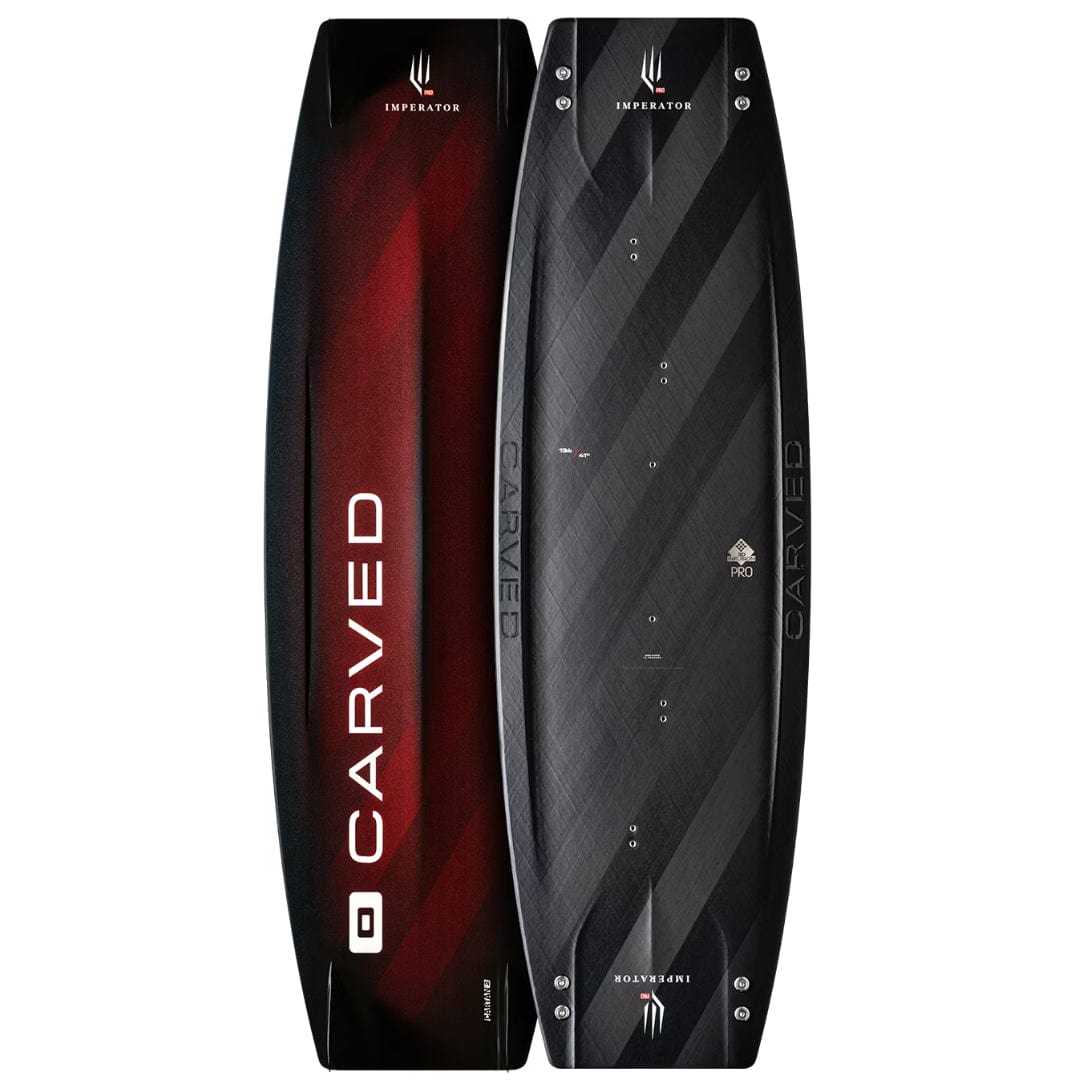
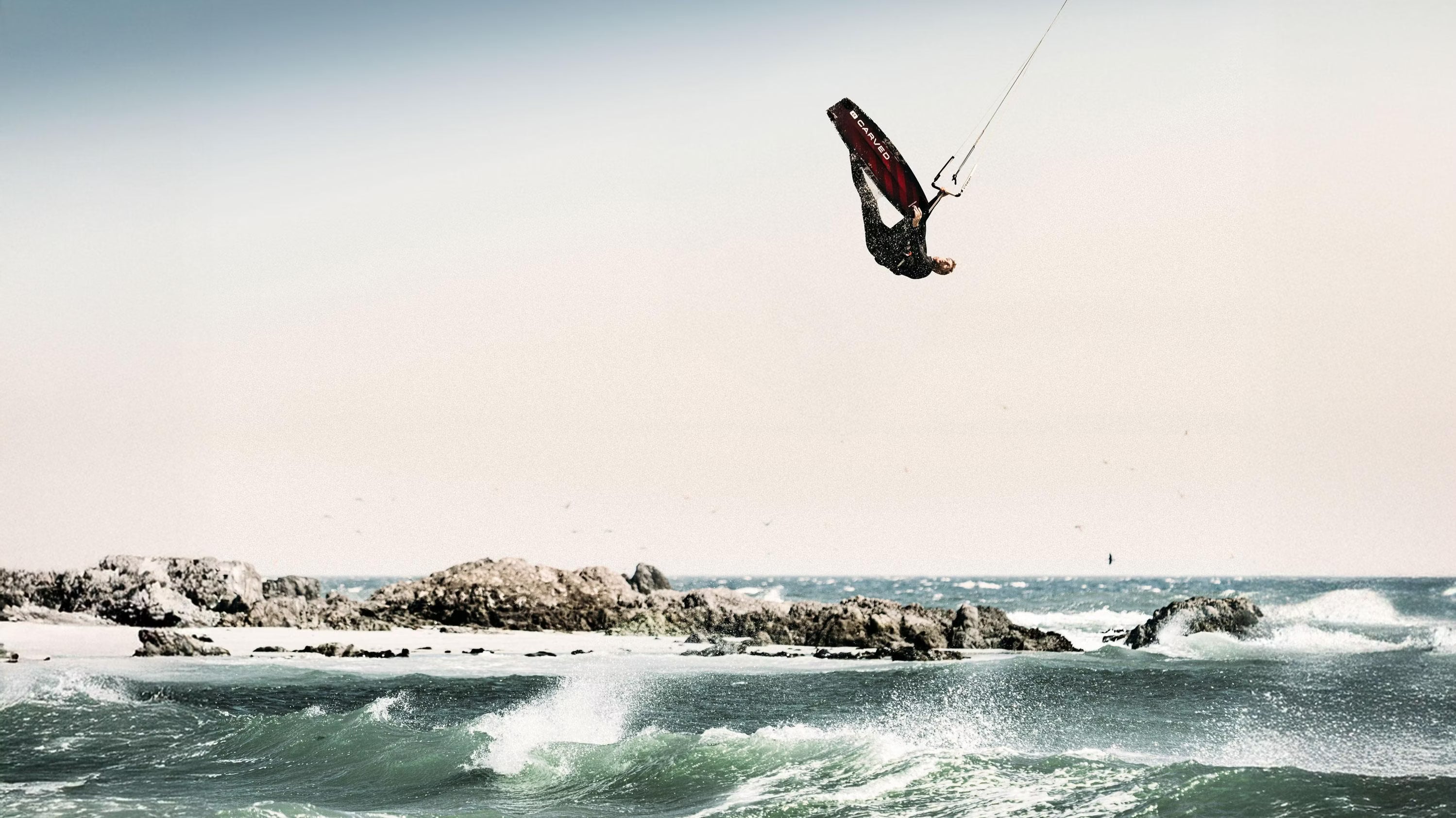
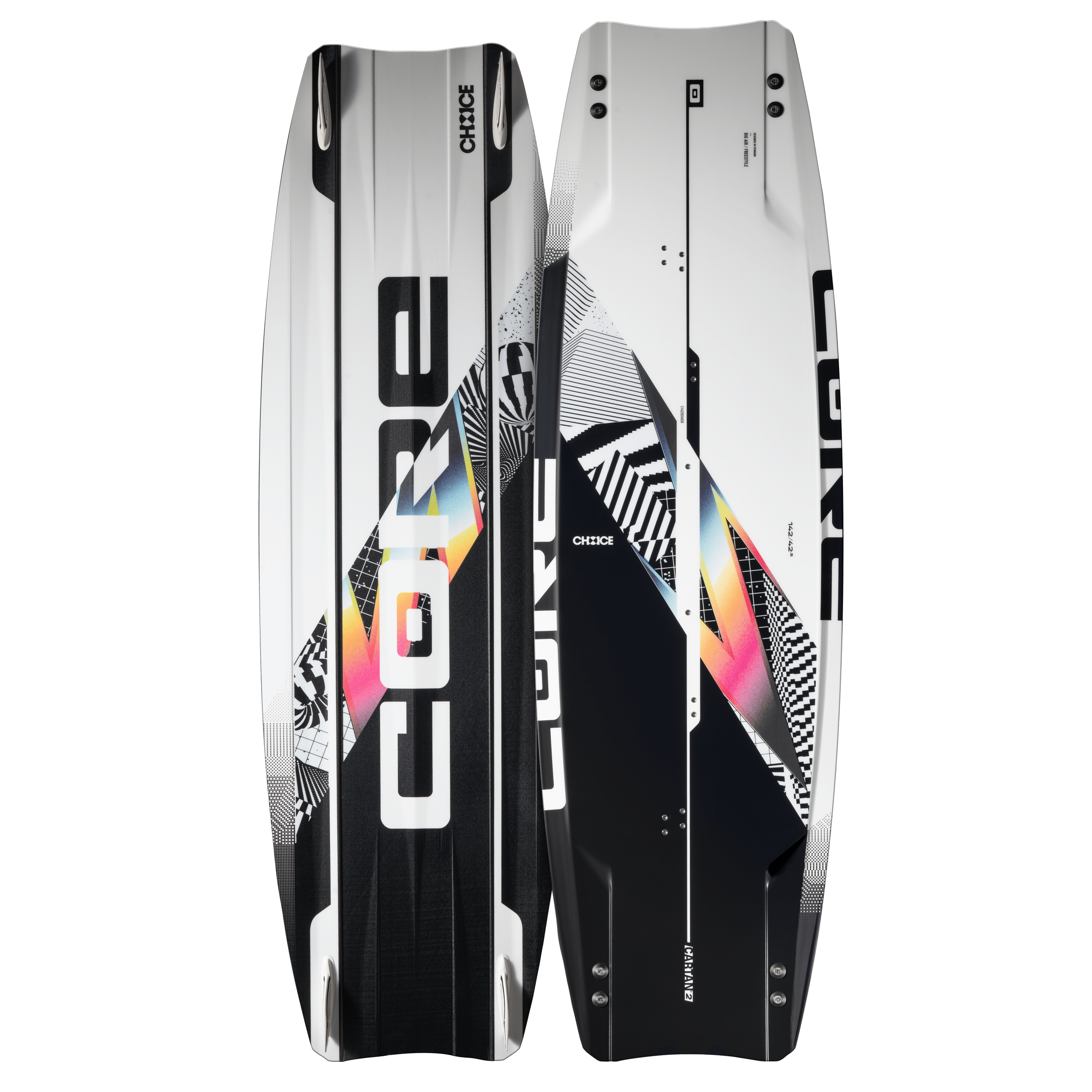
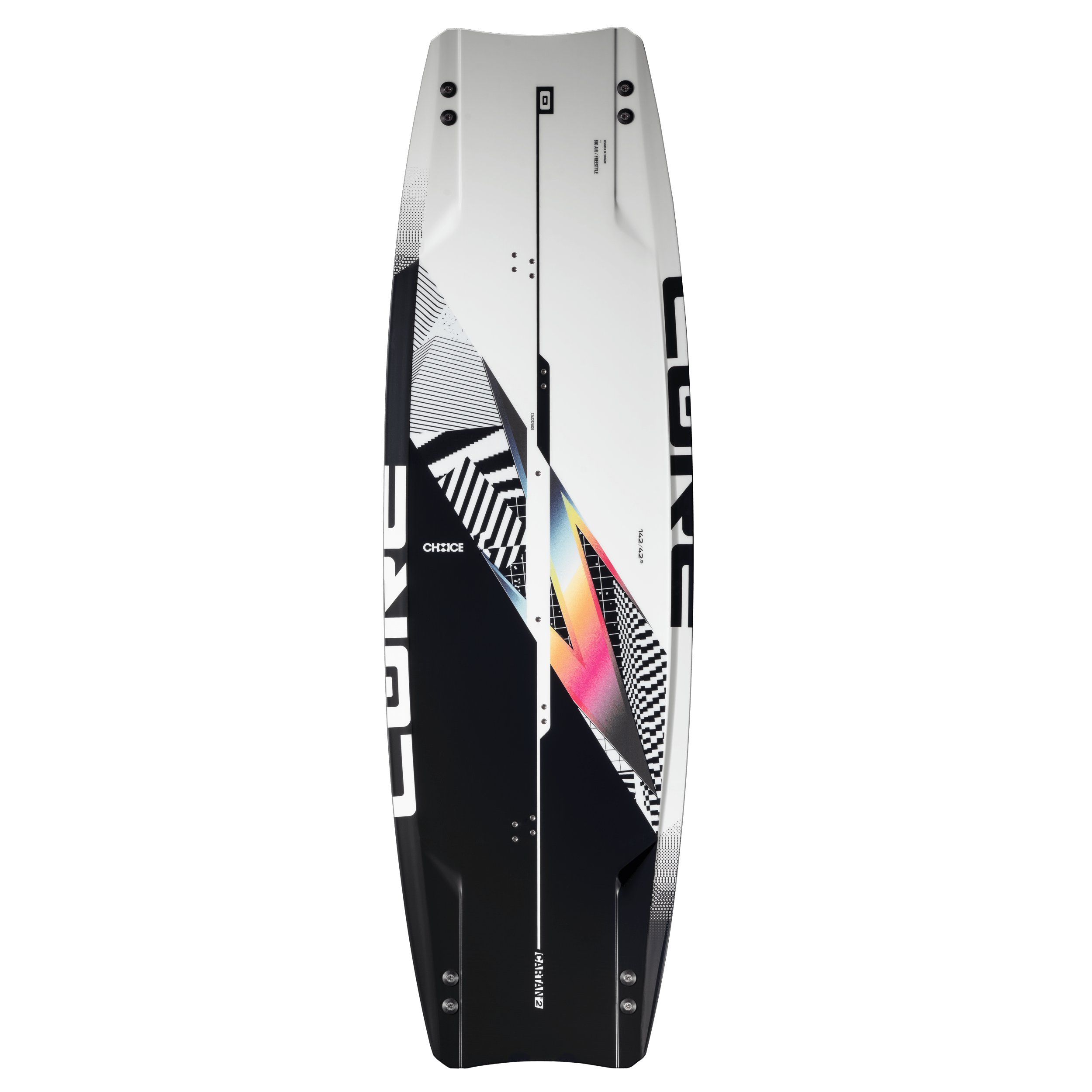
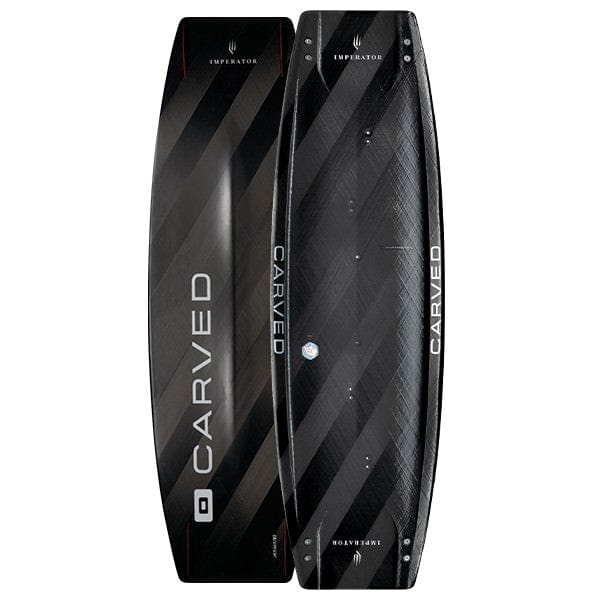
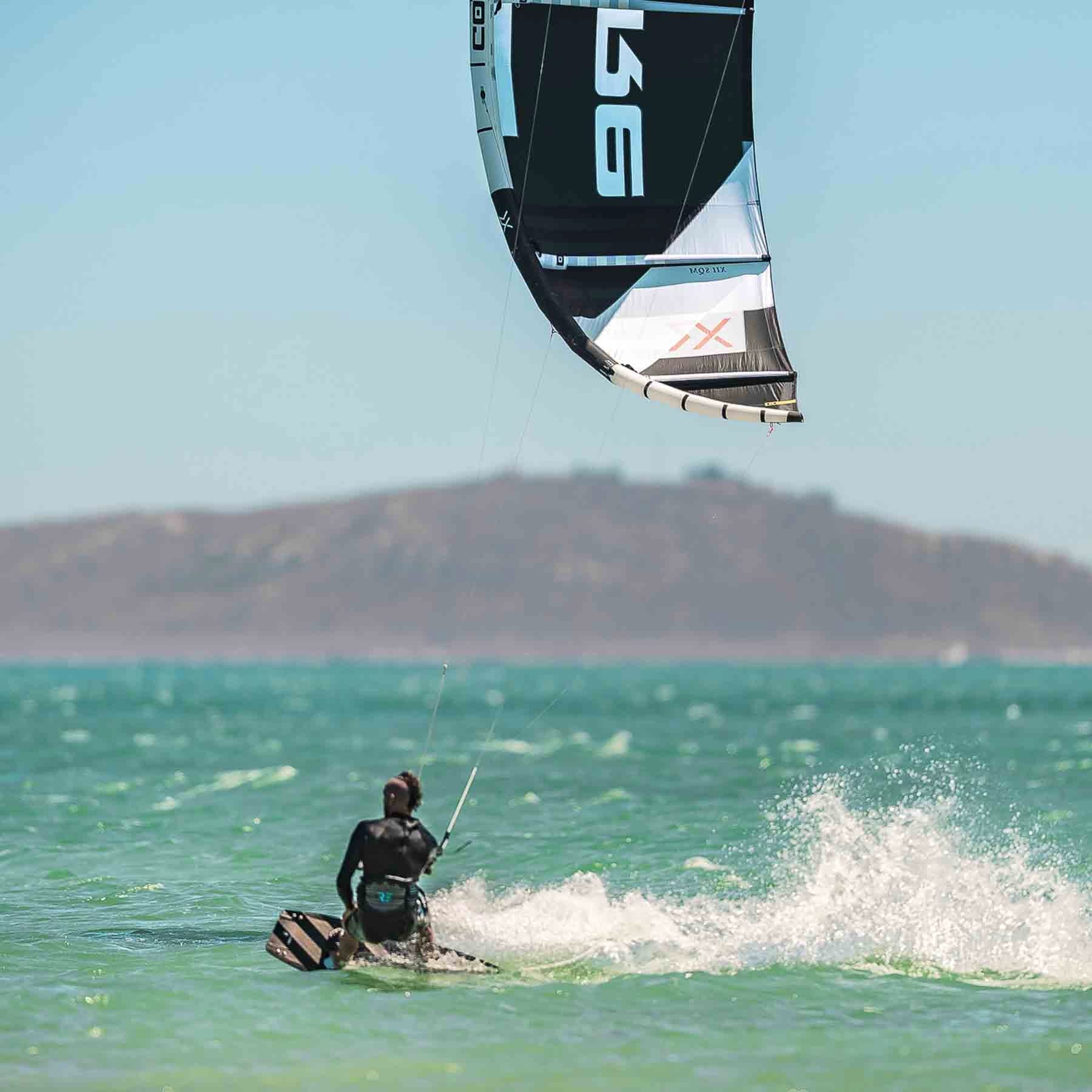
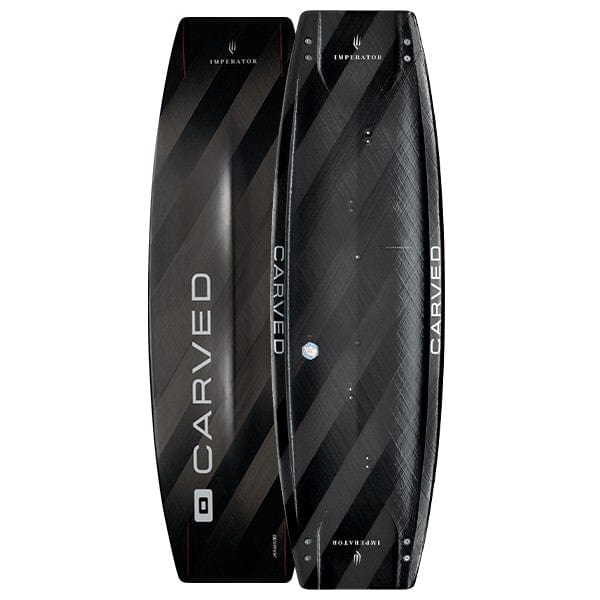
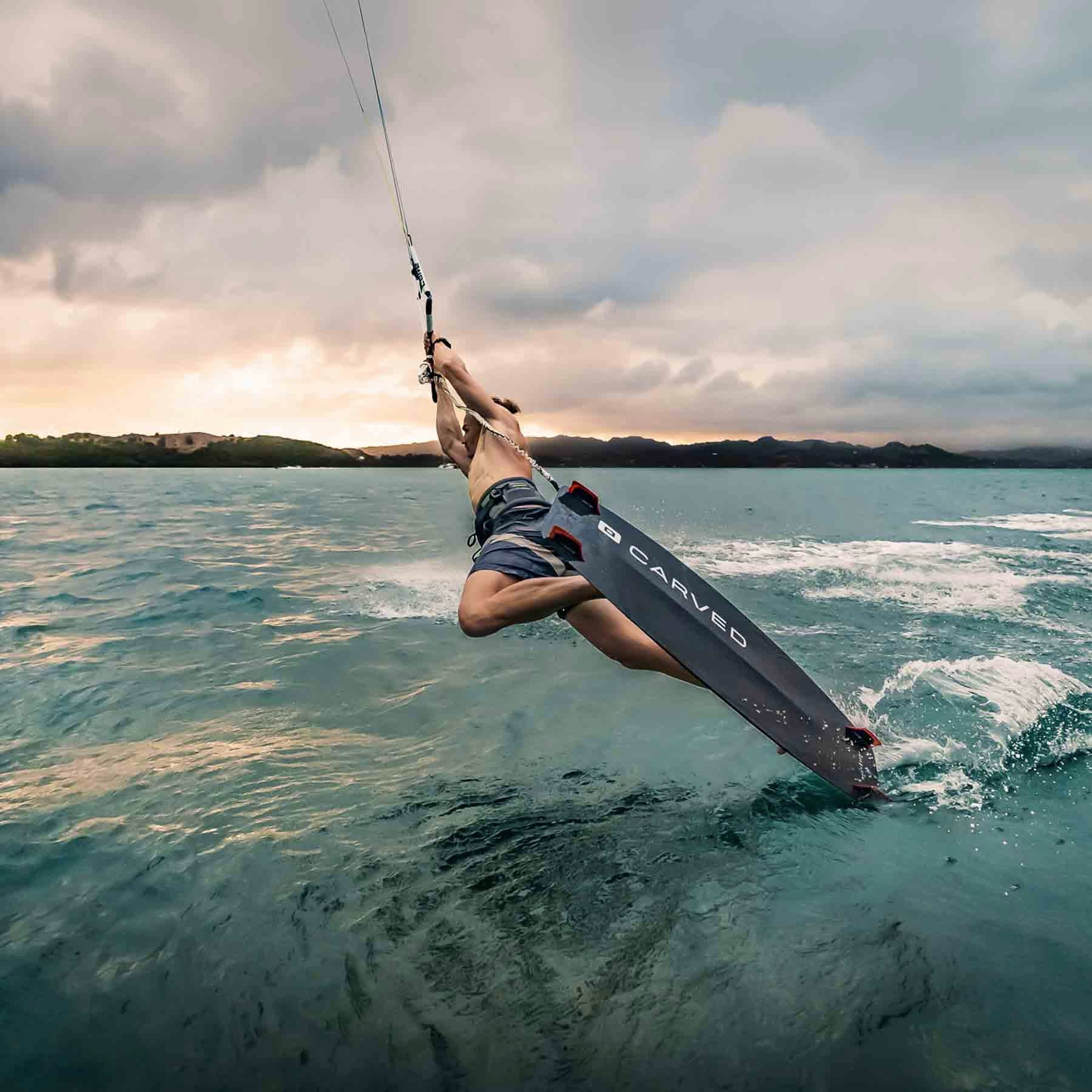


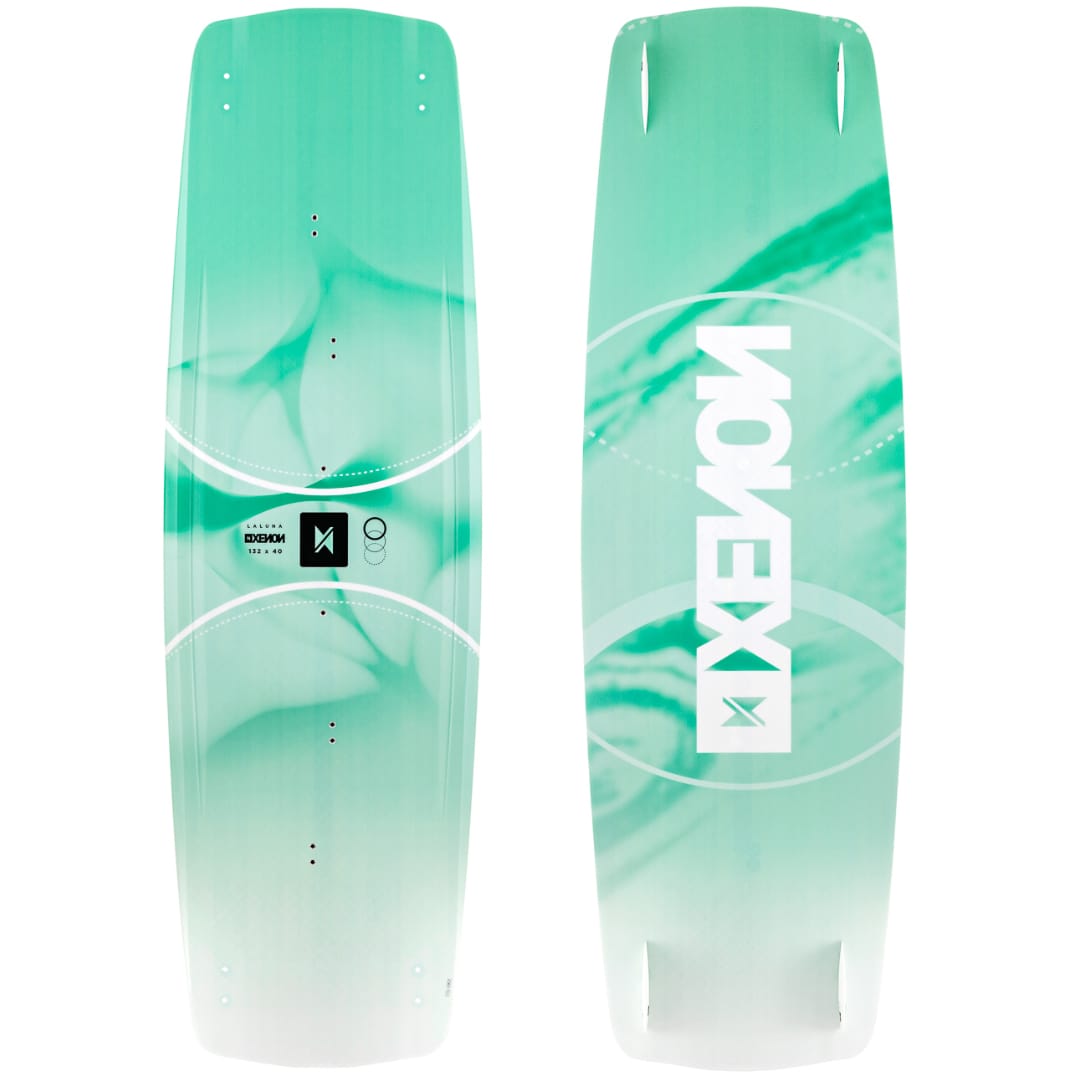
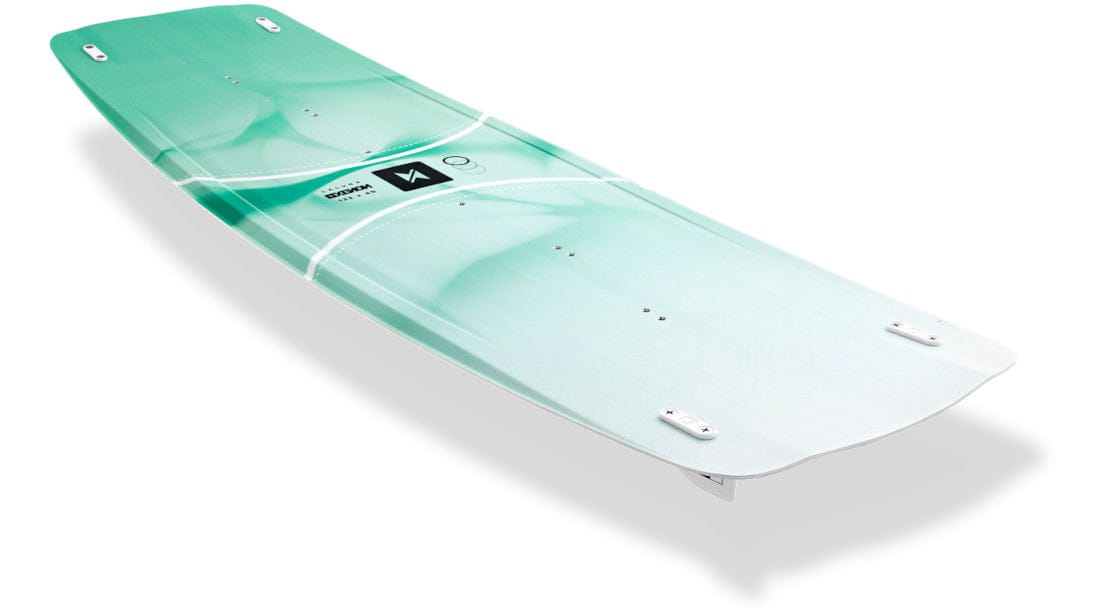
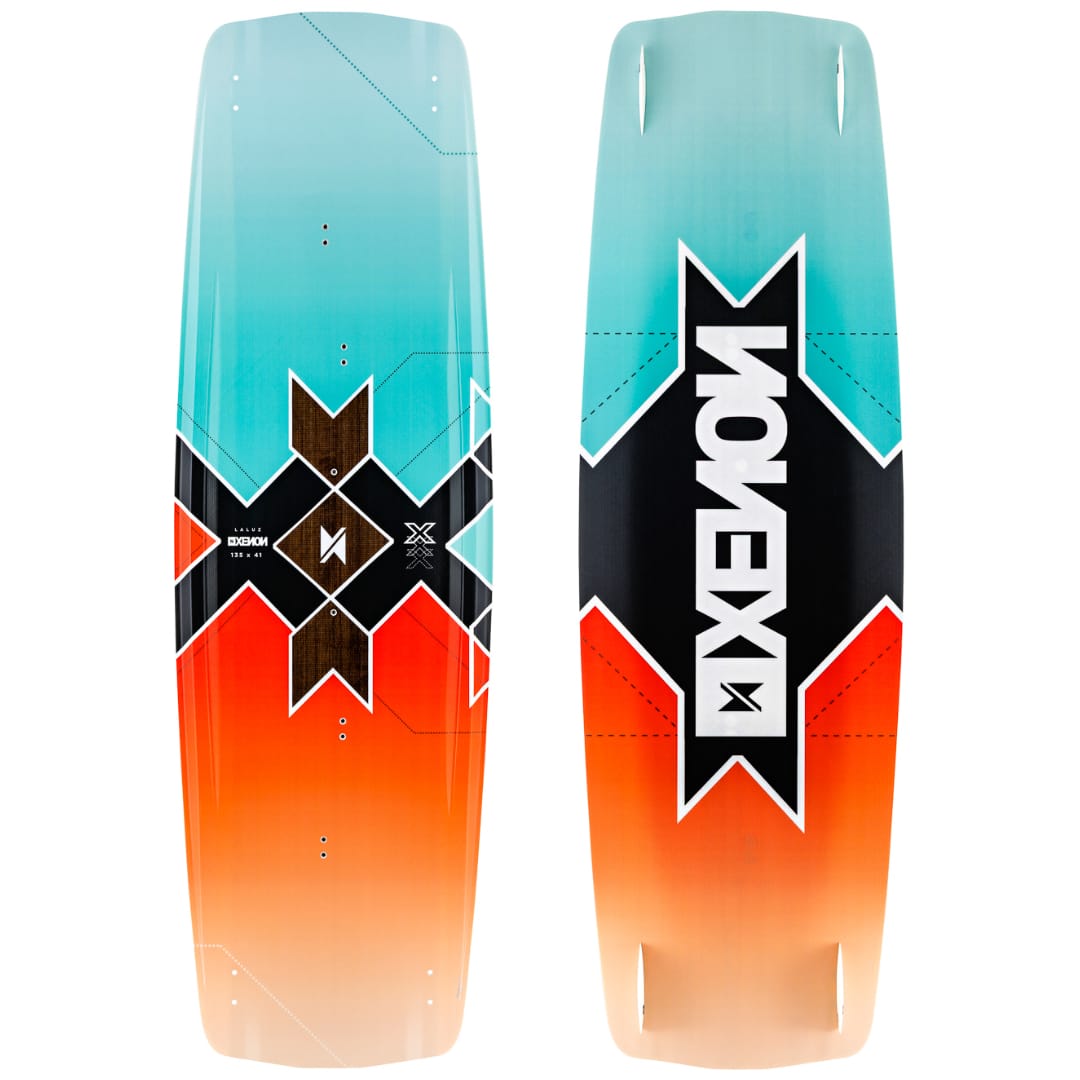
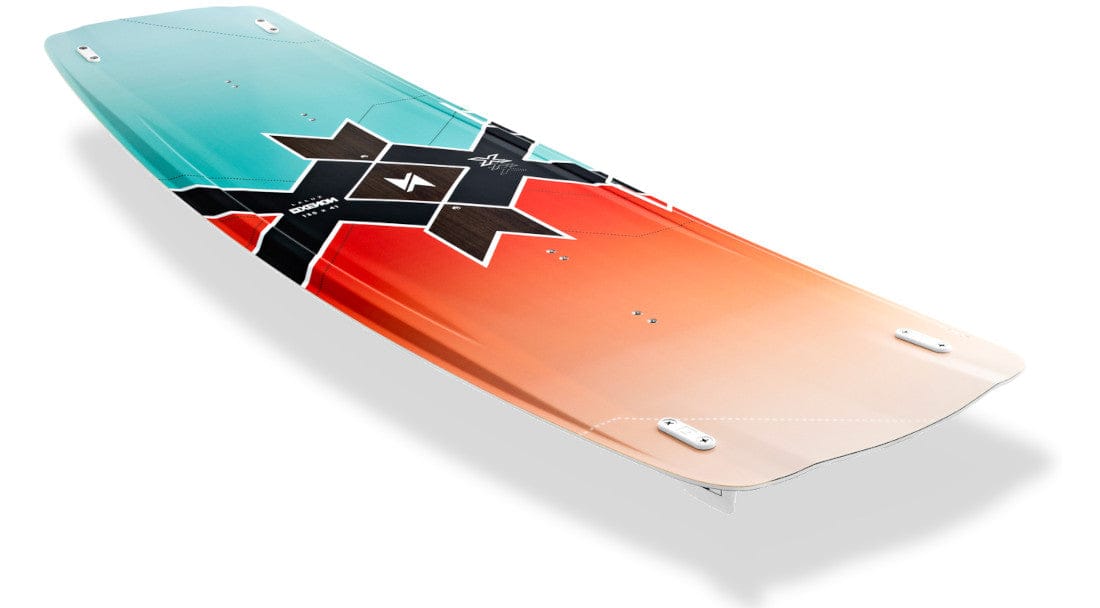
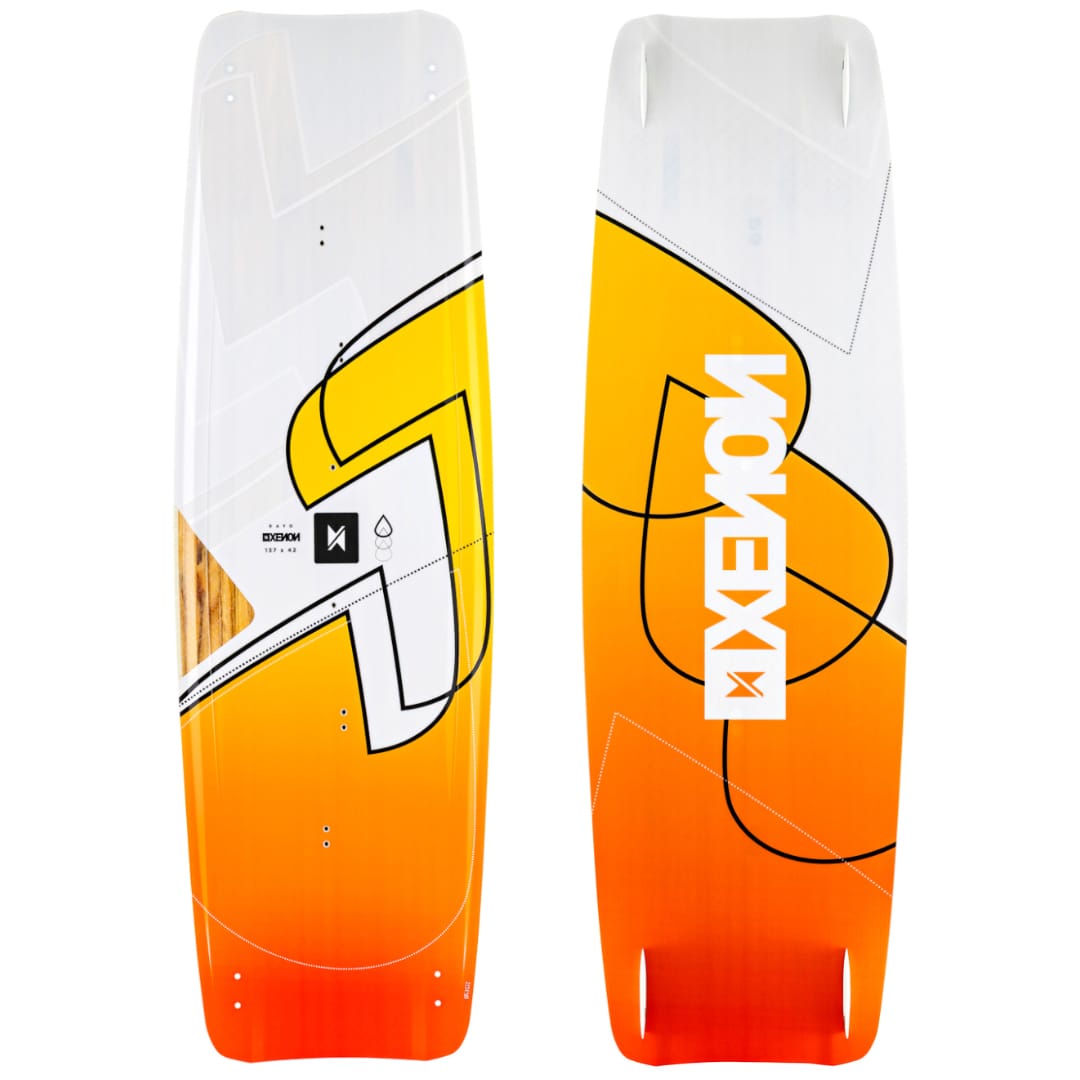
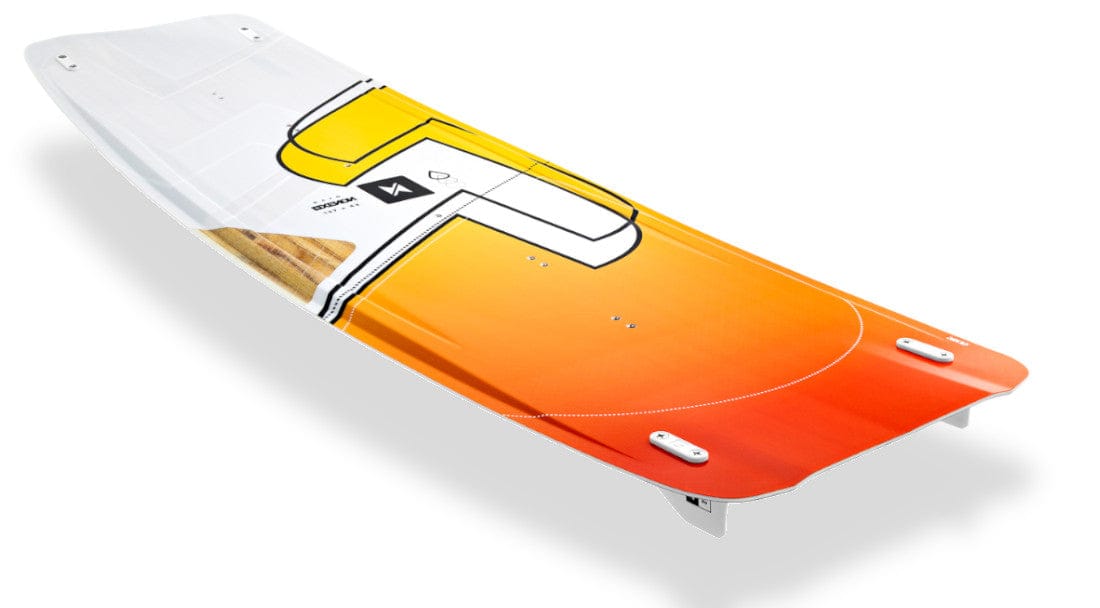
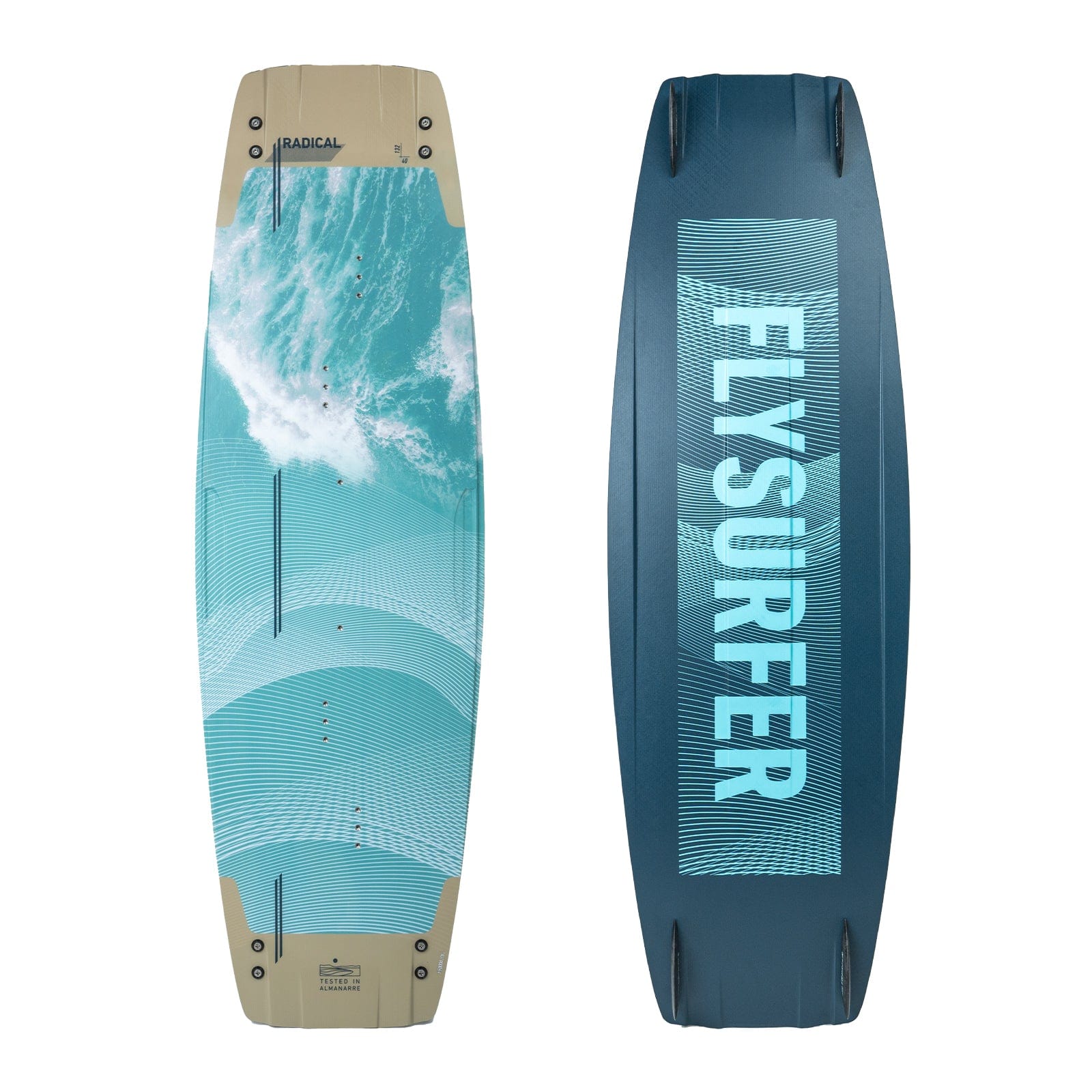
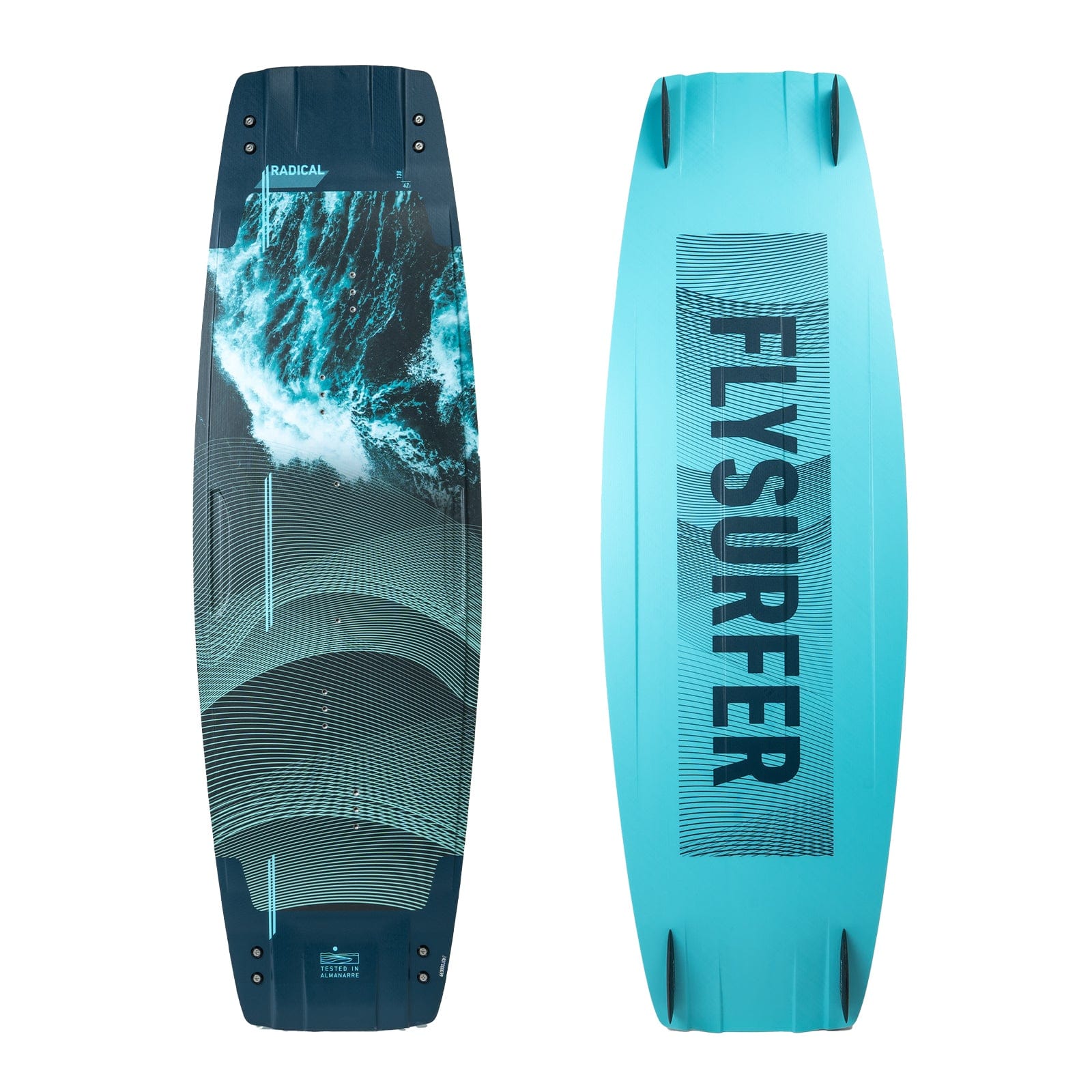
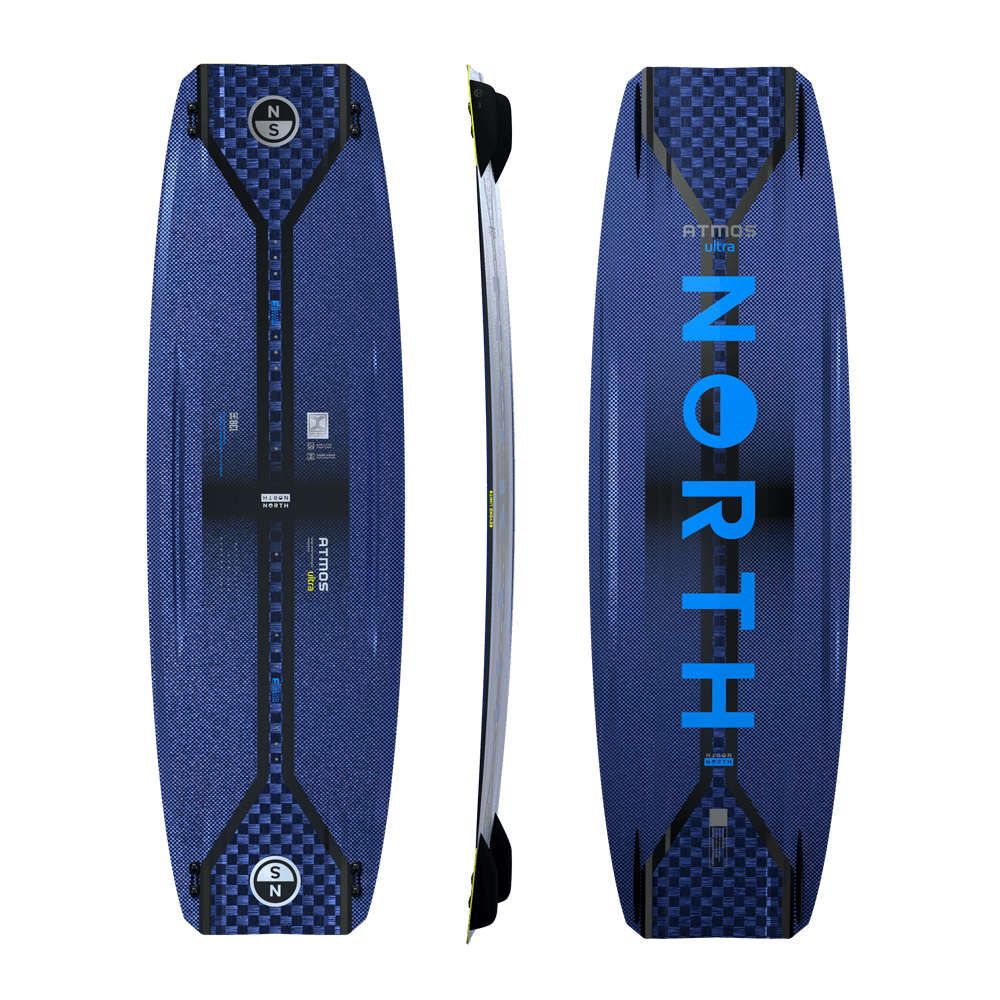
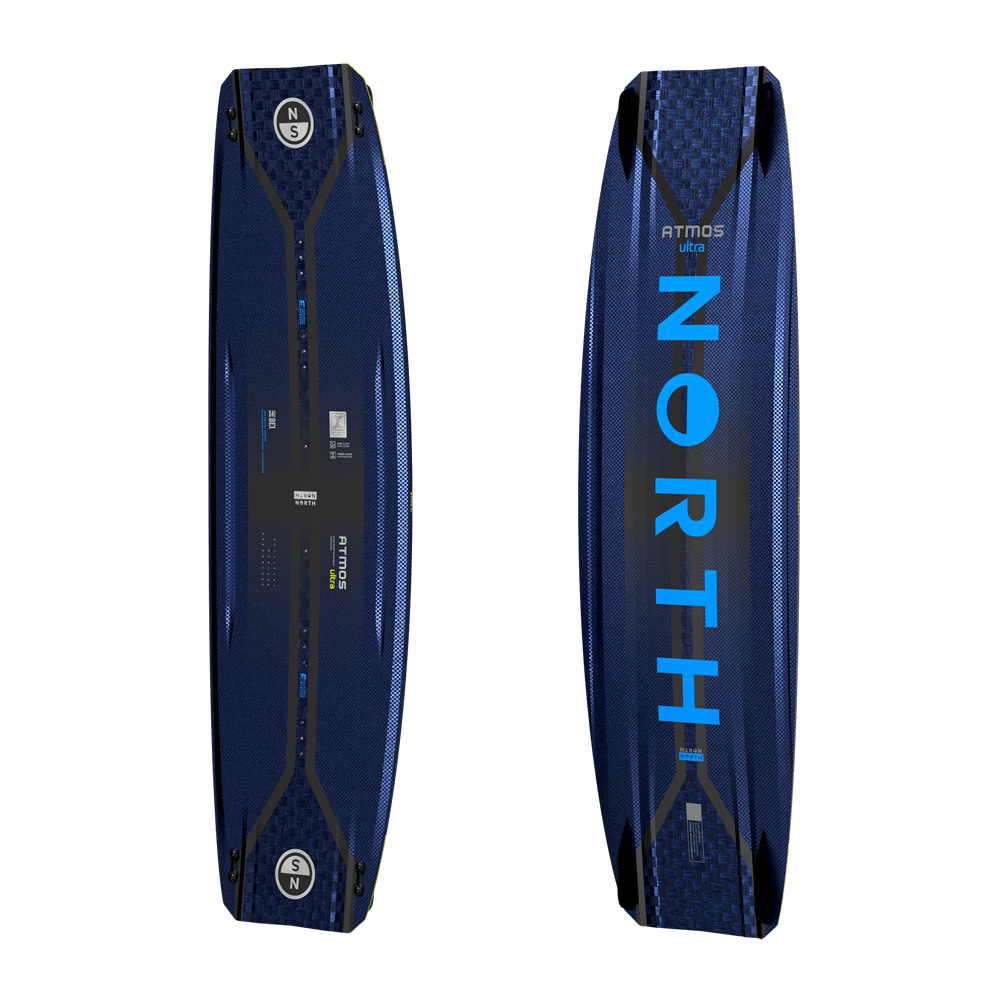
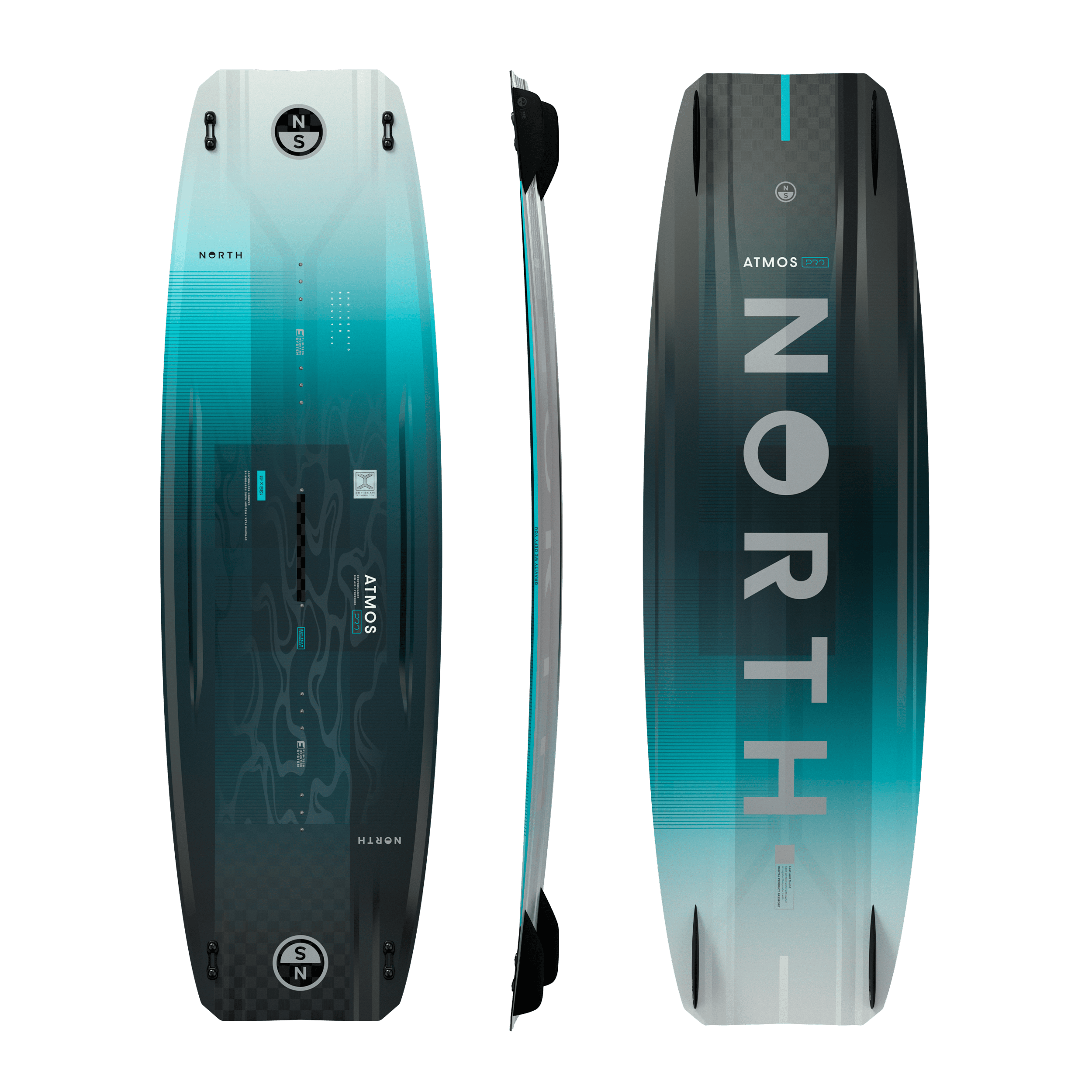
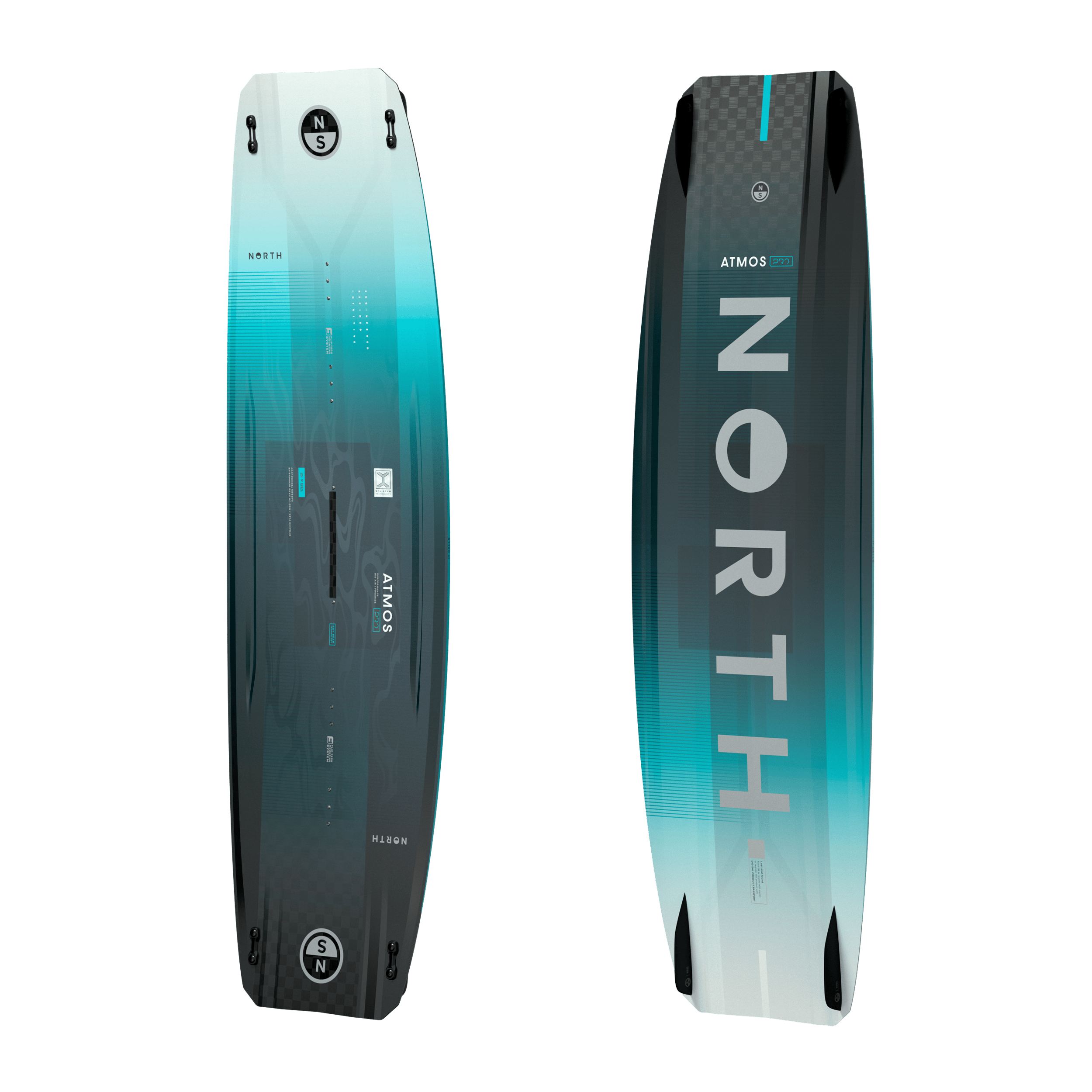
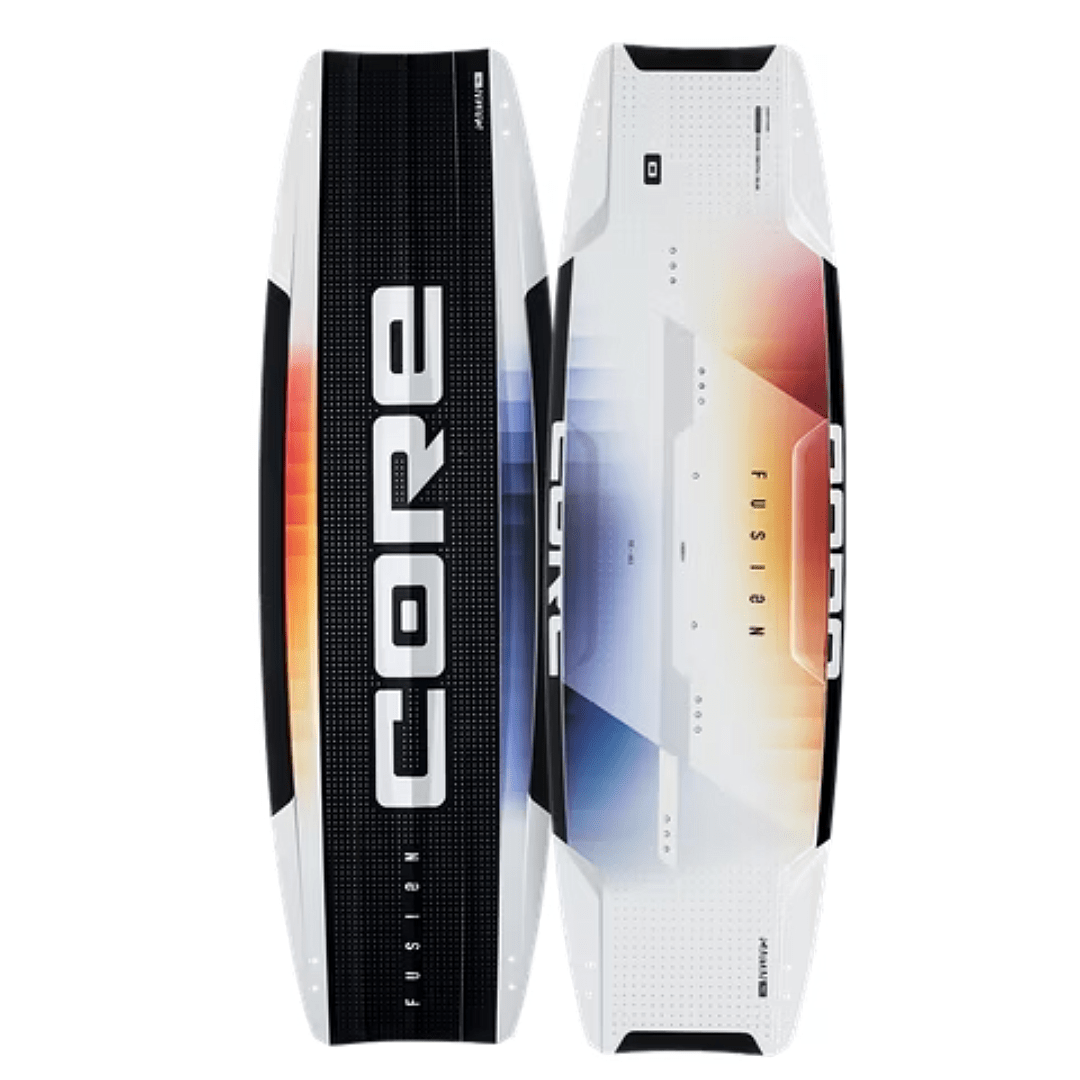

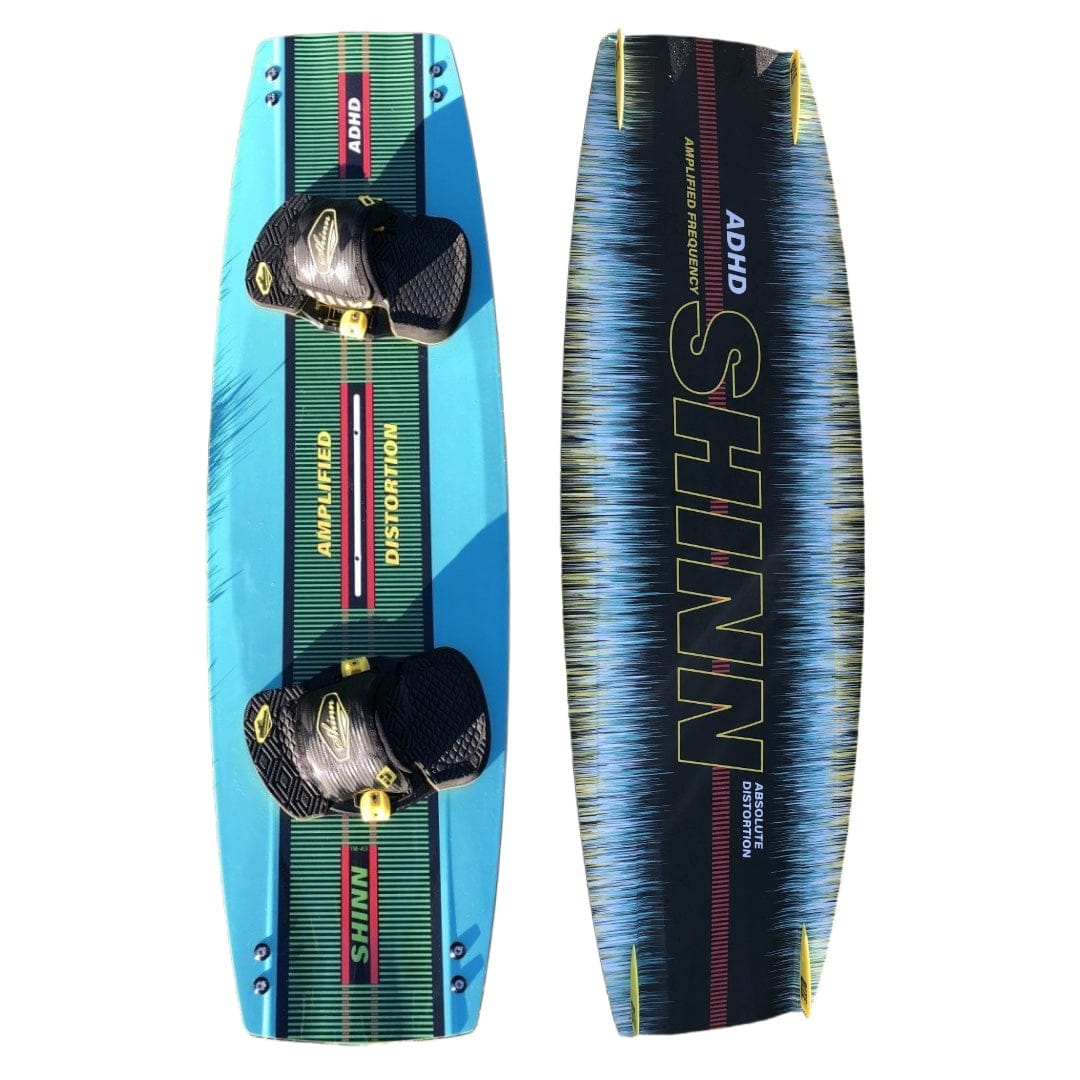
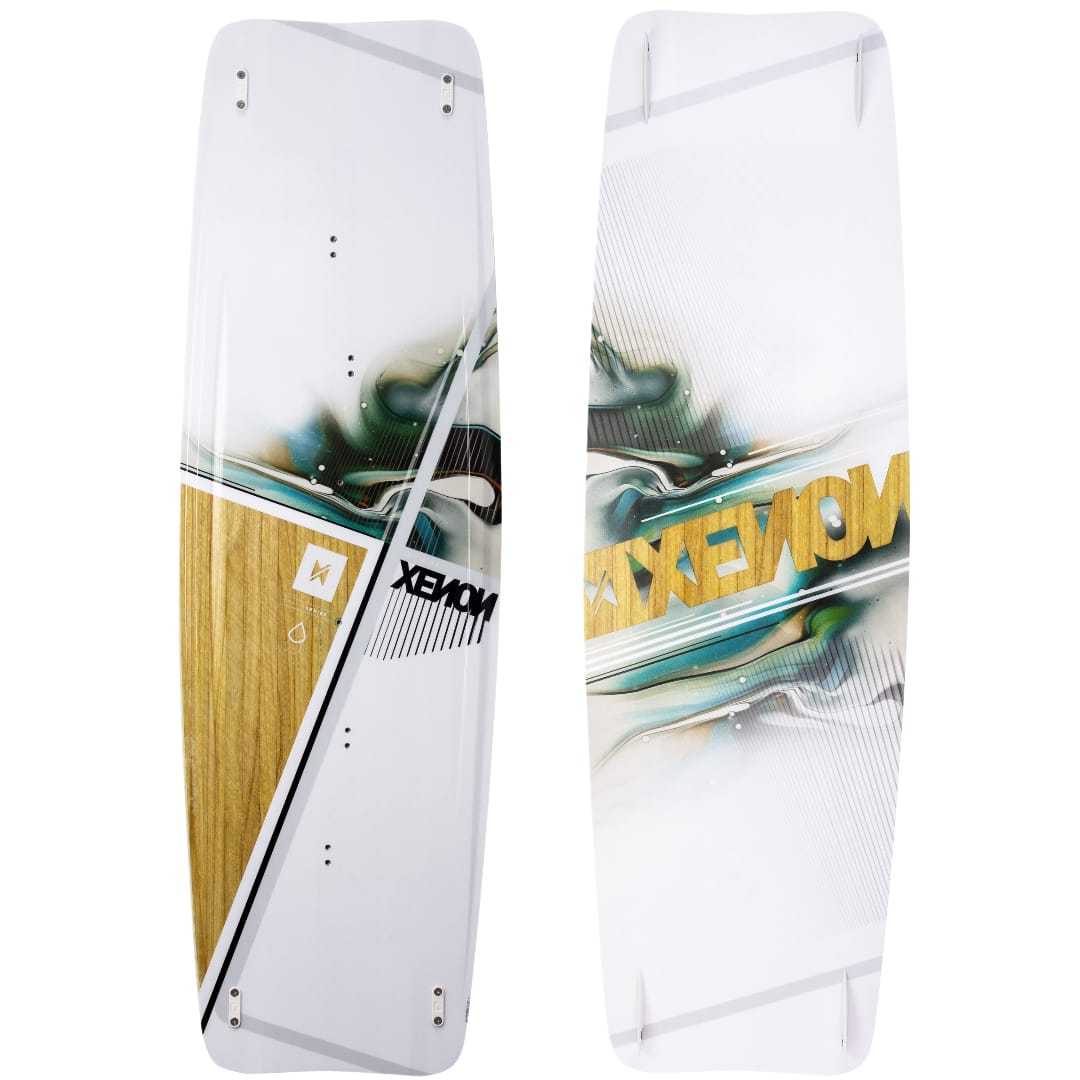
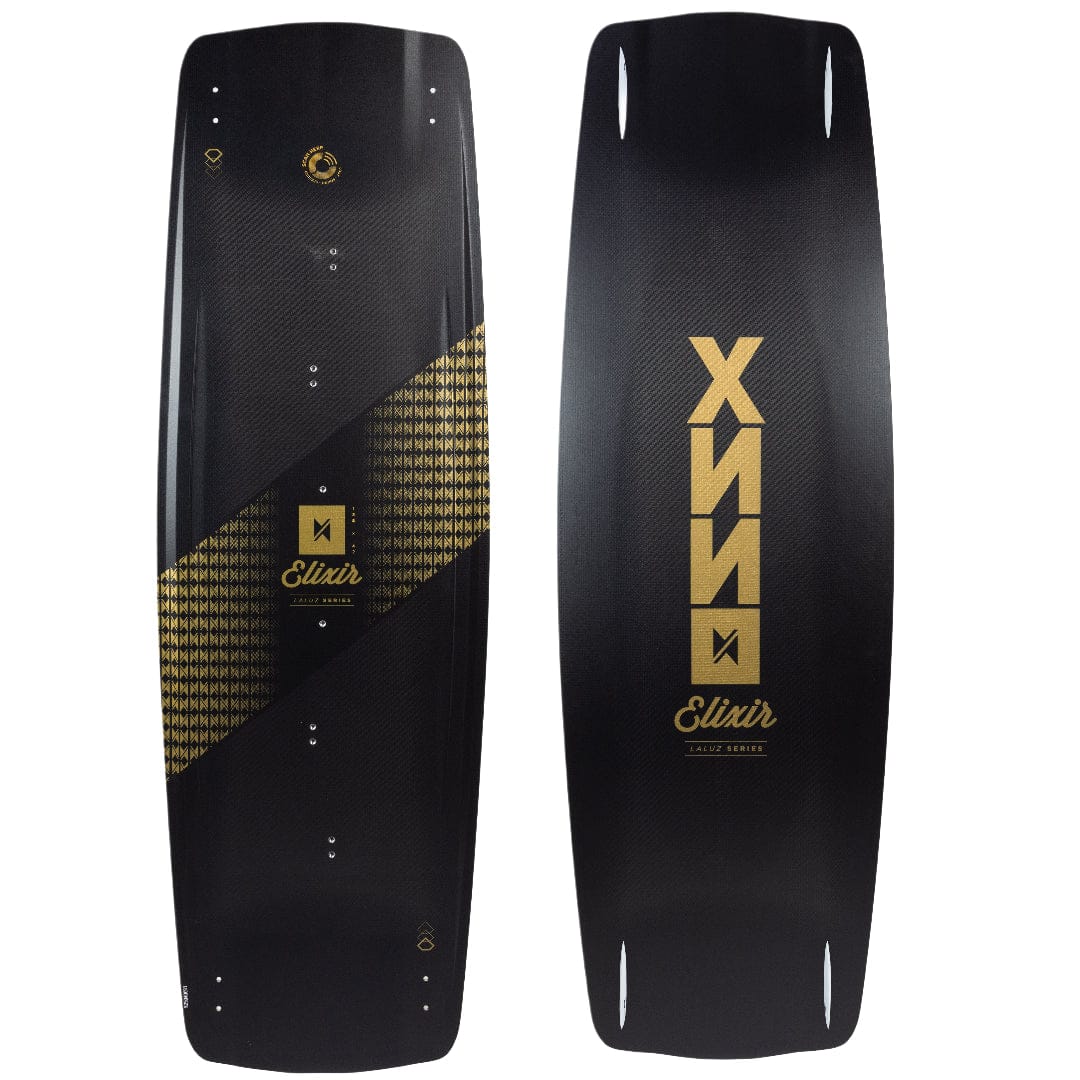
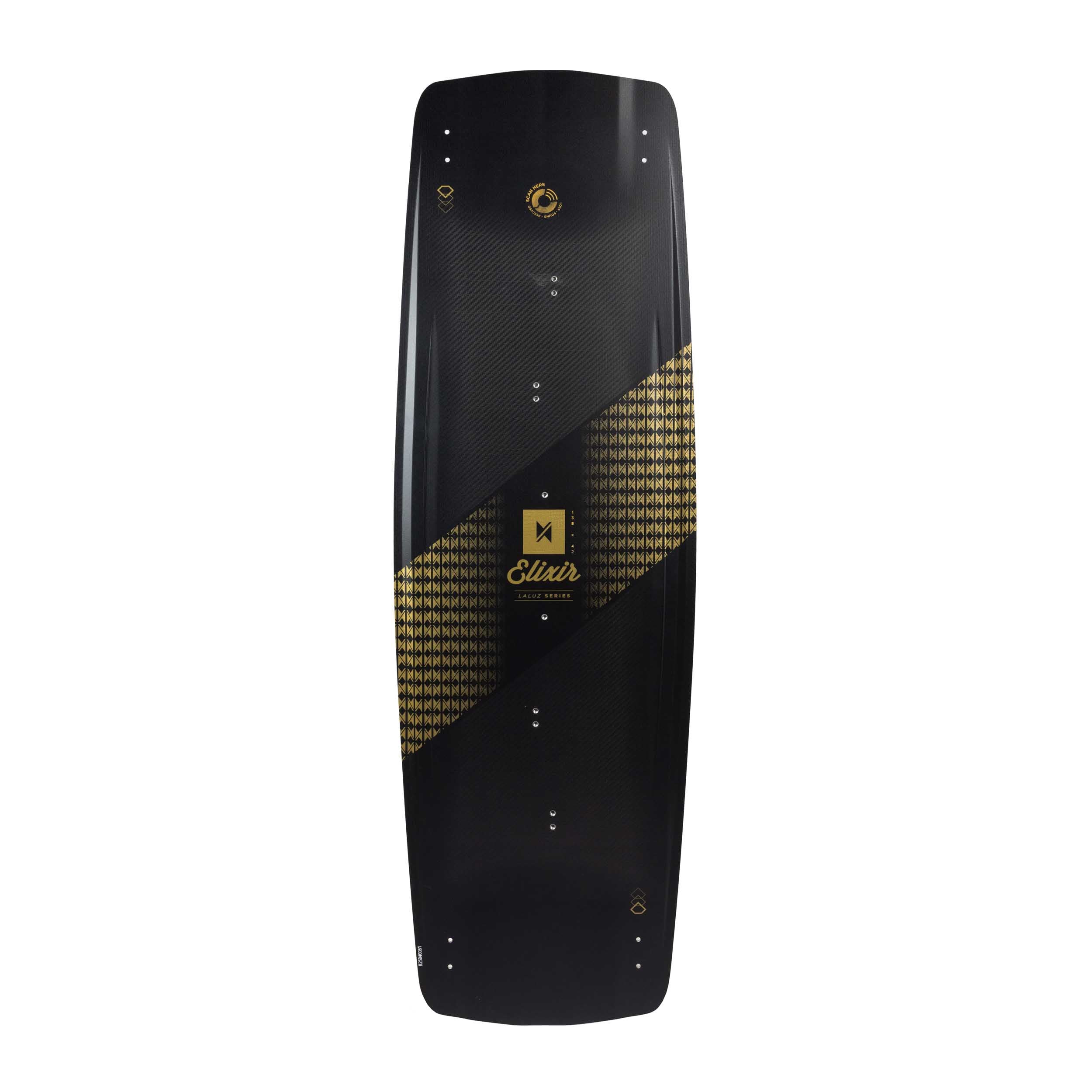
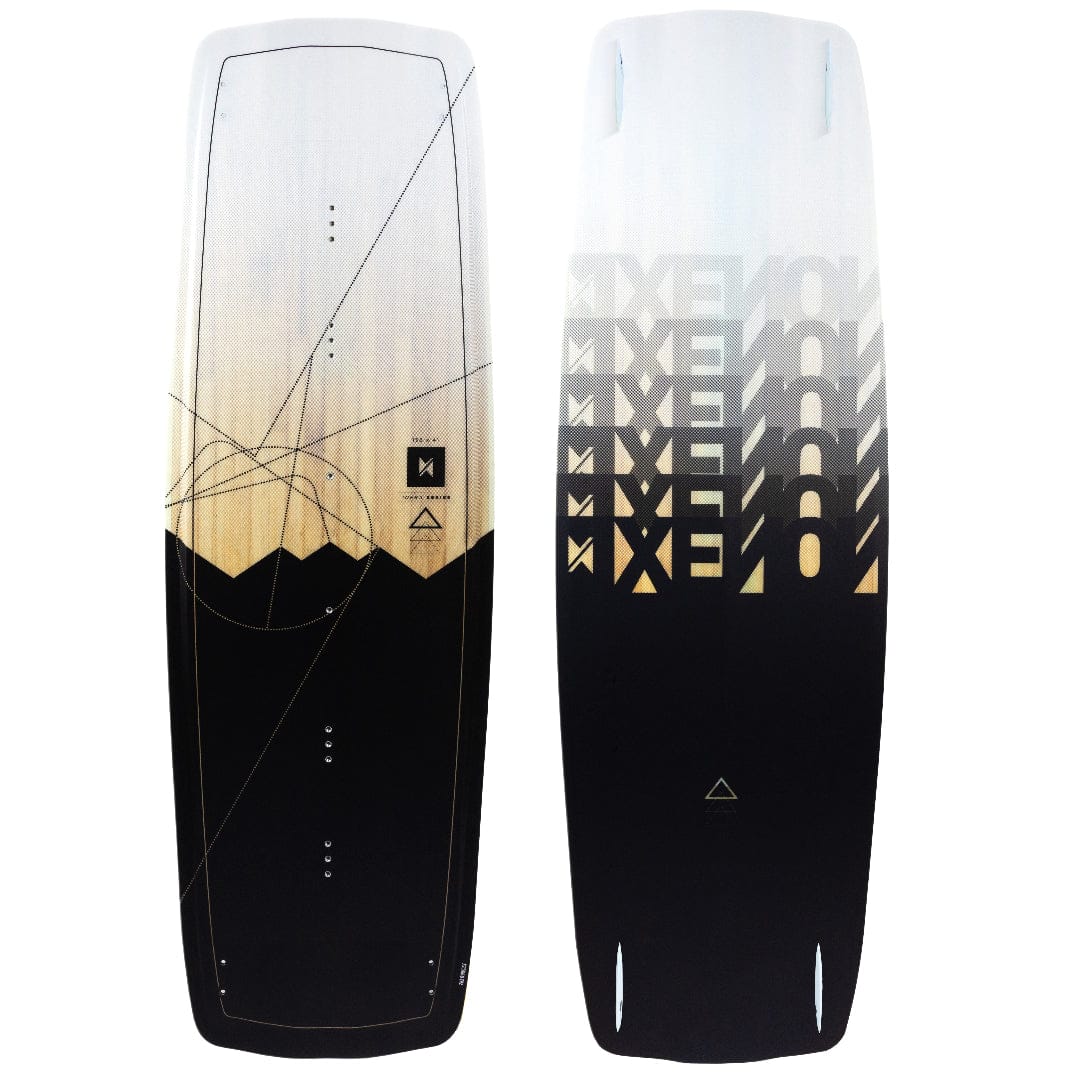
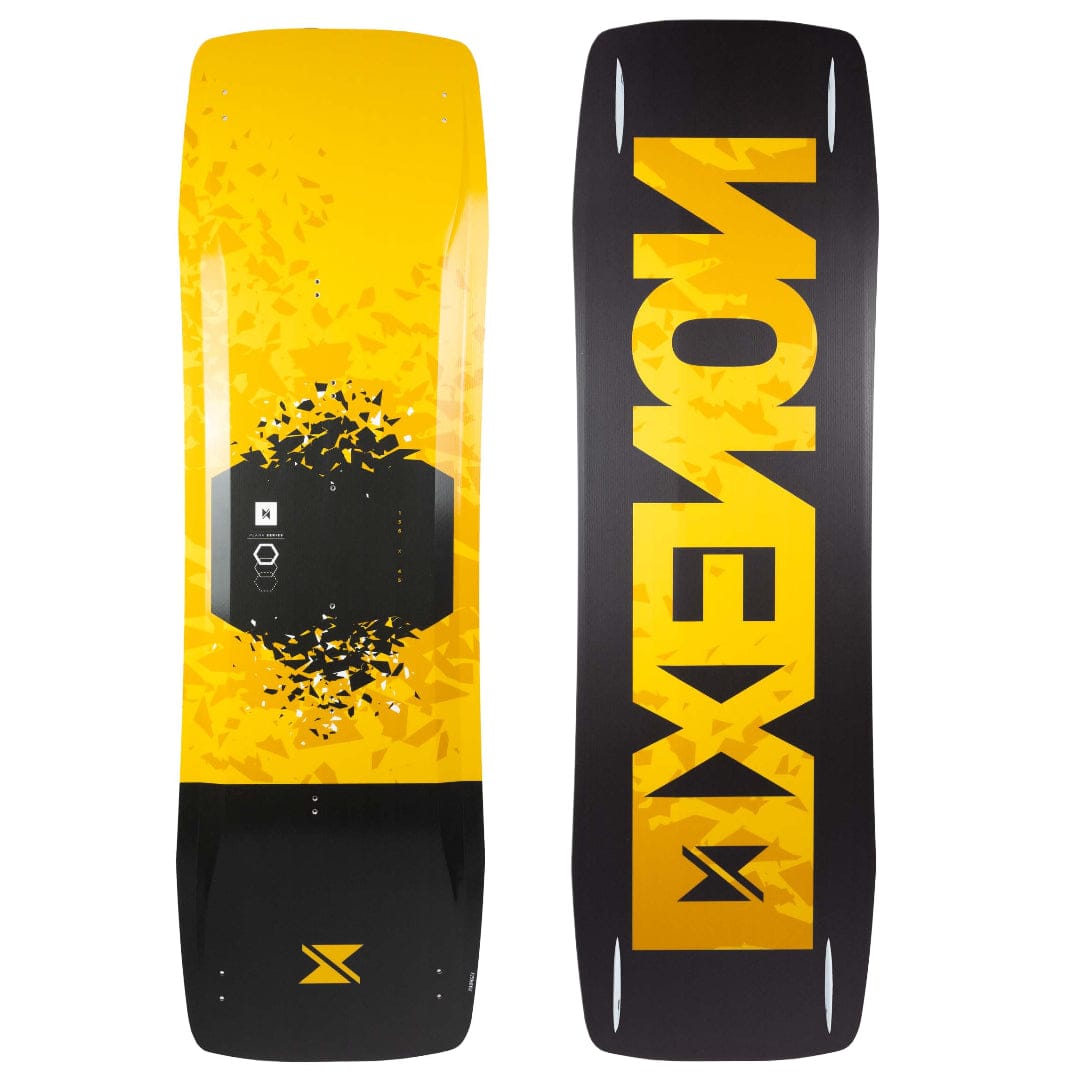
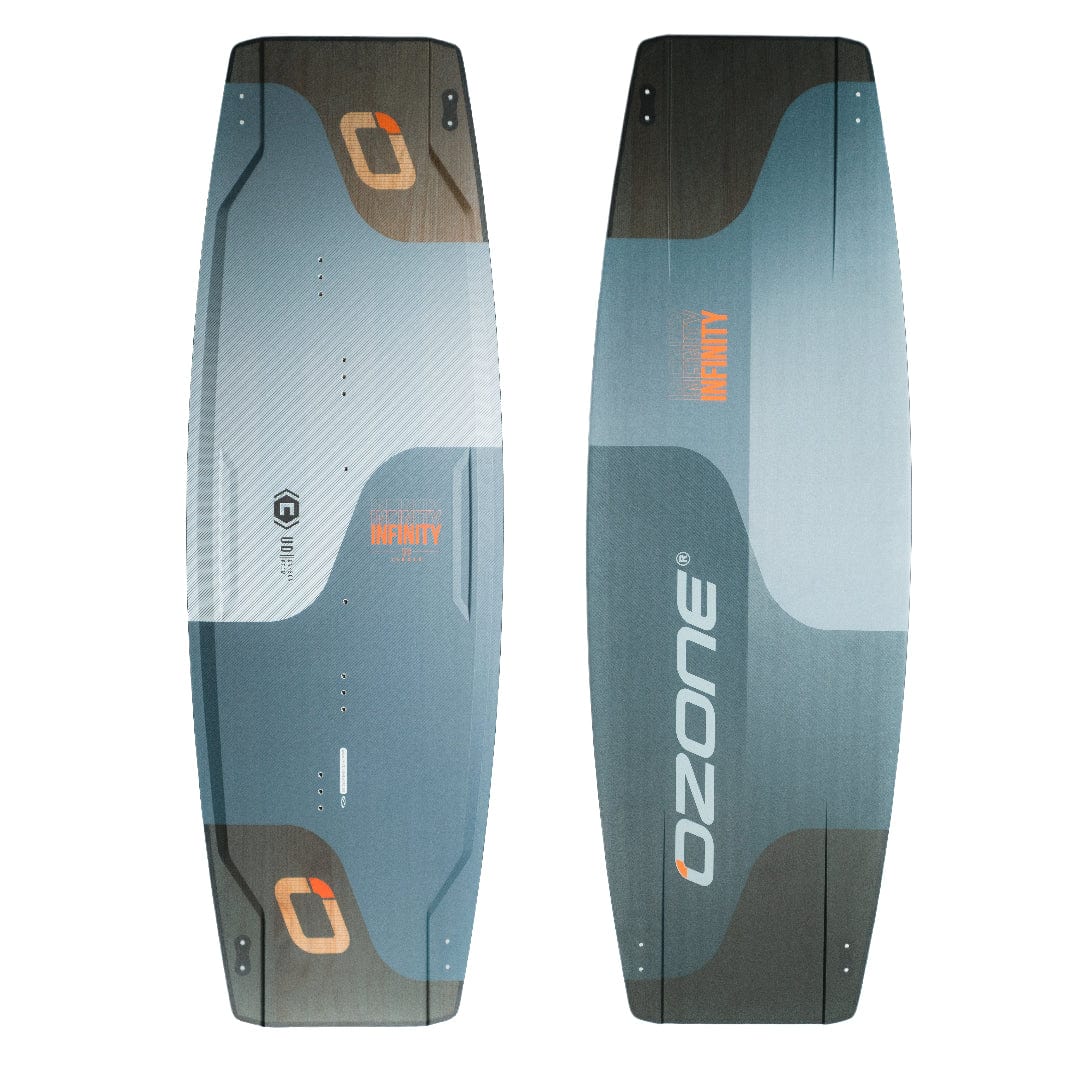
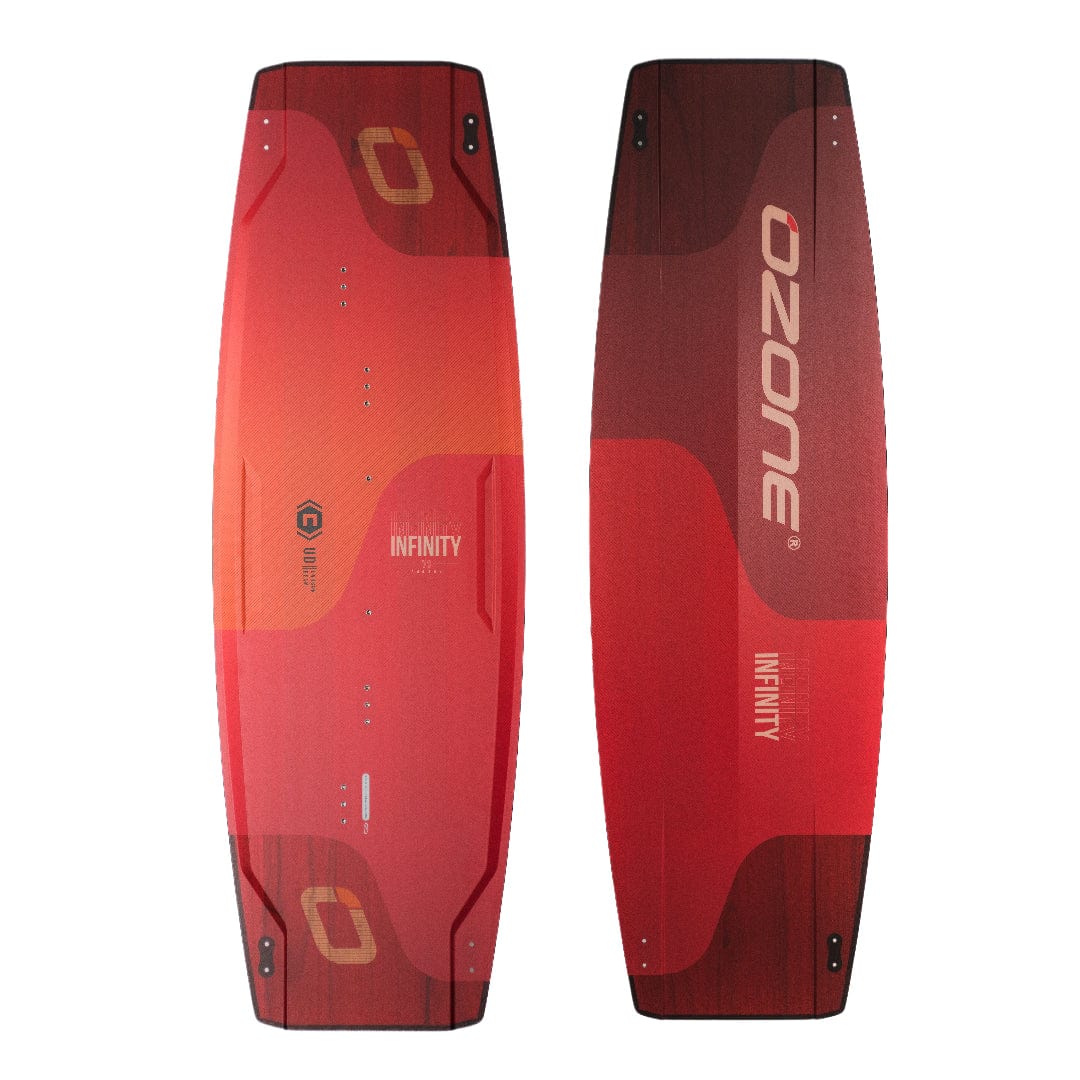
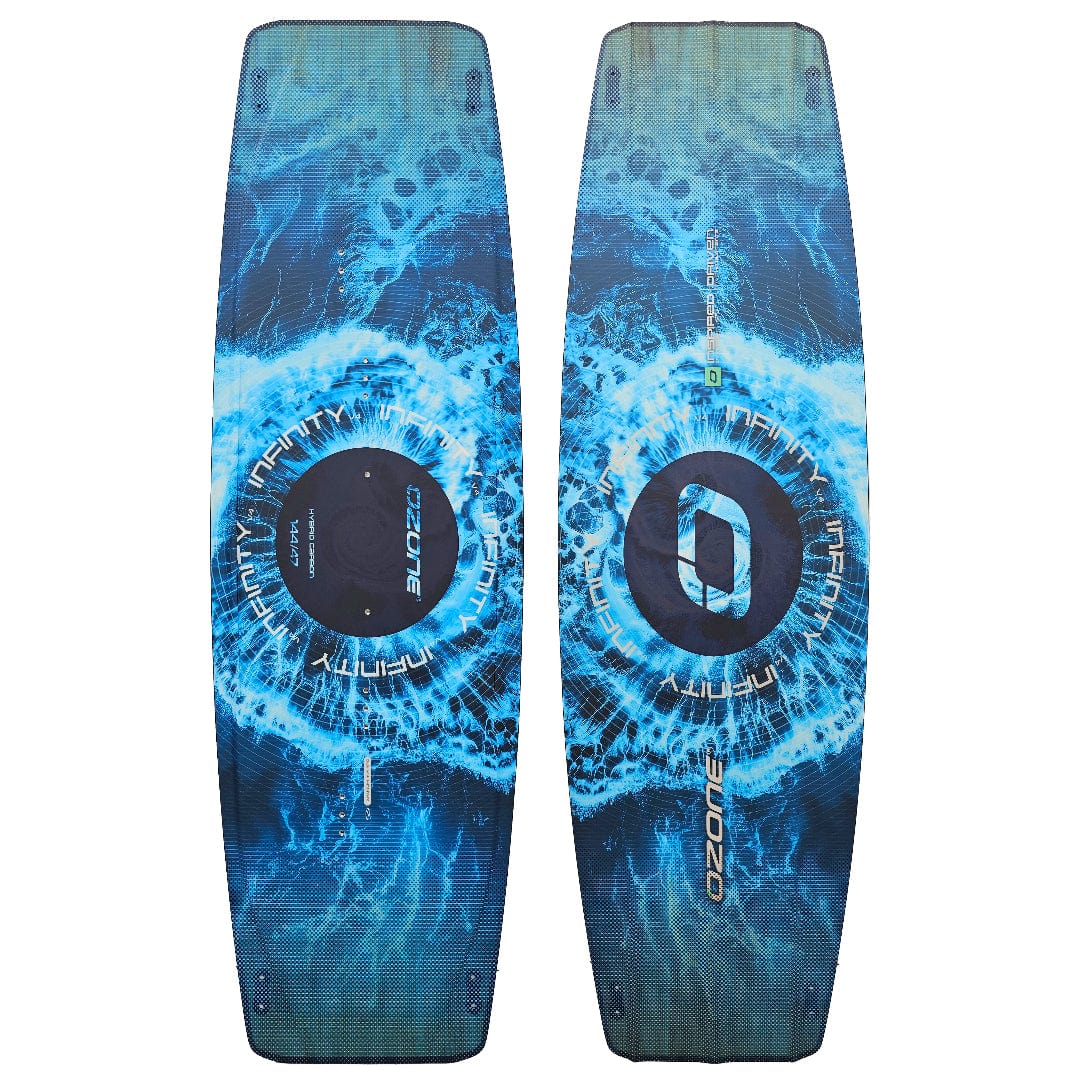
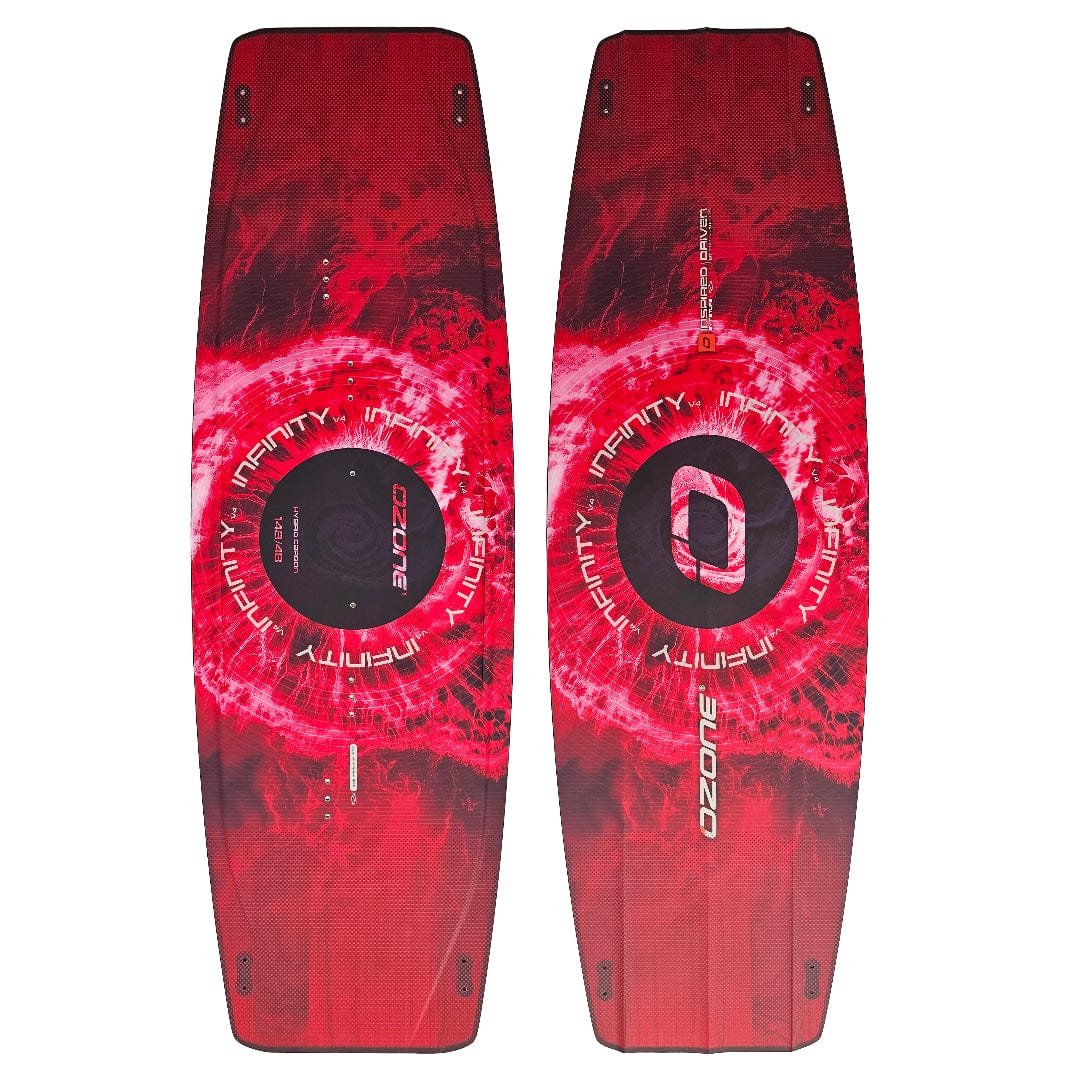
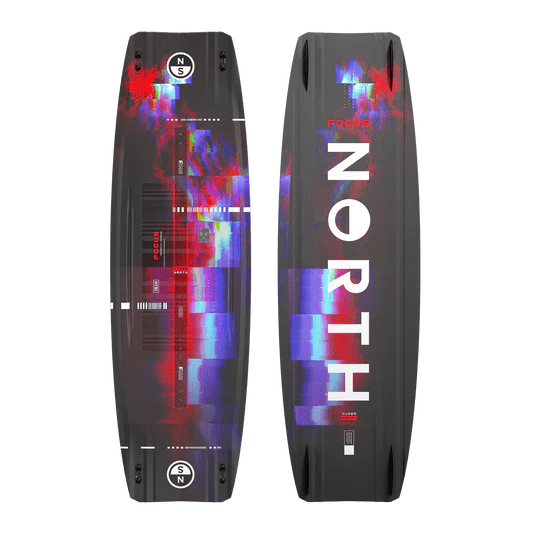
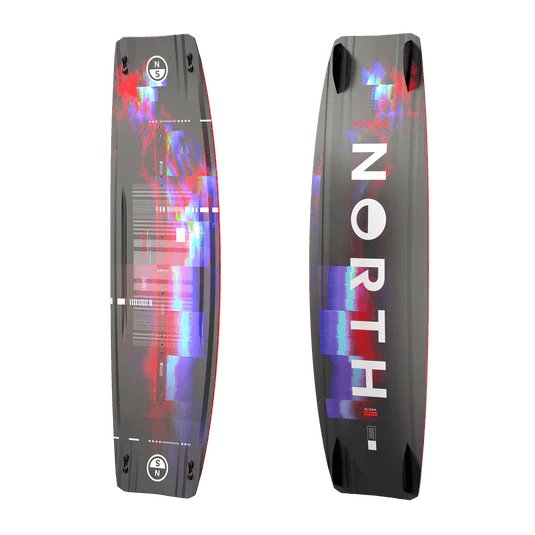
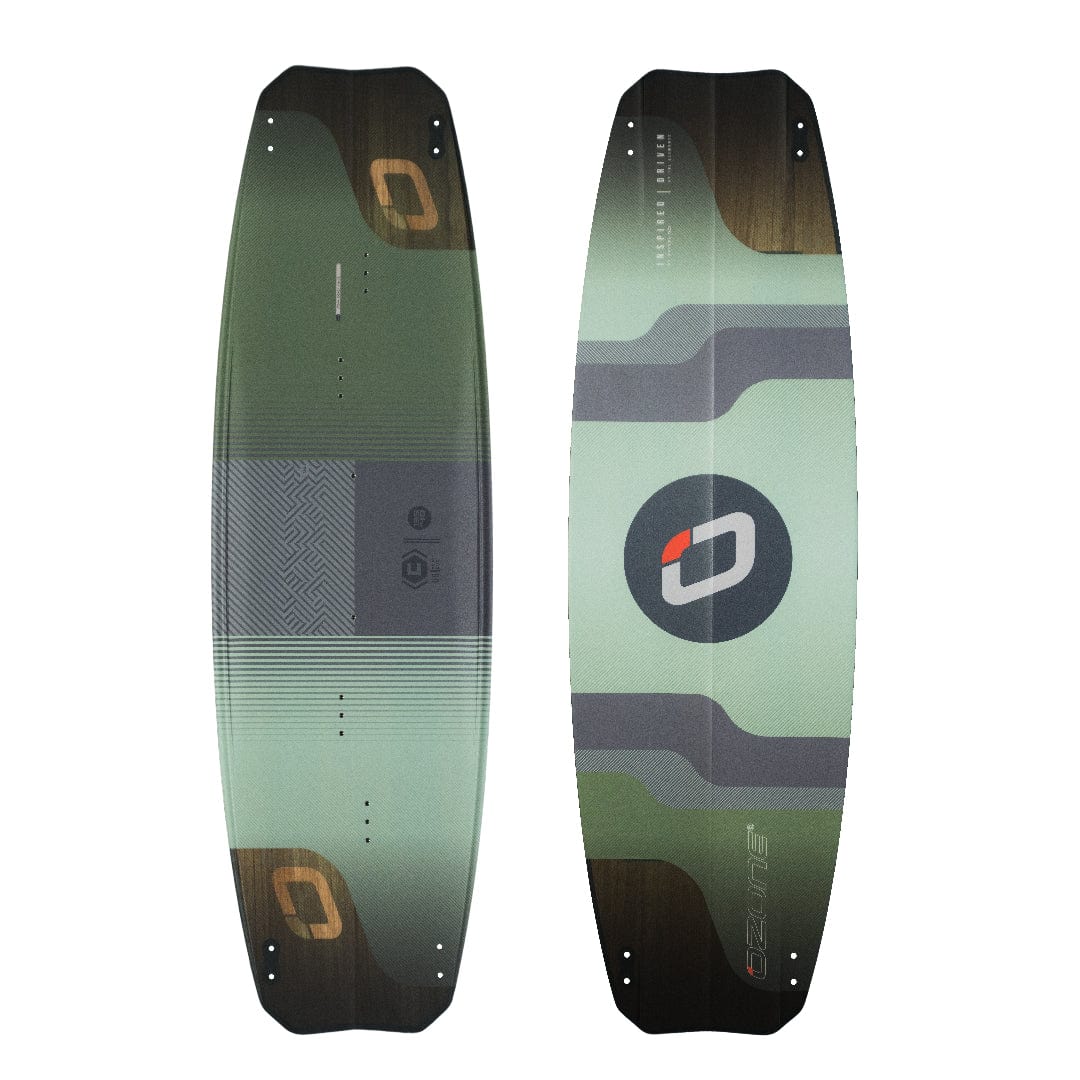
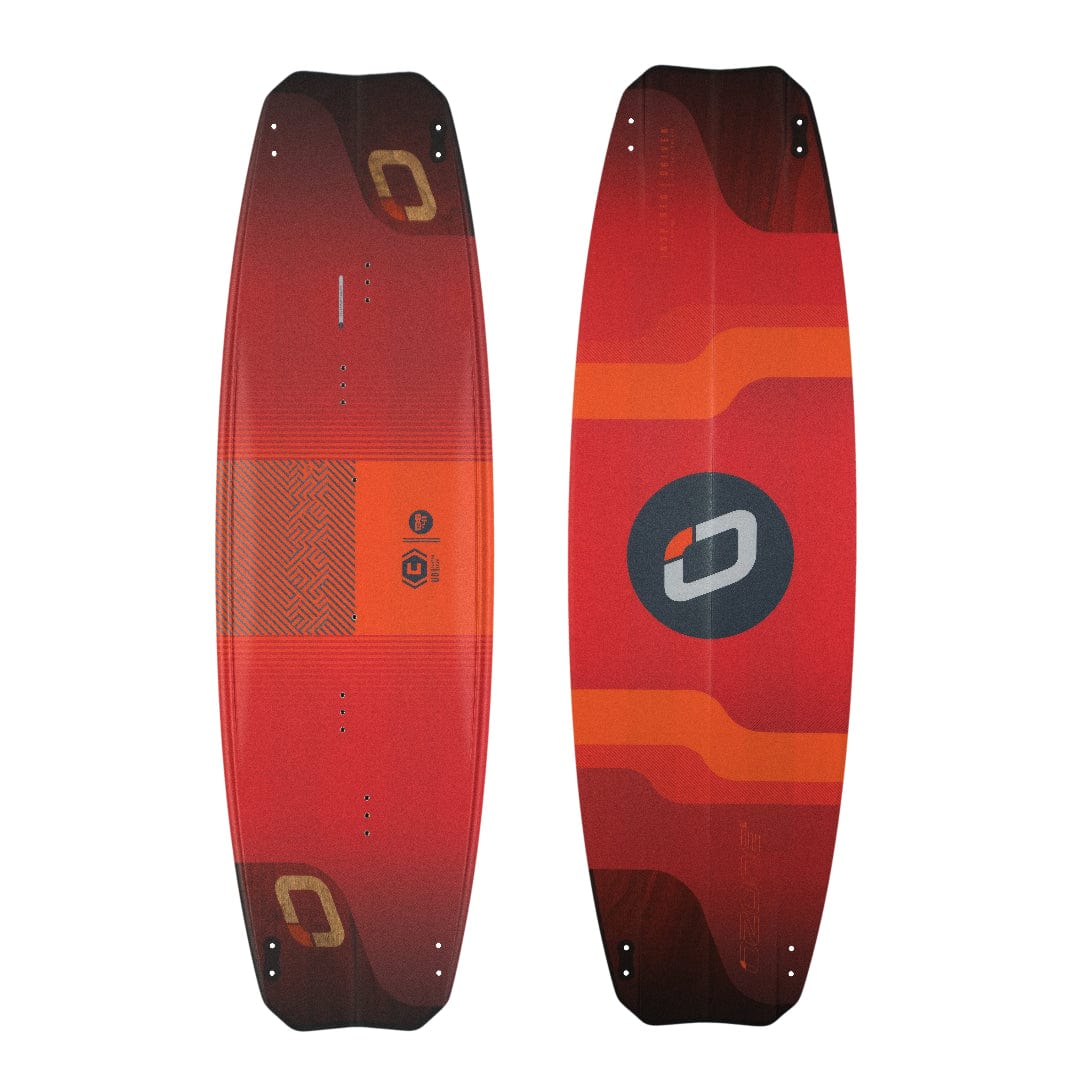
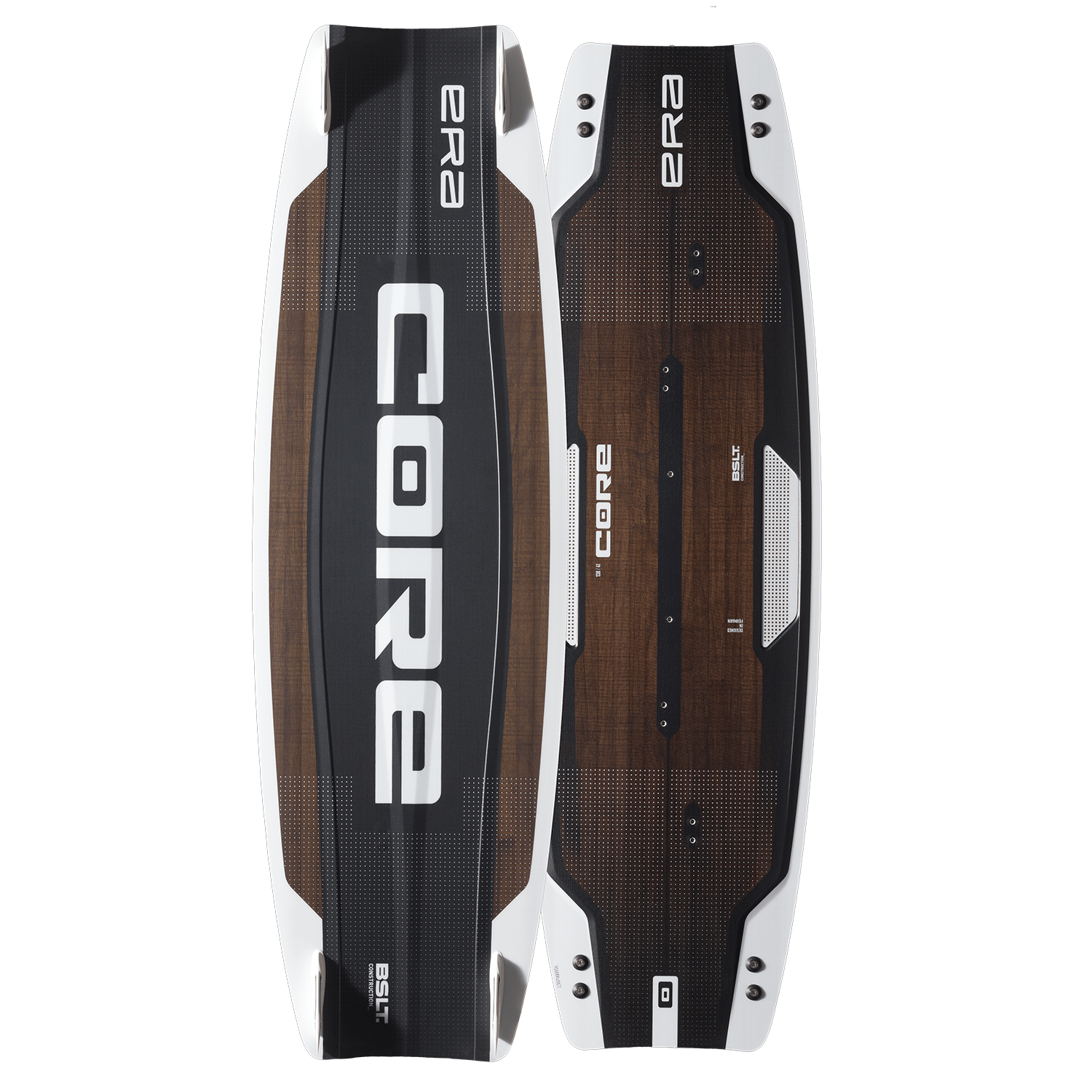
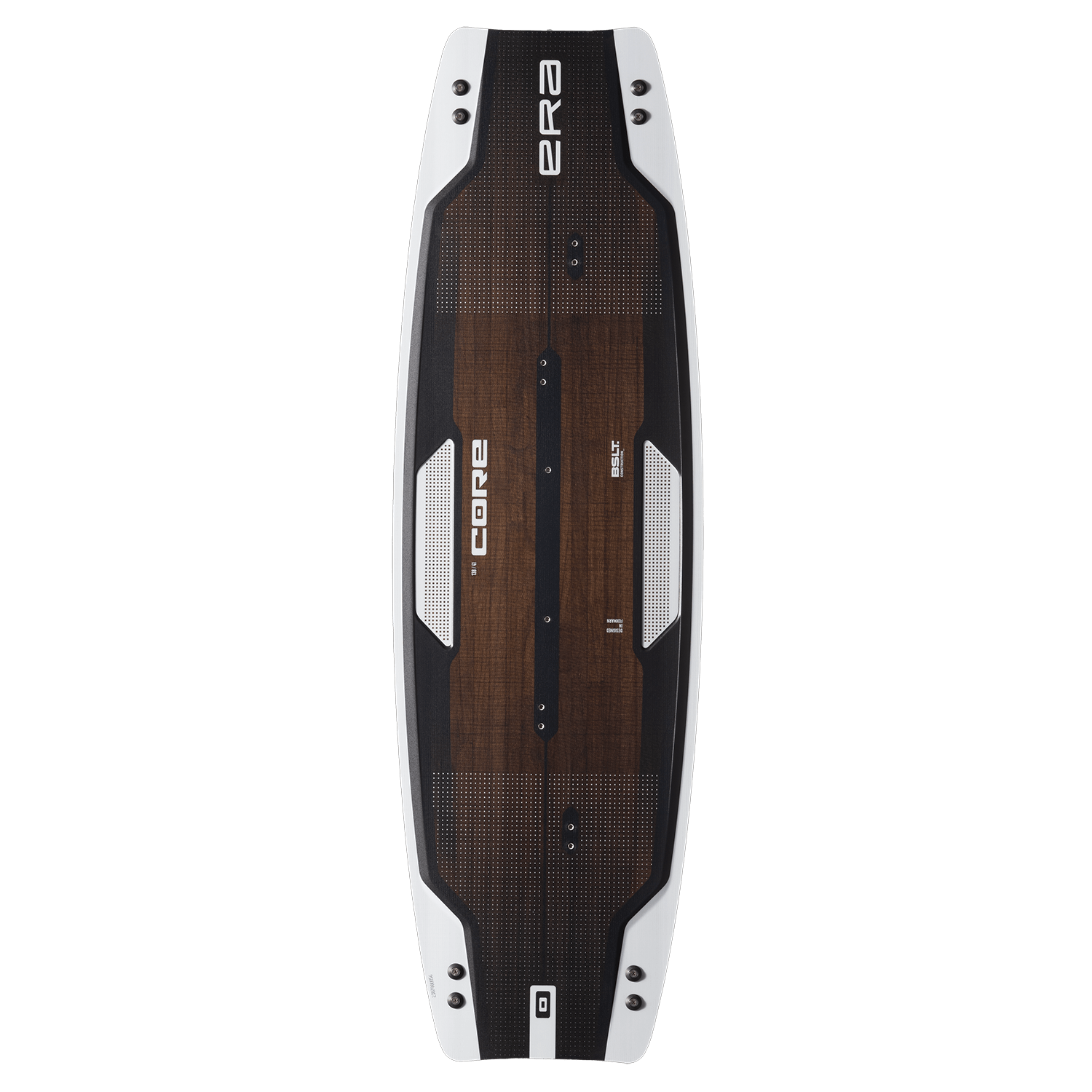
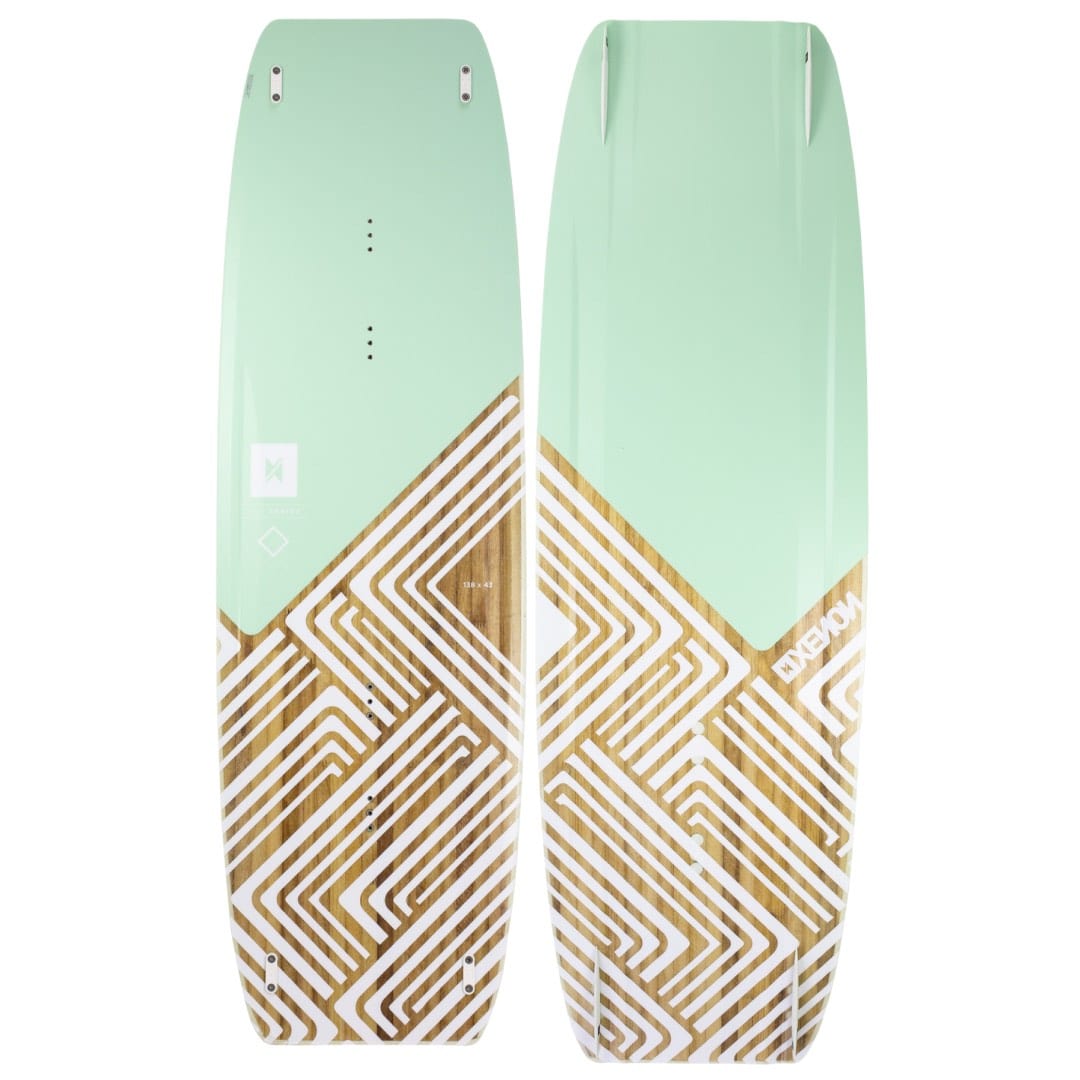
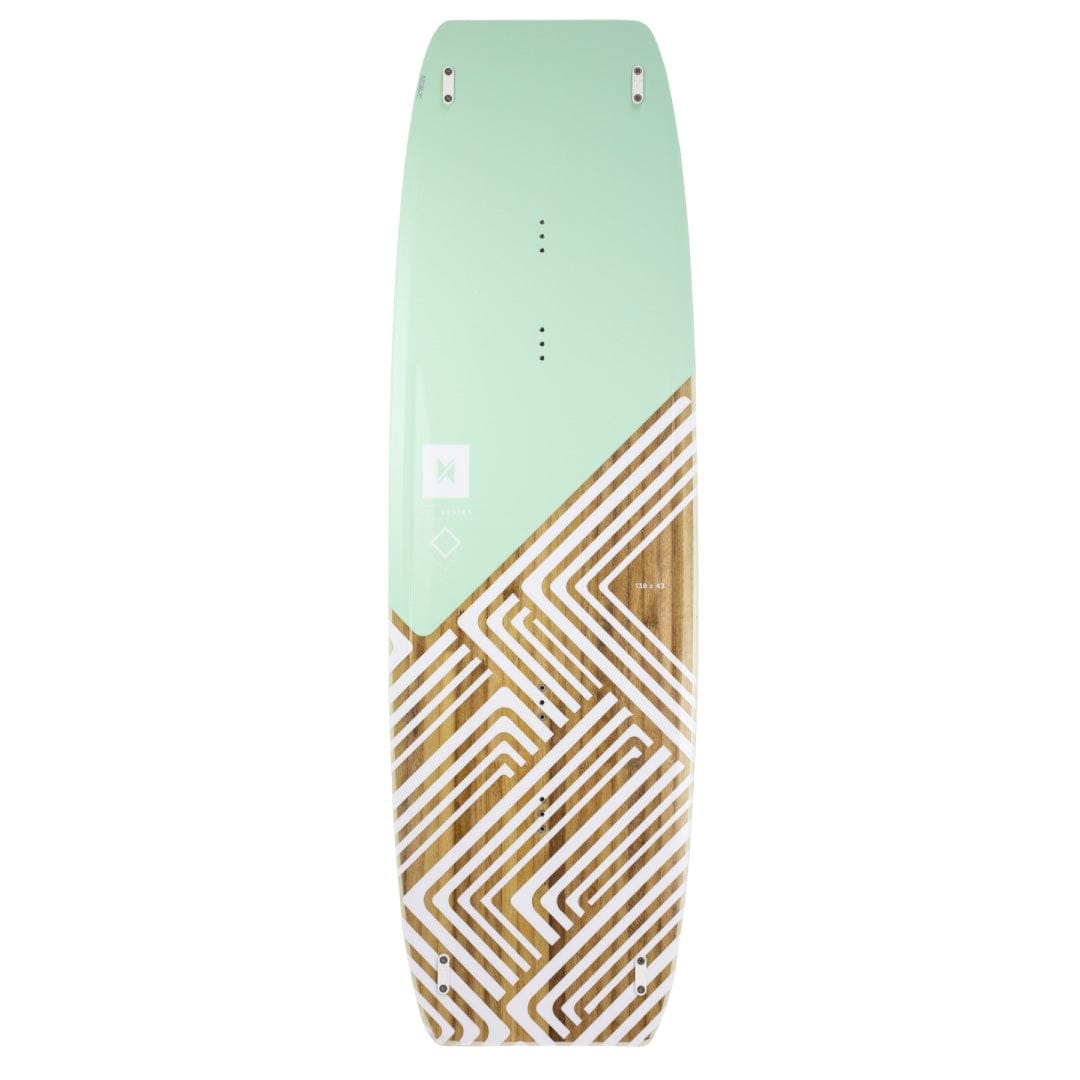
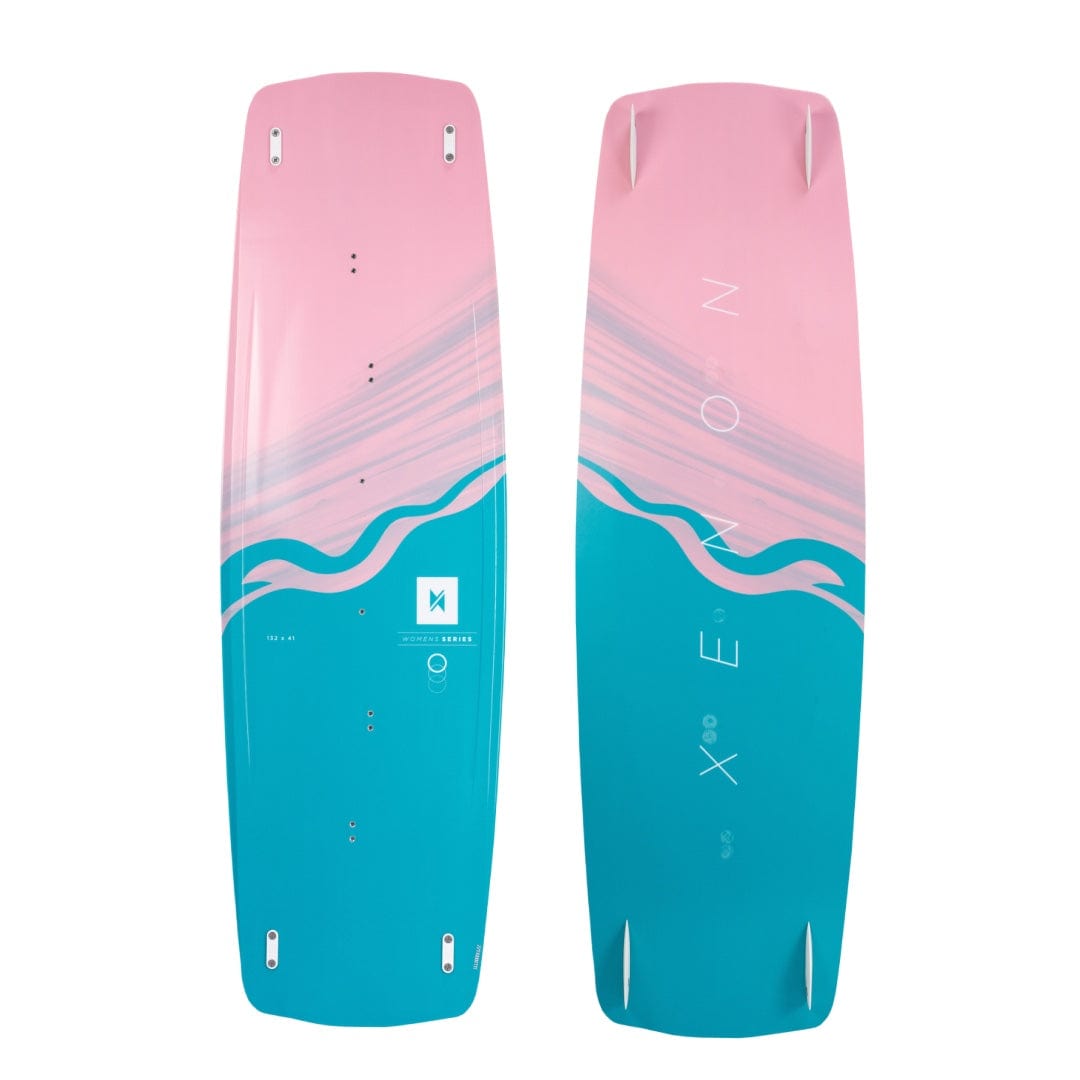
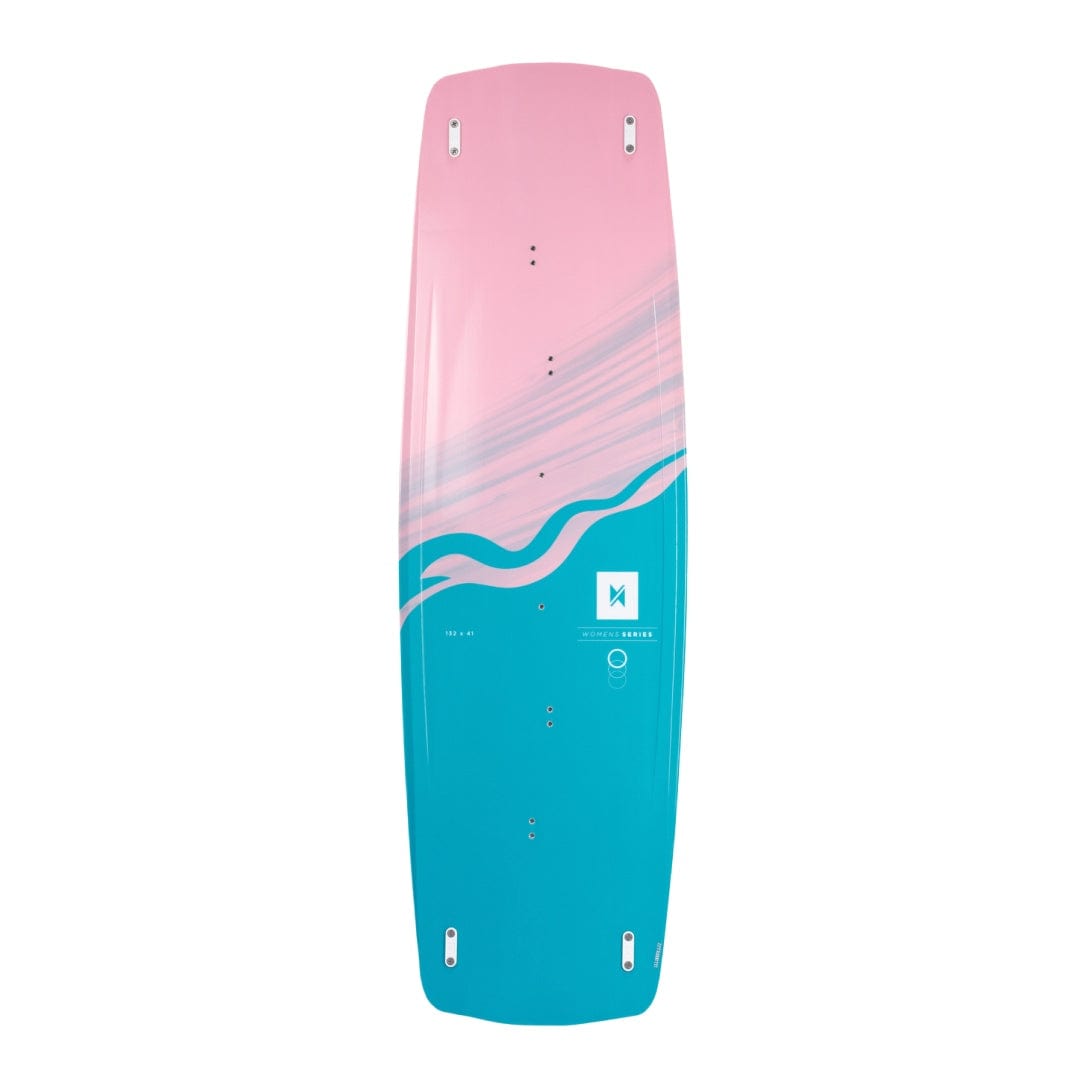
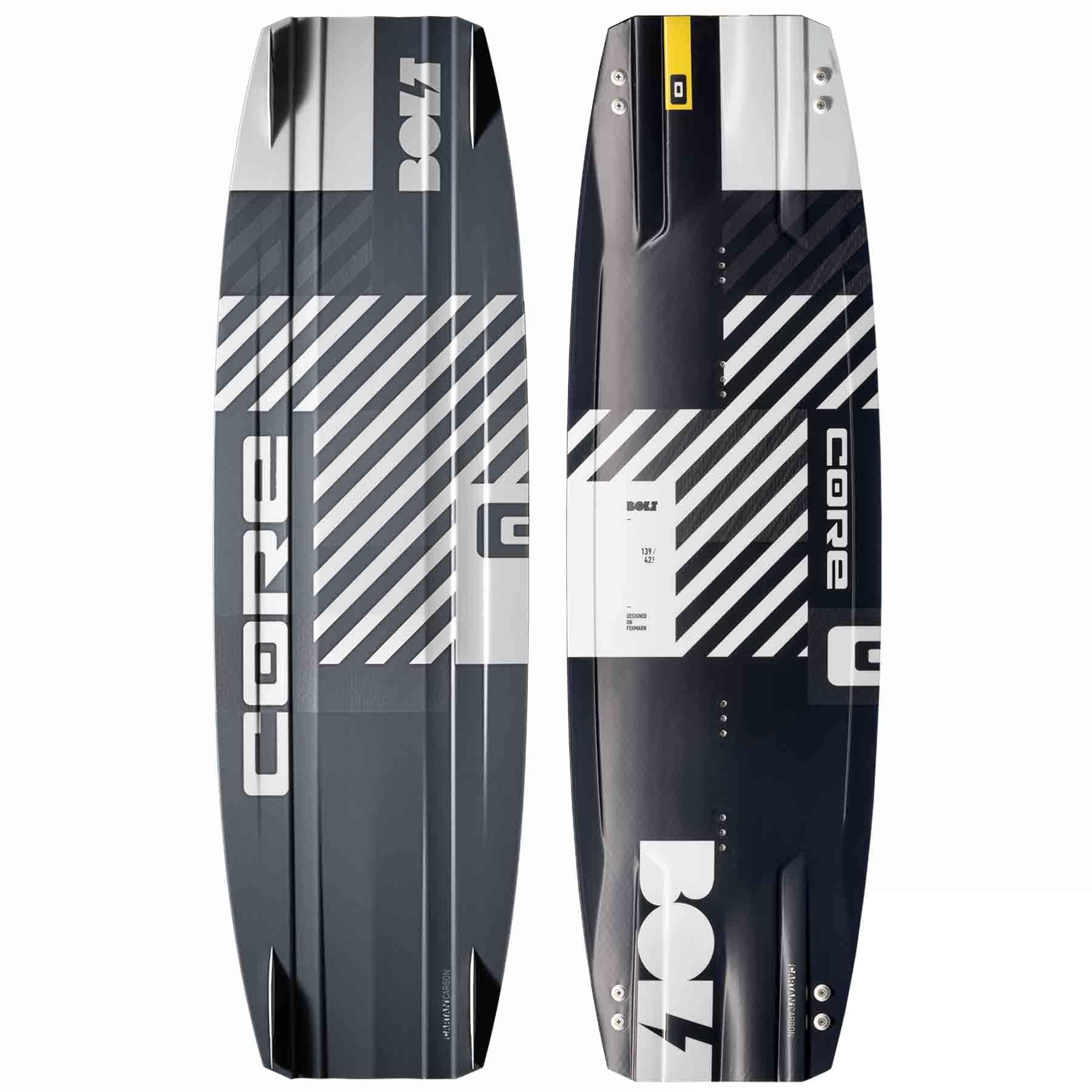
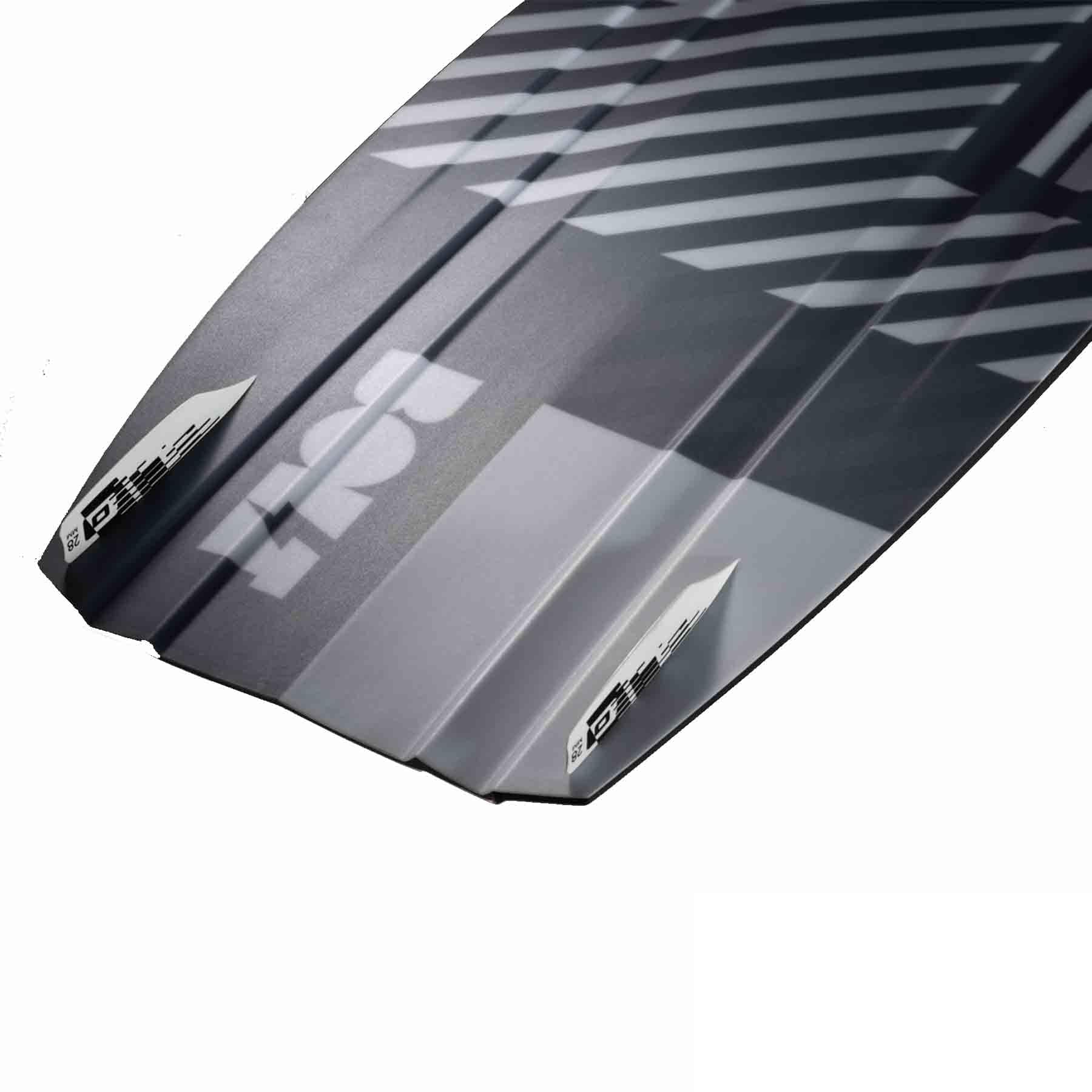
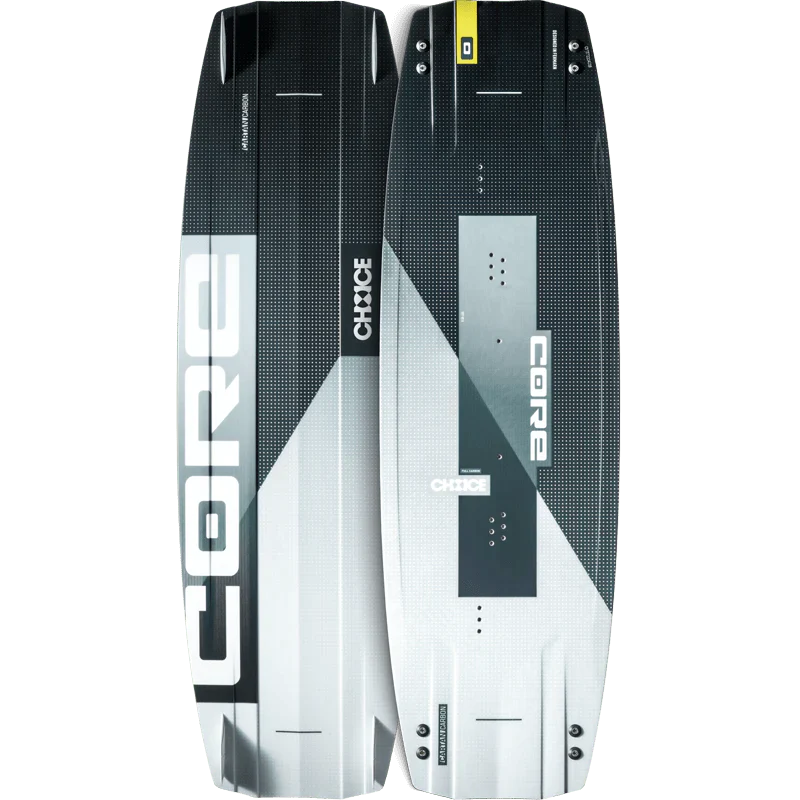
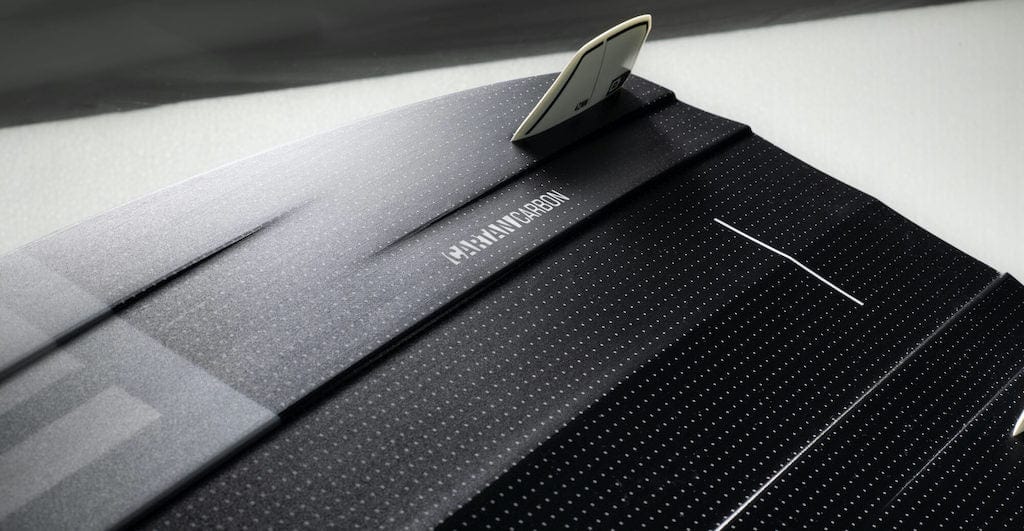
The twintip is the board most kitesurfers ride, and for good reason. It goes equally well in both directions, is easy to learn on, and handles everything from relaxed cruising to big jumps and freestyle. Choosing the right twintip for your weight, your level, and your style makes riding easier and more fun, whatever stage you are at.
Our twintip range covers kiteboards for beginners through to advanced riders, in a spread of shapes, sizes, and flex patterns from trusted brands. Whether you want a forgiving board to learn on or a responsive deck for pop and freestyle, there is a twintip to suit, and we can help you match it to your kite and conditions.
Not sure which size or flex you need? The guide below explains it, and our team is always happy to help. Browse the range below, see our full kiteboards for directional options too, and pair your board with a kite from our kite range.
What Is a Twintip?
A twintip is a symmetrical kiteboard with an identical nose and tail, so it rides the same in both directions without you needing to change your stance or turn the board around. You stay strapped in with your feet on bindings or pads, and simply change direction by edging the other way. This two way design is what makes twintips so intuitive and is why almost everyone learns on one.
Twintip Size and How to Choose It
Board size is the most important choice, and it depends mainly on your weight, your ability, and the wind you ride in. As a general guide, heavier riders and lighter wind suit larger boards, while lighter riders and stronger wind suit smaller boards. A larger board gets you going earlier and planes more easily, which helps beginners and light wind riding, while a smaller board is quicker and more manoeuvrable for stronger wind and freestyle. Many riders eventually own two sizes to cover their conditions.
Flex, Rocker, and Shape
Beyond size, the board's construction shapes how it rides.
- Flex: a softer flex is forgiving and comfortable over chop, while a stiffer board gives more pop and direct response for freestyle
- Rocker: more rocker, the curve along the base, rides smoother through chop and lands softer, while a flatter rocker is faster and planes earlier
- Outline and channels: affect grip and release, influencing how the board holds an edge and pops off the water
Beginners benefit from a softer, flatter, forgiving board, while advanced riders often prefer stiffer, more responsive shapes.
Bindings, Pads, and Fins
A twintip is completed by its contact points and fins.
- Pads and straps: the standard, quick and easy to get in and out of and suitable for most riders
- Boots: lock your feet in for maximum control and pop, favoured by committed freestyle riders
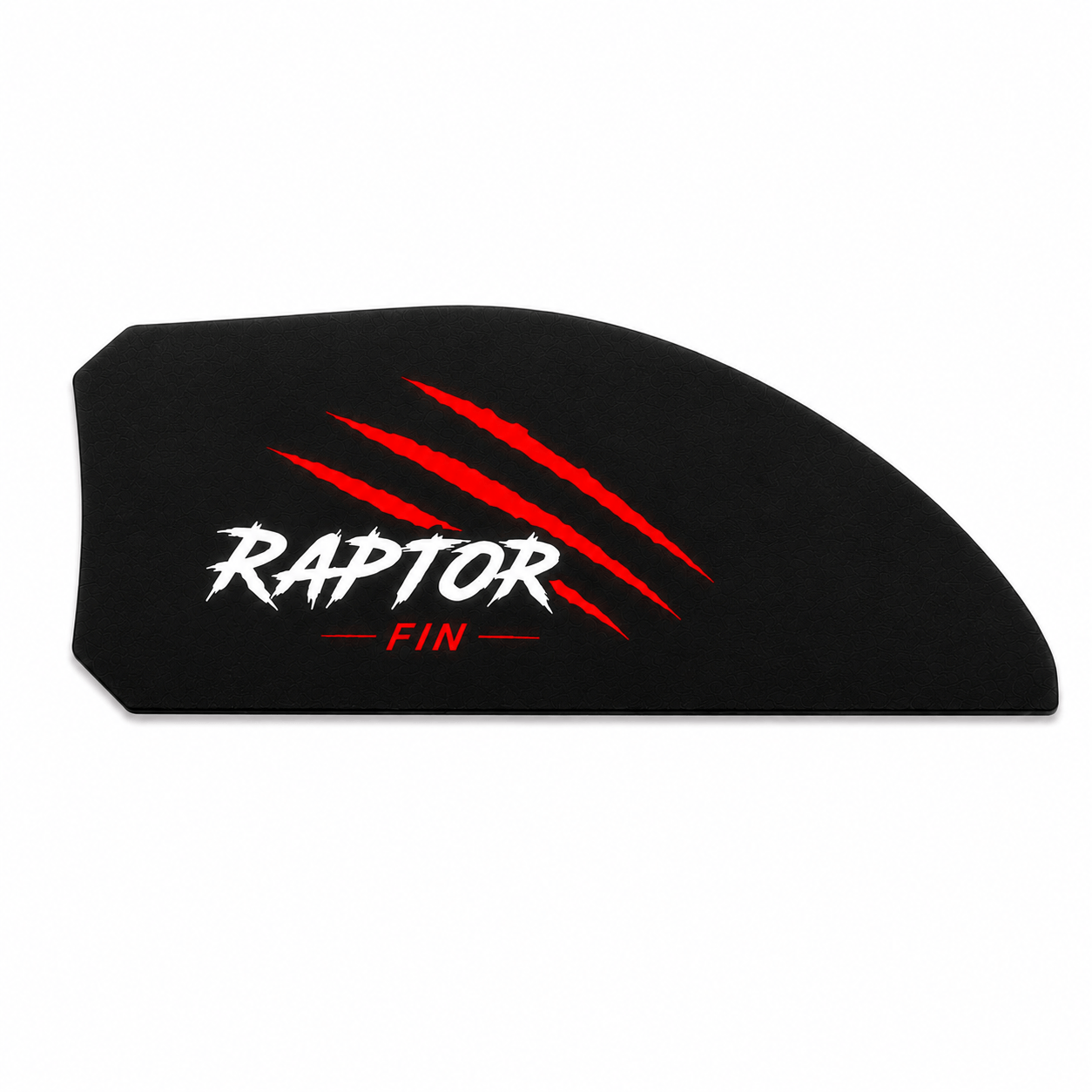
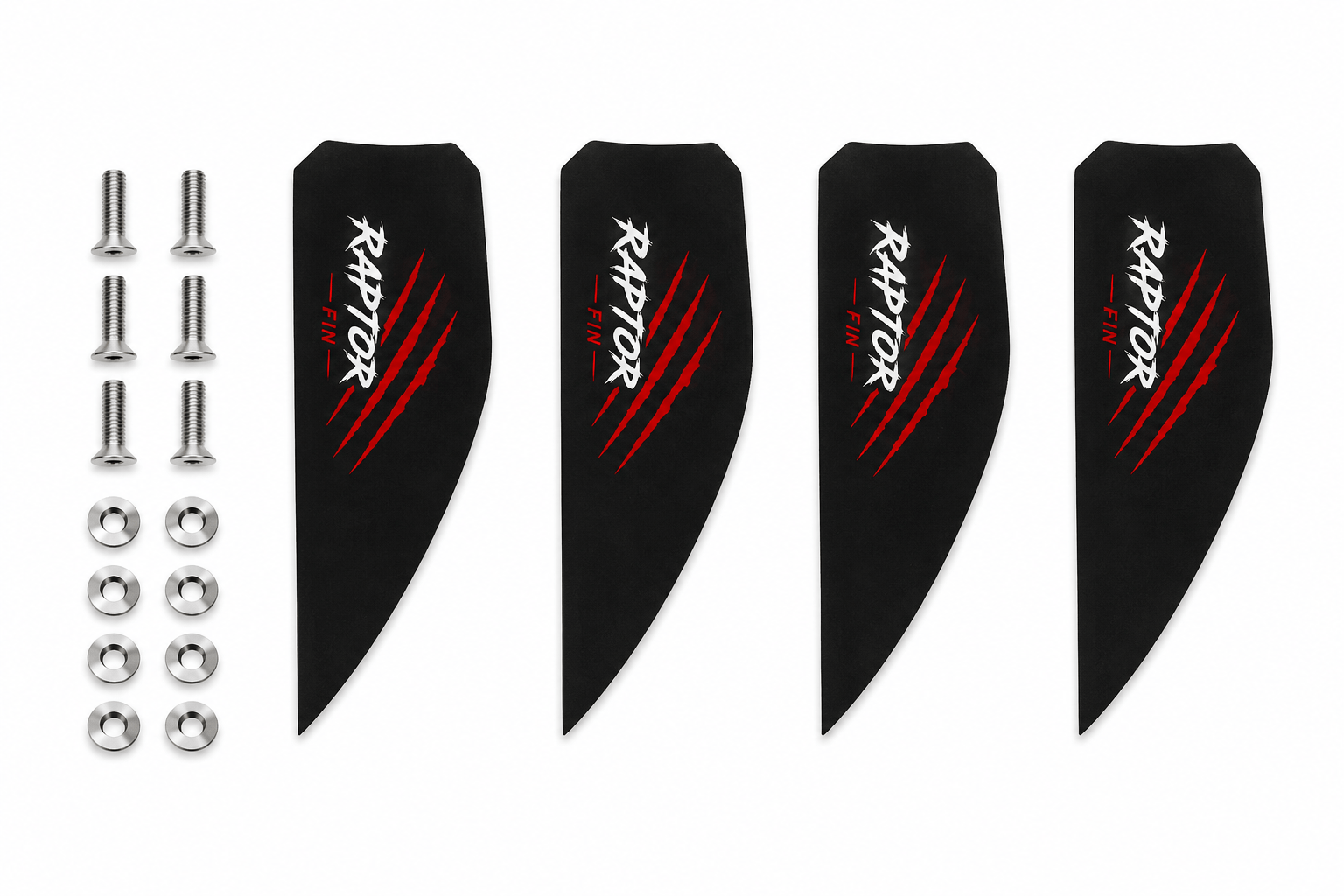
- Fins: larger fins add grip for beginners and light wind, while smaller fins loosen the board for freestyle
Pads and straps are the right choice for most riders, with boots a step for those focused on unhooked freestyle.
How to Choose Your First Twintip
If you are learning or progressing, prioritise an easy, forgiving board a little larger than you might eventually want, with a softer flex and larger fins for grip and early planing. This makes water starts and riding upwind much easier. As your skills grow you can move to a smaller, stiffer board suited to your style. Tell us your weight, ability, and local wind, and we can point you to the right size and shape.
Caring for Your Twintip
A little care keeps a board riding well and lasting longer.
- Rinse with fresh water after salt water sessions
- Check and tighten fin and binding screws regularly
- Repair any dings or chipped edges promptly to stop water ingress
- Store out of direct sun and extreme heat
- Use a board bag for transport and storage protection
Keeping fin and binding screws tight and repairing edge damage early are the simplest ways to protect your board.
How Much Do Twintips Cost?
Prices depend on construction, materials, and brand. Previous season and entry level boards sit at the lower end of the range, mid range all round boards in the middle, and premium carbon and performance boards at the top. Many boards come with pads and straps included, while performance decks are sometimes sold deck only. For learning, a solid mid range board usually offers the best balance of forgiveness and durability.
Why Buy Your Twintip from Surface2Air Sports?
We have been fitting watersports enthusiasts since 2002, with a shop in Poole and the full range online.
- Twintip kiteboards for beginners through to advanced riders
- A range of sizes, flex patterns, and shapes
- Pads, straps, boots, and fins
- Honest advice on sizing and matching to your kite
- In store support and online guidance
- A range to suit different budgets
Whether it is your first board or a performance upgrade, we can help you choose the right twintip. Explore the full kitesurfing range for everything else you need.
Twintips Versus Directional Boards
It helps to know how a twintip compares with a directional kiteboard. A twintip is symmetrical and ridden strapped in, changing direction simply by edging the other way, which makes it intuitive, great for jumping, and the natural choice for freeride and freestyle. A directional board, more like a surfboard, is ridden one way round and turned like a surfboard, which suits wave riding and strapless surf style sessions but asks more of the rider. Most kitesurfers learn and spend most of their time on a twintip because it is so versatile and forgiving, then some add a directional board later if they get into wave riding. If you are buying one board to do most things, a twintip is almost always the answer.
Frequently Asked Questions About Twintips
What is a twintip kiteboard?
A symmetrical board with an identical nose and tail that rides the same in both directions, so you change direction by edging the other way without turning the board.
What size twintip should I buy?
It depends mainly on your weight, ability, and wind. Heavier riders and lighter wind suit larger boards, lighter riders and stronger wind suit smaller ones.
Should beginners buy a bigger board?
Yes. A slightly larger, softer, forgiving board planes earlier and makes water starts and riding upwind easier, which speeds up learning.
Pads and straps or boots?
Pads and straps suit most riders and are quick to get in and out of. Boots lock your feet in for maximum control and pop, favoured by committed freestyle riders.
What does rocker do?
Rocker is the curve along the base. More rocker rides smoother through chop and lands softer, while a flatter rocker is faster and planes earlier.
Do fin sizes matter?
Yes. Larger fins add grip for beginners and light wind, while smaller fins loosen the board for freestyle. Many riders tune fins to their style.
How many boards do I need?
One versatile board covers most riders, though many eventually own two sizes to span their local wind range and riding styles.
How do I look after my twintip?
Rinse with fresh water after salt sessions, keep fin and binding screws tight, repair dings promptly, store out of direct sun, and use a board bag for transport.
Let customers speak for us
item as dscribed, looks fantastic

As described and looks fantastic. thank you
My first board and binding set up after using hire equipment for over a year. These will take some getting used to but step in and strap is a vast improvement. Large to size 12UK looks like it only just fits across the toe strap.
S2AS are my go to online store for anything Snowboarding related and as they say any query just pick up the phone and speak to Ollie (who sounds a lot like Jamie Lang)

Wait for snow
Loved the service in the shop Ollie was very helpful and a pleasure to deal with. Recommend highly
Kind regards
Matt

2026 Slingshot KTV EverShred Wakeboard Bindings

Exceptionally quick delivery, would definitely recommend buying from this site

Hi my in store experience was fantastic from email to shop with your representative Ollie could not have been more polite & helpful
Once I’ve tried the bourd I will send further feedback
Hope your all well
Kind regards
Matt

We ordered a large amount of items that all arrived safely, we kept everything save two jackets which we ordered wrong, but the team were great, we sent them back and got a refund with no hassle. Will definitely use in the future!

Great graphics, good fit and quality

I purchased a wing that was 70% off and I am delighted with my new toy. I had it out today for the first time and despite only being a 2.8m wing, the power and control was amazing. It is so good that I am tempted to buy a bigger size to add to my collection. Thanks again S2AS for another great product for a bargain price 😊

Great carbonboard from Shinn and Raptor fin set at a good price from Surface2Air Sports. Delivered without any problems.

Really well made, super comfortable and love the carry wrap that they are supplied in. Much better than the usual drawstring bags that disintegrate. Best beach chair yet

Excellent item really pleased with it good delivery

2026 Mystic Patrol Boots wakeboard Bag

Great quality T-shirts.