Sort by

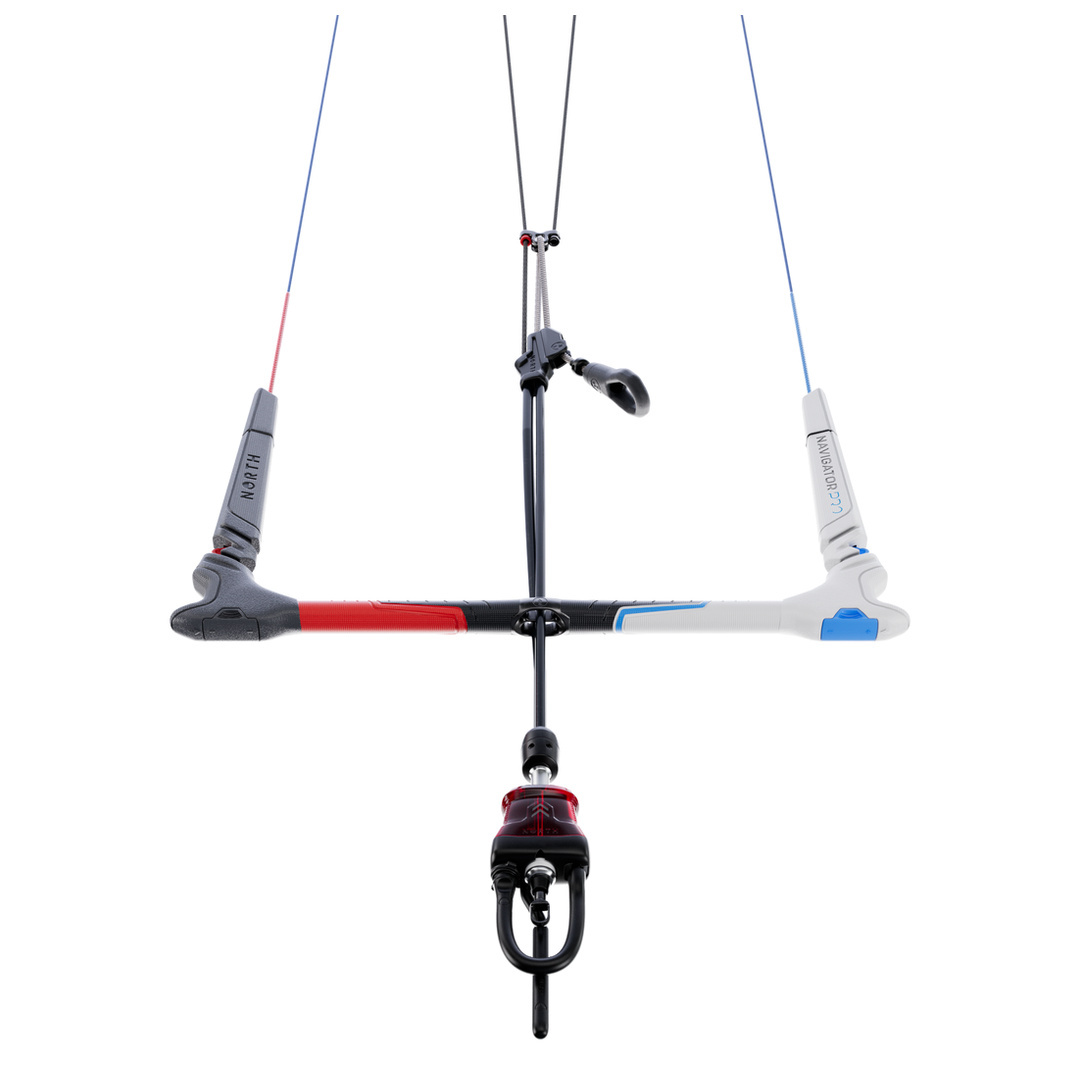
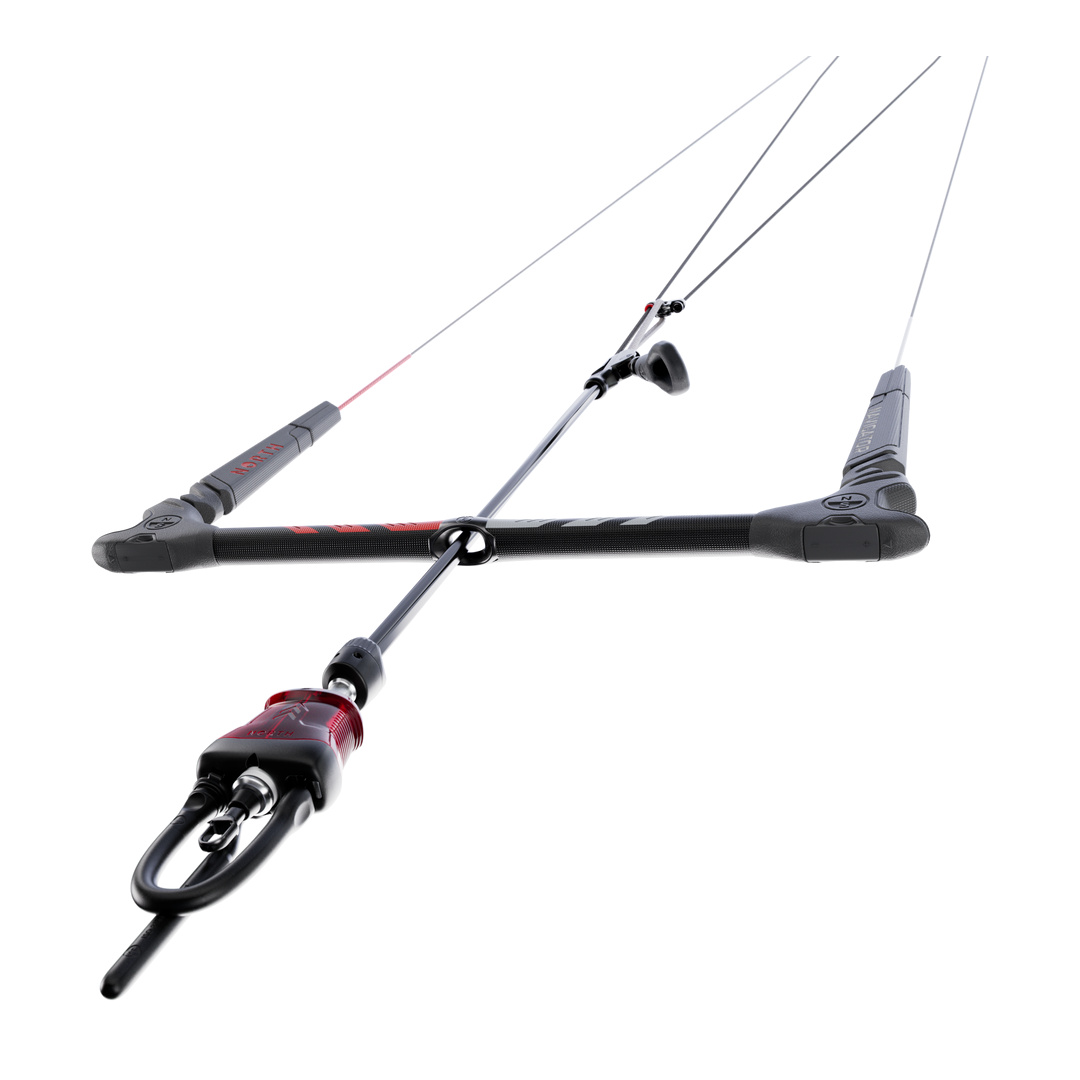
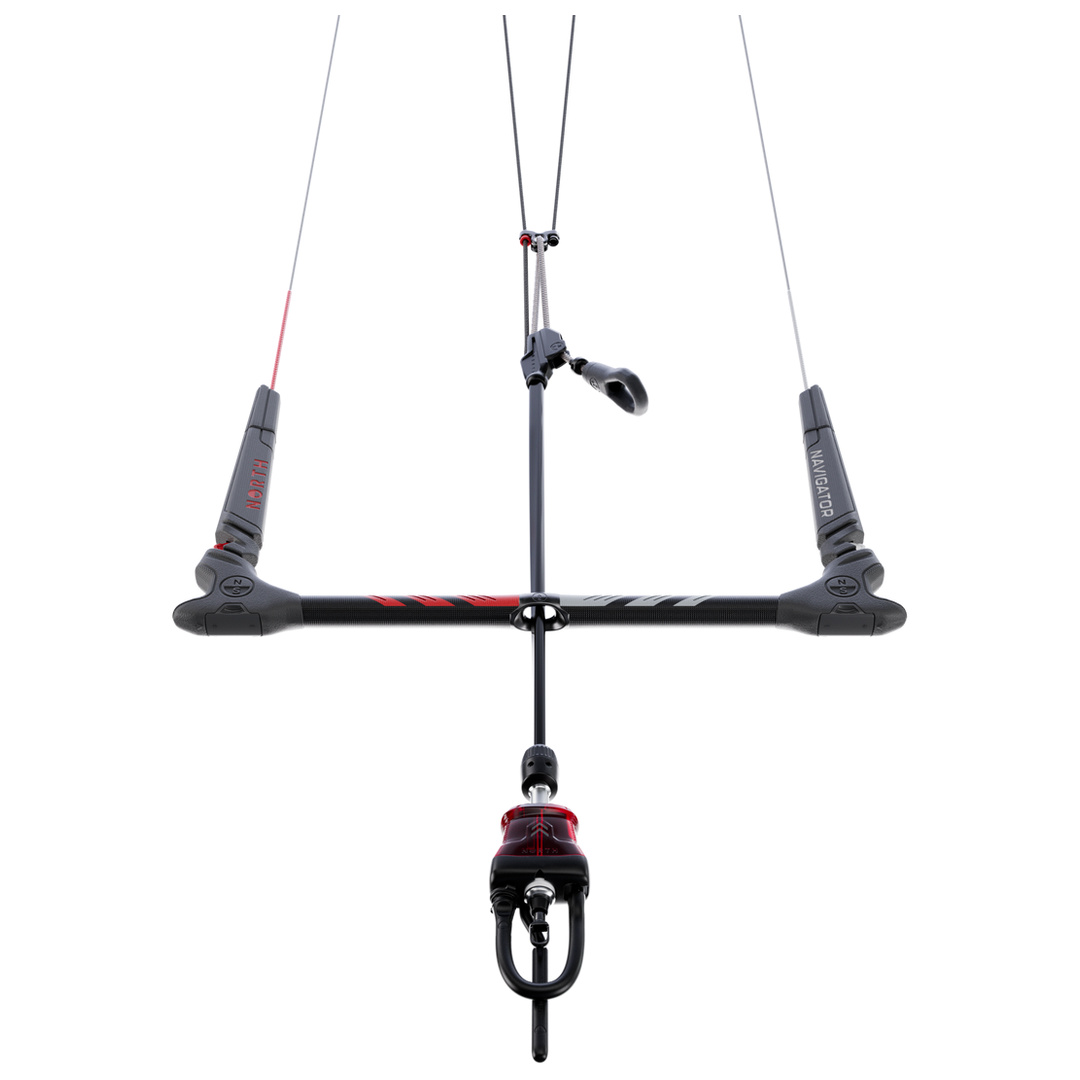
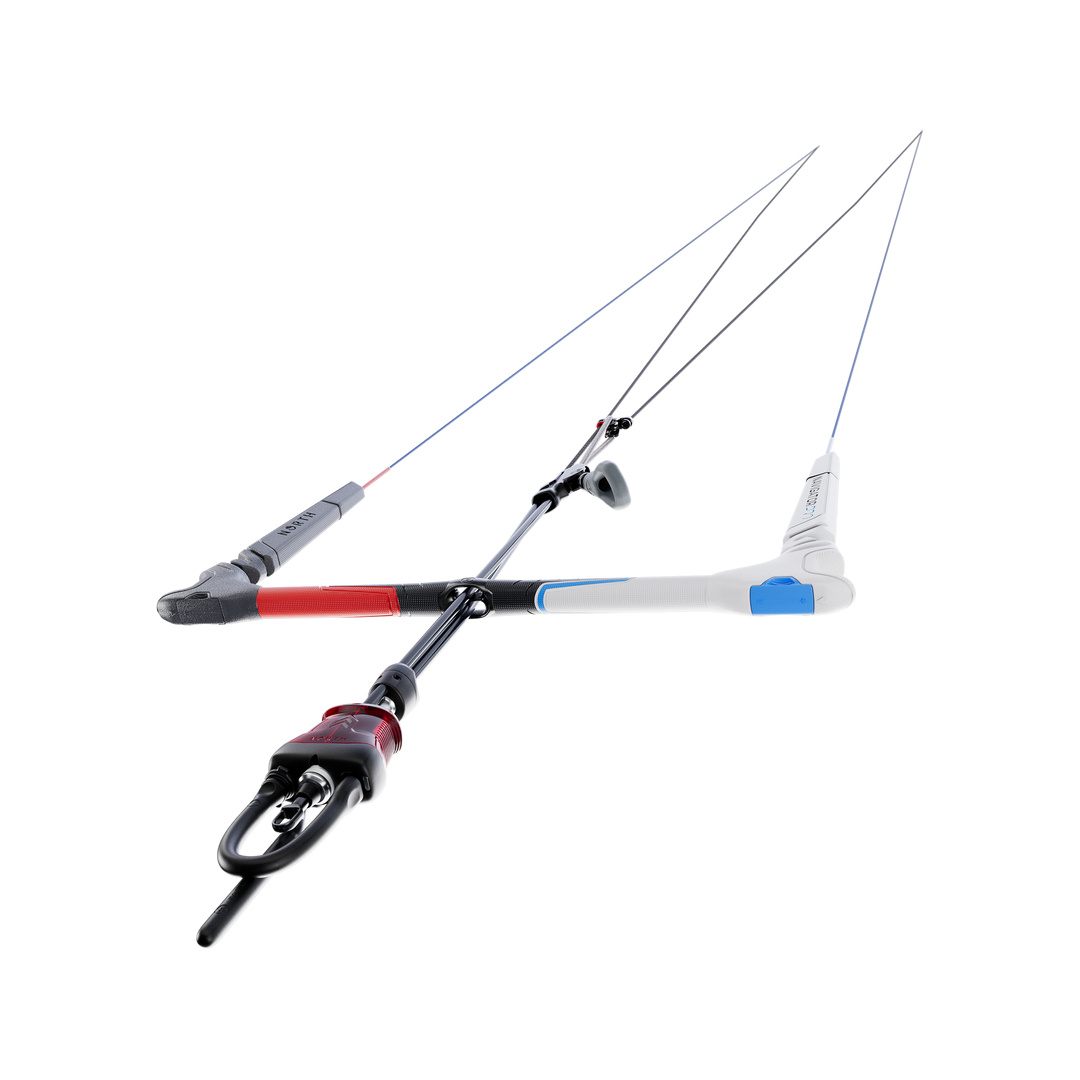
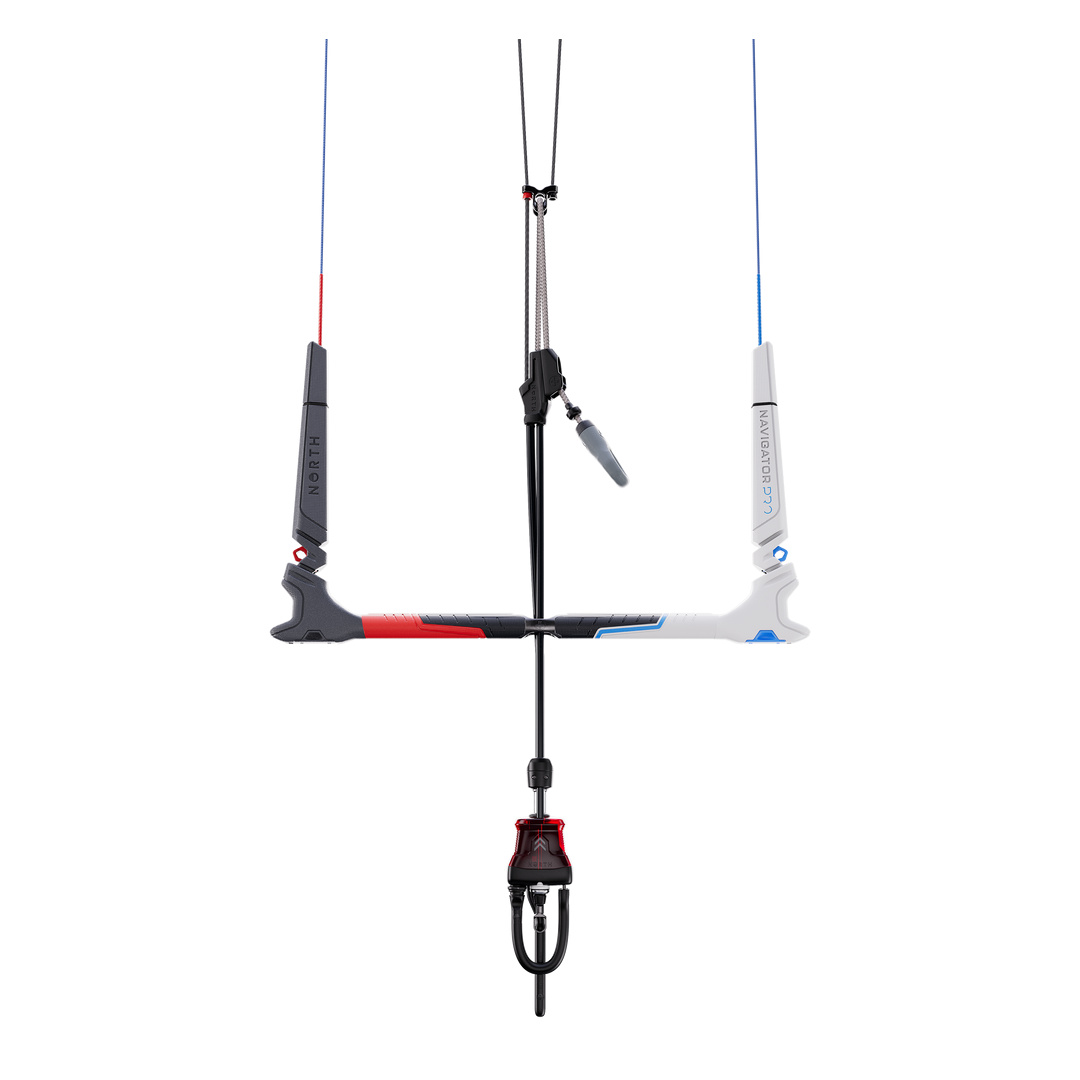


Your control bar is the cockpit of your kitesurfing setup. It is how you steer, how you adjust power, and, most importantly, how you activate your safety system. A good bar feels intuitive in your hands and gives you confidence that everything will work when you need it. This collection covers control bars, lines, and the connectors that link them, so you can keep your setup safe and dialled.
Whether you are replacing a worn set of lines, upgrading to a newer bar, or extending your lines for lighter wind, there is an option here. The range includes complete control systems and the parts to service and tune them.
Not sure what you need? The guide below explains bar width, line length, and safety systems. Browse the range below, and make sure your bar suits your kitesurfing kites.
What a Control Bar Does
The control bar connects you to the kite through the lines and lets you do three key things: steer the kite by pushing and pulling the ends of the bar, adjust power by sheeting the bar in and out, and release the kite instantly through the safety system. Everything about how a kite feels to fly comes through the bar, which is why using a well-maintained, correctly matched bar matters so much.
Parts of a Control Bar
- Bar and grip: what you hold and steer with, sized to suit your kite
- Centre lines and depower: let you trim the kite's power up and down
- Chicken loop: connects the bar to your harness
- Quick release: the safety that depowers and releases the kite in an emergency
- Floats and line ends: keep the bar afloat and connect the flying lines to the kite
Each part works as a system, which is why bars are designed to be used complete rather than mixed.
Bar Width and Kite Size
Bar width affects how much steering input the kite gets. A wider bar gives more leverage and suits larger kites, which need more input to turn, while a narrower bar suits smaller kites and faster, more responsive steering. Many modern bars are adjustable between two widths, letting one bar cover a range of kite sizes. Matching bar width to kite size keeps the steering feeling balanced.
Line Length Explained
Flying lines are typically in the low twenties of metres, and line length changes how the kite behaves. Longer lines put the kite into stronger, cleaner wind higher up and give bigger, slower turns, which helps in lighter wind. Shorter lines give quicker, more direct steering and can help in gusty or crowded conditions. Many bars come with a standard length that suits most riding, with the option to add or remove line sections.
Line Connectors and Extensions
Line extensions and connectors let you lengthen or shorten your lines without buying a whole new set. Adding a set of extensions is a popular way to get more power in light wind, while shortening lines sharpens the steering. Connectors also let you replace a single damaged line section rather than the whole set. Always make sure any extensions are matched correctly across all four lines so the kite stays in tune.
Safety Systems and Quick Release
The quick release is the single most important feature on your bar. In an emergency, pulling it depowers the kite so it loses its pull, letting you regain control or detach completely. A good release is strong, easy to reach, and simple to reset. Keep it clean and free of sand and salt, test it regularly, and never ride with a release that is stiff, corroded, or damaged.
Matching Your Bar to Your Kite
Bars and kites are designed as a matched system, particularly the safety and depower. Using the correct bar for your kite brand and model keeps the safety release and trim working exactly as intended. Mixing bars and kites across brands can change how the safety behaves and is best avoided. If you are unsure which bar suits your kite, our team can confirm the right match for you.
When to Replace Your Lines
Lines stretch and wear over time, and uneven line length throws a kite out of trim, making it fly poorly or turn unevenly. Inspect your lines regularly for fraying, knots, and uneven stretch, and replace them when they are worn. Fresh, correctly matched lines can transform how an older kite flies, so new lines are often a cheaper fix than you might expect.
Caring for Your Bar and Lines
- Rinse the bar and lines with fresh water after salty or sandy sessions
- Keep sand out of the quick release and moving parts
- Wind lines up neatly to avoid knots and tangles
- Check for frays, uneven stretch, and worn fittings regularly
- Store out of direct sunlight to protect the plastics and webbing
A clean, well-maintained bar is safer and lasts far longer.
How Much Do Bars and Lines Cost?
A complete control bar sits in the mid to upper range of kitesurfing kit, reflecting the safety engineering and the lines included. Replacement line sets and extensions are more affordable and are a sensible way to keep an existing bar performing. Given the safety role of a bar, it is worth buying a quality system and maintaining it well rather than cutting corners.
Why Buy Your Bar and Lines from Surface2Air Sports?
We have supplied kitesurfers since 2002, with a shop in Poole and a full range online.
- Complete control bars and replacement lines
- Line connectors and extensions for tuning
- Options to suit a range of kite brands and sizes
- Honest advice on bar width and line length
- Help matching a bar safely to your kite
Whether you are servicing an old setup or buying a new bar, we can help you choose. Explore our kitesurfing equipment range and the North collection for more.
Frequently Asked Questions About Kitesurfing Bars and Lines
What bar width do I need?
Wider bars suit larger kites that need more steering input, narrower bars suit smaller kites and quicker steering. Many bars adjust between two widths.
How long should my lines be?
Most riders use the standard length supplied, often in the low twenties of metres. Longer lines help in light wind, shorter lines sharpen steering in gusty conditions.
Can I use any bar with my kite?
It is best to use the matched bar for your kite brand and model, as the safety and depower are designed to work together. Avoid mixing across brands.
When should I replace my lines?
Replace lines when they fray, knot, or stretch unevenly. Uneven lines throw the kite out of trim, so fresh lines can transform how an older kite flies.
What is the quick release for?
It is the safety that depowers and releases the kite in an emergency. Keep it clean, test it regularly, and never ride with a stiff or damaged release.
How do I look after my bar?
Rinse with fresh water, keep sand out of the release, wind lines neatly, check for wear, and store out of direct sunlight.
Let customers speak for us
the whole exercise

item as dscribed, looks fantastic

As described and looks fantastic. thank you
My first board and binding set up after using hire equipment for over a year. These will take some getting used to but step in and strap is a vast improvement. Large to size 12UK looks like it only just fits across the toe strap.
S2AS are my go to online store for anything Snowboarding related and as they say any query just pick up the phone and speak to Ollie (who sounds a lot like Jamie Lang)

Wait for snow
Loved the service in the shop Ollie was very helpful and a pleasure to deal with. Recommend highly
Kind regards
Matt

2026 Slingshot KTV EverShred Wakeboard Bindings

Exceptionally quick delivery, would definitely recommend buying from this site

Hi my in store experience was fantastic from email to shop with your representative Ollie could not have been more polite & helpful
Once I’ve tried the bourd I will send further feedback
Hope your all well
Kind regards
Matt

We ordered a large amount of items that all arrived safely, we kept everything save two jackets which we ordered wrong, but the team were great, we sent them back and got a refund with no hassle. Will definitely use in the future!

Great graphics, good fit and quality

I purchased a wing that was 70% off and I am delighted with my new toy. I had it out today for the first time and despite only being a 2.8m wing, the power and control was amazing. It is so good that I am tempted to buy a bigger size to add to my collection. Thanks again S2AS for another great product for a bargain price 😊

Great carbonboard from Shinn and Raptor fin set at a good price from Surface2Air Sports. Delivered without any problems.

Really well made, super comfortable and love the carry wrap that they are supplied in. Much better than the usual drawstring bags that disintegrate. Best beach chair yet

Excellent item really pleased with it good delivery

2026 Mystic Patrol Boots wakeboard Bag