
Sort by


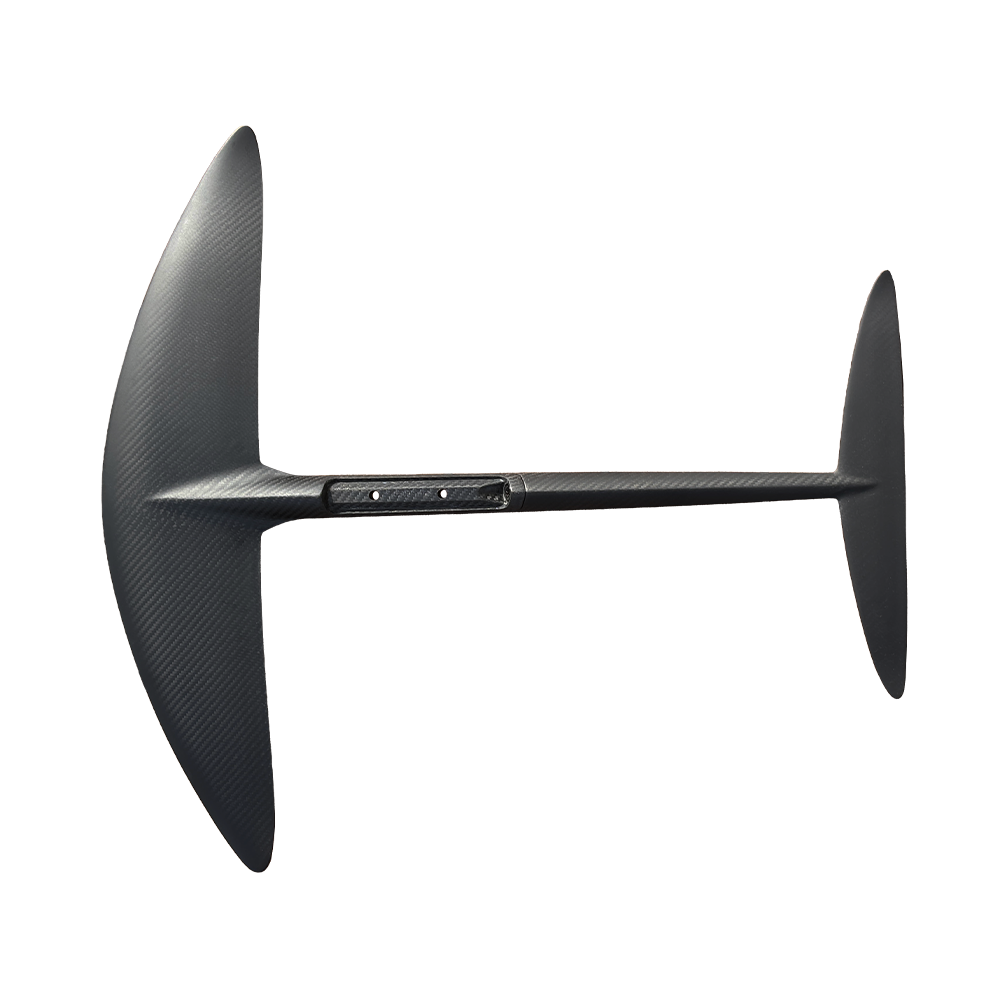


The foil is what makes wing foiling fly. Hidden beneath the board, this wing-shaped structure generates the lift that raises you clear of the water, turning chop and drag into a smooth, silent glide. More than any other part of your setup, the foil shapes how early you get up, how stable you feel, and how the ride performs, so choosing the right one matters.
Our wing foil foils range brings together hydrofoils and their components from leading brands, for first-timers finding their balance and experienced riders chasing speed, glide, and manoeuvrability. Whether you are buying a complete foil or upgrading a front wing, there is a foil here to match your weight, your level, and your riding.
New to foils, or upgrading your setup? The guide below explains how a foil works and how to choose one. Browse the range below, and pair your foil with a board and wing from our wing foil collection.
How Does a Hydrofoil Work?
A hydrofoil is a wing that works in water rather than air. As you build speed, water flowing over the foil's front wing generates lift, and once there is enough, the board rises clear of the surface. With the hull out of the water, drag drops away and you glide smoothly above the surface, powered along by the wing in your hands.
The magic is in the efficiency: once foiling, you need surprisingly little speed or wind to keep flying. That is why wing foiling works in lighter conditions than many other wind sports, and why the foil is the heart of the whole setup.
The Parts of a Foil
- Mast: the vertical strut that connects the board to the foil and sets how high you ride above the water
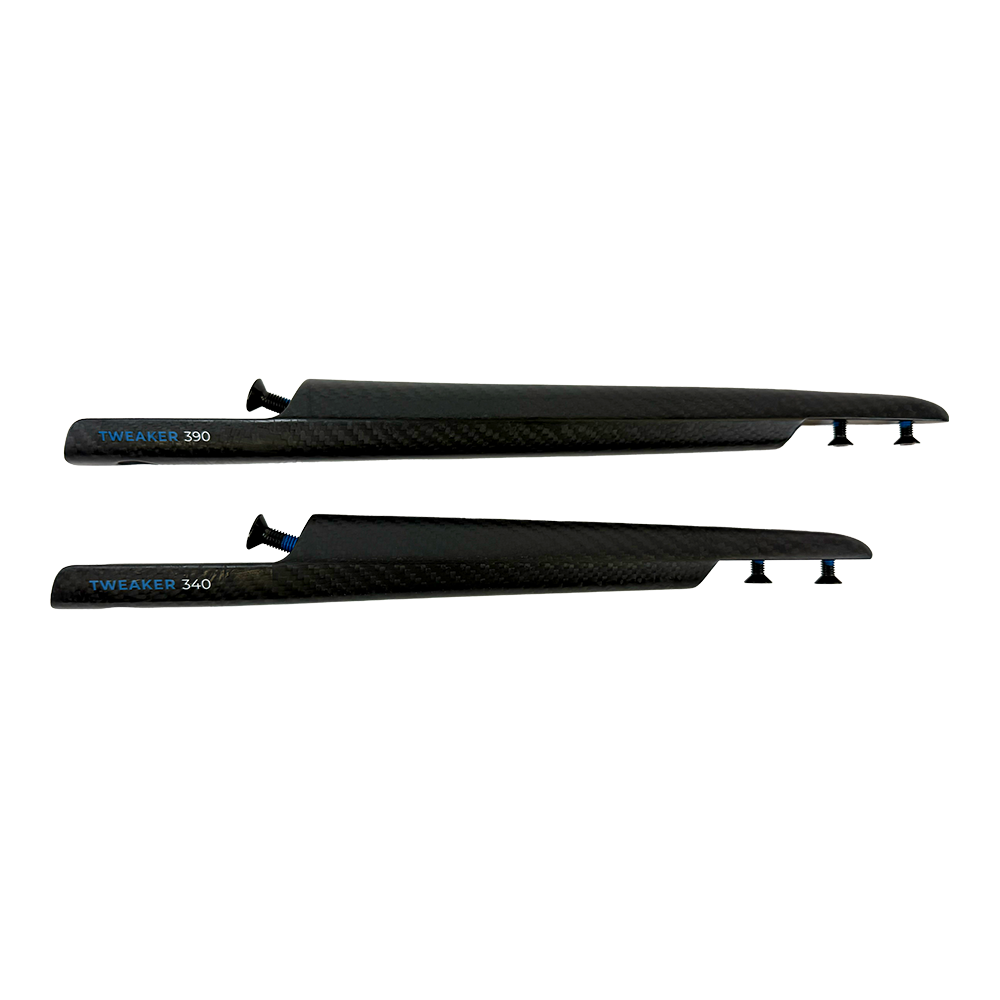
- Fuselage: the horizontal body that joins the mast to the front and rear wings and sets their spacing
- Front wing: the main lifting surface, the single biggest influence on how the foil rides
- Rear wing (stabiliser): the smaller wing that provides stability and control
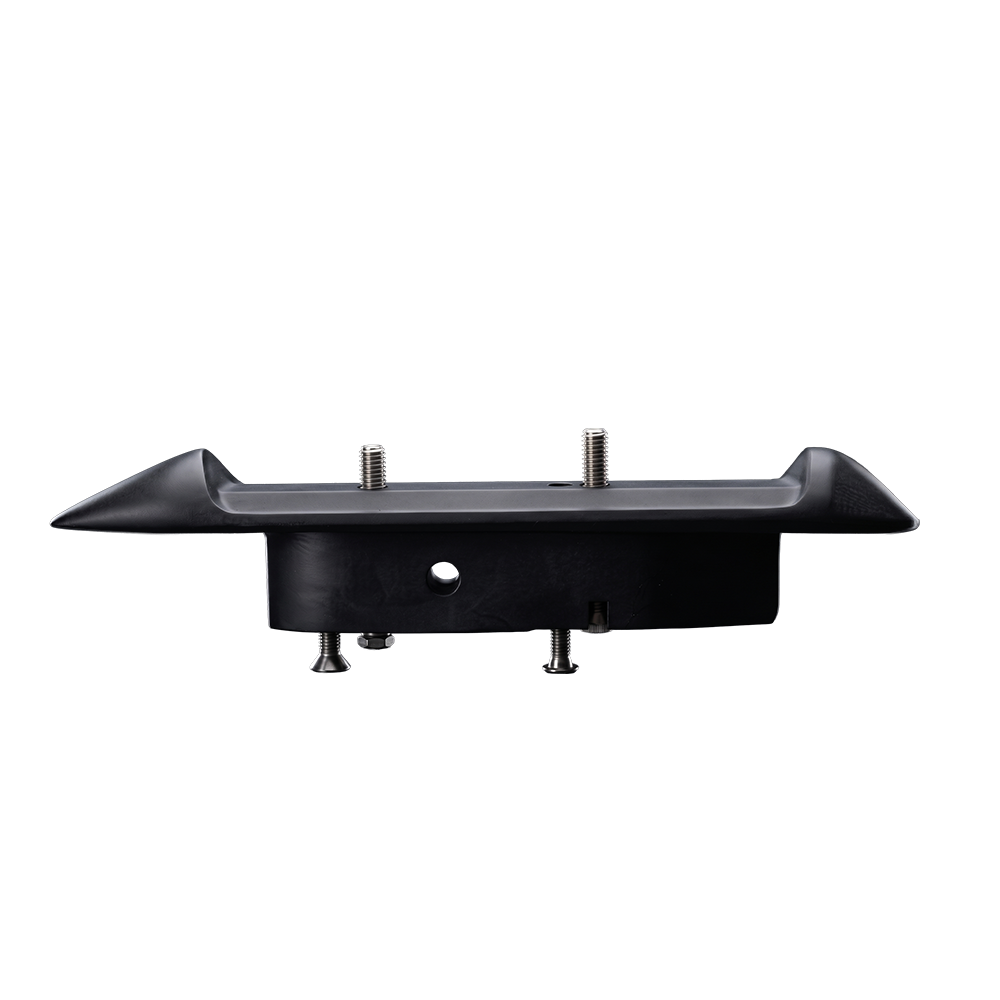
Many foils are modular, so you can swap the front wing, mast, or fuselage to tune the setup for different conditions and as your riding progresses.
Choosing Your Front Wing
The front wing has the biggest effect on how a foil rides, and its size is the key choice. A larger front wing generates more lift at lower speeds, gets you up and flying sooner, and is more stable, which makes it ideal for learning, lighter riders, and light wind. A smaller front wing is faster and more manoeuvrable but needs more speed to fly, which suits experienced riders and stronger conditions.
Front wings also vary in shape and aspect ratio, affecting whether they favour easy lift and stability or speed and glide. If you are starting out, a larger, higher-lift front wing makes the learning curve much gentler.
Mast Length and Fuselage
Mast length changes how you ride. A shorter mast keeps you closer to the water, which is forgiving and reassuring while you learn, as a fall is a shorter drop and breaches are less dramatic. A longer mast gives more clearance for carving, chop, and confident riding, letting you lean into turns without the wing breaching the surface.
The fuselage sets the distance between the front and rear wings, which affects stability and how quickly the foil turns. A longer fuselage feels more stable and forgiving, while a shorter one turns more quickly, which advanced riders often prefer.
Choosing a Foil for Your Level
Matching the foil to your ability is the single best thing you can do for your progression. Beginners are best served by a large, stable front wing on a shorter mast with a longer fuselage, a combination that generates lift at low speed, stays steady, and is forgiving of mistakes. This setup gets you flying sooner and builds confidence fast.
As you improve, you can move to a smaller, faster front wing, a longer mast, and a shorter fuselage for more speed, glide, and manoeuvrability. Because many foils are modular, you can upgrade individual parts rather than replacing the whole foil as your riding develops.
Construction and Materials
Foils are built from aluminium, carbon fibre, or a combination of the two. Aluminium foils are more affordable and tough, which makes them a popular, durable choice for learning. Carbon foils are lighter and stiffer, which translates into better performance, more responsive handling, and less flex at speed, at a higher price.
For a first foil, a strong aluminium or hybrid setup offers great value and durability. As you progress and performance matters more, a carbon foil rewards you with a lighter, livelier, more efficient ride.
Caring for Your Foil
A foil needs regular care to stay safe and perform.
- Rinse the whole foil with fresh water after every session to prevent corrosion
- Dry it fully, paying attention to the mast and fuselage joints
- Check and tighten all bolts regularly, as they work loose with vibration and use
- Protect the sharp wings with covers during transport and storage
- Inspect for damage and store in a cool, dry place out of direct sunlight
Salt, grit, and vibration work foil hardware loose and cause corrosion over time, so regular rinsing and bolt checks are the key to a long, safe life. Loose bolts are a common cause of foil problems, so make checking them a habit.
How Much Do Wing Foil Foils Cost?
Prices depend on the materials, the design, and whether you buy a complete foil or individual parts. Aluminium and hybrid foils offer an accessible, durable way in, while premium carbon foils with high-performance wings sit at the top. Modular systems let you spread the cost by upgrading one part at a time.
For a first foil, a stable aluminium or hybrid setup is excellent value and forgiving to learn on. As you progress, a carbon front wing or full carbon foil lifts performance. You'll find a spread of budgets across the range.
Why Buy Your Wing Foil Foil from Surface2Air Sports?
We have been part of the UK wing foil and watersports scene since 2002, with a shop in Poole and a full range online.
- Complete foils and individual components from leading brands
- Aluminium, hybrid, and carbon options
- Foils for beginners through to advanced riders
- Honest advice on front wing size, mast, and fuselage
- In-store help and online support
Whether you are buying your first foil or upgrading a front wing, we can help you choose the right setup. Complete it with a board and wing from our wing foil range, compare wings, and add spares from wing foil accessories.
Frequently Asked Questions About Wing Foil Foils
What size front wing should a beginner choose?
A larger, higher-lift front wing. It generates lift at low speed, gets you flying sooner, and is more stable, which makes learning far easier.
What does the mast length change?
A shorter mast keeps you closer to the water and is forgiving for learning, while a longer mast gives more clearance for carving and chop once you are confident.
What is the fuselage for?
The fuselage joins the mast to the front and rear wings and sets their spacing. A longer fuselage is more stable, while a shorter one turns more quickly.
Should I buy aluminium or carbon?
Aluminium and hybrid foils are tougher and more affordable, ideal for learning, while carbon foils are lighter and stiffer for better performance, at a higher price.
Can I upgrade part of my foil later?
Yes. Many foils are modular, so you can swap the front wing, mast, or fuselage to tune the setup and upgrade as your riding progresses.
Can I use the same foil for cruising and waves?
Some foils are versatile, and modular systems let you adapt with different wings. Choose a foil that suits your main riding style and offers flexibility if you want it.
How do I look after my foil?
Rinse it with fresh water after every session, dry it, check and tighten the bolts regularly, and protect the wings in transport. Loose bolts are a common issue.
Do you sell boards and wings too?
Yes. Our wing foil range covers boards, wings, and complete setups to go with your foil.
Let customers speak for us
Great job well dun thanks for your help with the purchase..

The bag is sturdy, spacious and water proofed on the inside. In addition, it can be worn as a backpack but it also comes with a strap for putting over a shoulder as a bag. I am happy with the purchase.

My first order of gummy straps never arrived so I contacted S2AS and they were very apologetic as Royal Mail had lost my parcel. They immediately sent out a second sets of straps which arrived the following day.
The customer service I recieved was exceptional and I would highly recommend this company for their swift response. I will definitely order with them again.

the whole exercise

item as dscribed, looks fantastic

As described and looks fantastic. thank you
My first board and binding set up after using hire equipment for over a year. These will take some getting used to but step in and strap is a vast improvement. Large to size 12UK looks like it only just fits across the toe strap.
S2AS are my go to online store for anything Snowboarding related and as they say any query just pick up the phone and speak to Ollie (who sounds a lot like Jamie Lang)

Wait for snow
Loved the service in the shop Ollie was very helpful and a pleasure to deal with. Recommend highly
Kind regards
Matt

2026 Slingshot KTV EverShred Wakeboard Bindings

Exceptionally quick delivery, would definitely recommend buying from this site

Hi my in store experience was fantastic from email to shop with your representative Ollie could not have been more polite & helpful
Once I’ve tried the bourd I will send further feedback
Hope your all well
Kind regards
Matt

We ordered a large amount of items that all arrived safely, we kept everything save two jackets which we ordered wrong, but the team were great, we sent them back and got a refund with no hassle. Will definitely use in the future!

Great graphics, good fit and quality

I purchased a wing that was 70% off and I am delighted with my new toy. I had it out today for the first time and despite only being a 2.8m wing, the power and control was amazing. It is so good that I am tempted to buy a bigger size to add to my collection. Thanks again S2AS for another great product for a bargain price 😊
Great carbonboard from Shinn and Raptor fin set at a good price from Surface2Air Sports. Delivered without any problems.