Sort by
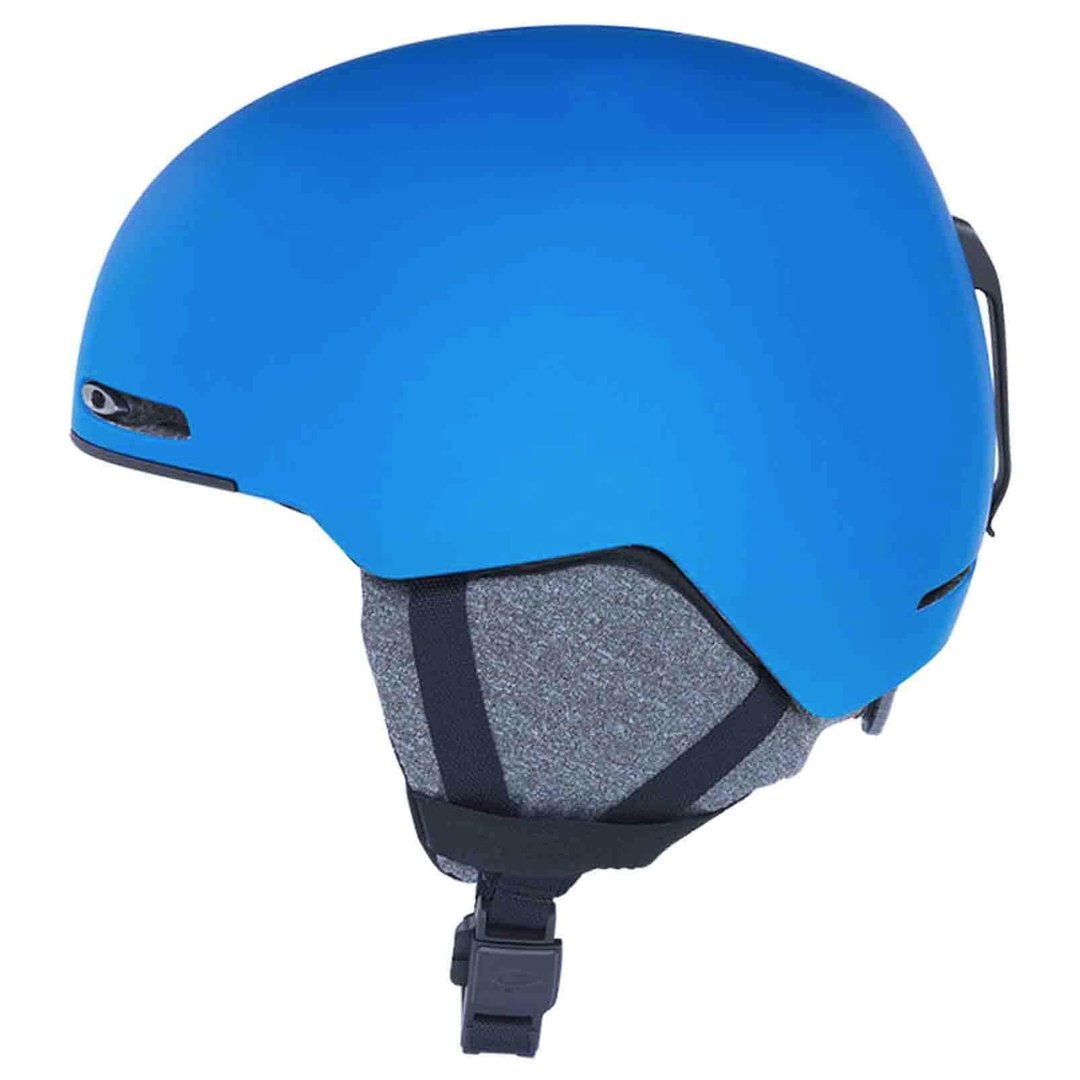
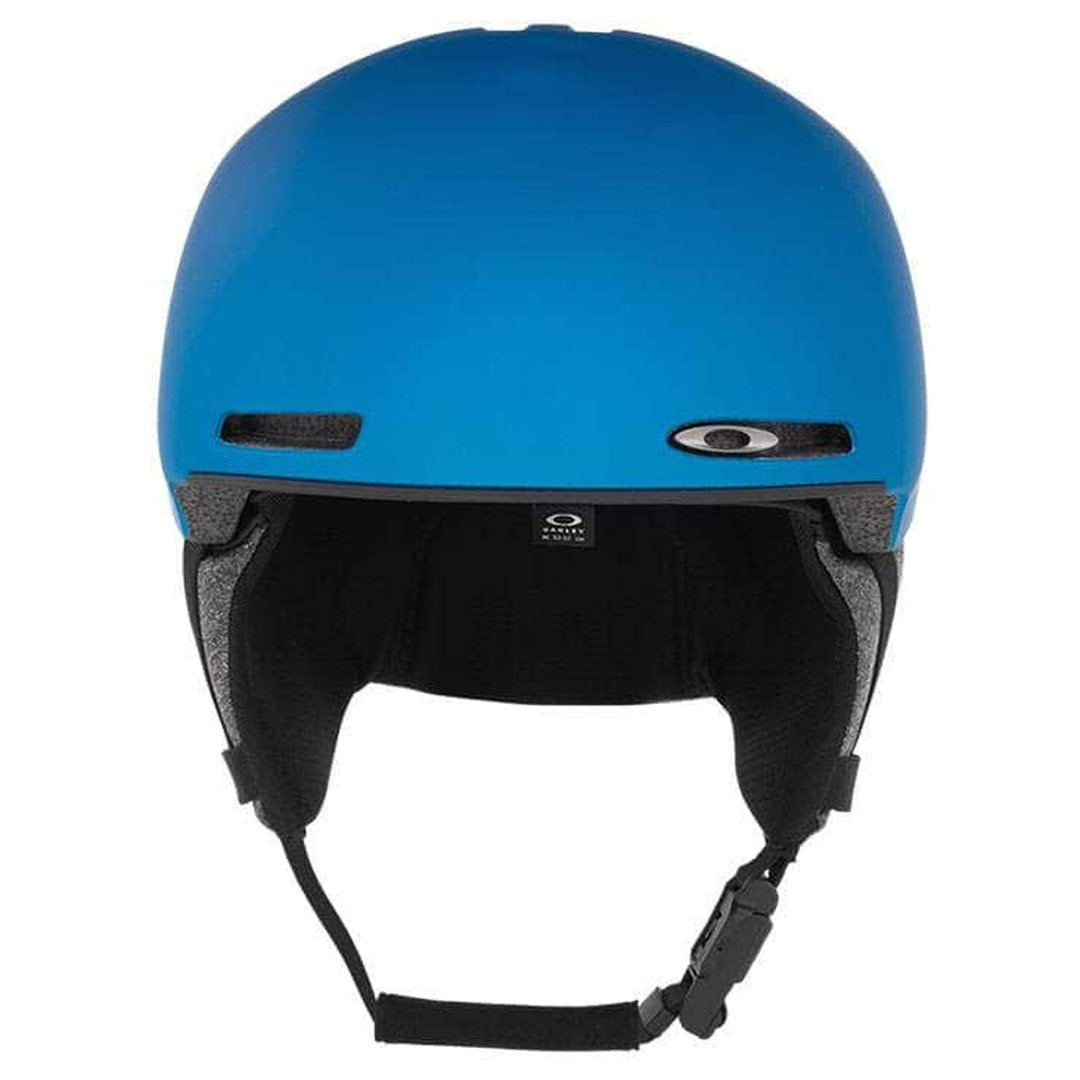
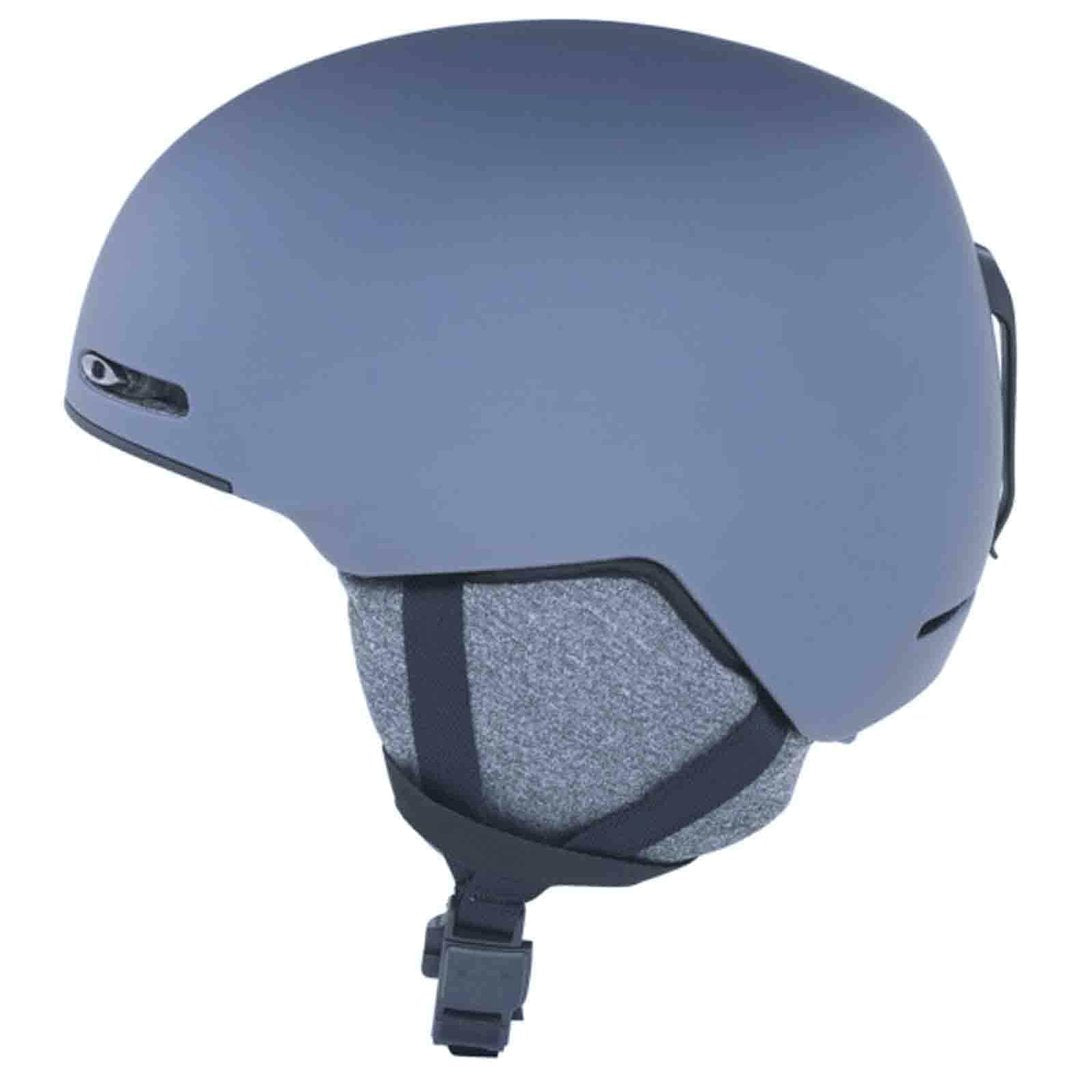
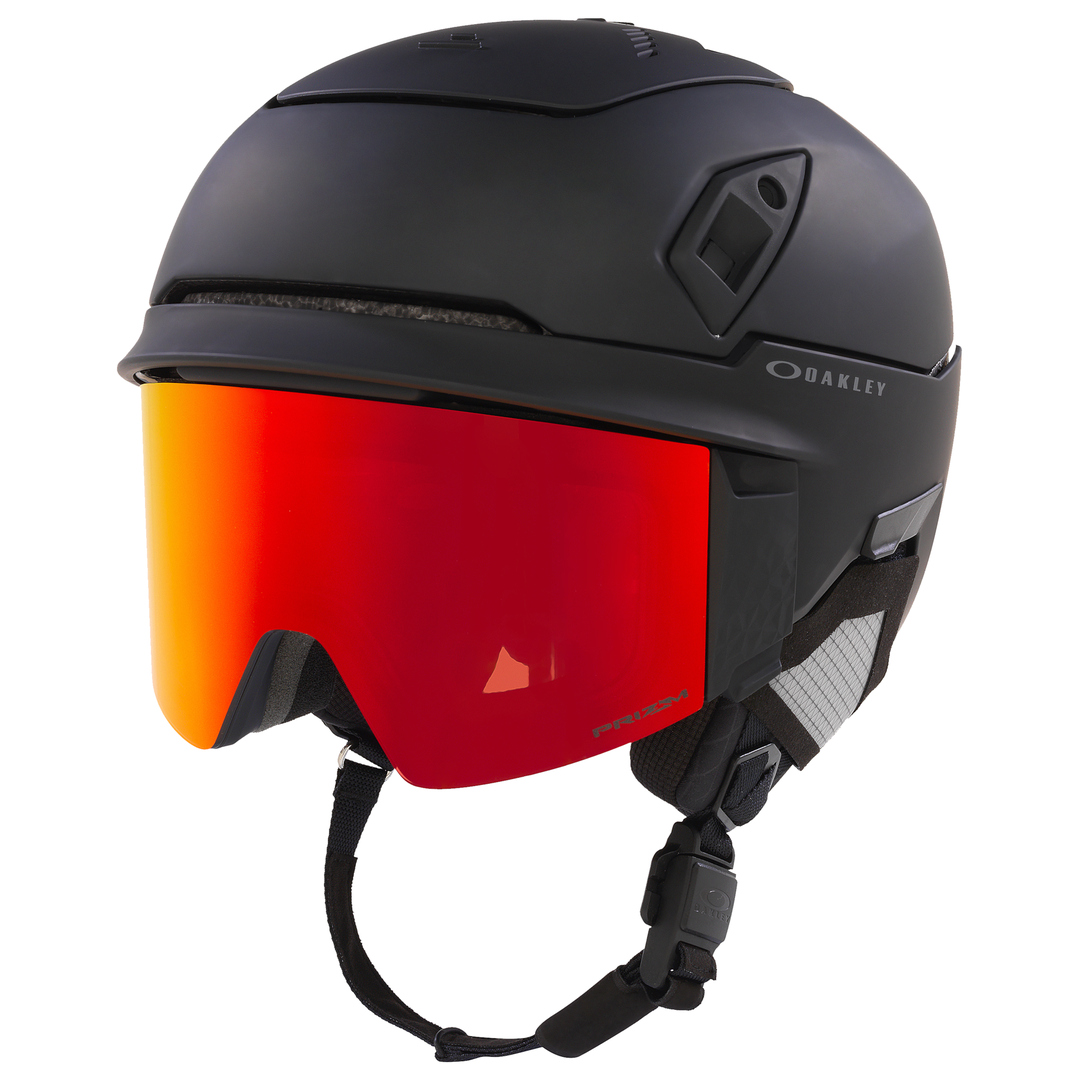
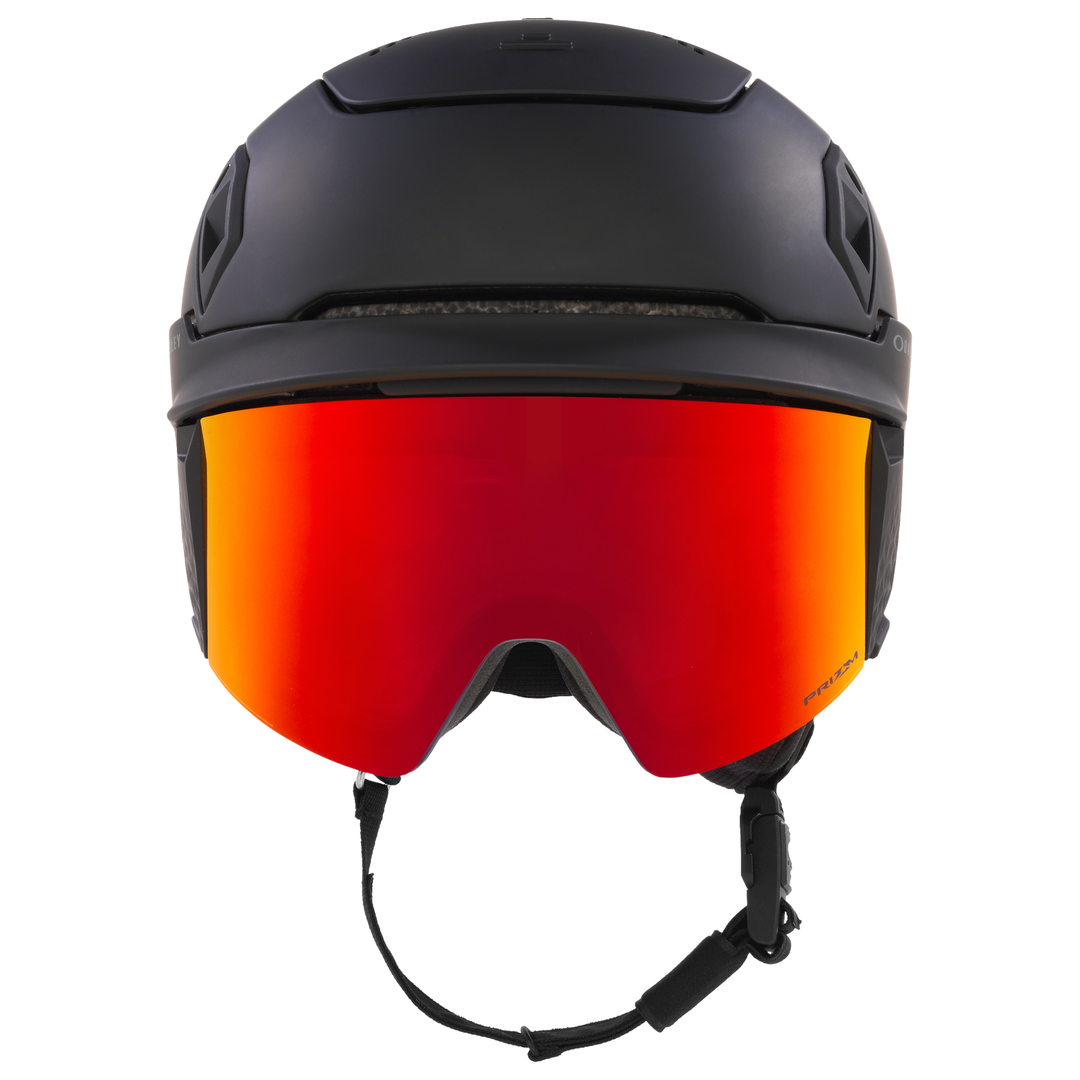


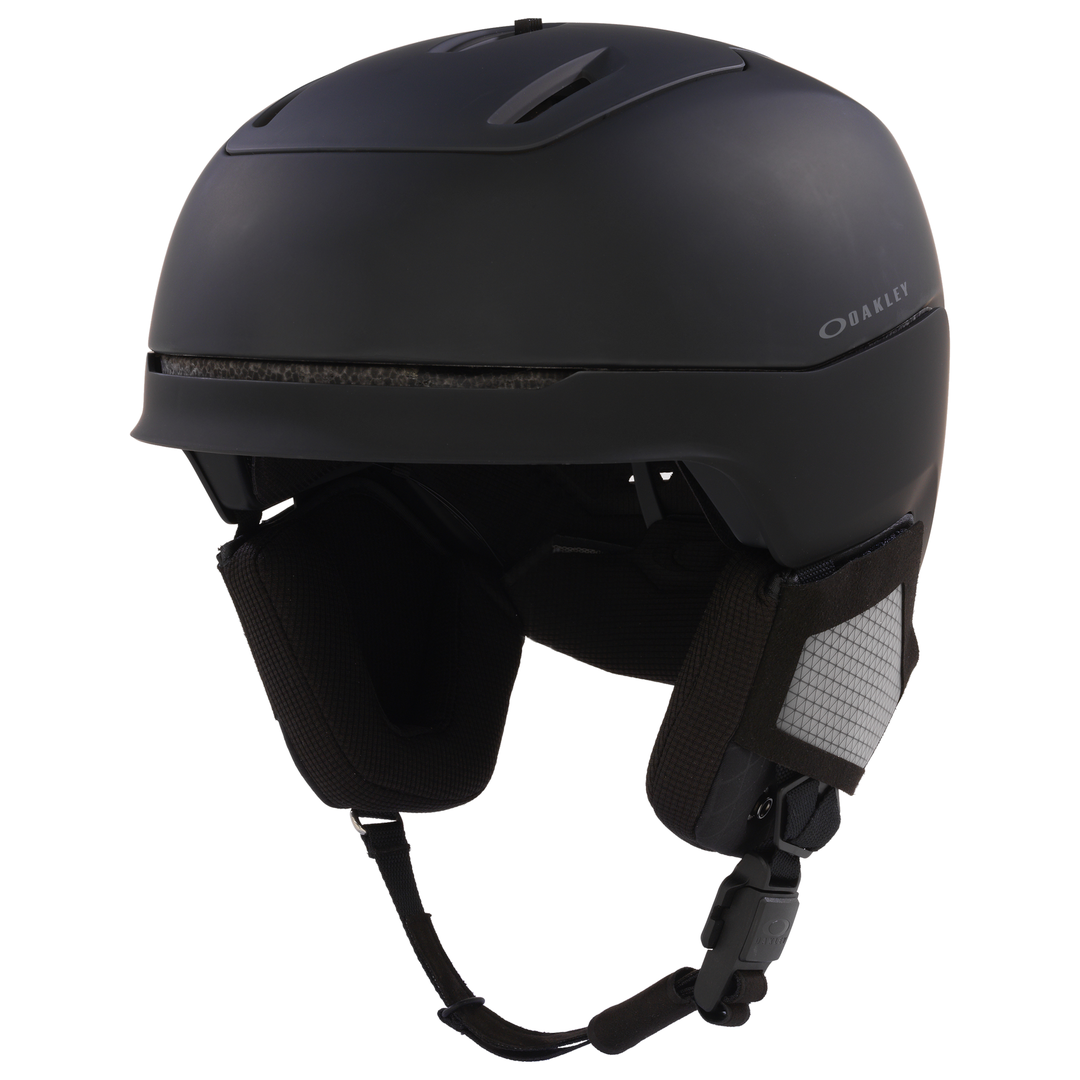
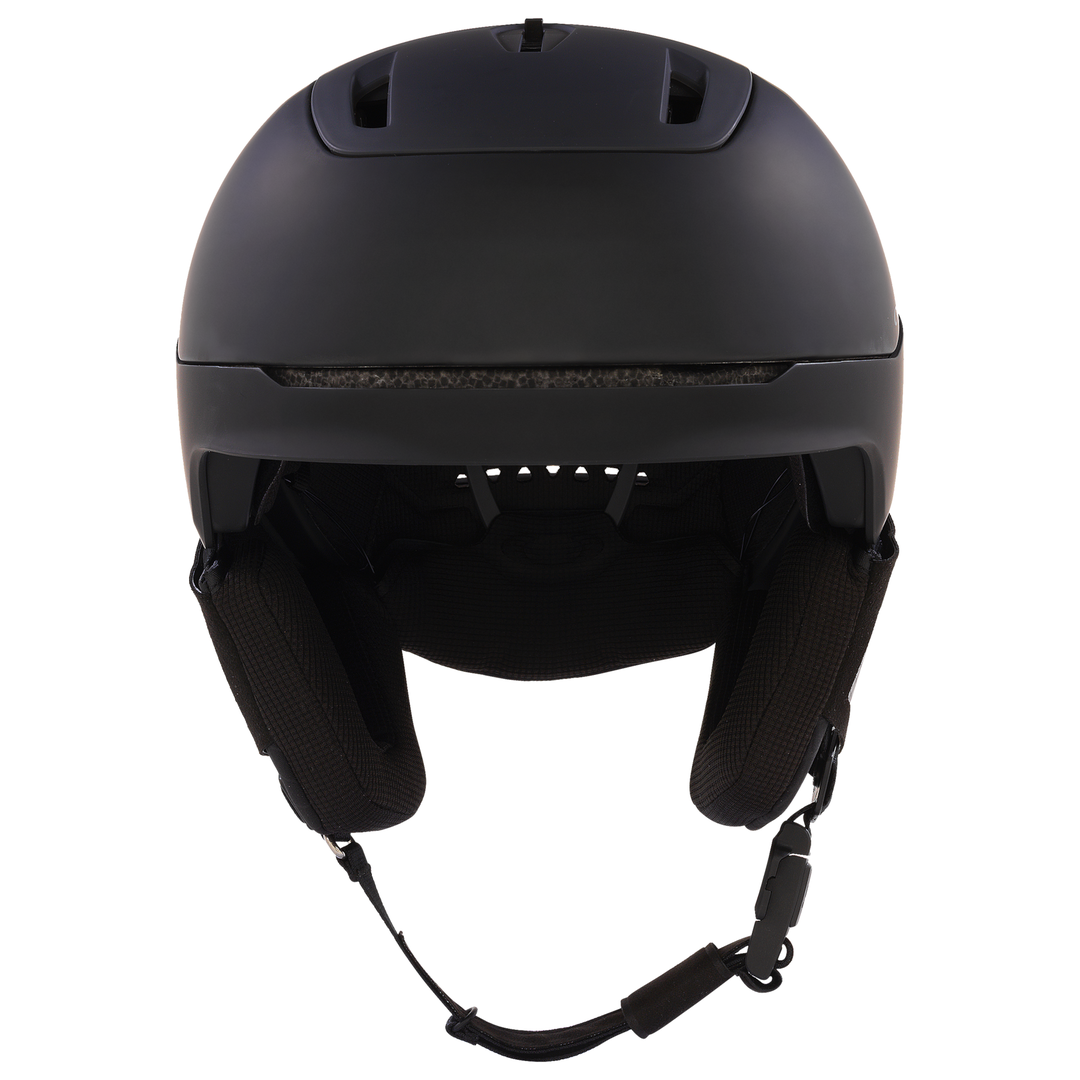


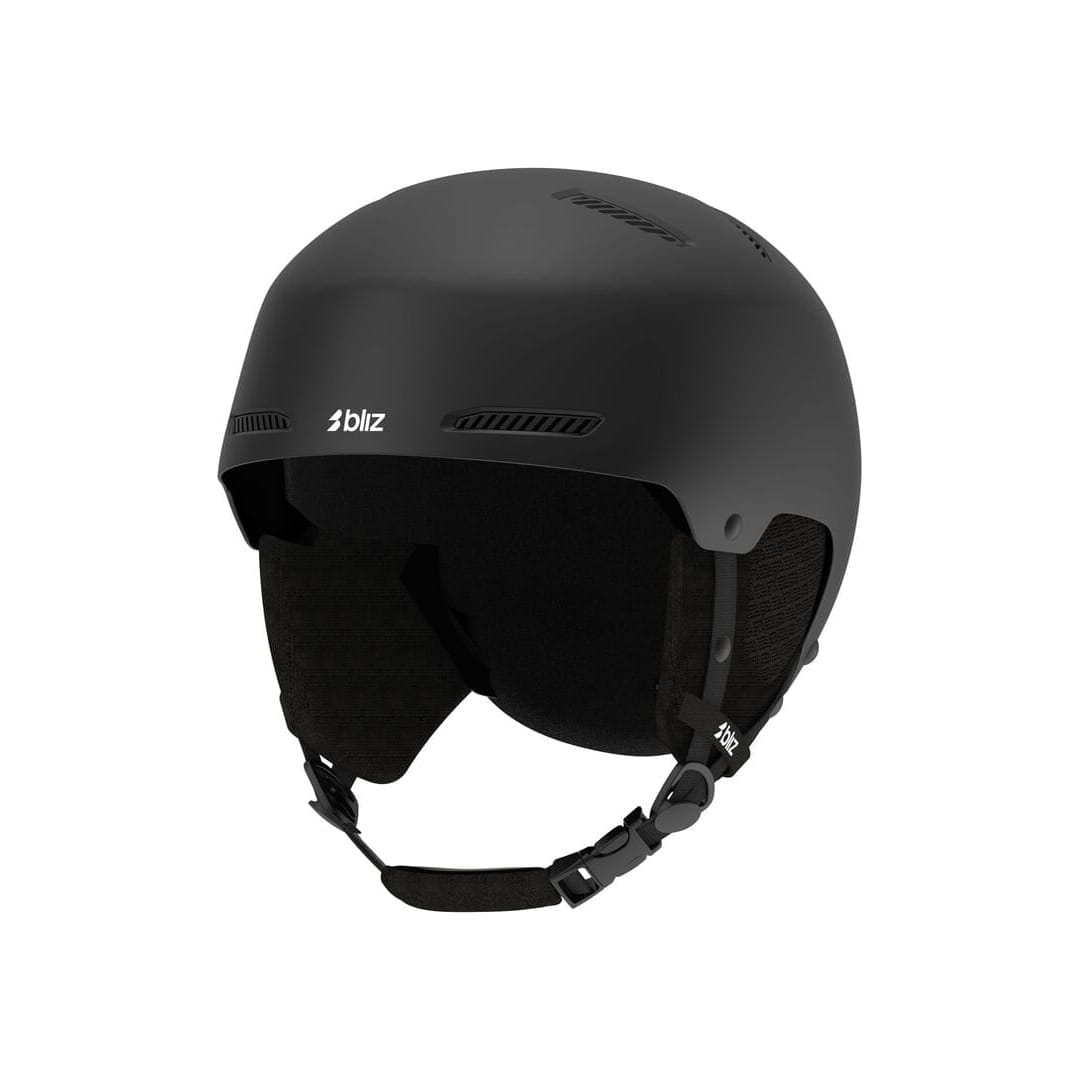
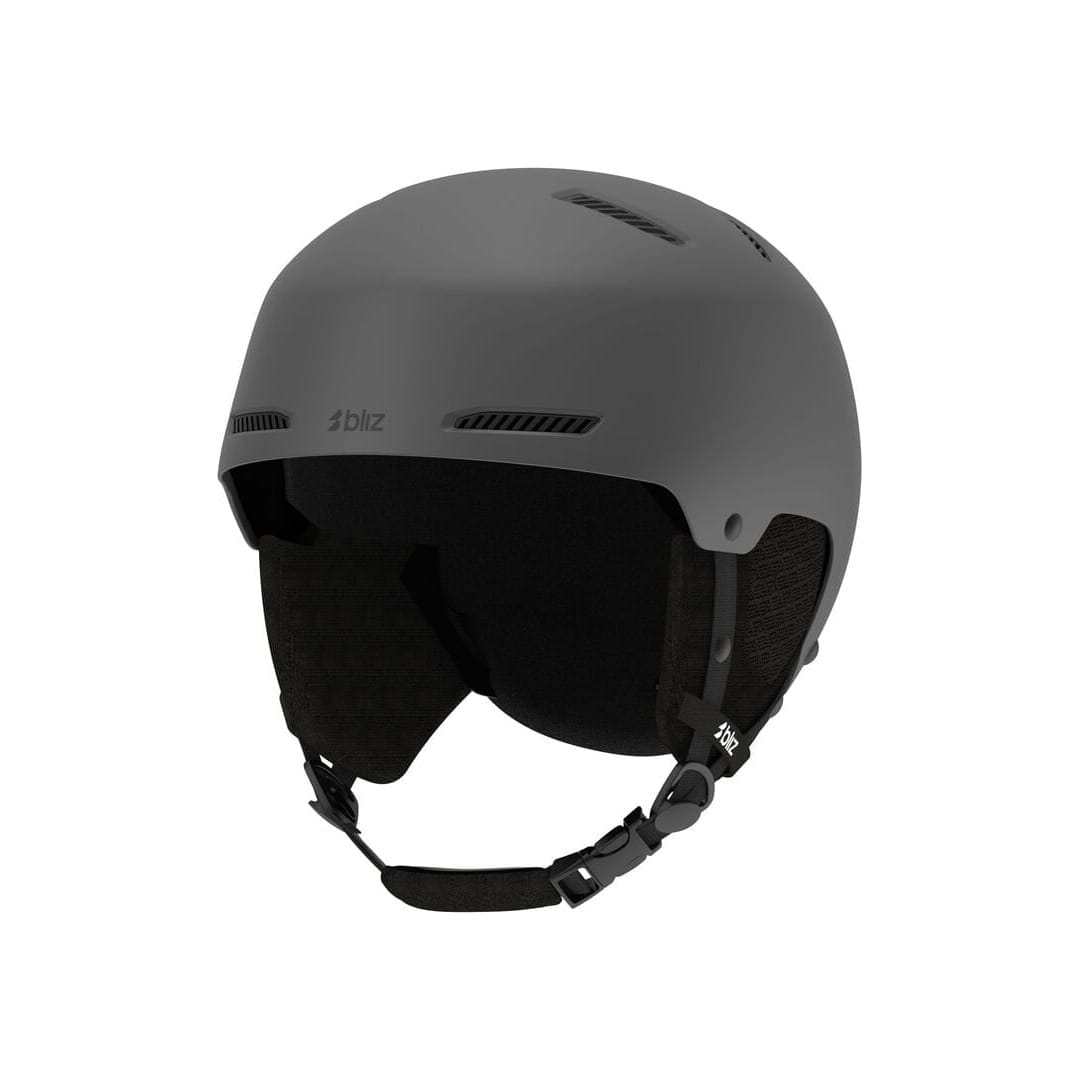
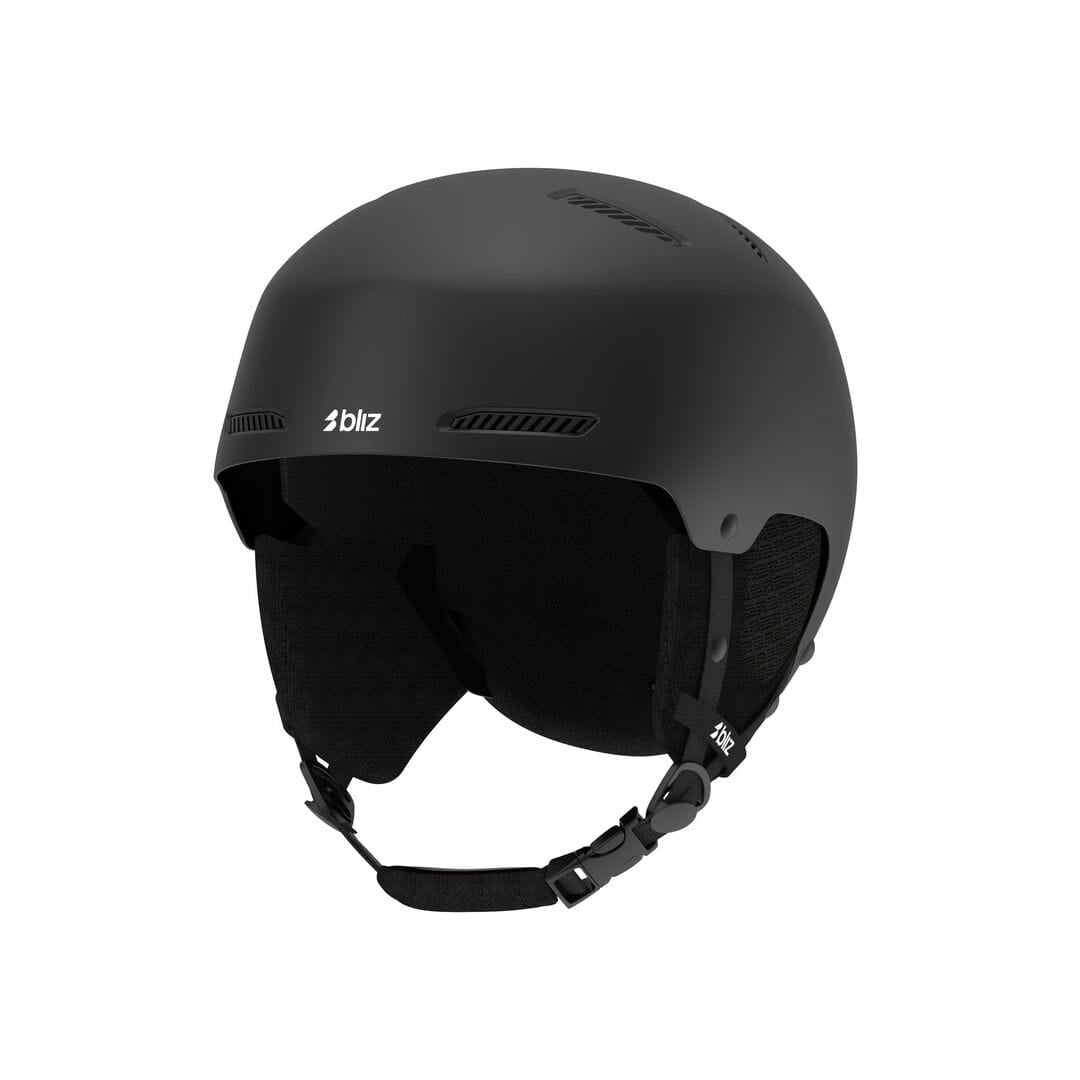
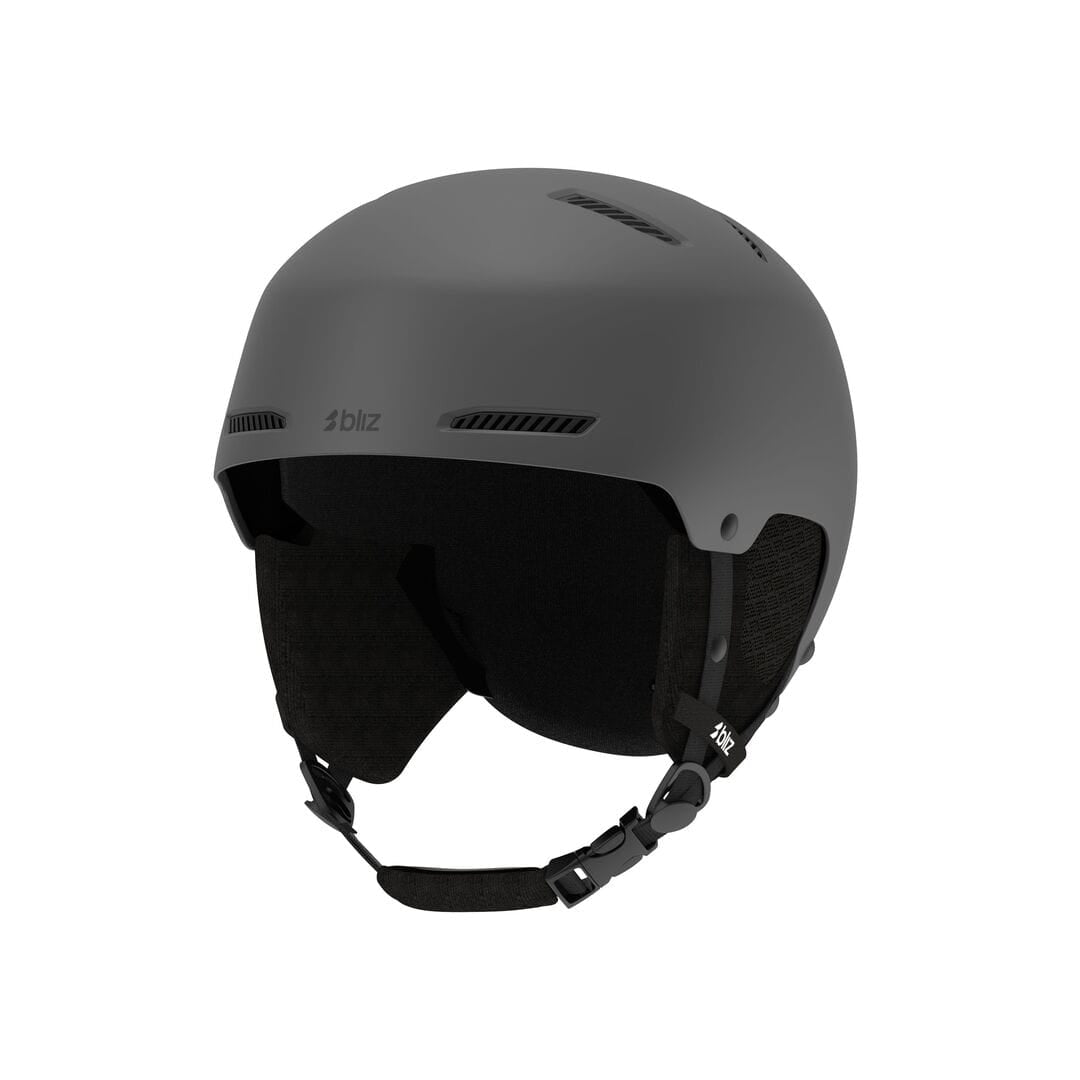
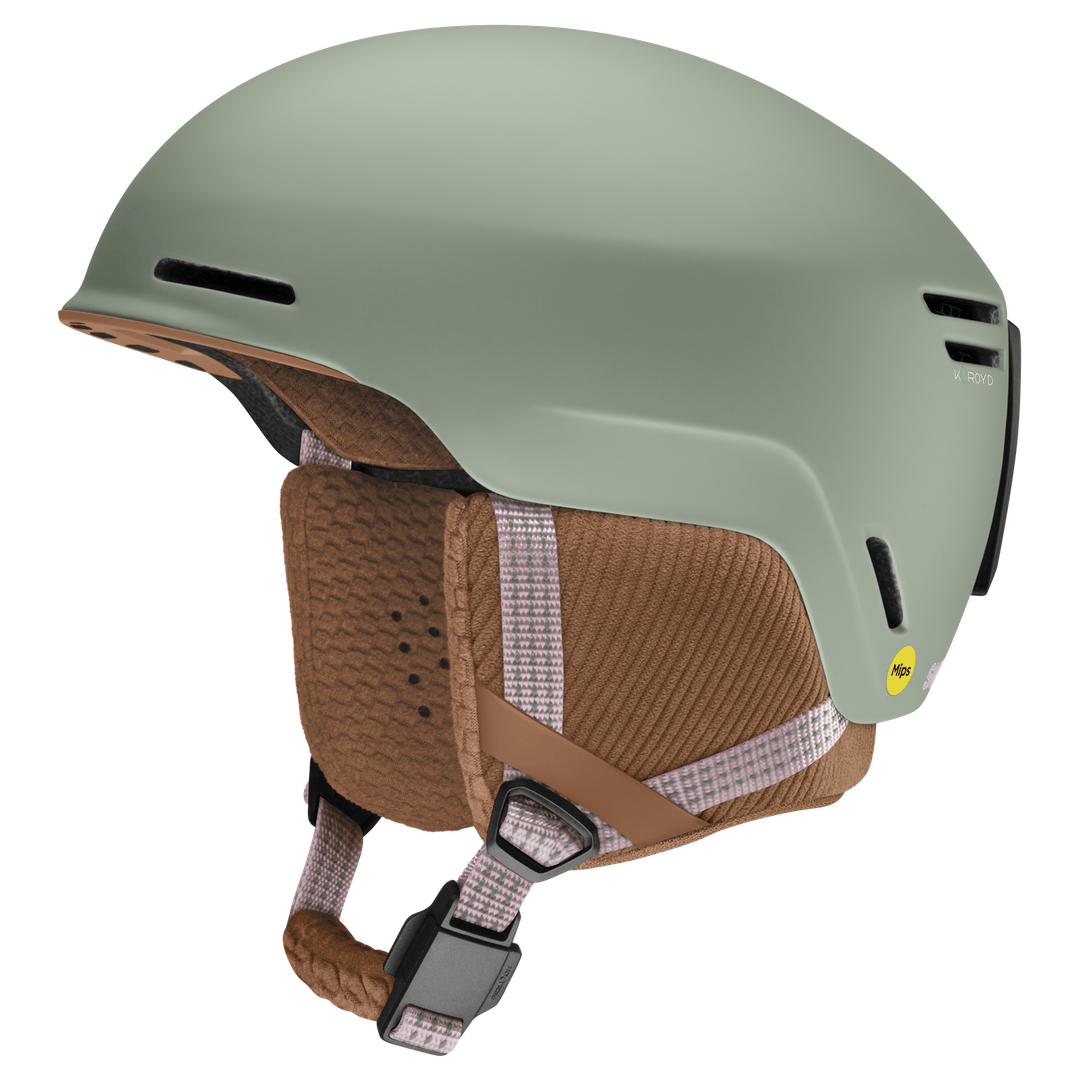
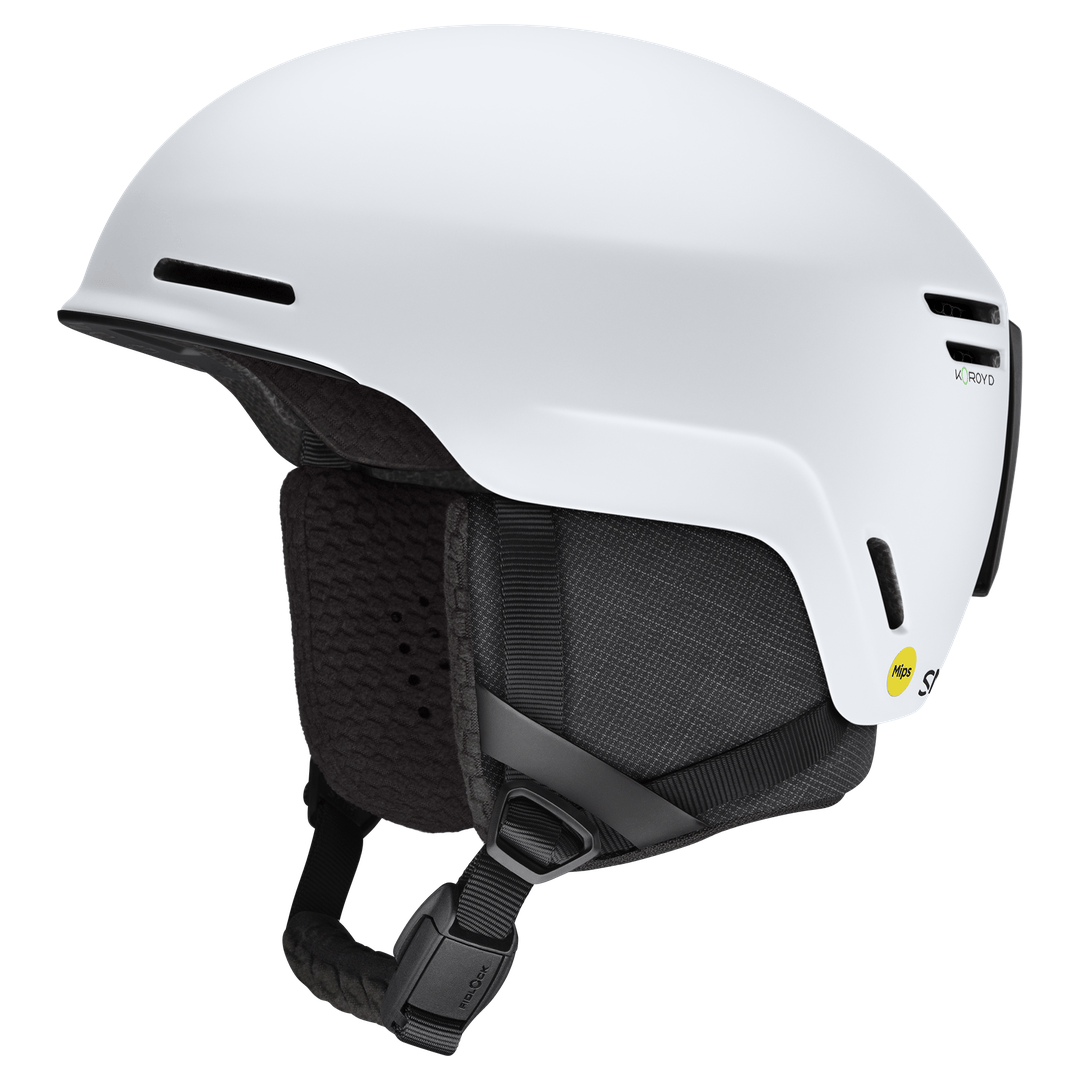
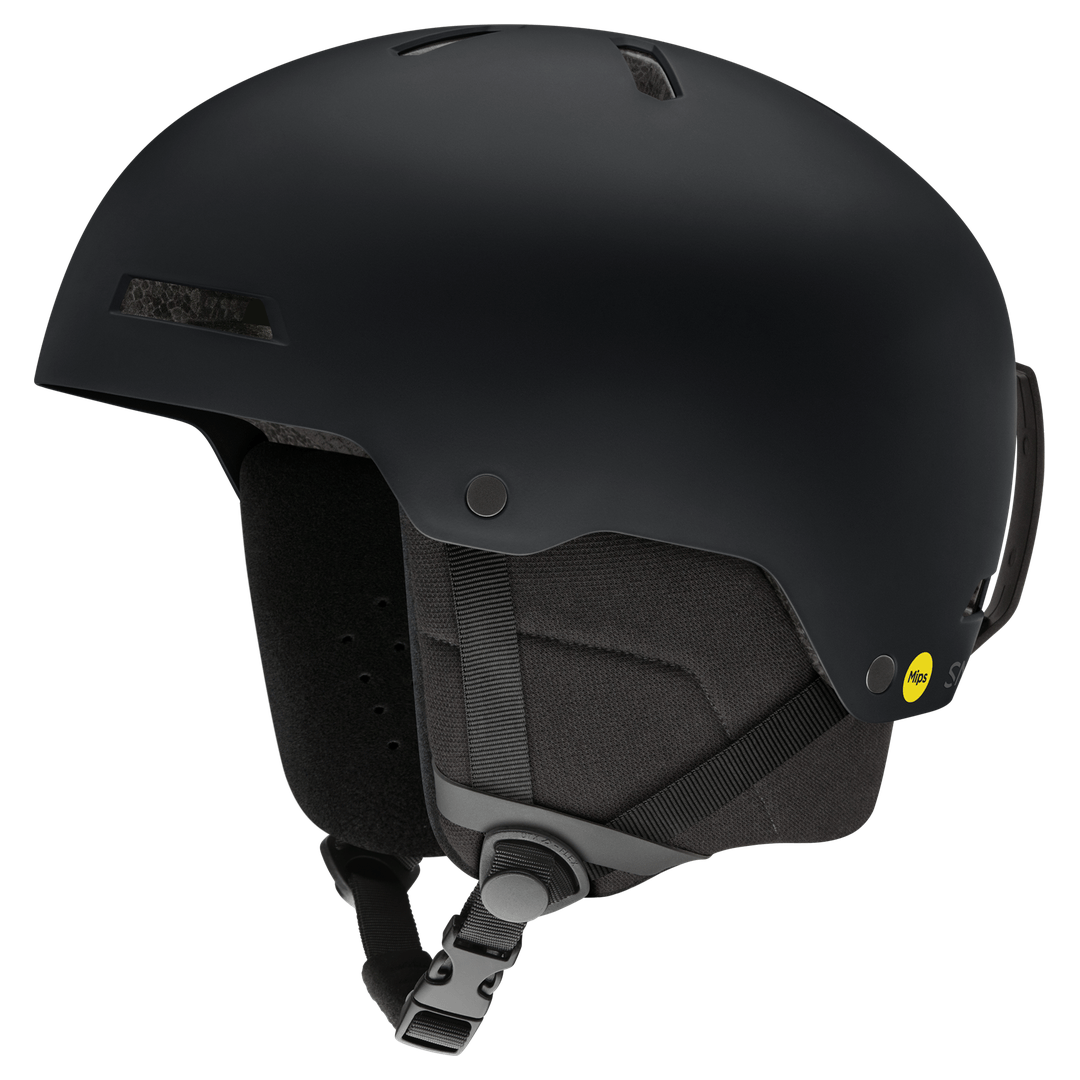
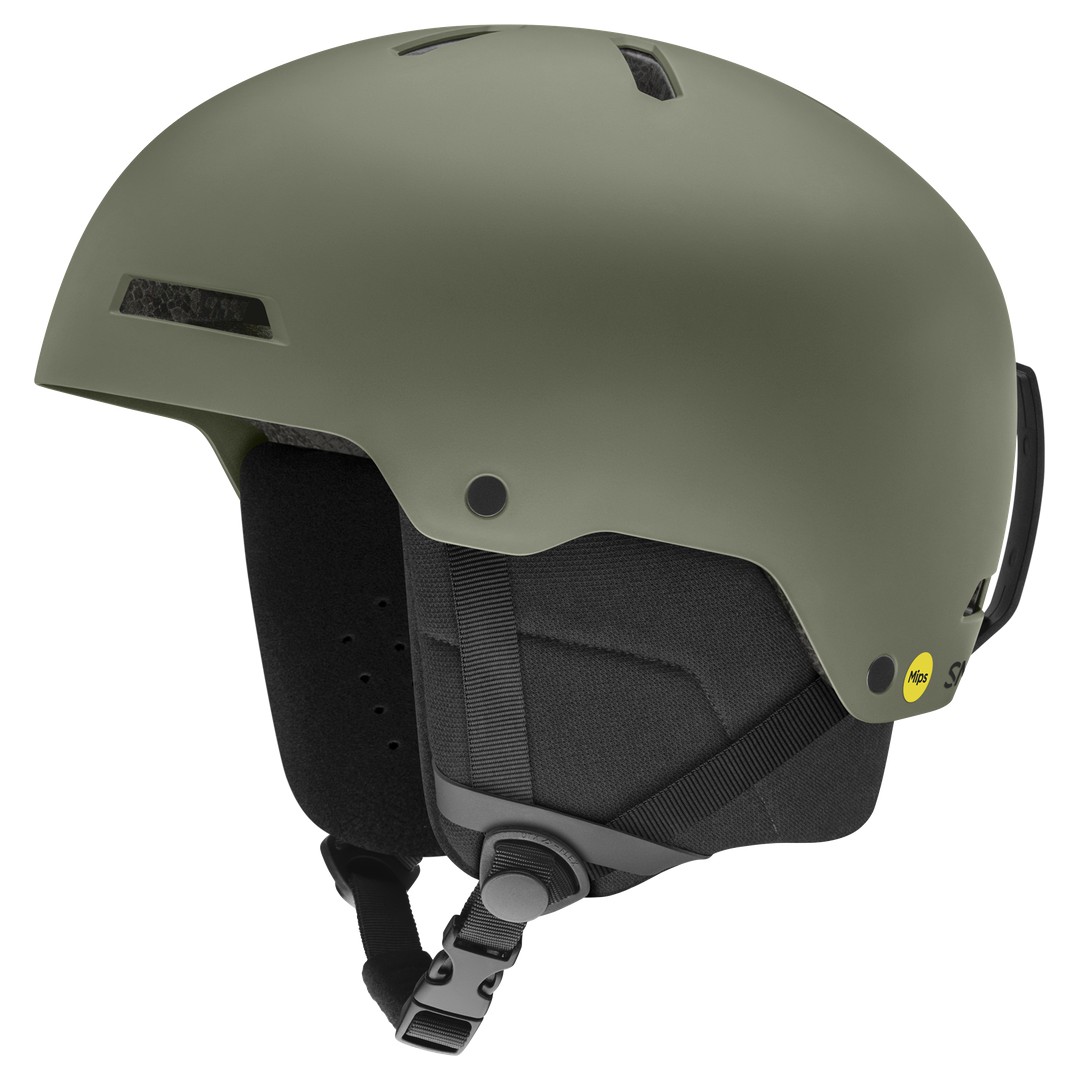
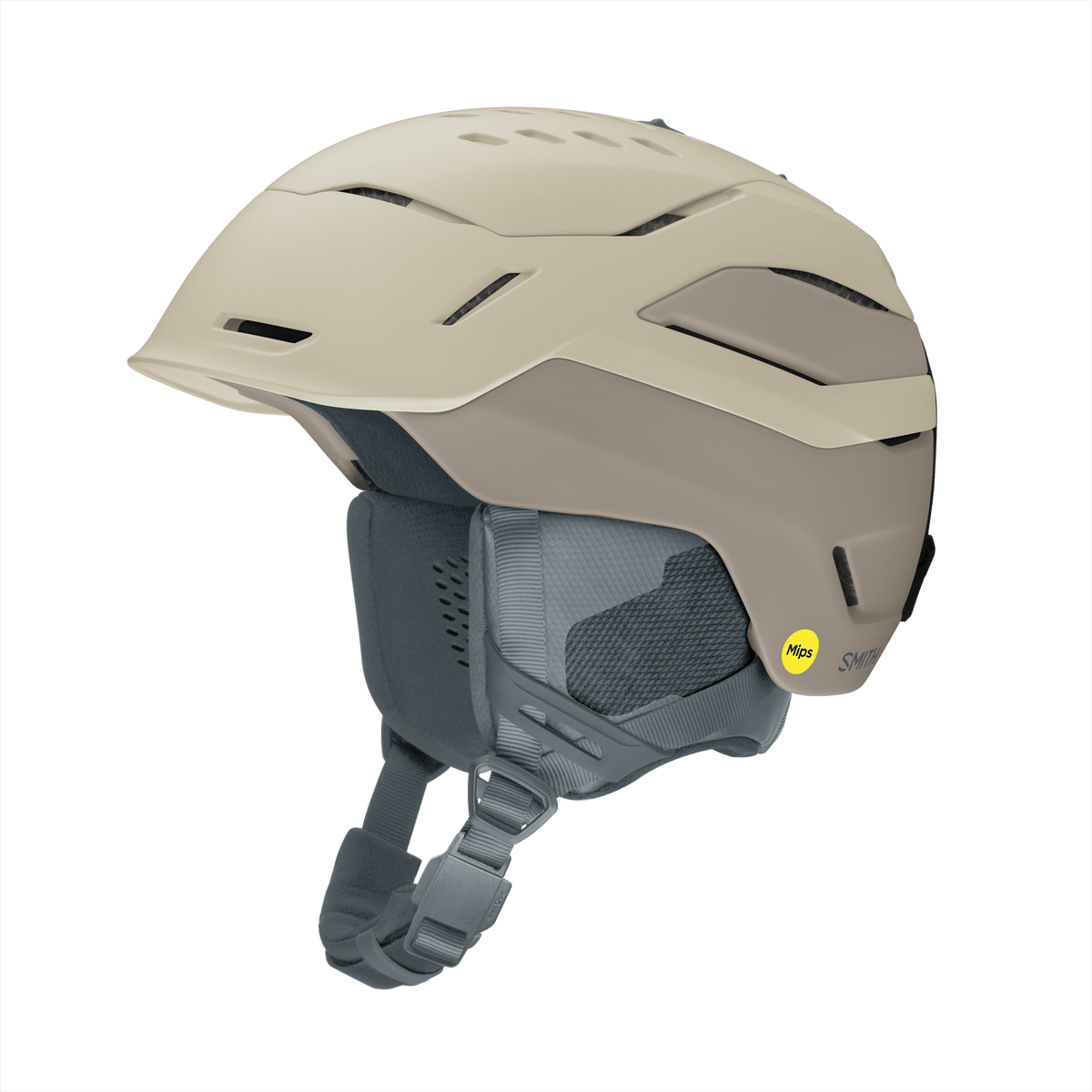
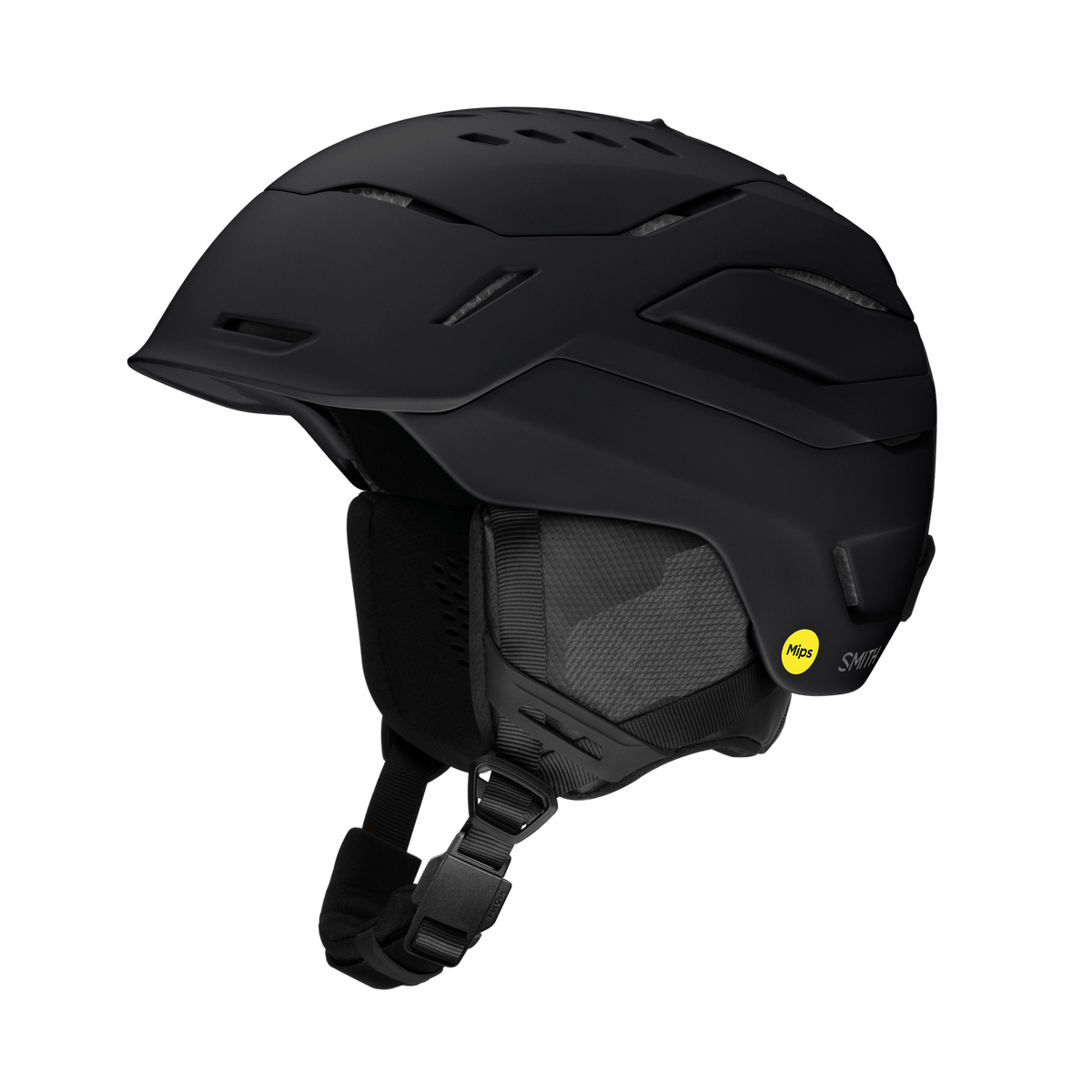
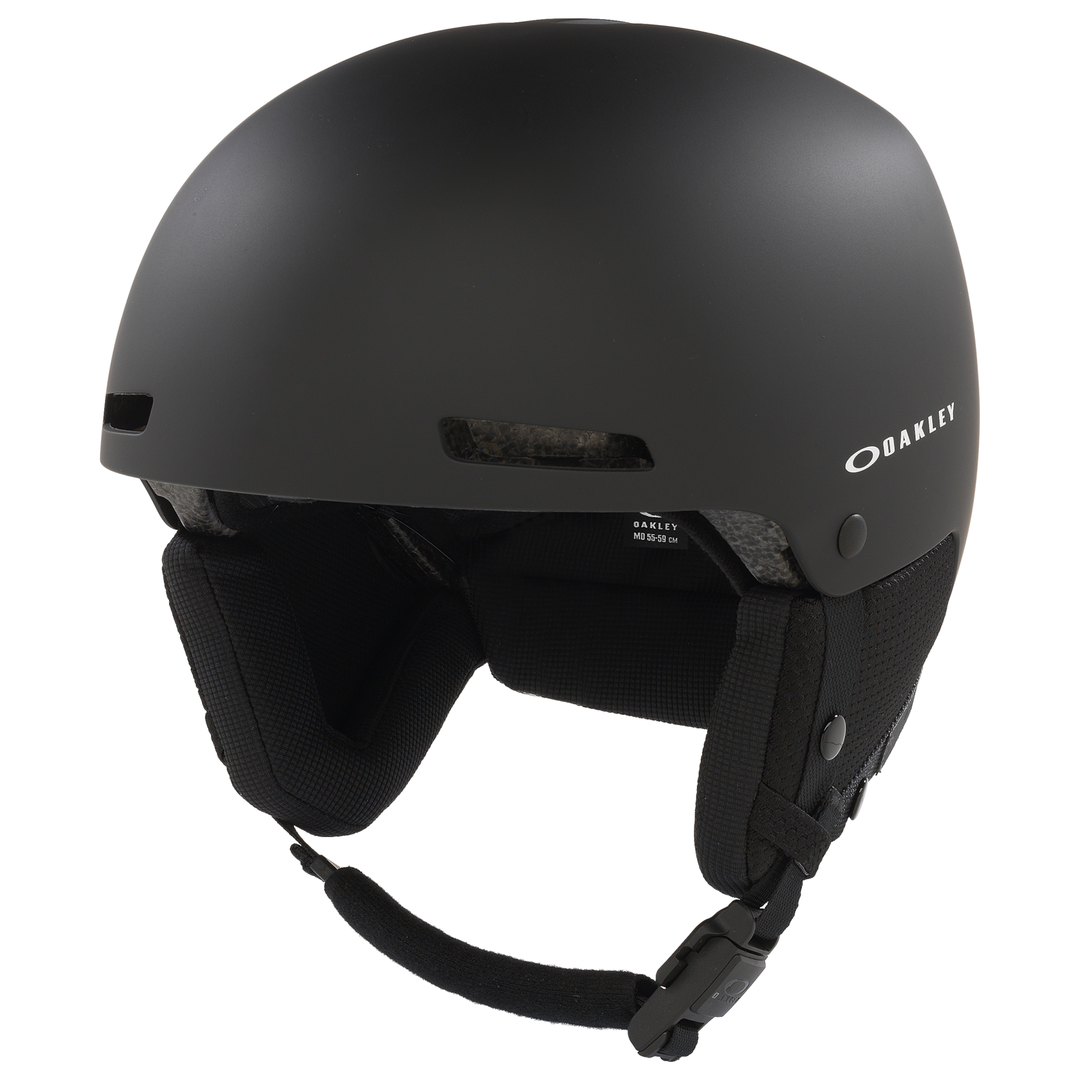
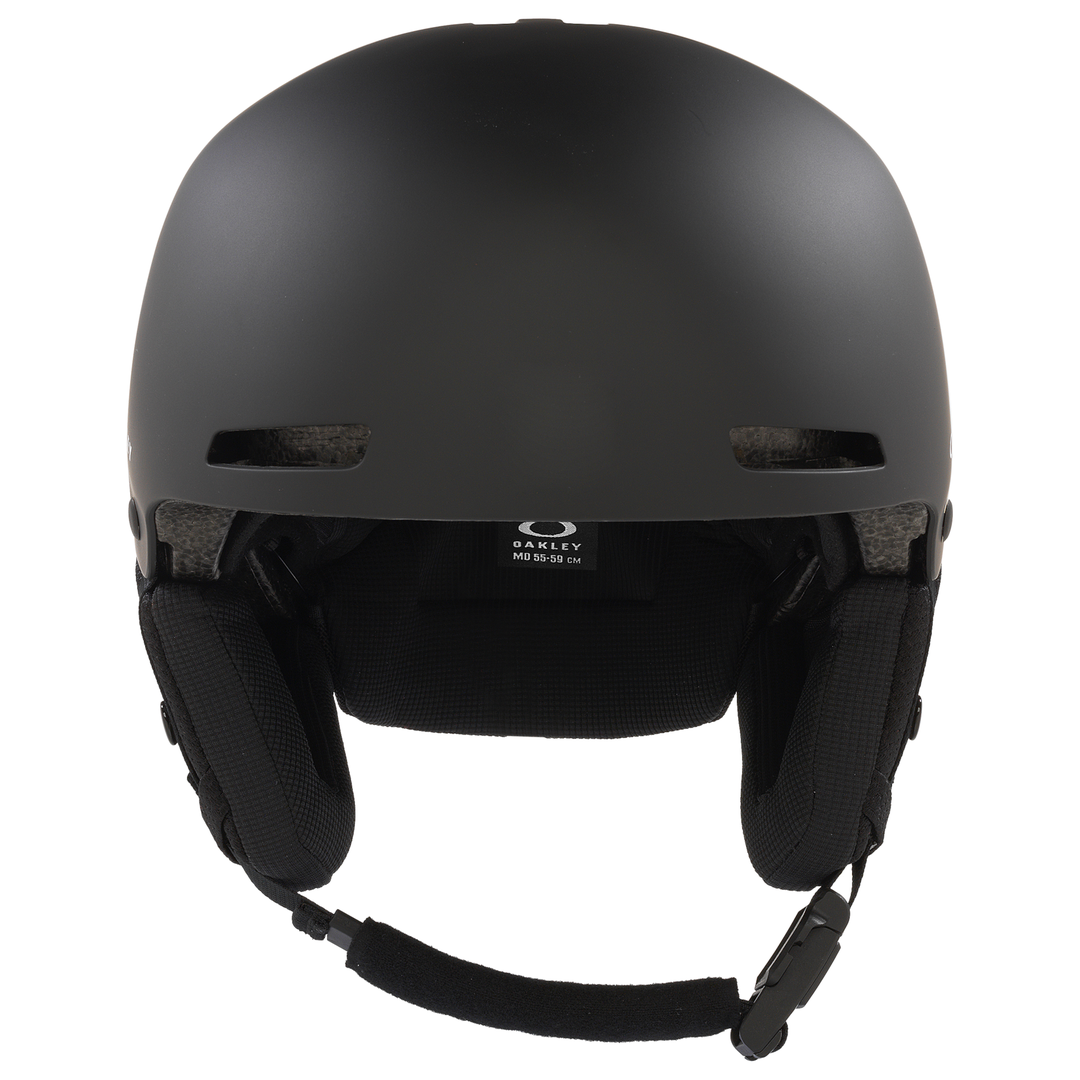
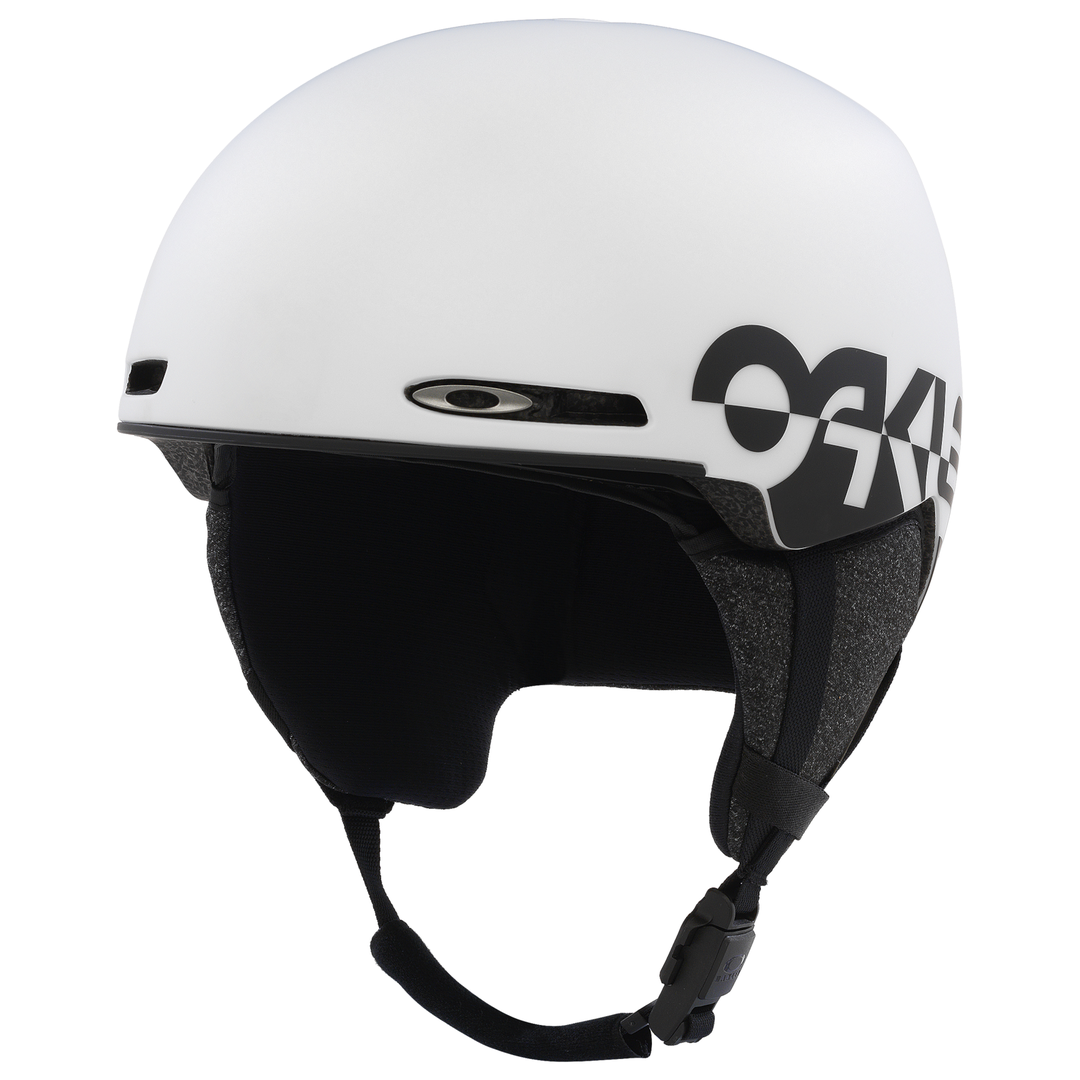
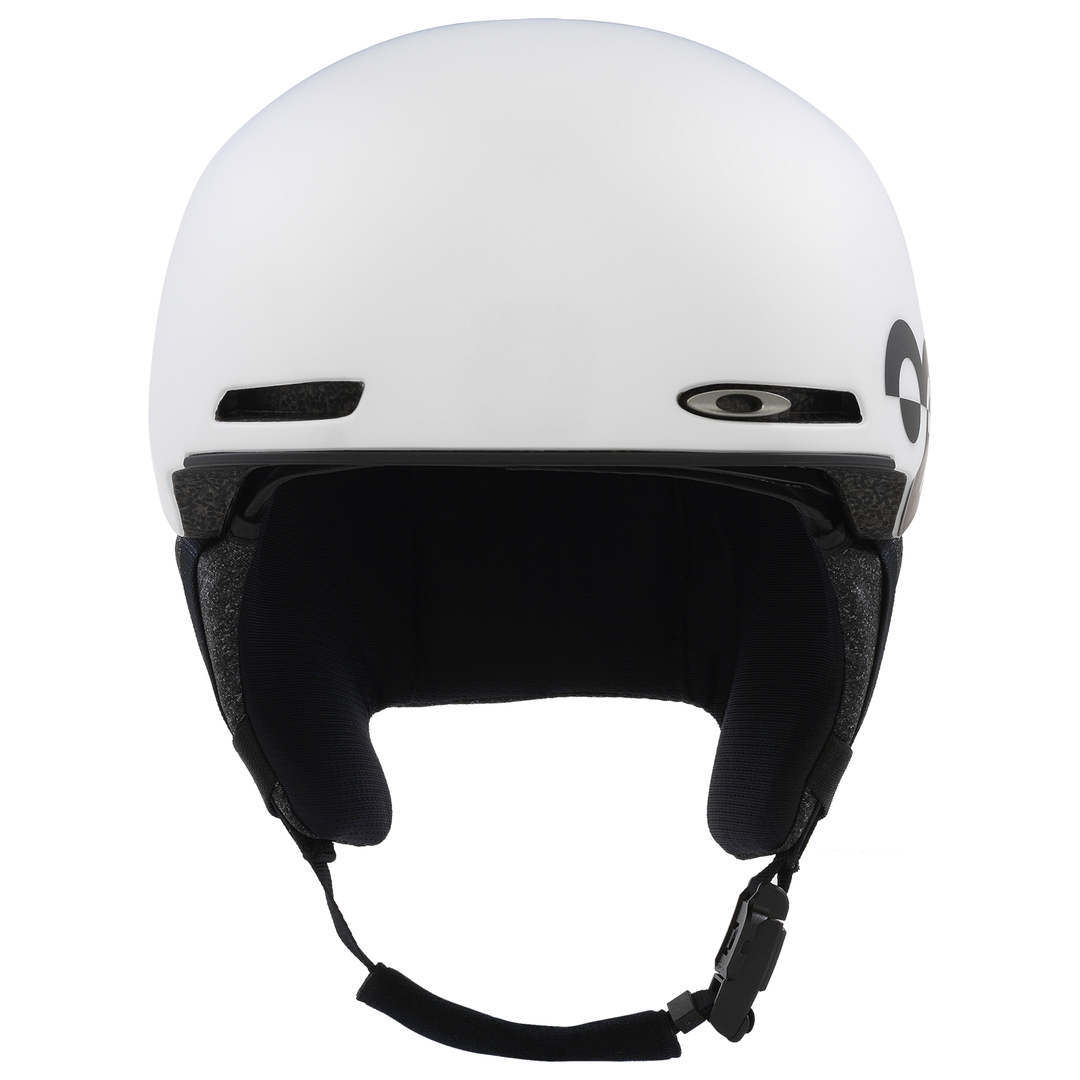
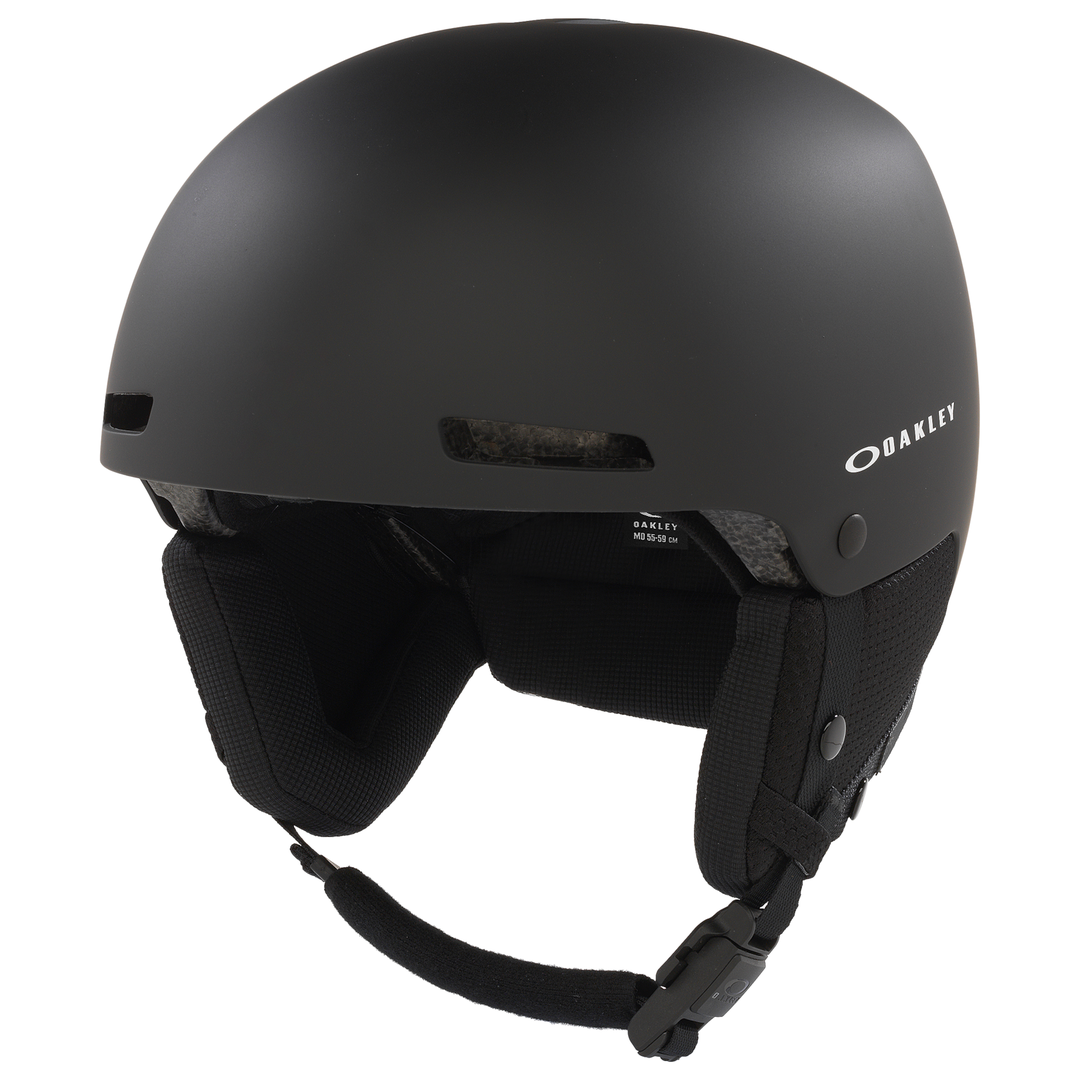
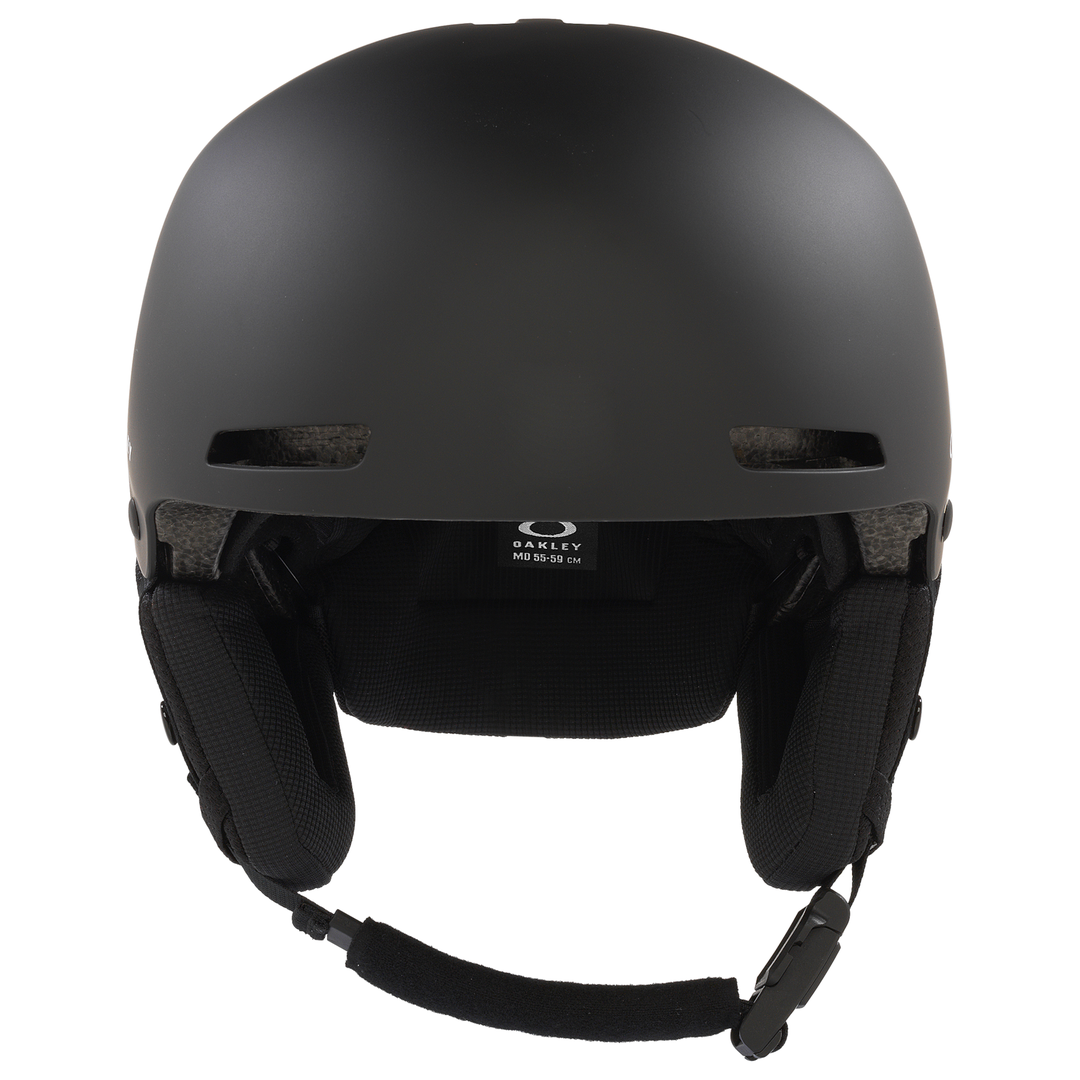
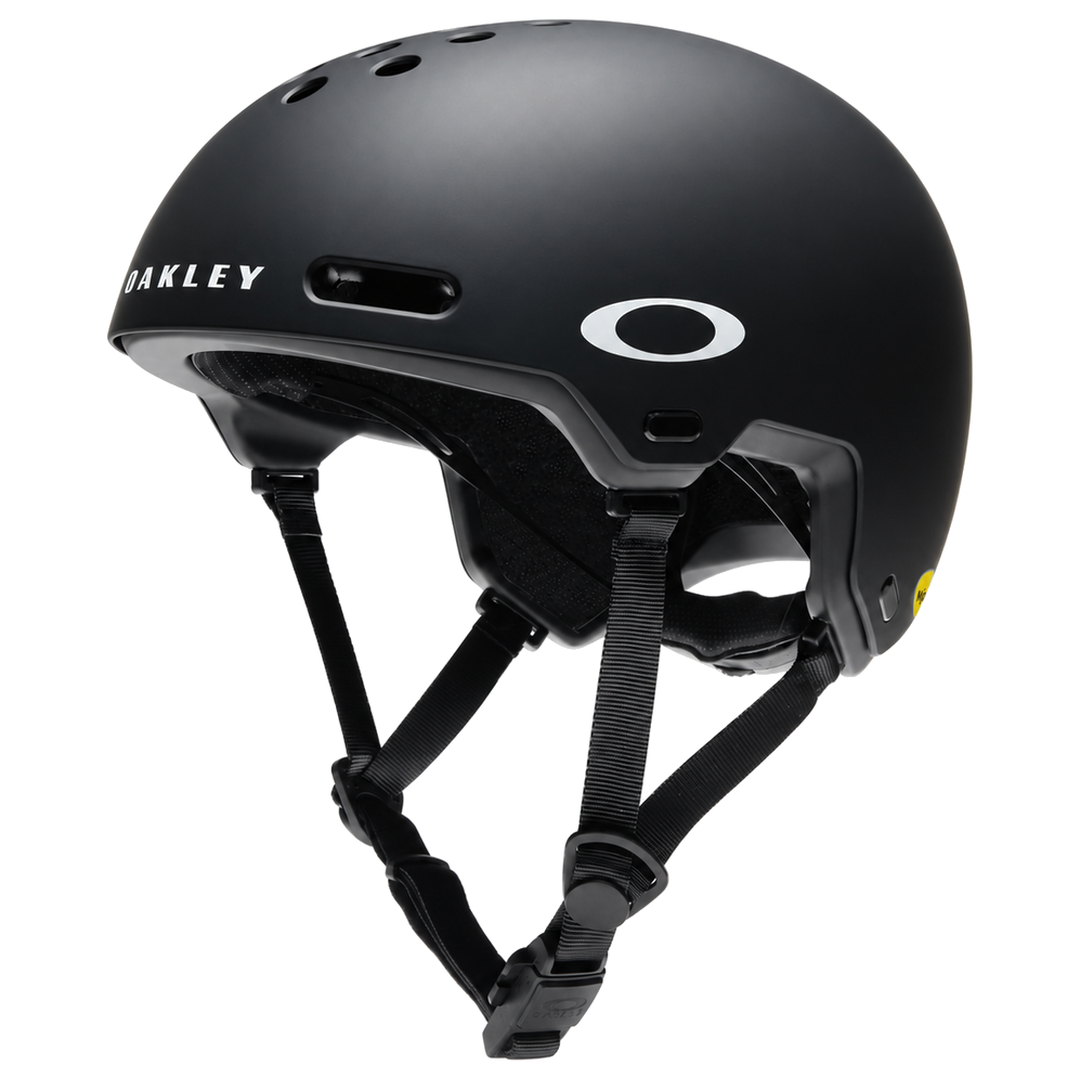
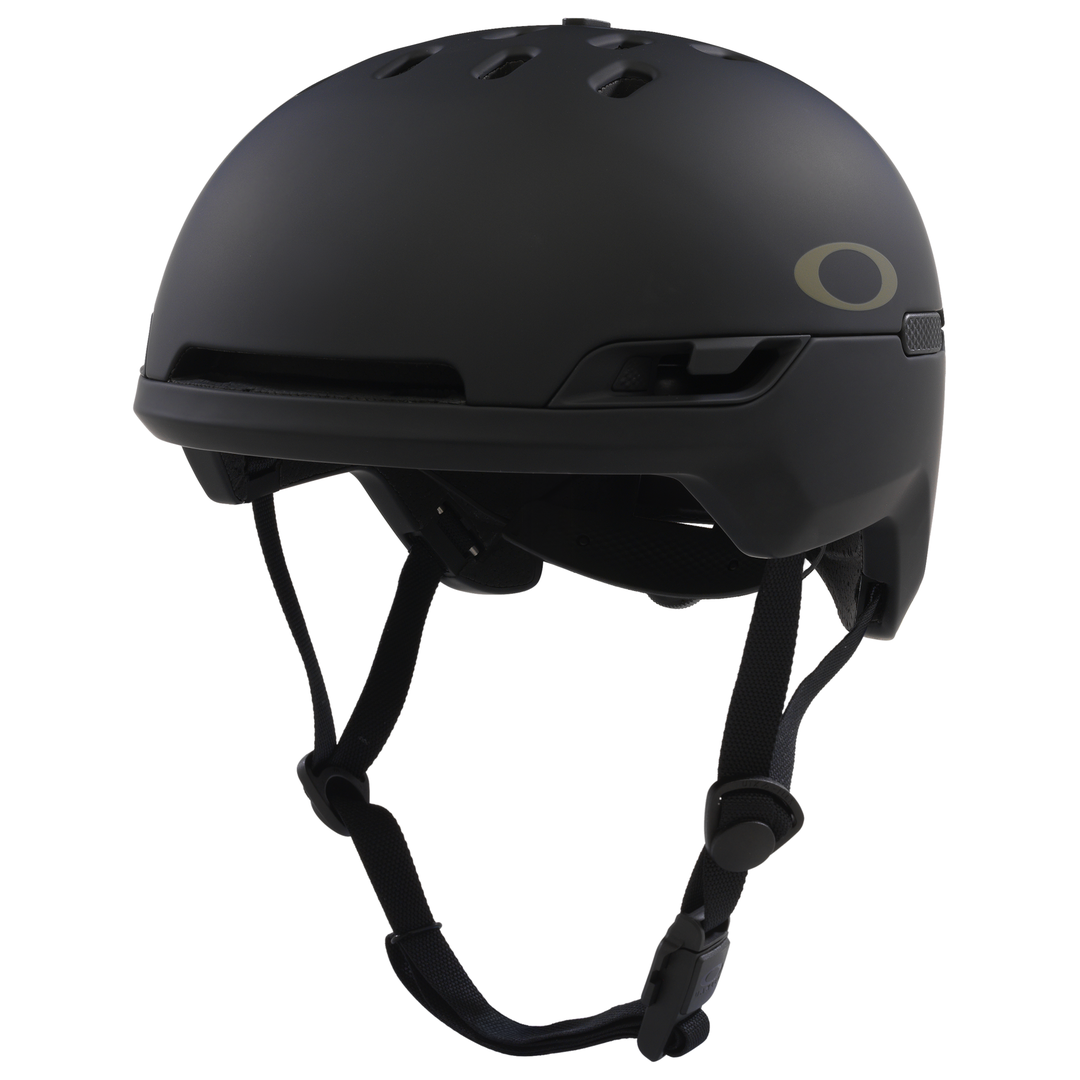
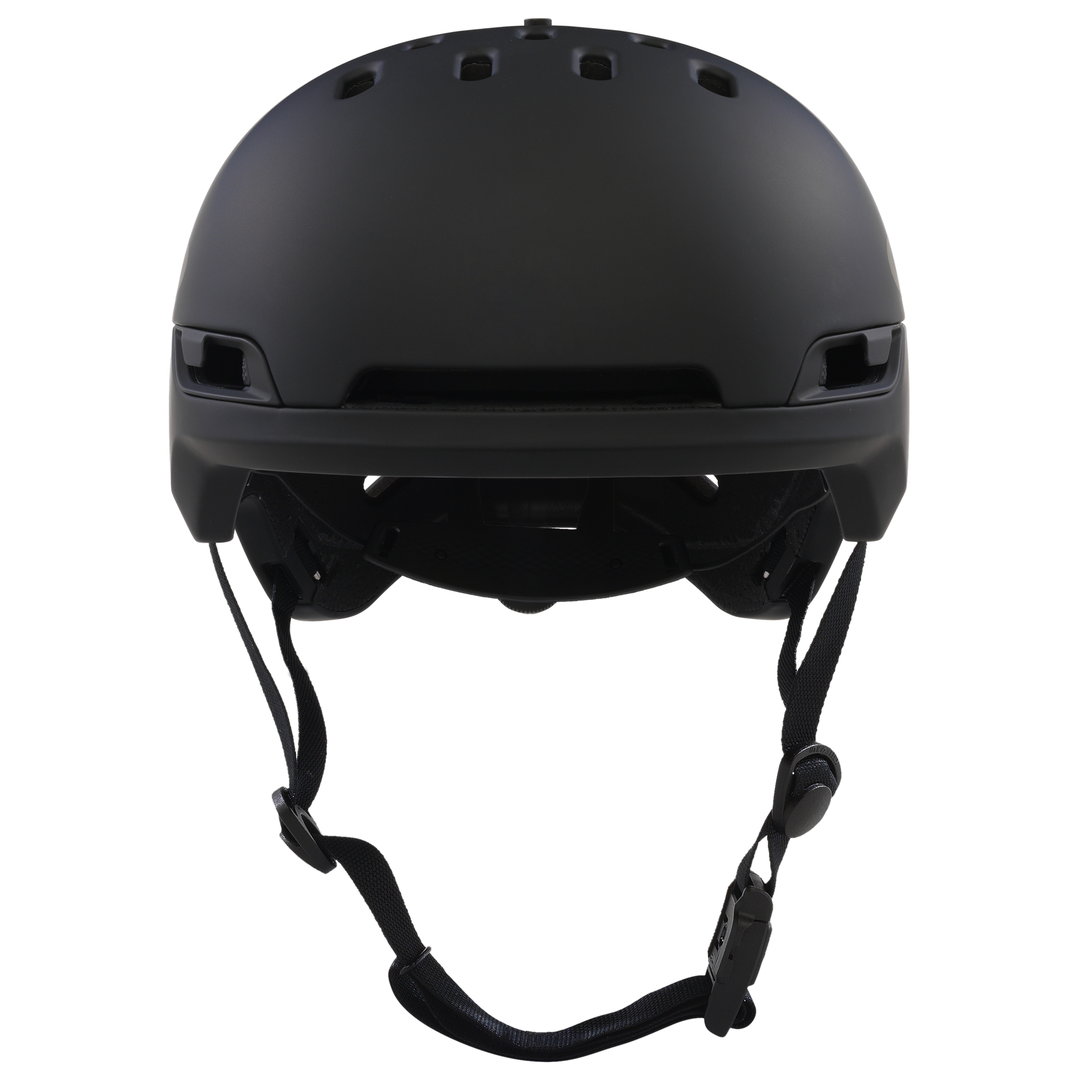
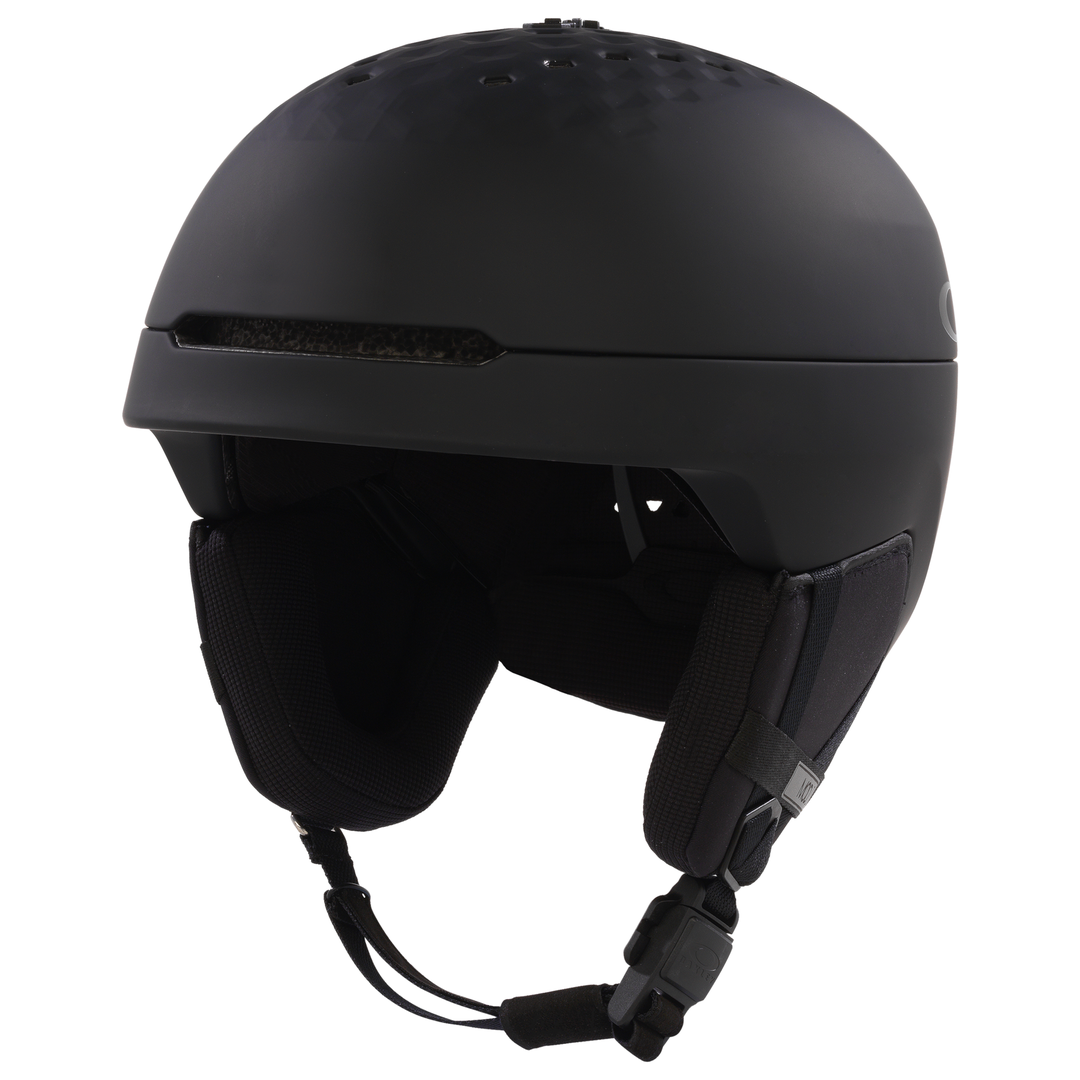
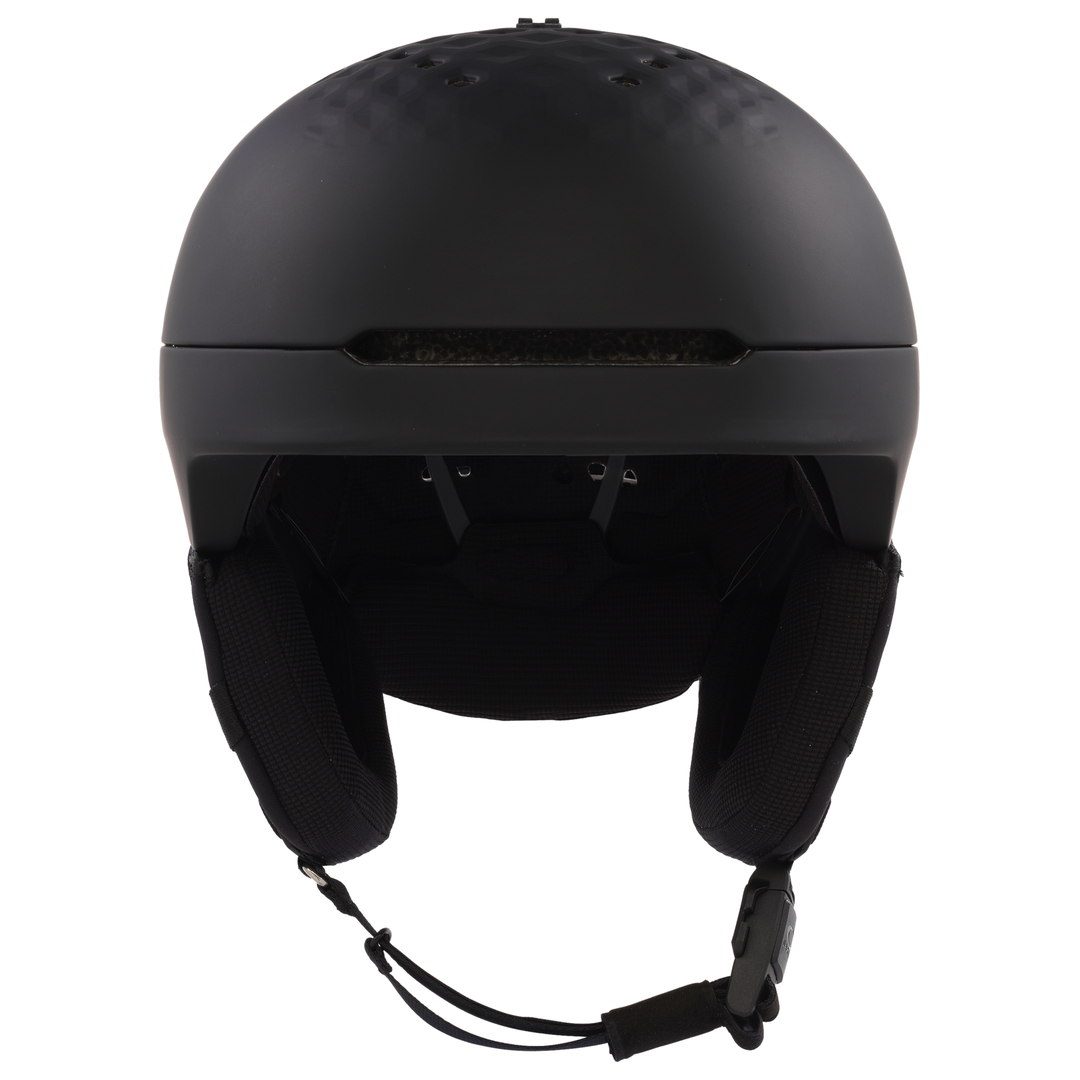
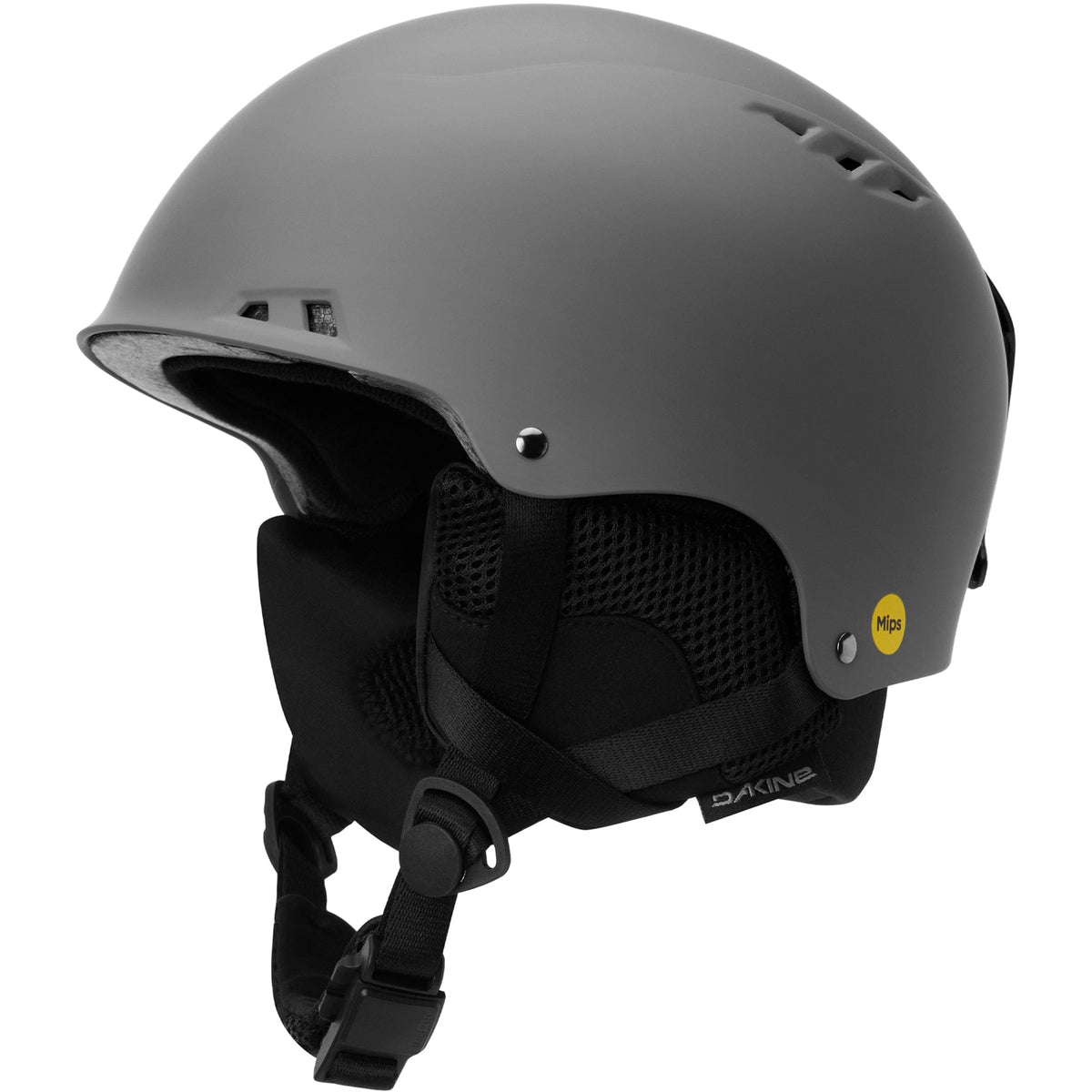
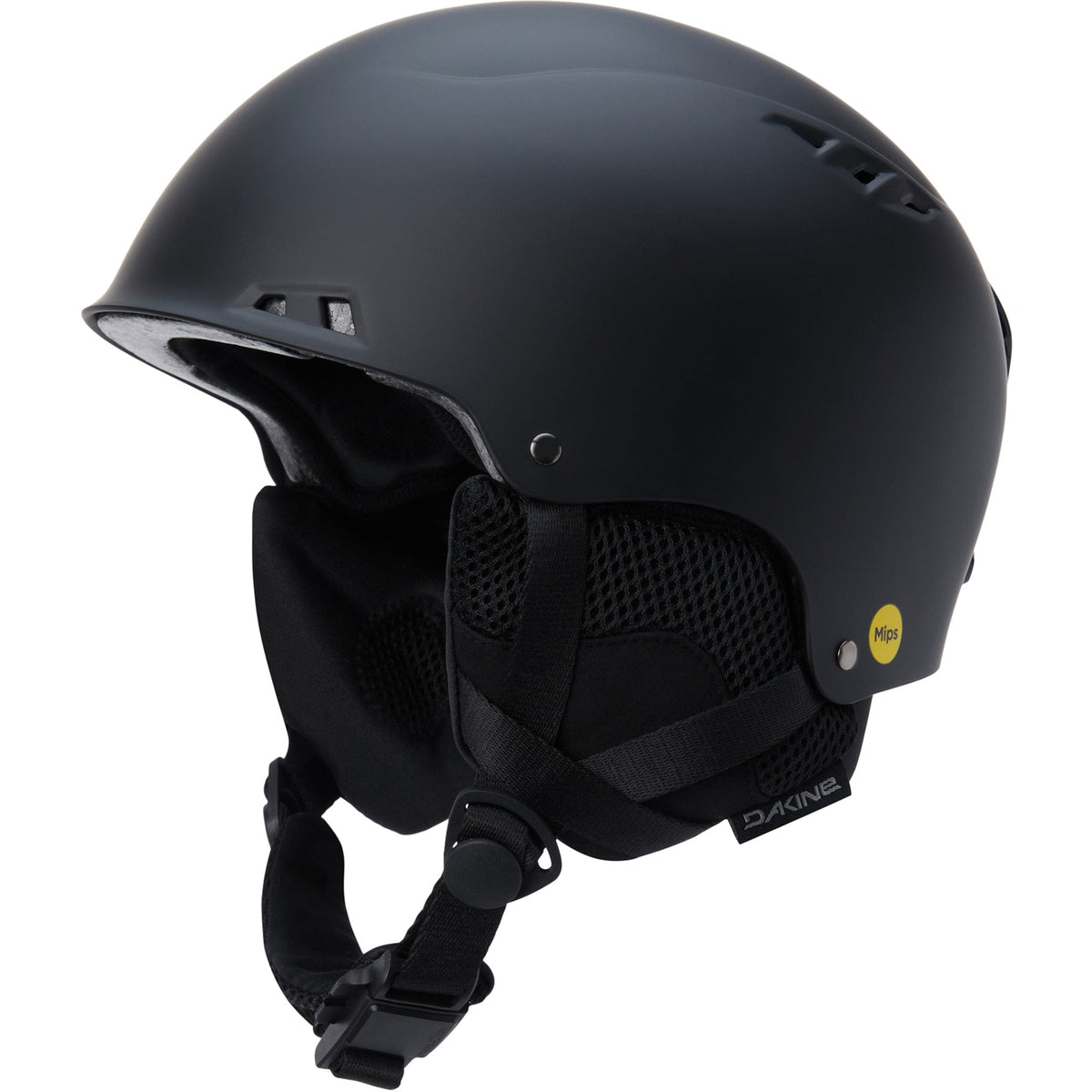
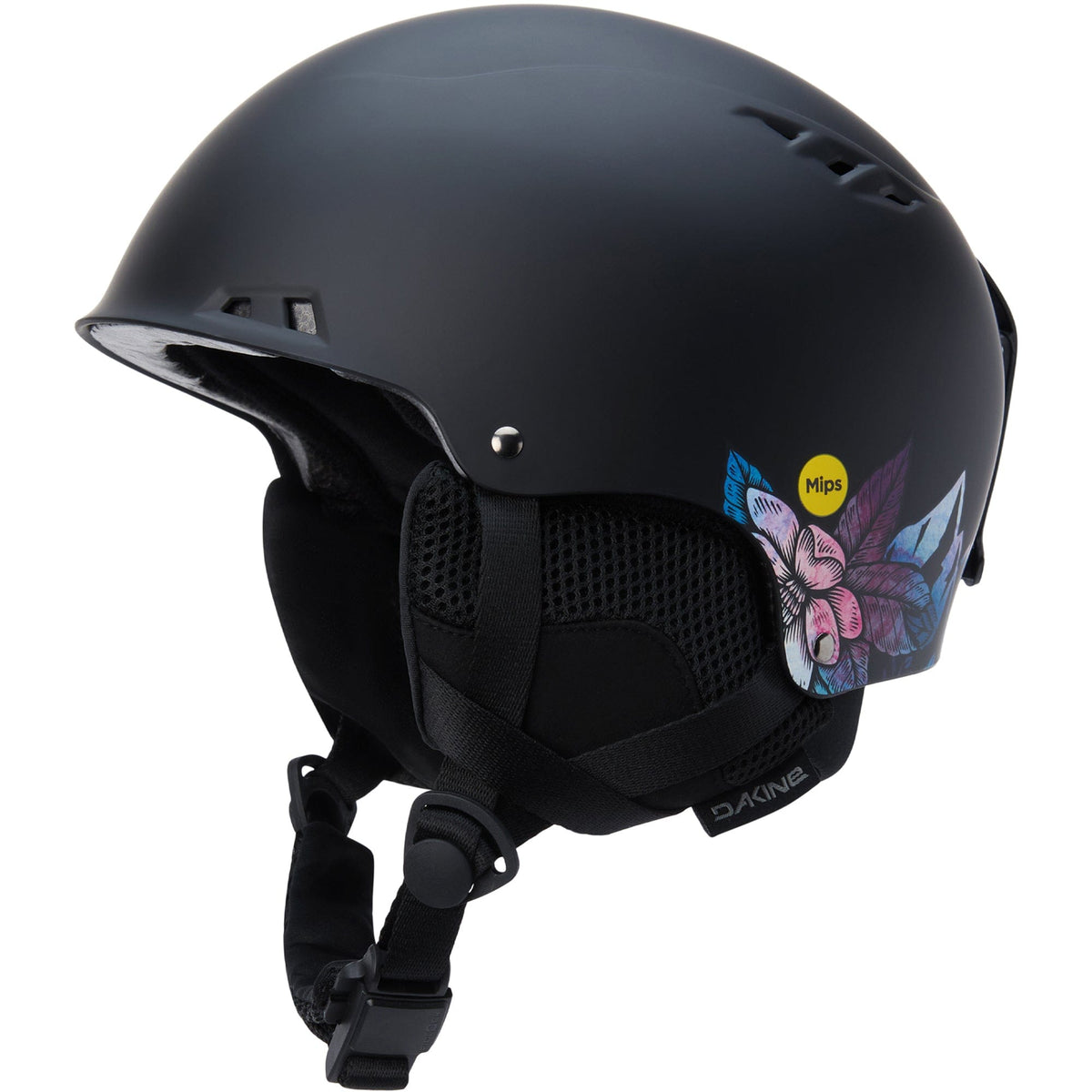
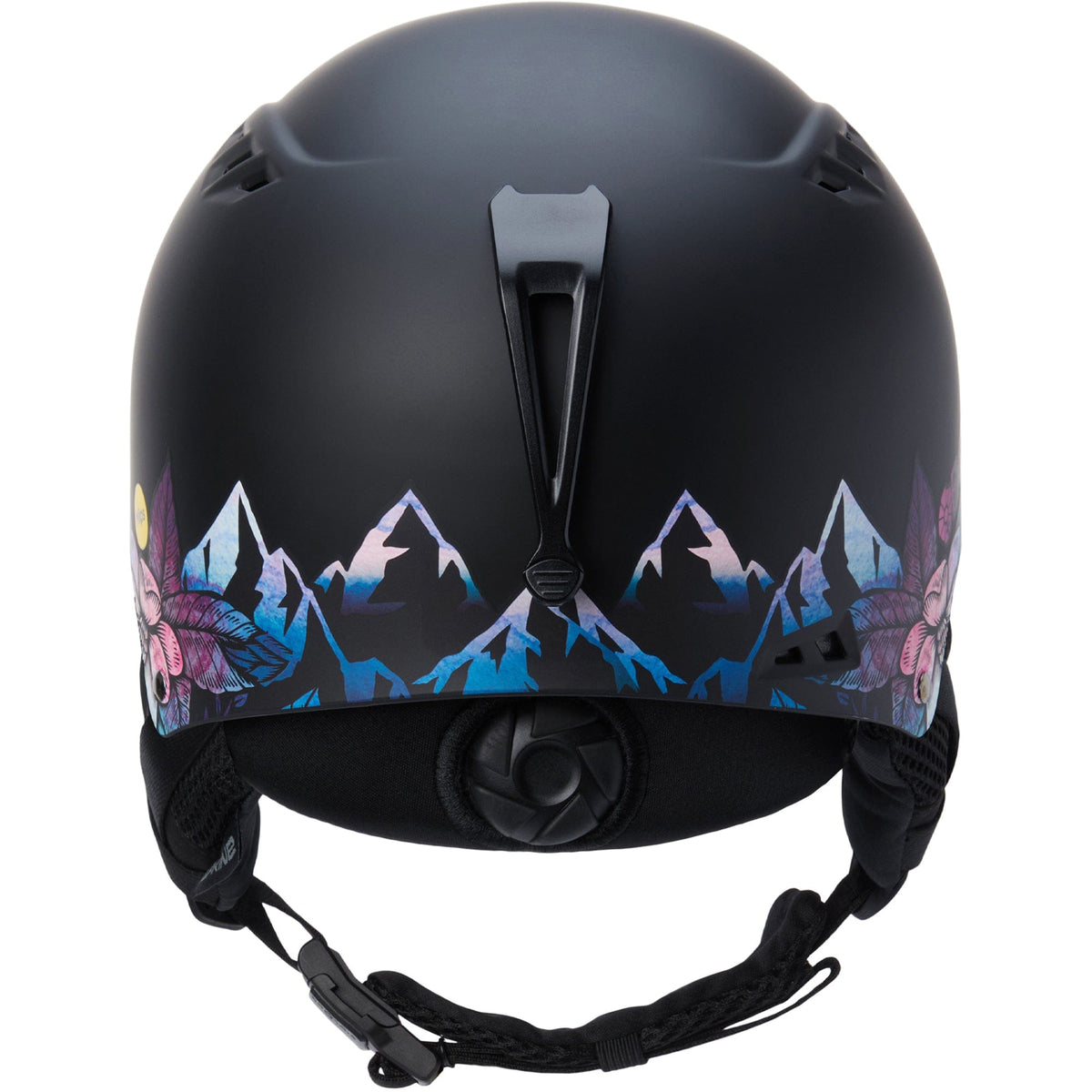
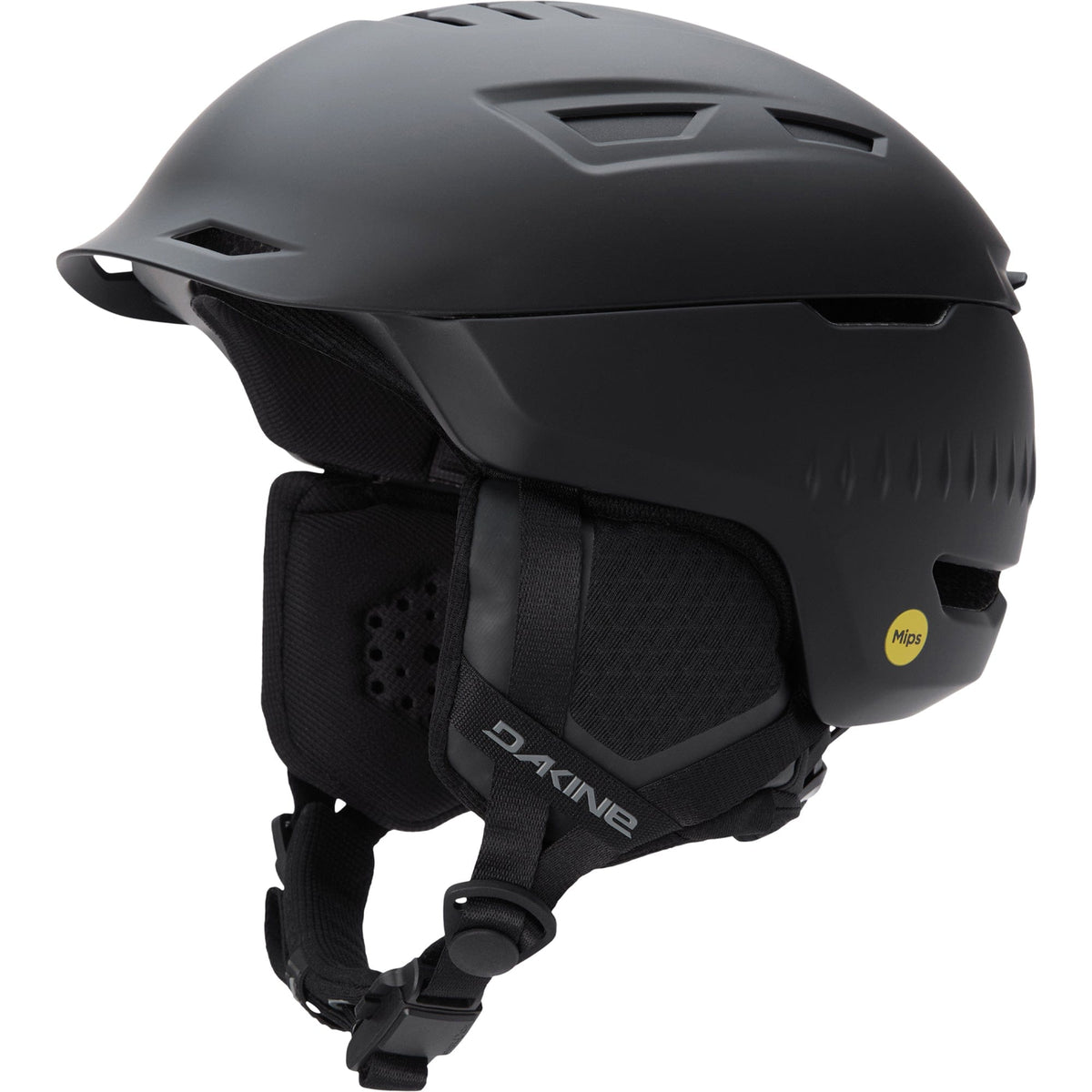
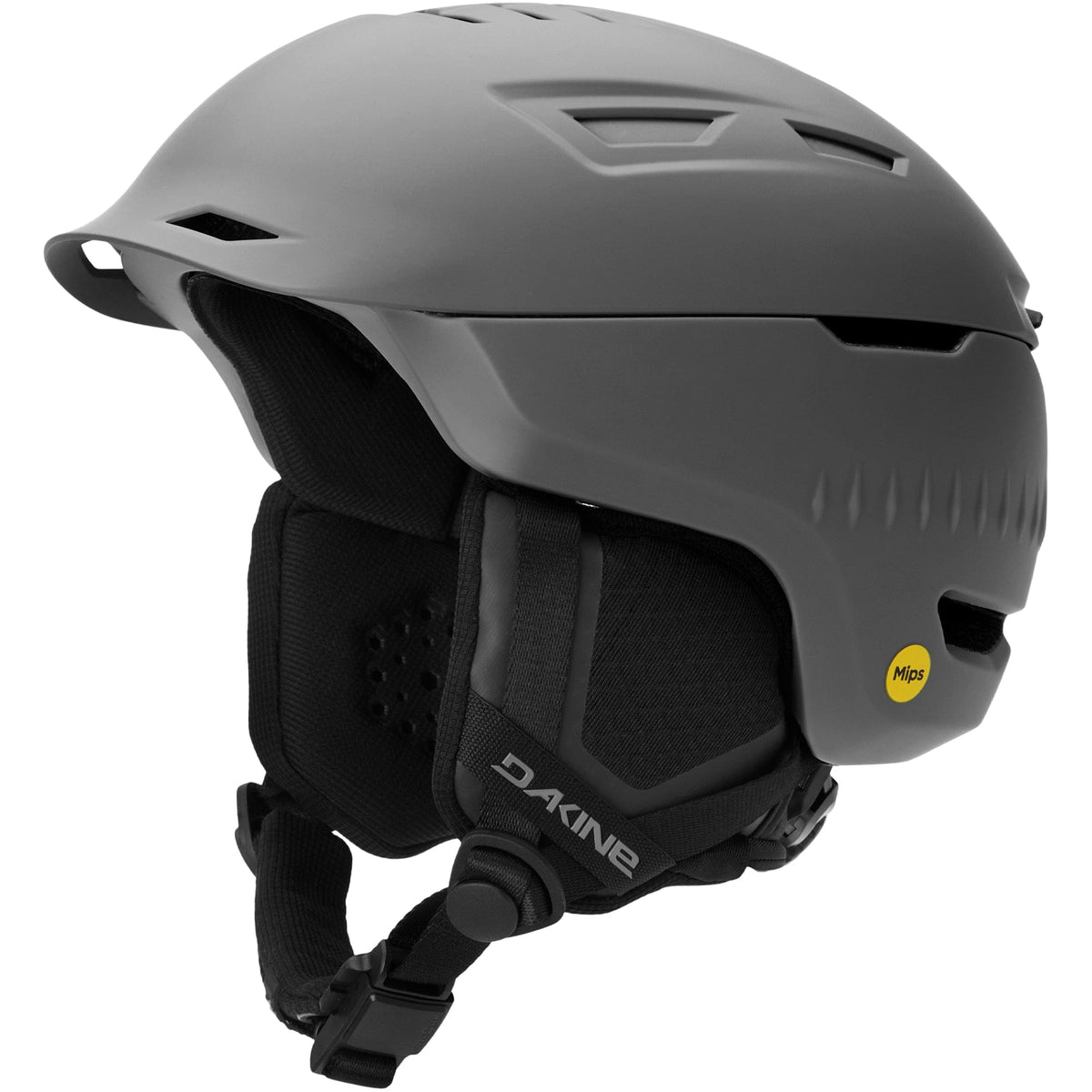
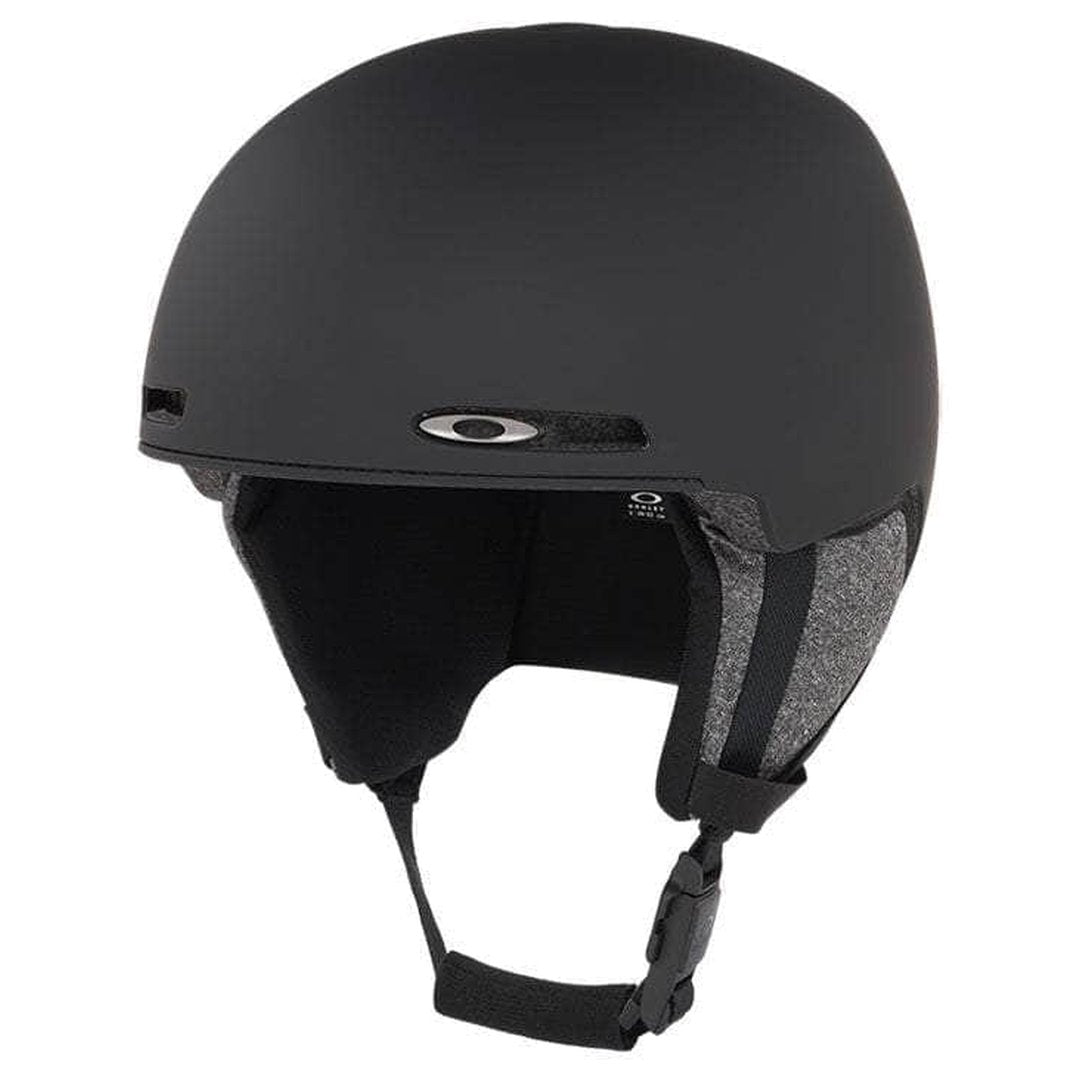
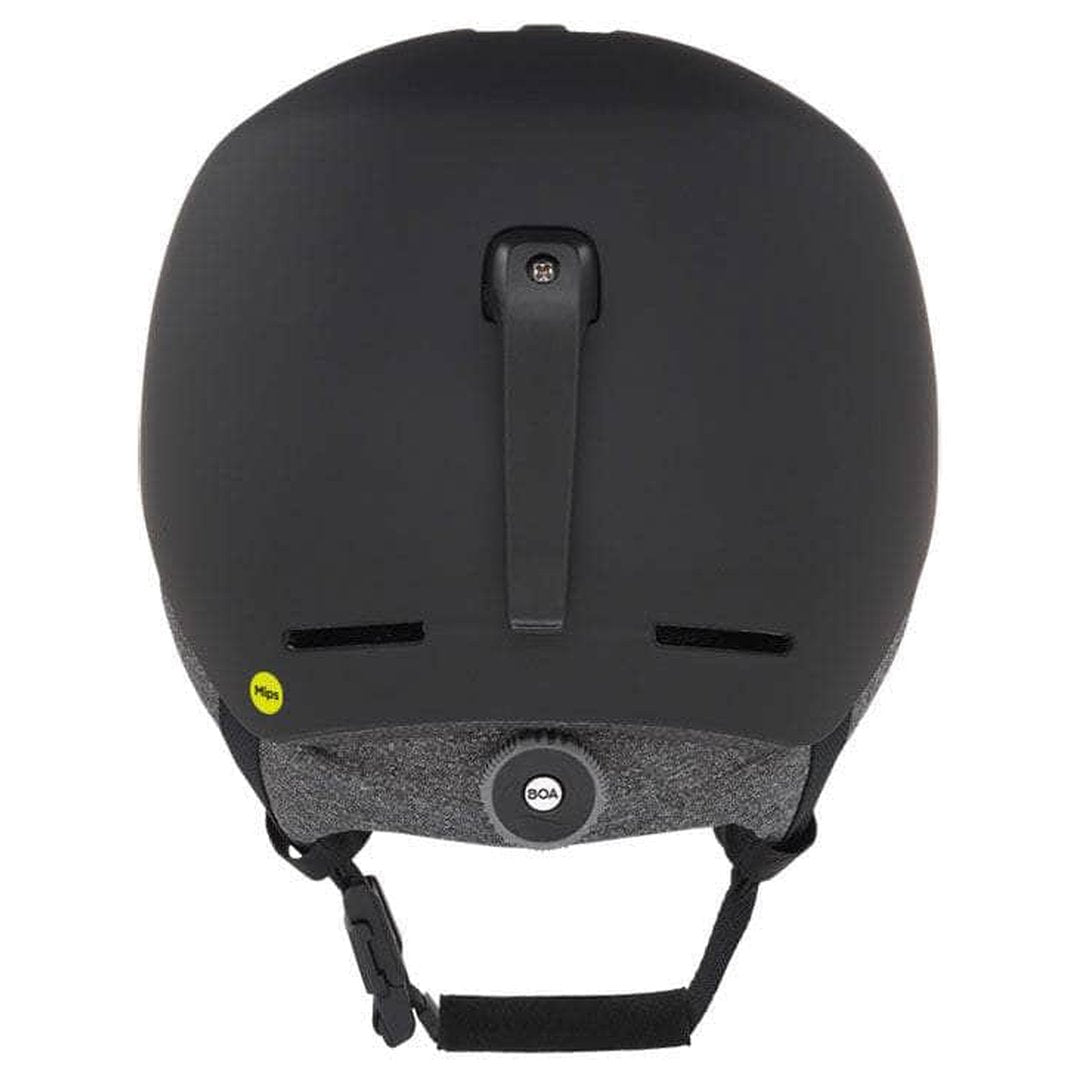
A helmet is the single most important piece of protective kit on the mountain. A good one guards your head against falls, collisions, and the hard-packed snow and ice that catch every rider out sooner or later, and modern helmets are so light and comfortable that there is no reason to go without. Warm, well ventilated, and goggle-friendly, the right helmet simply becomes part of your setup.
Our snowboard and ski helmets range covers lids from trusted brands, with features from simple, warm designs to helmets with rotational-impact protection systems, in sizes for all riders. Whether you are buying your first helmet or upgrading to something lighter and safer, there is one here to suit you.
Not sure what to look for? The guide below explains safety features, fit, and goggle compatibility. Browse the range below, and pair your helmet with a set of goggles for a seamless fit.
Why Wear a Snow Helmet?
Skiing and snowboarding happen at speed on hard surfaces, and a fall or collision can put real force through your head. A helmet absorbs and spreads that impact, reducing the risk of serious head injury. It is the cheapest insurance you can buy for a day on the mountain, and it also keeps your head warm and gives you somewhere to rest your goggles.
Helmets have come a long way, and a modern lid is light, comfortable, and barely noticeable once you are riding. For beginners and experts alike, wearing one is simply good sense.
Understanding Helmet Safety
All helmets sold for snow sports meet recognised safety standards, so the basics of protection are covered. Beyond that, the biggest development in recent years is rotational-impact protection, often branded as MIPS, which adds a low-friction layer inside the helmet designed to reduce the rotational forces that can occur in an angled impact.
A helmet with a rotational-protection system offers an extra layer of safety that many riders now look for. Whatever you choose, a helmet that fits correctly and is in good condition is what keeps you protected, so fit matters as much as features.
Types of Snow Helmet
- In-mould helmets: light helmets with a thin shell bonded to the liner, comfortable for all-day wear
- Hard-shell helmets: a tougher outer shell for extra durability, popular with park riders
- Helmets with rotational protection: featuring systems such as MIPS for added safety in angled impacts
- Adjustable-vent helmets: with vents you can open and close to control temperature
Most riders are well served by a light in-mould helmet with good ventilation and an adjustable fit system, stepping up to added features as they wish.
Getting the Right Fit
Fit is the most important thing about any helmet. Measure the circumference of your head just above your eyebrows and match it to the brand's sizing chart. The helmet should sit level, cover your forehead, and feel snug all around without pressure points, and it should not move when you shake your head.
Many helmets include an adjustable fit system, such as a BOA dial, that lets you fine-tune the fit for a secure, comfortable feel. A helmet that is too loose cannot protect you properly, so take the time to get the size and adjustment right. Our team in Poole can help if you are between sizes.
Helmet and Goggle Compatibility
A helmet and goggles work as a system, and getting them to fit together well matters for both comfort and warmth. The aim is to avoid a gap between the top of your goggles and the helmet, sometimes called a cold gap, which lets in cold air and looks untidy. Try your goggles with your helmet to check they sit flush, with the goggle strap fitting over the helmet.
Many riders find that matching the brand of helmet and goggles gives the cleanest fit, as they are designed to work together. If you are buying both, it is worth checking them as a pair.
Ventilation and Comfort
Riding is hard work, and a helmet that cannot breathe leaves you hot and your goggles fogged. Good ventilation lets air flow through the helmet to regulate temperature and clear moisture, and adjustable vents let you open up on warm spring days and close down when it is cold. A removable, washable liner keeps the inside fresh, and warm ear pads add comfort on cold days.
For changeable British and European conditions, adjustable vents are especially useful, letting one helmet cope with a range of temperatures.
Caring for and Replacing Your Helmet
A helmet looks after you, so look after it.
- Let it dry fully after each day, away from direct heat
- Wipe down the shell and wash the removable liner as needed
- Store it somewhere dry and protected, not crushed in a bag
- Check the shell and fit system for damage before each trip
- Replace a helmet after any significant impact, even if it looks fine
A helmet is designed to absorb one serious impact, so replace it after a hard crash and roughly every five years with normal use, as materials age over time.
How Much Do Snow Helmets Cost?
Prices depend on the construction, the features, and the brand. Simple, warm helmets sit at the lower end of the range, mid-range helmets add better ventilation and fit systems, and premium helmets with rotational protection and lightweight construction sit higher. All meet the core safety standards, so even an entry-level helmet protects you.
Spending more usually buys lighter weight, better ventilation, and added safety features rather than basic protection. A well-fitted helmet at any price is far better than none. You'll find a spread of budgets across the range.
Why Buy Your Snow Helmet from Surface2Air Sports?
We have been kitting out riders since 2002, with a shop in Poole and a full range online.
- Snowboard and ski helmets from trusted brands
- Options with rotational-impact protection and adjustable fit
- Helmets to pair with your goggles
- Honest advice on safety, fit, and compatibility
- In-store fitting help and online support
Whether you are buying your first lid or upgrading, we can help you get the fit right. Pair it with goggles for a clean fit, and complete your setup from our wider snowboarding range.
Frequently Asked Questions About Snow Helmets
Do I really need a helmet?
Yes. A helmet absorbs impact and reduces the risk of serious head injury, and modern helmets are so light and warm that there is no reason to ride without one.
What is MIPS?
MIPS is a rotational-impact protection system, a low-friction layer inside the helmet designed to reduce the rotational forces that can occur in an angled impact, adding a layer of safety.
How do I measure for a helmet?
Measure the circumference of your head just above your eyebrows and match it to the brand's sizing chart. The helmet should sit level and snug without pressure points.
How should a helmet fit?
Snug all around, sitting level and covering your forehead, with no movement when you shake your head. An adjustable fit system helps dial in a secure feel.
How do I avoid a gap between my helmet and goggles?
Try them together and choose goggles that sit flush against the helmet, with the strap over the helmet. Matching brands often gives the cleanest fit.
When should I replace my helmet?
After any significant impact, even if it looks undamaged, and roughly every five years with normal use, as the protective materials age over time.
Can I use the same helmet for skiing and snowboarding?
Yes. Snow helmets are designed for both skiing and snowboarding, so one helmet covers you whichever you ride.
Do you sell goggles too?
Yes. We stock a full range of snowboard and ski goggles to pair with your helmet.
Let customers speak for us
Great job well dun thanks for your help with the purchase..

The bag is sturdy, spacious and water proofed on the inside. In addition, it can be worn as a backpack but it also comes with a strap for putting over a shoulder as a bag. I am happy with the purchase.

My first order of gummy straps never arrived so I contacted S2AS and they were very apologetic as Royal Mail had lost my parcel. They immediately sent out a second sets of straps which arrived the following day.
The customer service I recieved was exceptional and I would highly recommend this company for their swift response. I will definitely order with them again.

the whole exercise

item as dscribed, looks fantastic

As described and looks fantastic. thank you
My first board and binding set up after using hire equipment for over a year. These will take some getting used to but step in and strap is a vast improvement. Large to size 12UK looks like it only just fits across the toe strap.
S2AS are my go to online store for anything Snowboarding related and as they say any query just pick up the phone and speak to Ollie (who sounds a lot like Jamie Lang)

Wait for snow
Loved the service in the shop Ollie was very helpful and a pleasure to deal with. Recommend highly
Kind regards
Matt

2026 Slingshot KTV EverShred Wakeboard Bindings

Exceptionally quick delivery, would definitely recommend buying from this site

Hi my in store experience was fantastic from email to shop with your representative Ollie could not have been more polite & helpful
Once I’ve tried the bourd I will send further feedback
Hope your all well
Kind regards
Matt

We ordered a large amount of items that all arrived safely, we kept everything save two jackets which we ordered wrong, but the team were great, we sent them back and got a refund with no hassle. Will definitely use in the future!

Great graphics, good fit and quality

I purchased a wing that was 70% off and I am delighted with my new toy. I had it out today for the first time and despite only being a 2.8m wing, the power and control was amazing. It is so good that I am tempted to buy a bigger size to add to my collection. Thanks again S2AS for another great product for a bargain price 😊
Great carbonboard from Shinn and Raptor fin set at a good price from Surface2Air Sports. Delivered without any problems.