
MENS 5MM WETSUITS
Sort by
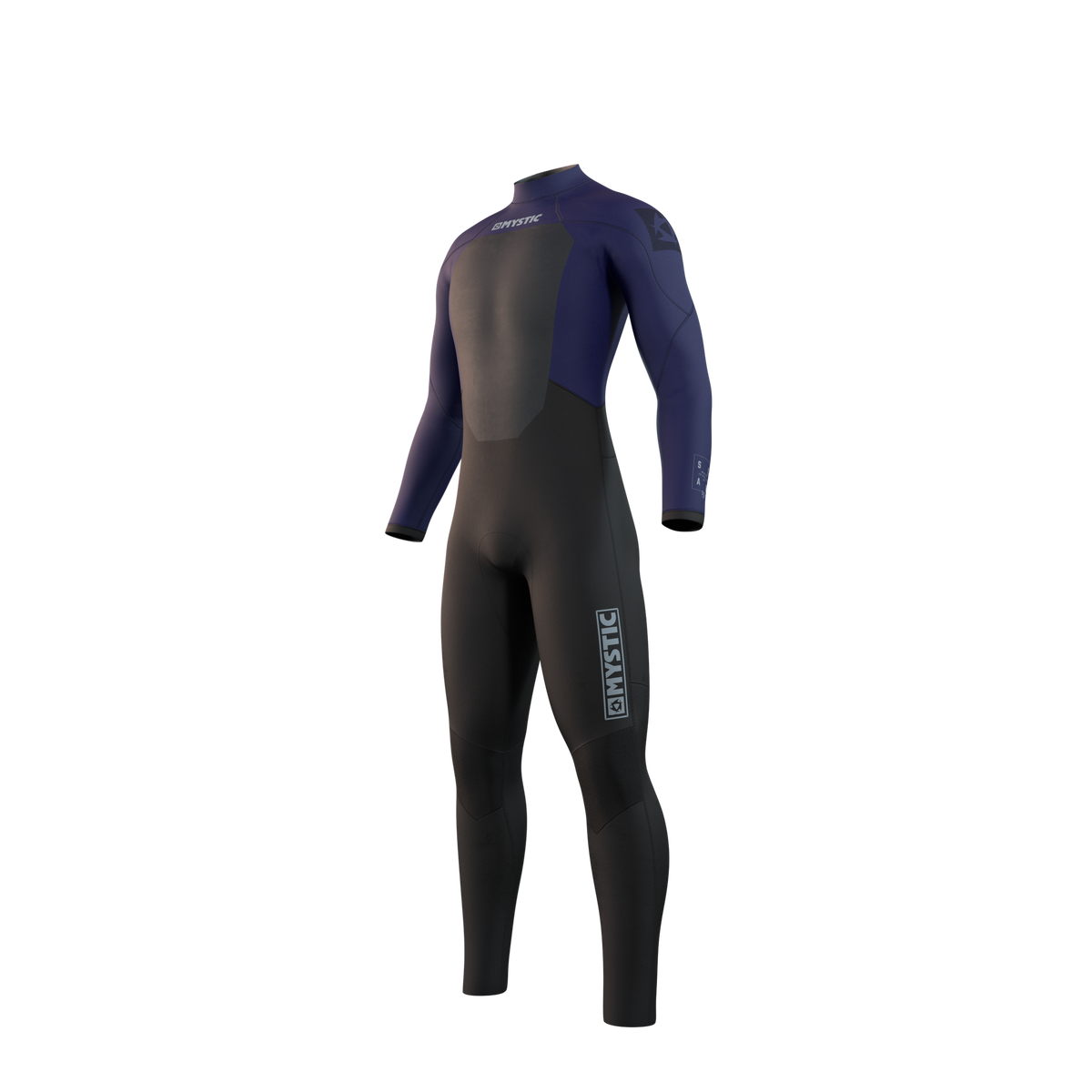
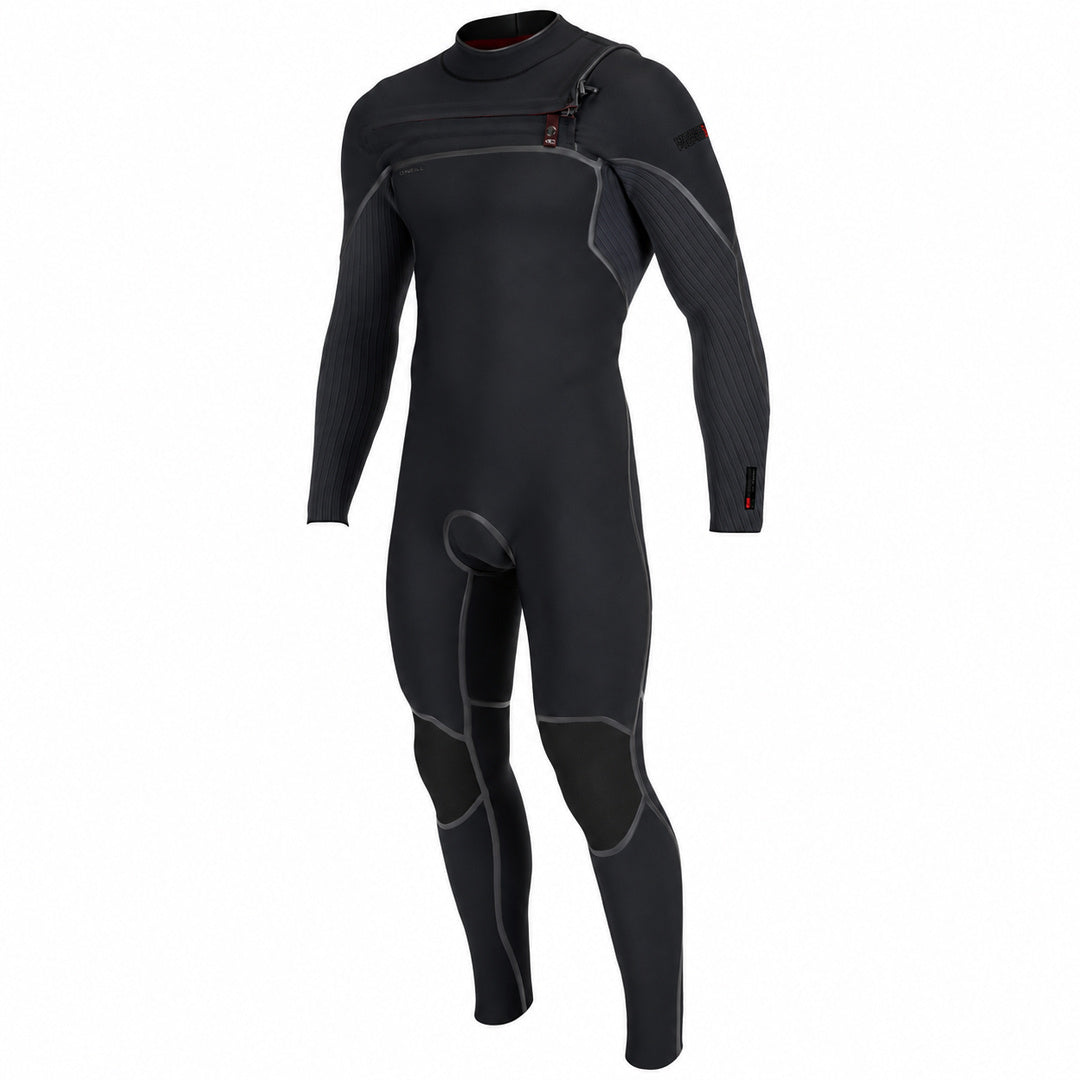
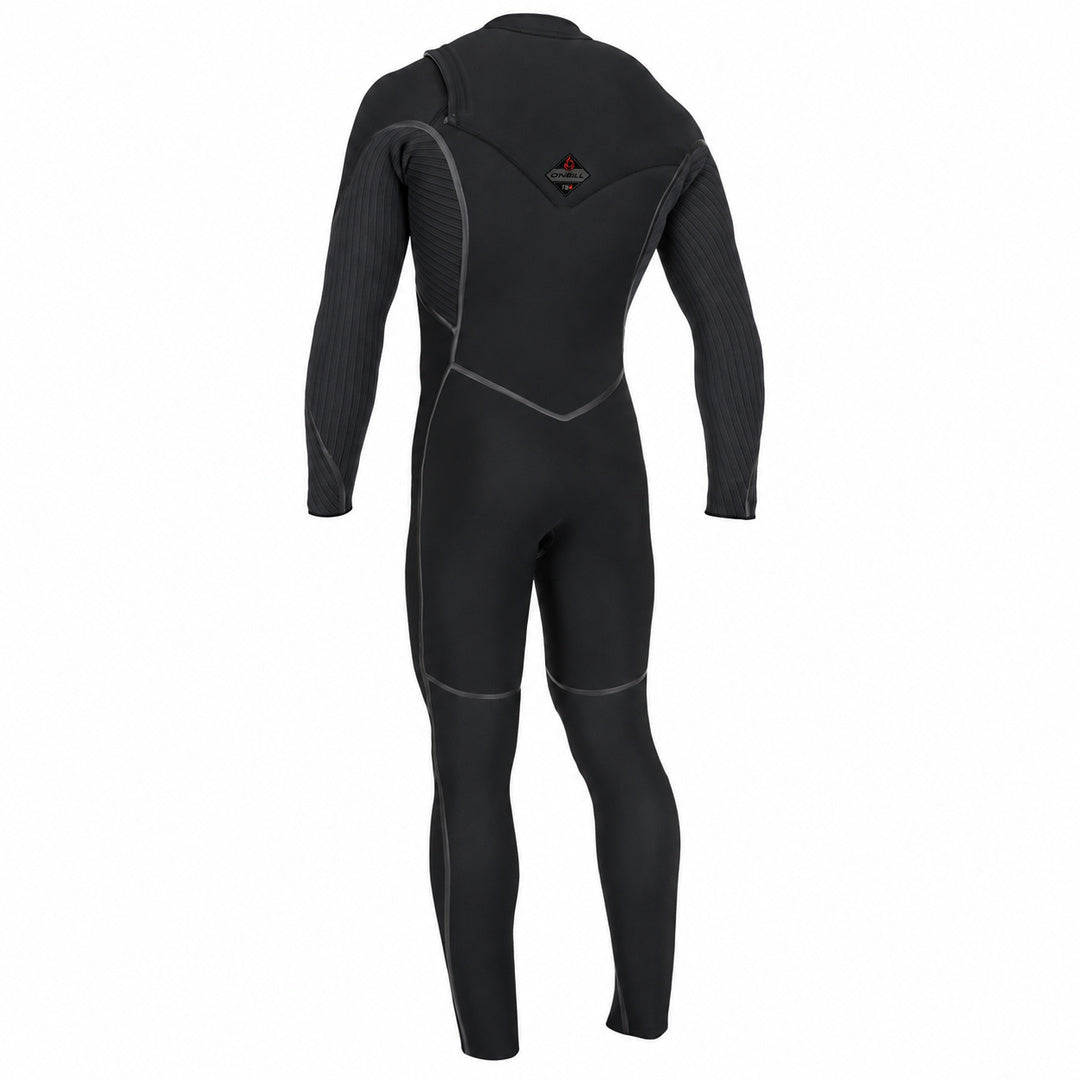


When the water turns cold, a 5mm wetsuit is what keeps you in the sea rather than watching from the beach. Built for autumn and winter, a 5mm men's suit uses thicker neoprene, warmer linings, and sealed seams to hold in heat through the coldest months. For anyone who wants to surf, kitesurf, or paddle year-round in the UK, it is the most important bit of kit you will own.
This collection gathers men's 5mm wetsuits built for British winter water. There are back zip and chest zip options, suits with plush thermal linings, and a range of budgets, so you can find a winter suit that keeps you warm and still lets you move.
Not sure what to look for in a winter suit? The guide below explains thickness, seams, zips, and fit. Browse the range below, and explore our full wetsuits range for other thicknesses.
What Is a 5mm Wetsuit?
A 5mm wetsuit is a cold-water suit with 5mm neoprene around the core. The thicker neoprene slows how quickly your body heat escapes, which is exactly what you need when the sea drops into single figures. Compared with a summer suit, a 5mm suit prioritises warmth, with more insulation, warmer internal linings, and tighter seals at the wrists, ankles, and neck to keep cold water out.
Who Needs a 5mm Wetsuit?
A 5mm suit is the go-to choice for UK autumn and winter sessions, roughly when the water sits between 6 and 12 degrees. Surfers, kitesurfers, wingfoilers, and open-water swimmers who want to keep going through the colder half of the year all rely on one. If you only get in the water in summer, a thinner suit will do, but if you want to ride year-round, a quality 5mm suit is essential.
5/4/3 and 5/3: Reading the Numbers
Winter suits are usually labelled 5/4/3 or 5/3. The numbers are the neoprene thickness in millimetres in different areas: the first is the core, and the following numbers are the limbs. A 5/4/3 suit has 5mm on the torso, 4mm on the legs, and 3mm on the arms, keeping your vital organs warmest while leaving your arms free to move. Thicker core neoprene means more warmth, while slightly thinner limbs preserve flexibility for paddling and riding.
Seams and Why They Matter in Cold Water
In winter, seams are as important as thickness. Cheaper suits use flatlock seams that let a little water through, which is fine in summer but cold in winter. Quality 5mm suits use glued and blind-stitched seams, often taped or welded on the inside, to stop water seeping in and flushing out your warmth. Sealed seams are one of the biggest differences between a suit that keeps you toasty and one that leaves you shivering.
Zip Types for Winter Suits
- Chest zip: warmer and more flexible with less water flushing in, the most popular choice for cold water
- Back zip: easier to get in and out of, though it can let in a little more water
- Zip-free: maximum flexibility and warmth, favoured by experienced cold-water riders
For winter, a chest zip or zip-free suit generally keeps you warmer, while a back zip trades a little warmth for easier entry.
Thermal Linings and Warmth Features
Modern 5mm suits often add a soft thermal lining across the chest and back that traps warmth and dries quickly. Features like a sealed neck, internal barrier systems, and smooth-skin panels that cut wind chill all add up to a warmer session. These details matter most for wind-powered sports, where the breeze strips heat from a wet suit quickly.
Getting the Fit Right
Fit is everything in a winter suit. A suit that is too loose lets cold water flush through and sit against your skin, which defeats the purpose of thick neoprene. It should feel snug across the chest, back, and shoulders, with no loose folds at the lower back or behind the knees, yet still let you reach overhead and paddle freely. A new suit always feels tighter on land than it will in the water. Check the brand size guide, as fit varies between makers.
Accessories for Cold Water
A 5mm suit is the foundation, but to stay out in the coldest water you will usually want to add boots, gloves, and a hood. Neoprene boots keep your feet warm and protect them on rocks, gloves keep your hands working, and a hood makes a surprising difference, as a lot of heat is lost through the head. Together with a good suit, these turn a bitter session into a comfortable one.
Caring for a Winter Wetsuit
- Rinse with fresh, cool water after every session
- Avoid hot water, washing machines, and tumble dryers
- Dry inside out, away from direct sunlight and radiators
- Hang over a wide hanger to protect the shoulders
- Never leave it scrunched wet in a bag or car boot
A thick winter suit represents a real investment, and good care keeps the neoprene flexible and warm for longer.
How Much Do 5mm Wetsuits Cost?
Prices depend on neoprene quality, seam construction, linings, and brand. Entry-level 5mm suits keep you warm for occasional winter sessions, mid-range suits add better seams and warmer linings for regular use, and premium suits use the stretchiest, warmest neoprene with fully sealed seams. For regular winter riding, investing in a quality suit pays off in warmth, comfort, and durability.
Why Buy Your 5mm Wetsuit from Surface2Air Sports?
We have been fitting cold-water riders since 2002, with a shop in Poole and a full range online.
- Men's 5mm suits built for UK winter water
- Chest zip, back zip, and zip-free options
- Suits with warm thermal linings and sealed seams
- Honest advice on warmth, fit, and seams
- Boots, gloves, and hoods to complete your winter kit
Whether you are extending your season or riding right through winter, we can help you choose. Add the right wetsuit accessories, or explore our surf range for more cold-water gear.
Frequently Asked Questions About Men's 5mm Wetsuits
When should I wear a 5mm wetsuit?
A 5mm suit suits UK autumn and winter, roughly when the water is between 6 and 12 degrees. For summer, a thinner 3/2mm suit is more comfortable.
What does 5/4/3 mean?
The numbers are the neoprene thickness in millimetres: 5mm on the core, 4mm on the legs, and 3mm on the arms. Thicker core for warmth, thinner arms for movement.
Is a chest zip or back zip warmer?
A chest zip is generally warmer and more flexible with less water flushing in, while a back zip is easier to put on but can let in a little more water.
Why do seams matter so much in winter?
Sealed glued and blind-stitched seams stop cold water seeping in and flushing out your warmth. Cheaper flatlock seams leak more and are better suited to summer.
How should a winter wetsuit fit?
Snug with no loose folds, so cold water cannot flush through, yet still allowing you to paddle and reach overhead. It will feel tighter on land than in the water.
Do I need boots, gloves, and a hood too?
For the coldest water, yes. Boots, gloves, and a hood add a lot of warmth, as plenty of heat is lost through the hands, feet, and head.
Let customers speak for us
the whole exercise

item as dscribed, looks fantastic

As described and looks fantastic. thank you
My first board and binding set up after using hire equipment for over a year. These will take some getting used to but step in and strap is a vast improvement. Large to size 12UK looks like it only just fits across the toe strap.
S2AS are my go to online store for anything Snowboarding related and as they say any query just pick up the phone and speak to Ollie (who sounds a lot like Jamie Lang)

Wait for snow
Loved the service in the shop Ollie was very helpful and a pleasure to deal with. Recommend highly
Kind regards
Matt

2026 Slingshot KTV EverShred Wakeboard Bindings

Exceptionally quick delivery, would definitely recommend buying from this site

Hi my in store experience was fantastic from email to shop with your representative Ollie could not have been more polite & helpful
Once I’ve tried the bourd I will send further feedback
Hope your all well
Kind regards
Matt

We ordered a large amount of items that all arrived safely, we kept everything save two jackets which we ordered wrong, but the team were great, we sent them back and got a refund with no hassle. Will definitely use in the future!

Great graphics, good fit and quality

I purchased a wing that was 70% off and I am delighted with my new toy. I had it out today for the first time and despite only being a 2.8m wing, the power and control was amazing. It is so good that I am tempted to buy a bigger size to add to my collection. Thanks again S2AS for another great product for a bargain price 😊

Great carbonboard from Shinn and Raptor fin set at a good price from Surface2Air Sports. Delivered without any problems.

Really well made, super comfortable and love the carry wrap that they are supplied in. Much better than the usual drawstring bags that disintegrate. Best beach chair yet

Excellent item really pleased with it good delivery

2026 Mystic Patrol Boots wakeboard Bag