Sort by
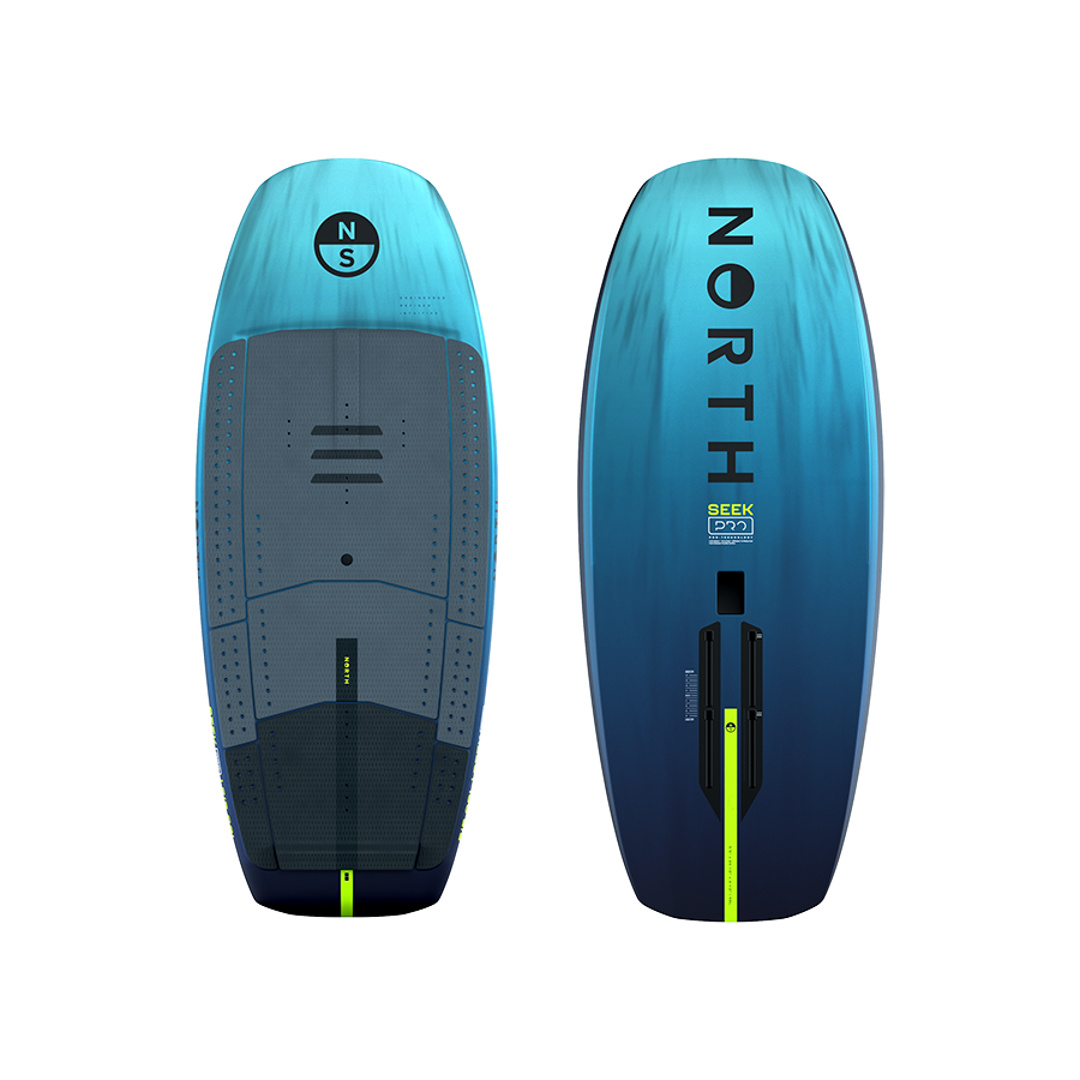
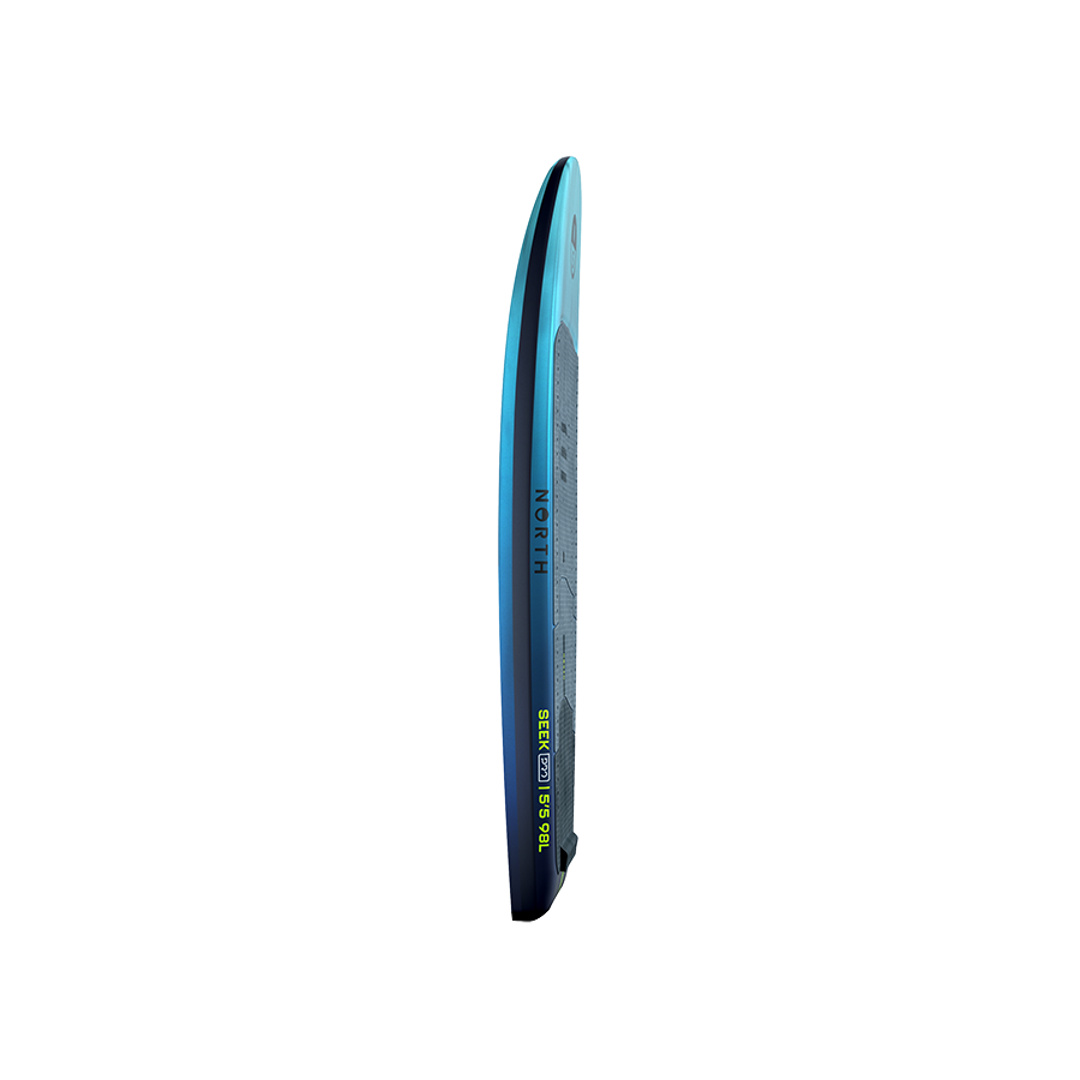


The board is where every wing foiling session begins. It floats you while you find your feet, gives you a stable platform to get going, and then becomes almost an afterthought once you are up on the foil. Choosing the right board, with the right volume for your weight and stage, is the single biggest factor in how quickly and how enjoyably you learn to wing foil.
This collection covers wing foil boards for every stage, from high-volume boards that make learning far easier to compact, performance shapes for experienced riders. There are hard boards and inflatable options to suit how you travel and store your kit.
Not sure what you need? The guide below explains volume, sizing, and construction. Browse the range below, and pair your board with the right wing.
What Is a Wing Foil Board?
A wing foil board is a short, wide board with a track or box on the bottom to mount a hydrofoil. You stand on it holding a handheld wing, build up speed, and then rise onto the foil so the board lifts clear of the water. Because the board does different jobs at rest and on the foil, its size and shape are chosen to balance stability when you start with performance once you are flying.
Why Volume Is the Key Number
Volume, measured in litres, is the most important figure on any wing foil board. It tells you how much the board floats. A board with plenty of volume relative to your weight floats you while you stand up, wait for a gust, and get going, which is exactly what a learner needs. A lower-volume board sits deeper and is harder to balance at rest, but is lighter and quicker once on the foil. Getting the volume right for your weight and stage matters more than anything else.
Beginner vs Advanced Boards
Beginners should choose a board with generous volume, often well above their body weight in litres, so they can stand and balance comfortably while learning. A stable, floaty board removes a lot of early frustration. As you progress and can get up on the foil reliably, you can drop to a smaller, lower-volume board that is more responsive, quicker to manoeuvre, and easier to pump. Many riders own a learner board first, then size down.
Hard Boards vs Inflatable Boards
Hard boards, usually made from foam cores with composite skins, are stiff, responsive, and the choice for performance riding. Inflatable wing foil boards are more forgiving underfoot, far easier to transport and store, and softer in a fall, which makes them popular with beginners and travellers. The trade-off is a little less stiffness and direct feel. Think about where you store and travel with your kit as well as how you want it to ride.
Deck Features and Foil Mounting
Look at the deck and the mounting system. A grippy, comfortable deck pad helps you stay planted, and foot strap inserts let you add straps as you progress. Underneath, the foil mounts to a track or box, and you need a board and foil that use compatible systems. A longer track lets you adjust the foil position to tune the ride. Check compatibility before pairing a board and foil from different brands.
How to Size Your Board
Start with your weight and ability. As a rough guide, a learner wants a board with volume comfortably above their body weight in litres, so if you weigh 80kg you might look well above 80 litres. Lighter and more experienced riders can go lower. Also consider the wind you ride in, as lighter wind and bigger wings pair well with a little more volume. If you are between sizes or unsure, our team can help you choose.
Matching Board to Wing and Foil
A board is one part of a three-part system with the wing and the foil. In light wind and when learning, a bigger board, a larger wing, and a higher-lift foil all work together to get you going. As conditions build and your skills grow, smaller, faster components suit better. Thinking of the board, wing, and foil as a package helps you build a setup that works as a whole.
Construction and Weight
Lighter boards are easier to carry, quicker to get onto the foil, and more responsive in the air, which is why premium boards use advanced composite constructions to save weight. More affordable boards are a little heavier but tough and forgiving, which suits learning. Durability matters too, as the deck and rails take knocks, so a well-built board is a sound investment.
Caring for Your Board
- Rinse with fresh water after salt-water sessions
- Rinse and dry the foil track and screws to prevent corrosion
- Repair any dings promptly to stop water reaching the core
- Deflate, dry, and loosely roll inflatable boards for storage
- Store out of direct sunlight and extreme heat
Good care protects the core and fittings so your board lasts for many seasons.
How Much Do Wing Foil Boards Cost?
Prices depend on construction, size, and technology. Inflatable and entry-level hard boards are the most affordable and ideal for learning, mid-range boards balance weight and durability for progressing riders, and premium performance boards use the lightest constructions. As the board is only one part of a setup, factor in the wing and foil too when planning your budget.
Why Buy Your Wing Foil Board from Surface2Air Sports?
We have supplied foiling riders since 2002, with a shop in Poole and a full range online.
- Wing foil boards for beginners through to advanced riders
- Hard boards and inflatable options
- A spread of volumes to suit your weight and stage
- Honest advice on sizing and compatibility
- Help building a complete board, wing, and foil setup
Whether you are learning to fly or chasing performance, we can help you choose. Explore our wider wing foil range and wing foil accessories to complete your kit.
Frequently Asked Questions About Wing Foil Boards
What size wing foil board do I need?
It depends on your weight and ability. Beginners want volume comfortably above their body weight in litres for stability, while experienced riders can go smaller and lower volume.
Why is board volume so important?
Volume determines how much the board floats. More volume makes it easier to stand and balance while learning, while less volume is quicker and more responsive on the foil.
Should I choose a hard or inflatable board?
Hard boards are stiffer and more responsive for performance, while inflatables are easier to transport, softer in a fall, and popular with beginners and travellers.
Will any foil fit my board?
The foil mounts to a track or box, so the board and foil must use compatible systems. Check compatibility before pairing components from different brands.
Can I learn on a small board?
It is much harder. A small, low-volume board is unstable at rest, so learning is far easier and faster on a higher-volume board you can balance on comfortably.
How do I look after my board?
Rinse with fresh water, dry the foil track and screws, repair dings promptly, and store out of direct sunlight. Deflate and dry inflatable boards before storage.
Let customers speak for us
the whole exercise

item as dscribed, looks fantastic

As described and looks fantastic. thank you
My first board and binding set up after using hire equipment for over a year. These will take some getting used to but step in and strap is a vast improvement. Large to size 12UK looks like it only just fits across the toe strap.
S2AS are my go to online store for anything Snowboarding related and as they say any query just pick up the phone and speak to Ollie (who sounds a lot like Jamie Lang)

Wait for snow
Loved the service in the shop Ollie was very helpful and a pleasure to deal with. Recommend highly
Kind regards
Matt

2026 Slingshot KTV EverShred Wakeboard Bindings

Exceptionally quick delivery, would definitely recommend buying from this site

Hi my in store experience was fantastic from email to shop with your representative Ollie could not have been more polite & helpful
Once I’ve tried the bourd I will send further feedback
Hope your all well
Kind regards
Matt

We ordered a large amount of items that all arrived safely, we kept everything save two jackets which we ordered wrong, but the team were great, we sent them back and got a refund with no hassle. Will definitely use in the future!

Great graphics, good fit and quality

I purchased a wing that was 70% off and I am delighted with my new toy. I had it out today for the first time and despite only being a 2.8m wing, the power and control was amazing. It is so good that I am tempted to buy a bigger size to add to my collection. Thanks again S2AS for another great product for a bargain price 😊

Great carbonboard from Shinn and Raptor fin set at a good price from Surface2Air Sports. Delivered without any problems.

Really well made, super comfortable and love the carry wrap that they are supplied in. Much better than the usual drawstring bags that disintegrate. Best beach chair yet

Excellent item really pleased with it good delivery

2026 Mystic Patrol Boots wakeboard Bag