
Sort by
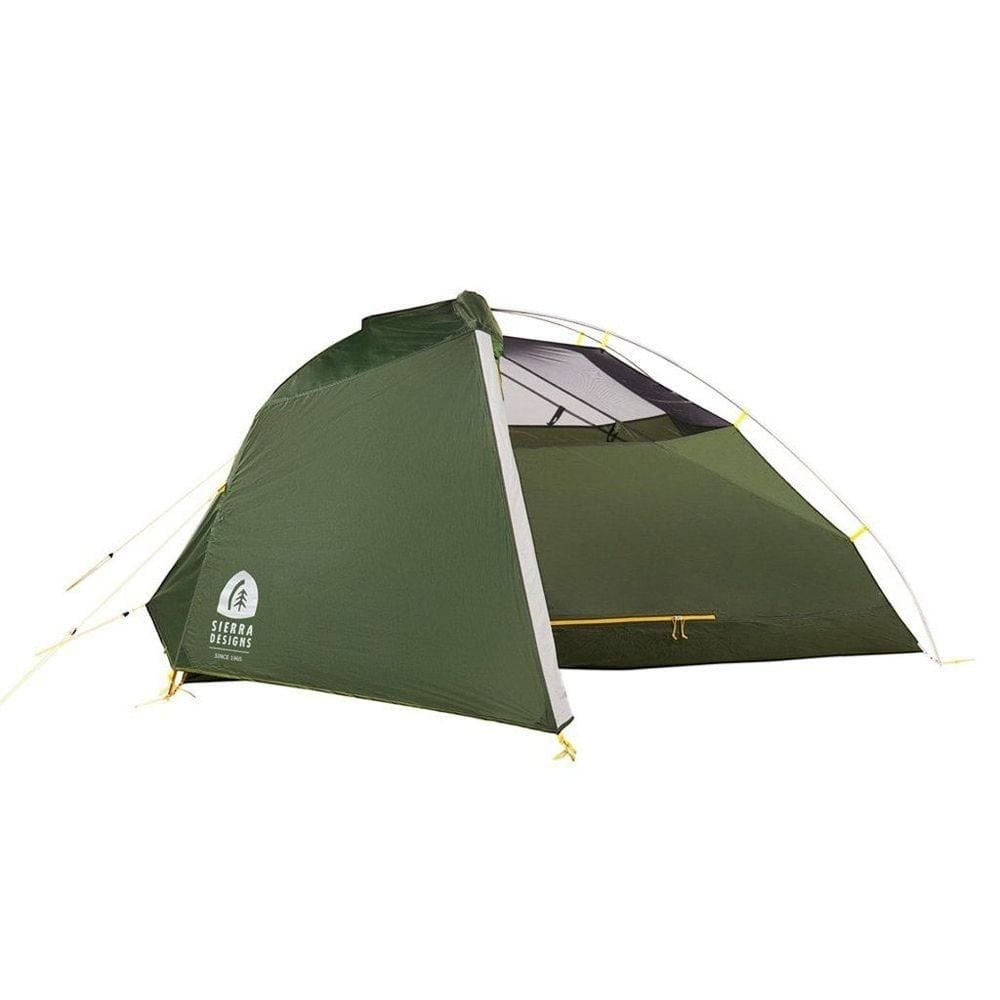
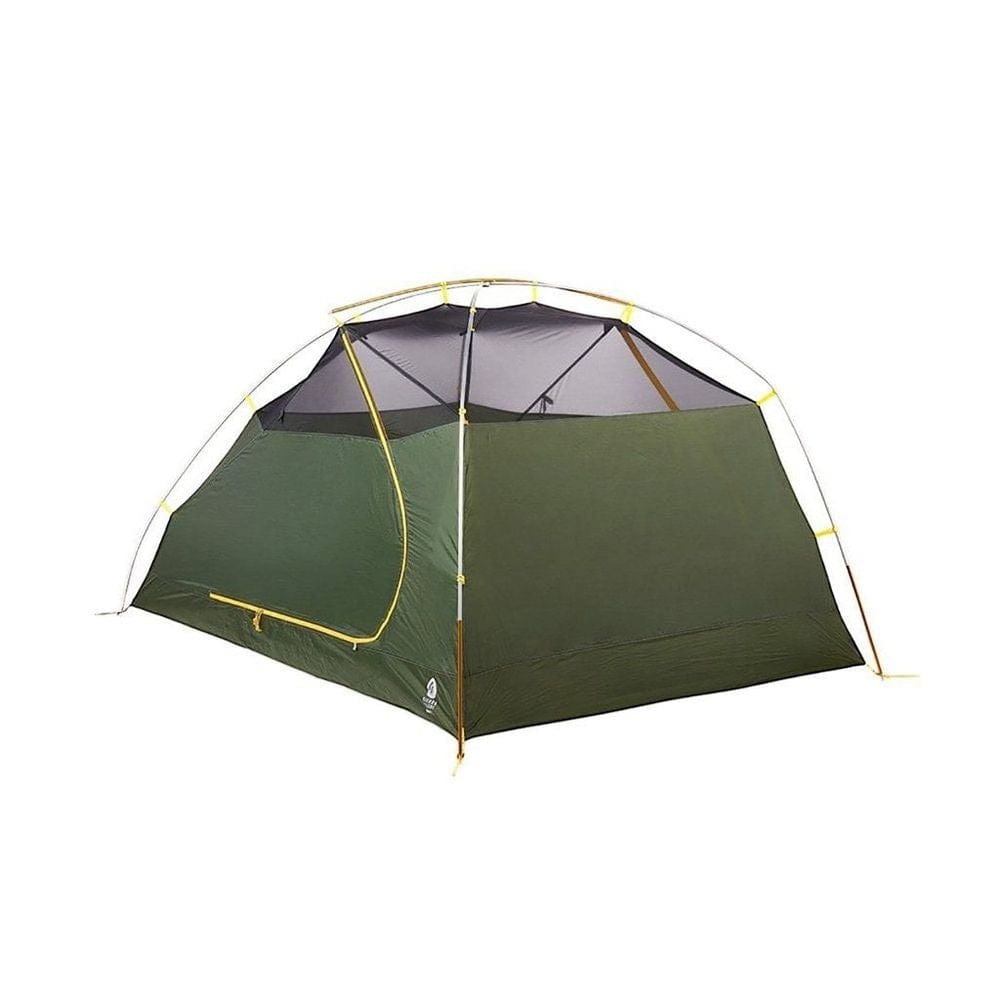
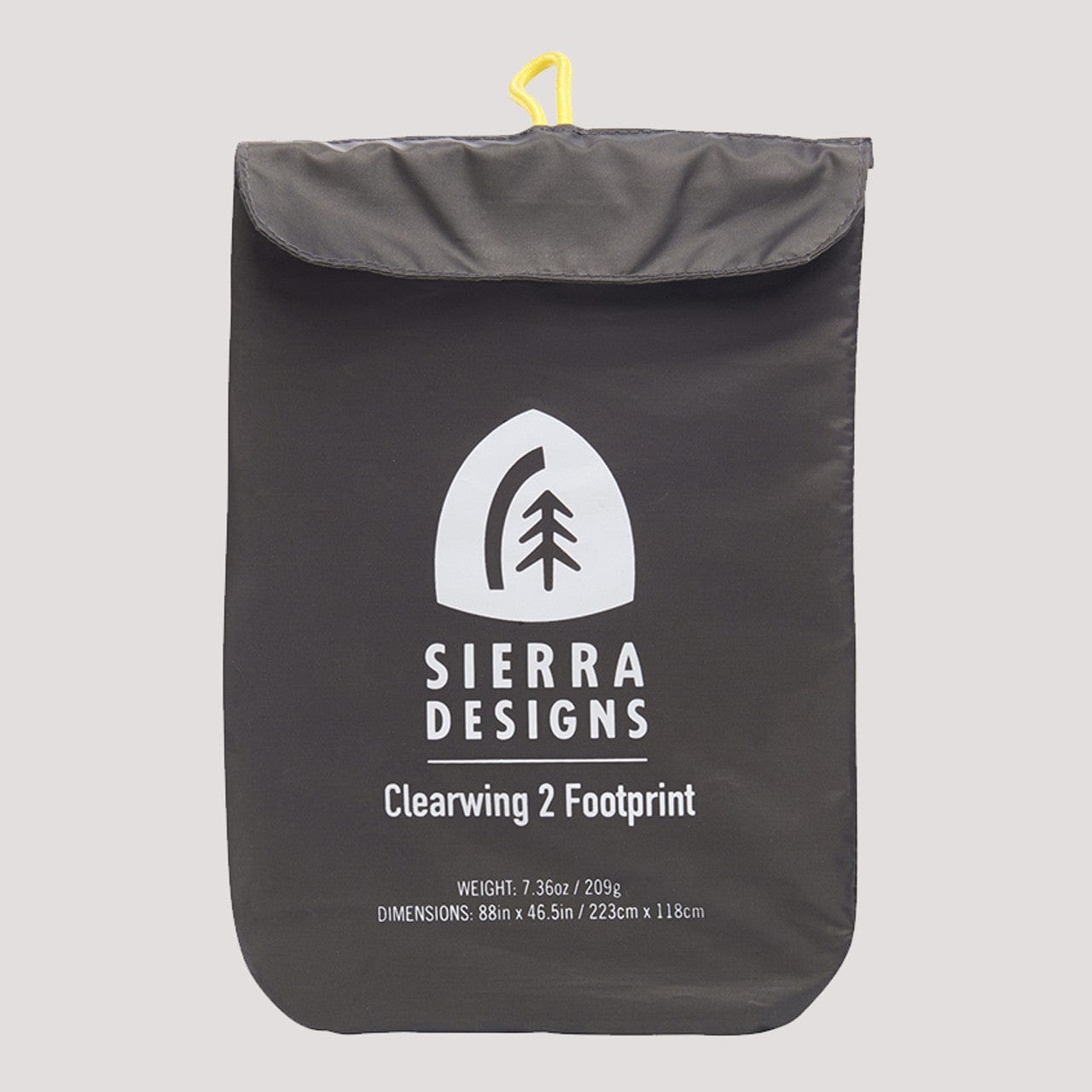
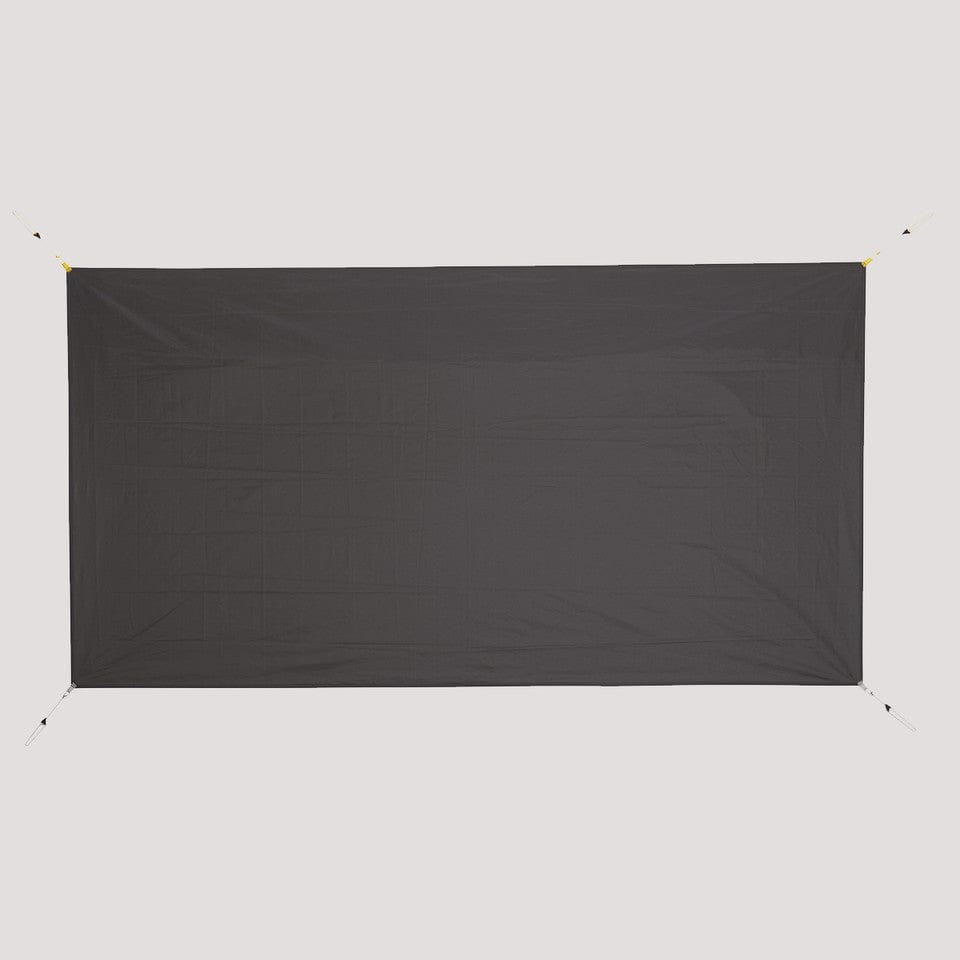
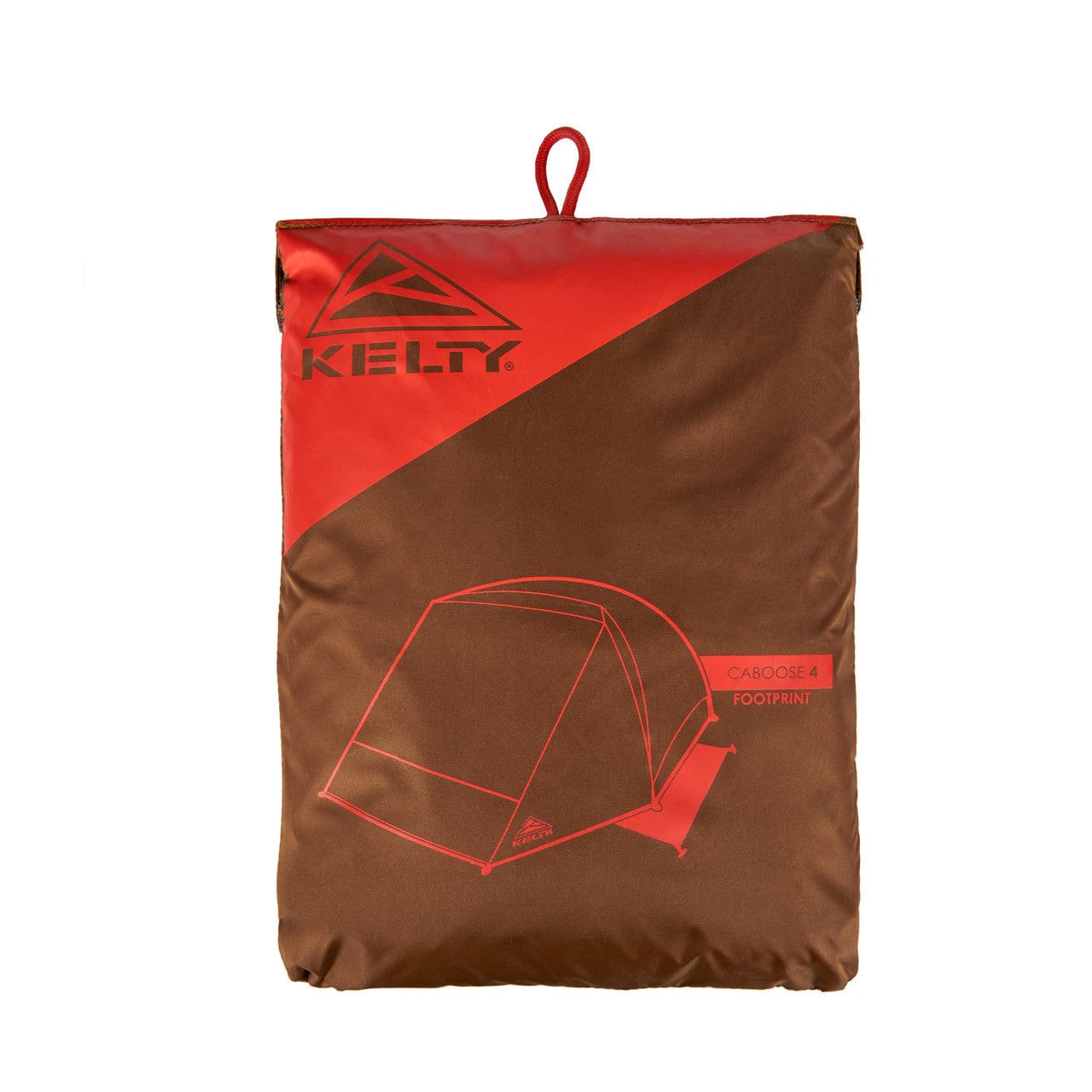
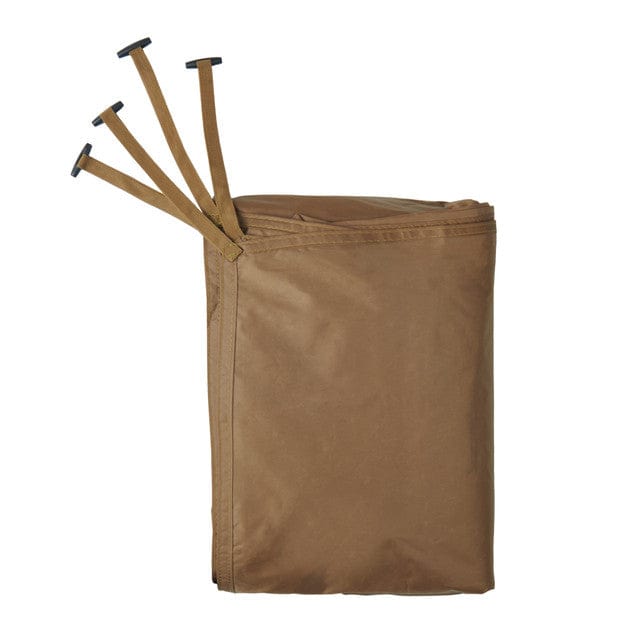
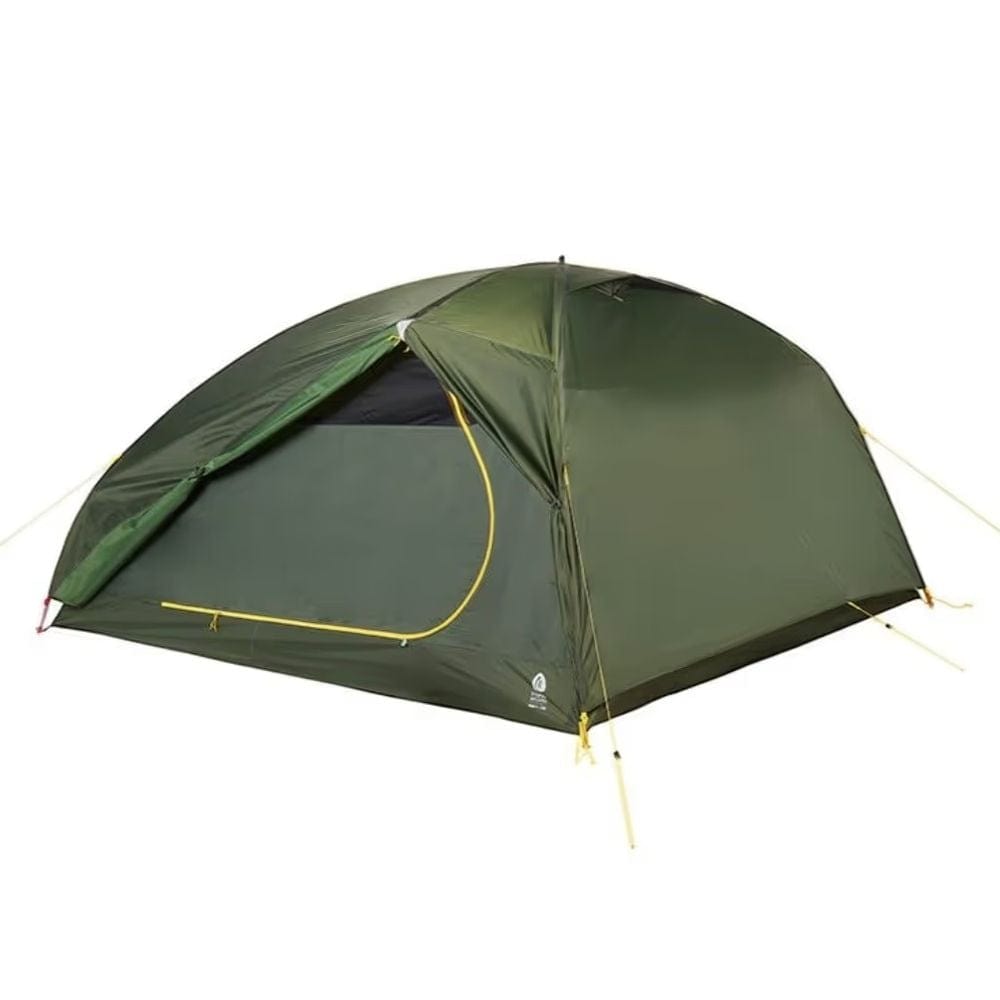
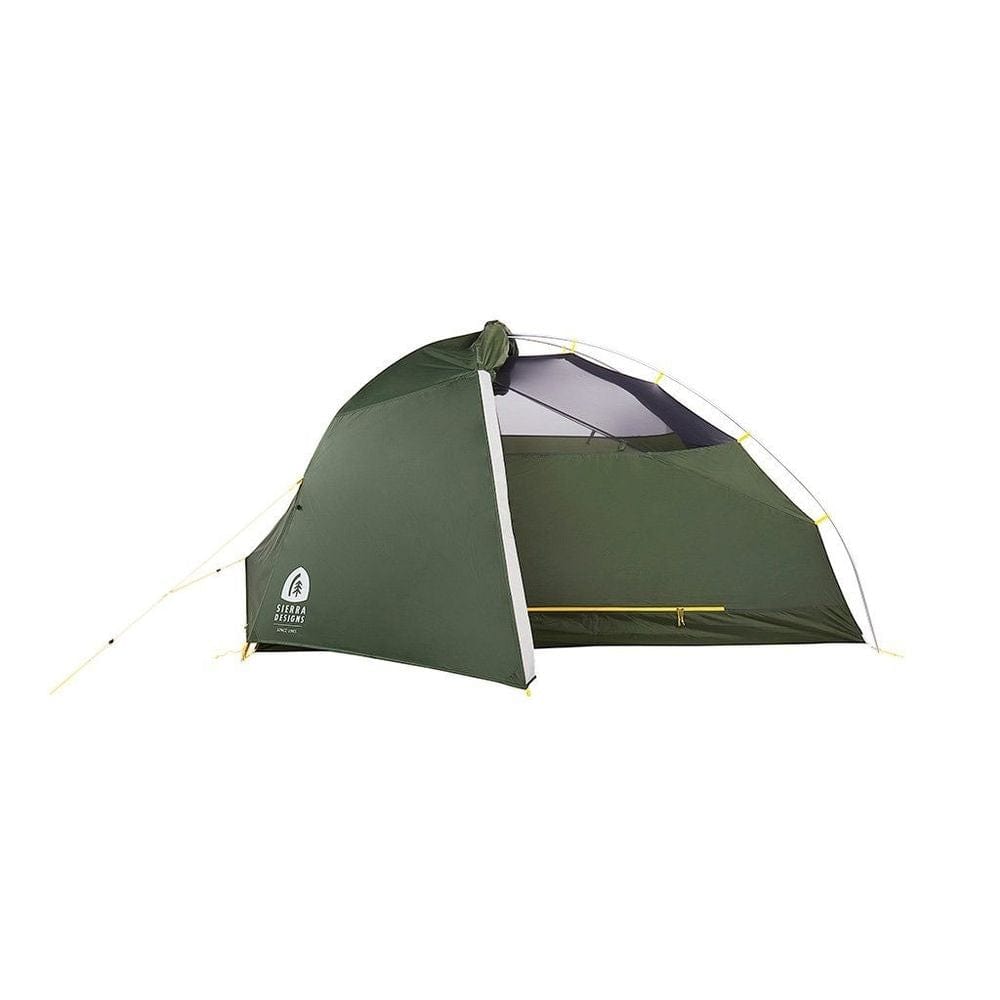
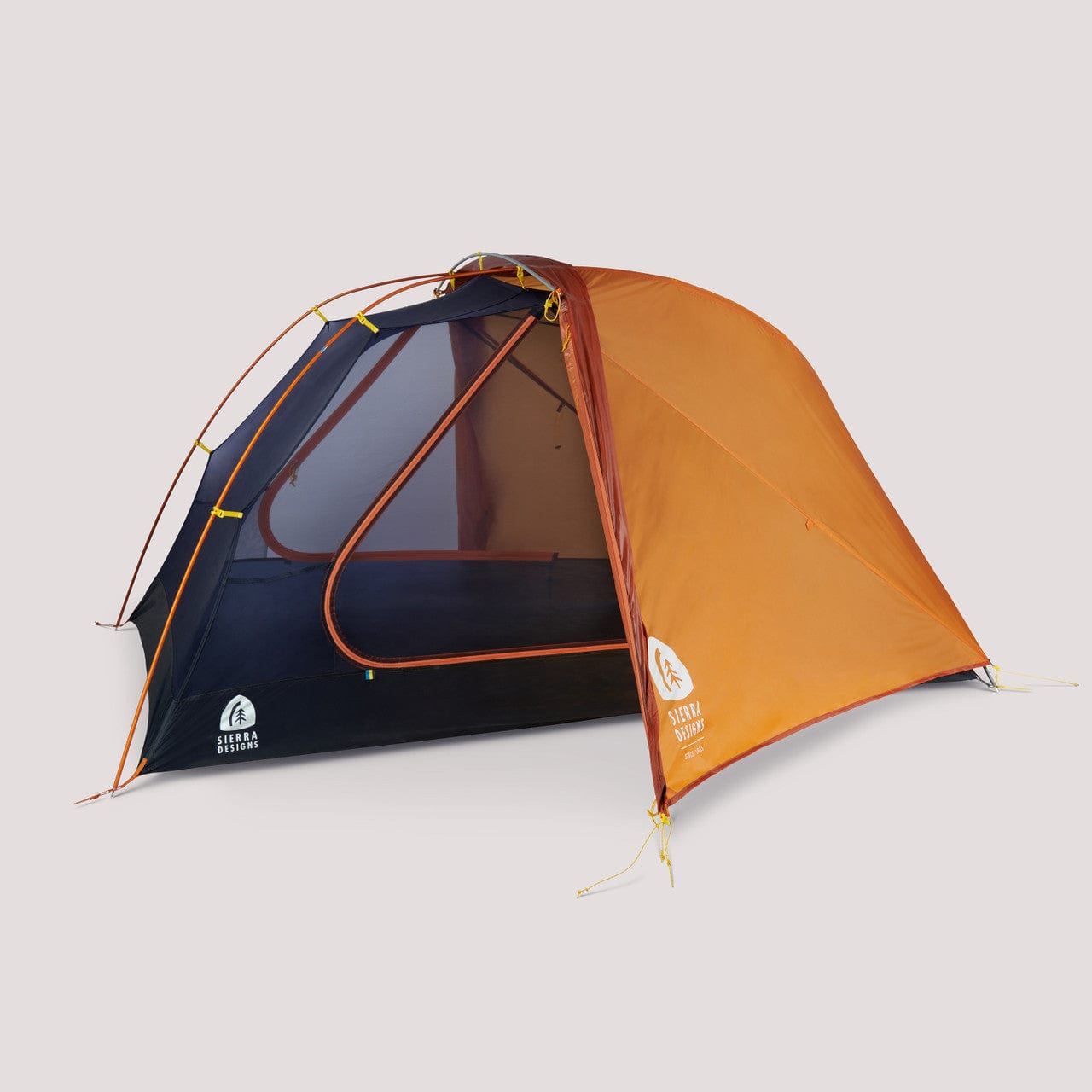
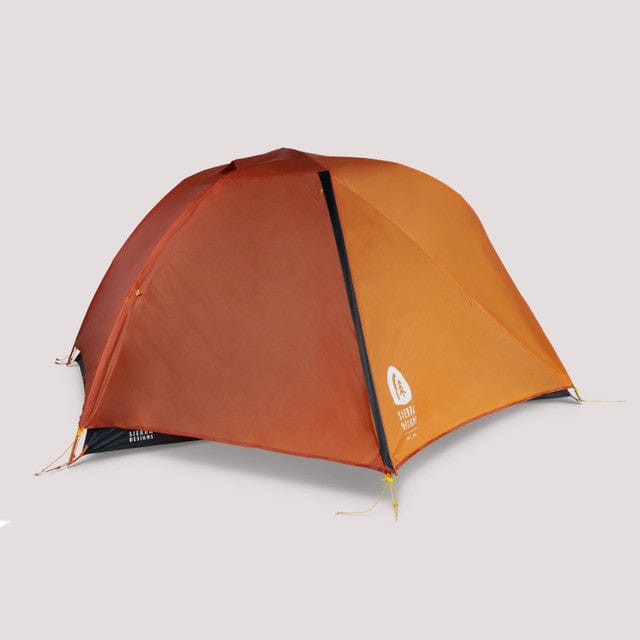
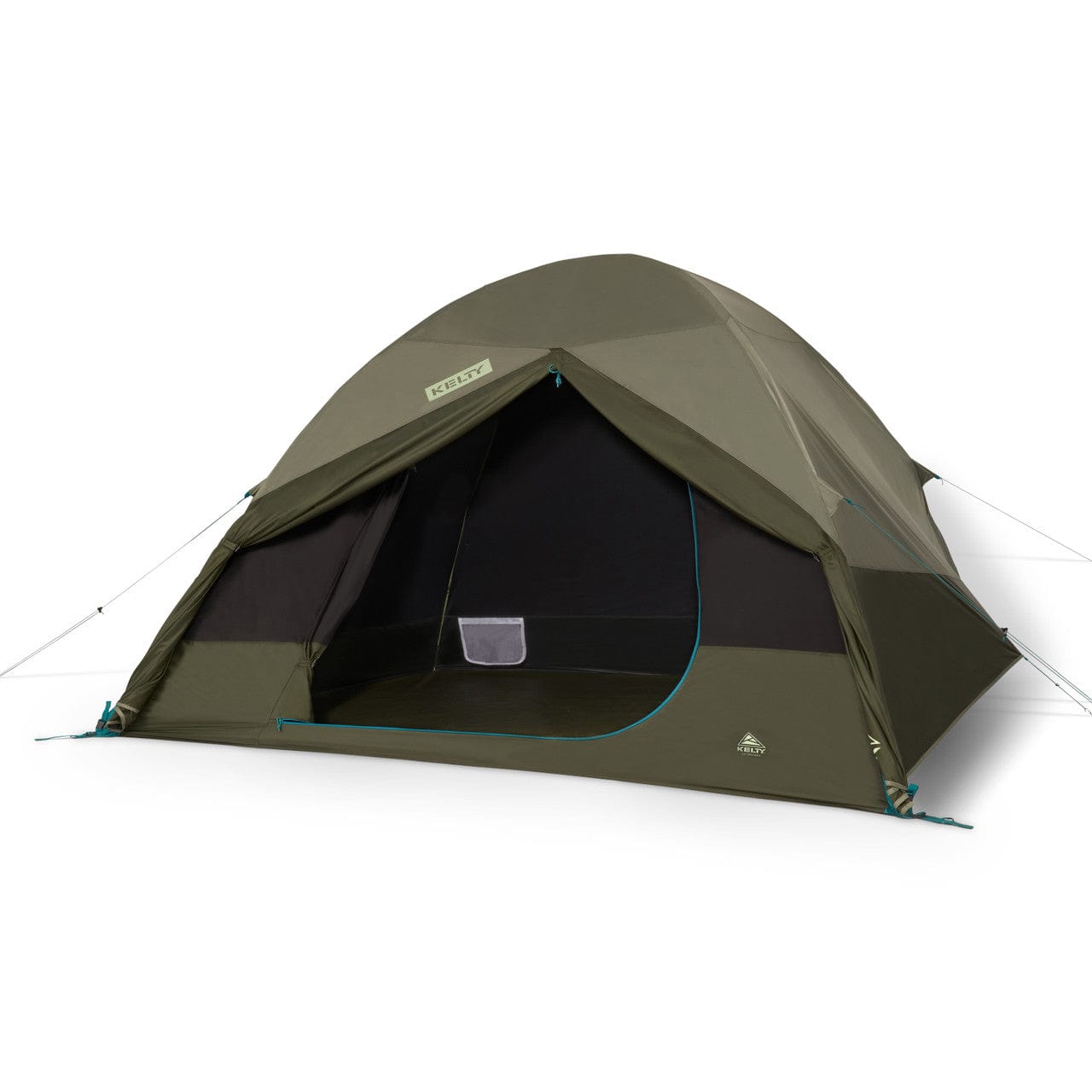
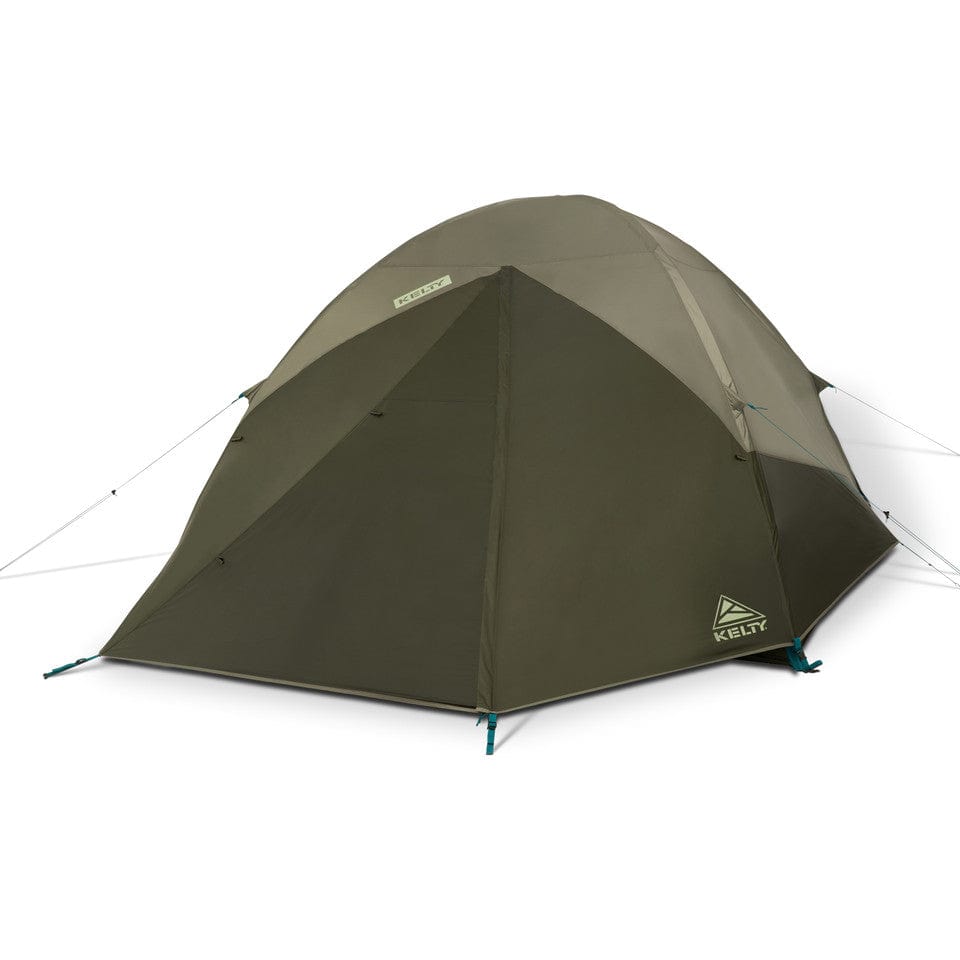
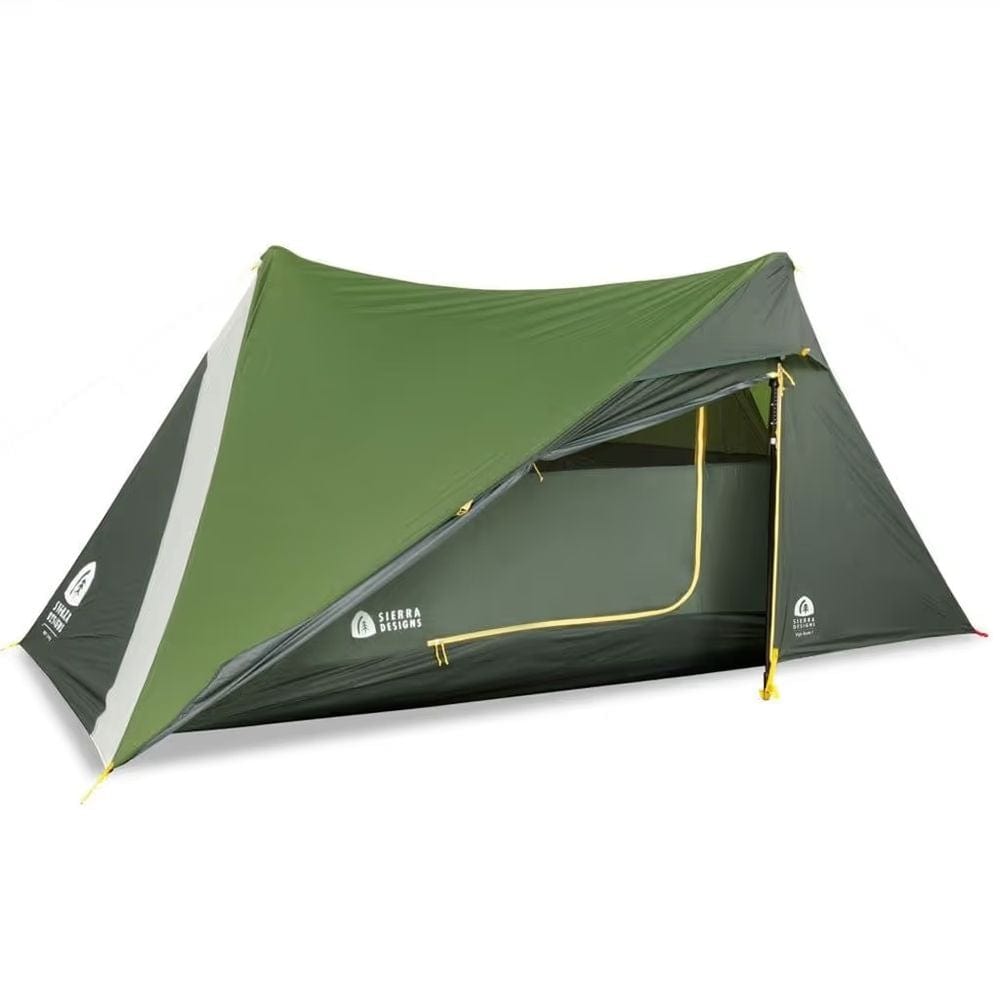
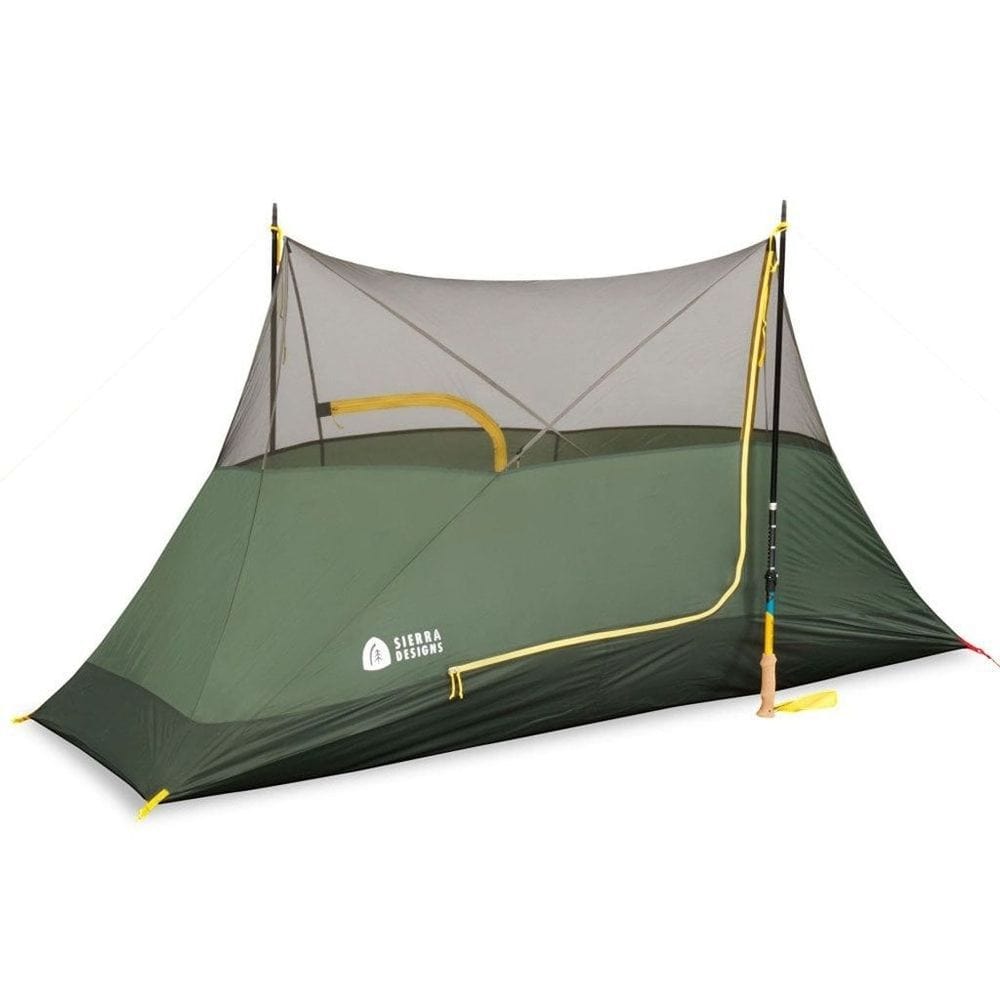
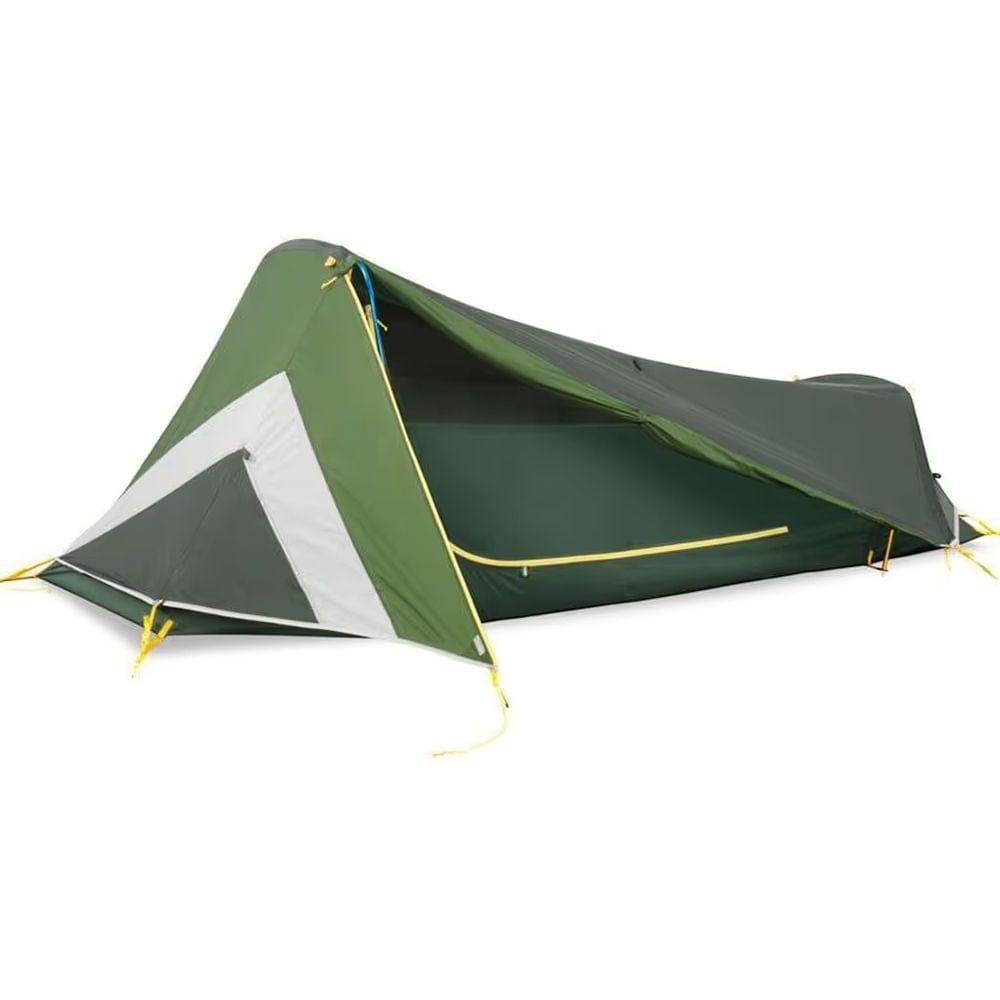
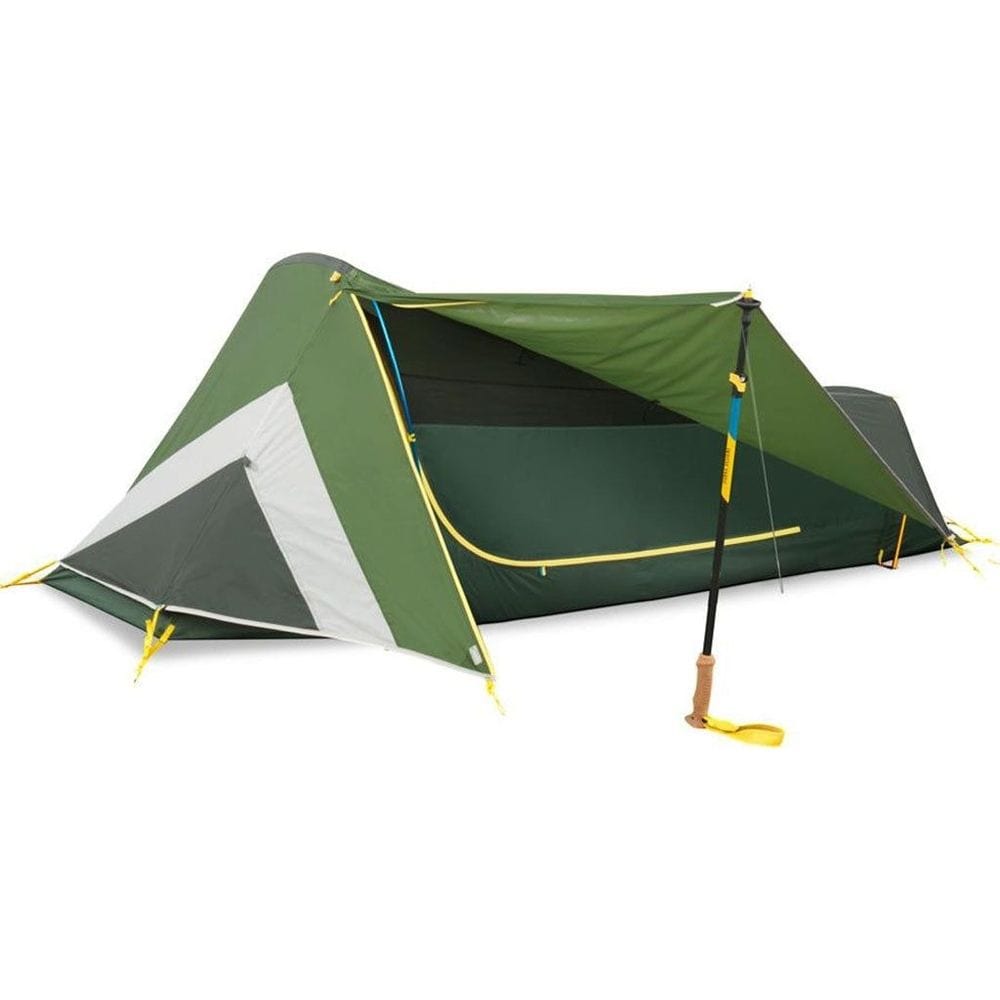
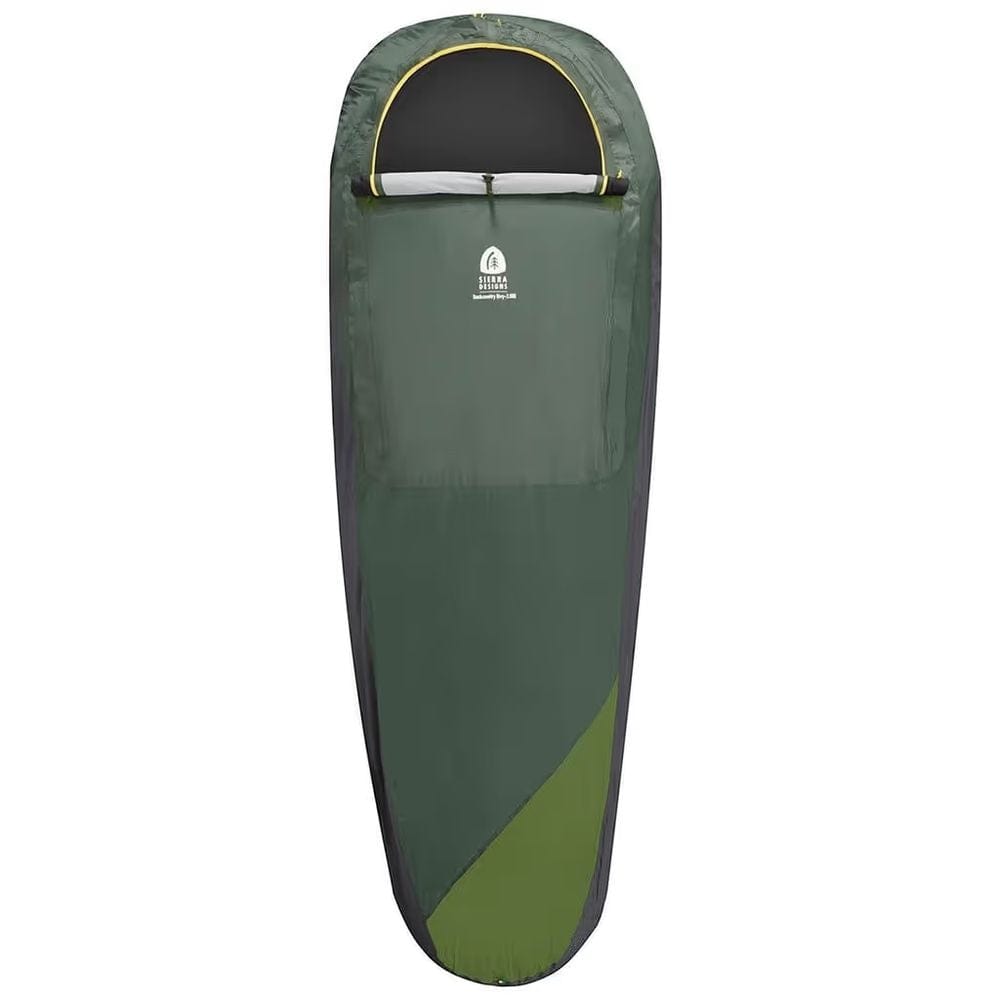
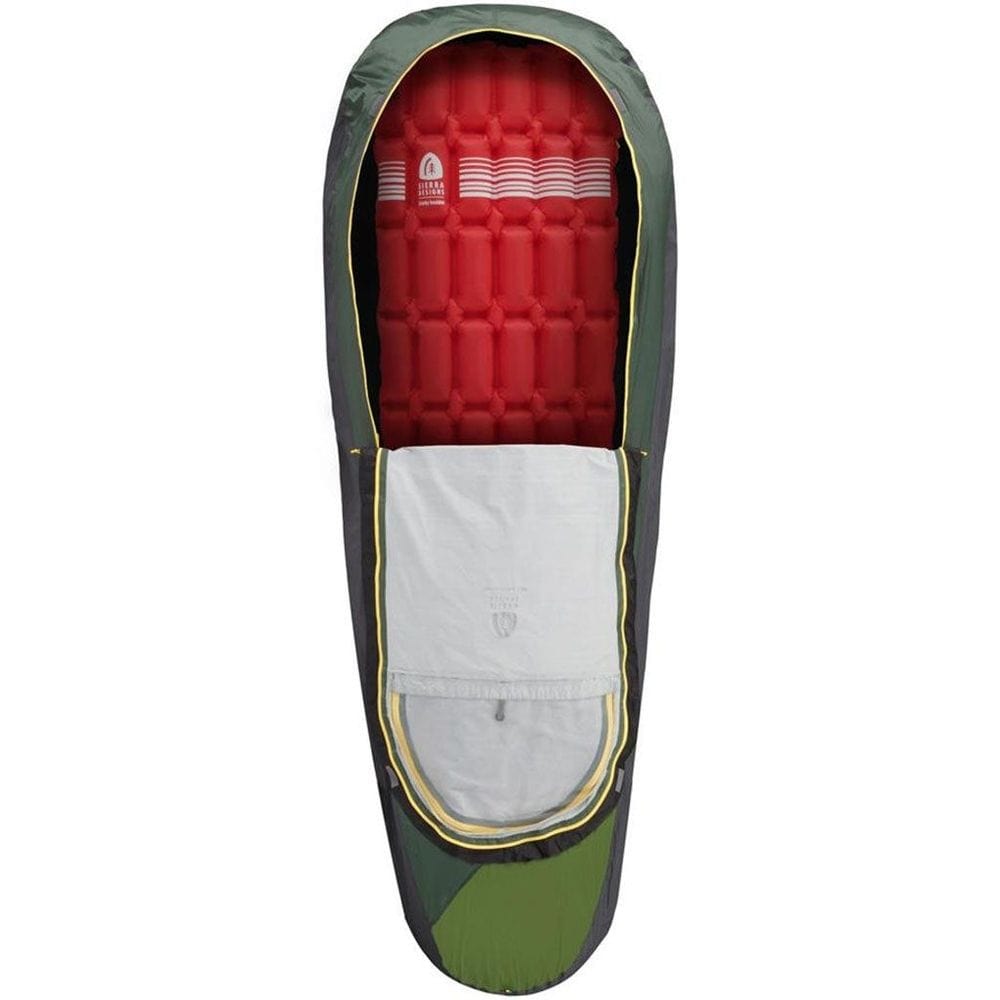
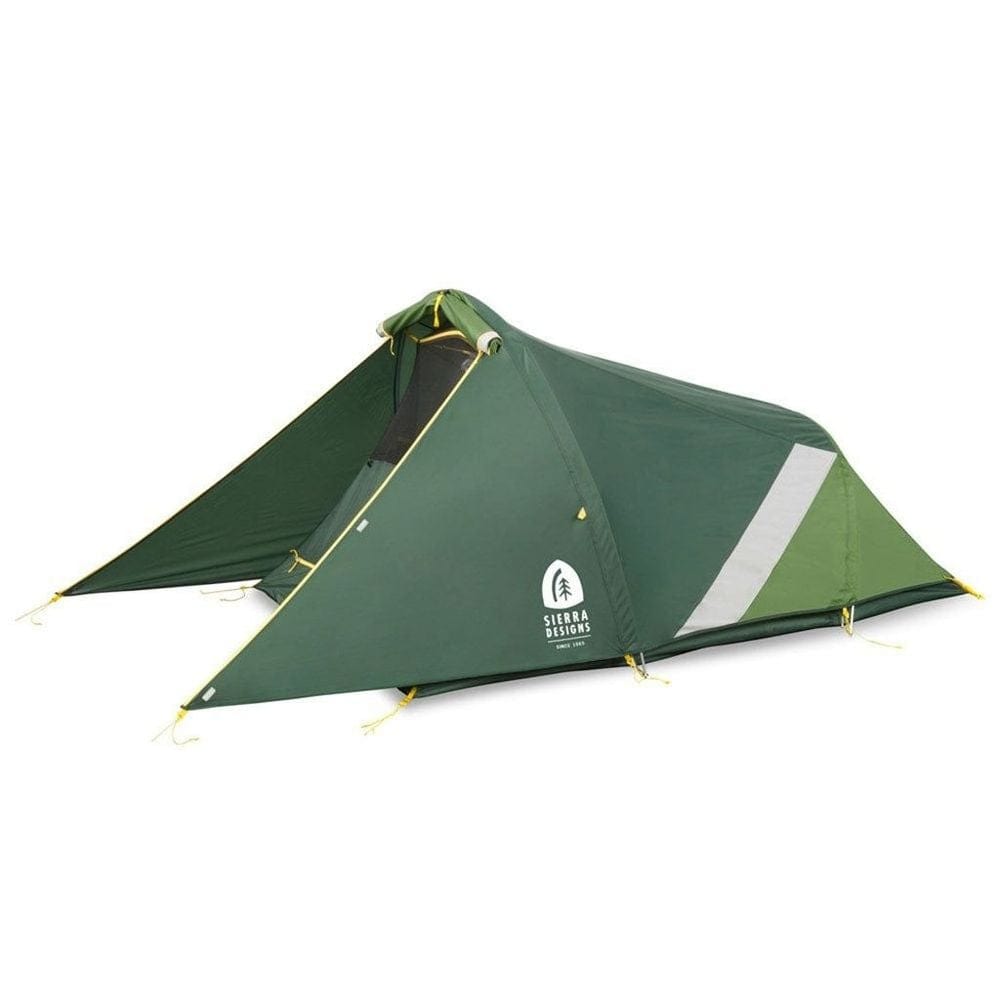
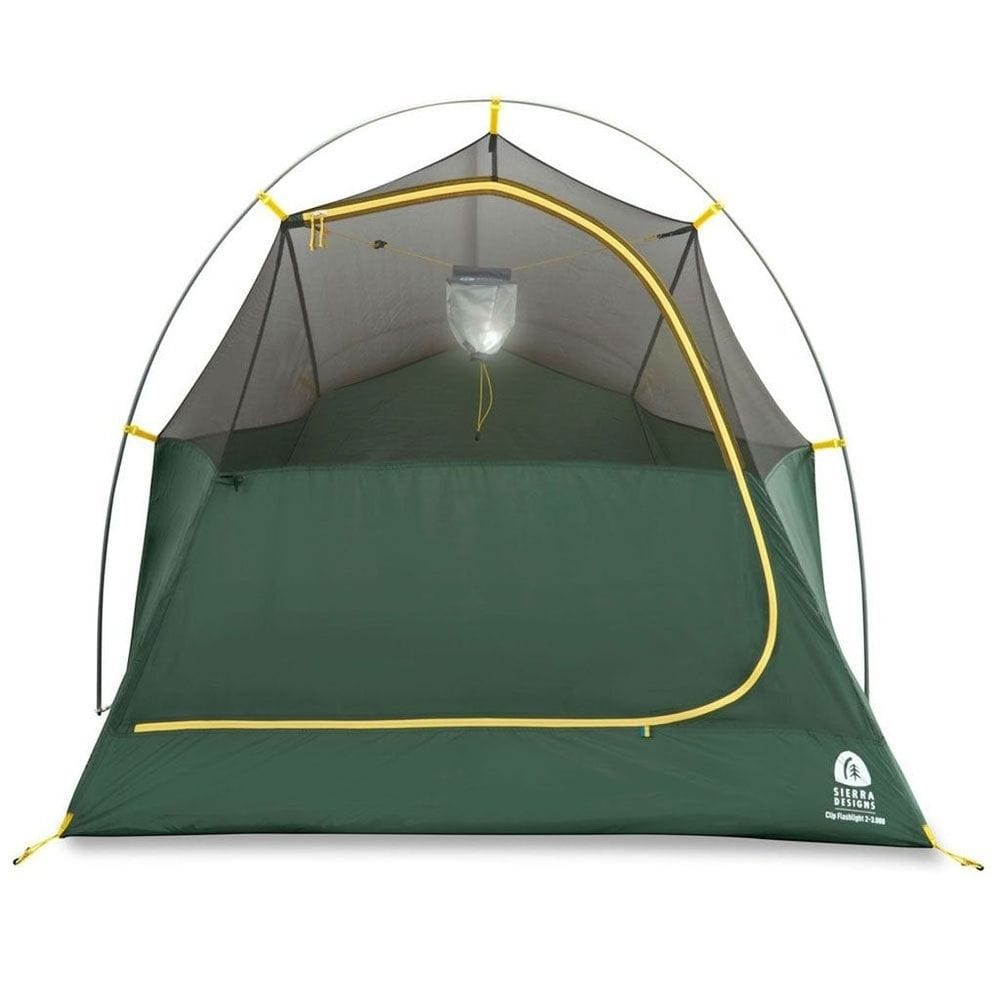
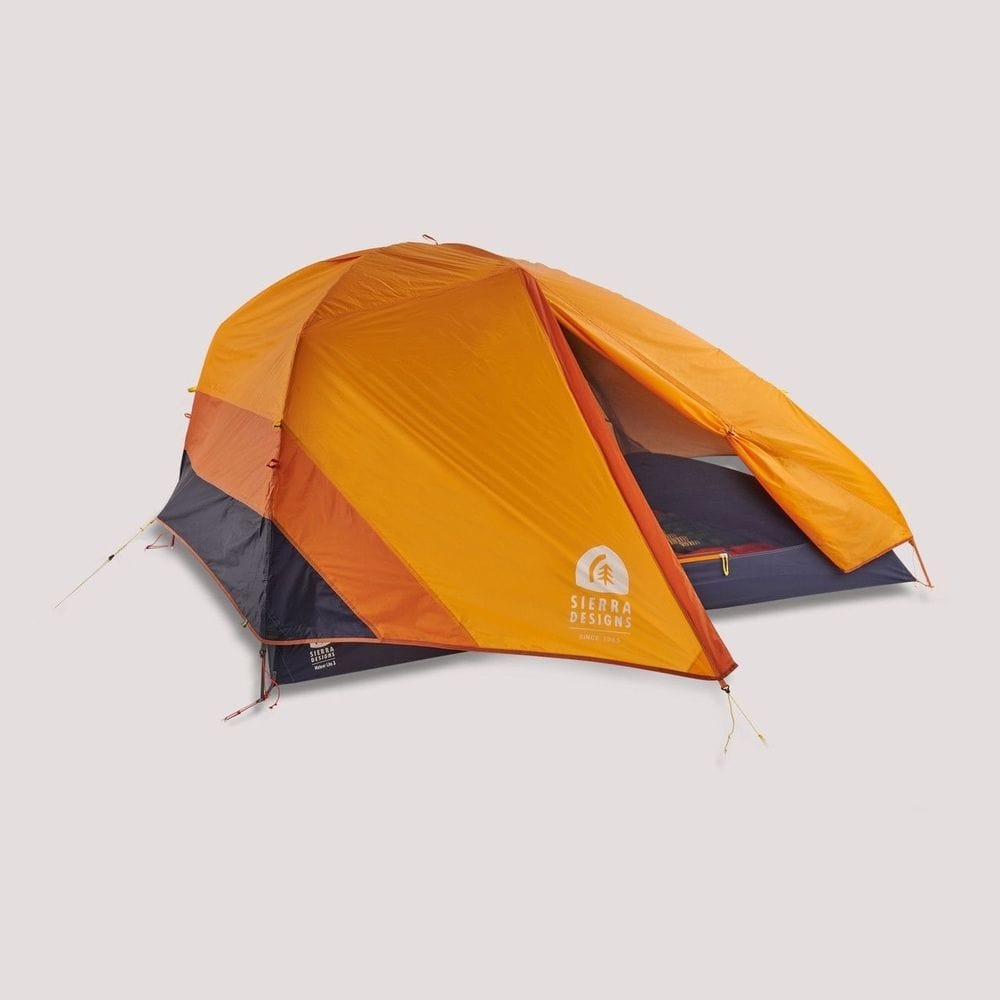
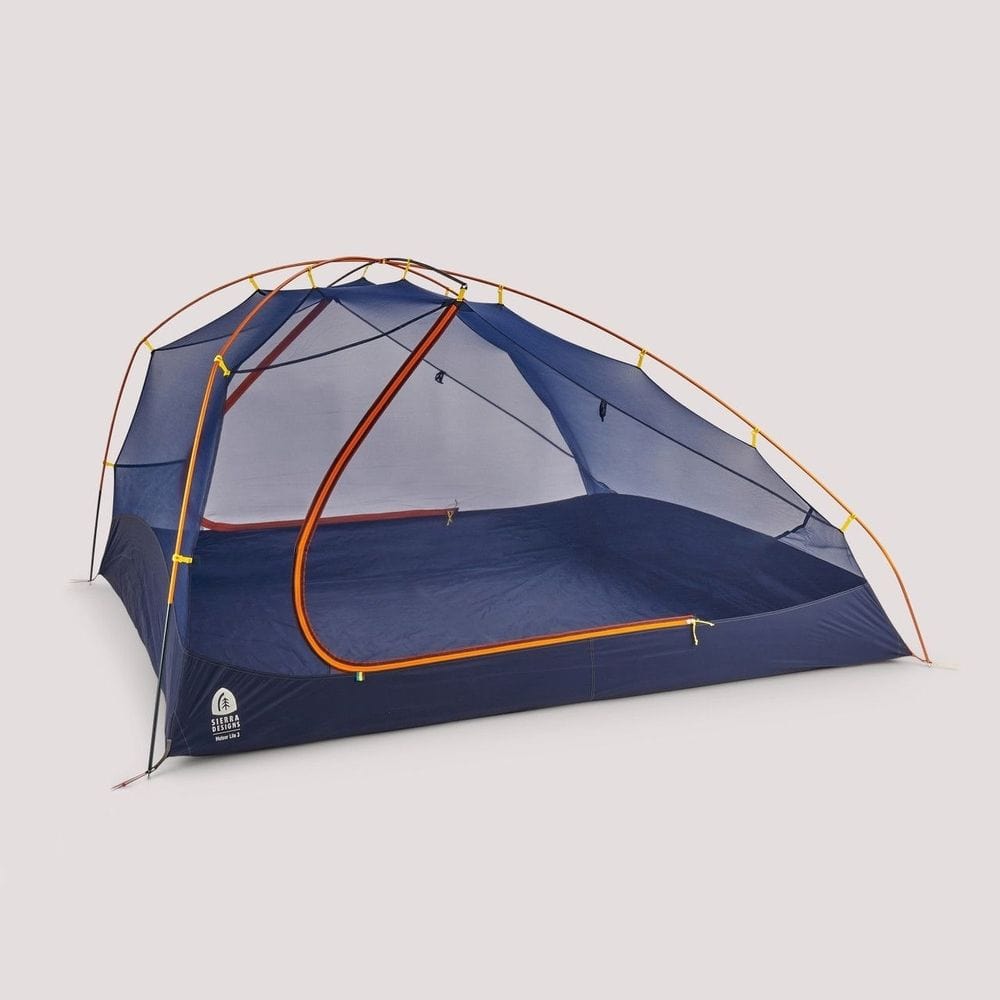
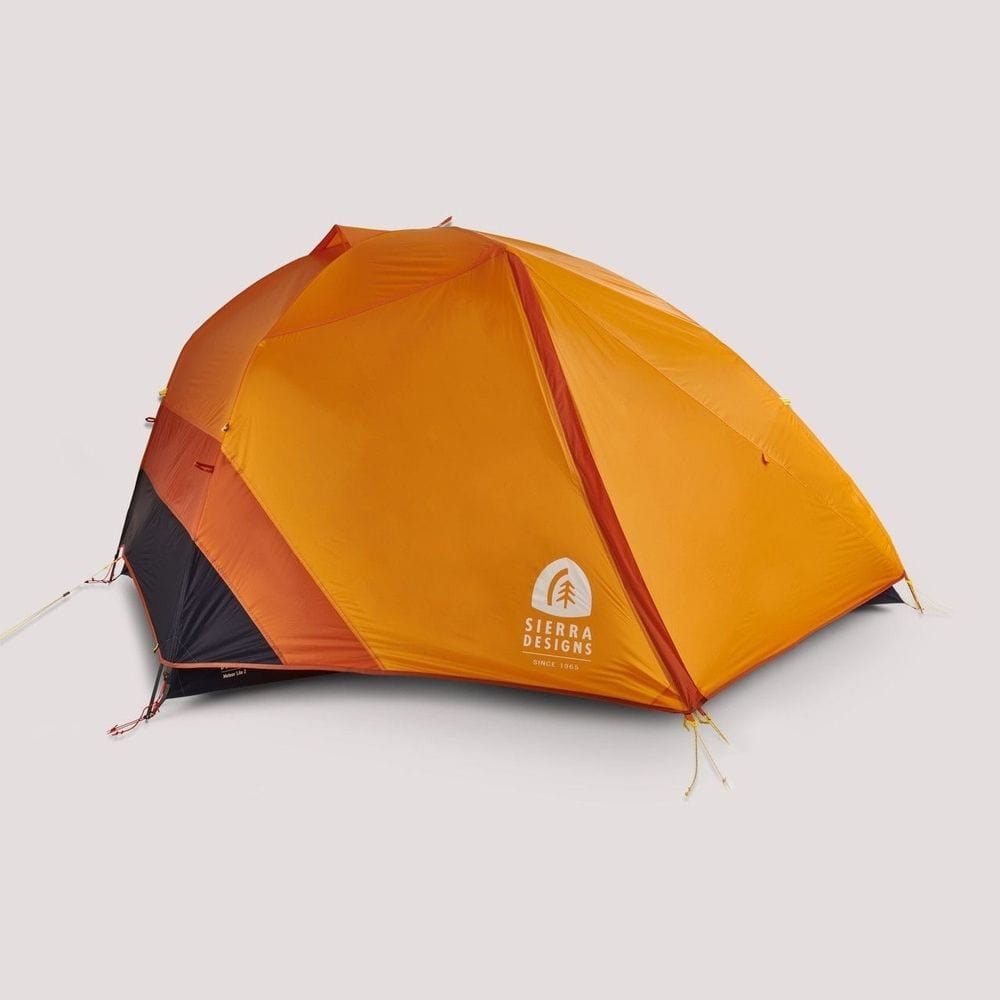
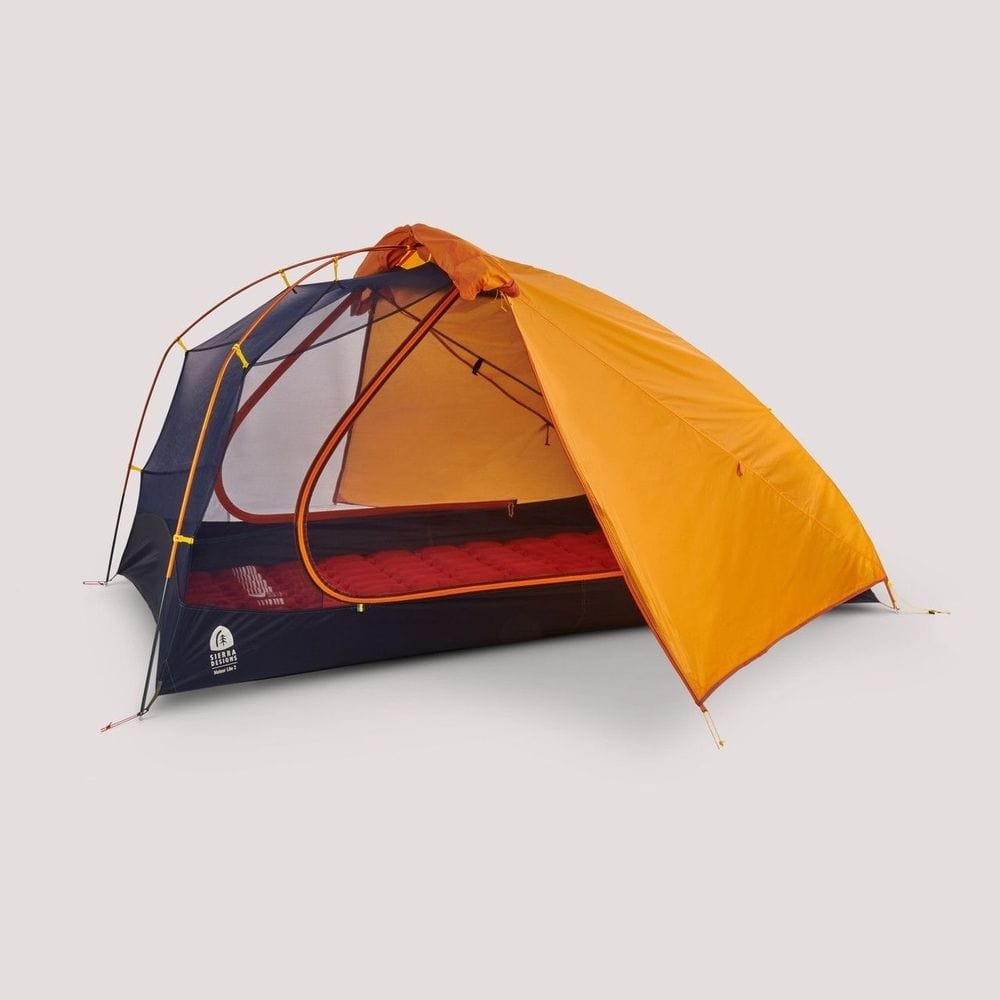
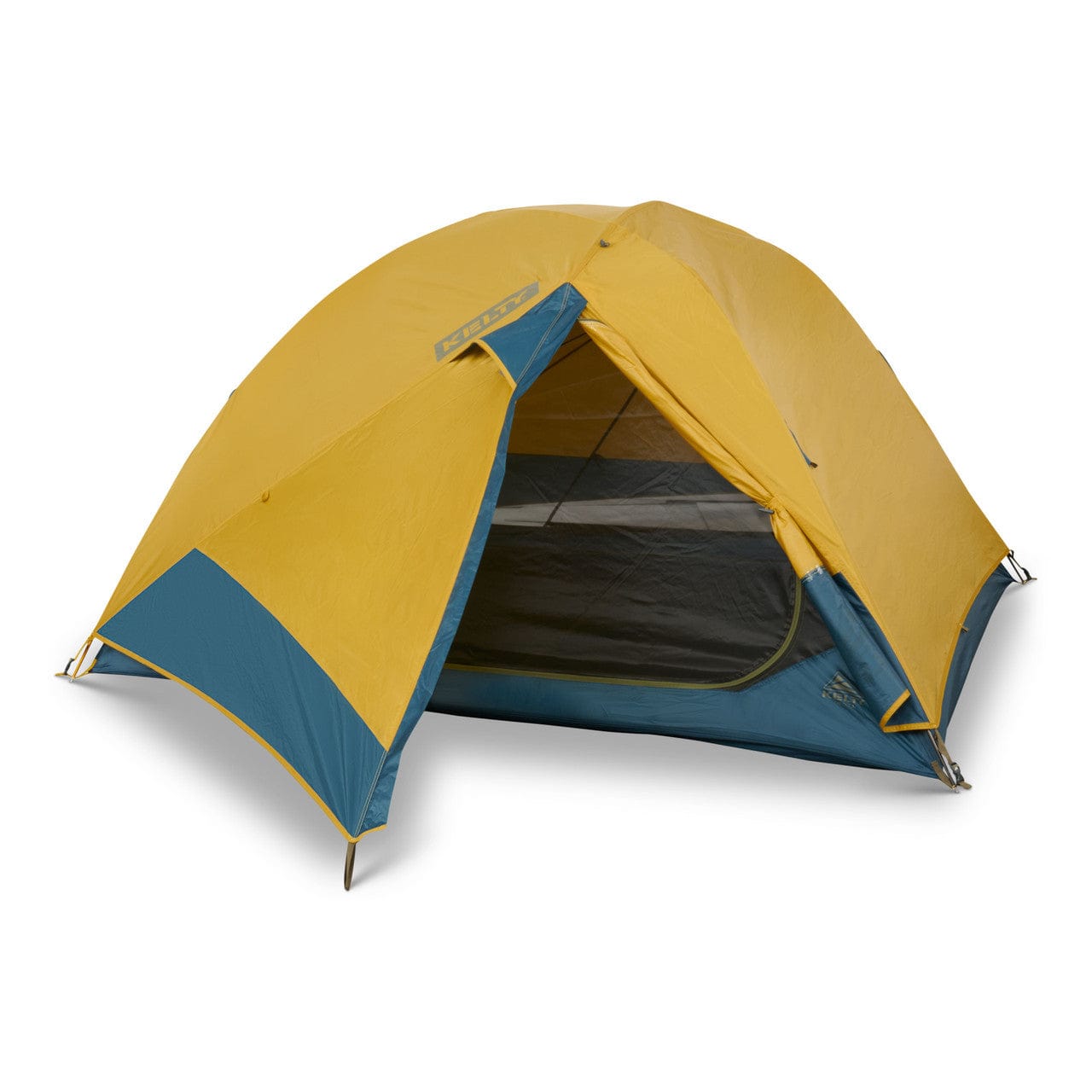
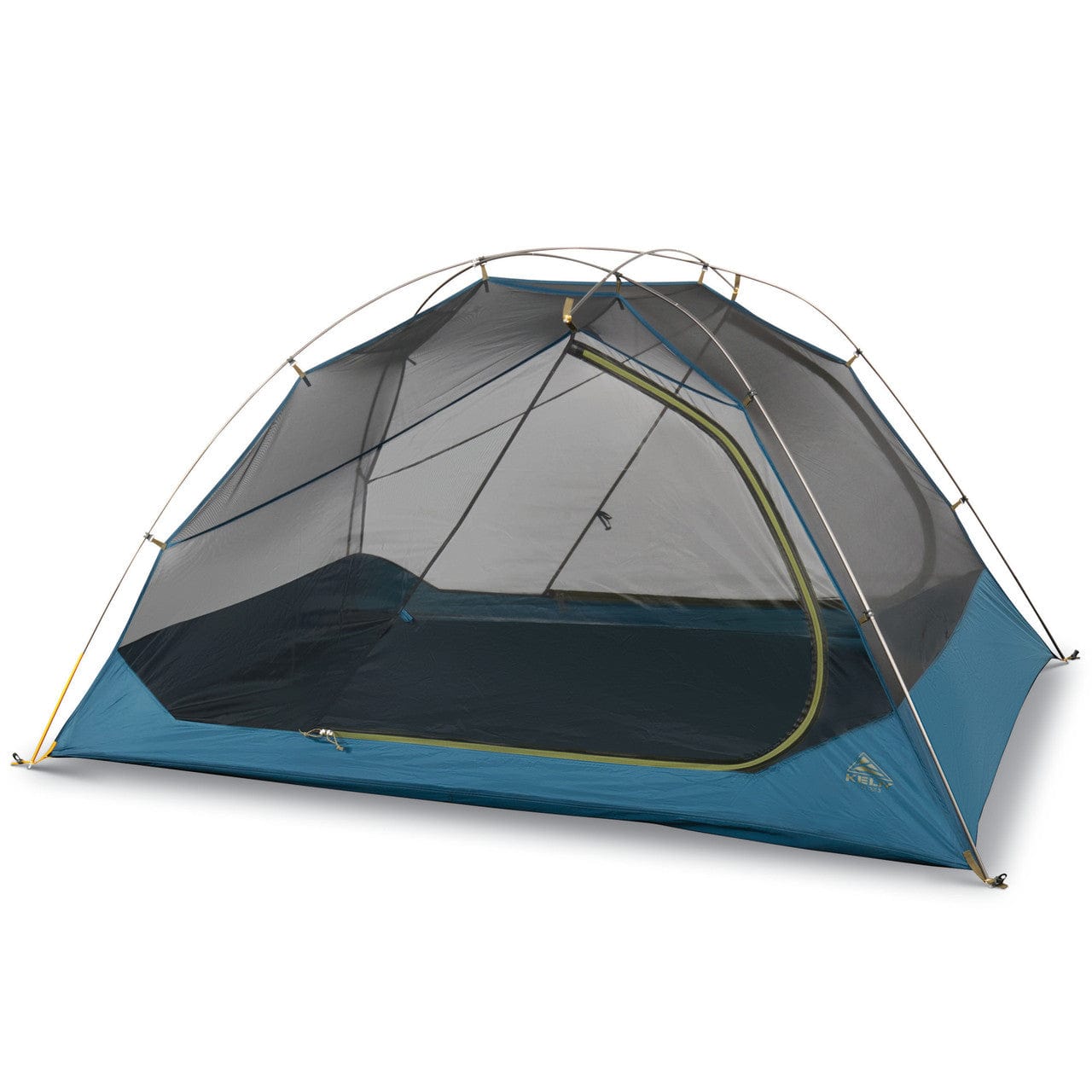
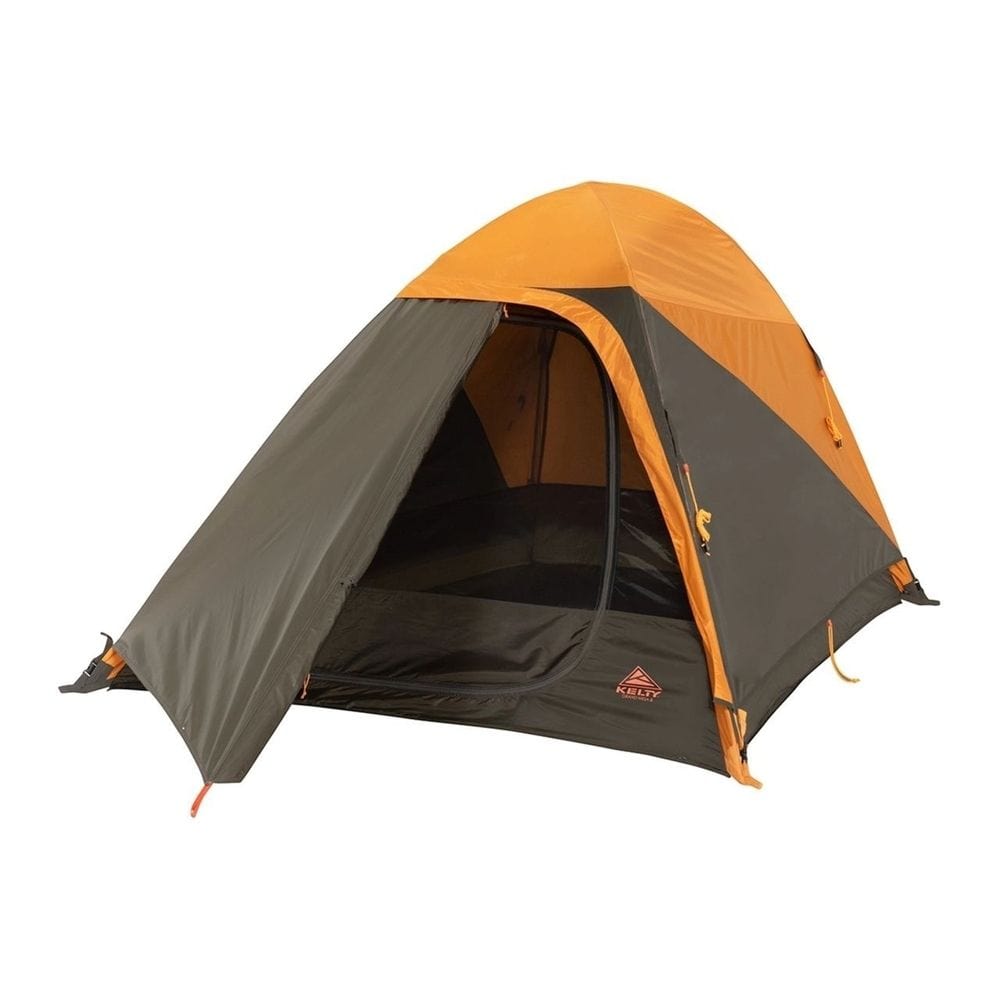
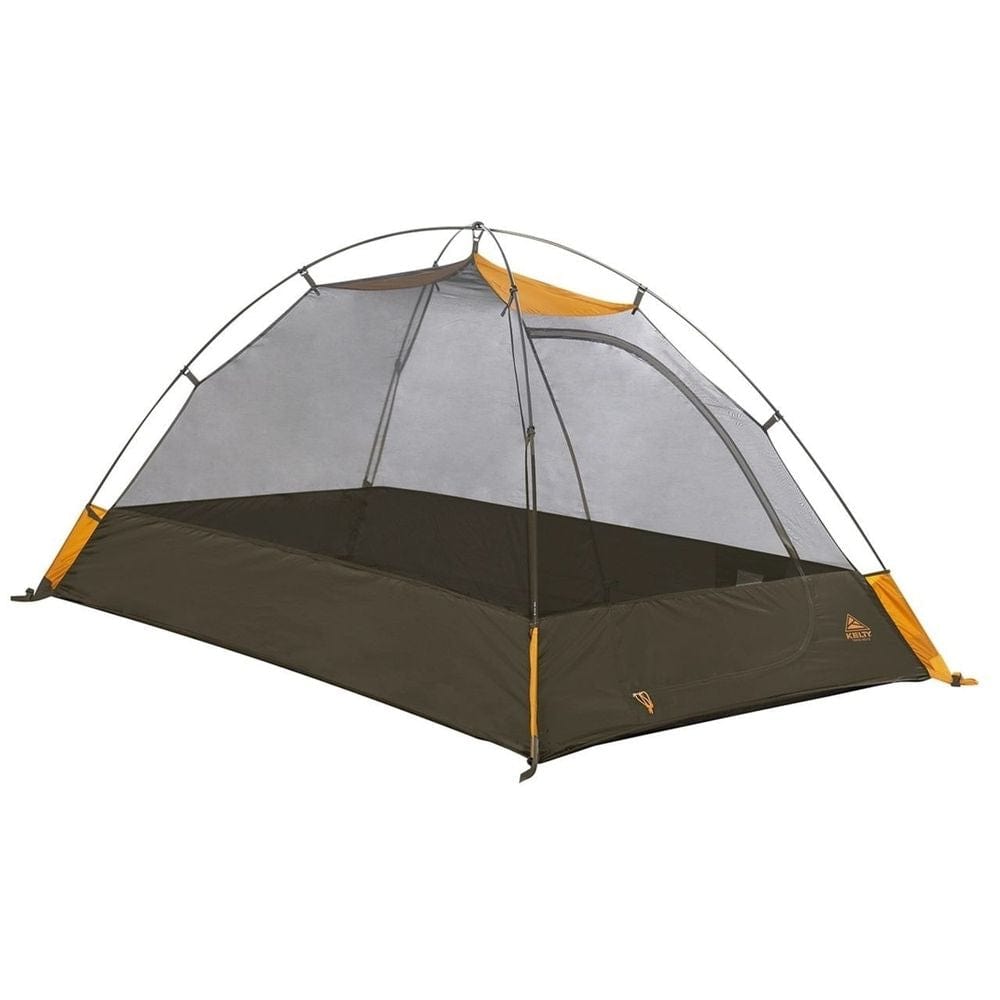
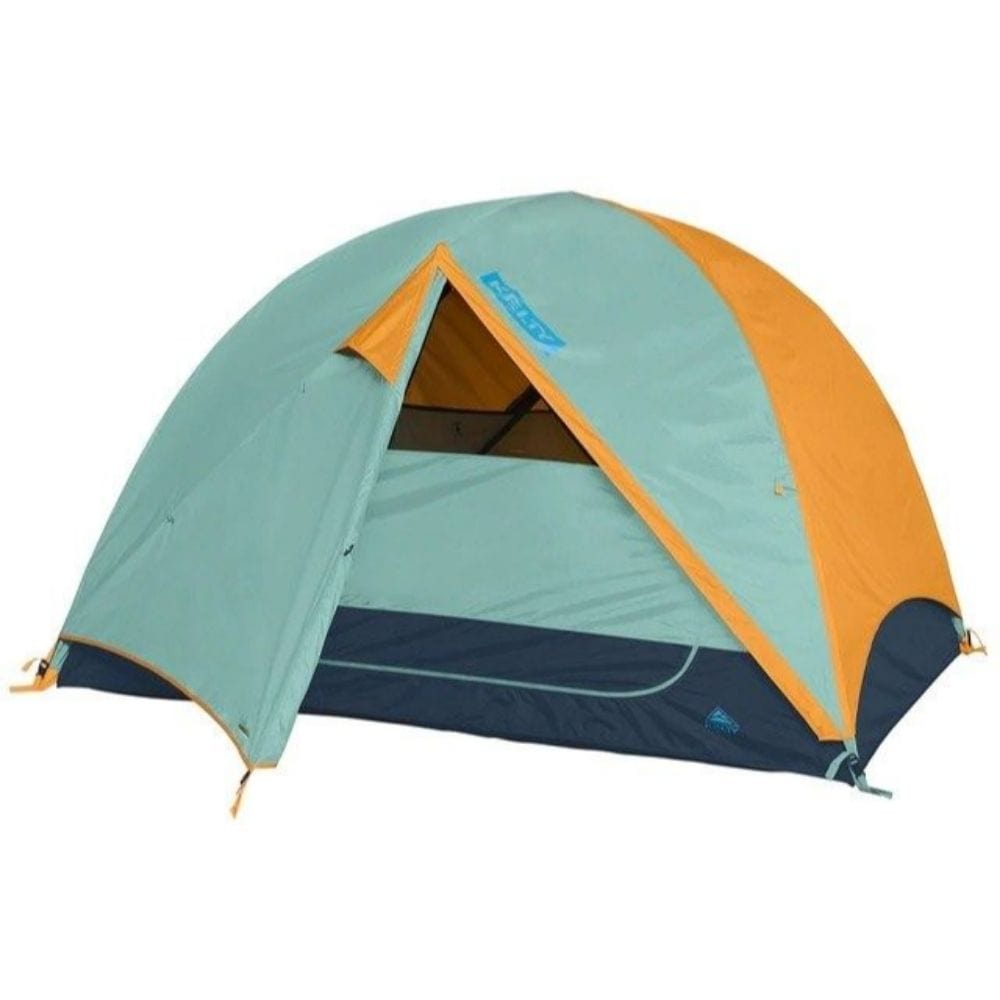
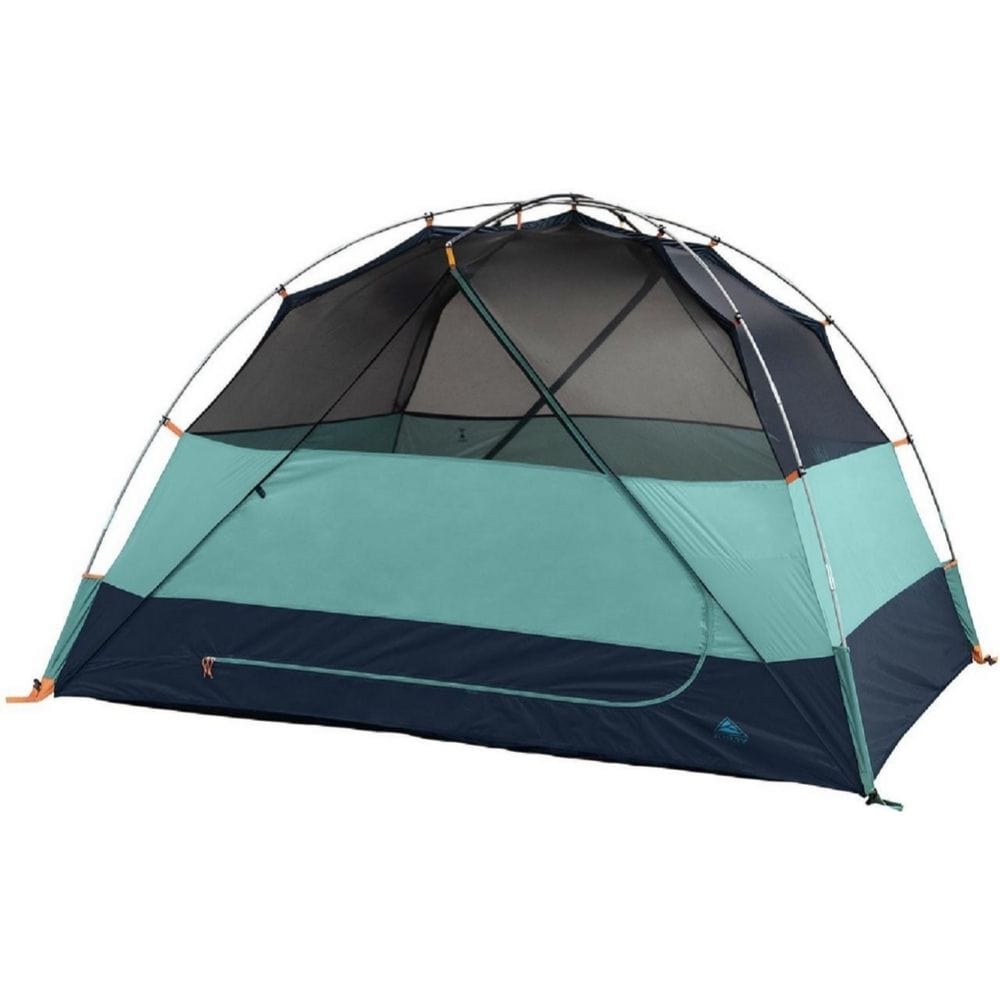
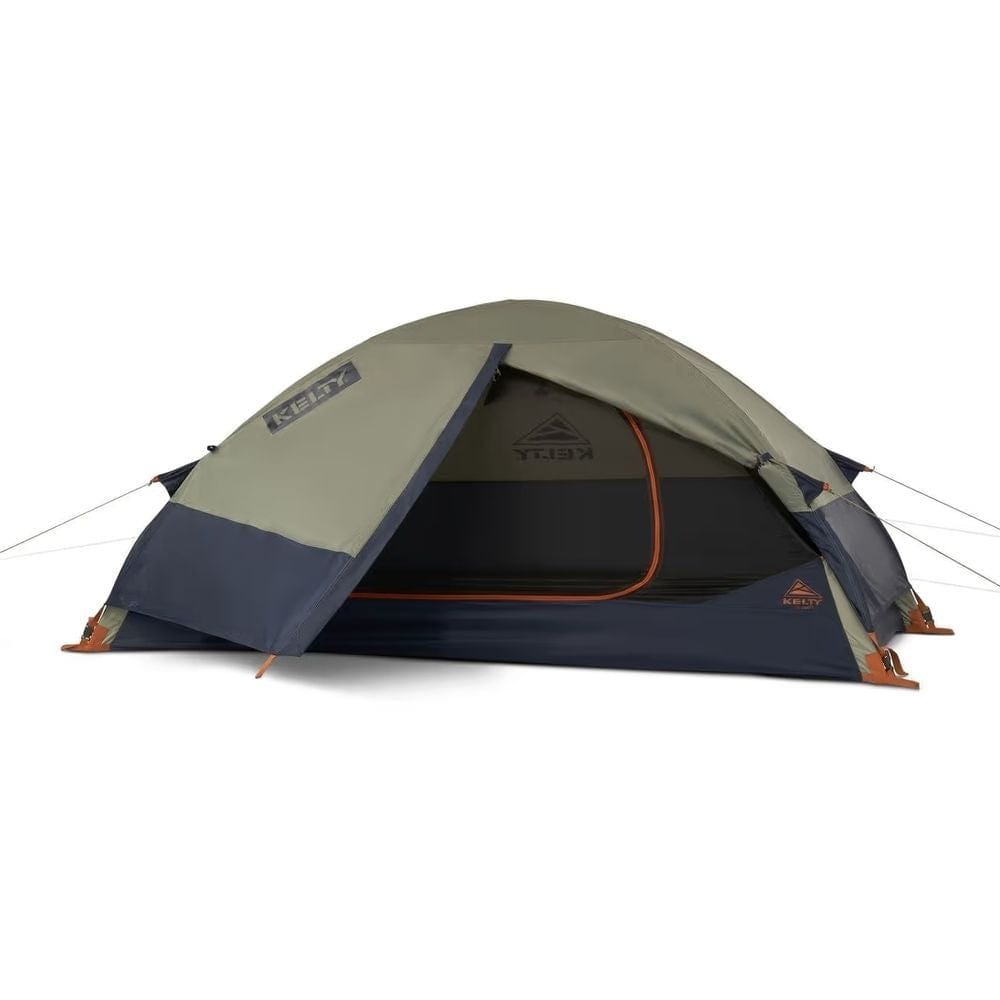
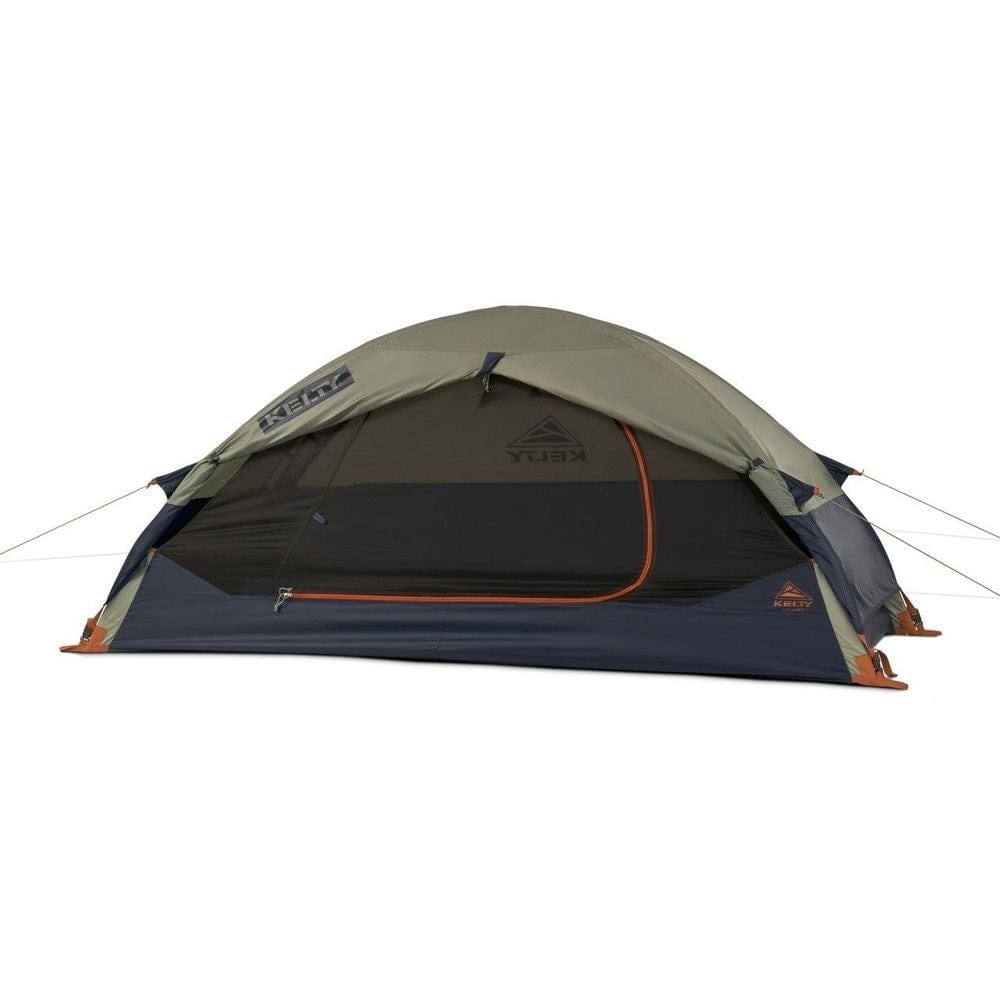
A tent is your home away from home in the outdoors, and the right one makes the difference between a brilliant trip and a long, uncomfortable night. Whether you are backpacking into the hills, pitching up at a family campsite, or heading to a festival, choosing a tent that matches how you camp is what keeps you warm, dry, and well rested under the stars.
Our tents range covers backpacking, family, and festival tents from trusted outdoor brands, in a spread of sizes and designs. Whether you want something light enough to carry for miles or roomy enough for the whole family, there is a tent here to suit your adventures.
Not sure which tent is right for you? The guide below explains sizes, seasons, and features, and how to choose. Browse the range below, and see our wider camping equipment range for everything else you need.
Choosing a Tent for How You Camp
The first step is to think about how and where you camp, because a backpacker and a family camper want very different tents. Backpackers prioritise low weight and small pack size, family campers want space and comfort, and festival-goers want something quick to pitch and easy to carry. Matching the tent to your style of camping is far more important than any single feature.
Once you know the kind of camping you do most, the choices around size, season rating, and features fall into place. Below we walk through each so you can choose with confidence.
What Size Tent Do You Need?
Tents are rated by the number of people they sleep, but these ratings are snug, assuming sleepers side by side with little spare room. For comfort, or if you want space for gear, it is common to size up: two people who like room often choose a three-person tent, and a family of four may be happier in a five or six-person model.
Think about headroom too, as taller tents let you sit up and move around, which matters on longer trips and rainy days. If you camp with kit, pets, or just like space, sizing up usually pays off in comfort.
Types of Tent
- Backpacking tents: lightweight, compact tents designed to be carried, ideal for hiking and wild camping
- Family and camping tents: roomy, comfortable tents with space for sleeping and gear, for campsites and car camping
- Festival and pop-up tents: quick-to-pitch, easy-to-carry tents for festivals and short stays
- Specialty shelters: designs such as hammock tents and tarps for specific camping styles
Most campers choose based on their main use, and some keep a lightweight tent for trips and a larger one for family camping.
Understanding Season Ratings
Tents are often described as three-season or four-season. Three-season tents are designed for spring, summer, and autumn, with good ventilation, mesh panels for airflow, and enough weather resistance for typical conditions. They are lighter and suit most UK and European camping. Four-season tents are built for harsh winter conditions, with sturdier construction, reinforced poles, and less mesh to retain heat and shed snow.
For most campers, a good three-season tent is the right choice. A four-season tent is only needed if you camp in winter mountains or expect heavy snow and strong winds.
Waterproofing and Weather Protection
British weather can turn quickly, so weather protection matters. A tent's waterproofing is measured as a hydrostatic head rating in millimetres, with higher numbers resisting more water. A rating of around 2,000mm and up handles typical UK rain well, and taped seams stop water sneaking through the stitching. A full flysheet and a bathtub-style groundsheet add to the protection.
Good ventilation is just as important, as it manages the condensation that builds up inside any tent overnight. A well-designed tent balances waterproofing with airflow to keep you dry inside and out.
Features Worth Looking For
A few features make a tent far nicer to live in.
- Porch or vestibule: covered space for storing boots and gear out of the rain
- Easy pitching: colour-coded poles and simple designs that go up quickly, welcome after a long day
- Good ventilation: vents and mesh panels to manage condensation
- Sturdy poles: aluminium or quality fibreglass poles that stand up to wind
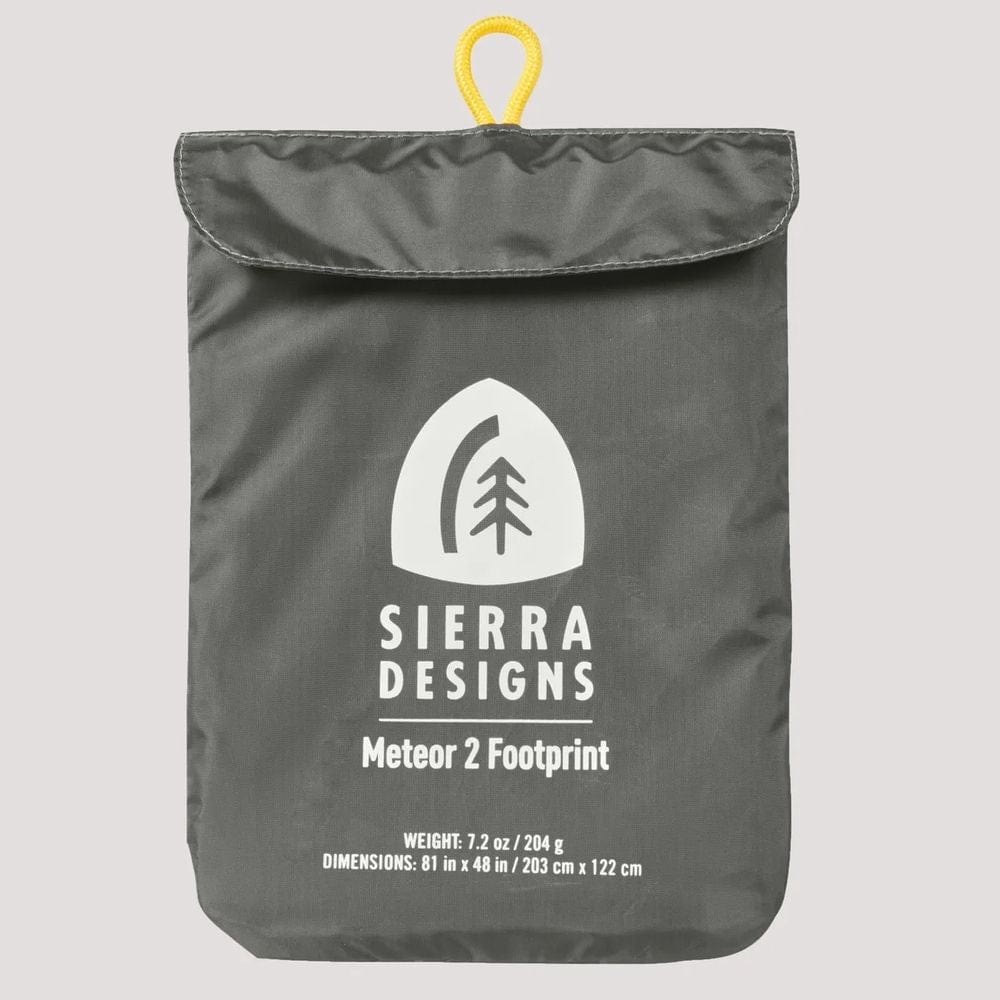
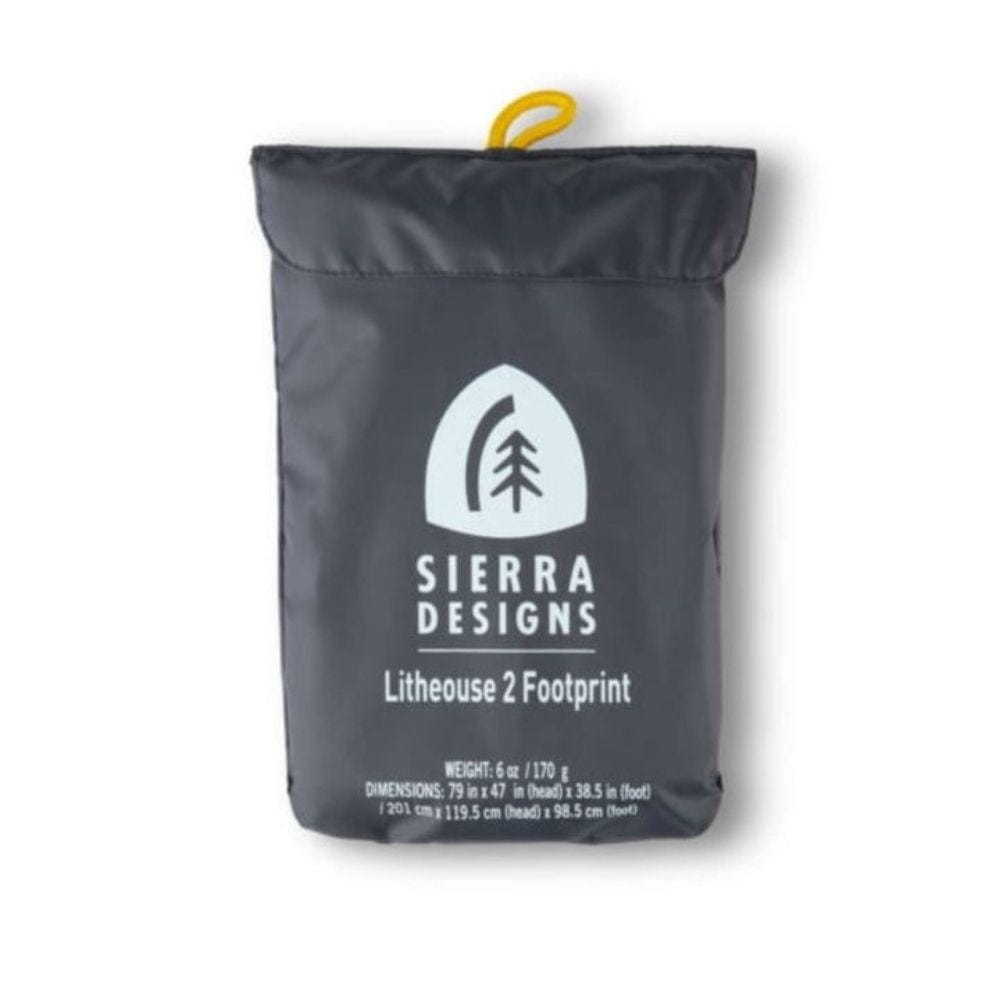
- A footprint option: to protect the groundsheet and extend the tent's life
For UK camping, a porch and reliable waterproofing are especially worth having.
Caring for Your Tent
Good care keeps a tent waterproof and lasting for years.
- Pitch and dry your tent fully before storing, even if you packed it away damp
- Clean it with mild soap and water, never a washing machine
- Store it loosely in a cool, dry place out of direct sunlight
- Repair small tears and damaged seams promptly before they spread
- Reapply a waterproofing treatment when water stops beading on the flysheet
Packing a tent away wet is the quickest way to grow mould and damage the fabric, so always dry it fully, pitching it at home if you had to pack up in the rain.
How Much Do Tents Cost?
Prices depend on the size, the materials, and the design. Simple festival and smaller tents sit at the lower end of the range, mid-range backpacking and family tents offer a better balance of weight, space, and weather protection, and premium lightweight and expedition tents sit higher. A more expensive tent usually means lighter weight, better waterproofing, and greater durability.
For regular camping, a mid-range tent suited to your style is often the sweet spot. For occasional festival use, a simpler tent does the job. You'll find a spread of budgets across the range.
Why Buy Your Tent from Surface2Air Sports?
We have been serving outdoor enthusiasts since 2002, with a shop in Poole and a full range online.
- Backpacking, family, and festival tents
- Trusted outdoor brands
- A spread of sizes and budgets
- Honest advice on sizing, seasons, and features
- In-store help and online support
Whether you are buying your first tent or upgrading for bigger adventures, we can help you choose the right one. Protect it with a groundsheet from our footprints and accessories range, and complete your setup with sleeping bags.
Frequently Asked Questions About Tents
What size tent do I need?
Tent ratings are snug, so for comfort it is common to size up. Two people who like room often choose a three-person tent, and families often size up by one or two places.
What is the difference between a three-season and four-season tent?
Three-season tents suit spring, summer, and autumn with good ventilation and moderate weather resistance, while four-season tents are built for harsh winter conditions with sturdier construction.
How waterproof does a tent need to be for the UK?
A hydrostatic head rating of around 2,000mm and up handles typical UK rain well. Taped seams and a good flysheet add to the protection.
What should I look for in a backpacking tent?
Low weight, small pack size, durability, and weather resistance. Lightweight materials and compact poles keep the weight down without sacrificing protection.
Why does my tent get wet inside even when it does not leak?
That is condensation, which builds up inside any tent overnight. Good ventilation through vents and mesh panels helps manage it, so open the vents where you can.
How do I keep my tent waterproof?
Dry it fully after each trip, clean it gently, repair damage promptly, and reapply a waterproofing treatment when water stops beading on the flysheet.
Can I use a footprint with my tent?
Yes. A footprint protects the groundsheet from wear and moisture and extends the tent's life. Choose one sized to your tent for the best fit.
Do you sell sleeping bags and camping gear too?
Yes. Our wider camping equipment range covers sleeping bags, footprints, and accessories to complete your setup.
Let customers speak for us
Great job well dun thanks for your help with the purchase..

The bag is sturdy, spacious and water proofed on the inside. In addition, it can be worn as a backpack but it also comes with a strap for putting over a shoulder as a bag. I am happy with the purchase.

My first order of gummy straps never arrived so I contacted S2AS and they were very apologetic as Royal Mail had lost my parcel. They immediately sent out a second sets of straps which arrived the following day.
The customer service I recieved was exceptional and I would highly recommend this company for their swift response. I will definitely order with them again.

the whole exercise

item as dscribed, looks fantastic

As described and looks fantastic. thank you
My first board and binding set up after using hire equipment for over a year. These will take some getting used to but step in and strap is a vast improvement. Large to size 12UK looks like it only just fits across the toe strap.
S2AS are my go to online store for anything Snowboarding related and as they say any query just pick up the phone and speak to Ollie (who sounds a lot like Jamie Lang)

Wait for snow
Loved the service in the shop Ollie was very helpful and a pleasure to deal with. Recommend highly
Kind regards
Matt

2026 Slingshot KTV EverShred Wakeboard Bindings

Exceptionally quick delivery, would definitely recommend buying from this site

Hi my in store experience was fantastic from email to shop with your representative Ollie could not have been more polite & helpful
Once I’ve tried the bourd I will send further feedback
Hope your all well
Kind regards
Matt

We ordered a large amount of items that all arrived safely, we kept everything save two jackets which we ordered wrong, but the team were great, we sent them back and got a refund with no hassle. Will definitely use in the future!

Great graphics, good fit and quality

I purchased a wing that was 70% off and I am delighted with my new toy. I had it out today for the first time and despite only being a 2.8m wing, the power and control was amazing. It is so good that I am tempted to buy a bigger size to add to my collection. Thanks again S2AS for another great product for a bargain price 😊
Great carbonboard from Shinn and Raptor fin set at a good price from Surface2Air Sports. Delivered without any problems.