
Sort by
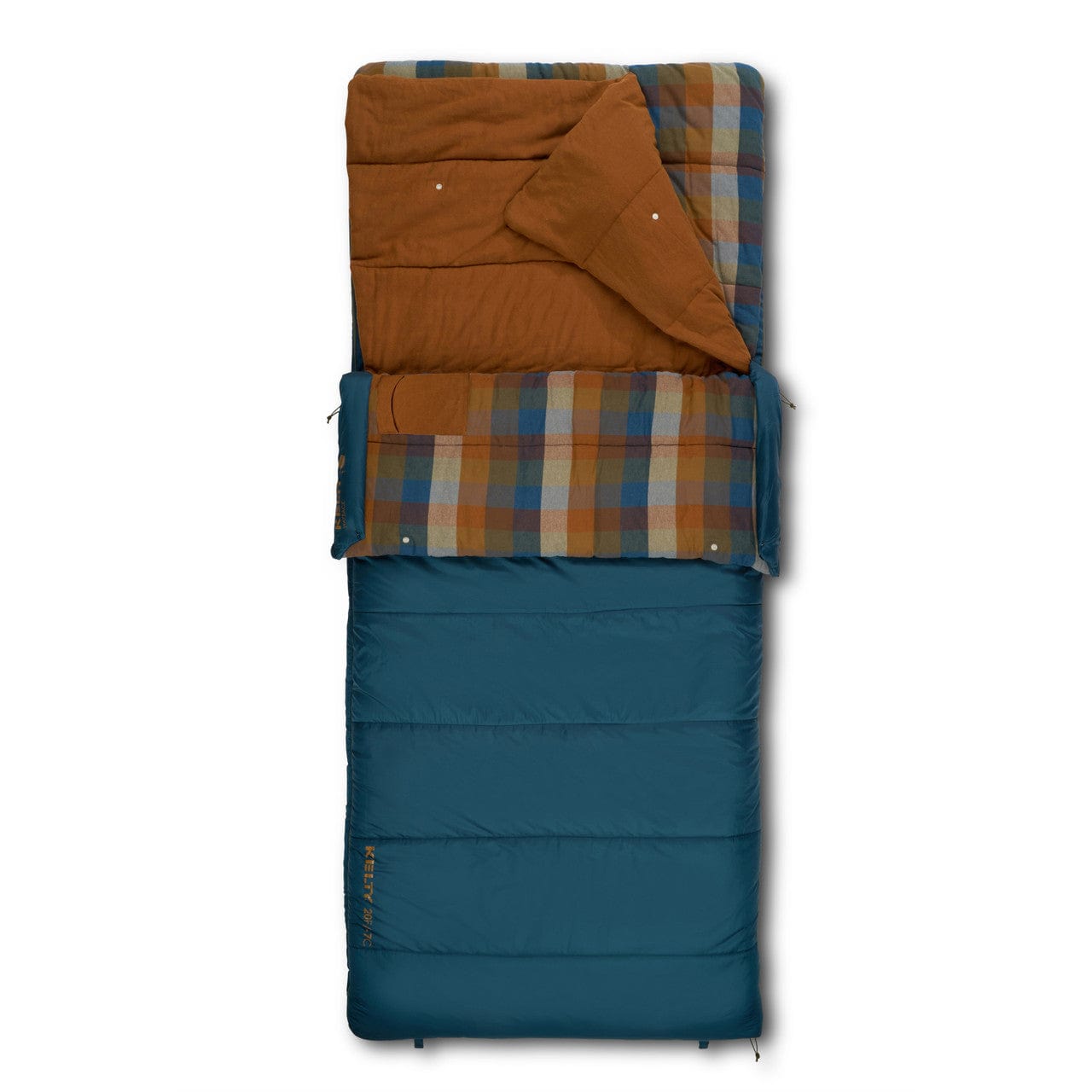
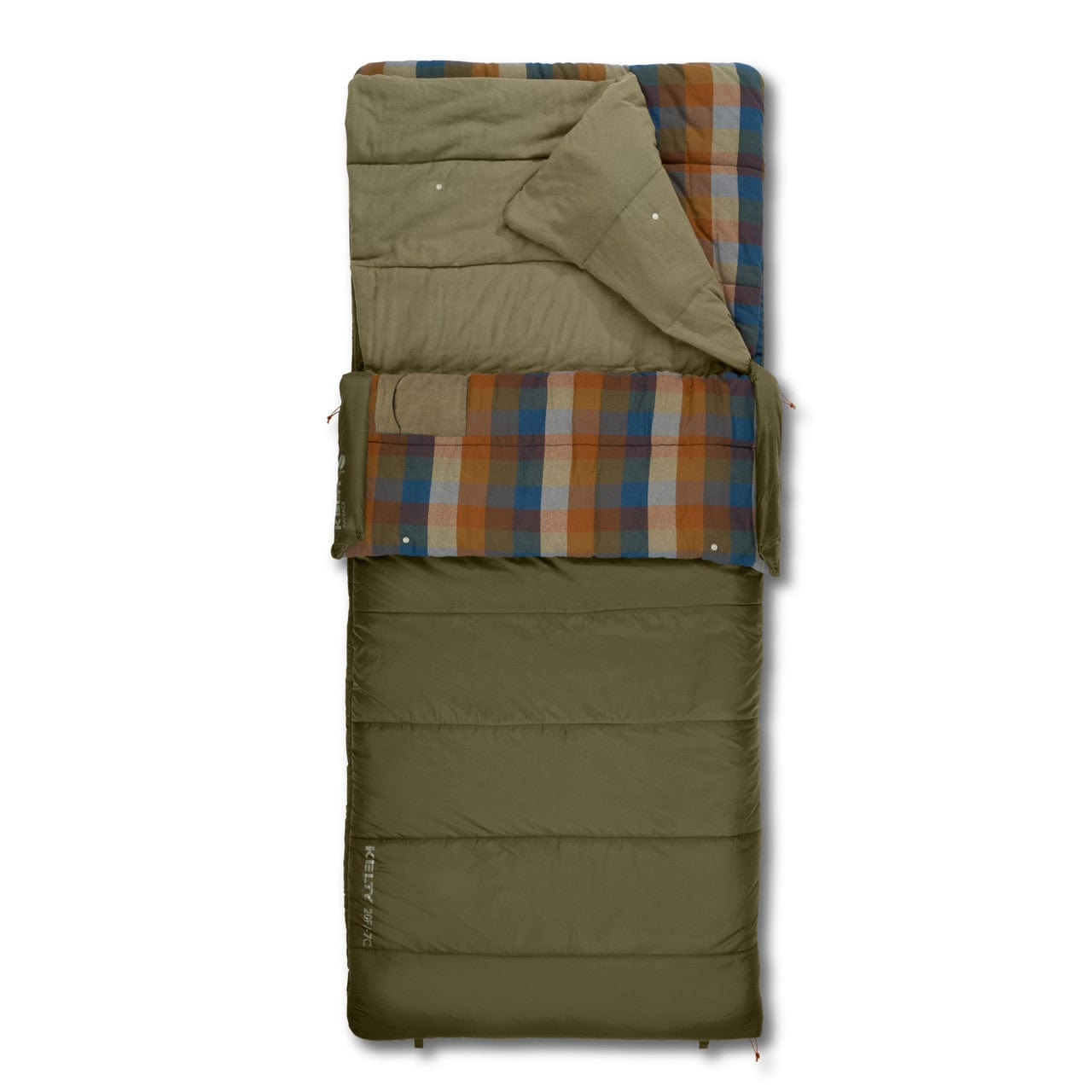
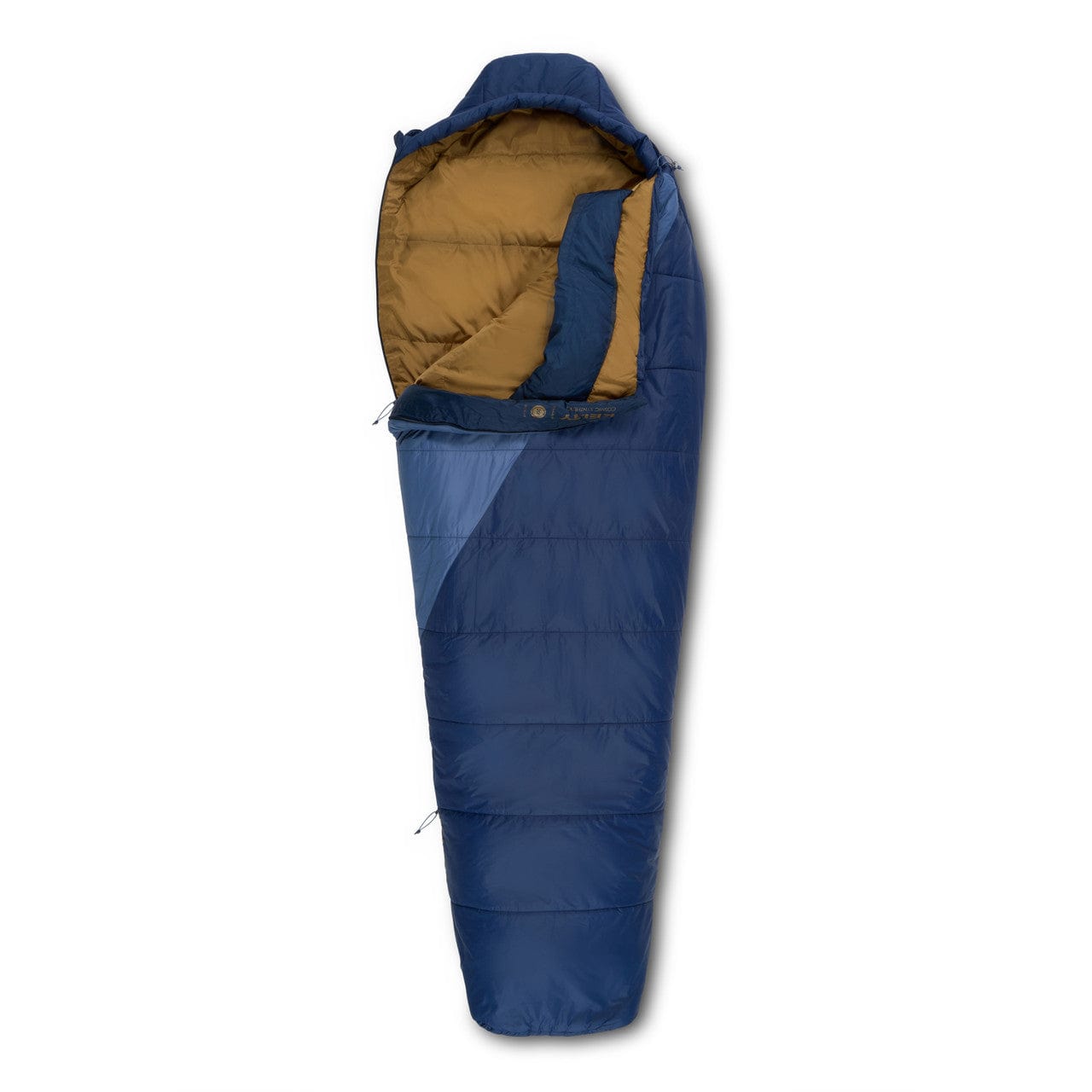

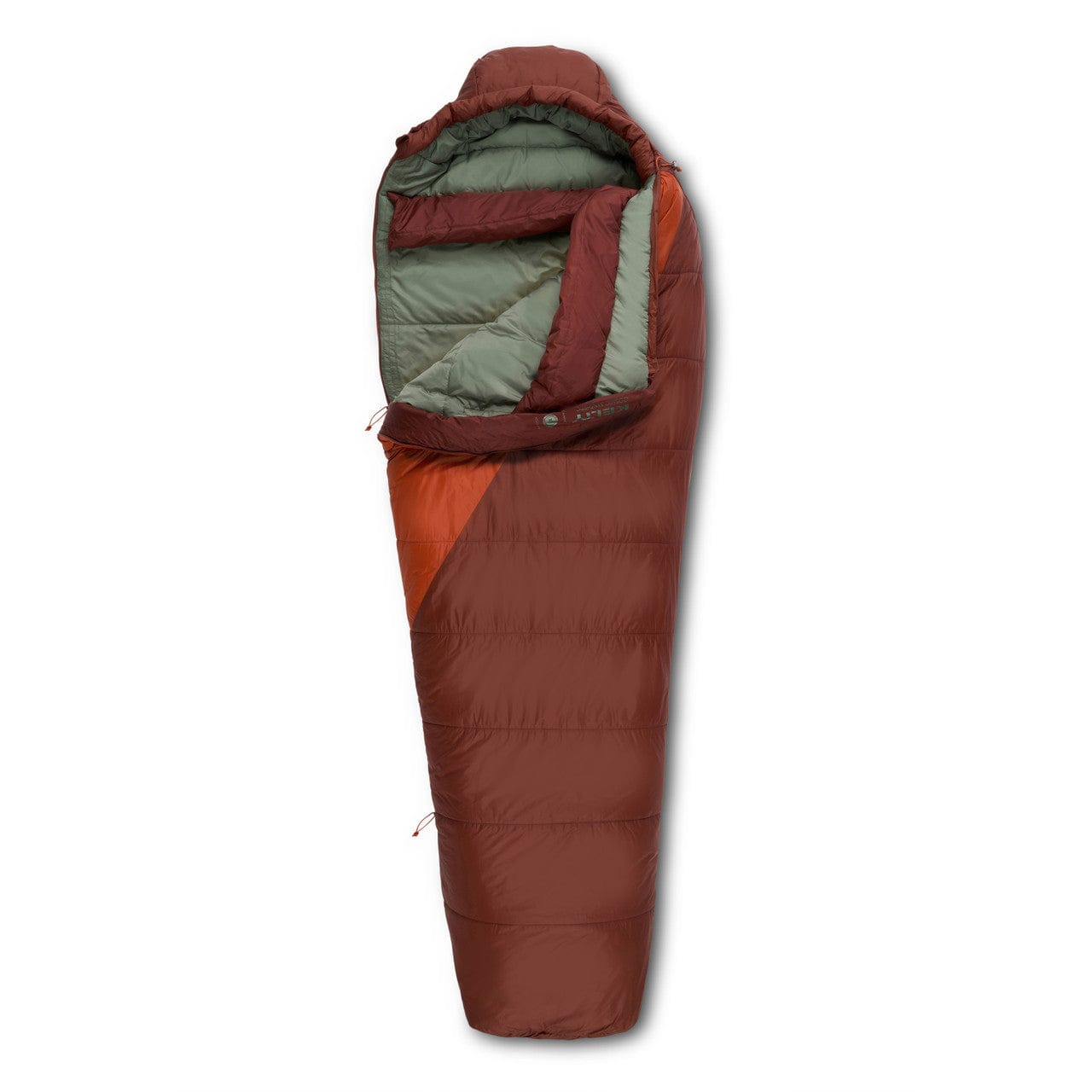
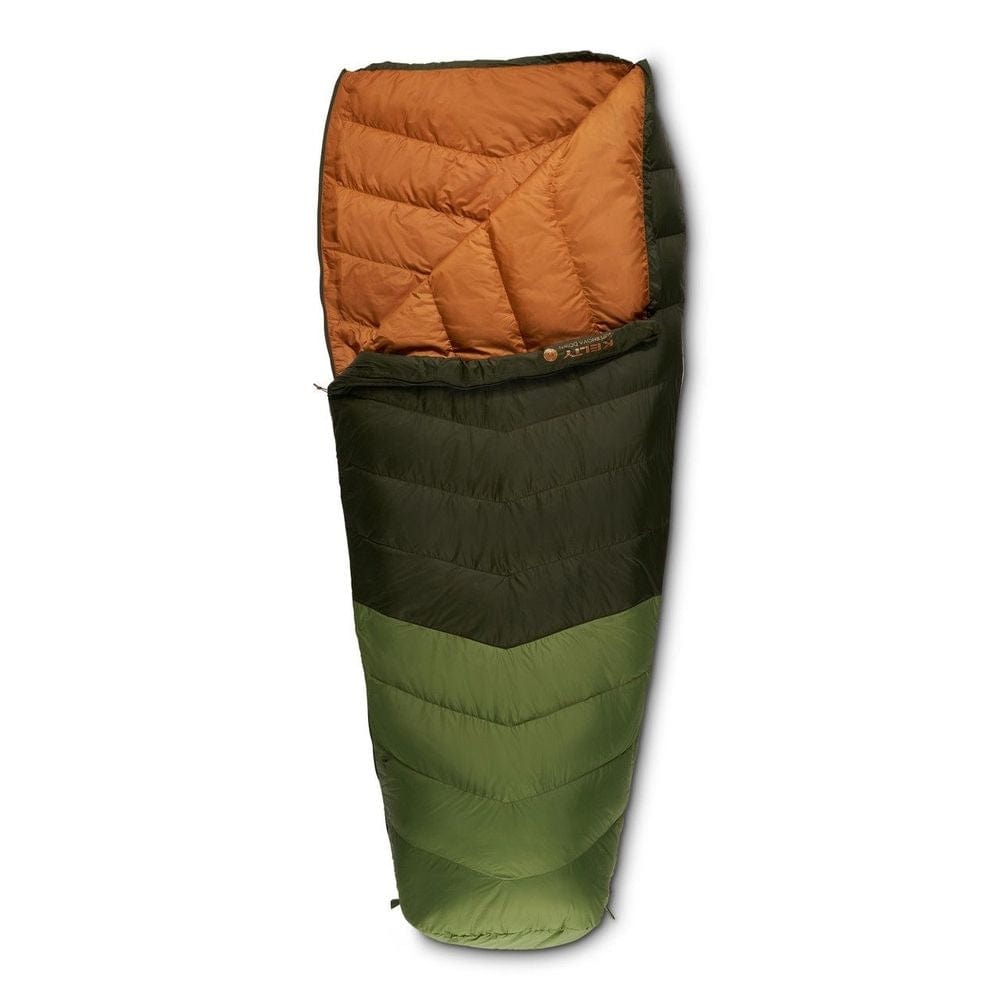

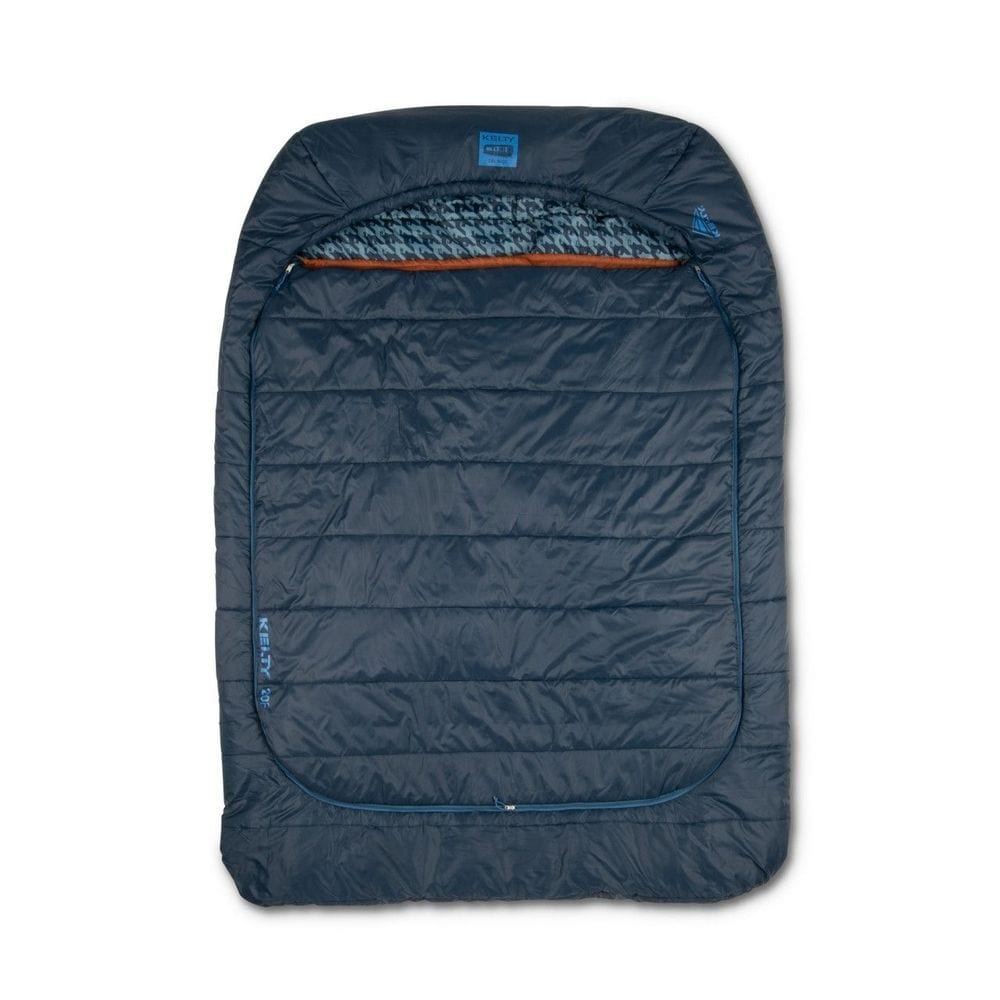
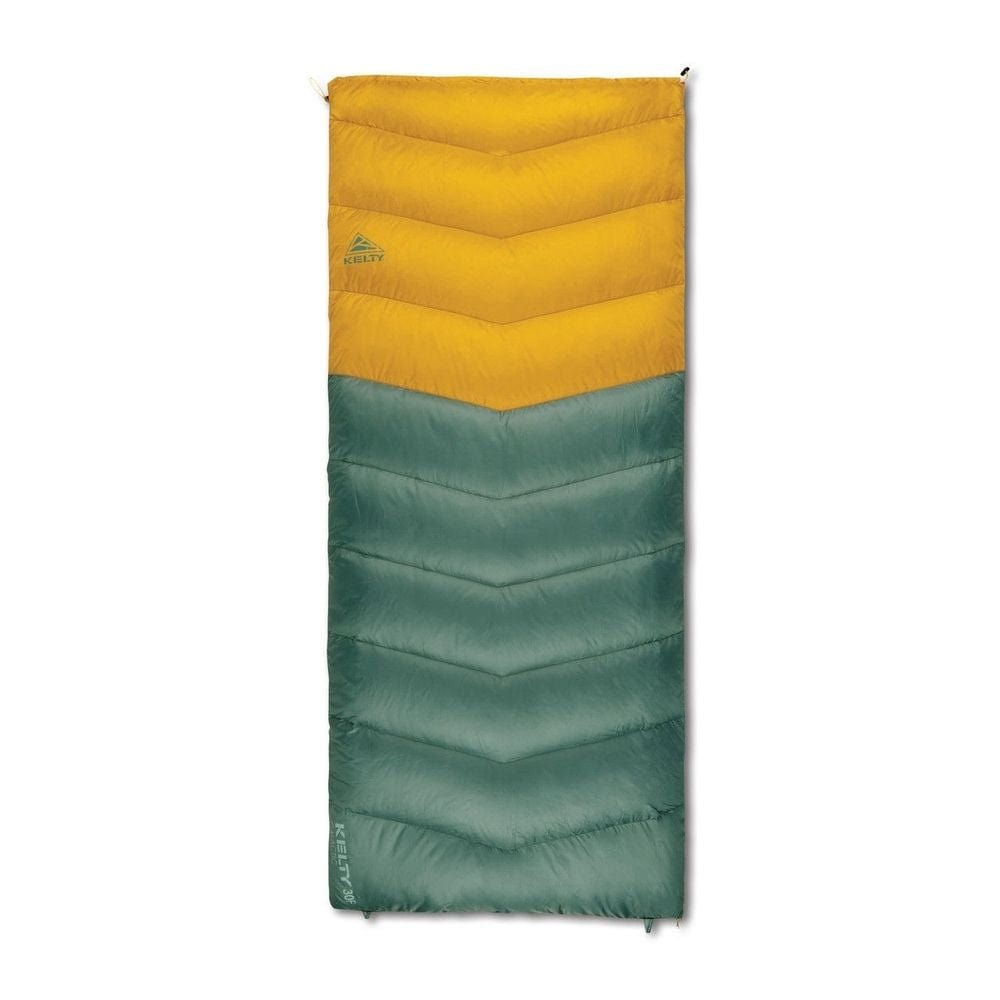
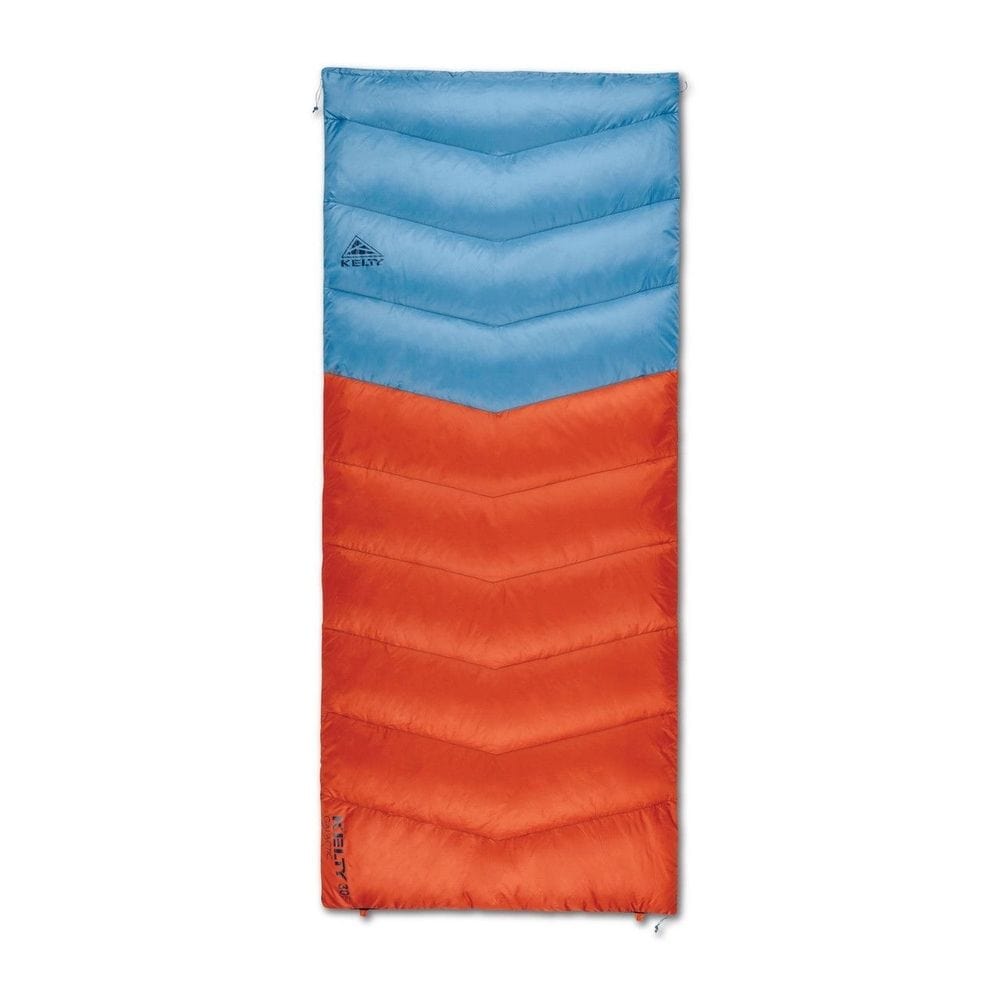
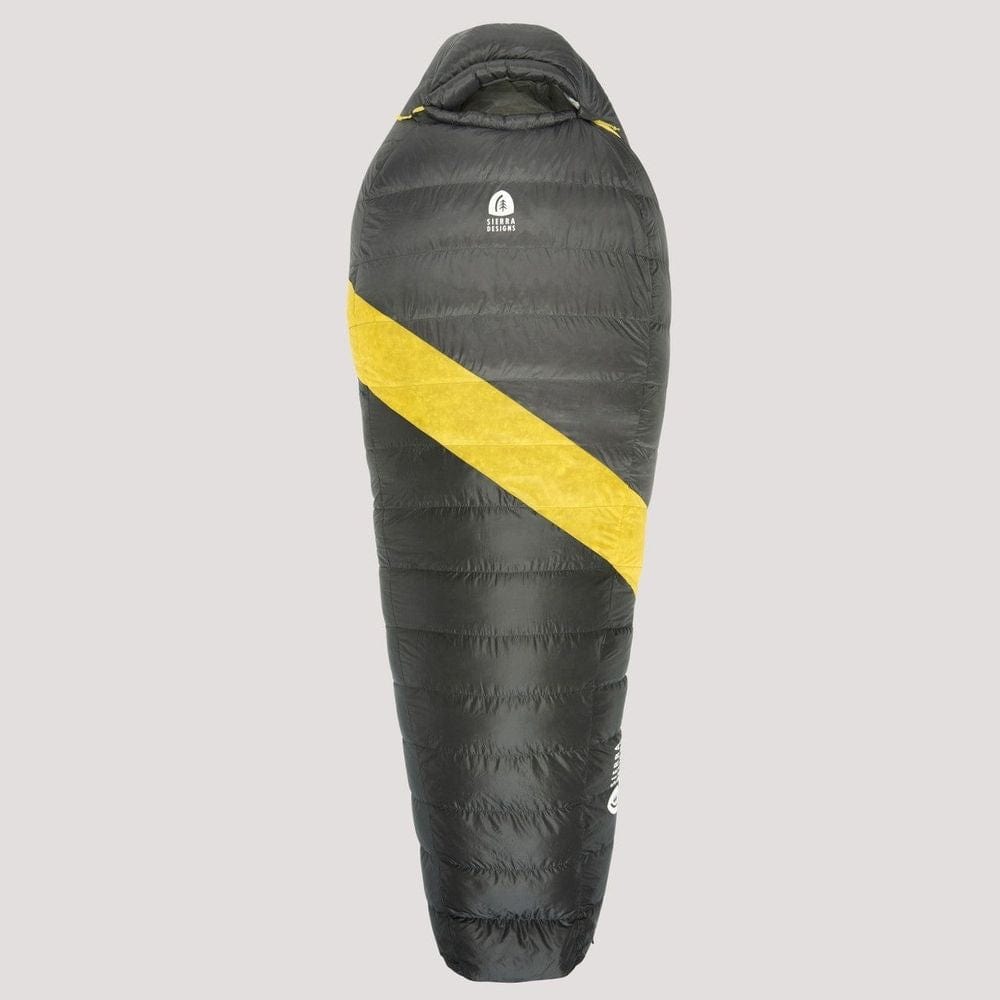
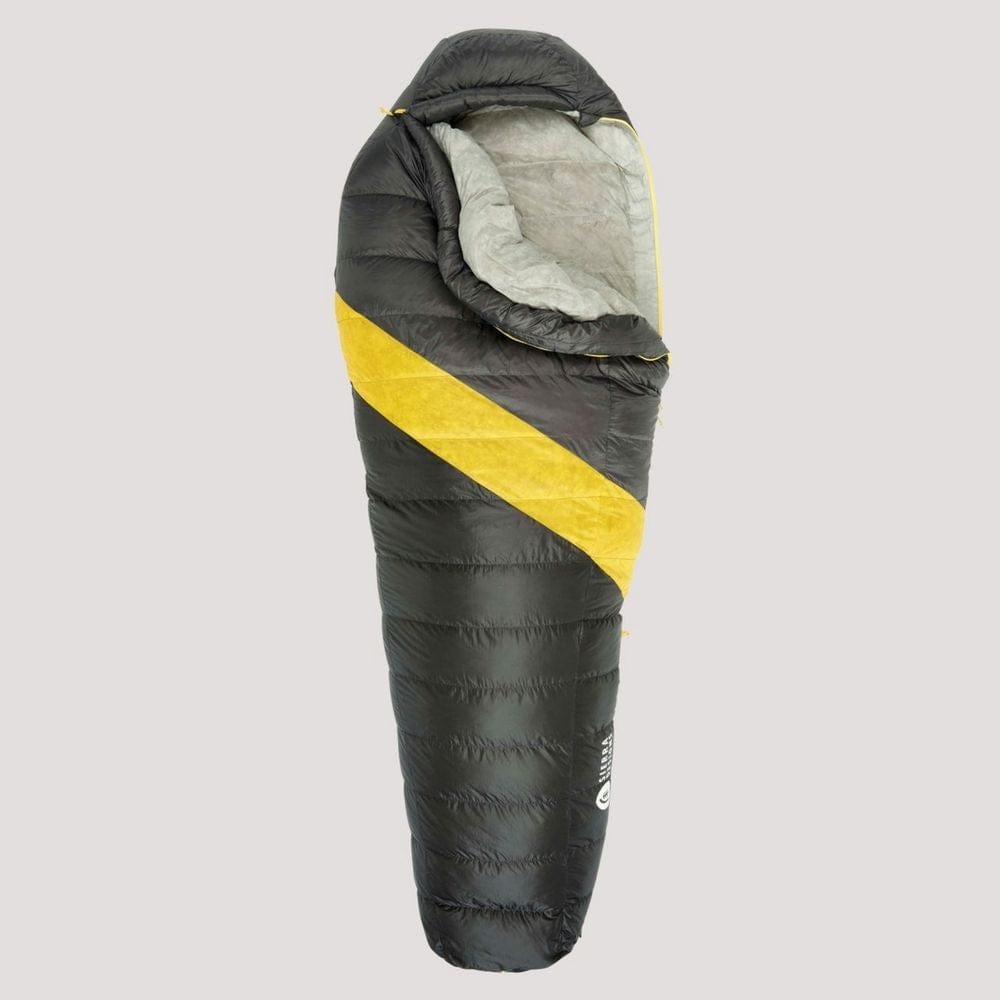
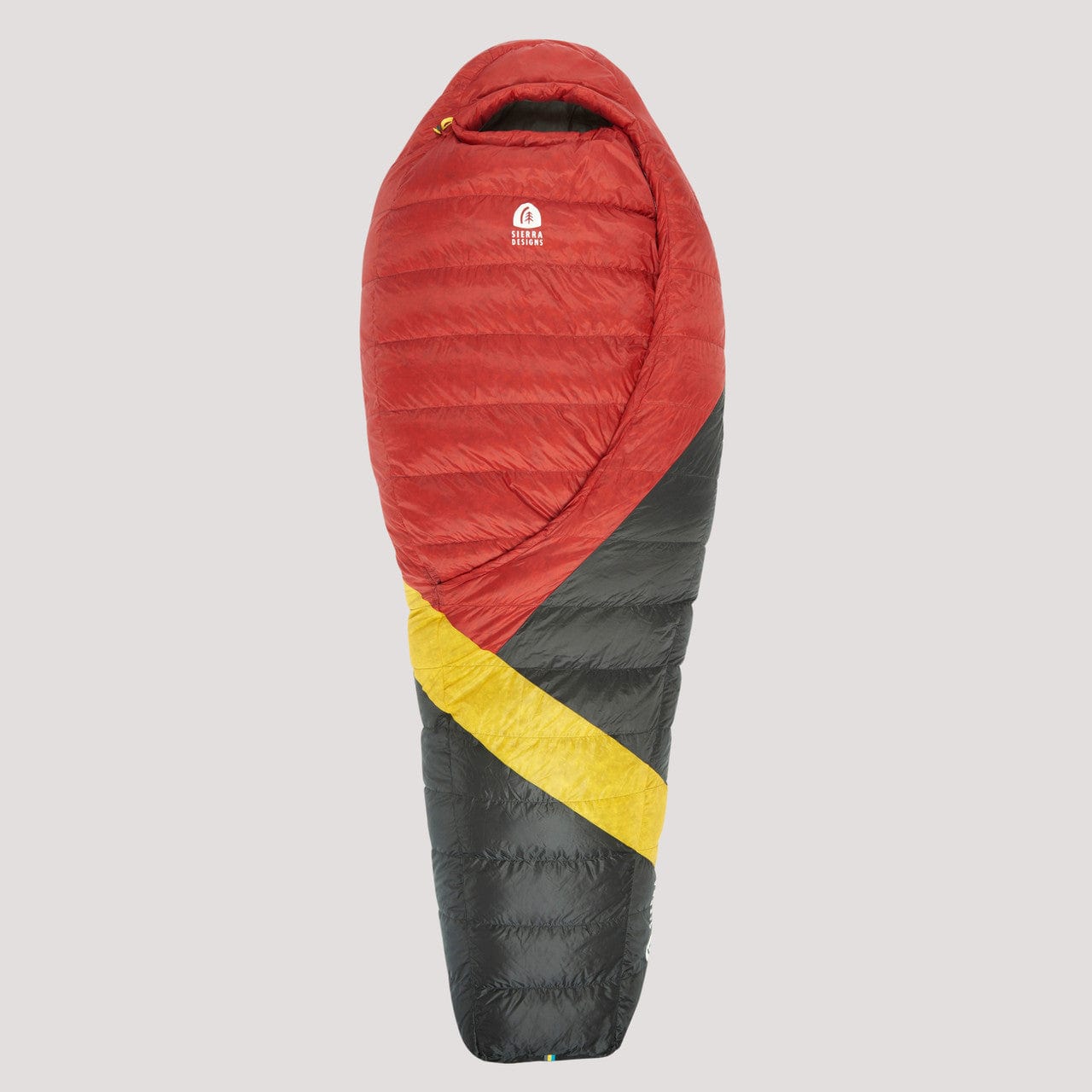
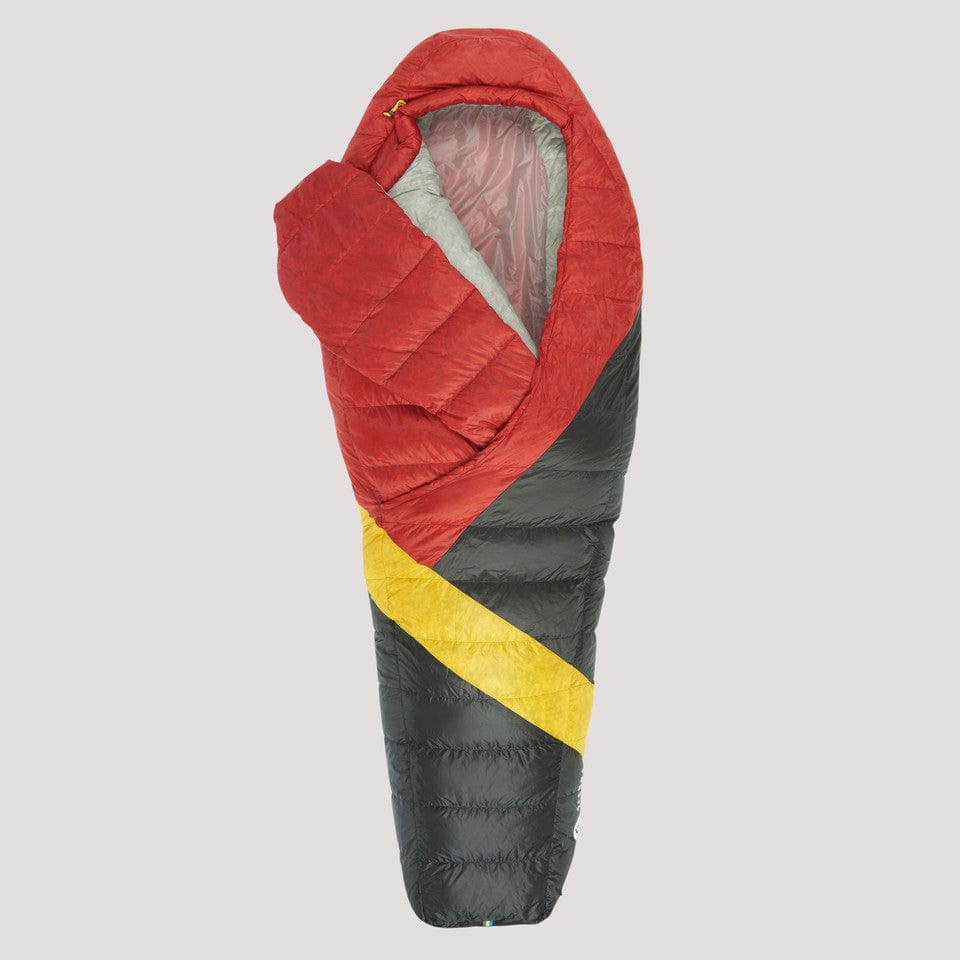
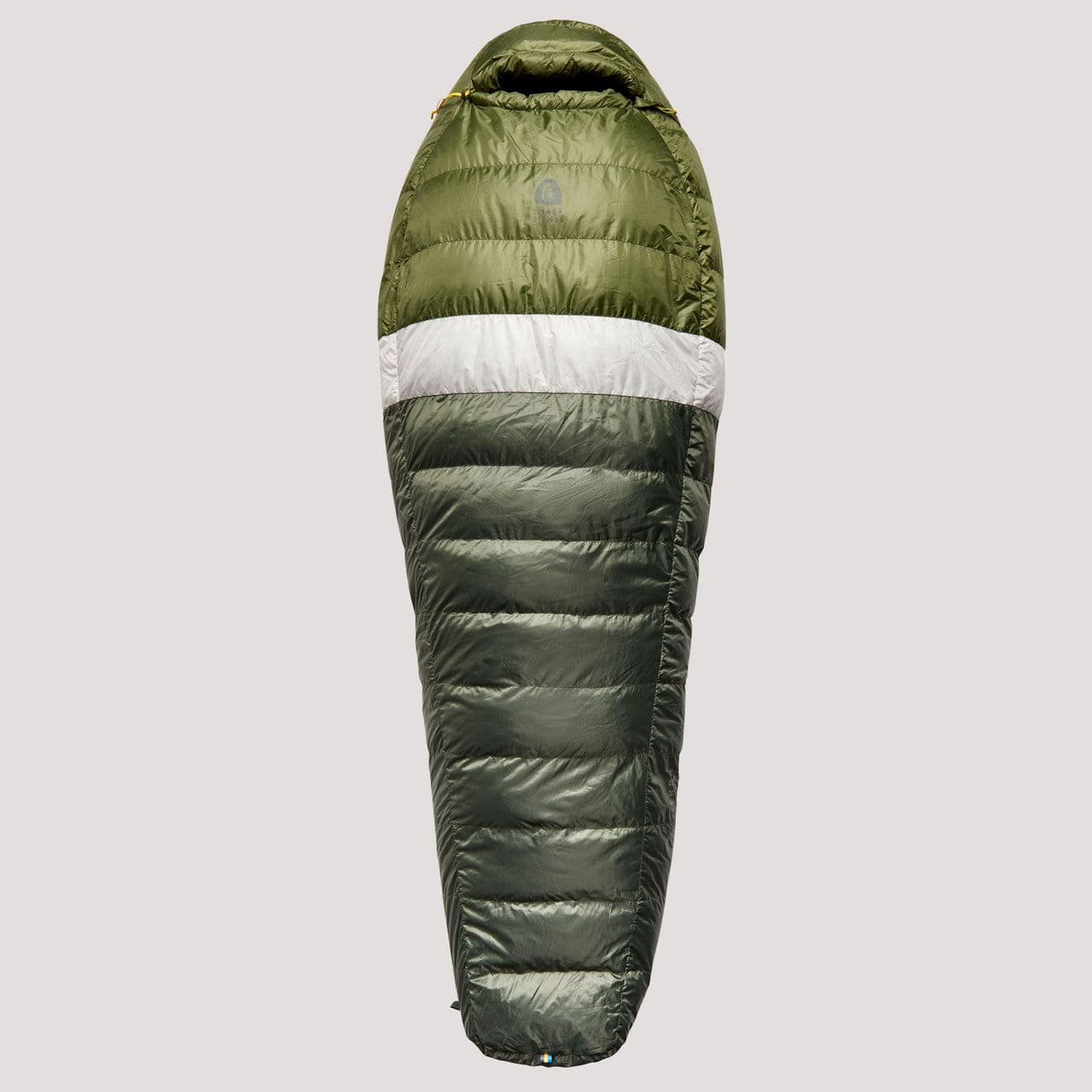
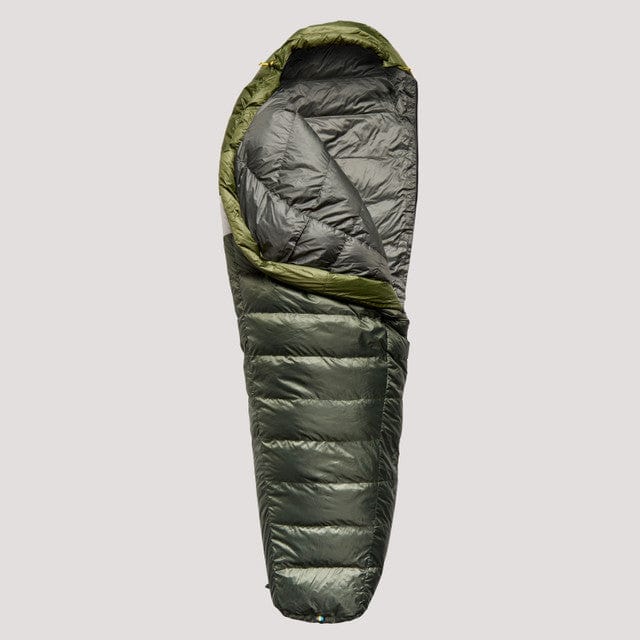
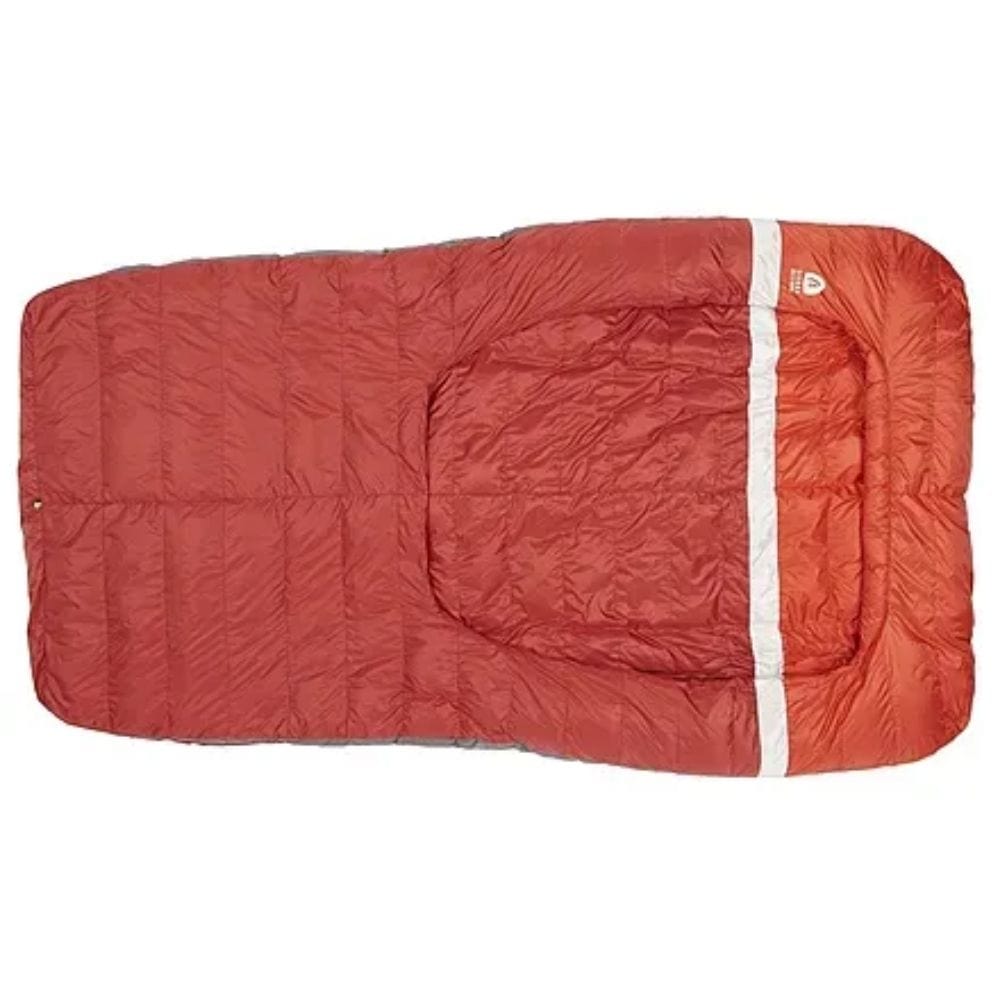
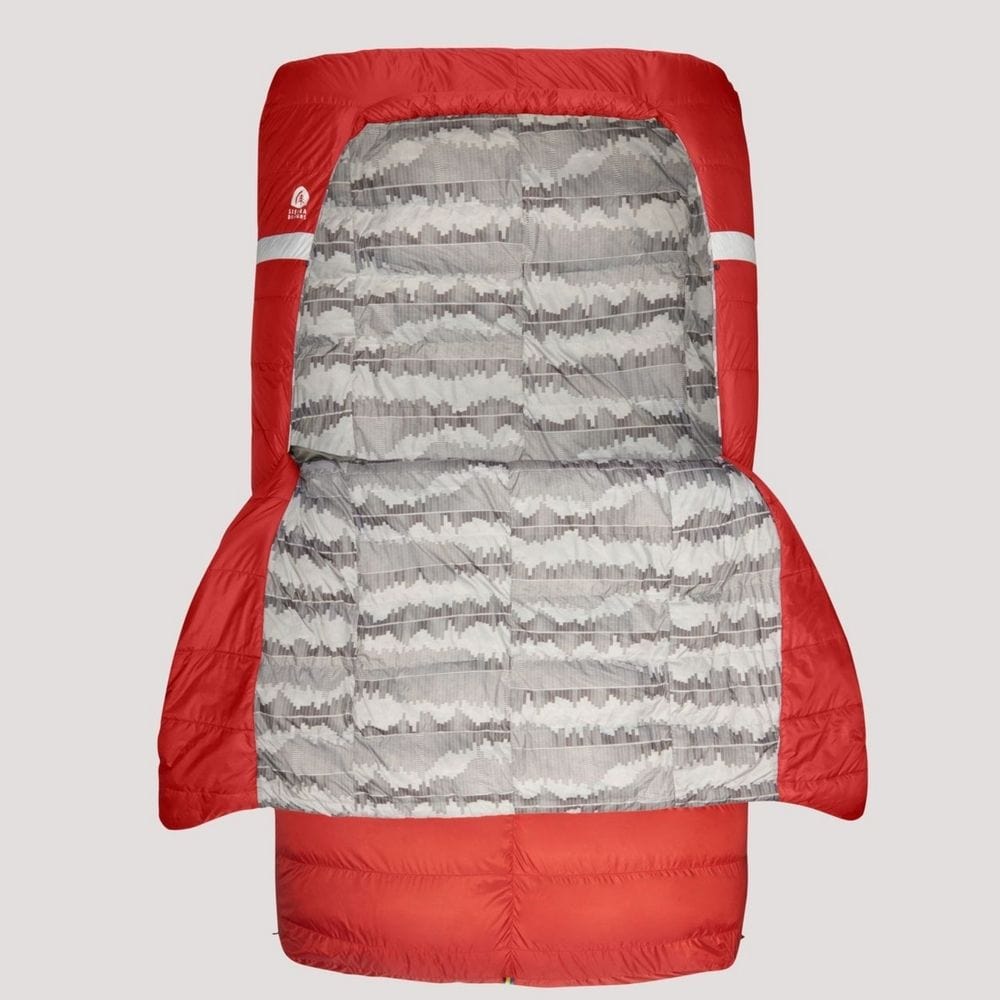
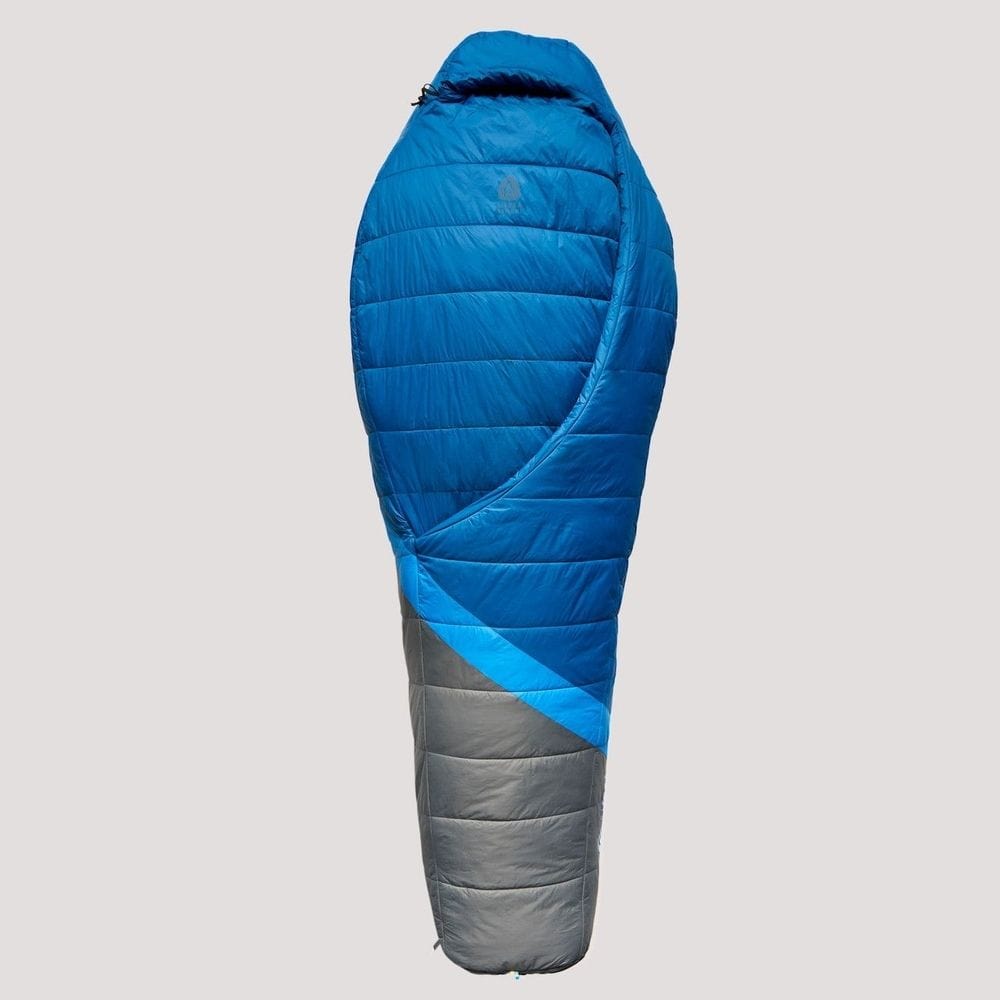
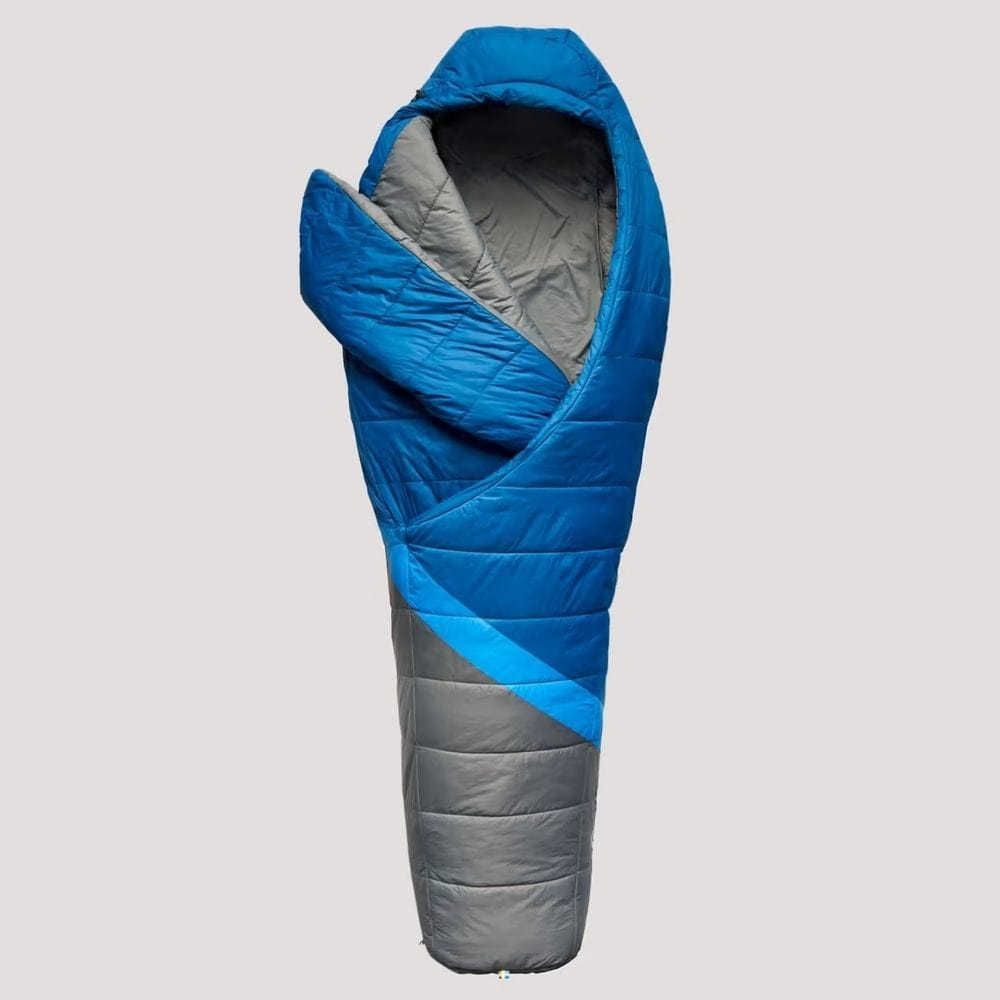
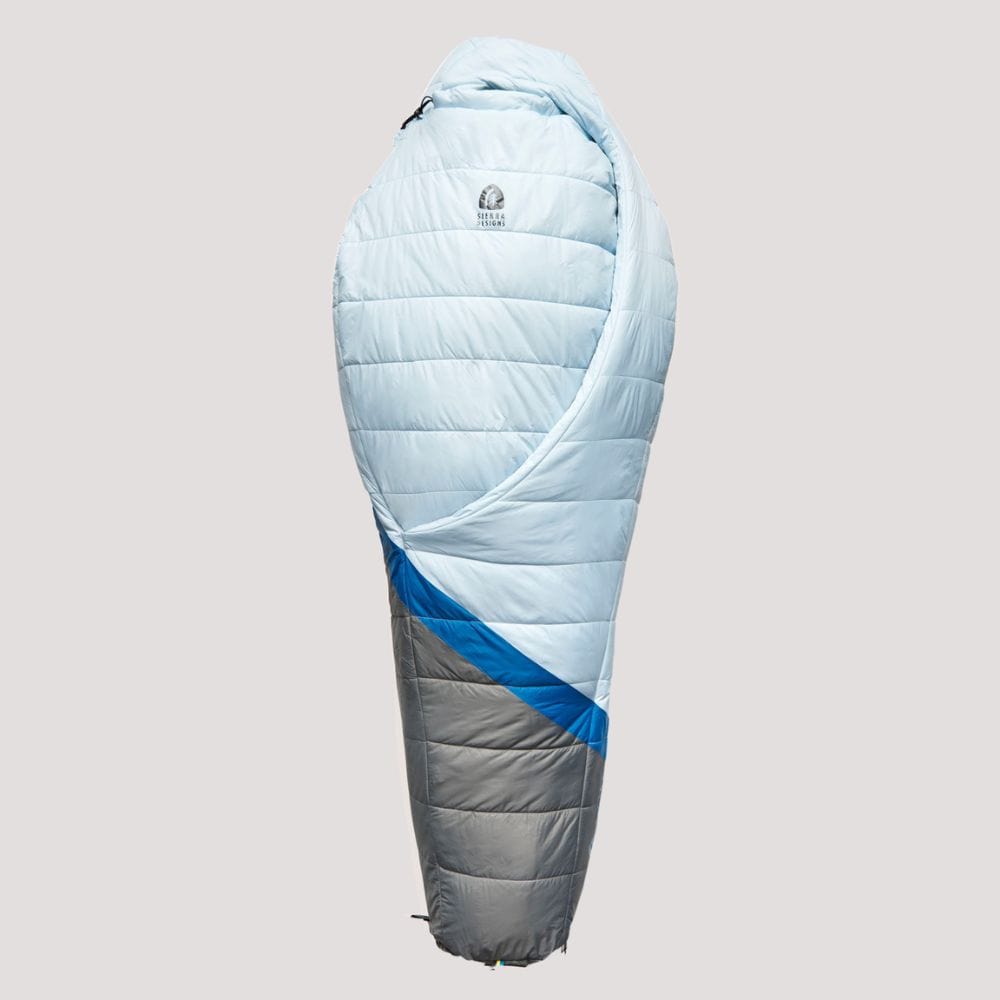
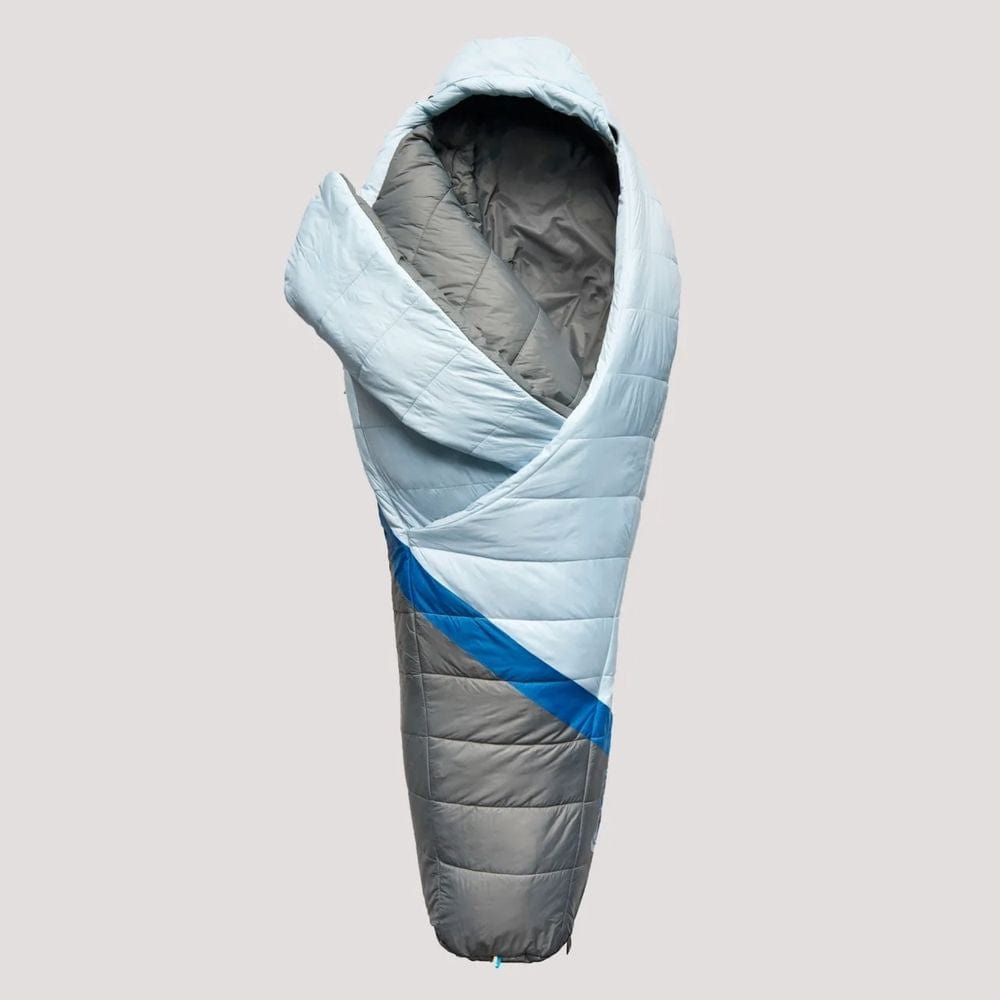
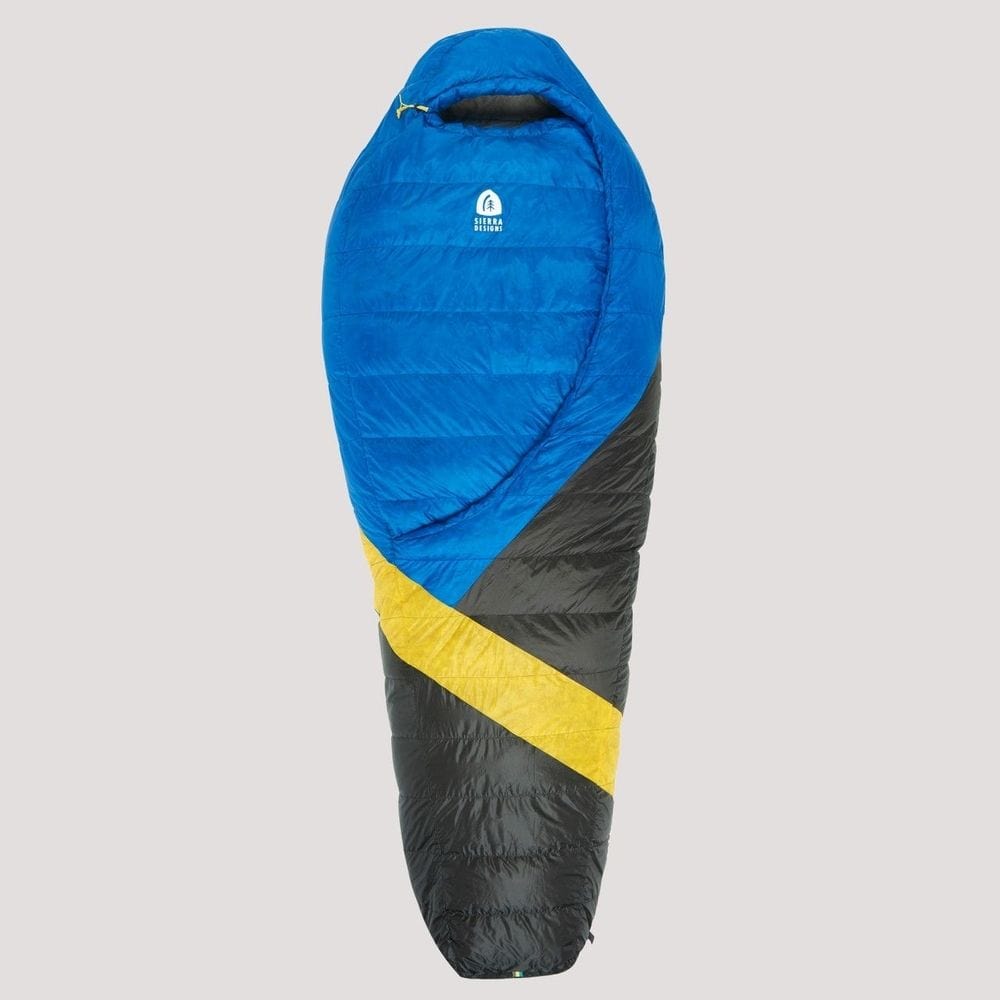
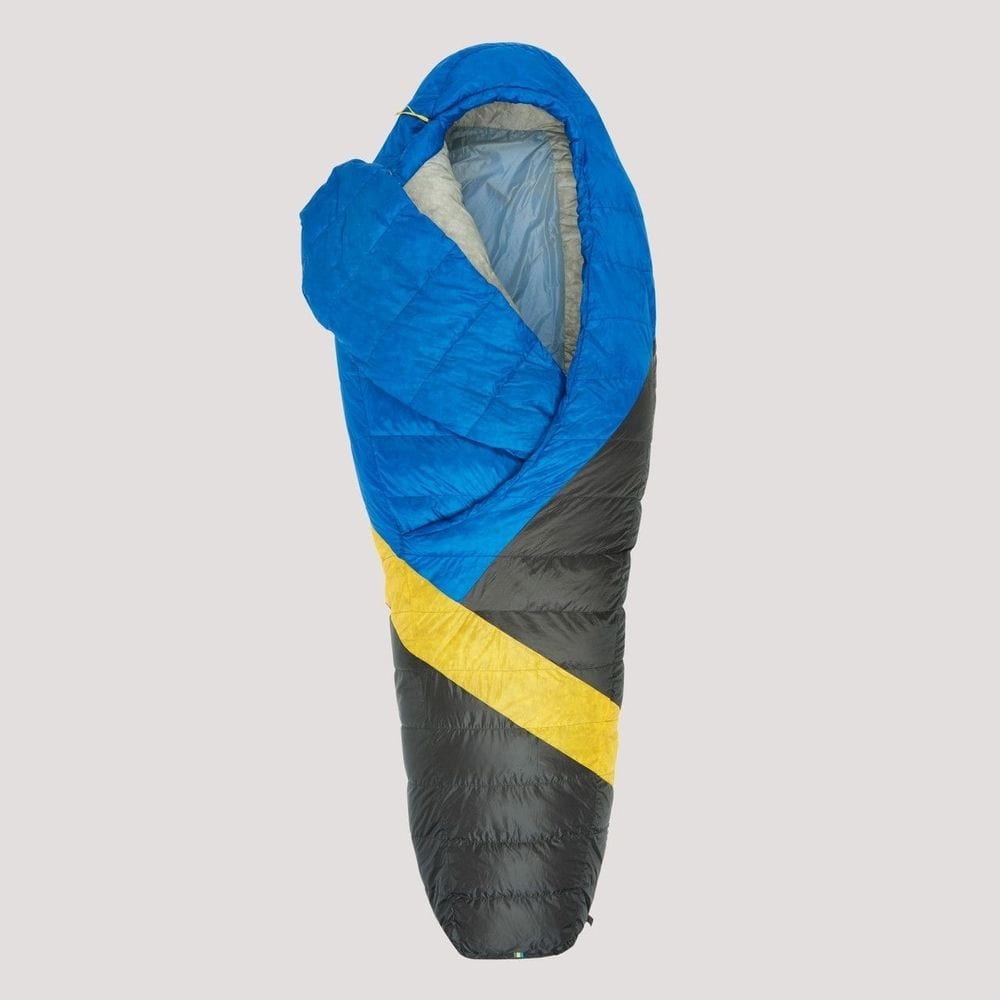
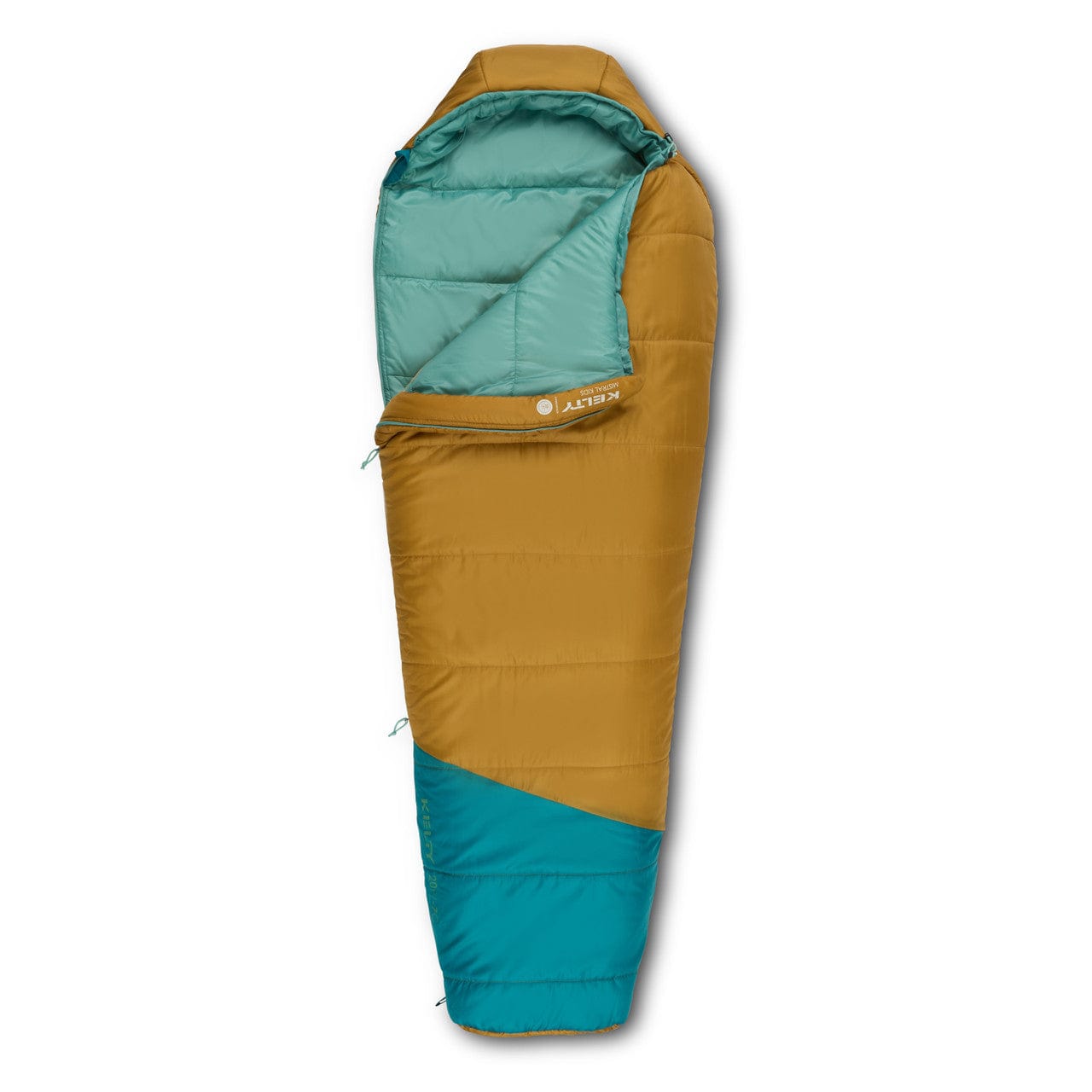
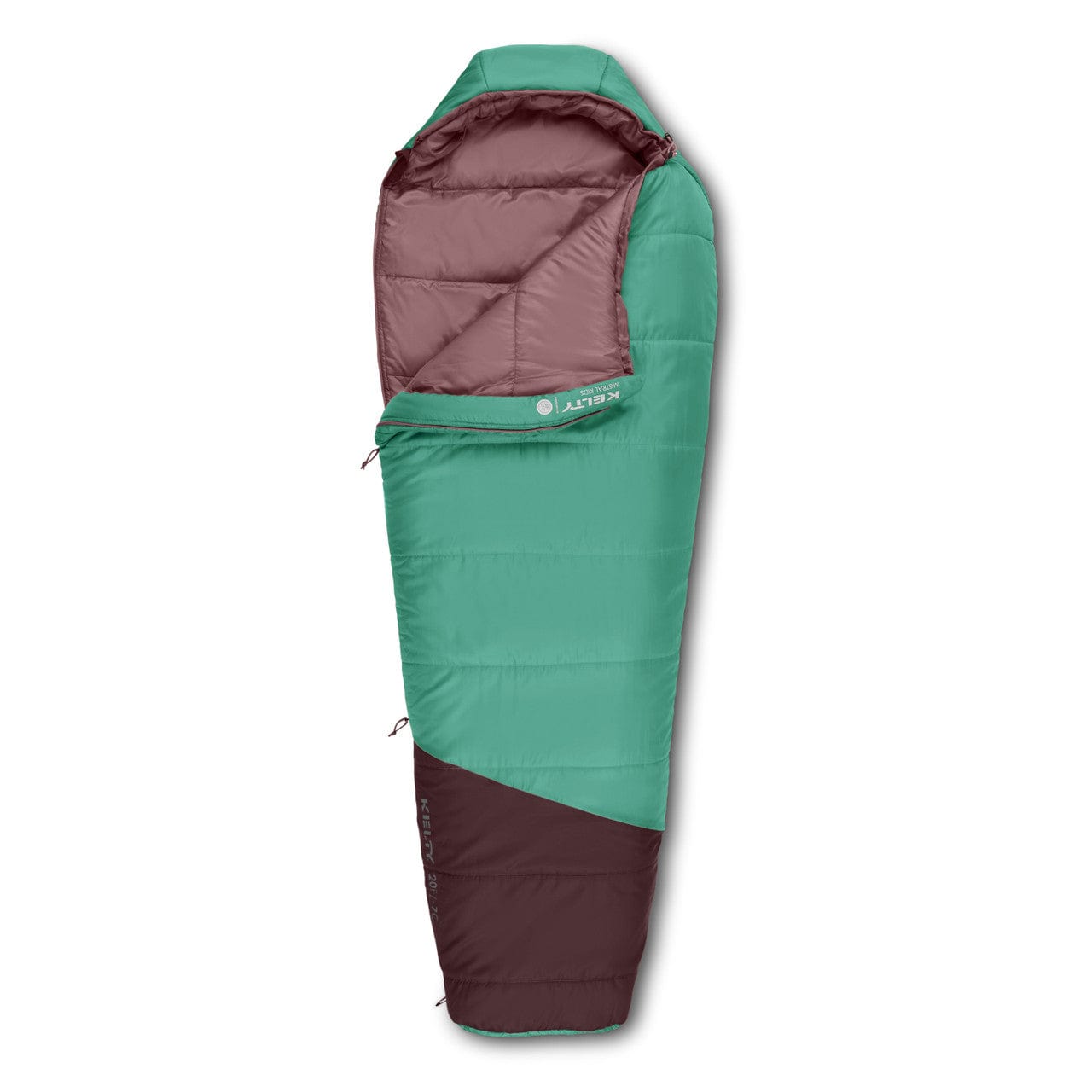
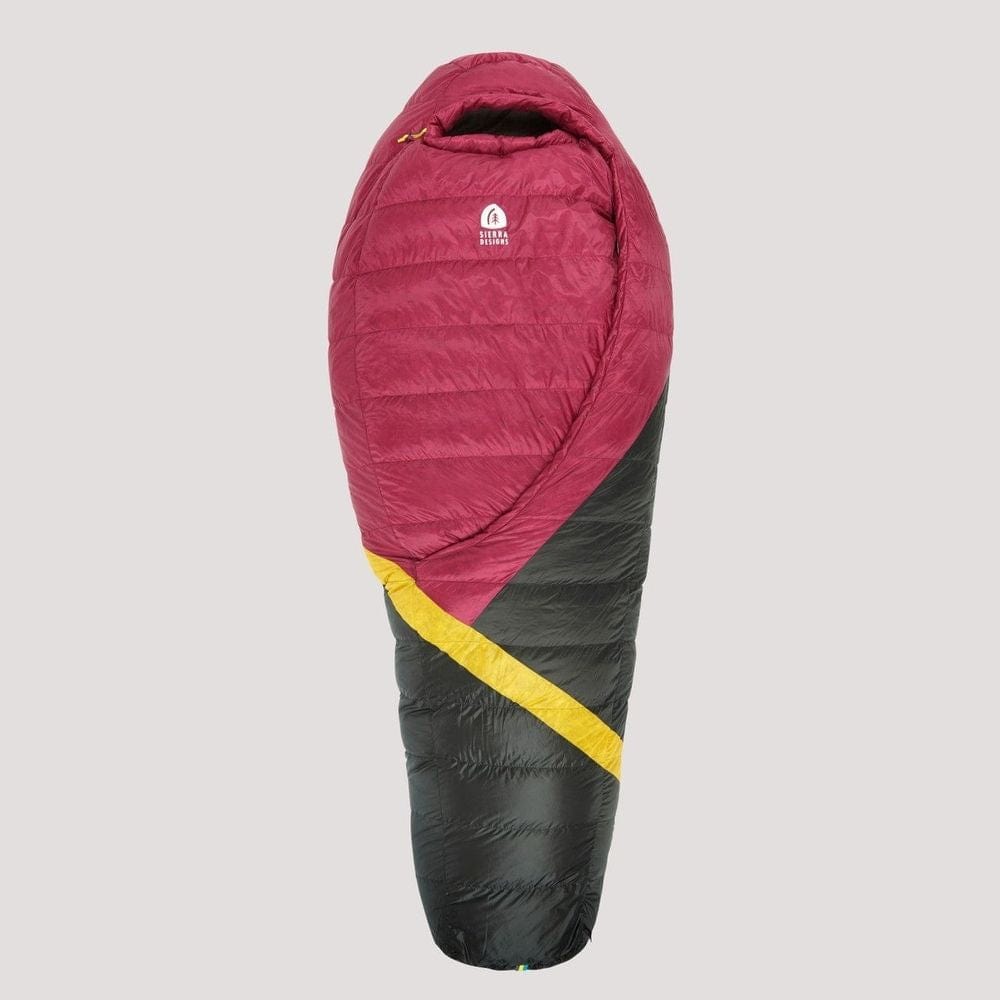
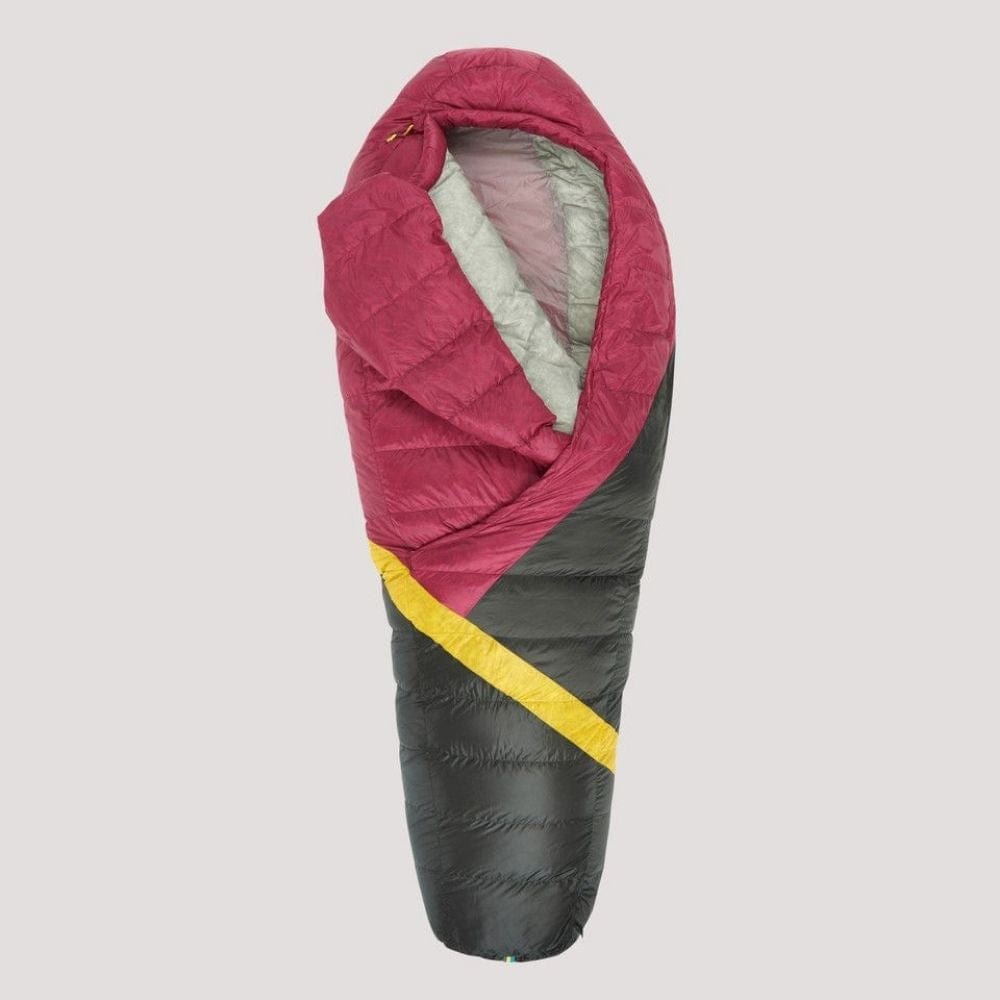
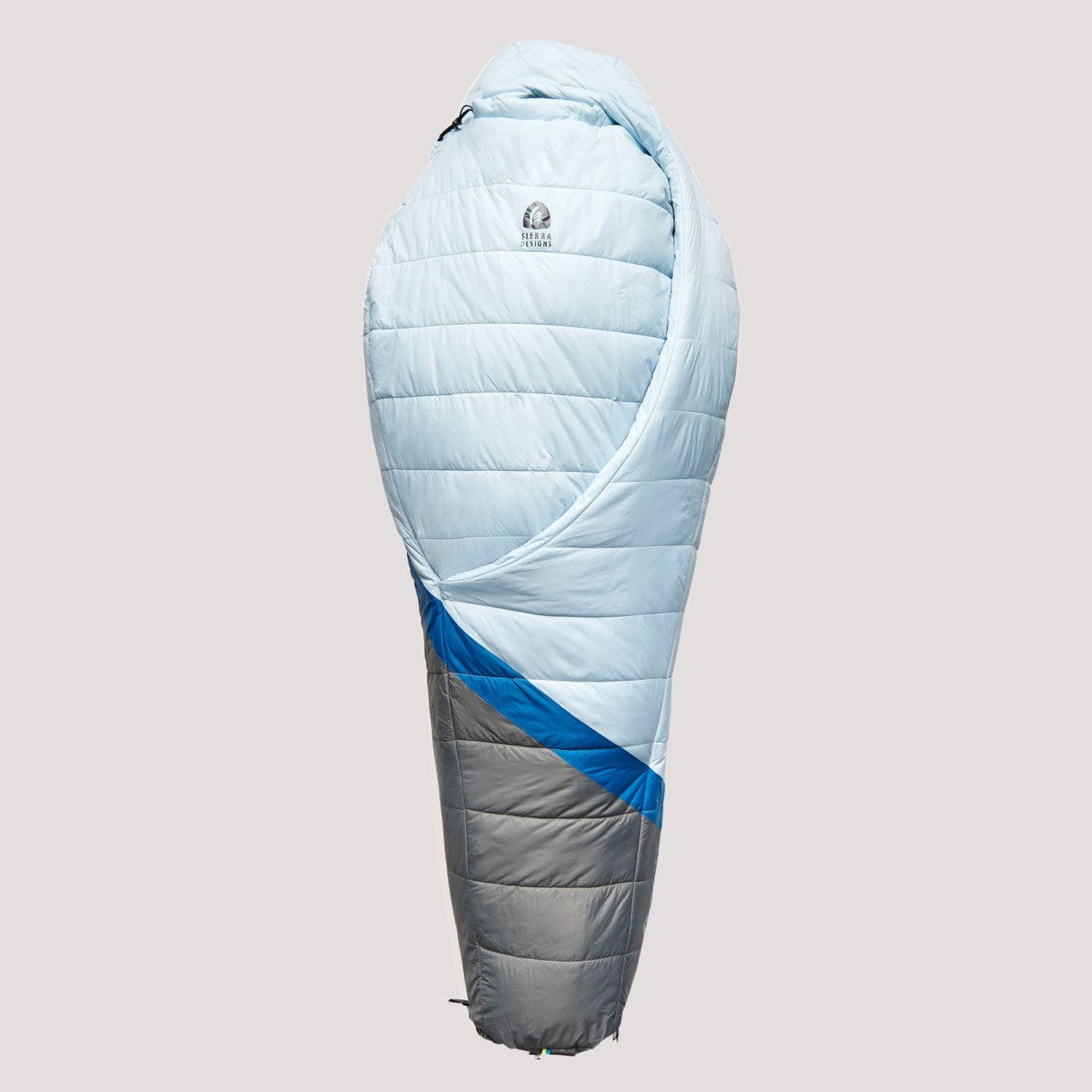
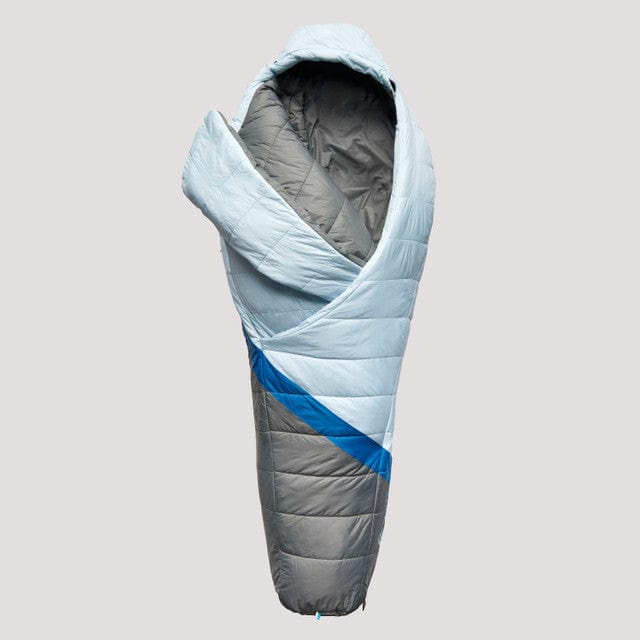
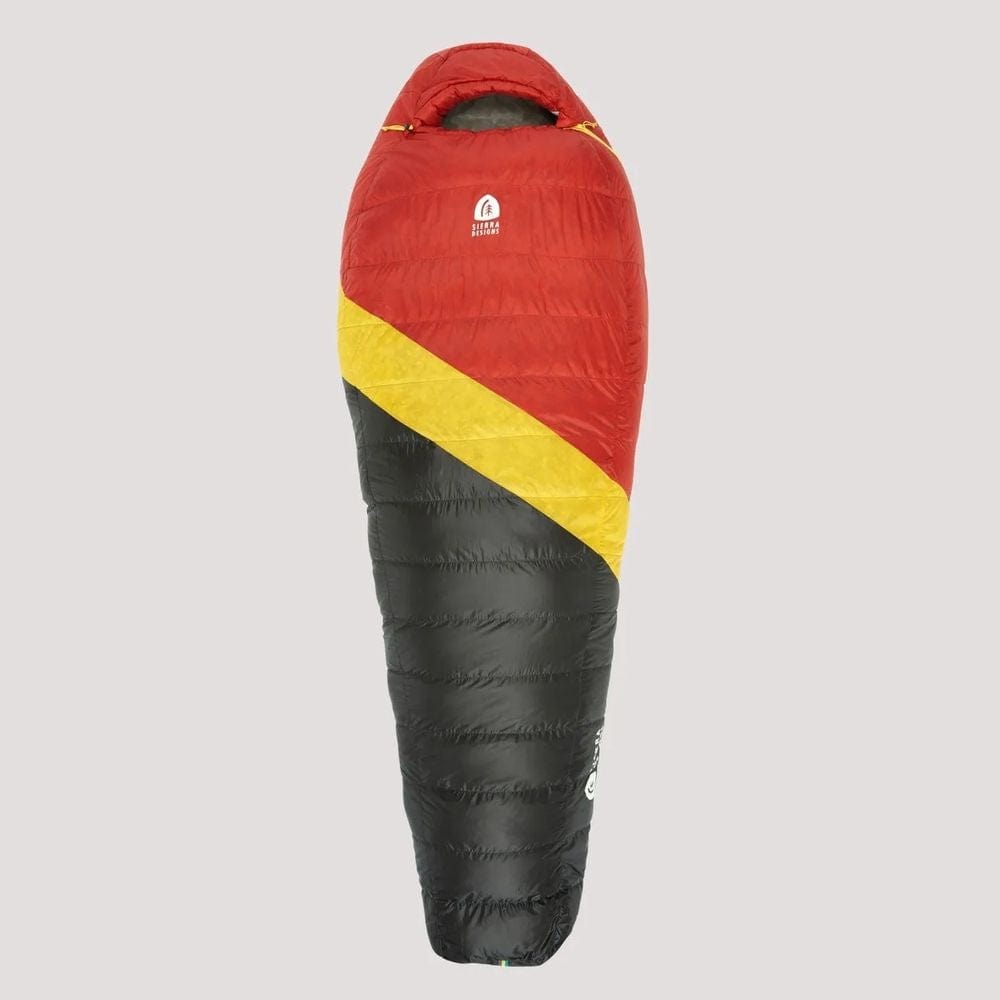
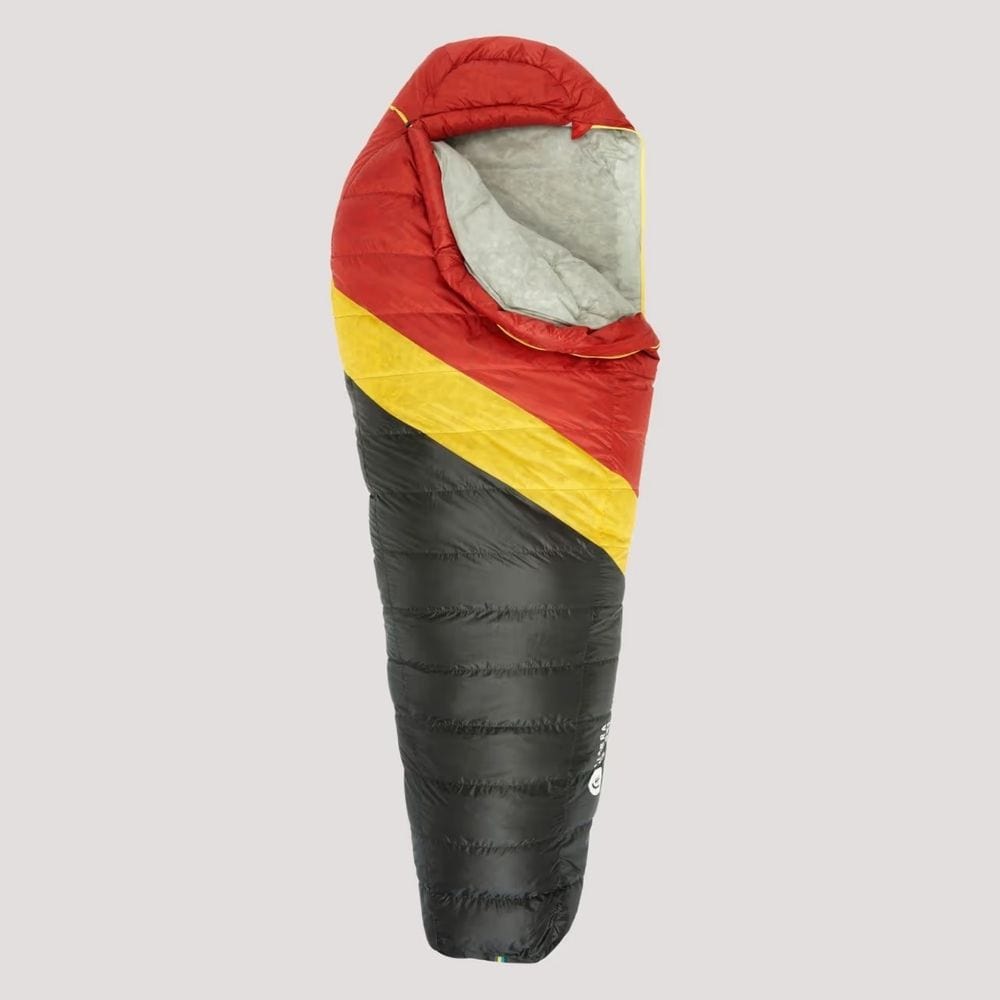
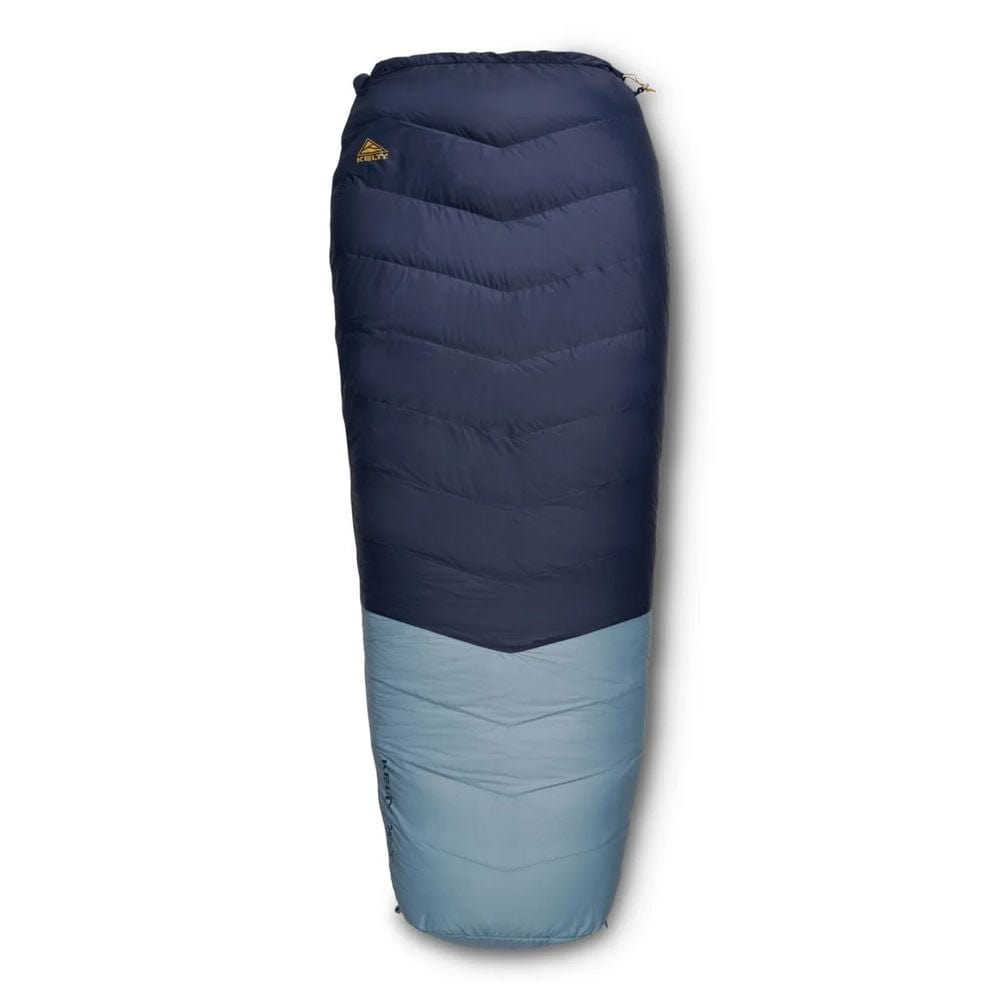
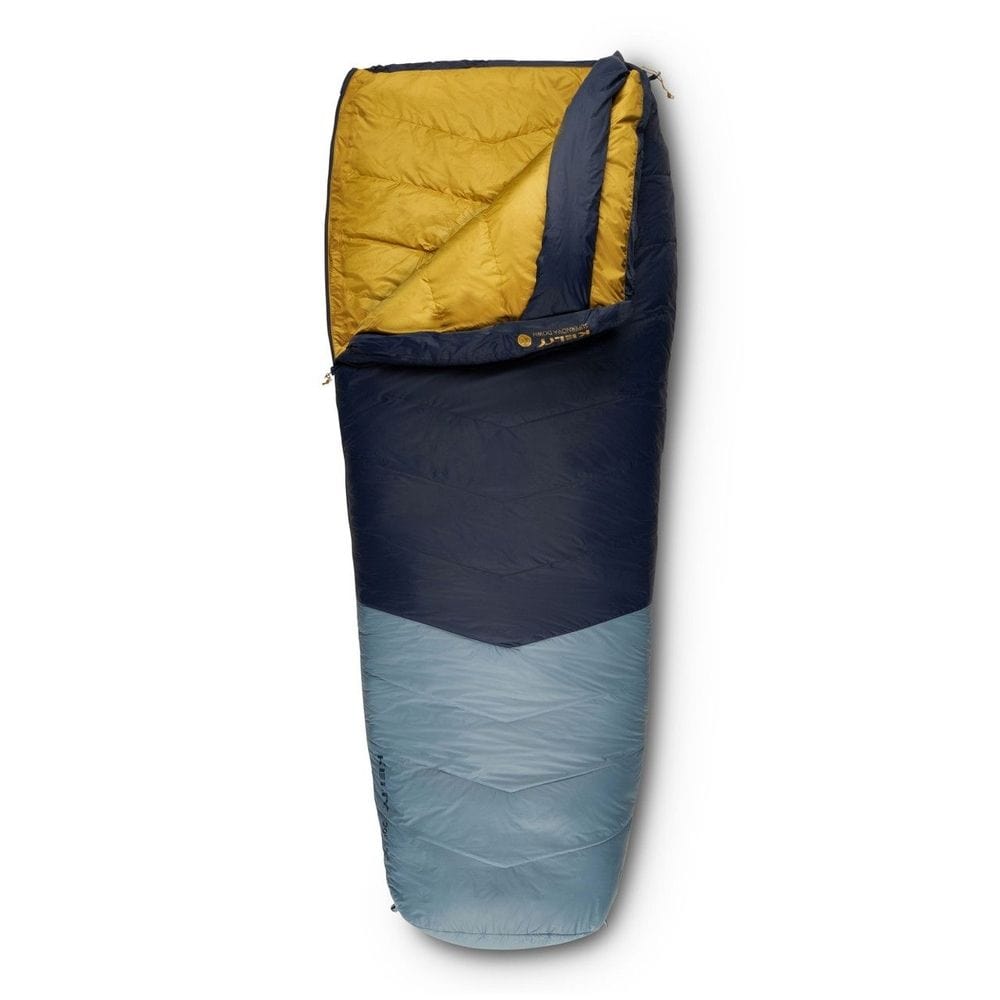
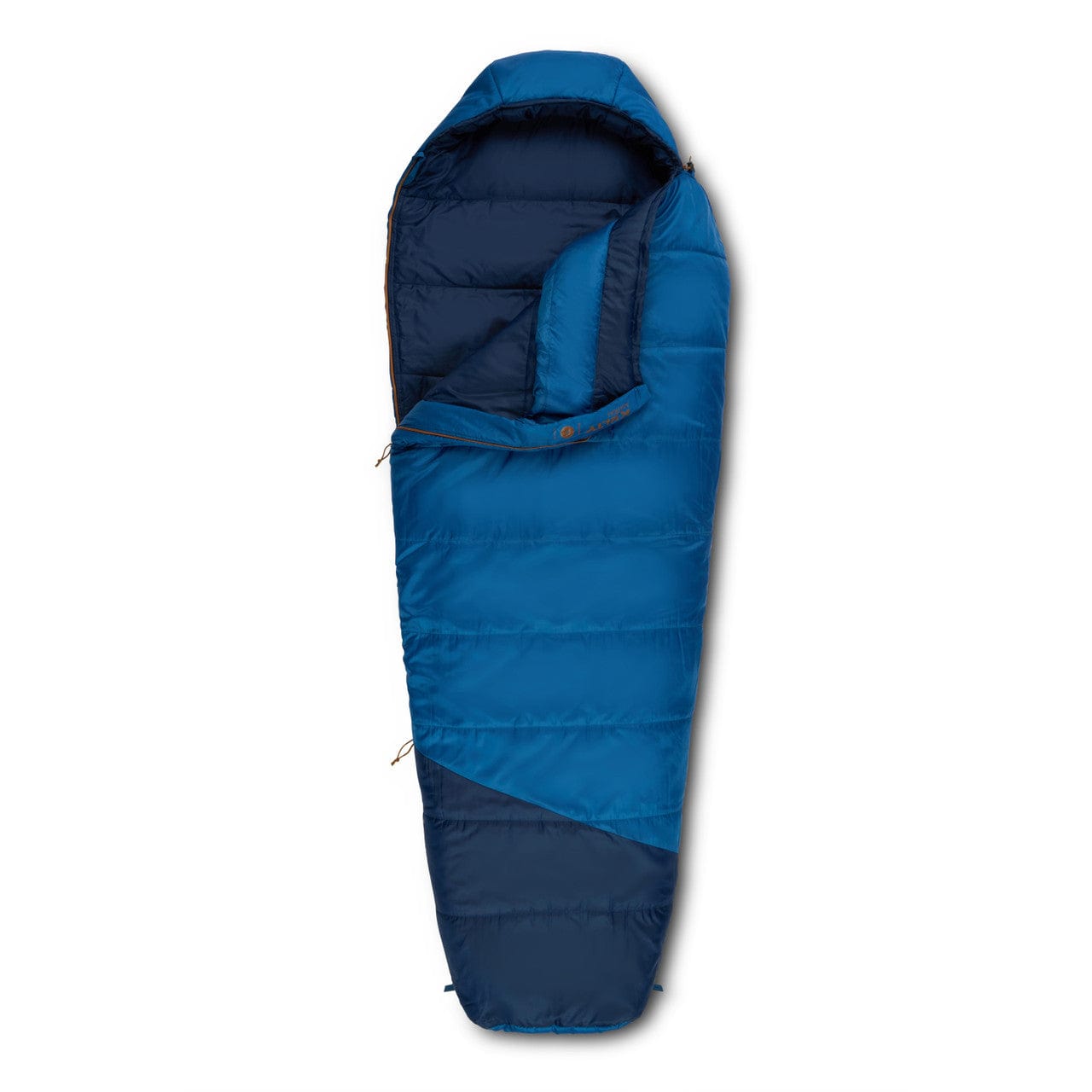
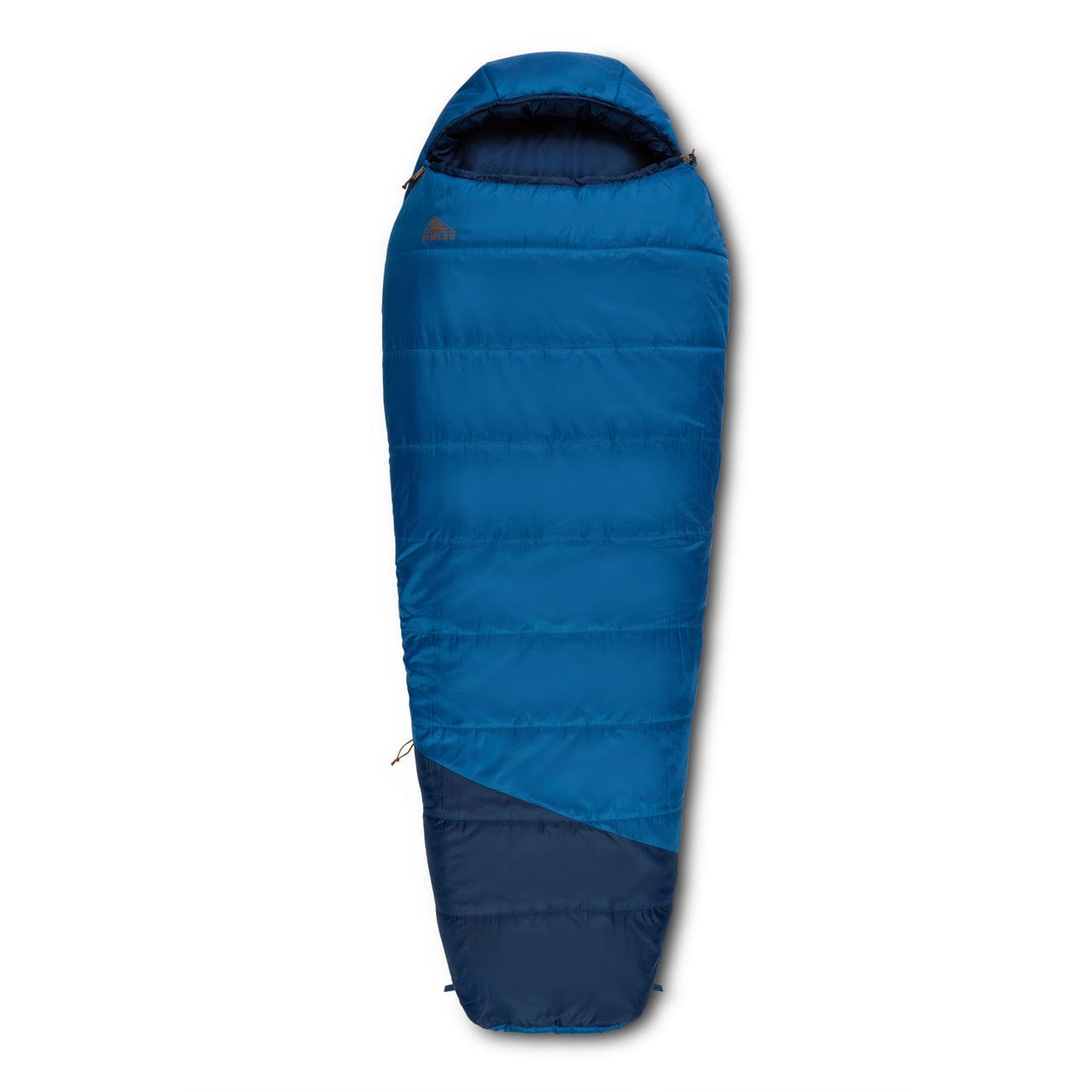
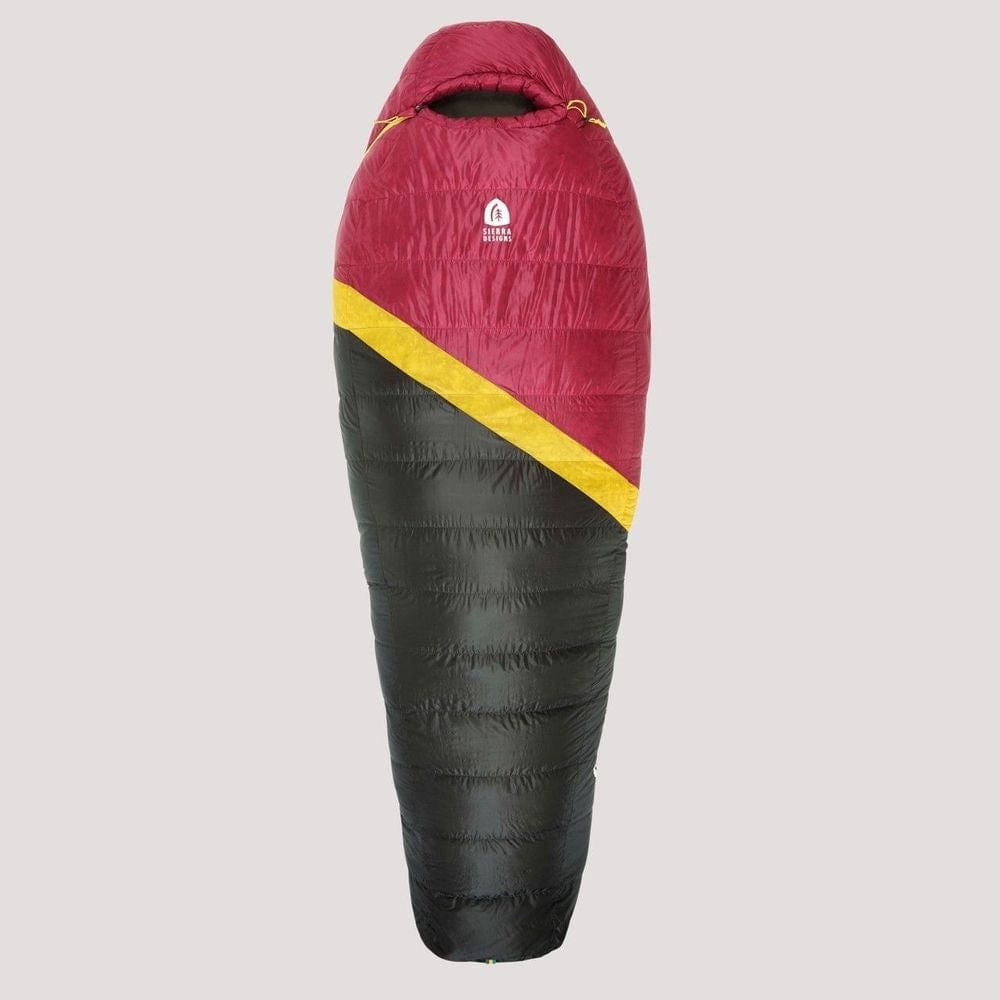
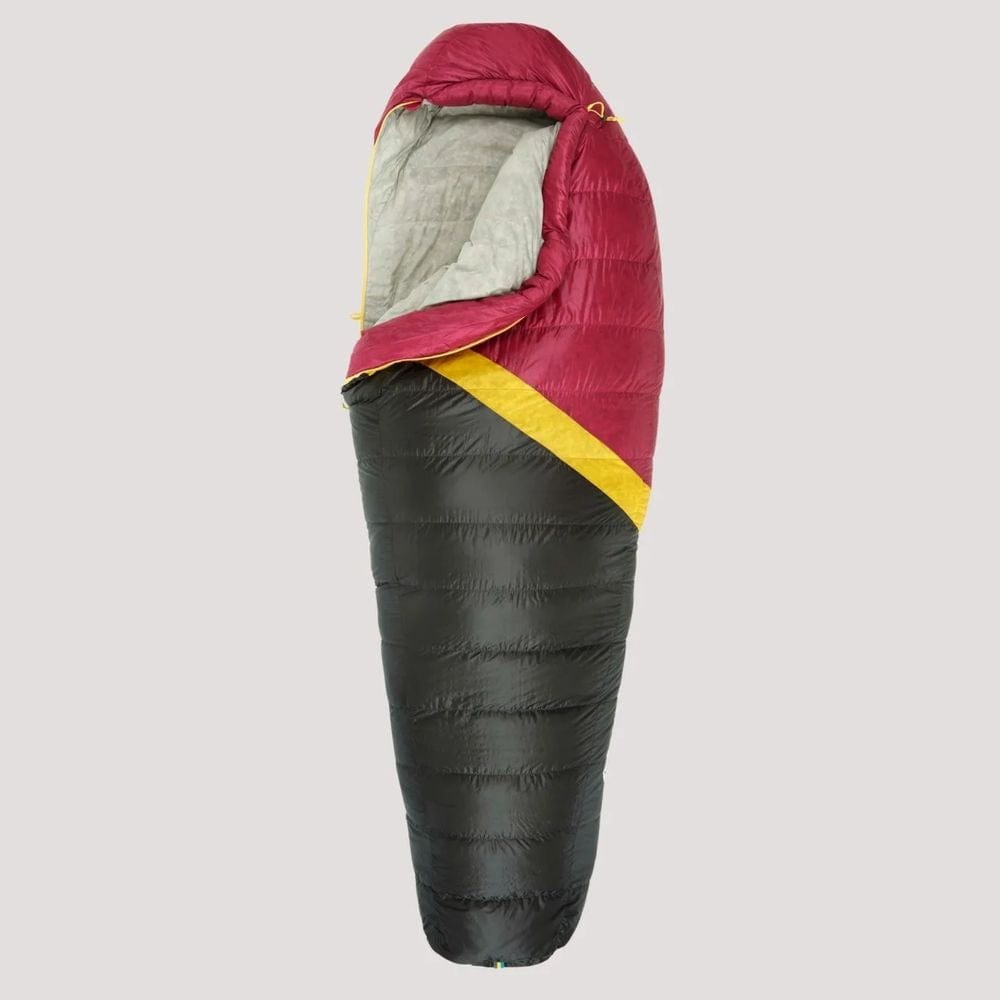
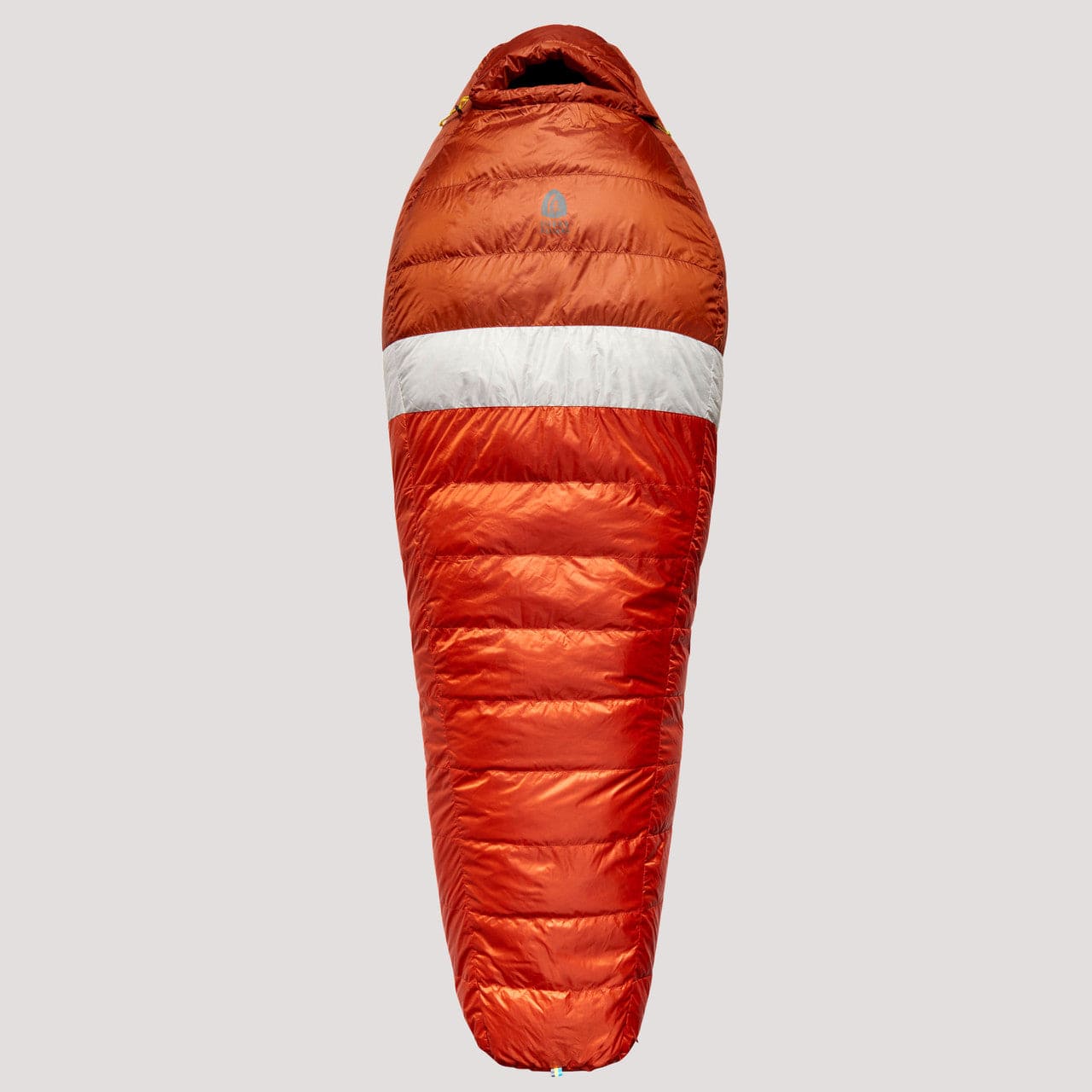
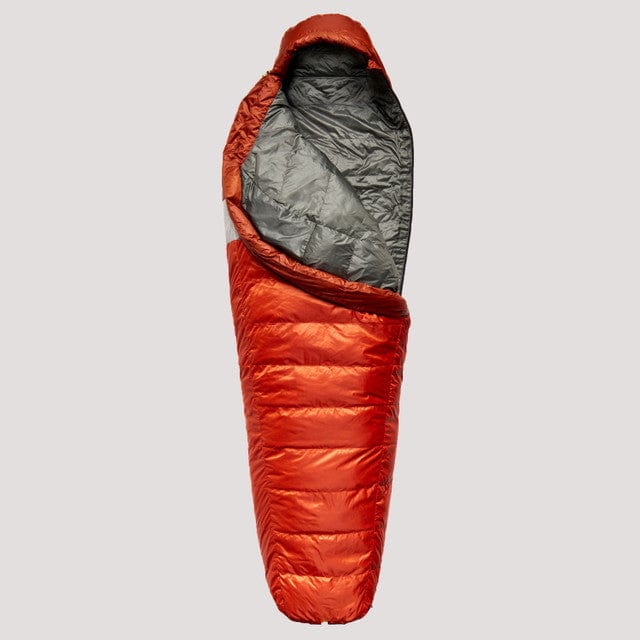
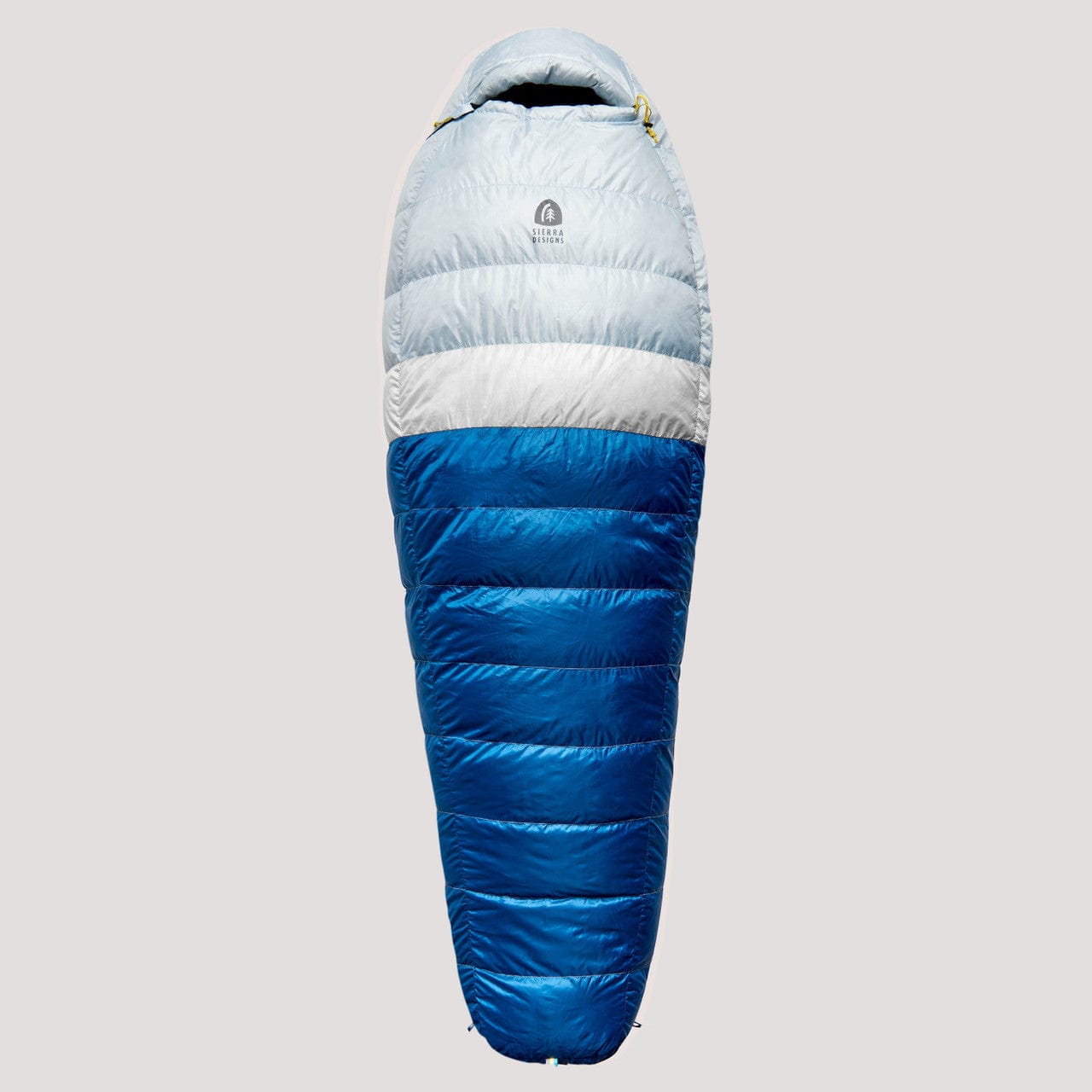
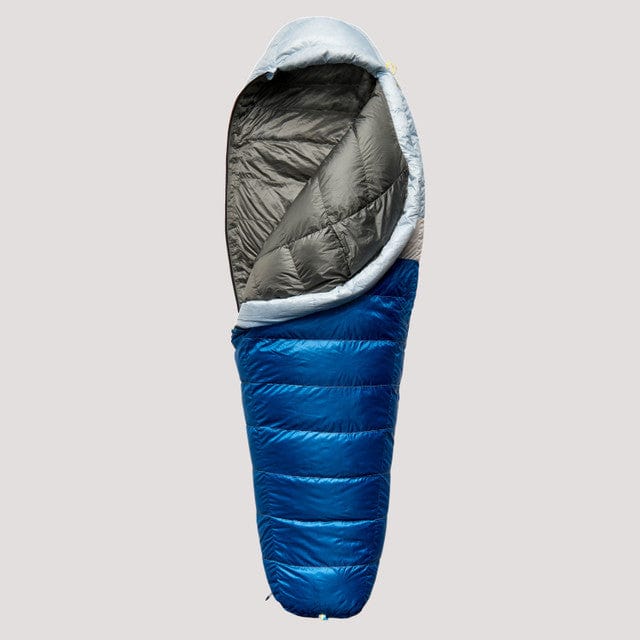
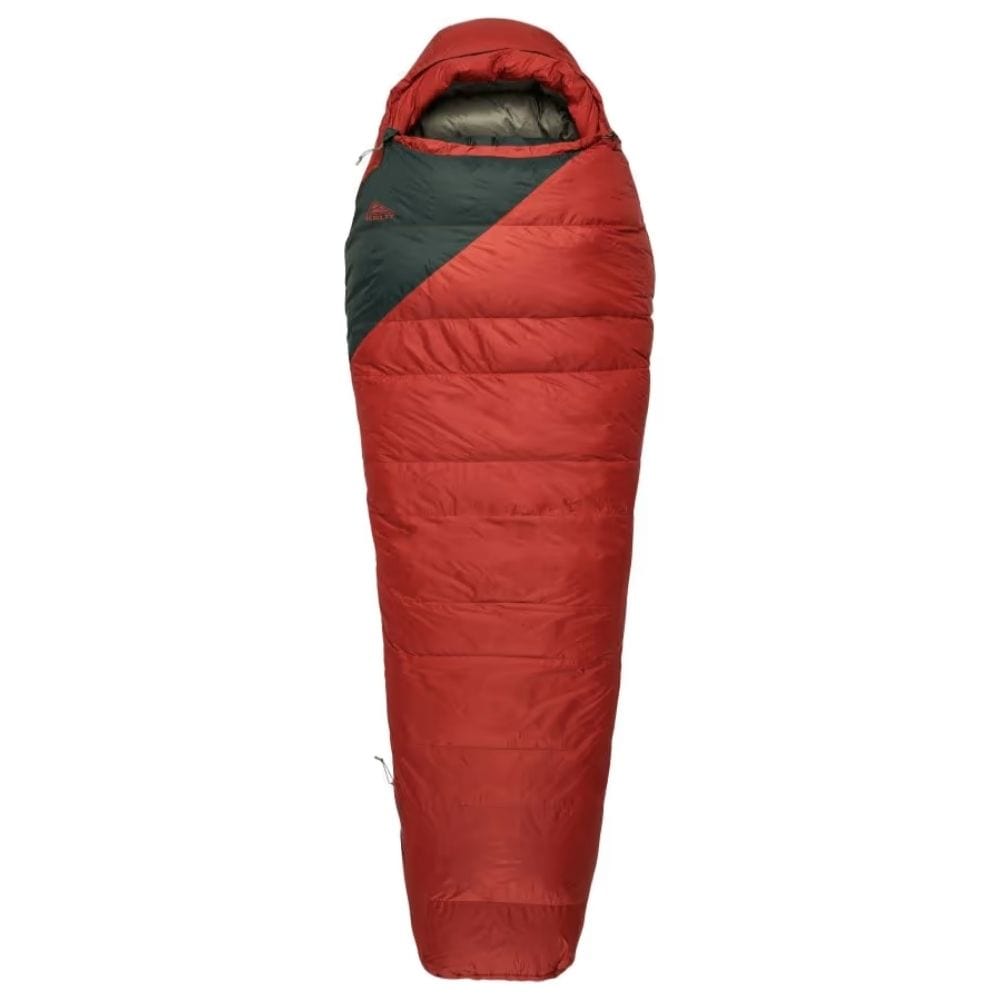
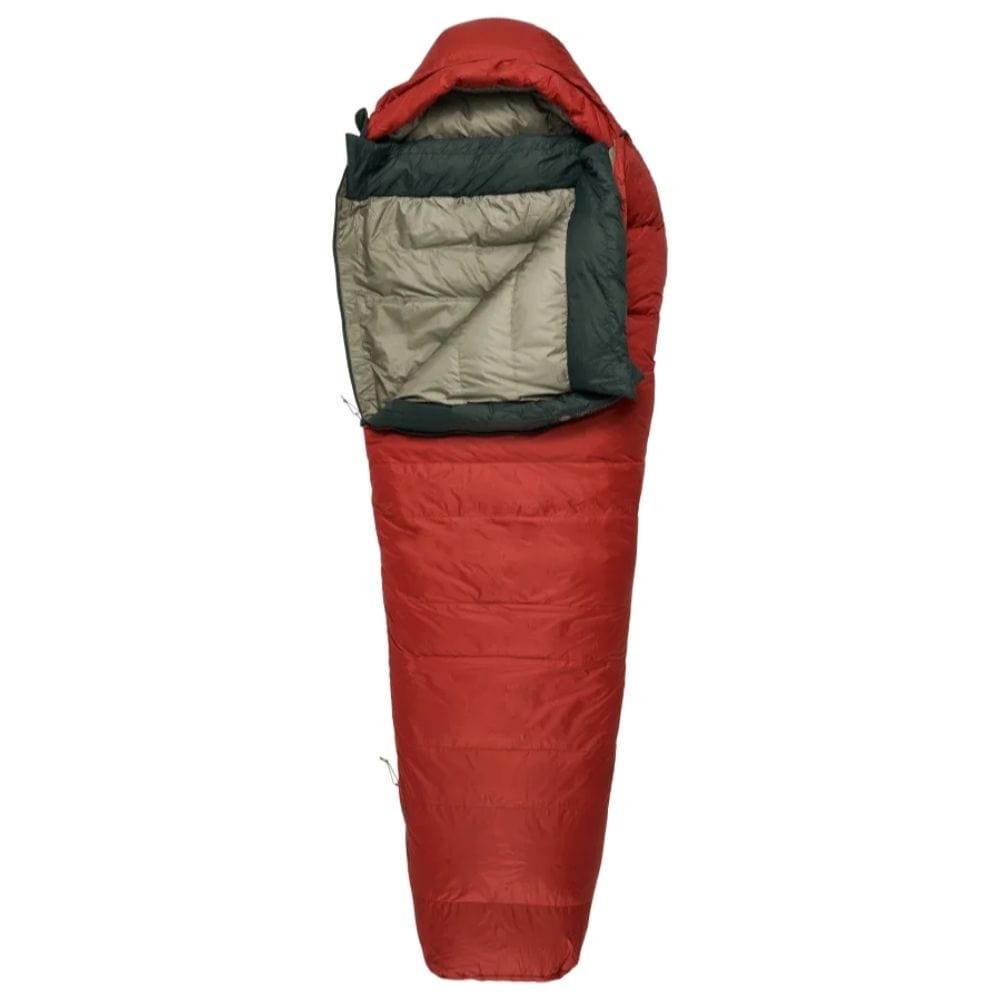
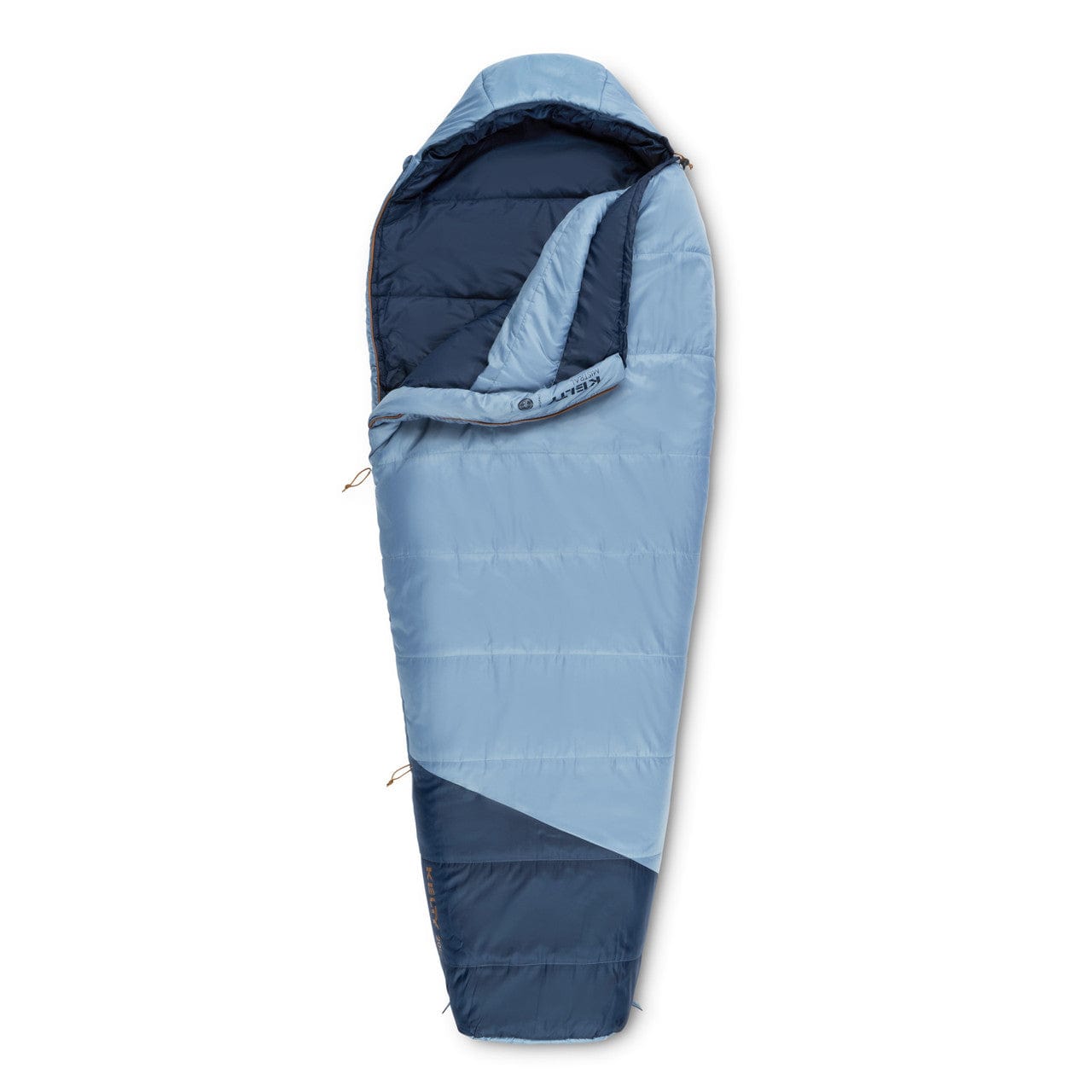
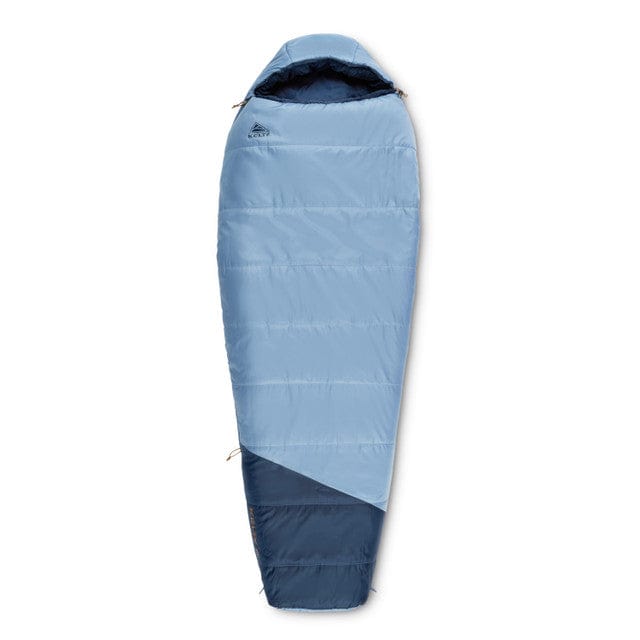
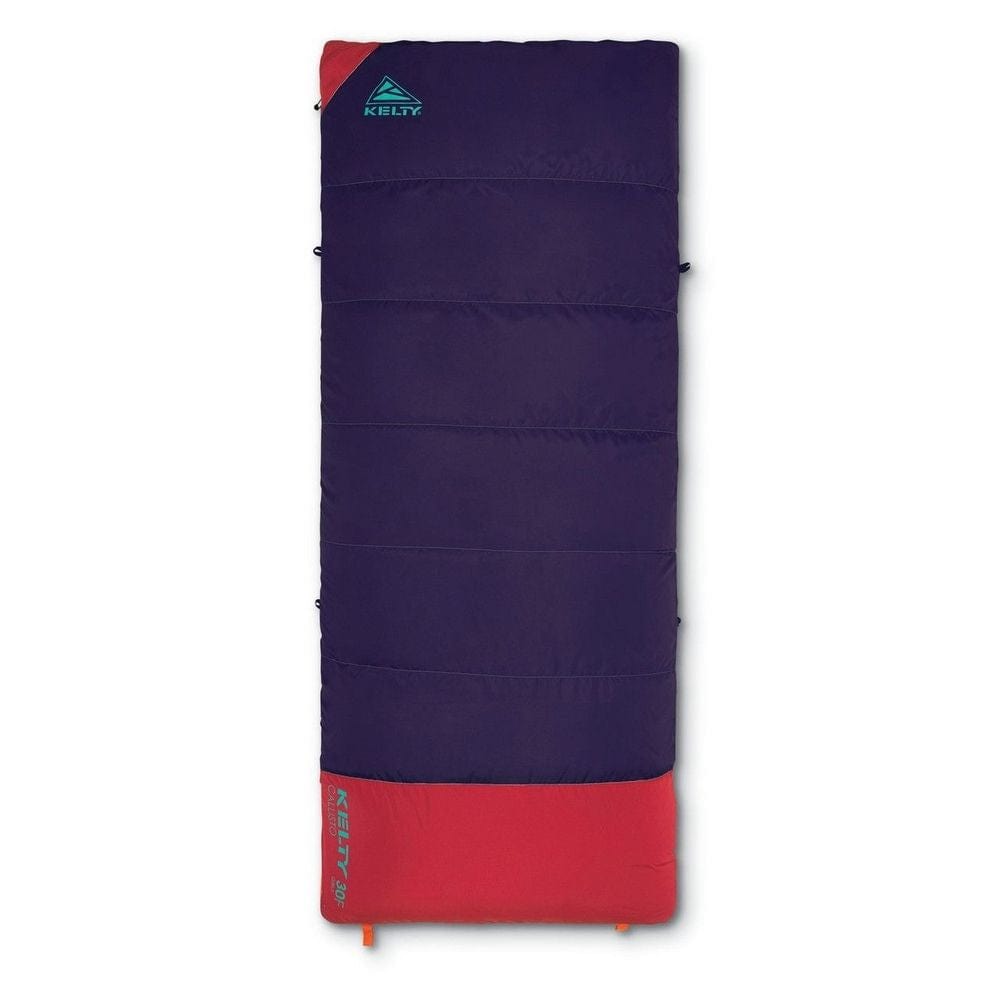
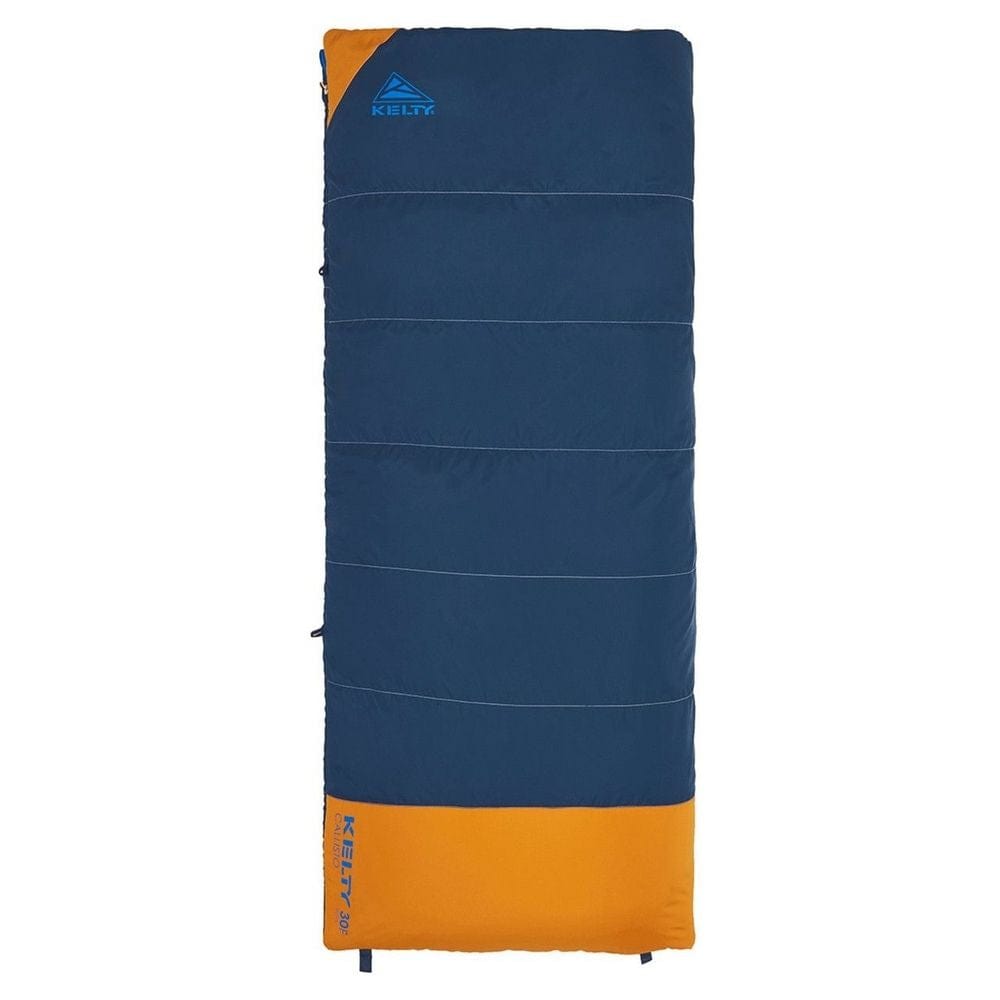
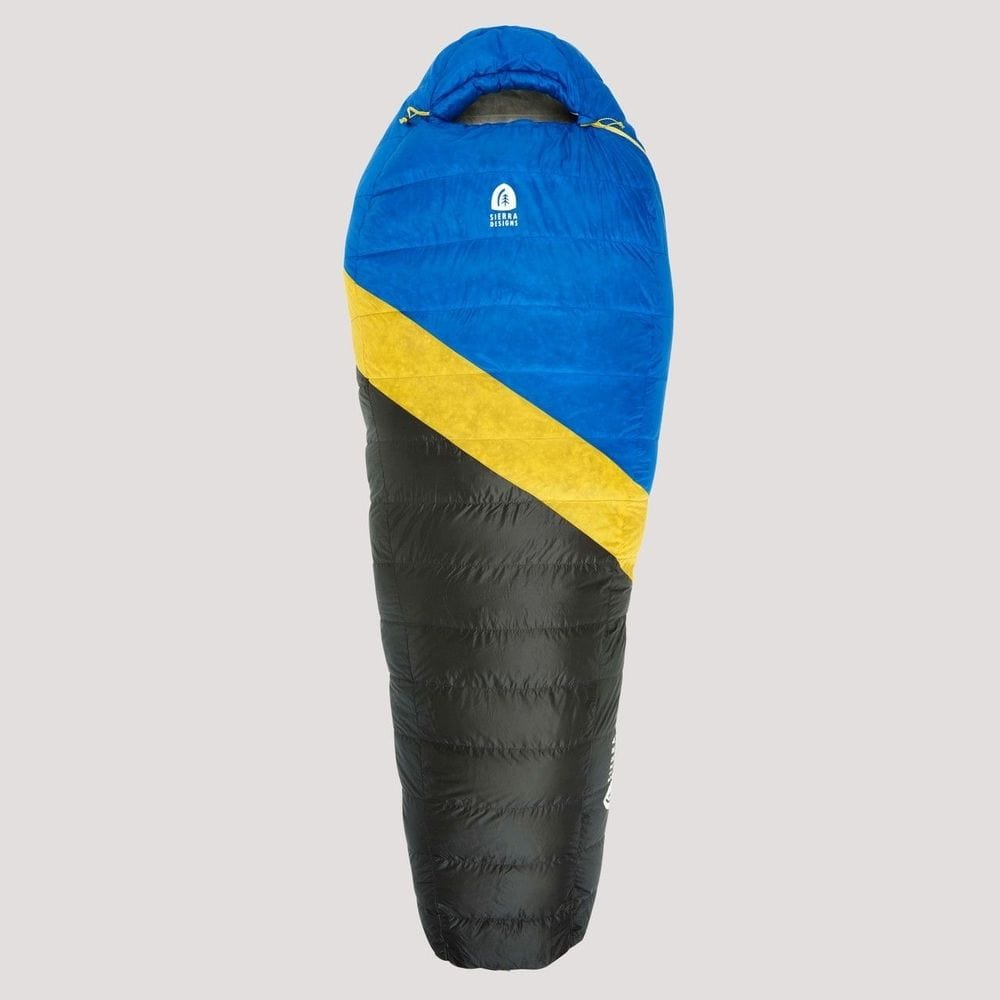
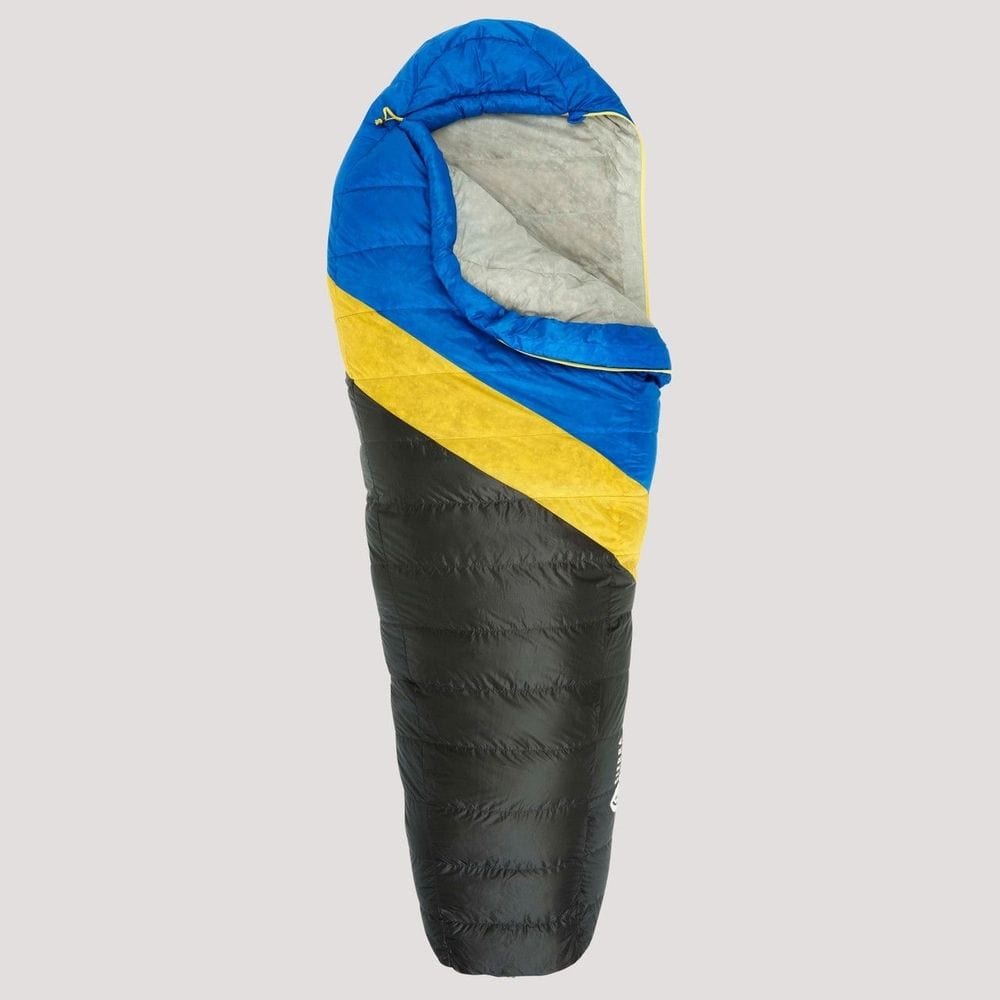
A good night's sleep makes or breaks a camping trip, and the sleeping bag is the single piece of kit that decides whether you wake up warm or shivering. The right bag matches the temperatures you camp in, packs down to fit your pack or car, and keeps you comfortable night after night.
Our sleeping bag range covers summer bags, three-season bags and warmer options for cold nights, in both down and synthetic fills, and in mummy and rectangular shapes. We stock trusted outdoor brands across a range of budgets so you can match a bag to your trips and your comfort.
Not sure which rating or fill you need? The guide below explains it all. Browse the range below, or pair your bag with a shelter from our tents collection.
How Do Sleeping Bags Keep You Warm?
A sleeping bag traps a layer of still air around you, warmed by your body. The more loft, or thickness, the fill creates, the more warm air it holds and the warmer you stay. This is why the fill type and amount matter more than the outer fabric for warmth.
Understanding Temperature Ratings
Most bags carry temperature ratings that guide which conditions they suit.
- Comfort rating: the temperature at which a typical person sleeps comfortably
- Limit rating: the lower edge where a warm sleeper stays warm, but a cold sleeper may not
- Extreme rating: a survival figure, not a comfort guide
Choose a bag by the comfort rating for the coldest nights you expect, and allow a margin, since everyone sleeps a little differently.
Down or Synthetic Fill?
The fill is the heart of a sleeping bag, and the choice comes down to how and where you camp.
- Down: the best warmth for its weight and packs very small, ideal for backpacking, but loses warmth if it gets wet and costs more
- Synthetic: keeps insulating when damp, dries faster and costs less, though it is bulkier and heavier for the same warmth
For damp UK conditions and car camping, synthetic is a dependable all-rounder. For lightweight backpacking in drier trips, down is hard to beat.
Bag Shapes
Shape affects warmth, weight and how roomy a bag feels.
- Mummy: tapered and hooded for maximum warmth and minimum weight
- Rectangular: roomier and less restrictive, great for warmer camping and comfort
- Semi-rectangular: a middle ground between the two
Backpackers tend to choose mummy bags, while campers who value space often prefer rectangular.
How to Choose the Right Sleeping Bag
Match the bag to your trips:
- Season: summer only, three-season, or cold weather
- Use: backpacking where weight and pack size matter, or car camping where comfort leads
- Fill: down for light and packable, synthetic for damp-resistant value
- Shape: mummy for warmth, rectangular for room
- Your budget
For most UK campers, a three-season synthetic bag with a sensible comfort rating is the versatile choice.
Sleeping Bag Features to Look For
Small details add real comfort: a hood with a drawcord to seal in heat, a draft collar to stop warmth escaping at the shoulders, a zip baffle to block cold through the zip, and a snag-free zip. A compression sack helps pack the bag down small for transport.
Caring for Your Sleeping Bag
Good care keeps a bag lofting and warm for years.
- Air the bag out after each trip before storing
- Store loosely in a large storage sack, never compressed long-term
- Wash only when needed, following the care instructions for the fill
- Use a liner to keep the inside cleaner between washes
Storing a bag squashed in its compression sack is the quickest way to flatten the fill and lose warmth.
How Much Do Sleeping Bags Cost?
Price depends on fill type, warmth and build quality. Basic summer and synthetic bags sit at the affordable end, three-season bags in the middle, and lightweight down bags with high warmth at the top. Spending more usually buys better warmth for the weight, higher-quality fill and features that add comfort. For regular camping, a quality three-season bag is a sound investment.
Why Buy Your Sleeping Bag from Surface2Air Sports?
We have supplied outdoor adventurers since 2002, in store and online.
- Summer, three-season and cold-weather bags
- Down and synthetic fills
- Mummy and rectangular shapes
- Trusted outdoor brands
- Honest advice on ratings and fill
Whether you are kitting out for a festival, a backpacking trip or family camping, we can help you choose. Complete your setup with our camping equipment and sleep systems.
Sleeping Bags for UK Camping
UK nights can be cooler and damper than many expect, even in summer, so it pays to choose a bag with a little warmth in hand. A three-season synthetic bag covers most of the year here, handling chilly spring and autumn nights as well as summer. Because conditions are often damp, synthetic fill is a dependable choice that keeps insulating even if it picks up moisture inside a tent.
Packing and Weight for Backpacking
If you carry your bag on your back, packed size and weight become important. Down bags pack smallest and weigh least for their warmth, which is why they suit hiking and wild camping, while synthetic bags are bulkier but more forgiving of damp. A compression sack helps squeeze a bag down for the trail, though you should always store it loose at home to protect the loft.
Using a Liner and Sleeping Mat
Two simple extras make any bag work better. A liner adds a few degrees of warmth, keeps the inside cleaner between washes, and is easy to launder on its own. A sleeping mat insulates you from the cold ground, which draws heat away faster than the air, so pairing a good mat with your bag is one of the best ways to stay warm through the night.
Frequently Asked Questions About Sleeping Bags
Which temperature rating should I choose?
Pick a bag by its comfort rating for the coldest nights you expect, and allow a little margin for how you sleep.
Is down or synthetic better?
Down is warmer for its weight and packs smaller, but synthetic handles damp better and costs less. For UK conditions, synthetic is a safe all-rounder.
What is the difference between mummy and rectangular bags?
Mummy bags are tapered and warmer for their weight, while rectangular bags are roomier and better for comfort camping.
How should I store a sleeping bag?
Loosely in a large sack, never compressed for long periods, which flattens the fill and reduces warmth.
Can I wash my sleeping bag?
Yes, when needed, following the care instructions for the fill. Down bags need specific care to keep their loft.
Do I need a sleeping mat too?
Yes. A mat insulates you from the cold ground and adds comfort, working alongside the bag to keep you warm.
What is a draft collar?
A padded baffle around the shoulders that seals in warmth, found on warmer bags for colder conditions.
Let customers speak for us
the whole exercise

item as dscribed, looks fantastic

As described and looks fantastic. thank you
My first board and binding set up after using hire equipment for over a year. These will take some getting used to but step in and strap is a vast improvement. Large to size 12UK looks like it only just fits across the toe strap.
S2AS are my go to online store for anything Snowboarding related and as they say any query just pick up the phone and speak to Ollie (who sounds a lot like Jamie Lang)

Wait for snow
Loved the service in the shop Ollie was very helpful and a pleasure to deal with. Recommend highly
Kind regards
Matt

2026 Slingshot KTV EverShred Wakeboard Bindings

Exceptionally quick delivery, would definitely recommend buying from this site

Hi my in store experience was fantastic from email to shop with your representative Ollie could not have been more polite & helpful
Once I’ve tried the bourd I will send further feedback
Hope your all well
Kind regards
Matt

We ordered a large amount of items that all arrived safely, we kept everything save two jackets which we ordered wrong, but the team were great, we sent them back and got a refund with no hassle. Will definitely use in the future!

Great graphics, good fit and quality

I purchased a wing that was 70% off and I am delighted with my new toy. I had it out today for the first time and despite only being a 2.8m wing, the power and control was amazing. It is so good that I am tempted to buy a bigger size to add to my collection. Thanks again S2AS for another great product for a bargain price 😊

Great carbonboard from Shinn and Raptor fin set at a good price from Surface2Air Sports. Delivered without any problems.

Really well made, super comfortable and love the carry wrap that they are supplied in. Much better than the usual drawstring bags that disintegrate. Best beach chair yet

Excellent item really pleased with it good delivery

2026 Mystic Patrol Boots wakeboard Bag