
Sort by
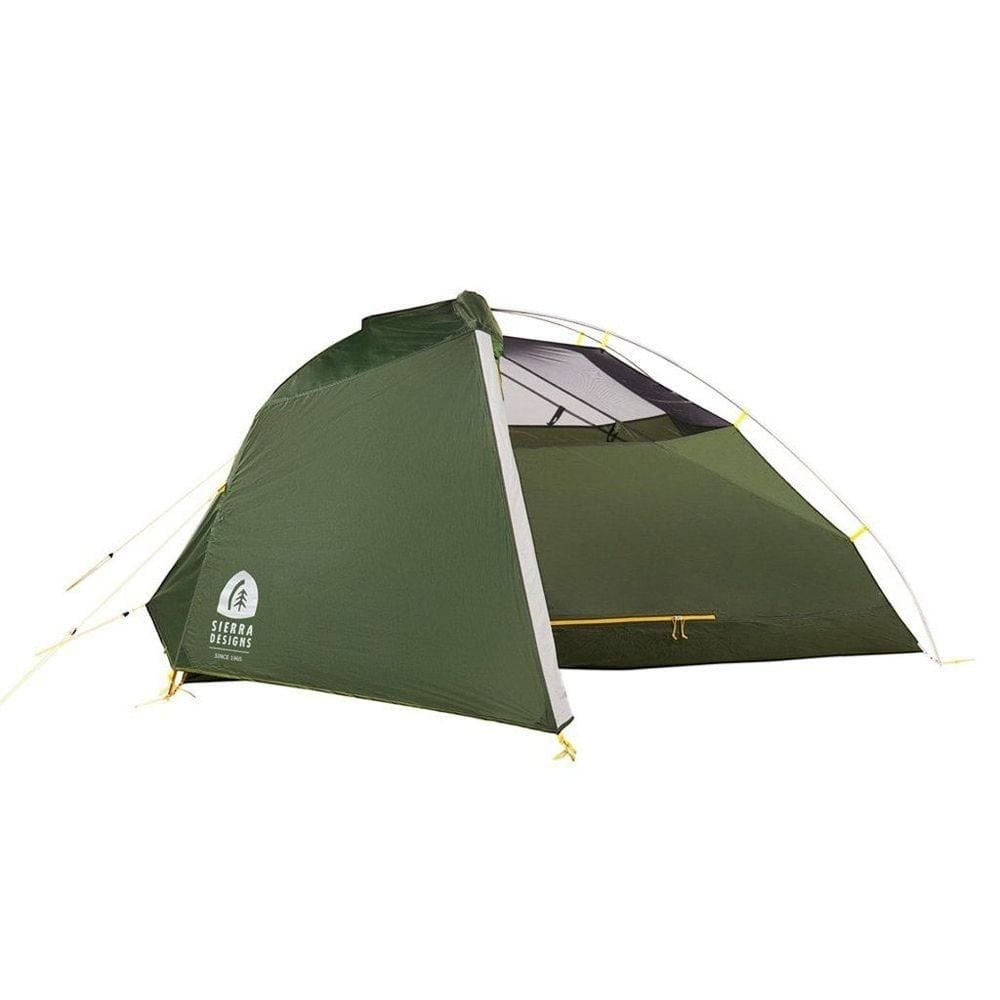
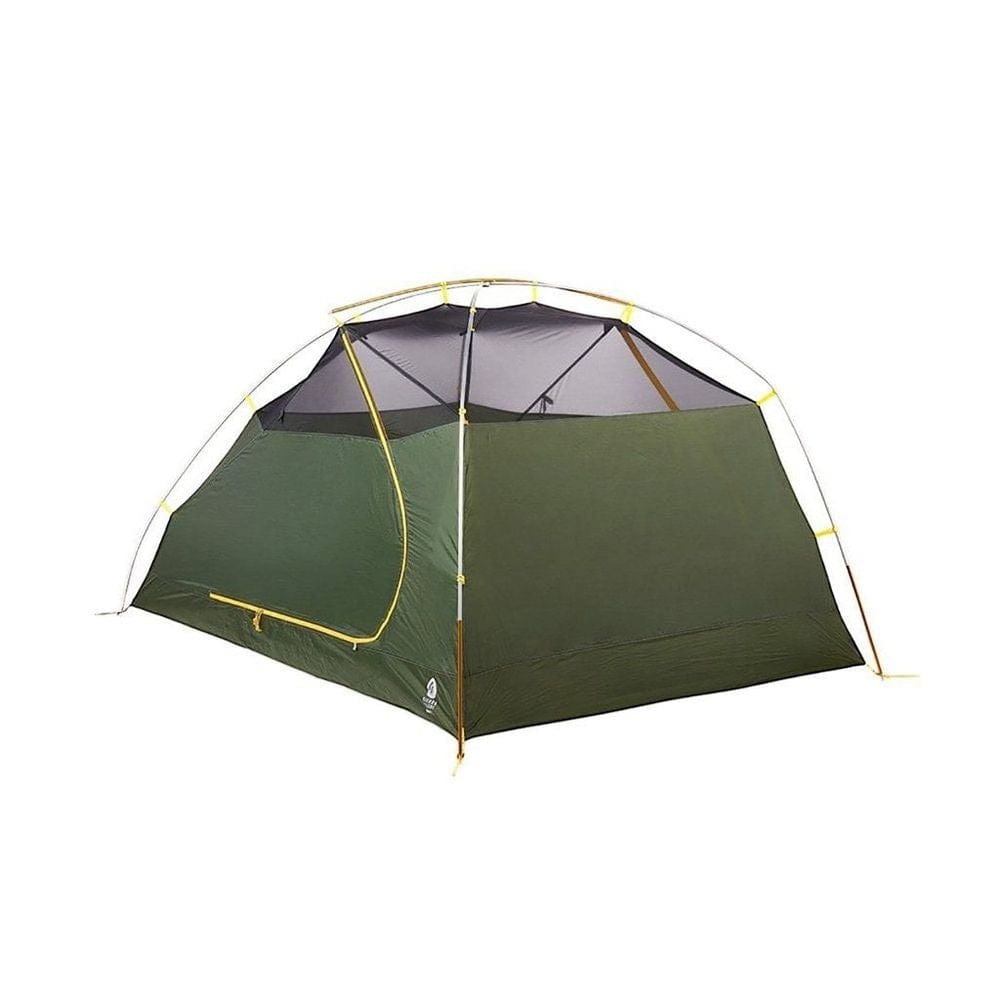
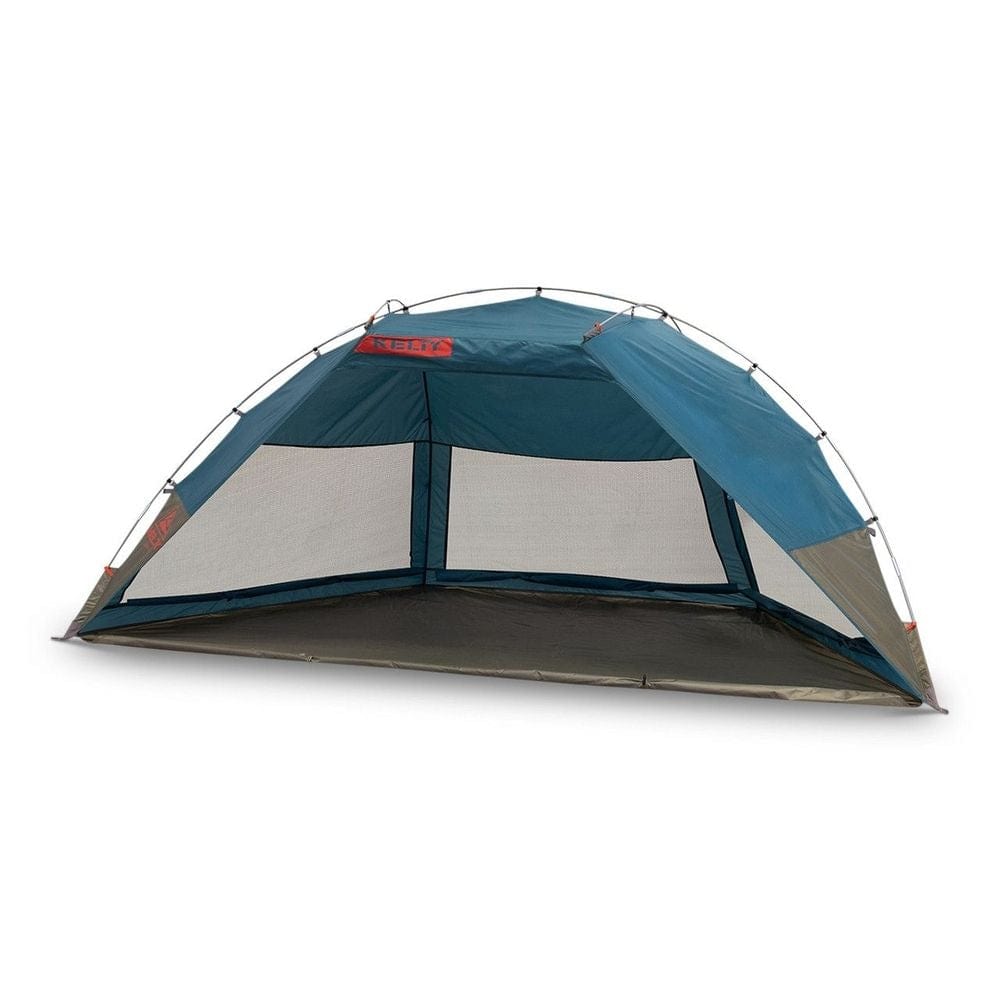
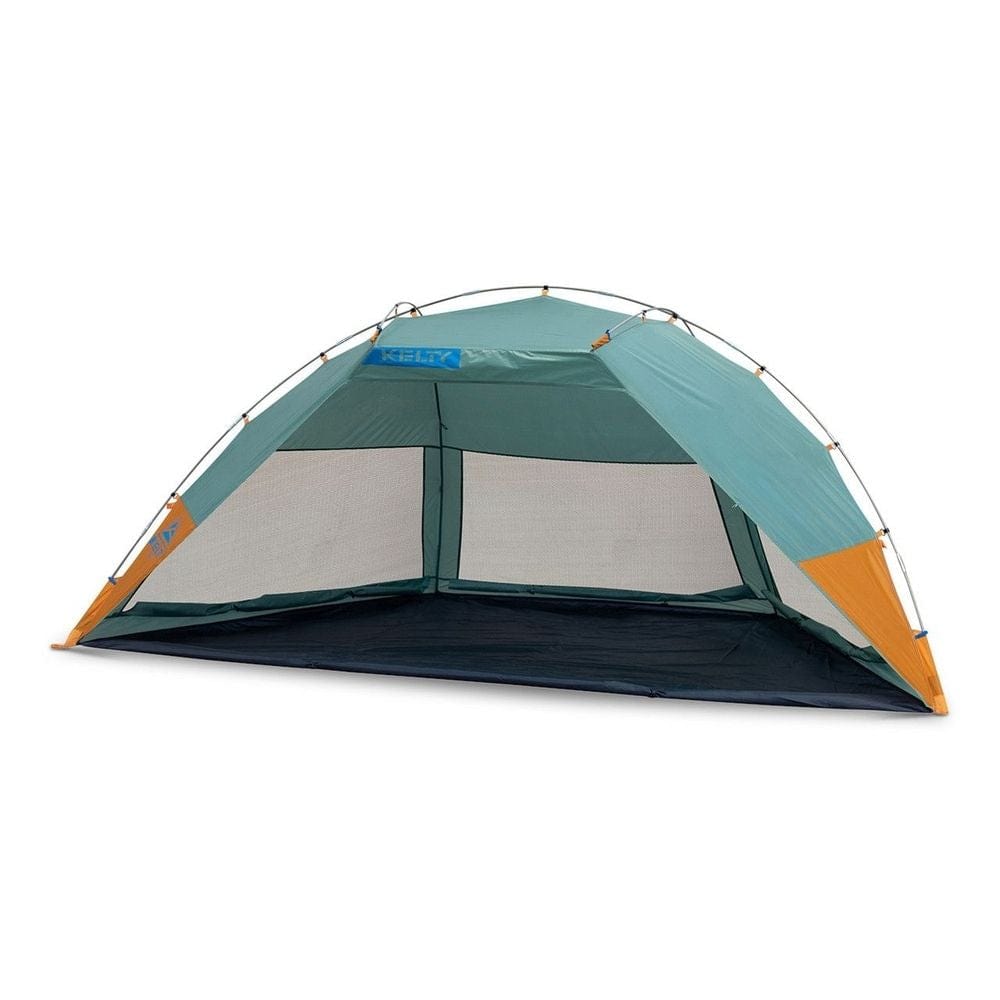
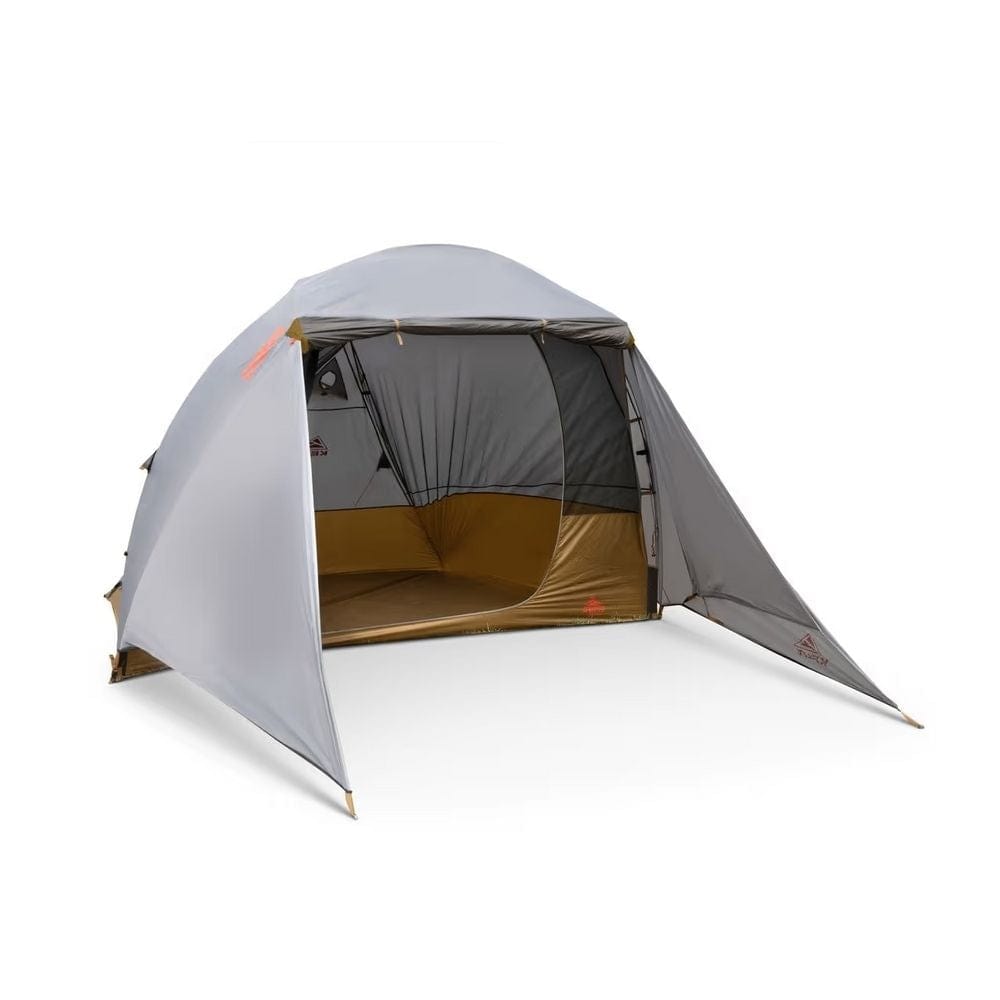
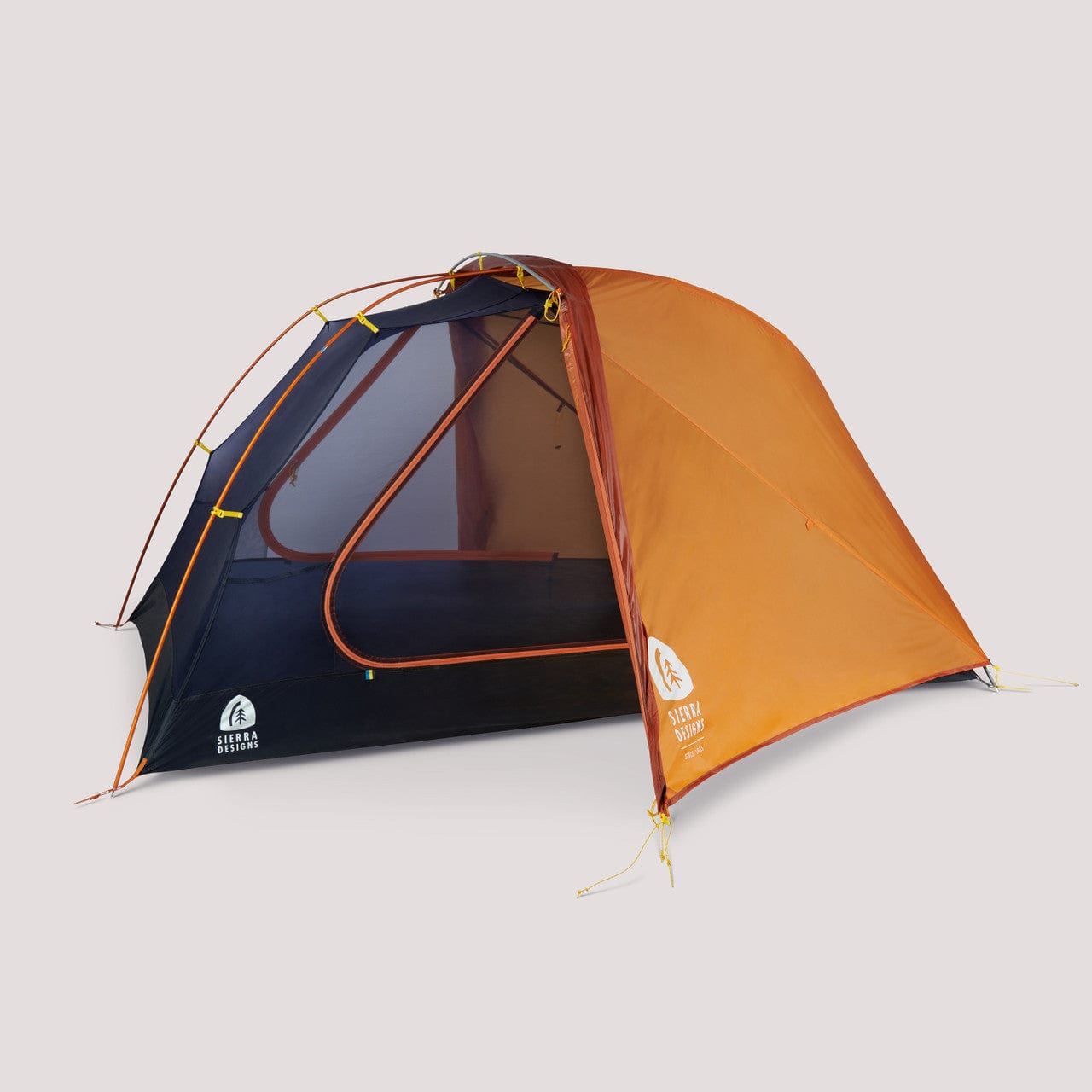
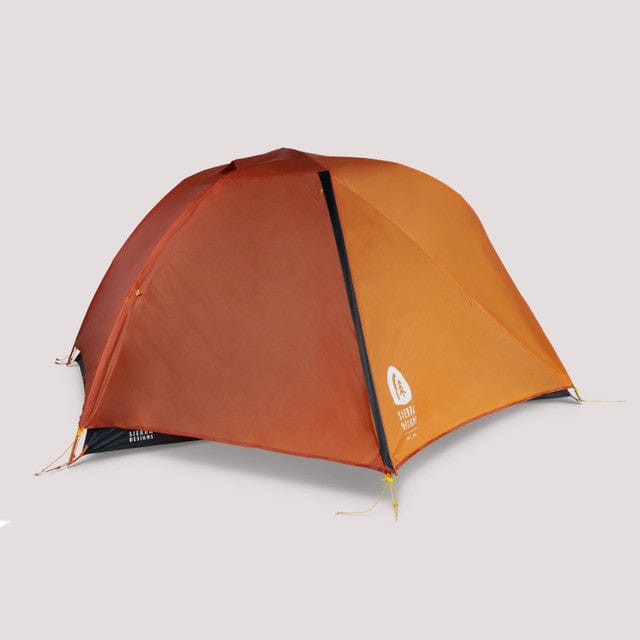
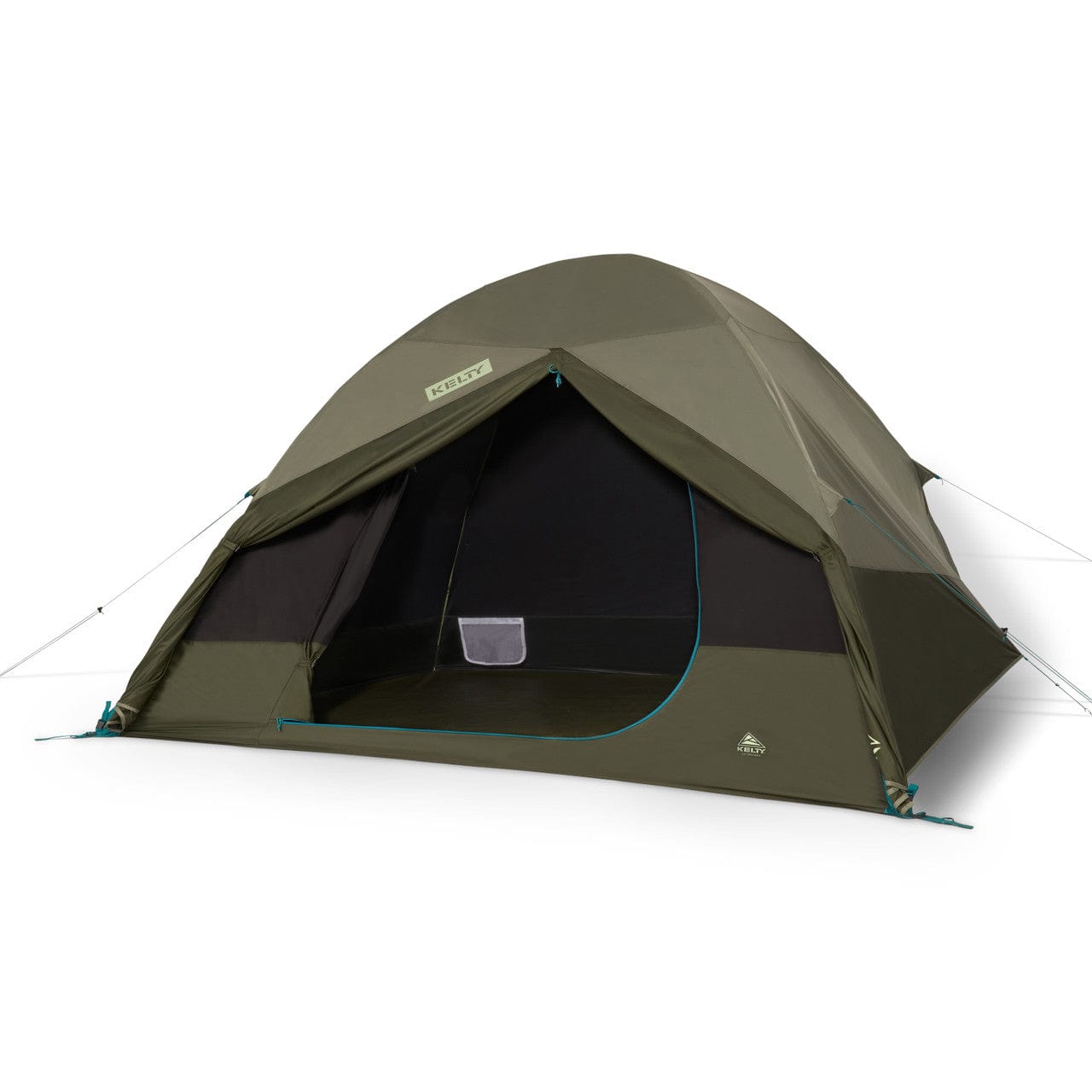
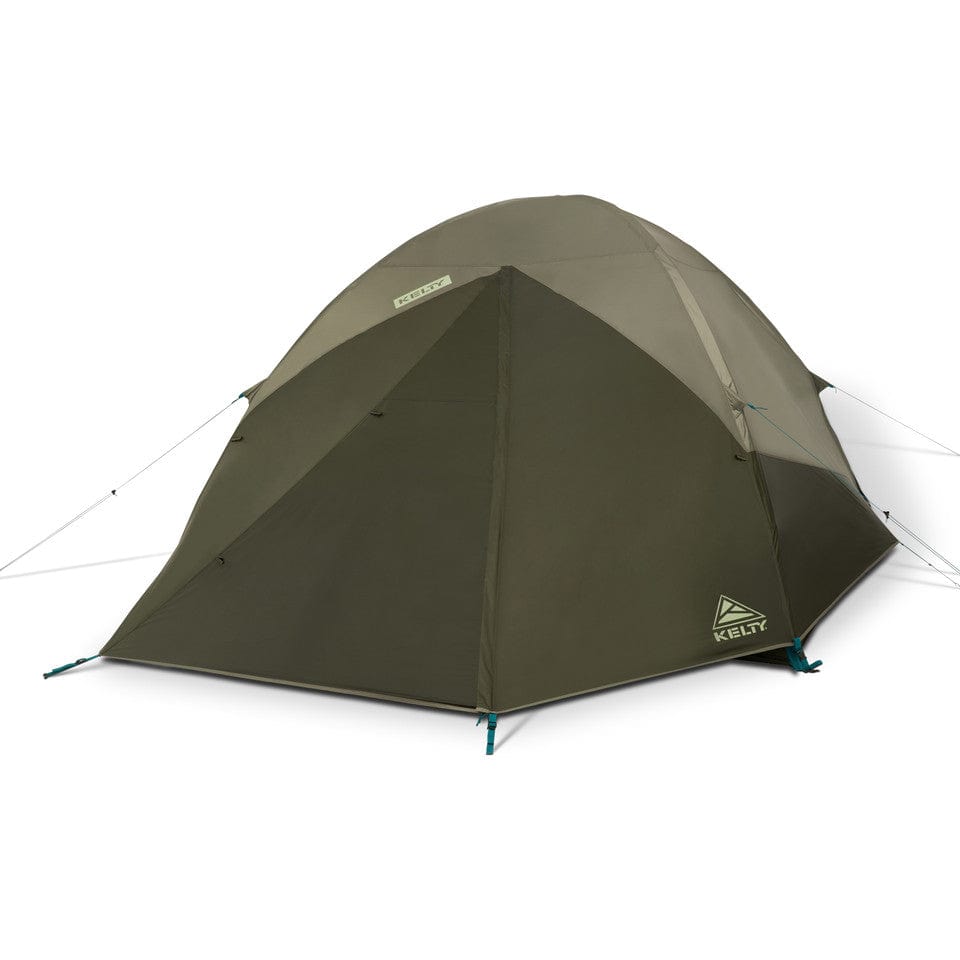

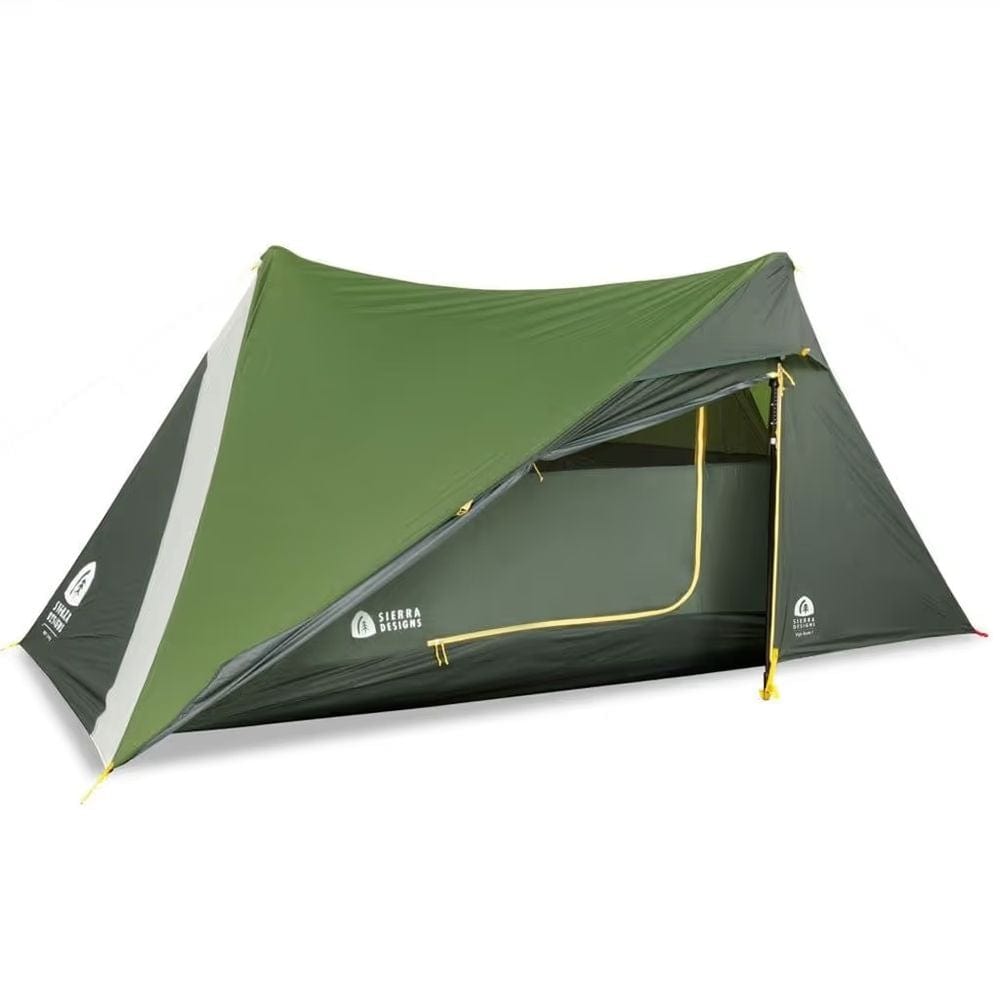
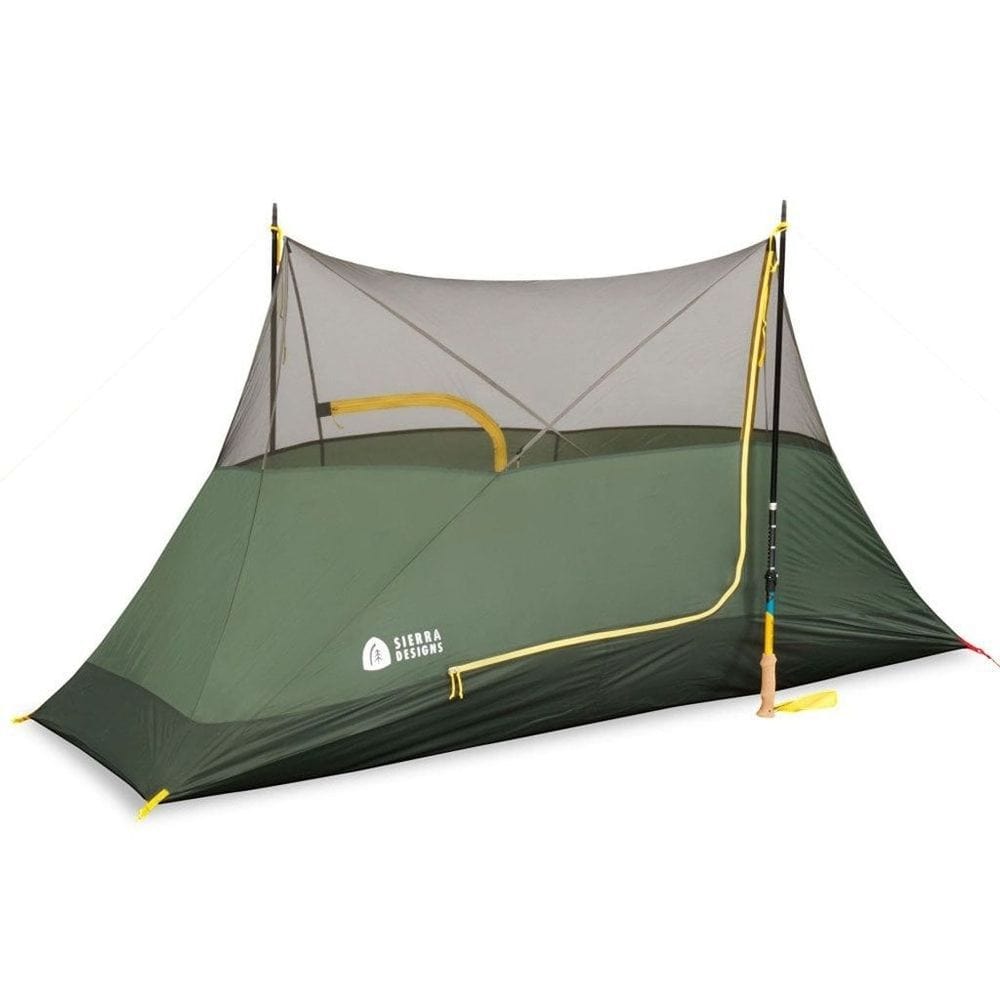
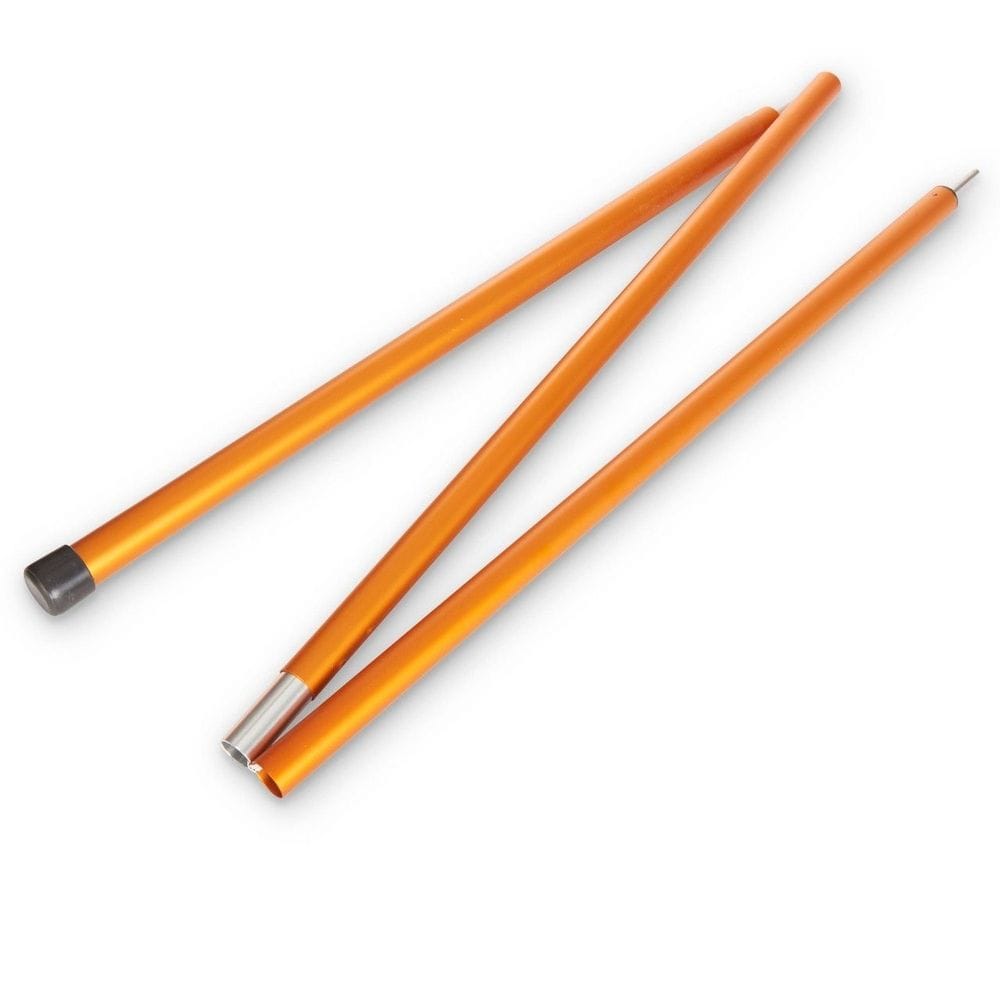
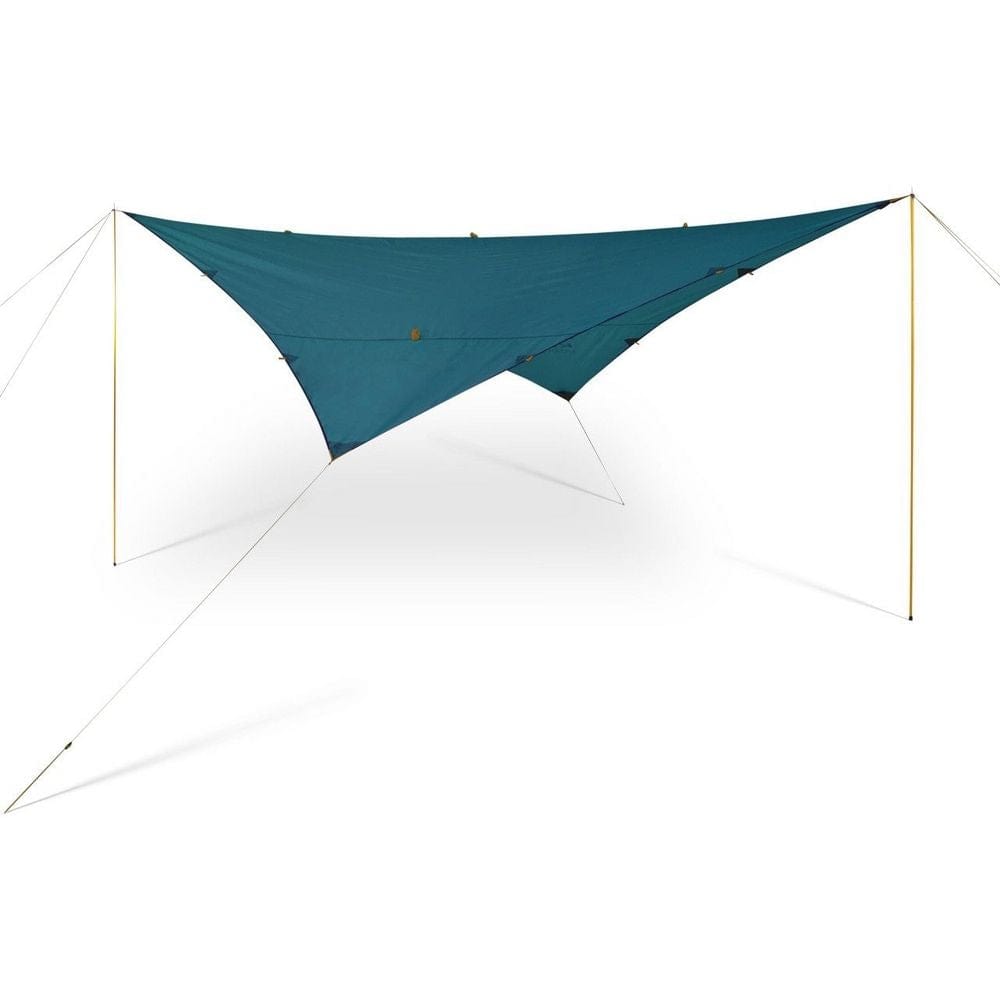
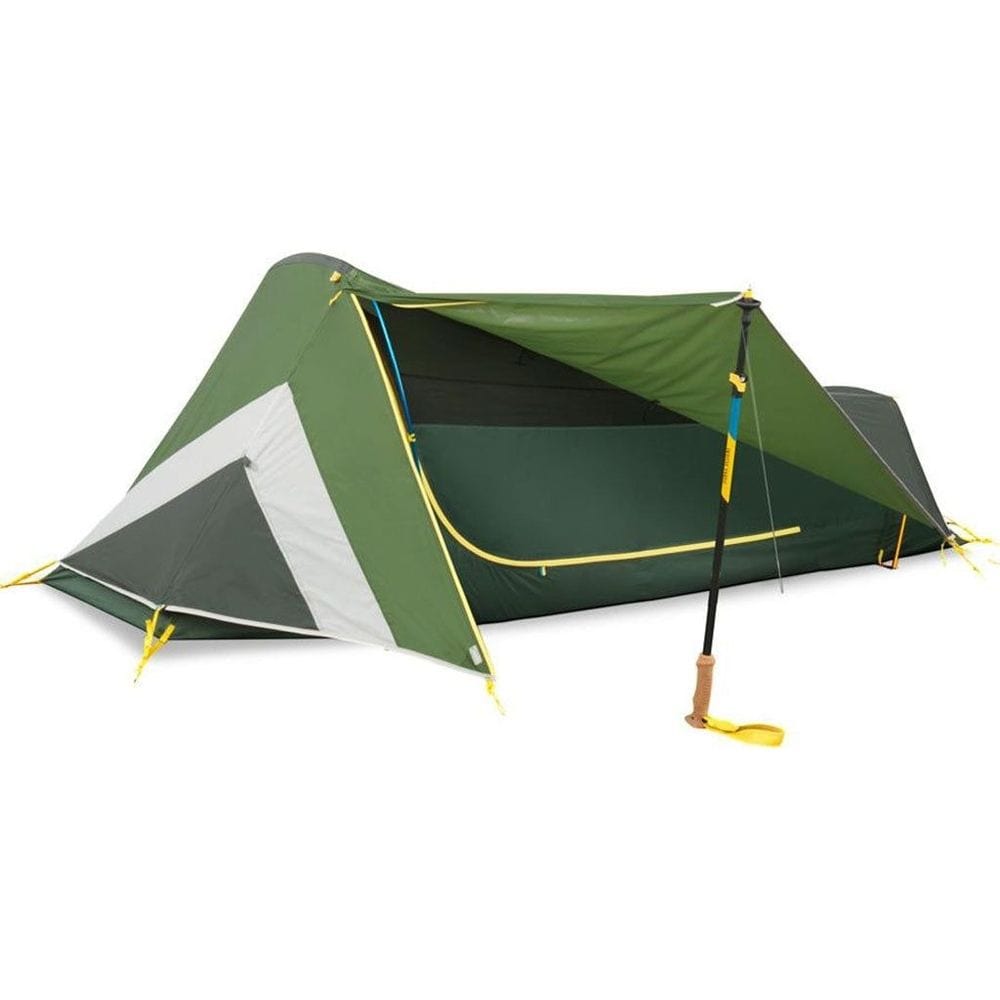
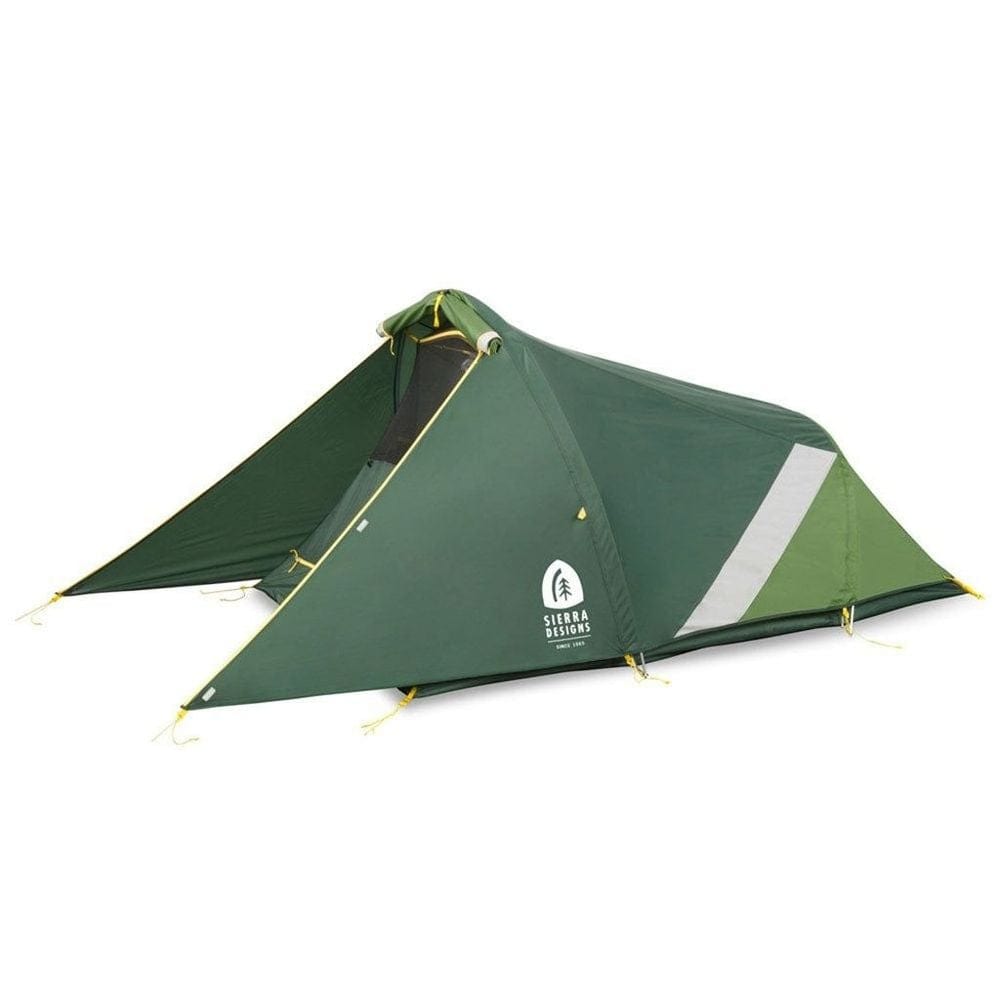
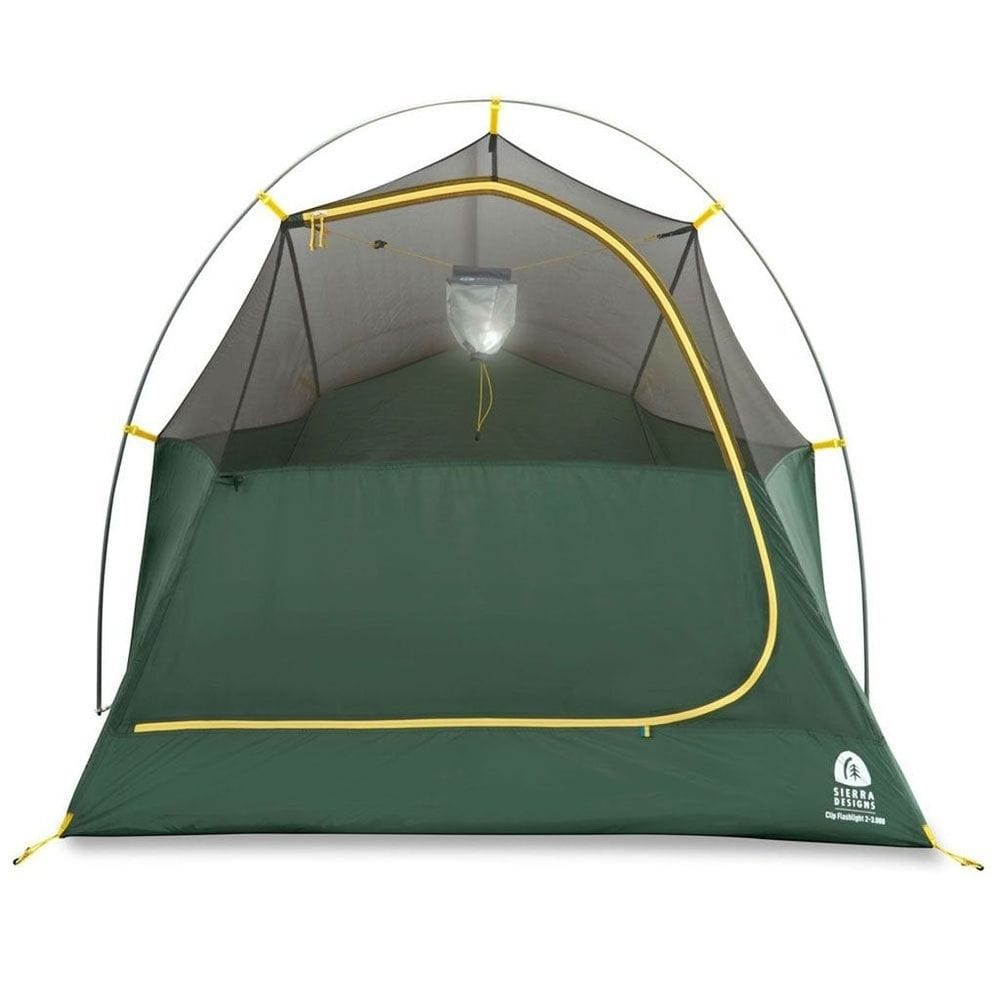
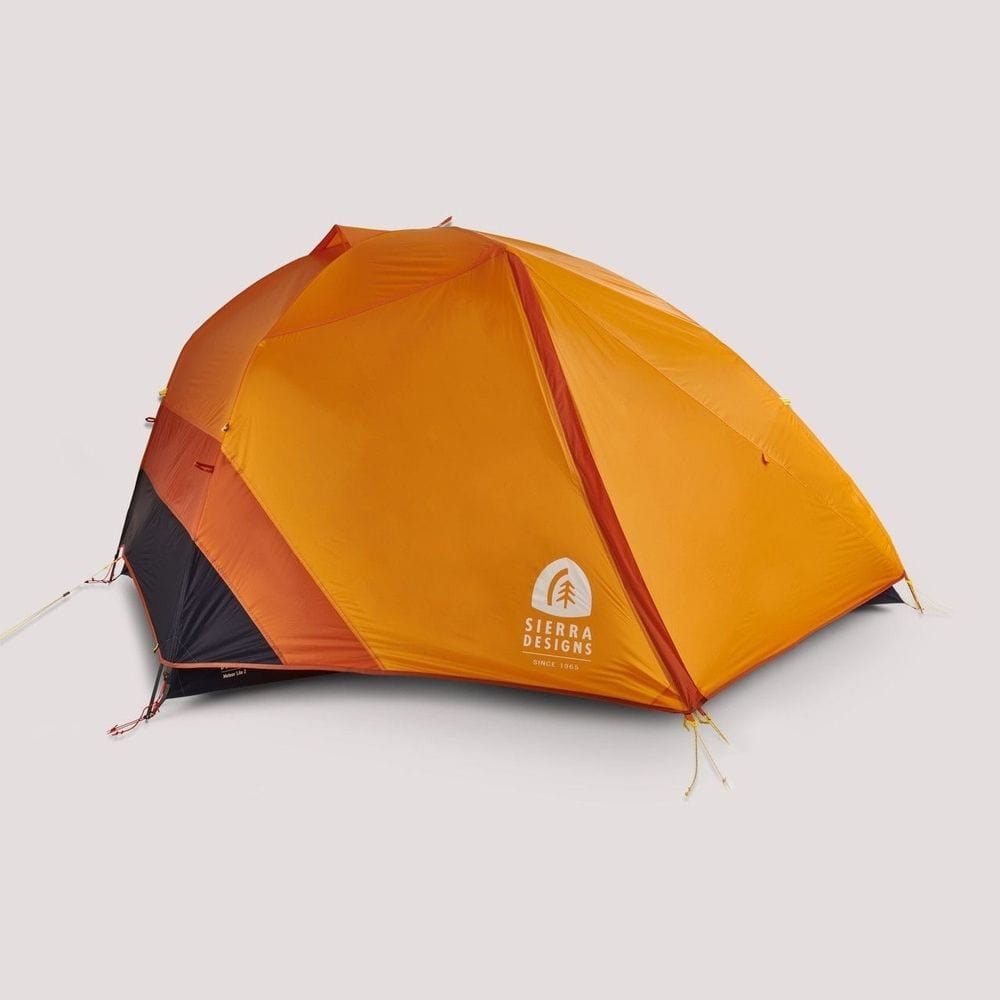
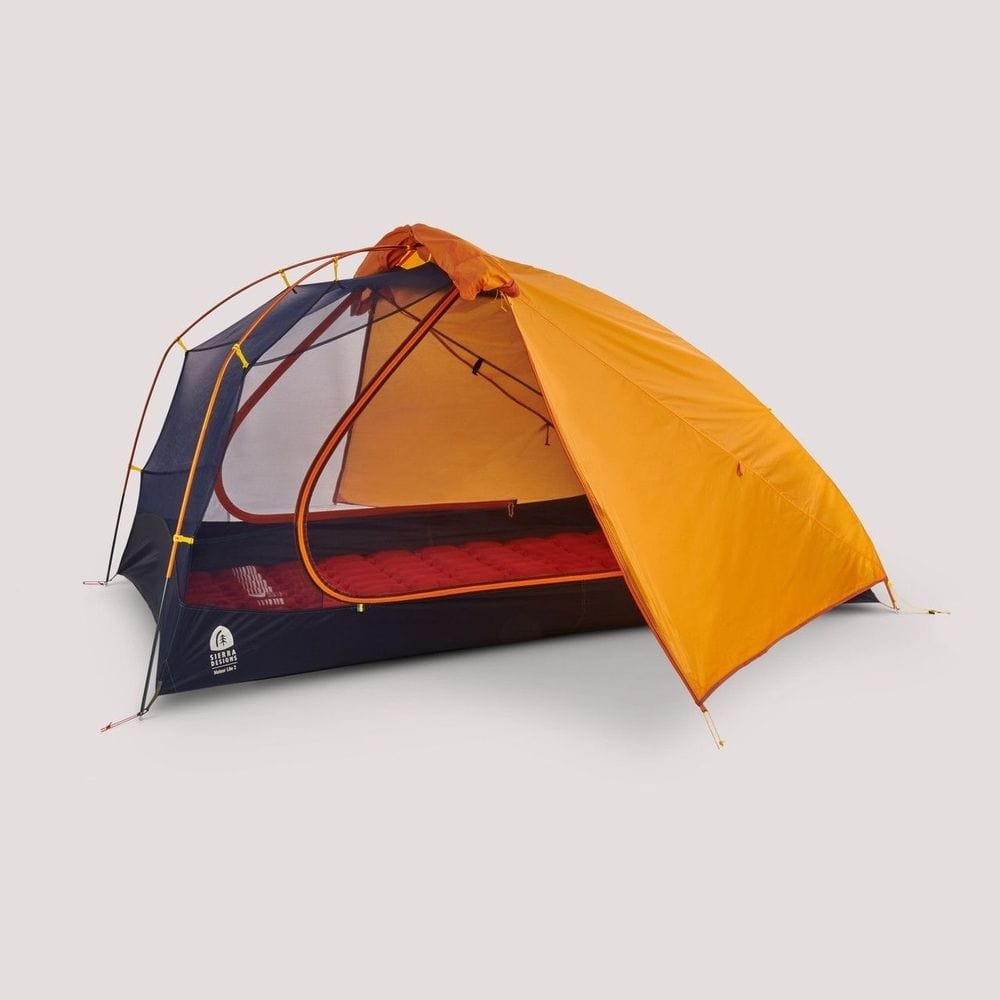
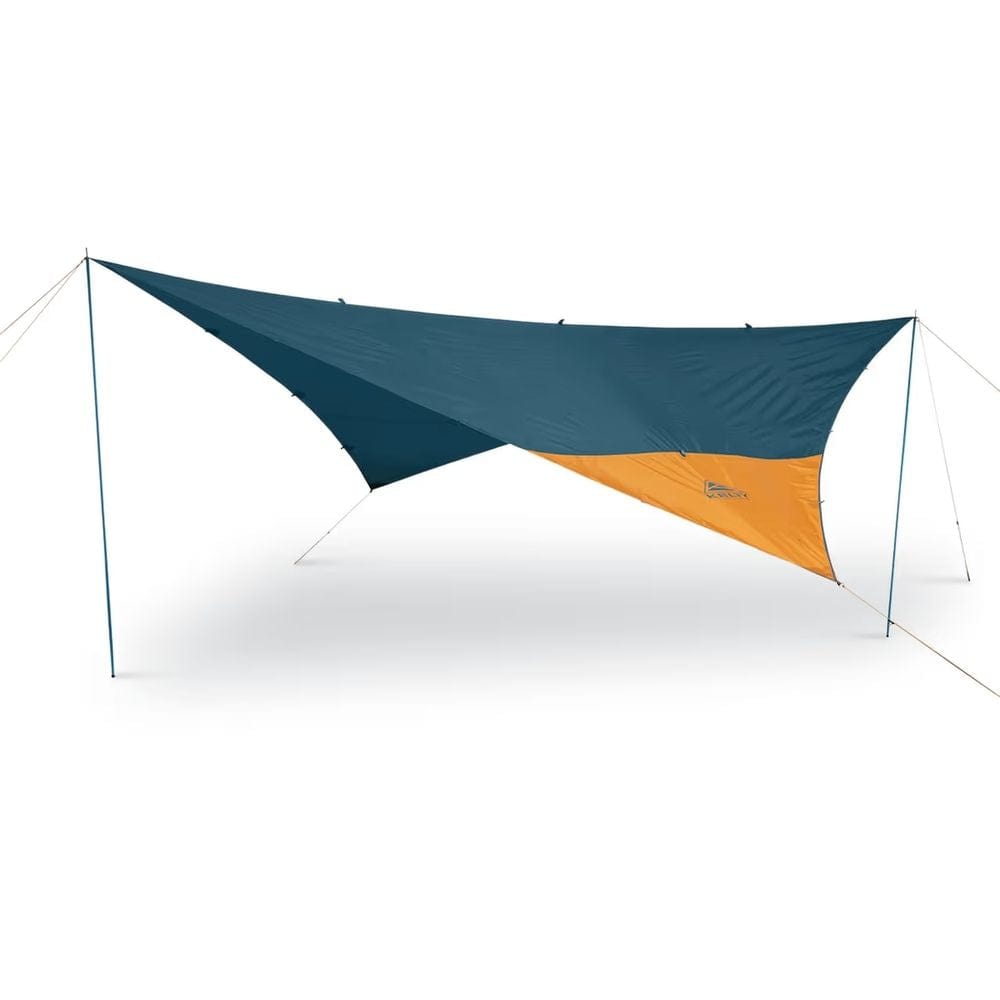
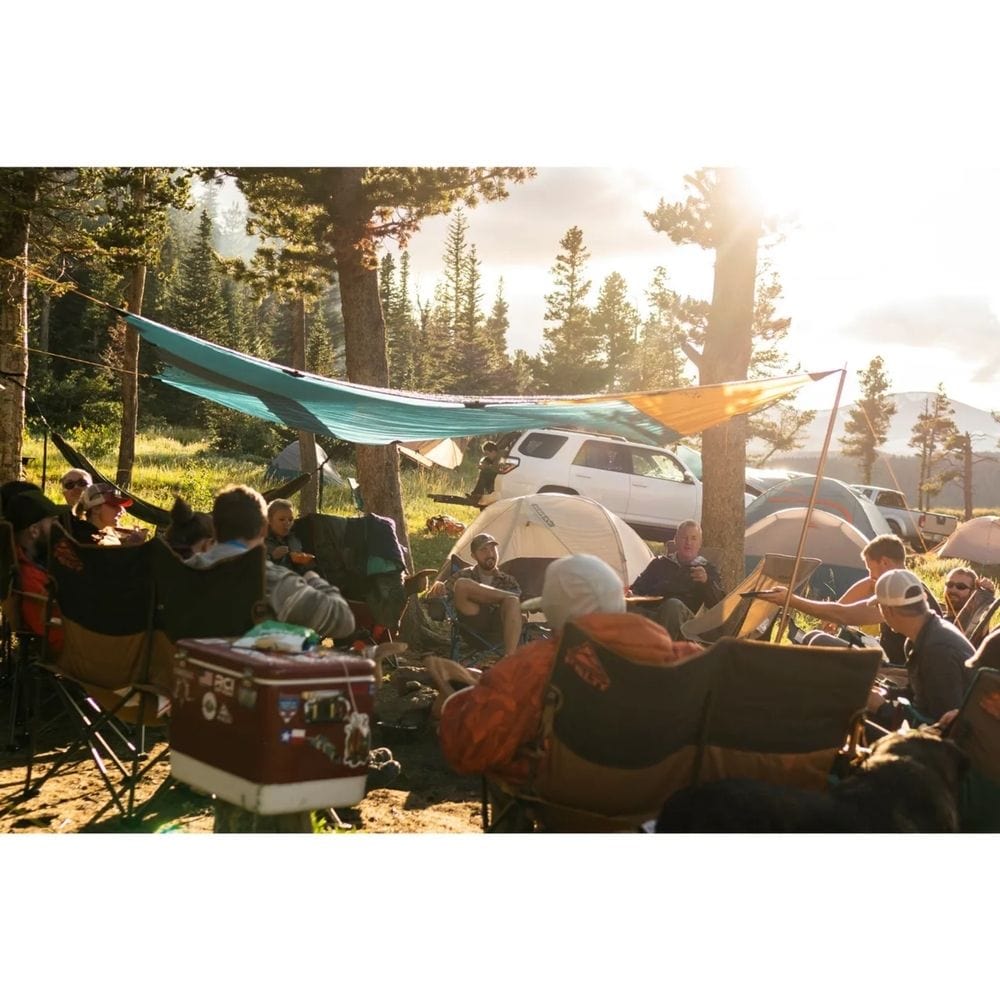
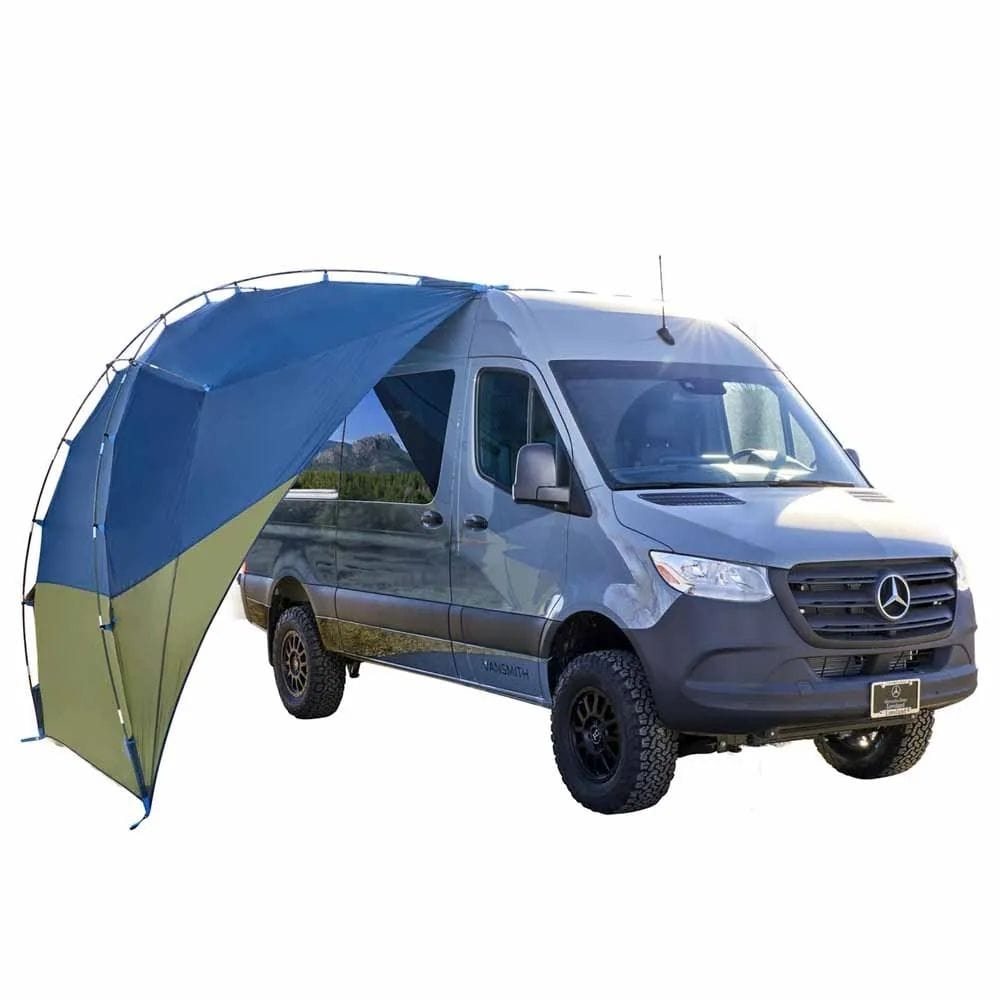
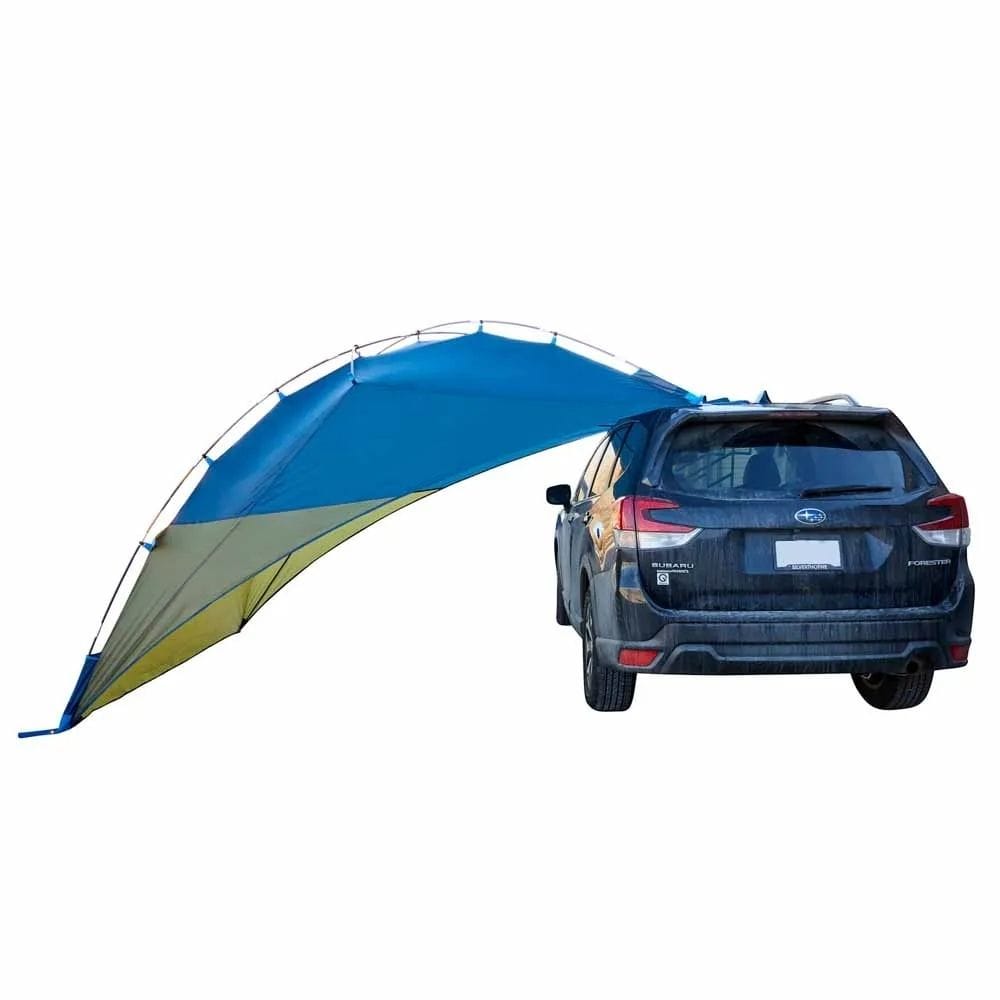

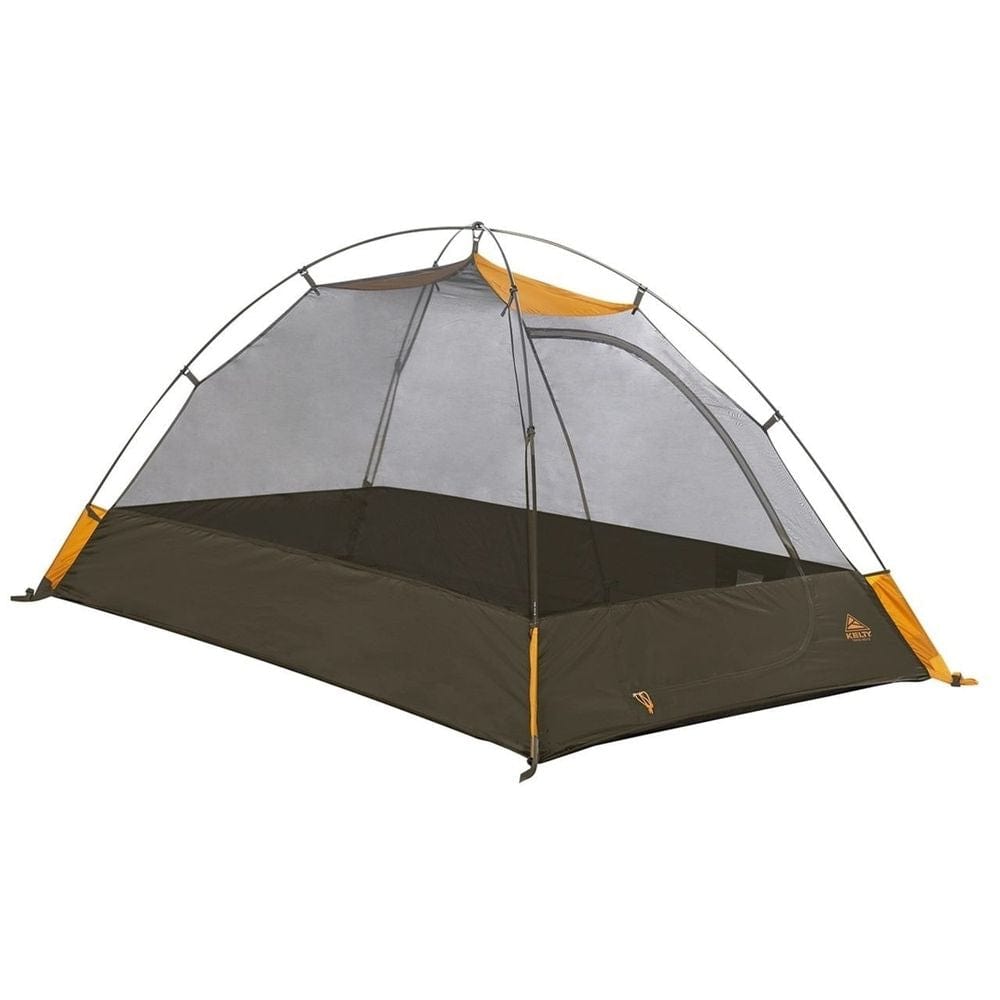
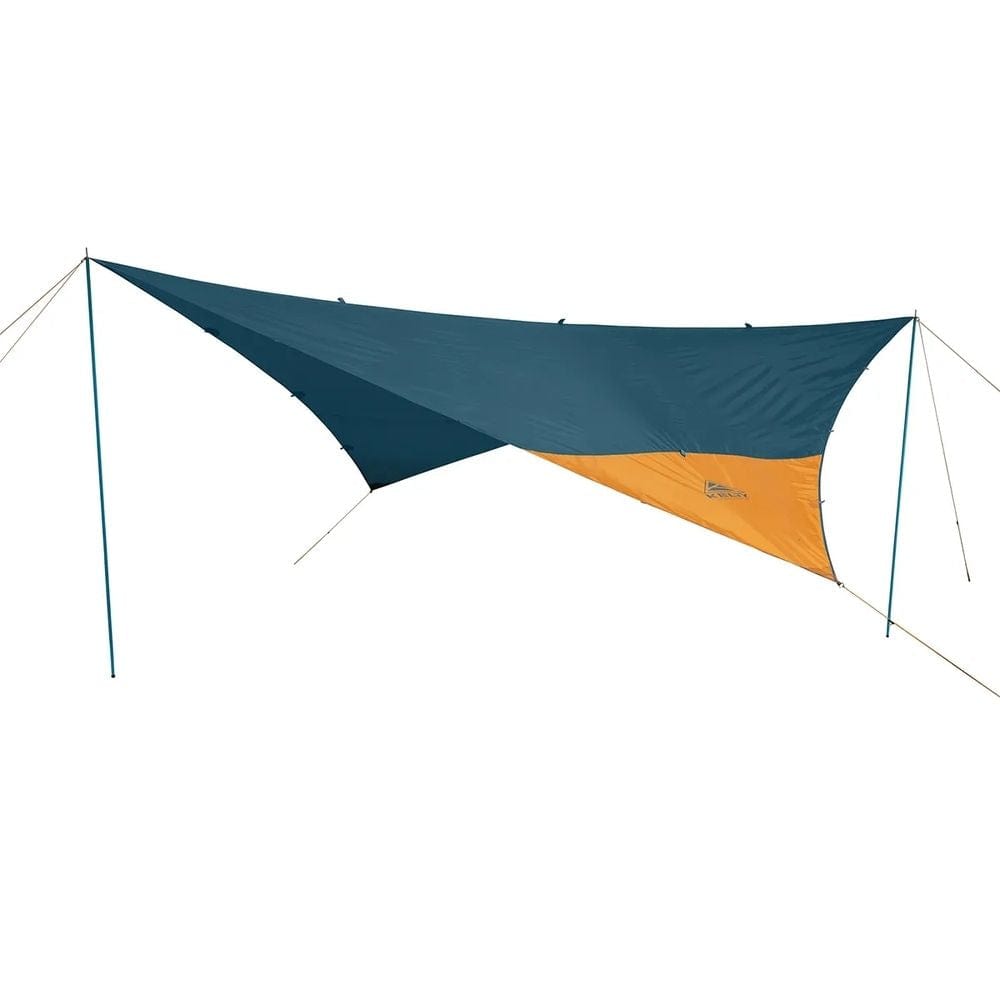
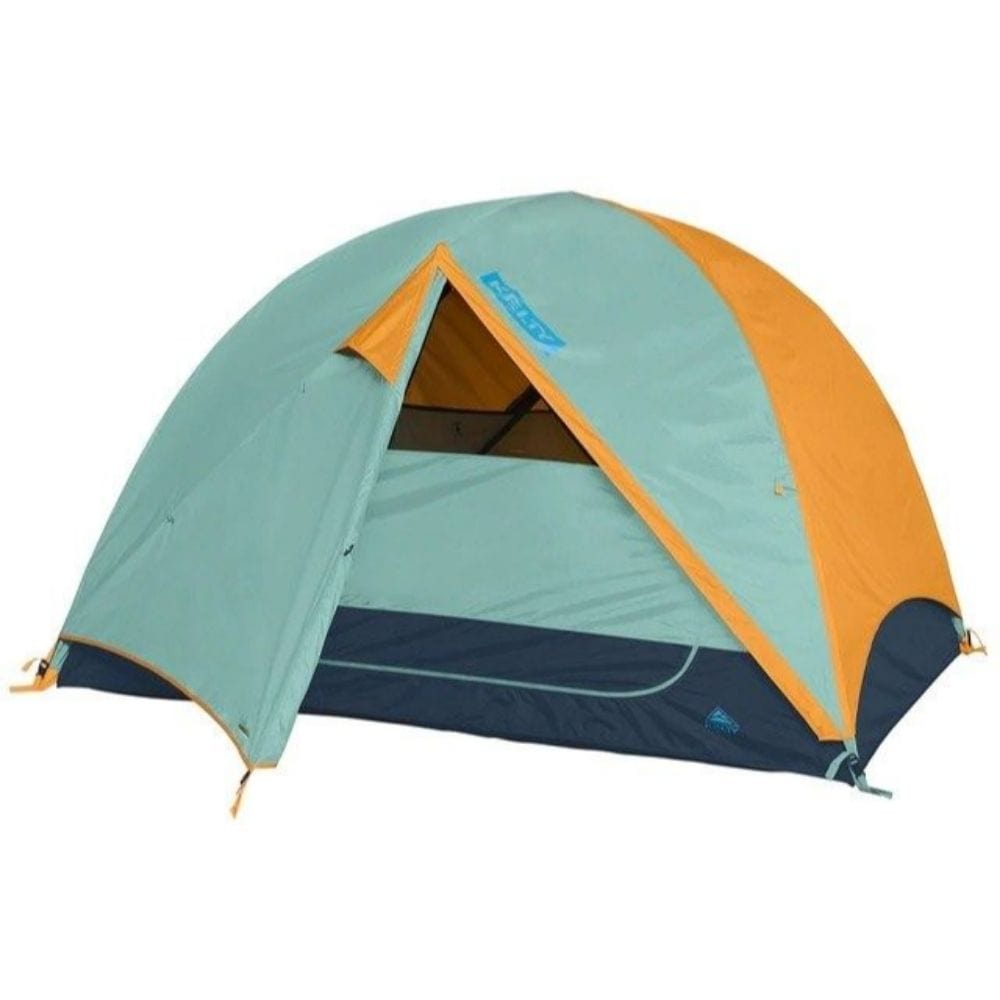
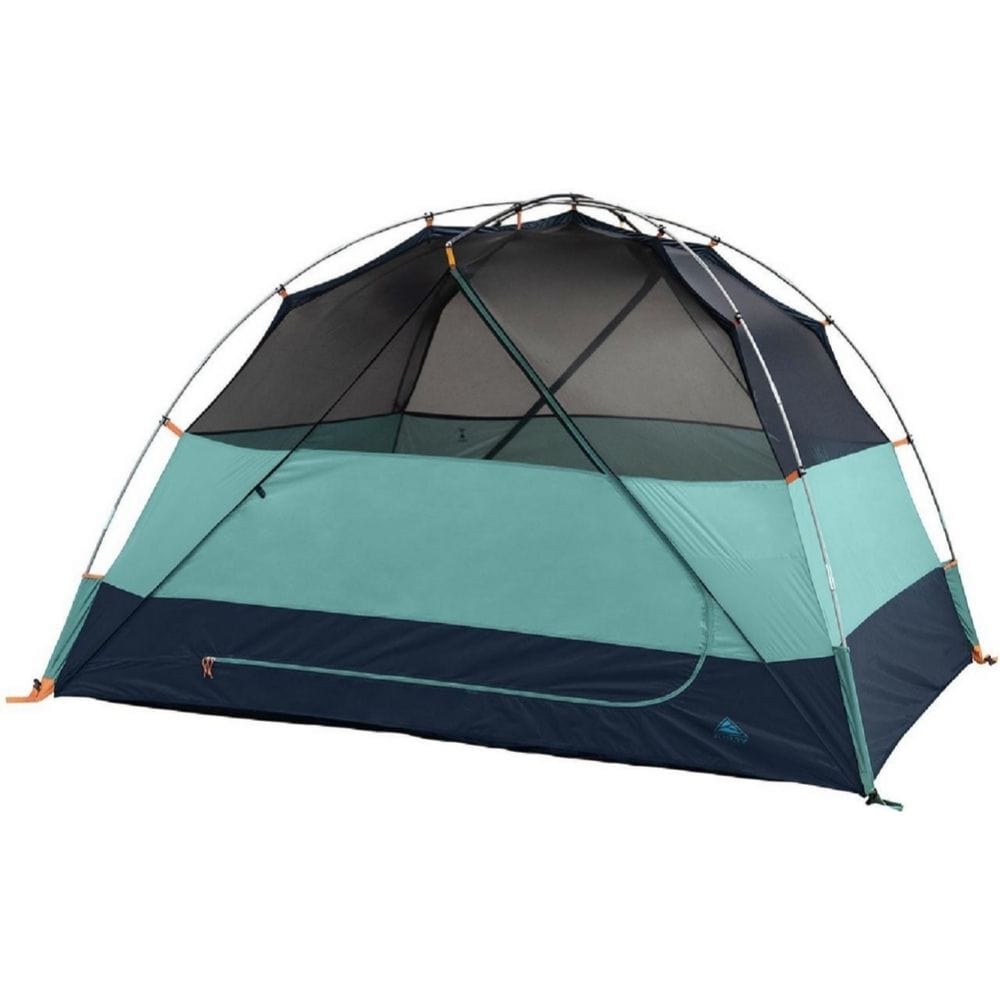
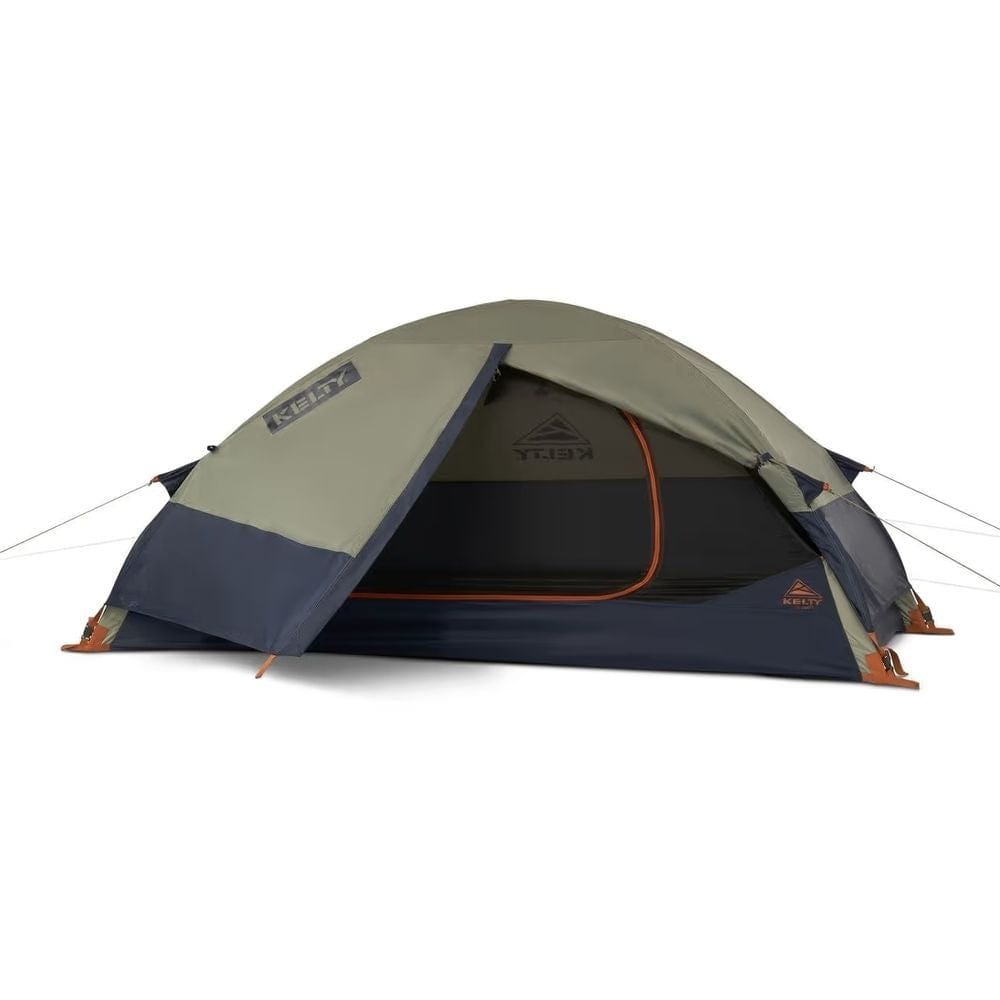
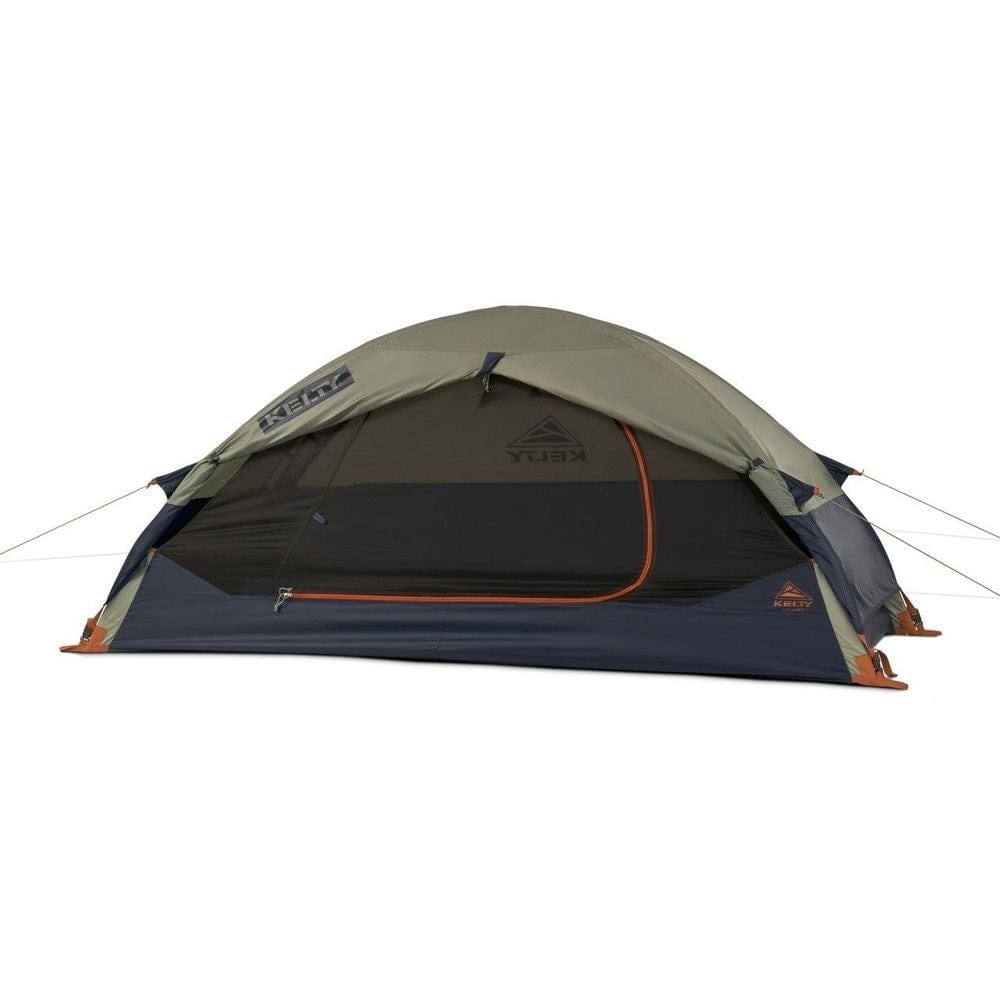
Your tent is your home away from home, and the right one turns a damp, uncomfortable night into a proper night's sleep. Whether you are pitching at a festival, a family campsite, or deep in the hills, a good tent or shelter keeps you dry, keeps the wind out, and gives you space to relax after a day outdoors.
Our tents and shelters range covers everything from lightweight backpacking tents to roomy family models, plus tarps, shelters, screenhouses, footprints, and the small parts that keep them standing. We stock trusted outdoor brands and a spread of sizes and budgets, so you can find the right shelter for how and where you camp.
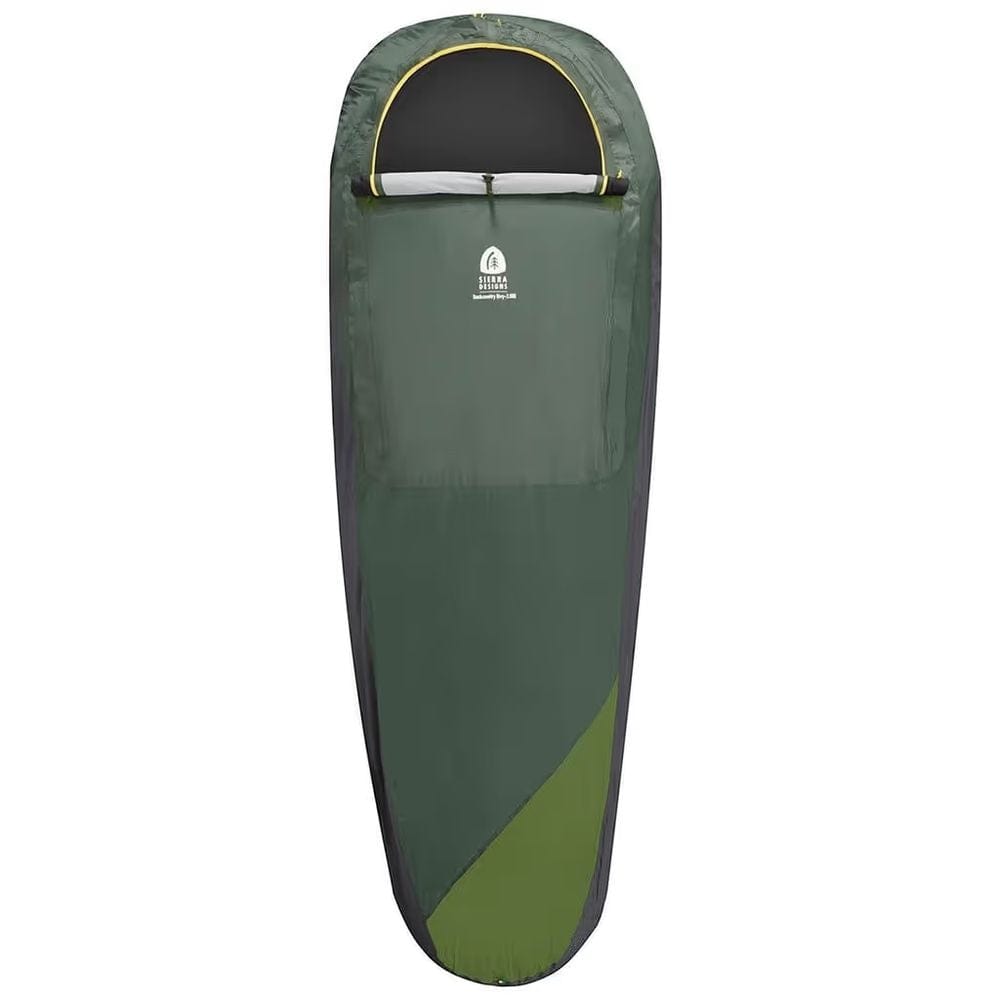
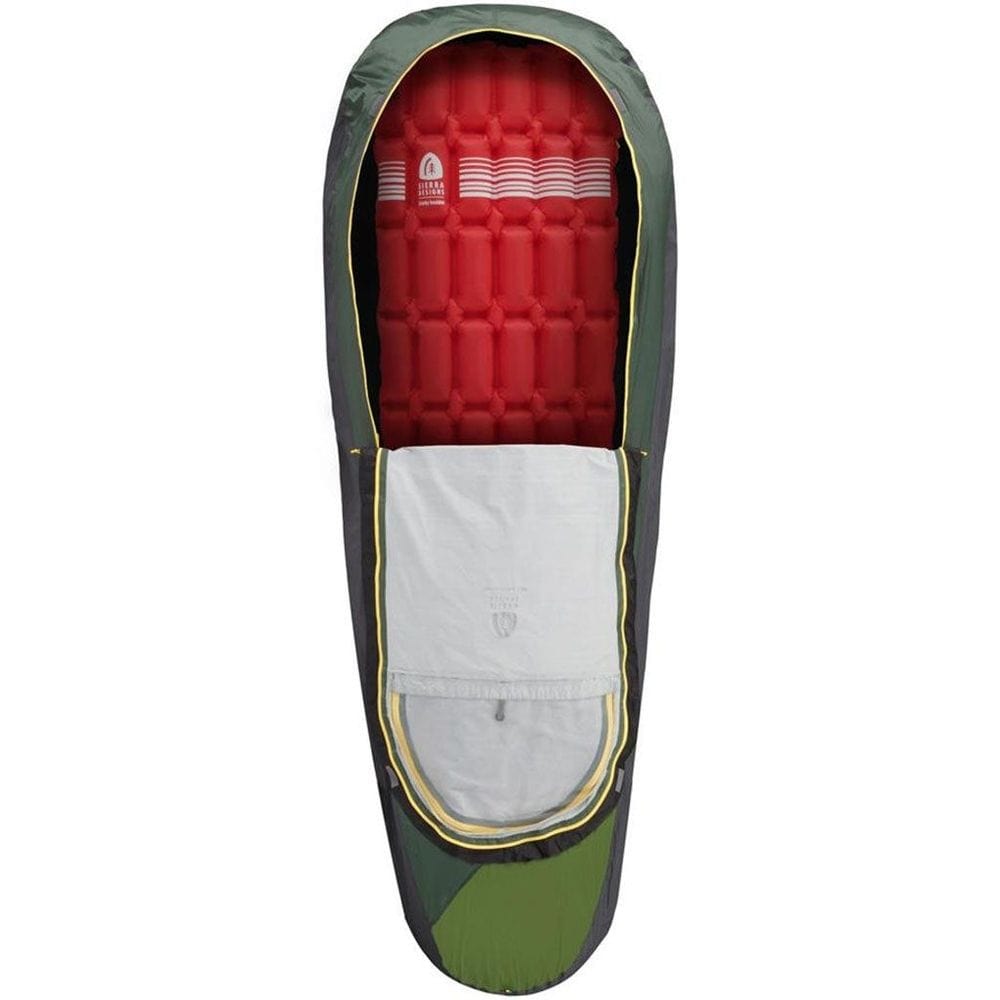
Not sure what size or style you need? The guide below walks through it, and our team is always happy to help. Browse the range below, and complete your setup with a warm sleep system from our sleeping bags and shelters and the rest of our camping equipment.
How Do You Choose a Tent?
Choosing a tent comes down to how you camp. A backpacker counting every gram wants something very different from a family driving to a campsite. The main trade offs are weight against space, and simplicity against comfort. Once you know how you will carry it, how many people it needs to sleep, and the conditions you expect, the choice becomes much clearer.
Types of Tent and Shelter
Different designs suit different trips.
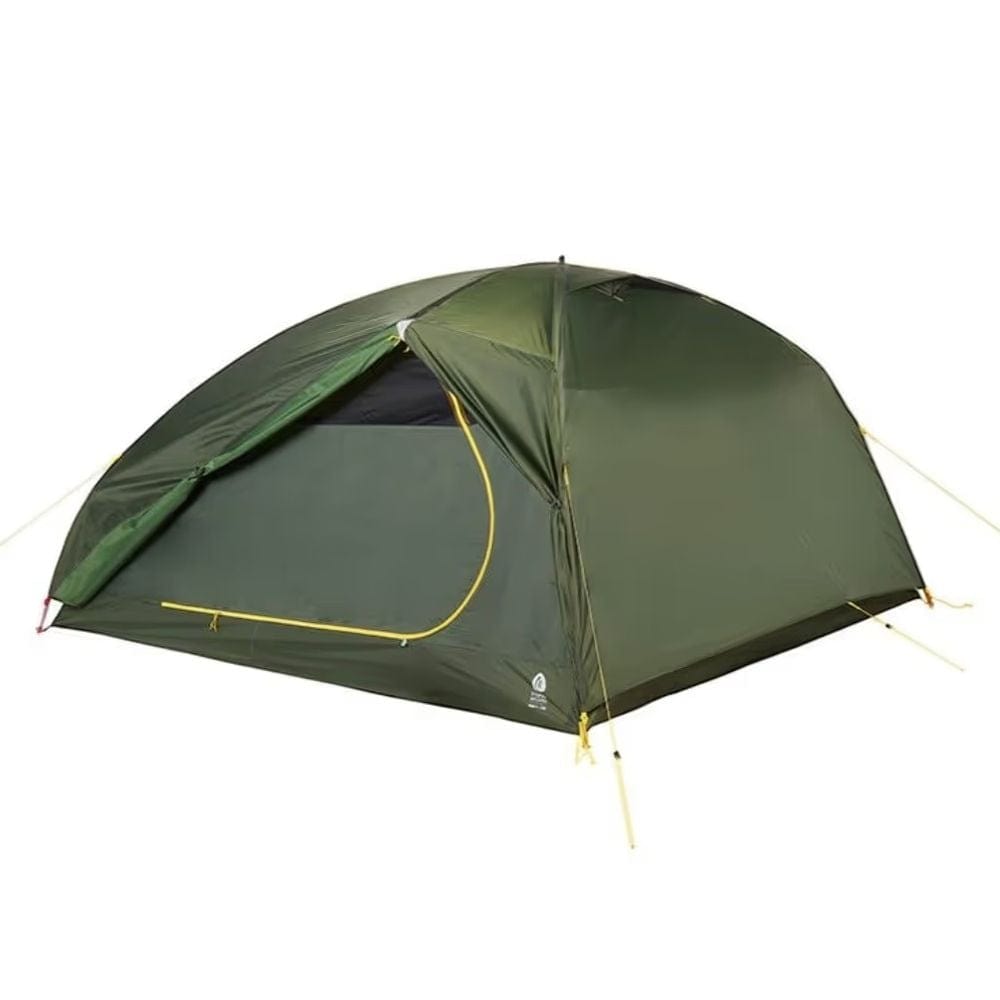
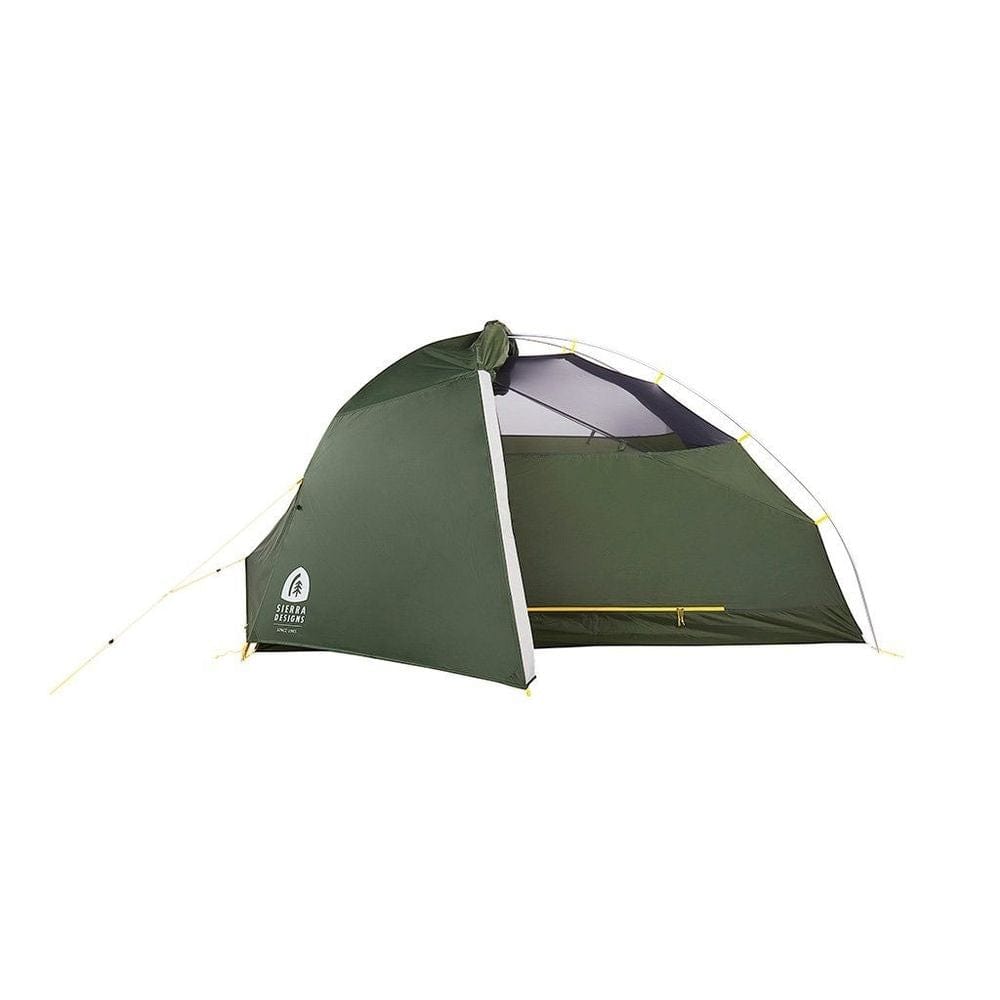
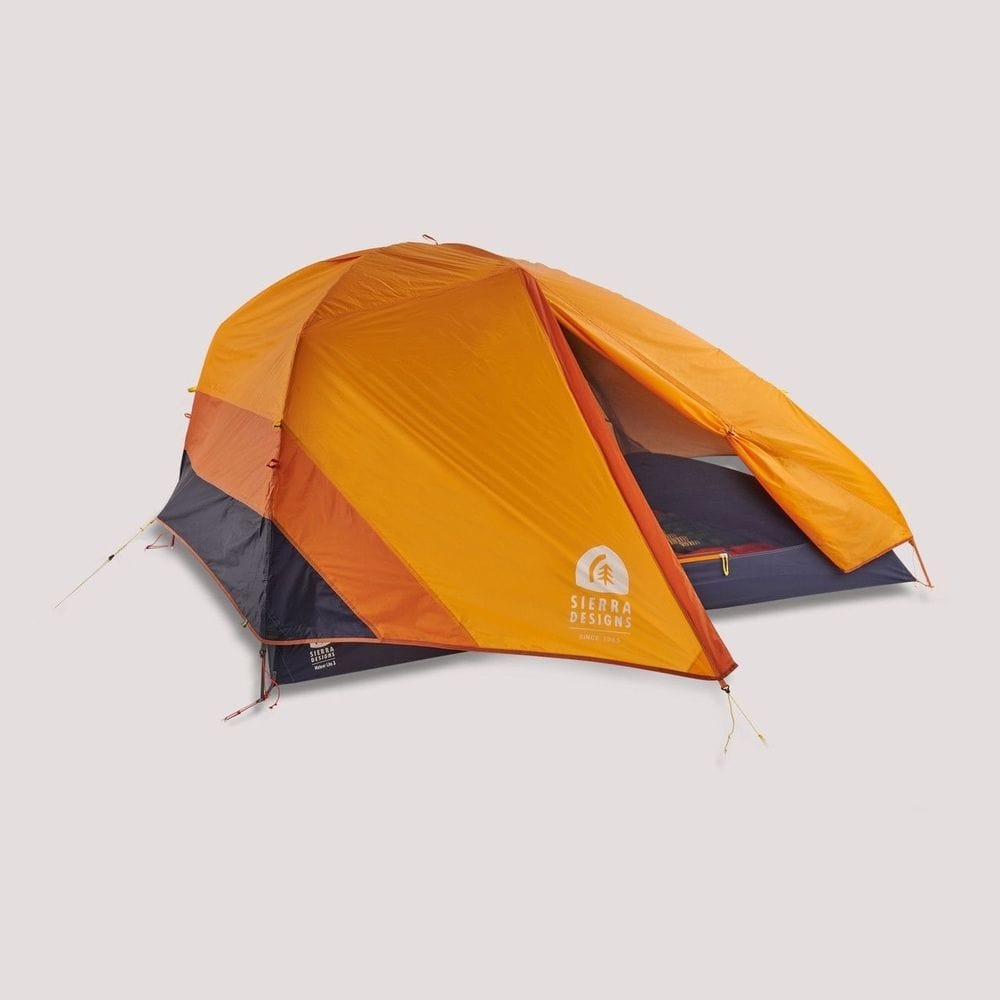
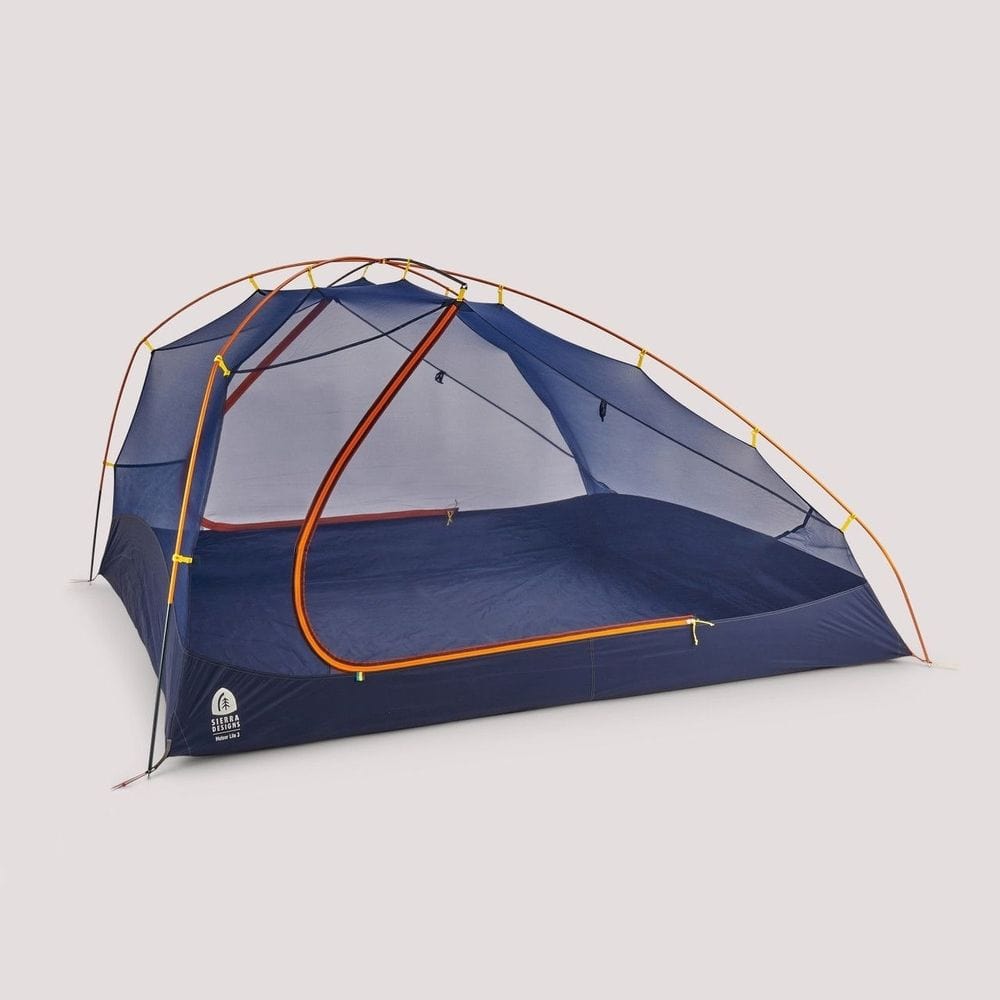
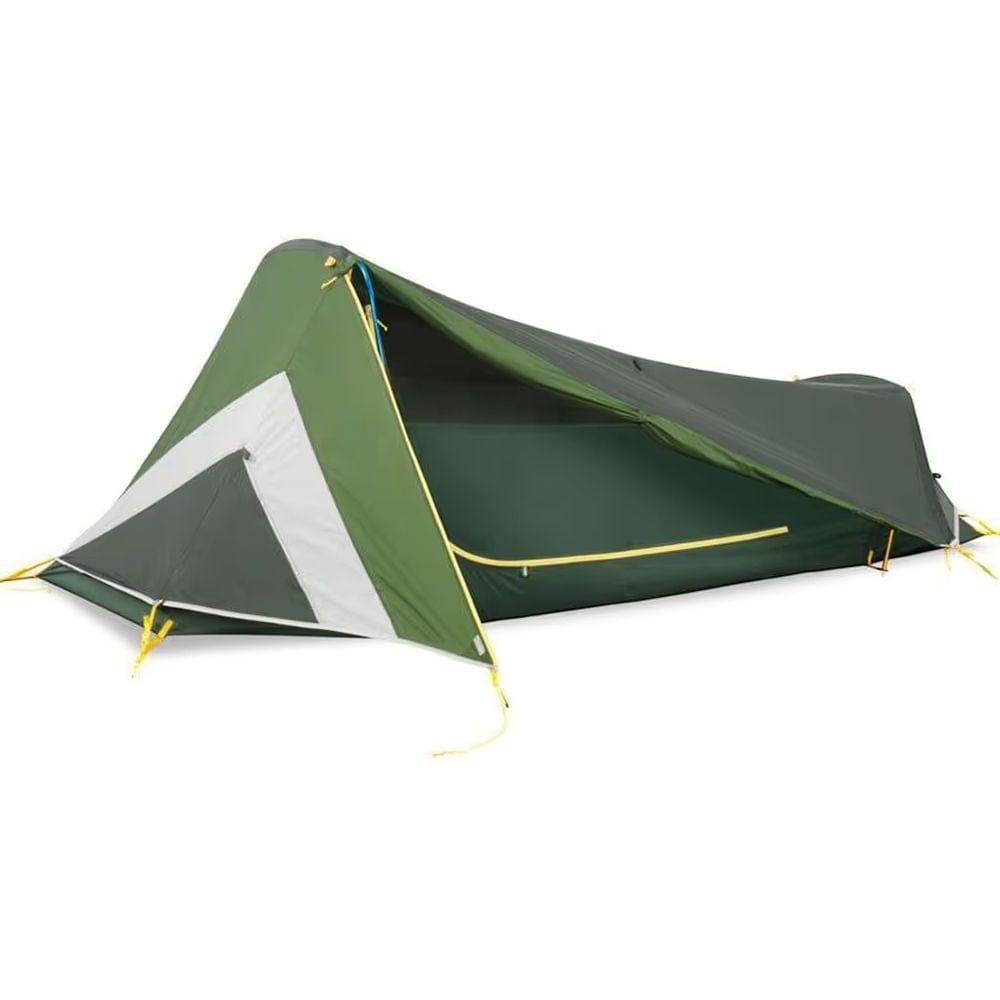
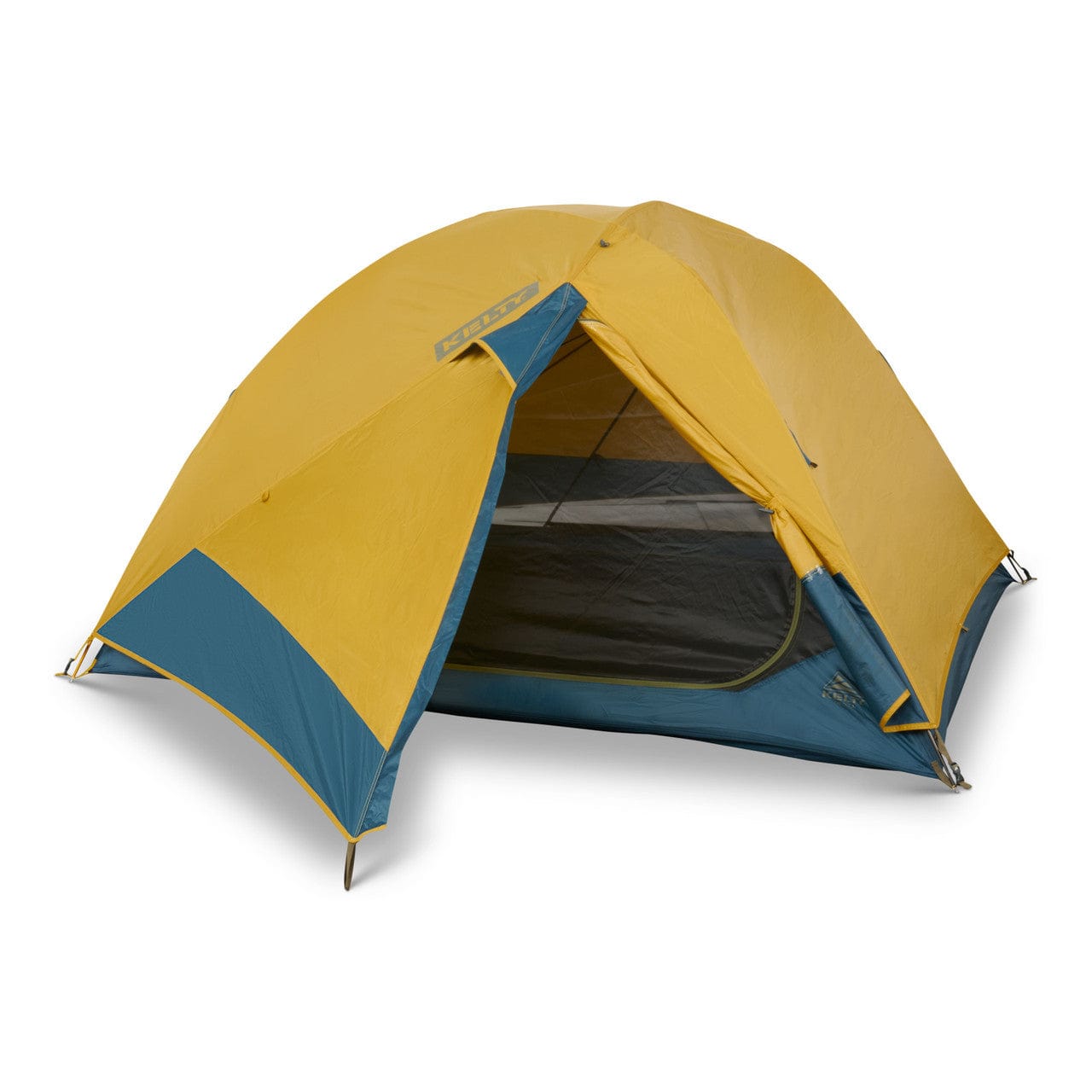
- Backpacking tents: lightweight and packable, designed to be carried, usually for one to three people
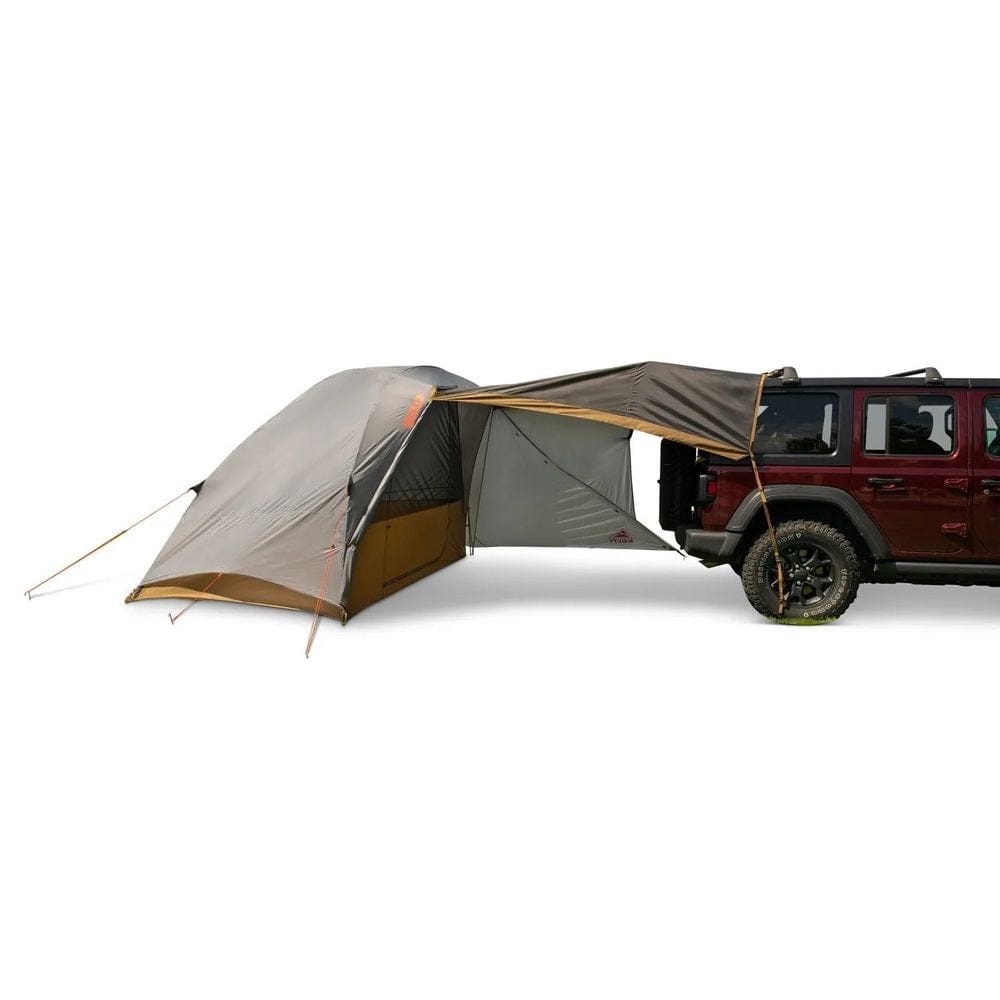
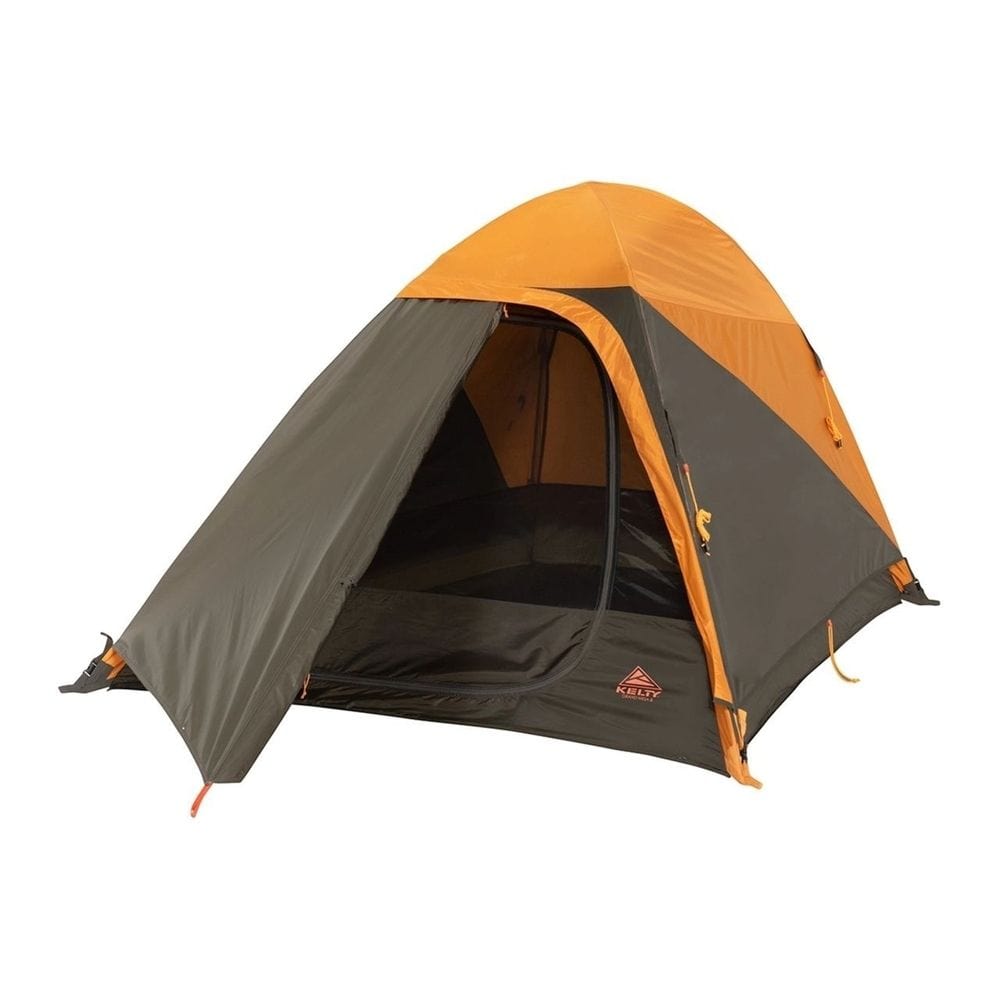
- Family and car camping tents: larger, taller, and more comfortable, with room to stand and separate sleeping areas
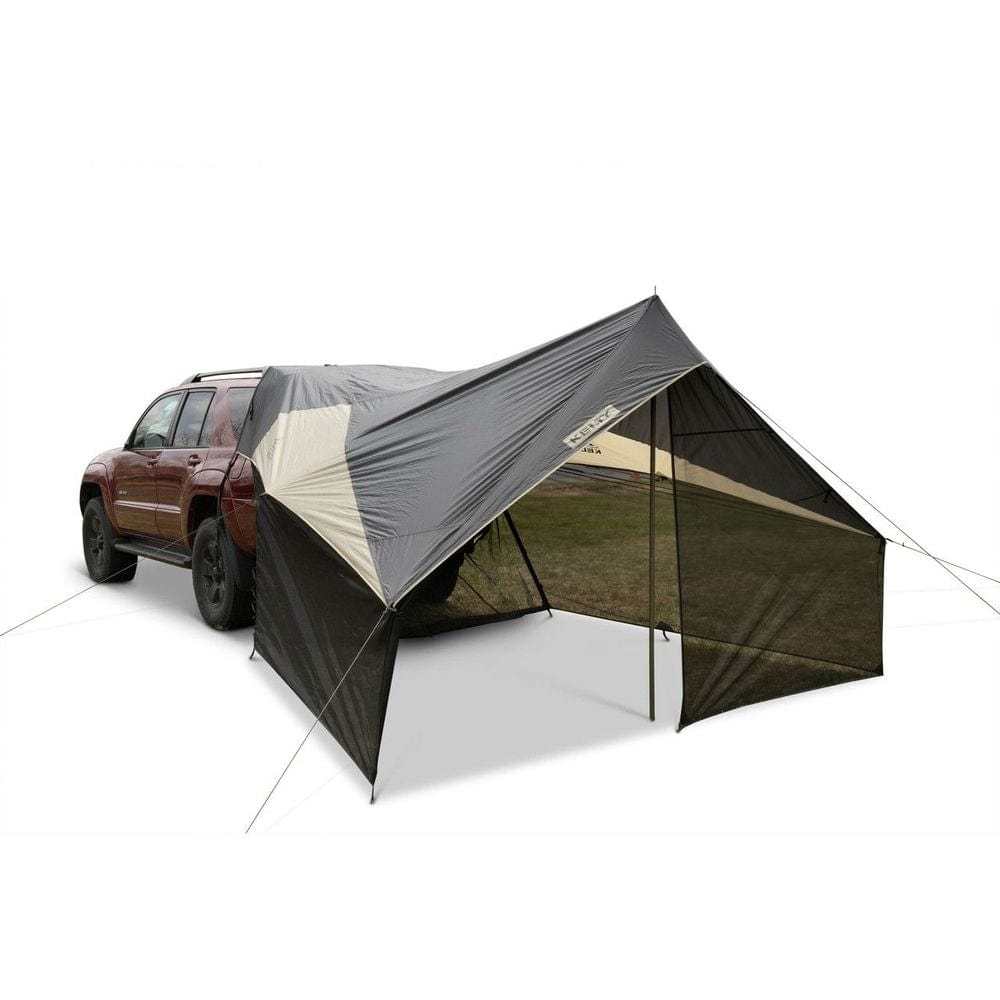
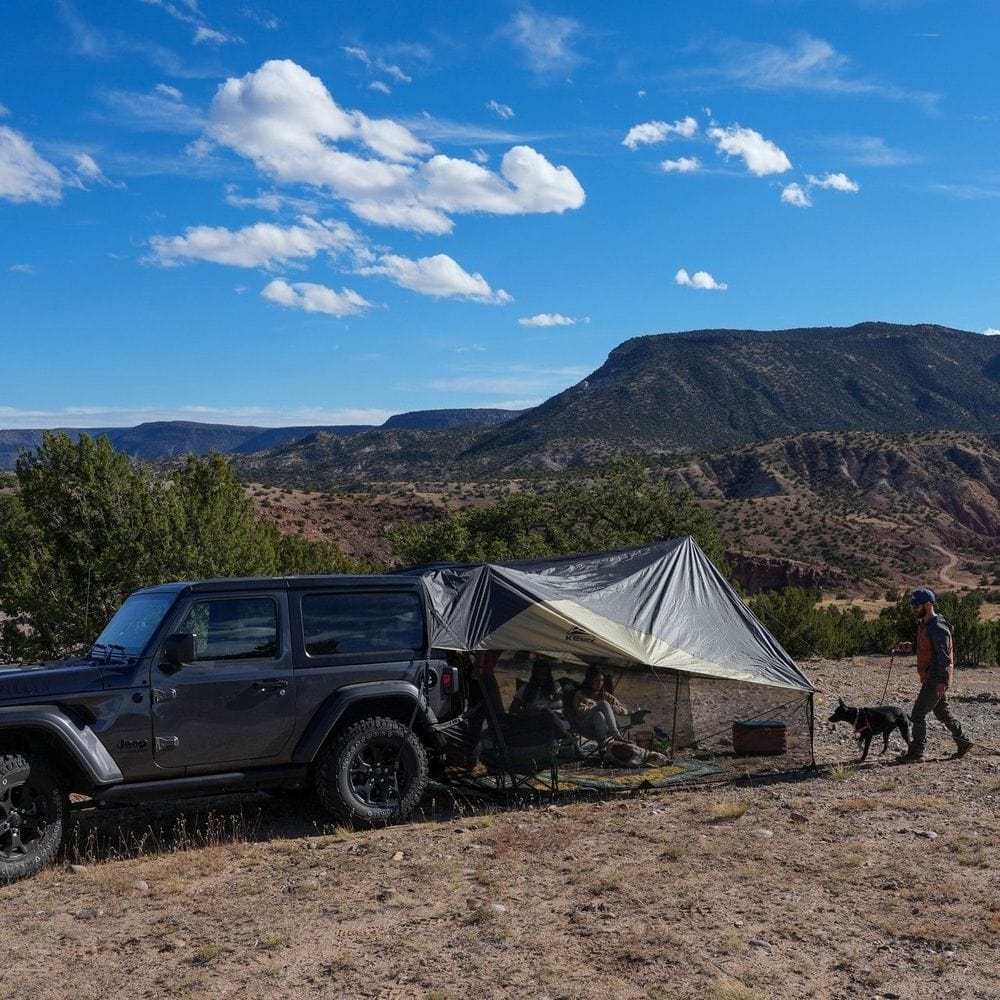
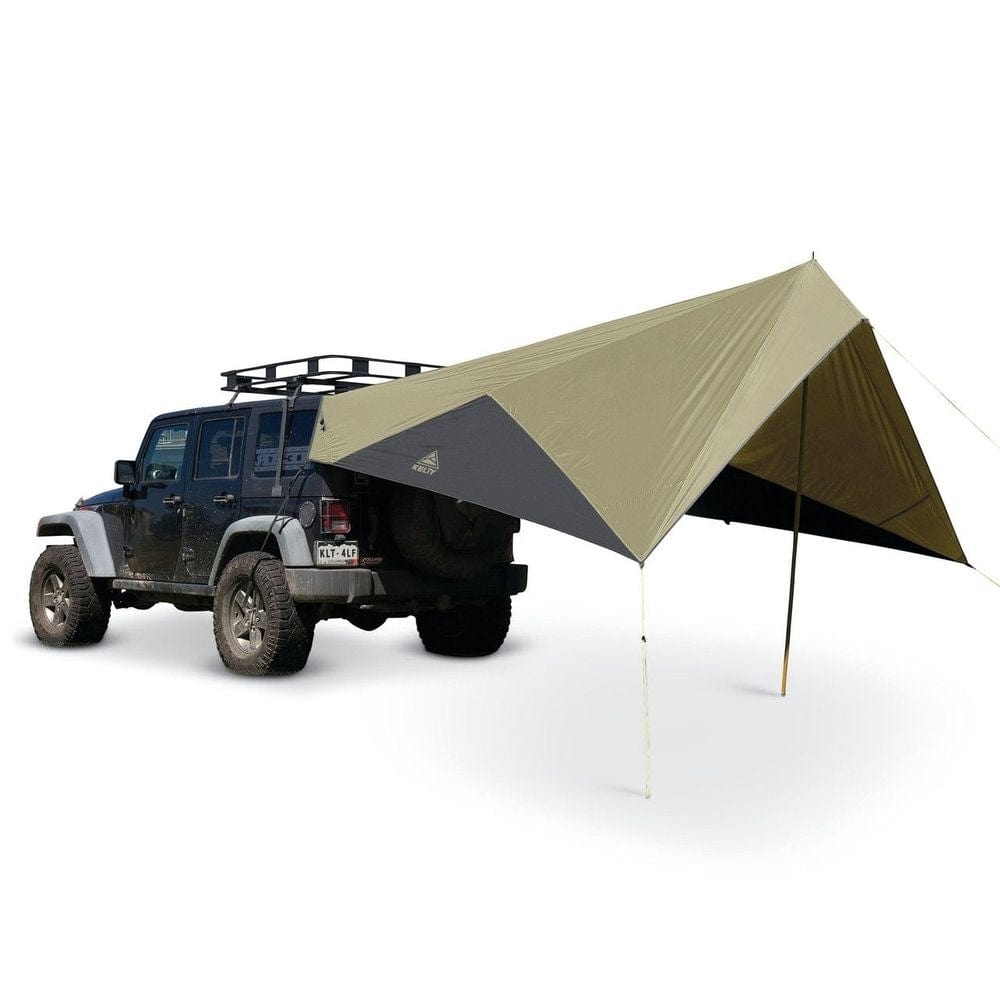
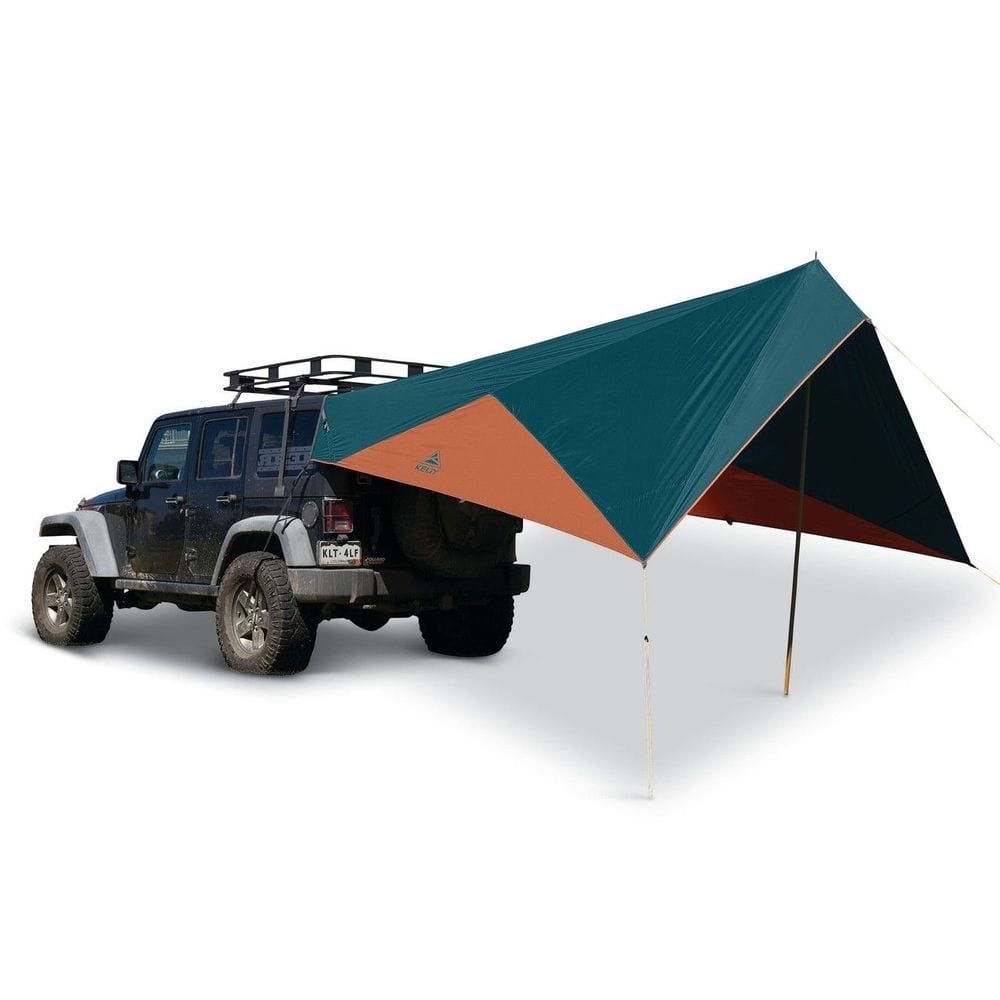
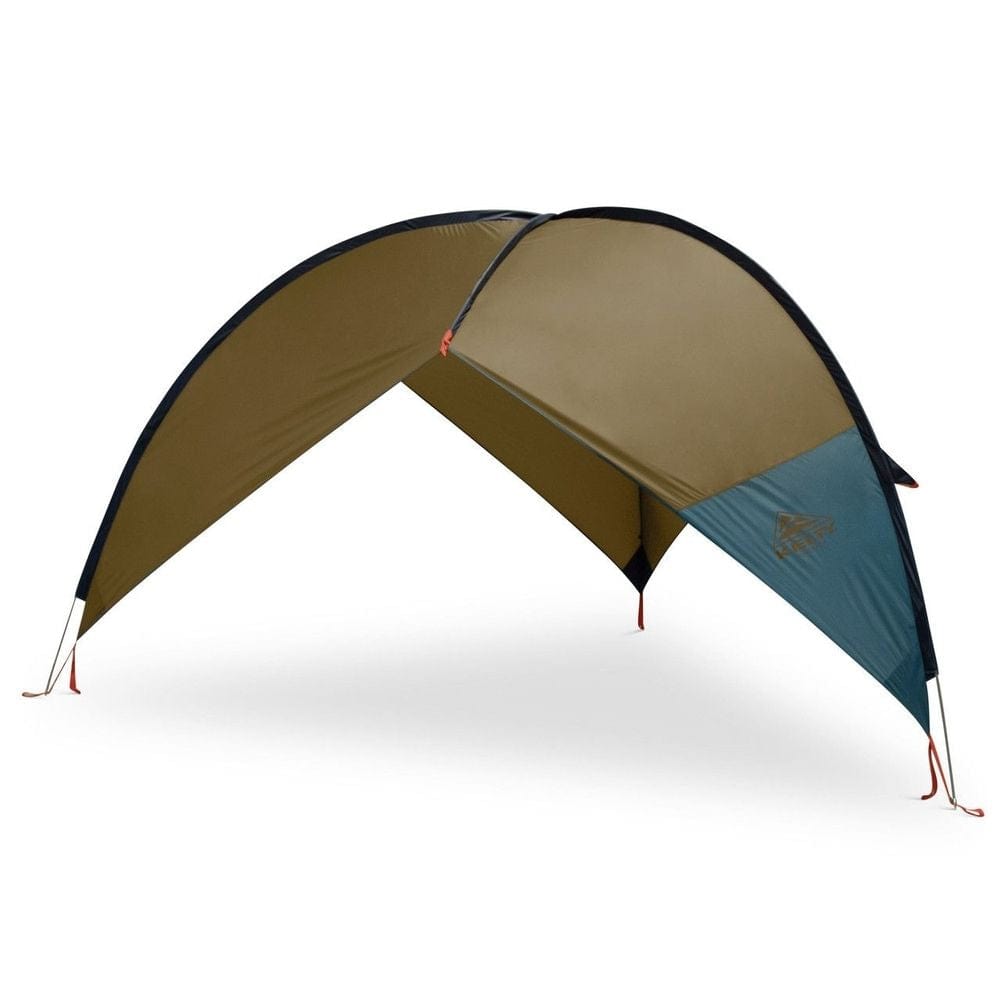
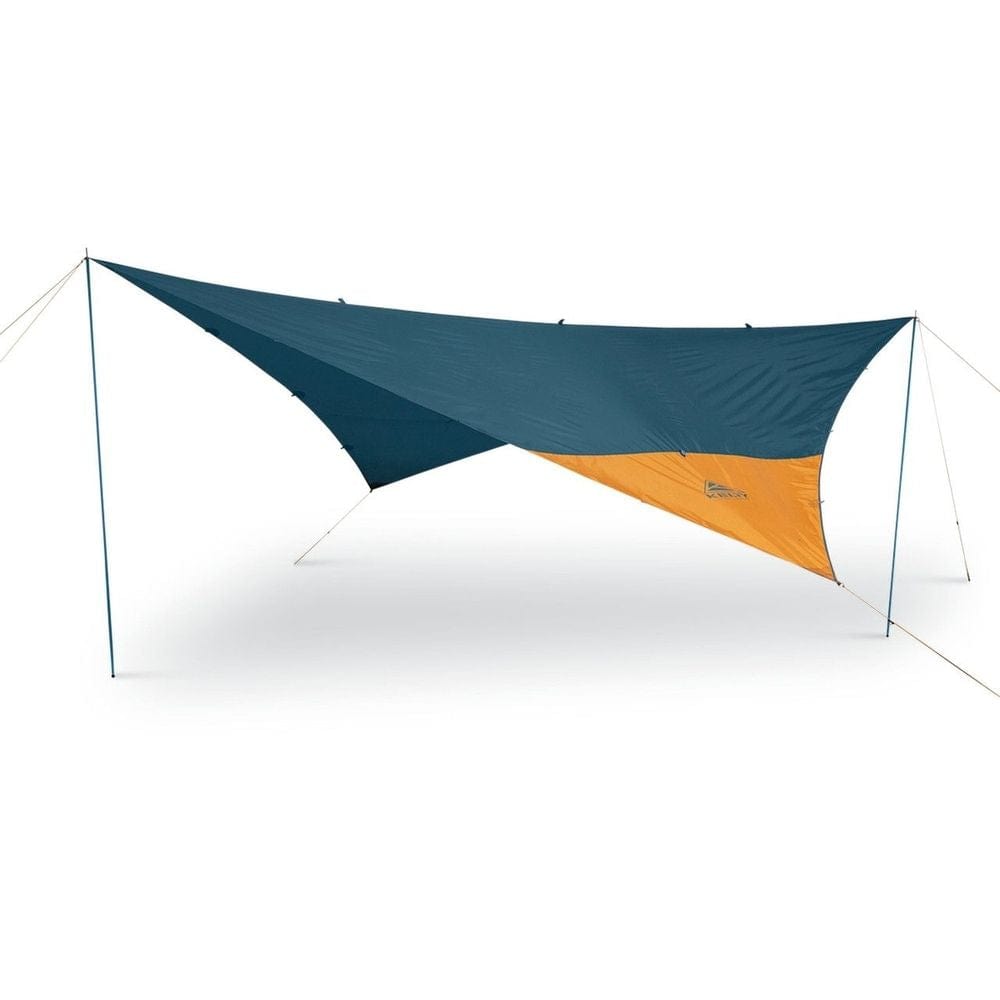
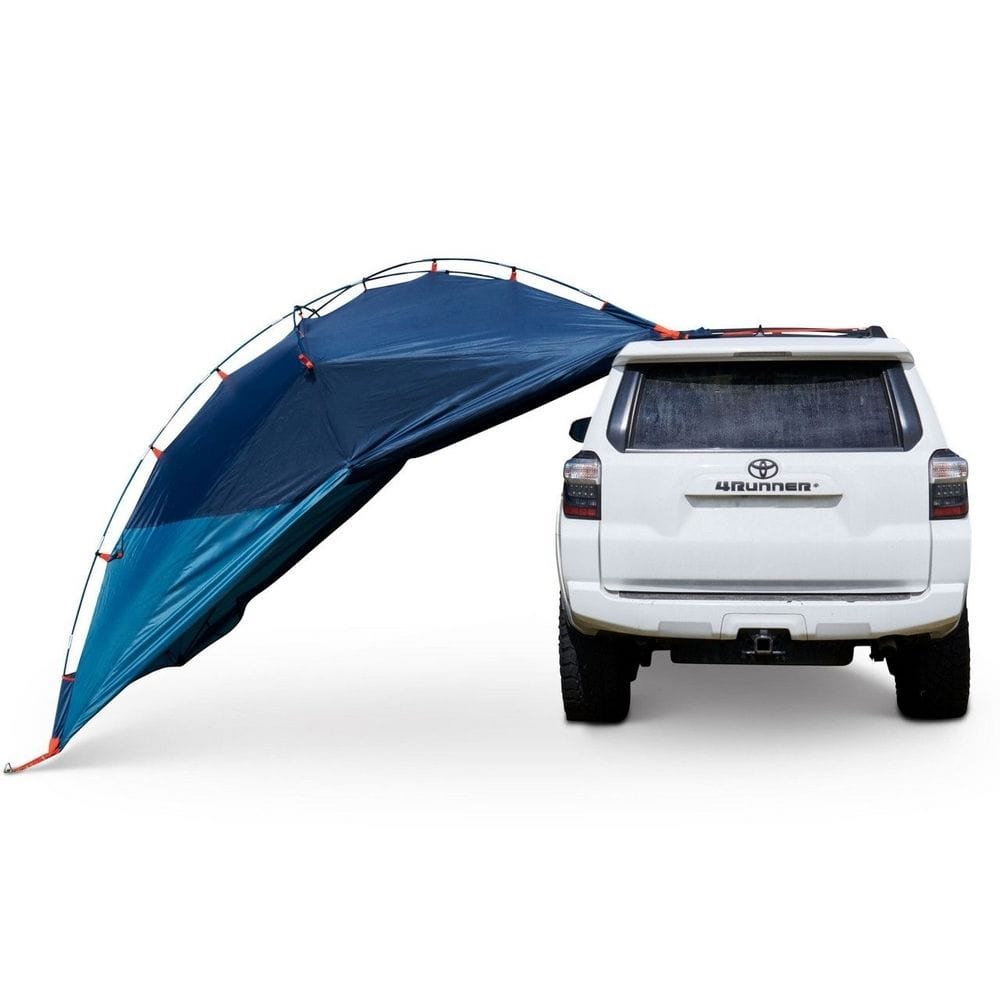
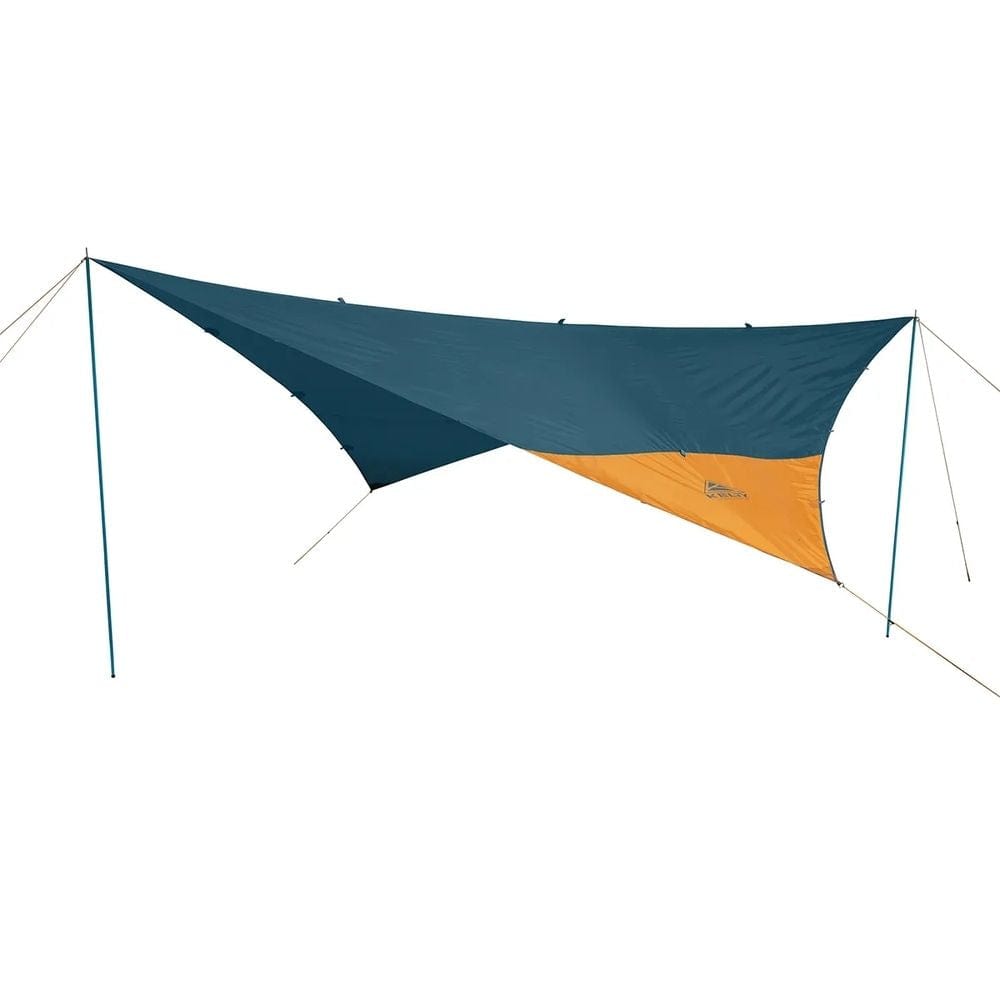
- Tarps and shelters: open sided cover for shade, cooking, or a communal area
- Screenhouses: bug free shelters for eating and relaxing at the campsite
Many campers end up with more than one, such as a light tent for trips away and a larger tent for family weekends.
Understanding Tent Size and Season Ratings
Tent capacity is given as a number of people, such as 2P or 4P, but these ratings are snug. If you want room for your gear or a little more comfort, it is common to size up by one, so two people choose a 3P. Season ratings describe the conditions a tent is built for: 2 season for summer, 3 season for spring through autumn, which covers most UK camping, and 4 season for winter and exposed mountain use. Match the season rating to the worst conditions you realistically expect.
What to Look For in a Tent
A few features make a real difference in UK weather.
- Waterproofing: a good hydrostatic head rating on the flysheet and groundsheet, plus taped seams
- Wind stability: a strong pole structure and plenty of guy points for exposed pitches
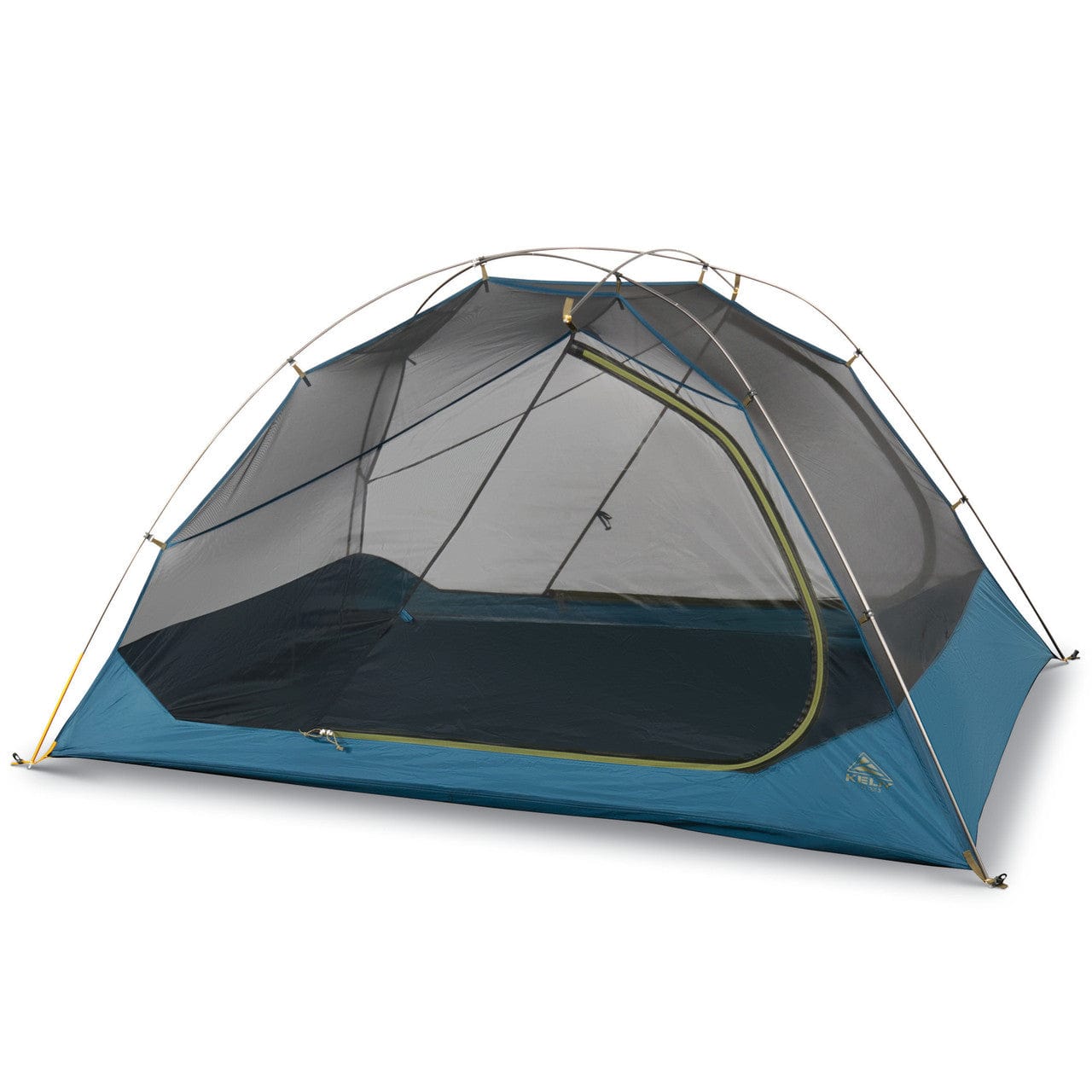
- Ventilation: vents and mesh to reduce condensation on cold, damp nights
- Porch space: room to store wet boots and gear out of the sleeping area
- Ease of pitching: colour coded poles and simple designs save time in the rain
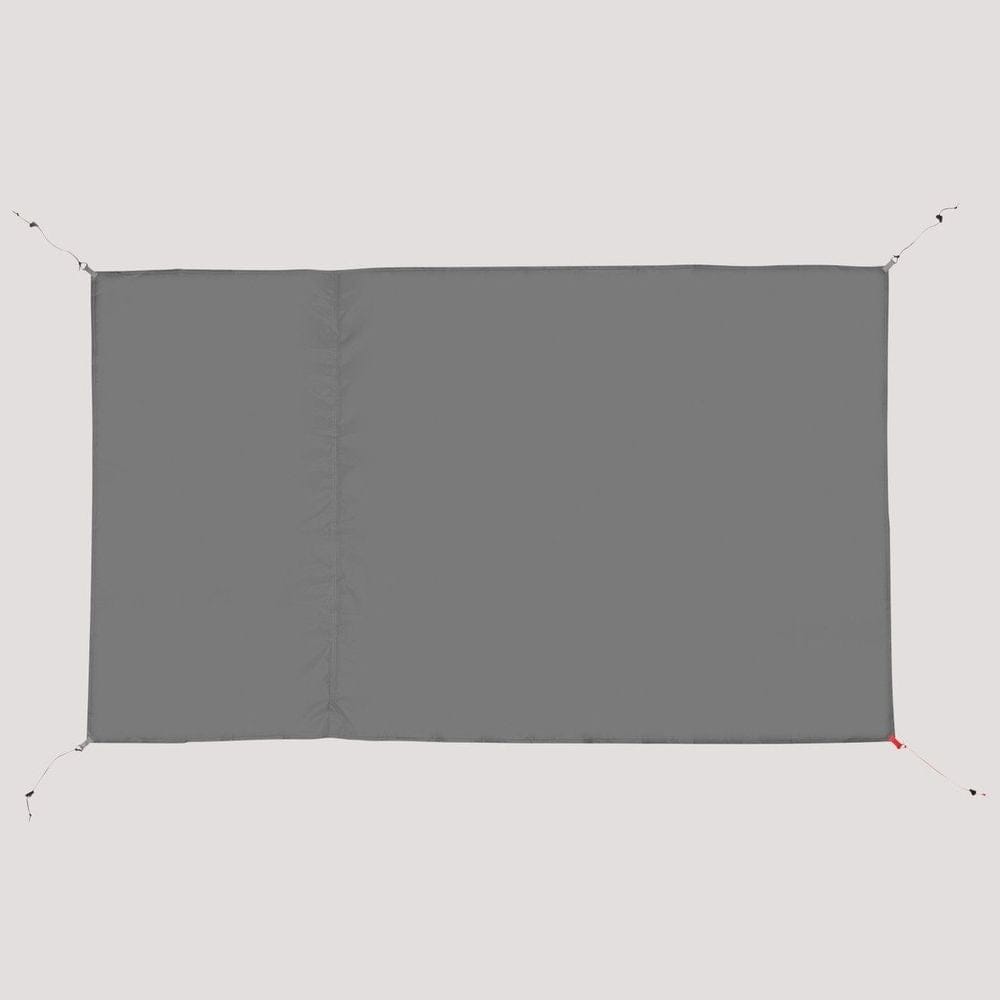
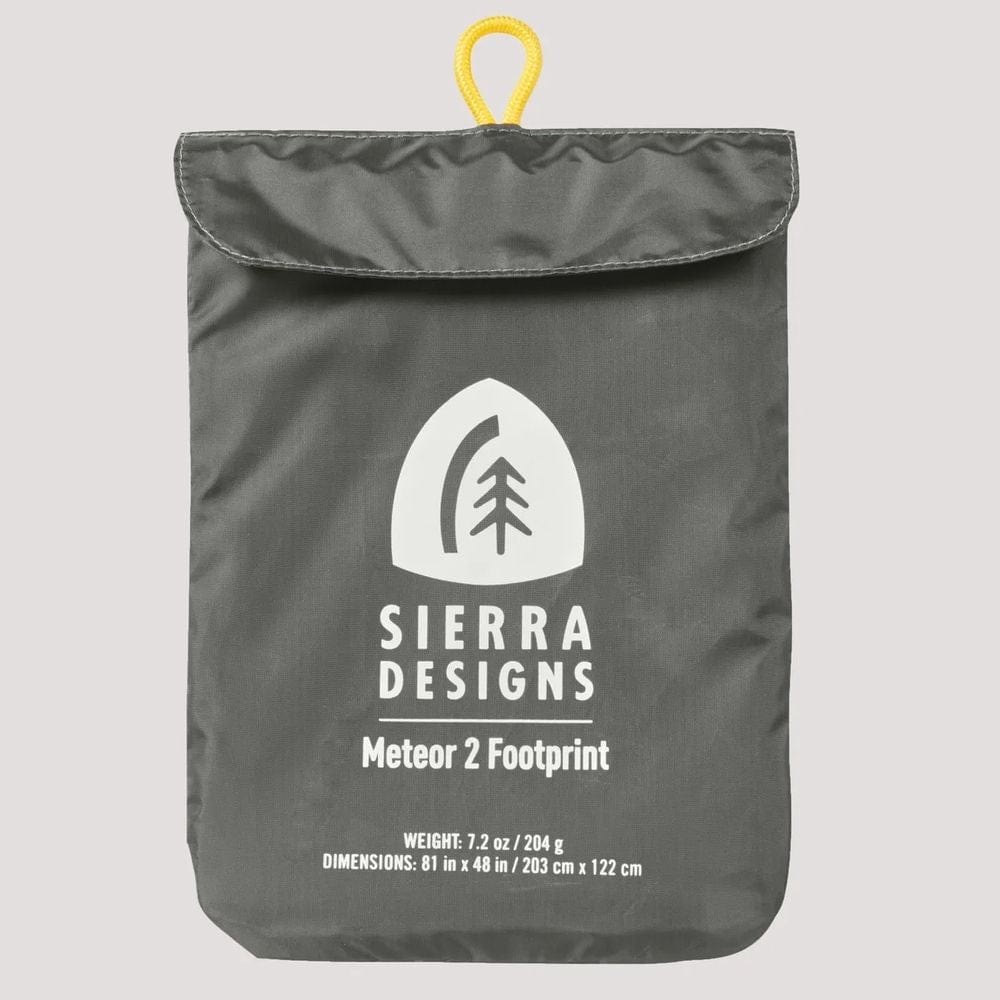
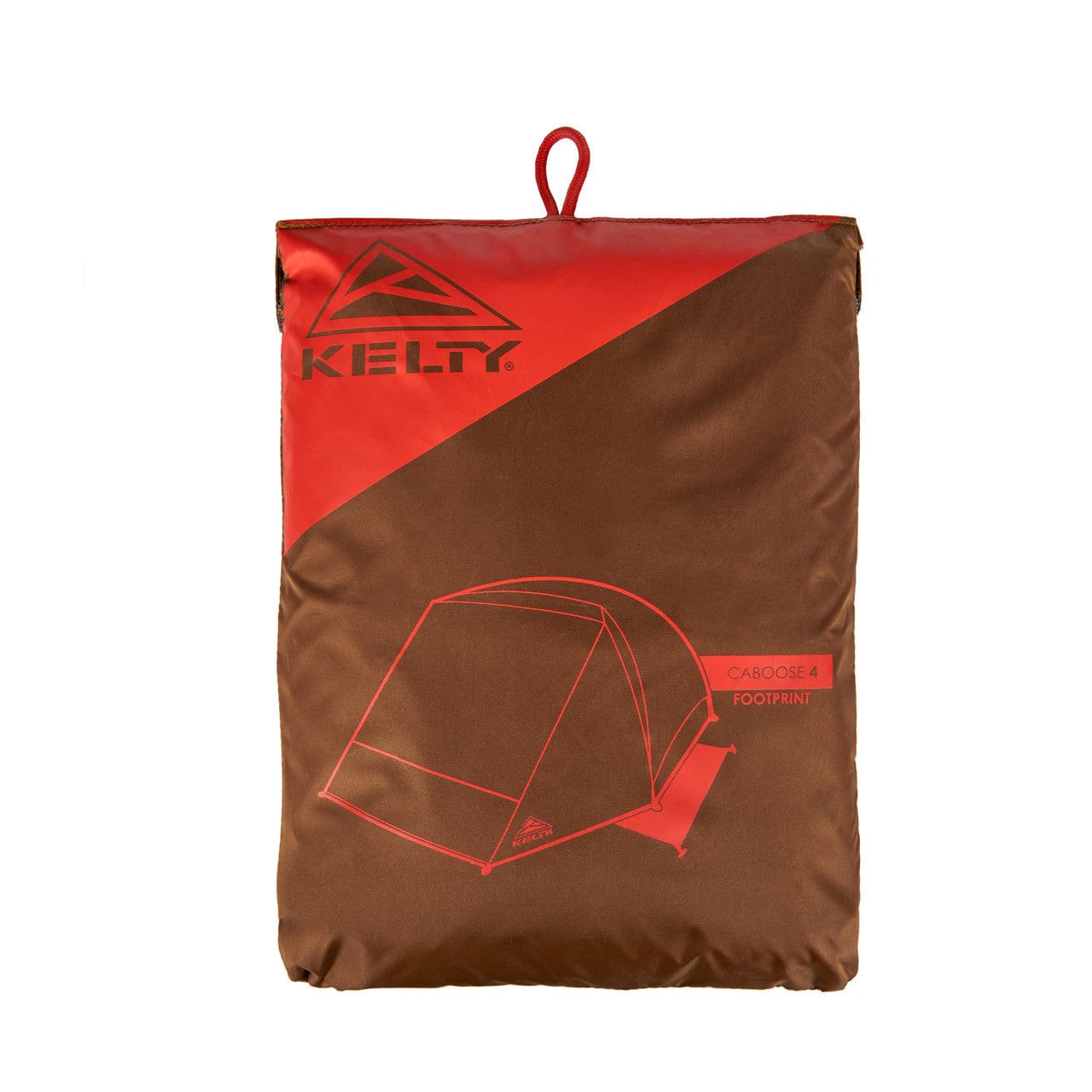
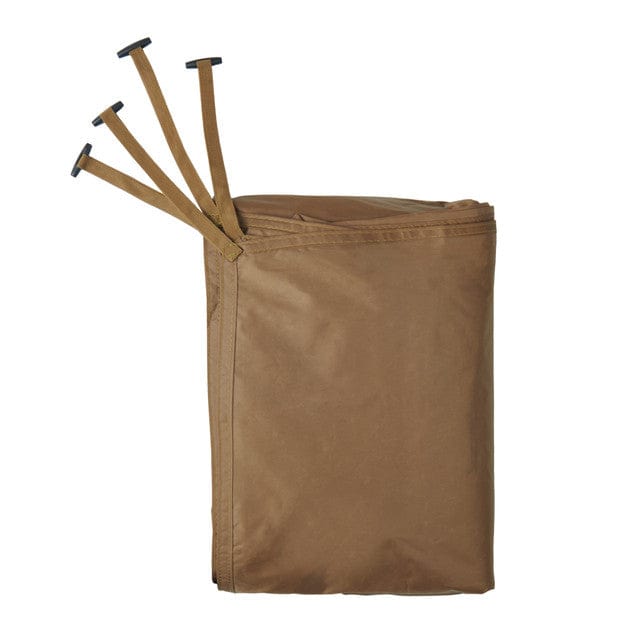
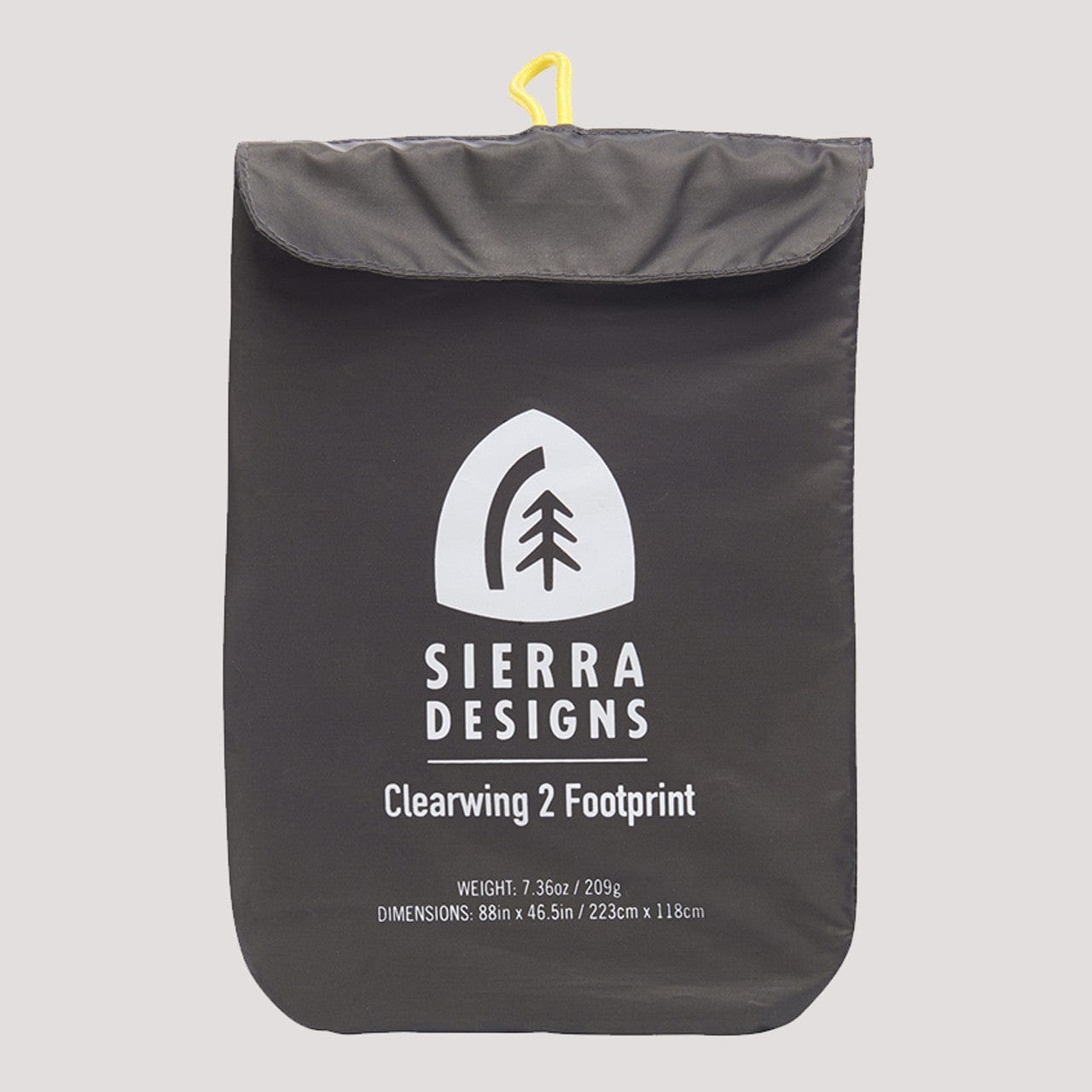
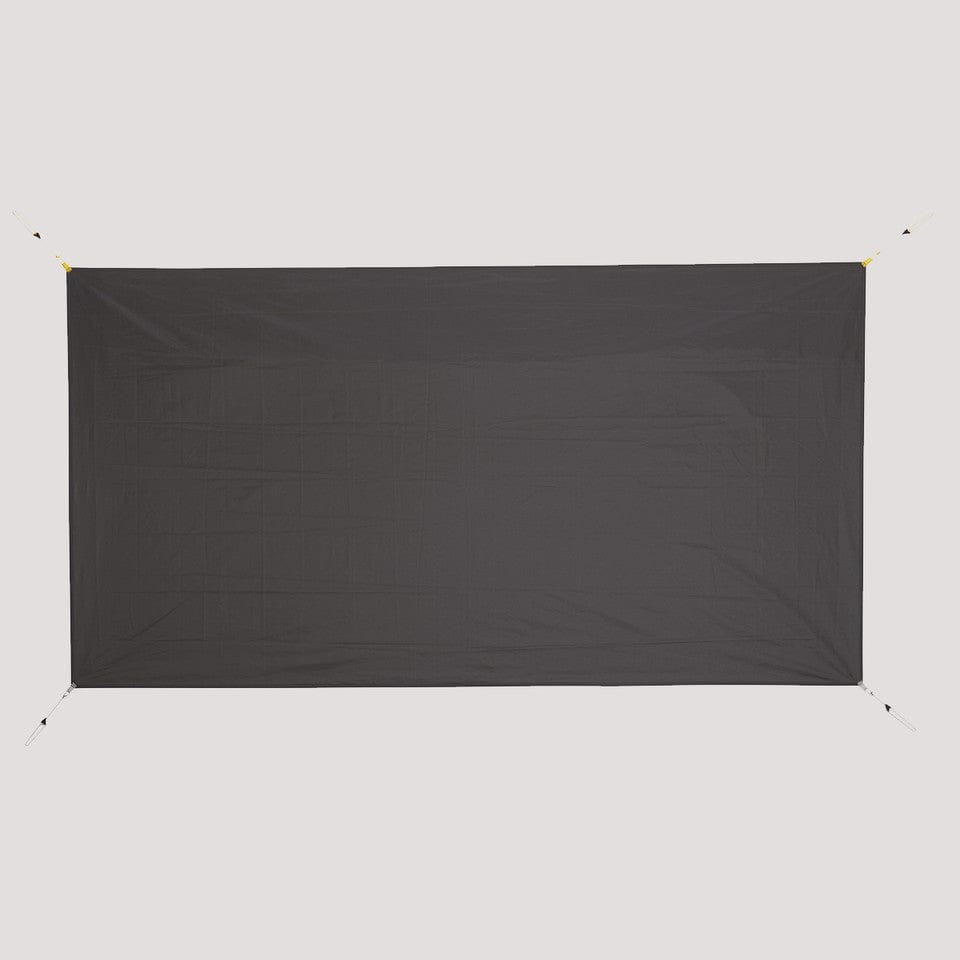
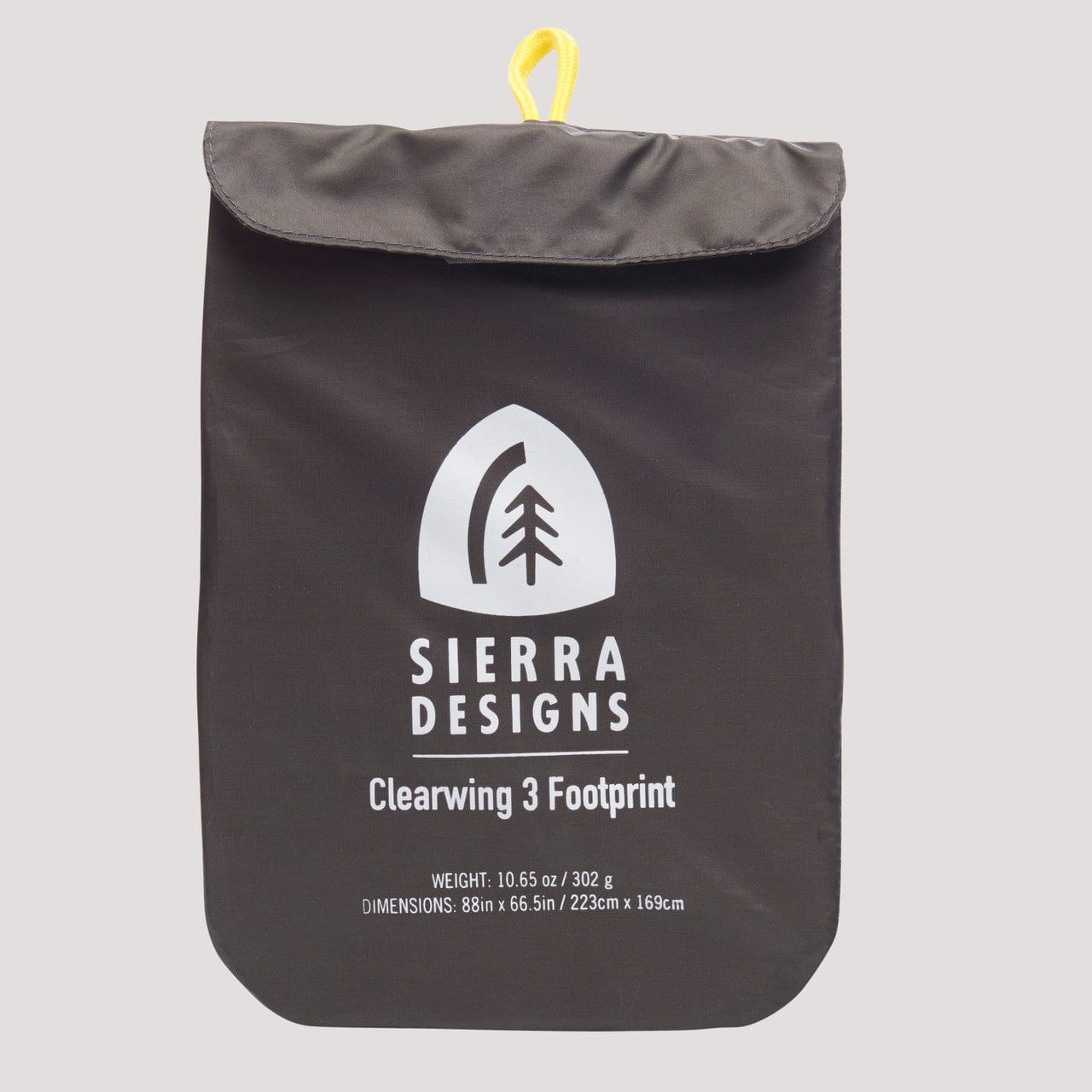
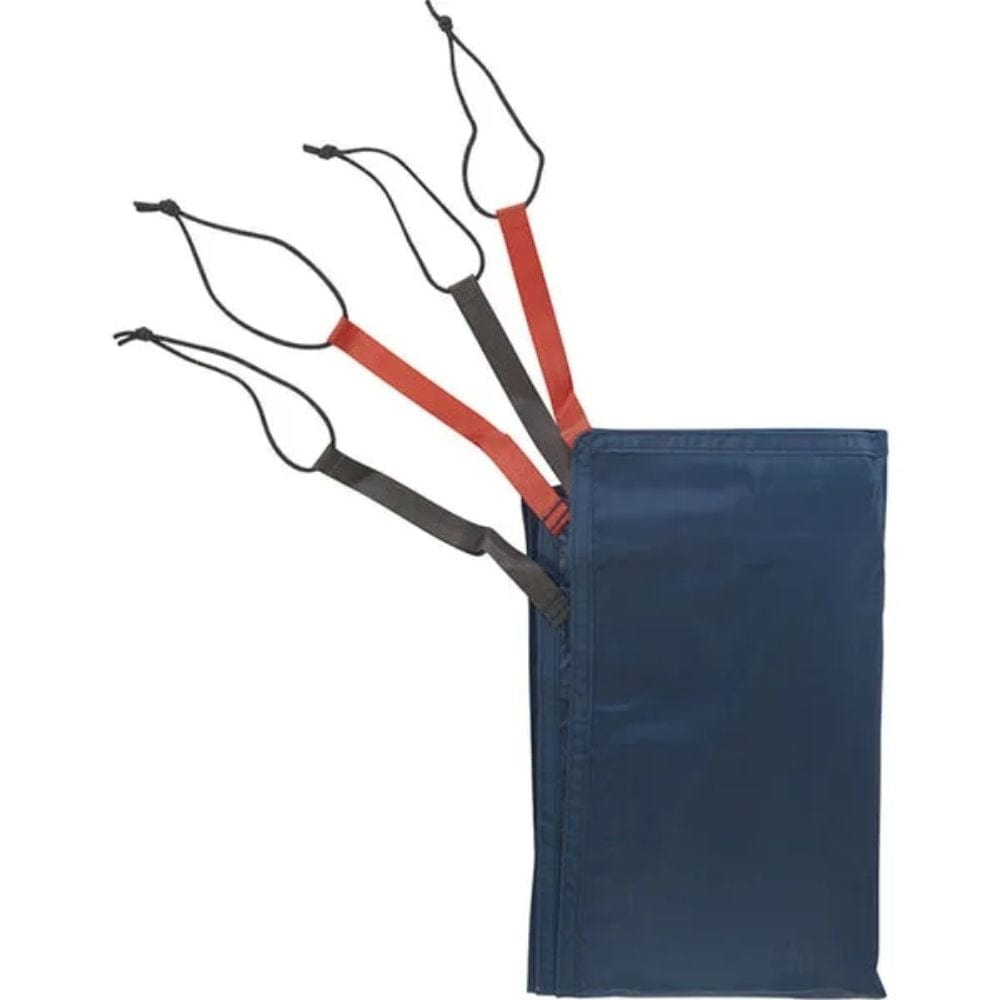
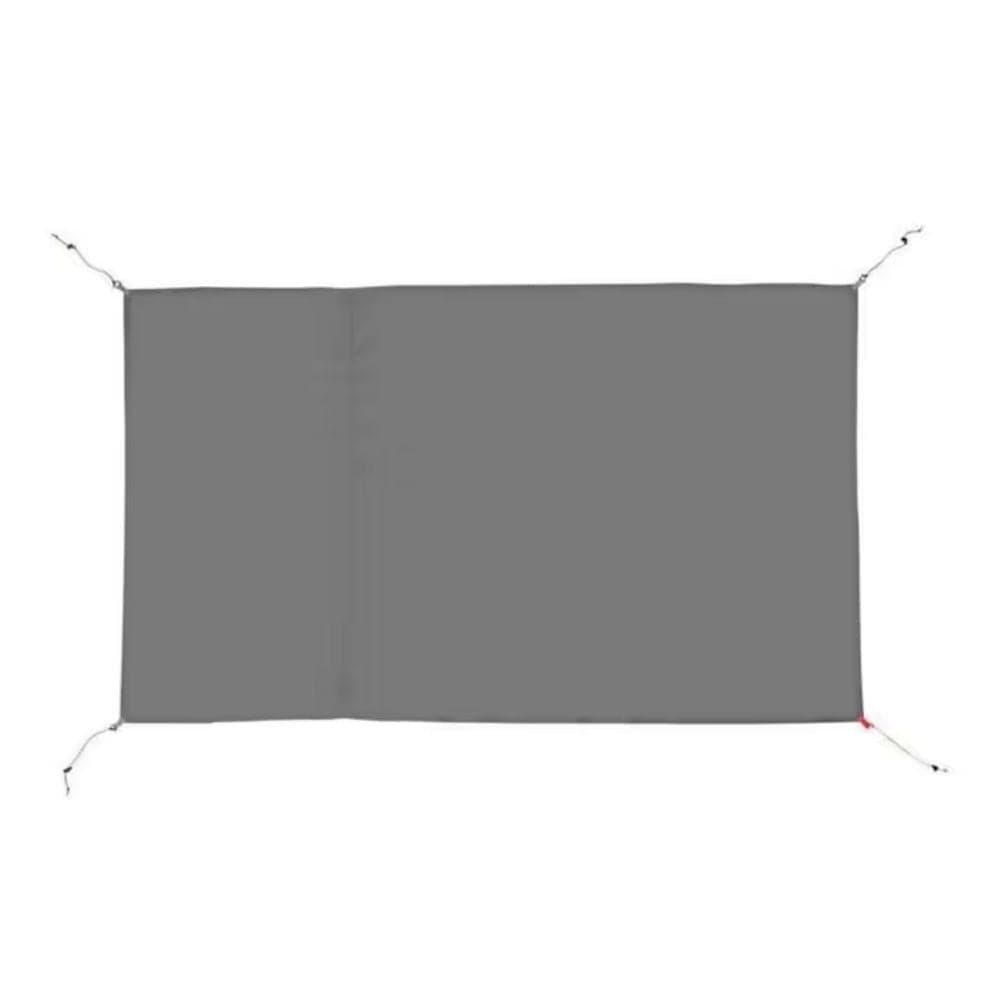
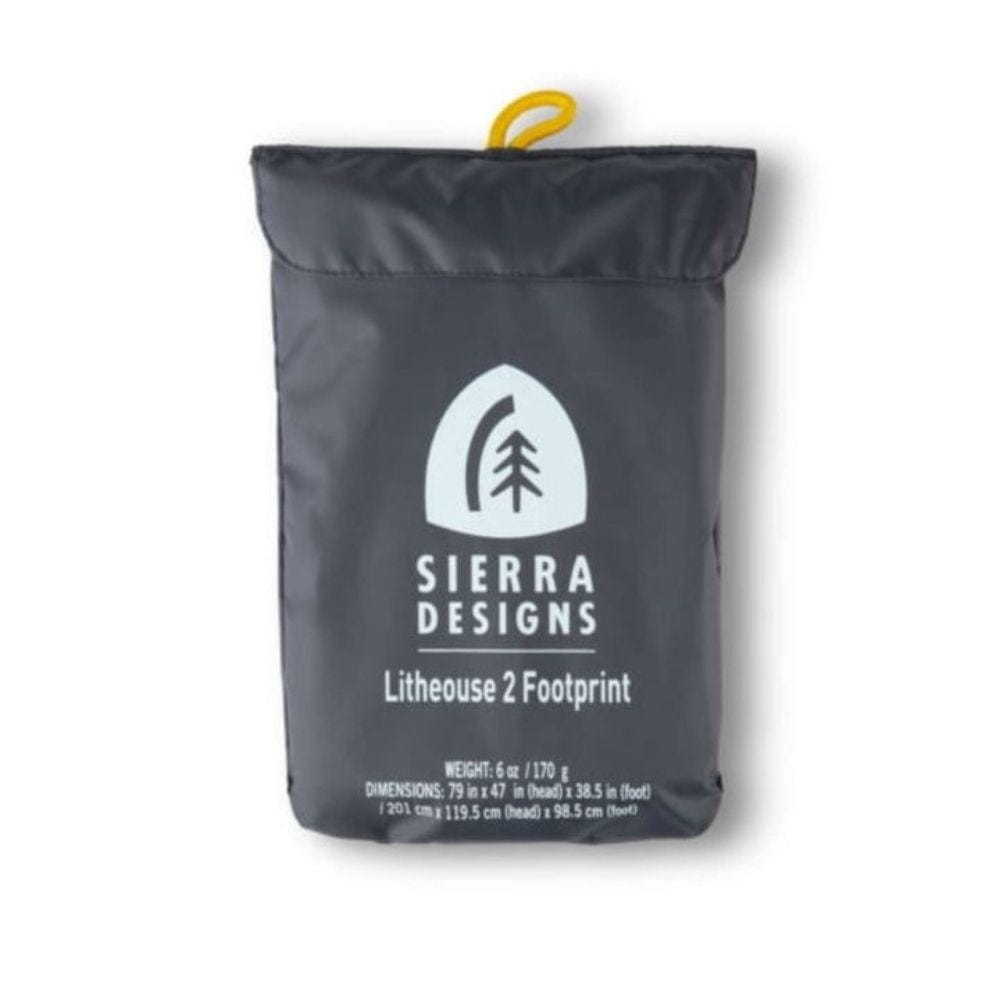
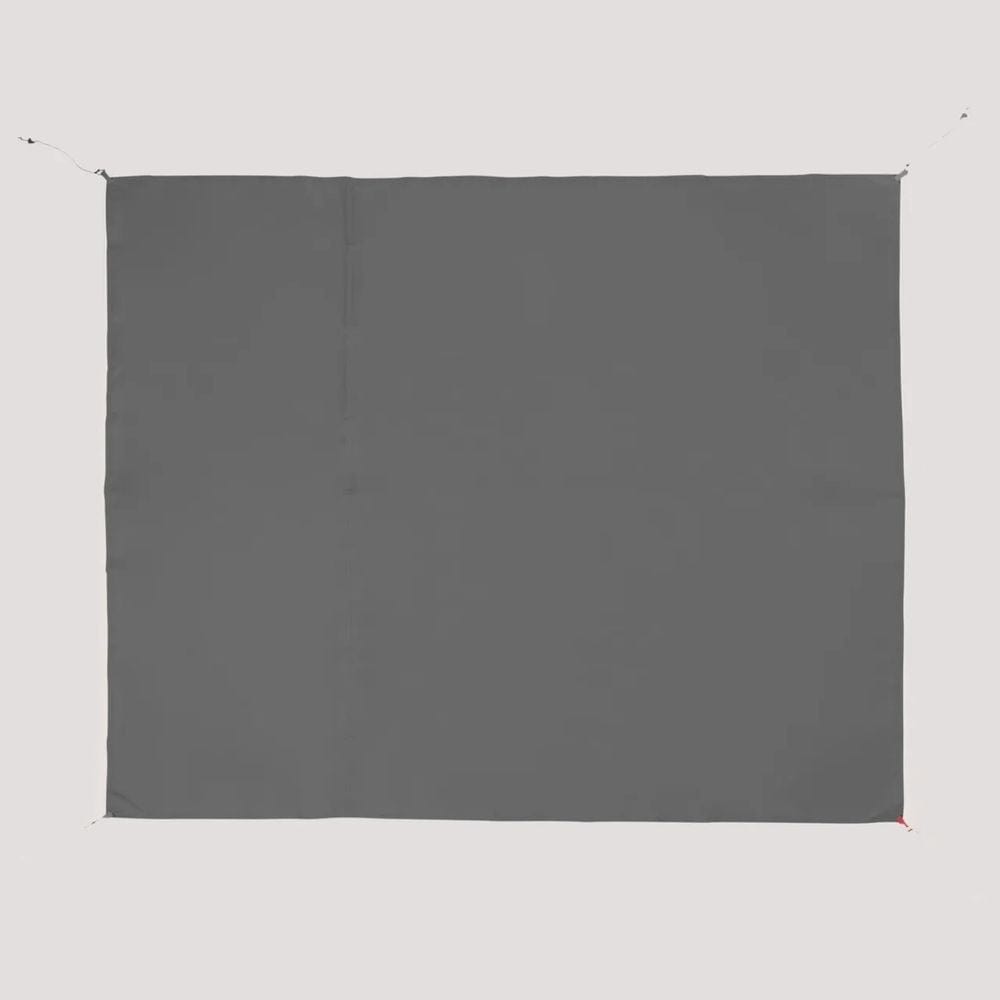
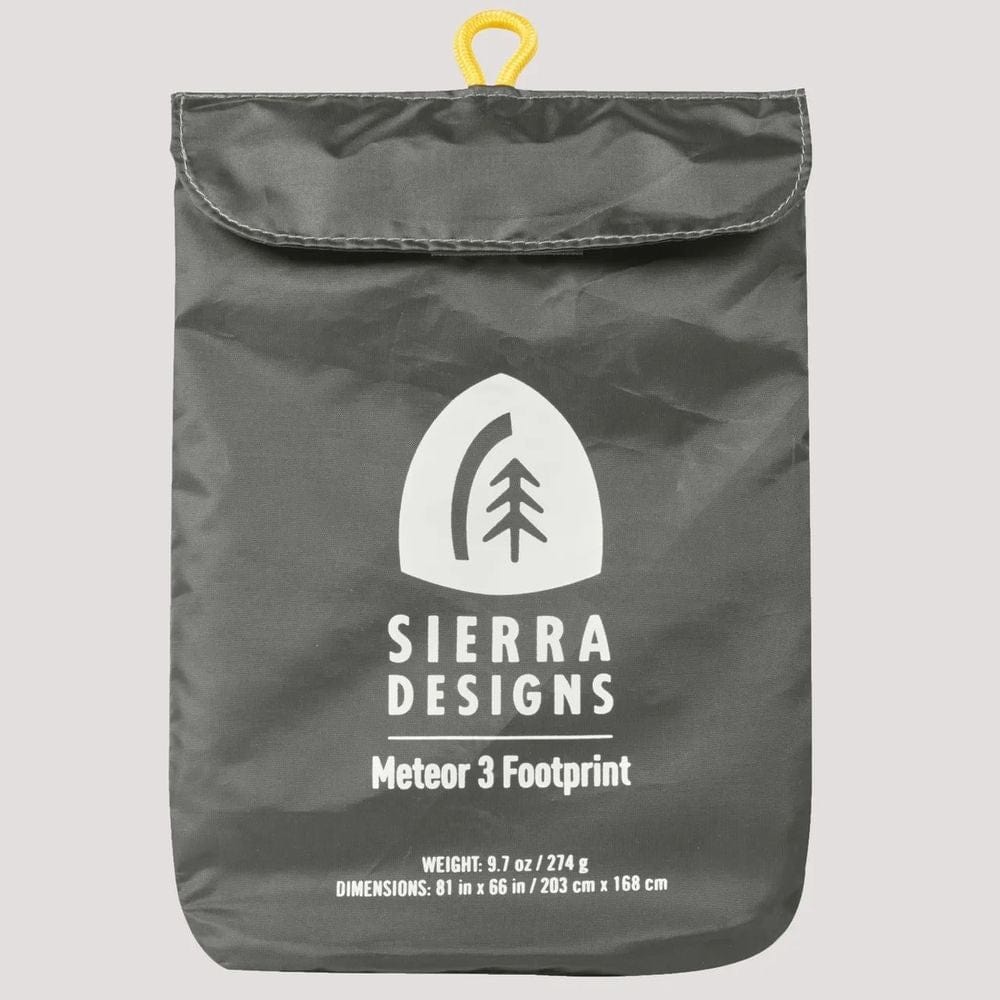
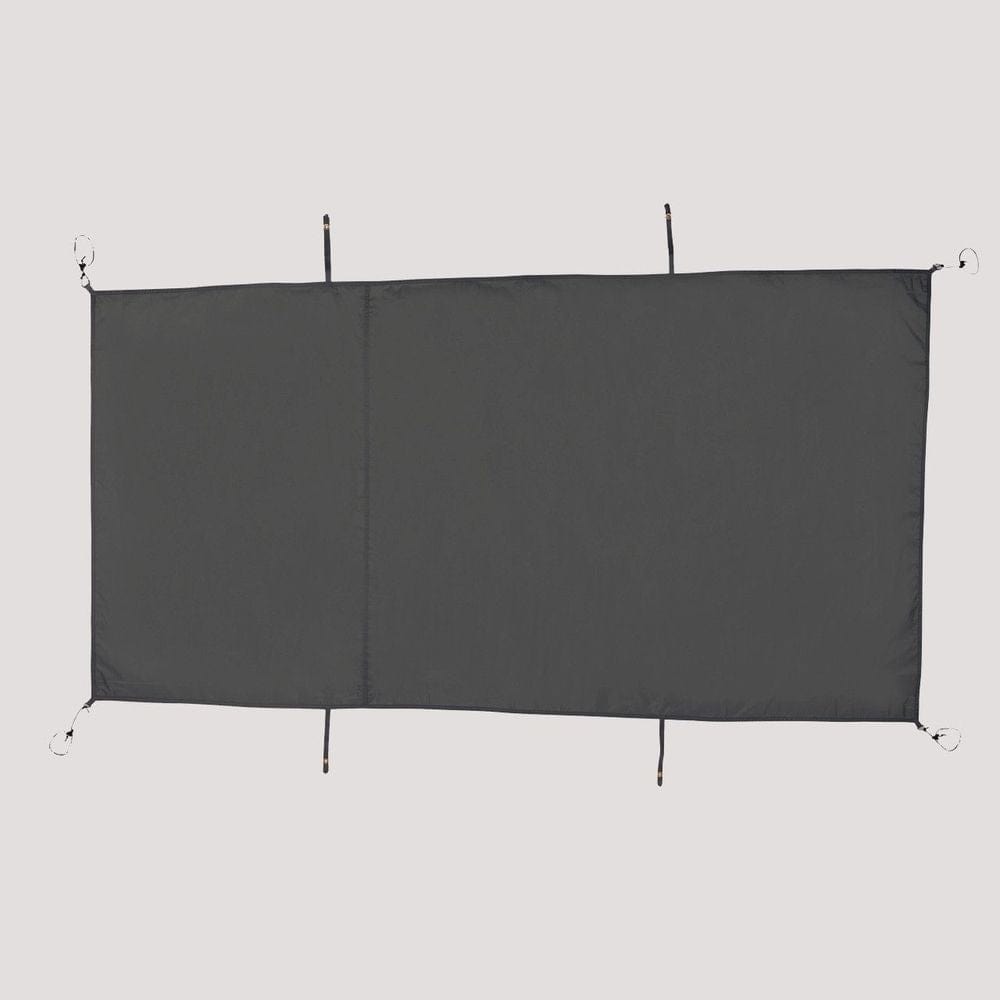
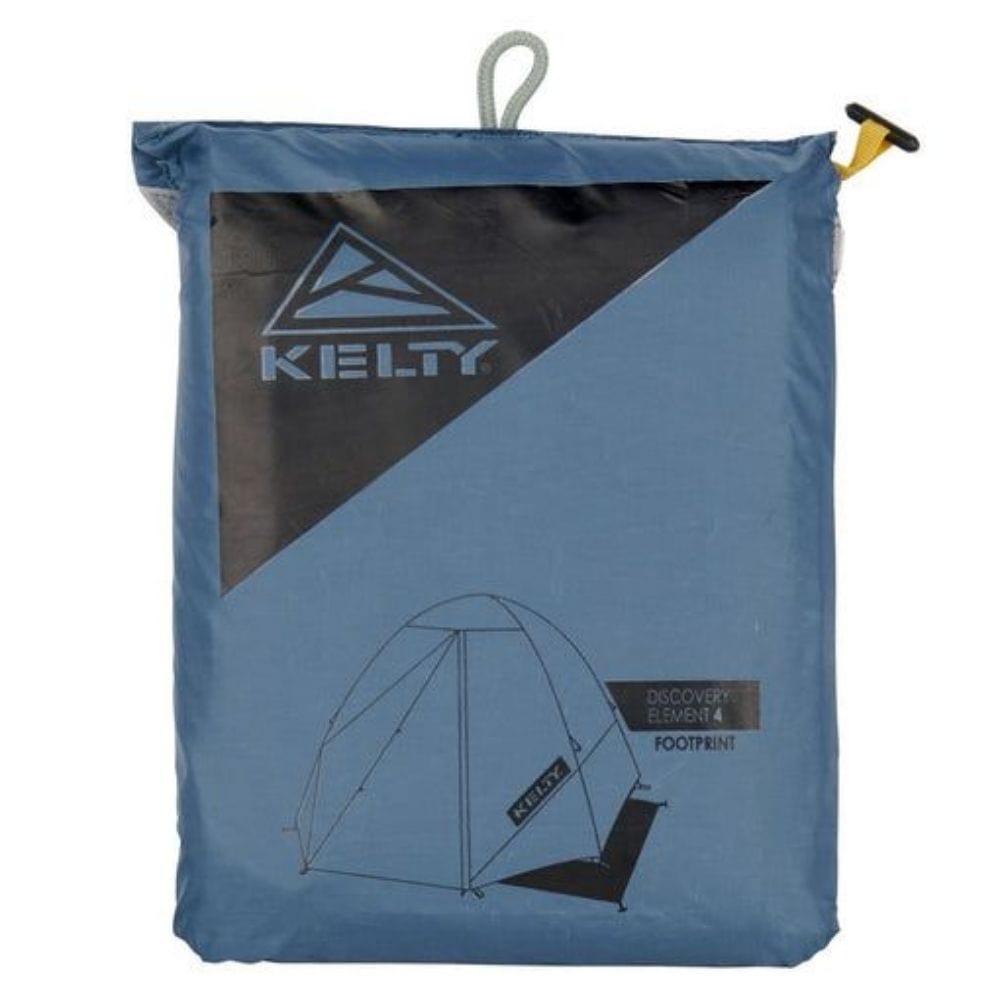
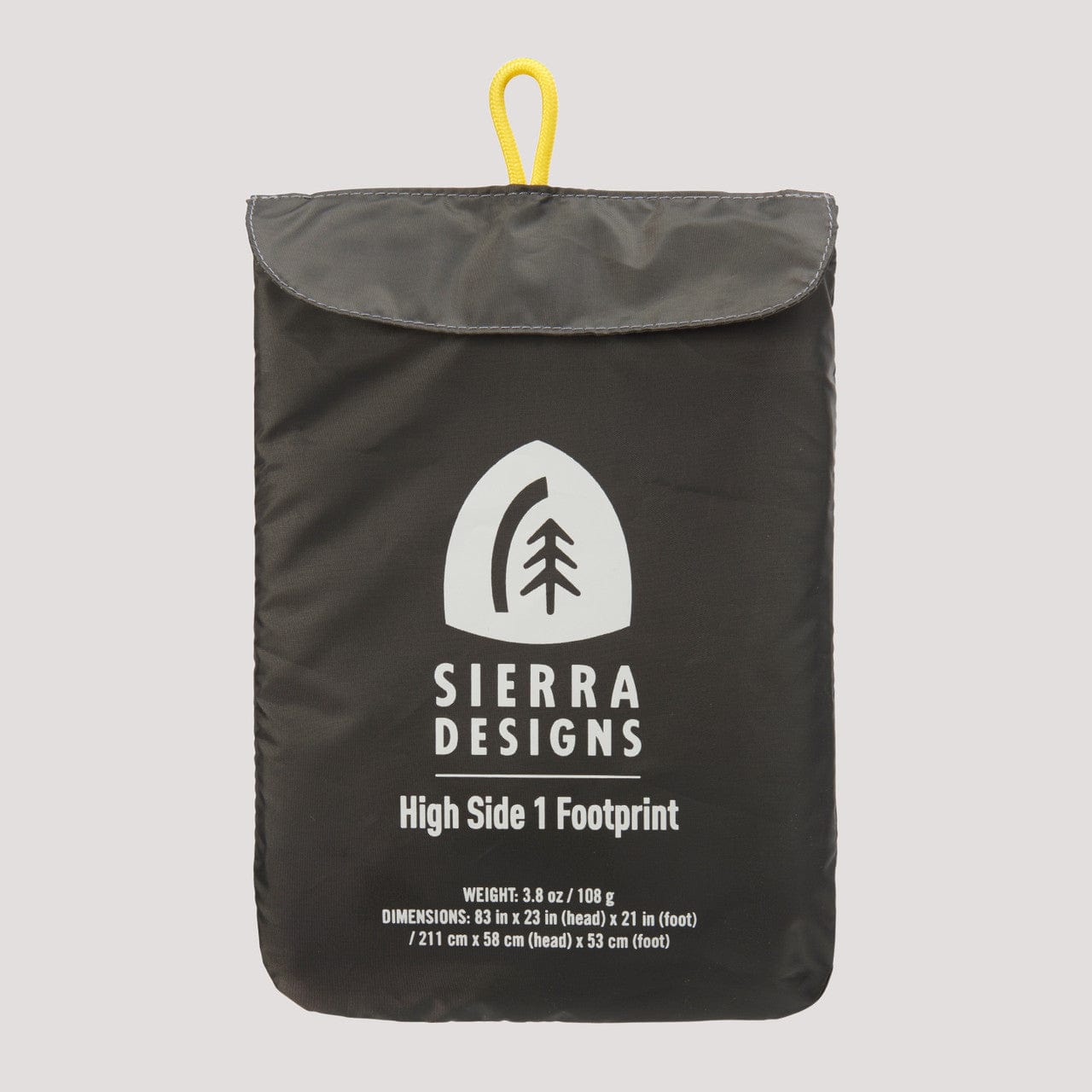
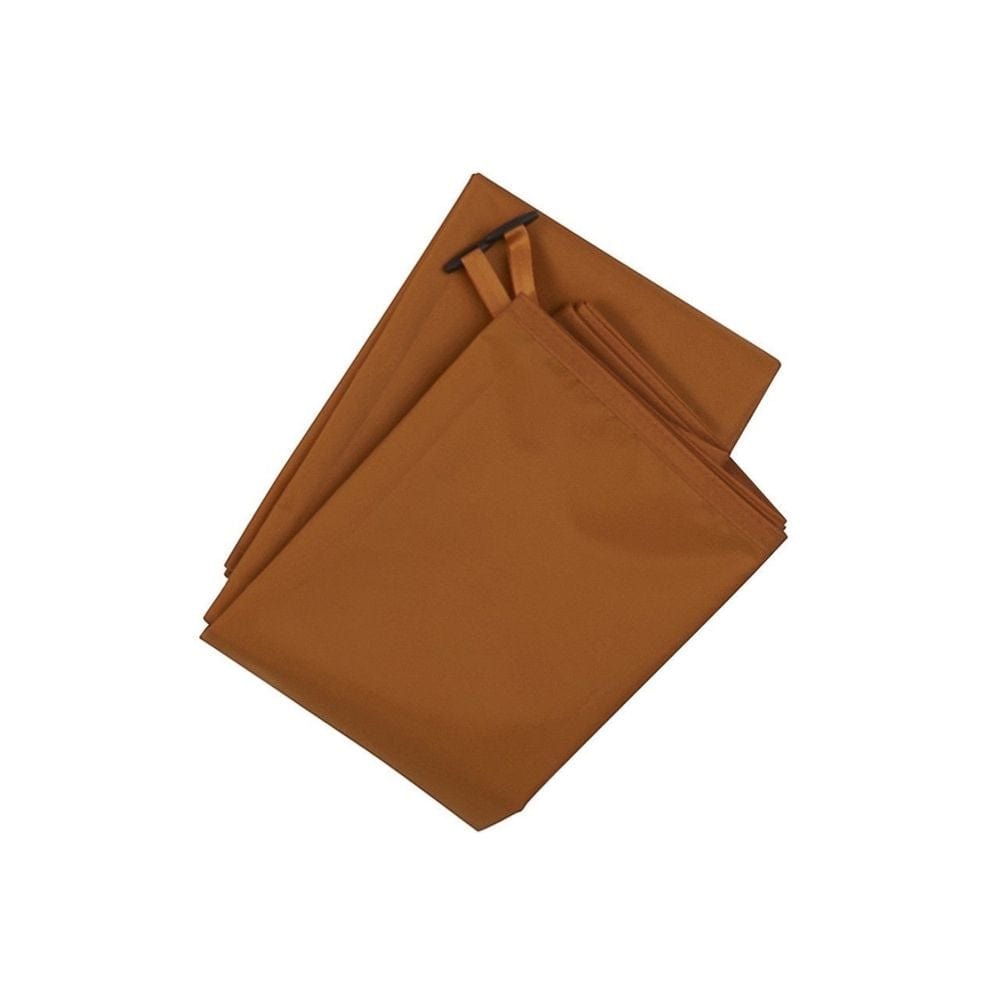
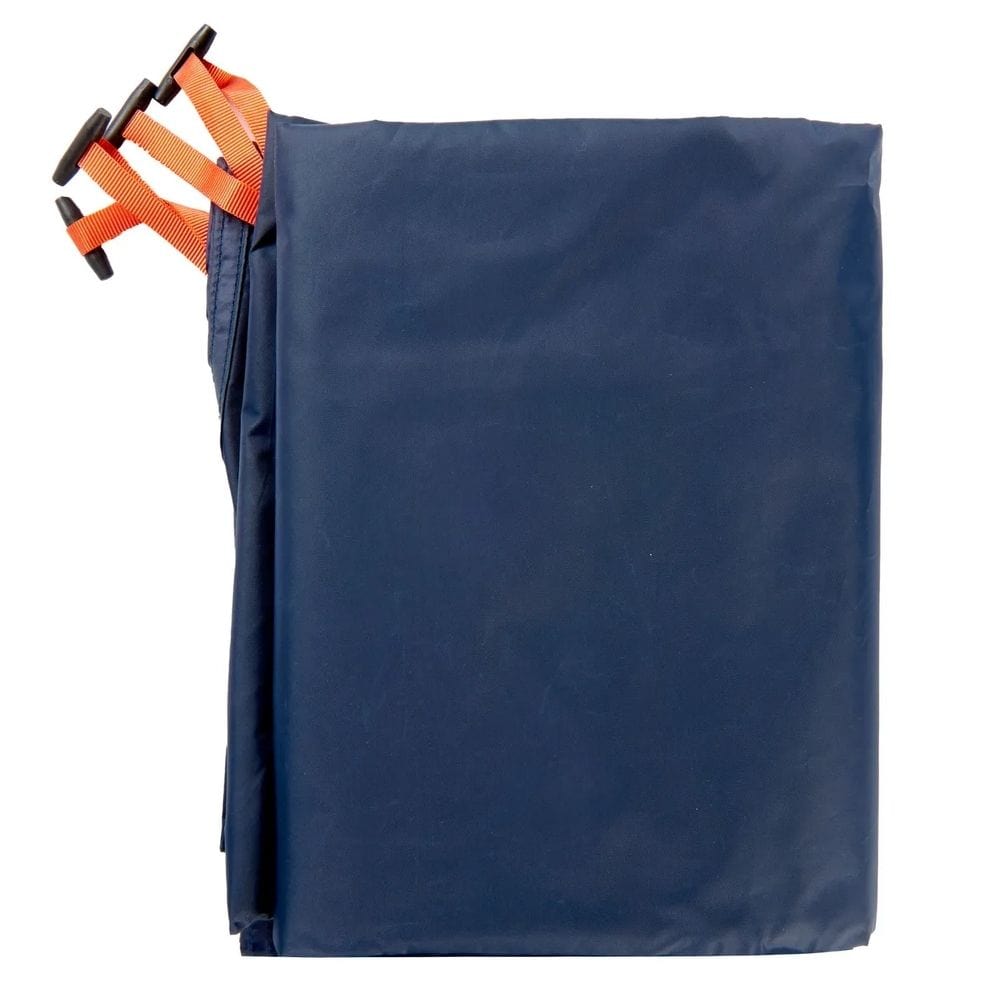
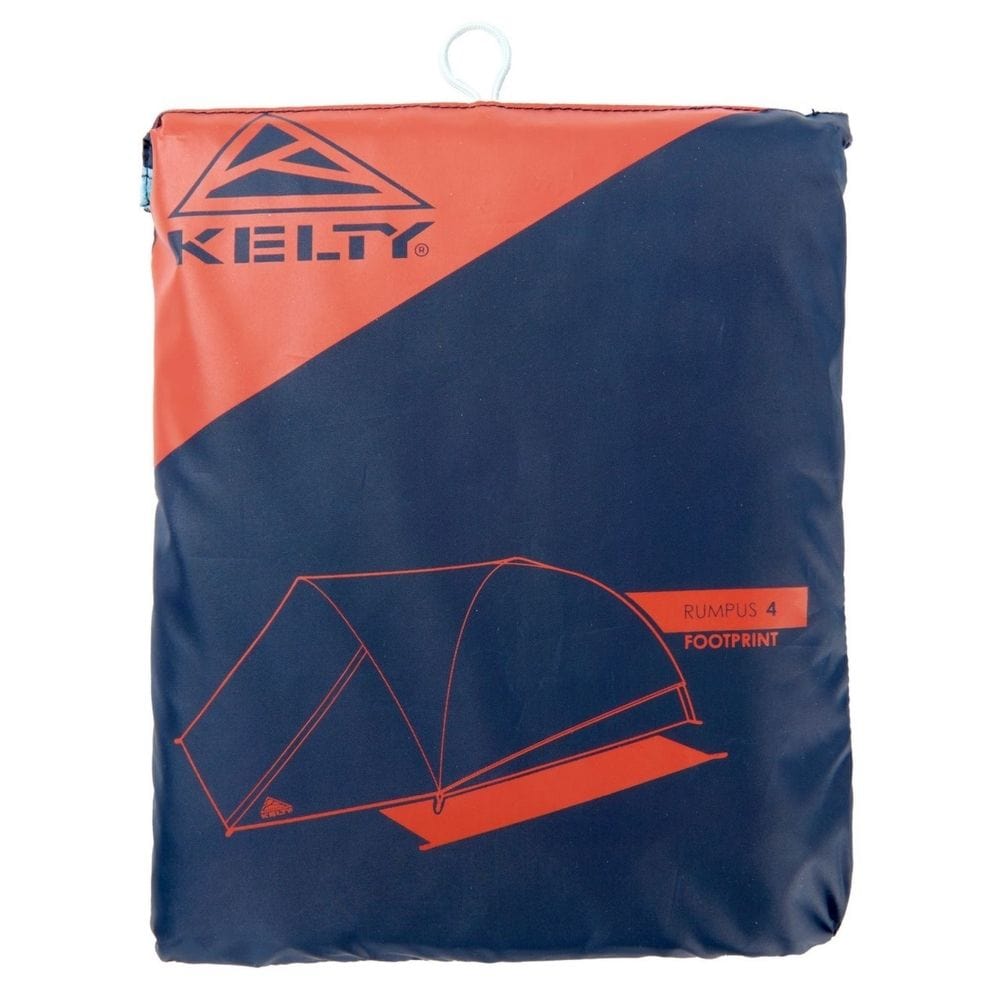
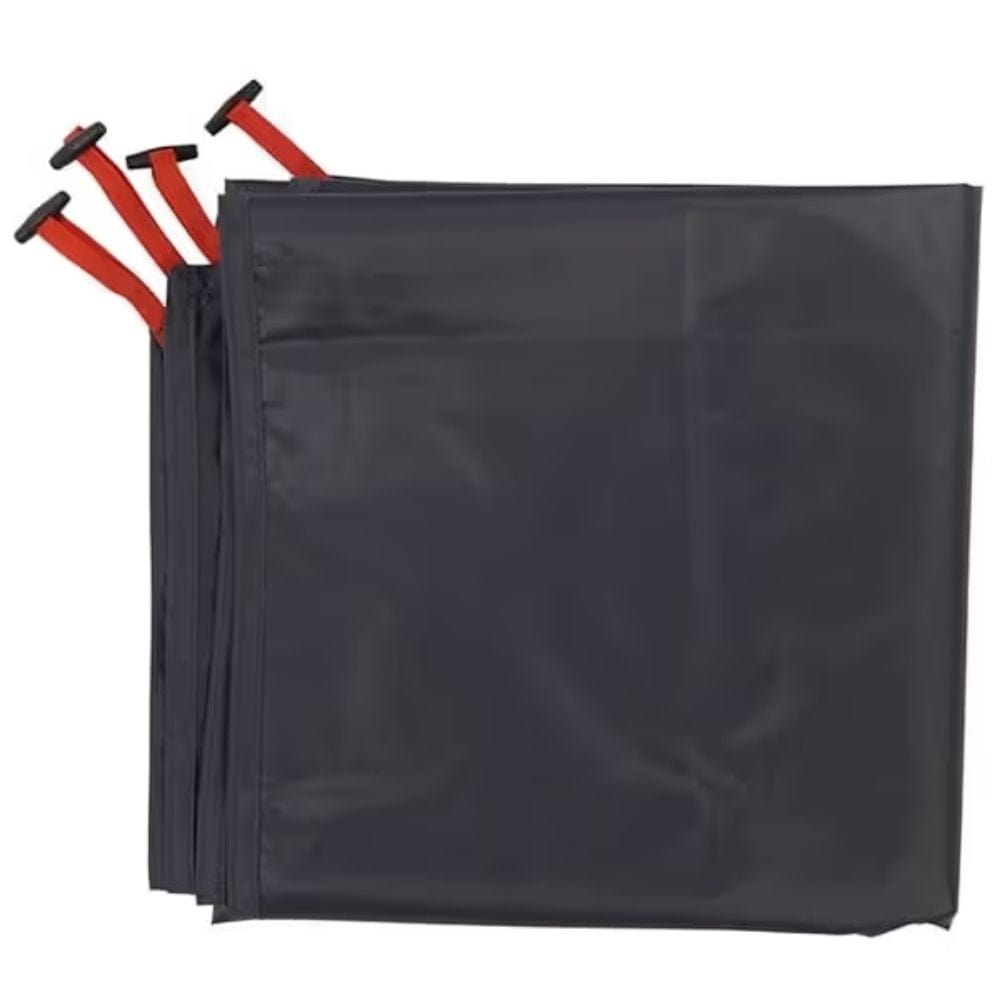
A footprint, or groundsheet, protects the base from damage and adds a little insulation and dryness underneath.
Pitching and Looking After Your Tent
Good habits keep a tent waterproof and reliable for years.
- Always dry a tent fully before storing, as packing it damp causes mould and breaks down coatings
- Clean off mud and grit before packing, and avoid folding along the same creases every time
- Use a footprint to protect the groundsheet
- Re proof the flysheet when water stops beading
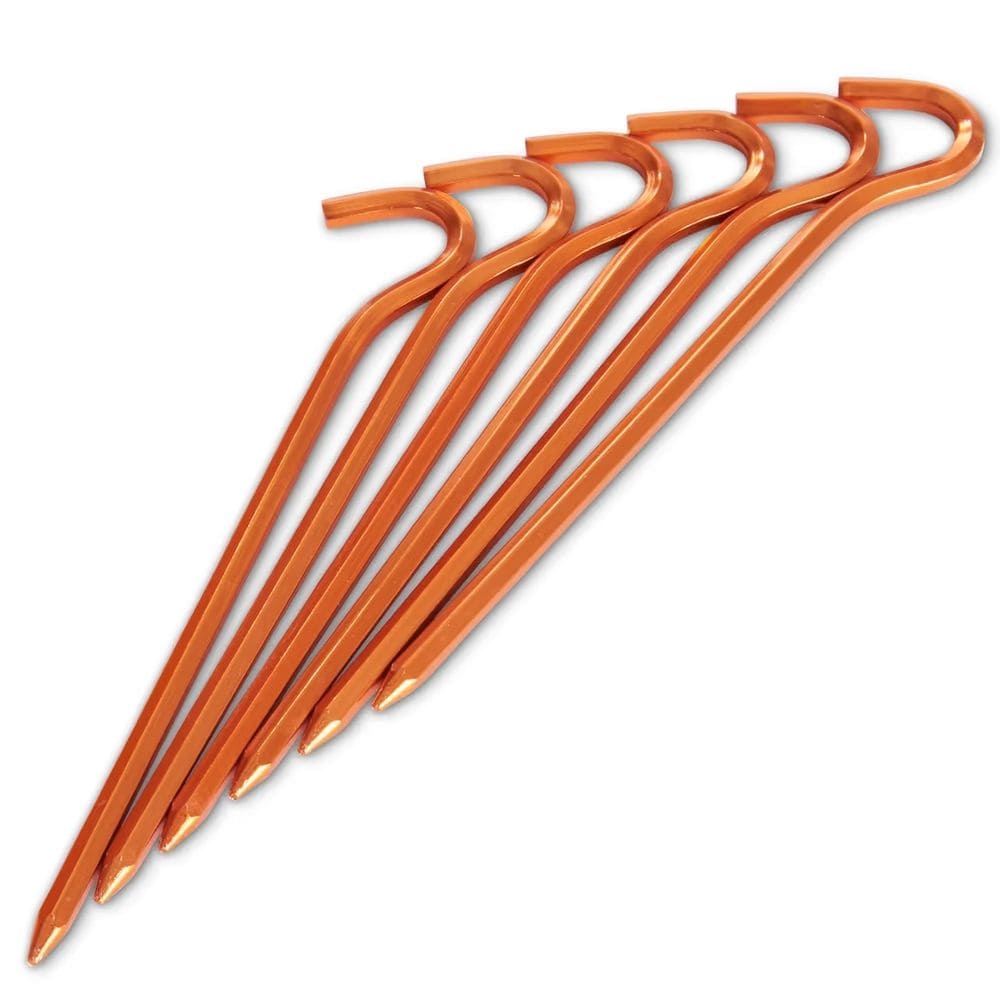
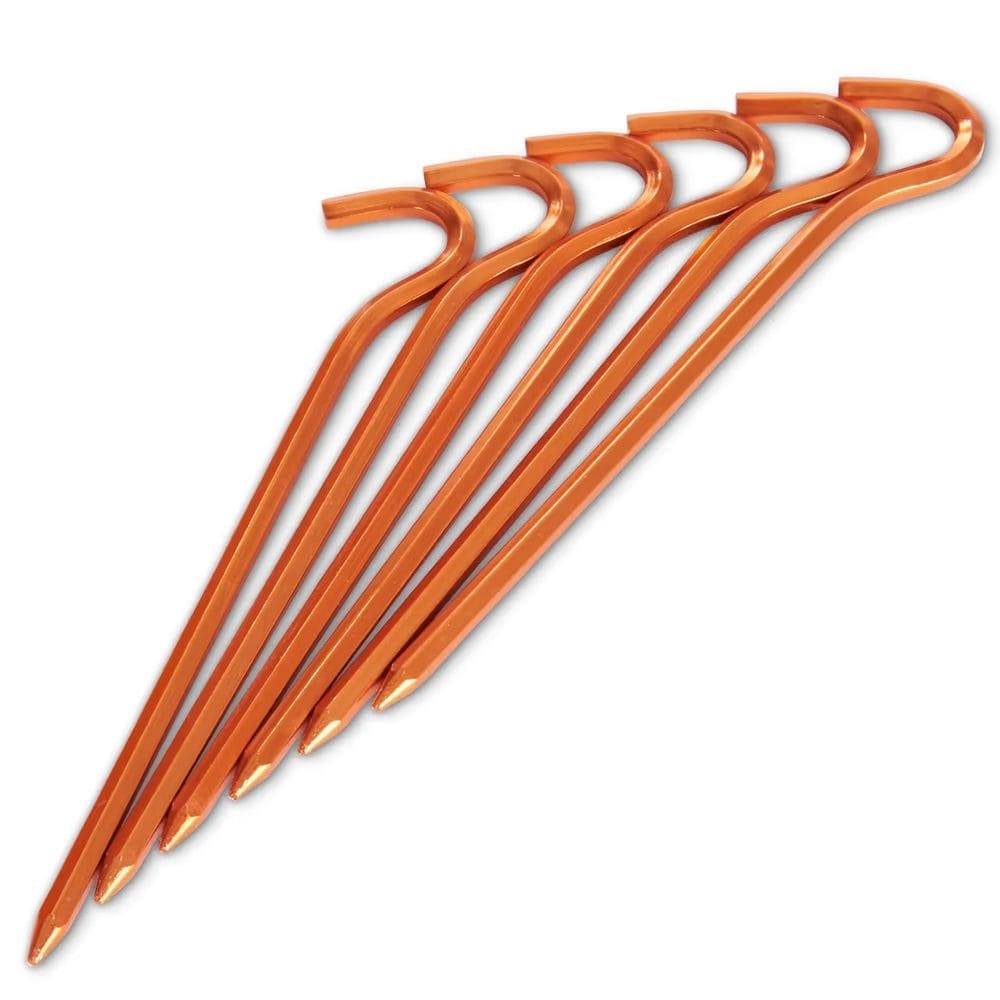
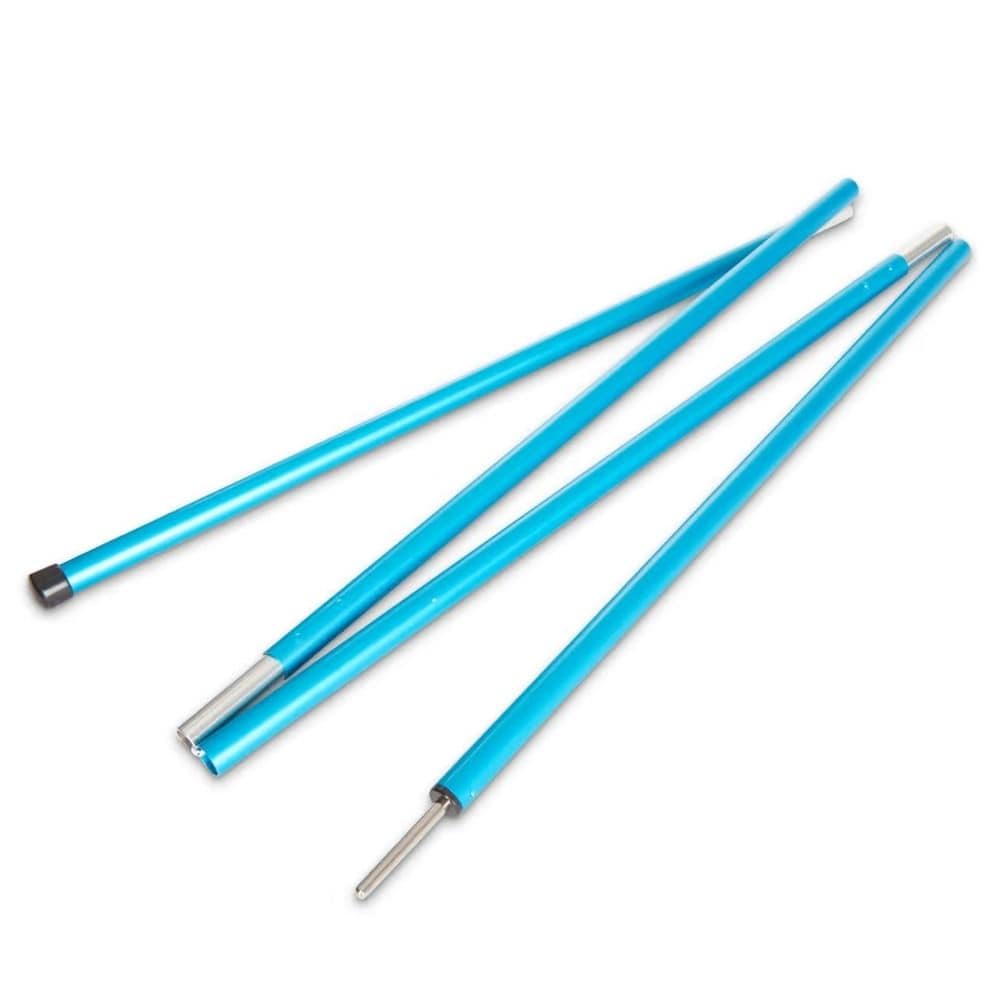
- Check and replace guy lines and pegs as needed, and carry a repair sleeve for poles
Drying a tent properly after a wet trip is the single most important thing you can do for its lifespan.
How Much Do Tents Cost?
Prices depend on size, materials, weight, and weather protection. Entry level tents cover fair weather and festival use at the lower end of the range, mid range tents add better waterproofing, stability, and living space, and premium backpacking and expedition tents bring the lightest materials and the most weatherproof construction. If you camp regularly or in exposed UK conditions, investing in better waterproofing and wind stability pays off in comfort and durability.
Why Buy Your Tent from Surface2Air Sports?
We have been fitting outdoor and watersports enthusiasts since 2002, with a shop in Poole and the full range online.
- Backpacking, family, and festival tents
- Tarps, shelters, screenhouses, and footprints
- Trusted outdoor brands
- Honest advice on size, season rating, and weatherproofing
- In store support and online guidance
- A range to suit different budgets
Whether you need a light tent for the hills or a roomy base for family weekends, we can help you choose the right shelter. Pair it with the rest of your kit from our outdoor range.
Pitching Your Tent in UK Weather
Pitching well makes a tent far more comfortable in British conditions. Choose a sheltered, level spot away from the lowest ground where water collects, and point the smallest, strongest end of the tent into the prevailing wind. Peg out the groundsheet and flysheet fully, then use every guy line and tension it properly, as guy lines are what keep a tent standing in a blow rather than flexing and leaking. Keep the inner and the flysheet from touching so condensation cannot transfer through, and store wet gear in the porch. It is well worth practising pitching in the garden before a trip, so you are not learning in the dark and rain. A few spare pegs and a pole repair sleeve in your kit will cover most mishaps on site.
Frequently Asked Questions About Tents and Shelters
What size tent do I need?
Tent capacity ratings are snug, so for comfort and gear space it is common to size up by one person, meaning two campers often choose a 3P tent.
What season rating do I need for the UK?
A 3 season tent suits most UK camping from spring to autumn. Choose a 4 season tent only for winter or exposed mountain use.
What is a hydrostatic head?
It is a measure of how waterproof a fabric is, in millimetres. A higher rating on the flysheet and groundsheet, with taped seams, means better protection against rain.
Do I need a footprint?
A footprint protects the groundsheet from damage and adds a little dryness and insulation underneath. It is a worthwhile way to extend a tent's life.
How do I stop condensation in my tent?
Use the vents and mesh panels, avoid sealing the tent up completely on cold nights, and keep wet gear in the porch rather than the sleeping area.
How do I store a tent?
Always dry it fully first, clean off mud and grit, and store it loosely rather than tightly folded along the same creases, to protect the coatings.
Can I repair a broken tent pole?
Yes, a pole repair sleeve is a quick field fix. Carry one on trips, and replace damaged poles or sections properly afterwards.
What is the difference between a tarp and a tent?
A tarp is open sided cover for shade, cooking, or a communal area, while a tent is an enclosed shelter for sleeping. Many campers use both together.
Let customers speak for us
When ordered item was not in stock but when it has arrived the team kept me filled in with when it would arrive and it did promptly! Would use again

Rapid delivery!!

Great job well dun thanks for your help with the purchase..

The bag is sturdy, spacious and water proofed on the inside. In addition, it can be worn as a backpack but it also comes with a strap for putting over a shoulder as a bag. I am happy with the purchase.

My first order of gummy straps never arrived so I contacted S2AS and they were very apologetic as Royal Mail had lost my parcel. They immediately sent out a second sets of straps which arrived the following day.
The customer service I recieved was exceptional and I would highly recommend this company for their swift response. I will definitely order with them again.

the whole exercise

item as dscribed, looks fantastic

As described and looks fantastic. thank you
My first board and binding set up after using hire equipment for over a year. These will take some getting used to but step in and strap is a vast improvement. Large to size 12UK looks like it only just fits across the toe strap.
S2AS are my go to online store for anything Snowboarding related and as they say any query just pick up the phone and speak to Ollie (who sounds a lot like Jamie Lang)

Wait for snow
Loved the service in the shop Ollie was very helpful and a pleasure to deal with. Recommend highly
Kind regards
Matt

2026 Slingshot KTV EverShred Wakeboard Bindings

Exceptionally quick delivery, would definitely recommend buying from this site

Hi my in store experience was fantastic from email to shop with your representative Ollie could not have been more polite & helpful
Once I’ve tried the bourd I will send further feedback
Hope your all well
Kind regards
Matt

We ordered a large amount of items that all arrived safely, we kept everything save two jackets which we ordered wrong, but the team were great, we sent them back and got a refund with no hassle. Will definitely use in the future!

Great graphics, good fit and quality