
Sort by
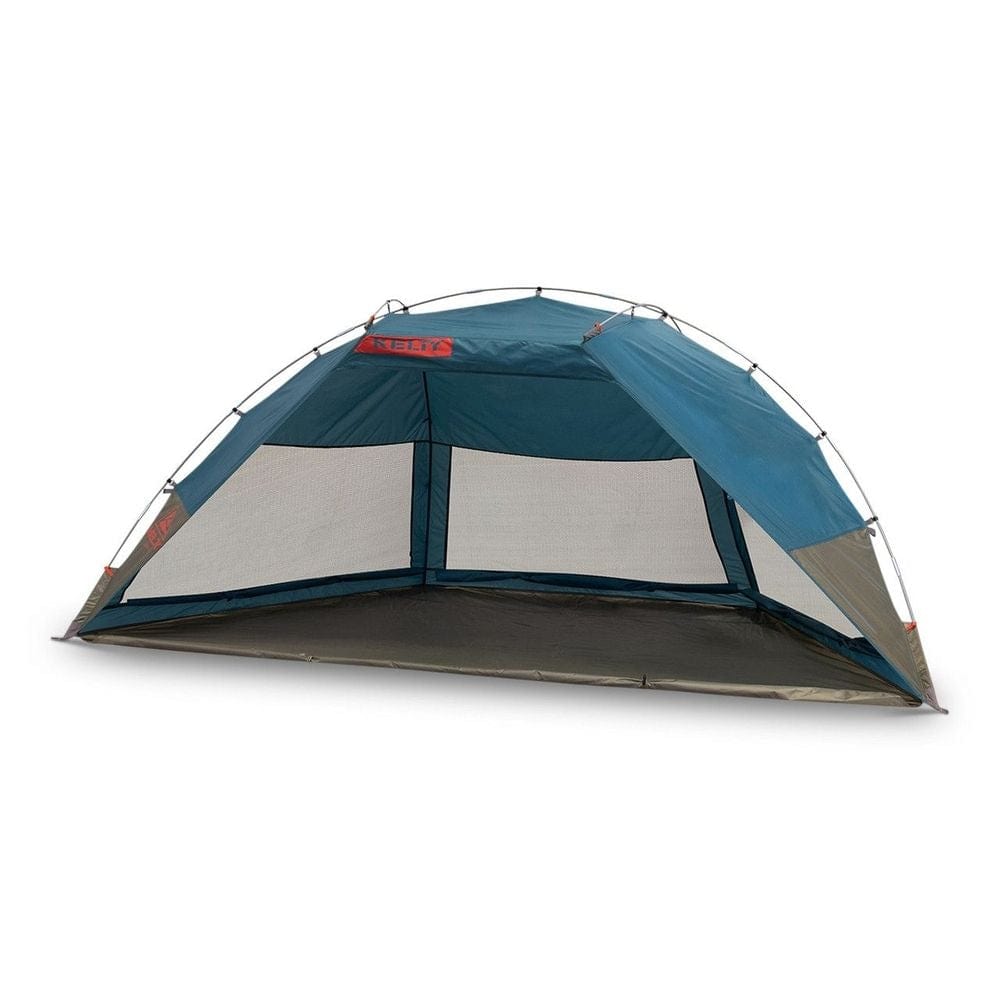
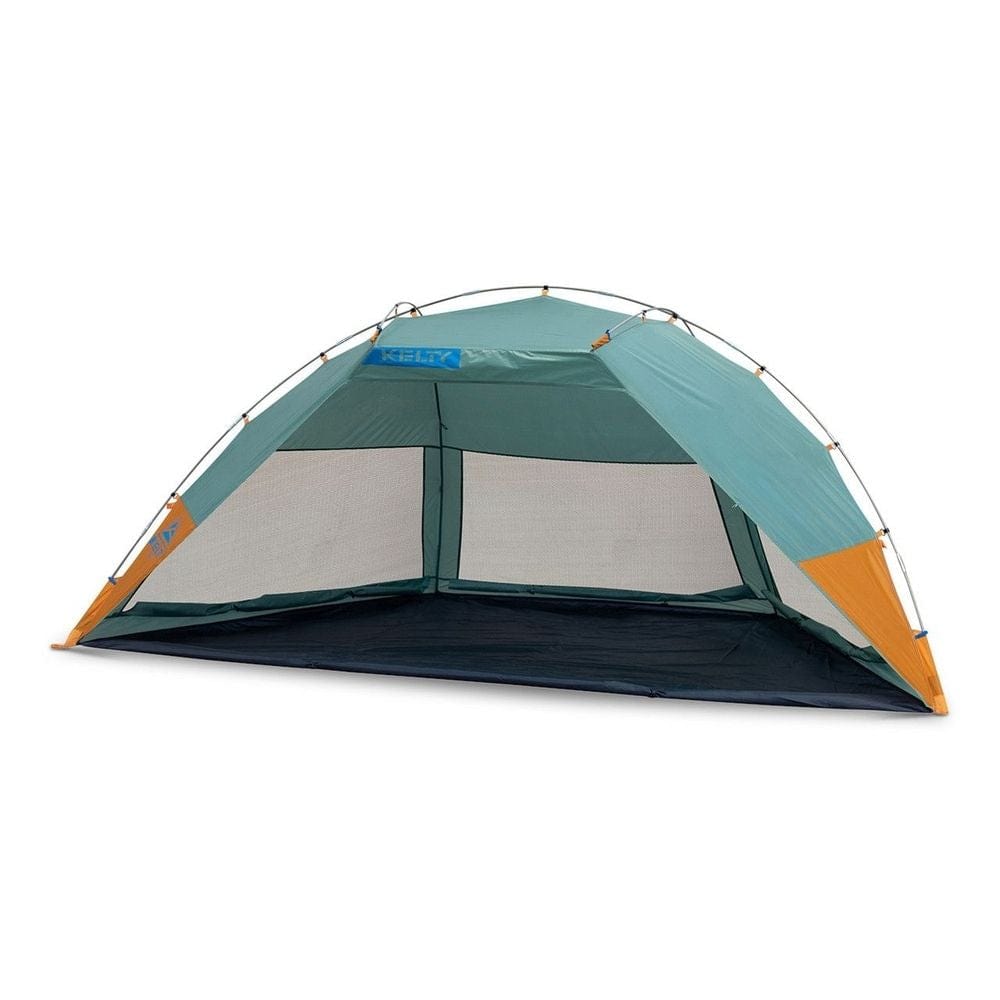
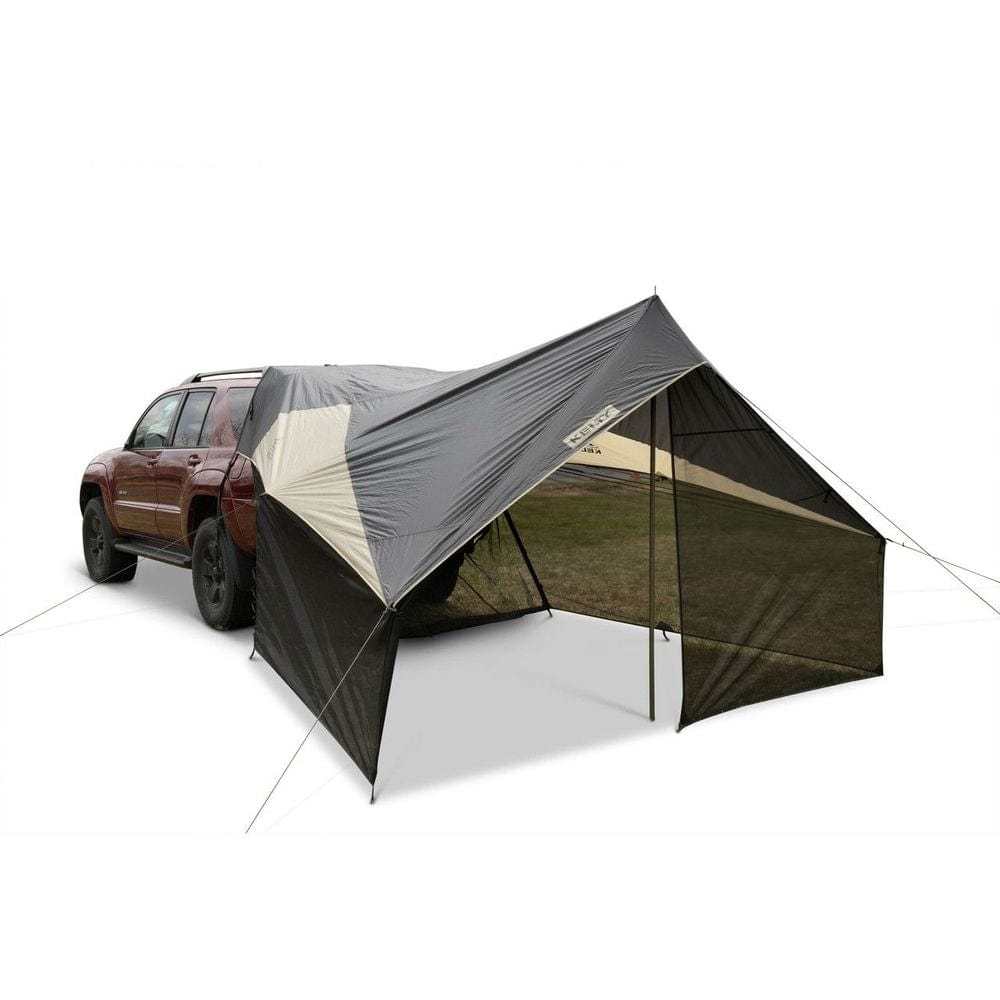
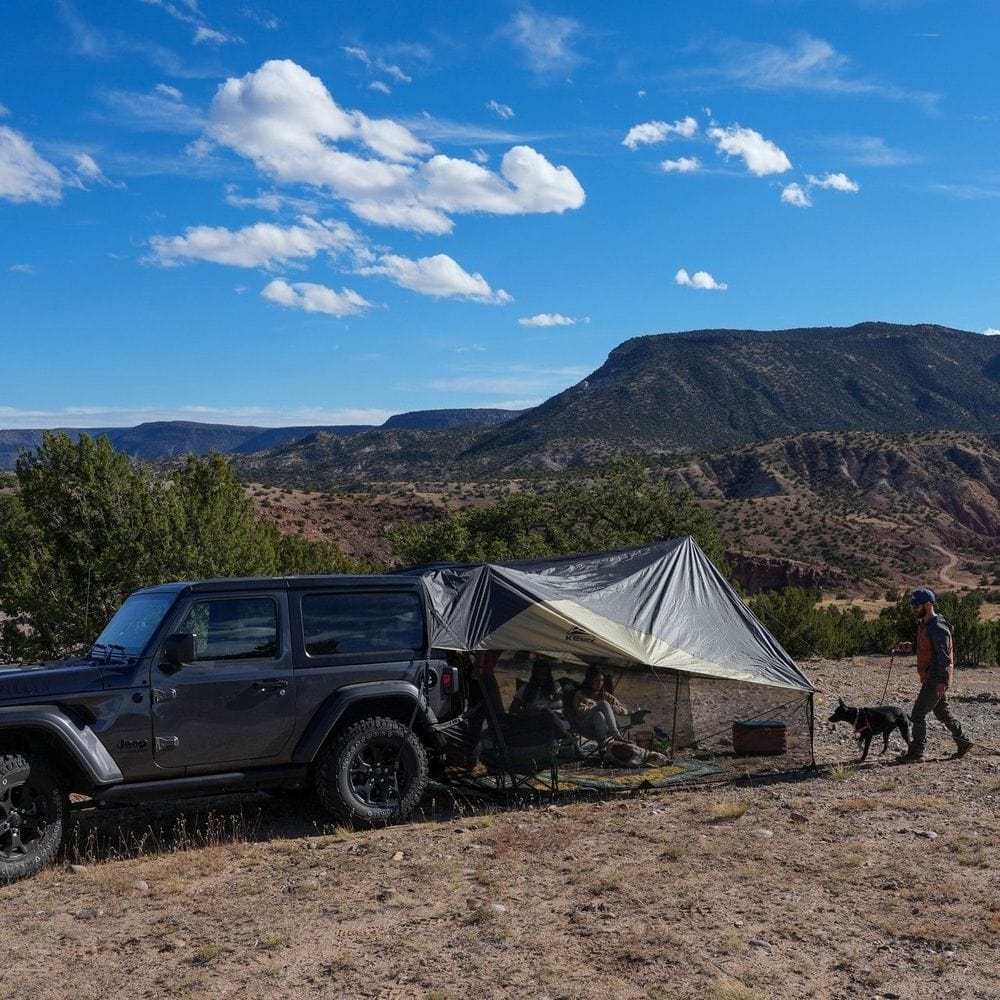
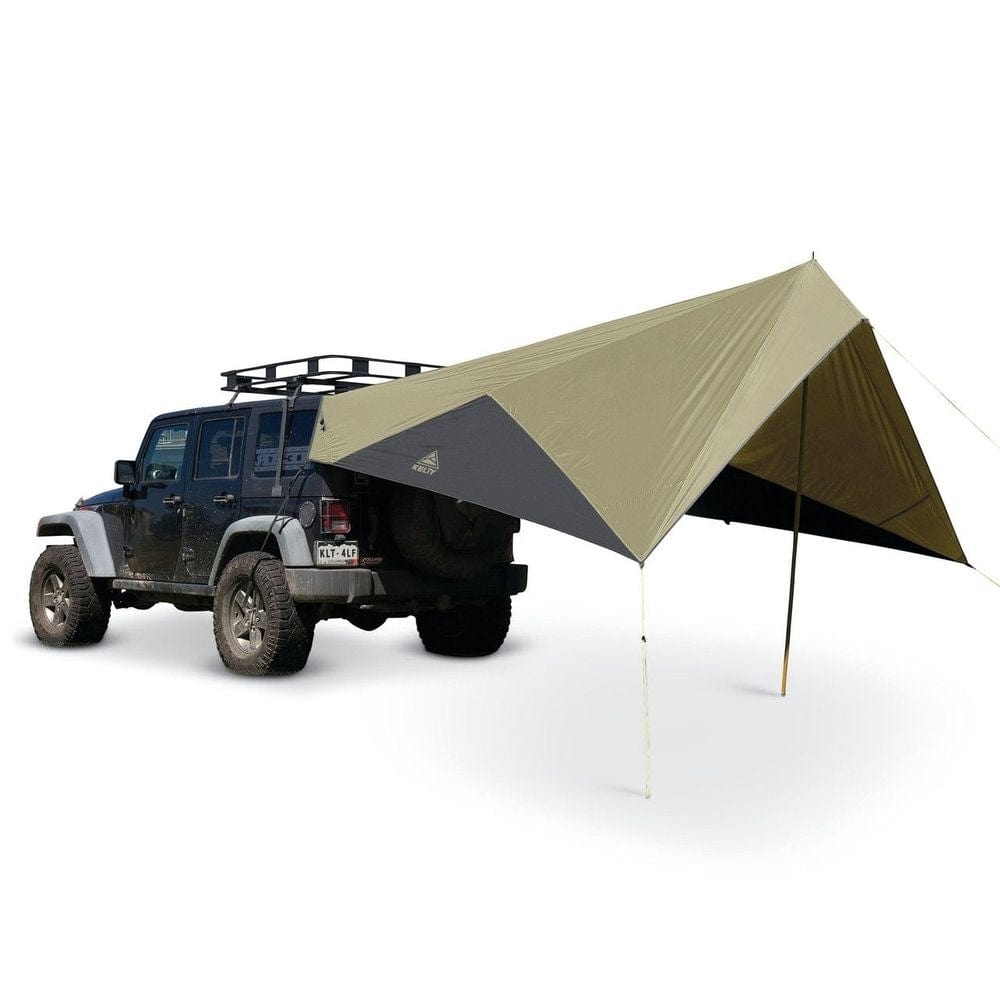
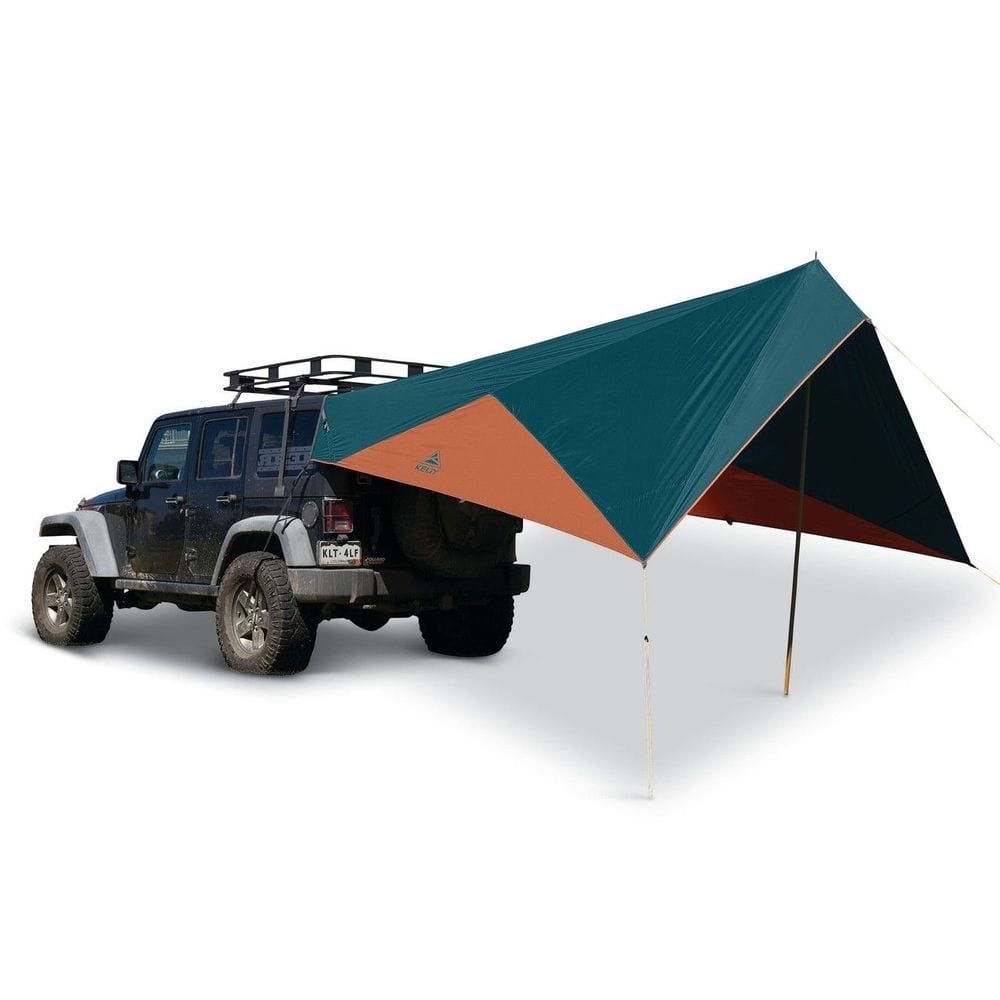
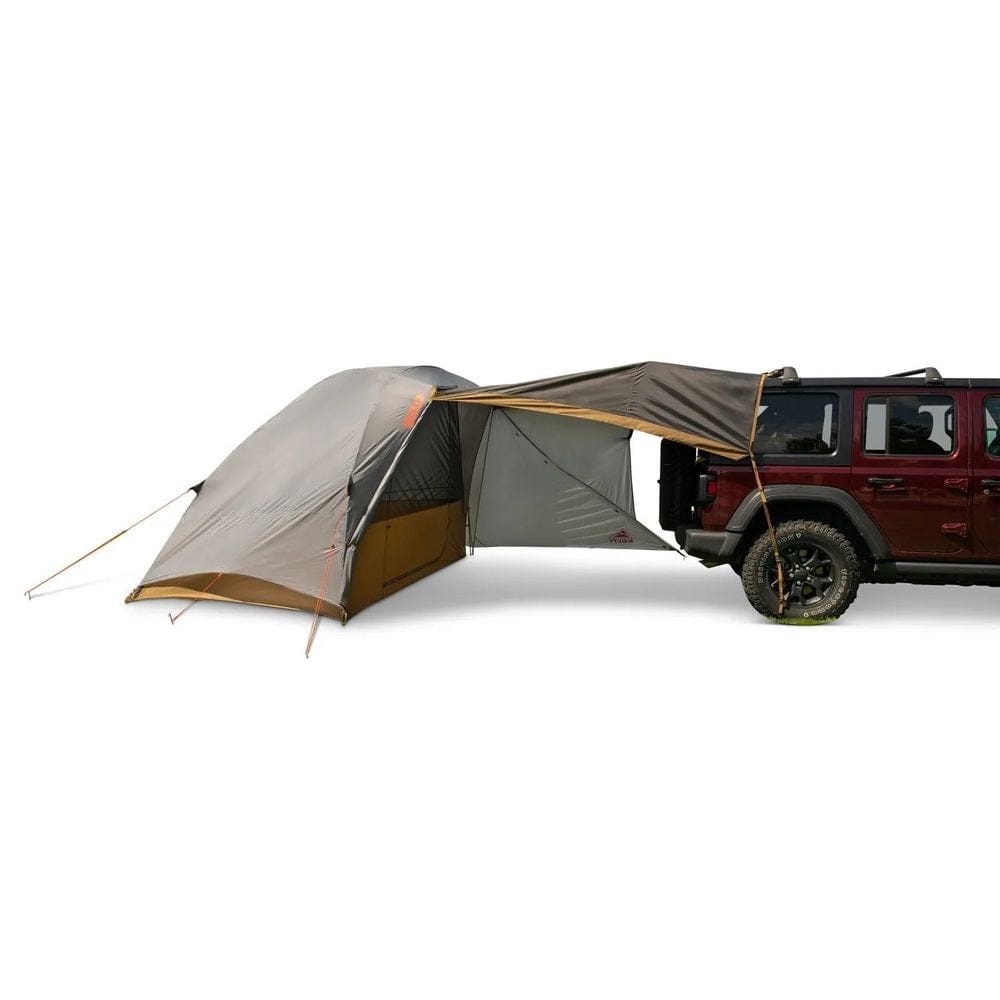
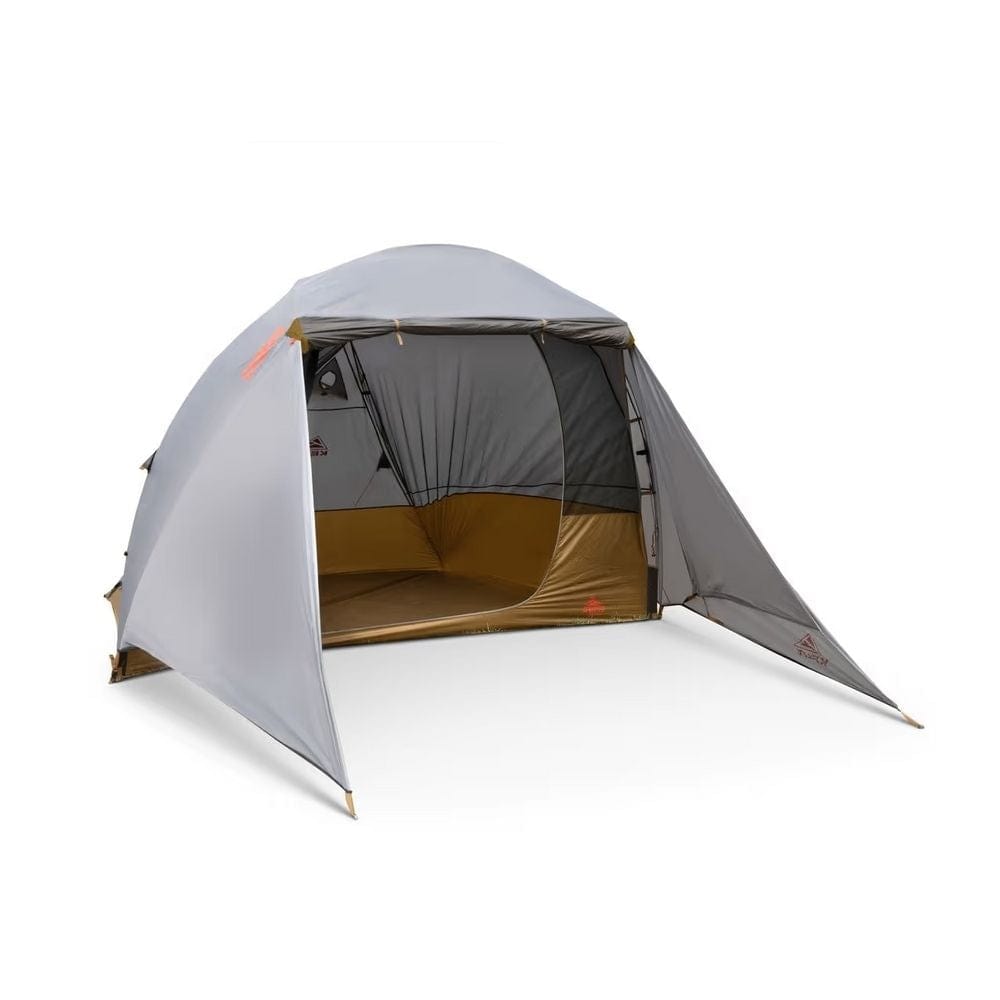
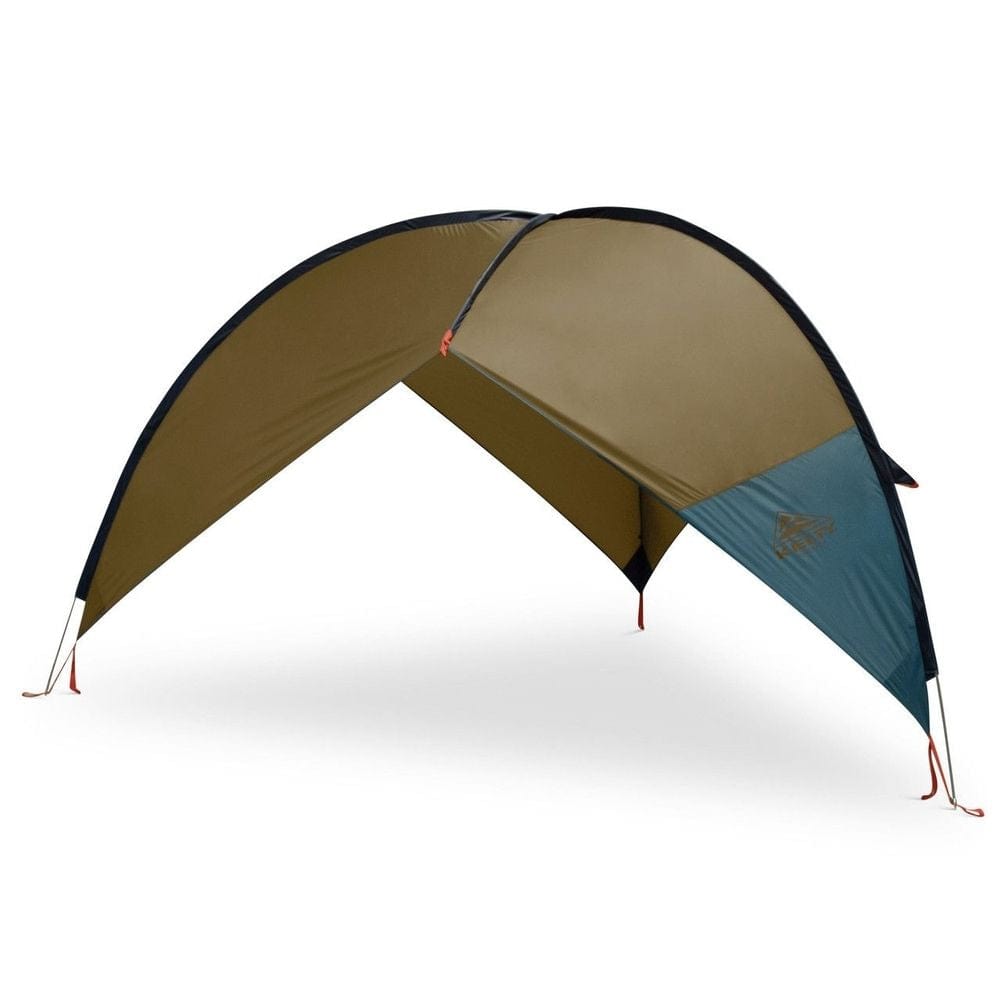

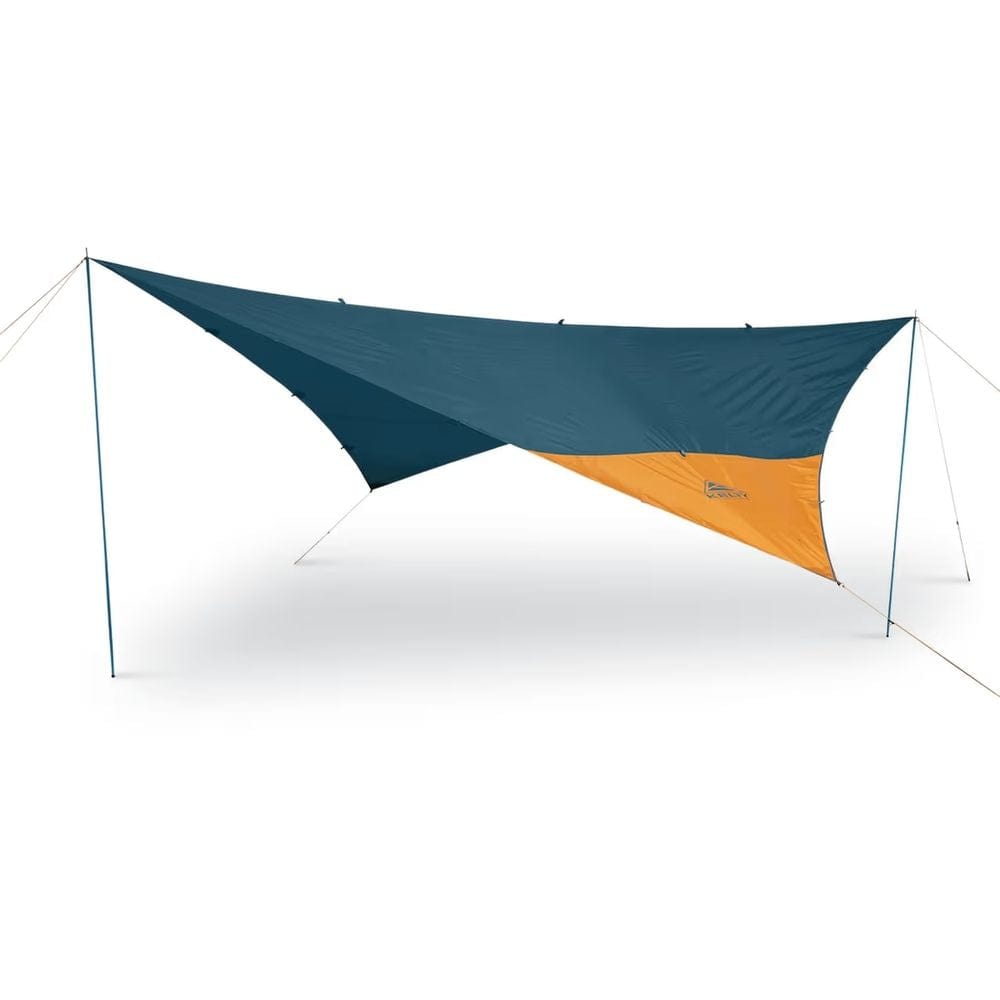
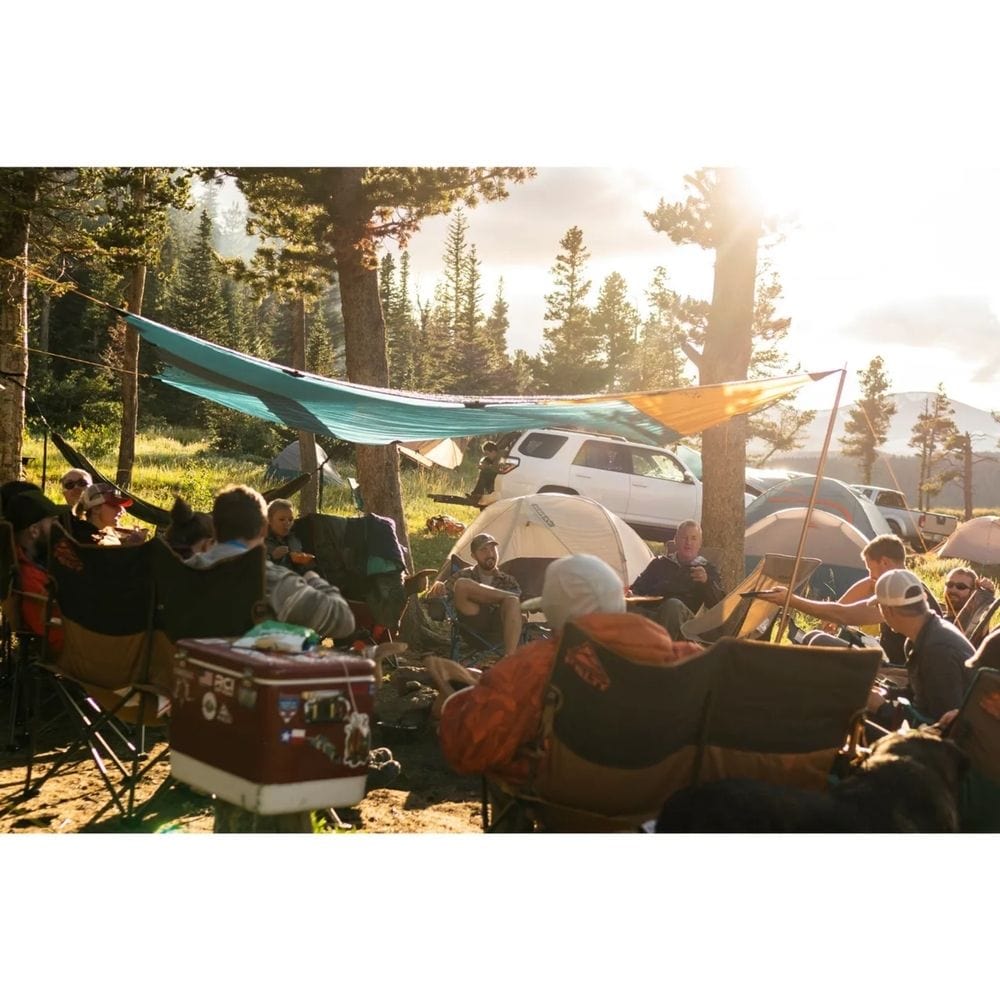
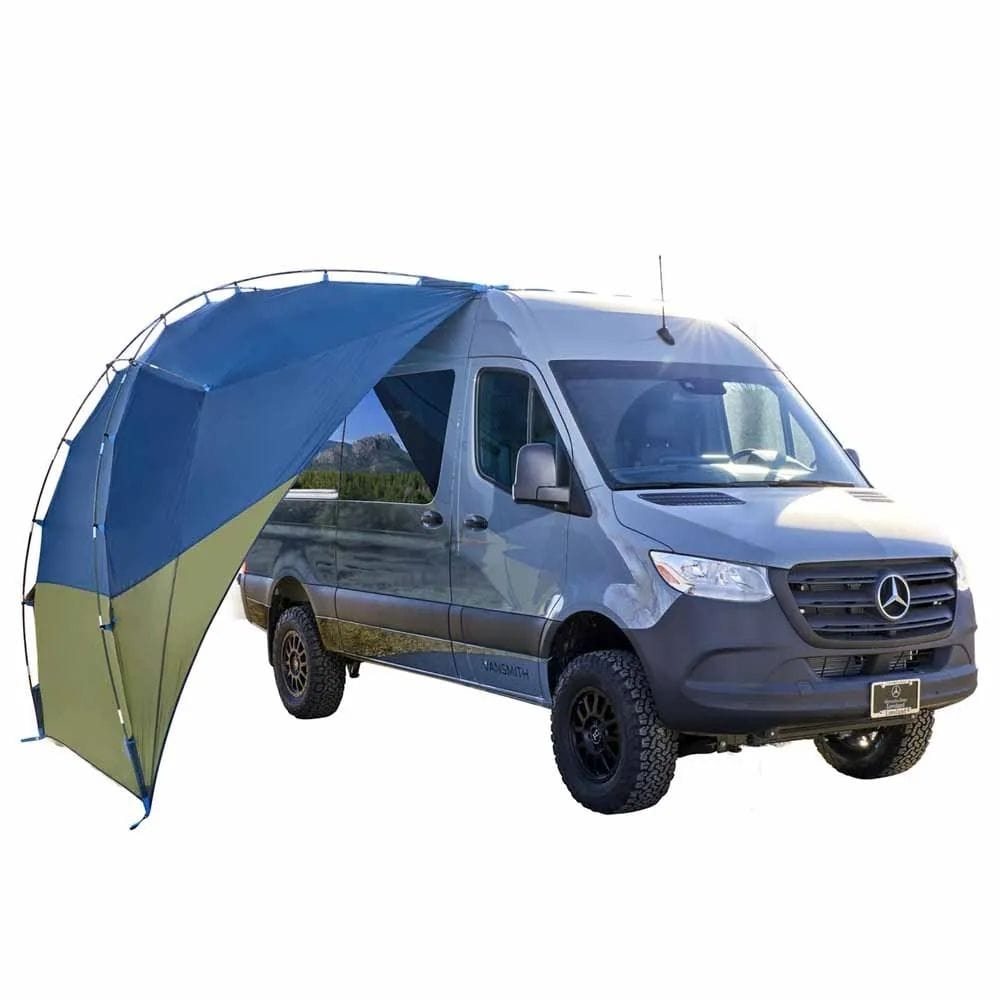
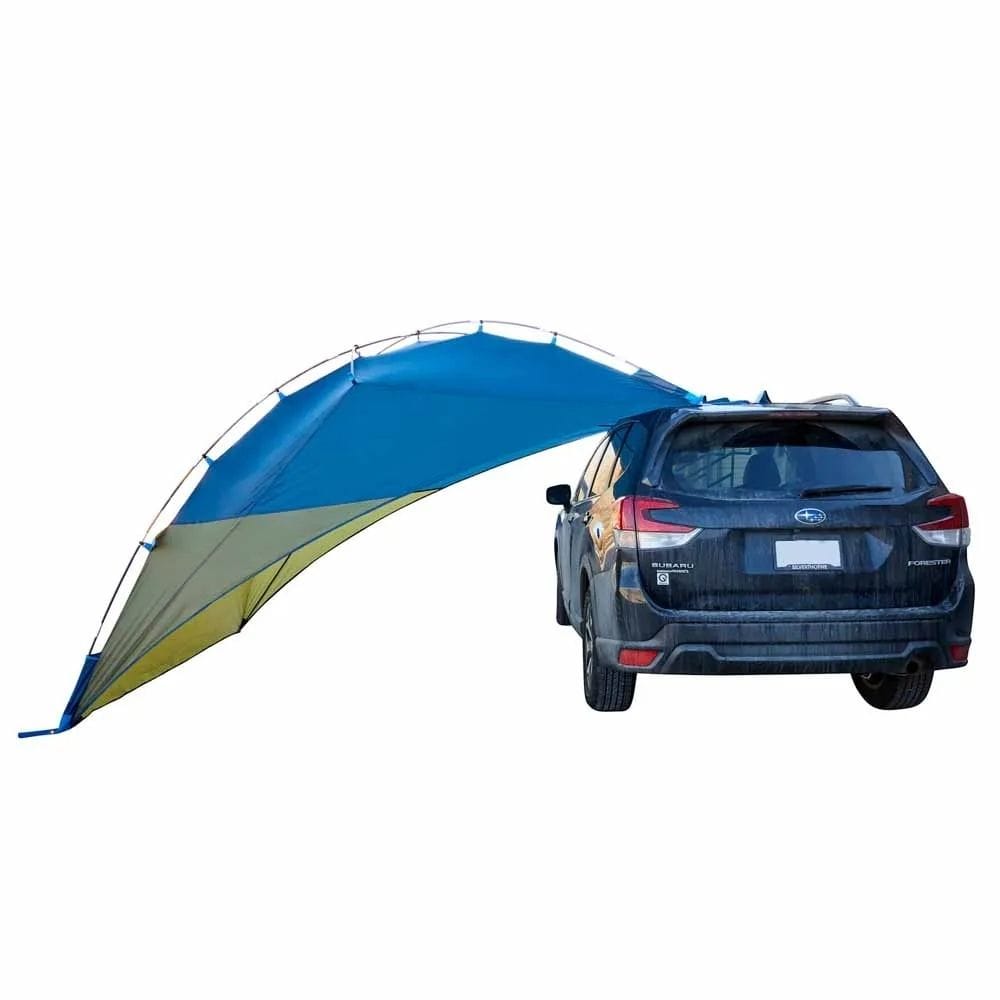
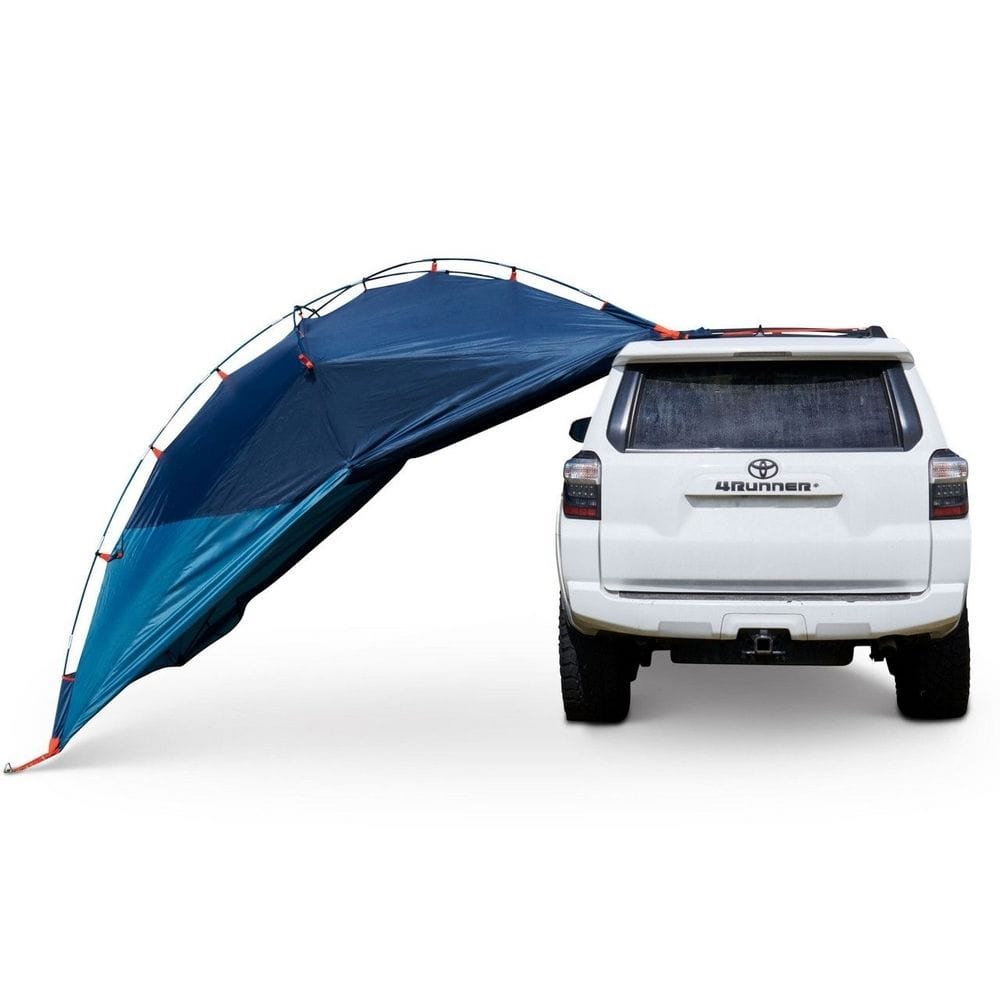

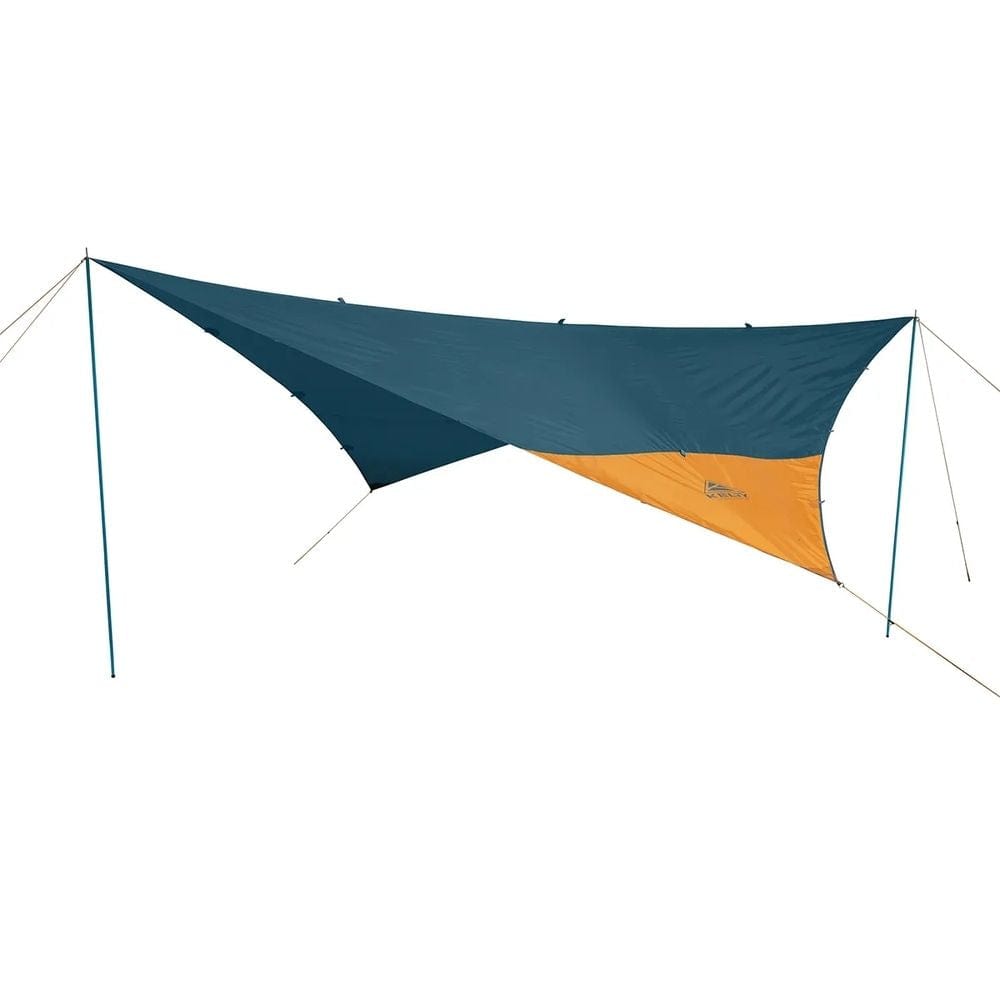
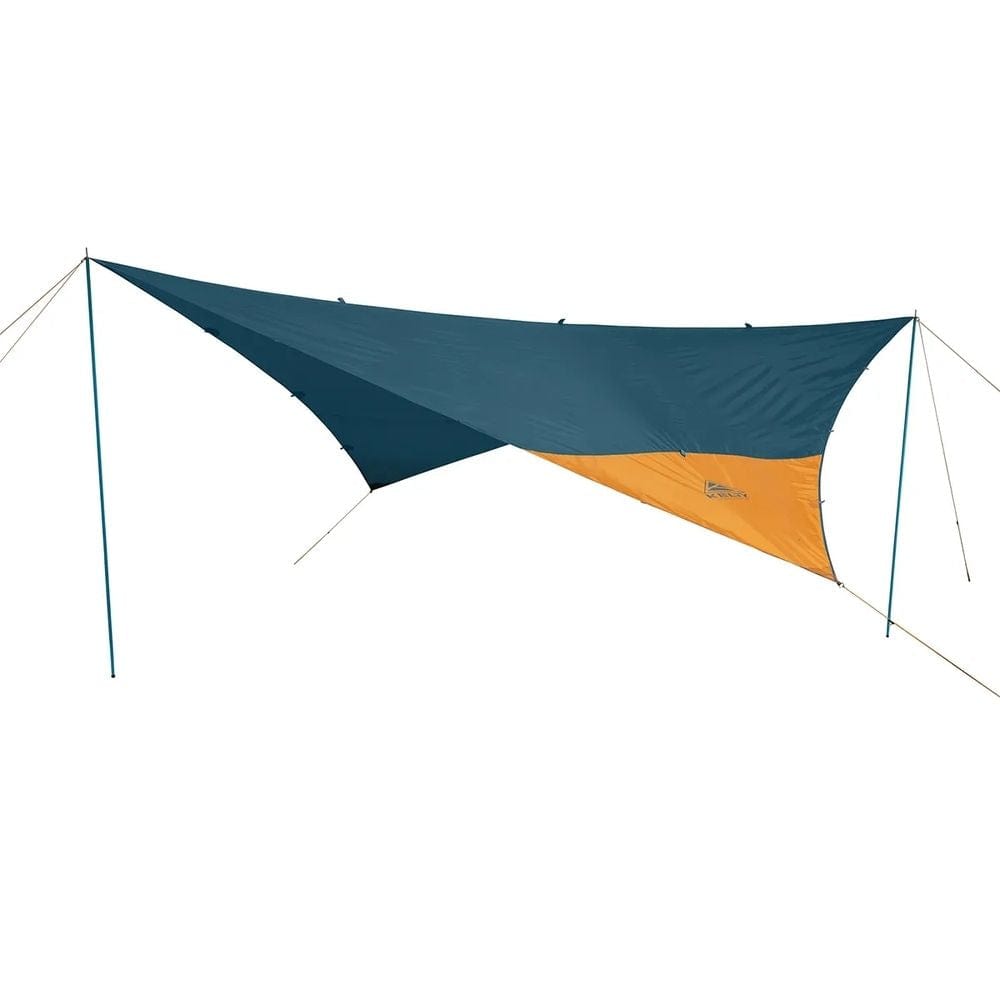
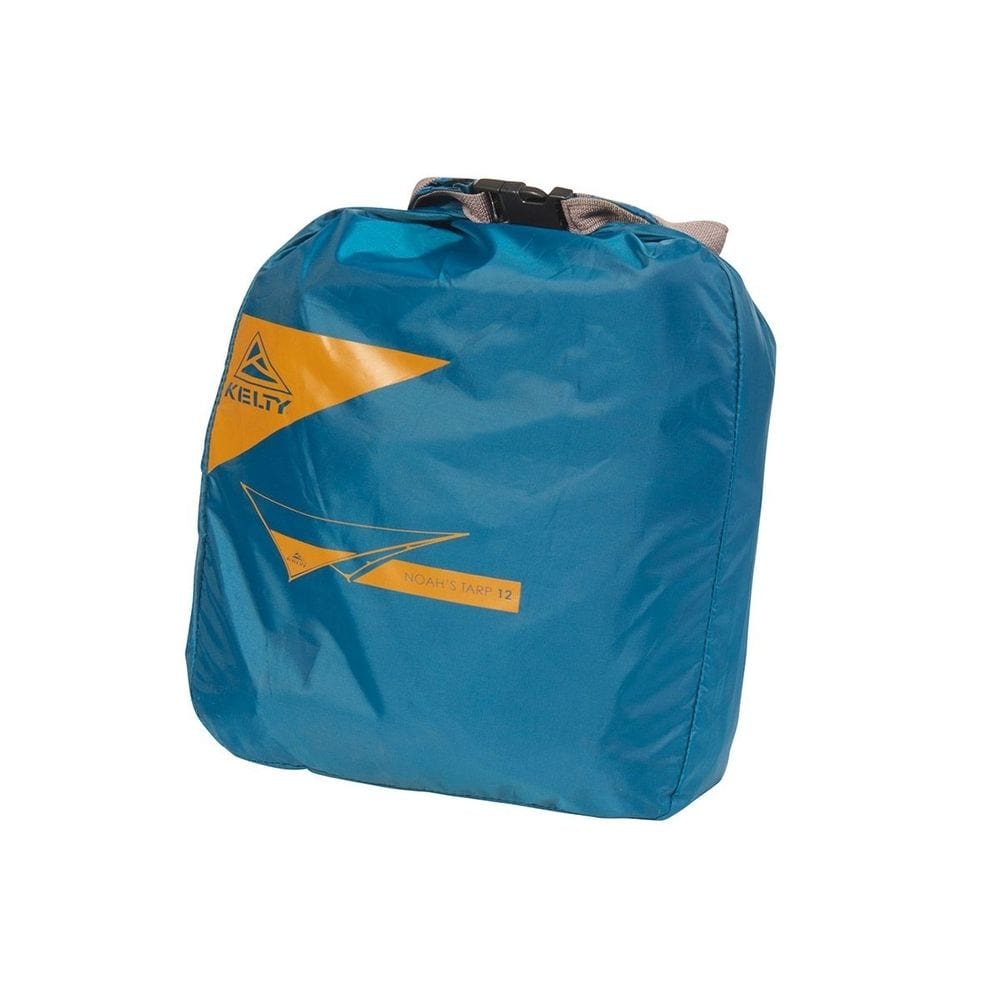
A good shelter or tarp earns its place in camp, giving you shade in the sun, cover from a shower, and a dry spot to cook, eat, and relax. This collection covers camping shelters and tarps built for versatile protection, from simple tarps you can pitch a dozen ways to freestanding shade shelters for the campsite or beach.
Whether you want a lightweight tarp for wild camping or a roomy canopy for family trips, the right shelter adds comfort and keeps the weather off. Below you will find a range of styles and sizes, plus a guide to help you choose and pitch yours.
Not sure which shelter suits your trips? The guide below explains the options, and our team is happy to help. Browse the range below, or see our wider camping equipment and tents.
Why Use a Shelter or Tarp?
Shelters and tarps extend your living space beyond the tent. They create shade on hot days, a rain cover for the kitchen and seating area, and a windbreak when the breeze picks up. A tarp is one of the most versatile pieces of camping kit you can own, packing small while covering a surprising amount of ground.
Types of Shelter
Different designs suit different trips.
- Tarps: flat sheets with multiple attachment points, pitched in many configurations with poles, guylines, or trees
- Shade shelters and canopies: freestanding structures with a frame, quick to set up for day use and campsites
- Sun and beach shelters: compact pop up style cover for the beach or park
- Bivy and minimalist shelters: lightweight cover for fast and light overnight trips
A tarp is the most flexible choice, while a freestanding canopy is the easiest to pitch for groups and day camps.
Size and Coverage
Think about how many people and how much kit you need to cover. A small tarp shades one or two people and a bit of gear, while a larger tarp or canopy covers a group, a cooking area, and seating. For family camping, err on the larger side, as the extra coverage is welcome when the weather turns. For backpacking, balance coverage against packed size and weight.
Materials and Weather Protection
Shelter fabrics are usually ripstop nylon or polyester, often with a waterproof coating and a UV rating. A higher waterproof rating and taped or sealed seams keep you drier in sustained rain, while UV protection matters most for shade shelters used in strong sun. Sturdy attachment points and reinforced corners help a shelter stand up to wind.
Pitching and Poles
Tarps can be pitched with dedicated poles, trekking poles, or trees, in configurations from a simple lean to a full A frame. More attachment points mean more pitching options and a more secure pitch in wind. Freestanding canopies come with their own frame for quick setup. Whichever you choose, a good set of pegs and guylines makes a real difference in a breeze.
Weight and Packed Size
How you travel shapes what you need. For car camping, weight matters little, so a larger, sturdier shelter is ideal. For backpacking and wild camping, a lightweight tarp that packs small is the better choice, saving space and weight while still giving you cover. Check the packed size and weight against how you will carry it.
How to Choose Your Shelter
Start with how you camp. For family and car camping, a larger shade canopy or big tarp gives comfortable cover and sets up easily. For hiking and wild camping, a light, compact tarp offers flexible shelter without the weight. Match the size to your group, check the waterproof and UV ratings for your conditions, and make sure you have the poles, pegs, and guylines to pitch it well.
Caring for Your Shelter
Simple care keeps a shelter weatherproof for years.
- Dry it fully before packing away to prevent mildew
- Brush off dirt and rinse with fresh water when needed
- Store loosely in a dry place, out of direct sunlight
- Check guylines, pegs, and seams before each trip
How Much Do Shelters and Tarps Cost?
Price depends on size, materials, and design. Simple tarps are the most affordable and versatile, mid range shelters add better fabrics and waterproofing, and larger freestanding canopies with frames cost more. For most campers, a quality tarp is excellent value, while groups and families may prefer the convenience of a freestanding shelter.
Why Buy Your Shelter from Surface2Air Sports?
We have supplied outdoor enthusiasts since 2002, from our shop in Poole and online. We can help you match a shelter or tarp to how you camp, your group size, and the weather you expect. Expect honest advice, trusted brands, and options for every budget. See more from the Kelty range to complete your camp setup.
Frequently Asked Questions About Shelters and Tarps
What is a camping tarp used for?
A tarp provides flexible shade and rain cover, and can be pitched in many ways with poles, guylines, or trees to suit your camp and the weather.
What size shelter do I need?
Match it to your group and kit. Small tarps cover one or two people, while larger tarps and canopies cover a group, a cooking area, and seating.
Do I need poles for a tarp?
Tarps can be pitched with dedicated poles, trekking poles, or trees. More attachment points give more pitching options and a more secure pitch in wind.
Are these shelters waterproof?
Shelters vary in waterproof rating and seam sealing. Check the rating for sustained rain, and look for taped seams and a good coating for wetter trips.
What is the difference between a tarp and a canopy?
A tarp is a flexible sheet you pitch yourself, while a canopy is a freestanding shelter with its own frame that is quick to set up for day use.
How do I look after my shelter?
Dry it fully before packing, rinse off dirt, store it loosely out of sunlight, and check guylines, pegs, and seams before each trip.
Let customers speak for us
The bag is sturdy, spacious and water proofed on the inside. In addition, it can be worn as a backpack but it also comes with a strap for putting over a shoulder as a bag. I am happy with the purchase.

the whole exercise

item as dscribed, looks fantastic

As described and looks fantastic. thank you
My first board and binding set up after using hire equipment for over a year. These will take some getting used to but step in and strap is a vast improvement. Large to size 12UK looks like it only just fits across the toe strap.
S2AS are my go to online store for anything Snowboarding related and as they say any query just pick up the phone and speak to Ollie (who sounds a lot like Jamie Lang)

Wait for snow
Loved the service in the shop Ollie was very helpful and a pleasure to deal with. Recommend highly
Kind regards
Matt

2026 Slingshot KTV EverShred Wakeboard Bindings

Exceptionally quick delivery, would definitely recommend buying from this site

Hi my in store experience was fantastic from email to shop with your representative Ollie could not have been more polite & helpful
Once I’ve tried the bourd I will send further feedback
Hope your all well
Kind regards
Matt

We ordered a large amount of items that all arrived safely, we kept everything save two jackets which we ordered wrong, but the team were great, we sent them back and got a refund with no hassle. Will definitely use in the future!

Great graphics, good fit and quality

I purchased a wing that was 70% off and I am delighted with my new toy. I had it out today for the first time and despite only being a 2.8m wing, the power and control was amazing. It is so good that I am tempted to buy a bigger size to add to my collection. Thanks again S2AS for another great product for a bargain price 😊

Great carbonboard from Shinn and Raptor fin set at a good price from Surface2Air Sports. Delivered without any problems.

Really well made, super comfortable and love the carry wrap that they are supplied in. Much better than the usual drawstring bags that disintegrate. Best beach chair yet

Excellent item really pleased with it good delivery