Sort by


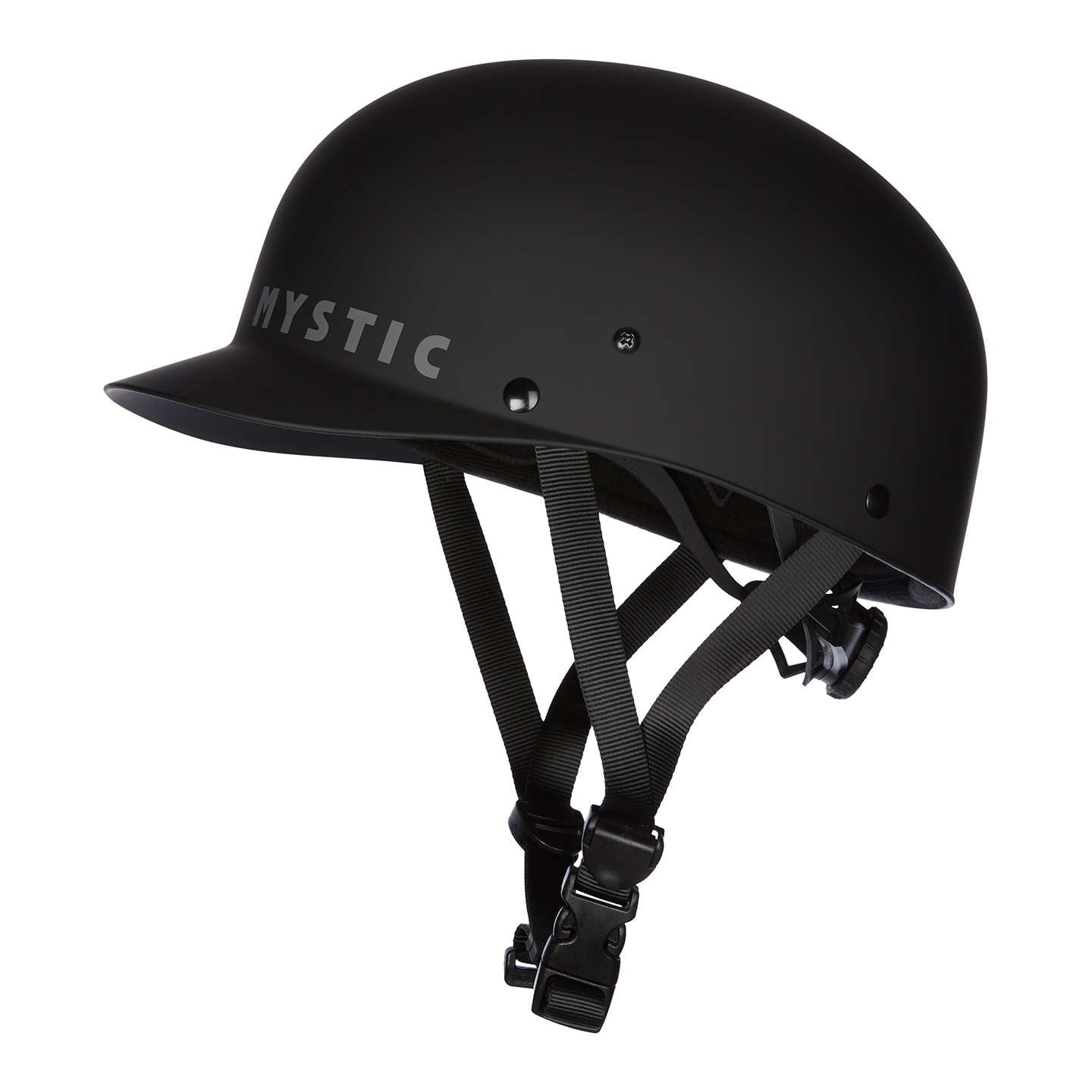
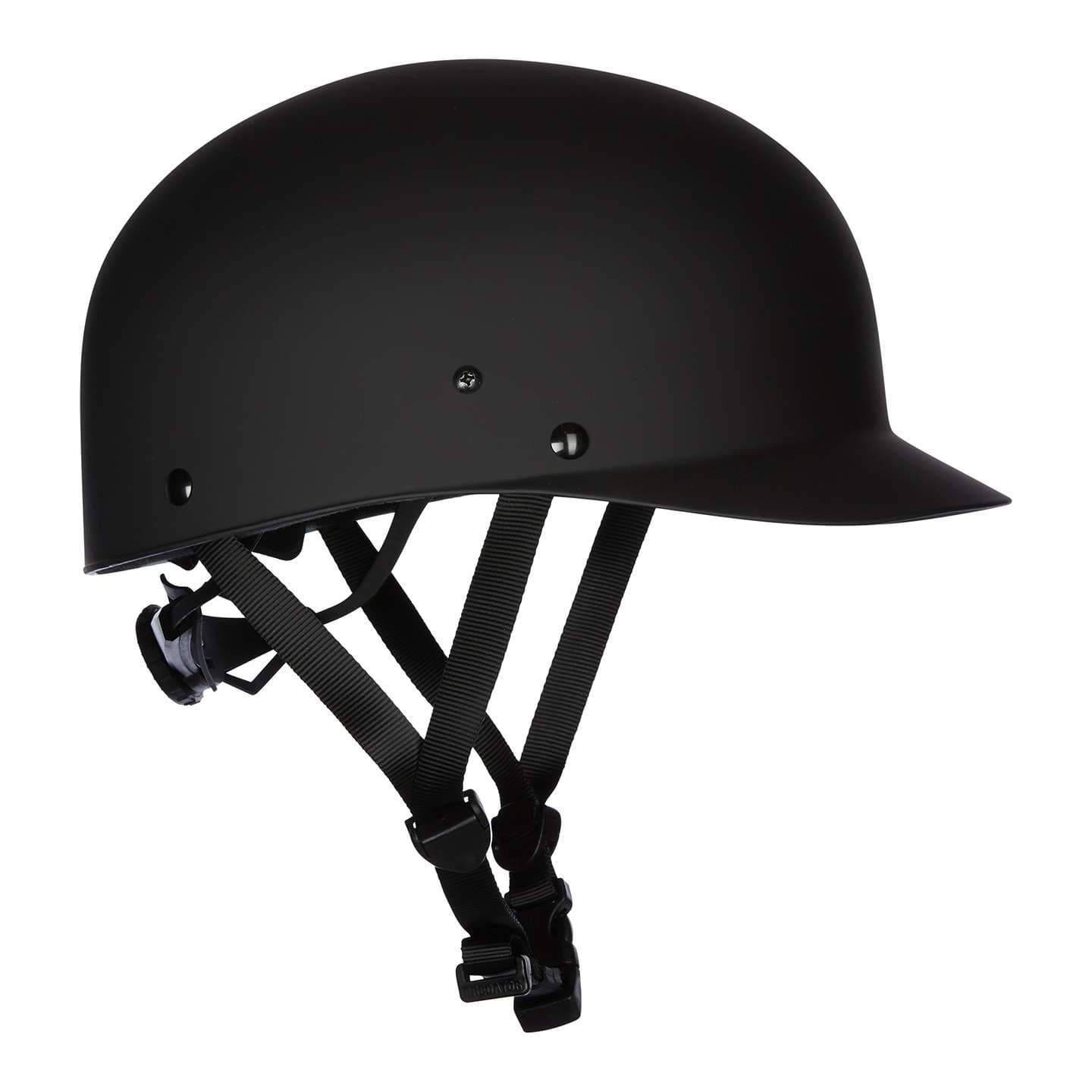
A wakeboard helmet protects your head from the hard knocks that come with riding, whether that is your own board on a failed trick, a rail or feature at the cable park, or a heavy landing behind the boat. This collection gathers wakeboard helmets built for the water, combining impact protection with a comfortable fit and a design that drains and dries. For many riders a helmet is simply part of the setup, and at most cable parks it is required.
Beyond safety, a good wakeboard helmet is light, comfortable and stays put, so you can forget you are wearing it and focus on your riding. This range covers styles and sizes to suit different riders and conditions.
The guide below explains what to look for and how to fit a helmet. Browse the range below, or see our wider wakeboard and waterski range.
Why Wear a Wakeboard Helmet?
Wakeboarding involves speed, hard water and solid objects like rails and the boat, so head impacts are a genuine risk. A helmet absorbs and spreads the energy of a knock, reducing the chance of a serious head injury. It also protects against the repeated minor impacts of learning, when falls are frequent. Wearing one lets you push your riding with more confidence and less worry.
Boat or Cable: Where Do You Need One Most?
Helmets matter in both settings, but for different reasons. Behind the boat, the main risks are heavy landings and contact with your own board. At the cable park, you add fixed obstacles, rails and features, plus other riders, which is why cable parks almost always make helmets compulsory. If you ride the cable at all, a helmet is essential kit rather than optional.
What Should I Look For in a Wakeboard Helmet?
- A hard, impact resistant outer shell over an energy absorbing liner
- Water drainage so the helmet does not hold water
- An adjustable, secure chin strap and fit system
- Ventilation to stay comfortable
- Removable, washable padding
- Corrosion resistant hardware for salt and fresh water
What About Open Face Designs and Ear Protection?
Most wakeboard helmets are open face, which keeps your vision and hearing clear, important for awareness on the cable and communication with a boat driver. Many offer removable ear pads, which add warmth and some protection and can be taken off in warmer conditions. Being able to hear and see clearly while still protecting your head is why the open face style dominates wake riding.
How Should a Wakeboard Helmet Fit?
Measure around your head just above the eyebrows and check the figure against the brand's size chart. The helmet should sit level and feel snug all round with no pressure points, and it should not rock or shift when you move your head. Use the fit system and chin strap to secure it. A helmet that is too loose can move or come off in a crash and will not protect you properly, so fit is key.
What About Certification and Safety Standards?
Look for a helmet that meets a recognised safety standard, such as those set for watersports impact protection. Certification means the helmet has been tested to perform in impacts, which is what you are relying on it for. Choosing a certified water helmet rather than a repurposed bike or skate lid ensures it is designed for the specific demands of wakeboarding.
How Do I Care for My Helmet?
- Rinse with fresh water after every session
- Dry away from direct heat and prolonged sun
- Wash removable padding to keep it fresh
- Store cool and dry, not in a hot car
- Inspect the shell, liner and straps regularly
Brands such as Mystic make water helmets built to handle this kind of use.
When Should I Replace a Wakeboard Helmet?
Replace a helmet after any significant impact, even if it looks fine, because the liner can be compromised without visible damage. Also replace it if you see cracks, a degraded liner or worn straps. As with all helmets, swap an ageing one every few years to be sure it still offers proper protection.
How Much Do Wakeboard Helmets Cost?
Entry level helmets cover protection and drainage affordably, mid range models add comfort, better fit systems and ventilation, and premium helmets are the lightest and most refined. A higher price usually buys a lighter shell, a better fit system and more comfort rather than simply more protection. Choose a helmet that fits well and meets a recognised standard, within your budget.
Why Buy Your Wakeboard Helmet from Surface2Air Sports?
We have supplied wakeboarders since 2002, with a shop in Poole and the full range online.
- Wakeboard helmets built for cable and boat riding
- Options with removable ear pads and adjustable fit
- Honest advice on fit, protection and standards
- A full wakeboards range to complete your setup
- In store fitting help and online support
Whether you ride the cable or behind the boat, we can help you find a safe, comfortable helmet.
Frequently Asked Questions About Wakeboard Helmets
Do I need a helmet to wakeboard?
It is strongly recommended, and at most cable parks a helmet is compulsory. It protects against impacts from your board, obstacles and hard landings.
Can I use a bike helmet for wakeboarding?
It is better to use a dedicated water helmet, which drains water, resists corrosion and is designed for the impacts of wakeboarding.
How should a wakeboard helmet fit?
Snug and level all round with no pressure points, and it should not rock when you move your head. Use the fit system and chin strap to secure it.
What are removable ear pads for?
They add warmth and some protection and can be taken off in warmer conditions, while keeping the open face style that preserves hearing and vision.
How do I size a wakeboard helmet?
Measure around your head just above the eyebrows and compare it with the brand's size chart to find the right size.
When should I replace my helmet?
After any significant impact, or if you see cracks, a worn liner or damaged straps. Replace an ageing helmet every few years even if it looks fine.
How do I look after my helmet?
Rinse with fresh water, dry away from direct heat, wash the padding, store it cool and dry, and check the shell and straps regularly.
Let customers speak for us
Great job well dun thanks for your help with the purchase..

The bag is sturdy, spacious and water proofed on the inside. In addition, it can be worn as a backpack but it also comes with a strap for putting over a shoulder as a bag. I am happy with the purchase.

My first order of gummy straps never arrived so I contacted S2AS and they were very apologetic as Royal Mail had lost my parcel. They immediately sent out a second sets of straps which arrived the following day.
The customer service I recieved was exceptional and I would highly recommend this company for their swift response. I will definitely order with them again.

the whole exercise

item as dscribed, looks fantastic

As described and looks fantastic. thank you
My first board and binding set up after using hire equipment for over a year. These will take some getting used to but step in and strap is a vast improvement. Large to size 12UK looks like it only just fits across the toe strap.
S2AS are my go to online store for anything Snowboarding related and as they say any query just pick up the phone and speak to Ollie (who sounds a lot like Jamie Lang)

Wait for snow
Loved the service in the shop Ollie was very helpful and a pleasure to deal with. Recommend highly
Kind regards
Matt

2026 Slingshot KTV EverShred Wakeboard Bindings

Exceptionally quick delivery, would definitely recommend buying from this site

Hi my in store experience was fantastic from email to shop with your representative Ollie could not have been more polite & helpful
Once I’ve tried the bourd I will send further feedback
Hope your all well
Kind regards
Matt

We ordered a large amount of items that all arrived safely, we kept everything save two jackets which we ordered wrong, but the team were great, we sent them back and got a refund with no hassle. Will definitely use in the future!

Great graphics, good fit and quality

I purchased a wing that was 70% off and I am delighted with my new toy. I had it out today for the first time and despite only being a 2.8m wing, the power and control was amazing. It is so good that I am tempted to buy a bigger size to add to my collection. Thanks again S2AS for another great product for a bargain price 😊
Great carbonboard from Shinn and Raptor fin set at a good price from Surface2Air Sports. Delivered without any problems.