Sort by



Kite foiling lifts you above the surface on a hydrofoil, for a smooth, silent ride that works in lighter wind than twin-tip kitesurfing. It opens up new days on the water and a whole new sensation of flight. Getting the right foil and board setup for your level and conditions is the key to learning it safely and enjoying it.
This collection covers kitesurfing hydrofoils, foil components and foilboards from trusted brands, across a range of wing sizes and mast lengths. Whether you are learning to foil or chasing light-wind performance and freeride, there is a setup to match.
Not sure where to start? The guide below explains it. Browse the range below, or see the full kitesurfing collection for kites and the rest of your kit.
How Does a Kite Foil Work?
A hydrofoil is a wing on a mast beneath the board. As you gain speed, water flowing over the front wing generates lift, raising the board clear of the surface so you glide on the foil alone. This dramatically reduces drag, which is why foiling works in lighter wind and feels so smooth once you are up and flying.
Foil Components
A foil setup is made of several parts that work together.
- Front wing: the main lifting surface, with size driving low-speed lift and stability
- Rear wing or stabiliser: controls pitch and stability
- Mast: connects board to wings, with length affecting how high you can ride and how forgiving it is
- Fuselage: links the wings and sets the foil's balance
Matching these parts gives the ride character, from stable and forgiving to fast and loose.
Choosing Wing Size
Front wing size is the biggest factor in how a foil rides.
- Larger wings: more lift at low speed, slower and more stable, easier to learn on and better in light wind
- Smaller wings: faster, looser and more manoeuvrable, suited to stronger wind and advanced riders
Beginners and light-wind riders benefit from a larger wing, while experienced riders choose smaller wings for speed and performance.
Mast Length
Mast length changes how the foil feels and where it suits you.
- Shorter masts: more forgiving and closer to the surface, good for learning and shallow water
- Longer masts: more room to ride high and handle chop, preferred as you progress
Many riders start with a shorter mast and move longer as their control improves.
Foilboards
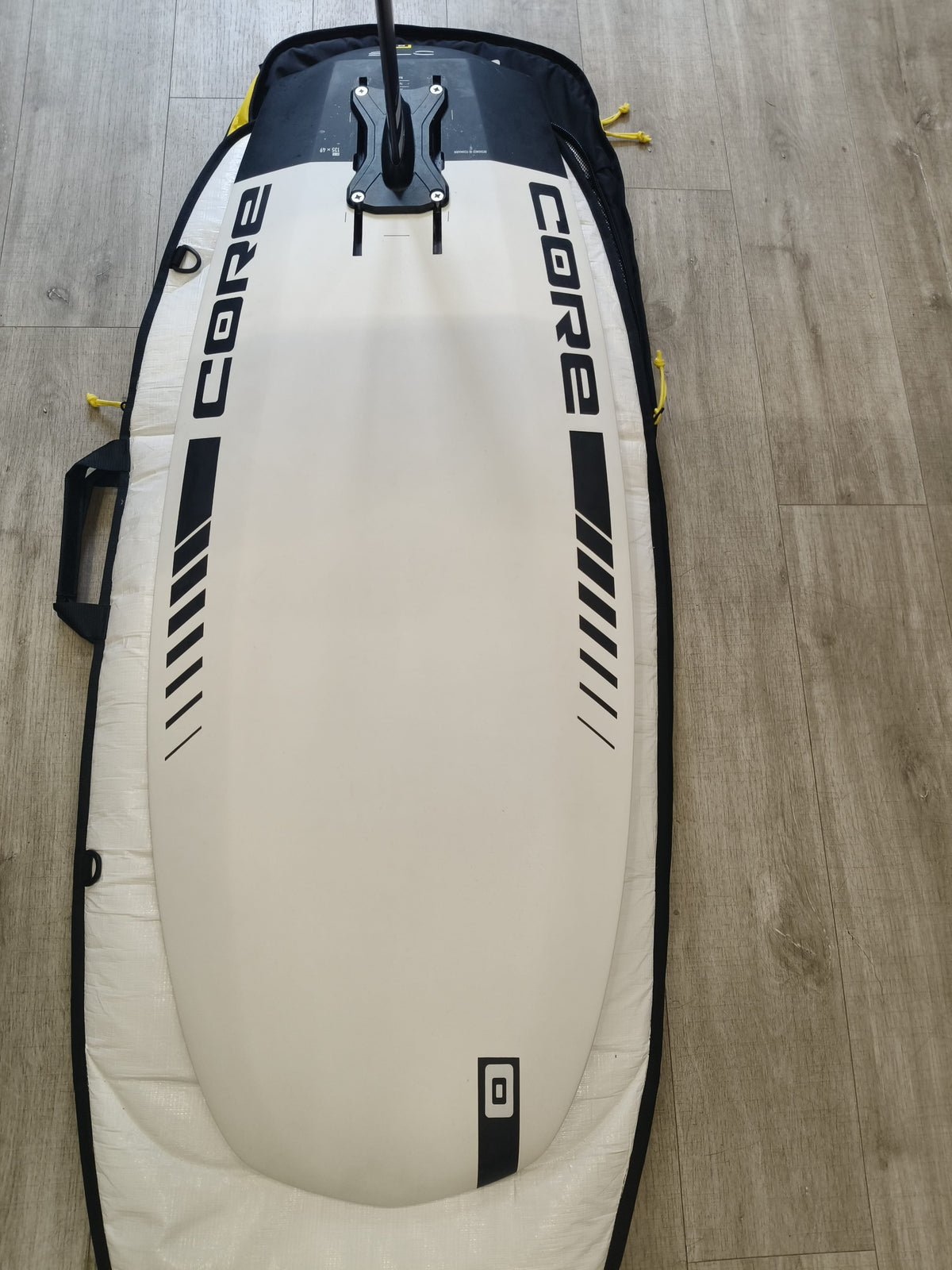
A foilboard is shorter and stronger than a twin-tip, built to take the loads a foil puts through the mountings. Larger boards with more volume help beginners get going and recover from touch-downs, while smaller boards suit advanced riders. The board and foil should be matched so the mounting and ride work together. See our wing and foil range for more board options.
How to Choose by Level
Match the setup to your ability:
- Beginner: a large front wing, shorter mast and higher-volume board for stability and easy learning
- Intermediate: a slightly smaller wing and longer mast as control improves
- Advanced: a performance wing and longer mast matched to your style and wind
Learning to foil is best done with a stable, forgiving setup before moving to faster gear.
Safety and Setup
Foils have sharp edges and move fast, so a helmet and impact vest are strongly recommended, along with learning in safe, uncrowded, deep-enough water. A properly matched kite is also important. Browse our kites range to complete your setup with the right kite for foiling.
Caring for Your Foil
Good care keeps a foil safe and performing.
- Rinse thoroughly with fresh water after every session
- Dry and check all bolts and connections are tight
- Protect the wings and mast edges in transit and storage
- Watch for corrosion on fittings and keep threads clean
Checking the bolts and connections before every session is essential, since a loose foil is dangerous.
How Much Do Kite Foils Cost?
Price depends on materials, construction and performance. Aluminium foils sit at the more affordable end, while carbon foils cost more for lighter weight and stiffer, higher performance. Foilboards vary by construction too. Spending more usually buys lighter, stiffer, higher-performing gear. For learning, a stable alloy setup offers great value.
Why Buy Your Kite Foil from Surface2Air Sports?
We have supplied kitesurfers since 2002, in store and online.
- Hydrofoils, components and foilboards
- Wing sizes and masts for every level
- Trusted foil and kite brands
- Honest advice on setup and progression
- A range to suit different budgets
Whether you are learning to fly or chasing light-wind performance, we can help you choose. Explore our kitesurfing equipment for the rest of your kit.
The Light-Wind Advantage
The biggest draw of kite foiling is how little wind it needs. Because a foil lifts the board clear of the water and cuts drag so dramatically, you can ride in conditions that would leave a twin-tip sitting on the beach. A larger front wing extends this further, generating lift at low speed so you can get up and cruise in light breezes. For many riders, foiling turns marginal days into some of the best sessions of the year.
Looking After Your Foilboard
A foilboard takes real loads through its mountings, so keeping it in good order matters for both performance and safety. Rinse the board and track with fresh water after every session, dry it, and check the mounting bolts and track are clean, undamaged and torqued correctly before you ride. Watch for any stress around the box, protect the board from knocks in transit, and store it out of direct heat. A board and foil kept in top condition ride predictably and safely.
Learning Safely
Foiling rewards a careful approach. Learn in safe, uncrowded, deep-enough water away from others, since a foil is sharp and sits beneath the surface, and wear a helmet and impact vest while you build control. Starting on a stable, forgiving setup with a large wing and a shorter mast makes the first sessions far more manageable, and a lesson shortens the learning curve while keeping it safe.
Frequently Asked Questions About Kite Foils
Is foiling harder than twin-tip kitesurfing?
It has a learning curve, but a large, stable wing and forgiving setup make it very achievable, and it works in lighter wind.
What wing size should a beginner choose?
A larger front wing, which gives more lift at low speed and more stability, making it easier to learn and better in light wind.
What mast length is best for learning?
A shorter mast is more forgiving and closer to the surface, which helps while learning and in shallower water.
Can I use my normal kitesurf board?
No. Foiling needs a dedicated foilboard built to take the loads a foil puts through the mountings.
Do I need special safety gear?
Yes. A helmet and impact vest are strongly recommended, since foils are sharp and fast. Learn in safe, deep-enough water.
Aluminium or carbon foil?
Aluminium is more affordable and durable for learning, while carbon is lighter and stiffer for higher performance.
How do I look after my foil?
Rinse with fresh water, dry it, check all bolts are tight before each session, and protect the wings and mast in transit.
Let customers speak for us
the whole exercise

item as dscribed, looks fantastic

As described and looks fantastic. thank you
My first board and binding set up after using hire equipment for over a year. These will take some getting used to but step in and strap is a vast improvement. Large to size 12UK looks like it only just fits across the toe strap.
S2AS are my go to online store for anything Snowboarding related and as they say any query just pick up the phone and speak to Ollie (who sounds a lot like Jamie Lang)

Wait for snow
Loved the service in the shop Ollie was very helpful and a pleasure to deal with. Recommend highly
Kind regards
Matt

2026 Slingshot KTV EverShred Wakeboard Bindings

Exceptionally quick delivery, would definitely recommend buying from this site

Hi my in store experience was fantastic from email to shop with your representative Ollie could not have been more polite & helpful
Once I’ve tried the bourd I will send further feedback
Hope your all well
Kind regards
Matt

We ordered a large amount of items that all arrived safely, we kept everything save two jackets which we ordered wrong, but the team were great, we sent them back and got a refund with no hassle. Will definitely use in the future!

Great graphics, good fit and quality

I purchased a wing that was 70% off and I am delighted with my new toy. I had it out today for the first time and despite only being a 2.8m wing, the power and control was amazing. It is so good that I am tempted to buy a bigger size to add to my collection. Thanks again S2AS for another great product for a bargain price 😊

Great carbonboard from Shinn and Raptor fin set at a good price from Surface2Air Sports. Delivered without any problems.

Really well made, super comfortable and love the carry wrap that they are supplied in. Much better than the usual drawstring bags that disintegrate. Best beach chair yet

Excellent item really pleased with it good delivery

2026 Mystic Patrol Boots wakeboard Bag