
Sort by
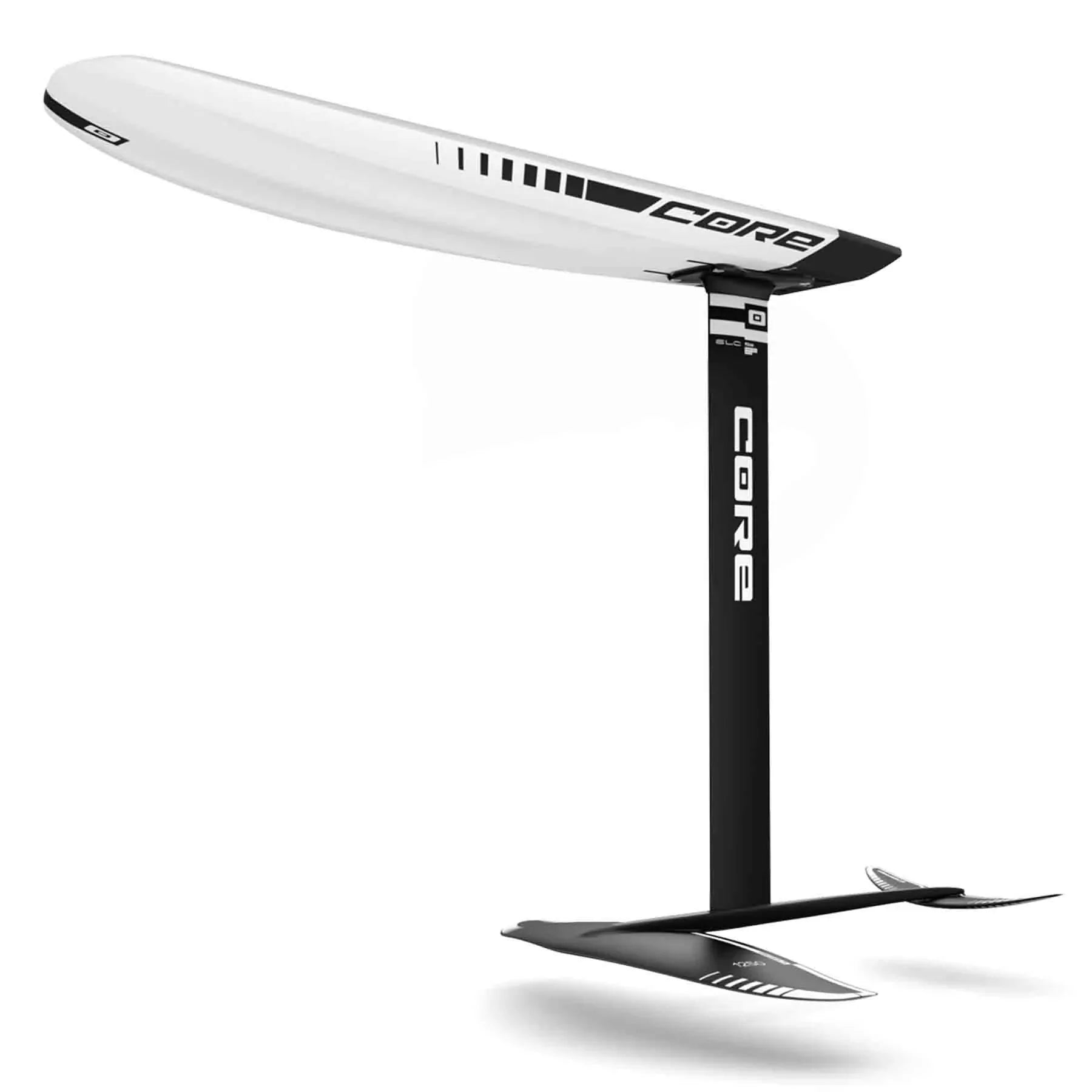
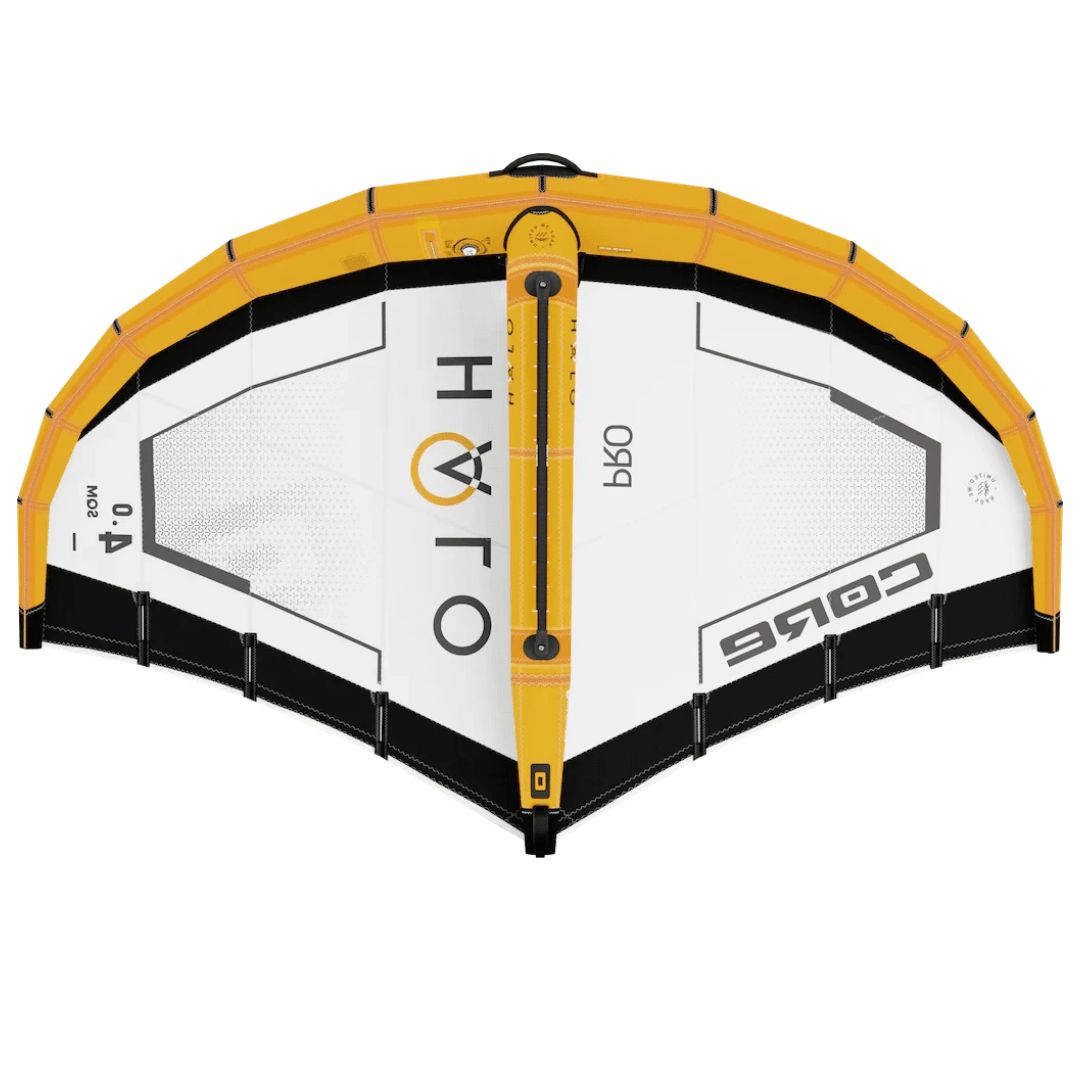
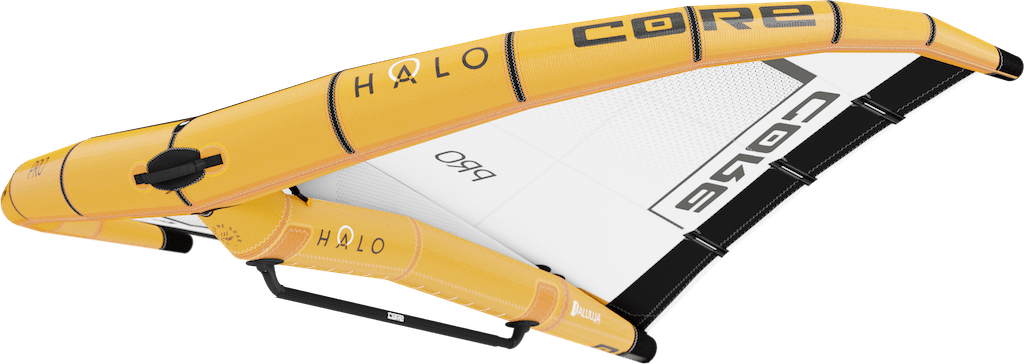
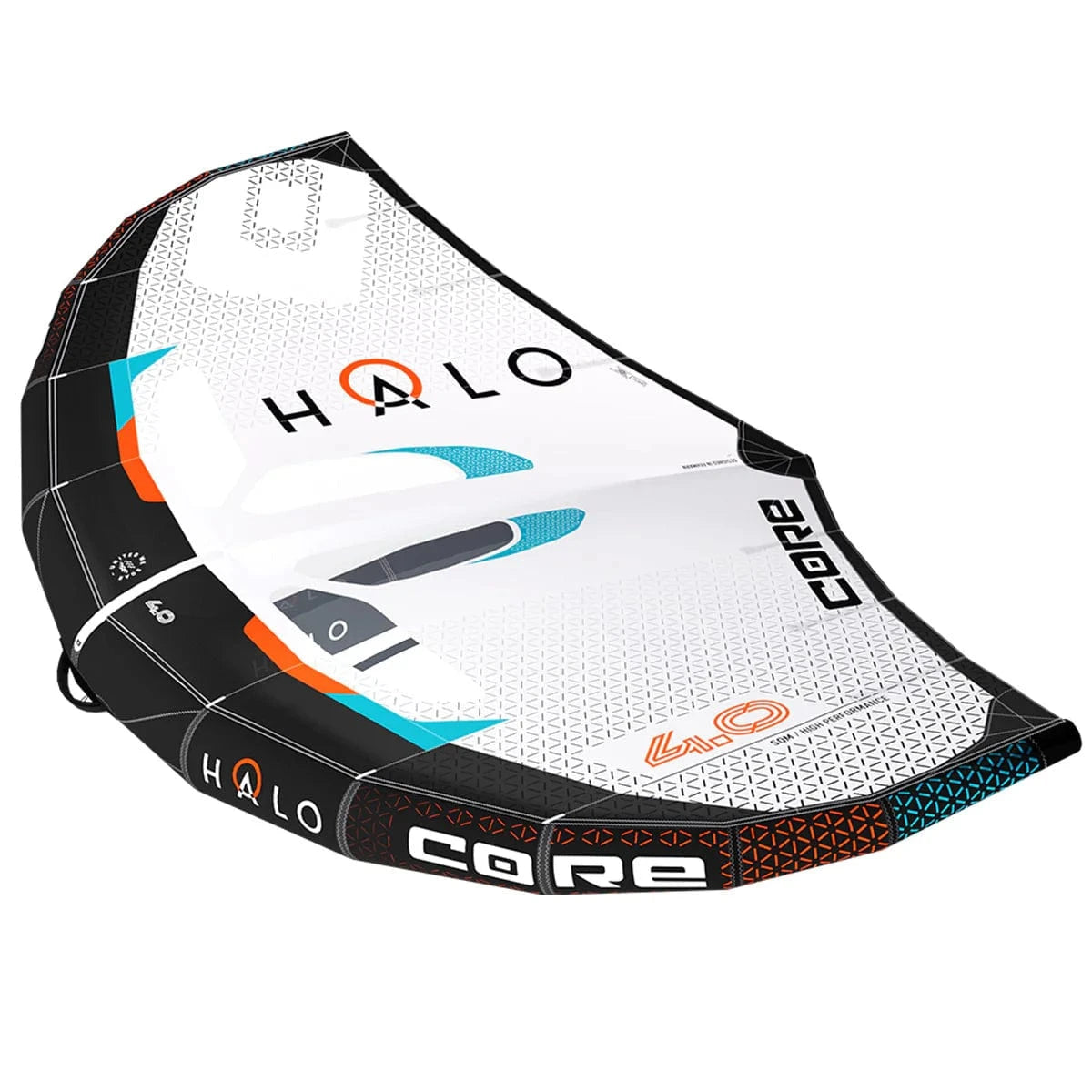
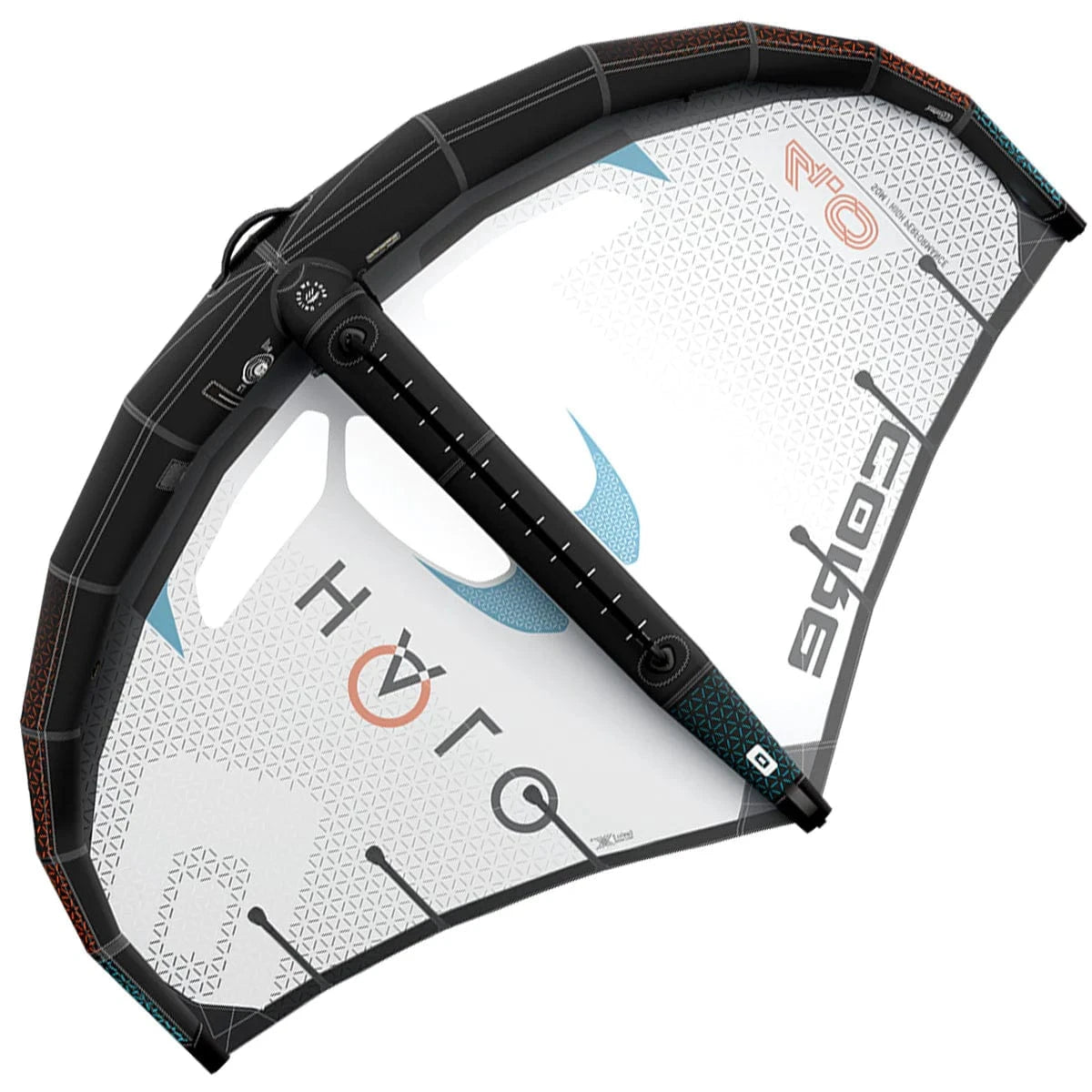
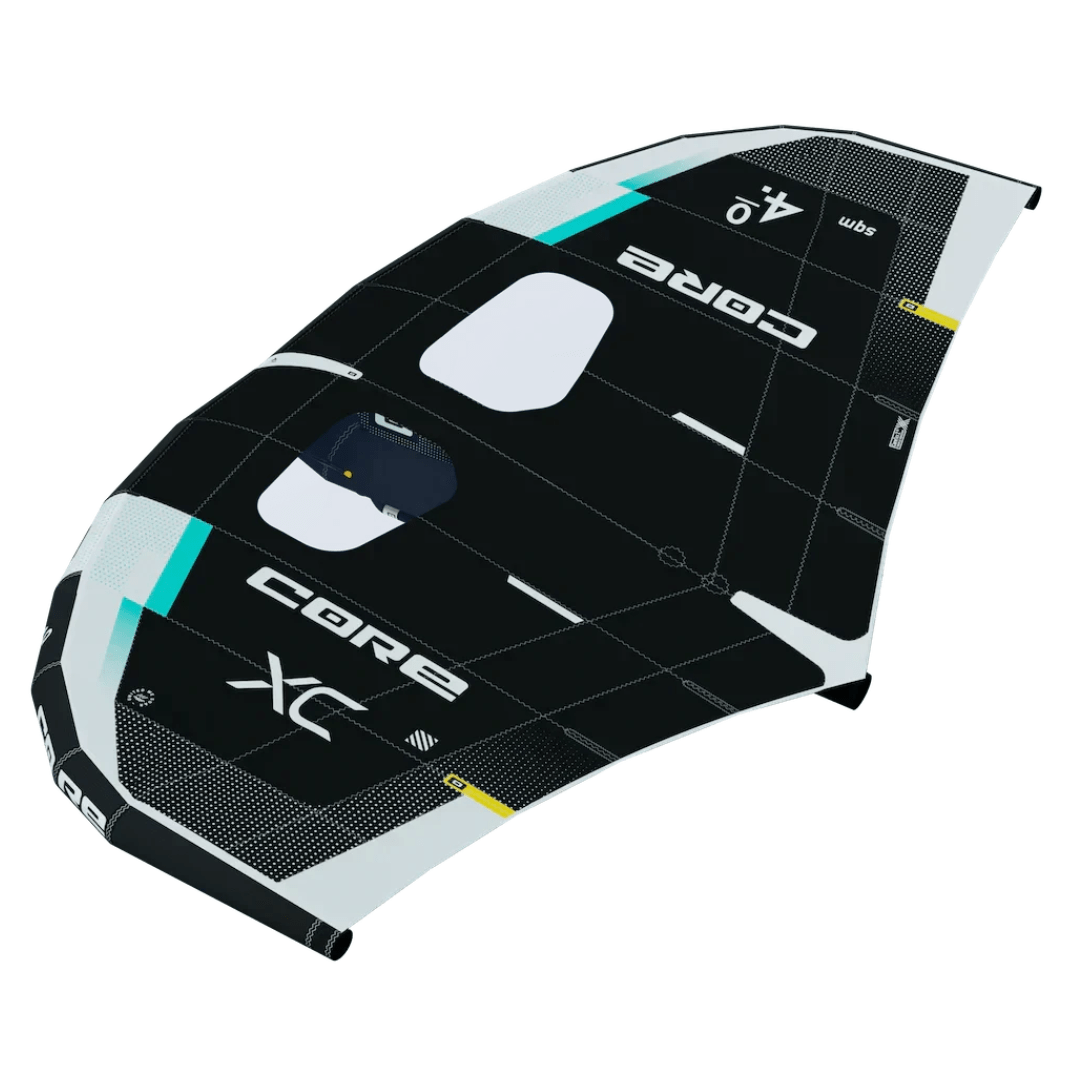
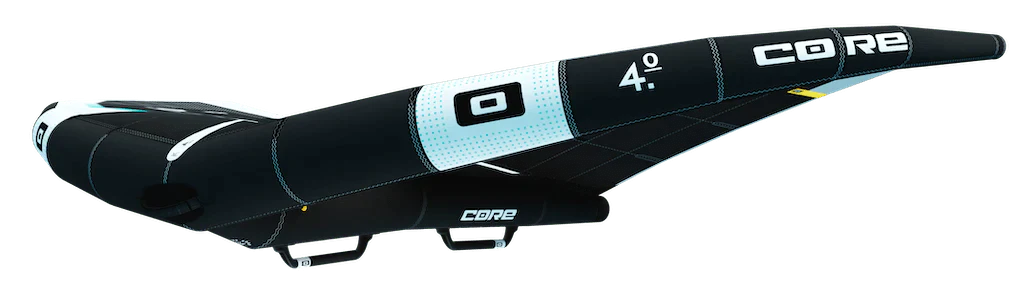
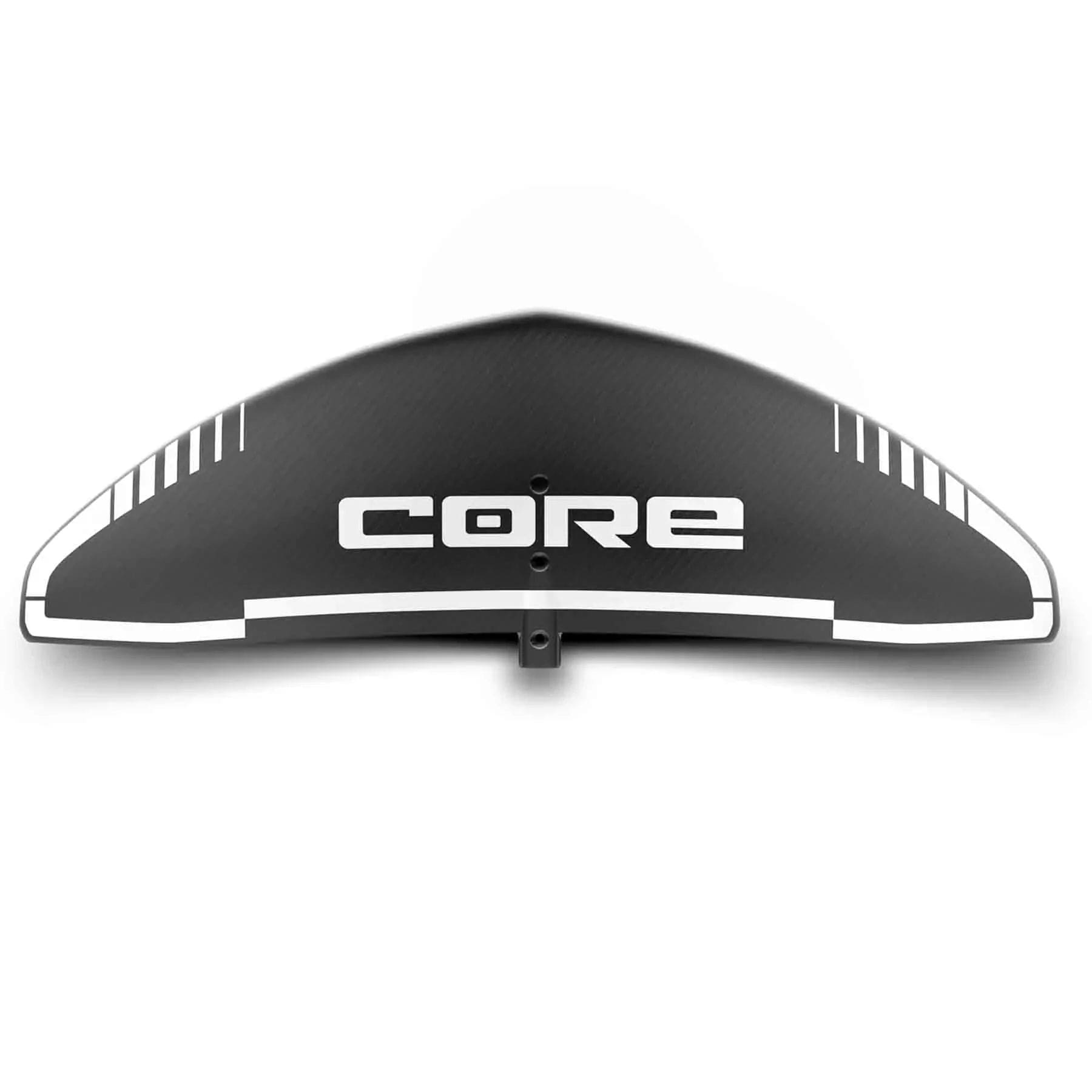

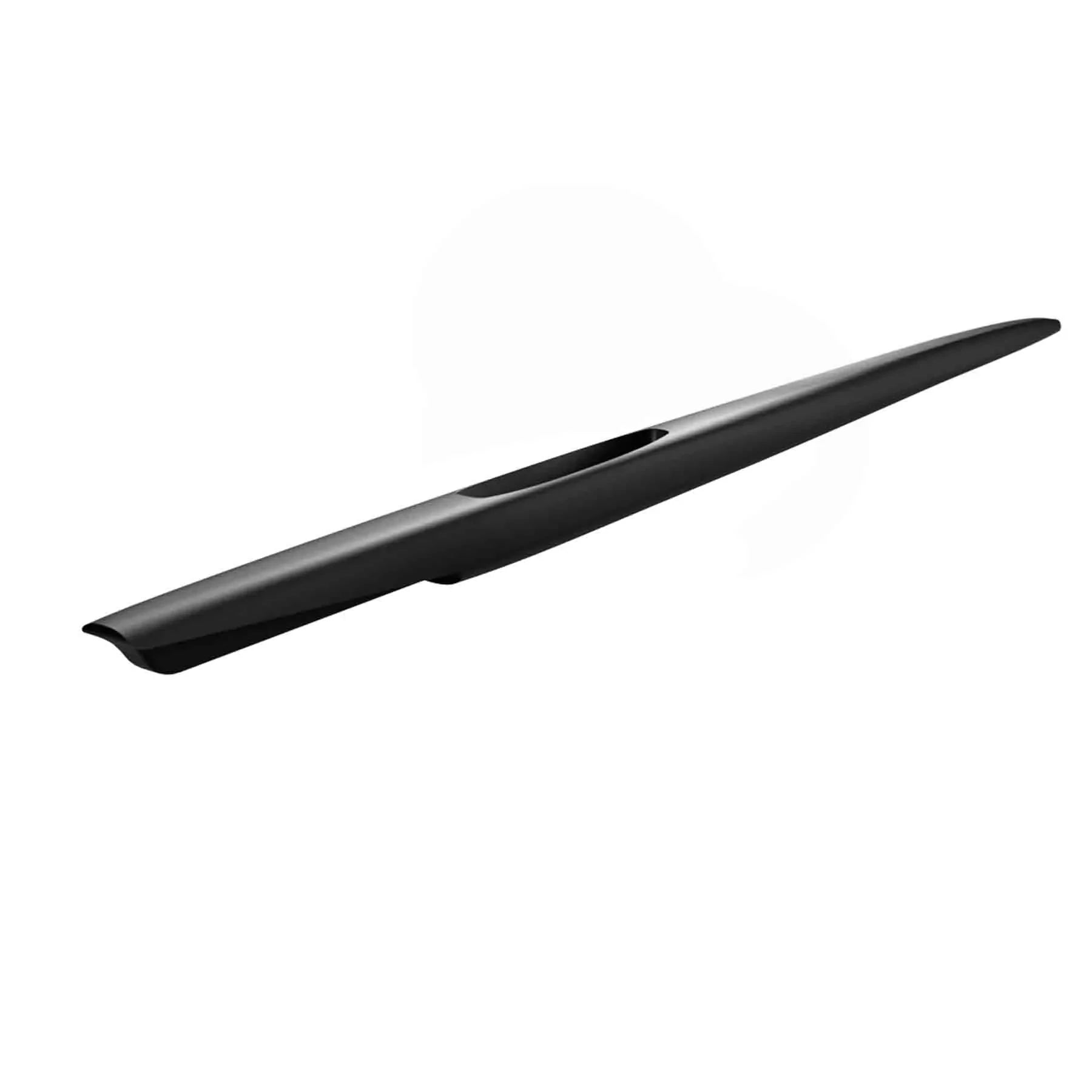
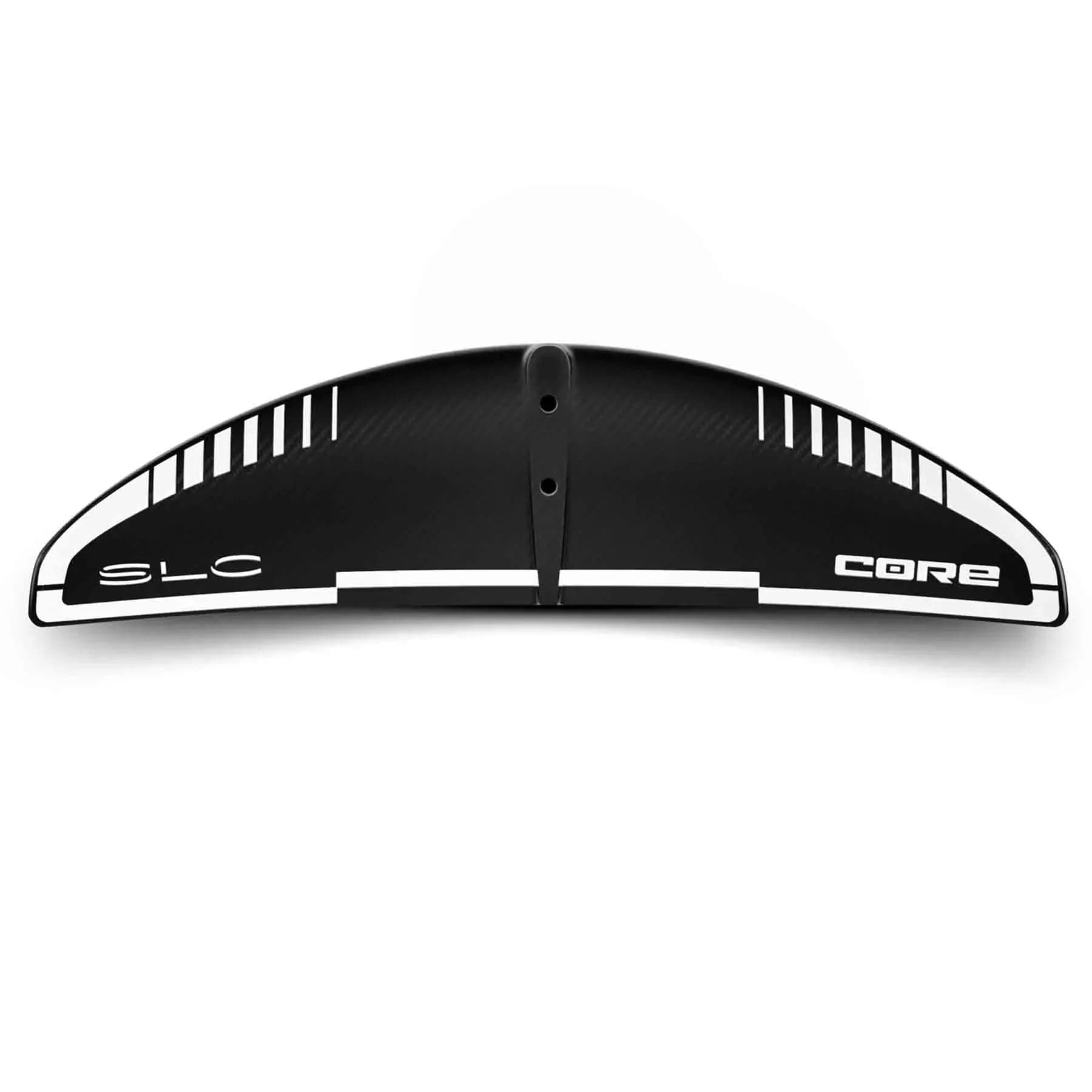
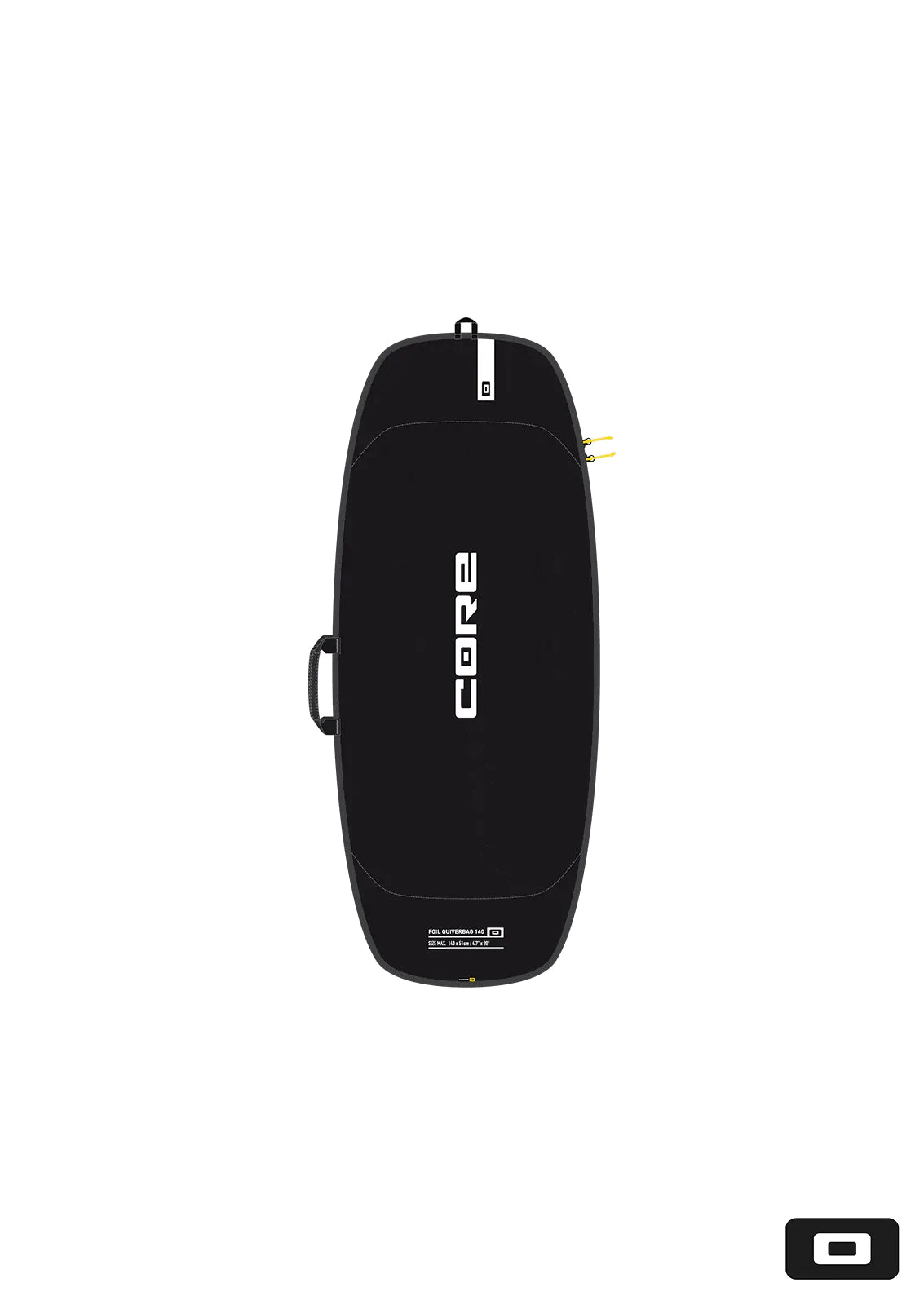
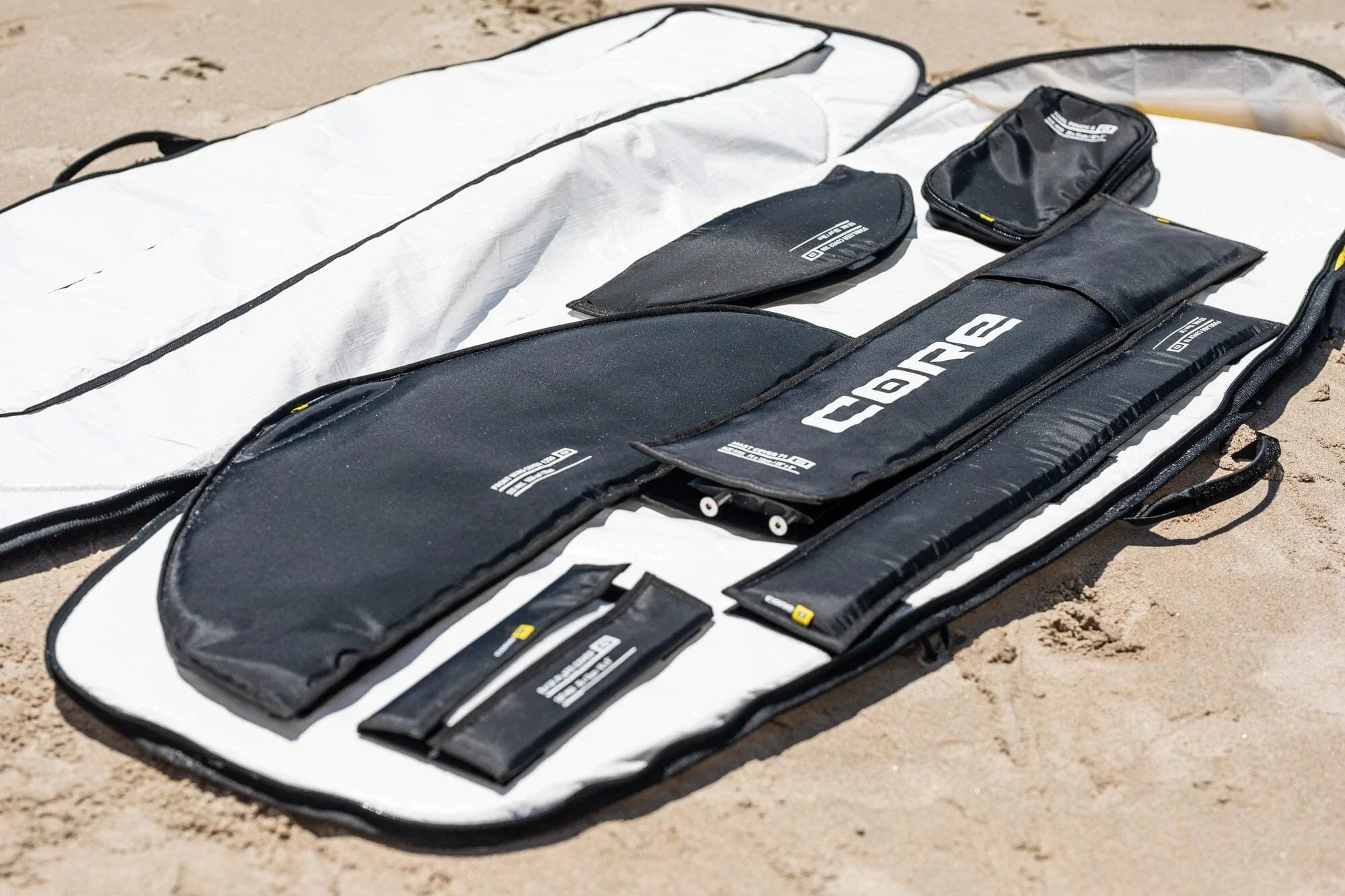
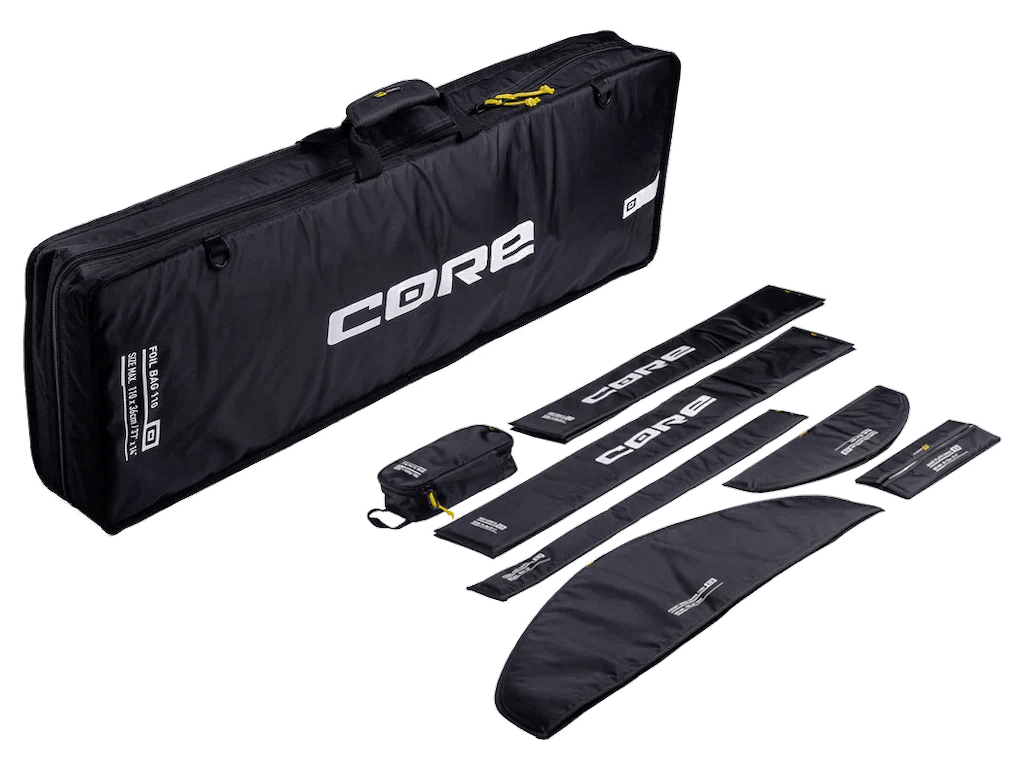
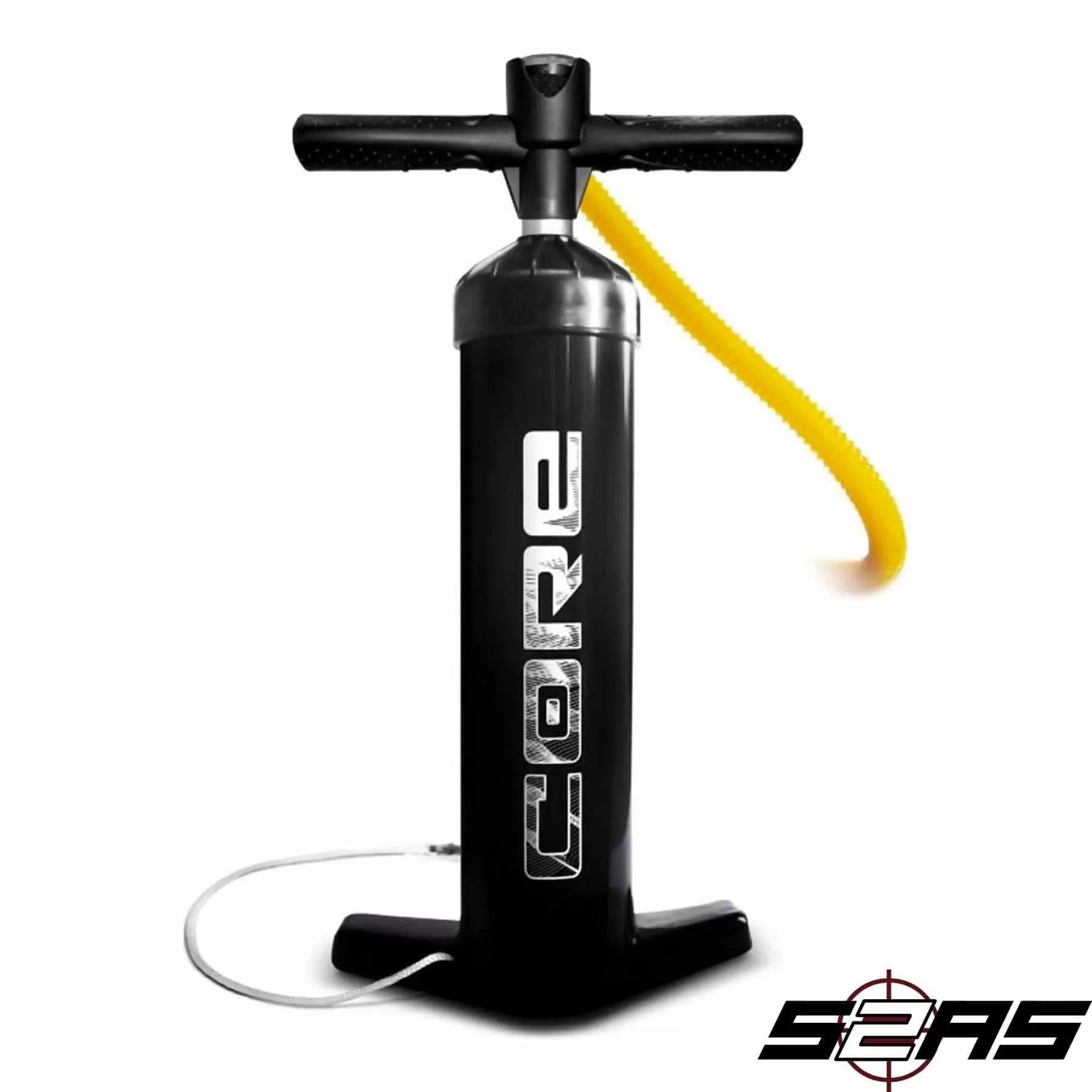
Wing foiling is one of the most exciting watersports to arrive in recent years, and CORE has built a complete system for it. This collection gathers CORE wing foiling gear, including inflatable wings, foil systems, foilboards, and the spare parts that keep everything running. Whether you are taking your first flights or chasing speed and freestyle, there is CORE kit here to build or complete your setup.
Wing foiling combines a handheld inflatable wing with a board and a hydrofoil, letting you rise out of the water and glide almost silently. CORE's SLC foil system and Halo wings are designed to work together, so you can put together a package that suits your weight, your local wind, and your stage of progression.
New to the sport or upgrading a part of your kit? The guide below explains how wings, foils, and boards work together. Browse the range below, and see our wider wing foil collection for more.
What Is Wing Foiling?
Wing foiling uses three main parts: a handheld inflatable wing that catches the wind, a board for flotation and launching, and a hydrofoil fitted under the board that lifts you clear of the surface. Once up on the foil, you glide smoothly over chop with very little drag. It is a sport you can enjoy in a wide range of conditions, and it rewards steady progression as you learn to pump up onto the foil and ride for longer.
Choosing a Wing by Size and Wind
Wing size is measured in square metres and chosen by your weight and the wind strength. A larger wing generates more power for lighter wind and for heavier riders, while a smaller wing is easier to handle and better when the wind picks up. Most wingers build a small quiver of two or three sizes to cover their local conditions. CORE's Halo range, including the Aluula-built Pro, offers a stiff, responsive feel that holds its shape as you power through turns.
Understanding the Foil
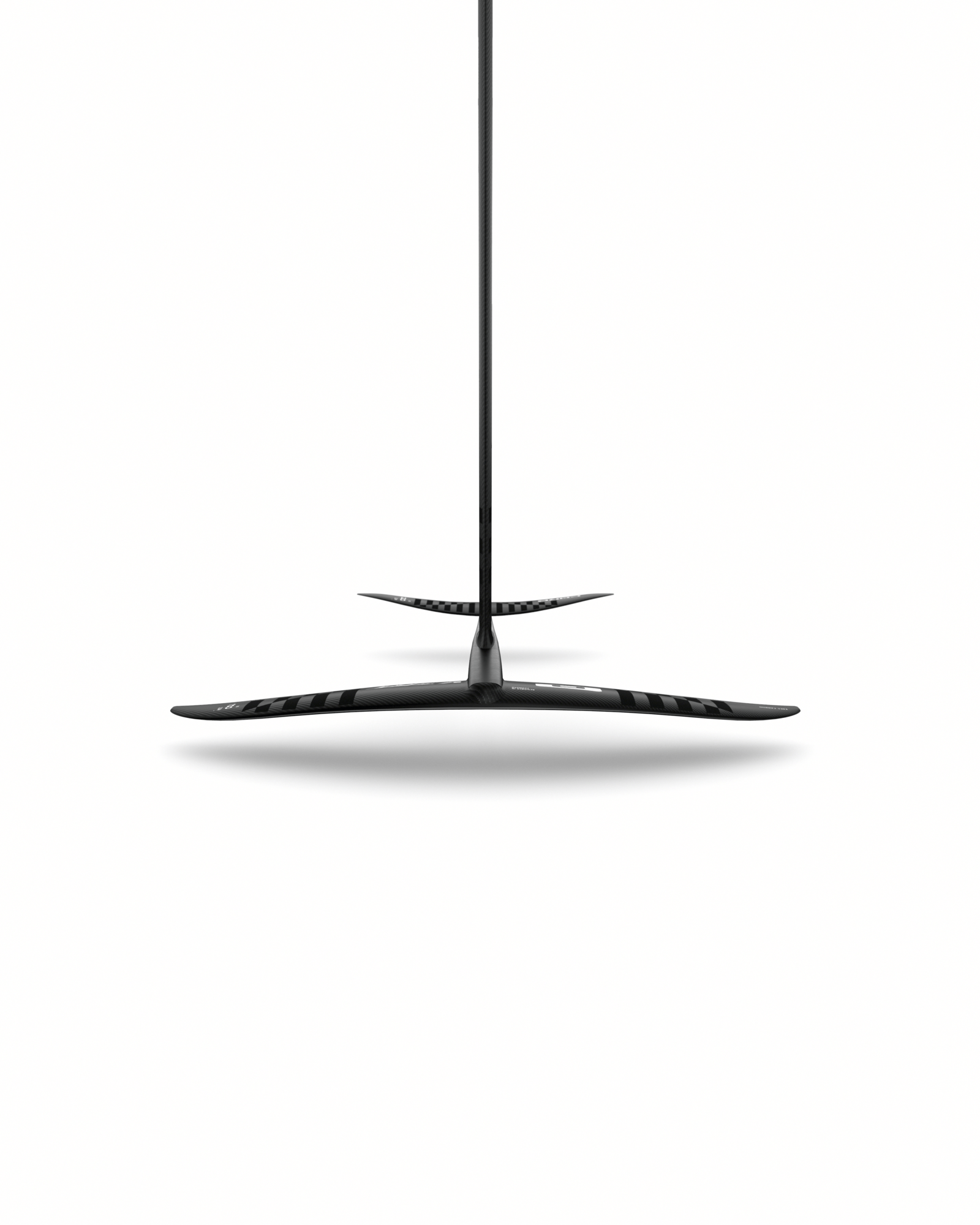
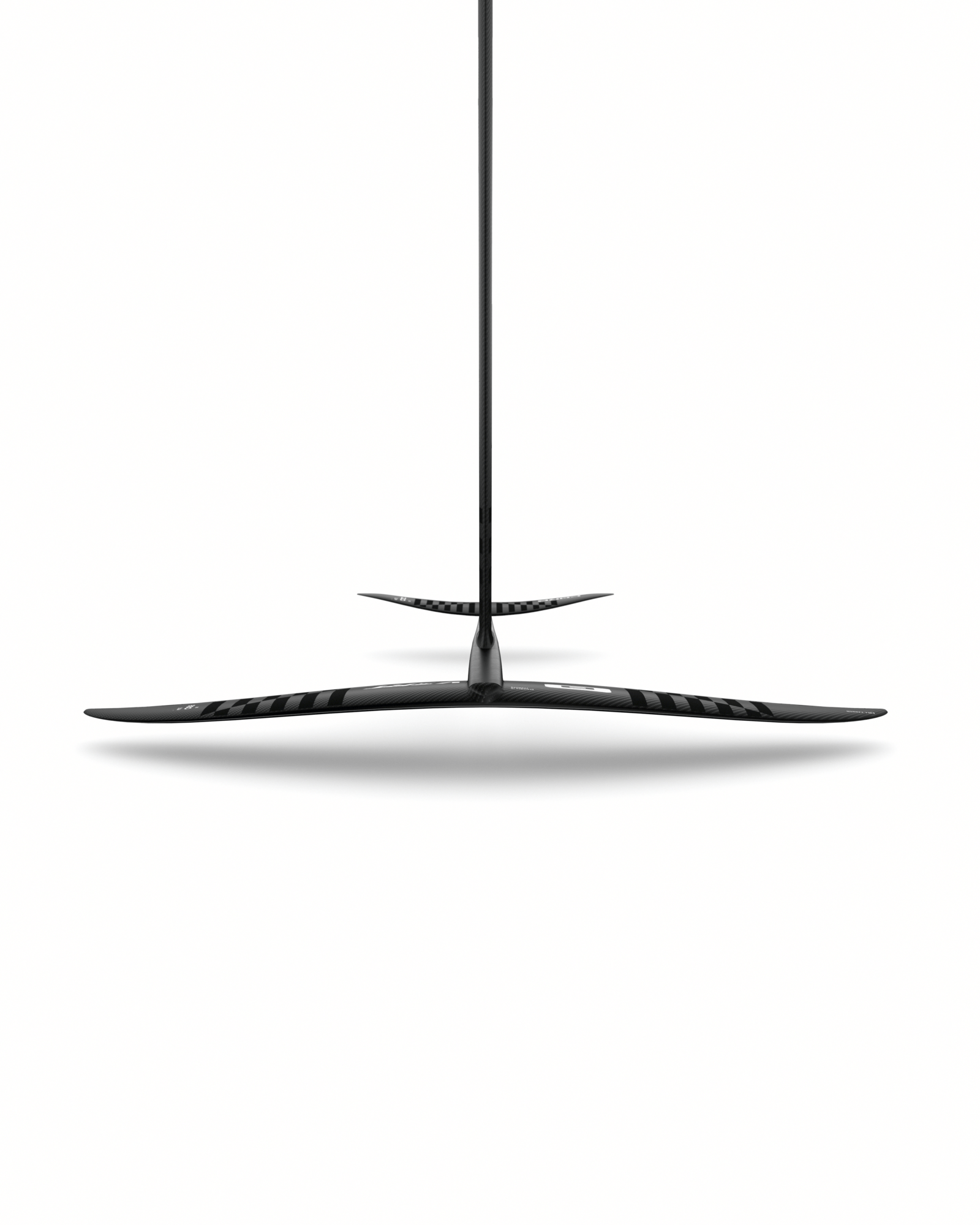
The foil is what makes the magic happen, and the front wing size is the key number. A larger front wing lifts earlier and at lower speeds, which makes learning easier and helps in lighter wind, while a smaller front wing is faster and more manoeuvrable for experienced riders. The mast length, fuselage, and stabiliser also shape the ride. CORE's SLC system is modular, so you can tune the setup and replace individual parts as you progress.
Picking the Right Board
Wing foil boards are sized by volume in litres. A higher-volume board floats you while you learn to get going and is more stable when you are not yet foiling, which makes early sessions far less frustrating. As you progress, you can move to a lower-volume board that is lighter and more responsive once flying. Matching board volume to your weight and ability is one of the most important early decisions.
Wings, Foils, and Boards as a System
The three parts work together, and a balanced setup rides far better than three mismatched pieces. A ready-to-fly package, like CORE's SLC foil set and board combinations, takes the guesswork out by matching components designed to perform together. If you are buying piece by piece, it is worth getting advice so the wing, foil, and board suit each other and your conditions.
Construction and Materials
Wing foiling gear has advanced quickly, and materials make a real difference. Stiffer wing membranes, such as Aluula, hold their shape under load for a direct, efficient feel, while carbon foils are light and responsive. CORE focuses on build quality so the kit stays reliable through hard use. Better materials usually mean lighter weight and sharper handling, which you feel most as your riding improves.
Foil Spares and Accessories
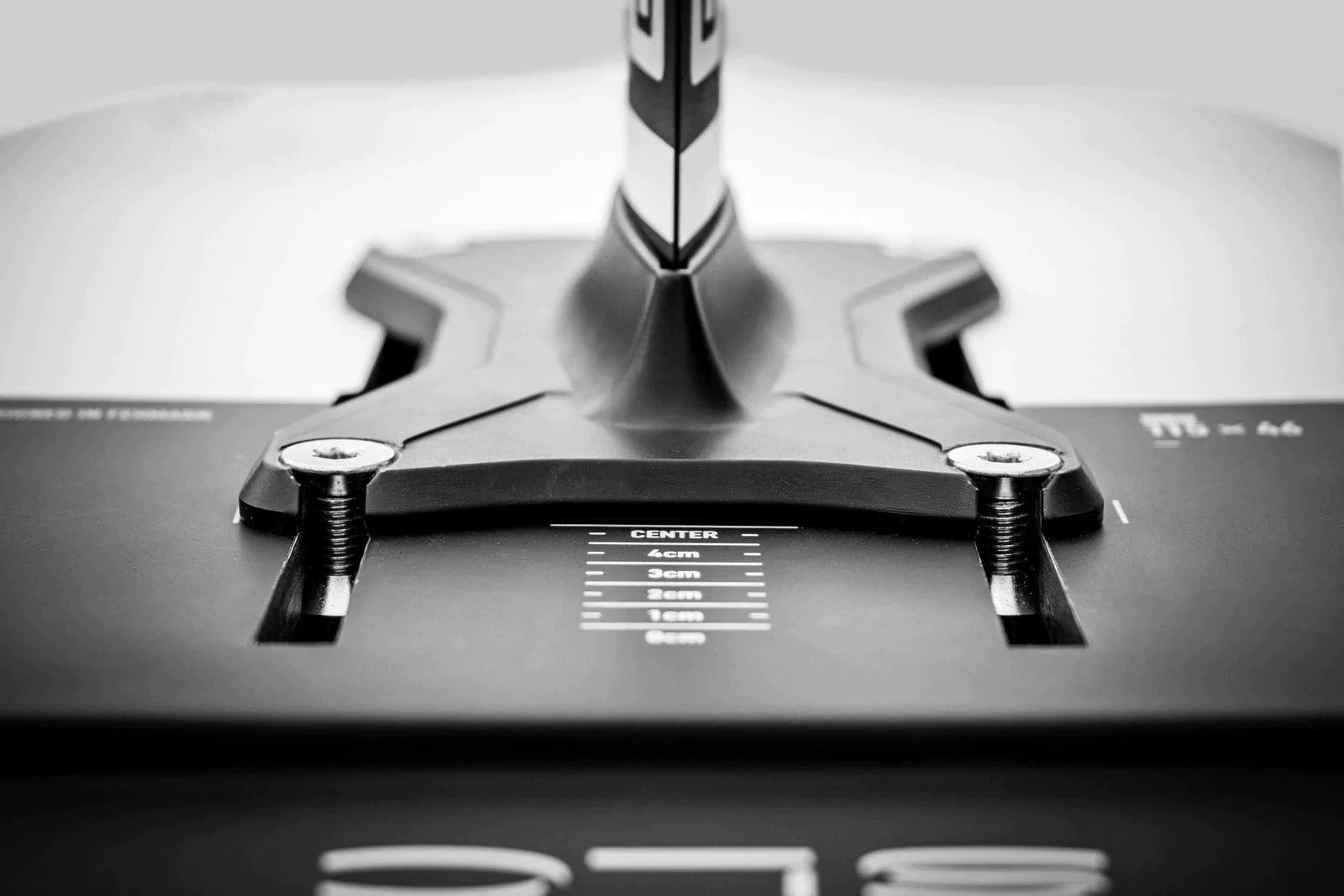
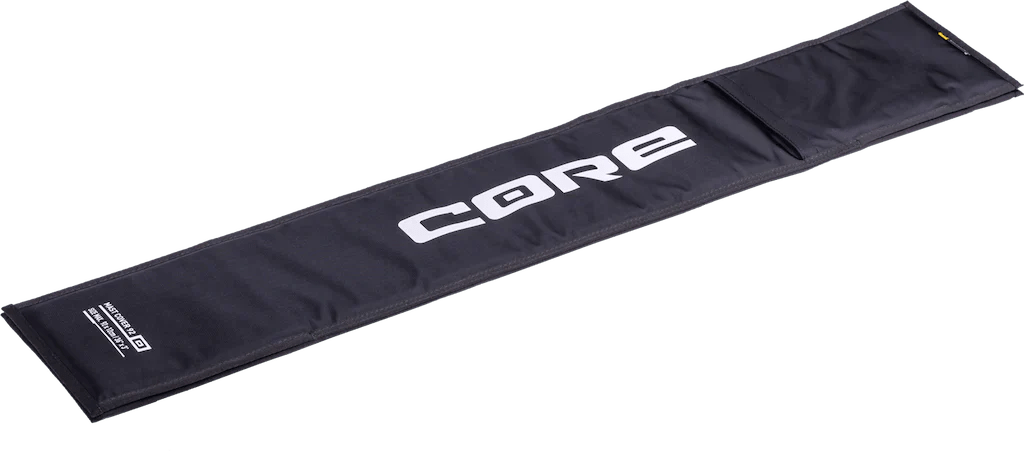
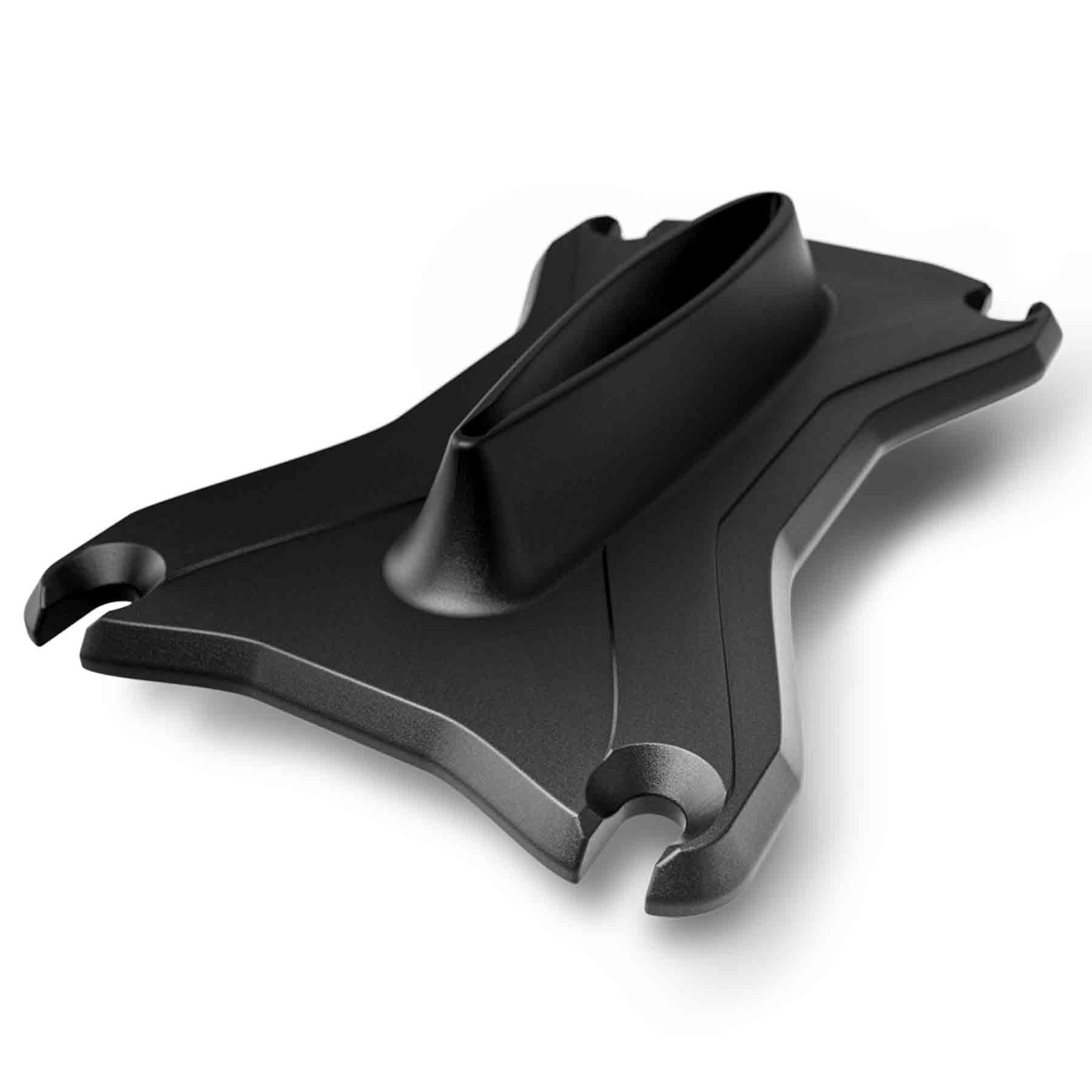
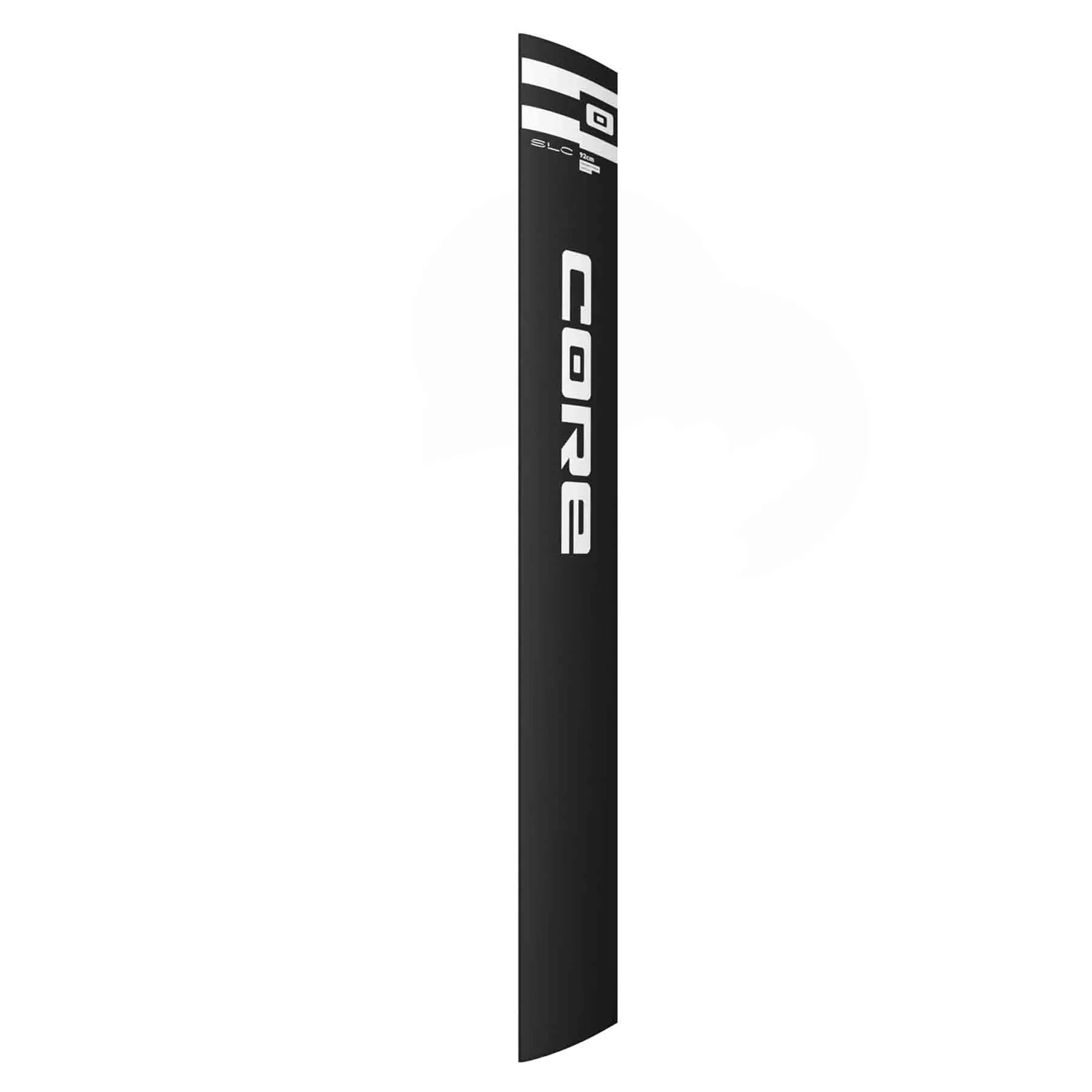
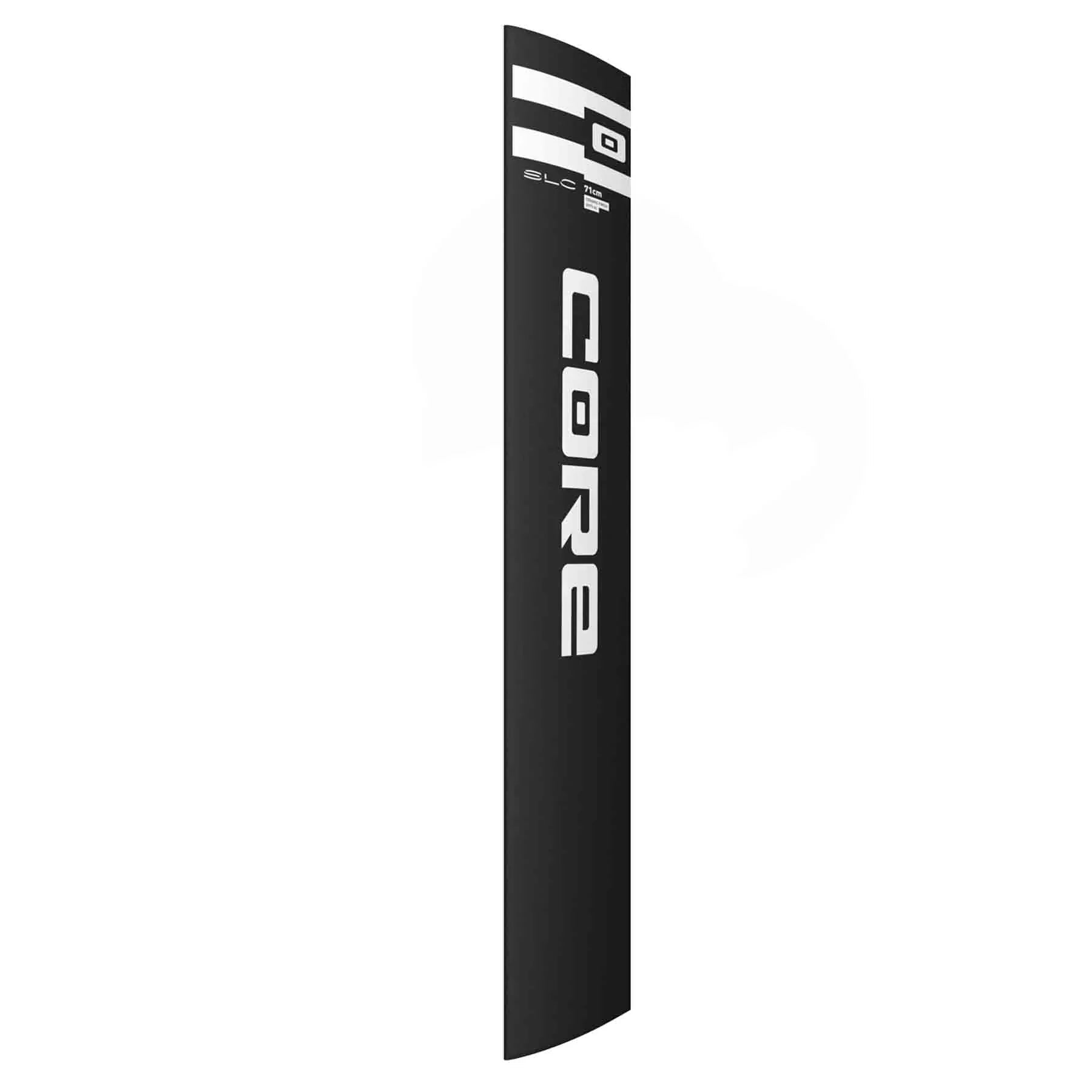
A modular foil means you can replace or upgrade individual parts rather than the whole setup. This collection includes CORE SLC spares such as masts, fuselages, stabilisers, and mastbases, plus board bags to protect your kit in transit. Keeping a few spares and the right screws to hand means a small issue never ends a session, and a good bag protects the foil's delicate surfaces between rides.
Progressing in Wing Foiling
Most riders progress through clear stages: handling the wing on land or a big board, getting going and building speed, then learning to pump up onto the foil and hold the ride. Choosing forgiving kit early, a larger board and a lifty foil, makes each stage easier. As you gain control you can size down and tune the setup for speed, turns, or freestyle.
Caring for Your Wing Foil Gear
- Rinse the wing, foil, and board with fresh water after every session
- Dry the wing fully before storing to protect the material and bladder
- Check and tighten foil screws regularly, and rinse salt from fittings
- Protect the foil's edges and the board in a padded bag for transport
- Store out of direct sunlight and extreme heat
Careful rinsing and storage keep wing foiling gear performing and looking good for longer.
How Much Does Wing Foil Gear Cost?
Wing foiling is a kit-heavy sport, and prices depend on materials and technology. Wings vary with size and membrane, foils with their construction and whether they are aluminium or carbon, and boards with their build and volume. Buying a matched package can be better value than separate parts, and a modular system lets you upgrade gradually rather than all at once. Spares are a sensible, affordable way to keep everything running.
Why Buy Your CORE Wing Foil Gear from Surface2Air Sports?
We have supplied watersports riders since 2002, with a shop in Poole and a full range online.
- CORE Halo wings, including the Aluula Pro
- SLC foil systems, foilboards, and packages
- Masts, fuselages, stabilisers, and other spares
- Board bags to protect your kit in transit
- Honest advice on sizing a wing, foil, and board to your conditions
Whether you are starting out or upgrading, we can help you build a balanced setup. Explore our wing foil wings and the wider wing foil range.
Frequently Asked Questions About Core Wing Foiling
What do I need to start wing foiling?
Three main parts: an inflatable wing, a board with enough volume to float you, and a hydrofoil. A matched package is often the easiest way to start.
What size wing should I choose?
Wing size depends on your weight and the wind. Larger wings suit lighter wind and heavier riders, smaller wings are easier to handle when the wind is strong.
How do I choose a foil?
The front wing size matters most. A larger front wing lifts earlier and suits learning and light wind, while a smaller one is faster and more manoeuvrable.
What board volume do I need?
Higher volume floats and stabilises you while learning, which makes early sessions easier. Lower volume boards are lighter and more responsive once you are foiling.
Can I replace parts of the foil?
Yes. CORE's SLC system is modular, so masts, fuselages, stabilisers, and mastbases can be replaced or upgraded individually.
How do I look after wing foil gear?
Rinse everything with fresh water, dry the wing fully, keep foil screws tight, and transport the foil and board in a padded bag away from direct sun.
Let customers speak for us
The bag is sturdy, spacious and water proofed on the inside. In addition, it can be worn as a backpack but it also comes with a strap for putting over a shoulder as a bag. I am happy with the purchase.

the whole exercise

item as dscribed, looks fantastic

As described and looks fantastic. thank you
My first board and binding set up after using hire equipment for over a year. These will take some getting used to but step in and strap is a vast improvement. Large to size 12UK looks like it only just fits across the toe strap.
S2AS are my go to online store for anything Snowboarding related and as they say any query just pick up the phone and speak to Ollie (who sounds a lot like Jamie Lang)

Wait for snow
Loved the service in the shop Ollie was very helpful and a pleasure to deal with. Recommend highly
Kind regards
Matt

2026 Slingshot KTV EverShred Wakeboard Bindings

Exceptionally quick delivery, would definitely recommend buying from this site

Hi my in store experience was fantastic from email to shop with your representative Ollie could not have been more polite & helpful
Once I’ve tried the bourd I will send further feedback
Hope your all well
Kind regards
Matt

We ordered a large amount of items that all arrived safely, we kept everything save two jackets which we ordered wrong, but the team were great, we sent them back and got a refund with no hassle. Will definitely use in the future!

Great graphics, good fit and quality

I purchased a wing that was 70% off and I am delighted with my new toy. I had it out today for the first time and despite only being a 2.8m wing, the power and control was amazing. It is so good that I am tempted to buy a bigger size to add to my collection. Thanks again S2AS for another great product for a bargain price 😊

Great carbonboard from Shinn and Raptor fin set at a good price from Surface2Air Sports. Delivered without any problems.

Really well made, super comfortable and love the carry wrap that they are supplied in. Much better than the usual drawstring bags that disintegrate. Best beach chair yet

Excellent item really pleased with it good delivery