
Sort by


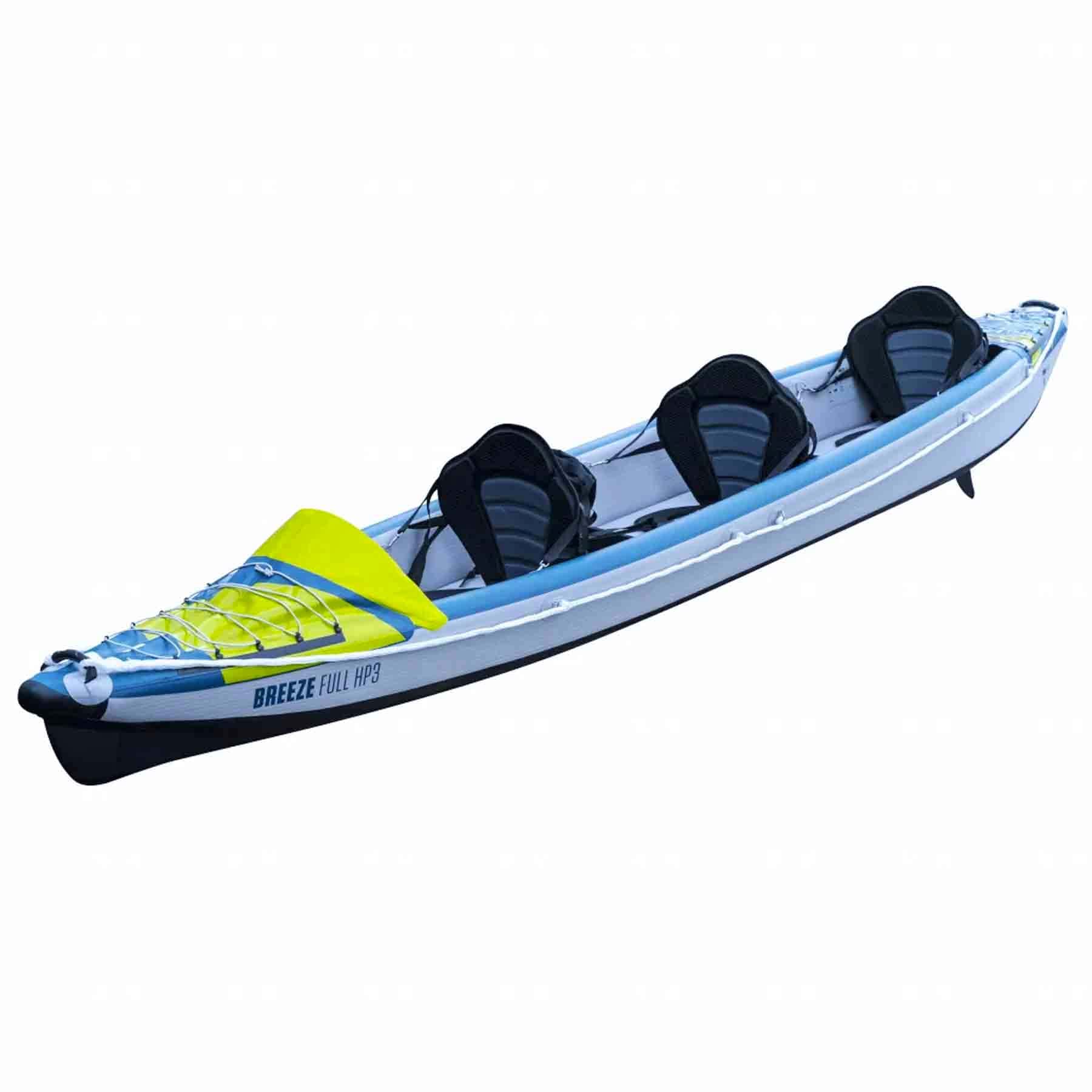
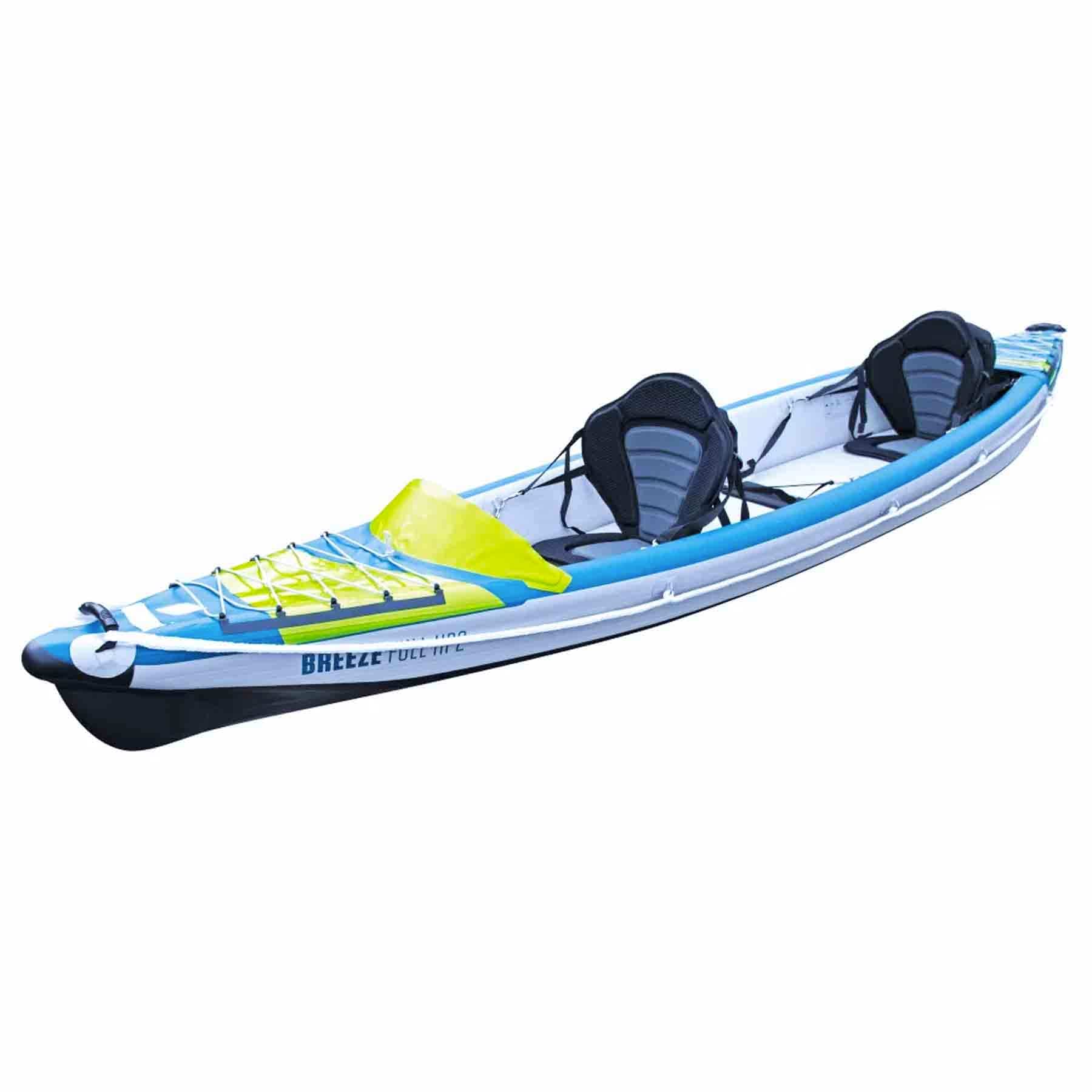
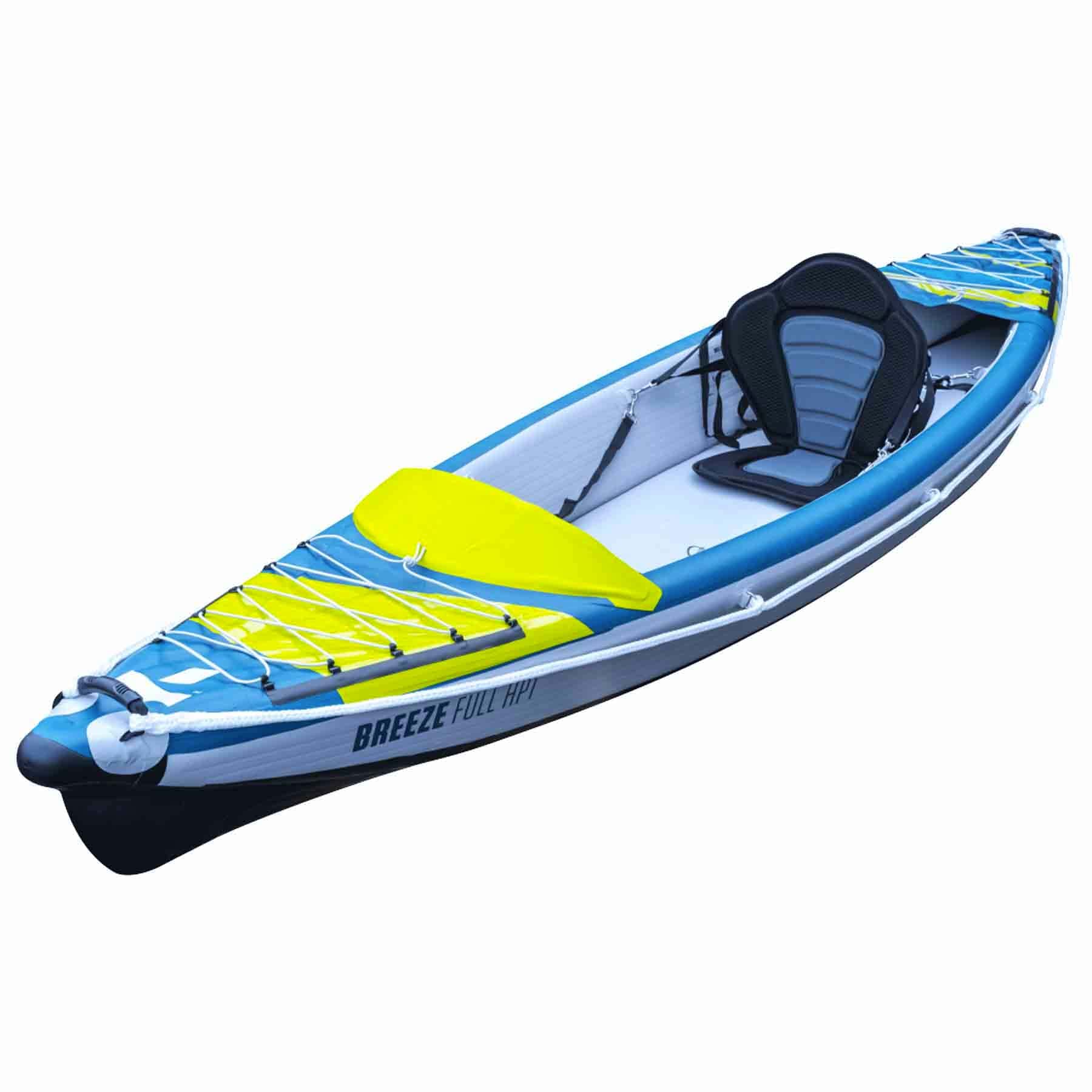
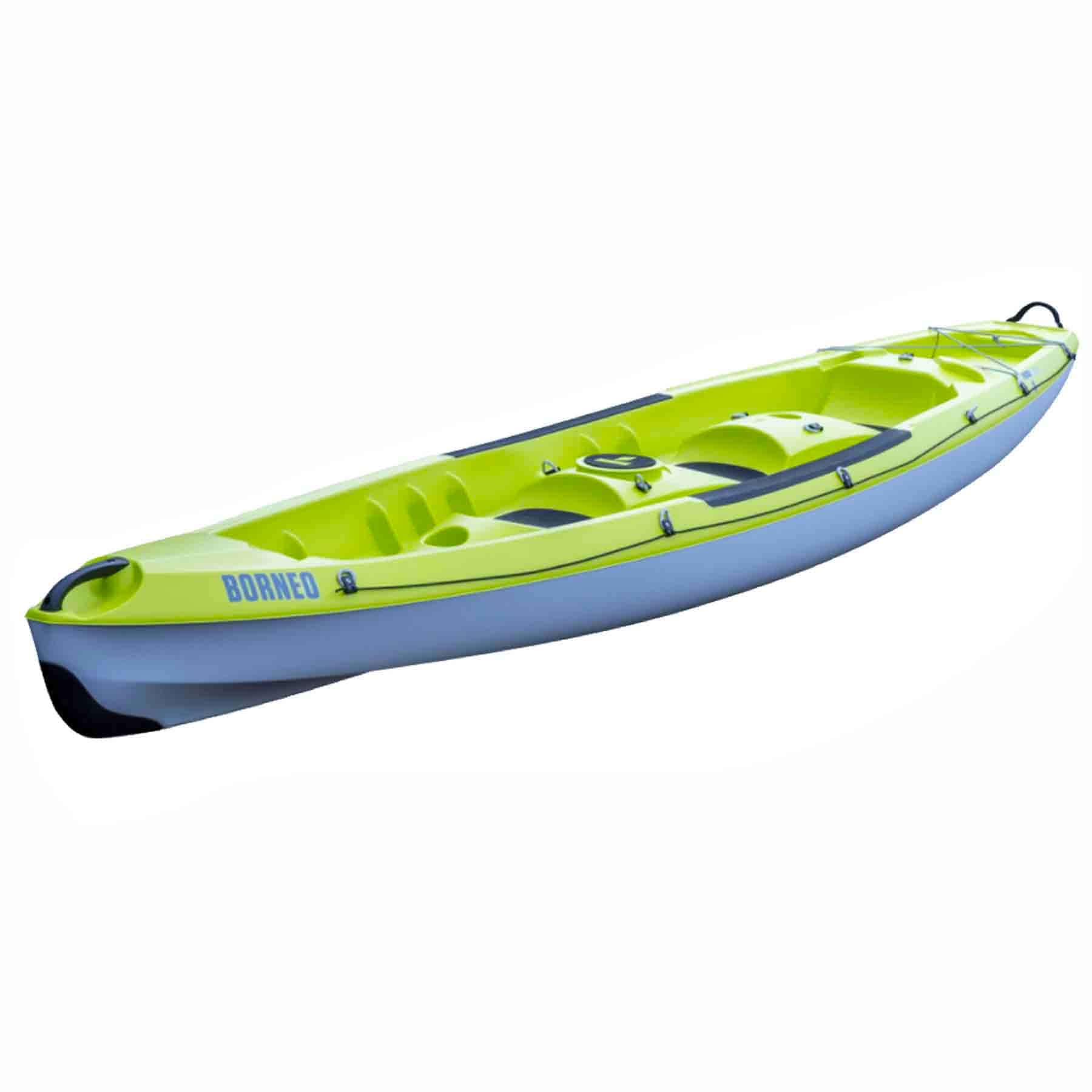
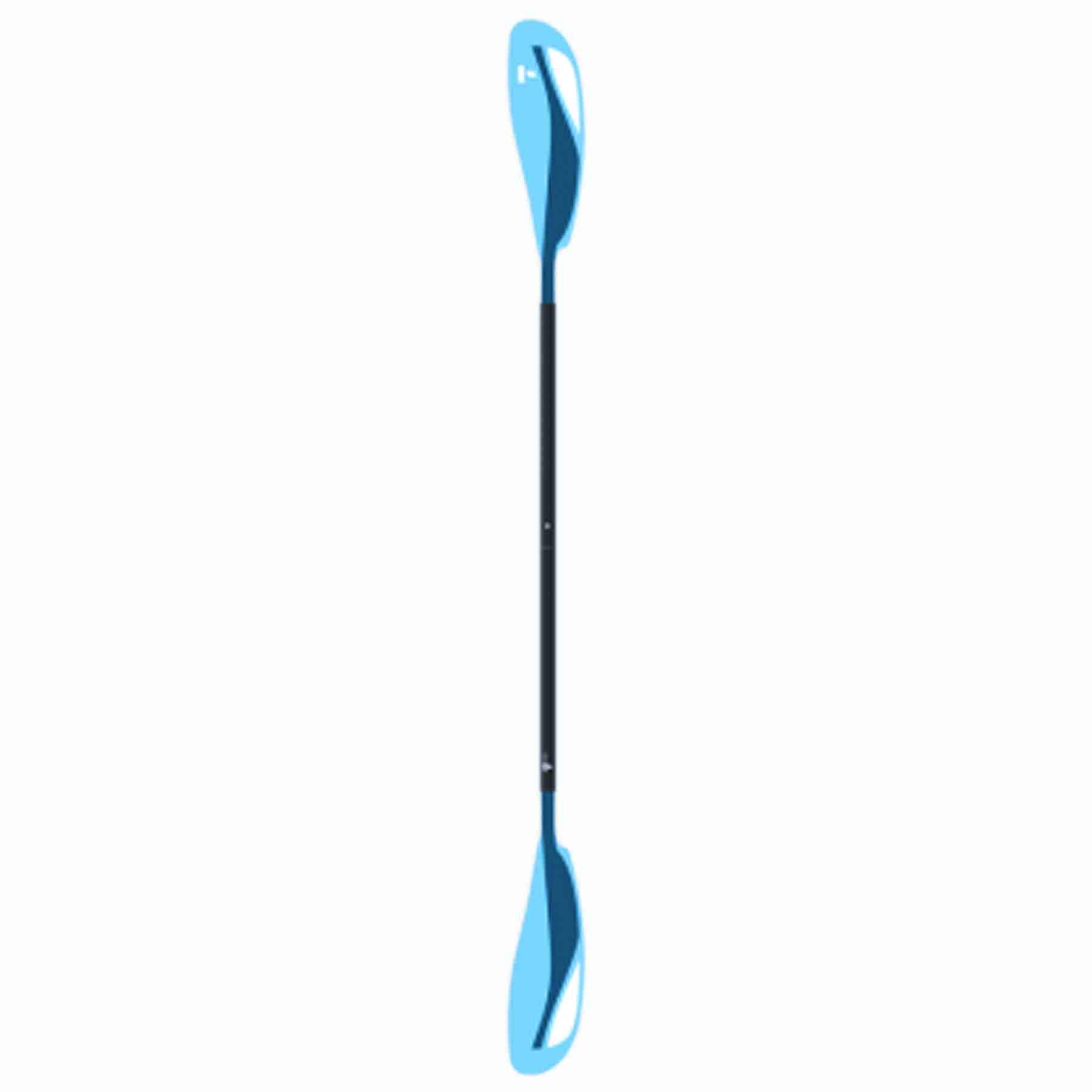
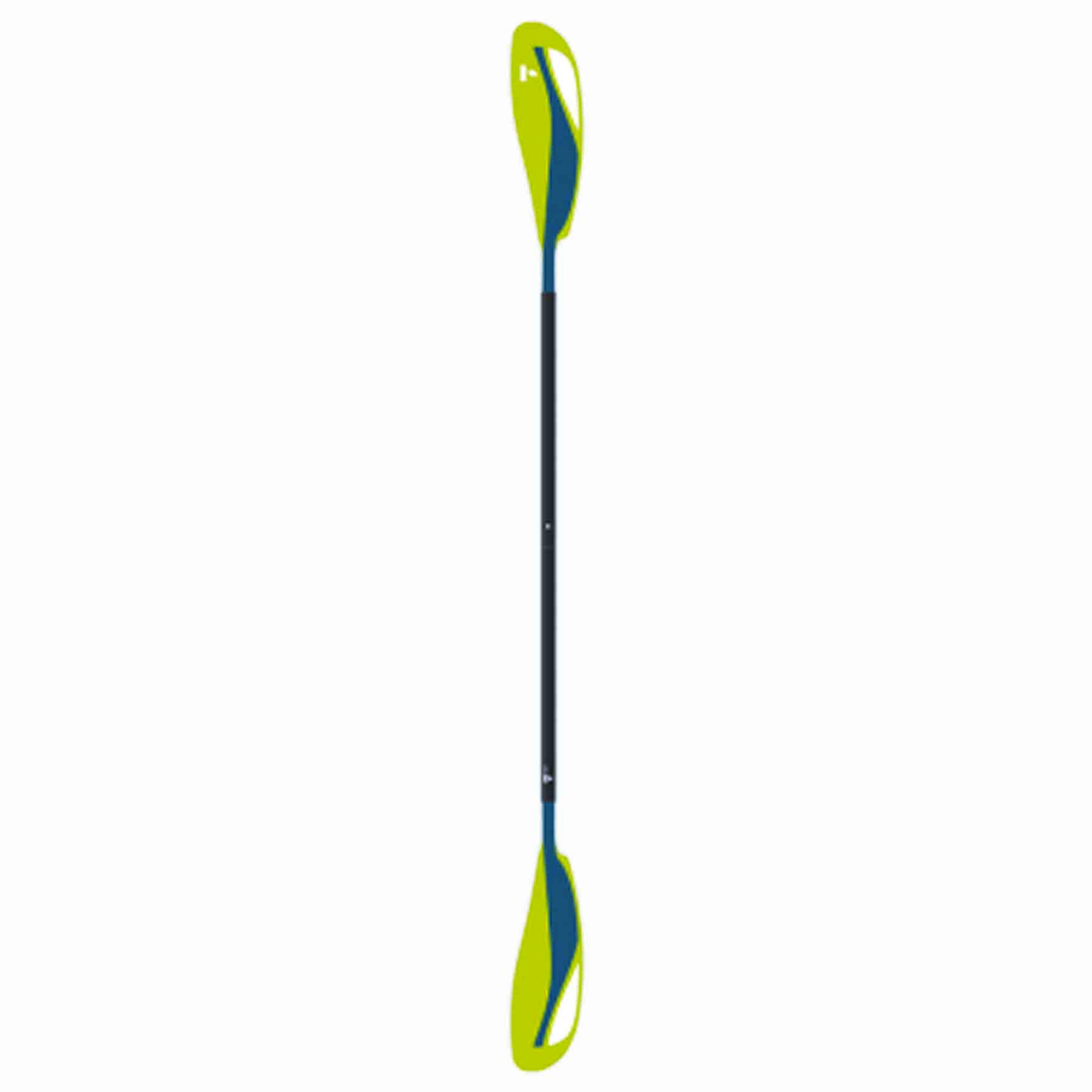
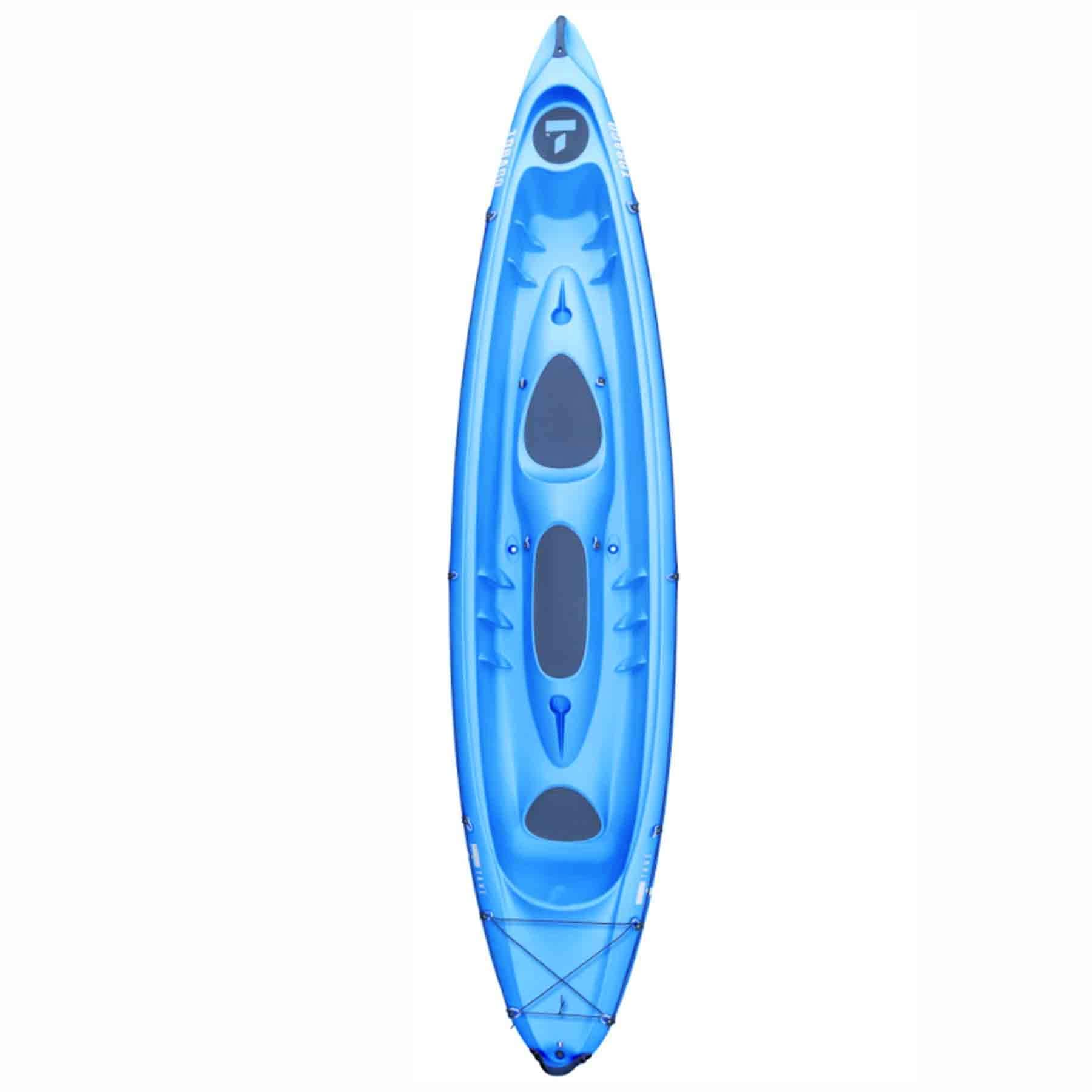
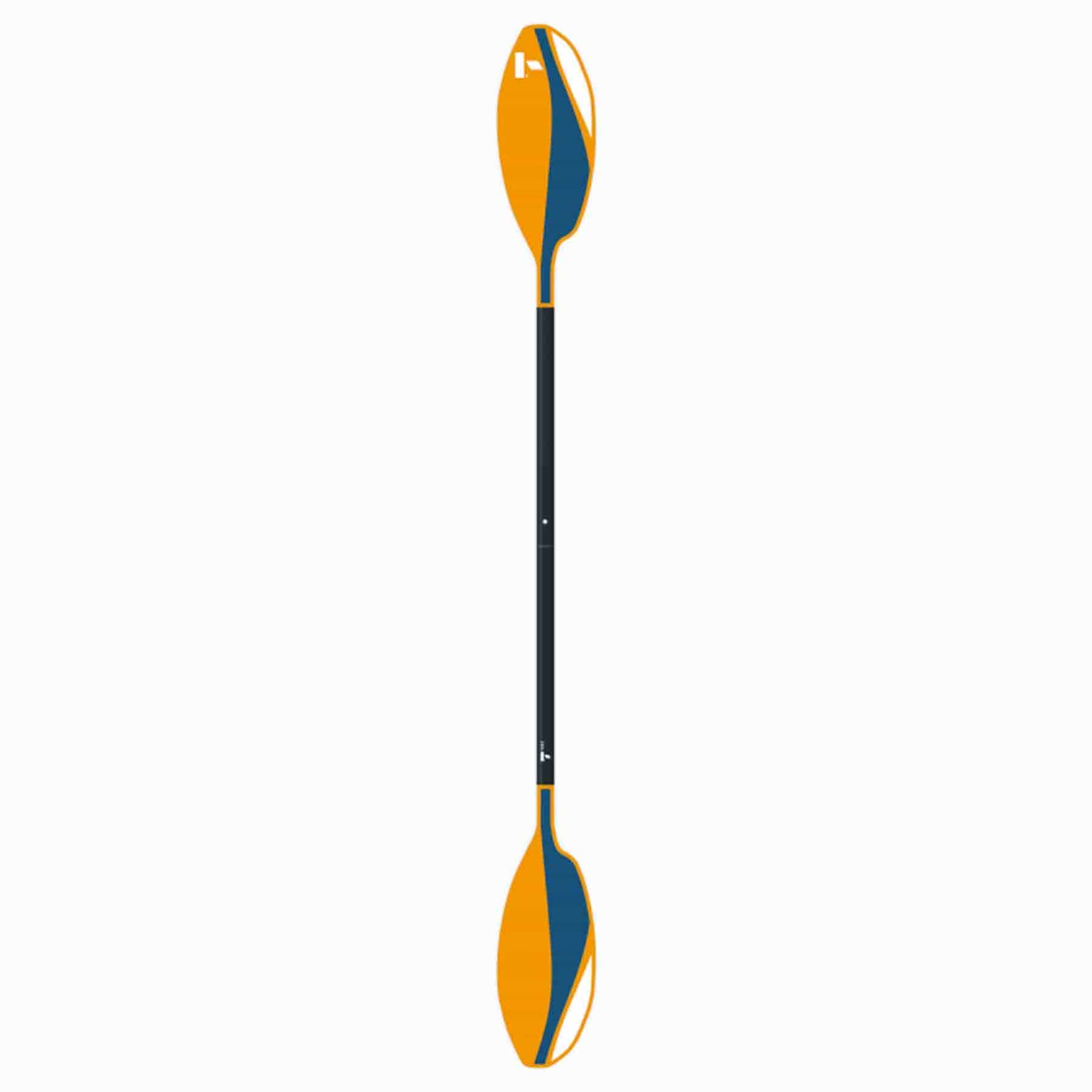
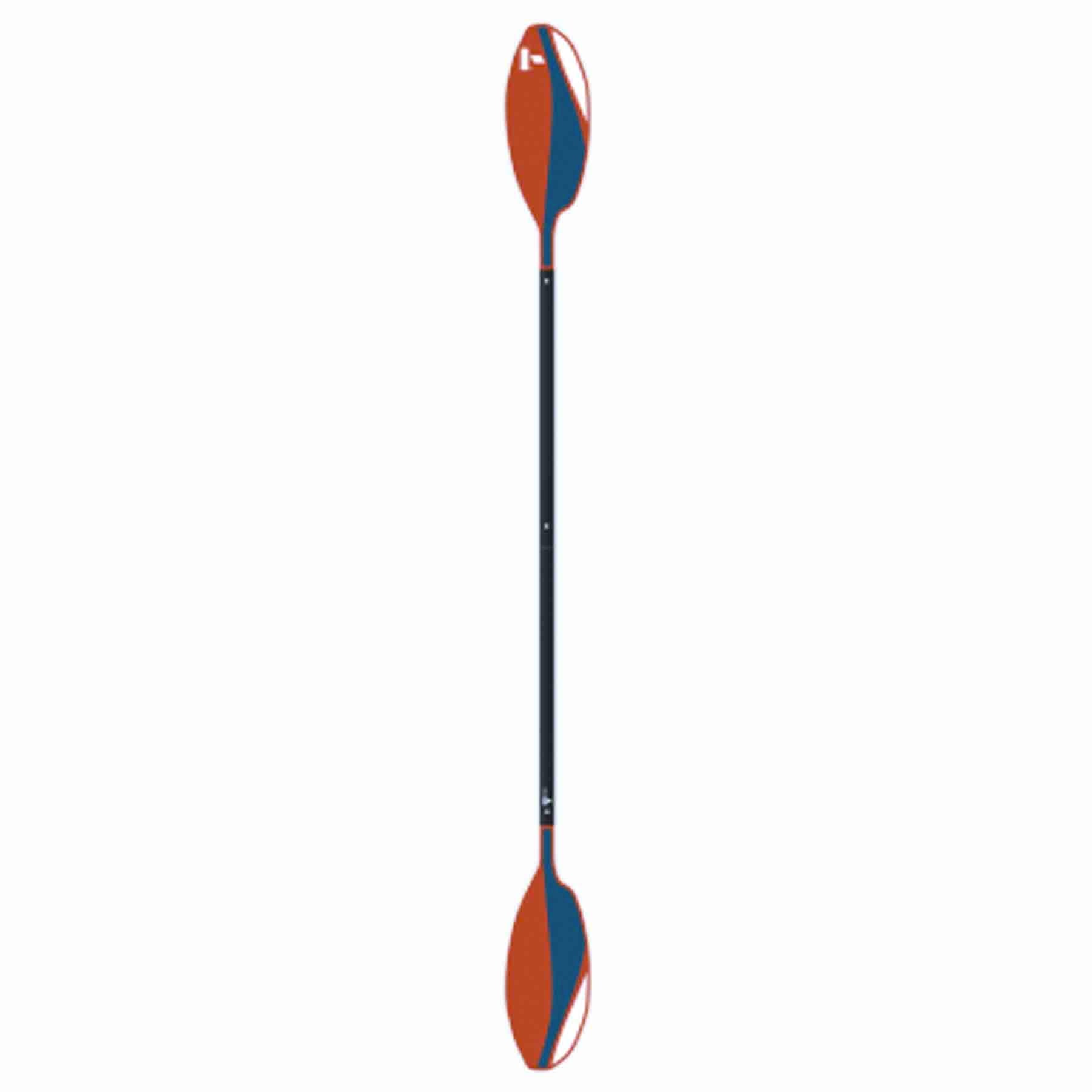
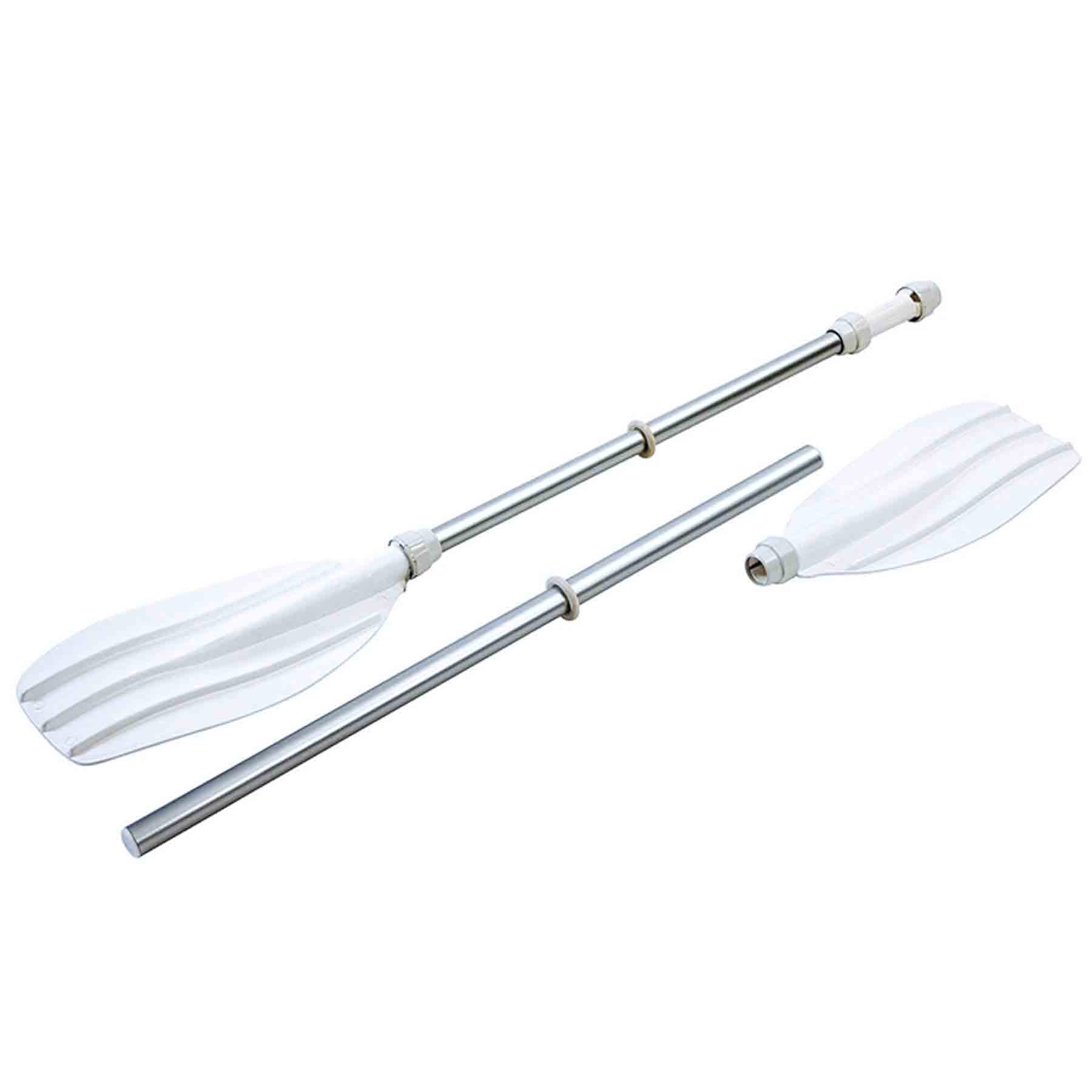
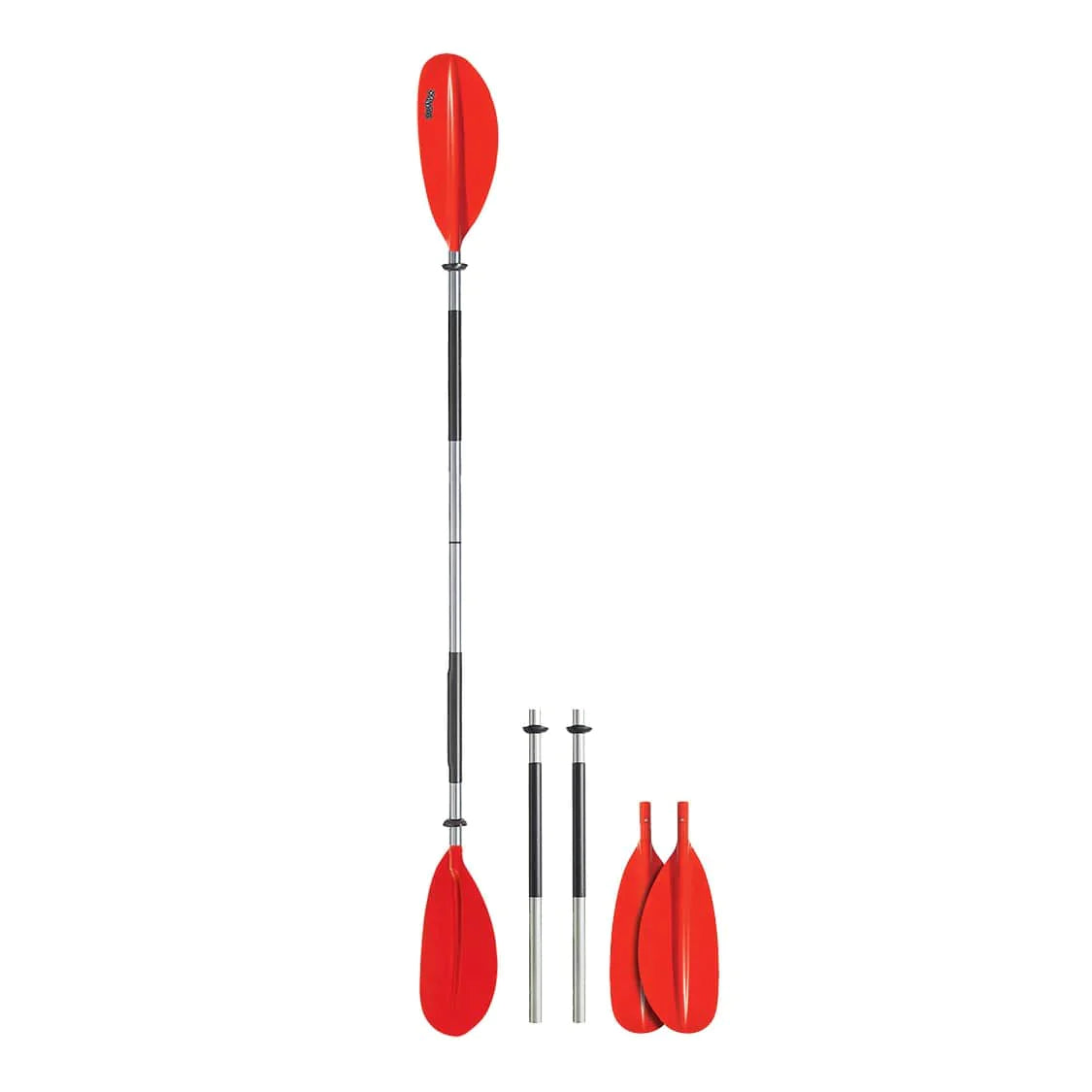
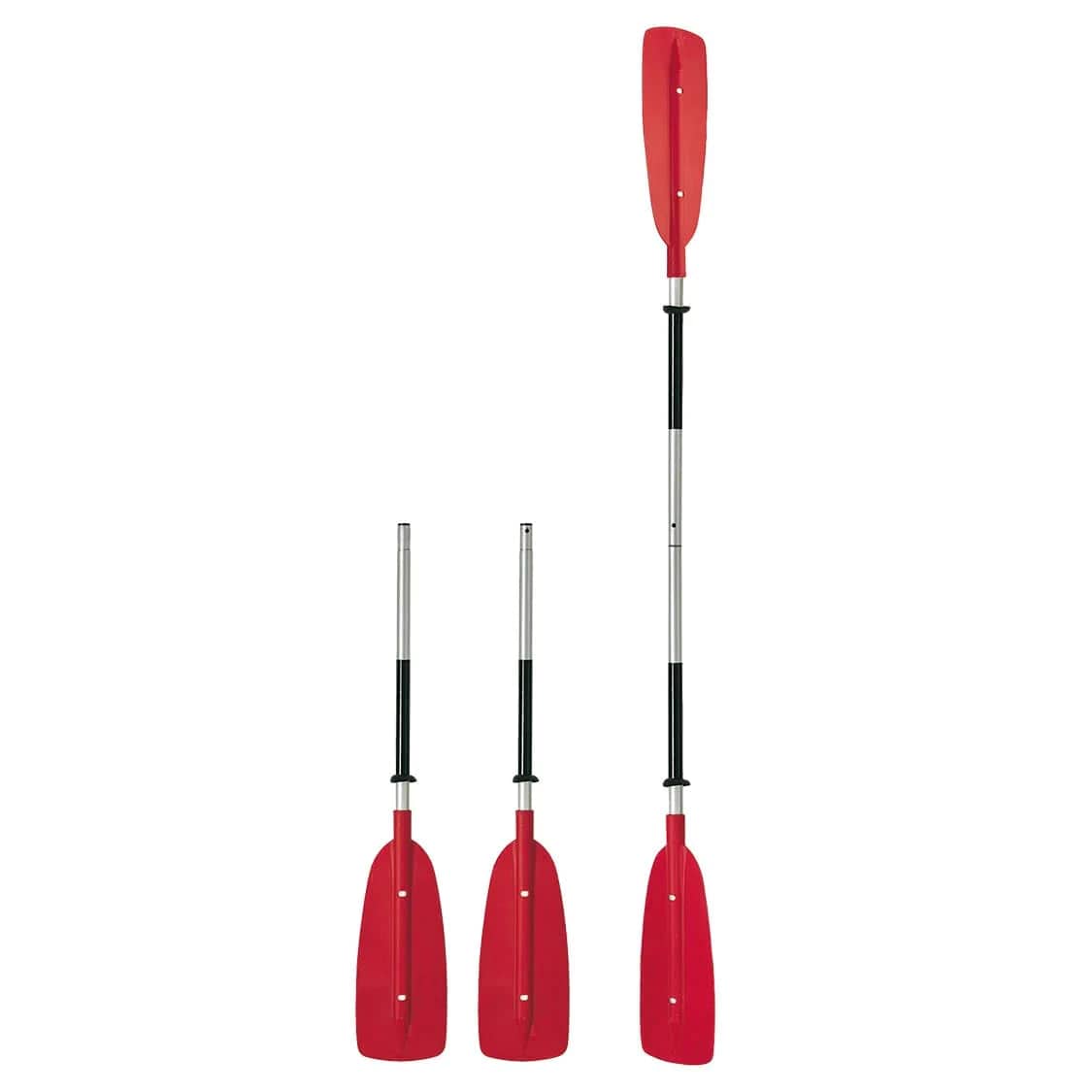
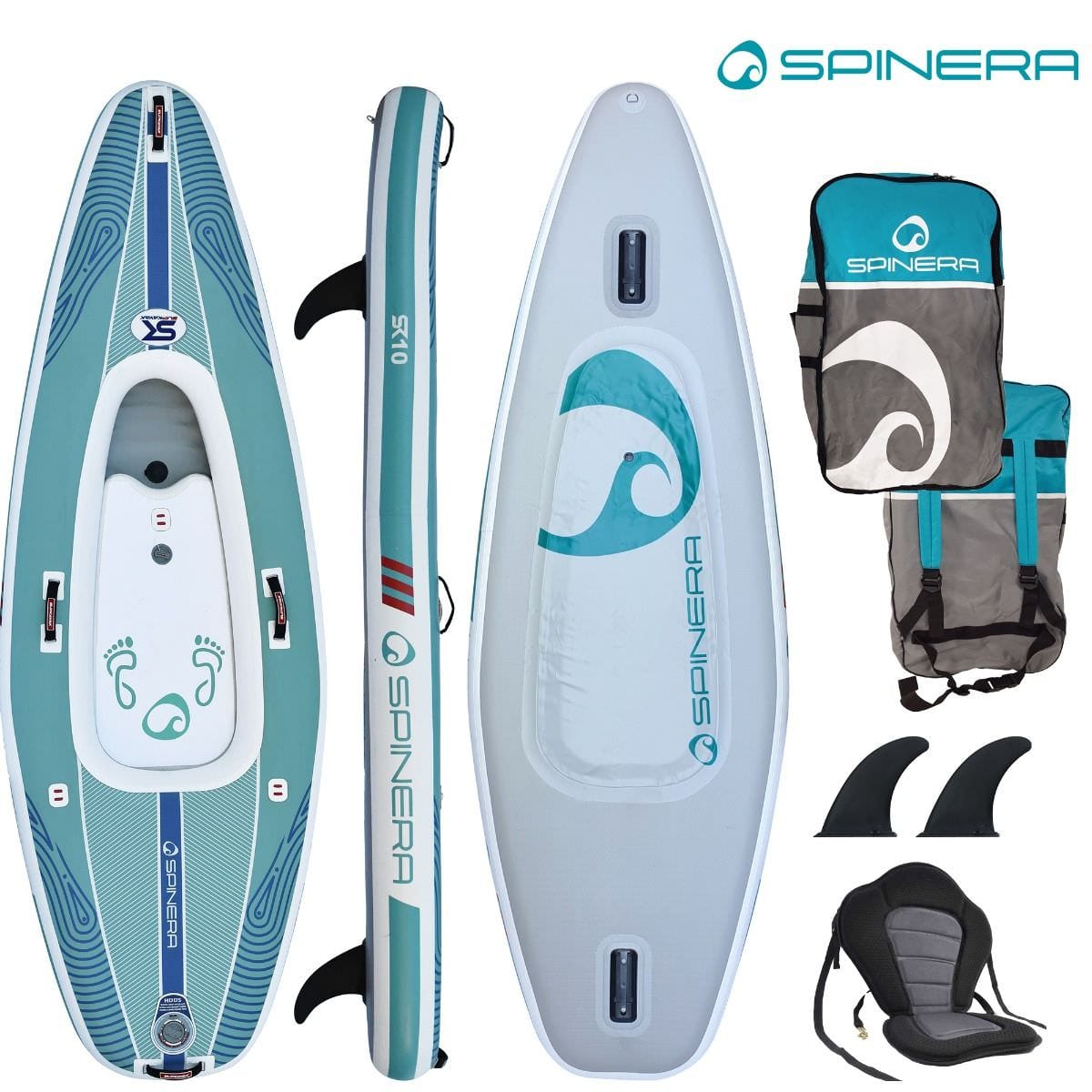
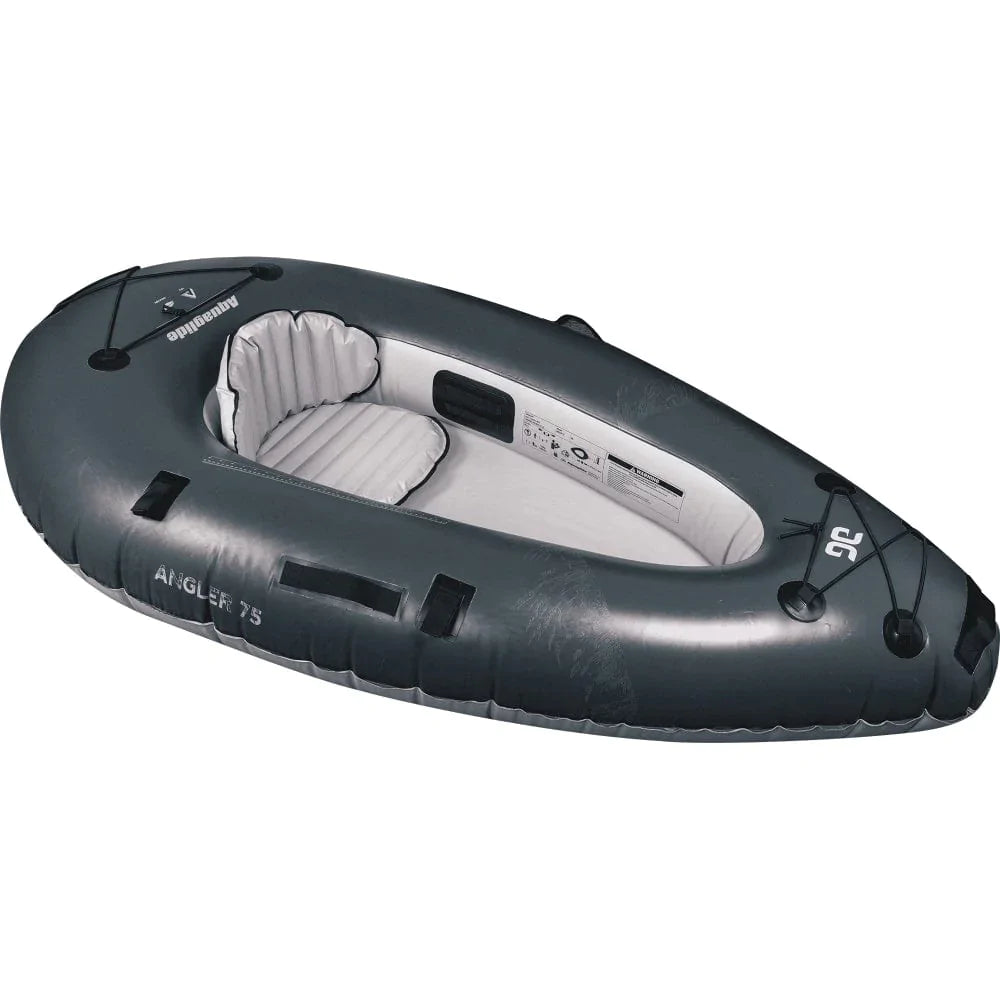
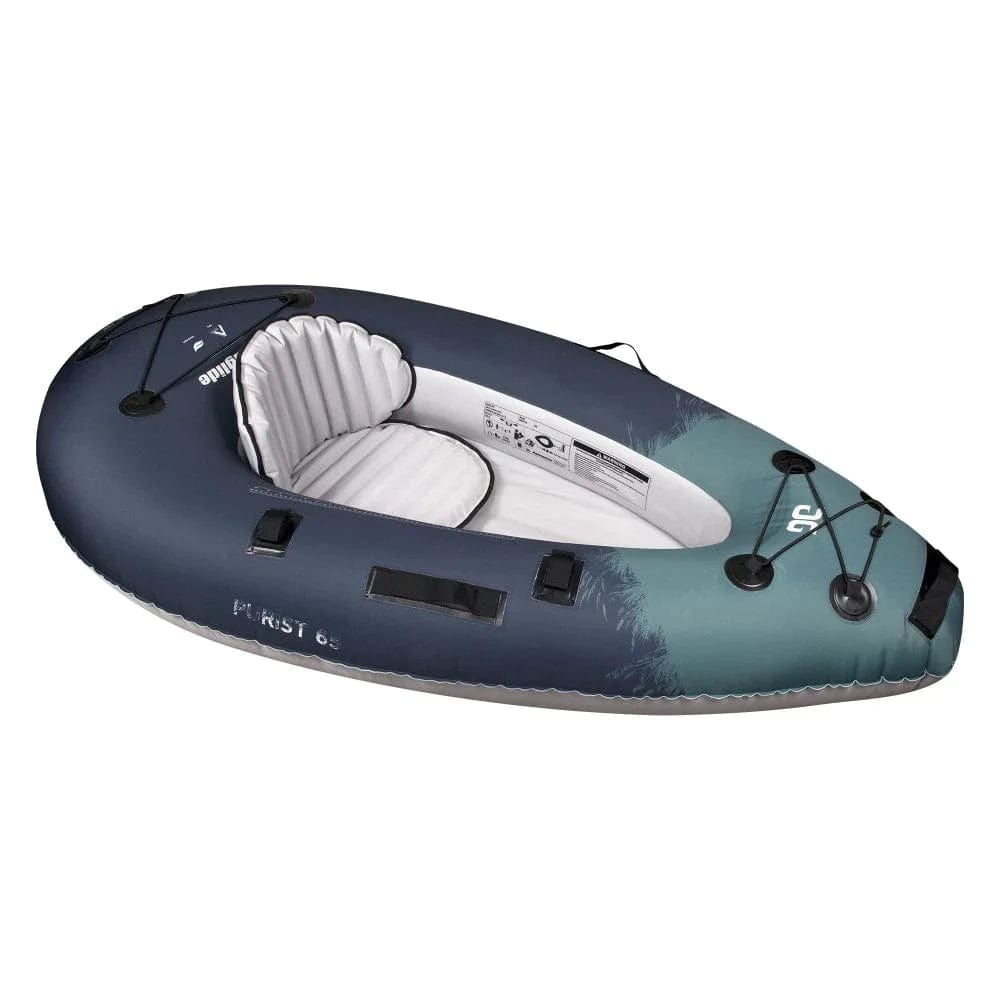
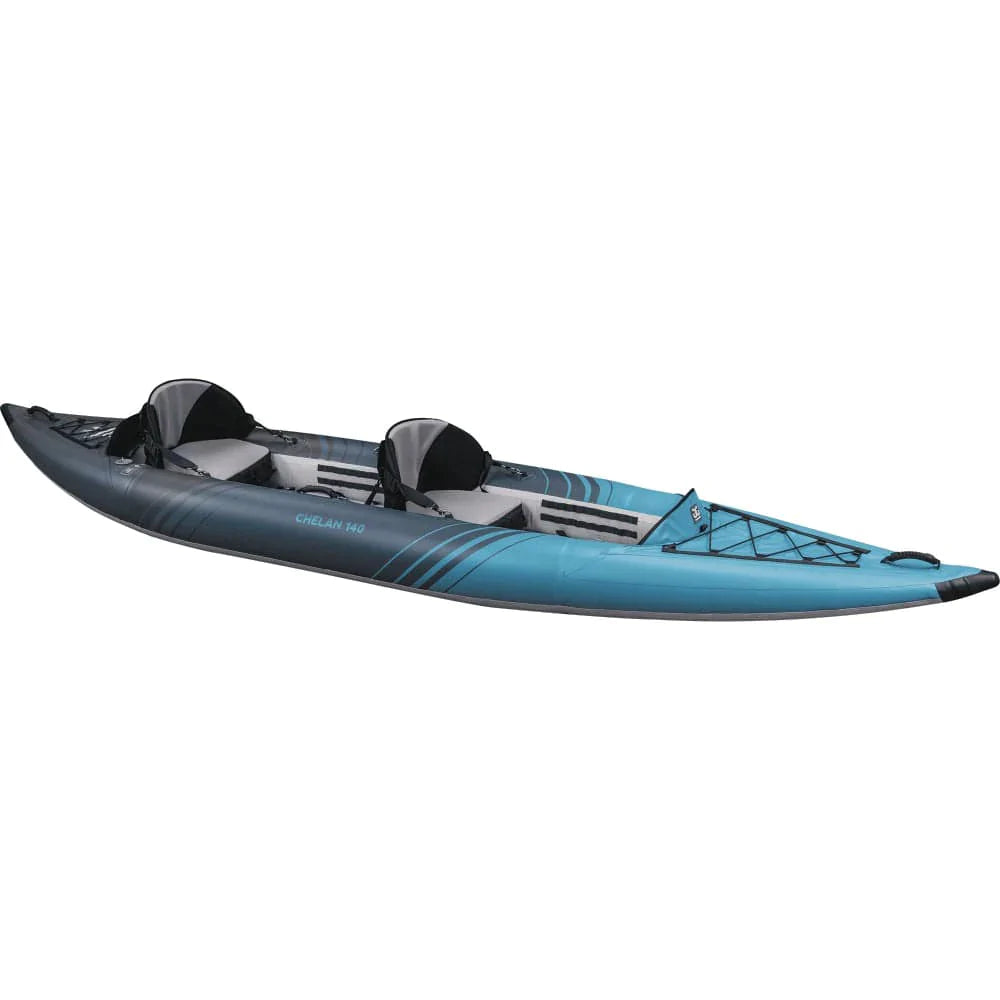
Kayaking is one of the easiest ways to get out on the water, whether you want calm touring, a bit of fishing, or family fun on the river and coast. The right kayak matches how and where you paddle, is stable and comfortable, and is easy to transport and store. Getting the choice right makes every trip more enjoyable.
This collection covers inflatable and sit-on-top kayaks, plus paddles and accessories, from trusted brands. From compact inflatables that pack into a car boot to stable sit-on-tops for the whole family, there is a kayak to suit your water and your storage.
Not sure which kayak you need? The guide below explains it. Browse the range below, or see our wider paddle collection for more ways to get on the water.
How Do You Choose a Kayak?
The main choices are the kayak type, its size and stability, and how you will transport and store it. These depend on where you paddle, how many people join you, and how much space you have at home and in the car. Getting these basics right matters more than any single feature.
Inflatable or Sit-on-Top?
The two most popular types suit different needs.
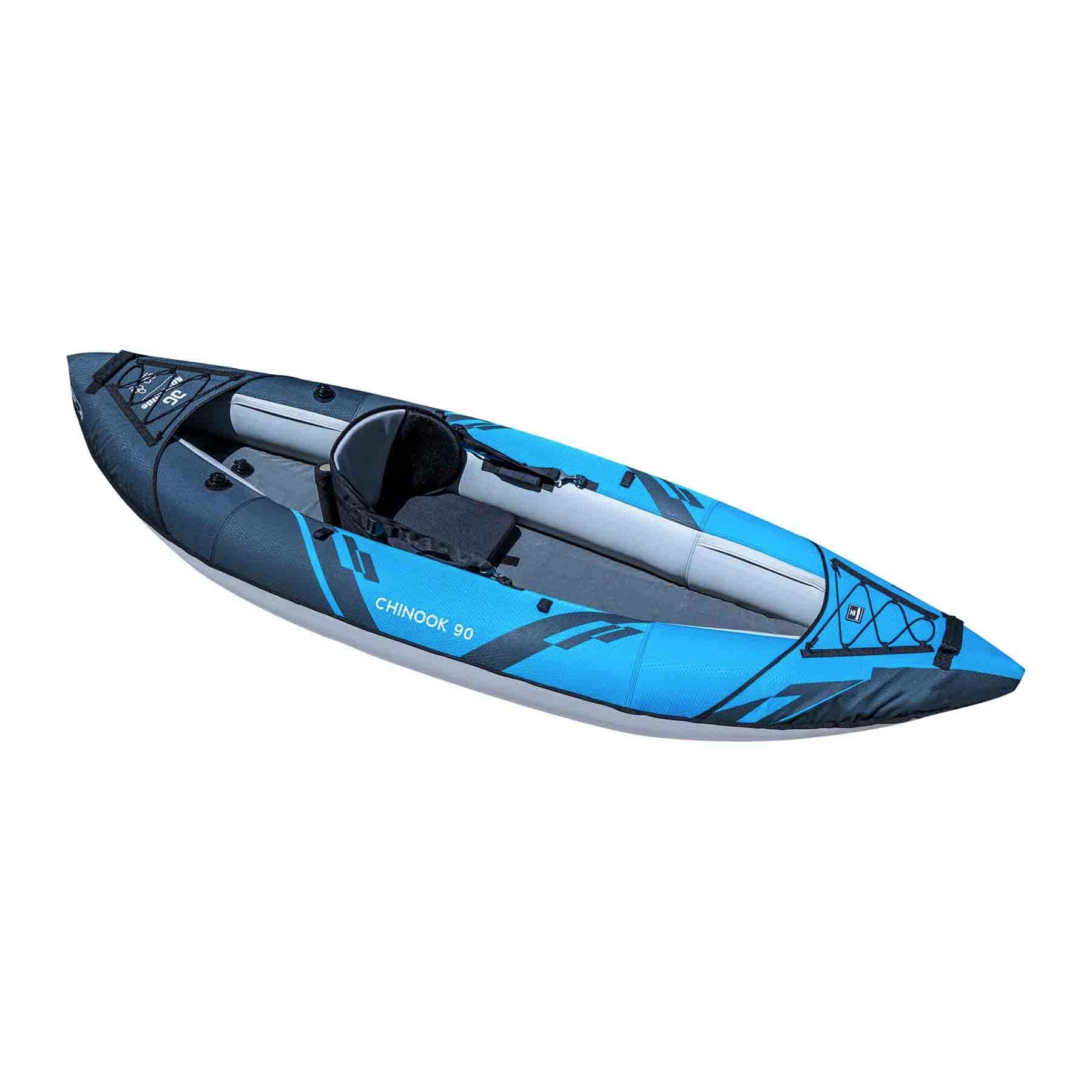
- Inflatable kayaks: pack down small for easy transport and storage, quick to inflate, and surprisingly rigid and stable on modern designs, ideal if space is tight
- Sit-on-top kayaks: hard-shell, very stable and easy to get on and off, great for beginners, families, warm-weather paddling and fishing
Choose inflatable if storage and transport are your priority, and sit-on-top if you have the space and want a ready-to-go hard shell.
Kayak Size and Stability
Length and width shape how a kayak paddles.
- Wider kayaks: more stable and forgiving, easier for beginners and fishing
- Longer kayaks: faster and track straighter, better for touring and covering distance
- Shorter kayaks: more manoeuvrable and easier to handle and store
Beginners and families usually prioritise stability, while tourers value length and glide.
Where Will You Paddle?
Match the kayak to your water:
- Calm lakes and slow rivers: most recreational kayaks are ideal
- Coastal and open water: longer, more capable kayaks that track and handle chop
- Fishing: stable, wider sit-on-tops with room for gear
Staying within a kayak's intended use keeps you safer and makes paddling more enjoyable.
Paddles and Accessories
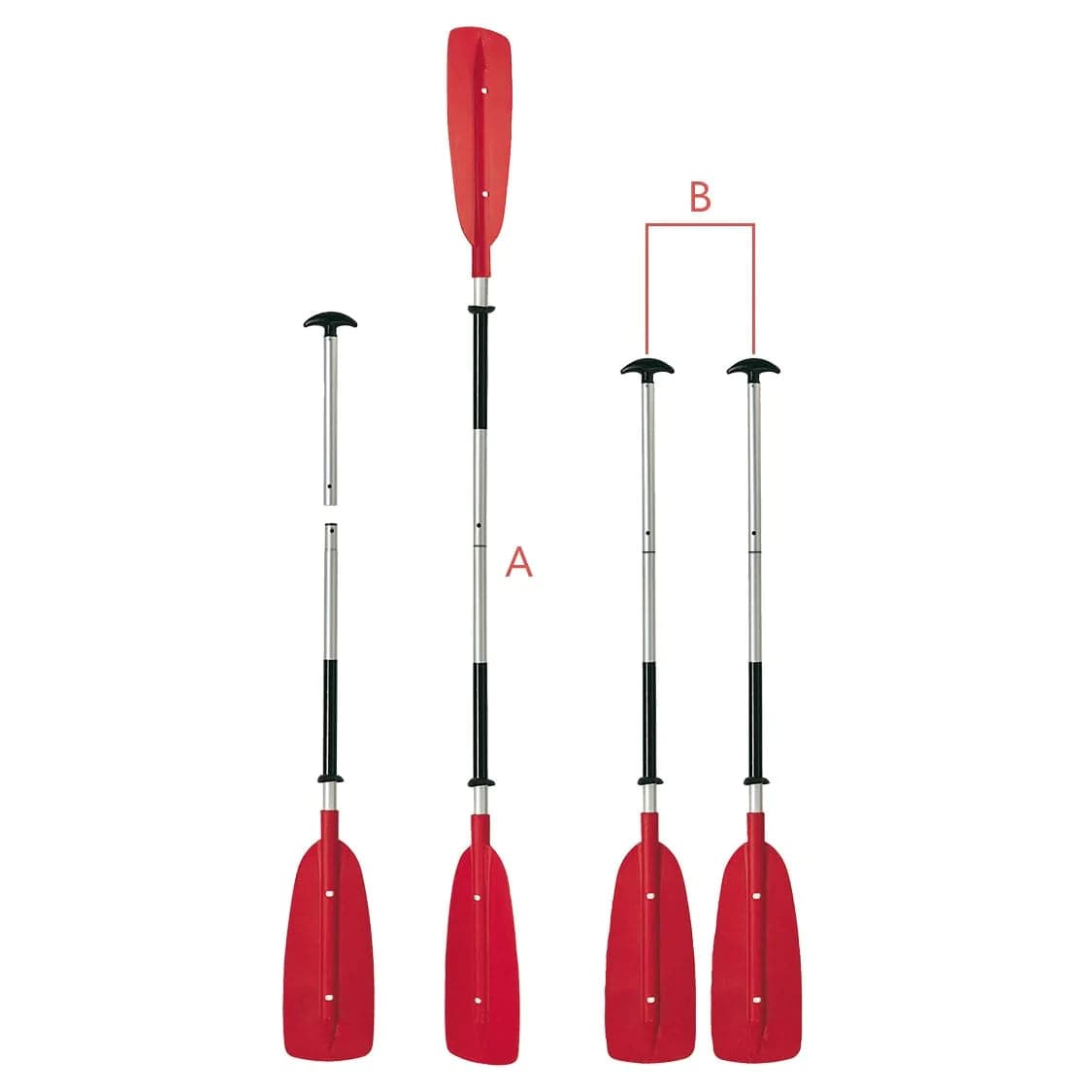
A comfortable paddle makes a real difference, sized to your height and the kayak's width. Lighter paddles reduce fatigue on longer trips. A buoyancy aid is essential, and a pump, seat and dry bag round out the setup. Choosing the right paddle length for you is an easy way to make paddling more comfortable.
Transport and Storage
How you store and move a kayak matters as much as how it paddles. Inflatables pack into a bag that fits a car boot and a cupboard, while hard-shell sit-on-tops need roof bars or a large vehicle and outdoor or garage space. Being honest about your space often points clearly to one type.
Caring for Your Kayak
Simple care keeps a kayak lasting.
- Rinse with fresh water after use, especially in salt water
- Dry inflatables fully before packing to prevent mildew
- Store hard shells out of direct sun, which degrades plastic over time
- Check valves, seams and fittings before trips
Drying an inflatable fully before storage is the key to keeping it fresh and ready.
How Much Do Kayaks Cost?
Price depends on type, size and construction. Basic recreational inflatables and sit-on-tops sit at the affordable end, with touring and higher-spec kayaks costing more for better materials and performance. Spending more usually buys better rigidity, tracking and durability. For families and casual paddling, a quality recreational kayak offers great value.
Why Buy Your Kayak from Surface2Air Sports?
We have supplied paddlers and watersports fans since 2002, in store and online.
- Inflatable and sit-on-top kayaks
- Options for touring, fishing and family fun
- Paddles and accessories
- Trusted kayak brands
- Honest advice on size and type
Whether you want a packable inflatable or a stable sit-on-top, we can help you choose. Explore our inflatable kayaks and wider outdoors range.
Kayaking with Children and Family
Kayaking is a brilliant family activity, and stable sit-on-top and inflatable kayaks make it accessible for all ages. Sit-on-tops are easy to climb back onto if someone slips off, which gives children confidence, and tandem or larger kayaks let an adult paddle with a child. Always fit everyone with a properly sized buoyancy aid, start on calm, sheltered water, and keep early trips short and fun so younger paddlers build confidence.
Getting Started Safely
A few simple habits keep paddling safe and enjoyable. Check the weather and, on the coast, the wind and tide before you set off, since offshore wind can quickly push you out. Tell someone your plan, stay within your ability and close to shore while you learn, and carry a means of calling for help. A buoyancy aid is essential every time, and a leash keeps your paddle with you if you capsize.
Choosing and Fitting a Paddle
The paddle is easy to overlook but makes a real difference. Length is matched to your height and the width of the kayak, and a lighter paddle reduces fatigue noticeably on longer trips. A comfortable grip and the right blade size help you paddle efficiently without tiring, so it is worth choosing a paddle to suit you rather than simply taking whatever comes with the boat.
Transport and Storage Made Simple
Choosing a kayak you can actually move and store is half the battle. Inflatables pack into a bag that fits a car boot and a cupboard, making them ideal if space is tight or you travel to the water. Hard-shell sit-on-tops are ready to go but need roof bars or a large vehicle and somewhere outdoors or in a garage to live. Being honest about your space and transport often makes the choice between the two clear.
Frequently Asked Questions About Kayaks
Is an inflatable or hard-shell kayak better?
Inflatables pack small and are easy to store and transport, while hard-shell sit-on-tops are ready to go and very stable. Choose by your space and priorities.
Are inflatable kayaks stable?
Modern inflatables are rigid and stable when properly inflated, and are a great option if storage and transport space is limited.
What size kayak do I need?
Wider kayaks are more stable for beginners and fishing, while longer kayaks are faster and track better for touring. Match it to your use.
What paddle length should I choose?
Paddle length is matched to your height and the kayak's width. A lighter paddle also reduces fatigue on longer trips.
Do I need a buoyancy aid?
Yes. A buoyancy aid is essential safety kit for kayaking, whatever your experience and water.
Can I use a kayak at sea?
Only kayaks designed for coastal and open water, which track and handle chop. Always check the intended use and conditions.
How do I store an inflatable kayak?
Dry it fully after use, then pack it into its bag and store somewhere cool and dry to prevent mildew.
Let customers speak for us
Great job well dun thanks for your help with the purchase..

The bag is sturdy, spacious and water proofed on the inside. In addition, it can be worn as a backpack but it also comes with a strap for putting over a shoulder as a bag. I am happy with the purchase.

My first order of gummy straps never arrived so I contacted S2AS and they were very apologetic as Royal Mail had lost my parcel. They immediately sent out a second sets of straps which arrived the following day.
The customer service I recieved was exceptional and I would highly recommend this company for their swift response. I will definitely order with them again.

the whole exercise

item as dscribed, looks fantastic

As described and looks fantastic. thank you
My first board and binding set up after using hire equipment for over a year. These will take some getting used to but step in and strap is a vast improvement. Large to size 12UK looks like it only just fits across the toe strap.
S2AS are my go to online store for anything Snowboarding related and as they say any query just pick up the phone and speak to Ollie (who sounds a lot like Jamie Lang)

Wait for snow
Loved the service in the shop Ollie was very helpful and a pleasure to deal with. Recommend highly
Kind regards
Matt

2026 Slingshot KTV EverShred Wakeboard Bindings

Exceptionally quick delivery, would definitely recommend buying from this site

Hi my in store experience was fantastic from email to shop with your representative Ollie could not have been more polite & helpful
Once I’ve tried the bourd I will send further feedback
Hope your all well
Kind regards
Matt

We ordered a large amount of items that all arrived safely, we kept everything save two jackets which we ordered wrong, but the team were great, we sent them back and got a refund with no hassle. Will definitely use in the future!

Great graphics, good fit and quality

I purchased a wing that was 70% off and I am delighted with my new toy. I had it out today for the first time and despite only being a 2.8m wing, the power and control was amazing. It is so good that I am tempted to buy a bigger size to add to my collection. Thanks again S2AS for another great product for a bargain price 😊
Great carbonboard from Shinn and Raptor fin set at a good price from Surface2Air Sports. Delivered without any problems.