
Sort by


Stand up paddle boarding is one of the easiest and most rewarding ways to get out on the water. It is calm enough for a gentle cruise on a lake, versatile enough for rivers, coast, and small surf, and a brilliant full body workout. The right board, matched to your weight and how you want to paddle, makes learning quick and every outing more enjoyable.
Our stand up paddle board range covers inflatable and hard SUPs in all round, touring, and specialist shapes, along with the pumps, paddles, and accessories that come with them. We stock trusted brands and a spread of sizes and budgets, so you can find a board that suits your paddling and your storage space.
Not sure whether to go inflatable or hard, or which size? The guide below explains it, and our team is always happy to help. Browse the range below, see our wider paddle range, and pair your board with a wetsuit for cooler UK water.
How Do You Choose a Paddle Board?
Choosing a SUP comes down to how and where you want to paddle, your weight, and how you will store and transport it. The main decisions are inflatable versus hard construction, the board's volume and size for your weight, and the shape for your intended use. Once you know those, the choice becomes straightforward, and most first time paddlers are very well served by an all round inflatable.
Inflatable or Hard SUP?
This is the first and biggest decision.
- Inflatable SUPs: pack down into a backpack, easy to store and transport, durable, and forgiving if you knock them; ideal for most recreational paddlers and anyone short on space
- Hard SUPs: rigid epoxy or composite boards that are faster and more responsive, preferred for performance, racing, and surf, but bulkier to store and carry
For most people, especially beginners and those travelling or storing a board at home, an inflatable is the practical choice. Hard boards come into their own when you want maximum glide and performance.
Board Size, Volume, and Shape
Size and volume determine stability and how well the board carries you.
- Volume and width: a wider, higher volume board is more stable and better for beginners and heavier paddlers, while a narrower board is faster but tippier
- All round shape: versatile and stable, great for learning and mixed use
- Touring shape: a pointed nose for better glide and tracking over distance
- Specialist shapes: SUPs designed for surf, racing, or yoga
As a rule, make sure the board's volume comfortably supports your bodyweight plus any gear, with extra stability if you are learning.
What Comes With a SUP?
A paddle board is a small system, and many are sold as packages.
- Paddle: adjustable paddles suit shared use, and lighter materials reduce fatigue over distance
- Pump: a good hand or electric pump makes inflating an iSUP quick and easy
- Leash and fin: a leash keeps you with your board, essential for safety, while fins aid tracking
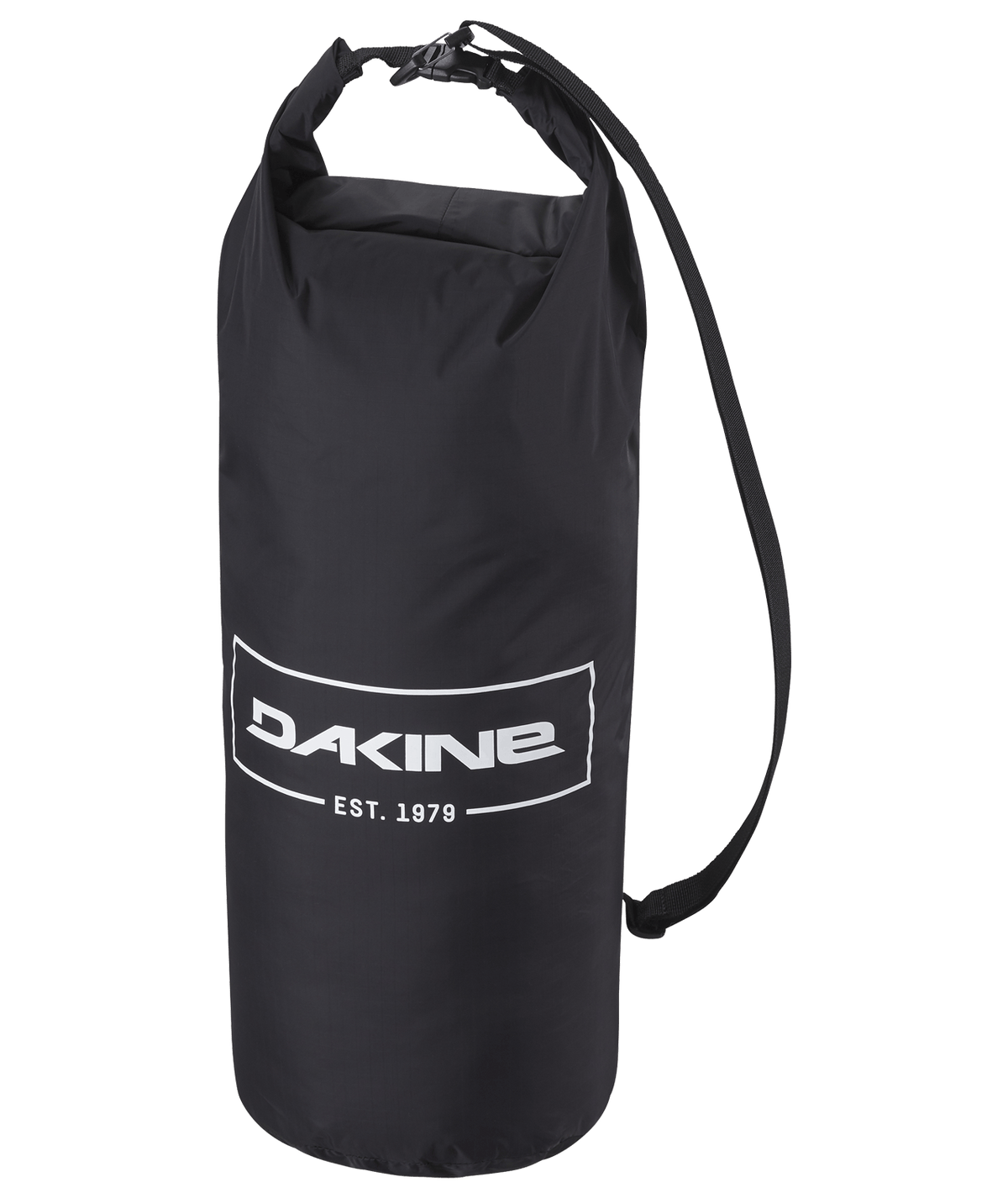
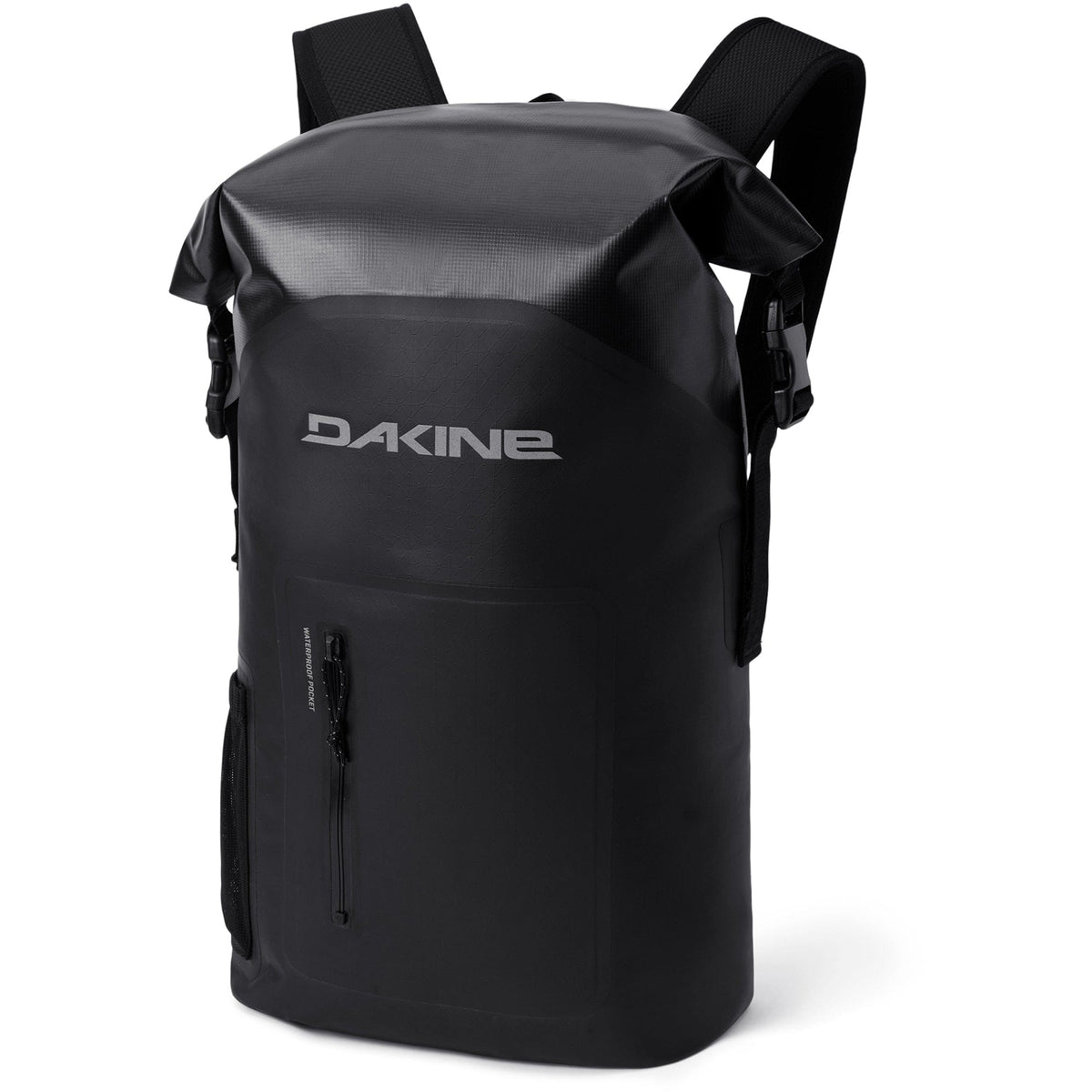
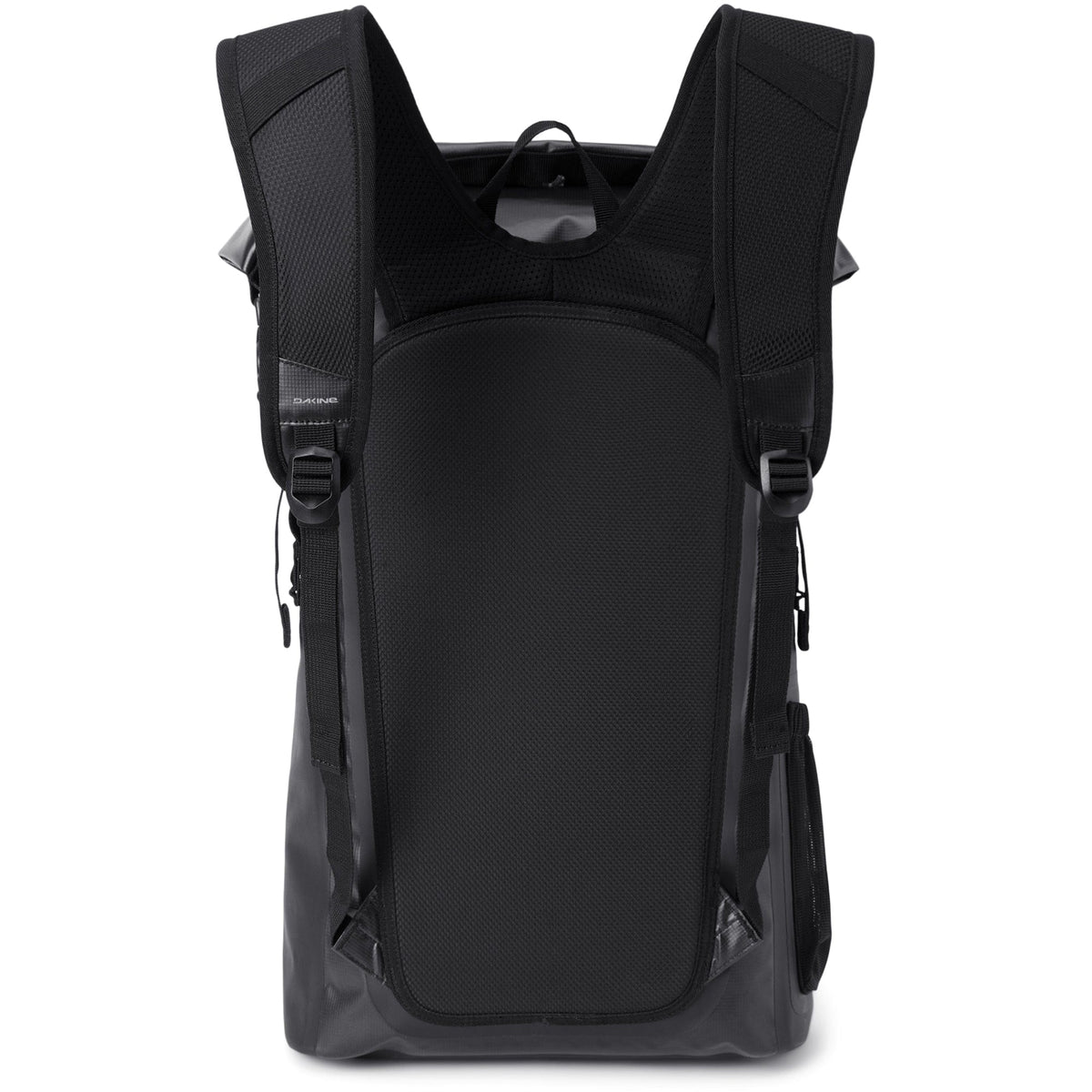
- Bag: a backpack style bag makes inflatables easy to carry and store
A package deal often works out as the simplest and best value way to get everything you need in one go.
Staying Safe on a Paddle Board
SUP is relaxed, but a few habits keep it safe.
- Always wear a leash so your board, your biggest float, stays with you
- Wear a buoyancy aid, especially on open or cold water
- Check the wind and tide, and beware offshore winds that blow you out
- Dress for the water temperature with a wetsuit in cooler months
- Tell someone your plans on longer paddles
An offshore wind is the most common cause of trouble, so always check the forecast before heading out.
Caring for Your Paddle Board
A little care keeps a board in good shape for years.
- Rinse with fresh water after salt water or dirty water use
- Dry fully before rolling or storing to prevent mould
- Store out of prolonged direct sun and extreme heat, which can damage inflatables
- Store an inflatable rolled loosely or lightly inflated, not tightly crammed long term
- Check the fins, leash, and valve regularly
Keeping an inflatable out of baking sun, which raises internal pressure, is an important habit in summer.
How Much Do Paddle Boards Cost?
Prices depend on construction, size, materials, and whether the board comes as a package. Entry level inflatable packages sit at the lower end of the range and include the essentials, mid range boards add better materials and stiffness, and premium hard boards and performance iSUPs sit at the top. For most first time paddlers, a solid mid range all round inflatable package offers the best balance of value, durability, and ease of use.
Why Buy Your Paddle Board from Surface2Air Sports?
We have been fitting watersports enthusiasts since 2002, with a shop in Poole and the full range online.
- Inflatable and hard SUPs in all round, touring, and specialist shapes
- Paddles, pumps, leashes, and accessories
- Trusted watersports brands
- Honest advice on size, volume, and construction
- In store support and online guidance
- A range to suit different budgets
Whether it is your first board or a performance upgrade, we can help you choose the right SUP. Fancy something to grip the deck or carry your kit? See our surf accessories too.
Frequently Asked Questions About Stand Up Paddle Boards
Should I buy an inflatable or hard paddle board?
For most paddlers, especially beginners and those short on storage, an inflatable is the practical choice. Hard boards are faster and more responsive for performance, racing, and surf.
What size paddle board do I need?
Choose a board whose volume comfortably supports your bodyweight plus gear. Wider, higher volume boards are more stable for beginners, while narrower boards are faster but tippier.
Are inflatable SUPs durable?
Yes. Modern inflatable SUPs use tough drop stitch construction that is rigid when inflated and shrugs off knocks that would ding a hard board.
Do I need a leash?
Yes. A leash keeps you attached to your board, which is your biggest float. It is an essential safety item, with leash type chosen to suit the water you paddle.
What should I wear paddle boarding in the UK?
Dress for the water temperature, which means a wetsuit in cooler months, and wear a buoyancy aid, especially on open or cold water.
Is a package deal worth it?
Often yes. A package usually includes the board, paddle, pump, leash, fin, and bag, which is the simplest and best value way to get everything you need.
How do I store an inflatable SUP?
Rinse and dry it fully, then store it rolled loosely or lightly inflated out of direct sun and extreme heat, rather than tightly crammed for long periods.
Can I paddle board in the sea?
Yes, but check the wind and tide first and beware offshore winds that can blow you out to sea. Build up to open water as your confidence grows.
Let customers speak for us
the whole exercise

item as dscribed, looks fantastic

As described and looks fantastic. thank you
My first board and binding set up after using hire equipment for over a year. These will take some getting used to but step in and strap is a vast improvement. Large to size 12UK looks like it only just fits across the toe strap.
S2AS are my go to online store for anything Snowboarding related and as they say any query just pick up the phone and speak to Ollie (who sounds a lot like Jamie Lang)

Wait for snow
Loved the service in the shop Ollie was very helpful and a pleasure to deal with. Recommend highly
Kind regards
Matt

2026 Slingshot KTV EverShred Wakeboard Bindings

Exceptionally quick delivery, would definitely recommend buying from this site

Hi my in store experience was fantastic from email to shop with your representative Ollie could not have been more polite & helpful
Once I’ve tried the bourd I will send further feedback
Hope your all well
Kind regards
Matt

We ordered a large amount of items that all arrived safely, we kept everything save two jackets which we ordered wrong, but the team were great, we sent them back and got a refund with no hassle. Will definitely use in the future!

Great graphics, good fit and quality

I purchased a wing that was 70% off and I am delighted with my new toy. I had it out today for the first time and despite only being a 2.8m wing, the power and control was amazing. It is so good that I am tempted to buy a bigger size to add to my collection. Thanks again S2AS for another great product for a bargain price 😊

Great carbonboard from Shinn and Raptor fin set at a good price from Surface2Air Sports. Delivered without any problems.

Really well made, super comfortable and love the carry wrap that they are supplied in. Much better than the usual drawstring bags that disintegrate. Best beach chair yet

Excellent item really pleased with it good delivery

2026 Mystic Patrol Boots wakeboard Bag