
Sort by
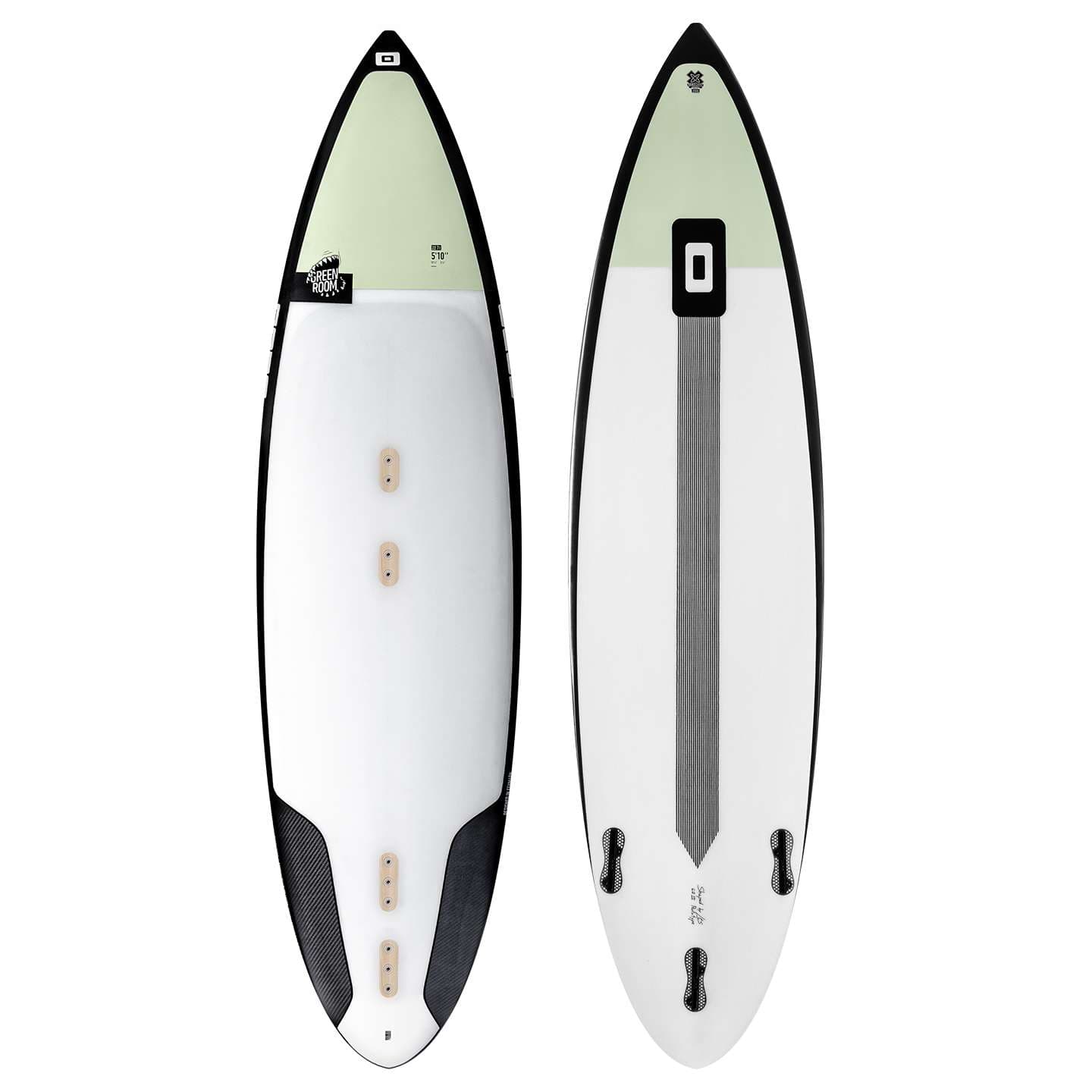
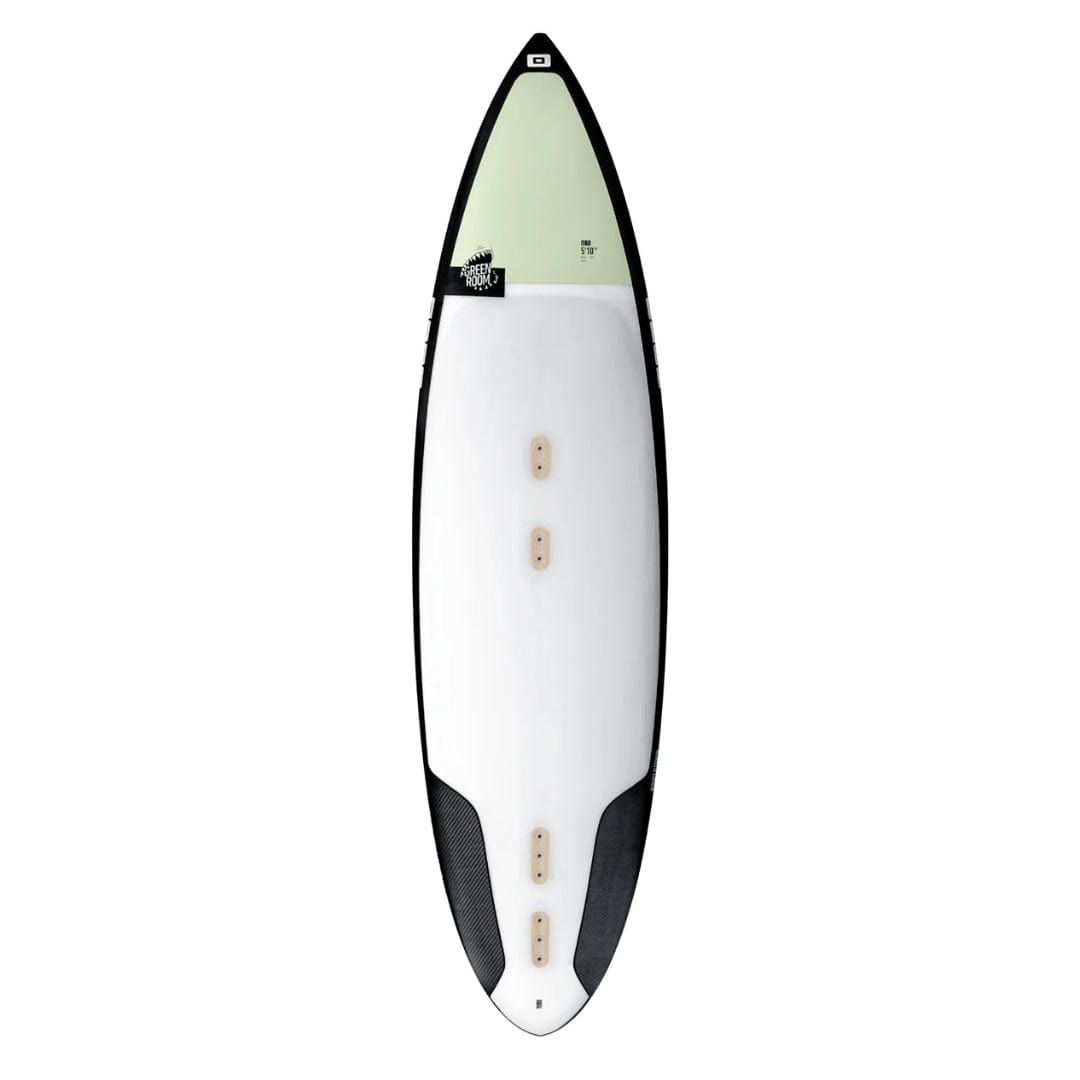
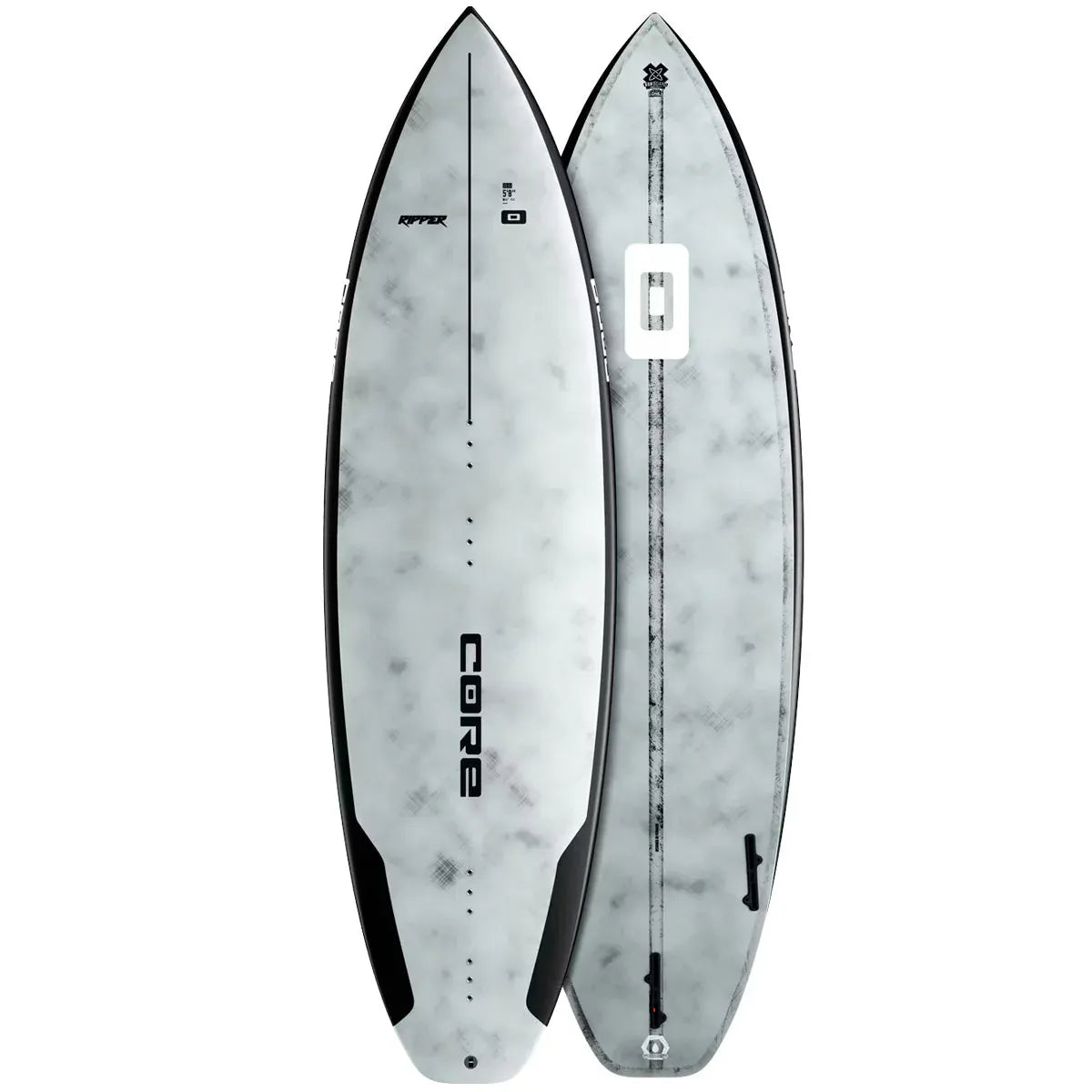
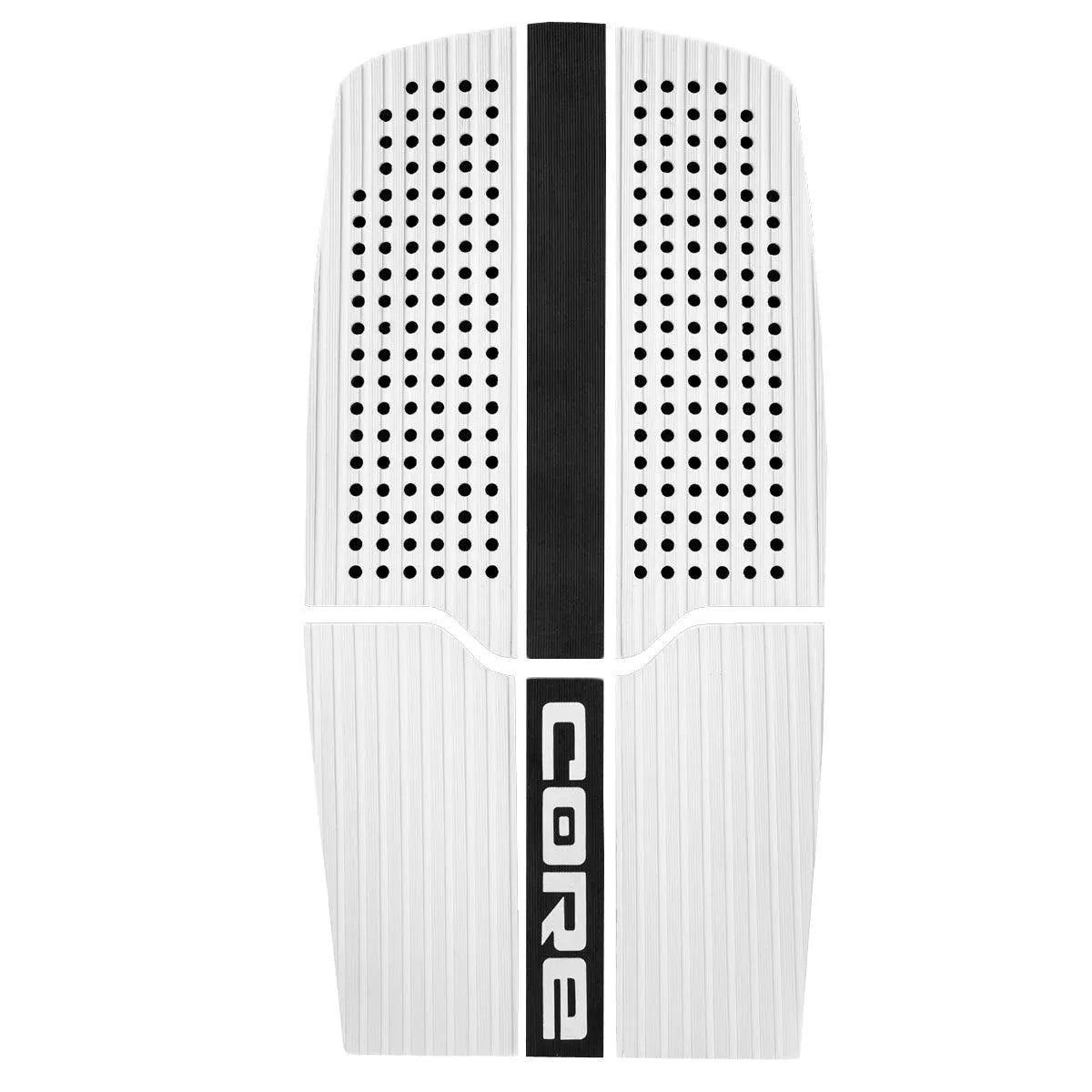
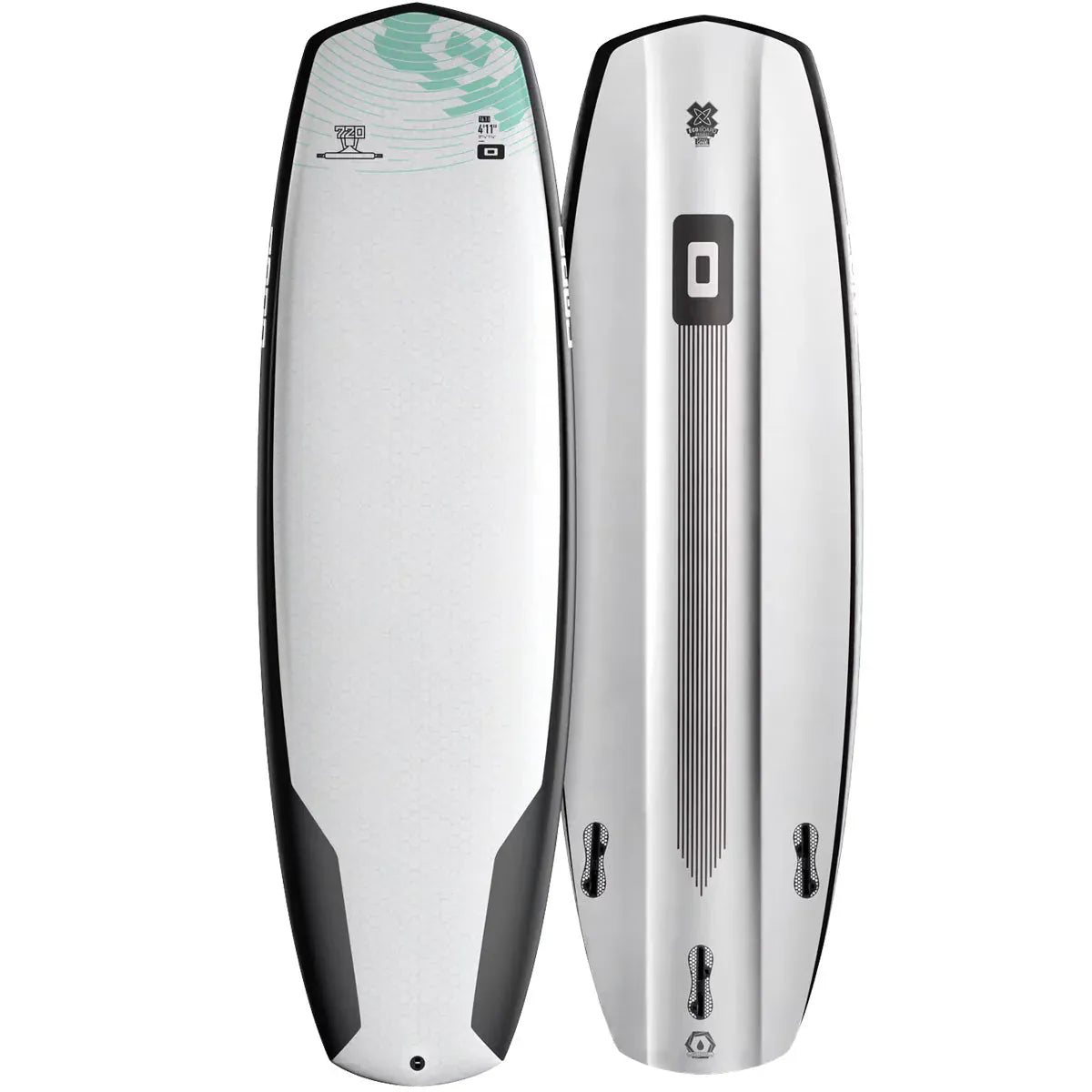
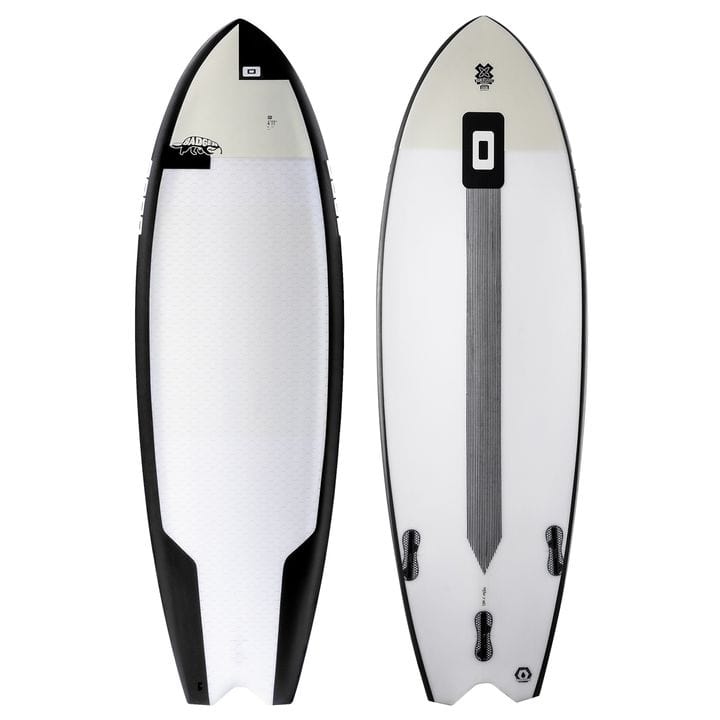
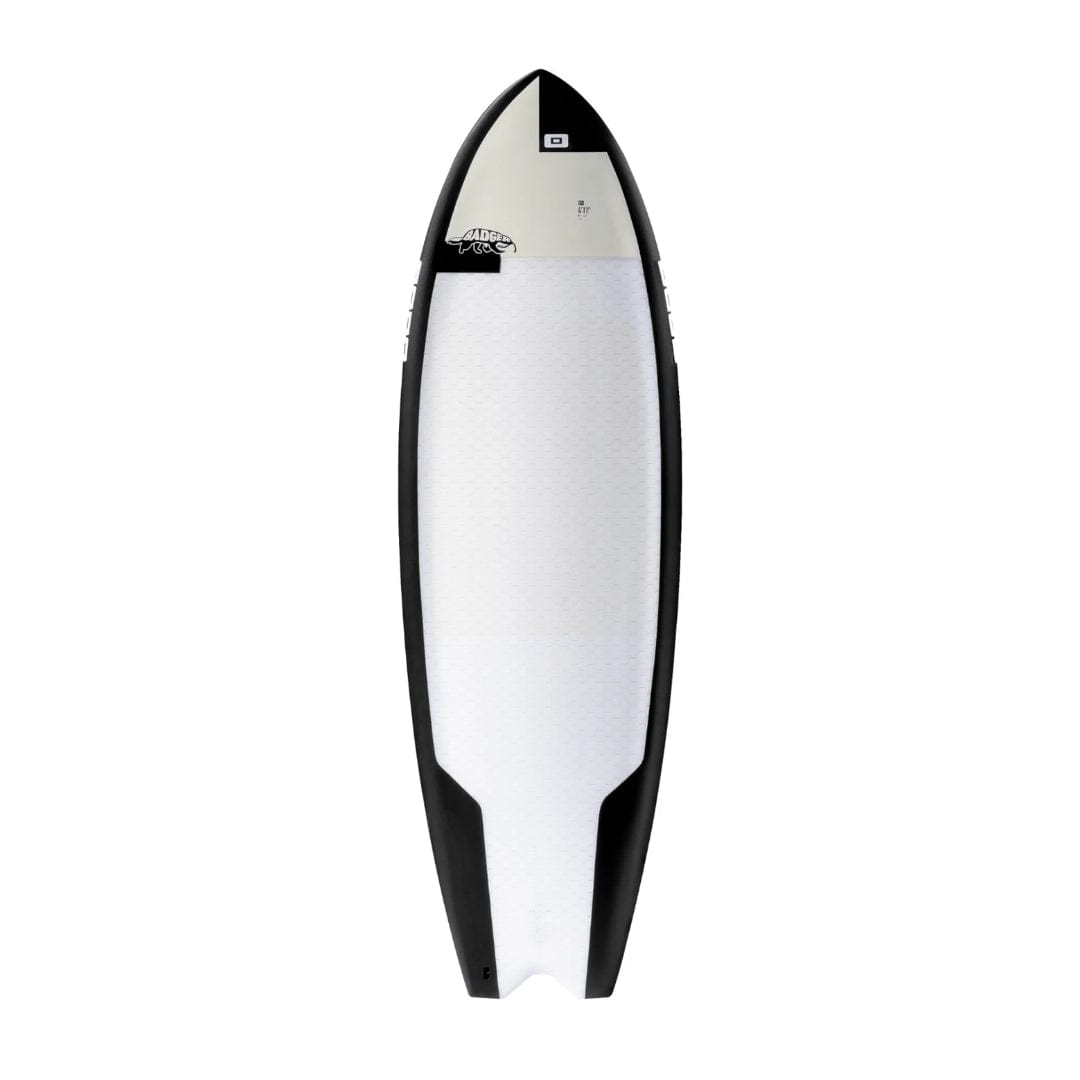
A directional board changes what kitesurfing feels like, trading the symmetry of a twintip for the drive and flow of a surf-style ride. The Core boards in this range are directional kite surfboards built for strapless riding and waves, designed to carve, glide and handle real surf with the control that experienced riders look for.
Our Core kite surfboard selection covers shapes suited to different conditions and riding styles, from wave-focused boards to more versatile all-rounders. Core is known for careful construction and durable layups, so these boards are made to take the loads of strapless riding and hard landings.
If you are moving into directional riding, the guide below covers board types, sizing and construction, and you can also browse the wider Core range range and our kiteboards.
What Is a Directional Kite Surfboard?
A directional kite surfboard is shaped like a surfboard, with a defined nose and tail, so it rides in one main direction and is turned through tacks and gybes rather than ridden symmetrically. This makes it the natural choice for riding waves and for a smooth, surf-style feel on flat water. Most are ridden strapless, though some can take straps for a locked-in ride.
Compared with a twintip, a directional board offers more drive, better wave performance and a flowing ride, in exchange for a technique that takes a little longer to learn.
Types of Kite Surfboard
- Wave boards: shaped for turning and control in surf, with more rocker and grip
- All-round directionals: versatile shapes that handle waves and flat water
- Strapless freestyle boards: built for pops, airs and tricks without straps
Your local conditions and ambitions decide the shape: dedicated wave riders want a true wave board, while riders in mixed conditions often prefer an all-rounder.
How to Choose the Right Board
Choosing a directional board comes down to the conditions you ride, your weight and your experience. Riders in real surf want a board shaped to turn and hold in waves, while riders on flatter or choppier water often prefer a more forgiving all-round shape. Your weight affects the volume and length you need, since a board must float and plane for your size.
If you are stepping across from a twintip, a slightly more forgiving shape makes the transition easier before you move to a more specialised board.
Board Volume, Length and Shape
Volume and length determine how a board floats, planes and carries speed through lulls. More volume makes a board easier to get going and better in lighter wind, while less volume feels more responsive for experienced riders. Rocker, the curve along the base, affects how a board turns and handles chop: more rocker turns tighter and handles surf, less rocker is faster and looser on flat water. Matching these to your riding is what makes a board feel right.
Construction and Durability
Strapless riding puts real stress on a board through hard landings and the occasional board loss, so construction matters. Core builds boards with durable layups and reinforced high-stress areas to resist dings and keep their flex over time. A well-built board holds its shape and performance season after season, which is why a quality layup is worth paying for on a board you ride hard.
Caring for Your Kite Surfboard
- Rinse with fresh water after salt water sessions
- Check for and repair dings promptly to stop water entering the core
- Store out of direct sun and extreme heat, which can damage the board
- Use a board bag for transport and storage
- Check fins and fin boxes regularly and keep them clean
A little maintenance protects both the performance and the resale value of a quality board.
How Much Do Core Kite Surfboards Cost?
Price reflects shape, construction and the technology in the board. More affordable boards suit riders getting into directional kiting, while premium wave boards with advanced layups and refined shapes sit at the top. A higher price usually buys a more durable, better-performing board, so for committed wave riders a quality board is a sound long-term investment.
Fins and Setup on a Kite Surfboard
The fin setup on a directional board has a real effect on how it rides. A thruster setup, with three similar fins, gives a balanced mix of grip and release that suits most riders, while other setups trade drive for looseness. Larger fins add grip and hold for powerful turns, while smaller fins feel looser and more playful. Keeping your fins secure and undamaged, and experimenting once you are confident, lets you tune the board to your waves and style.
Straps or Strapless: Finding Your Style
Directional boards can be ridden with foot straps or completely strapless, and the choice shapes the experience. Straps lock you in for a secure, connected feel that some riders prefer for power and big airs, while strapless riding gives the pure, surf-like freedom that draws many to directional boards in the first place. Plenty of riders start with straps for confidence and move to strapless as their technique grows, so there is no wrong place to begin.
Why Buy a Core Kite Surfboard from Surface2Air Sports?
We have been a kitesurfing specialist since 2002, with a shop in Poole and a full range online.
- Core directional boards for waves and strapless riding
- Shapes for different conditions and ability levels
- Durable construction from a respected brand
- Honest advice on volume, shape and sizing
- In-store help and online support
Complete your setup with the right kitesurfing kites and the rest of our kitesurfing gear.
Frequently Asked Questions
What is a directional kite surfboard?
It is a surf-shaped board with a defined nose and tail, ridden mainly in one direction and turned through tacks and gybes. It suits waves and a surf-style feel, usually ridden strapless.
Is a kite surfboard harder to ride than a twintip?
Strapless directional riding takes a little longer to learn than a twintip, but it rewards you with more drive, better wave performance and a flowing ride.
How do I choose the right size?
Match the board's volume and length to your weight and conditions. More volume floats and planes more easily, while less volume feels more responsive for experienced riders.
Can I ride a kite surfboard with straps?
Many directional boards can take straps for a locked-in feel, though a lot of riders prefer the freedom of riding strapless.
Why does construction matter on these boards?
Strapless riding puts stress on the board through hard landings, so a durable layup with reinforced areas holds its shape and performance far longer.
How do I look after my board?
Rinse with fresh water after sessions, repair dings quickly, keep it out of strong sun and heat, and transport it in a board bag.
What fin setup should I use on a kite surfboard?
A thruster setup with three similar fins gives a balanced mix of grip and release that suits most riders. Larger fins add hold, smaller fins feel looser.
Should I ride with straps or strapless?
Straps lock you in for a secure feel, while strapless gives the pure surf-like freedom many riders enjoy. Starting with straps and moving to strapless is a common path.
Let customers speak for us
When ordered item was not in stock but when it has arrived the team kept me filled in with when it would arrive and it did promptly! Would use again

Rapid delivery!!

Great job well dun thanks for your help with the purchase..

The bag is sturdy, spacious and water proofed on the inside. In addition, it can be worn as a backpack but it also comes with a strap for putting over a shoulder as a bag. I am happy with the purchase.

My first order of gummy straps never arrived so I contacted S2AS and they were very apologetic as Royal Mail had lost my parcel. They immediately sent out a second sets of straps which arrived the following day.
The customer service I recieved was exceptional and I would highly recommend this company for their swift response. I will definitely order with them again.

the whole exercise

item as dscribed, looks fantastic

As described and looks fantastic. thank you
My first board and binding set up after using hire equipment for over a year. These will take some getting used to but step in and strap is a vast improvement. Large to size 12UK looks like it only just fits across the toe strap.
S2AS are my go to online store for anything Snowboarding related and as they say any query just pick up the phone and speak to Ollie (who sounds a lot like Jamie Lang)

Wait for snow
Loved the service in the shop Ollie was very helpful and a pleasure to deal with. Recommend highly
Kind regards
Matt

2026 Slingshot KTV EverShred Wakeboard Bindings

Exceptionally quick delivery, would definitely recommend buying from this site

Hi my in store experience was fantastic from email to shop with your representative Ollie could not have been more polite & helpful
Once I’ve tried the bourd I will send further feedback
Hope your all well
Kind regards
Matt

We ordered a large amount of items that all arrived safely, we kept everything save two jackets which we ordered wrong, but the team were great, we sent them back and got a refund with no hassle. Will definitely use in the future!

Great graphics, good fit and quality