Waterski Impact Vest
Sort by


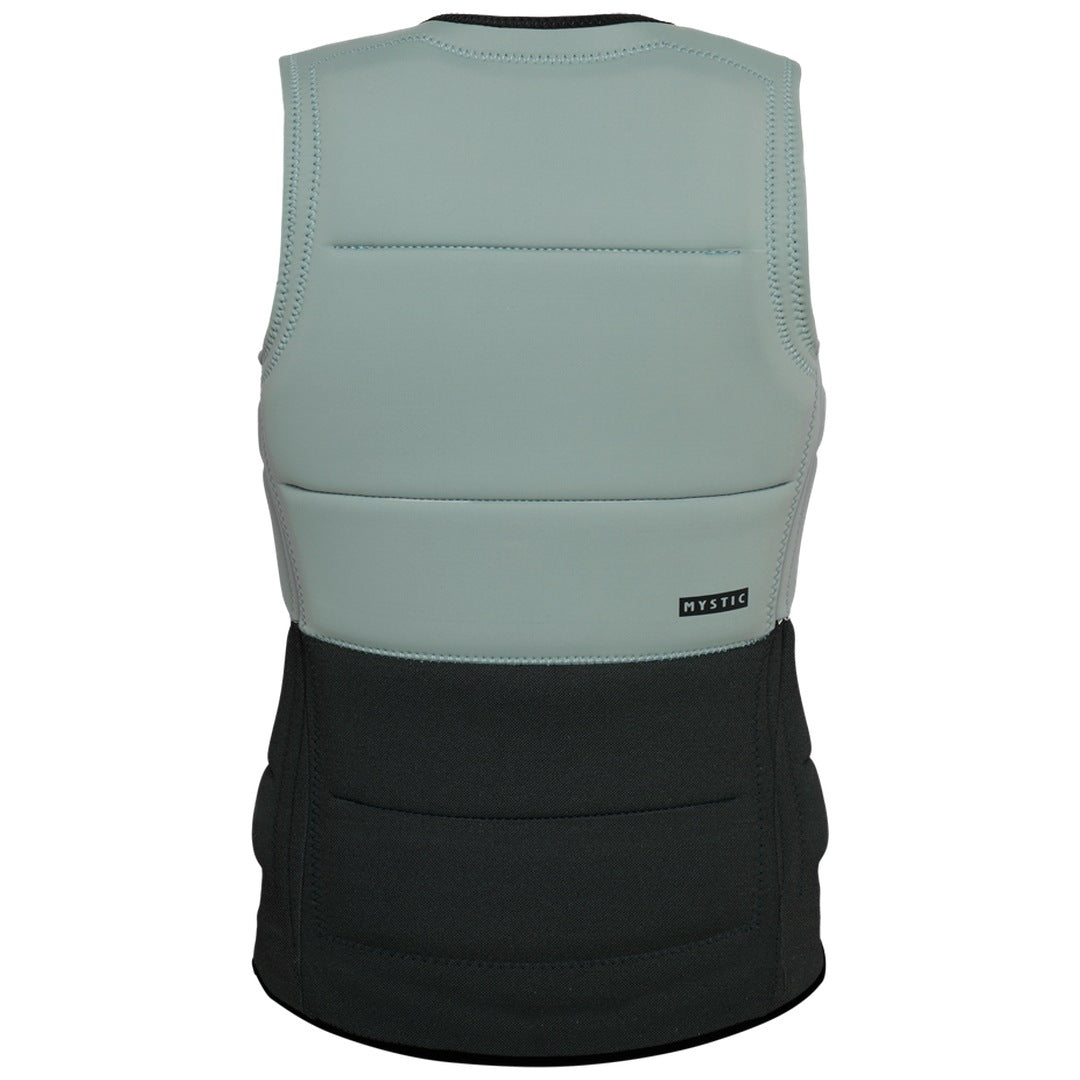


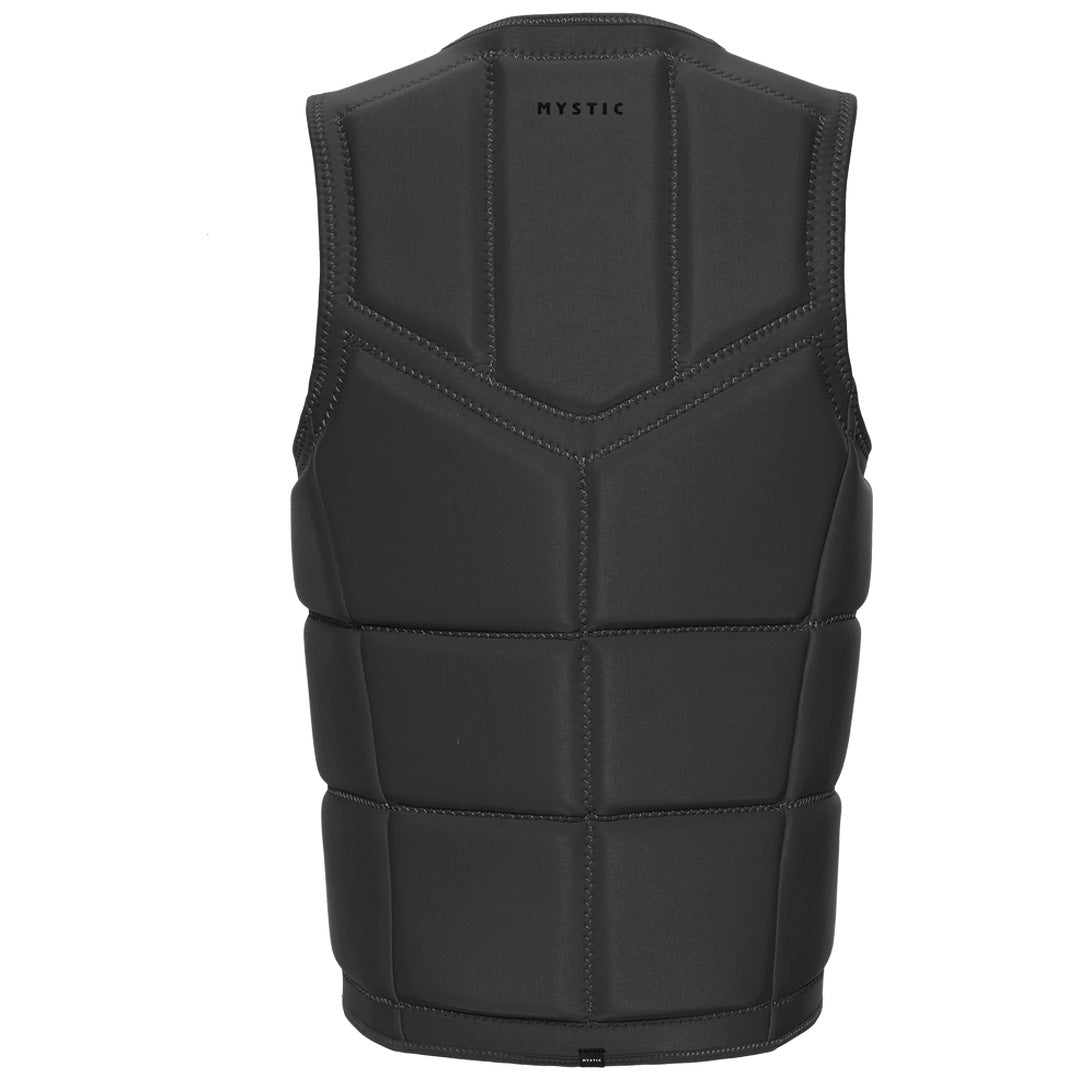
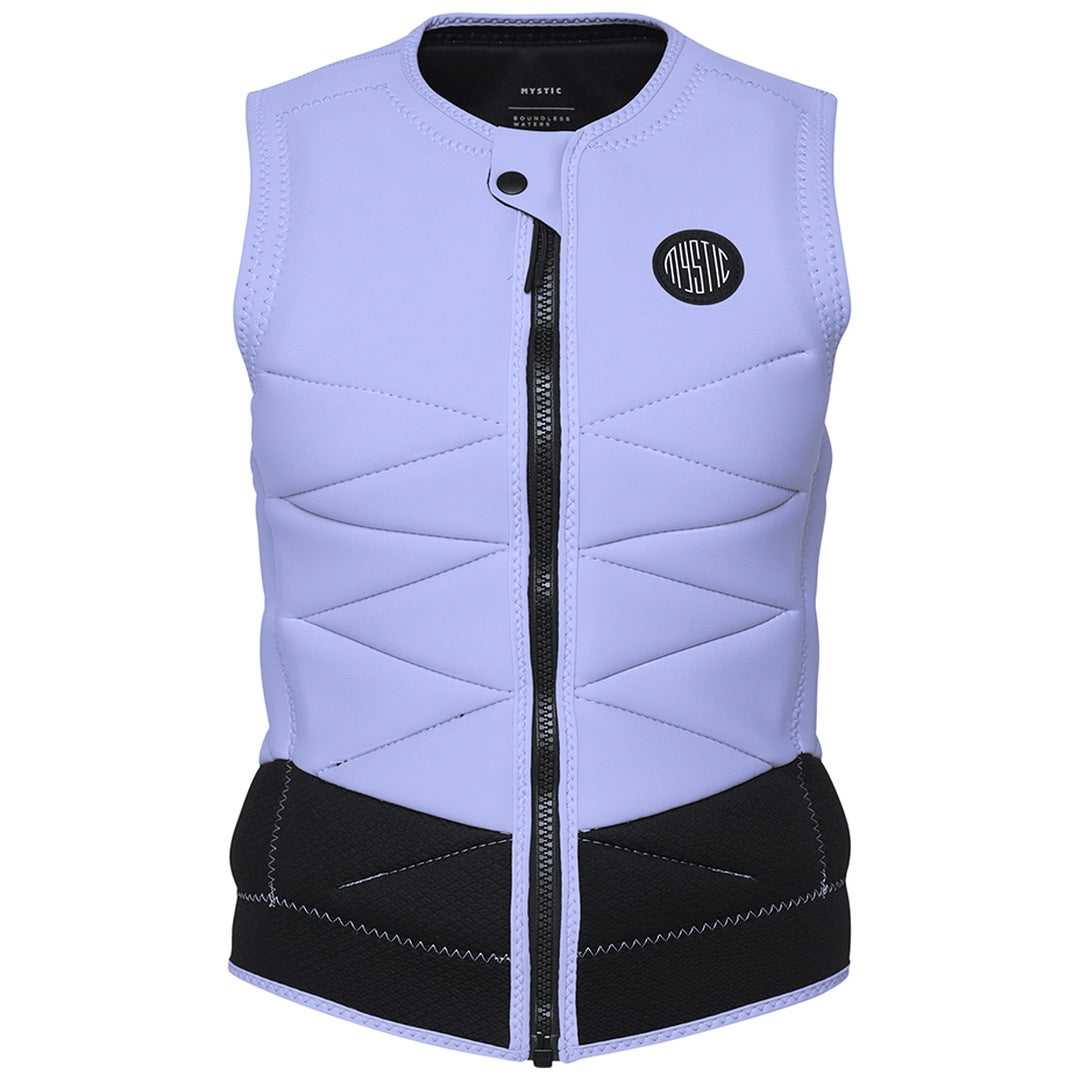


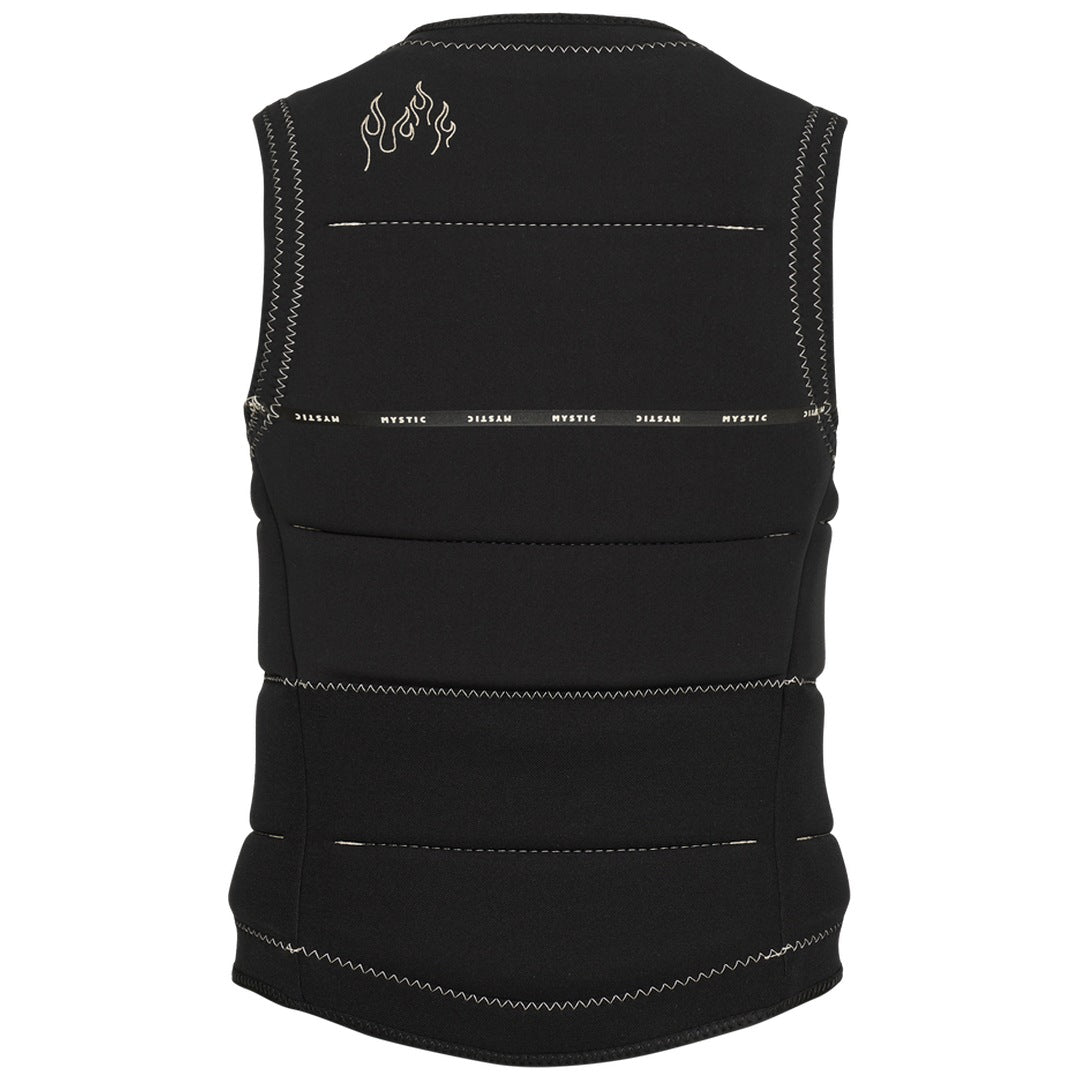

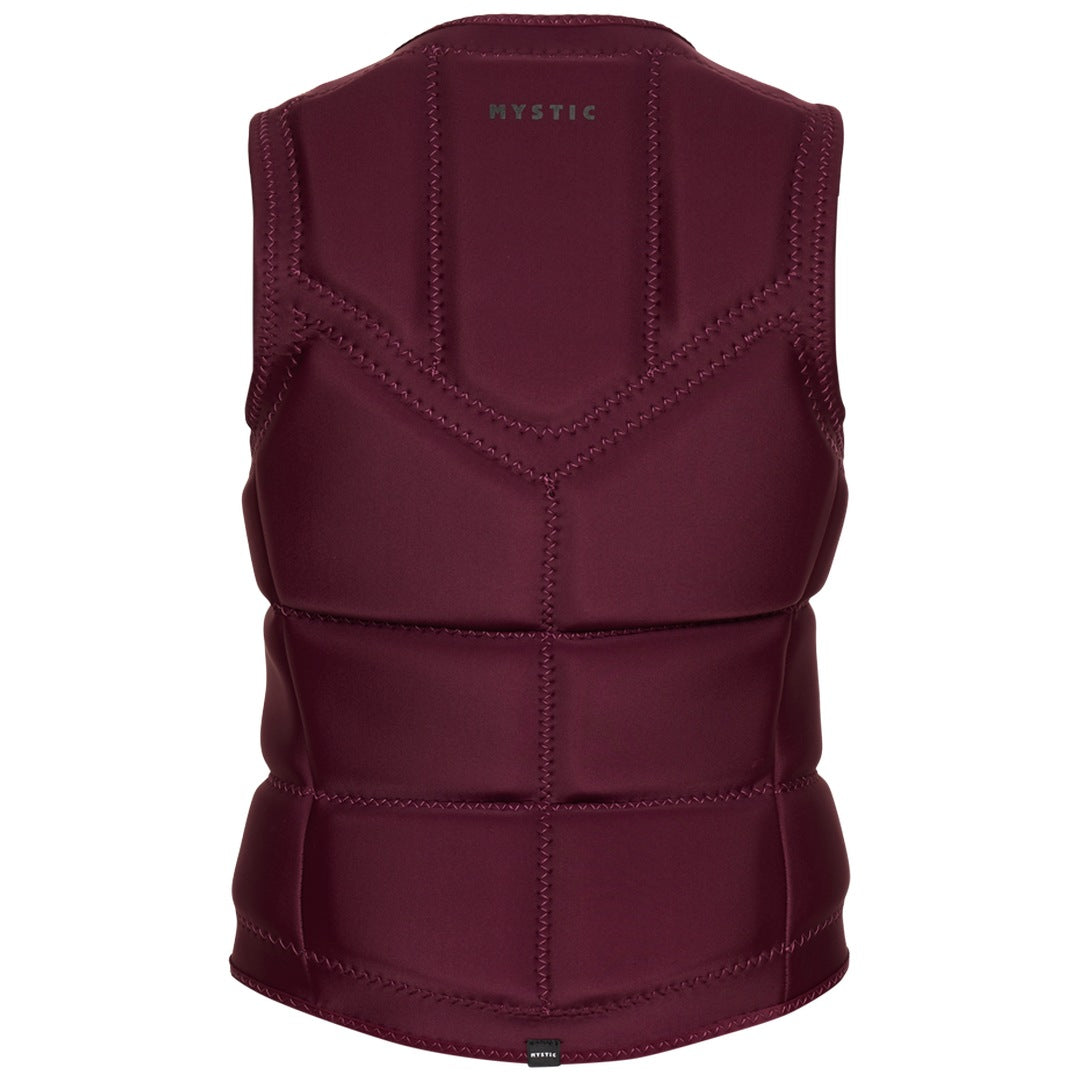
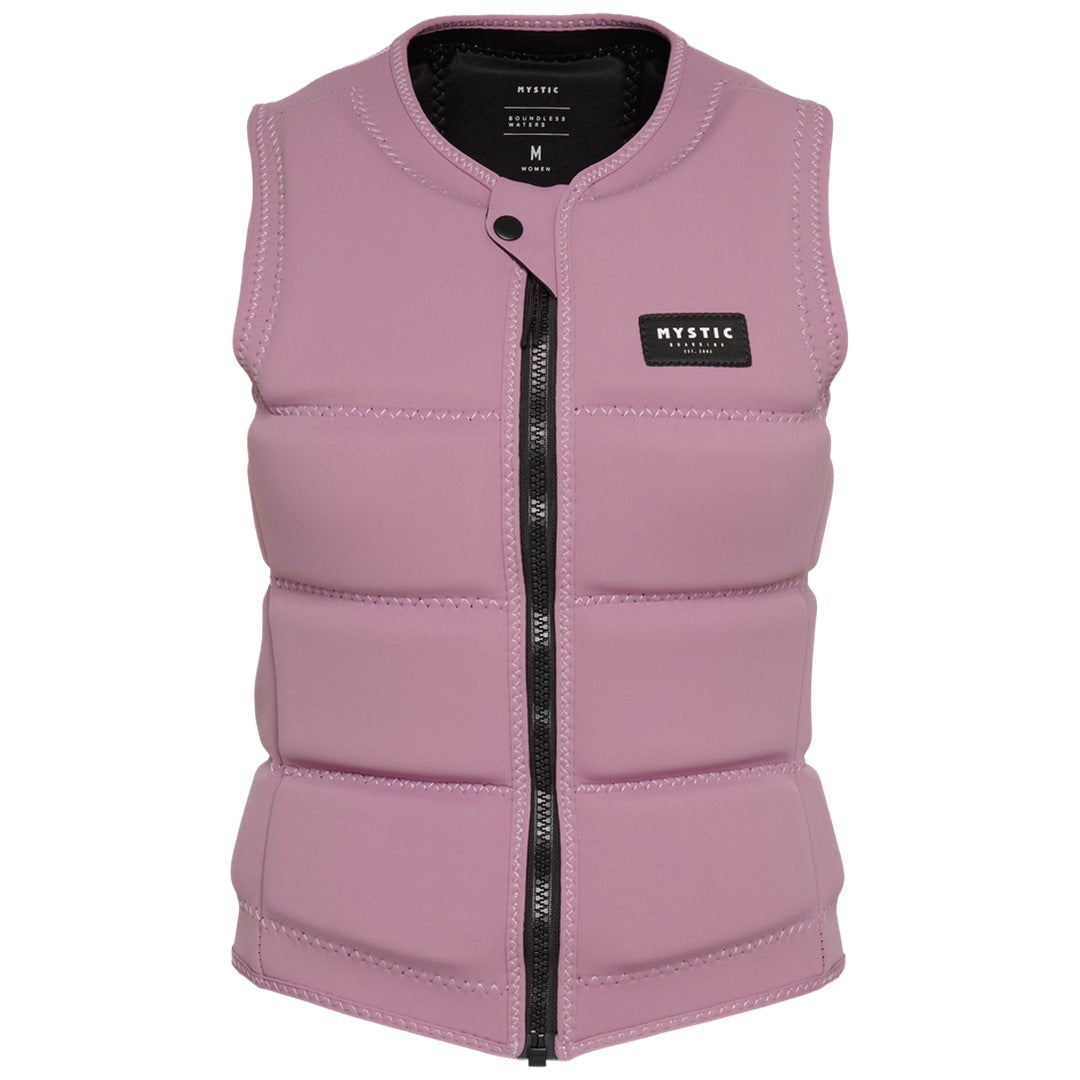
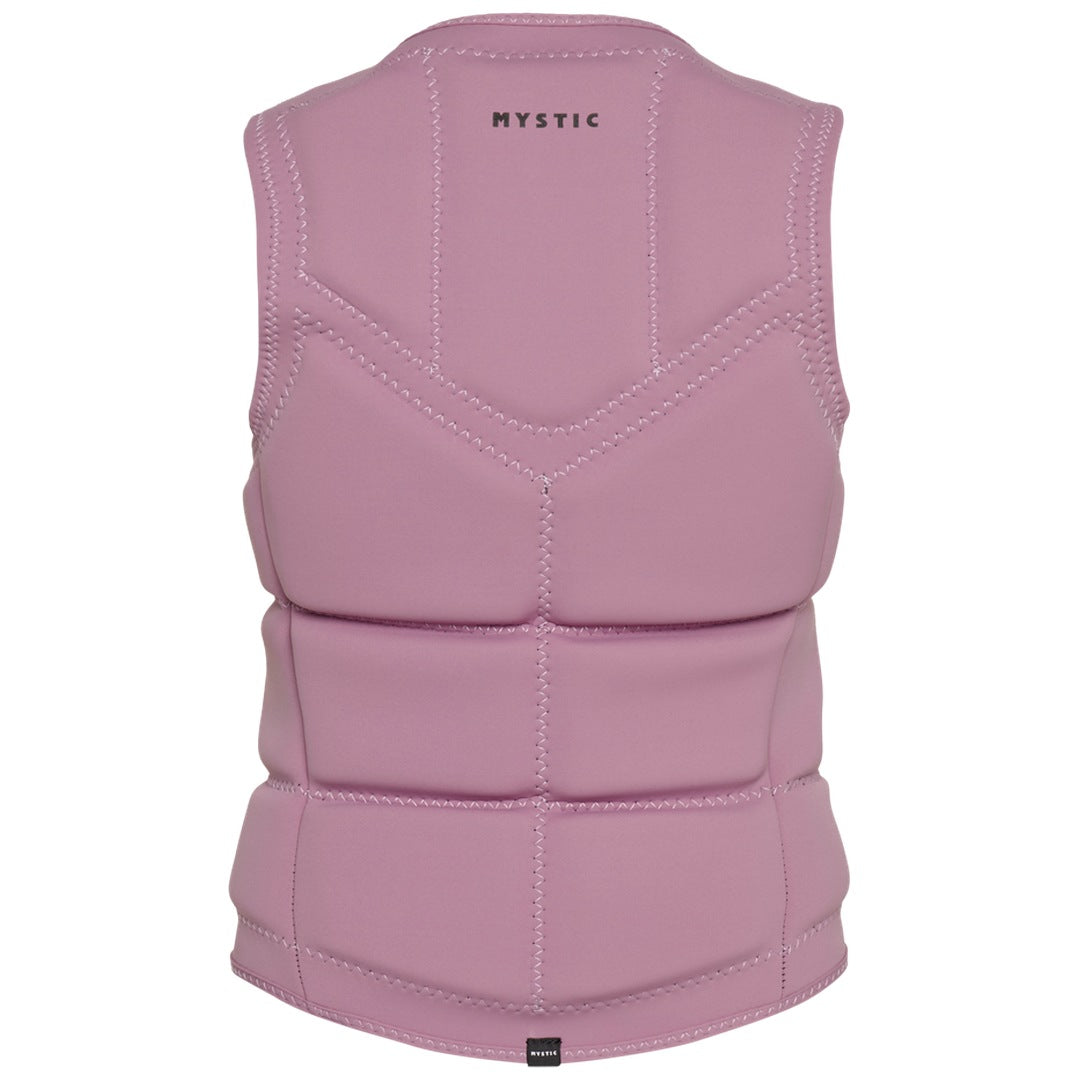


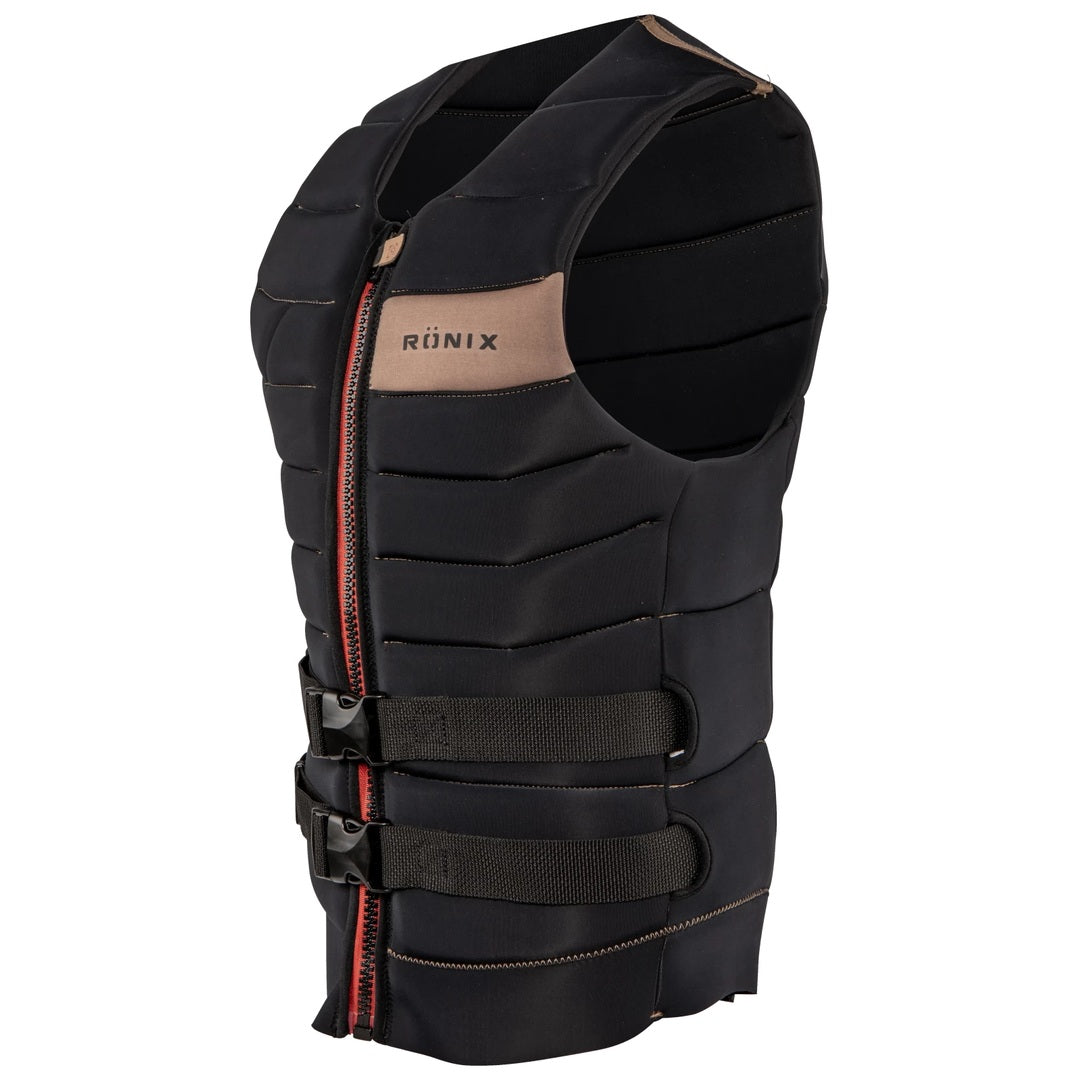


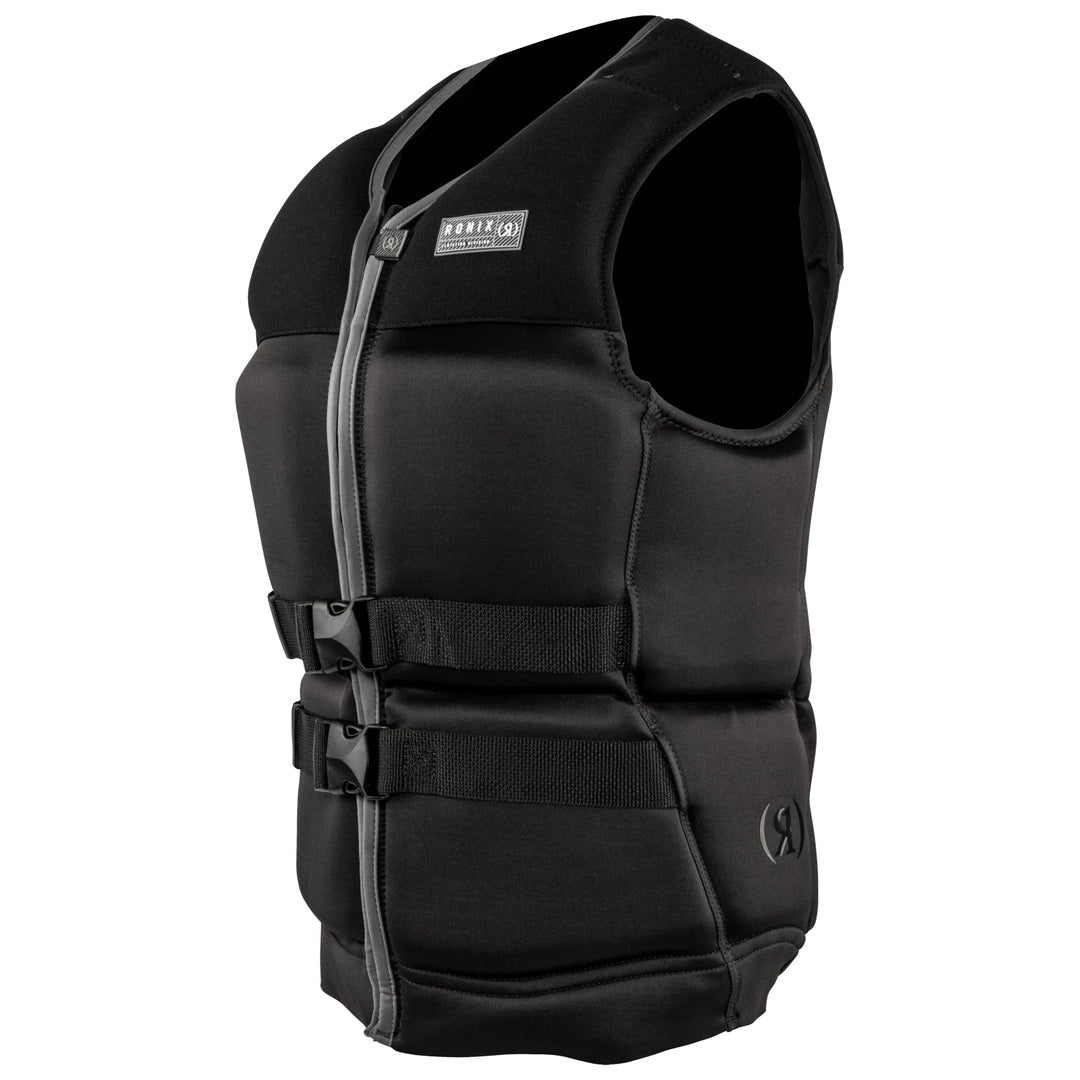


Waterskiing happens at speed, and when you catch an edge or miss a turn you can hit the water hard. A waterski impact vest cushions those falls, supports your torso, and helps you float while you wait for the boat to swing round. A vest that fits well and suits your skiing lets you focus on the course or the open water instead of worrying about the next tumble.
This collection covers waterski impact vests for men, women, and children, in a range of constructions and fits. Whether you ski the slalom course hard or cruise on two skis, there is a vest here to keep you supported and comfortable.
Not sure what to look for? The guide below explains the types, fit, and buoyancy. Browse the range below, and pair your vest with the right waterskis.
What Is a Waterski Impact Vest?
A waterski impact vest is a close-fitting vest with foam panels that absorb impact and provide flotation. It is designed for the demands of skiing, where falls come at pace and the vest needs to stay put and support your body. It is slimmer and more flexible than a bulky life jacket, giving you the freedom to hold a strong skiing position while still offering protection.
Why Waterskiers Wear Them
At skiing speeds, the water is far less forgiving, and a heavy fall can wind you or jar your body. The foam in an impact vest spreads that force across your torso, reducing the shock. Just as importantly, it keeps you comfortably afloat between runs and after a fall, so you conserve energy. For slalom skiers pushing hard through the buoys, that support and reassurance are well worth having.
Impact Vest vs Certified Buoyancy Aid
Not every impact vest is a certified life jacket. A pure impact vest focuses on protection and flotation for a confident swimmer, while a rated buoyancy aid offers a recognised level of flotation and a life jacket is designed to turn an unconscious person face up. For supervised skiing behind a boat, many skiers choose an impact vest, but if you need guaranteed flotation, ski in open water, or are a weaker swimmer, choose a certified buoyancy aid and check the rating before you buy.
Construction and Materials
Most waterski impact vests use neoprene with internal foam, which stretches with your body and feels comfortable against the skin. Some use firmer foam blocks or a tougher outer shell for extra protection and flotation. Segmented foam panels flex as you move, which helps when you are leaning hard into a turn. The construction affects both how protective and how flexible the vest feels, so think about how you ski.
Zip and Closure Options
Vests close in a few ways. A front zip is easy to put on and take off and is the most common. Some vests add side entry or extra straps for a more locked-in fit, and a few use a zip-free pullover design for maximum flexibility. Whatever the closure, the vest must hold firmly so it does not shift or ride up when you hit the water at speed.
Fit for Waterskiing
A good fit is essential. The vest should be snug against your torso so it stays in place during a high-speed fall, yet still let you breathe deeply and reach forward into a skiing stance. A loose vest rides up and offers less protection, while an over-tight one restricts your movement. Fasten everything, then crouch and reach forward as if skiing to check it stays put and does not restrict you. Always check the brand size guide.
Buoyancy Levels and Ratings
Look closely at how a vest is classified. Some carry a buoyancy aid certification with a stated flotation level, while others are protection-focused and assume supervision and a capable swimmer. A vest is one part of skiing safely, alongside a competent boat driver and an observer. Match your choice to the water you ski on and your own swimming ability, and never rely on a vest alone.
Men's, Women's and Kids' Vests
Vests are shaped for different bodies. Women's vests are contoured through the chest and torso, while kids' vests prioritise secure, correctly rated flotation and a snug fit. The right cut makes the vest both more comfortable and more effective. For children skiing or being towed, a properly fitted and suitably rated vest is a must.
Caring for Your Impact Vest
- Rinse with fresh water after each session, especially after salt water
- Dry thoroughly out of direct sunlight before storage
- Inspect zips, buckles, and seams for wear
- Do not store it crushed or tightly folded
- Keep it somewhere cool and dry between outings
Looking after the foam and fittings keeps the vest protective and comfortable for years.
How Much Do Waterski Impact Vests Cost?
Prices depend on construction, flexibility, and certification. Entry-level vests are affordable and fine for occasional skiing, mid-range vests add comfort and better flexibility for regular skiers, and premium vests use segmented, high-stretch builds for the best freedom of movement. Rated buoyancy aids may be priced differently. For regular skiers, a comfortable, well-fitted vest is money well spent.
Why Buy Your Waterski Impact Vest from Surface2Air Sports?
We have supplied waterskiers since 2002, with a shop in Poole and a full range online.
- Waterski impact vests for men, women, and children
- Flexible neoprene and higher-protection constructions
- Front zip, side entry, and pullover styles
- Honest advice on fit, buoyancy, and ratings
- Help choosing a vest to suit your skiing and water
Whether you are learning to ski or chasing the slalom course, we can help you choose. Explore our full waterski equipment and the wider wakeboard and waterski shop.
Frequently Asked Questions About Waterski Impact Vests
Is a waterski impact vest a life jacket?
Not always. A pure impact vest protects and floats a confident swimmer, but it may not be certified. A life jacket turns an unconscious person face up. Check the rating before buying.
Why wear an impact vest for waterskiing?
Falls happen at speed, and the foam spreads the force across your torso to reduce the shock, while the flotation keeps you comfortably afloat between runs.
How should a waterski vest fit?
Snug against the torso so it stays put in a high-speed fall, yet loose enough to breathe deeply and reach into a skiing stance. A loose vest rides up and protects less.
Do I need a certified buoyancy aid?
If you ski in open water, ski alone, or are a weaker swimmer, choose a certified buoyancy aid for guaranteed flotation rather than a pure impact vest.
What construction is best?
Neoprene with segmented foam flexes with you for hard skiing, while firmer foam or a tougher shell adds protection and flotation. Choose based on how you ski.
How do I care for my vest?
Rinse with fresh water, dry out of direct sun, check zips and seams, avoid crushing it, and store somewhere cool and dry.
Let customers speak for us
When ordered item was not in stock but when it has arrived the team kept me filled in with when it would arrive and it did promptly! Would use again

Rapid delivery!!

Great job well dun thanks for your help with the purchase..

The bag is sturdy, spacious and water proofed on the inside. In addition, it can be worn as a backpack but it also comes with a strap for putting over a shoulder as a bag. I am happy with the purchase.

My first order of gummy straps never arrived so I contacted S2AS and they were very apologetic as Royal Mail had lost my parcel. They immediately sent out a second sets of straps which arrived the following day.
The customer service I recieved was exceptional and I would highly recommend this company for their swift response. I will definitely order with them again.

the whole exercise

item as dscribed, looks fantastic

As described and looks fantastic. thank you
My first board and binding set up after using hire equipment for over a year. These will take some getting used to but step in and strap is a vast improvement. Large to size 12UK looks like it only just fits across the toe strap.
S2AS are my go to online store for anything Snowboarding related and as they say any query just pick up the phone and speak to Ollie (who sounds a lot like Jamie Lang)

Wait for snow
Loved the service in the shop Ollie was very helpful and a pleasure to deal with. Recommend highly
Kind regards
Matt

2026 Slingshot KTV EverShred Wakeboard Bindings

Exceptionally quick delivery, would definitely recommend buying from this site

Hi my in store experience was fantastic from email to shop with your representative Ollie could not have been more polite & helpful
Once I’ve tried the bourd I will send further feedback
Hope your all well
Kind regards
Matt

We ordered a large amount of items that all arrived safely, we kept everything save two jackets which we ordered wrong, but the team were great, we sent them back and got a refund with no hassle. Will definitely use in the future!

Great graphics, good fit and quality