
Sort by


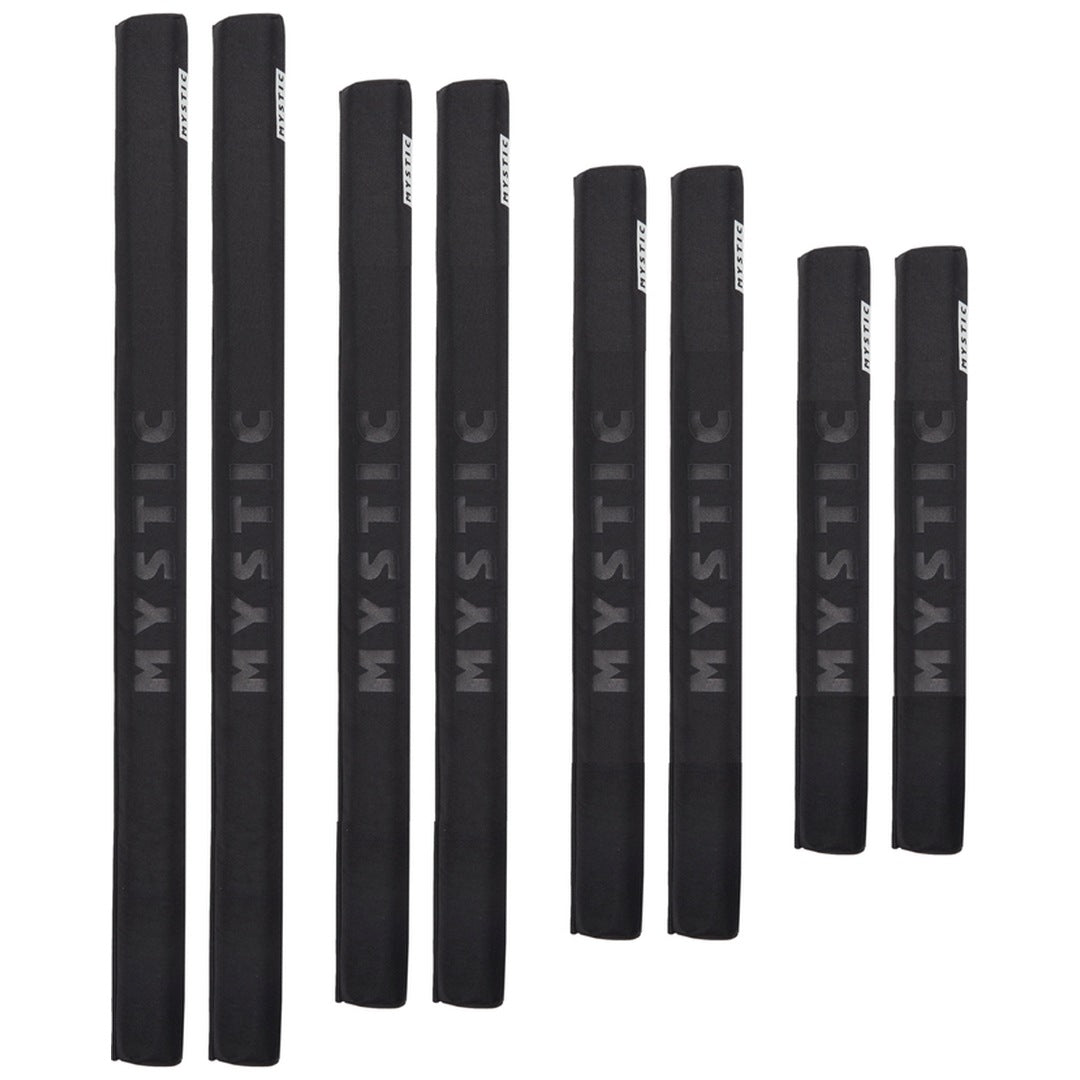
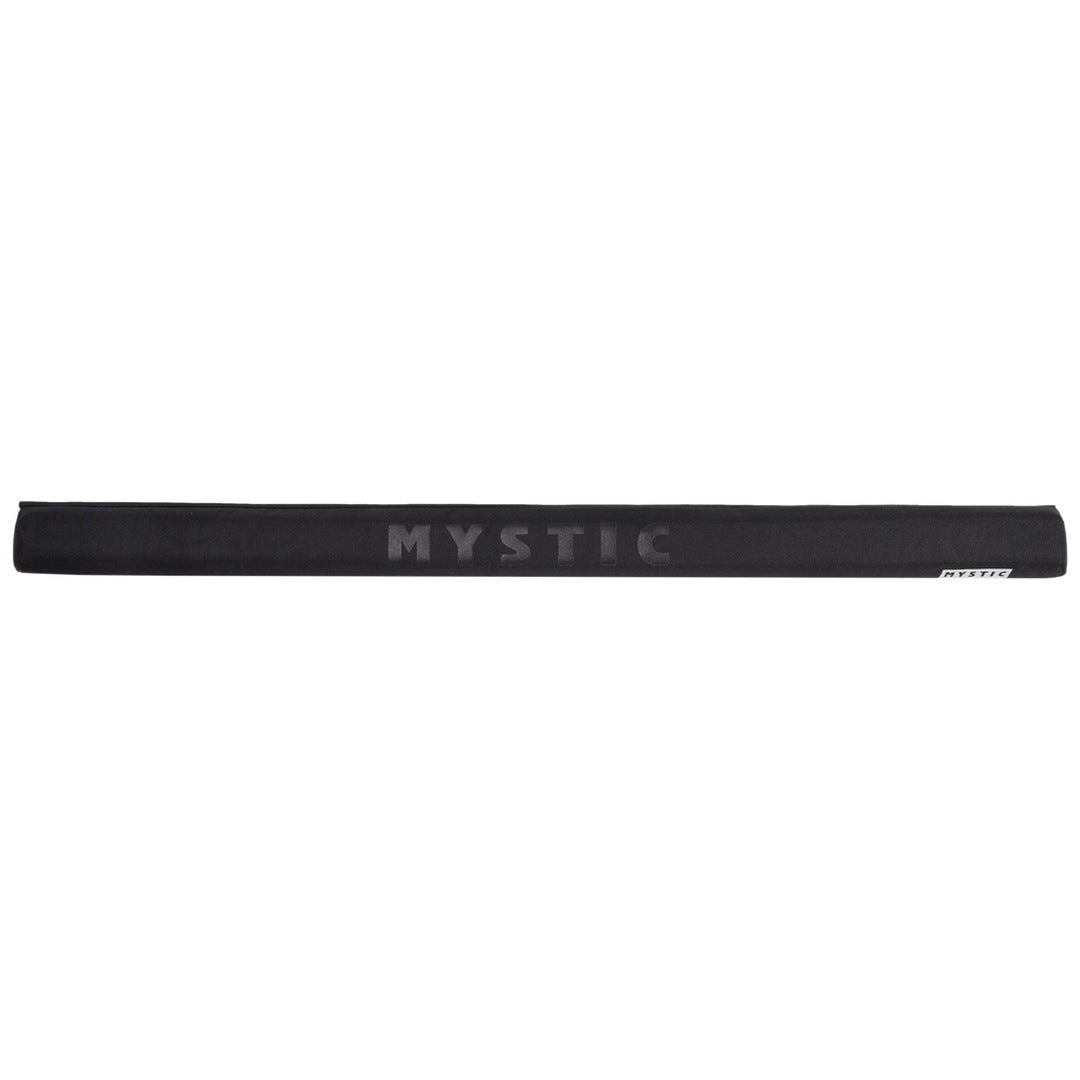
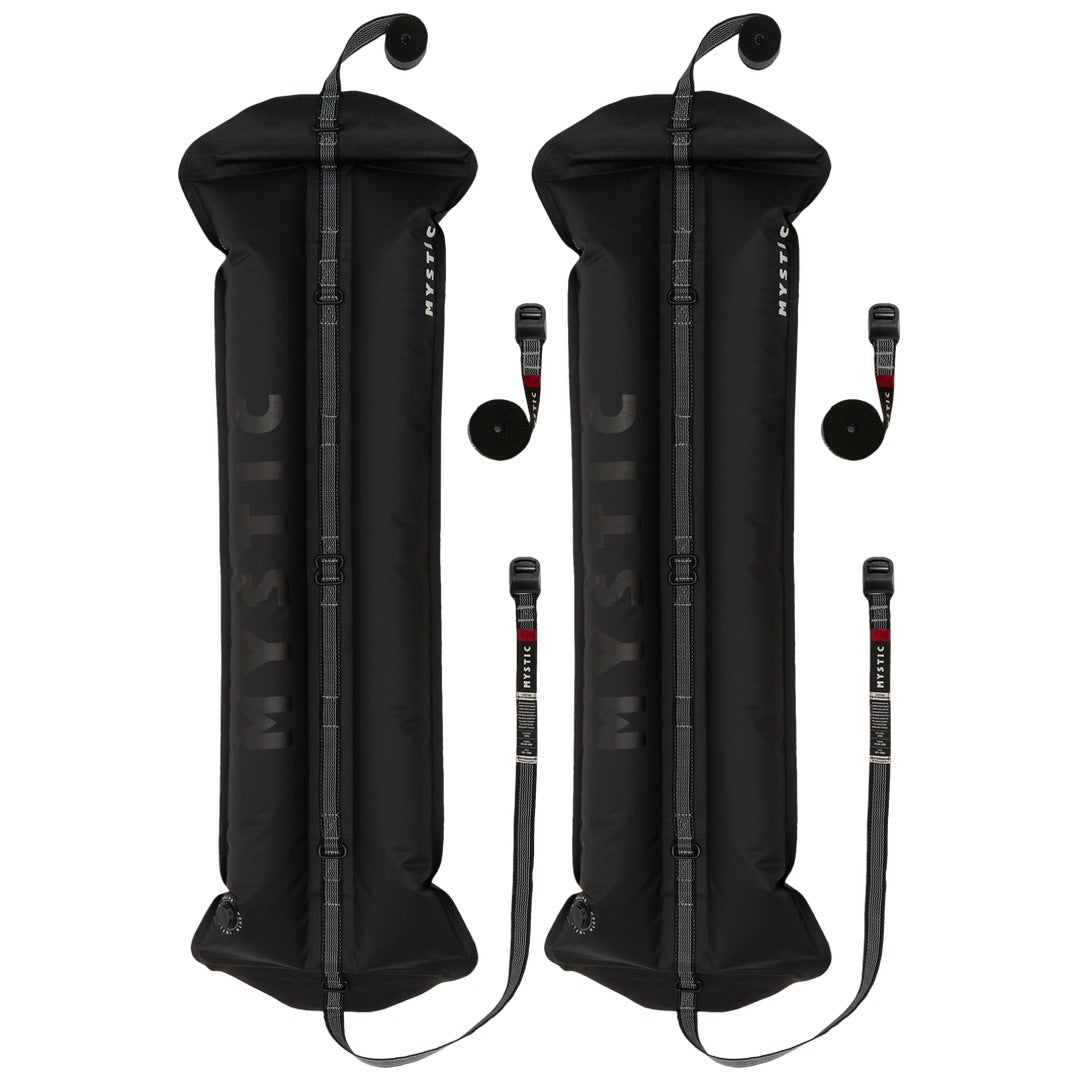
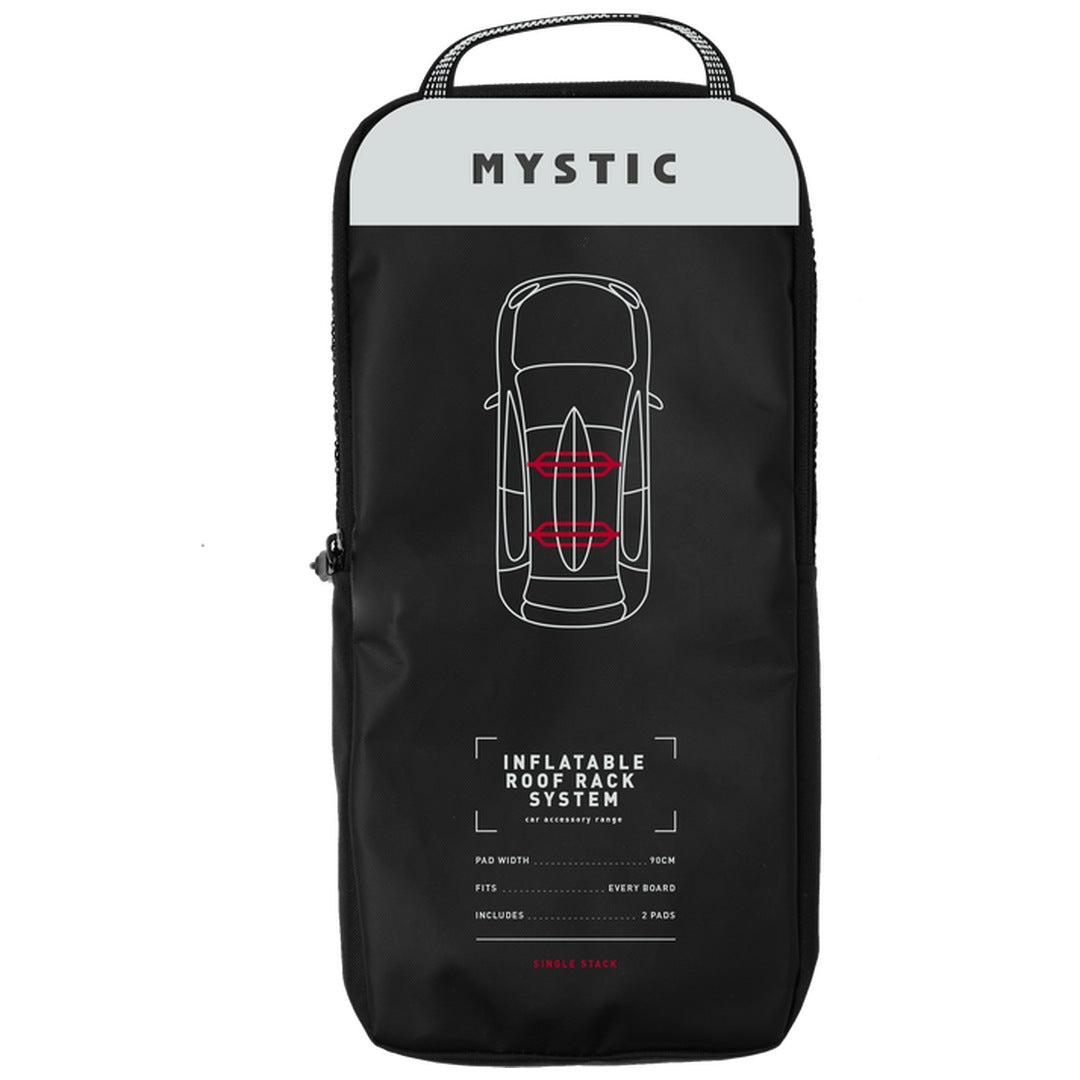

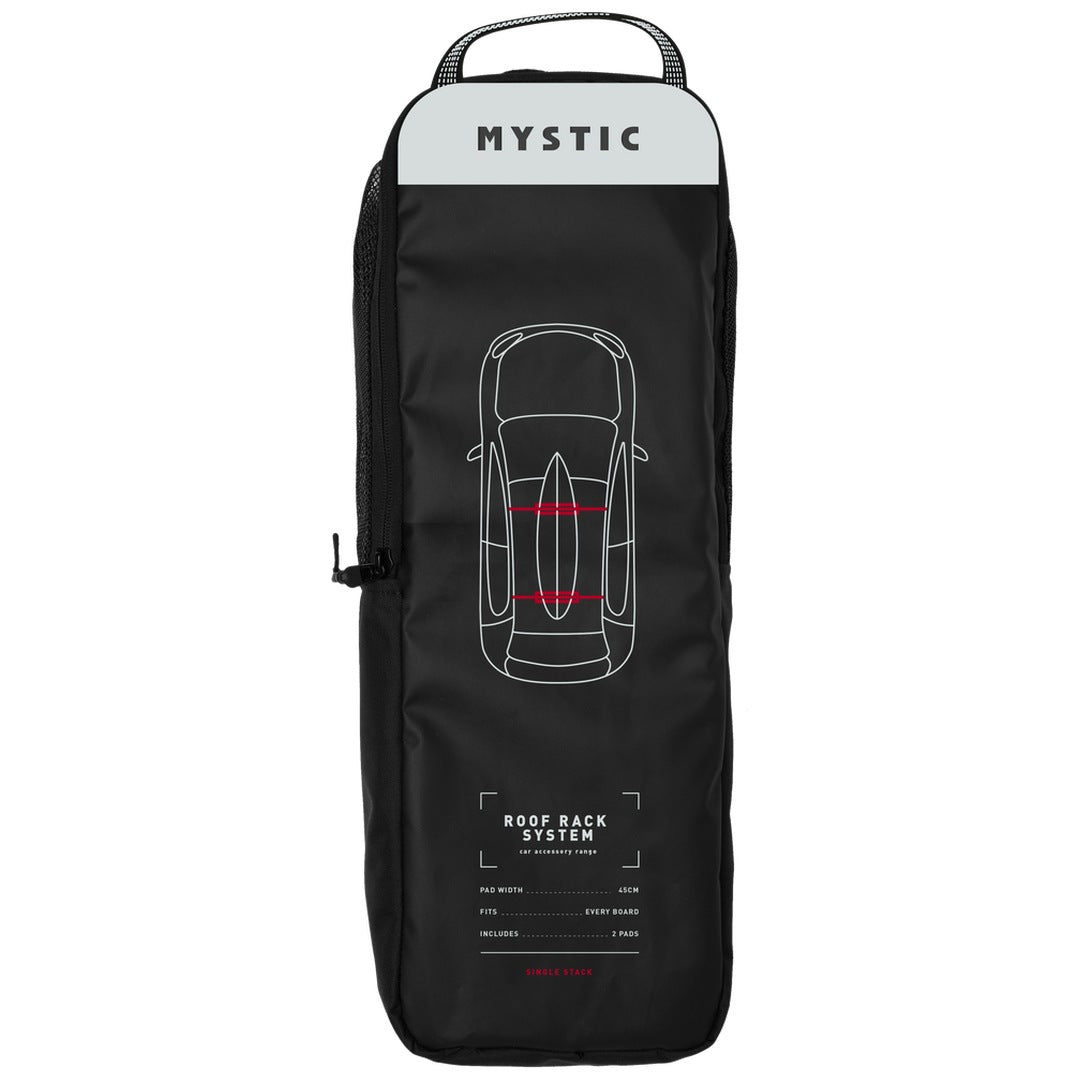


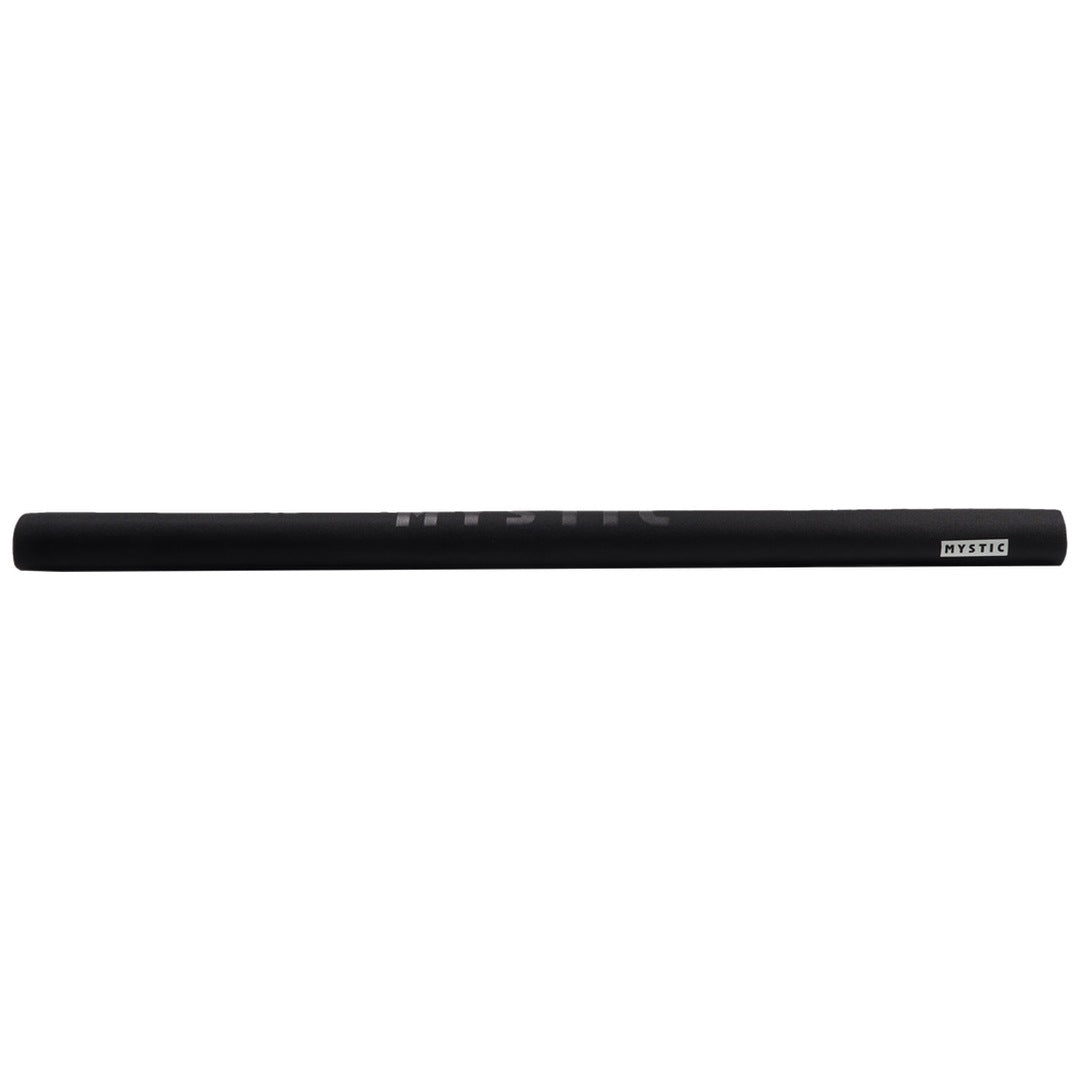


Getting your boards to the beach safely is half the adventure, and the right roof rack pads and straps make it simple. Whether you are carrying a single surfboard or a stack of paddle boards, good padding and secure straps protect your gear, your car and everyone else on the road.
Our range covers soft roof racks, bar pads and tie down straps from trusted brands, in a choice of lengths and styles. Whether you need a quick soft rack solution for a car with no bars, padding for existing crossbars, or a spare set of reliable straps, there is an option here to get your kit to the water.
Not sure what you need? The guide below explains the types, how to fit them safely and how to look after them, and our team is always happy to help. Browse the range below, or see our surf collection for boards to carry.
What Are Roof Rack Pads and Straps?
Roof rack pads and straps are the simple, affordable kit that lets you carry boards on top of your car. Pads cushion the contact points so your boards and your roof or crossbars are not damaged, while straps hold everything down tightly so nothing shifts or lifts at speed. Together they turn almost any car into a board carrier.
They are among the most useful accessories a board owner can buy, because they protect an expensive board during the one part of the day when it is most at risk: the journey.
What Types Are There?
The main options are:
- Soft roof racks: padded blocks with straps that sit on the roof and through the doors, for cars with no crossbars.
- Bar pads: padded sleeves that wrap around existing roof bars to protect boards and bars.
- Tie down straps: strong webbing straps with buckles or cam locks to secure boards firmly.
- Nose and tail tie downs: extra straps that anchor longer boards to the front and rear of the car.
Many people combine a soft rack or bar pads with a good set of tie down straps for a complete, secure setup.
Soft Racks vs Hard Bar Pads
Which you need depends on your car. A soft rack is the answer if your car has no roof bars, as it provides its own padded platform and straps through the door frames, and it packs away small when not in use. Bar pads are for cars that already have crossbars, wrapping them in padding so boards do not get scratched and do not slide. Soft racks are more portable and flexible, while bar pads make the most of a permanent rack system. If you carry boards often and have bars, padded bars plus good straps are hard to beat.
How to Choose the Right Setup
A few questions guide the choice:
- Does your car have roof bars: if not, a soft rack is the simplest solution.
- What are you carrying: surfboards, paddle boards, wakeboards or several at once.
- How often: occasional trips suit a packable soft rack, regular use suits a permanent setup.
- Strap length: longer straps for multiple or thicker boards, shorter for a single board.
Matching the setup to your car and your boards is the key to a secure, hassle free carry.
How to Fit and Secure Your Boards Safely
Securing boards properly is straightforward but important. Place the boards on the padded bars or soft rack, ideally fins up and pointing forward, then loop the straps over the boards and around the bars or through the car. Tighten the straps so the boards are firm and cannot move, but avoid overtightening, which can press into and damage a board. For longer boards, add nose and tail tie downs to the front and rear of the car to stop any lift at speed. Always check the straps again after a few miles, as they can settle and loosen slightly.
How Many Straps Do I Need?
As a general rule, use at least two straps across the boards, one towards the front and one towards the back, so the load cannot pivot or slide. For longer boards such as SUPs and longboards, add nose and tail tie downs for extra security against wind lift. Carrying several boards at once does not necessarily need more cross straps, but it does need straps long enough to go right around the taller stack. If in doubt, more secure anchoring is always better than less.
Caring for Your Pads and Straps
A little care keeps your carrying kit safe and long lasting.
- Rinse pads and straps with fresh water after trips to the coast to remove salt and sand.
- Let them dry fully before storing to prevent mould and smells.
- Inspect the webbing and buckles regularly for fraying, wear or damage.
- Replace any strap with worn webbing or a faulty buckle without delay.
- Store them in a cool, dry place out of direct sunlight, which weakens webbing over time.
Because straps are a safety item, replacing worn ones promptly is well worth the small cost.
Transporting Different Boards
Different boards have slightly different needs. Surfboards are light and easy, usually carried fins up and well padded. Paddle boards and longboards are longer and catch more wind, so they benefit from nose and tail tie downs. Wakeboards and kiteboards are shorter and stack neatly, but still need firm straps so they cannot shift. Whatever you carry, padding at the contact points and firm, checked straps are the constants that keep everything safe.
How Much Do Roof Rack Pads and Straps Cost?
This is affordable, high value kit. Tie down straps are inexpensive, bar pads sit a little higher, and complete soft rack systems with integrated straps cost the most, though still far less than a roof bar system. Spending a little more generally buys tougher webbing, better buckles and more durable padding. Given that this gear protects expensive boards and keeps your load safe on the road, buying quality is money well spent.
Why Buy From Surface2Air Sports?
We have been kitting out board riders since 2002, with a shop on the south coast and a full range online.
- Soft racks, bar pads and tie down straps
- Options for surfboards, SUPs, wakeboards and more
- Trusted watersports brands
- Honest advice on fitting and securing your boards
- A range to suit different budgets
Whether you need a complete soft rack or a spare set of straps, we can help you choose. Pair it with a board from our paddle boards range, or browse our surf collection.
Frequently Asked Questions About Roof Rack Pads and Straps
Can I carry boards without roof bars?
Yes. A soft roof rack provides its own padded platform and straps through the door frames, so you can carry boards safely on a car with no crossbars.
How many straps do I need to secure my boards?
Use at least two straps across the boards, one front and one rear, and add nose and tail tie downs for longer boards such as SUPs and longboards.
How tight should the straps be?
Firm enough that the boards cannot move, but not so tight that the webbing presses into and damages the board. Re check them after a few miles, as they can settle.
What is the difference between a soft rack and bar pads?
A soft rack is a padded platform with straps for cars without bars, while bar pads wrap existing crossbars in padding. Choose based on whether your car has roof bars.
Should surfboards go fins up or down?
Surfboards are usually carried fins up and pointing forward, which is both aerodynamic and keeps the fins clear of the car and straps.
How do I look after my straps?
Rinse off salt and sand, dry them fully, inspect the webbing and buckles regularly, replace any worn parts, and store them out of direct sunlight.
Can one set carry different types of board?
Yes. With padding at the contact points and straps long enough to go around the load, a good set carries surfboards, SUPs, wakeboards and more.
Let customers speak for us
When ordered item was not in stock but when it has arrived the team kept me filled in with when it would arrive and it did promptly! Would use again

Rapid delivery!!

Great job well dun thanks for your help with the purchase..

The bag is sturdy, spacious and water proofed on the inside. In addition, it can be worn as a backpack but it also comes with a strap for putting over a shoulder as a bag. I am happy with the purchase.

My first order of gummy straps never arrived so I contacted S2AS and they were very apologetic as Royal Mail had lost my parcel. They immediately sent out a second sets of straps which arrived the following day.
The customer service I recieved was exceptional and I would highly recommend this company for their swift response. I will definitely order with them again.

the whole exercise

item as dscribed, looks fantastic

As described and looks fantastic. thank you
My first board and binding set up after using hire equipment for over a year. These will take some getting used to but step in and strap is a vast improvement. Large to size 12UK looks like it only just fits across the toe strap.
S2AS are my go to online store for anything Snowboarding related and as they say any query just pick up the phone and speak to Ollie (who sounds a lot like Jamie Lang)

Wait for snow
Loved the service in the shop Ollie was very helpful and a pleasure to deal with. Recommend highly
Kind regards
Matt

2026 Slingshot KTV EverShred Wakeboard Bindings

Exceptionally quick delivery, would definitely recommend buying from this site

Hi my in store experience was fantastic from email to shop with your representative Ollie could not have been more polite & helpful
Once I’ve tried the bourd I will send further feedback
Hope your all well
Kind regards
Matt

We ordered a large amount of items that all arrived safely, we kept everything save two jackets which we ordered wrong, but the team were great, we sent them back and got a refund with no hassle. Will definitely use in the future!

Great graphics, good fit and quality