
Sort by


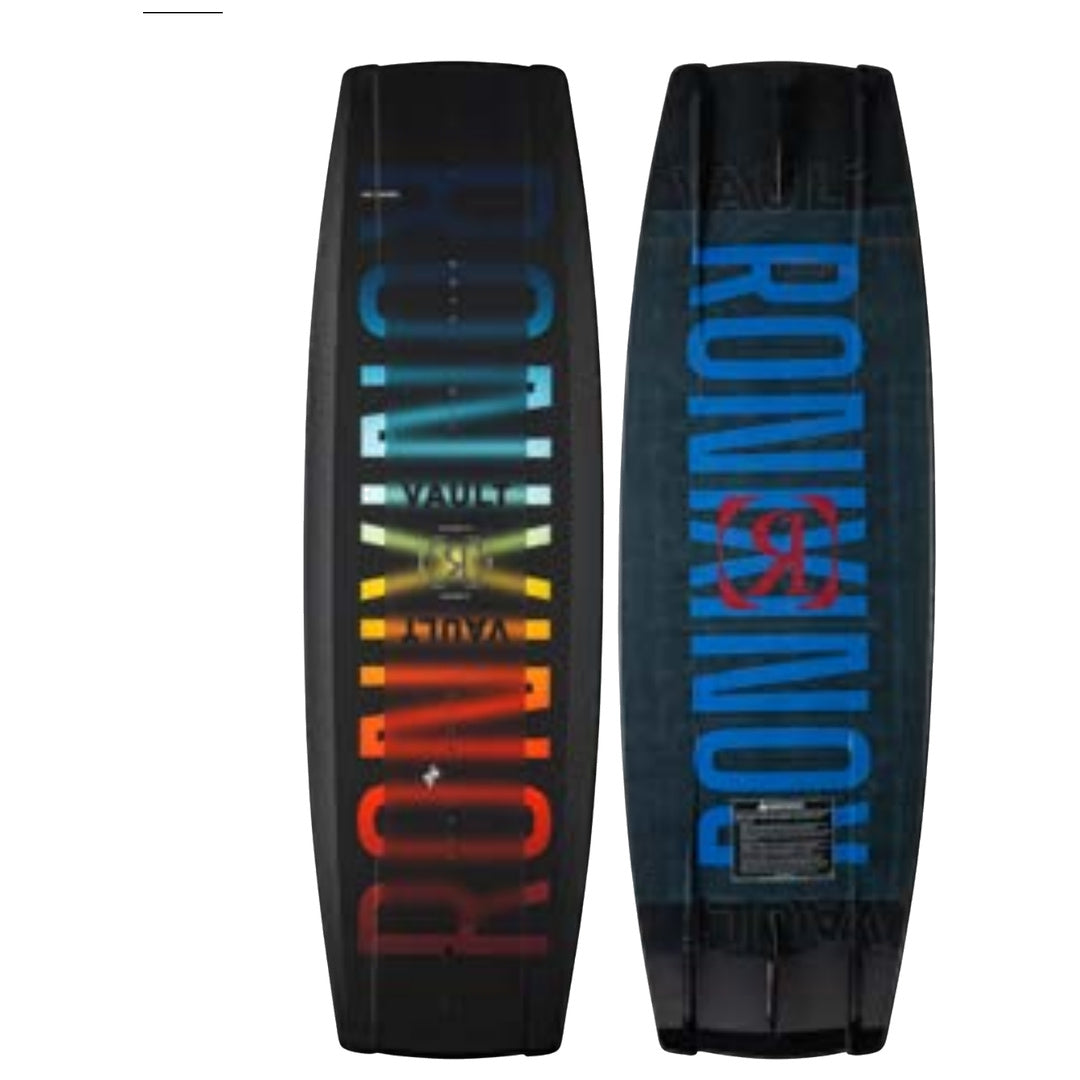
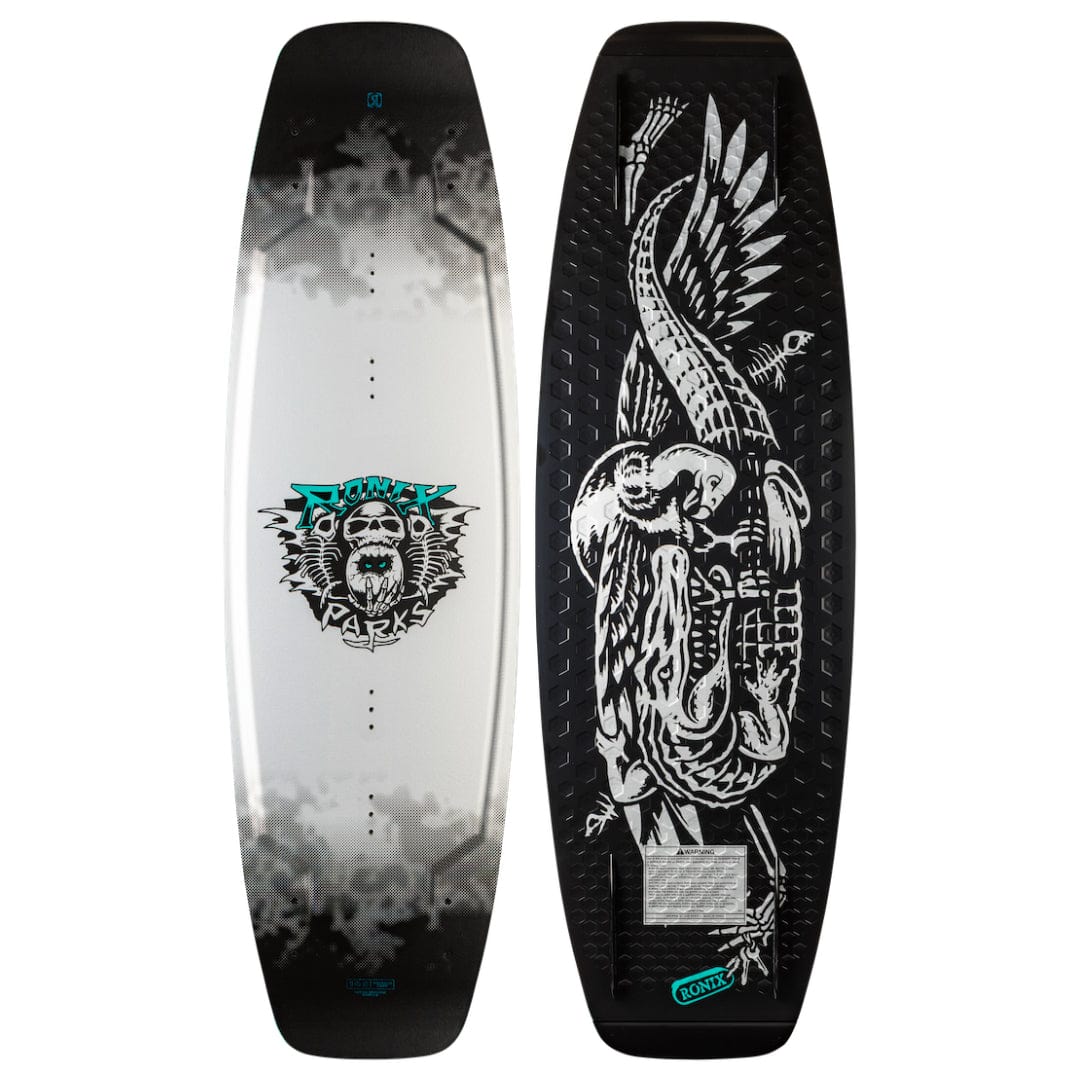
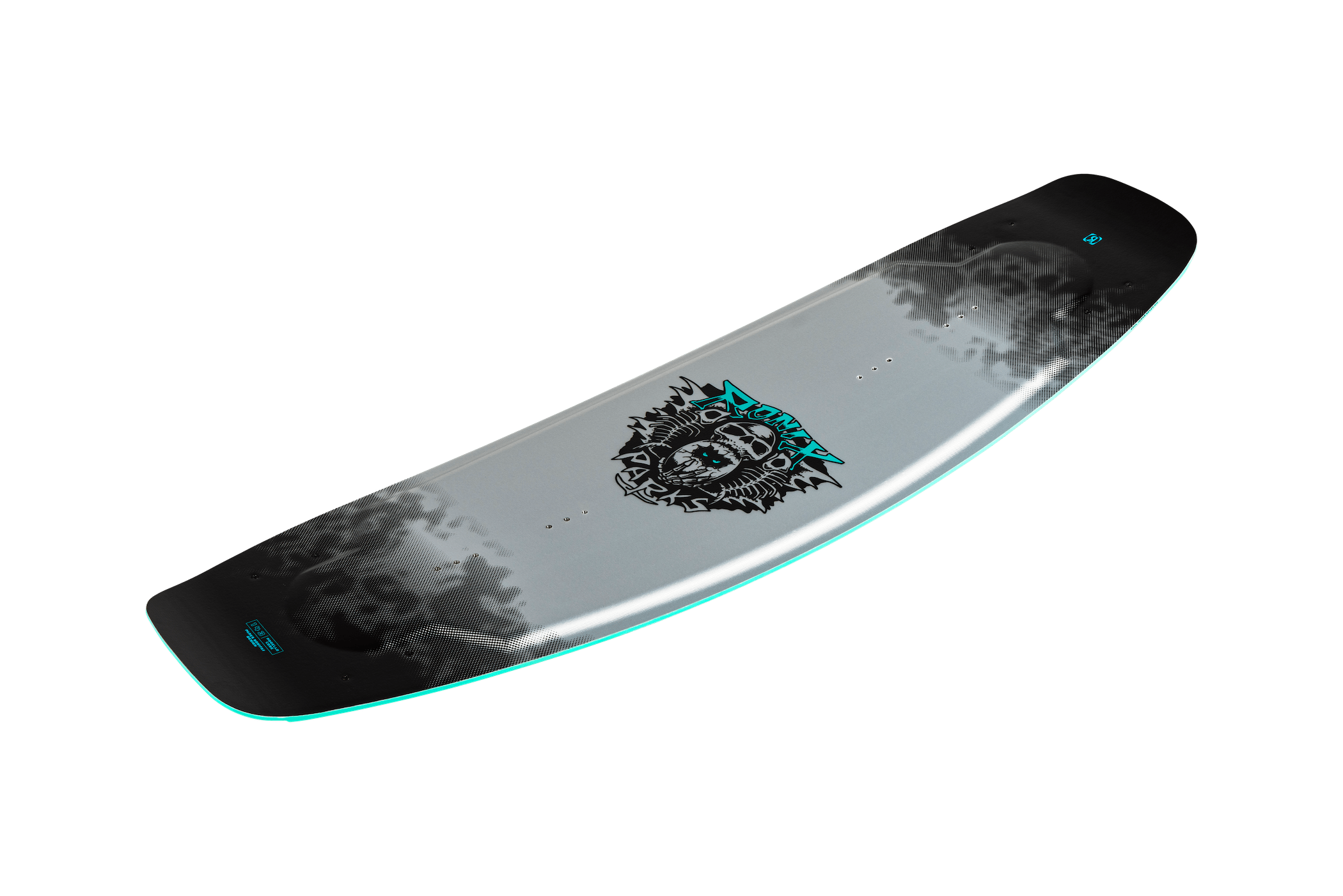


Ronix is one of the most respected names in wakeboarding, and its boat wakeboards are designed to be ridden hard behind an inboard tow boat. The board you choose shapes how the water feels under your feet: how it pops off the wake, how it lands, and how forgiving it is when you are learning new tricks. Picking the right one makes a real difference to how quickly you progress and how much fun you have.
This collection gathers Ronix boat wakeboards for every level, from forgiving boards for first-timers to responsive, high-performance decks for riders throwing inverts and spins. There are shapes and sizes for men, women, and younger riders, so you can match a board to your weight, your style, and how often you ride.
Not sure where to start? The guide below covers rocker, shape, construction, flex, and sizing. Browse the range below, and explore the wider wakeboards range if you want to compare options.
What Is a Boat Wakeboard?
A boat wakeboard is built specifically for riding behind a tow boat, where the wake is firm and the pull is strong and consistent. Boat boards tend to have a stiffer feel and more aggressive fins than cable or park boards, which helps them hold an edge, build speed into the wake, and launch cleanly. If you ride behind a boat rather than at a cable park, a boat-specific board is what you want.
Rocker: Continuous vs Three-Stage
Rocker is the curve of the board from tip to tail, and it is the single biggest influence on how a board rides.
- Continuous rocker: a smooth, constant curve that gives fast, predictable speed and long, mellow pop off the wake, which many riders find easier to control
- Three-stage rocker: a flatter centre with sharper angles at the tips, giving an explosive, vertical pop at the cost of a slightly looser feel
Continuous rocker suits riders who want smooth, carvy riding and predictable jumps, while three-stage rocker appeals to those chasing big, punchy air.
Board Shape and Base Features
The base of the board does a lot of hidden work. Moulded-in fins, channels, and spines all affect grip and release. Deeper fins and pronounced channels hold a firmer edge and track well, which helps beginners feel stable, while riders who want to spin and slide often choose a looser base with removable fins. Thinking about how locked-in or loose you want to feel is a good way to narrow your choice.
Construction and Core
Ronix boards use shaped foam cores wrapped in glass and, on higher models, additional materials to tune strength and weight. A lighter, stiffer board feels more responsive and holds its shape under load, which experienced riders will appreciate. More affordable boards use simpler layups that are tough, forgiving, and perfect for learning. Construction is a big part of why boards vary in price.
Flex and Feel
Flex changes how a board loads and releases. Stiffer boards store and return energy for a strong, snappy pop off the wake and feel stable at speed. Softer, more flexible boards are more forgiving, easier to press, and more playful at lower speeds. Beginners and lighter riders often enjoy a slightly softer flex, while powerful riders tend to prefer a stiffer board that can handle a hard edge.
How to Size a Wakeboard
Wakeboard length is chosen mainly by rider weight, with each board listing a recommended weight range. A longer board carries more weight, rides higher in the water, and feels more stable and forgiving, which helps beginners. A shorter board is quicker edge to edge and more playful but sinks more at rest. If you are between sizes, size up for stability and easy riding, or down for a looser, more responsive feel. Riders who share a board should size for the heaviest regular rider.
Matching Bindings to Your Board
Your board is only half the setup. Bindings need to match the board's insert pattern and suit your boot size and riding style. A supportive, stiffer binding gives more control for aggressive riding, while a softer binding is more comfortable and forgiving. If you are buying a board and bindings together, check compatibility, or ask us to help you pair them.
Choosing a Board for Your Level
Beginners are best served by a continuous rocker board with deeper moulded fins and a forgiving flex, which makes edging and landings more stable. Intermediate riders can move to a livelier board that pops harder and turns quicker. Advanced riders chasing height and technical tricks often choose a three-stage rocker board with a stiffer, lighter construction. Being honest about your level helps you buy a board you will enjoy now and grow with.
Caring for Your Wakeboard
- Rinse with fresh water after every session, especially in salt water
- Check fins and binding bolts are tight before you ride
- Repair base and edge chips promptly to stop water getting into the core
- Store out of direct sunlight and extreme heat
- Transport in a padded board bag to avoid knocks
Looked after well, a quality wakeboard will give you many seasons of riding.
How Much Do Ronix Wakeboards Cost?
Prices reflect construction, materials, and the technology packed into the board. Entry-level boards are the most affordable and are tough, forgiving, and ideal for learning. Mid-range boards add lighter cores and better bases for riders developing their tricks. Premium boards use the lightest, stiffest constructions for maximum performance. For most recreational riders a mid-range board offers the best balance of value and feel.
Why Buy Your Ronix Wakeboard from Surface2Air Sports?
We have supplied wakeboarders since 2002, with a shop in Poole and a full range online.
- Ronix boat wakeboards for beginners through to advanced riders
- Continuous and three-stage rocker options
- Boards for men, women, and younger riders
- Honest advice on rocker, flex, and sizing
- Help pairing boards with the right bindings
Whether you are buying your first board or upgrading for bigger air, we can help you choose. Pair your board with the right wakeboard bindings, or explore the full Ronix range.
Frequently Asked Questions About Ronix Wakeboards
What size wakeboard do I need?
Size is based mainly on your weight, and each board lists a recommended weight range. Size up for stability and easier riding, or down for a quicker, more playful feel.
What is the difference between continuous and three-stage rocker?
Continuous rocker gives smooth speed and predictable, mellow pop. Three-stage rocker gives a sharper, more vertical pop off the wake with a slightly looser feel.
Is a boat wakeboard different from a cable board?
Yes. Boat boards are tuned for the firm wake and strong pull of a tow boat, usually with more aggressive fins and a stiffer feel than park or cable boards.
Which board is best for a beginner?
A continuous rocker board with deeper moulded fins and a forgiving flex is the easiest to learn on, as it tracks well and lands predictably.
Can I use any bindings with my board?
Bindings must match the board's insert pattern and your boot size. Check compatibility before buying, or ask us to help you pair a board and bindings.
How do I look after my wakeboard?
Rinse with fresh water after use, keep fins and bolts tight, repair base chips promptly, and store out of direct sun and heat.
Let customers speak for us
The bag is sturdy, spacious and water proofed on the inside. In addition, it can be worn as a backpack but it also comes with a strap for putting over a shoulder as a bag. I am happy with the purchase.

My first order of gummy straps never arrived so I contacted S2AS and they were very apologetic as Royal Mail had lost my parcel. They immediately sent out a second sets of straps which arrived the following day.
The customer service I recieved was exceptional and I would highly recommend this company for their swift response. I will definitely order with them again.

the whole exercise

item as dscribed, looks fantastic

As described and looks fantastic. thank you
My first board and binding set up after using hire equipment for over a year. These will take some getting used to but step in and strap is a vast improvement. Large to size 12UK looks like it only just fits across the toe strap.
S2AS are my go to online store for anything Snowboarding related and as they say any query just pick up the phone and speak to Ollie (who sounds a lot like Jamie Lang)

Wait for snow
Loved the service in the shop Ollie was very helpful and a pleasure to deal with. Recommend highly
Kind regards
Matt

2026 Slingshot KTV EverShred Wakeboard Bindings

Exceptionally quick delivery, would definitely recommend buying from this site

Hi my in store experience was fantastic from email to shop with your representative Ollie could not have been more polite & helpful
Once I’ve tried the bourd I will send further feedback
Hope your all well
Kind regards
Matt

We ordered a large amount of items that all arrived safely, we kept everything save two jackets which we ordered wrong, but the team were great, we sent them back and got a refund with no hassle. Will definitely use in the future!

Great graphics, good fit and quality

I purchased a wing that was 70% off and I am delighted with my new toy. I had it out today for the first time and despite only being a 2.8m wing, the power and control was amazing. It is so good that I am tempted to buy a bigger size to add to my collection. Thanks again S2AS for another great product for a bargain price 😊

Great carbonboard from Shinn and Raptor fin set at a good price from Surface2Air Sports. Delivered without any problems.

Really well made, super comfortable and love the carry wrap that they are supplied in. Much better than the usual drawstring bags that disintegrate. Best beach chair yet