
Womens Winter Wetsuits
Sort by
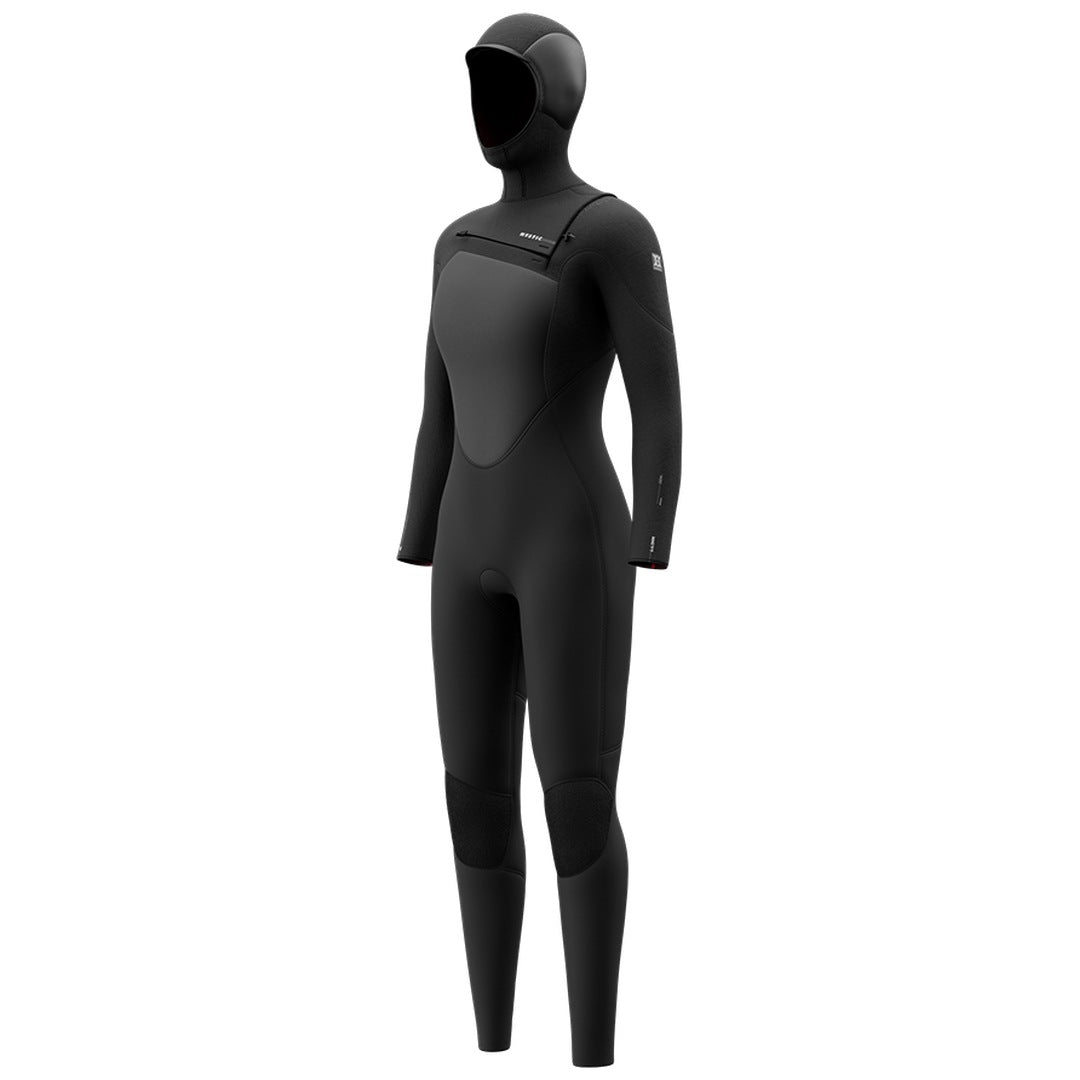
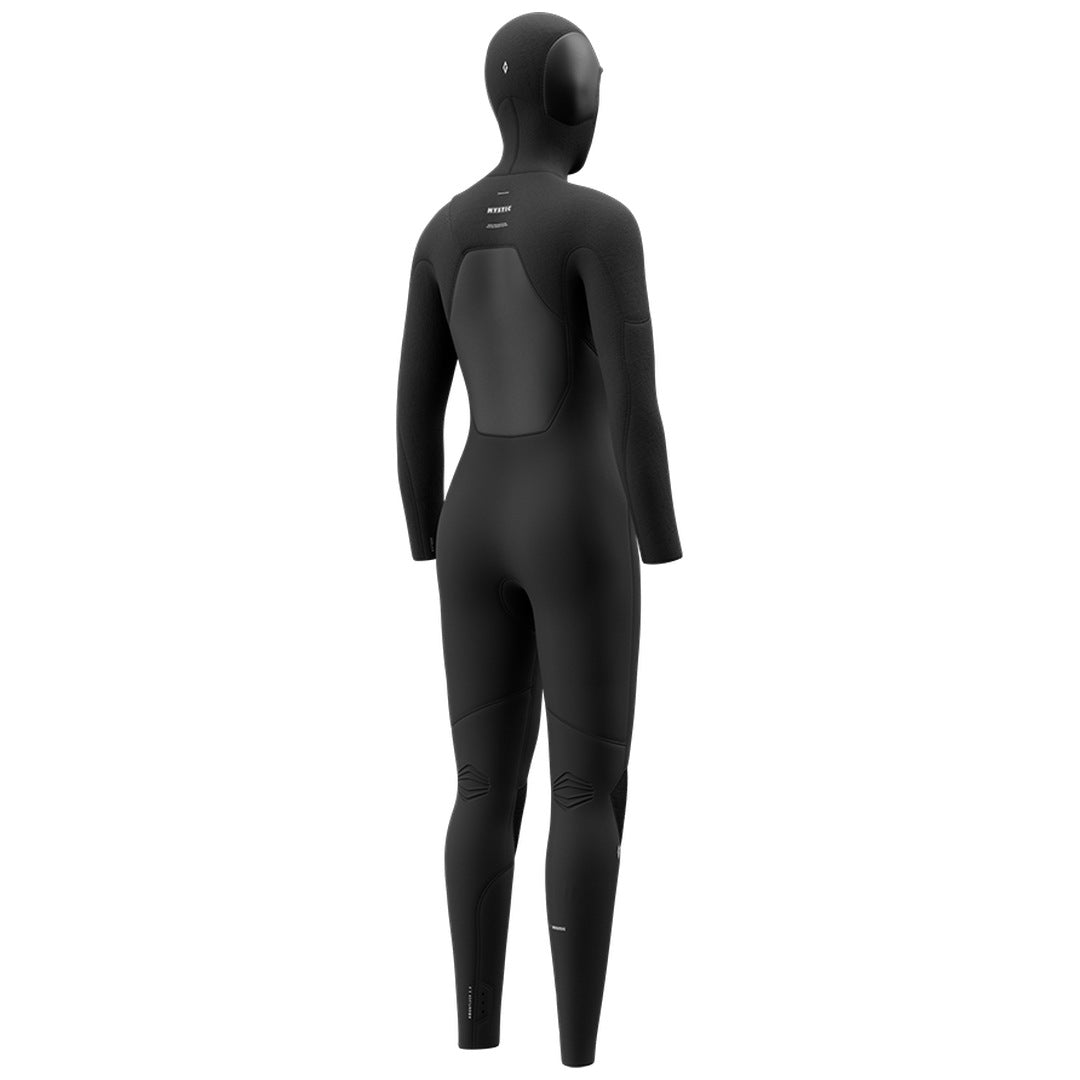
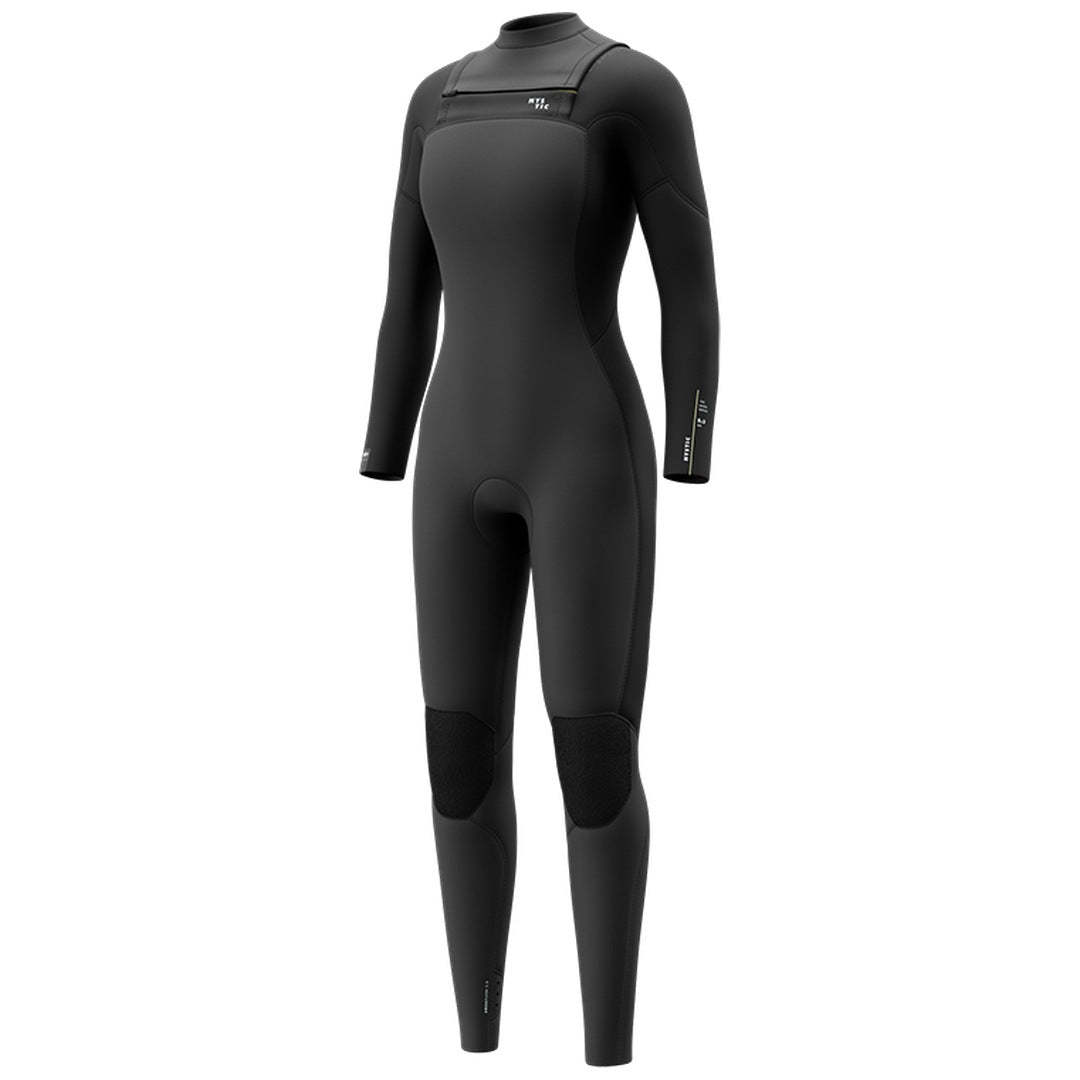
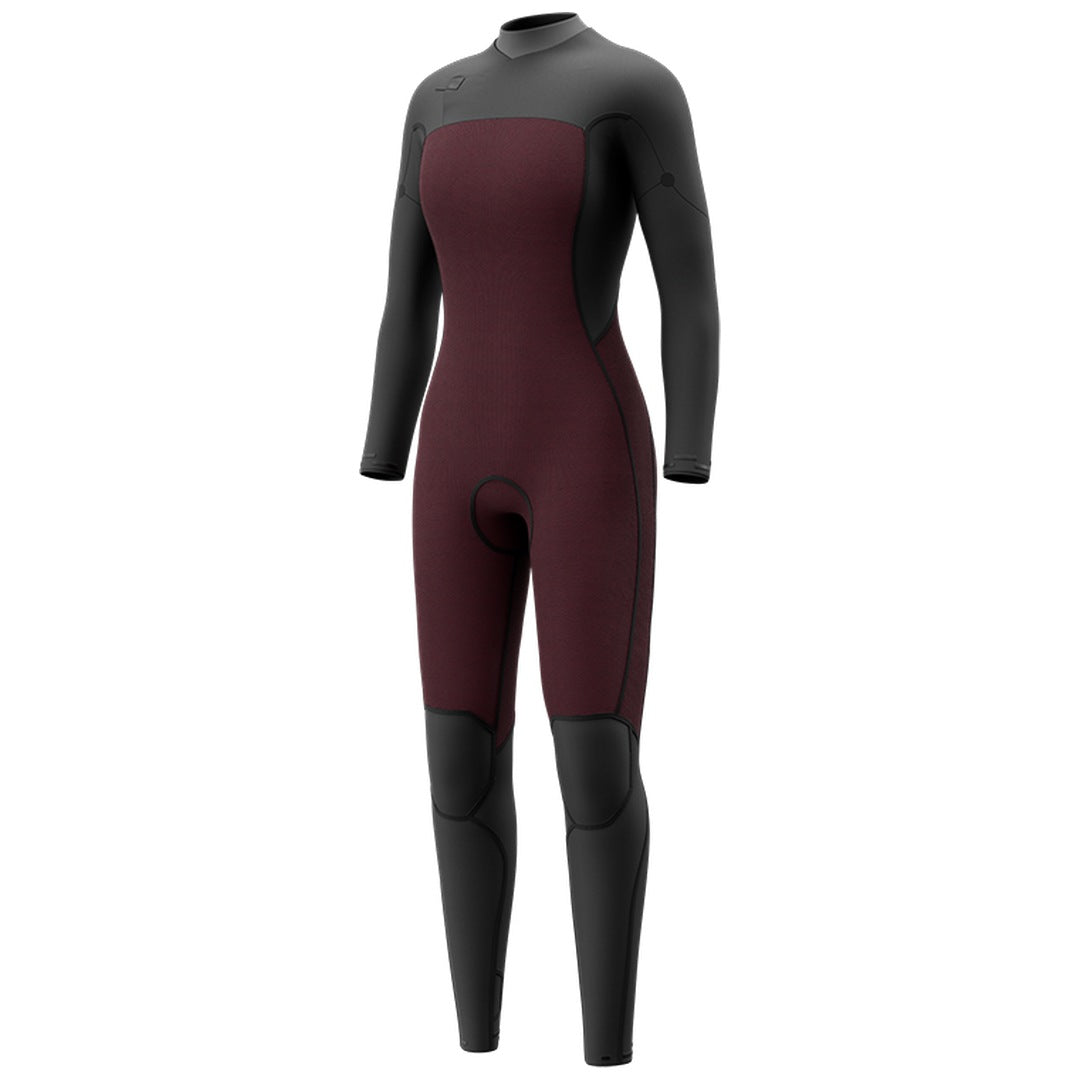
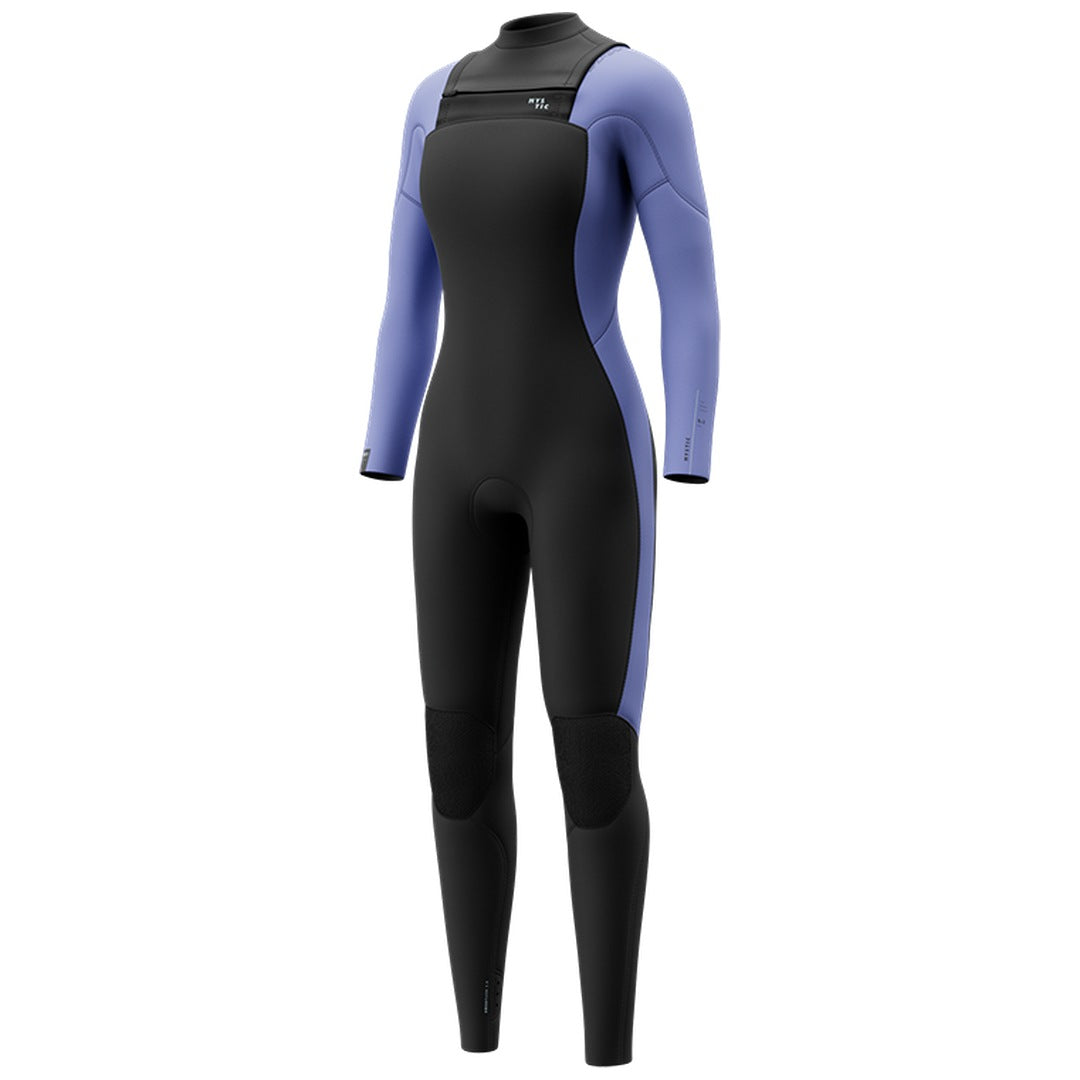
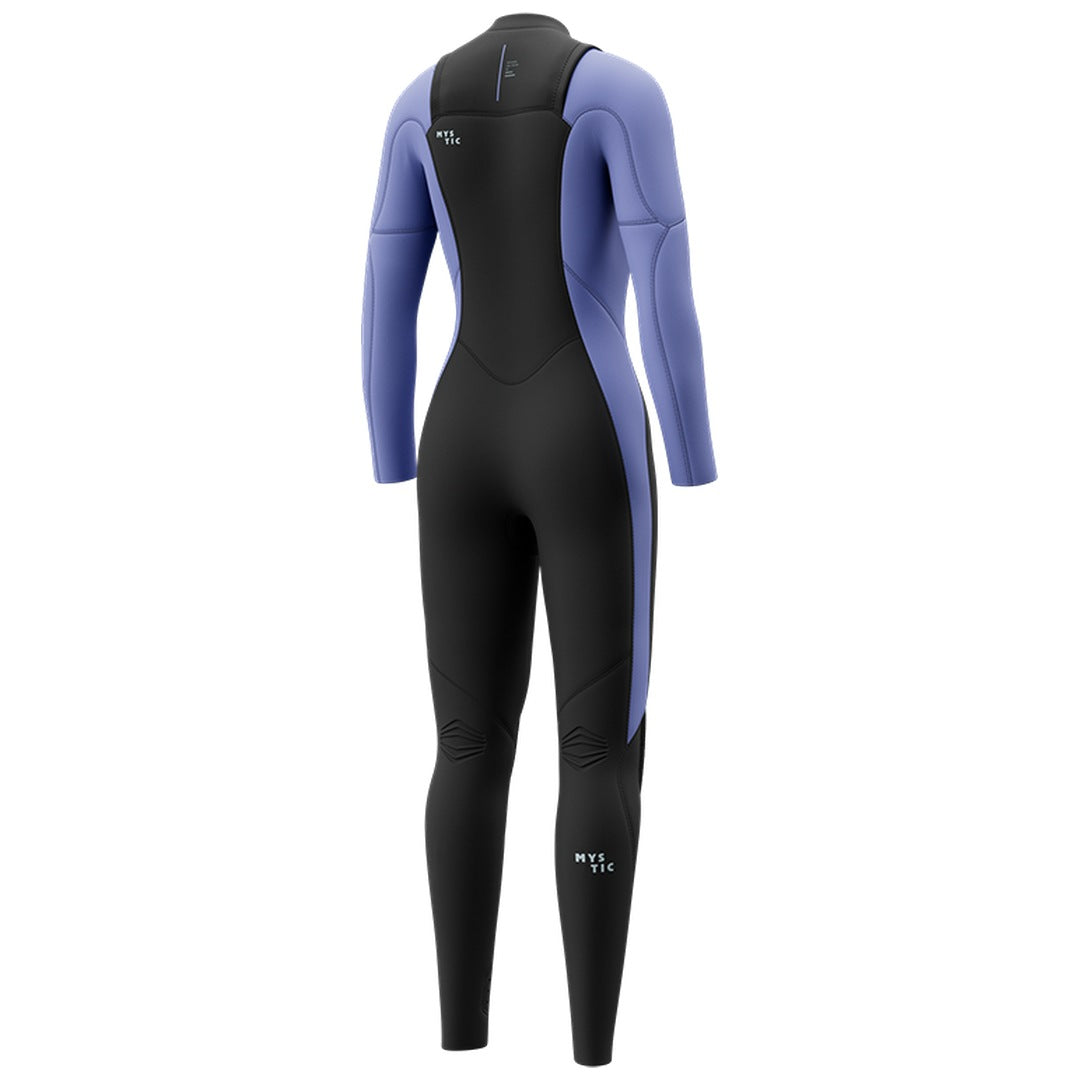


Winter water in the UK is no joke, and the difference between enjoying a cold-season session and cutting it short almost always comes down to your wetsuit. A proper women's winter wetsuit, cut for a female shape and built from thick, warm neoprene, keeps you in the water when the temperature drops. Get it right and winter becomes some of the best, quietest riding of the year.
This collection brings together the women's winter wetsuits we stock at Surface2Air Sports, from warm 5/4mm suits through to hooded cold-water steamers. Expect thick, sealed neoprene, warm linings and a cut designed for women. Browse the range below, and if you want help choosing a thickness or fit for winter, our team in Poole is always happy to help.
What Makes a Winter Wetsuit Different?
A winter wetsuit works harder than a summer suit. It uses thicker neoprene, usually 5/4mm or 5/4/3mm and sometimes thicker, to hold more heat. It relies on sealed or taped seams to stop cold water flushing through, and it often adds warm thermal linings and sometimes an integrated hood. All of this keeps your core and limbs warm in water that would quickly chill you in a thinner suit.
Understanding Winter Wetsuit Thickness
Thickness is shown as two or three numbers in millimetres, such as 5/4 or 5/4/3. The first number is the neoprene around your core, and the following numbers are the thickness at the limbs, so a 5/4mm suit has 5mm on the body and 4mm on the arms and legs. As a rough guide for UK winter water, a 5/4mm or 5/4/3mm suit with accessories suits the cold winter months, and a 6/5mm hooded suit handles the very coldest conditions. Thicker core neoprene keeps your vital organs warm, while slightly thinner limbs keep you flexible.
Seams, Zips and Linings
For winter, construction matters as much as thickness.
- Sealed and taped seams: glued and blind-stitched seams, often taped inside, stop cold water seeping through
- Chest-zip or zip-free entry: lets in less water than a back zip, keeping you warmer
- Thermal linings: fleece-style inner linings trap warmth and dry quickly
- Integrated or optional hoods: cut heat loss from the head in the coldest water
These features are what separate a true winter suit from a thicker summer one, so they are worth prioritising for cold-water comfort.
How to Choose the Right Winter Wetsuit
A few questions guide the choice:
- How cold is your water? Colder water calls for thicker neoprene and a hood
- What is your sport? Wind-powered sports feel colder, so size up in warmth
- How long are your sessions? Longer sessions benefit from more warmth and sealed seams
- Entry style: chest-zip or zip-free for warmth, back-zip for easier entry
For most UK women riding through winter, a 5/4mm or 5/4/3mm sealed suit is the versatile choice, with a hood added for the coldest spells.
How Should a Winter Wetsuit Fit?
Fit is crucial in winter, because any gap lets cold water flush in and steal your warmth. A winter suit should feel snug like a second skin, with no loose folds at the lower back, knees or armpits, while still letting you move and breathe. Thicker neoprene feels tighter on land than it will in the water, so do not be put off by a close fit. Sizing varies between brands, so always check the size guide, and our team can help you find the right fit.
Staying Warm with Accessories
A winter suit is only part of the picture. In cold UK water, boots, gloves and a hood make a huge difference, sealing the gaps where heat escapes at the hands, feet and head. Many riders find that adding good accessories extends their winter season more than simply buying a thicker suit. Browse our wetsuit accessories to complete your cold-water kit, or compare the wider women's wetsuits range for other seasons.
Caring for Your Winter Wetsuit
Good care keeps a winter suit warm and flexible for longer.
- Rinse in cool fresh water after every session
- Dry inside out, away from direct sunlight and strong heat
- Hang over a wide hanger to protect the shoulders and seams
- Avoid hot water, washing machines and tumble dryers
- Store loosely rather than folded tightly for long periods
Thick winter neoprene especially dislikes being left scrunched up wet, so rinse and dry it properly after every use.
How Much Do Winter Wetsuits Cost?
Pricing in GBP reflects the thickness, the seam construction, the linings and the neoprene quality. Entry-level winter suits sit at the lower end, mid-range sealed 5/4mm suits offer a strong balance of warmth and value, and premium suits with the warmest linings, sealed seams and high-stretch neoprene sit at the top. For regular winter use it is usually worth investing in a quality sealed suit, since warmth and durability both improve with better construction.
Why Buy Your Winter Wetsuit from Surface2Air Sports?
We have been fitting watersports enthusiasts since 2002, from our Poole shop and online.
- A good range of women's winter wetsuits and hooded suits
- Thicknesses and seam options for cold UK water
- Honest advice on thickness, seams and fit
- In-store fitting help and online support
- Options to suit a range of budgets
Whether you are extending your season or riding through the coldest months, we can help you choose a suit that keeps you warm. Compare the full wetsuits range to find the right suit for every season.
Frequently Asked Questions About Women's Winter Wetsuits
What thickness winter wetsuit do I need for the UK?
For UK winter water, a 5/4mm or 5/4/3mm suit with boots, gloves and a hood suits the cold months, and a 6/5mm hooded suit handles the very coldest conditions. Colder water calls for thicker neoprene.
What does 5/4 or 5/4/3 mean on a winter wetsuit?
The numbers are the neoprene thickness in millimetres. The first number is the thickness around your core, and the following numbers are the thickness at your arms and legs.
How should a winter wetsuit fit?
Snug like a second skin, with no loose folds or gaps at the lower back, knees or armpits, while still letting you move. A close fit stops cold water flushing in and will feel tighter on land than in the water.
Do I need a hood for winter?
A lot of heat is lost from the head, so a hood makes a big difference in the coldest water. Some suits have an integrated hood, and you can also add a separate one as an accessory.
Why does a chest zip keep me warmer?
A chest-zip or zip-free entry lets in less water than a back zip, so less cold water flushes through the suit. This makes a noticeable difference to warmth in winter.
How do I look after a winter wetsuit?
Rinse in cool fresh water after each session, dry inside out away from direct sun, and avoid hot water, machines and tight folding. Proper care keeps the thick neoprene warm and flexible.
Let customers speak for us
When ordered item was not in stock but when it has arrived the team kept me filled in with when it would arrive and it did promptly! Would use again

Rapid delivery!!

Great job well dun thanks for your help with the purchase..

The bag is sturdy, spacious and water proofed on the inside. In addition, it can be worn as a backpack but it also comes with a strap for putting over a shoulder as a bag. I am happy with the purchase.

My first order of gummy straps never arrived so I contacted S2AS and they were very apologetic as Royal Mail had lost my parcel. They immediately sent out a second sets of straps which arrived the following day.
The customer service I recieved was exceptional and I would highly recommend this company for their swift response. I will definitely order with them again.

the whole exercise

item as dscribed, looks fantastic

As described and looks fantastic. thank you
My first board and binding set up after using hire equipment for over a year. These will take some getting used to but step in and strap is a vast improvement. Large to size 12UK looks like it only just fits across the toe strap.
S2AS are my go to online store for anything Snowboarding related and as they say any query just pick up the phone and speak to Ollie (who sounds a lot like Jamie Lang)

Wait for snow
Loved the service in the shop Ollie was very helpful and a pleasure to deal with. Recommend highly
Kind regards
Matt

2026 Slingshot KTV EverShred Wakeboard Bindings

Exceptionally quick delivery, would definitely recommend buying from this site

Hi my in store experience was fantastic from email to shop with your representative Ollie could not have been more polite & helpful
Once I’ve tried the bourd I will send further feedback
Hope your all well
Kind regards
Matt

We ordered a large amount of items that all arrived safely, we kept everything save two jackets which we ordered wrong, but the team were great, we sent them back and got a refund with no hassle. Will definitely use in the future!

Great graphics, good fit and quality