
Sort by


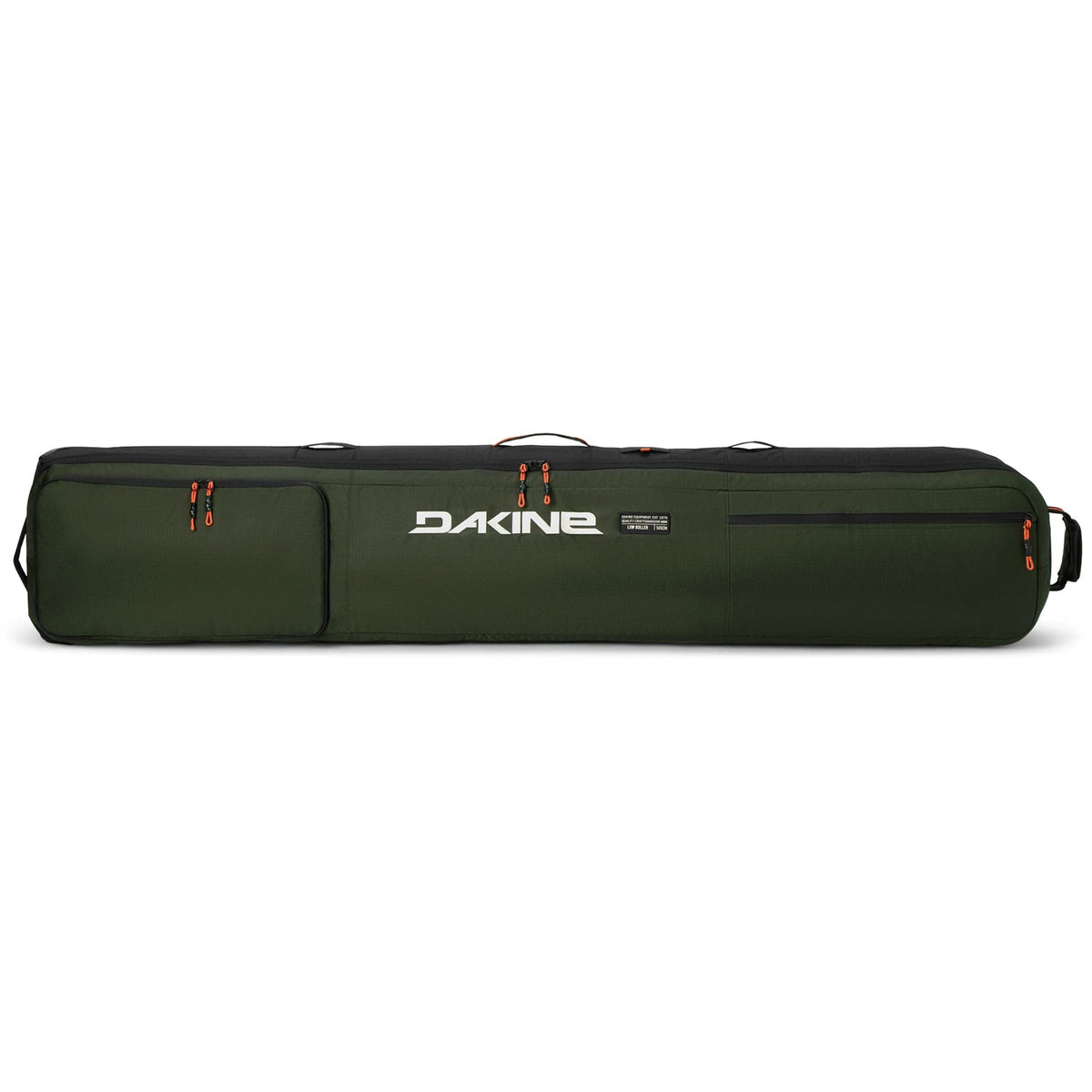
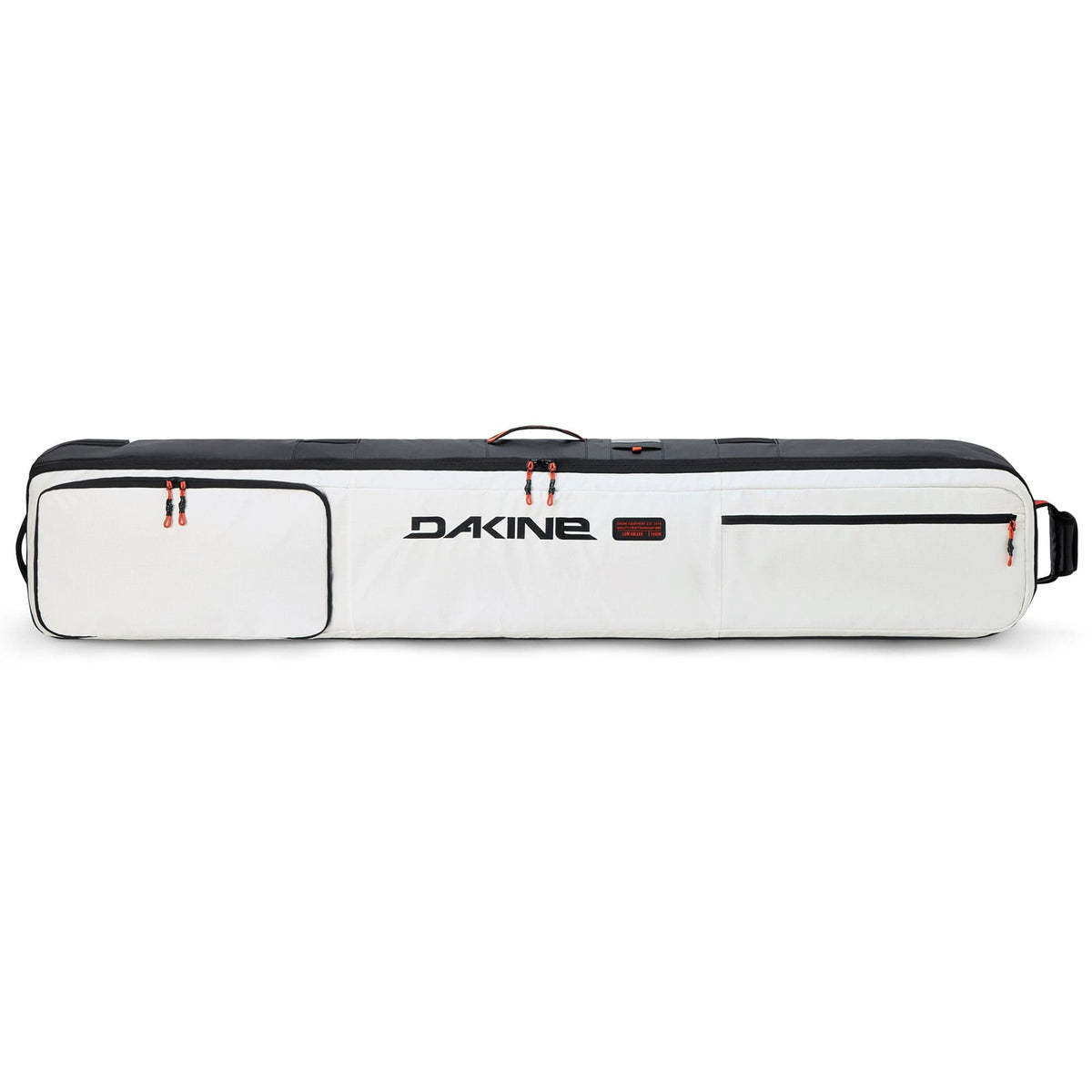
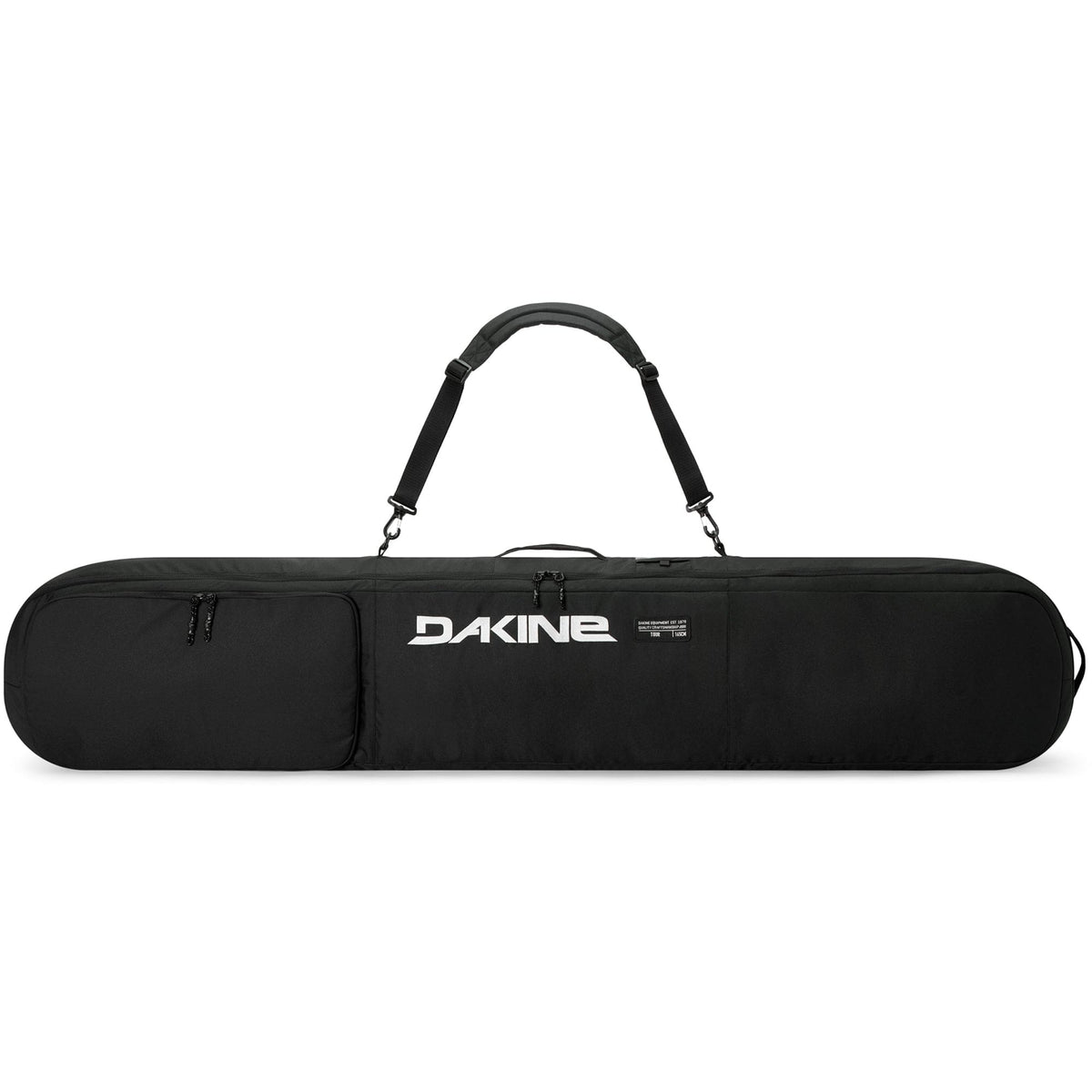
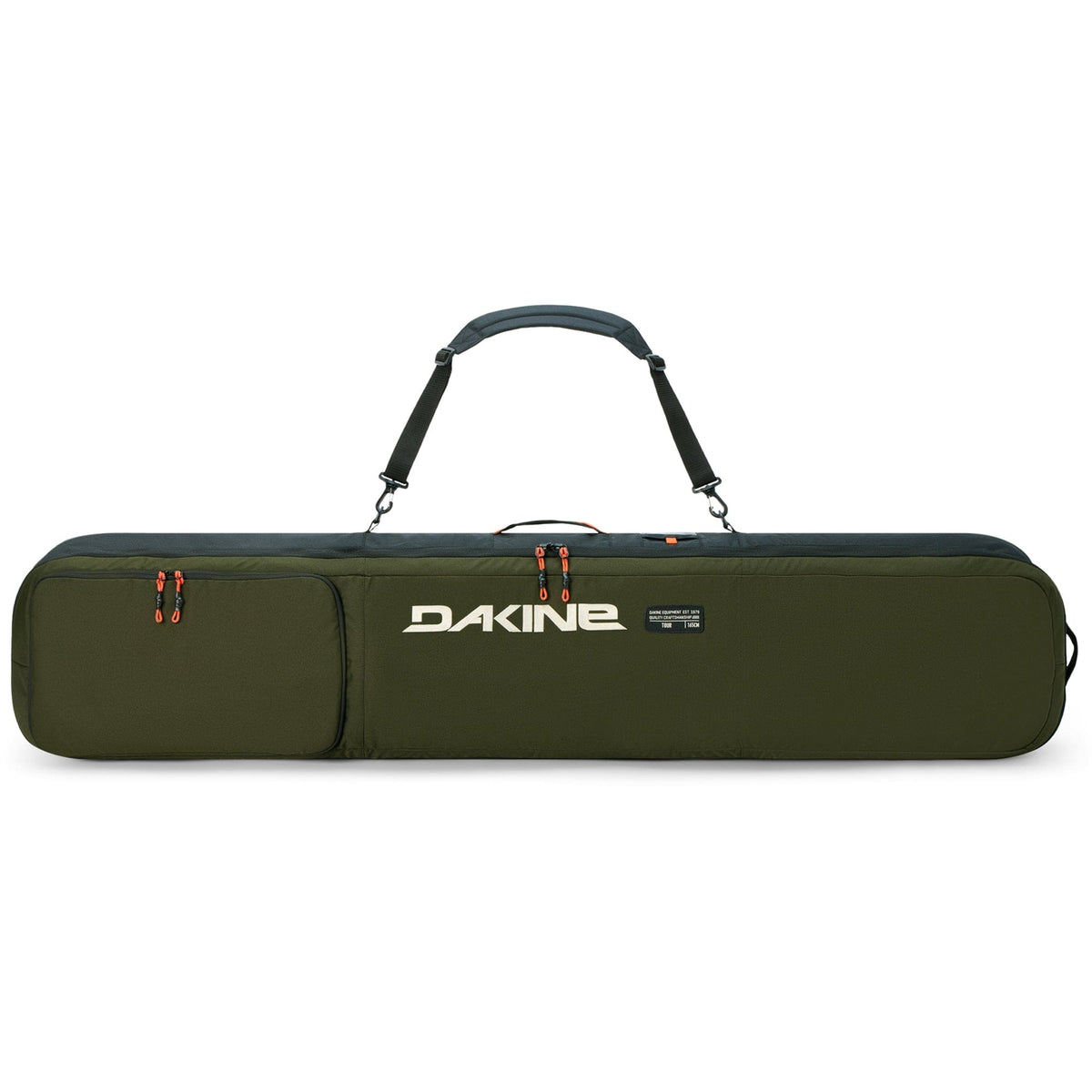
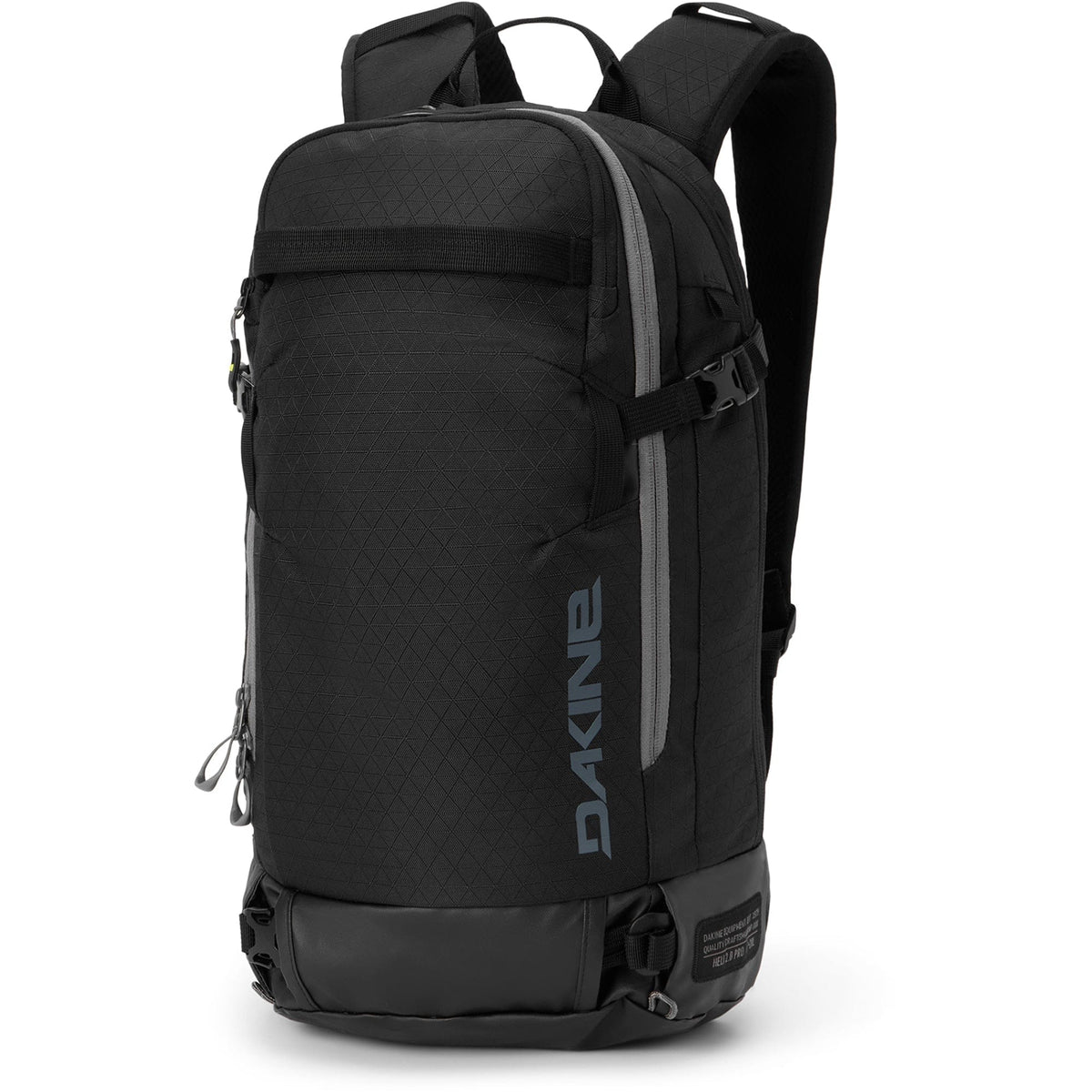
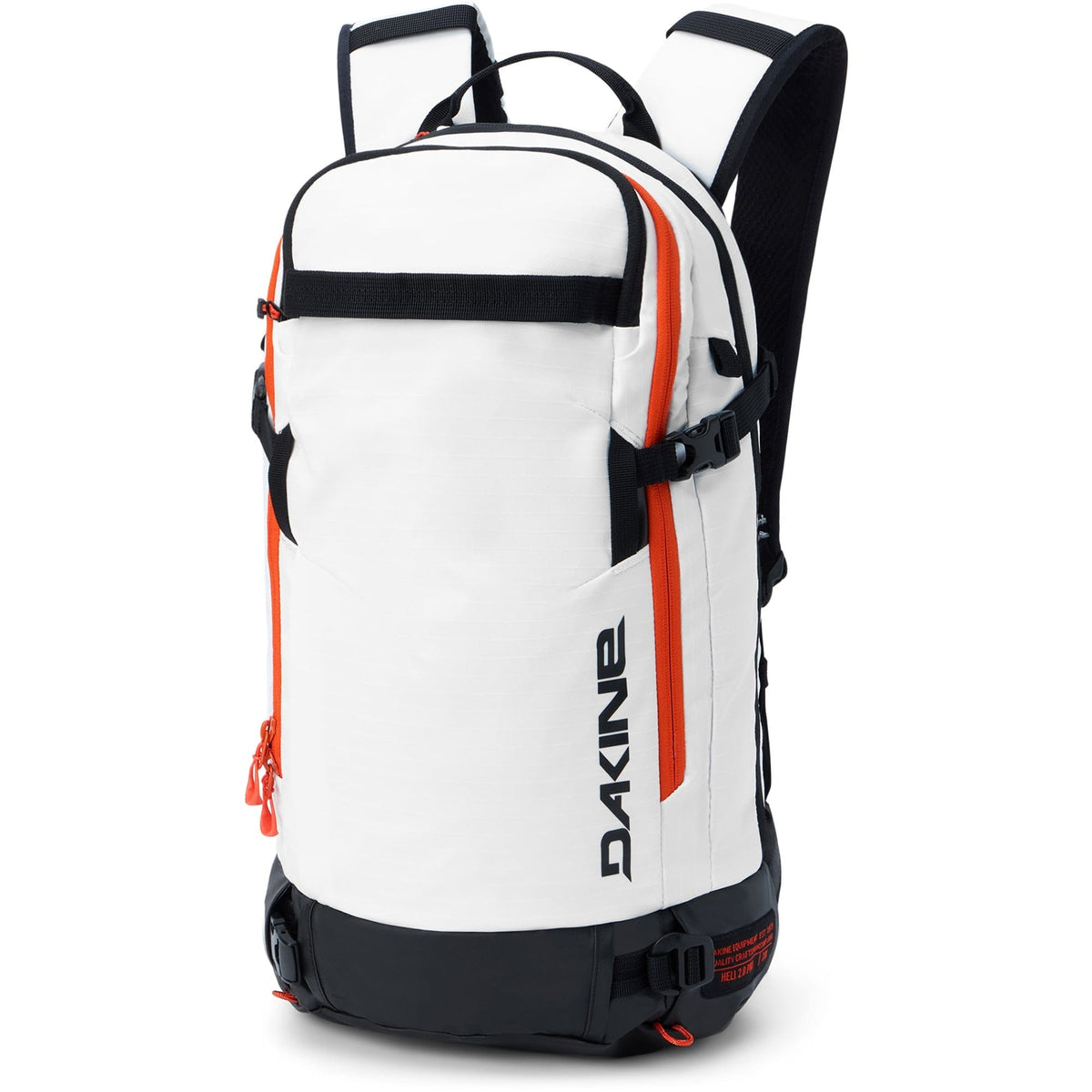
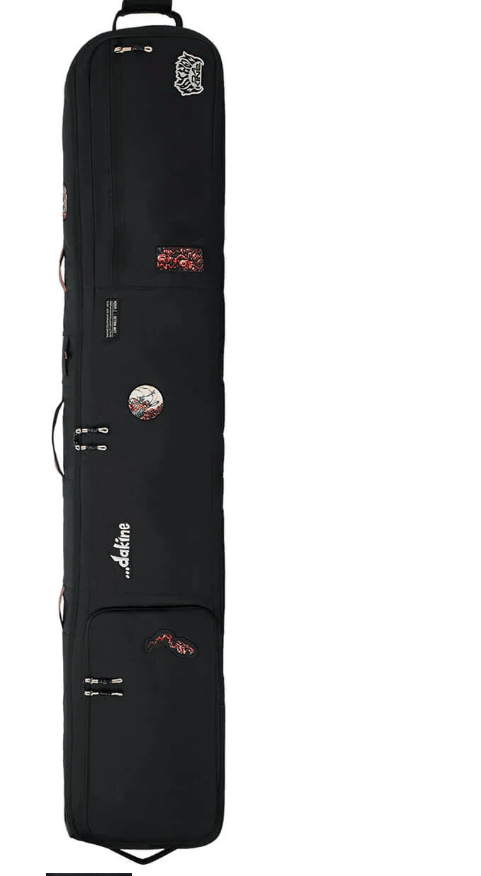
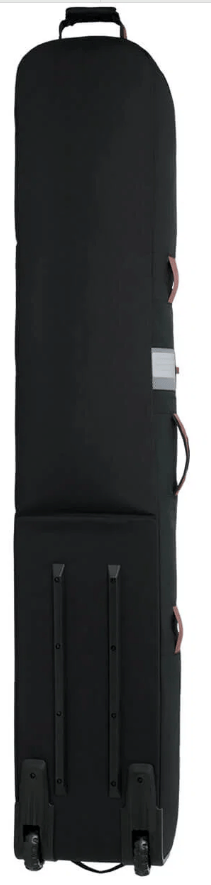
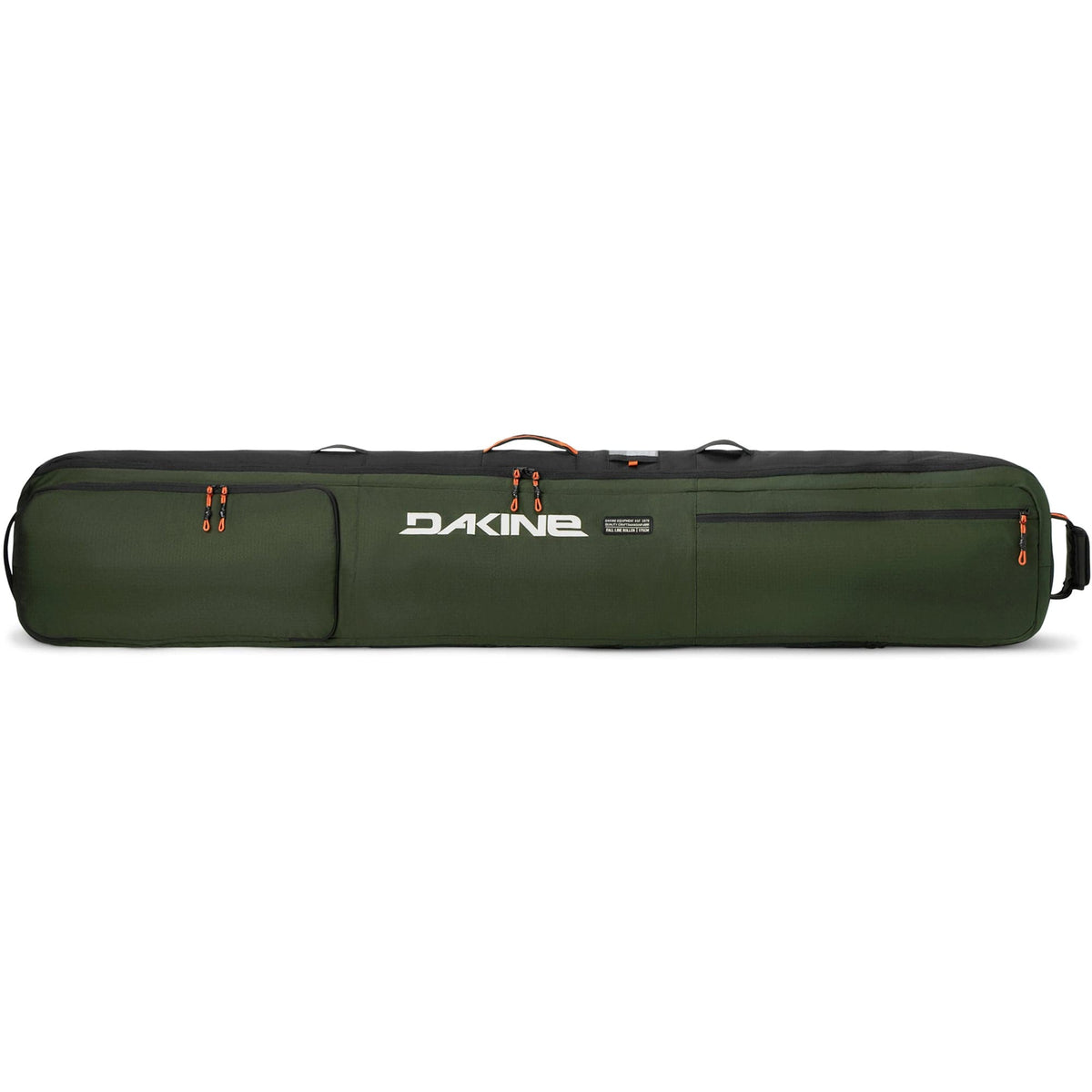
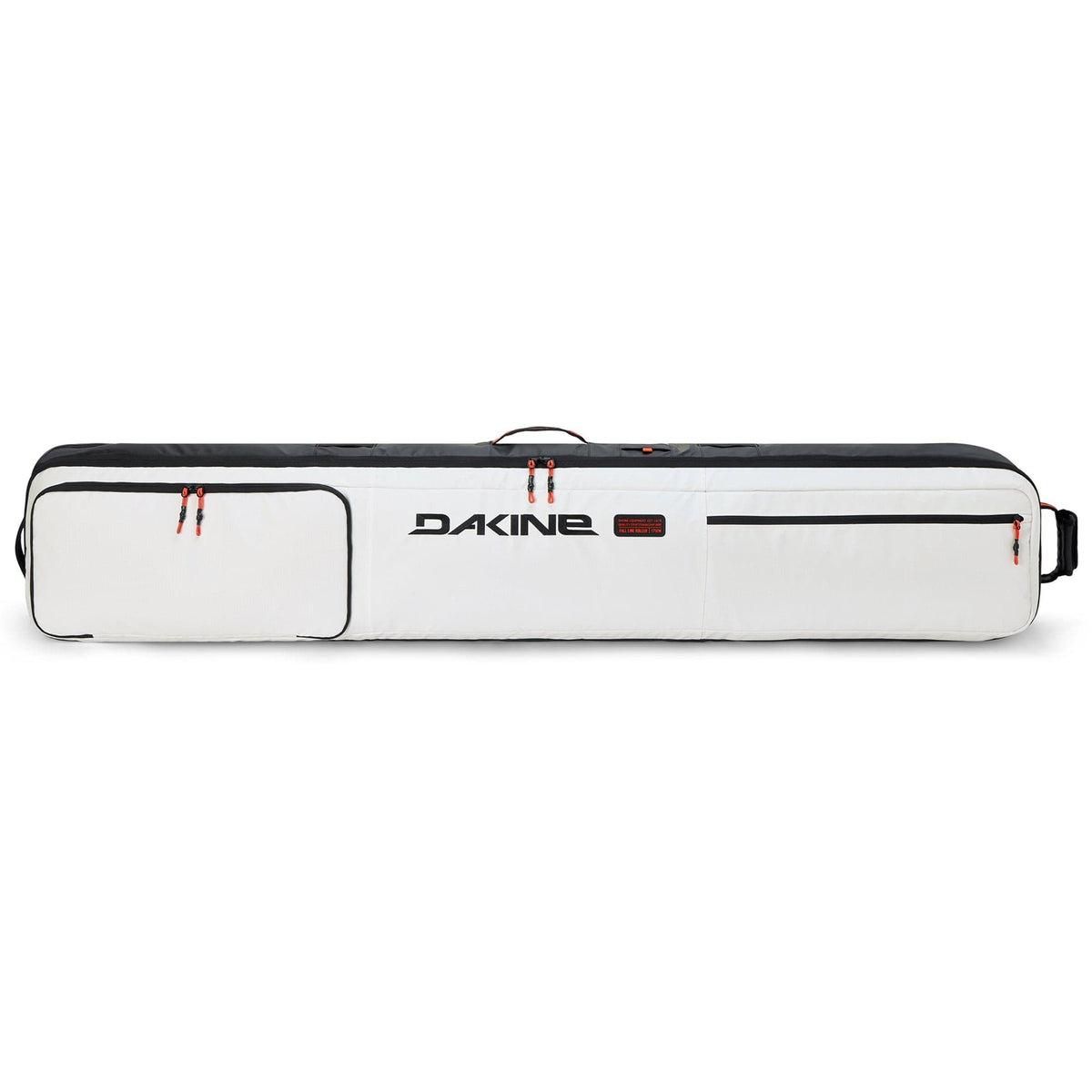
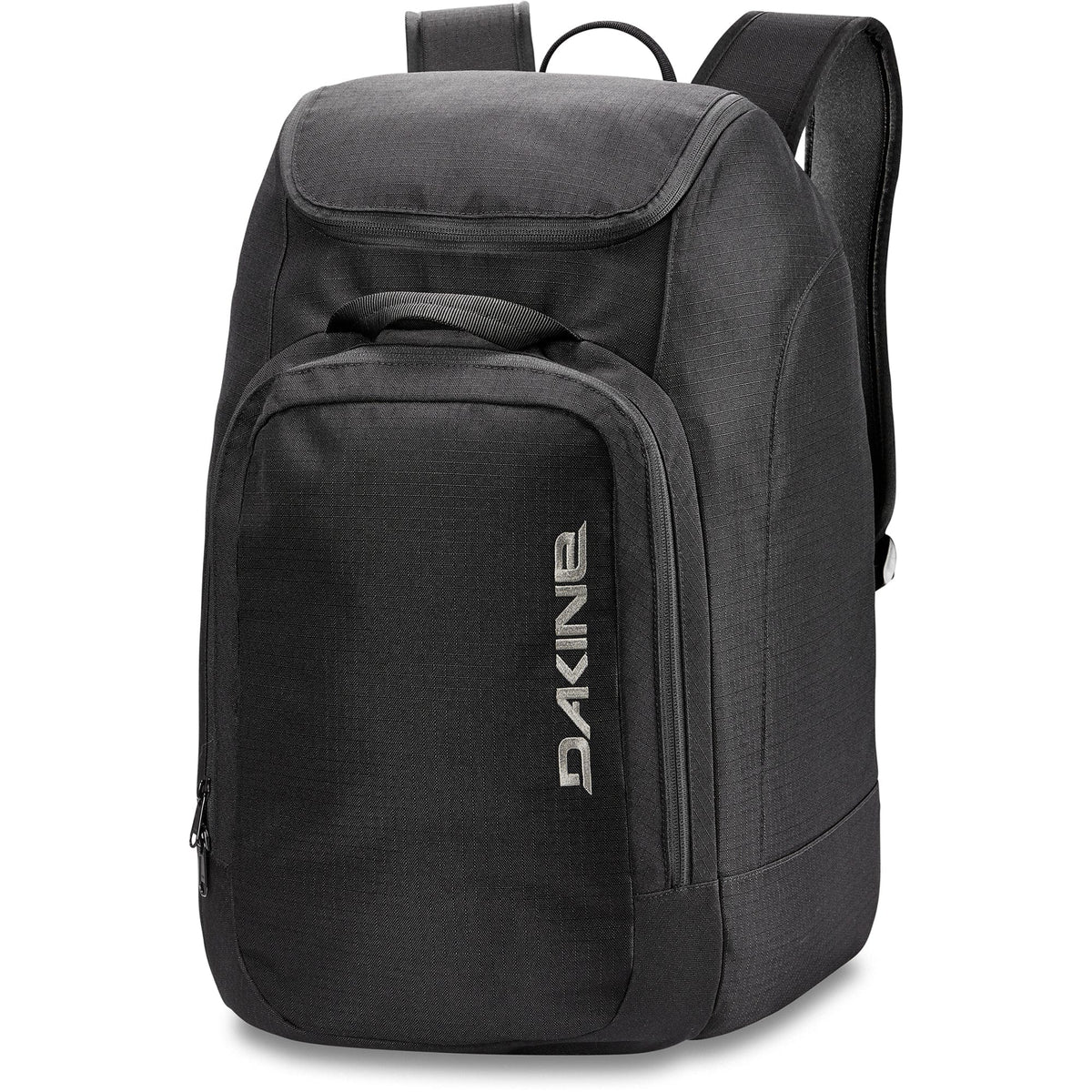
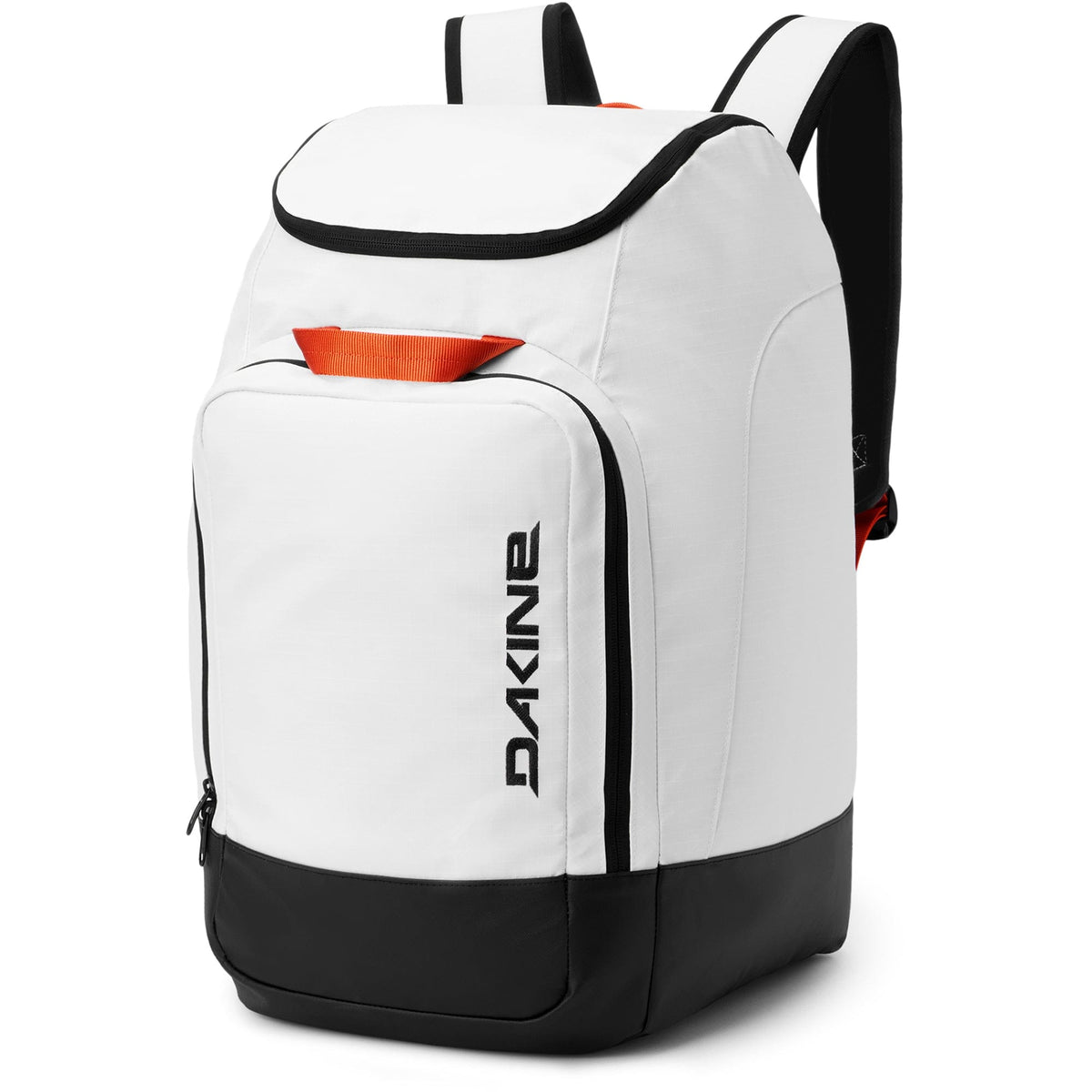
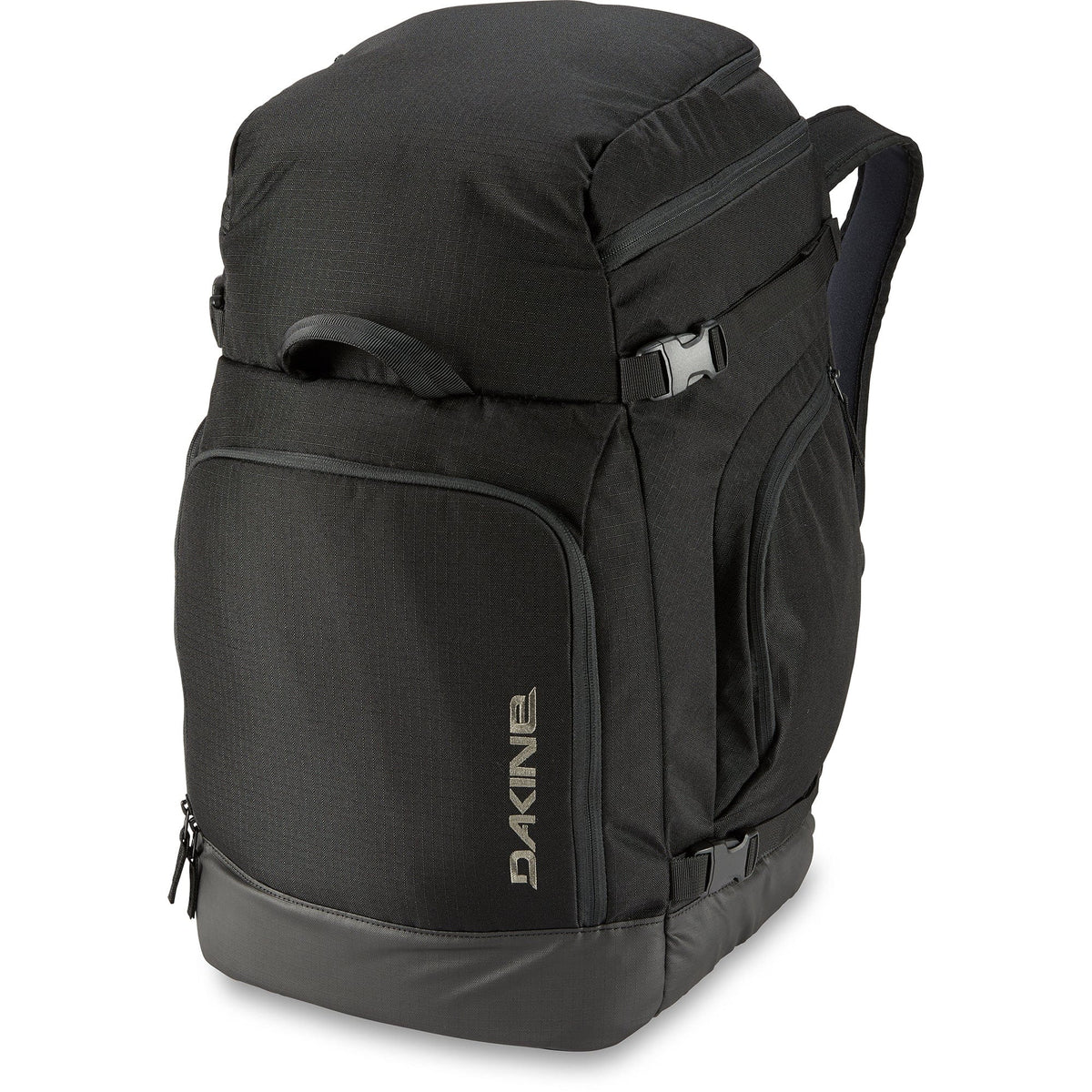
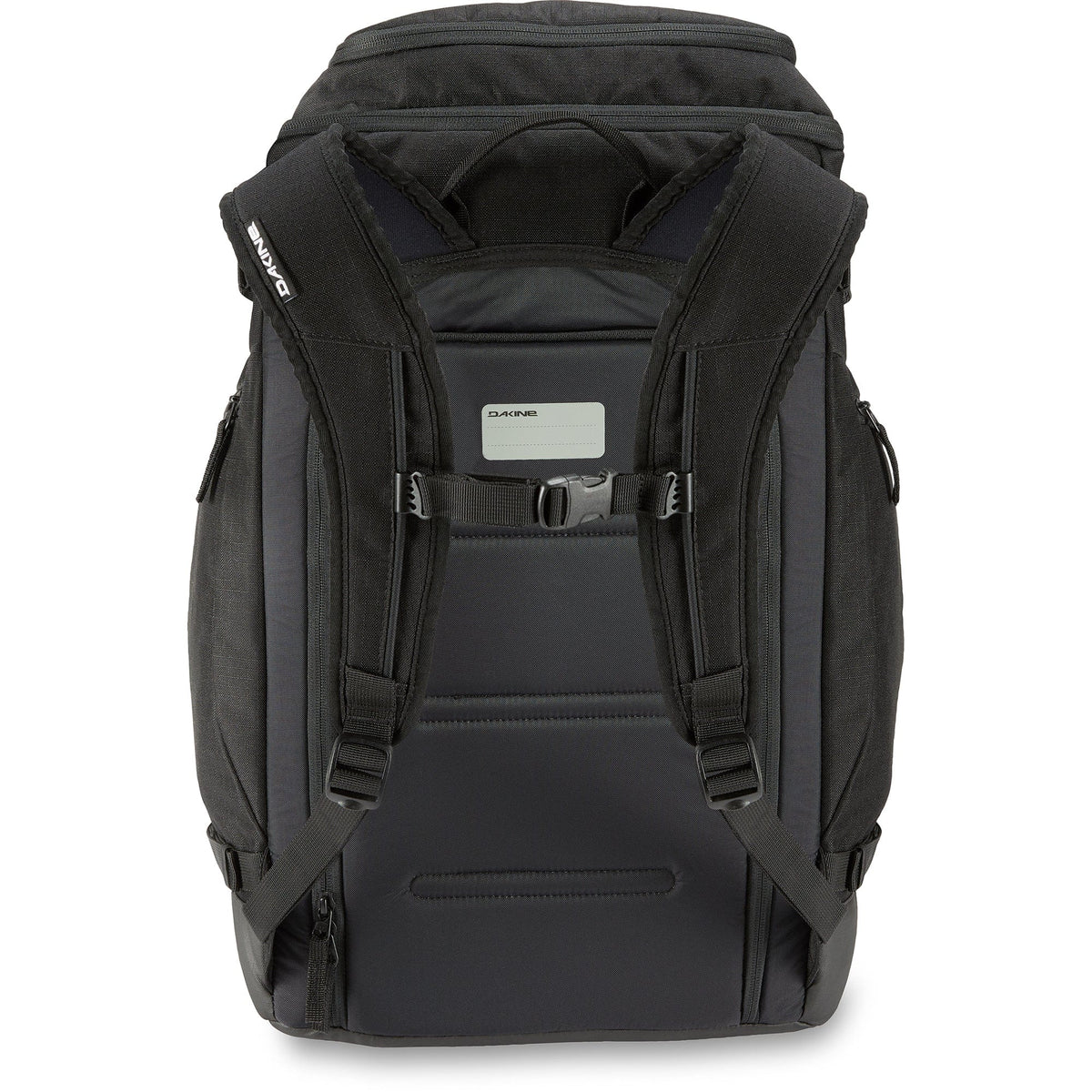
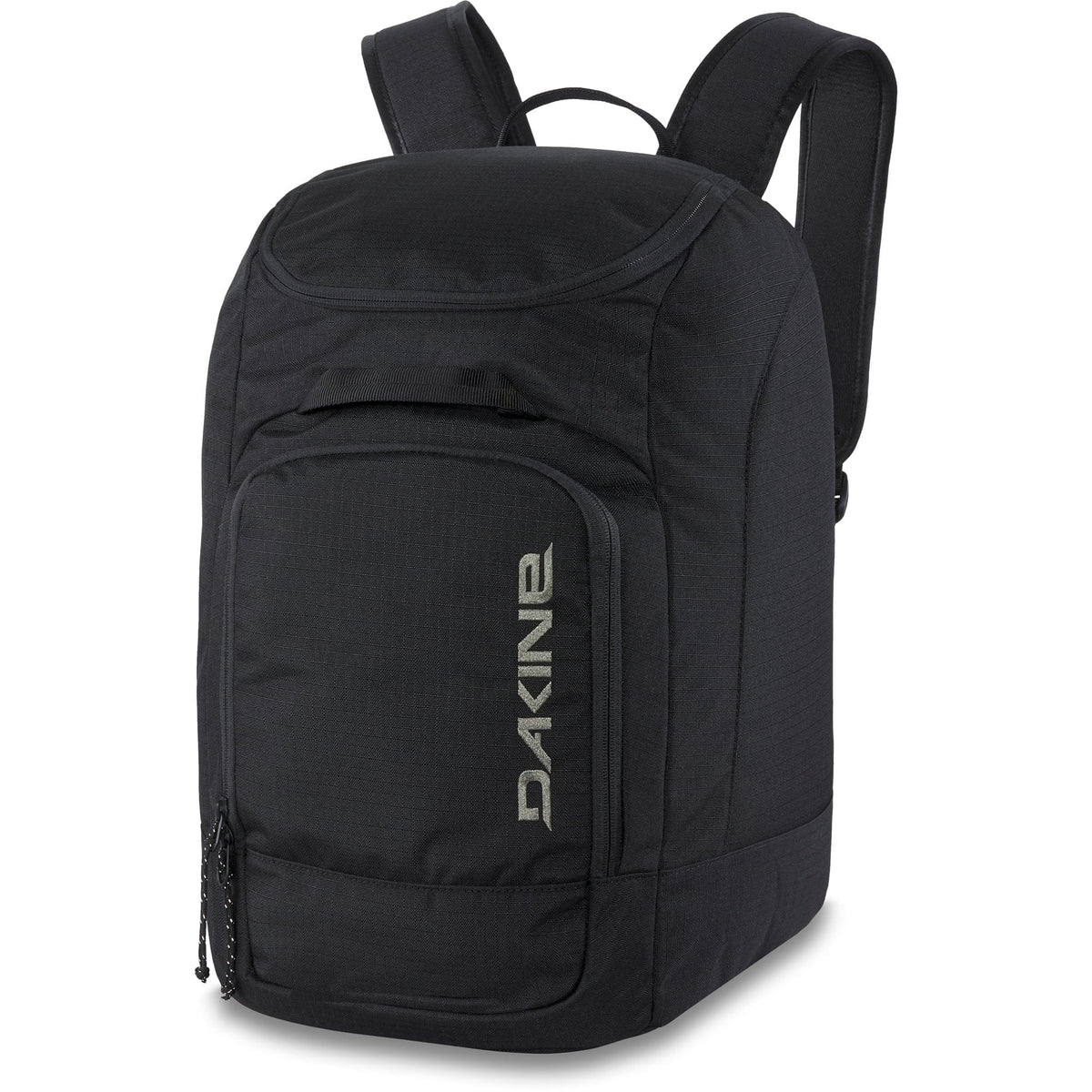
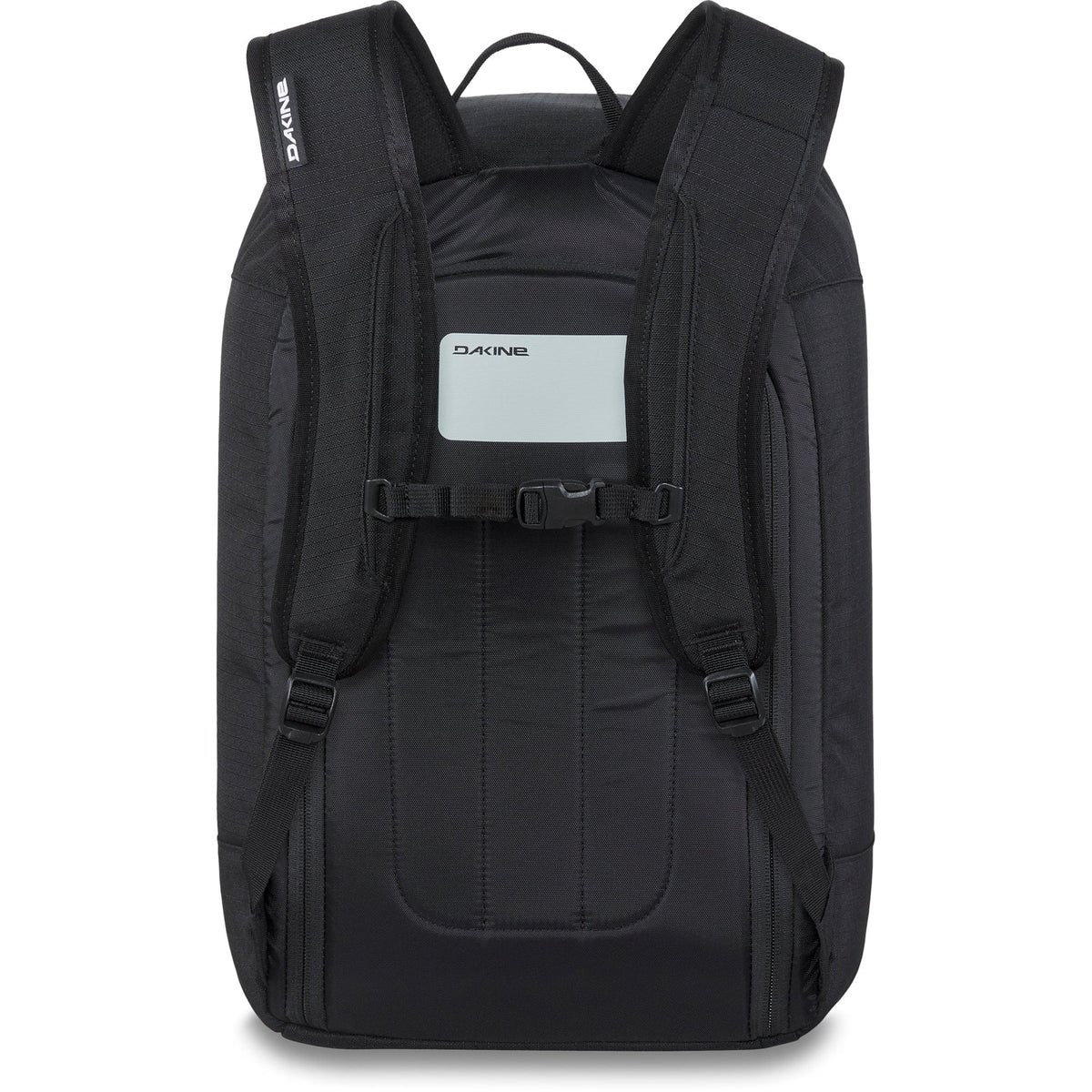
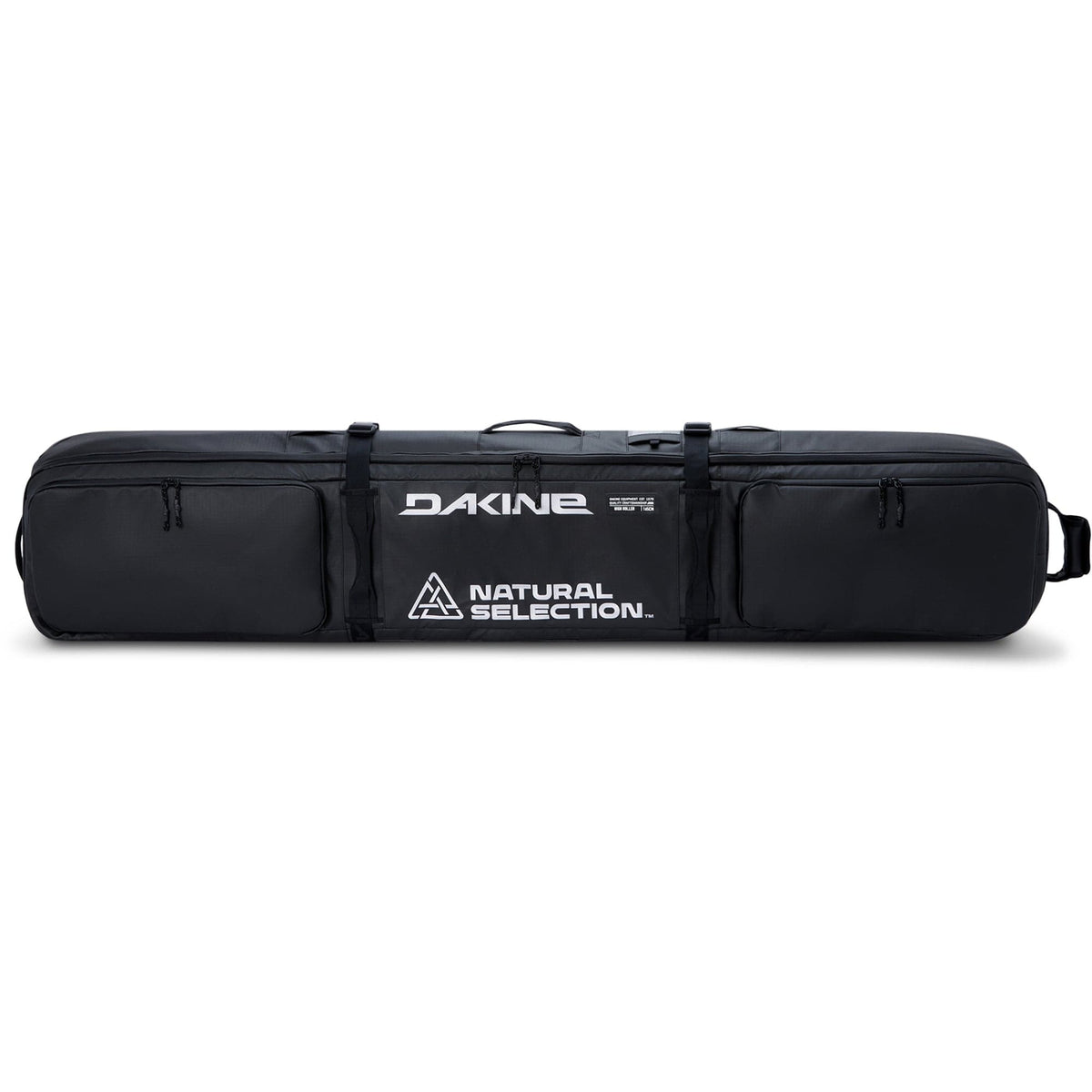
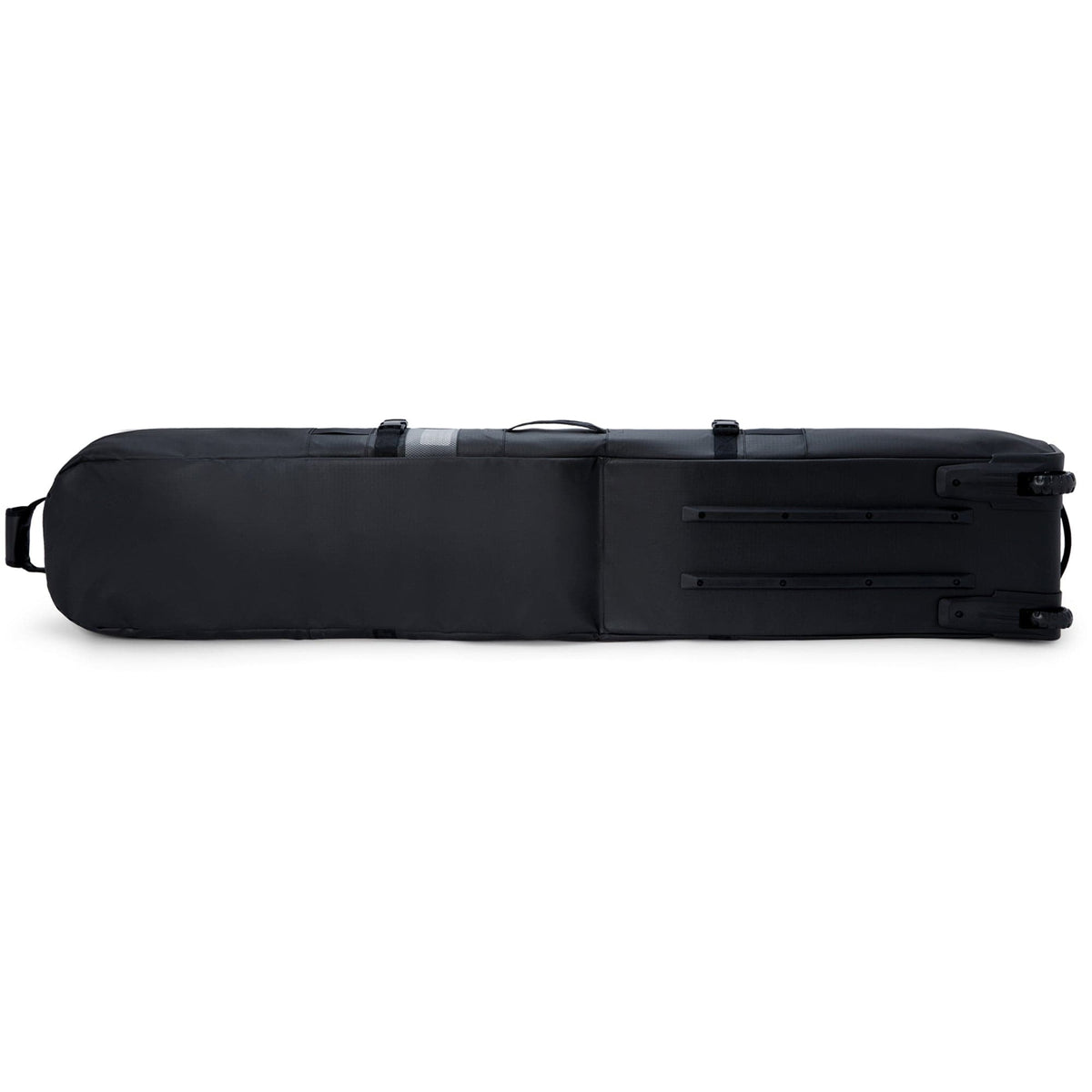
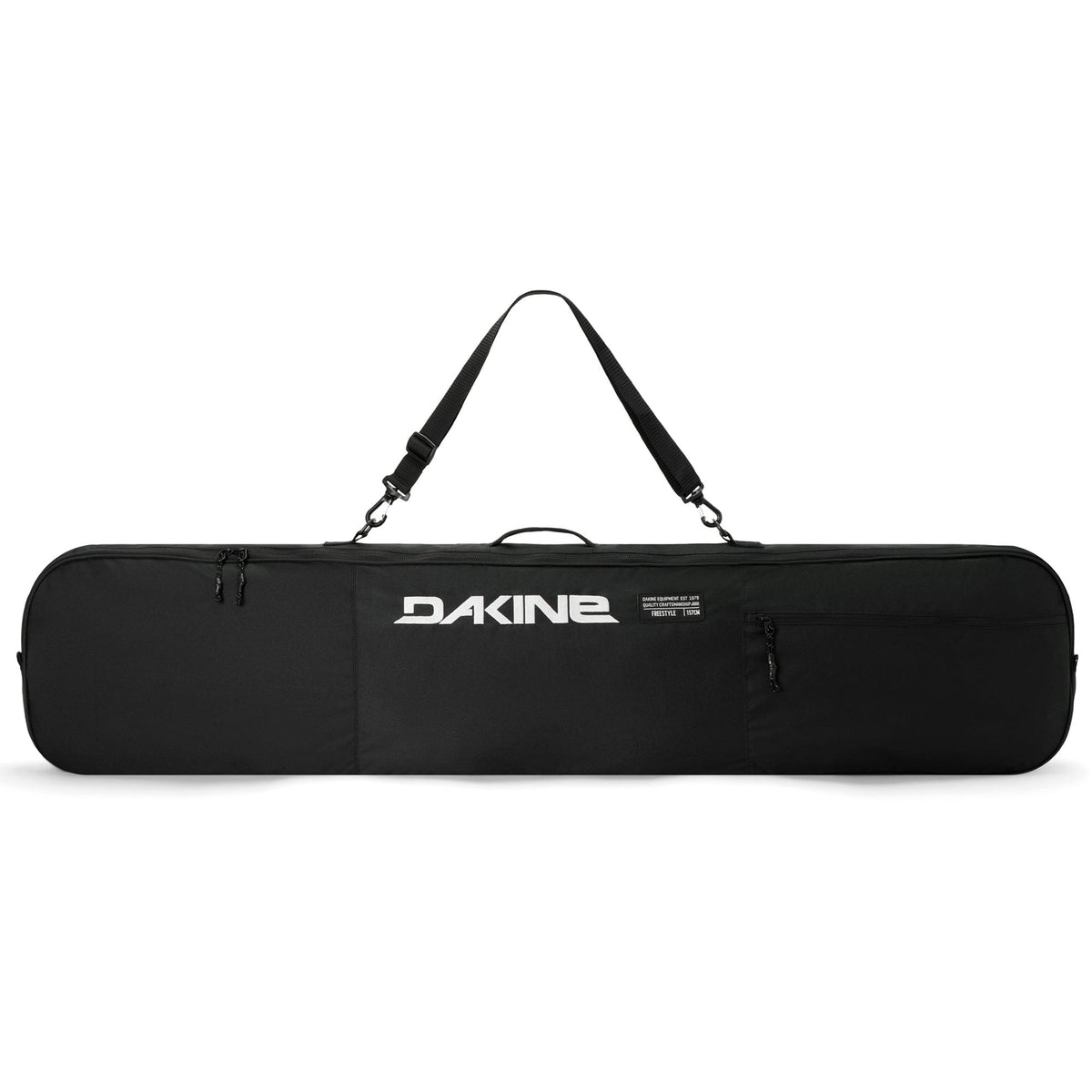
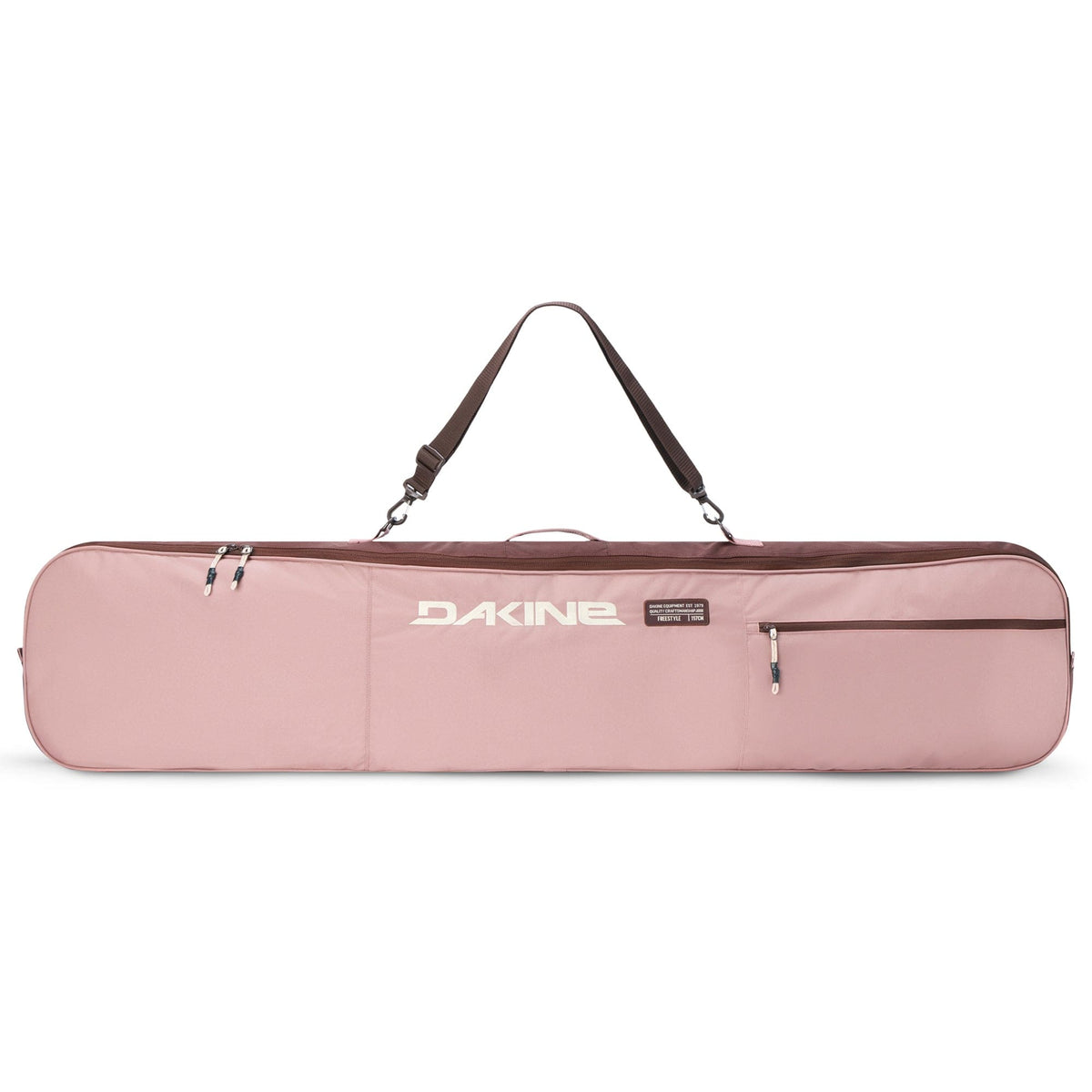
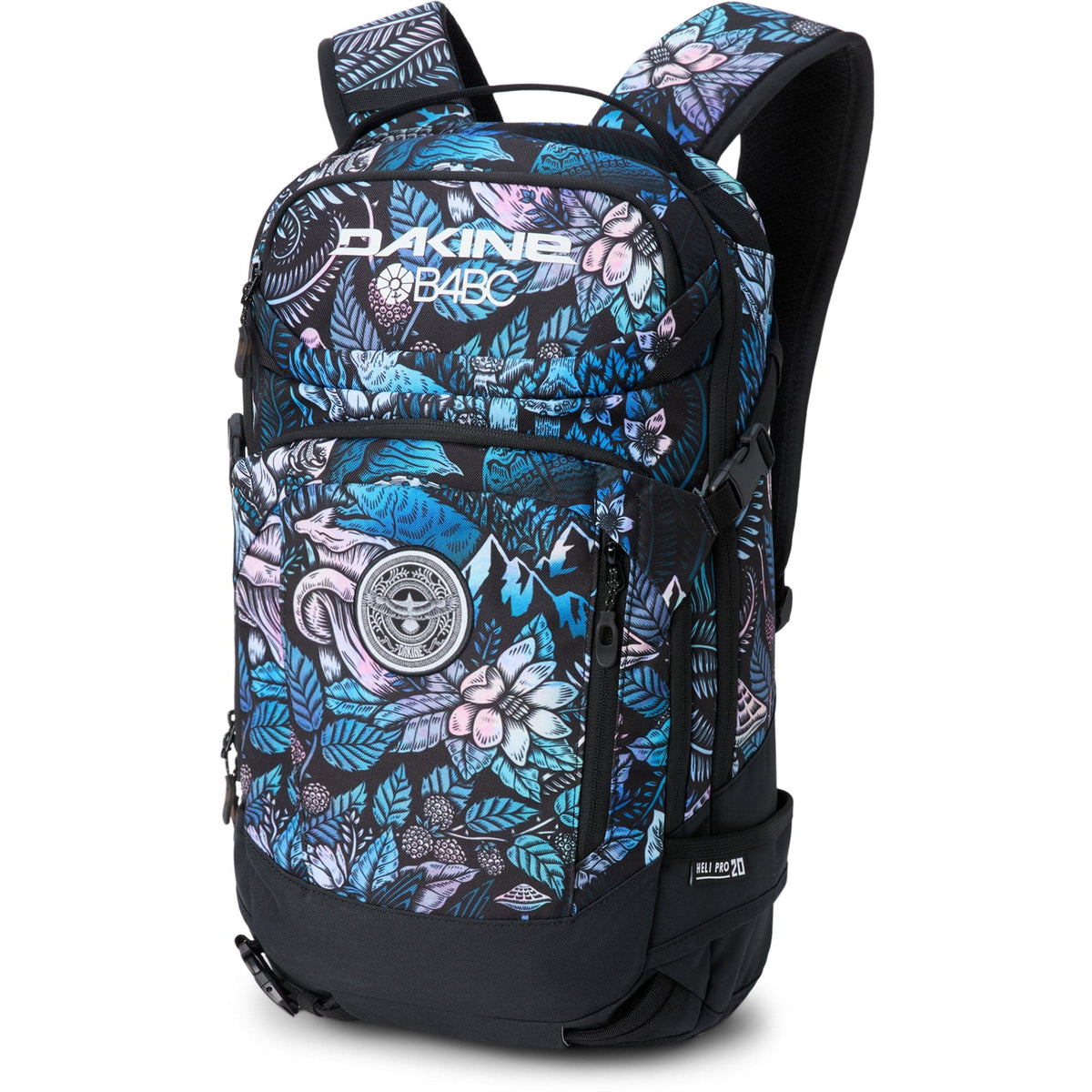
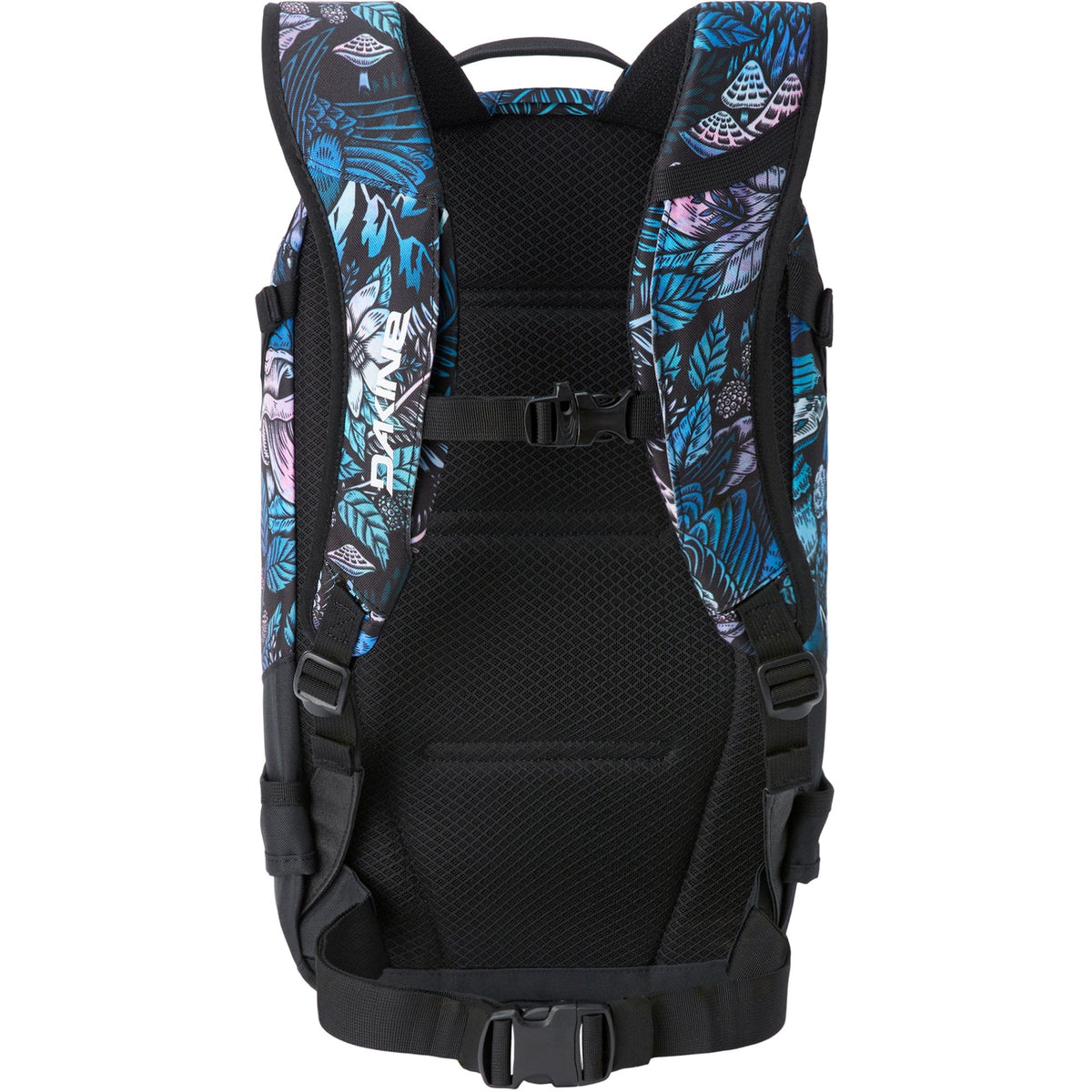
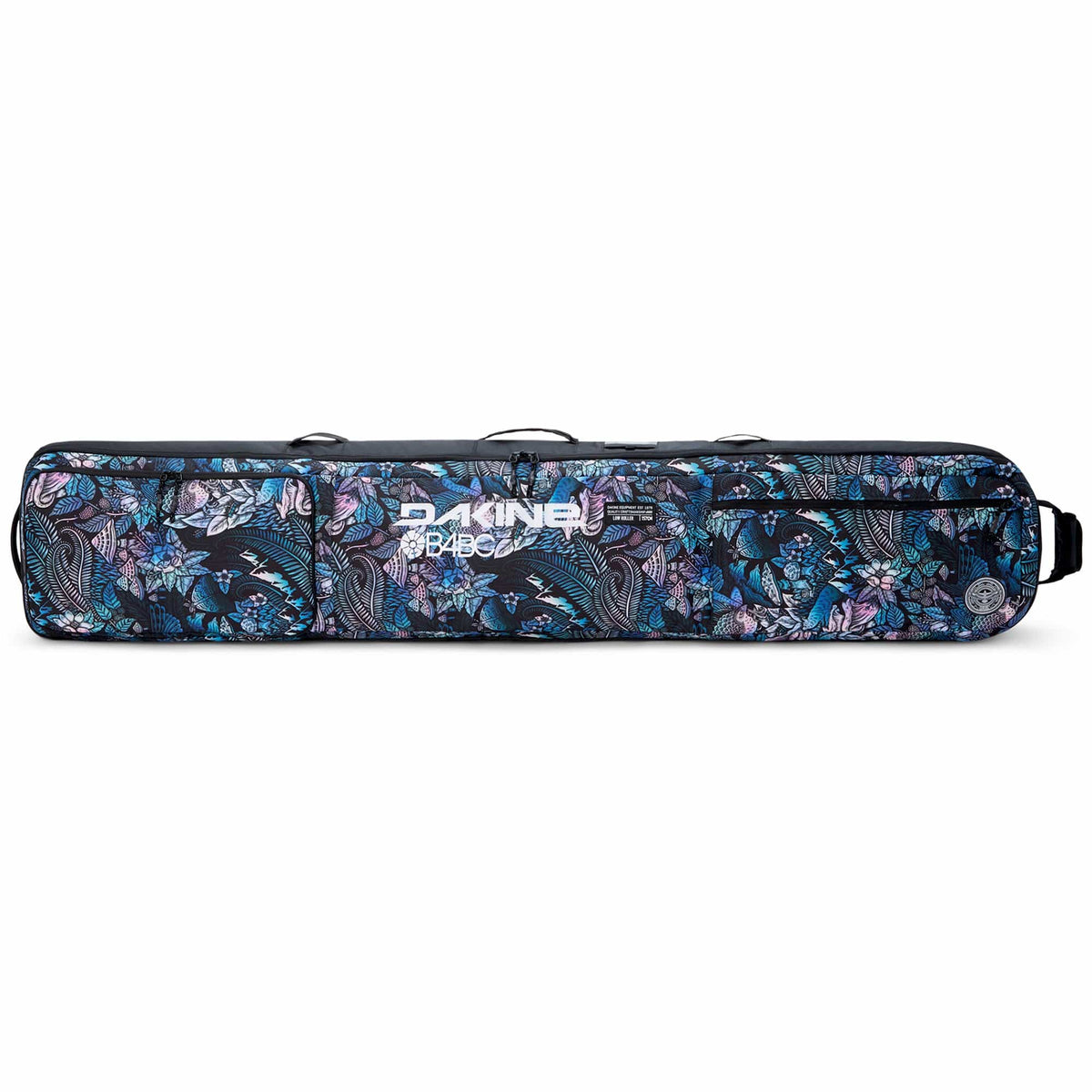
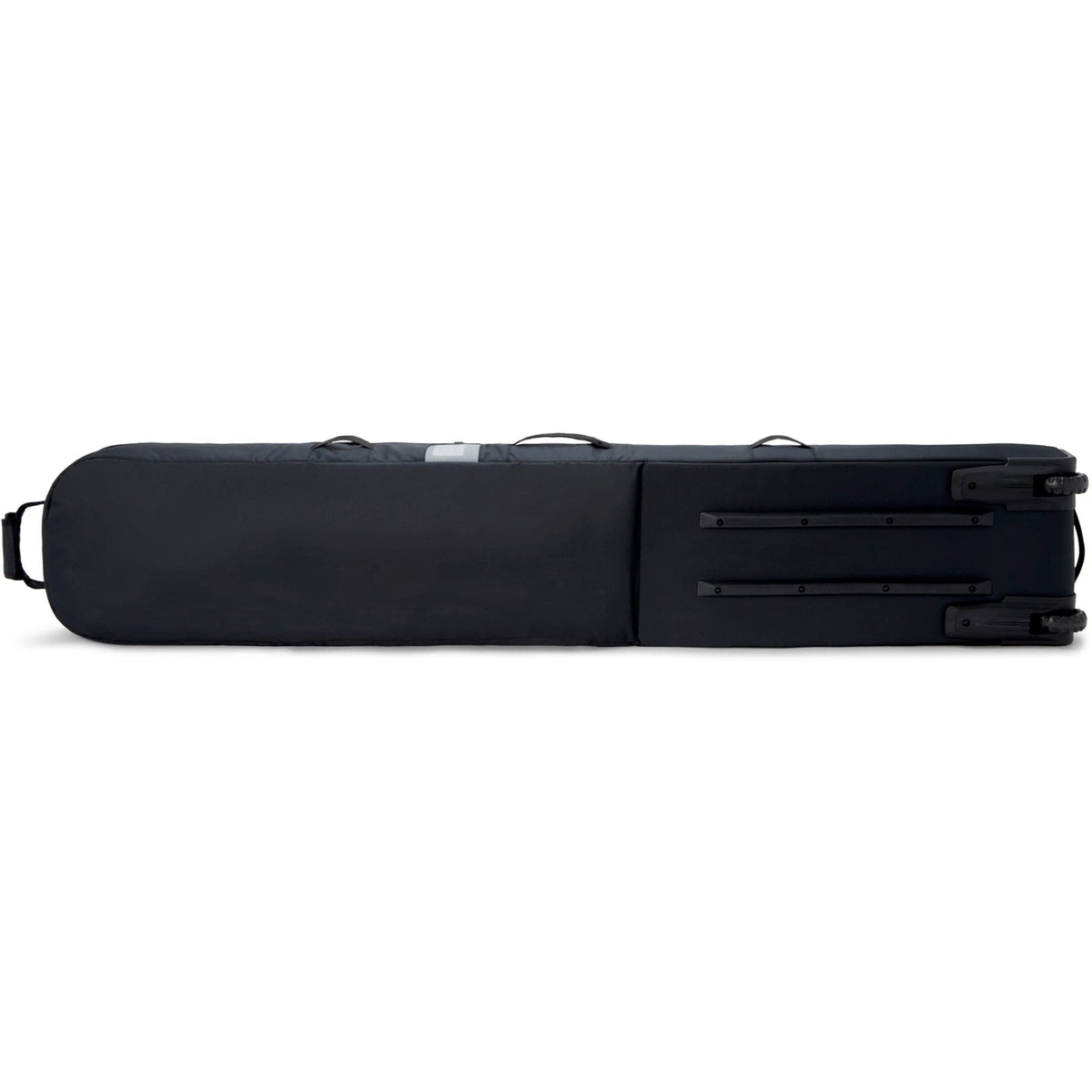
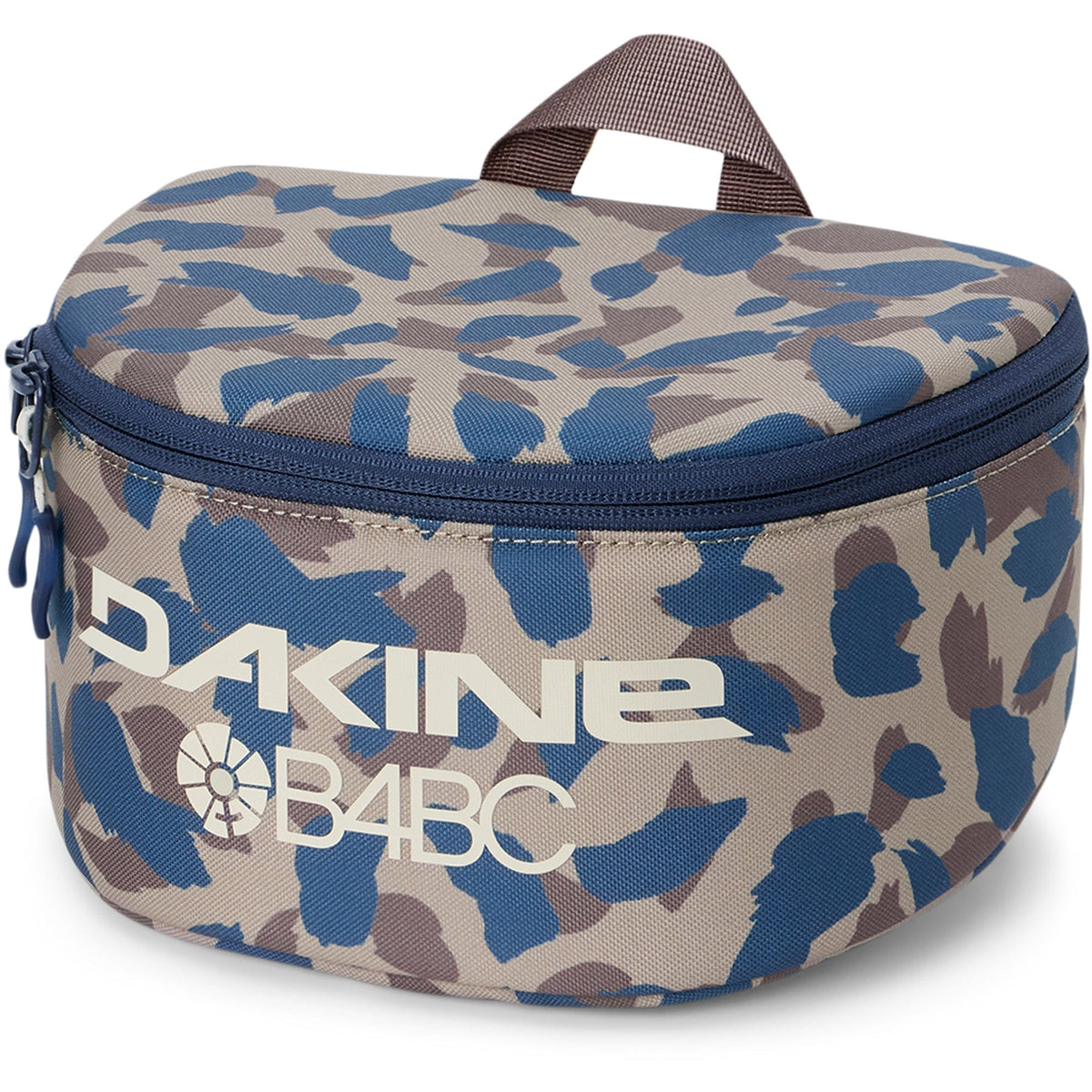
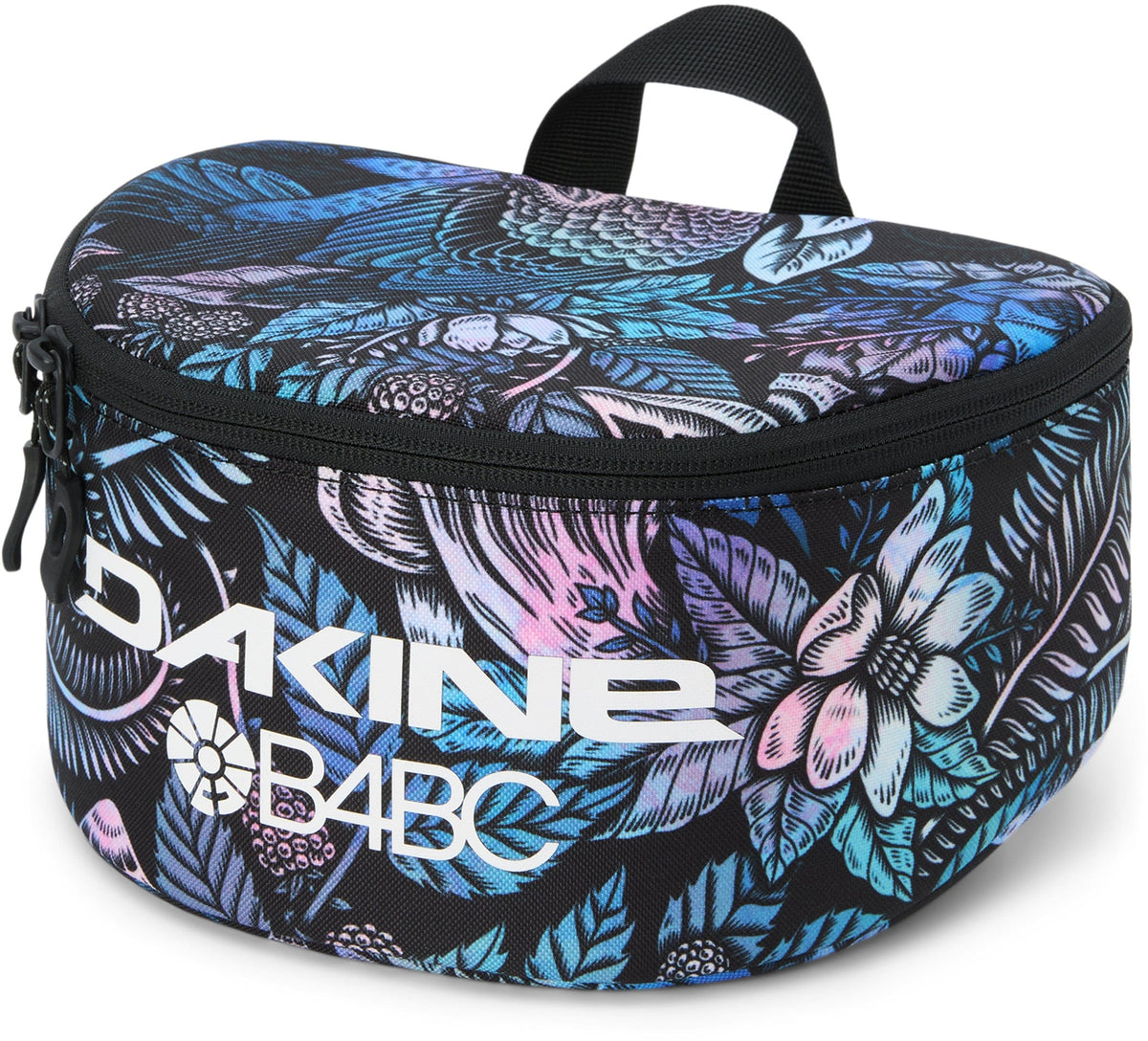
Getting your kit to the mountain in one piece is half the battle, and the right bag makes it easy. Dakine has built its name on hard-wearing travel and snow luggage, and this range covers everything from padded board bags to wheeled travel cases, boot bags, and goggle protection. Good bags protect an expensive setup, keep your gear organised, and save a lot of stress at the airport.
This collection gathers Dakine snow bags for boards, boots, and travel. Whether you need a simple padded sleeve for the car, a big wheeled bag for a flight abroad, or a boot bag that doubles as hand luggage, there is an option here to match how and where you travel.
Not sure which bag you need? The guide below explains the types, padding, and sizing. Browse the range below, and explore the wider Dakine range for more travel gear.
Why a Dedicated Snow Bag?
Boards, skis, and boots take a beating in transit, especially on flights and long drives. A proper snow bag protects edges, bases, and bindings from knocks, keeps sharp edges away from your other gear, and stops everything sliding around. It also keeps wet, dirty kit contained so it does not ruin the rest of your luggage. For anyone travelling with their own setup, a good bag quickly pays for itself.
Types of Snow Bag
- Board bags and sleeves: lightweight protection for local trips and the car, keeping edges and bases safe
- Wheeled roller bags: padded travel bags with wheels for airports and long journeys, often fitting a board or skis plus extra kit
- Boot bags: dedicated storage for boots, helmet, and layers, many designed to carry on your back
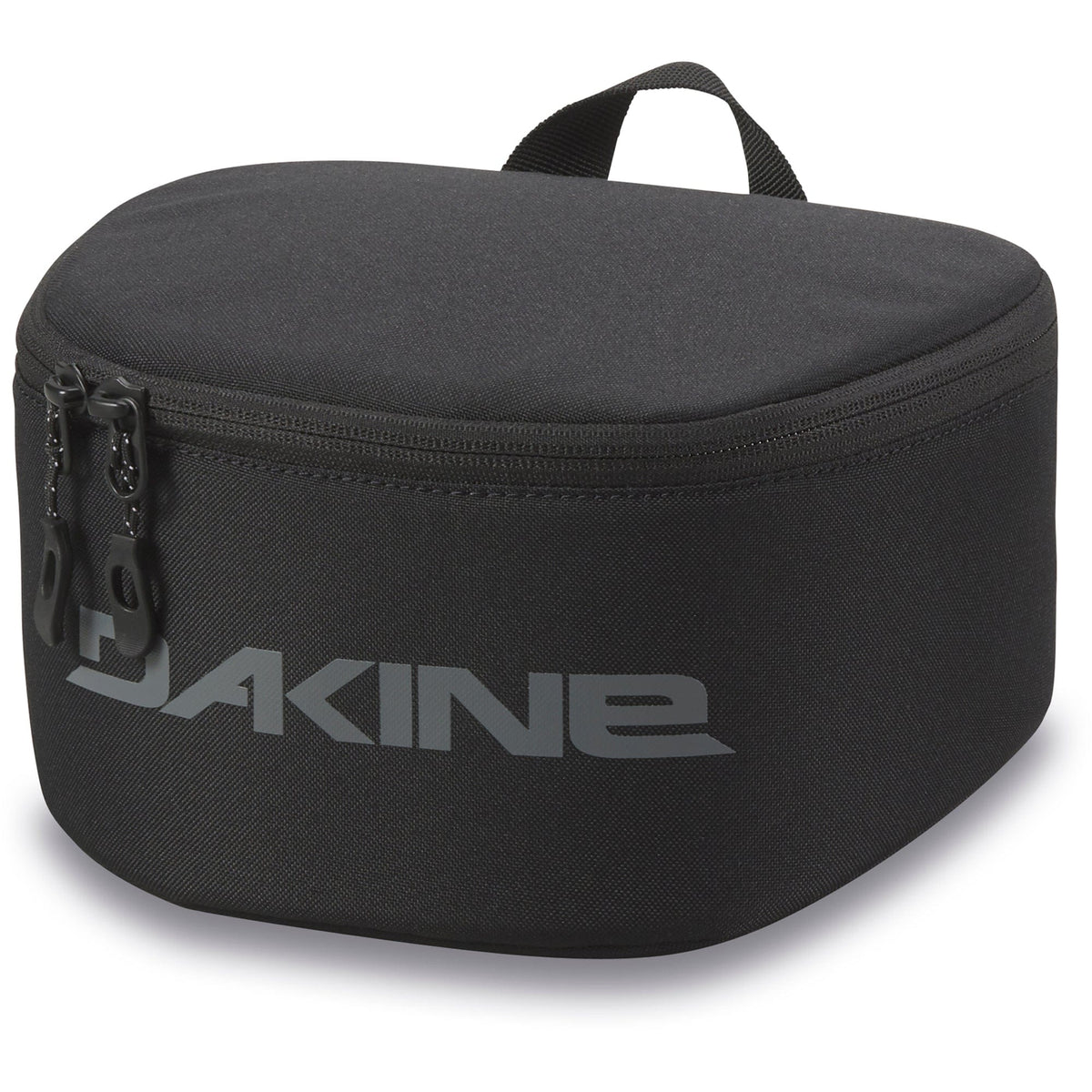
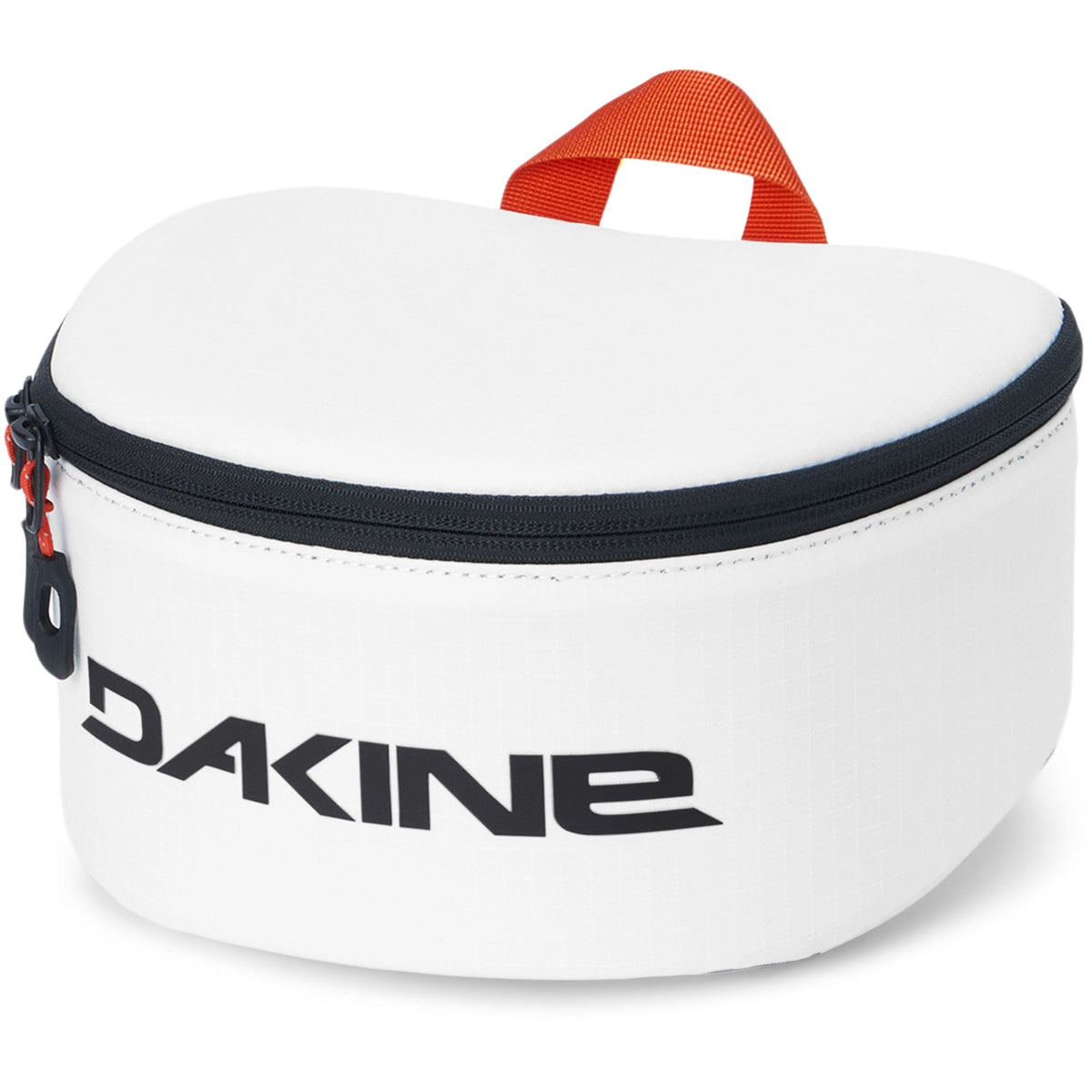
- Goggle cases and stashes: hard or padded protection to keep lenses scratch free
Many riders own a padded board bag for everyday use and a larger wheeled bag for flights.
Padded or Unpadded?
Unpadded sleeves are light, cheap, and fine for short car journeys where the board is not being thrown around. Padded bags add foam protection that absorbs knocks, which is essential for flights and rough handling. If you fly with your gear, choose a well-padded bag, as airline baggage handling is where most damage happens. For local use only, a simpler sleeve may be all you need.
Wheeled or Not?
Wheels make a big difference when you are moving heavy, loaded luggage through an airport or station. A wheeled roller bag lets you load it up with a board, boots, and clothing and simply pull it along. Non-wheeled bags are lighter and cheaper, and are better for short trips or when you will not be carrying the bag far. Think about your typical journey before you choose.
Sizing Your Board Bag
Board bags are sized by length, usually in centimetres, and should comfortably fit your longest board. It is often worth choosing a bag a little longer than your current board, so it still works if you size up in future or want to carry a spare. Some bags are designed to hold more than one board, which is useful if you travel with a quiver or as a group. Check the stated capacity before buying.
Travelling by Air With Your Gear
For flights, a padded wheeled bag is the safest choice. Pack soft items like clothing around the board or skis for extra protection, and loosen or remove bindings if advised. Check your airline's sports equipment policy and weight limits in advance, as oversize and overweight charges can be steep. A well-chosen bag that spreads your gear sensibly can help you stay within limits.
Boot Bags and Backpacks
A boot bag keeps your boots, helmet, goggles, and layers together and protected, and many are designed to be carried as a backpack. This makes them ideal as hand luggage, keeping your most important and hard-to-replace items with you on a flight. Look for ventilation to help damp boots dry, and compartments that keep sharp or wet items away from the rest.
Protecting Goggles and Accessories
Goggles are easily scratched, so a padded goggle case or stash is a small investment that protects an expensive lens. Keeping goggles in a dedicated case inside your boot bag stops them being crushed or scratched by other gear. The same thinking applies to tools, wax, and spares, which are best kept in their own pocket or pouch.
Caring for Your Bag
- Empty and air the bag after each trip, especially if kit went in wet
- Wipe down the inside to remove grit and salt
- Check zips and wheels, and keep them clean so they run smoothly
- Store empty and dry, out of direct sunlight
A little care keeps zips, wheels, and fabric in good shape for many seasons of travel.
How Much Do Dakine Snow Bags Cost?
Prices depend on size, padding, and features. Simple sleeves and small goggle cases are the most affordable, boot bags sit in the middle, and large padded wheeled travel bags cost the most, reflecting the protection and capacity they offer. For frequent flyers a quality wheeled bag is well worth the outlay, while occasional users may be happy with a padded sleeve.
Why Buy Your Dakine Snow Bags from Surface2Air Sports?
We have supplied snowboarders and skiers since 2002, with a shop in Poole and a full range online.
- Board bags, wheeled travel bags, boot bags, and goggle cases
- Options for local trips and for flying abroad
- Durable, well-designed Dakine luggage
- Honest advice on padding and sizing
- Help choosing a bag to fit your board and travel plans
Whether you drive to the dry slope or fly to the Alps, we can help you protect your kit. Explore our snowboards range, or browse luggage for more travel bags.
Frequently Asked Questions About Dakine Snow Bags
What size board bag do I need?
Choose a bag that comfortably fits your longest board, measured in centimetres. Sizing up slightly gives room for a future board or a spare.
Do I need a padded bag for flying?
Yes. Airline handling is where most damage happens, so a well-padded bag is strongly recommended if you fly with your board or skis.
Should I get a wheeled bag?
Wheels help a lot when moving heavy luggage through airports and stations. For short trips or light loads, a non-wheeled bag is lighter and cheaper.
Can a boot bag be hand luggage?
Many boot bags are designed to be worn as a backpack and carried on, which keeps your boots and goggles safe with you. Check your airline's size limits.
How do I protect my goggles in transit?
Use a padded goggle case or stash and keep it inside your boot bag, away from other gear, to prevent scratches and crushing.
How do I look after my bag?
Air it after each trip, wipe out grit and salt, keep zips and wheels clean, and store it empty and dry out of direct sunlight.
Let customers speak for us
When ordered item was not in stock but when it has arrived the team kept me filled in with when it would arrive and it did promptly! Would use again

Rapid delivery!!

Great job well dun thanks for your help with the purchase..

The bag is sturdy, spacious and water proofed on the inside. In addition, it can be worn as a backpack but it also comes with a strap for putting over a shoulder as a bag. I am happy with the purchase.

My first order of gummy straps never arrived so I contacted S2AS and they were very apologetic as Royal Mail had lost my parcel. They immediately sent out a second sets of straps which arrived the following day.
The customer service I recieved was exceptional and I would highly recommend this company for their swift response. I will definitely order with them again.

the whole exercise

item as dscribed, looks fantastic

As described and looks fantastic. thank you
My first board and binding set up after using hire equipment for over a year. These will take some getting used to but step in and strap is a vast improvement. Large to size 12UK looks like it only just fits across the toe strap.
S2AS are my go to online store for anything Snowboarding related and as they say any query just pick up the phone and speak to Ollie (who sounds a lot like Jamie Lang)

Wait for snow
Loved the service in the shop Ollie was very helpful and a pleasure to deal with. Recommend highly
Kind regards
Matt

2026 Slingshot KTV EverShred Wakeboard Bindings

Exceptionally quick delivery, would definitely recommend buying from this site

Hi my in store experience was fantastic from email to shop with your representative Ollie could not have been more polite & helpful
Once I’ve tried the bourd I will send further feedback
Hope your all well
Kind regards
Matt

We ordered a large amount of items that all arrived safely, we kept everything save two jackets which we ordered wrong, but the team were great, we sent them back and got a refund with no hassle. Will definitely use in the future!

Great graphics, good fit and quality