Sort by

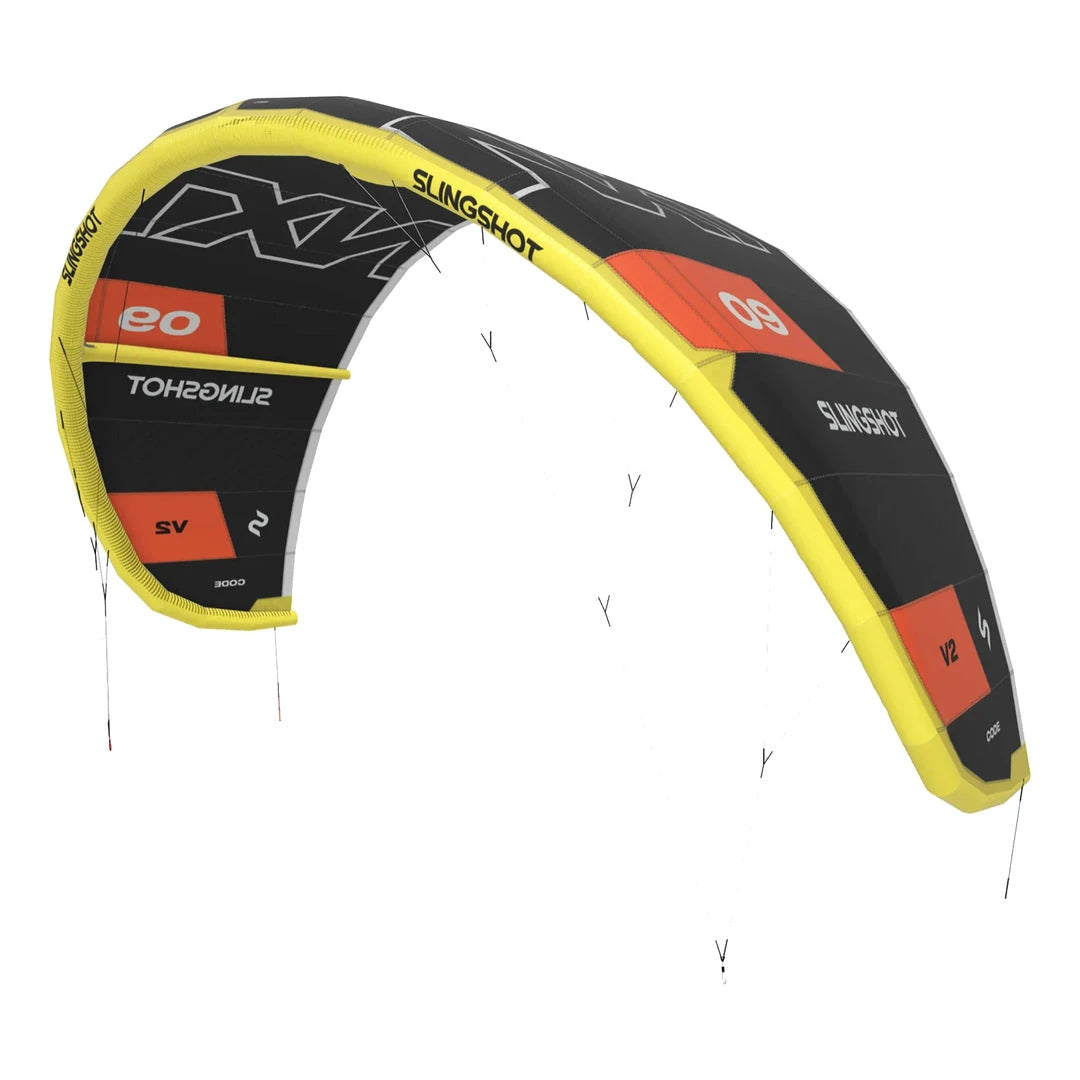


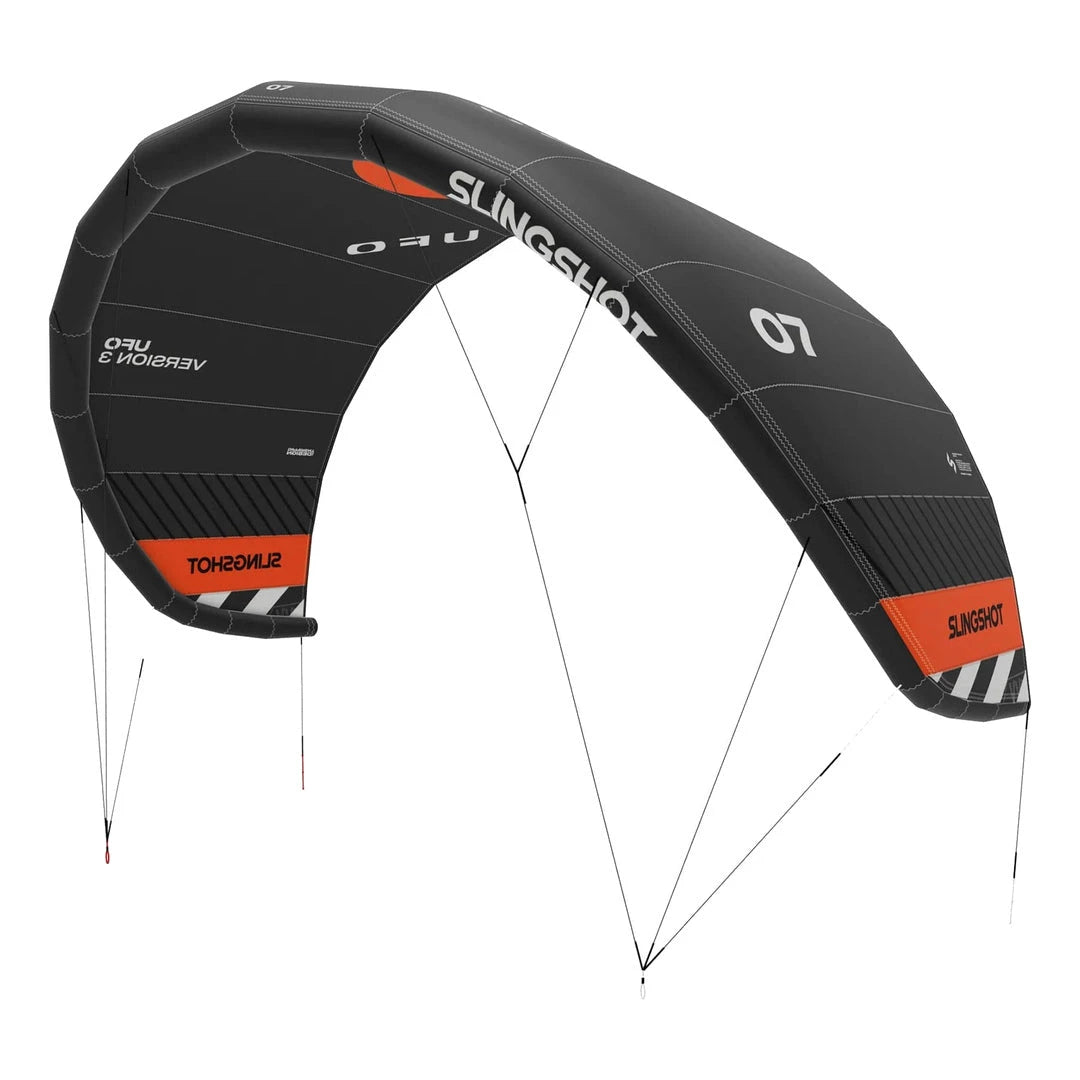


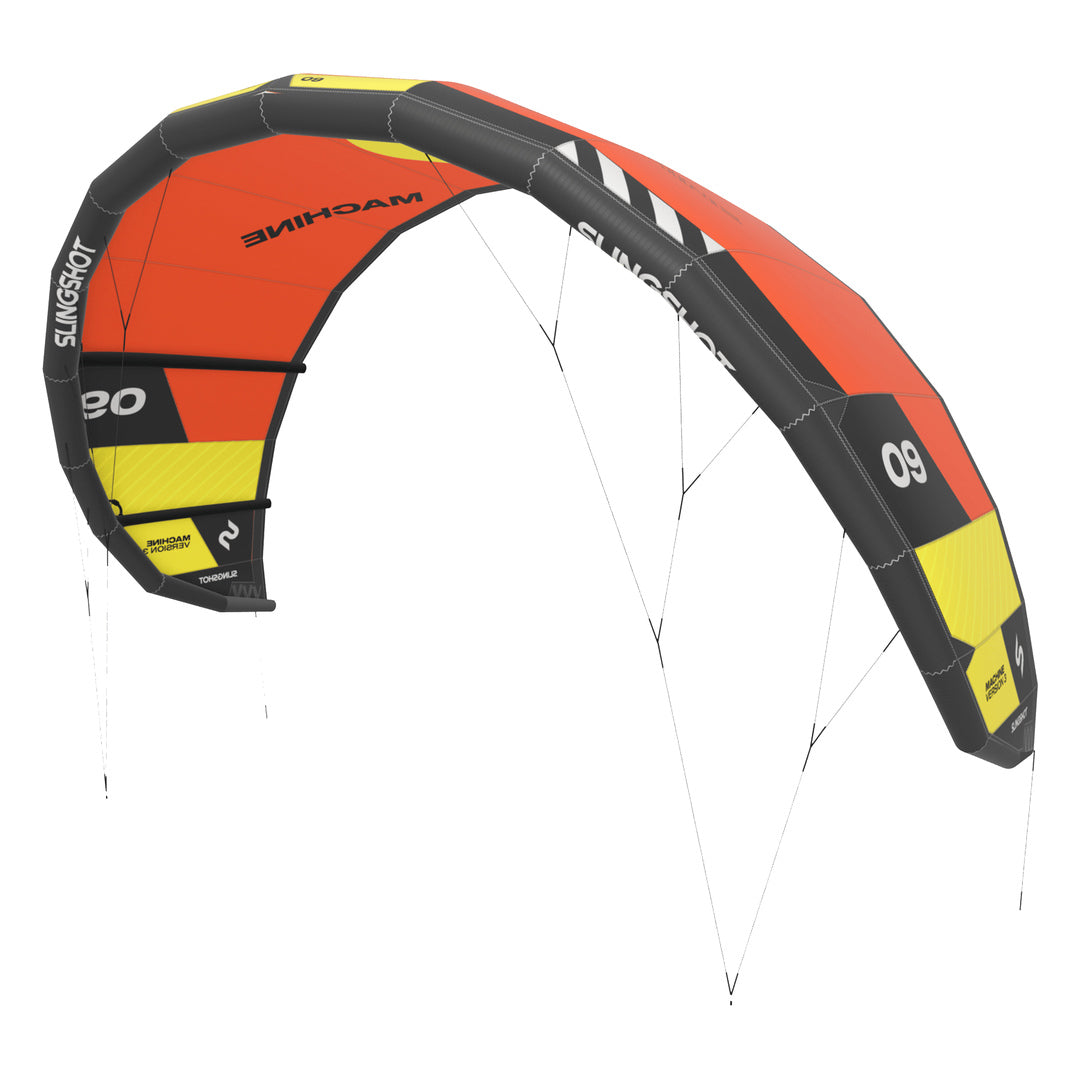
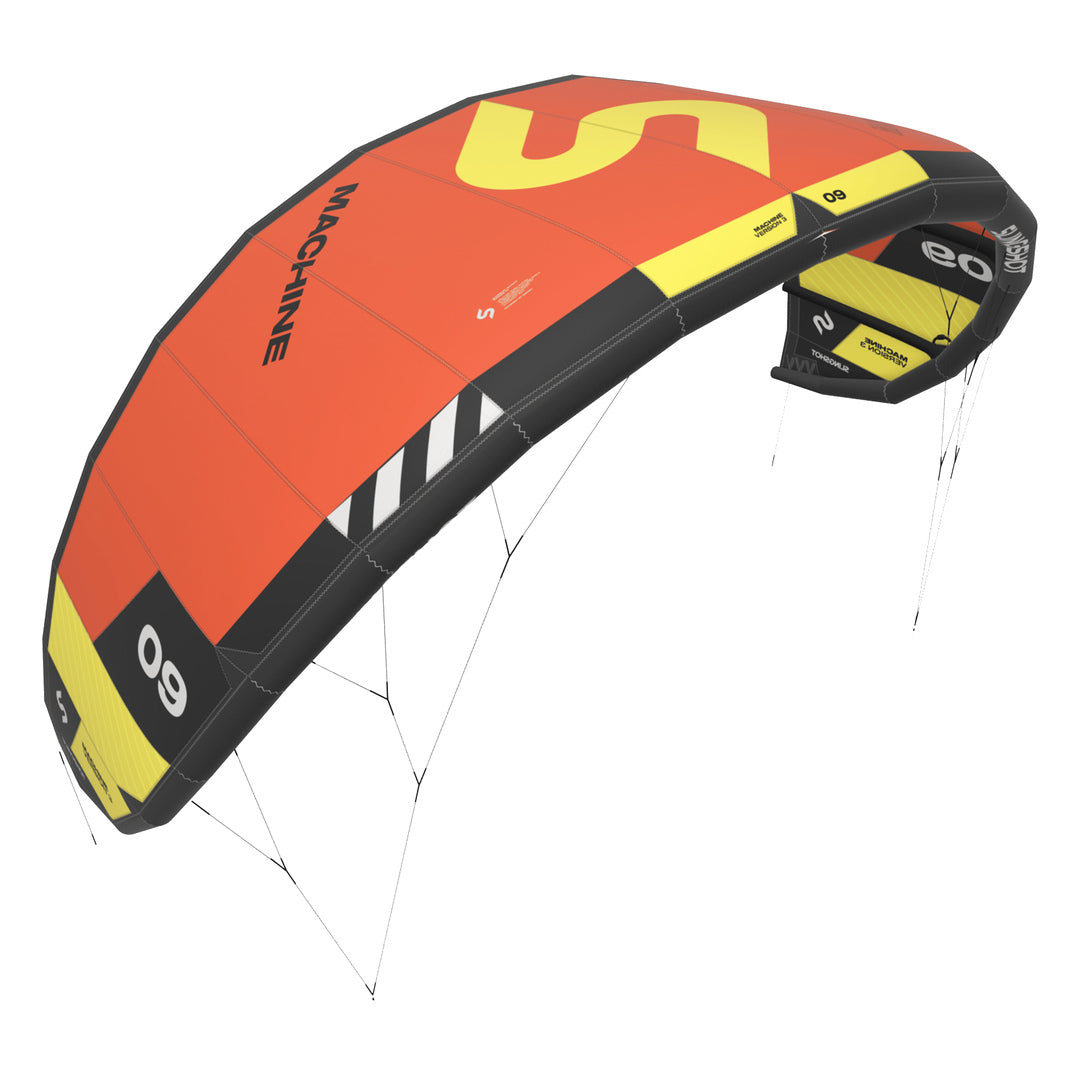
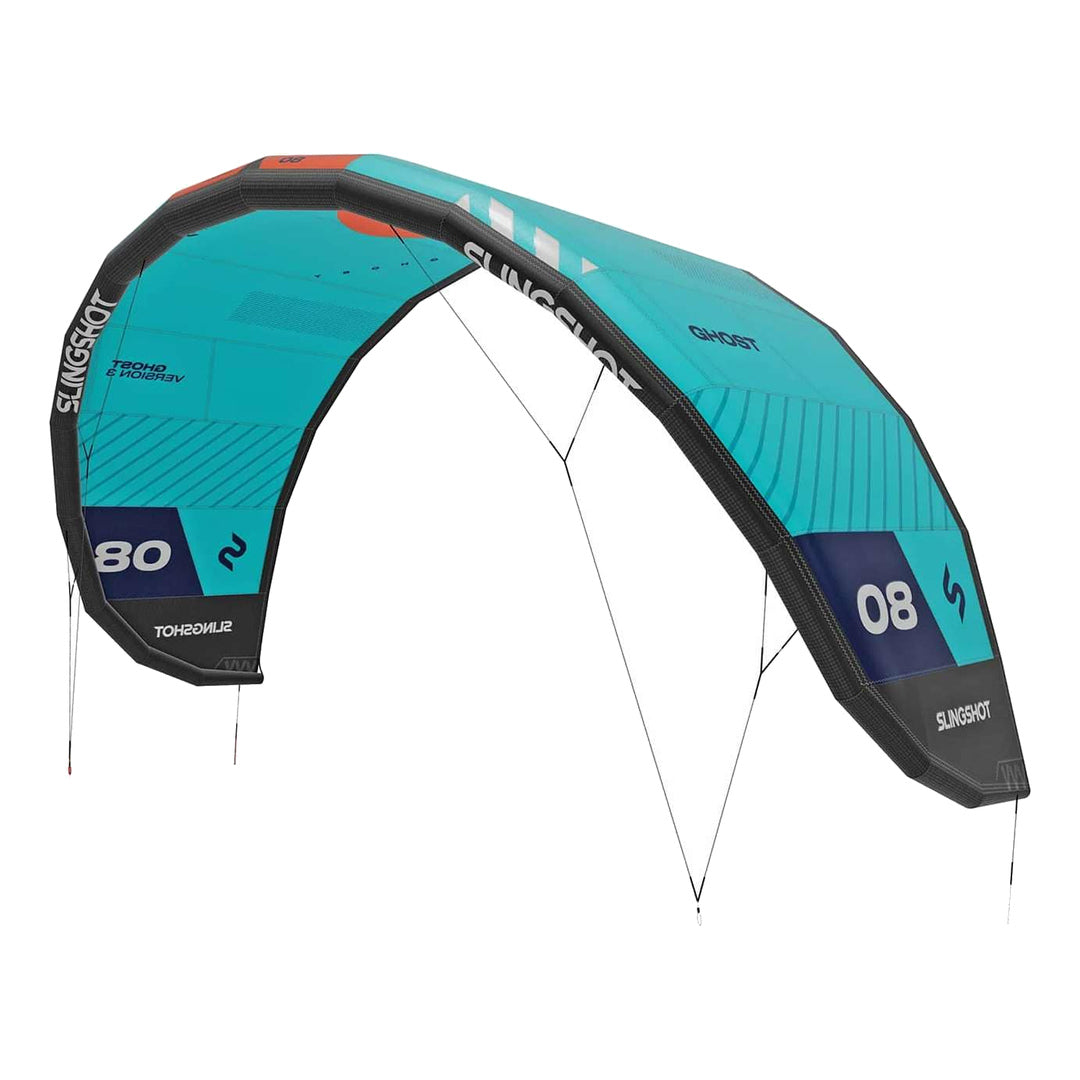
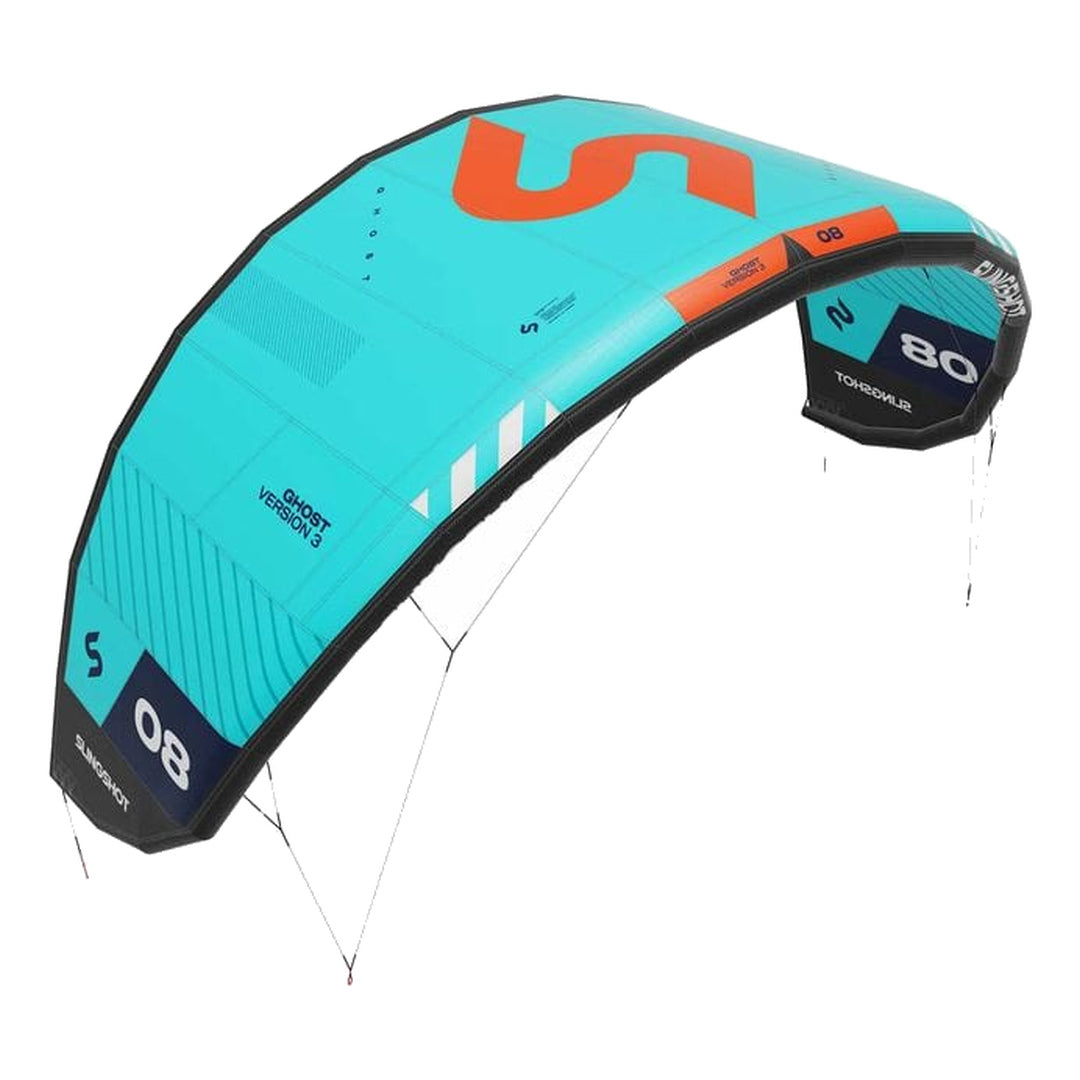
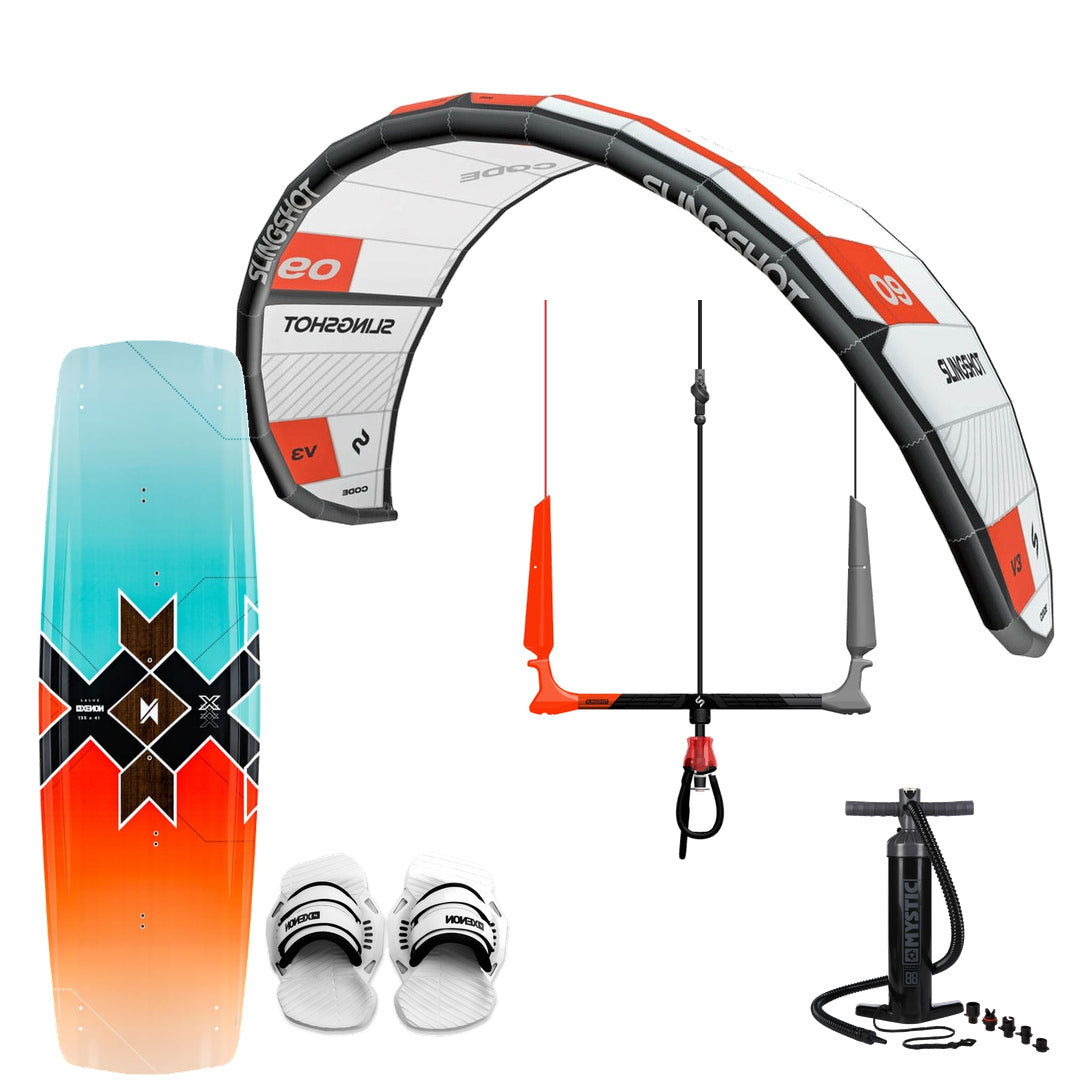
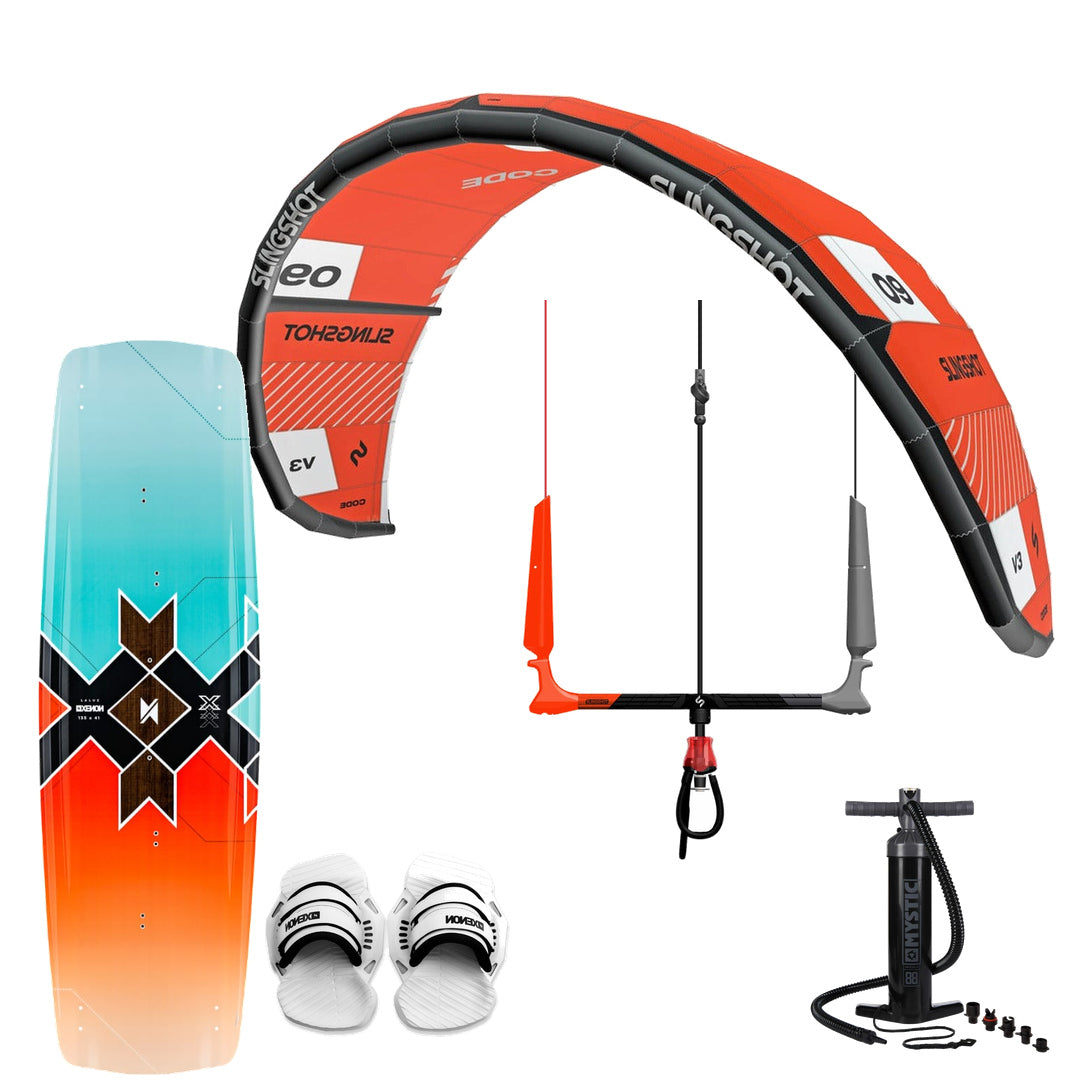
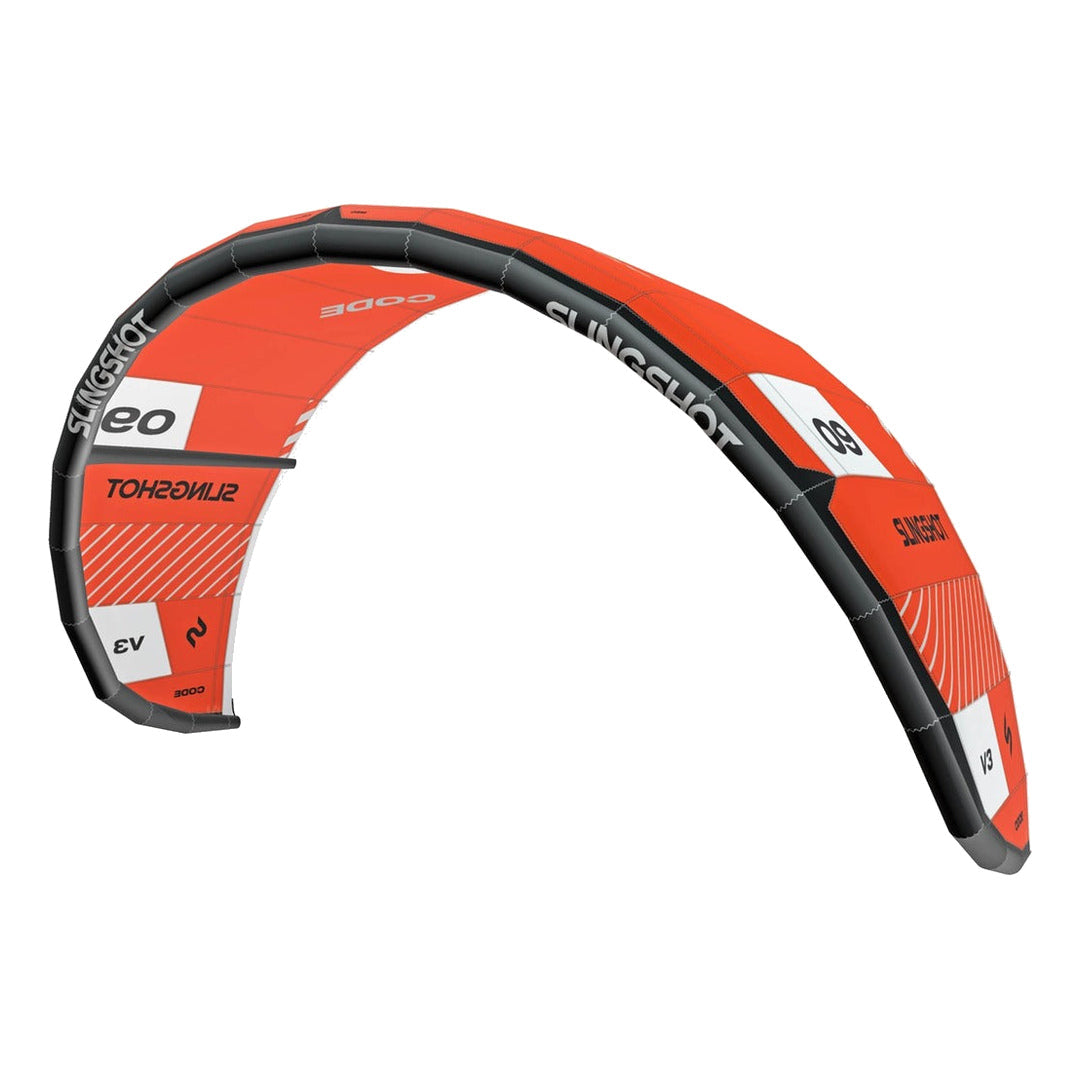
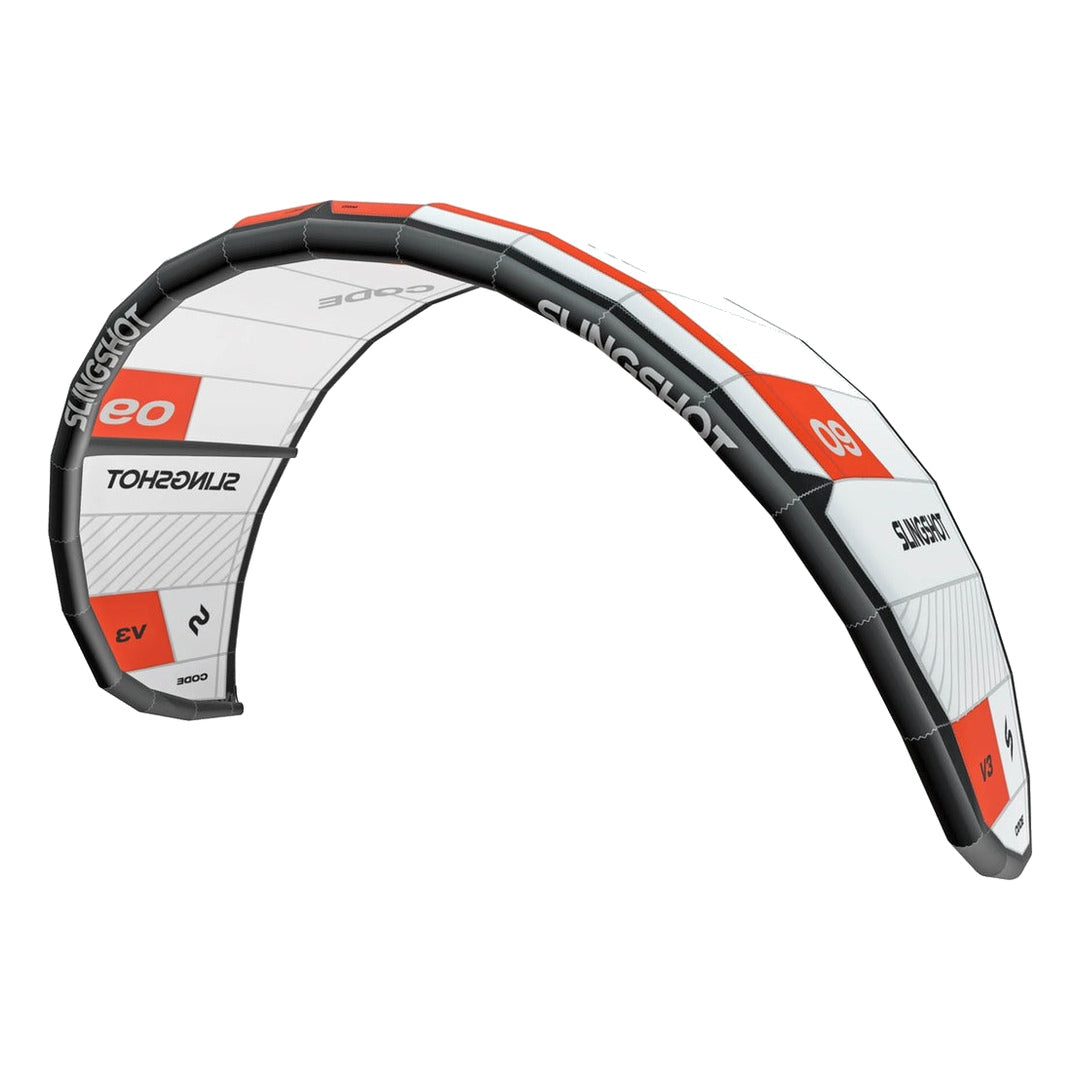
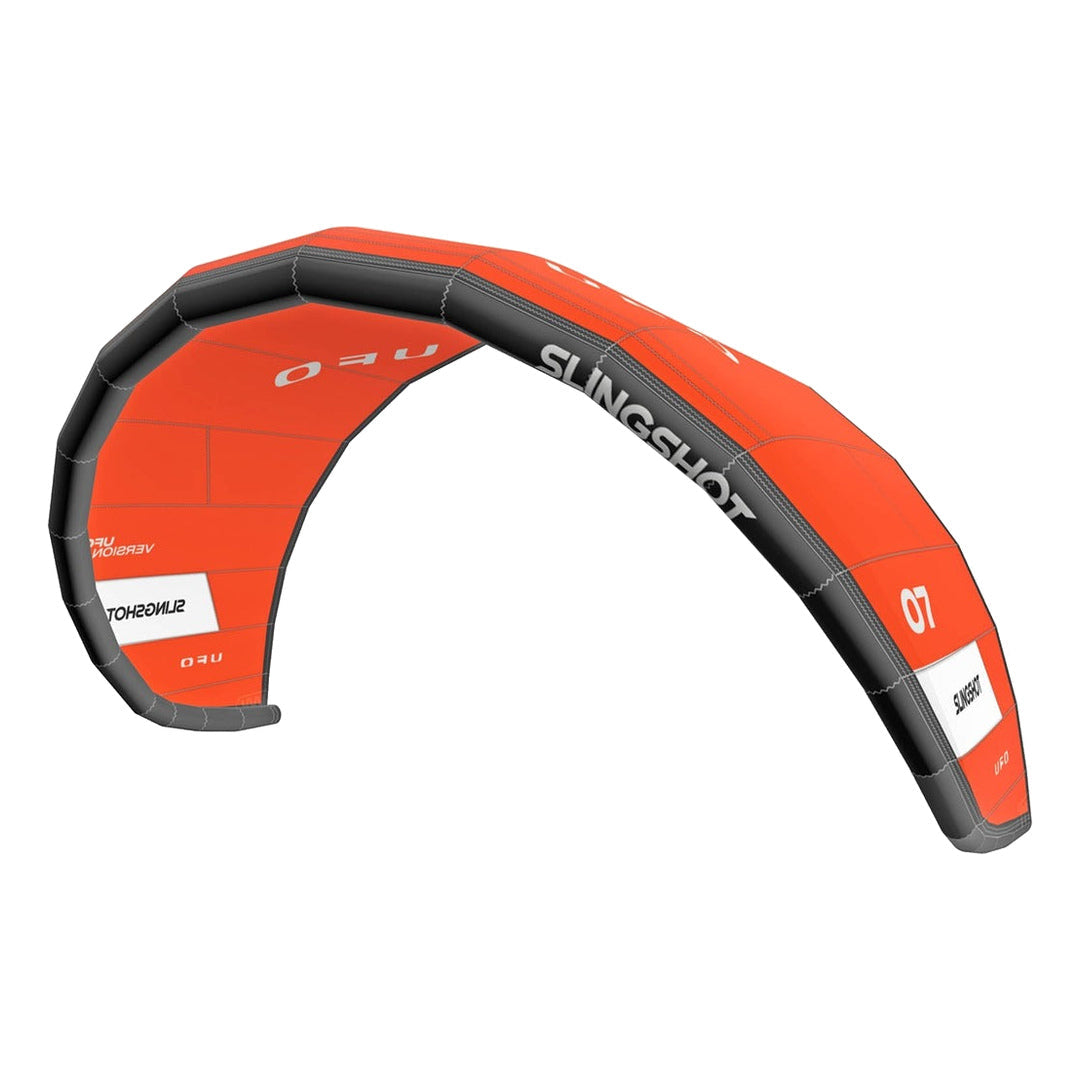

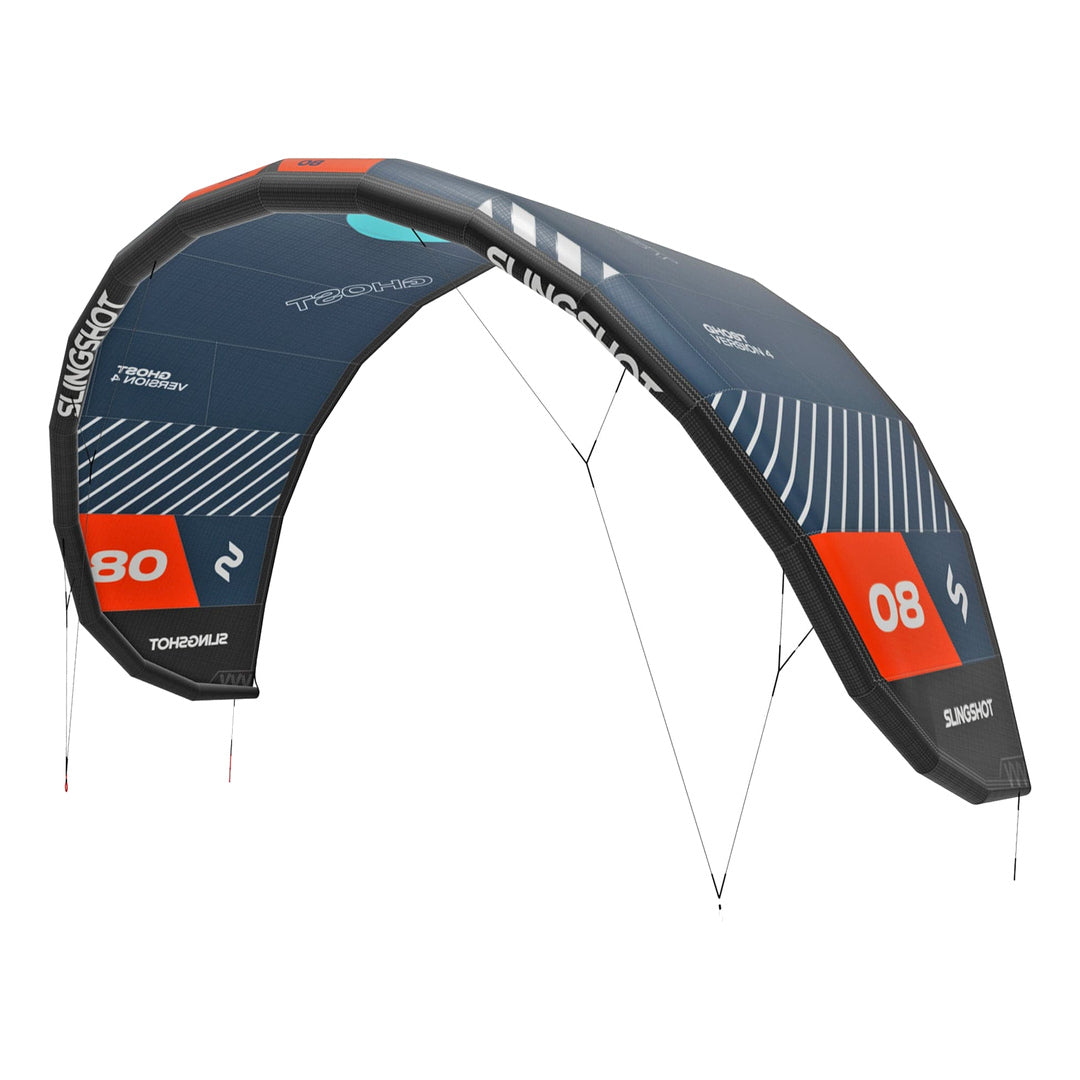
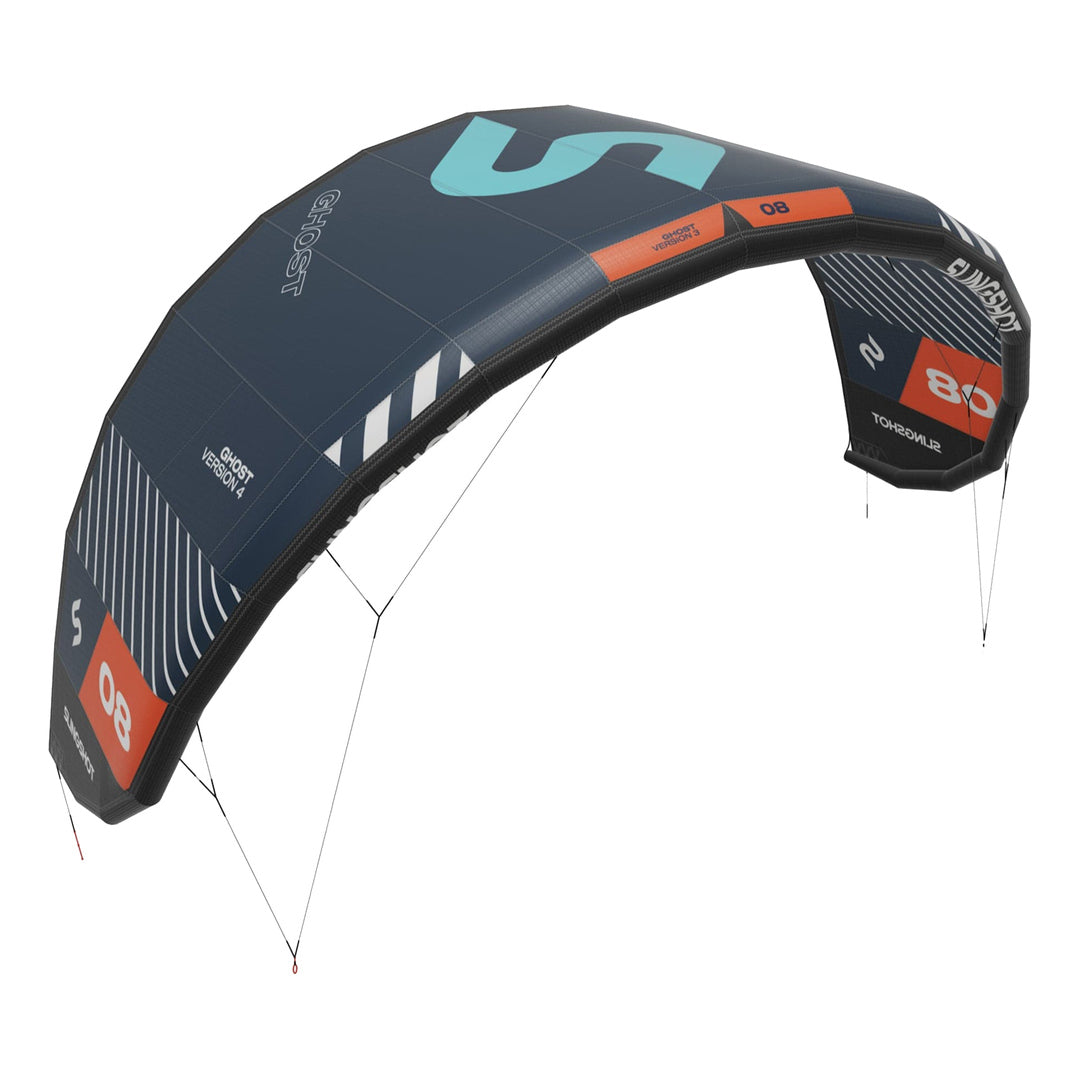
Your kite is the engine of your kitesurfing setup, and the right one makes learning faster and riding more fun. Slingshot have built kites for decades, with a reputation for durable, dependable designs that suit everyone from first timers on a trainer kite to experienced riders chasing big air.
This collection covers Slingshot kitesurfing kites and trainer kites across a range of sizes and styles. Whether you are building your first quiver or adding a specific size for lighter or stronger winds, there is a kite here to match your weight, your level, and your local conditions.
Not sure which size or model to choose? The guide below explains kite sizes, wind ranges, and types, and our team is happy to talk you through it. Browse the range below, or see our wider kitesurfing gear and kiteboards.
How Does a Kitesurfing Kite Work?
A kitesurfing kite catches the wind and generates pull, which you control through a bar and lines connected to a harness. Sheeting the bar in and out adjusts power, while steering the kite through the wind window gives you drive in the direction you want to ride. Learning to fly the kite smoothly is the foundation of the sport, which is why many people start on a small trainer kite on land.
Kite Sizes and Wind Range
Kite size is measured in square metres, and the right size depends on wind strength and your body weight. As a rough guide, bigger kites power up in lighter winds and smaller kites keep you in control when it is stronger.
- Light wind, roughly 12 to 18 knots: larger kites around 10 to 14m
- Medium wind, roughly 18 to 25 knots: mid sizes around 8 to 10m
- Strong wind, roughly 25 knots and up: smaller kites around 6 to 8m
Most riders end up with two or three kites to cover the conditions they ride in. Heavier riders size up, and lighter riders size down.
Types of Kitesurfing Kite
Different kite shapes and designs suit different styles of riding.
- Freeride kites: stable, forgiving, and easy to fly, ideal for progression and all round riding
- Wave and surf kites: quick turning with good drift for riding waves
- Freestyle kites: built for powered tricks and strong, direct pull
- Big air kites: designed for high, lofty jumps and hangtime
- Trainer kites: small two or three line kites for learning kite control safely on land or water
Kite Construction and Features
Kite performance comes down to design details. The number of struts affects stability and weight, with multi strut kites feeling solid and single strut kites lighter and more drifty. Leading edge diameter, canopy material, and bridle setup all influence how a kite flies, relaunches, and holds up over time. A good kite relaunches easily from the water, which matters a lot when you are learning.
How to Choose the Right Slingshot Kite
Start with your local wind. If you mostly ride lighter coastal breezes, a larger freeride kite will get you going sooner. If your spot is often windy, a smaller kite keeps you comfortable. Next, match the kite to your riding goal, whether that is relaxed cruising, wave riding, or boosting jumps. Beginners should prioritise stability and easy relaunch over outright performance.
Learning with a Trainer Kite
If you are new to the sport, a trainer kite is the smartest first purchase. These small kites teach you to read the wind window, steer, and manage power with no risk of being lifted. Time on a trainer kite shortens your learning curve once you move to a full size kite and board. We can point you toward the right trainer size for your conditions.
Bars, Lines, and Safety
Your control bar and lines are as important as the kite itself. Modern bars include quick release safety systems that depower the kite in an instant. Check that your bar is compatible with the kite size and line length you are using, and inspect lines regularly for wear. Always learn and practise your safety release before heading out.
Caring for Your Kite
Good care keeps a kite flying well for years.
- Rinse off salt and sand, and dry fully before packing away
- Avoid leaving a kite flapping on the beach in strong wind or sun
- Store rolled loosely in its bag, out of direct heat
- Check valves, bridles, and lines for wear before each session
How Much Do Kitesurfing Kites Cost?
Price depends on size, model, and whether you buy the kite alone or as a package with a bar. Trainer kites are the most affordable entry point, all round freeride kites sit in the middle, and specialist big air or performance models cost more. Buying a kite with a matched bar often works out better value than piecing a setup together separately.
Why Buy Your Slingshot Kite from Surface2Air Sports?
We have supported UK kitesurfers since 2002, with a shop in Poole and a full range online. We ride the gear we sell, so we can give honest advice on sizes, models, and what suits your spot. We also stock the boards, bars, and accessories you need to complete your setup, and you can see the full Slingshot range for more from the brand. If you are just starting out, talk to us before you buy, and we will help you get the right first kite.
Frequently Asked Questions About Slingshot Kites
What size kite should I buy first?
It depends on your weight and local wind, but many UK riders start with a mid size freeride kite around 9 to 12m, which covers common conditions. We can advise based on your spot.
How many kites do I need?
Most riders cover their conditions with two or three sizes. A single all round kite is a fine start, with a larger or smaller size added later.
Is a trainer kite worth it?
Yes. A trainer kite teaches kite control safely and speeds up your progression before you move to a full size kite and board.
What is the difference between a freeride and a big air kite?
Freeride kites are stable and forgiving for all round riding, while big air kites are tuned for powerful, lofty jumps and longer hangtime.
Can I use any bar with these kites?
Not always. Bars and lines need to match the kite size and brand setup. Check compatibility, and ask us if you are unsure.
How do I look after my kite?
Rinse and dry it after salt water use, avoid leaving it flapping in the sun, and store it rolled loosely in its bag away from heat.
Let customers speak for us
When ordered item was not in stock but when it has arrived the team kept me filled in with when it would arrive and it did promptly! Would use again

Rapid delivery!!

Great job well dun thanks for your help with the purchase..

The bag is sturdy, spacious and water proofed on the inside. In addition, it can be worn as a backpack but it also comes with a strap for putting over a shoulder as a bag. I am happy with the purchase.

My first order of gummy straps never arrived so I contacted S2AS and they were very apologetic as Royal Mail had lost my parcel. They immediately sent out a second sets of straps which arrived the following day.
The customer service I recieved was exceptional and I would highly recommend this company for their swift response. I will definitely order with them again.

the whole exercise

item as dscribed, looks fantastic

As described and looks fantastic. thank you
My first board and binding set up after using hire equipment for over a year. These will take some getting used to but step in and strap is a vast improvement. Large to size 12UK looks like it only just fits across the toe strap.
S2AS are my go to online store for anything Snowboarding related and as they say any query just pick up the phone and speak to Ollie (who sounds a lot like Jamie Lang)

Wait for snow
Loved the service in the shop Ollie was very helpful and a pleasure to deal with. Recommend highly
Kind regards
Matt

2026 Slingshot KTV EverShred Wakeboard Bindings

Exceptionally quick delivery, would definitely recommend buying from this site

Hi my in store experience was fantastic from email to shop with your representative Ollie could not have been more polite & helpful
Once I’ve tried the bourd I will send further feedback
Hope your all well
Kind regards
Matt

We ordered a large amount of items that all arrived safely, we kept everything save two jackets which we ordered wrong, but the team were great, we sent them back and got a refund with no hassle. Will definitely use in the future!

Great graphics, good fit and quality