

FOIL
Sort by






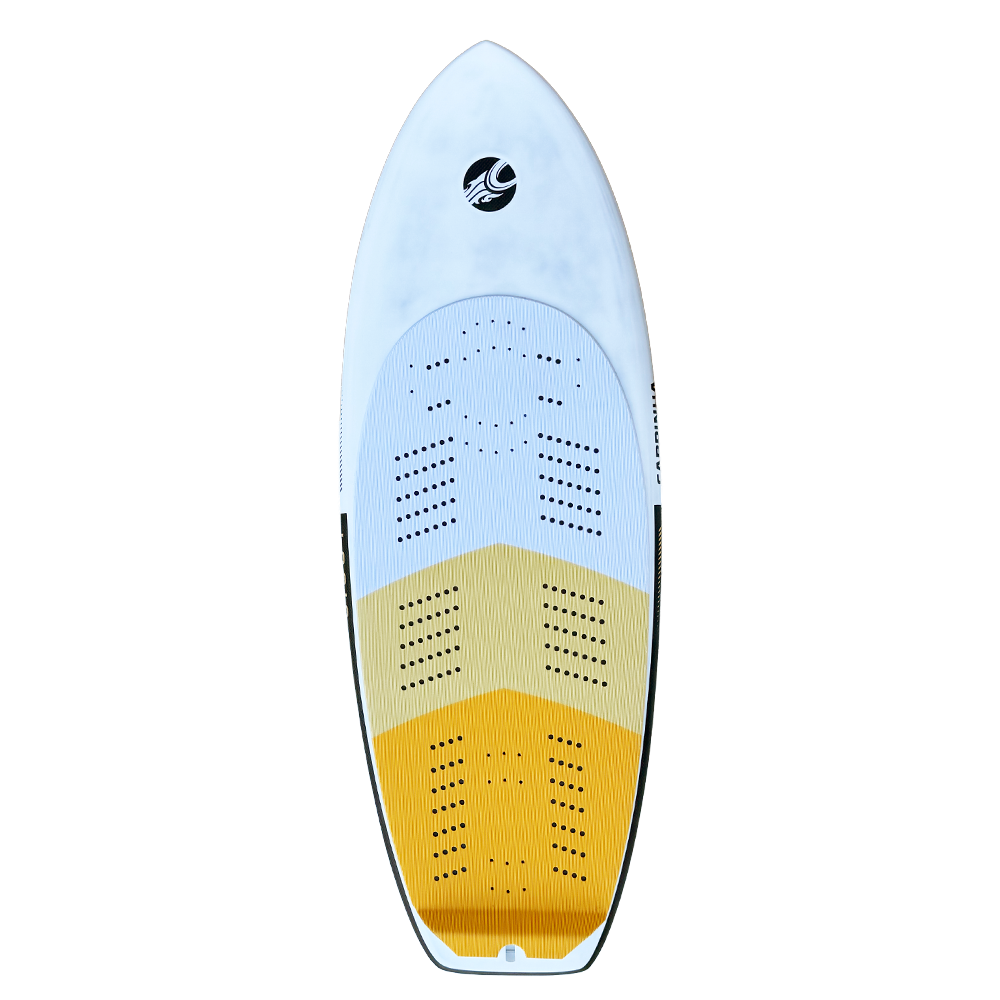
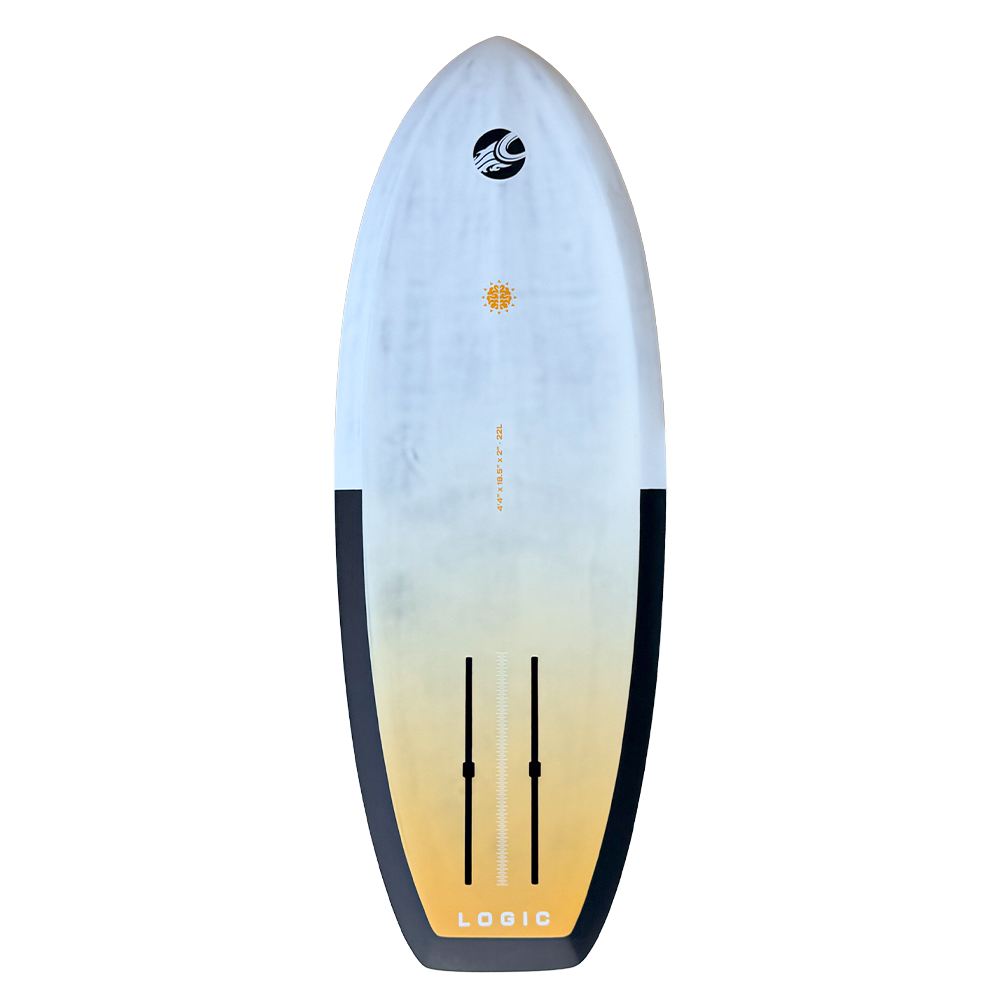
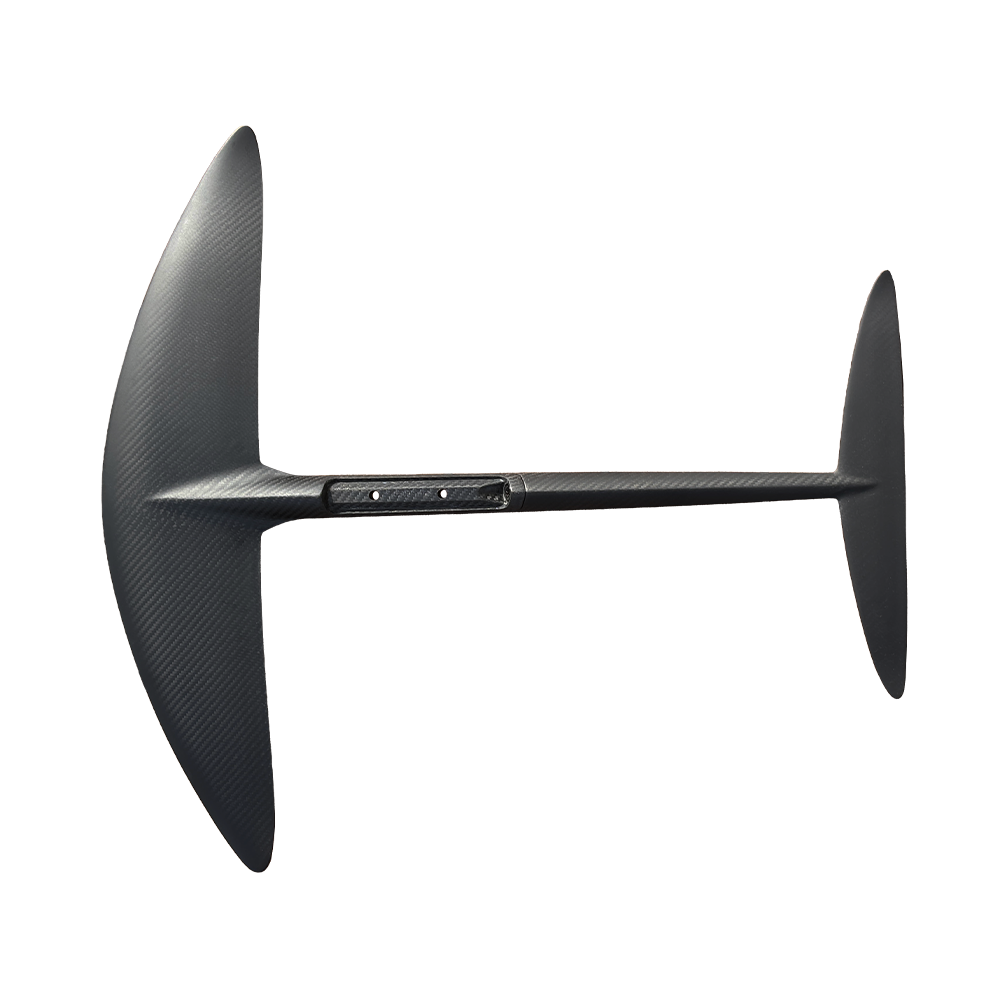

You've viewed 48 of 239 products
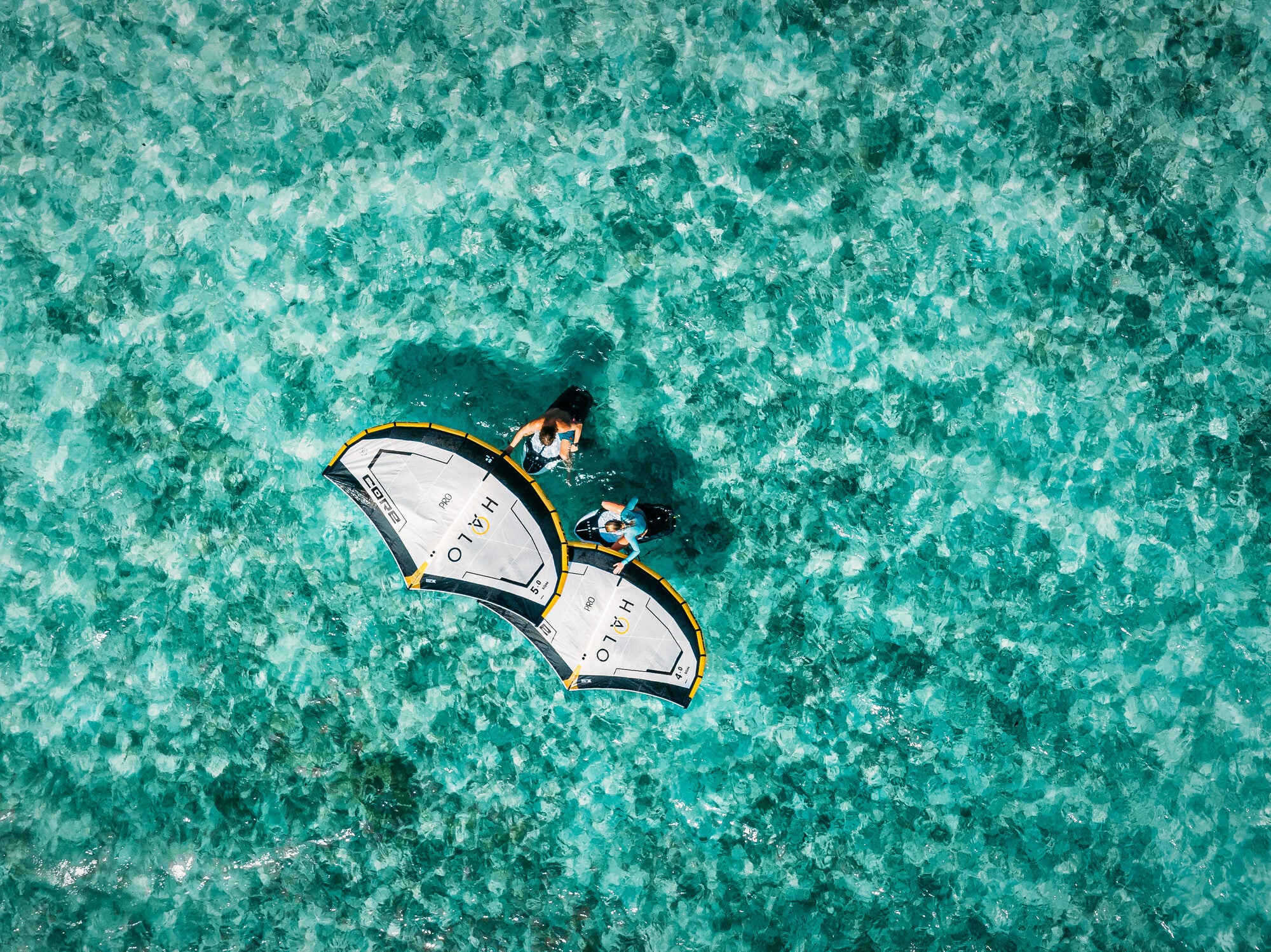
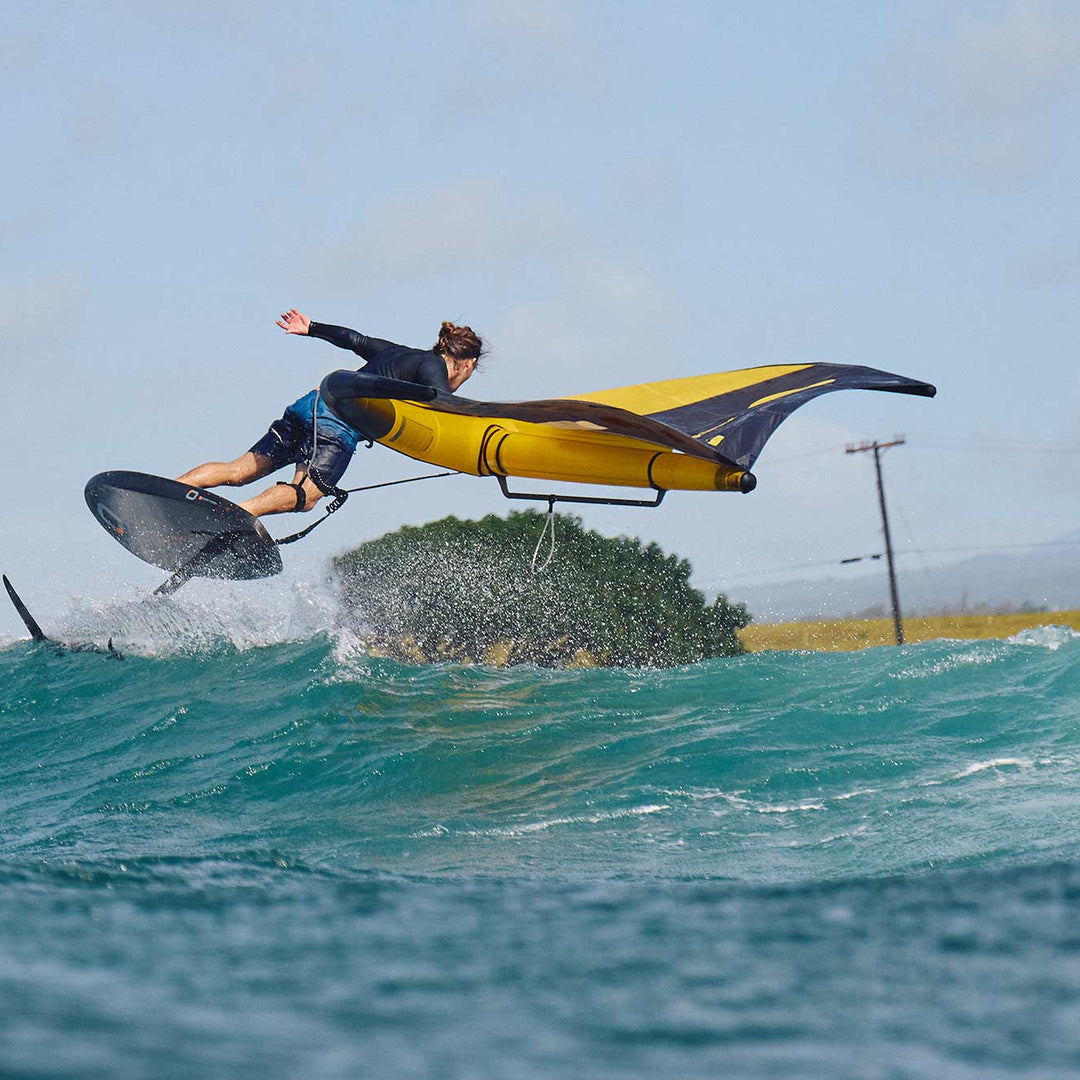
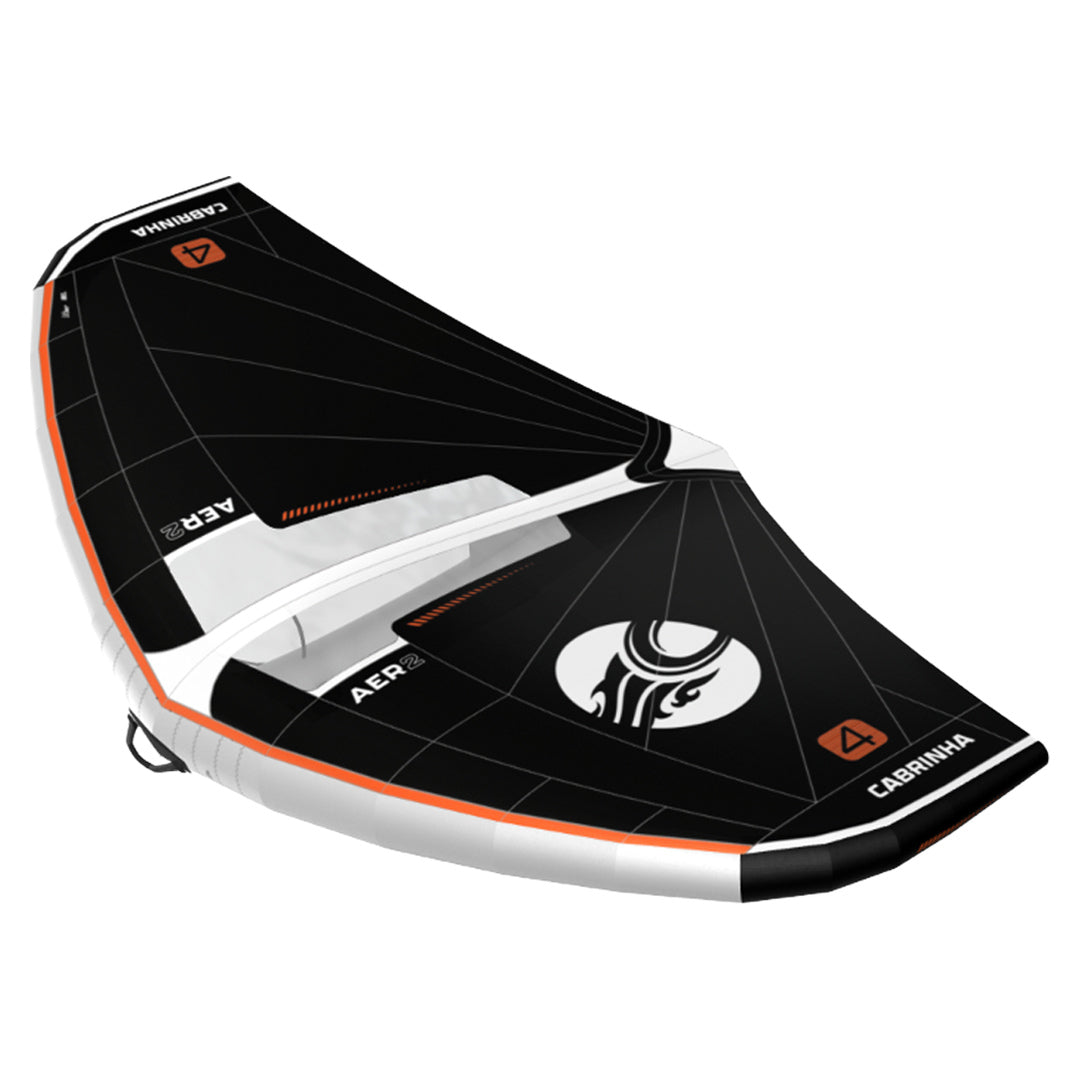
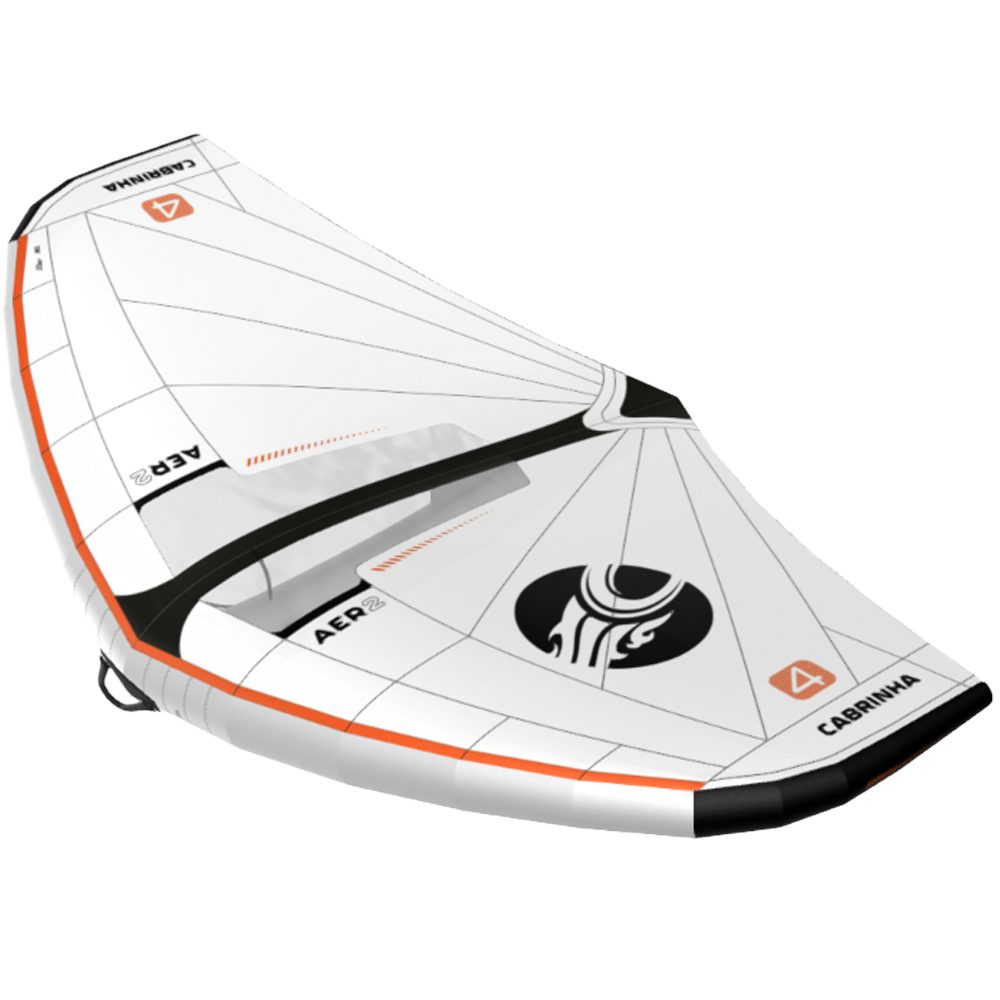
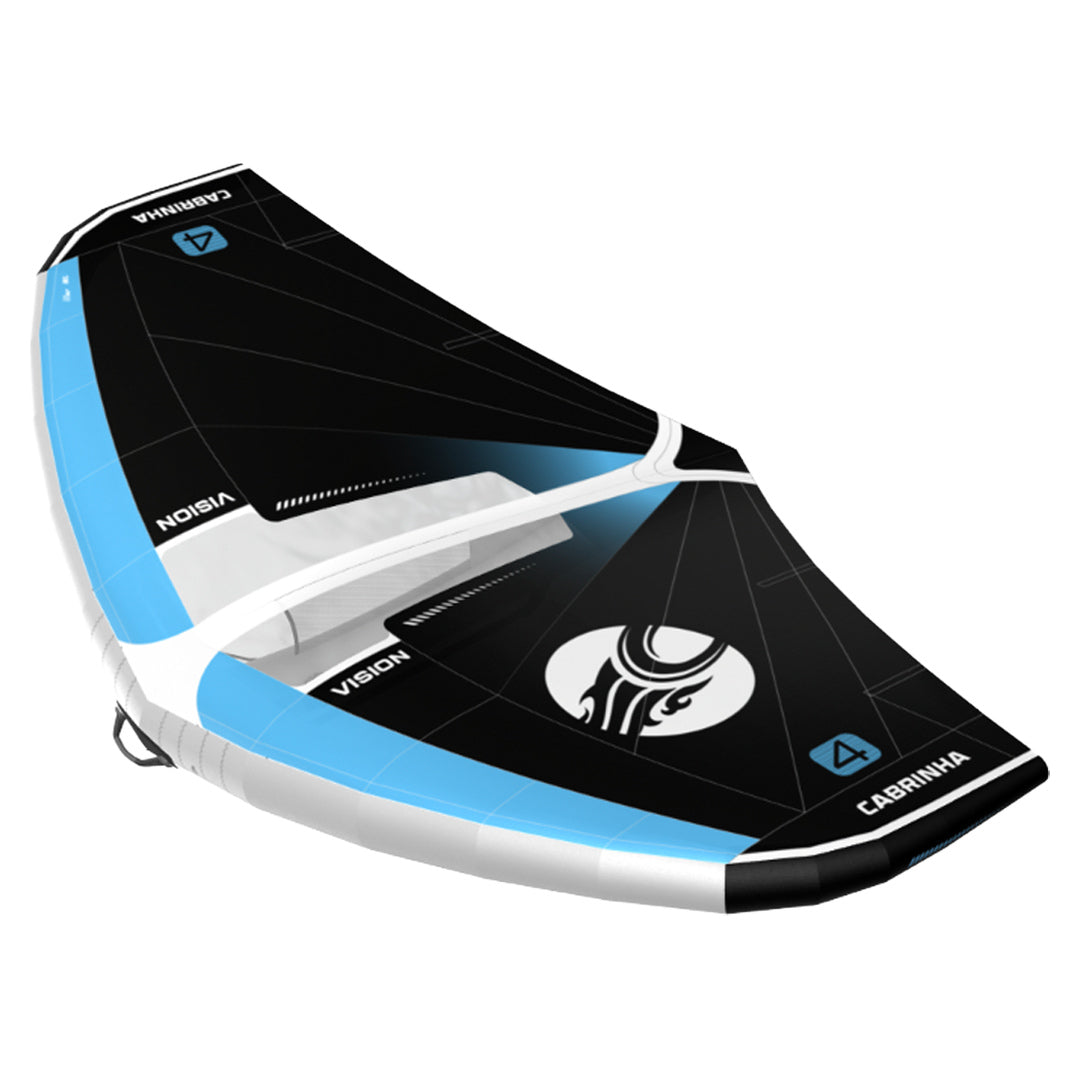
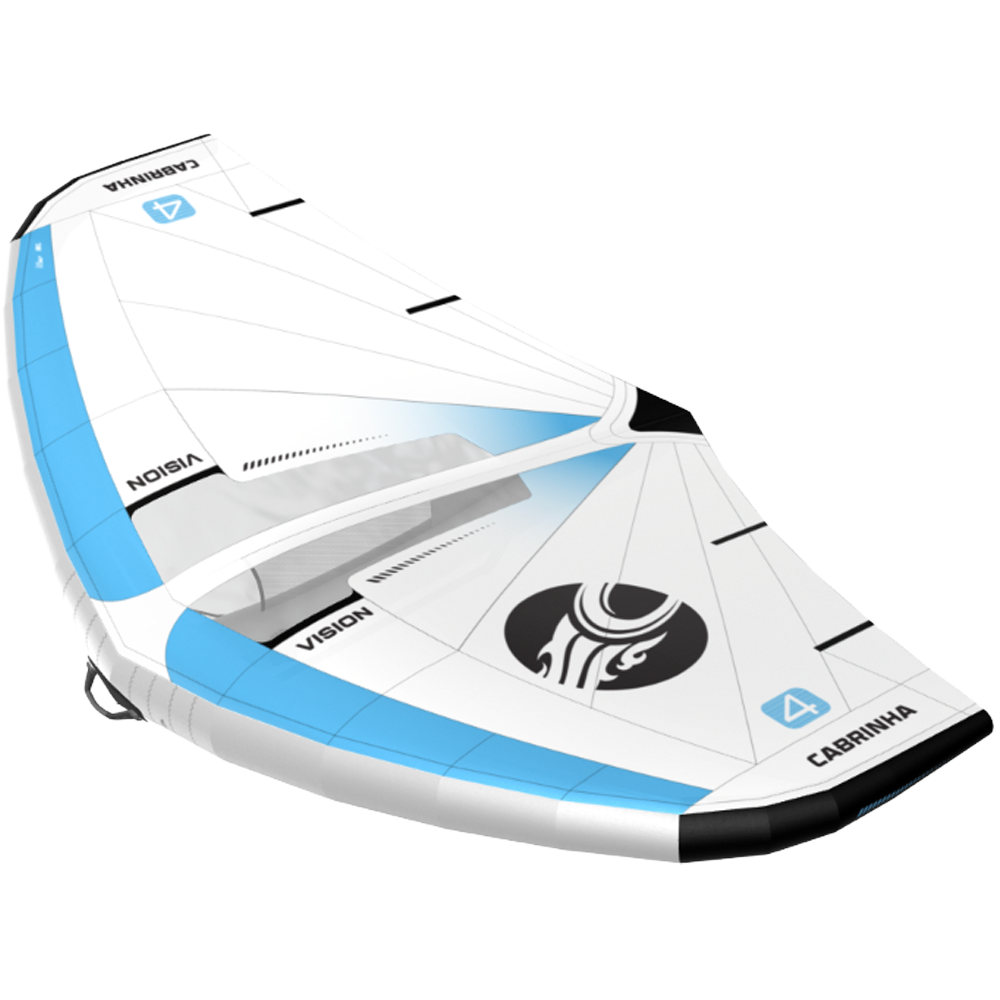
Wing foiling is one of the fastest-growing watersports for good reason. With a handheld inflatable wing and a board on a hydrofoil, you rise out of the water and glide in near silence, powered by the wind. It is accessible, exciting, and works in a wide range of conditions, which is why so many riders are making the switch.
Our wing foil range brings together wings, foil boards, and hydrofoils from leading brands, for first-timers finding their feet and experienced riders chasing more speed and lift. Whether you are buying a complete setup or a single component, there is gear here to match your level and your local spot.
New to the sport, or upgrading? The guide below explains how it all works and how to choose each part. Browse the range below, and if you come from a kite background, take a look at our kitesurfing gear too.
How Does Wing Foiling Work?
Wing foiling uses three parts working together: a handheld wing that catches the wind, a board for buoyancy, and a hydrofoil fixed under the board. As you build speed, water flowing over the foil's front wing generates lift, and the board rises clear of the surface. Once foiling, drag drops away and you glide smoothly above the water.
Because you hold the wing rather than being attached to it, wing foiling is easy to depower and relatively safe to learn. The foil does the hard work of lifting you, so once you find your balance, light winds that would not move a sailboard can be enough to get you flying.
The Three Parts of a Wing Foil Setup
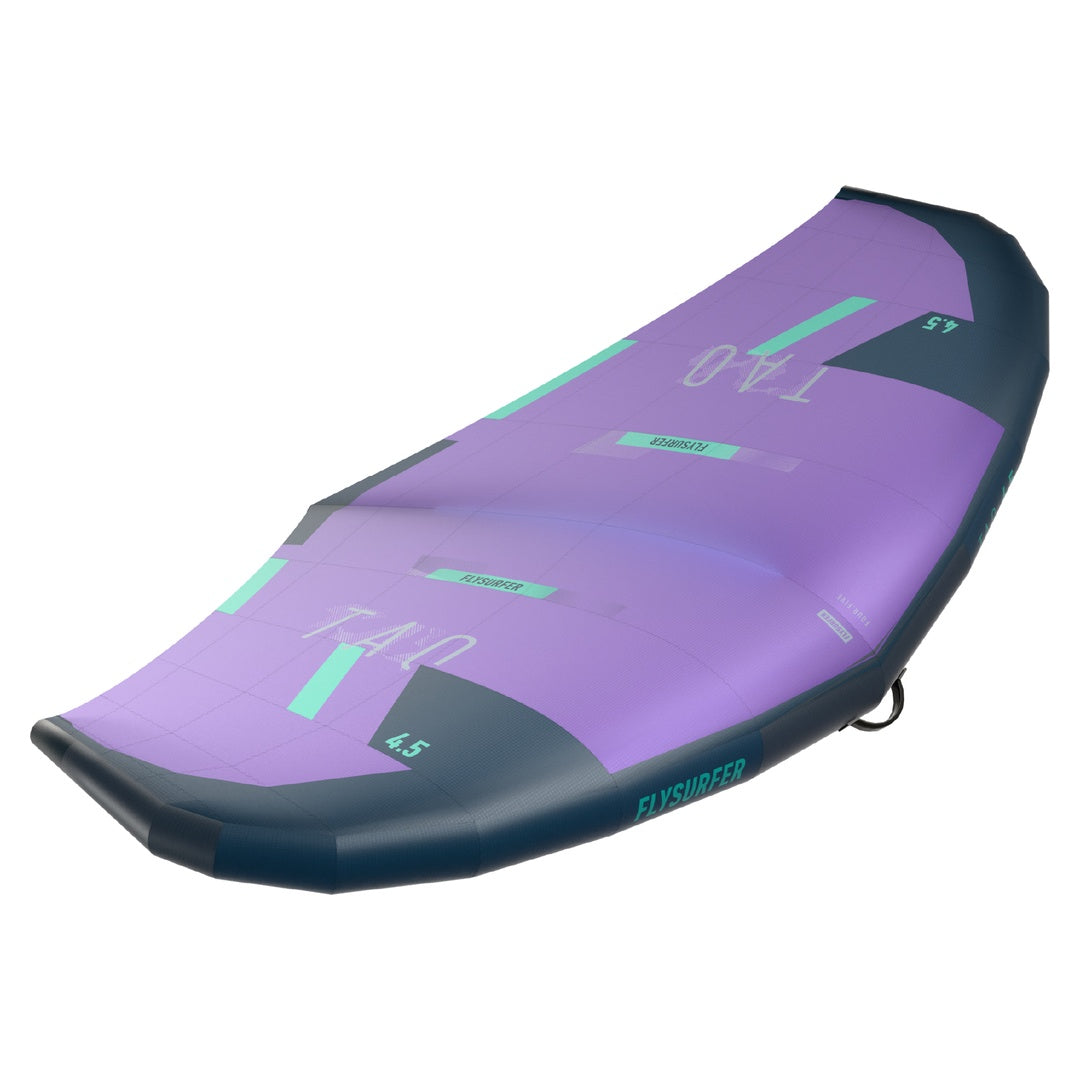
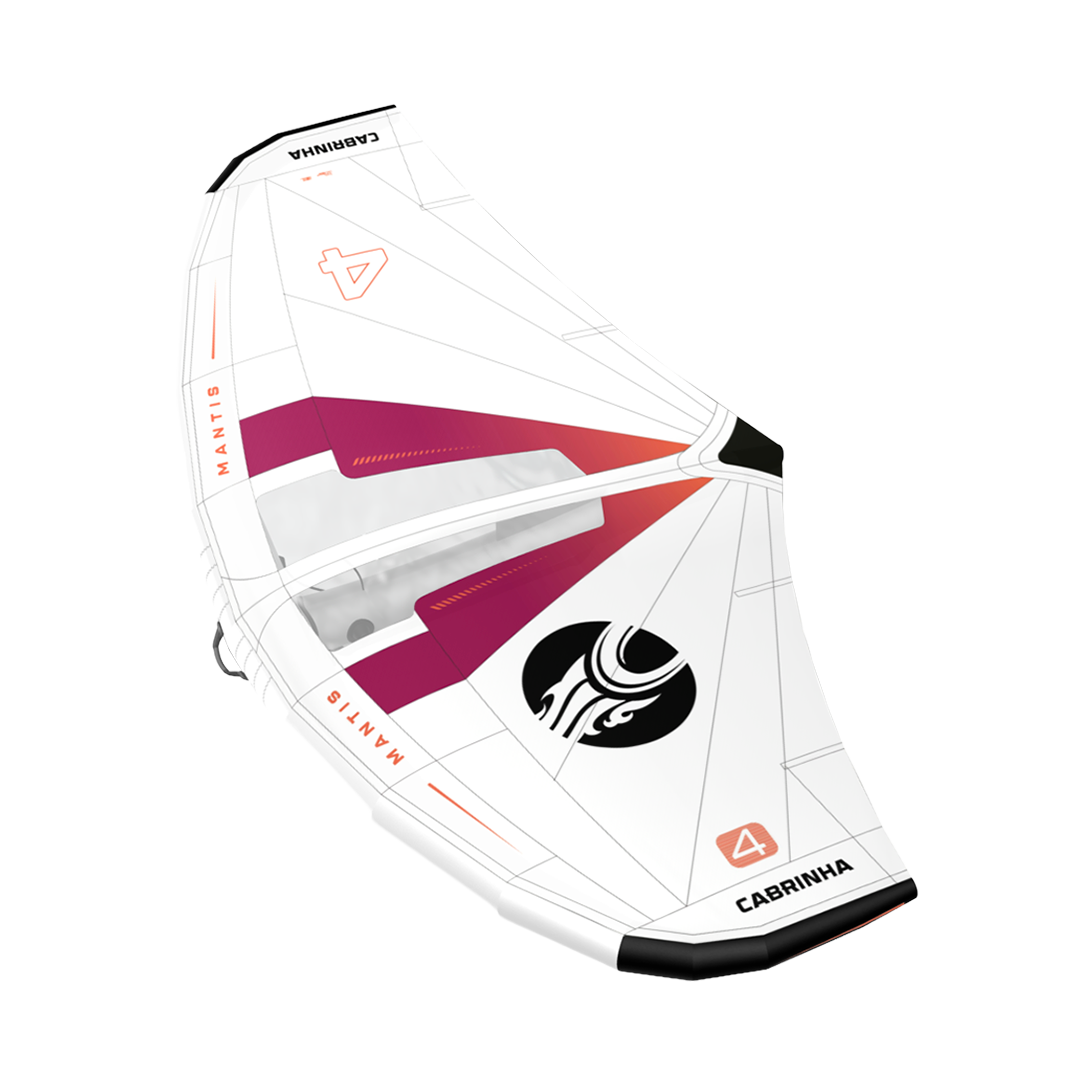
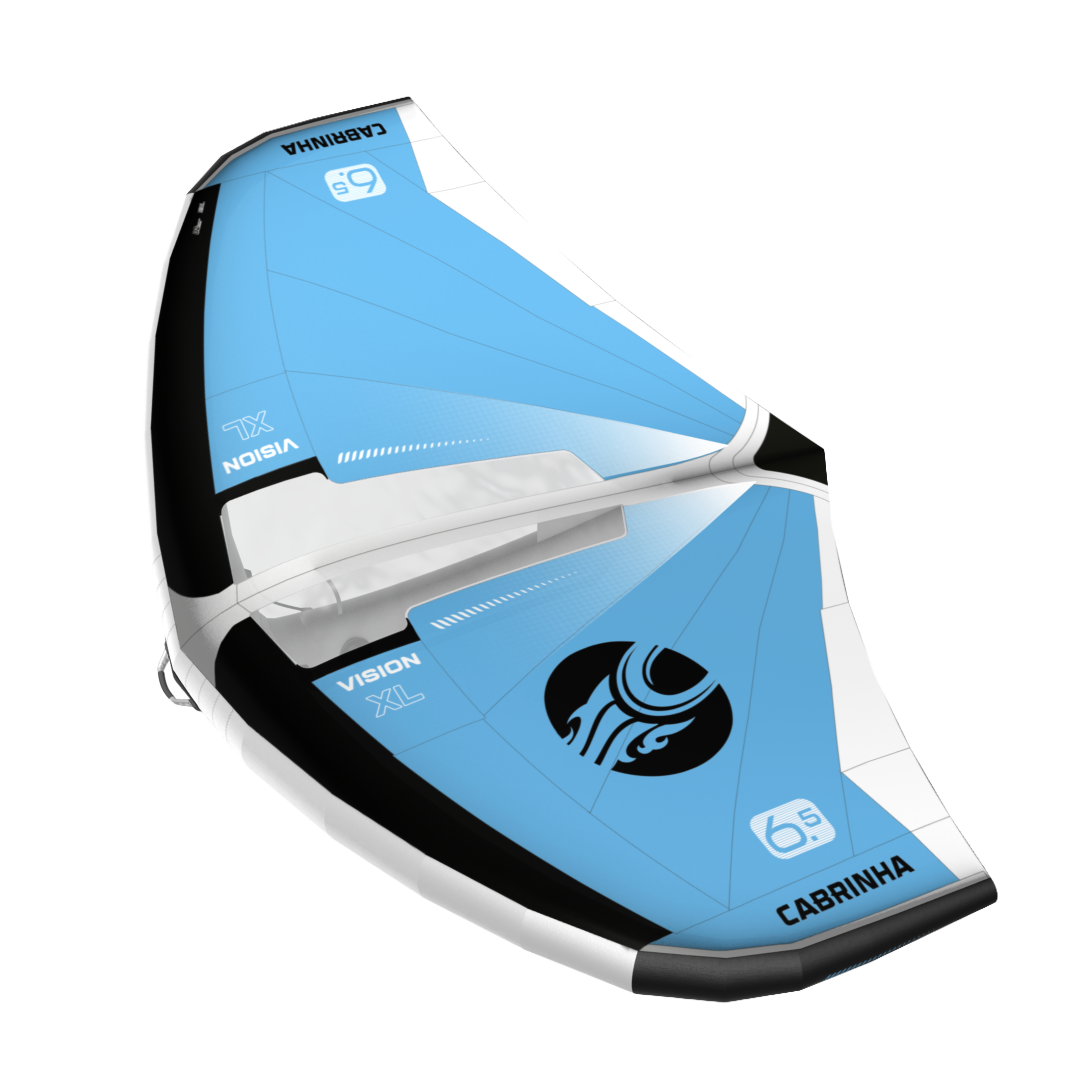
- The wing: an inflatable handheld sail you hold by a boom or handles, used to catch and control the wind
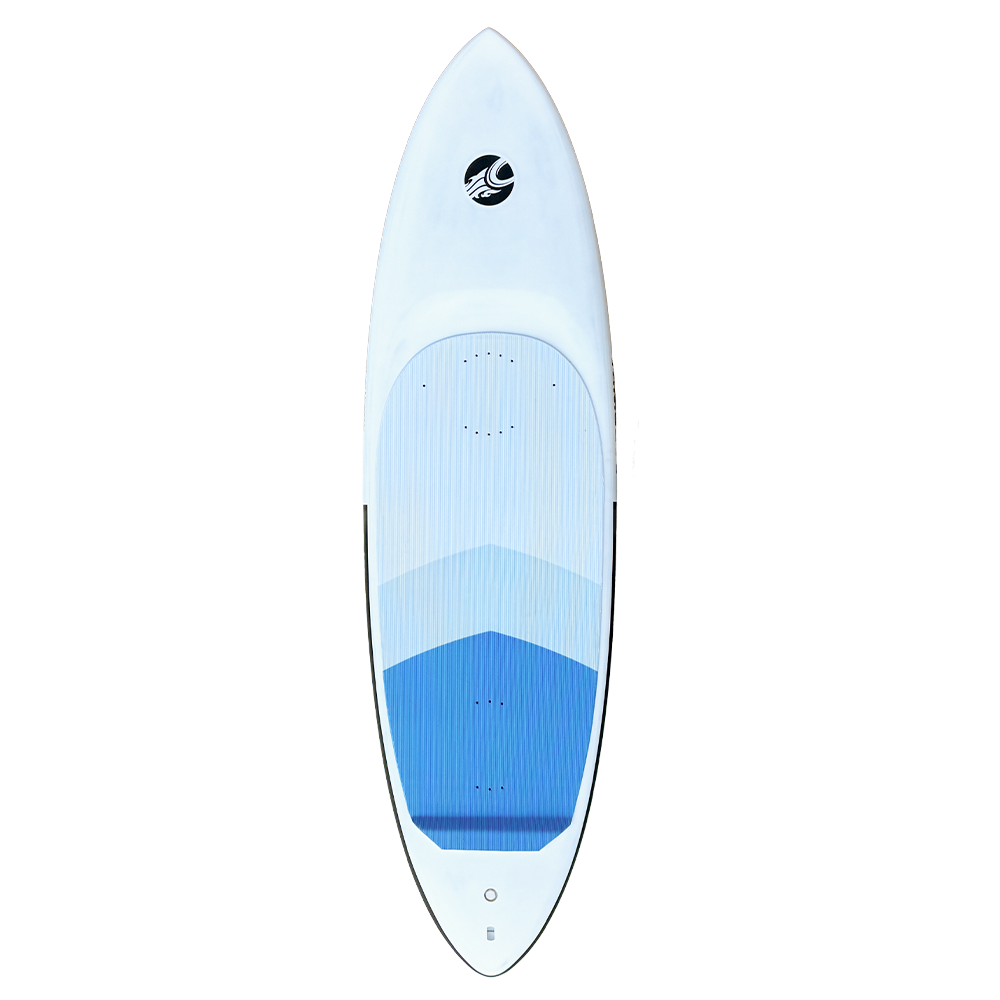
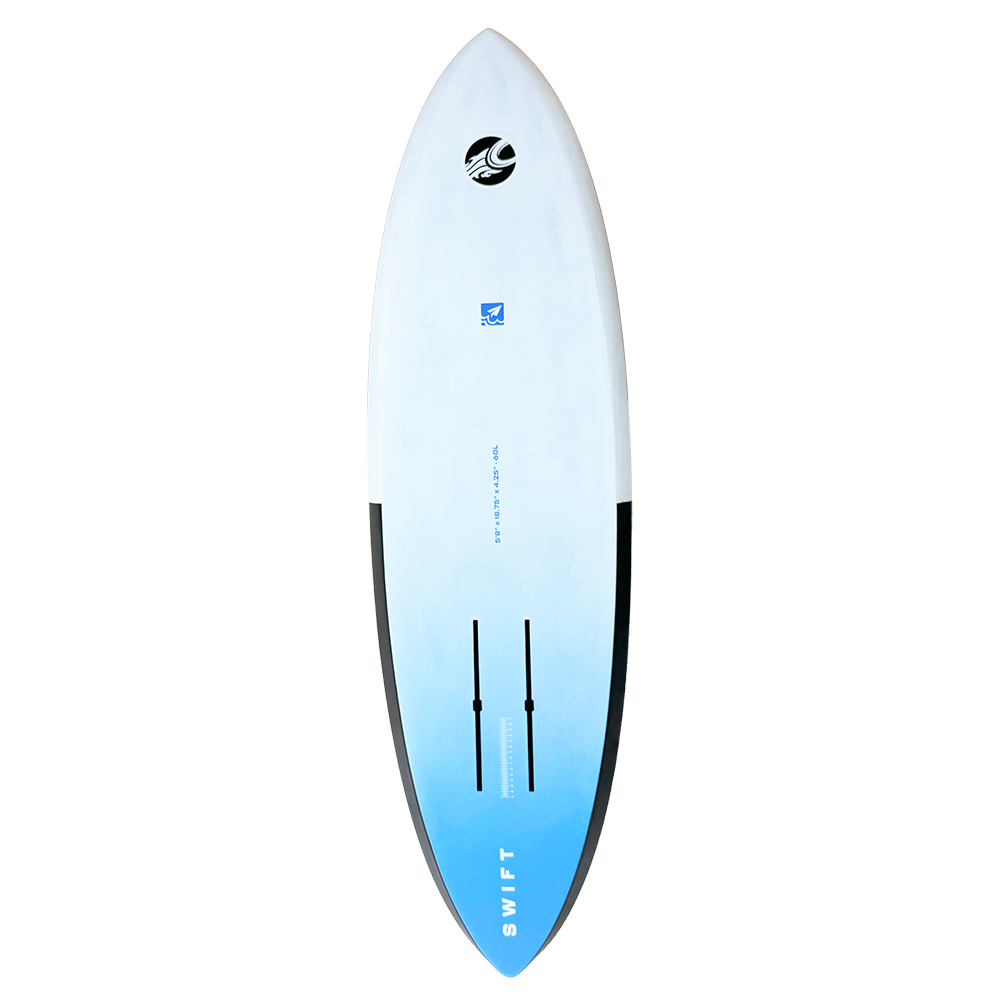
- The board: a buoyant board sized to your weight and ability, with a track to mount the foil
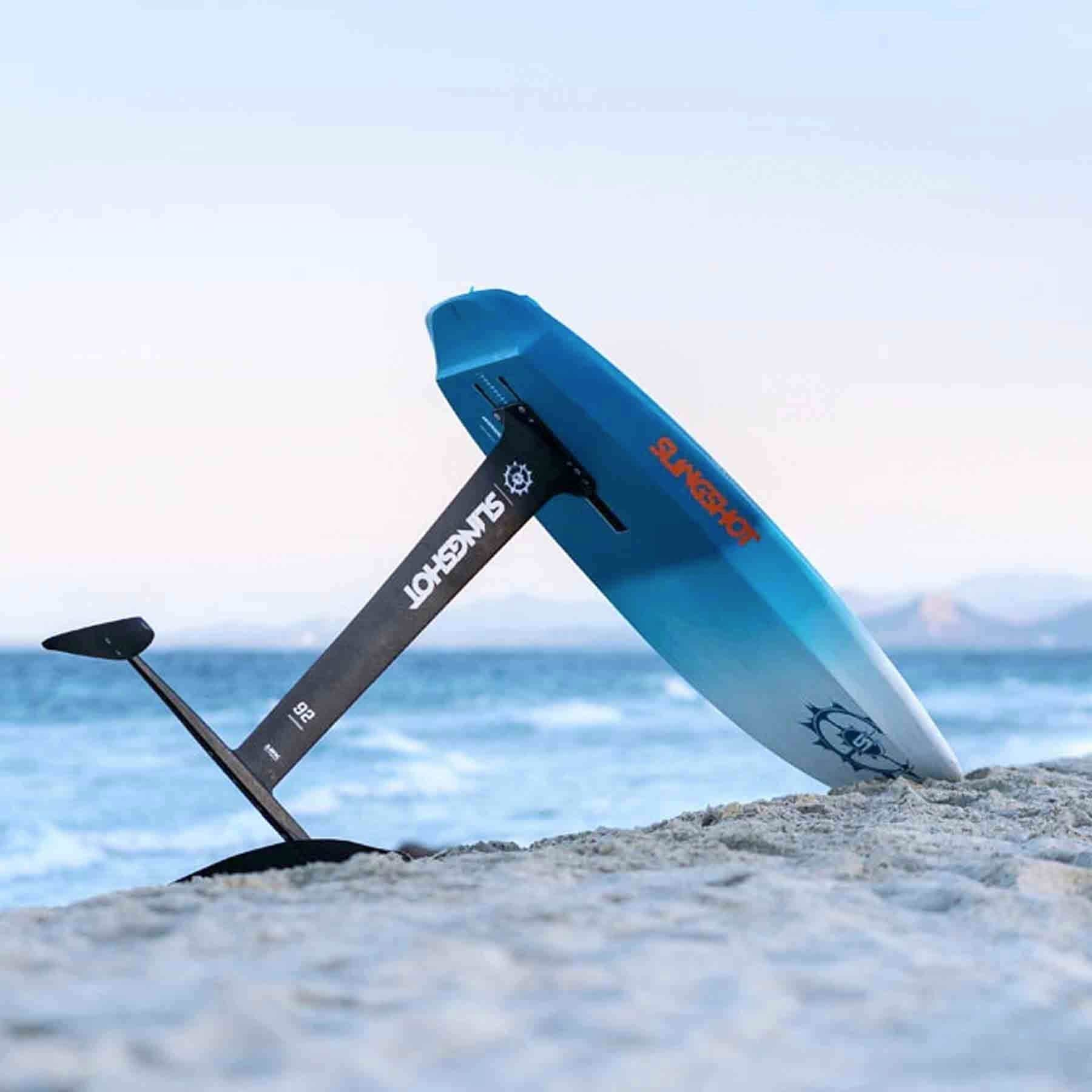
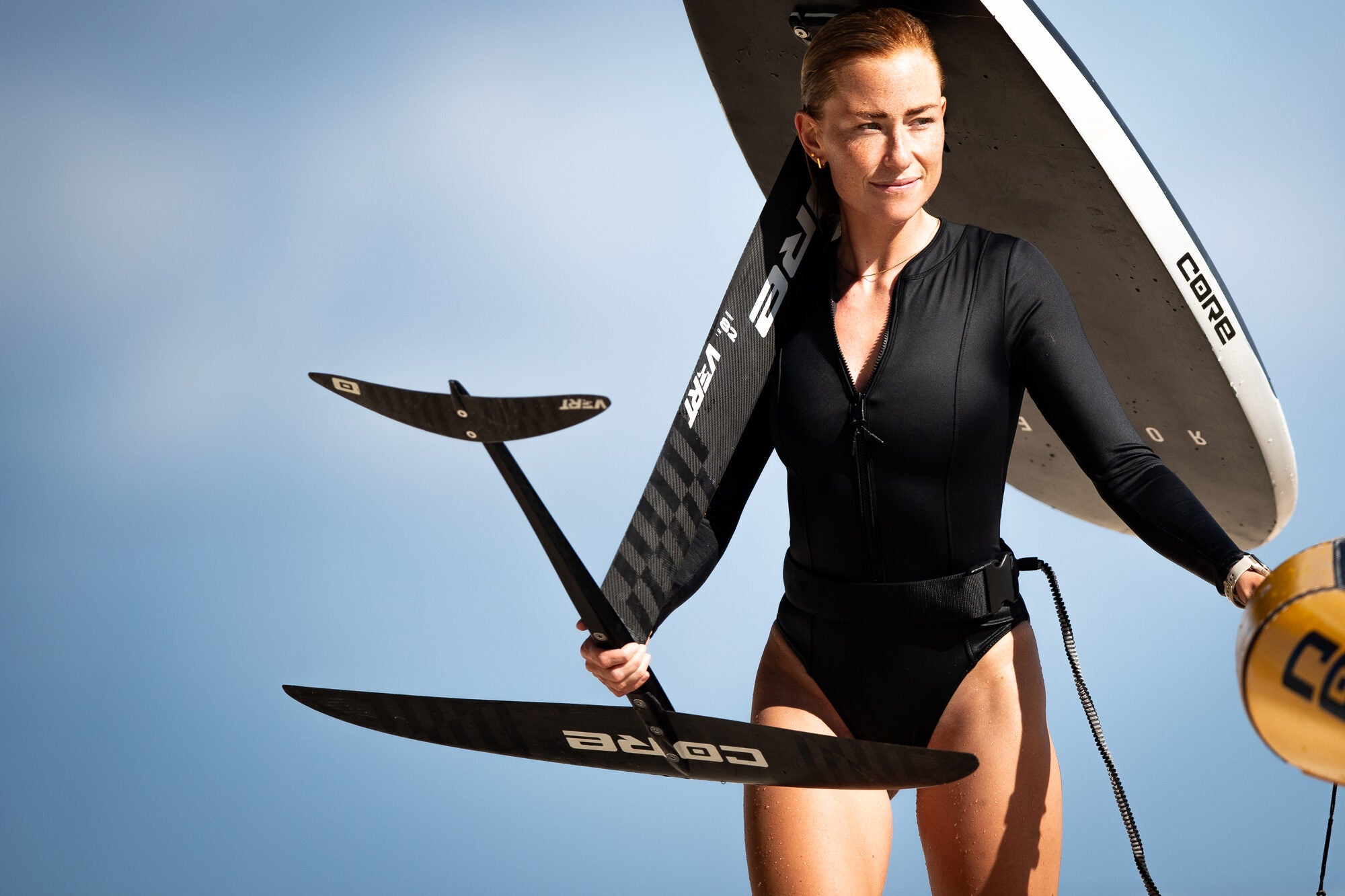
- The hydrofoil: a mast, fuselage, and front and rear wings that generate the lift and glide
Each part can be matched to your weight, the wind, and your skill level, and many riders build a quiver of wings and foil wings to cover different conditions.
Choosing Your Wing
Wings are measured in square metres, typically from around 2m² up to 6m² or more. The size you need depends on the wind strength and your weight: bigger wings generate more power in light wind, while smaller wings keep control as the wind builds.
As a rough guide, a heavier rider or lighter winds call for a larger wing, and a lighter rider or stronger winds call for a smaller one. Many riders own two or three wings to cover the range of conditions at their spot. Features such as a rigid or soft handle setup, window panels, and boom length also affect how a wing feels to use.
Choosing Your Board
Wing foil boards are measured by volume in litres. More volume makes a board more stable and easier to stand on while you wait for wind and get going, which is exactly what beginners need. As you progress, you can drop to a lower-volume board that is more responsive and easier to pump onto the foil.
A good starting point for learning is a board with volume comfortably above your body weight in litres, giving you stability for those early water starts. Advanced riders often ride boards close to or below their body weight for a looser, more playful feel.
Choosing Your Foil
The hydrofoil is where the magic happens, and the front wing size has the biggest effect on how it rides. A larger front wing generates lift at lower speeds and is more stable, making it ideal for learning and light wind. A smaller front wing is faster and more manoeuvrable but needs more speed to fly, which suits experienced riders.
Mast length also matters: a shorter mast is forgiving and keeps you closer to the water while you learn, and a longer mast gives more clearance for carving and chop once you are confident. Starting with a large, stable foil makes the learning curve far smoother.
Learning to Wing Foil
Wing foiling has a reputation for being approachable, and it rewards building up in stages. Many riders start by learning to handle the wing on land or on a stable board without the foil, then add the foil once wing control feels natural. A large board, a large foil, and steady winds make those first flights come much faster.
Lessons are well worth it to get going safely and quickly. Once you can get up and ride, progression into turns, pumping, and lighter-wind sessions opens up a whole new side of the sport.
Caring for Your Wing Foil Gear
Looking after your kit keeps it safe and performing.
- Rinse the foil with fresh water after every session and dry it to prevent corrosion
- Check and tighten foil bolts regularly, as they work loose with use
- Rinse and dry your wing before packing it away, and avoid leaving it inflated in the sun
- Store the wing loosely rolled, not creased in the same spots
- Protect the foil's sharp wings with covers during transport
A little salt and grit will wear foil hardware over time, so regular rinsing and bolt checks are the key to a long life.
How Much Does Wing Foil Gear Cost?
A complete wing foil setup is an investment, as it combines three technical items. Wings, boards, and foils are each priced across a range depending on construction and performance, with entry-level gear offering a more affordable way in and premium carbon foils and high-end wings sitting at the top.
Building a setup piece by piece lets you spread the cost, and a stable, forgiving setup for learning does not need to be the most expensive. As you progress, you can upgrade individual parts. You'll find options across a spread of budgets in the range.
Why Buy Your Wing Foil Gear from Surface2Air Sports?
We have been part of the UK watersports scene since 2002, with a shop in Poole and a full range online.
- Wings, boards, and foils from leading brands
- Gear for beginners through to advanced riders
- Options to build a complete setup or upgrade a single part
- Honest advice on sizing for your weight and local wind
- In-store help and online support
Whether you are taking your first flight or refining your quiver, we can help you choose the right gear. Add spares and extras from our wing foil accessories, and explore matching wings for your conditions.
Frequently Asked Questions About Wing Foiling
Is wing foiling hard to learn?
It is one of the more approachable wind sports. With a large stable board, a forgiving foil, and lessons, most people get riding within a few sessions.
What size wing do I need?
It depends on your weight and the wind. Larger wings suit lighter winds and heavier riders; smaller wings suit stronger winds. Many riders own two or three sizes.
What board volume should a beginner choose?
A board with volume comfortably above your body weight in litres gives the stability you need for early water starts. You can size down as you improve.
Which foil is best for learning?
A large front wing on a shorter mast. It generates lift at low speed and stays stable, making those first flights much easier.
Do I need previous watersports experience?
It helps but is not essential. Board and wind experience from kitesurfing, windsurfing, or SUP speeds up the learning curve, but many start wing foiling from scratch.
Can I wing foil in light wind?
Yes. Once foiling, you need surprisingly little wind to keep gliding. A larger wing and foil help you get going and stay up in lighter conditions.
How do I look after my foil?
Rinse it in fresh water after every session, dry it, and check the bolts regularly, as salt and vibration work them loose over time.
Can I buy the parts separately?
Yes. You can buy wings, boards, and foils individually to build or upgrade your setup over time.
Not sure which to choose? Read our Guide to Choosing Your Foil.
Let customers speak for us
Brought a full new set up from these guys board and binding.. they were awesome from start to finish, even when i had a issue they were straight on a face time to me.. Thanks guys

When ordered item was not in stock but when it has arrived the team kept me filled in with when it would arrive and it did promptly! Would use again

Rapid delivery!!

Great job well dun thanks for your help with the purchase..

The bag is sturdy, spacious and water proofed on the inside. In addition, it can be worn as a backpack but it also comes with a strap for putting over a shoulder as a bag. I am happy with the purchase.

My first order of gummy straps never arrived so I contacted S2AS and they were very apologetic as Royal Mail had lost my parcel. They immediately sent out a second sets of straps which arrived the following day.
The customer service I recieved was exceptional and I would highly recommend this company for their swift response. I will definitely order with them again.

the whole exercise

item as dscribed, looks fantastic

As described and looks fantastic. thank you
My first board and binding set up after using hire equipment for over a year. These will take some getting used to but step in and strap is a vast improvement. Large to size 12UK looks like it only just fits across the toe strap.
S2AS are my go to online store for anything Snowboarding related and as they say any query just pick up the phone and speak to Ollie (who sounds a lot like Jamie Lang)

Wait for snow
Loved the service in the shop Ollie was very helpful and a pleasure to deal with. Recommend highly
Kind regards
Matt

2026 Slingshot KTV EverShred Wakeboard Bindings

Exceptionally quick delivery, would definitely recommend buying from this site

Hi my in store experience was fantastic from email to shop with your representative Ollie could not have been more polite & helpful
Once I’ve tried the bourd I will send further feedback
Hope your all well
Kind regards
Matt

We ordered a large amount of items that all arrived safely, we kept everything save two jackets which we ordered wrong, but the team were great, we sent them back and got a refund with no hassle. Will definitely use in the future!