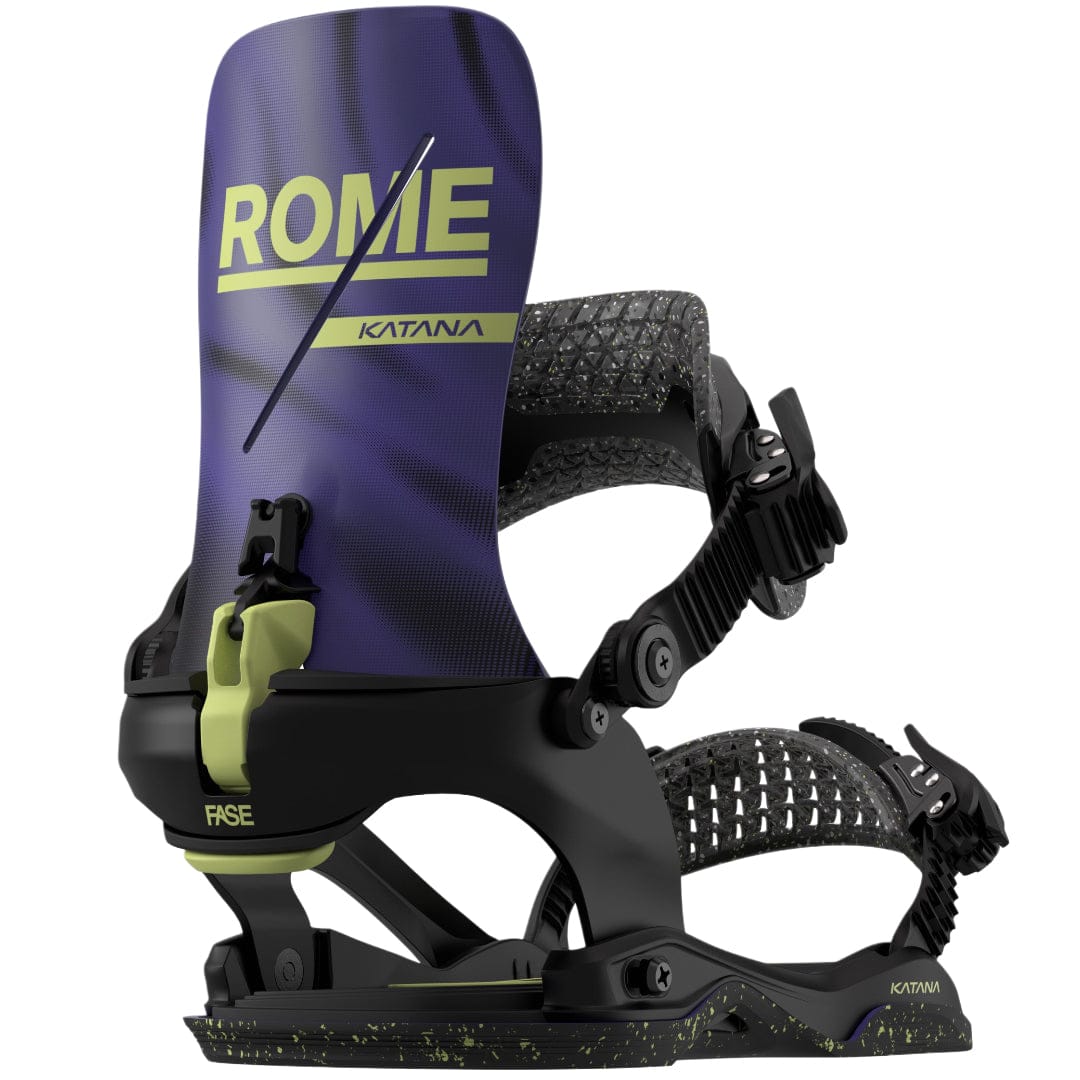
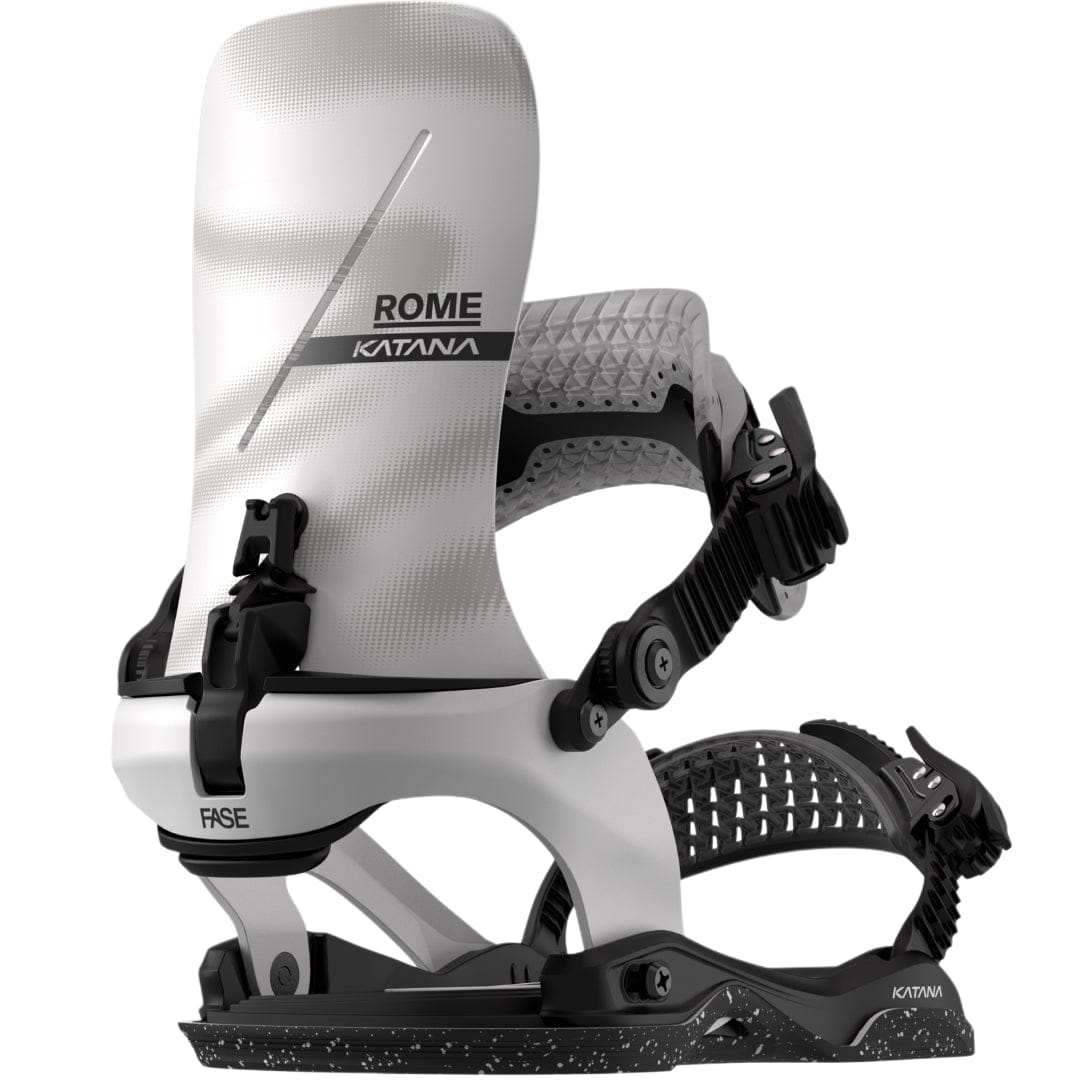
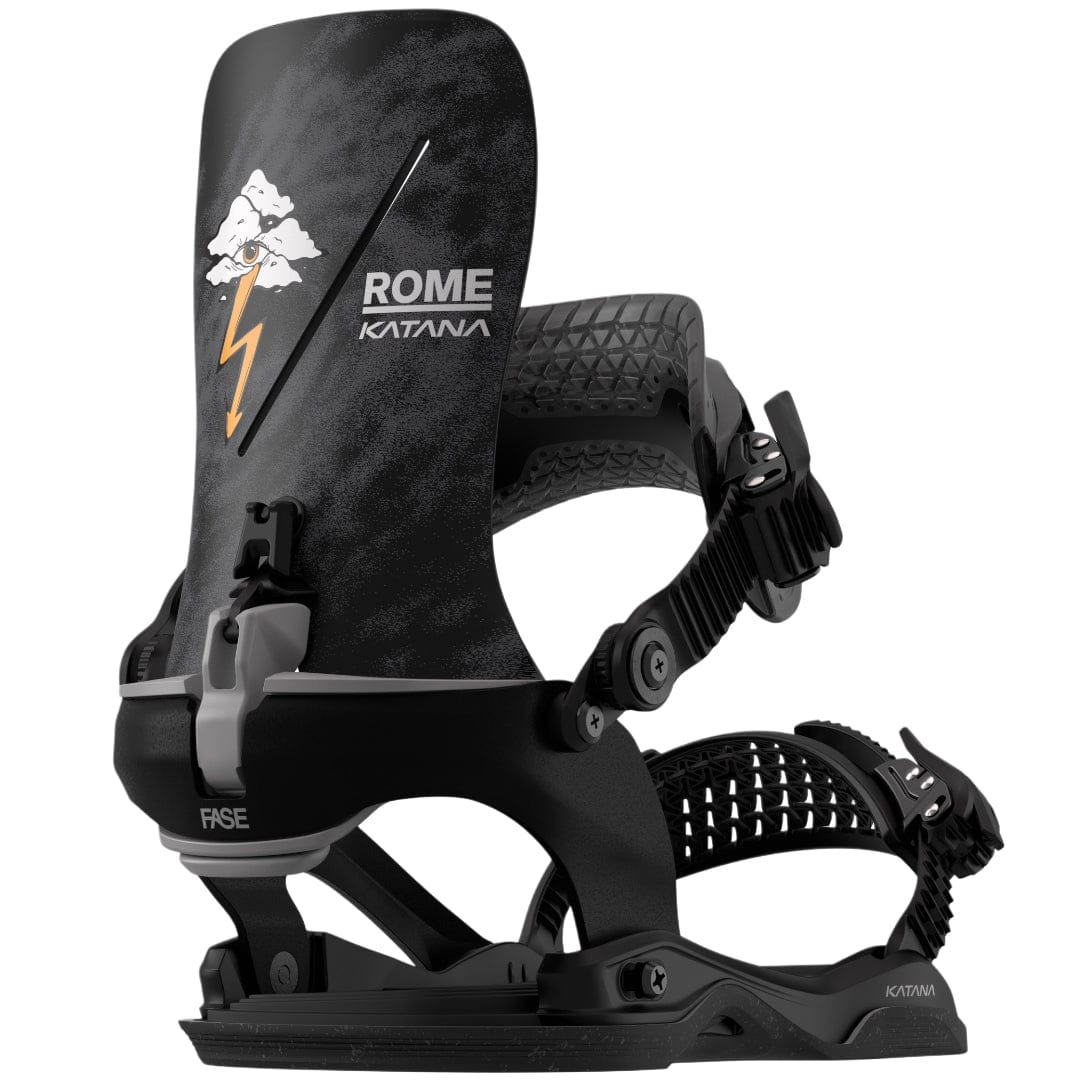
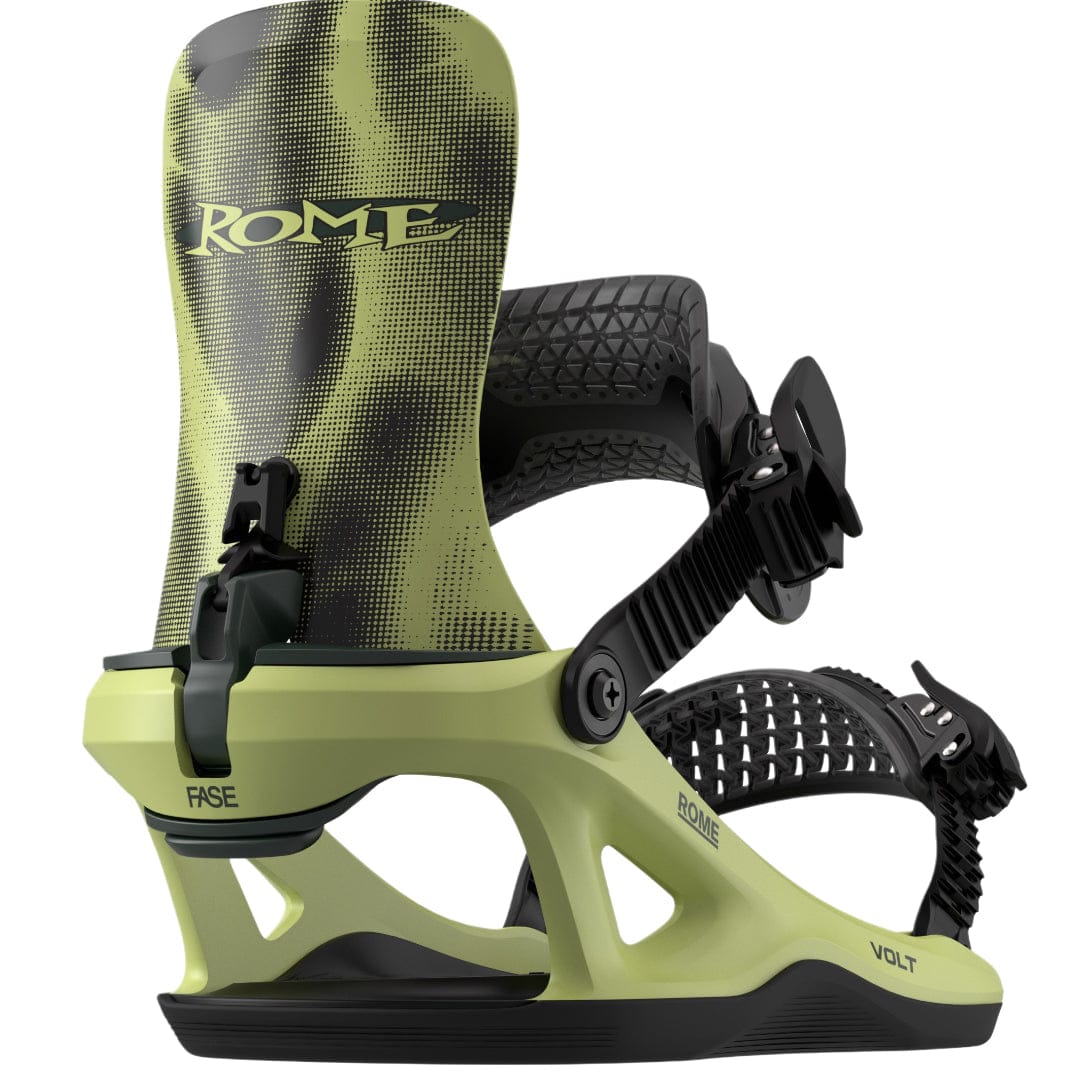
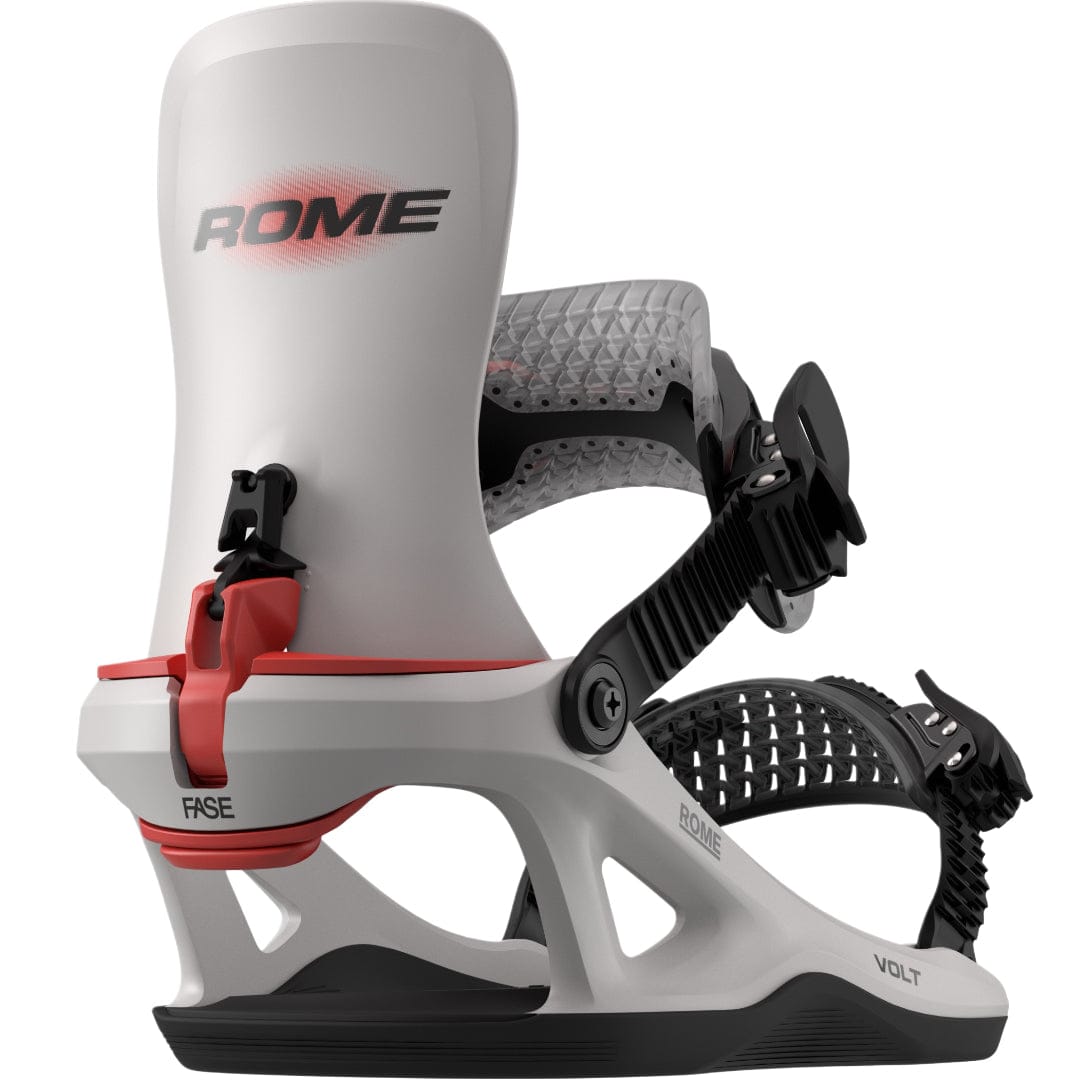
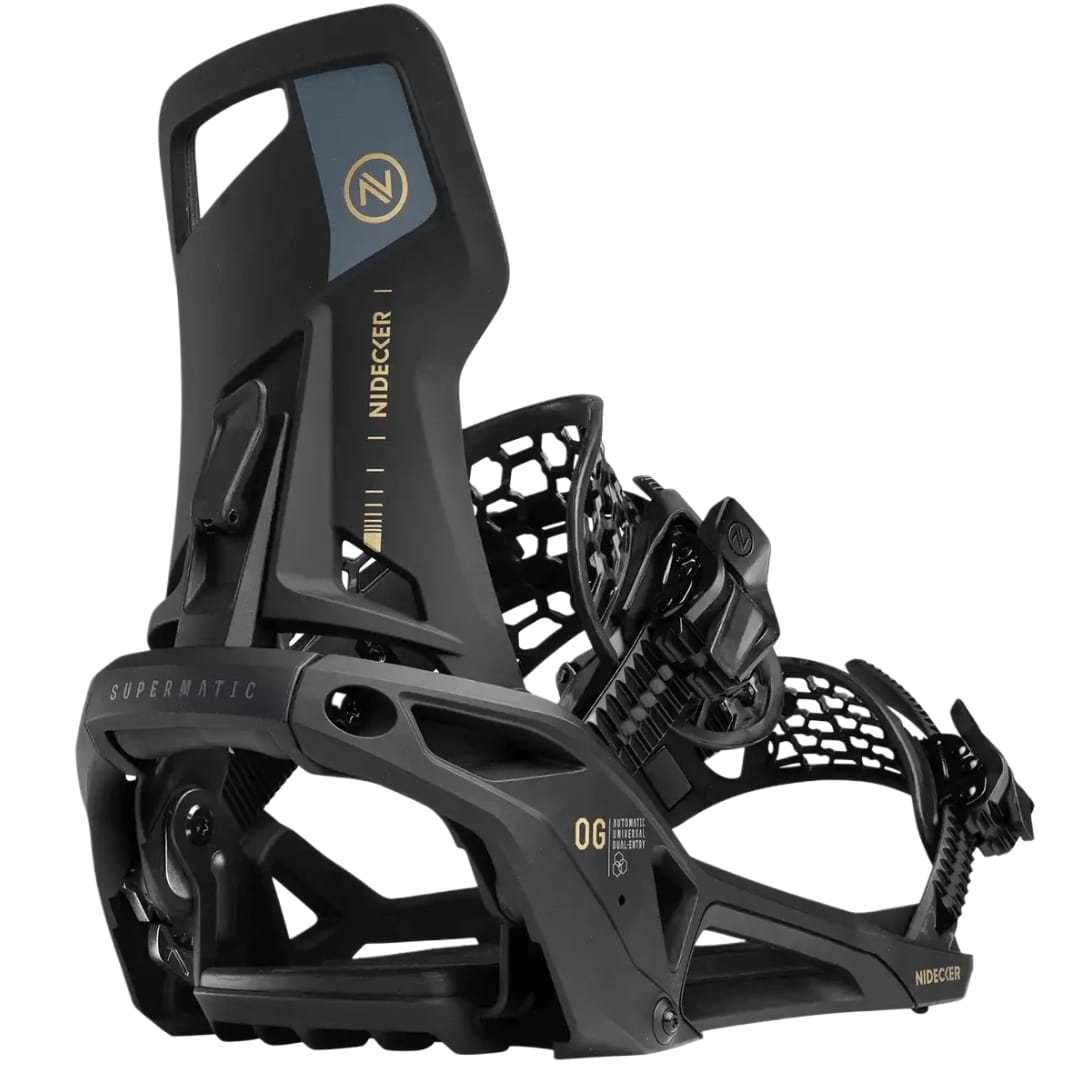
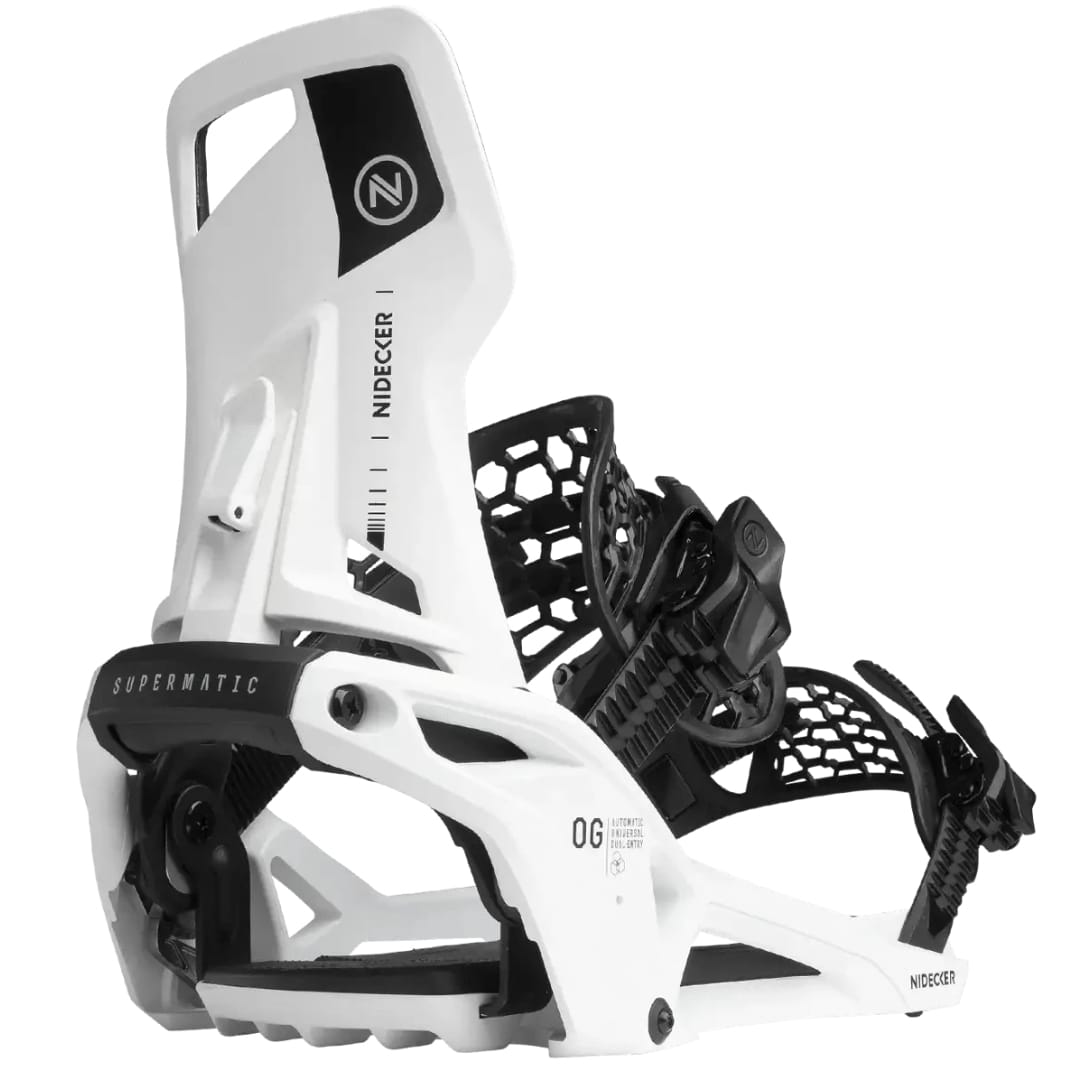
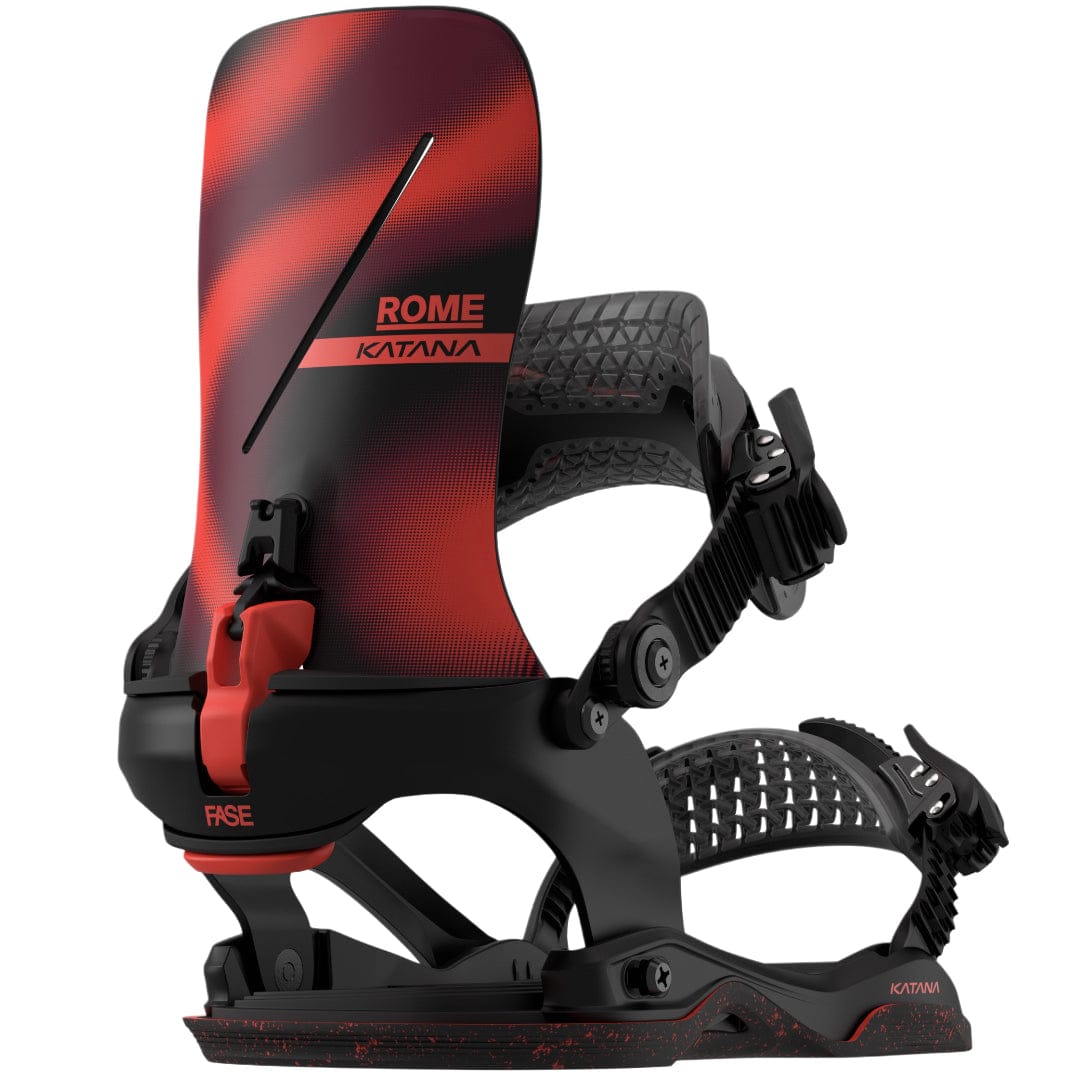
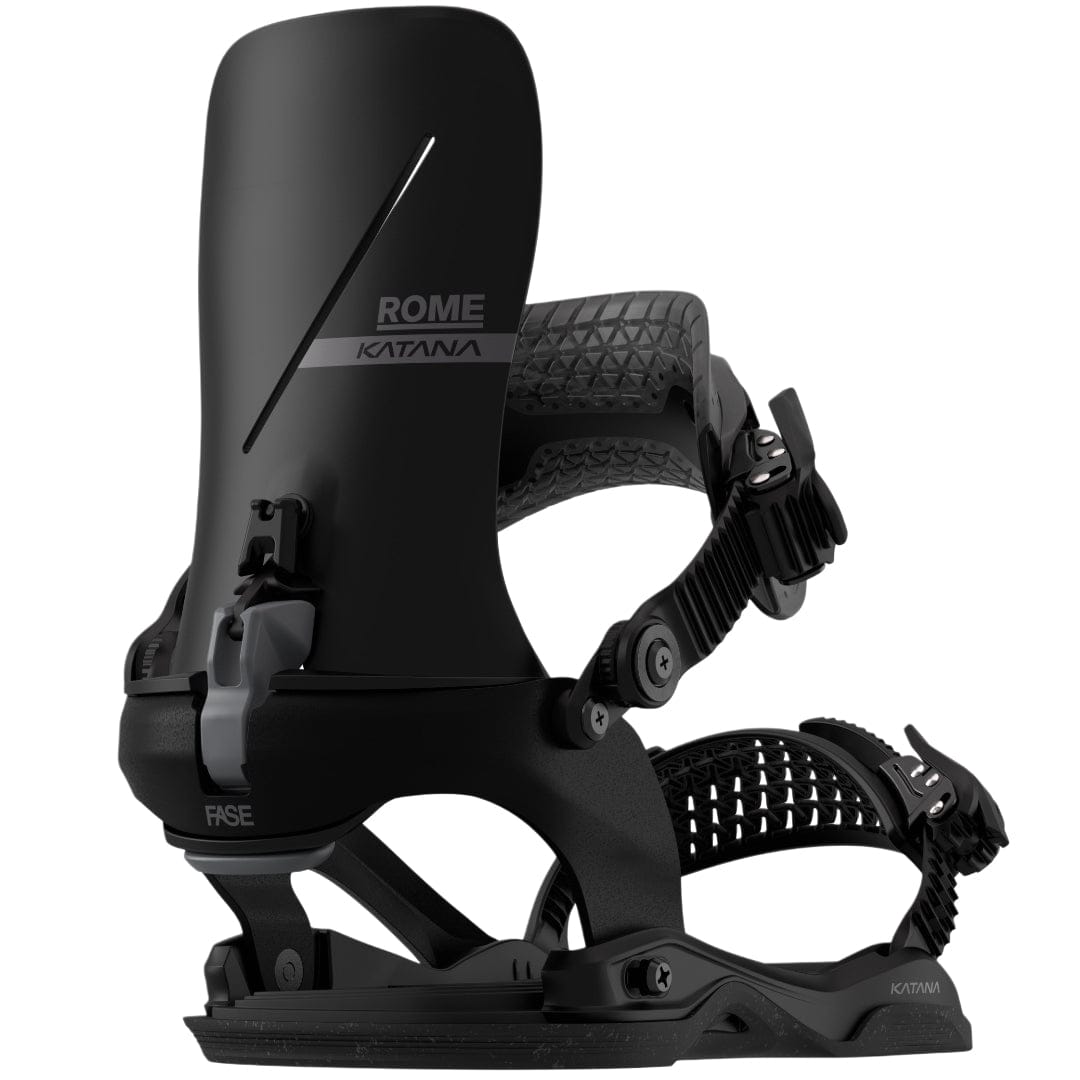
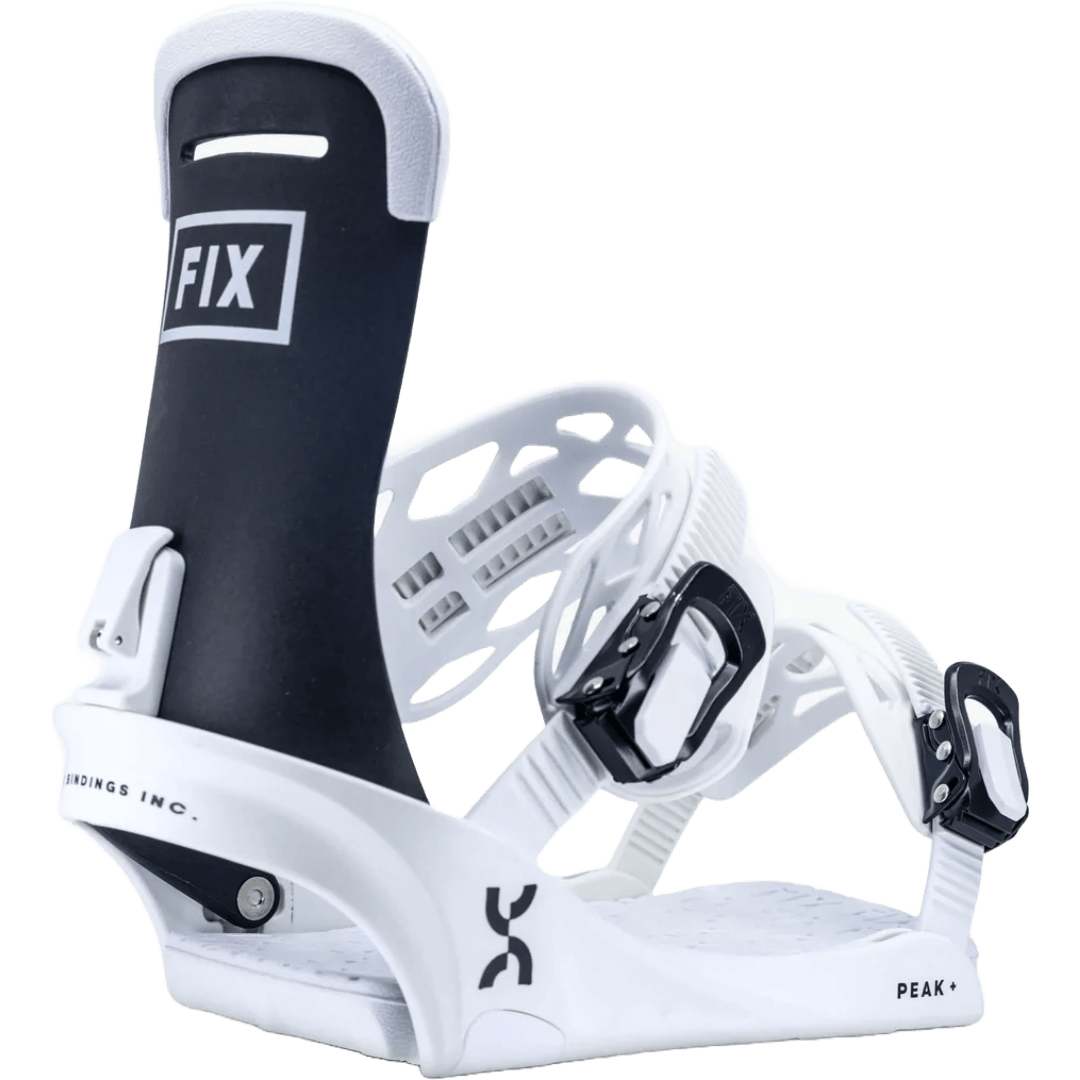
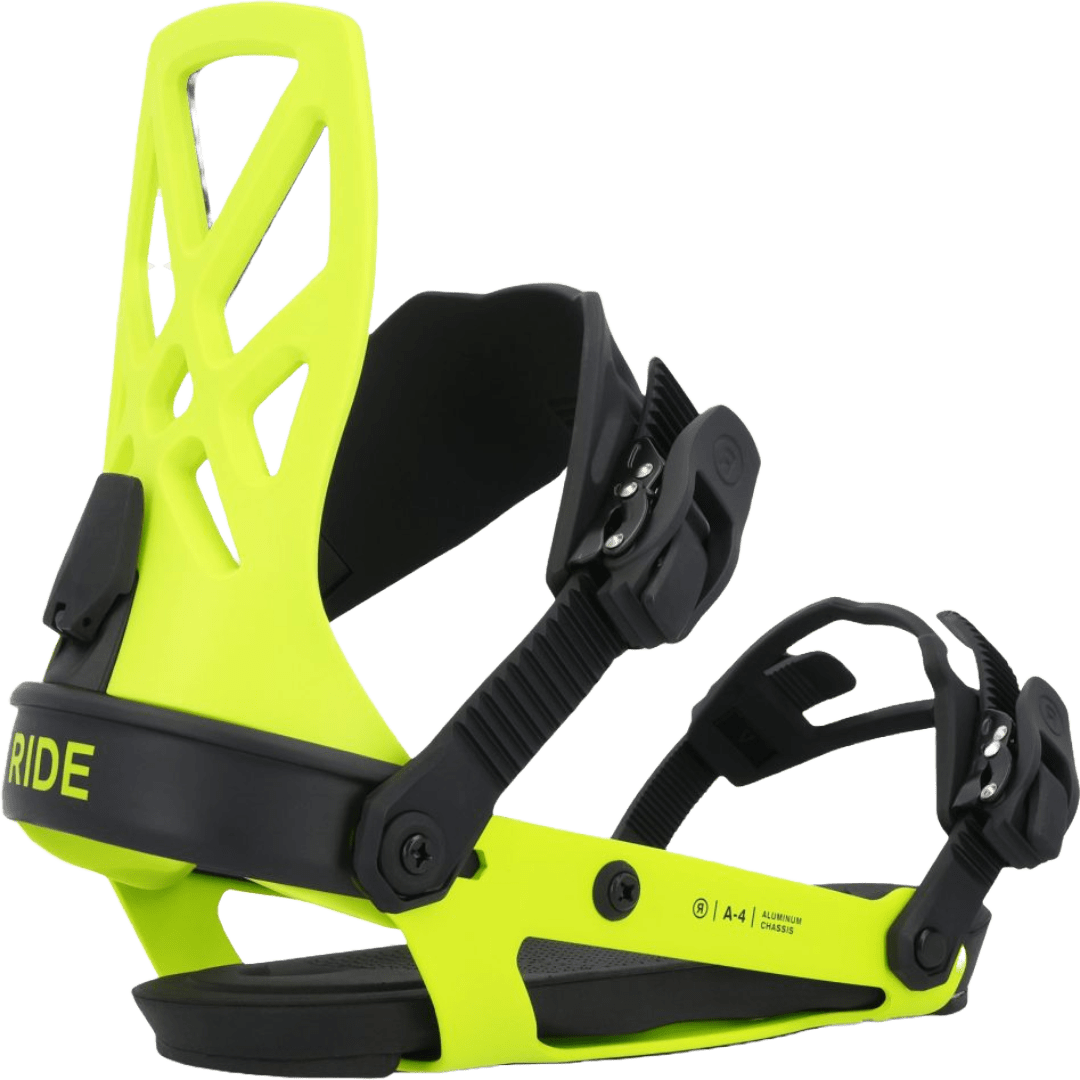
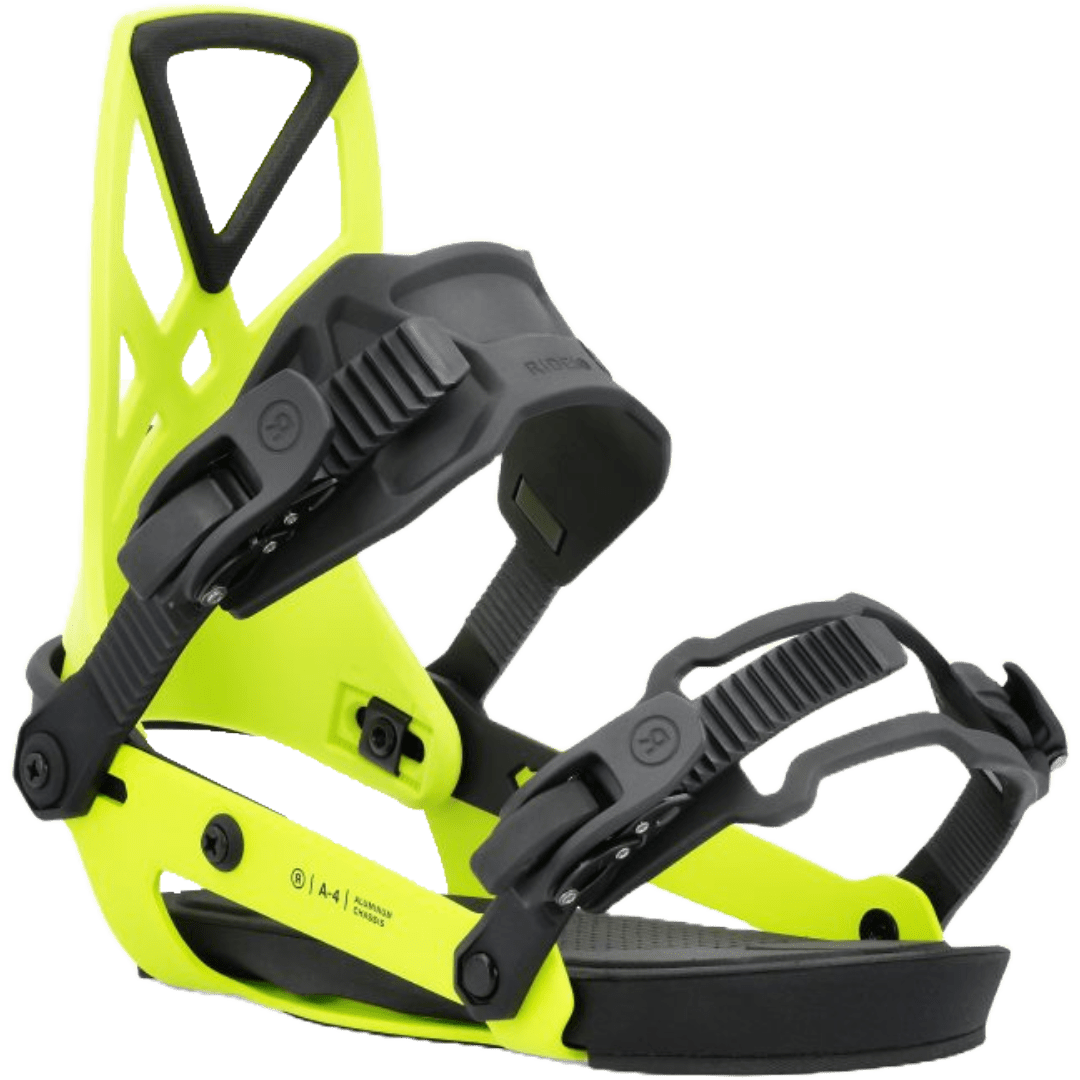
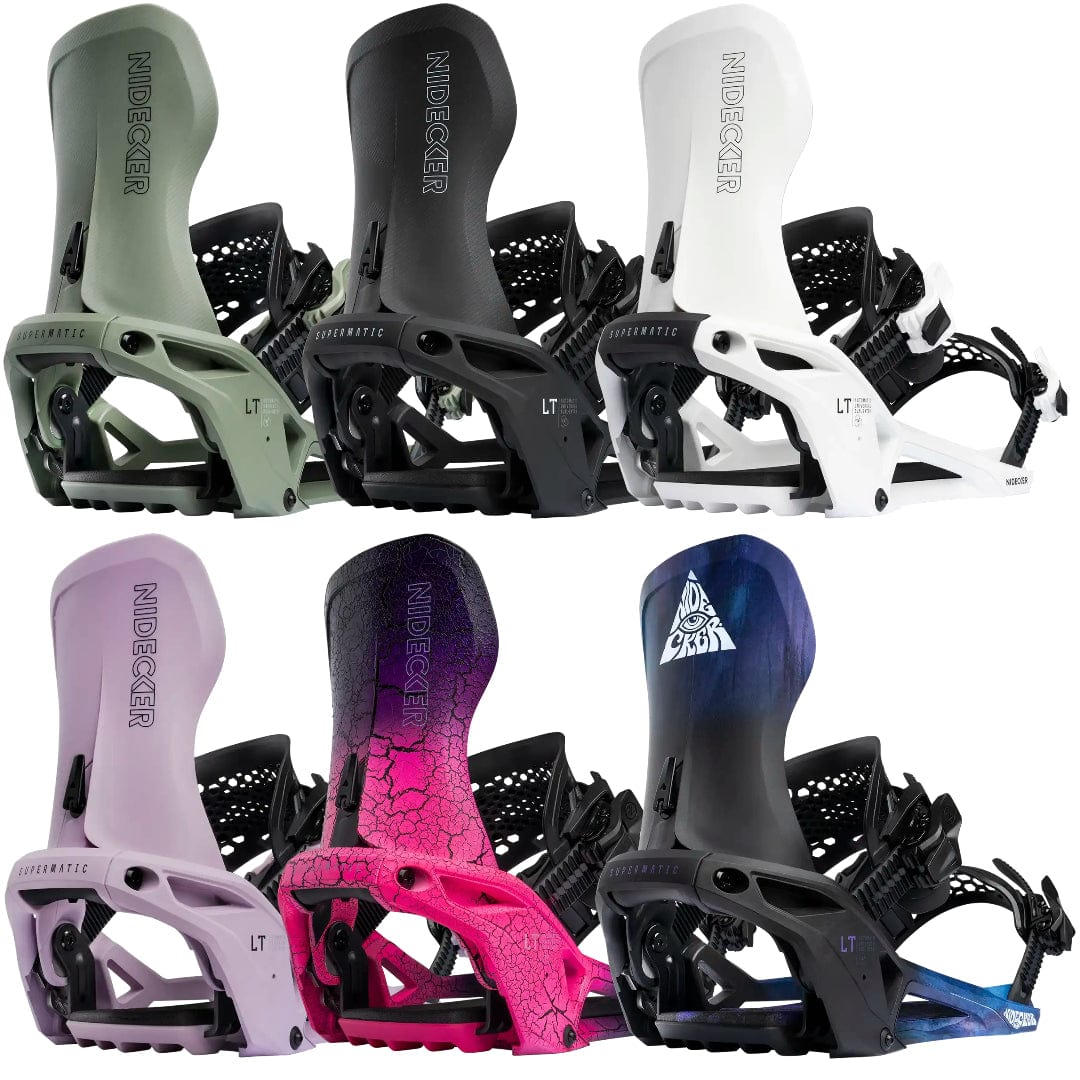
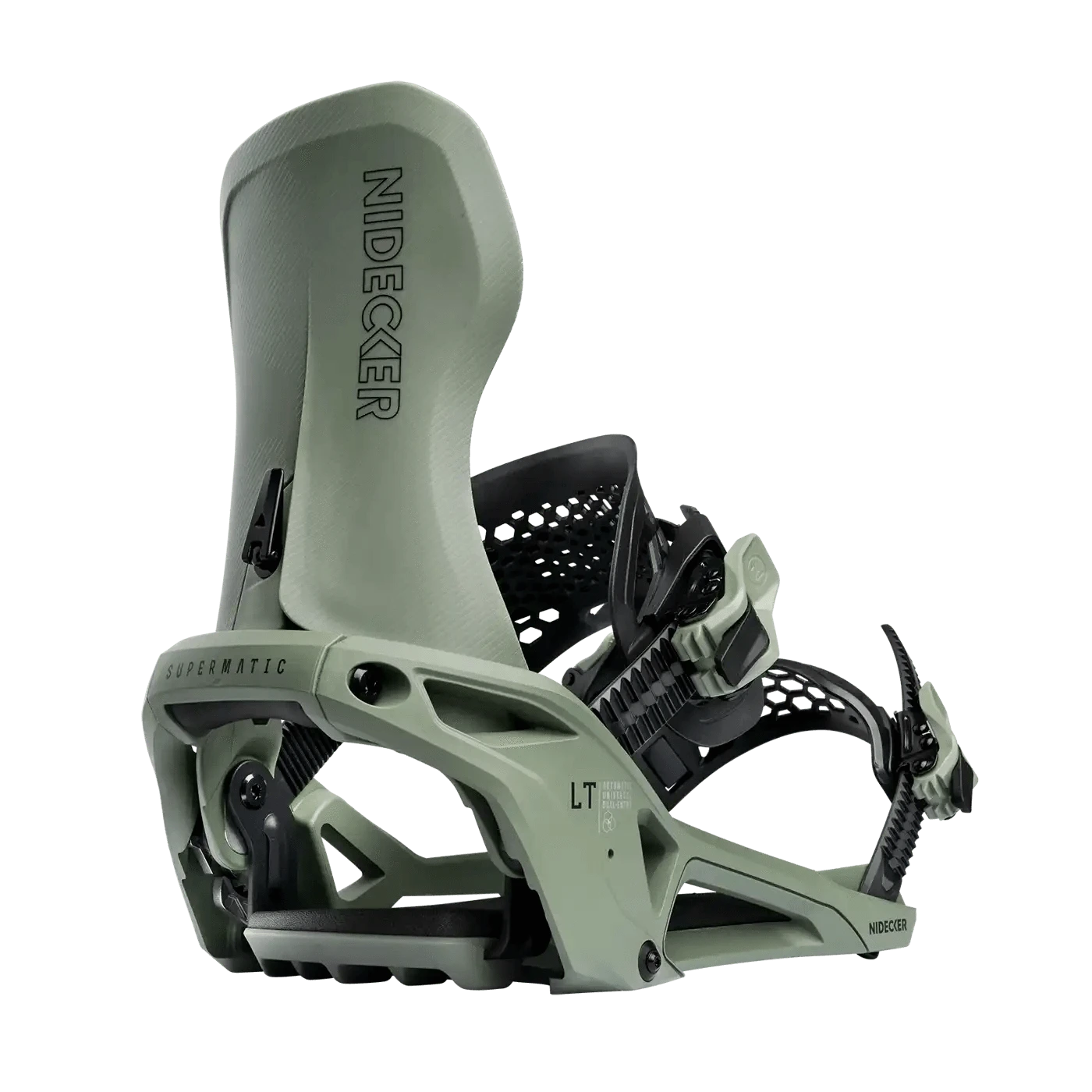
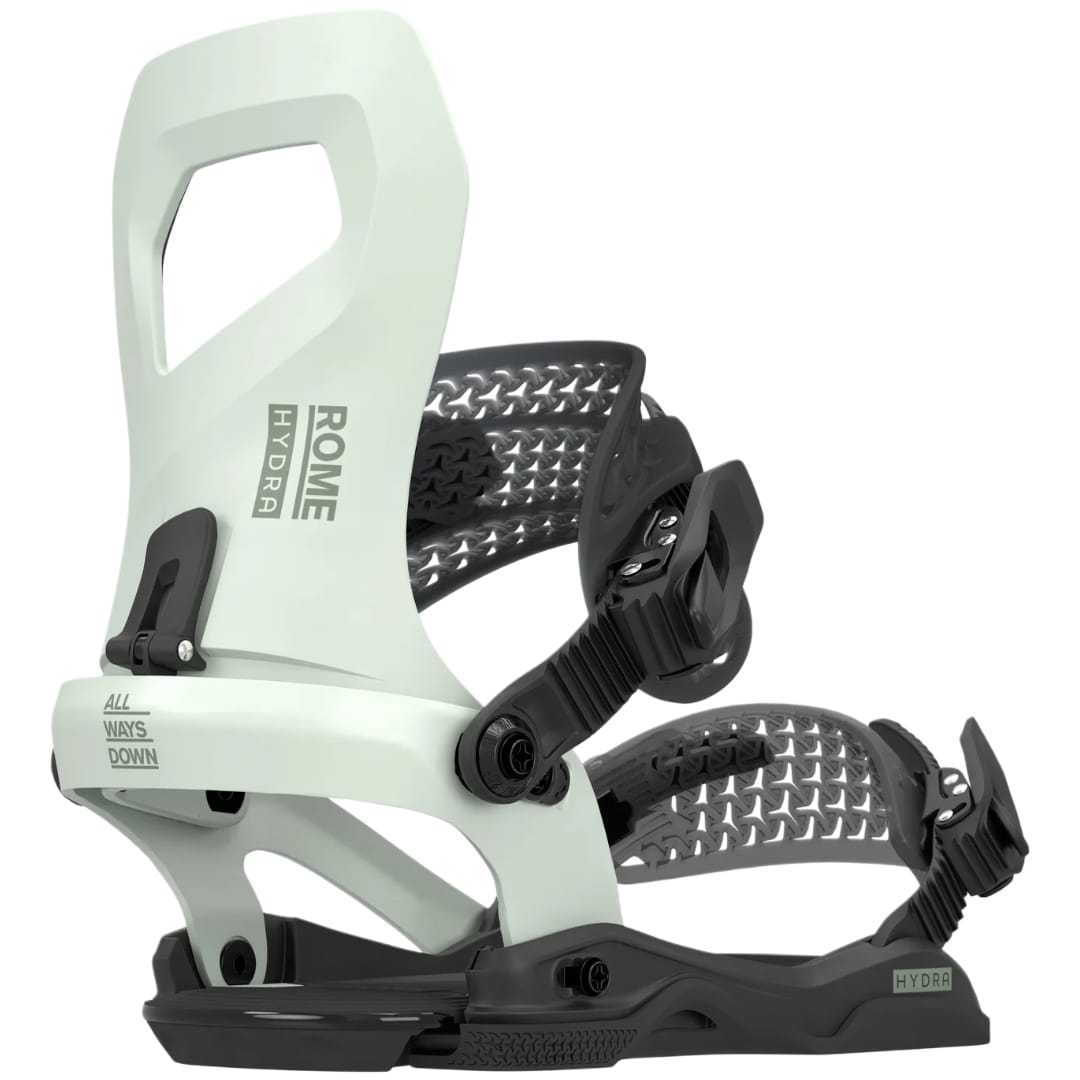
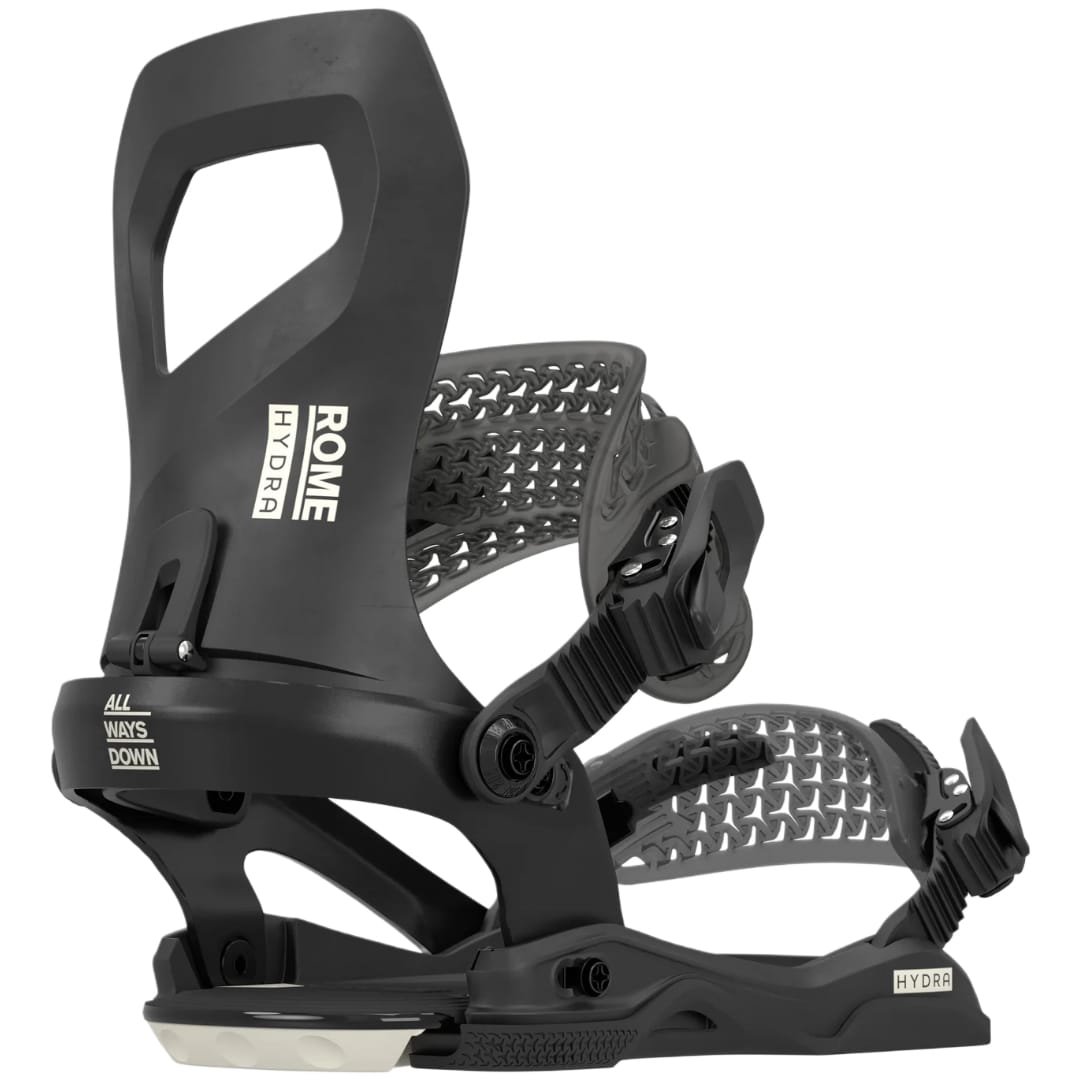
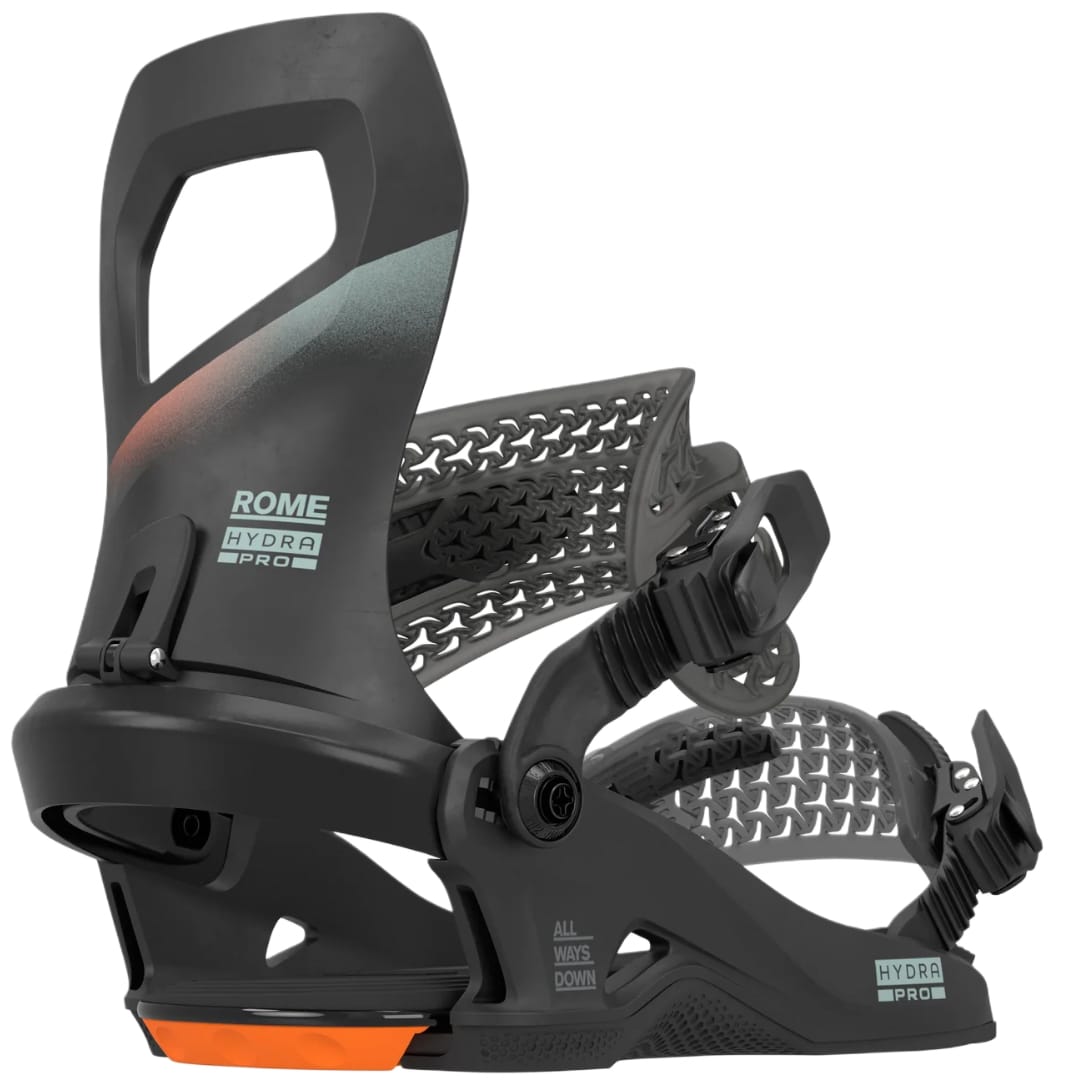
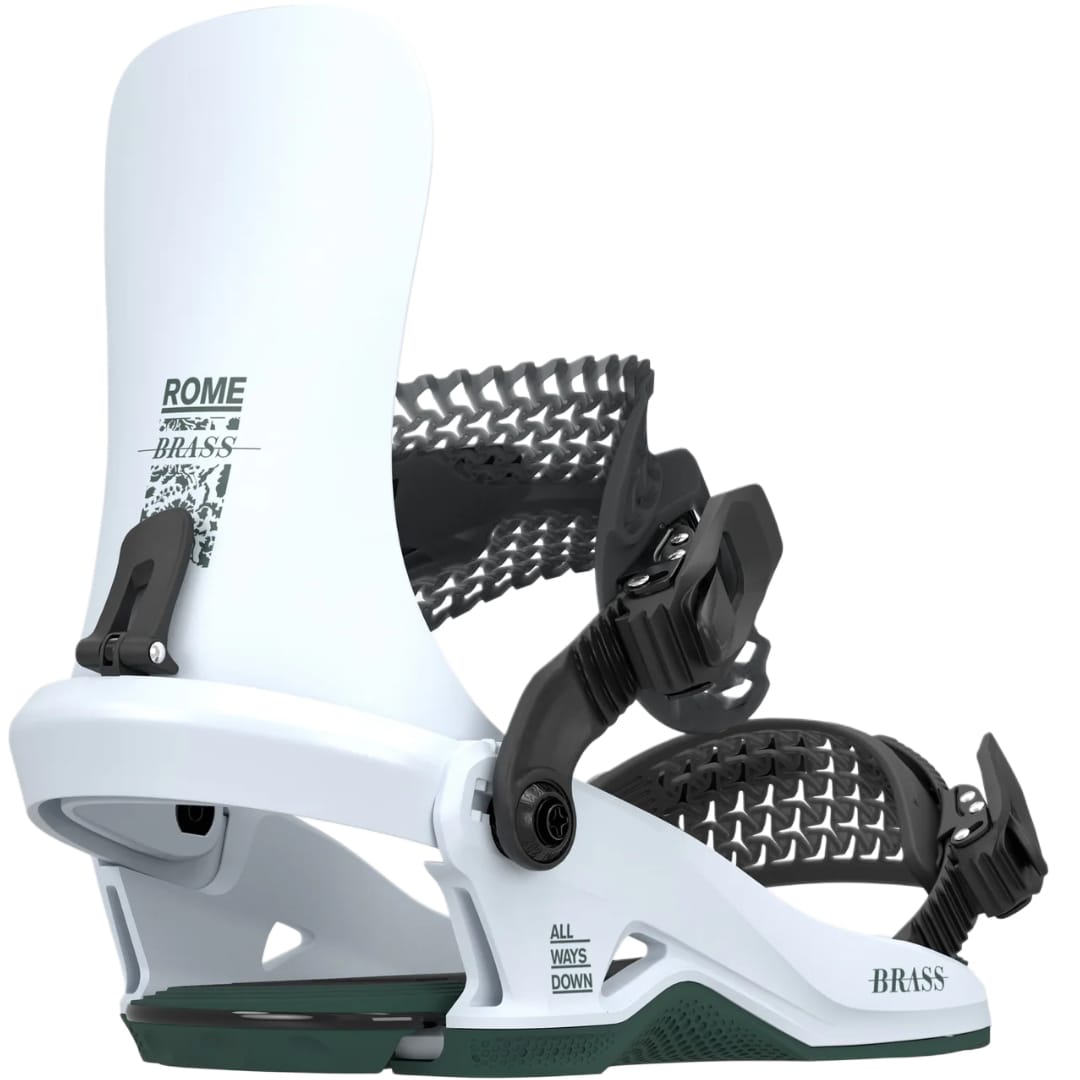
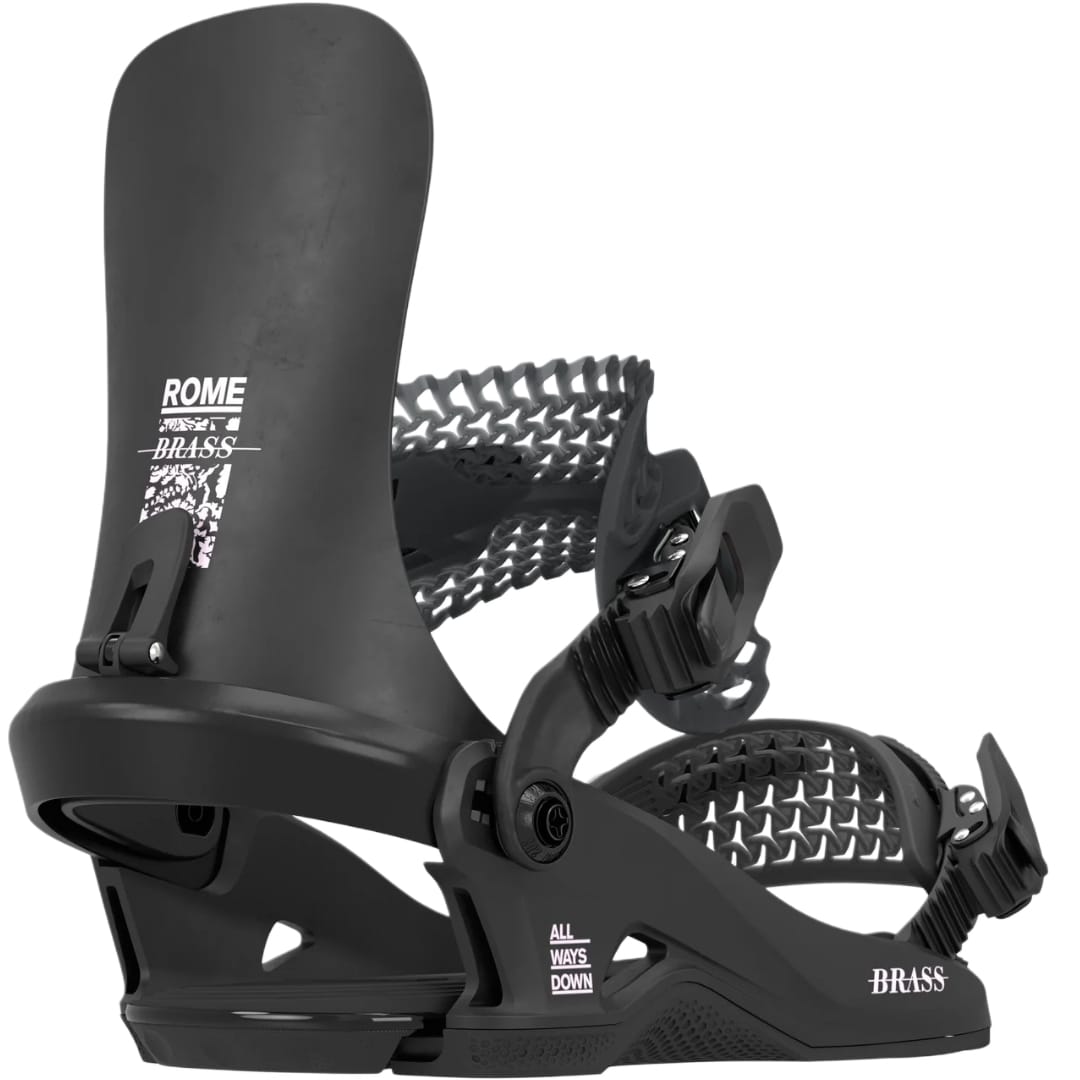
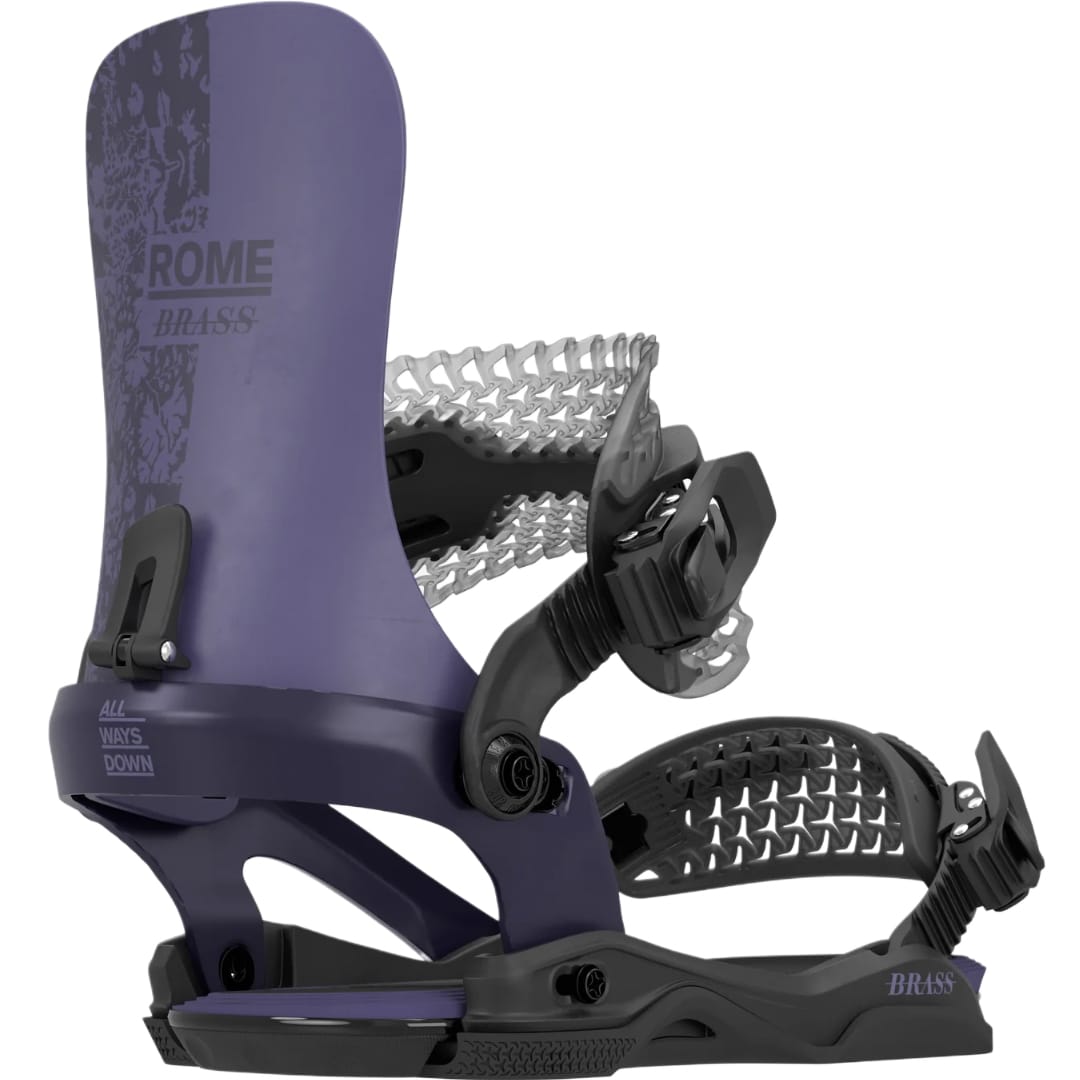
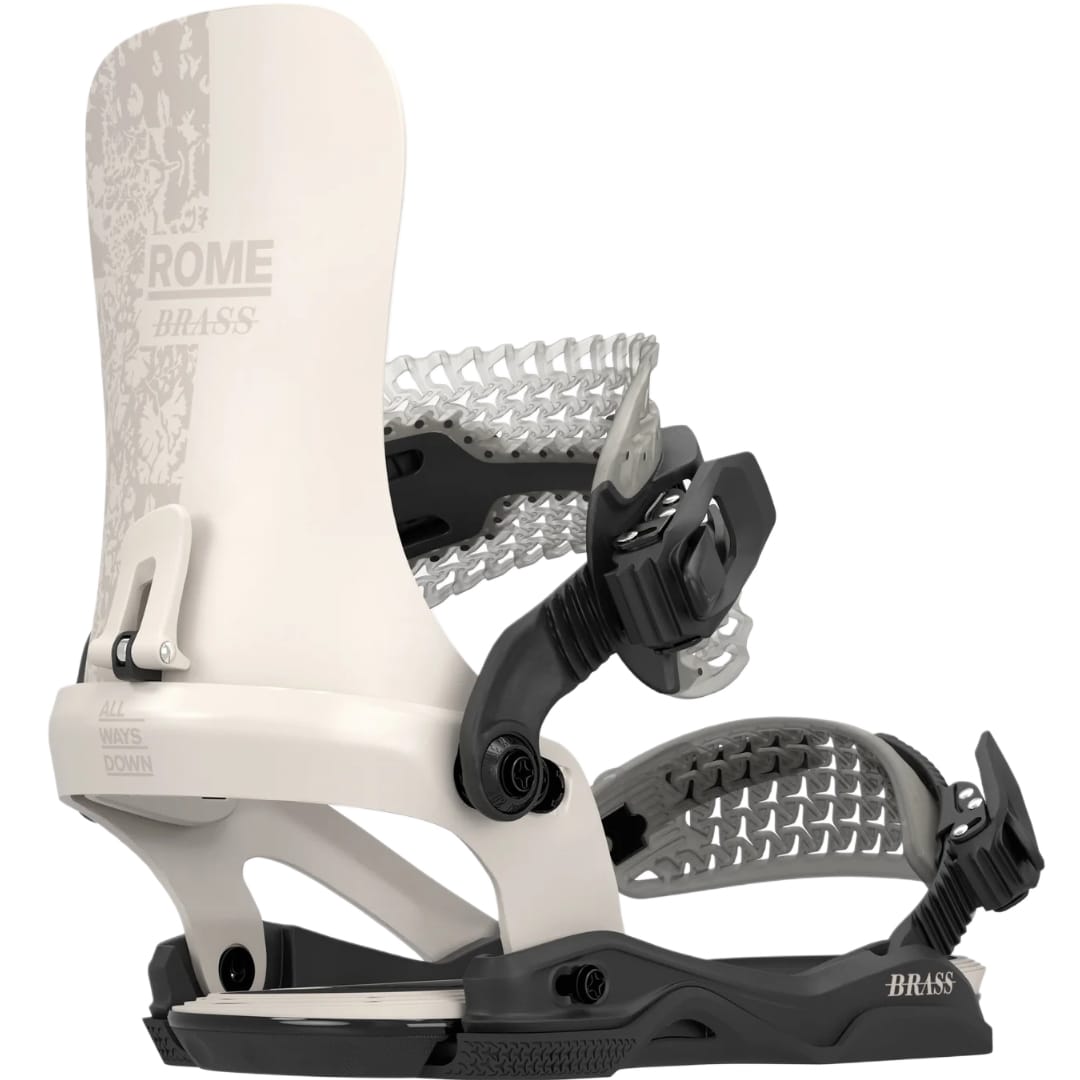
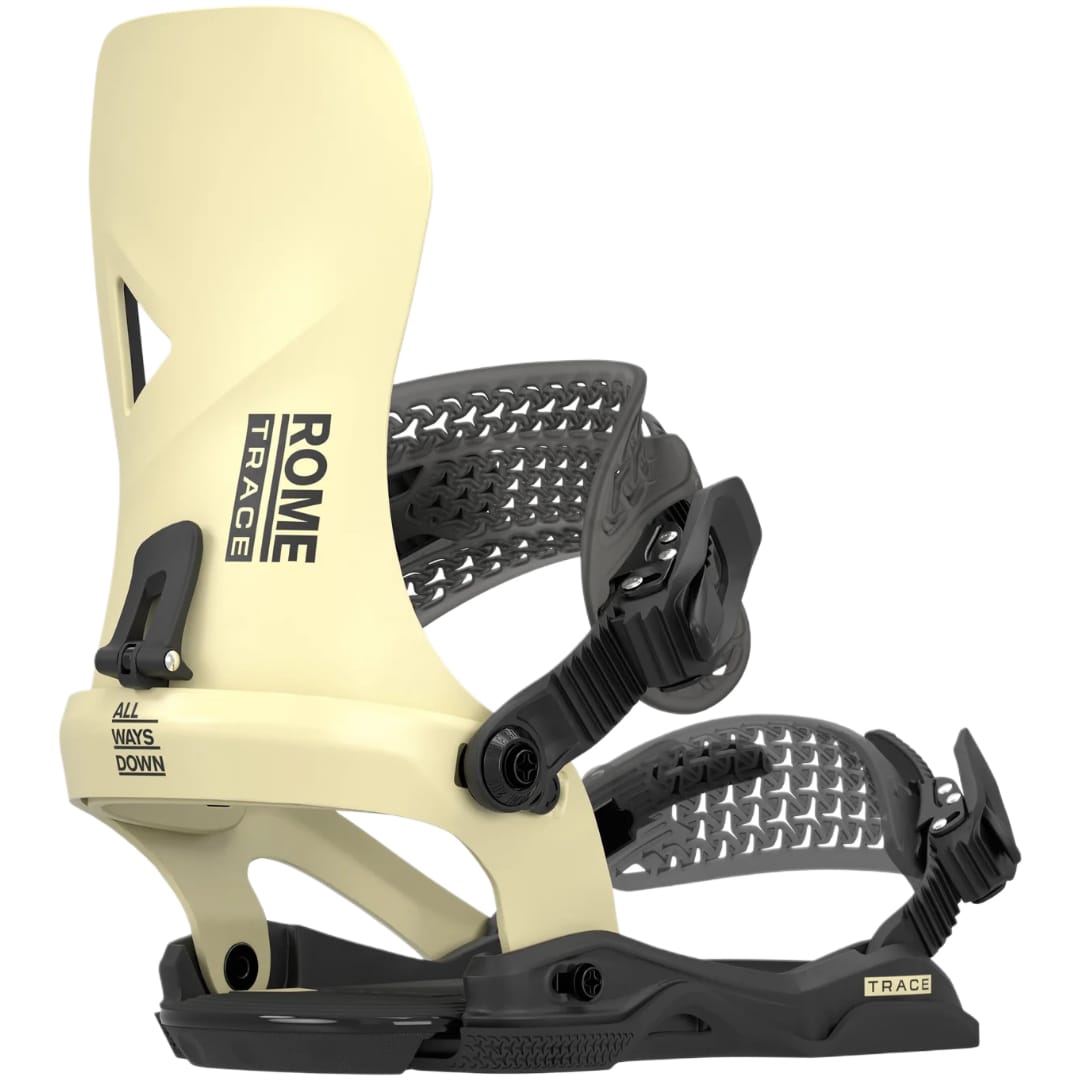
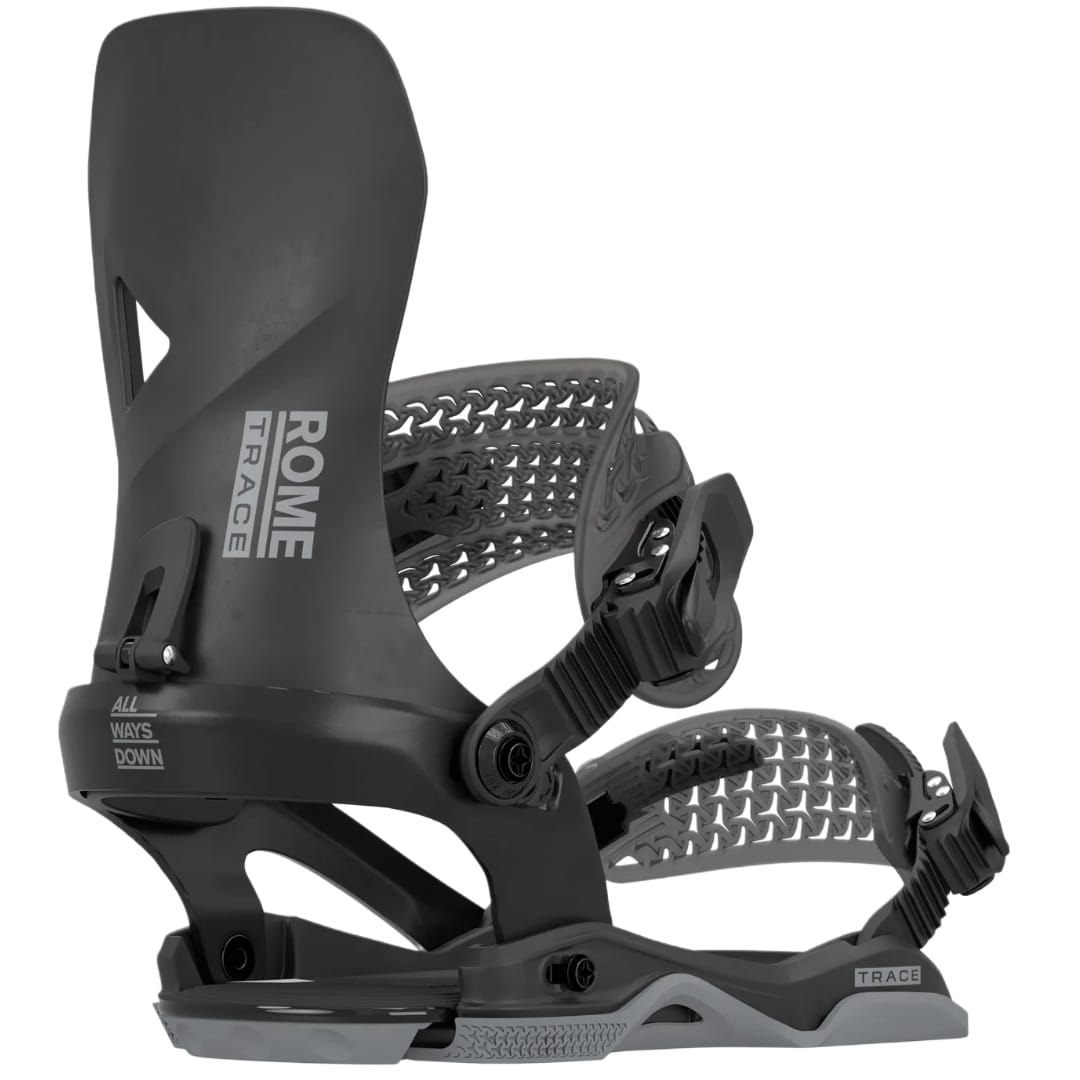
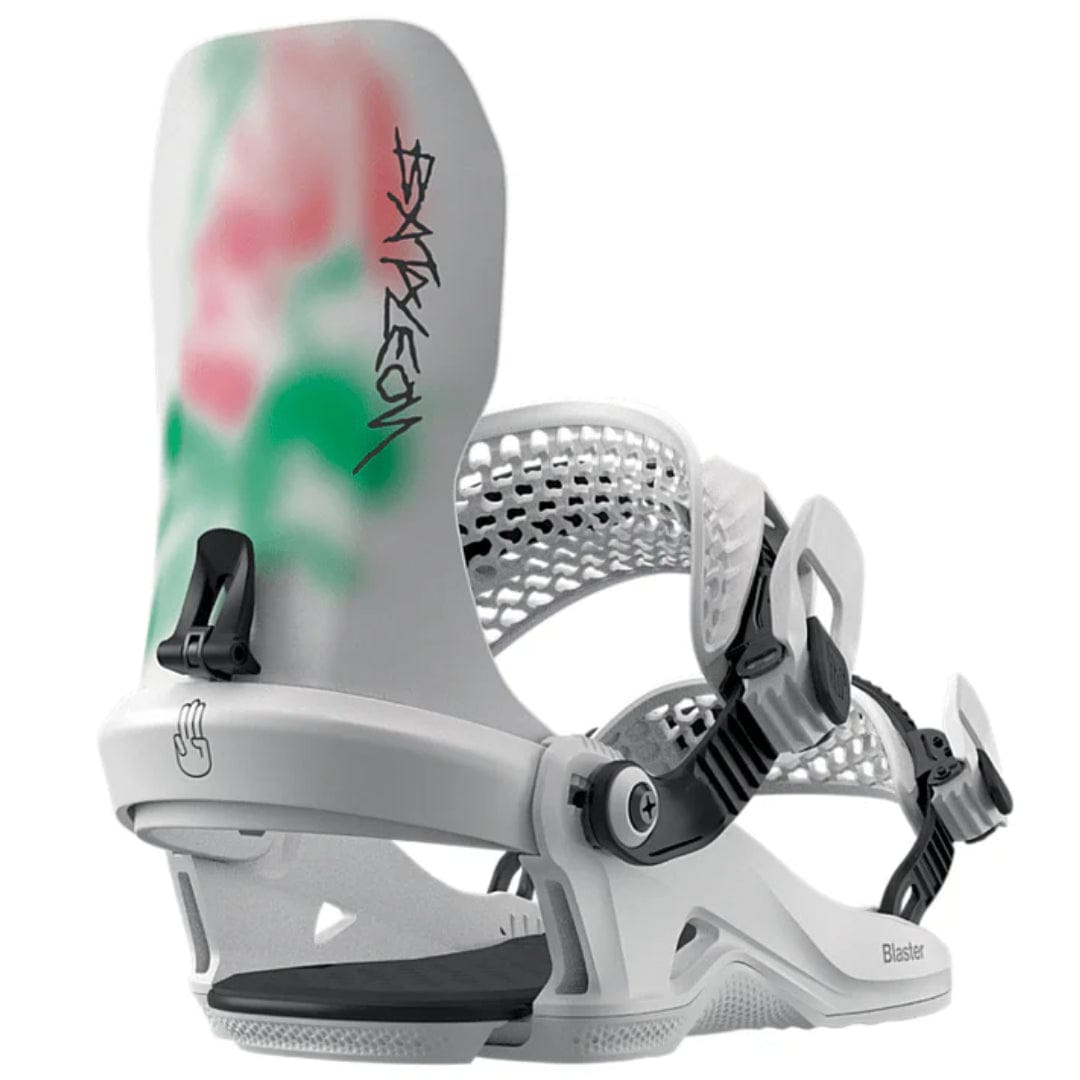
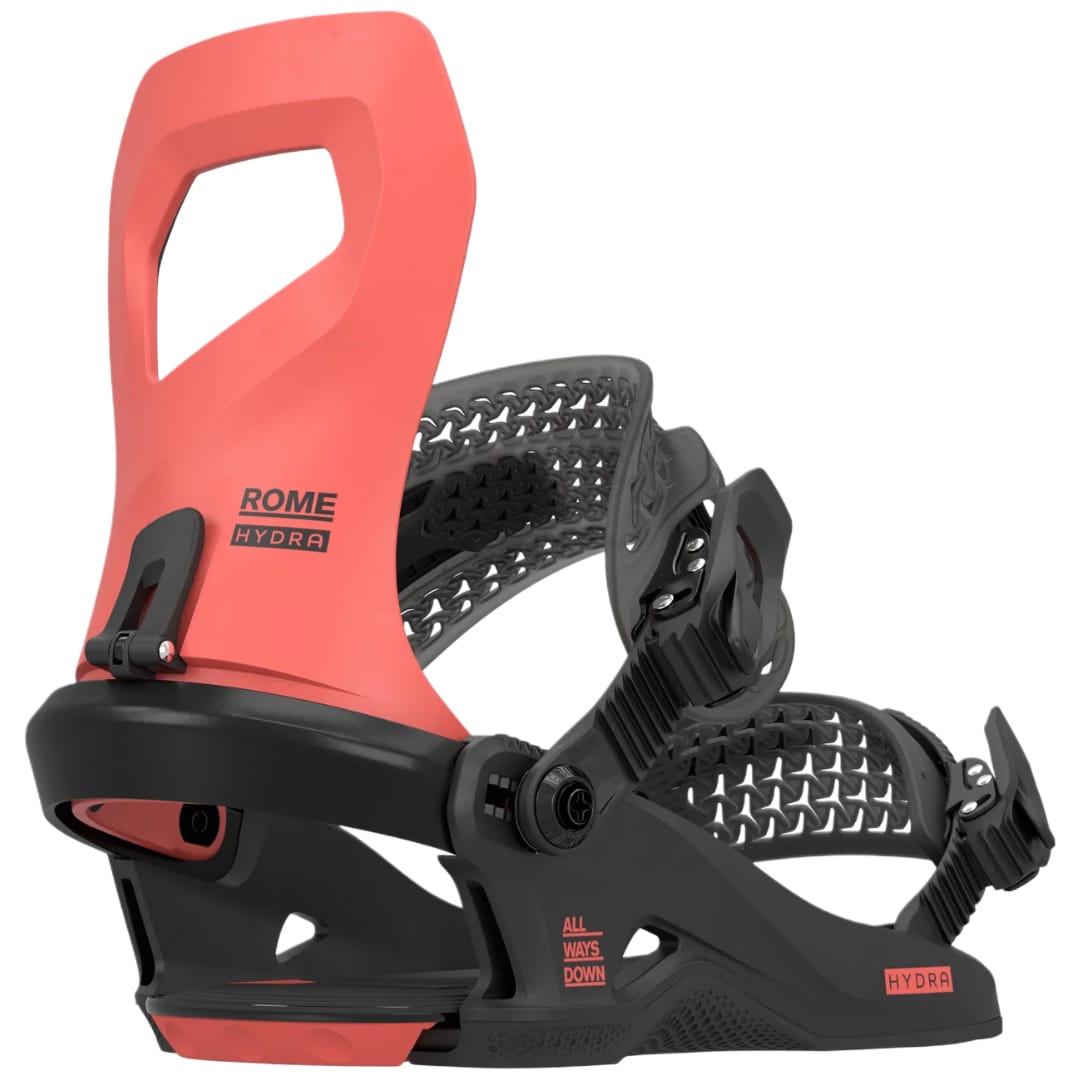
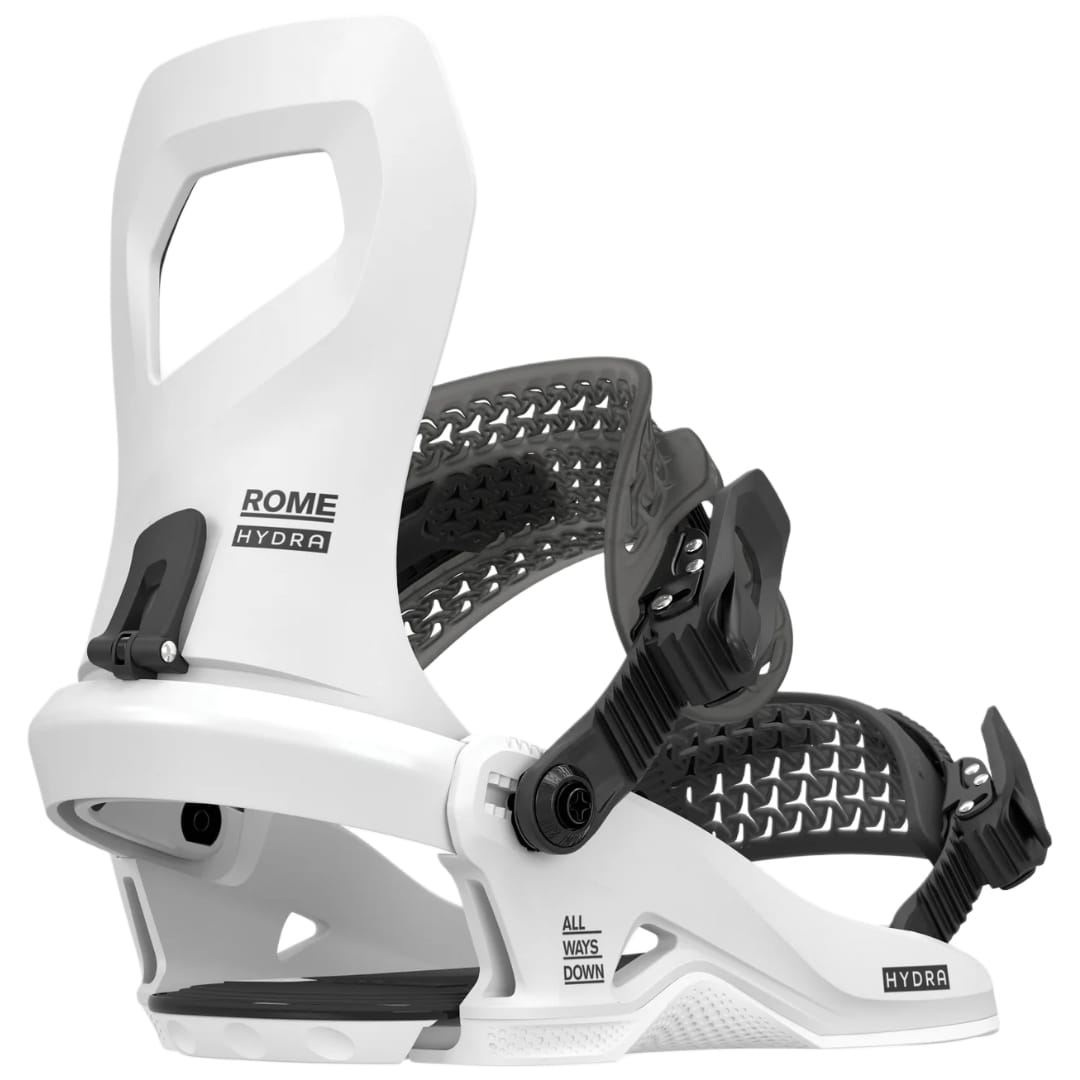
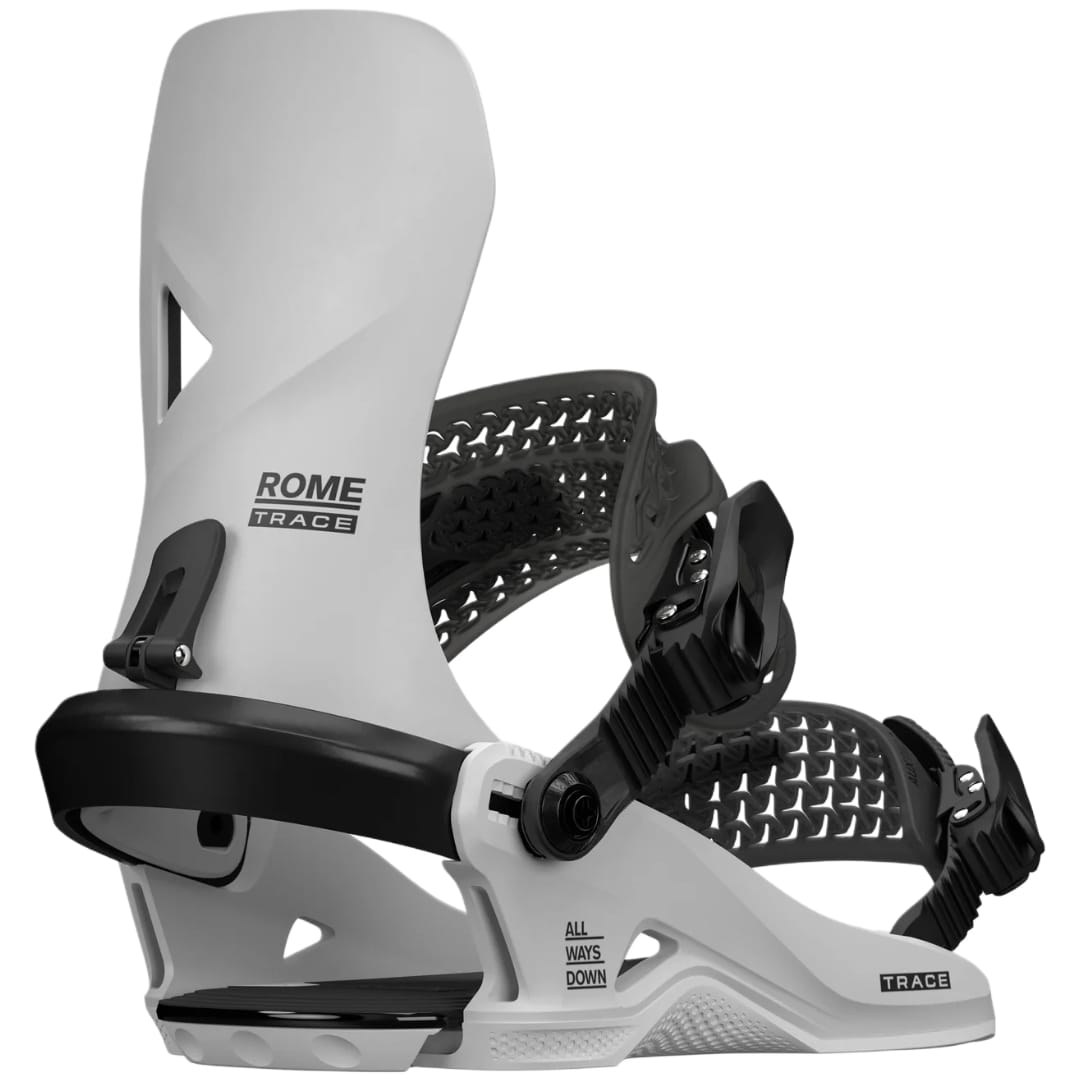
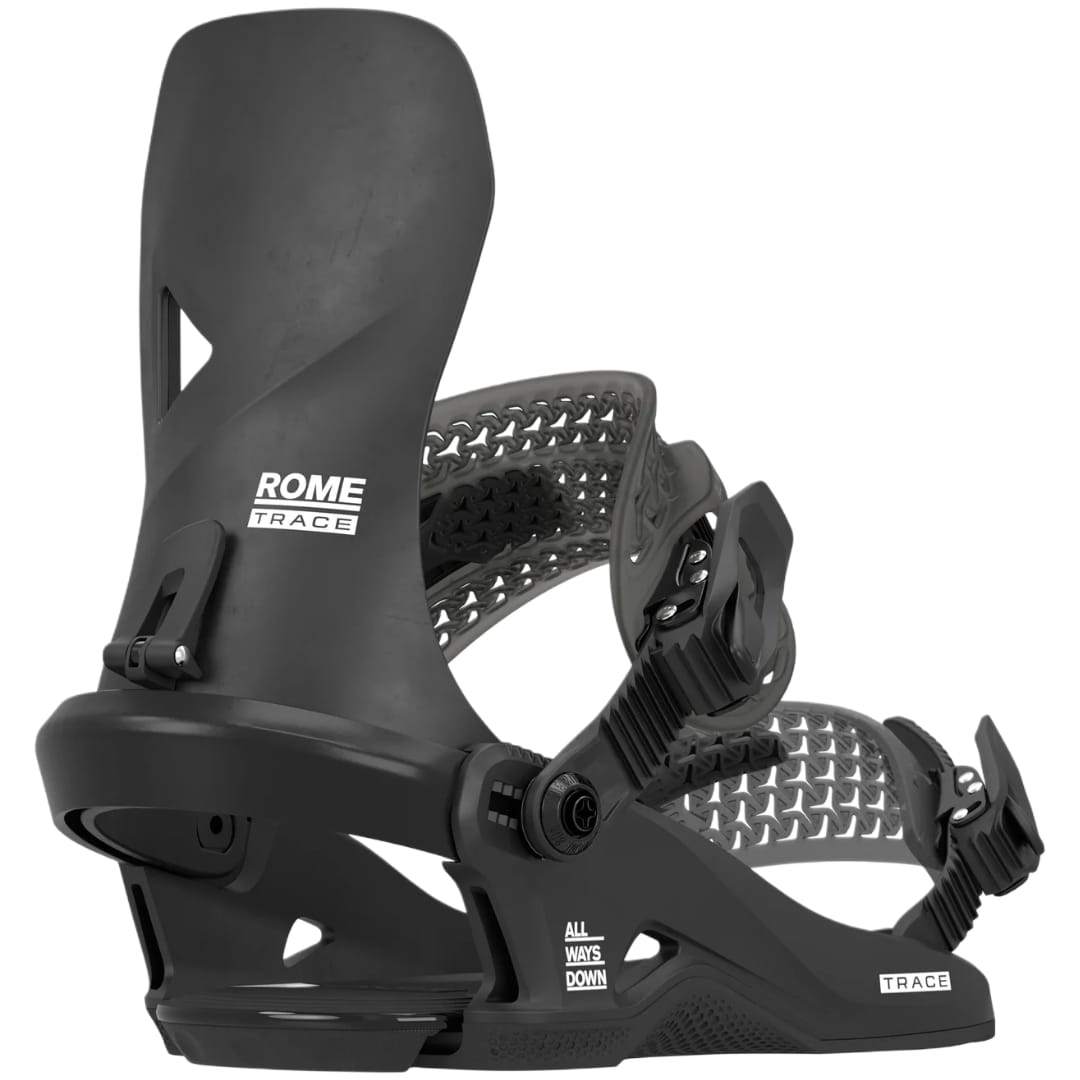
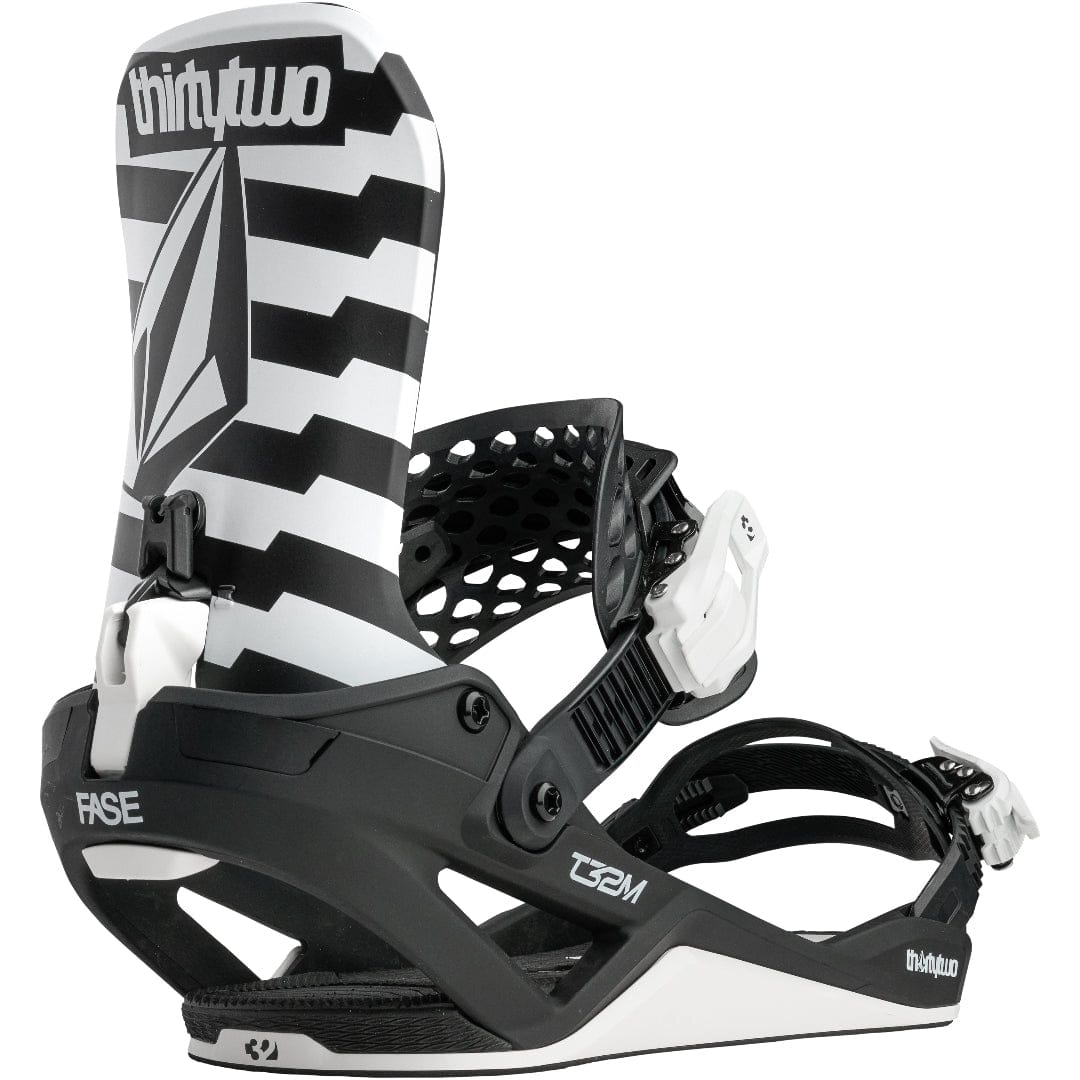
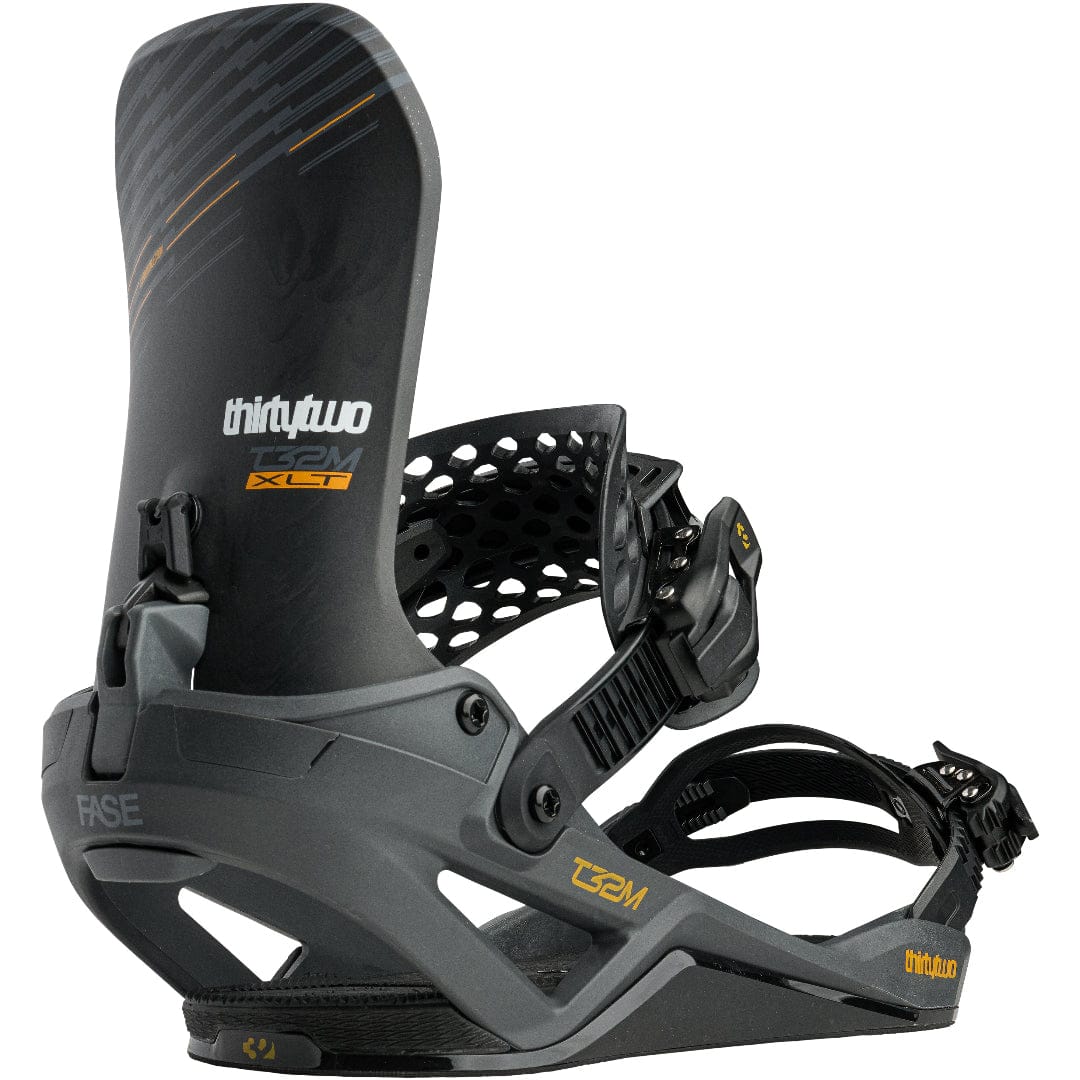
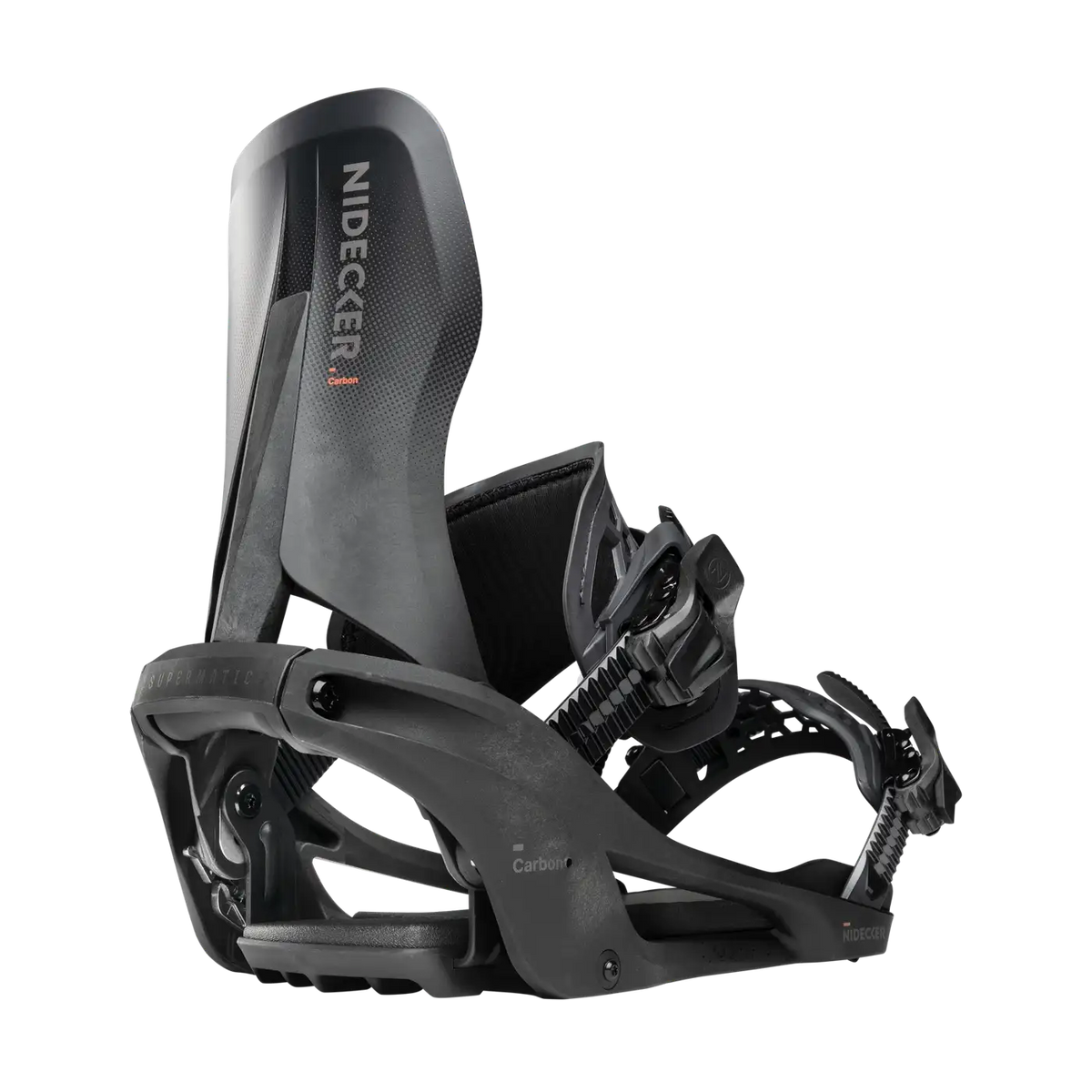
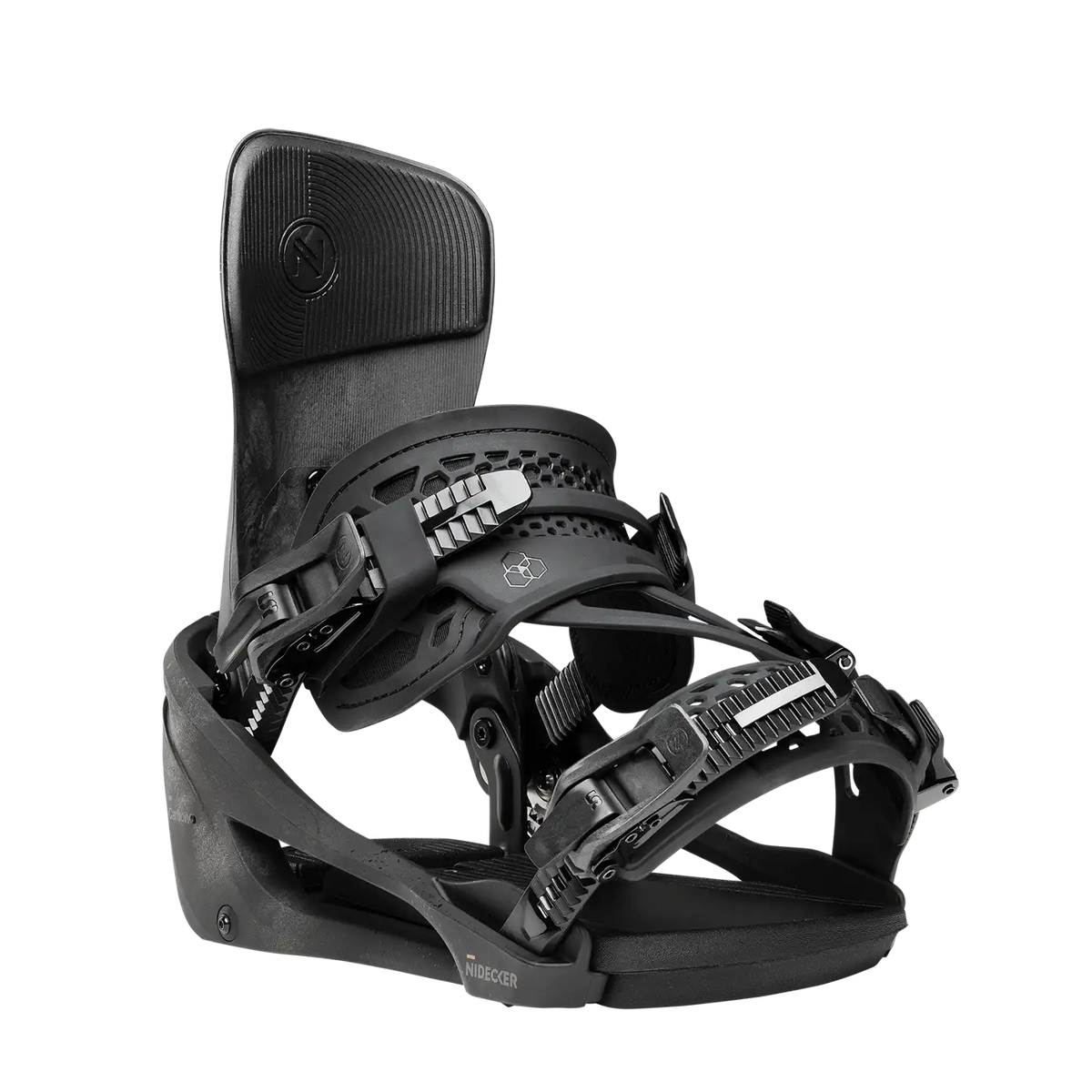
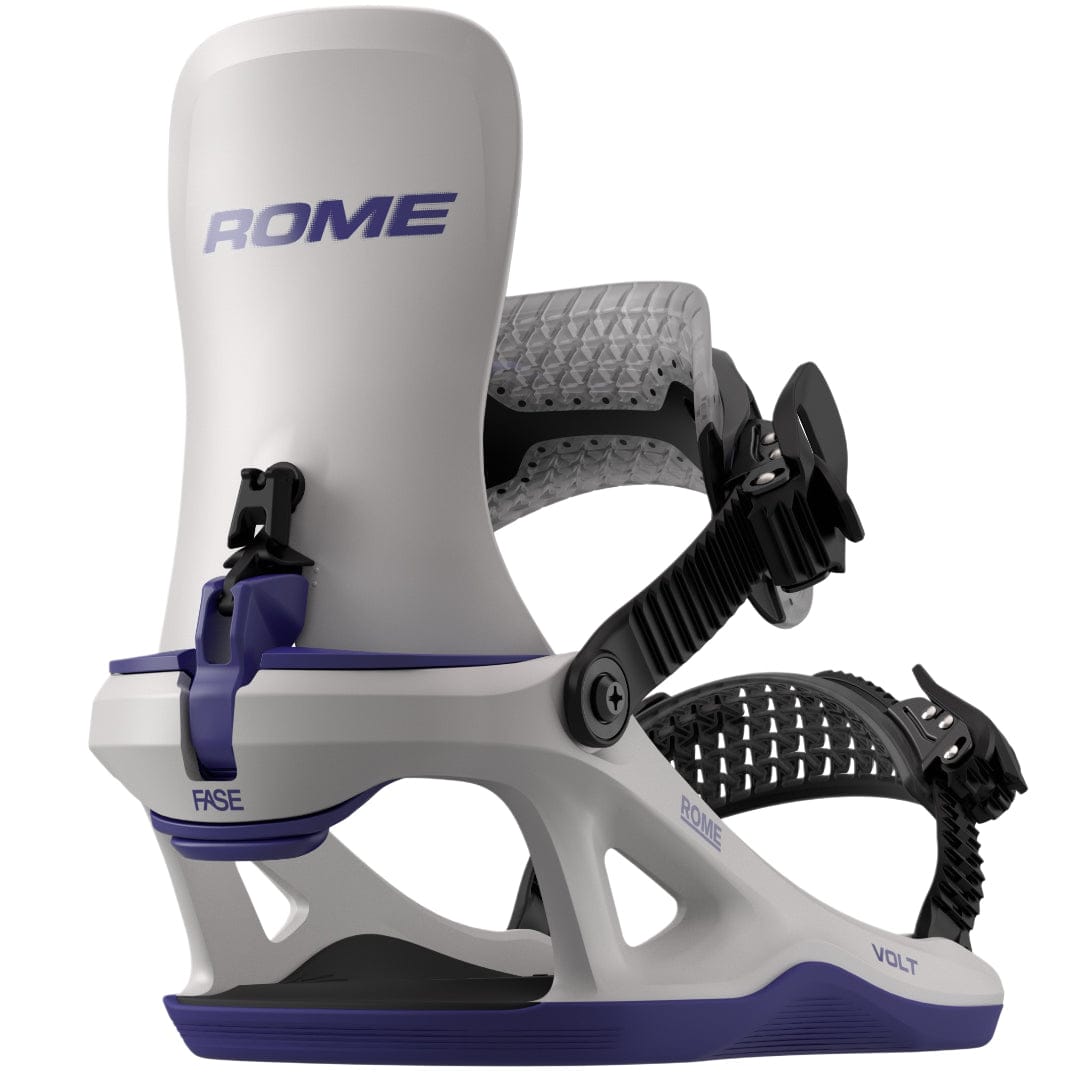
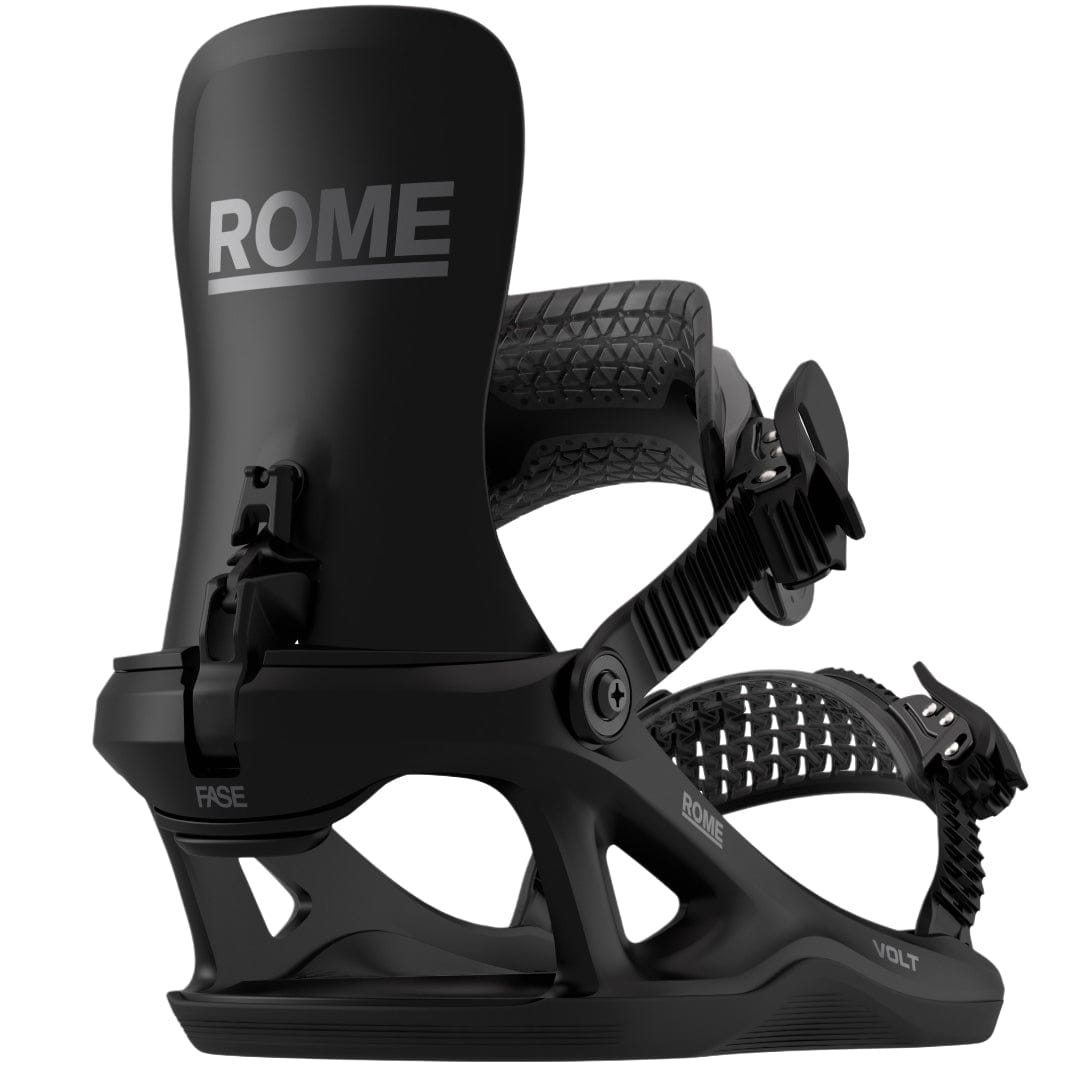
Your snowboard bindings are the link between your boots and your board, and they have a big say in how your setup rides. The right bindings transfer your movements precisely, match the flex of your board and boots, and keep you comfortable and in control all day. Choosing well, and setting them up properly, can transform how a board feels underfoot.
Our snowboard binding range covers men's, women's, and youth bindings across soft to stiff flex, in traditional strap and quick entry designs, from trusted snowboard brands. Whether you are learning, riding park, or charging the whole mountain, there is a binding to match your boots, your board, and your style.
Not sure which flex or type you need? The guide below explains it, and our team is always happy to help. Browse the range below, pair your bindings with a deck from our snowboards, and see the full snowboarding range to complete your setup.
What Do Snowboard Bindings Do?
Bindings attach your boots to the board and transmit every movement from your legs and ankles into it. They need to hold your boot securely, flex in a way that suits your riding, and spread pressure comfortably across your foot. A good binding feels like a natural extension of your boot, responsive when you want control and forgiving when you want to play, while a poorly matched one makes even a great board feel wrong.
Binding Flex Explained
As with boots and boards, flex is central.
-
Soft flex: forgiving and playful, easier for beginners and great for park, jibbing, and presses
-
Medium flex: the versatile all mountain choice, balancing response and forgiveness
-
Stiff flex: responsive and supportive for carving, speed, and freeride, favoured by advanced riders
The golden rule is to match your bindings to your board and boots, so a stiff freeride board pairs with stiffer bindings and a soft park board with softer ones.
Types of Snowboard Binding
There are a few entry styles, each with its own appeal.
-
Traditional strap bindings: two straps over the ankle and toe, the most common and adjustable design with reliable support
-
Rear entry bindings: a highback that drops back so you slide your foot in quickly, convenient for fast entry
-
Step in systems: modern step in designs that click into place for speed and convenience, needing compatible boots
Strap bindings remain the most popular for their adjustability and support, while rear entry and step in designs prioritise convenience.
How to Choose the Right Bindings
A few questions narrow it down:
-
Your ability and style: softer for learning and park, stiffer for freeride and carving
-
Your board and boots: match flex across all three for a balanced feel
-
Size: bindings come in sizes based on your boot size, so choose the range your boot falls into
-
Compatibility: make sure the binding fits your board's mounting system
- Your budget
Getting the size and compatibility right is essential, so when in doubt, check with us before buying.
Binding and Board Compatibility
Most bindings use a disc that matches common mounting patterns, including 2x4 and 4x4 bolt patterns and channel systems found on some boards. Reputable bindings usually include discs to fit the main systems, but it is always worth confirming your binding will mount to your particular board, especially with channel mounted decks. If you are building a setup from scratch, we can make sure your board, bindings, and boots are all compatible and matched in flex.
Setting Up Your Bindings
Correct setup makes a real difference to comfort and control. Stance width is usually around shoulder width, and stance angles are a personal preference, with many riders using a slight duck stance for versatility. Highback rotation, forward lean, and strap position can all be fine tuned to your boots and riding. Always tighten mounting screws firmly and check them periodically, as they can loosen with vibration. Our team can suggest a sensible starting setup you can refine on the hill.
Caring for Your Bindings
A little care keeps bindings safe and reliable.
- Dry them after riding to prevent corrosion of the hardware
- Check and tighten mounting screws and ratchets regularly
- Inspect straps, buckles, and highbacks for wear
- Replace worn ratchets or straps promptly, as spares are often available
- Store dry, away from extreme heat
Checking your mounting screws and ratchets regularly is the simplest way to avoid a binding issue on the mountain.
How Much Do Snowboard Bindings Cost?
Prices depend on flex, materials, features, and brand. Entry level bindings offer soft, forgiving support at the lower end of the range, mid range bindings add better response, cushioning, and adjustability, and premium bindings bring the lightest, most responsive construction with the best materials. Matching your bindings sensibly to your board and boots matters more than buying the most expensive option, so choose for your style and ability first.
Why Buy Your Bindings from Surface2Air Sports?
We have been fitting snow and watersports enthusiasts since 2002, with a shop in Poole and the full range online.
- Men's, women's, and youth bindings across soft to stiff flex
- Strap, rear entry, and step in designs from trusted brands
- Honest advice on flex, size, and compatibility
- Help matching bindings to your board and boots
- In store support and online guidance
- A range to suit different budgets
Whether it is your first pair or an upgrade, we can help you find bindings that match your setup. See the Bataleon range if you are after a complete brand setup.
Frequently Asked Questions About Snowboard Bindings
How do I choose snowboard binding flex?
Match it to your board and boots and your riding. Softer bindings suit beginners and park, medium flex is versatile all mountain, and stiff bindings suit carving and freeride.
What size snowboard bindings do I need?
Bindings are sized by boot size ranges, usually small, medium, and large. Choose the size your boot falls into for a secure, comfortable fit.
Will any bindings fit my board?
Most bindings include discs for common mounting patterns such as 2x4 and 4x4, and many fit channel systems too, but always confirm compatibility with your specific board.
What is the difference between strap and rear entry bindings?
Strap bindings use ankle and toe straps for an adjustable, supportive fit, while rear entry bindings let you slide your foot in from the back for faster, more convenient entry.
Should my bindings match my boots and board?
Yes. Matching flex across boots, bindings, and board gives the most balanced, predictable feel, so a stiff board pairs with stiffer bindings and a soft board with softer ones.
What stance should I set up?
A width around shoulder width with a slight duck stance is a versatile starting point. Stance angles are personal, and you can fine tune everything on the hill.
Do binding screws come loose?
They can loosen with vibration over time, so check and tighten mounting screws and ratchets regularly, ideally before each trip.
Can I replace worn straps or ratchets?
Often yes. Spare straps, ratchets, and parts are available for many bindings, so a worn part does not always mean replacing the whole binding.