Sort by




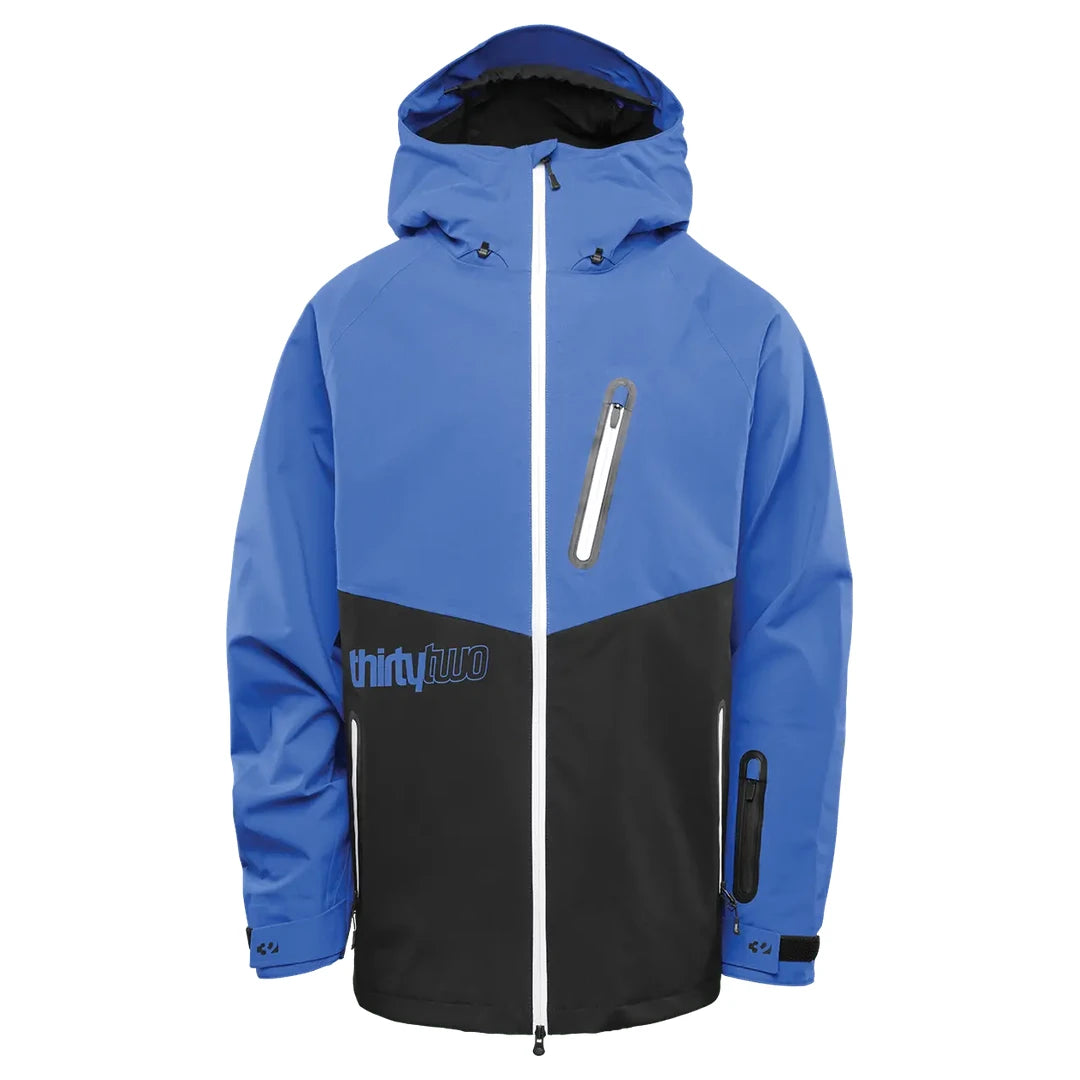
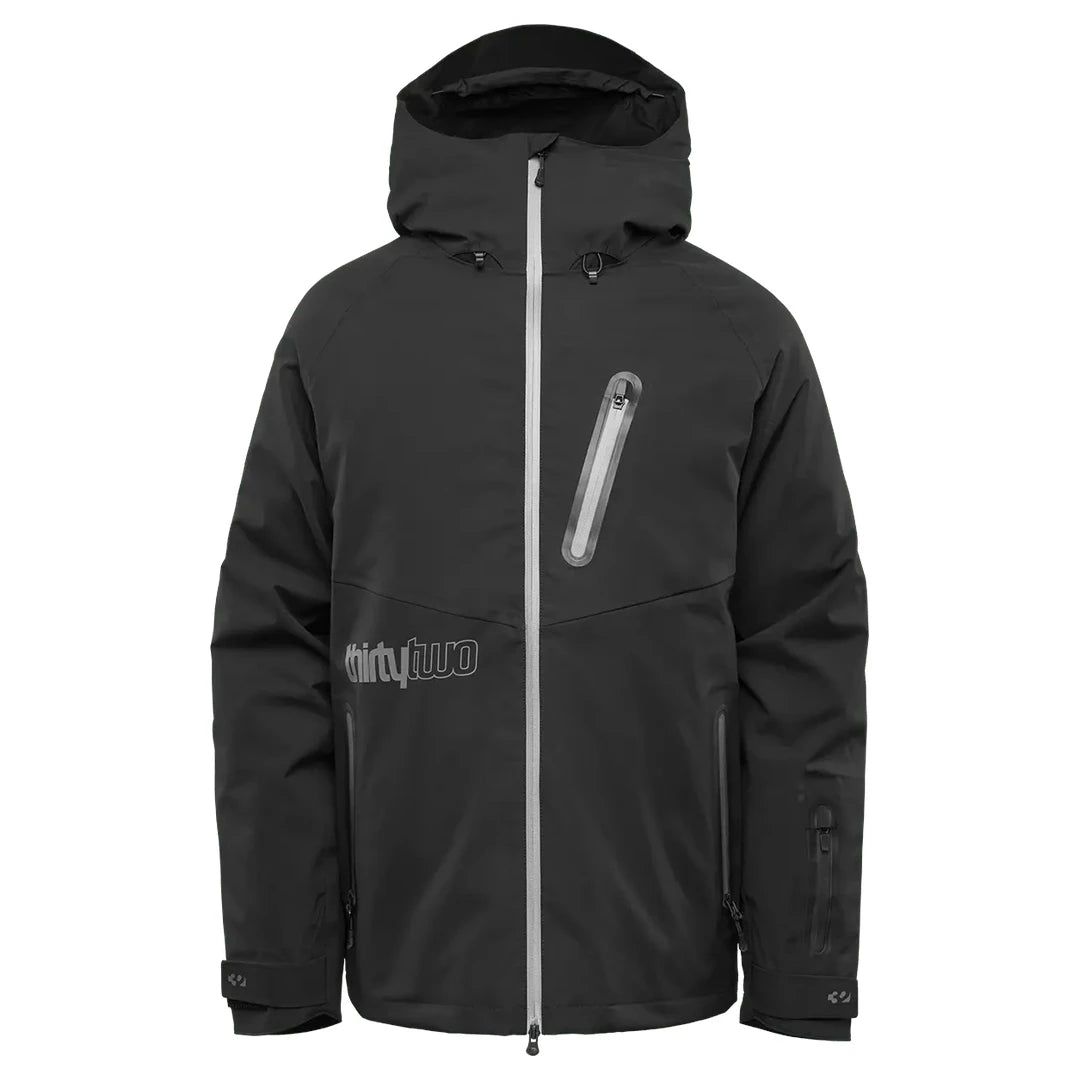
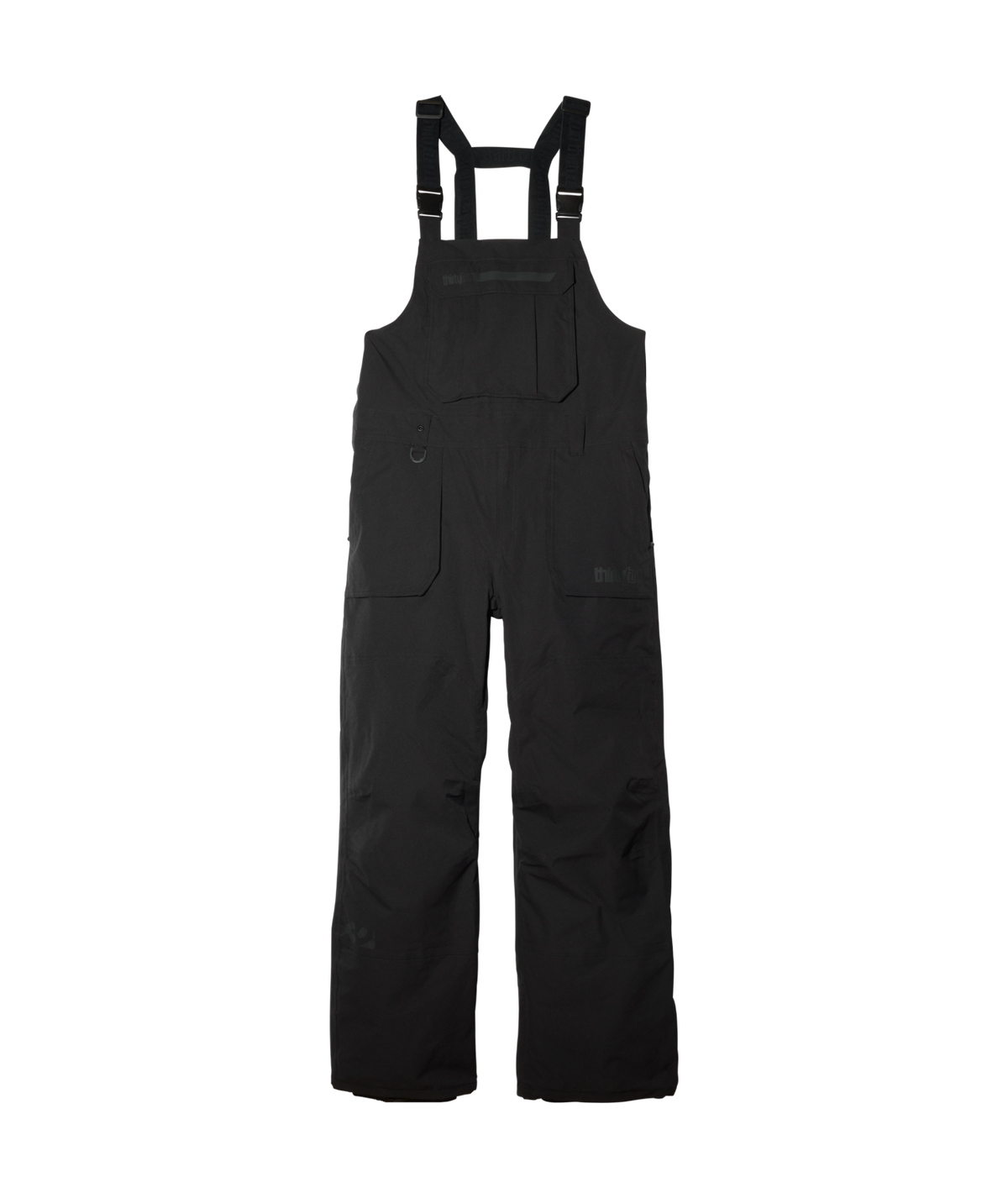
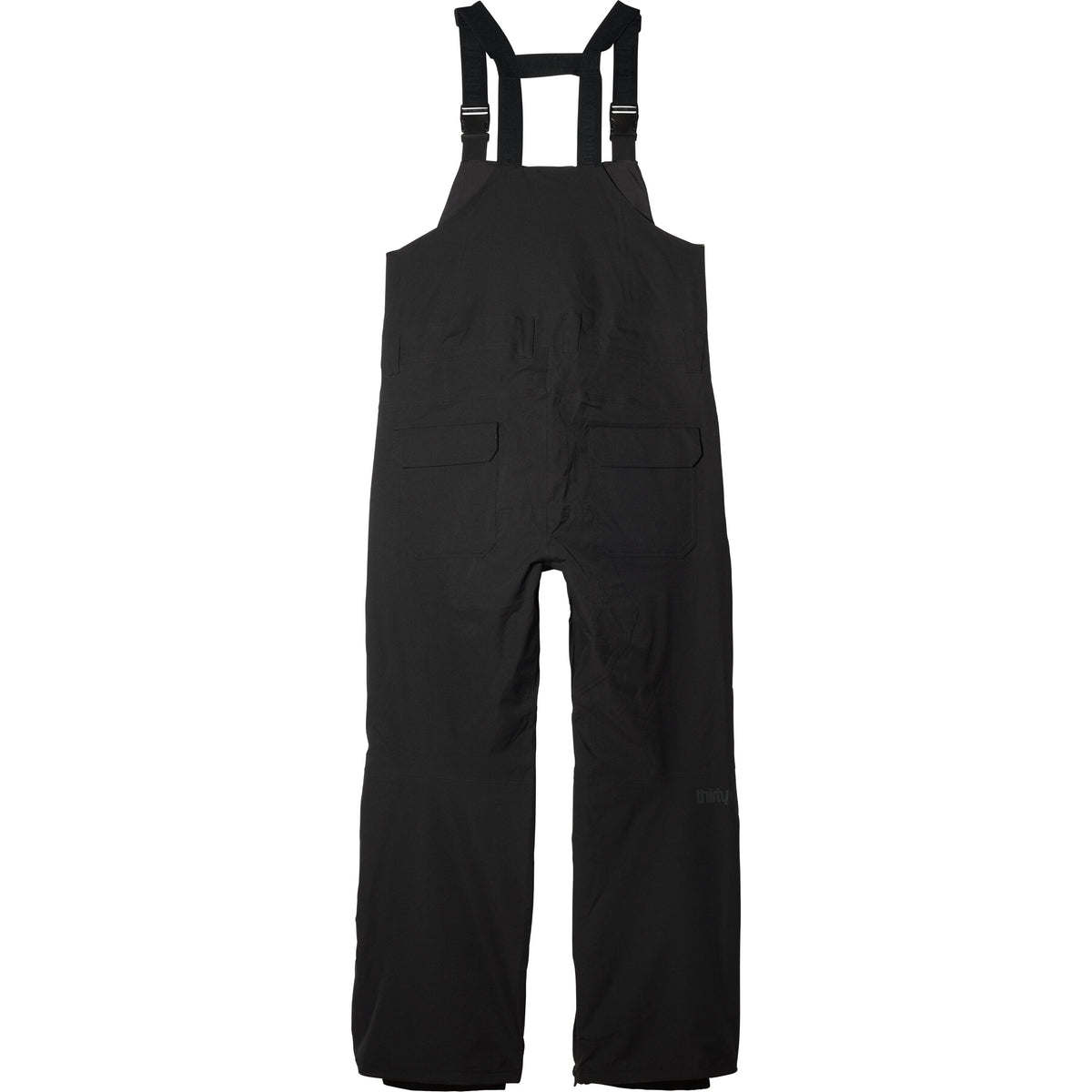
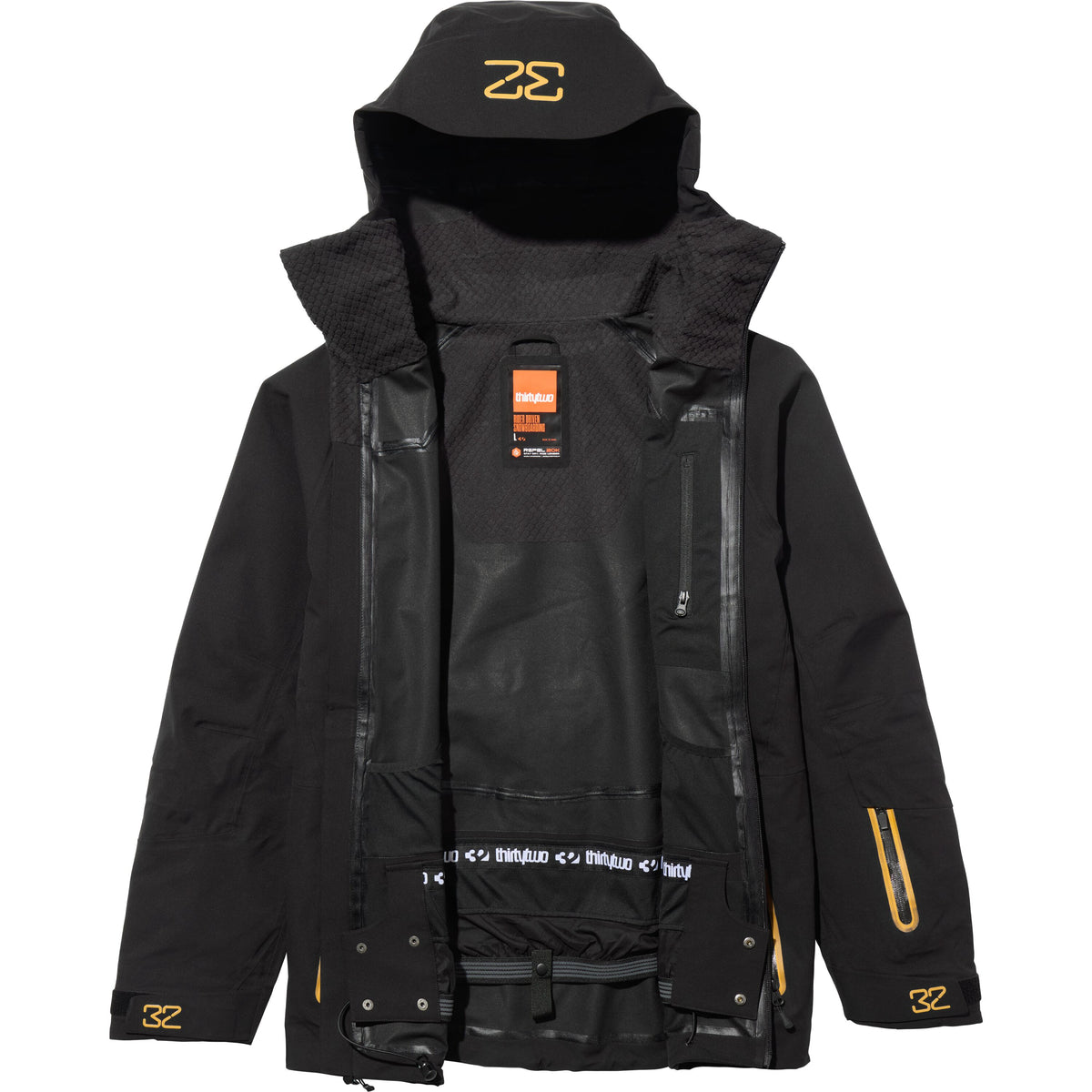
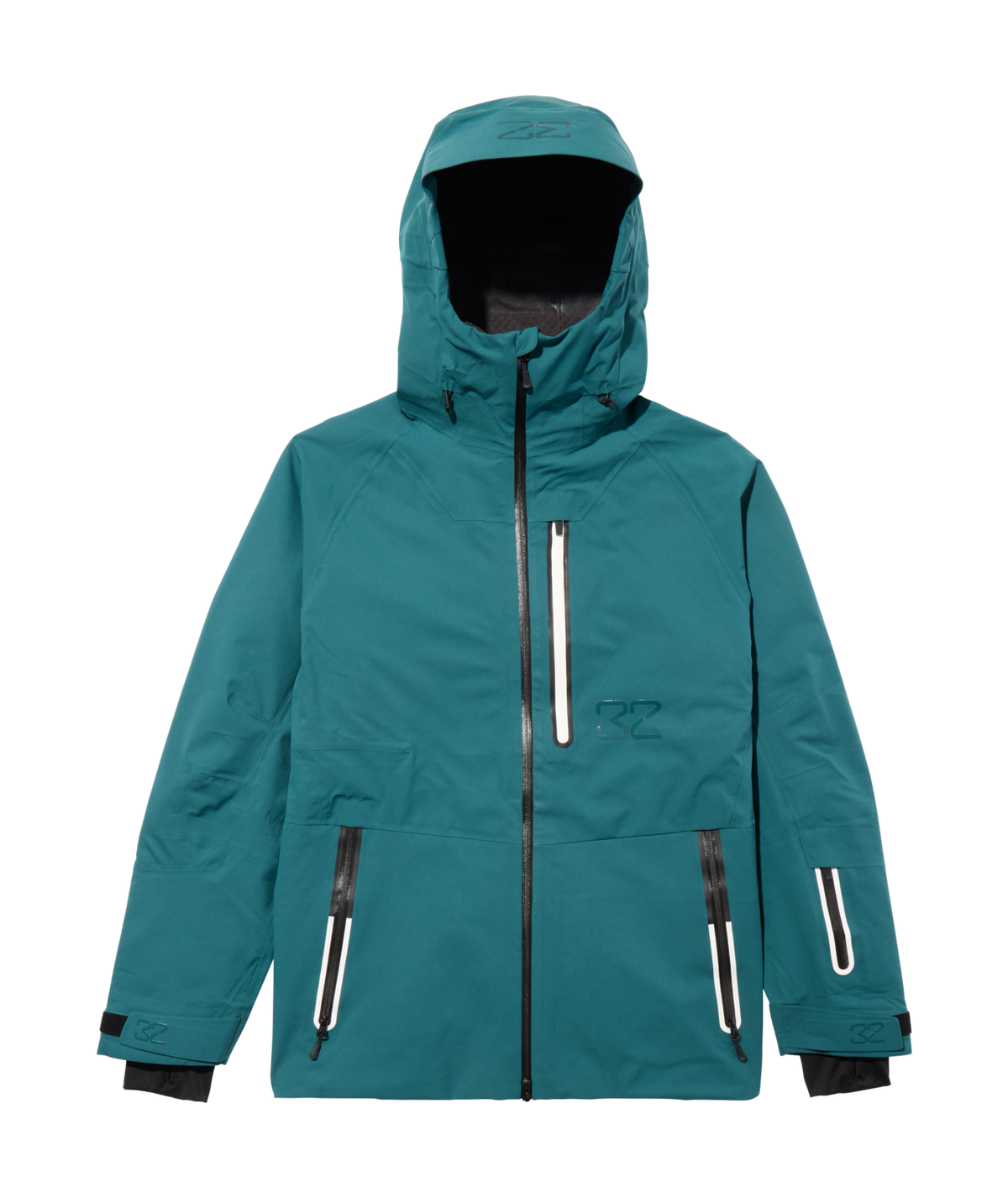
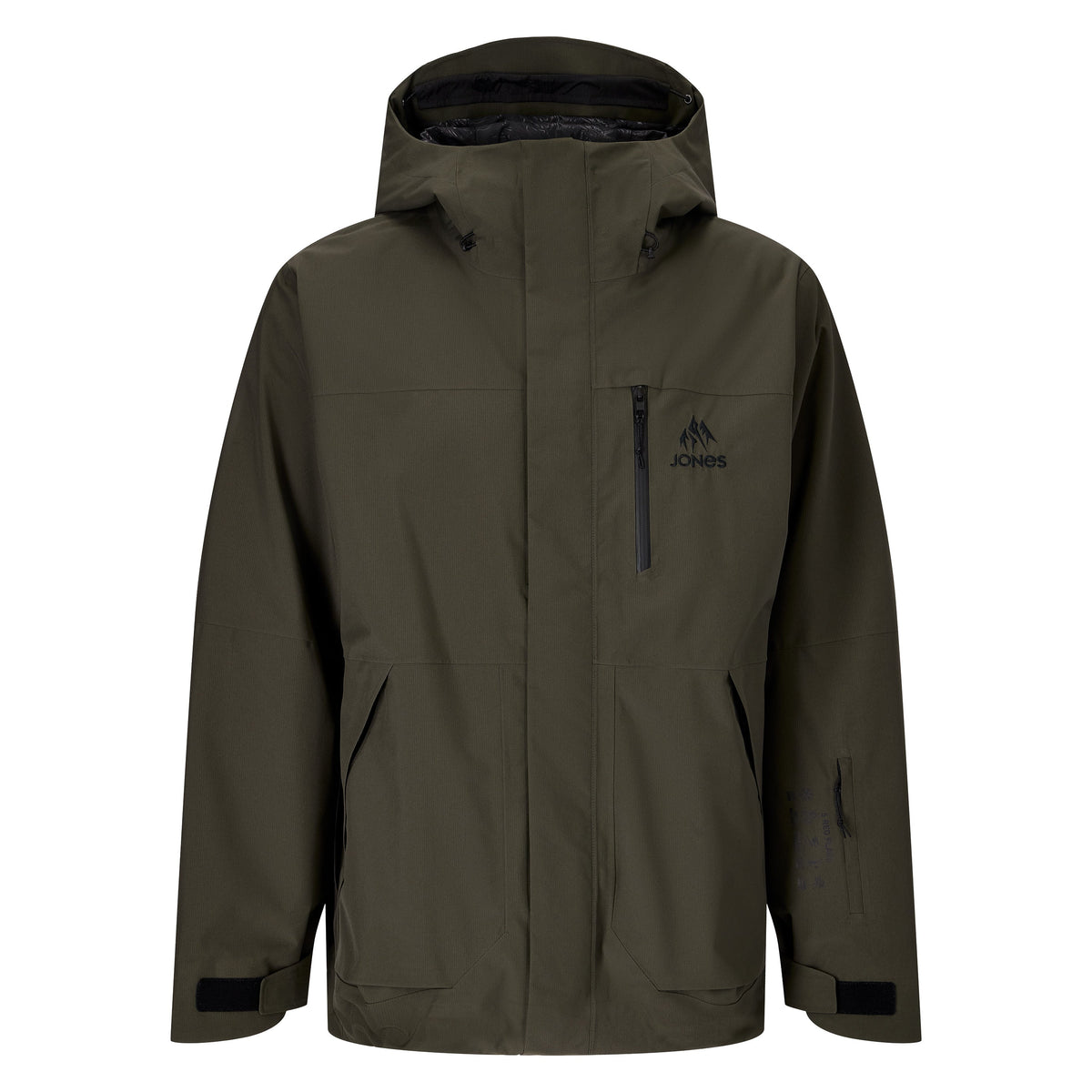


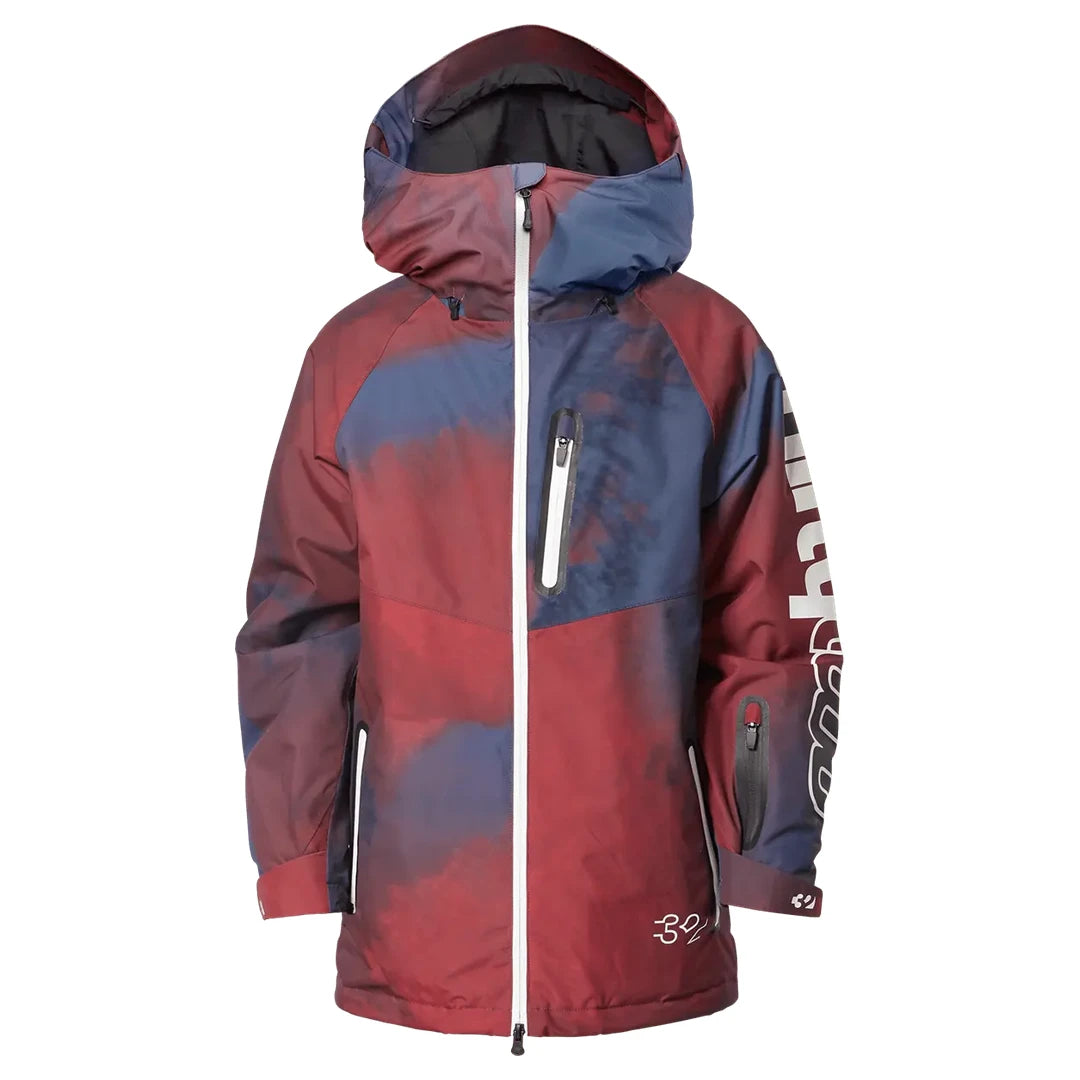


You've viewed 96 of 96 products
Good snow clothing is what keeps a day on the mountain fun. Stay warm and dry and you'll ride from first lift to last; get cold or wet and the day is over early. The right jacket and pants shrug off snow, breathe when you are working hard, and keep the weather out when the wind picks up.
Our snow clothing range covers jackets and pants for men and women, from insulated winter pieces to technical shells, in a spread of styles and budgets. We stock brands trusted by snowboarders and skiers, so whether you need your first setup or an upgrade, there is something here to suit how you ride.
Not sure what to look for? The guide below explains waterproofing, layering, and fit. Browse the range below, and pair your outerwear with the rest of your kit over in our snowboarding collection.
How Does Snow Clothing Keep You Warm and Dry?
Snow clothing works as part of a layering system rather than on its own. A base layer moves sweat away from your skin, a mid layer traps warmth, and your jacket and pants form the outer shell that blocks snow, wind, and water while letting moisture escape.
The outer layer matters most for weather protection. A waterproof, breathable jacket keeps melting snow out while releasing the heat and sweat you generate riding, so you stay dry inside and out. Get the layering right and you can adjust to changing conditions through the day instead of overheating or freezing.
Types of Snow Clothing
A full setup is built from a few key pieces.
- Insulated jackets: built-in insulation for warmth, ideal for colder resorts and riders who feel the cold
- Shell jackets: waterproof outer layers with little or no insulation, layered over your own mid layers for flexibility
- Snow pants: waterproof trousers, insulated or shell, to keep your lower half dry on the snow
- Bib pants: higher-waisted pants with braces that keep snow out on deep days
- Base and mid layers: thermals and fleeces worn underneath for warmth and moisture control
Most riders choose a jacket and pants to match their local conditions, then adjust warmth with the layers underneath.
Understanding Waterproof Ratings
Waterproofing is measured in millimetres, often shown as a figure such as 10,000mm or 15,000mm. The higher the number, the more water pressure the fabric can resist before it lets water through. Breathability is measured separately, usually in grams, and tells you how well the fabric releases moisture.
As a general guide:
- Up to around 10,000mm: fine for dry, cold resorts and occasional riders
- Around 10,000 to 15,000mm: a solid all-round choice for most conditions
- 15,000mm and above: best for wet, heavy snow and riders out in all weather
Taped seams and a durable water-repellent finish add to the protection by stopping water sneaking through stitching and soaking into the outer fabric.
Insulated or Shell?
Choosing between an insulated jacket and a shell comes down to how and where you ride. Insulated jackets are warm out of the bag and simple to wear, which suits colder resorts and riders who want one piece that does the job. Shell jackets carry no built-in warmth, so you control the temperature with the layers you wear underneath. Shells are more versatile across changing conditions and spring riding, while insulated pieces are warmer on consistently cold days.
How Should Snow Clothing Fit?
Snow clothing should allow room to layer underneath without being baggy enough to let cold air in. You want to move freely, crouch, and reach without the jacket riding up or the pants pulling tight. Many snowboarders prefer a slightly roomier fit for freedom of movement, while a trimmer fit sheds bulk.
Check that sleeves and legs are long enough to stay in place when you are riding, and look for pants that sit comfortably with boots on. Sizing varies between brands, so always check the size guide, and our team can help you find the right fit.
Useful Features to Look For
Small details make a big difference on the mountain.
- Powder skirt: a sealed inner cuff that stops snow riding up your back
- Pit zips and leg vents: let you dump heat quickly on warmer days or hard climbs
- Pass pocket and goggle pocket: handy storage for lift passes and spare lenses
- Adjustable hood and cuffs: seal out wind and snow in bad weather
- Boot gaiters: inner cuffs on pants that sit over your boots to keep snow out
If you ride in variable British and European conditions, vents and a good powder skirt are especially worth having.
Caring for Your Snow Clothing
Looking after your outerwear keeps it waterproof and warm for longer.
- Follow the care label and use a technical wash made for waterproof fabrics
- Avoid normal detergents and fabric softener, which clog the fabric
- Reproof the water-repellent finish when water stops beading on the surface
- Dry thoroughly and store clean and dry at the end of the season
Reproofing once or twice a season brings tired outerwear back to life and saves buying new before you need to.
How Much Does Snow Clothing Cost?
Prices depend on the waterproof rating, the construction, and the brand. Entry-level jackets and pants cover the basics for occasional riders, mid-range pieces offer a better balance of waterproofing, breathability, and features, and premium outerwear uses higher ratings, fully taped seams, and more technical fabrics.
A more expensive piece usually means better weather protection and durability. If you ride regularly or in wet conditions, a mid-range or premium jacket is often worth the investment, while an entry-level setup suits a first season or the occasional trip.
Why Buy Your Snow Clothing from Surface2Air Sports?
We have been kitting out riders since 2002, with a shop in Poole and a full range online.
- Jackets and pants for men and women
- Insulated pieces and technical shells
- Trusted snowboard and ski brands
- Honest advice on waterproofing, layering, and fit
- In-store help and online support
Whether you are building your first setup or upgrading for a big trip, we can help you choose. Complete your kit with snow wear layers and a warm pair of snow gloves.
Frequently Asked Questions About Snow Clothing
What waterproof rating do I need?
Around 10,000 to 15,000mm suits most riders and conditions. Choose higher for wet, heavy snow and all-weather riding, and lower only for dry, cold resorts or occasional use.
What is the difference between an insulated jacket and a shell?
An insulated jacket has built-in warmth, while a shell has none and relies on the layers you wear underneath. Shells are more versatile; insulated jackets are warmer out of the bag.
Do I need special base layers?
Yes. A moisture-wicking base layer keeps you dry and warm. Avoid cotton, which holds sweat and chills you.
How should snow clothing fit?
It should leave room to layer underneath while still letting you move freely, with sleeves and legs long enough to stay put when you ride.
Can I wear snow clothing for both snowboarding and skiing?
Yes. The same jackets and pants work for both. Some snowboard styles have a slightly roomier cut, but the weather protection is the same.
How do I keep my jacket waterproof?
Wash it with a technical cleaner, avoid normal detergent and softener, and reproof the water-repellent finish when water stops beading on the surface.
What is a powder skirt?
It is a sealed inner cuff around the waist of a jacket that stops snow pushing up your back when you fall or ride deep snow.
Do you stock women's snow clothing?
Yes. We carry jackets and pants cut for women alongside the men's range.
Let customers speak for us
The bag is sturdy, spacious and water proofed on the inside. In addition, it can be worn as a backpack but it also comes with a strap for putting over a shoulder as a bag. I am happy with the purchase.

the whole exercise

item as dscribed, looks fantastic

As described and looks fantastic. thank you
My first board and binding set up after using hire equipment for over a year. These will take some getting used to but step in and strap is a vast improvement. Large to size 12UK looks like it only just fits across the toe strap.
S2AS are my go to online store for anything Snowboarding related and as they say any query just pick up the phone and speak to Ollie (who sounds a lot like Jamie Lang)

Wait for snow
Loved the service in the shop Ollie was very helpful and a pleasure to deal with. Recommend highly
Kind regards
Matt

2026 Slingshot KTV EverShred Wakeboard Bindings

Exceptionally quick delivery, would definitely recommend buying from this site

Hi my in store experience was fantastic from email to shop with your representative Ollie could not have been more polite & helpful
Once I’ve tried the bourd I will send further feedback
Hope your all well
Kind regards
Matt

We ordered a large amount of items that all arrived safely, we kept everything save two jackets which we ordered wrong, but the team were great, we sent them back and got a refund with no hassle. Will definitely use in the future!

Great graphics, good fit and quality

I purchased a wing that was 70% off and I am delighted with my new toy. I had it out today for the first time and despite only being a 2.8m wing, the power and control was amazing. It is so good that I am tempted to buy a bigger size to add to my collection. Thanks again S2AS for another great product for a bargain price 😊

Great carbonboard from Shinn and Raptor fin set at a good price from Surface2Air Sports. Delivered without any problems.

Really well made, super comfortable and love the carry wrap that they are supplied in. Much better than the usual drawstring bags that disintegrate. Best beach chair yet

Excellent item really pleased with it good delivery