Sort by





You've viewed 170 of 170 products
Waterskiing rewards the right equipment with smoother starts, sharper turns and more time enjoying the water. Our waterski equipment range covers everything you need to ski behind a boat, from combo and slalom skis to boots, fins, ropes, handles and safety gear, for first-timers getting out of the water to slalom skiers chasing a tighter line.
This collection focuses on waterski gear specifically: the skis themselves, the bindings and boots that hold you, the fins that tune how a ski tracks and turns, and the ropes, handles and vests that complete the setup. We stock dependable waterski brands and gear across ability levels, so you can find kit matched to how and where you ski.
The guide below explains the different types of ski and how to choose. You can also browse related ranges: Radar, waterskis, and ropes and handles.
What Equipment Do You Need to Waterski?
A waterski setup starts with the skis: either a pair of combo skis or a single slalom ski, depending on your level. To that you add bindings or boots that hold your feet securely, a tow rope and handle suited to skiing, and a buoyancy aid or life jacket. Beginners usually start on combos because they are far more stable, while more experienced skiers move to a single slalom ski for sharper carving.
Combo Skis Versus Slalom Skis
The biggest choice is between combos and a slalom ski.
- Combo skis: a pair of skis, the easiest and most stable way to learn, often with one ski set up to drop a foot in and transition towards slalom
- Slalom ski: a single ski ridden with both feet, for carving harder and running a slalom course
- Trainers and junior skis: wider, more stable designs to help children and first-timers get up
If you are learning, start on combos; once you can comfortably get up and hold an edge, a slalom ski opens up the next stage.
Choosing a Slalom Ski
Slalom skis are sized mainly by rider weight and the boat speed you ski at, so matching the ski to how you ski matters more than picking the longest or stiffest option. A larger ski gives more stability and works at lower speeds, while a smaller, more advanced ski is more responsive at higher speeds for experienced skiers. The right ski for your weight and speed makes a real difference to how it performs through a turn.
Bindings, Boots and Fins
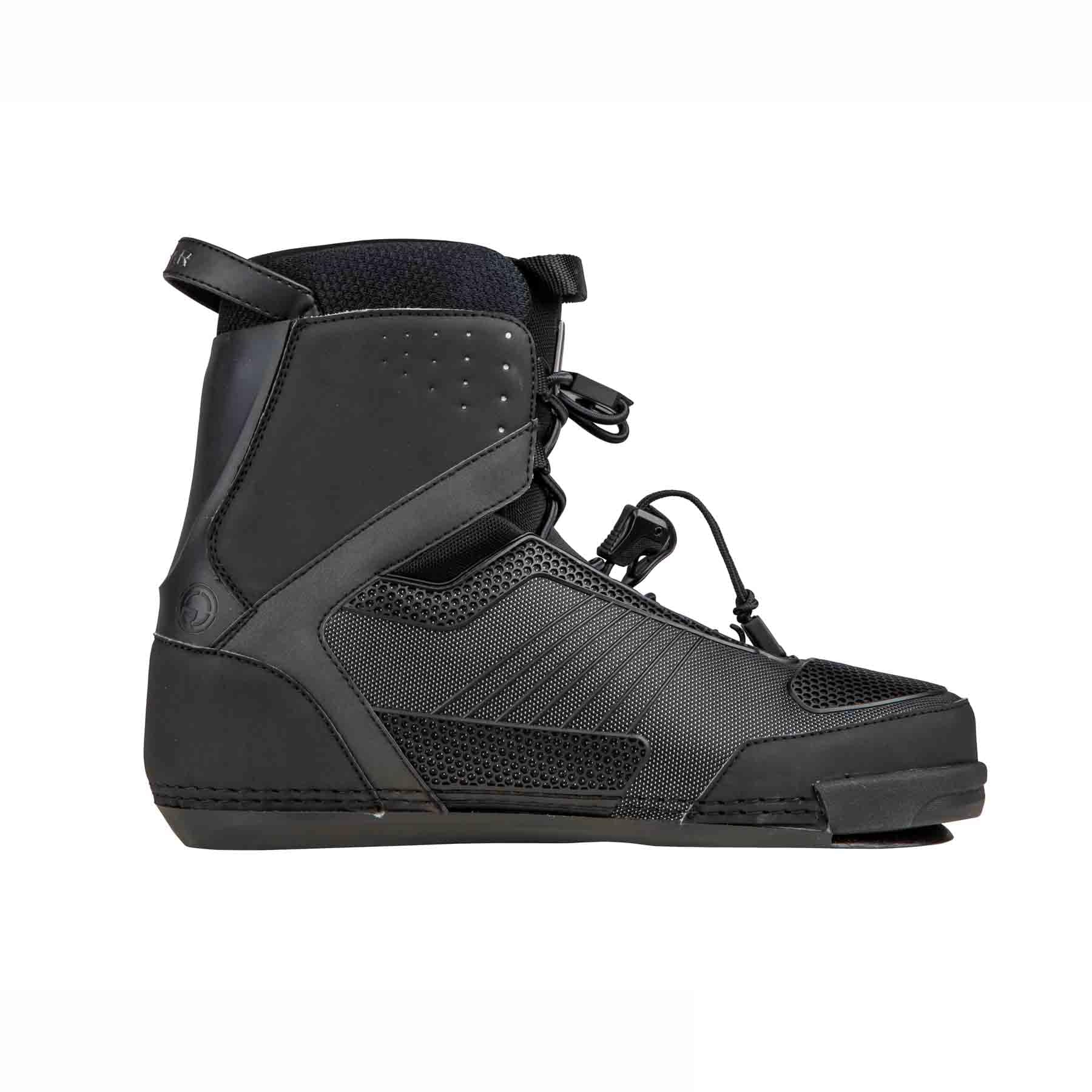
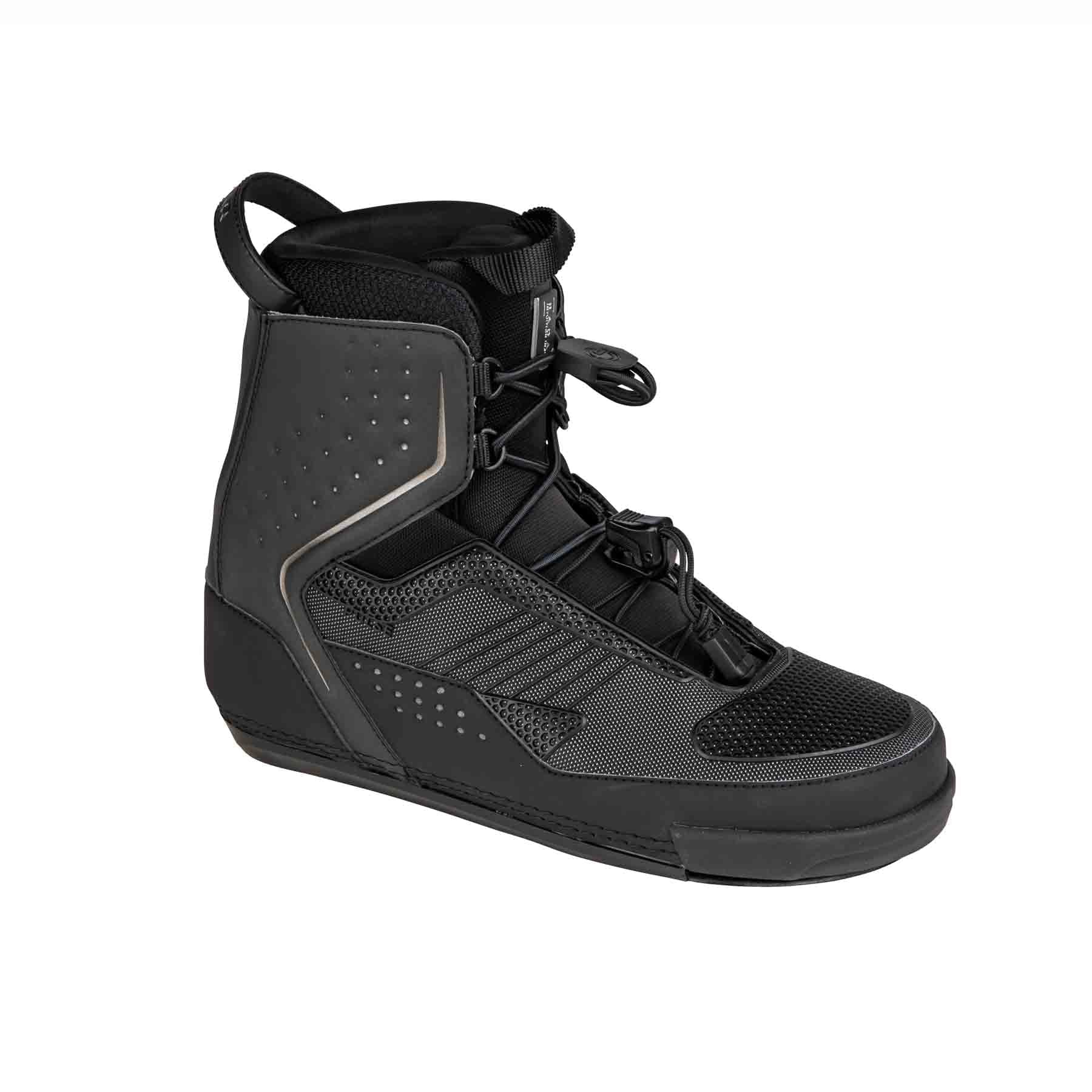
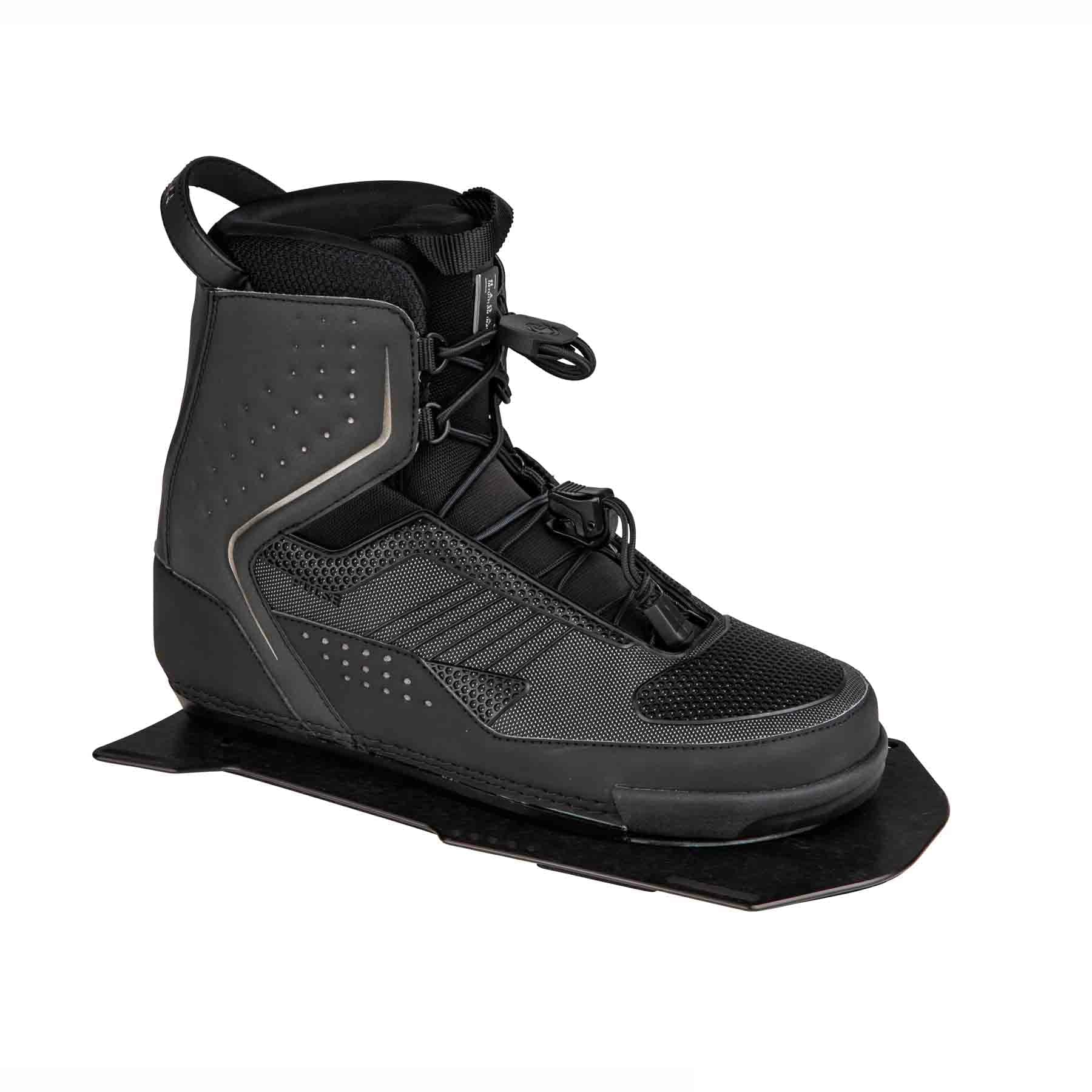
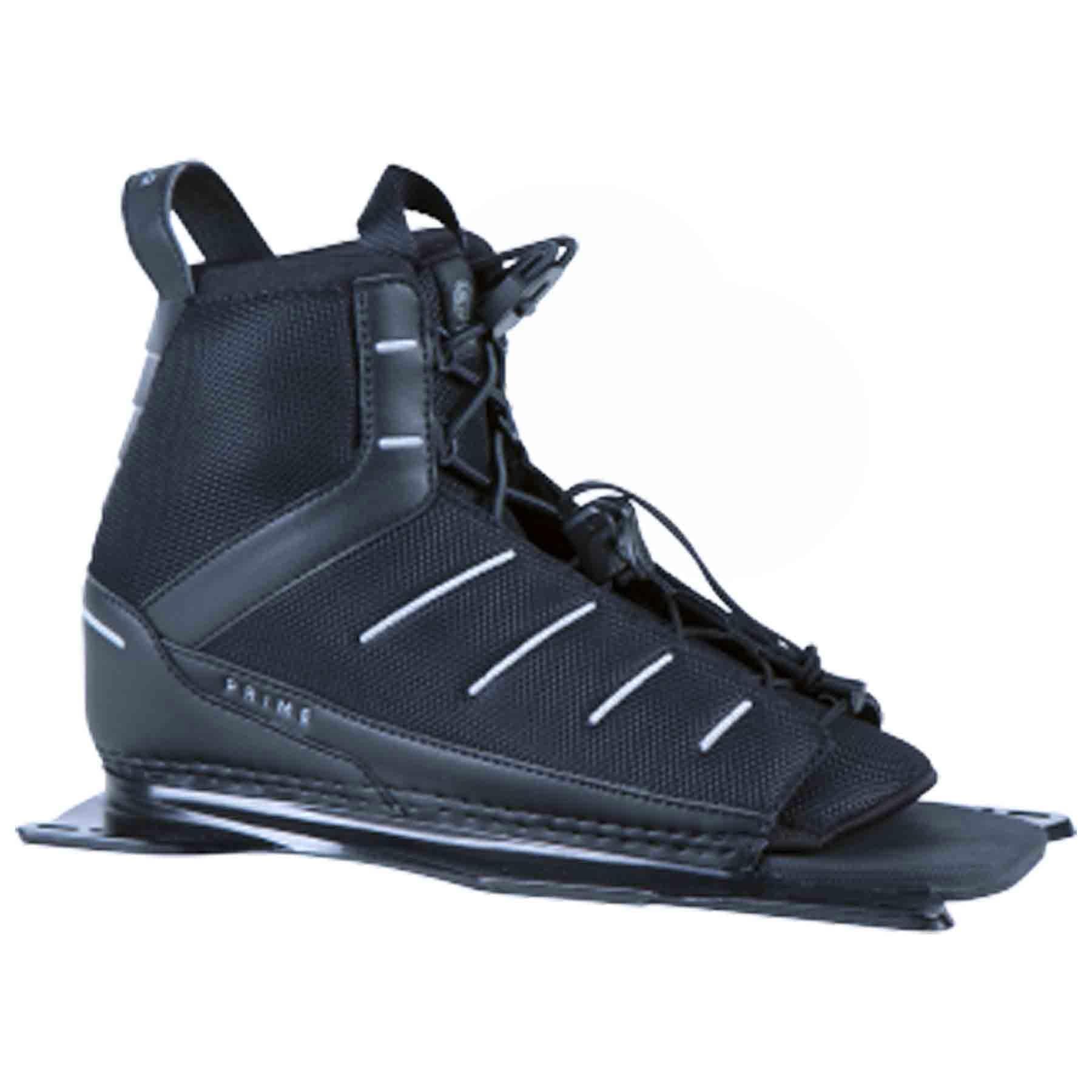
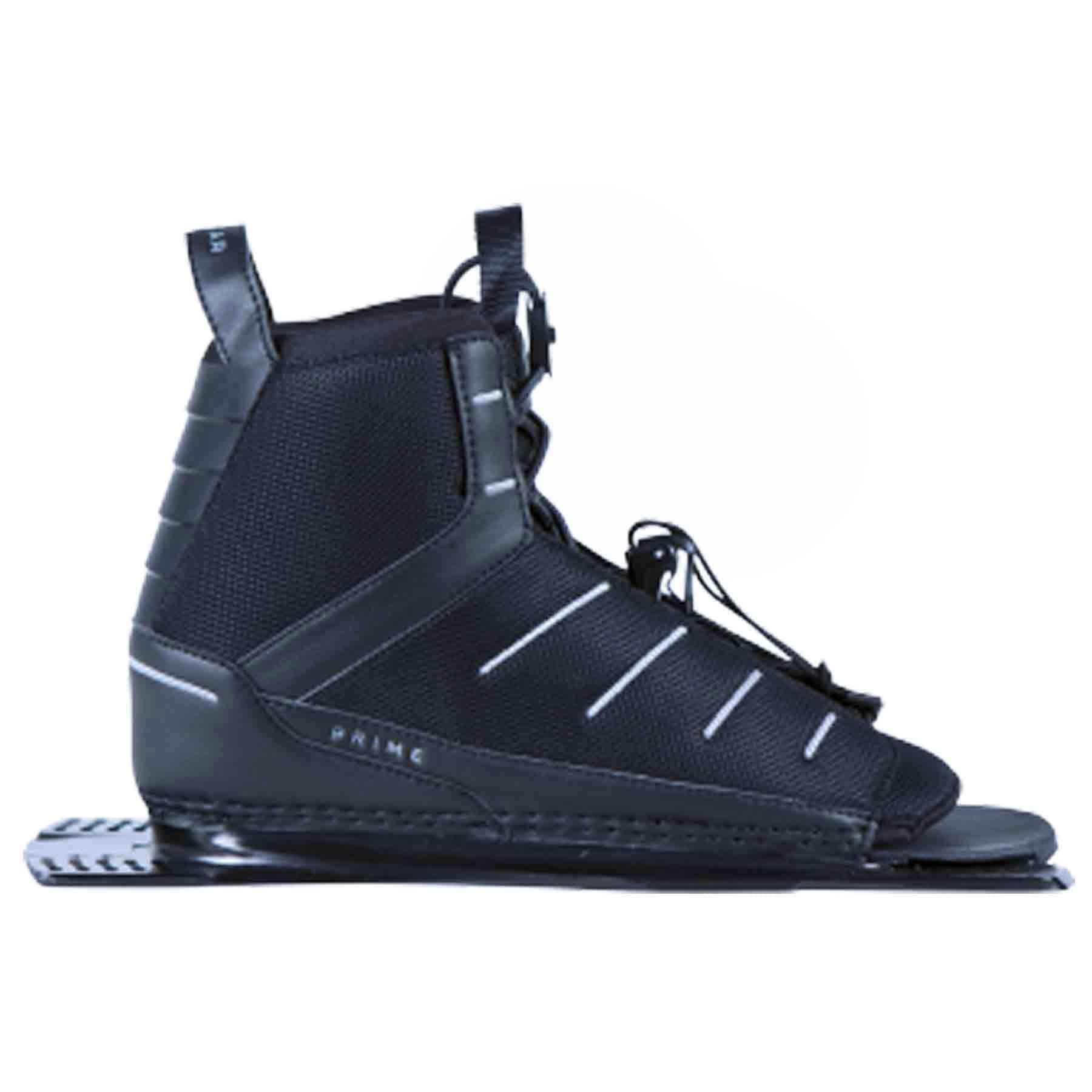
Bindings and boots hold your feet to the ski and should be snug and supportive without cutting off circulation. Rubber bindings offer a flexible range of fit, useful for shared skis, while more advanced boots give a locked-in, precise feel. The fin tunes how the ski tracks and turns, and small adjustments can noticeably change its behaviour, which is why keeping spare fins and knowing your settings is worthwhile for keen skiers.
Ropes, Handles and Safety Gear
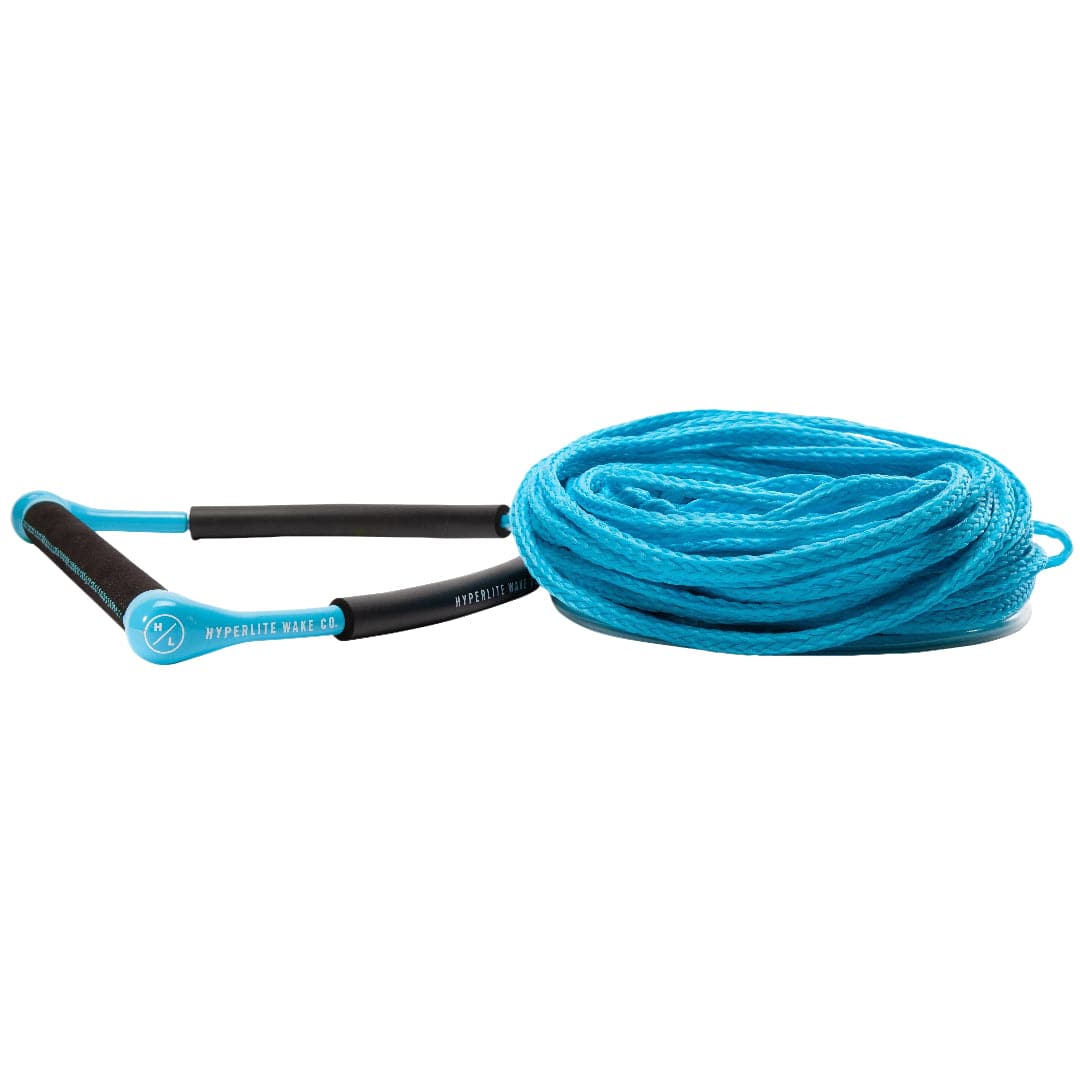
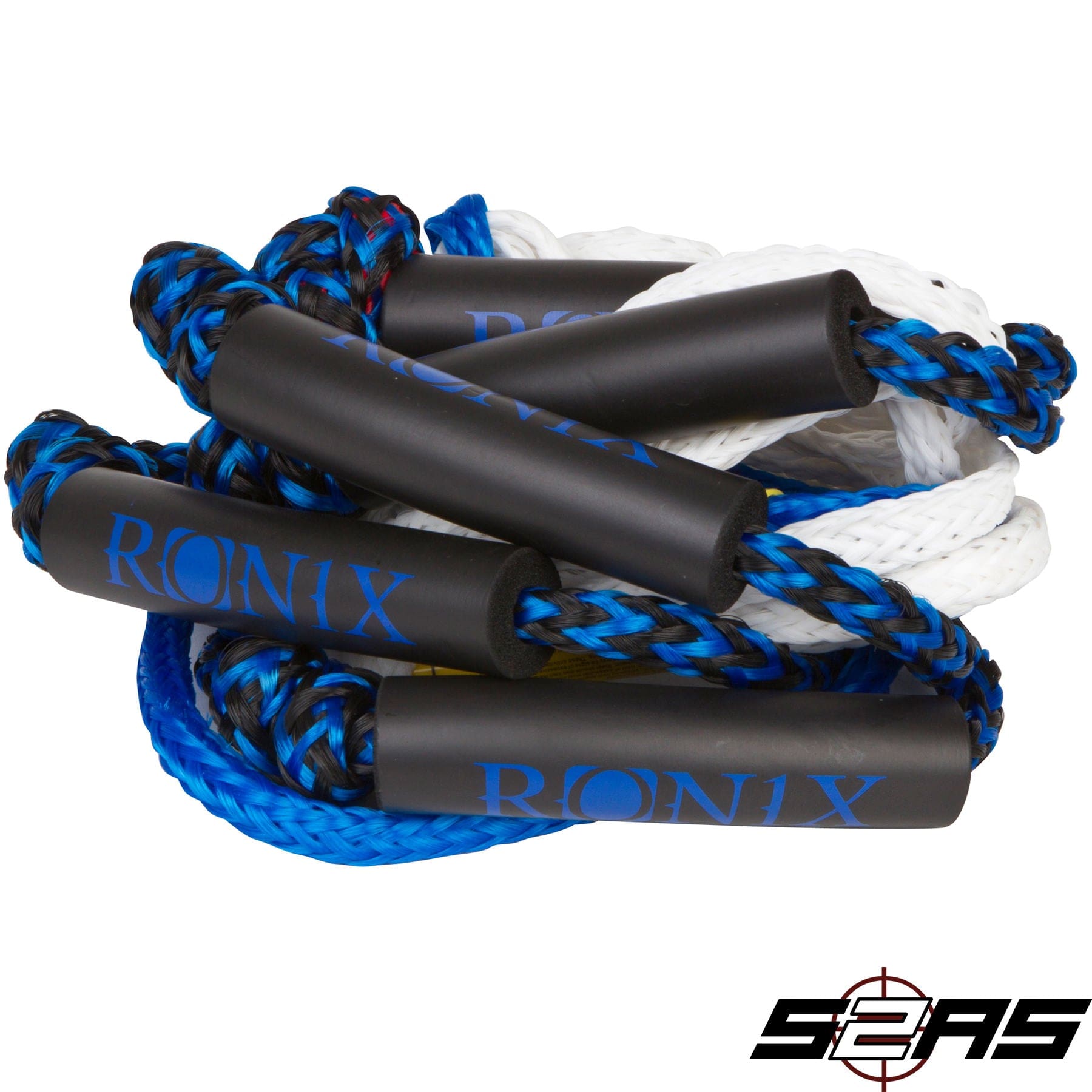
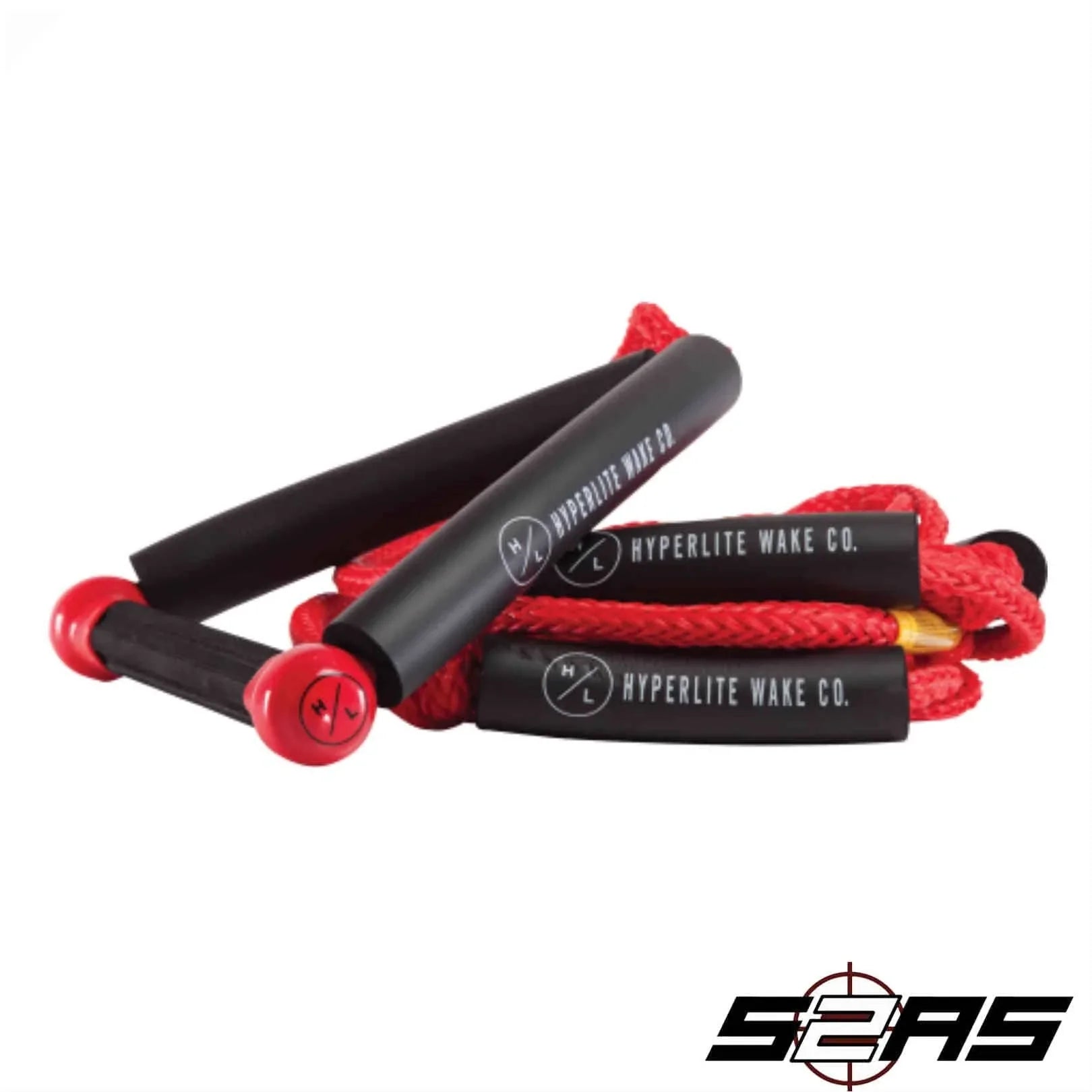
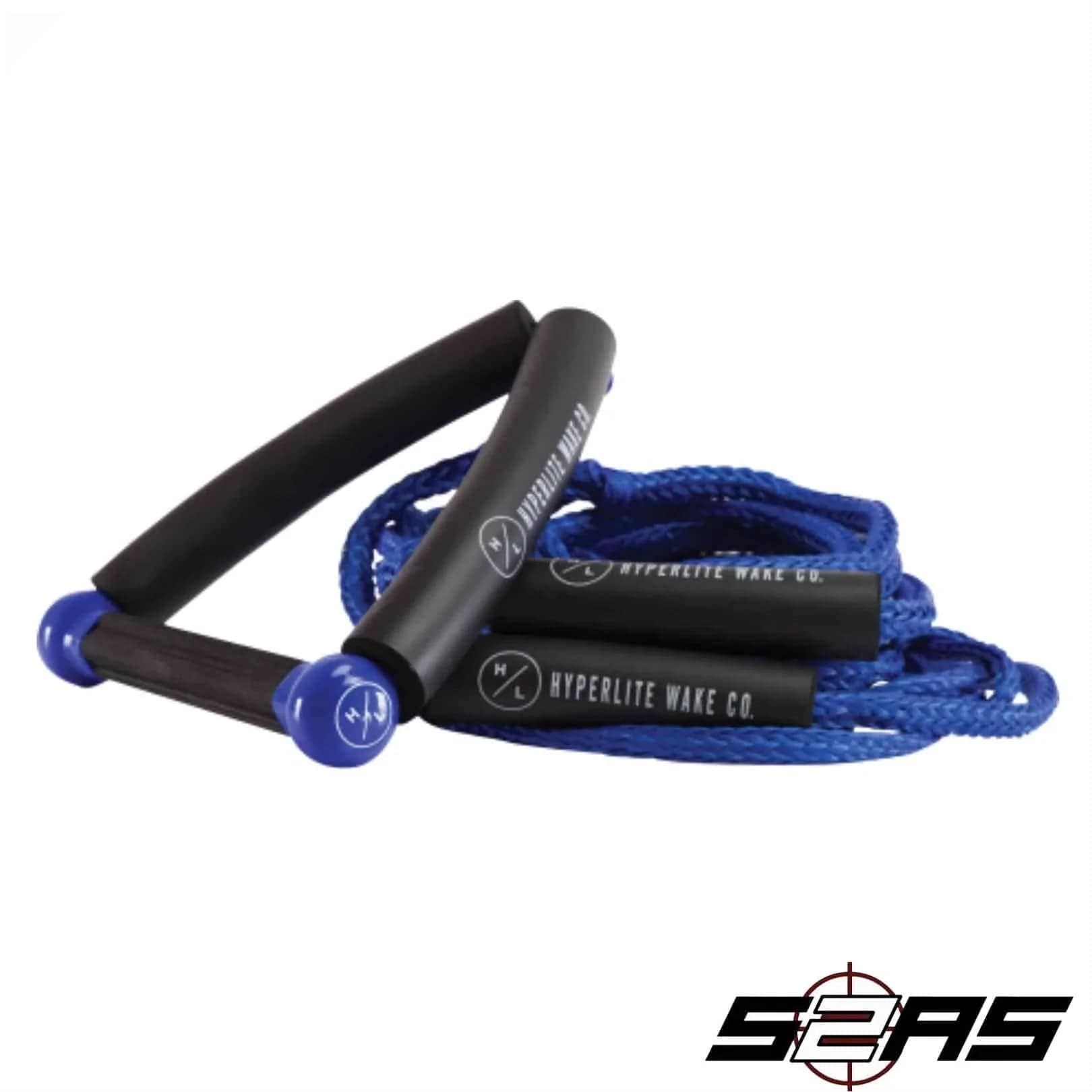
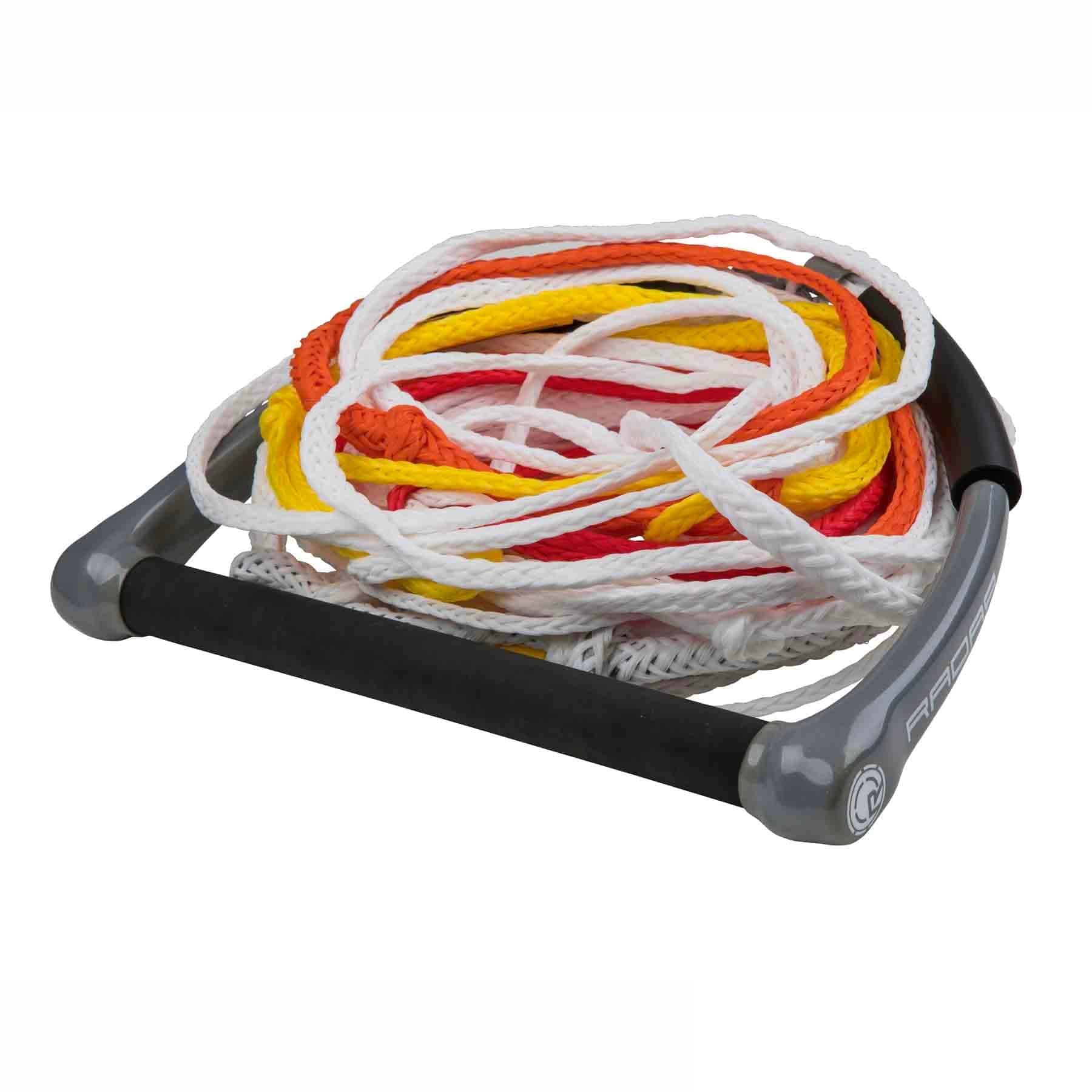
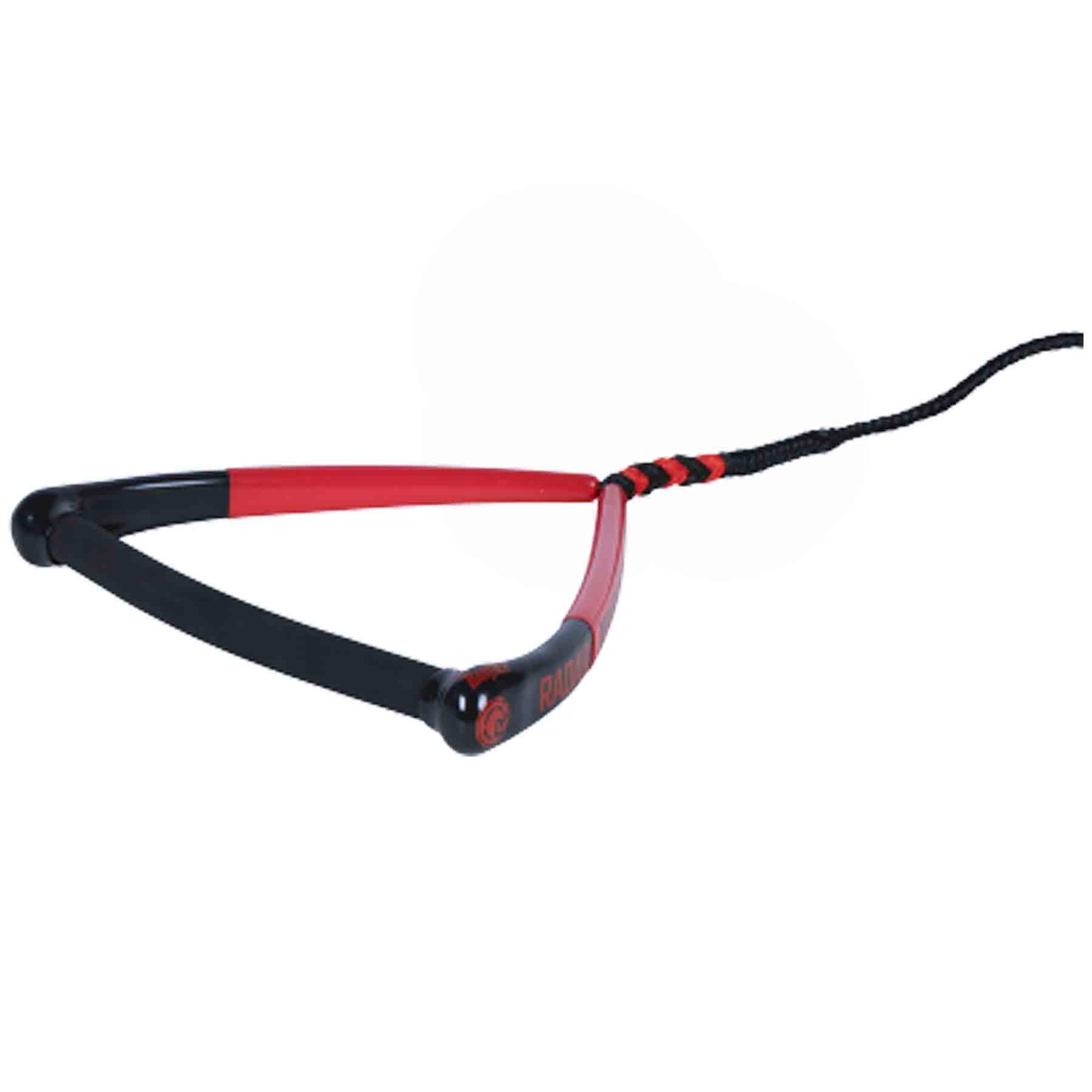
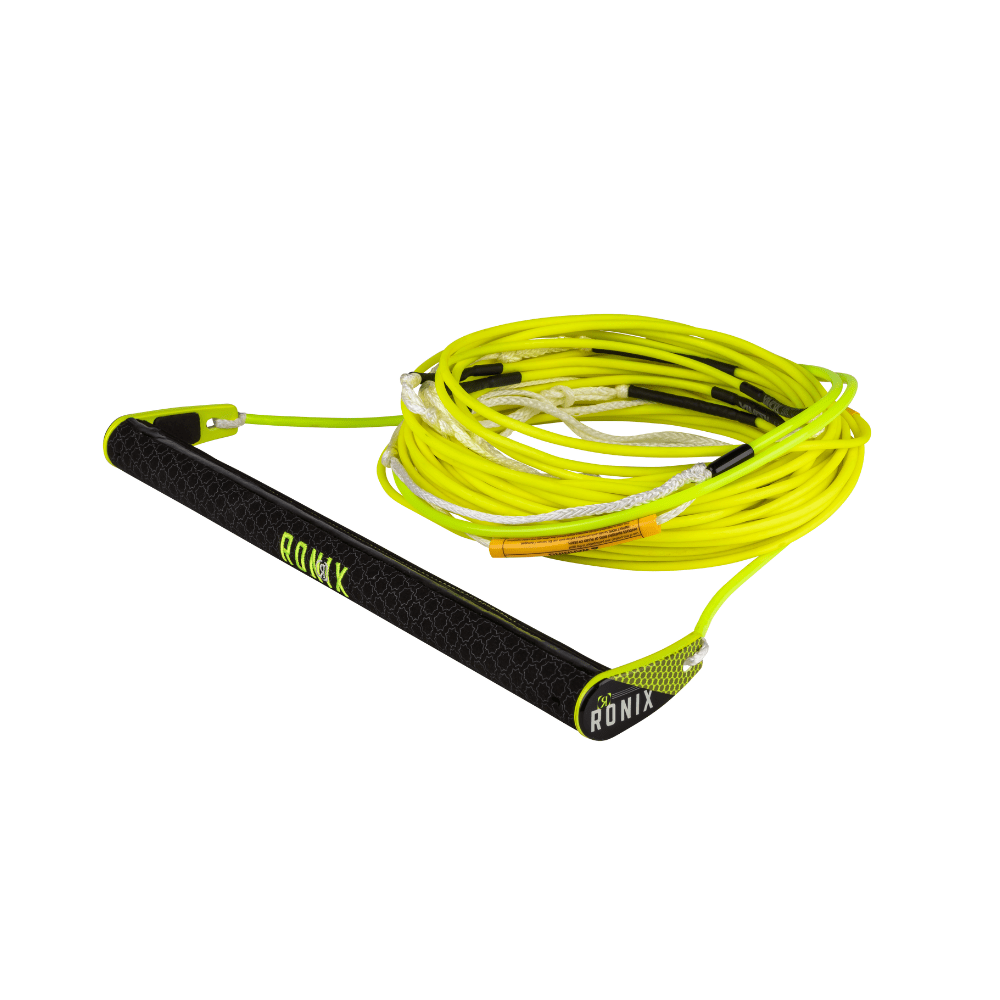
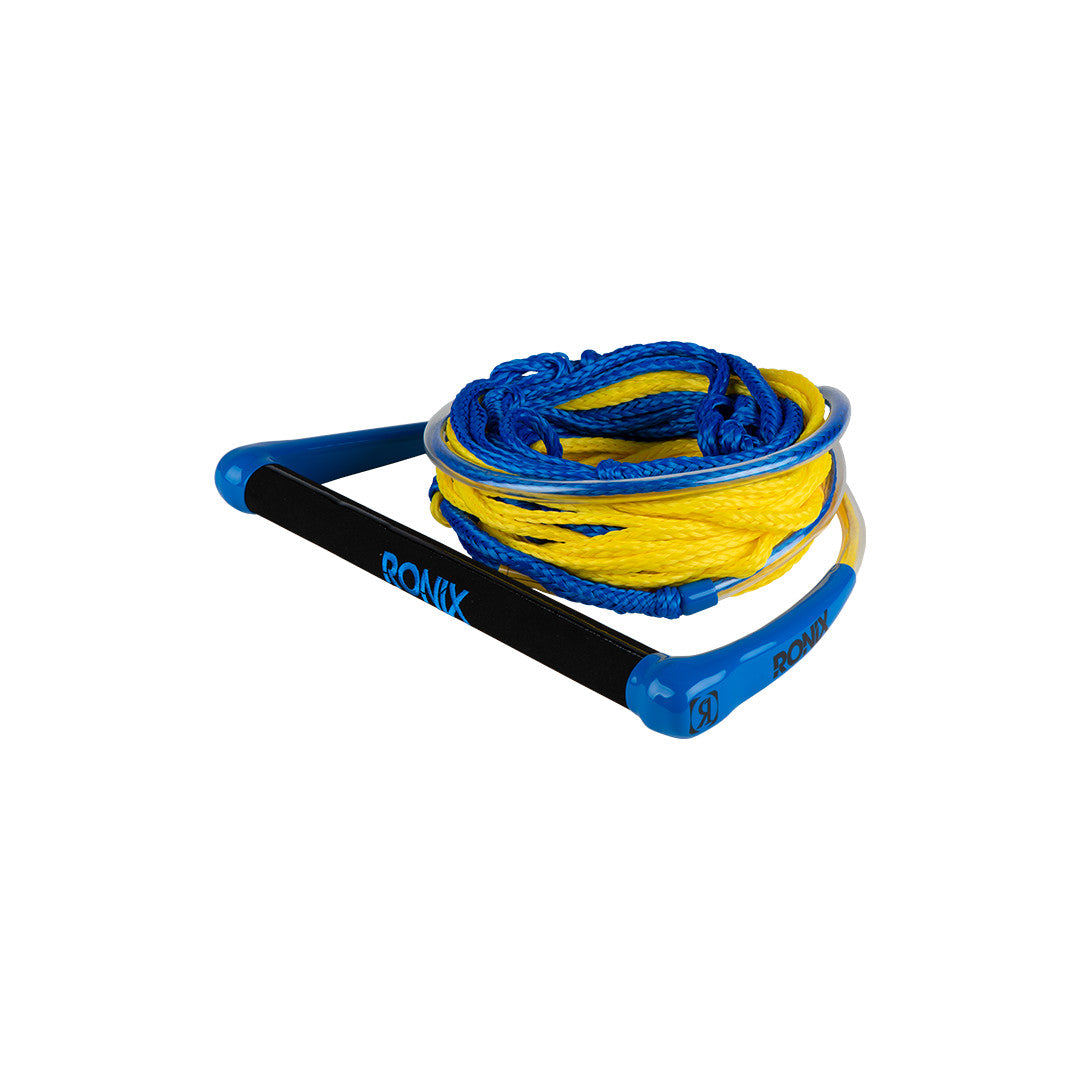
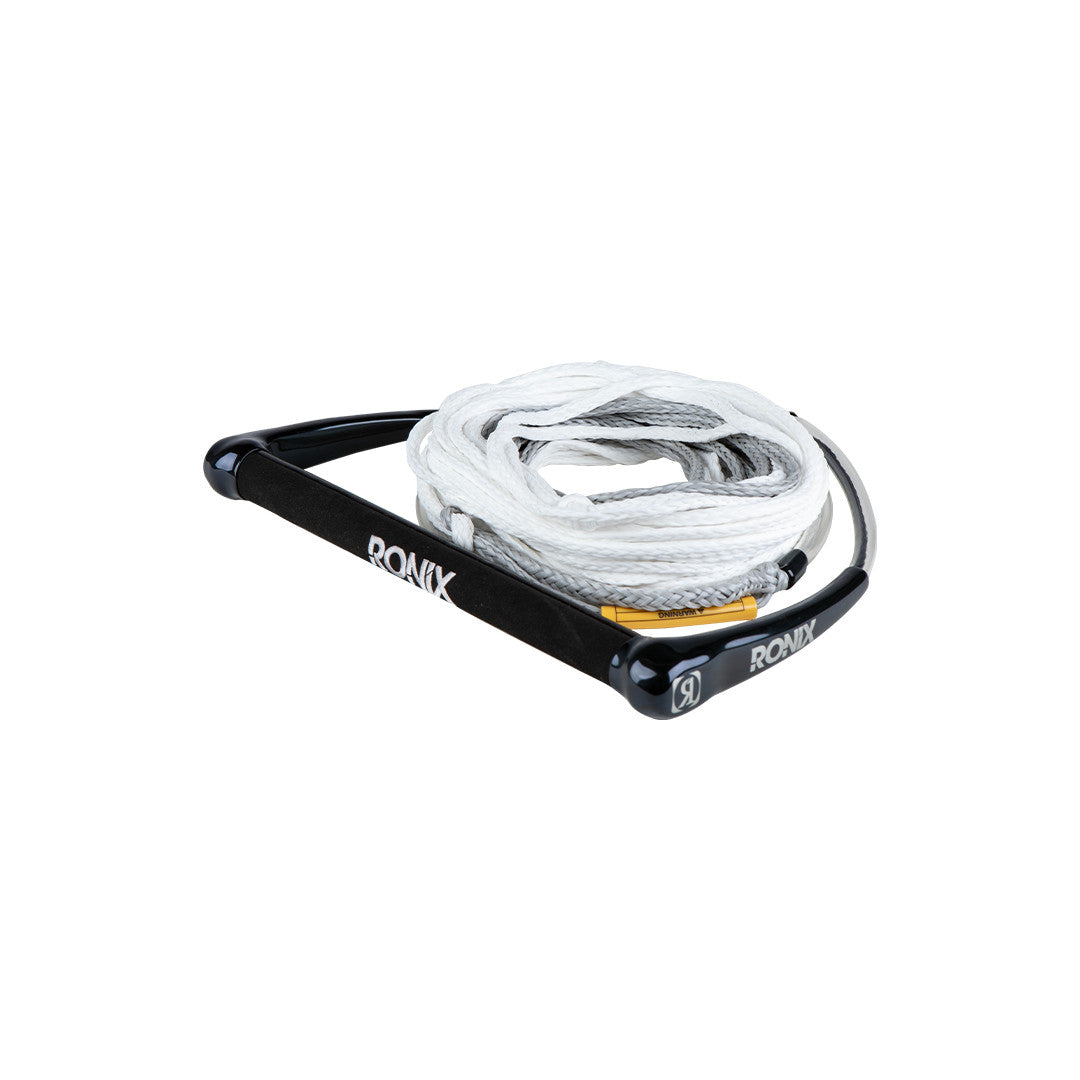
A waterski rope is built to handle the loads of skiing and comes in lengths suited to your discipline, with slalom skiers shortening the line as they progress. Handles vary in width and grip to suit your hands and style. A buoyancy aid or life jacket is essential, and should fit snugly so it stays in place when you hit the water, with flotation suited to your weight and swimming ability.
How to Choose Your Waterski Kit
Match your gear to your level and goals:
- Ability: combos to learn, slalom to progress
- Weight and boat speed: the key factors in sizing a slalom ski
- Who will use it: a shared ski benefits from adjustable bindings
- Safety kit: a well-fitted buoyancy aid matched to the rider
Caring for Your Waterski Gear
Rinse skis, bindings and vests with fresh water after each session, especially in salt water, and dry everything fully before storing. Keep skis out of prolonged direct sun and heat, which can affect the finish over time. Check bindings and fins are secure before each outing, and inspect ropes and handles for wear. Simple care keeps your gear safe and performing season after season.
How Much Does Waterski Equipment Cost?
Prices depend on construction, materials and performance level. Combo sets and trainer skis offer an affordable way to start, mid-range slalom skis balance performance and value for improving skiers, and premium slalom skis use advanced materials for lighter weight and sharper response. Ropes, handles and vests span a similar range, so you can build a full setup to suit your budget.
Progressing Into a Slalom Course
For many water-skiers, the natural progression is from simply skiing on two combos to dropping a ski and eventually running a slalom course. Each stage has gear that supports it. Combos with a drop-foot binding let you practise skiing on one ski while keeping the stability of two until you are ready, and a dedicated slalom ski then opens up harder, faster carving once you are confident on a single ski.
As you move towards a course, the finer details of your setup start to matter. Fin position and binding placement affect how the ski turns and tracks, and small adjustments can make a noticeable difference, which is why keen skiers learn their settings and keep spares. Rope length also comes into play, with skiers shortening the line as they improve. There is no need to rush any of this, and the right ski for your weight and boat speed will carry you a long way, but understanding how the gear supports each step helps you invest in the kit that matches where your skiing is heading.
Why Buy Waterski Equipment from Surface2Air Sports?
We have been fitting out water-skiers since 2002, with a shop in Poole and the full range online.
- Combo and slalom skis, boots, fins, ropes and vests in one place
- Gear for beginners through to slalom skiers
- Honest advice on ski type and sizing
- In-store help and online support
- Options across a range of budgets
Whether you are learning to get up on two skis or refining your slalom, we can help you choose. Explore the Radar range and our full line of waterskis.
Frequently Asked Questions About Waterski Equipment
Should I start on combo skis or a slalom ski?
Combo skis are far easier and more stable to learn on. Move to a slalom ski once you can comfortably get up and hold an edge.
How is a slalom ski sized?
Mainly by rider weight and the boat speed you ski at. A larger ski suits lower speeds and more stability; a smaller one is more responsive at higher speeds.
What do fins do on a waterski?
The fin tunes how the ski tracks and turns. Small adjustments change its behaviour noticeably, so keen skiers often keep spares and note their settings.
Do I need a special waterski rope?
Yes. Waterski ropes are built for the loads of skiing and come in lengths suited to your discipline, with slalom skiers shortening the line as they improve.
What should I look for in bindings?
A snug, supportive fit that holds your feet securely without cutting off circulation. Rubber bindings suit shared skis, while advanced boots give a precise feel.
Do I need a buoyancy aid?
Yes. A well-fitted buoyancy aid or life jacket is essential, with flotation matched to your weight and swimming ability, and a snug fit so it stays put.
How do I look after my waterski gear?
Rinse in fresh water after use, dry fully, keep skis out of prolonged heat, and check bindings, fins, ropes and handles before each session.
Let customers speak for us
When ordered item was not in stock but when it has arrived the team kept me filled in with when it would arrive and it did promptly! Would use again

Rapid delivery!!

Great job well dun thanks for your help with the purchase..

The bag is sturdy, spacious and water proofed on the inside. In addition, it can be worn as a backpack but it also comes with a strap for putting over a shoulder as a bag. I am happy with the purchase.

My first order of gummy straps never arrived so I contacted S2AS and they were very apologetic as Royal Mail had lost my parcel. They immediately sent out a second sets of straps which arrived the following day.
The customer service I recieved was exceptional and I would highly recommend this company for their swift response. I will definitely order with them again.

the whole exercise

item as dscribed, looks fantastic

As described and looks fantastic. thank you
My first board and binding set up after using hire equipment for over a year. These will take some getting used to but step in and strap is a vast improvement. Large to size 12UK looks like it only just fits across the toe strap.
S2AS are my go to online store for anything Snowboarding related and as they say any query just pick up the phone and speak to Ollie (who sounds a lot like Jamie Lang)

Wait for snow
Loved the service in the shop Ollie was very helpful and a pleasure to deal with. Recommend highly
Kind regards
Matt

2026 Slingshot KTV EverShred Wakeboard Bindings

Exceptionally quick delivery, would definitely recommend buying from this site

Hi my in store experience was fantastic from email to shop with your representative Ollie could not have been more polite & helpful
Once I’ve tried the bourd I will send further feedback
Hope your all well
Kind regards
Matt

We ordered a large amount of items that all arrived safely, we kept everything save two jackets which we ordered wrong, but the team were great, we sent them back and got a refund with no hassle. Will definitely use in the future!

Great graphics, good fit and quality