
Sort by


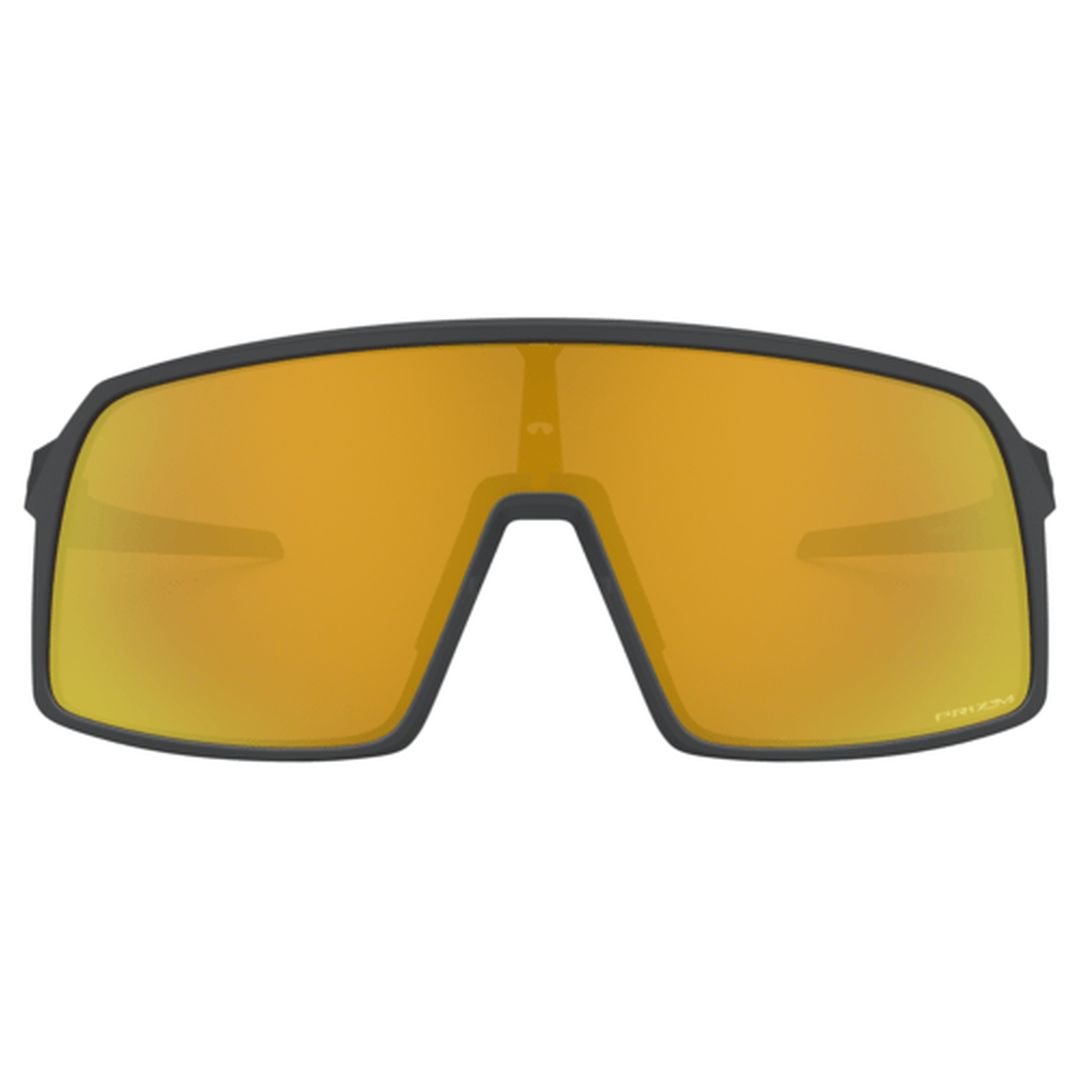
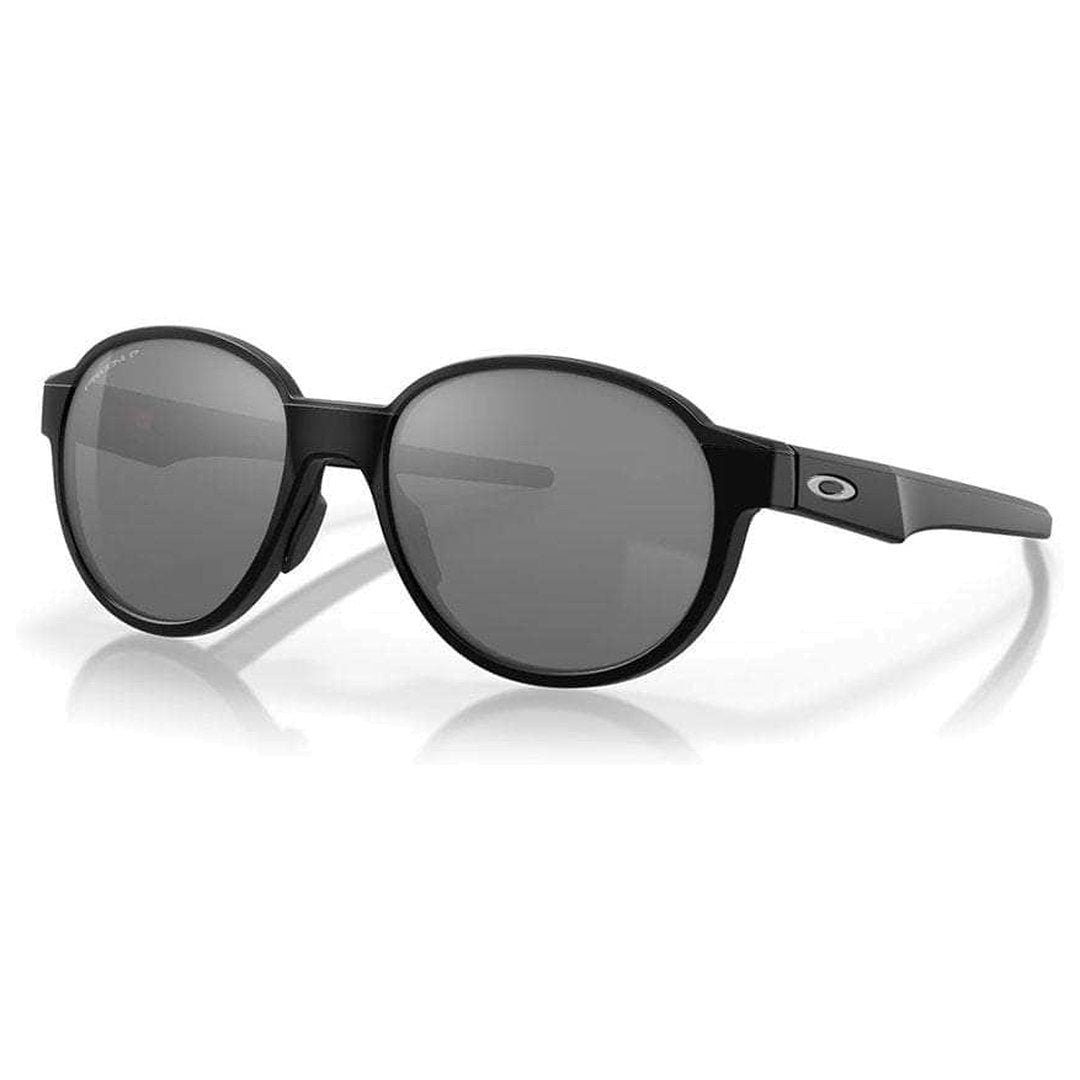


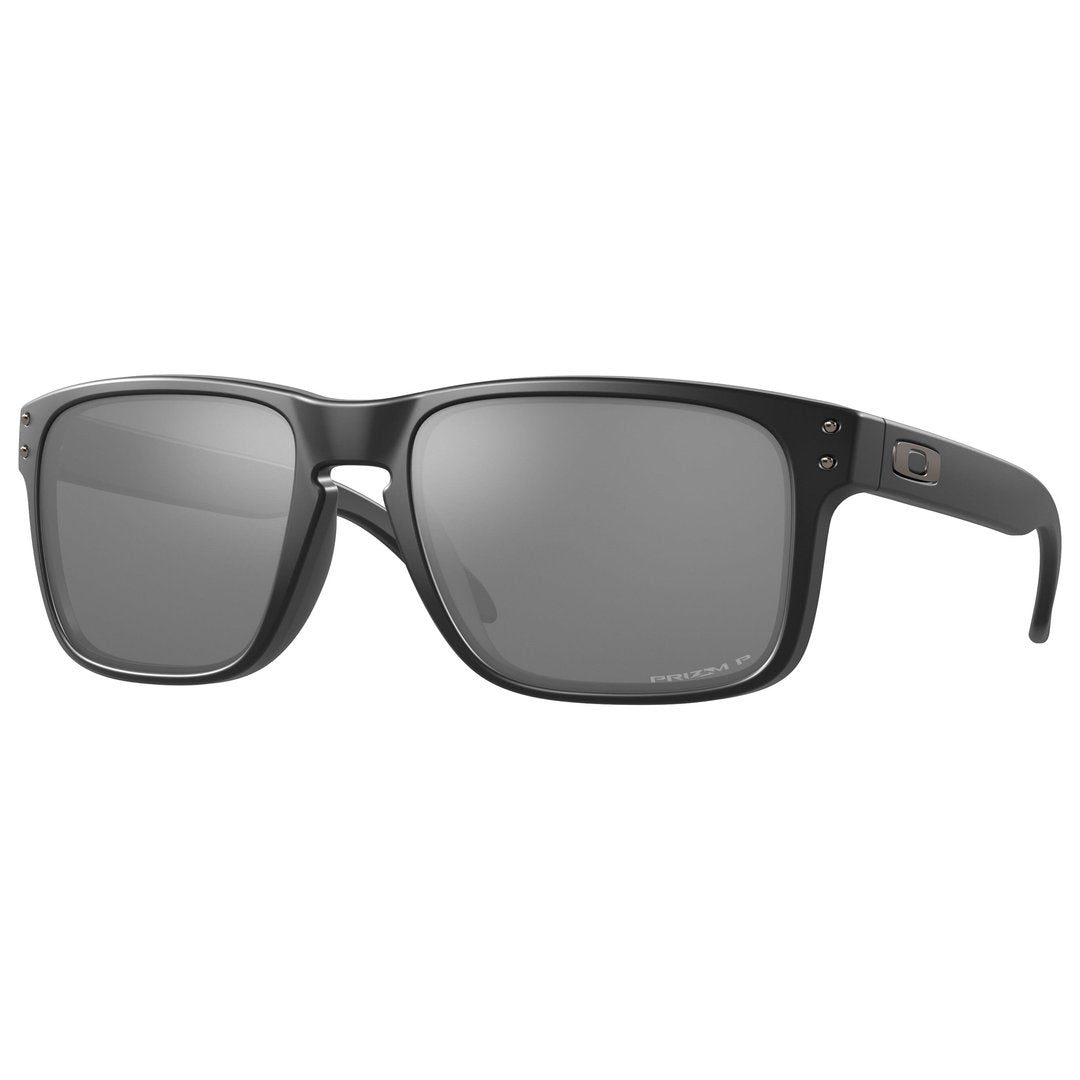
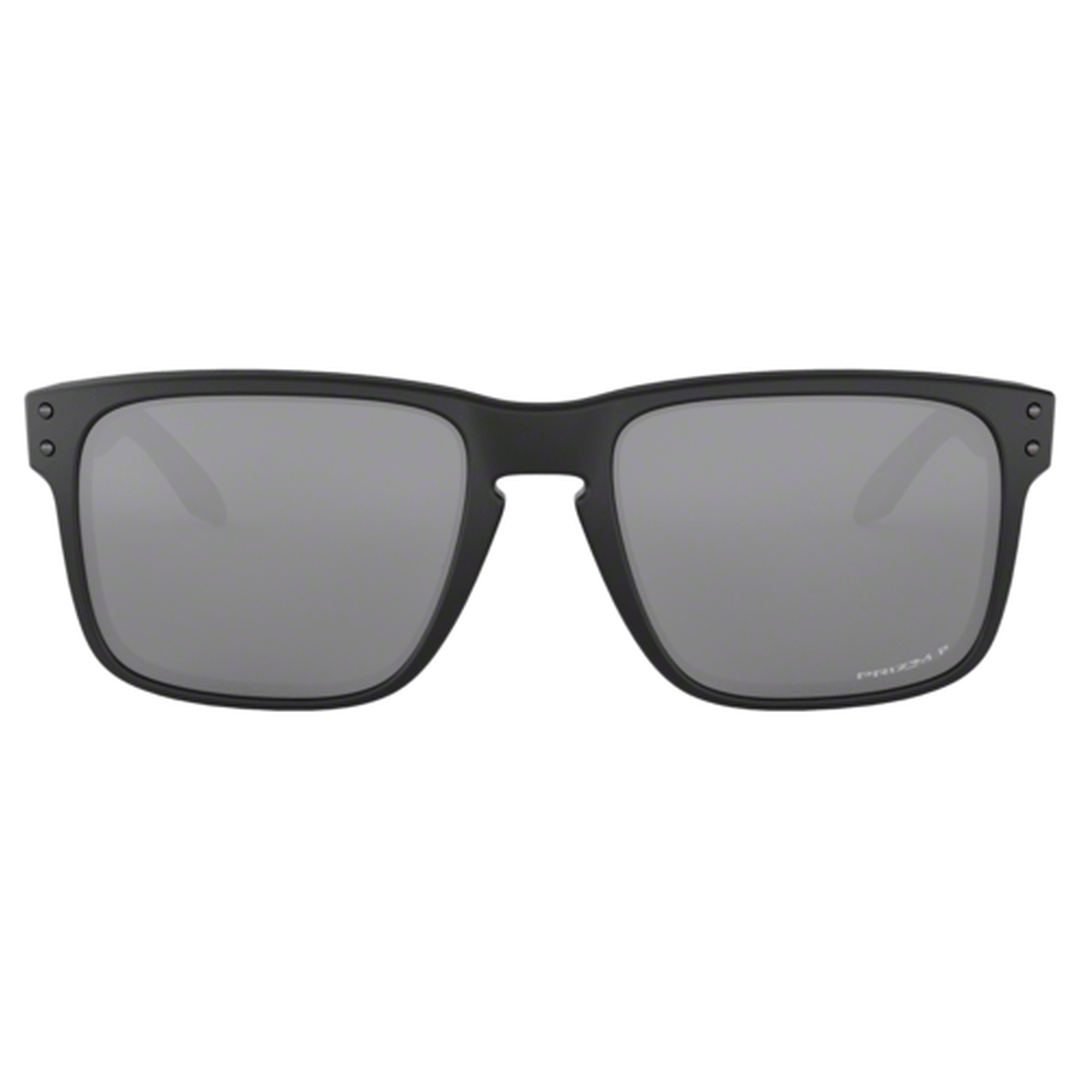
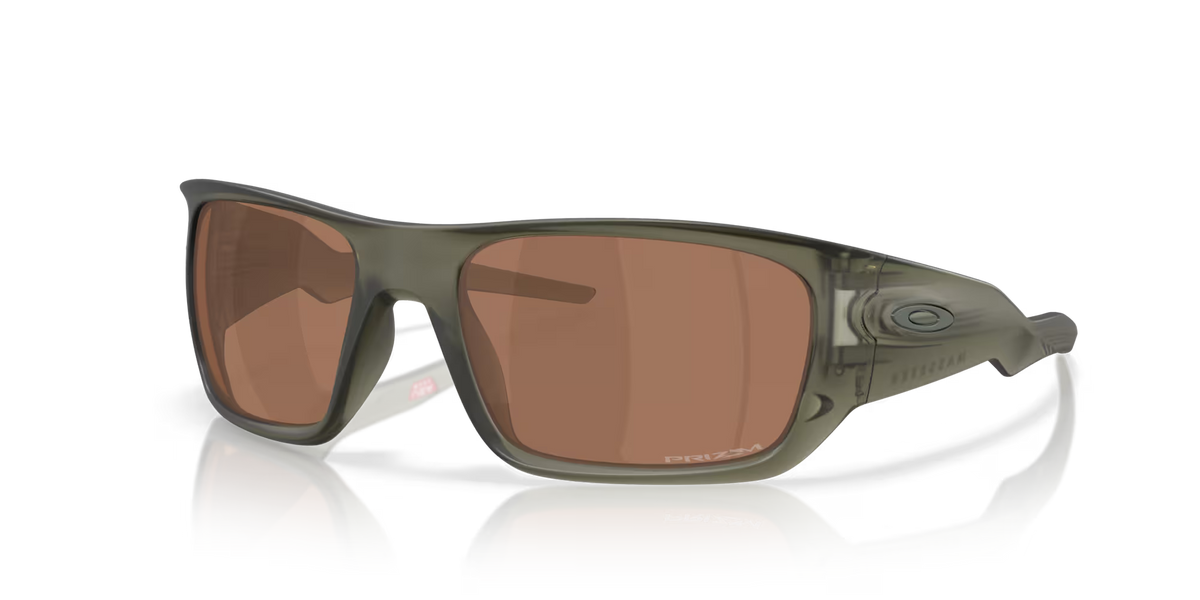
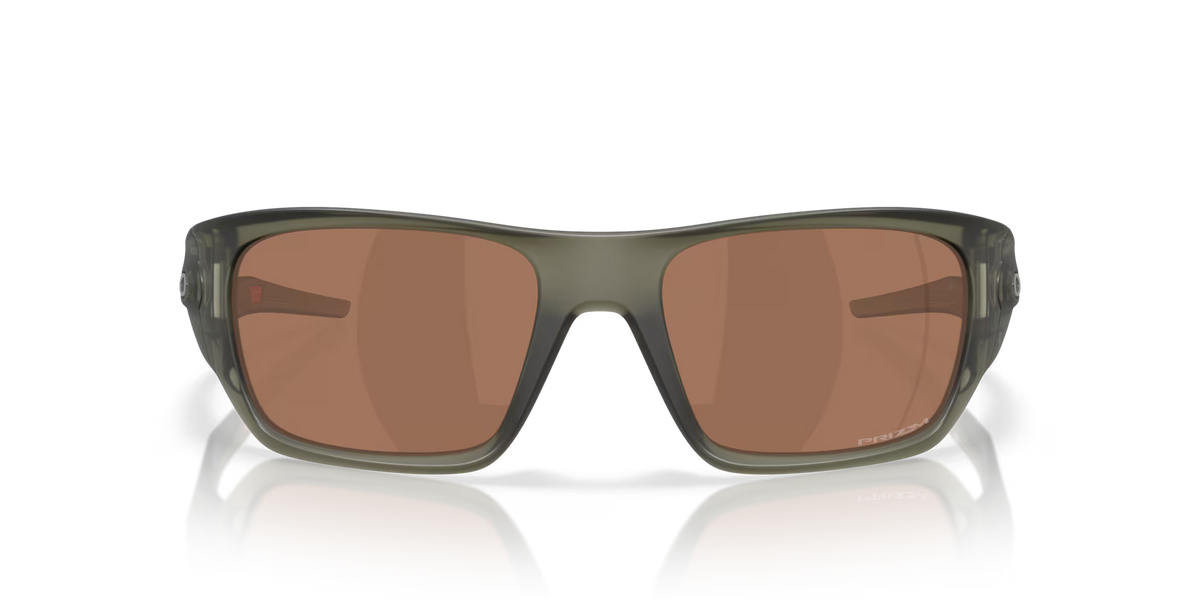
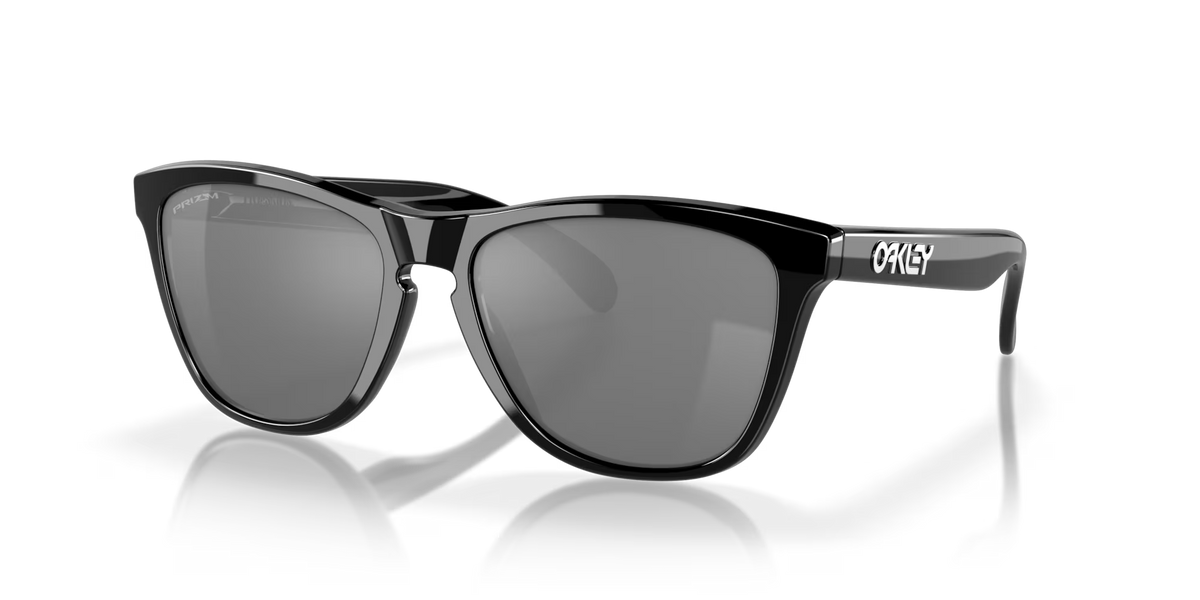


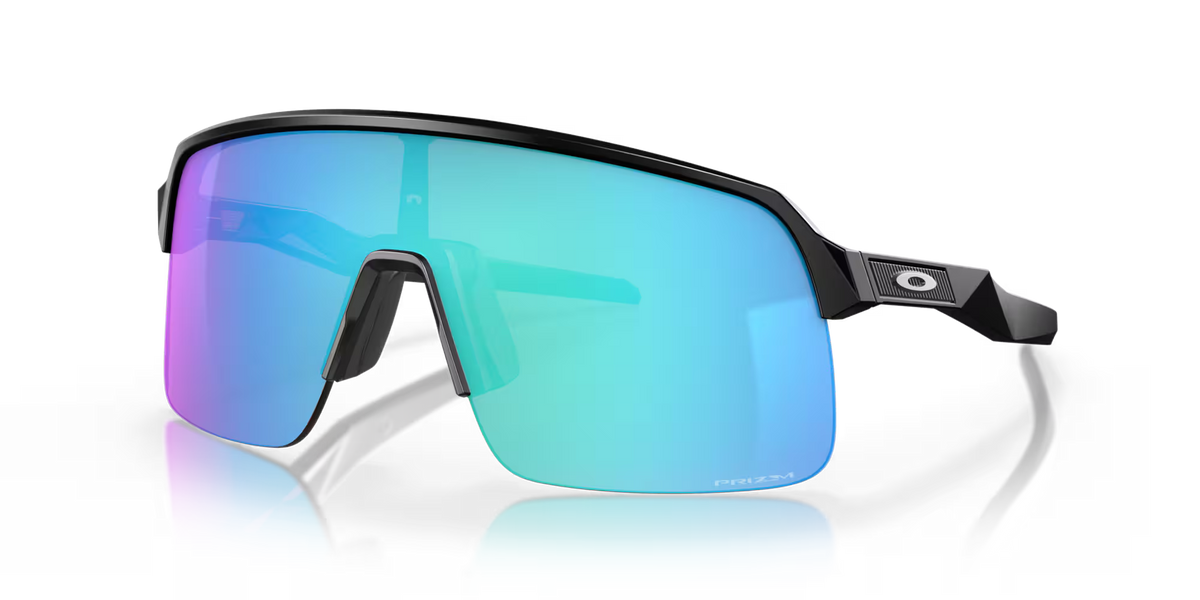


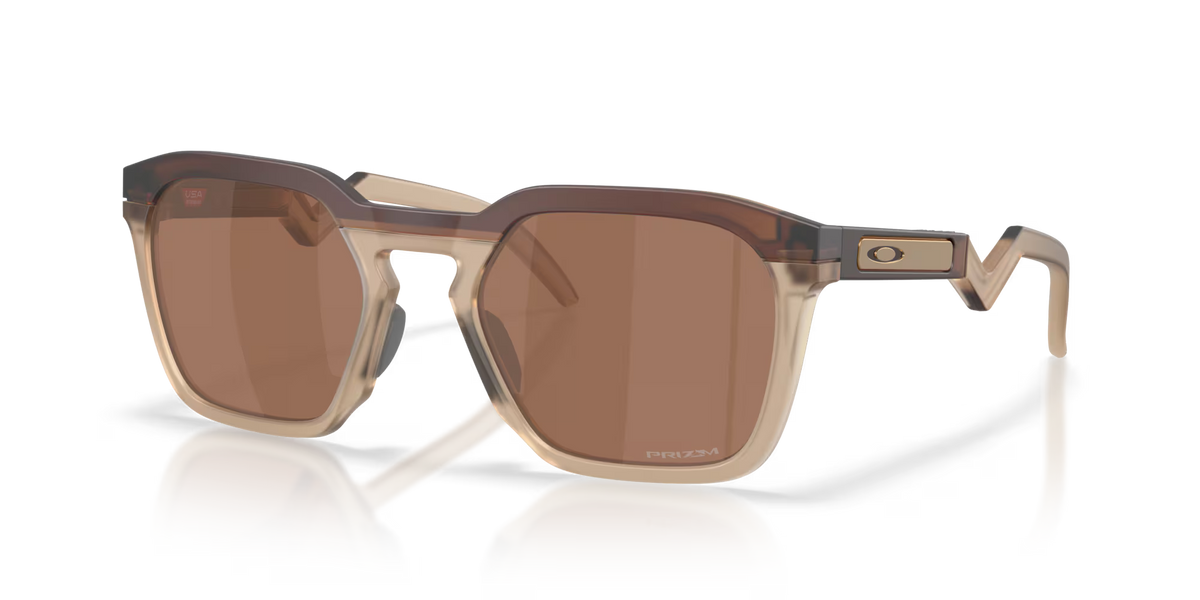


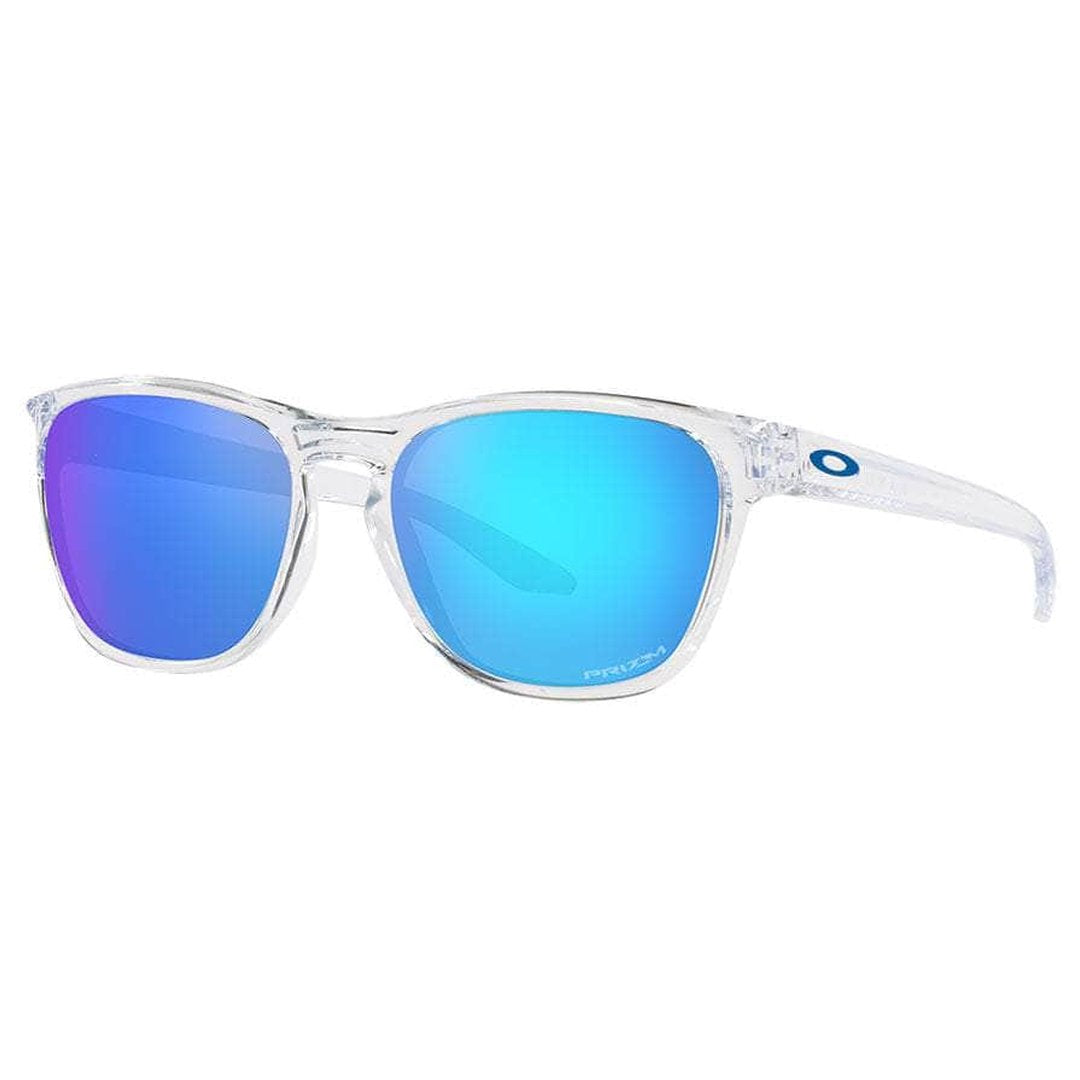


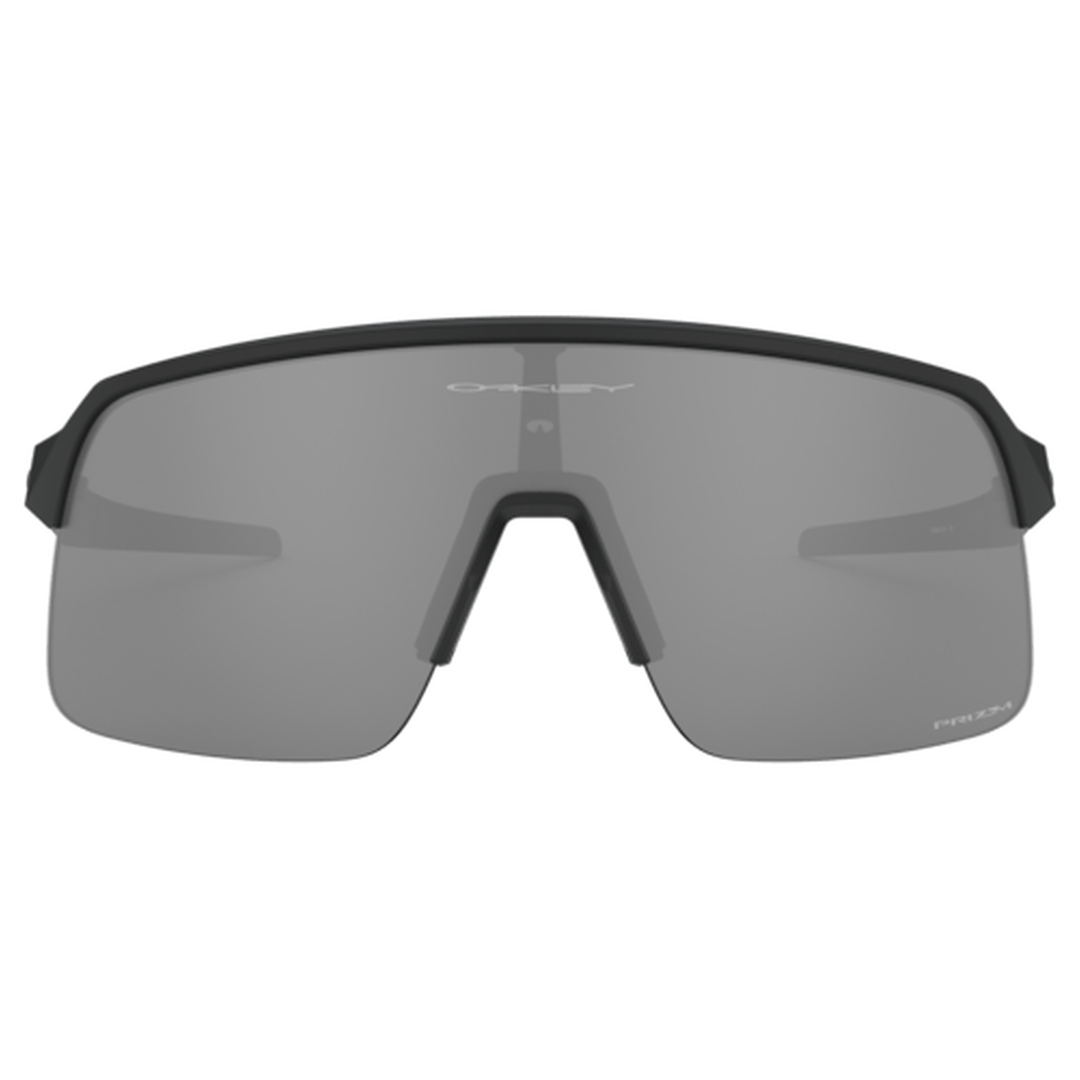
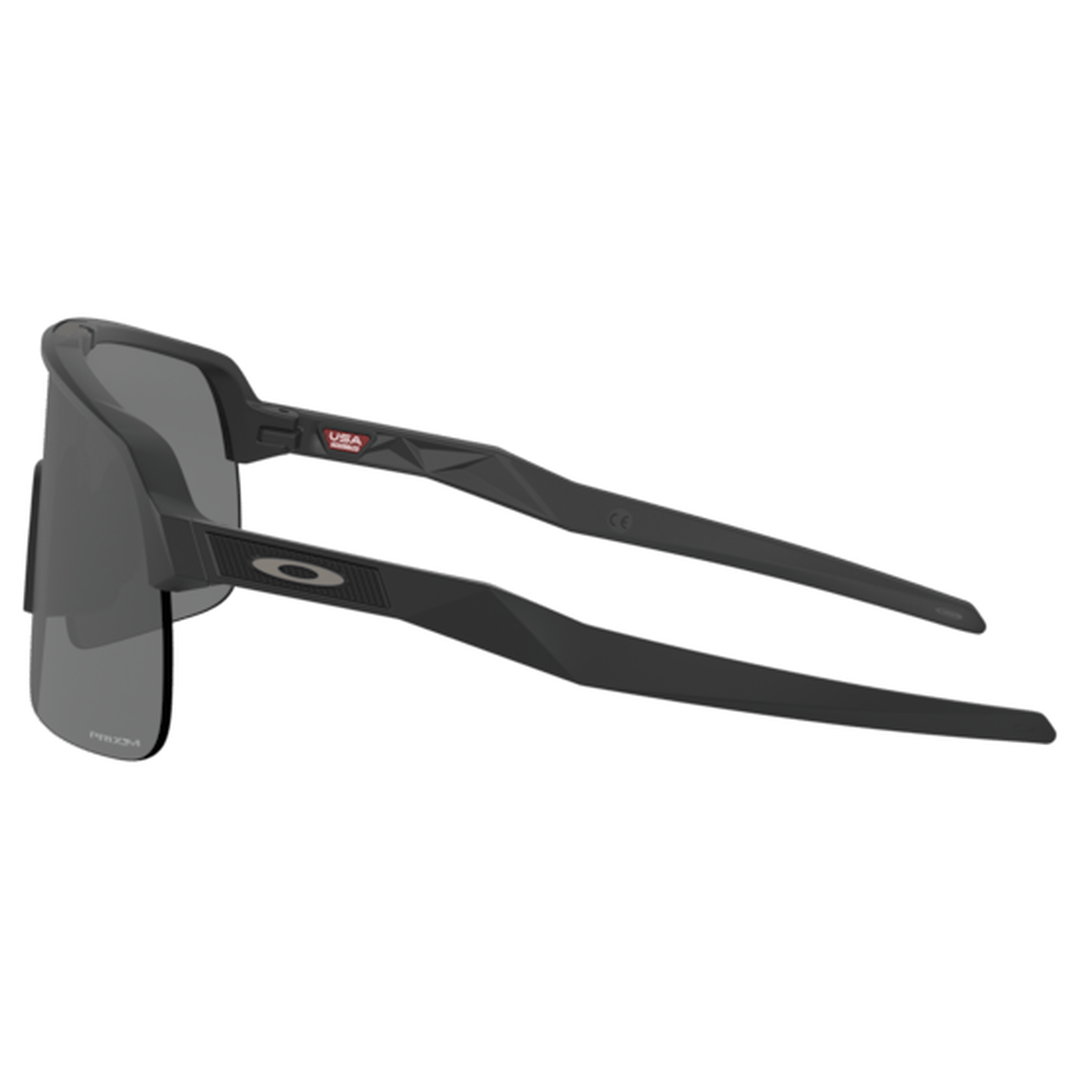


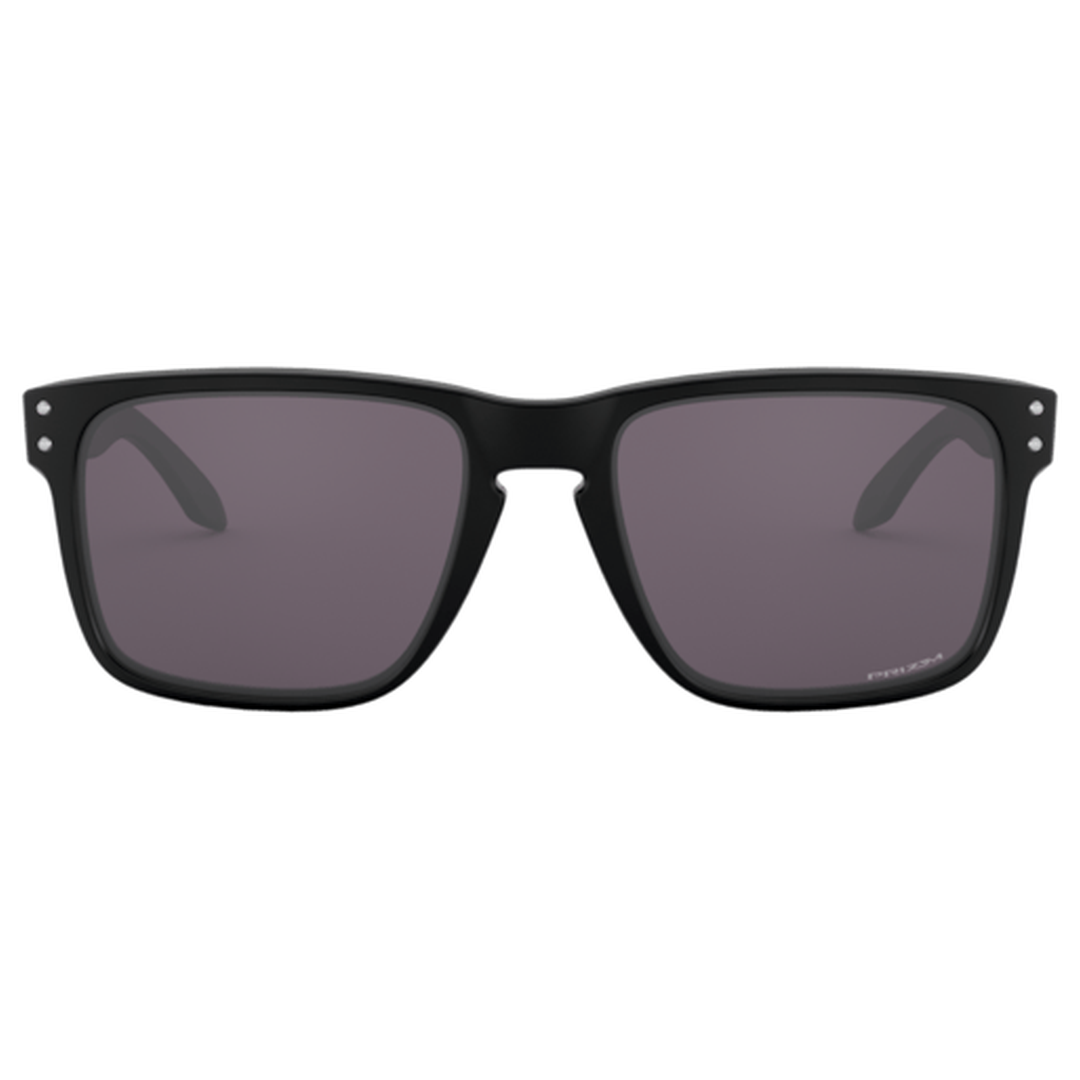


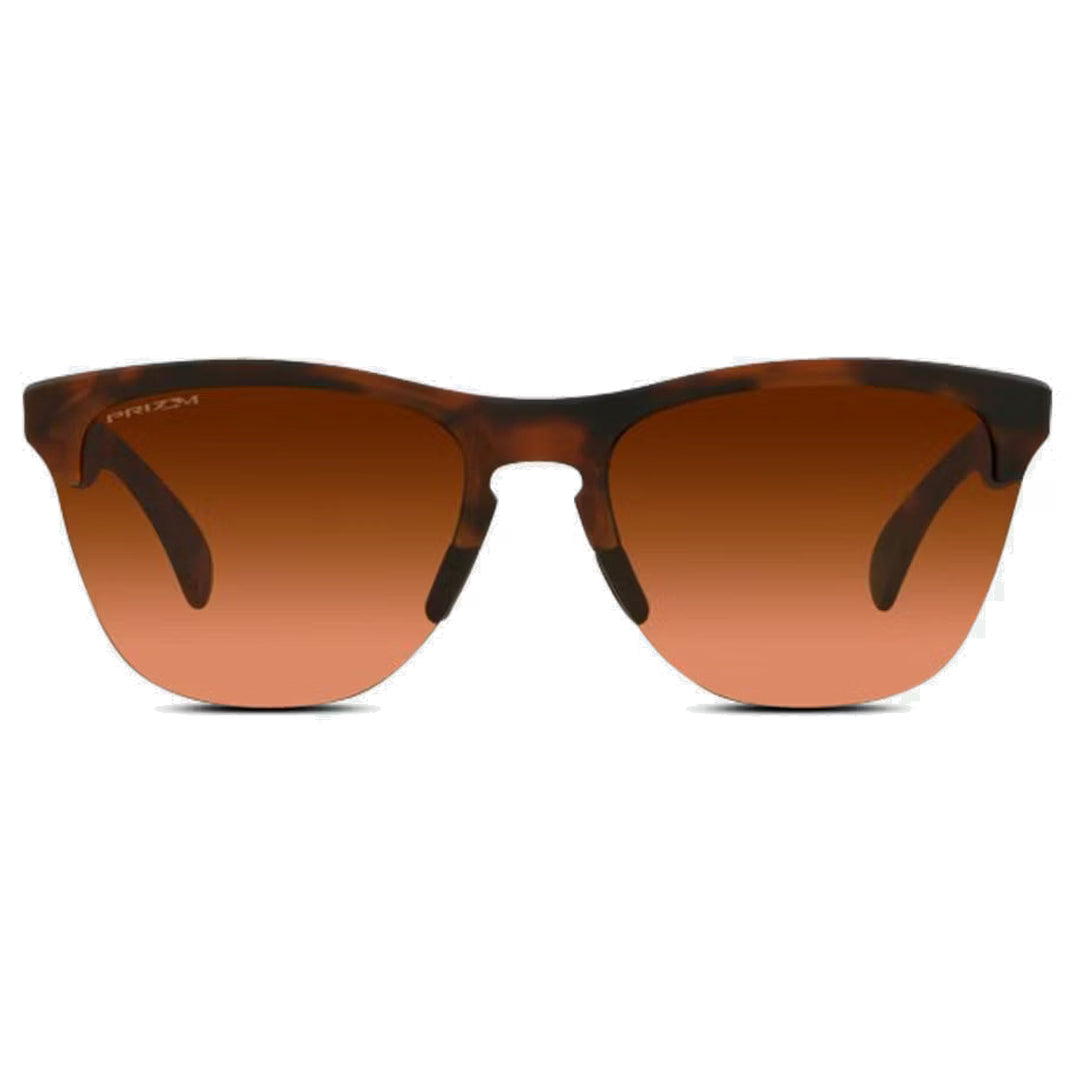


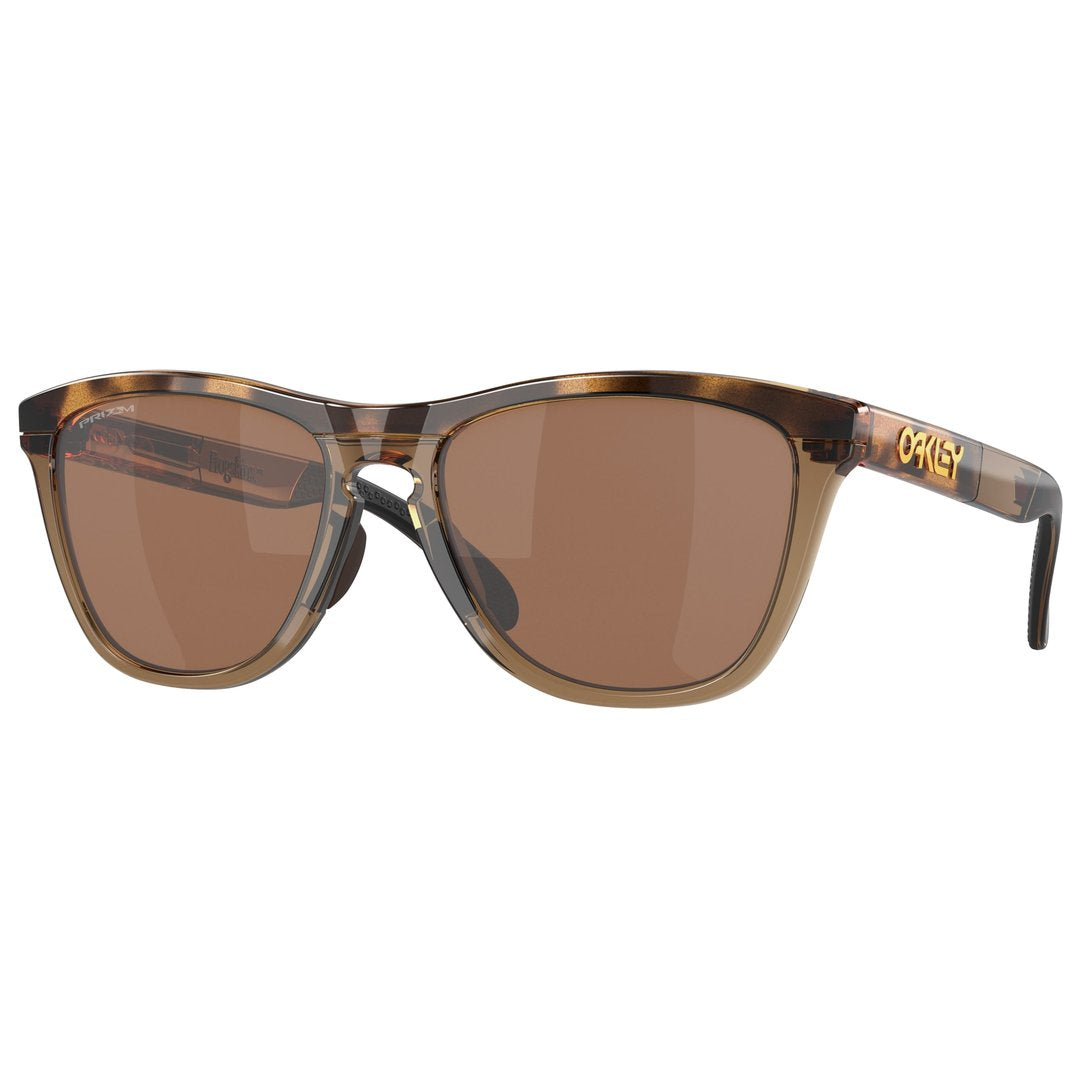
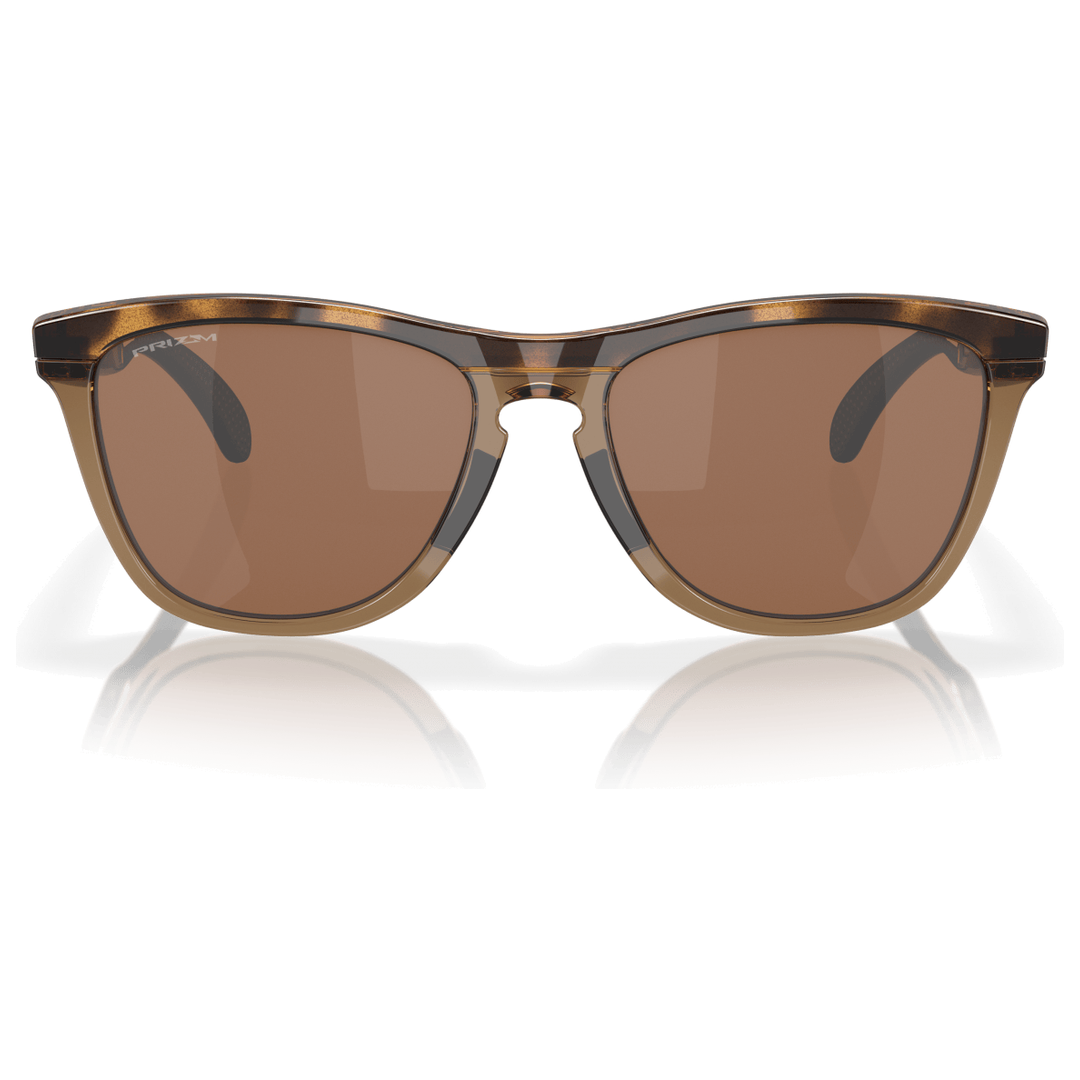





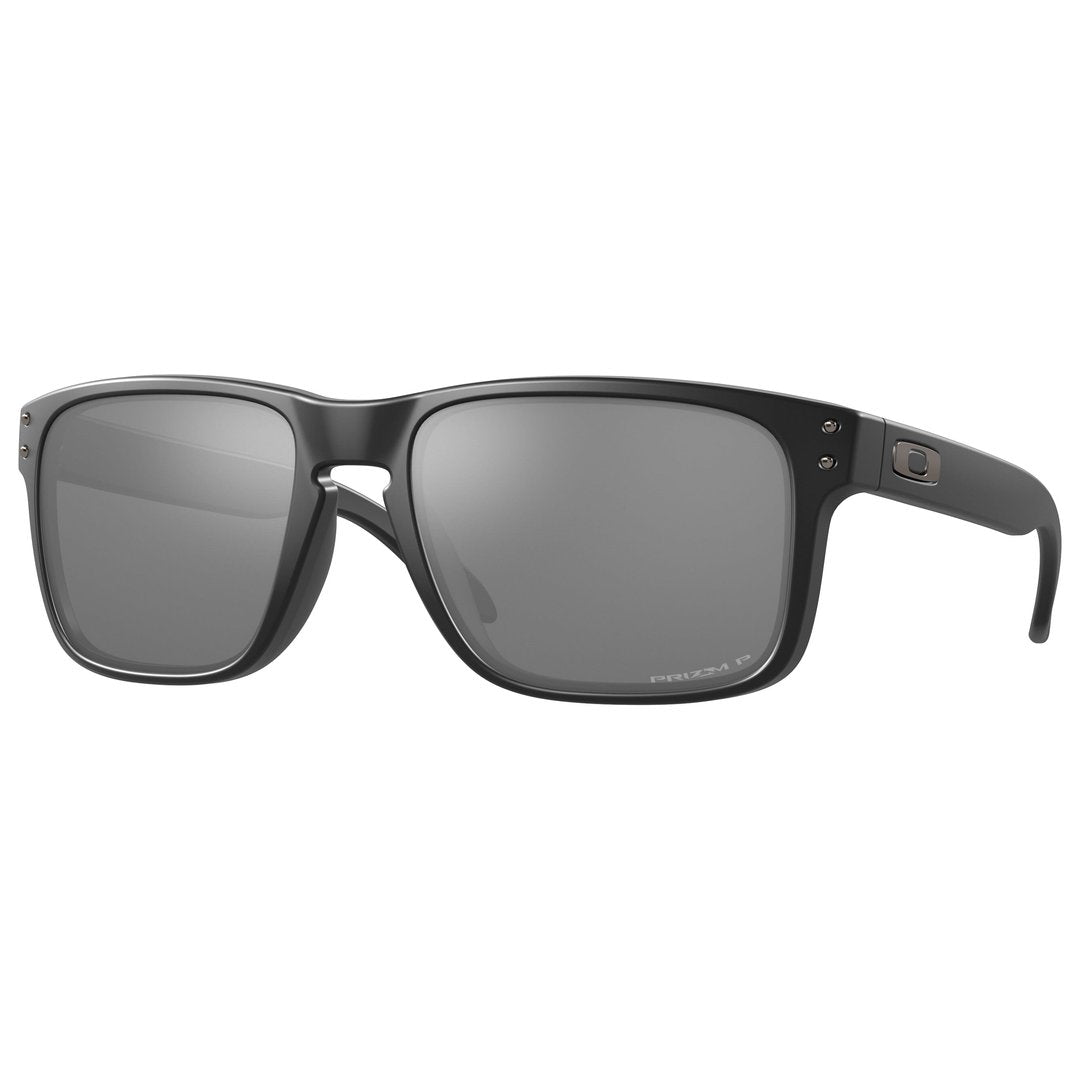


The right pair of sunglasses does far more than finish an outfit. Good lenses cut glare off water, snow and road, protect your eyes from UV, and let you see clearly through a long, bright day outdoors. For anyone who spends time on the beach, the water or the hill, a quality pair is kit rather than an accessory.
Our sunglasses range covers everyday lifestyle frames and performance sports styles, with polarised and non-polarised options, a spread of lens tints, and frames built to stay put when you are active. We stock trusted eyewear brands across a range of budgets, so you can match a pair to how and where you wear them.
Not sure which lens or fit suits you? The guide below covers the main points, and our team is always happy to help you choose. Browse the full range below, or take a look at our wider lifestyle collection to complete the look.
Why Do Good Sunglasses Matter?
Sunglasses shield your eyes from ultraviolet light, which can damage them over years of exposure. They also cut glare, reduce squinting and eye strain, and help you see detail in bright conditions. Around water and snow, where light bounces back up at you, a proper lens makes a noticeable difference to comfort and clarity.
Cheap lenses can tint your view without blocking much UV, which is worse than wearing nothing because your pupils open wider behind a dark lens. A reputable pair gives you full UV protection along with the tint.
Polarised or Non-Polarised?
Polarised lenses contain a filter that blocks horizontal glare, the harsh reflected light that bounces off water, wet roads and shiny surfaces. They are excellent for driving, fishing, and any time near the sea.
- Polarised: cuts reflected glare, improves contrast, easier on the eyes near water
- Non-polarised: lighter on the wallet, and sometimes preferred when you need to read screens or see icy patches clearly
Most people who spend time near water prefer polarised lenses, though some sports and screen-heavy uses suit a plain tinted lens better.
Lens Tints Explained
Lens colour changes how you see contrast and depth in different light.
- Grey: true colour, great all-rounder for bright sun
- Brown and amber: boost contrast, good for variable light and depth perception
- Green: balanced contrast with natural tones
- Mirrored and darker tints: extra glare reduction for very bright days on water or snow
Some brands offer their own contrast-enhancing lens technologies, which sharpen detail in specific conditions.
How to Choose the Right Sunglasses
A few simple factors point you to the right pair:
- Where you wear them: everyday town use, driving, beach, or active sport
- Light conditions: constant bright sun, or changeable cloud and sun
- Fit and security: casual frames for daily wear, or wrap styles that grip during movement
- Lens priority: glare reduction, contrast, or true colour
- Your budget
If you are mostly near water, start with a polarised lens. If you want one pair for everything, a grey or brown polarised lens is a safe all-rounder.
Sports Fit and Frame Features
Active sunglasses are built to stay on while you move. Look for grippy nose pads and temple tips, a wrap shape that shields side light, and lightweight frames that do not bounce. Many sports frames take interchangeable lenses so you can swap tints for the conditions. For everyday wear, comfort and style lead, and a classic frame shape suits most faces.
Caring for Your Sunglasses
A little care keeps lenses clear and scratch-free.
- Rinse off salt and sand with fresh water before wiping
- Clean with a microfibre cloth, not a shirt or tissue
- Store in a hard case when not worn
- Keep them off your head, where they stretch and slip
Treat the lenses gently and a good pair will last for years.
How Much Do Sunglasses Cost?
Price depends on lens technology, frame materials and brand. Entry-level pairs cover the basics of UV protection and a tint, mid-range pairs add polarisation and better frames, and premium pairs bring advanced contrast lenses, lightweight durable frames and replaceable parts. Spending more usually buys sharper optics, better glare control and a frame that lasts. For regular use near water, a polarised pair is worth the step up.
Why Buy Your Sunglasses from Surface2Air Sports?
We have been fitting out watersports and outdoor enthusiasts since 2002, with a shop and a full range online.
- Lifestyle and performance sports frames
- Polarised and non-polarised lens options
- Trusted eyewear brands
- Honest advice on lenses and fit
- A range to suit different budgets
Whether you want an everyday pair or sports eyewear that stays put on the water, we can help you choose. Take a look at our Oakley sunglasses for a closer look at one of our most popular brands.
Sunglasses for Watersports
If you spend time on the water, a few extras make sunglasses far more practical. A floating retainer strap keeps a pair with you if they come off in a wipeout, hydrophobic lens coatings shed water and salt spray, and a secure wrap fit stops them bouncing. Polarised lenses really come into their own here, cutting the harsh glare that reflects off the surface so you can read the water and stay comfortable through a long session.
Finding the Right Frame Shape
Frame shape affects both coverage and how a pair suits your face. Larger wrap frames shield more side light and are ideal for bright, active days, while slimmer classic shapes sit well for everyday town wear. As a rough guide, angular frames balance rounder faces and softer frames suit more angular features, though comfort and the look you want matter most. Try to match the frame width to your face so the arms sit straight back without pinching or slipping.
Lens Categories and Light
Lenses are graded by category, from lighter tints for overcast conditions up to very dark tints for intense glare on water and snow. For general UK use a mid to dark category suits most bright days, while the darkest categories are best kept for strong, reflective light. Photochromic lenses, which darken and lighten with the conditions, are a useful option if you want one pair to cover changeable light through the day.
Frequently Asked Questions About Sunglasses
Are polarised sunglasses worth it?
If you spend time near water, driving or in bright reflected light, yes. Polarised lenses cut glare and make it much easier on your eyes.
Do all sunglasses block UV?
Quality sunglasses do. Very cheap pairs may tint your view without full UV protection, so it is worth buying a reputable pair.
What lens tint is best for all-round use?
A grey or brown lens suits most conditions. Grey keeps colours true, while brown adds contrast and depth.
Can I wear sunglasses for watersports?
Yes. Choose a sports fit with grippy pads and a secure wrap shape, and consider a retainer strap so they stay with you if they come off.
How do I know if sunglasses fit well?
They should sit level, grip lightly at the nose and temples, and stay still when you move your head, without pinching.
How should I clean my lenses?
Rinse off salt and grit, then wipe with a microfibre cloth. Avoid tissues and clothing, which can scratch coatings.
Can I replace scratched lenses?
On many sports frames, yes. Interchangeable lens models let you swap tints or fit fresh lenses.
Let customers speak for us
Great job well dun thanks for your help with the purchase..

The bag is sturdy, spacious and water proofed on the inside. In addition, it can be worn as a backpack but it also comes with a strap for putting over a shoulder as a bag. I am happy with the purchase.

My first order of gummy straps never arrived so I contacted S2AS and they were very apologetic as Royal Mail had lost my parcel. They immediately sent out a second sets of straps which arrived the following day.
The customer service I recieved was exceptional and I would highly recommend this company for their swift response. I will definitely order with them again.

the whole exercise

item as dscribed, looks fantastic

As described and looks fantastic. thank you
My first board and binding set up after using hire equipment for over a year. These will take some getting used to but step in and strap is a vast improvement. Large to size 12UK looks like it only just fits across the toe strap.
S2AS are my go to online store for anything Snowboarding related and as they say any query just pick up the phone and speak to Ollie (who sounds a lot like Jamie Lang)

Wait for snow
Loved the service in the shop Ollie was very helpful and a pleasure to deal with. Recommend highly
Kind regards
Matt

2026 Slingshot KTV EverShred Wakeboard Bindings

Exceptionally quick delivery, would definitely recommend buying from this site

Hi my in store experience was fantastic from email to shop with your representative Ollie could not have been more polite & helpful
Once I’ve tried the bourd I will send further feedback
Hope your all well
Kind regards
Matt

We ordered a large amount of items that all arrived safely, we kept everything save two jackets which we ordered wrong, but the team were great, we sent them back and got a refund with no hassle. Will definitely use in the future!

Great graphics, good fit and quality

I purchased a wing that was 70% off and I am delighted with my new toy. I had it out today for the first time and despite only being a 2.8m wing, the power and control was amazing. It is so good that I am tempted to buy a bigger size to add to my collection. Thanks again S2AS for another great product for a bargain price 😊
Great carbonboard from Shinn and Raptor fin set at a good price from Surface2Air Sports. Delivered without any problems.