Kitesurfing Kites
Sort by

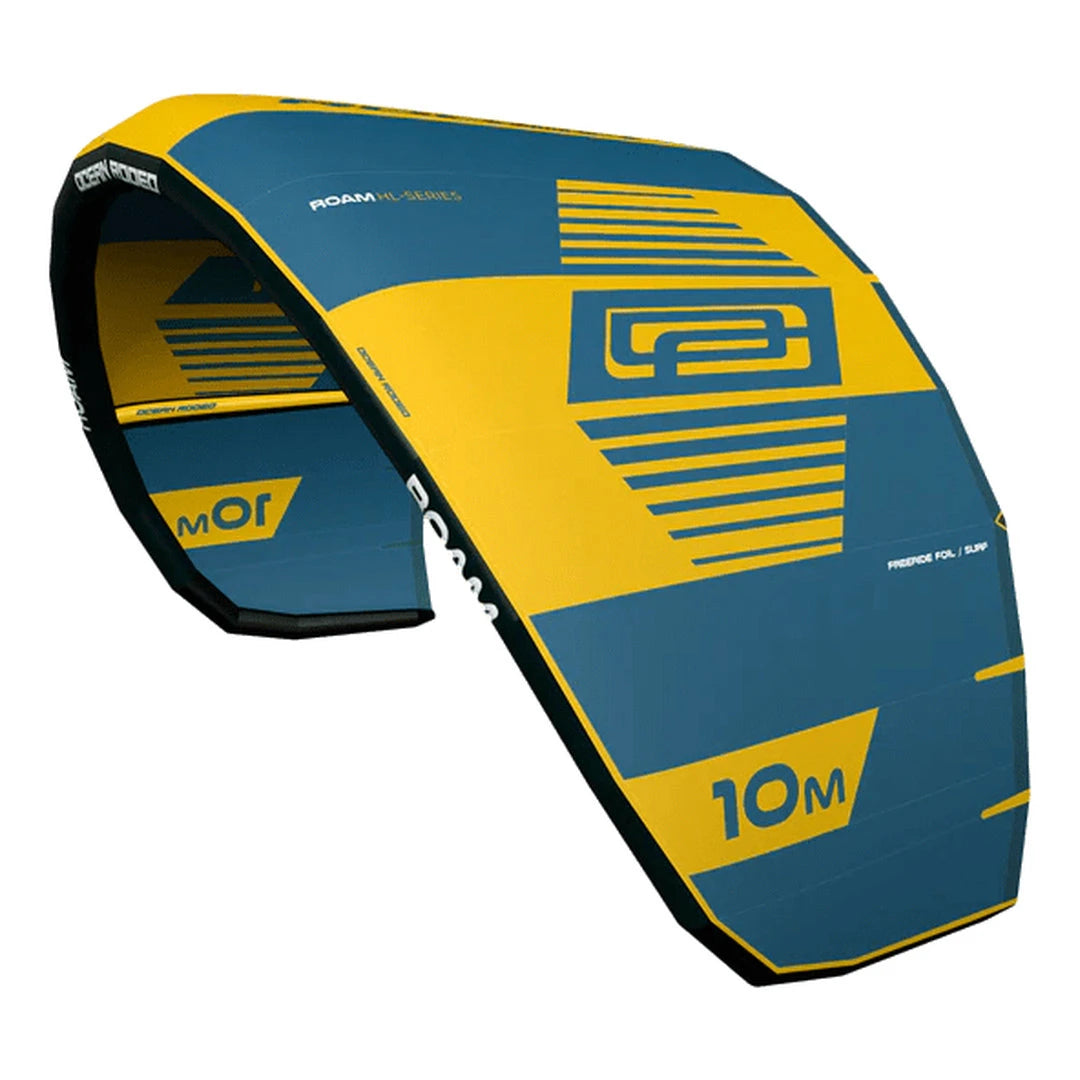
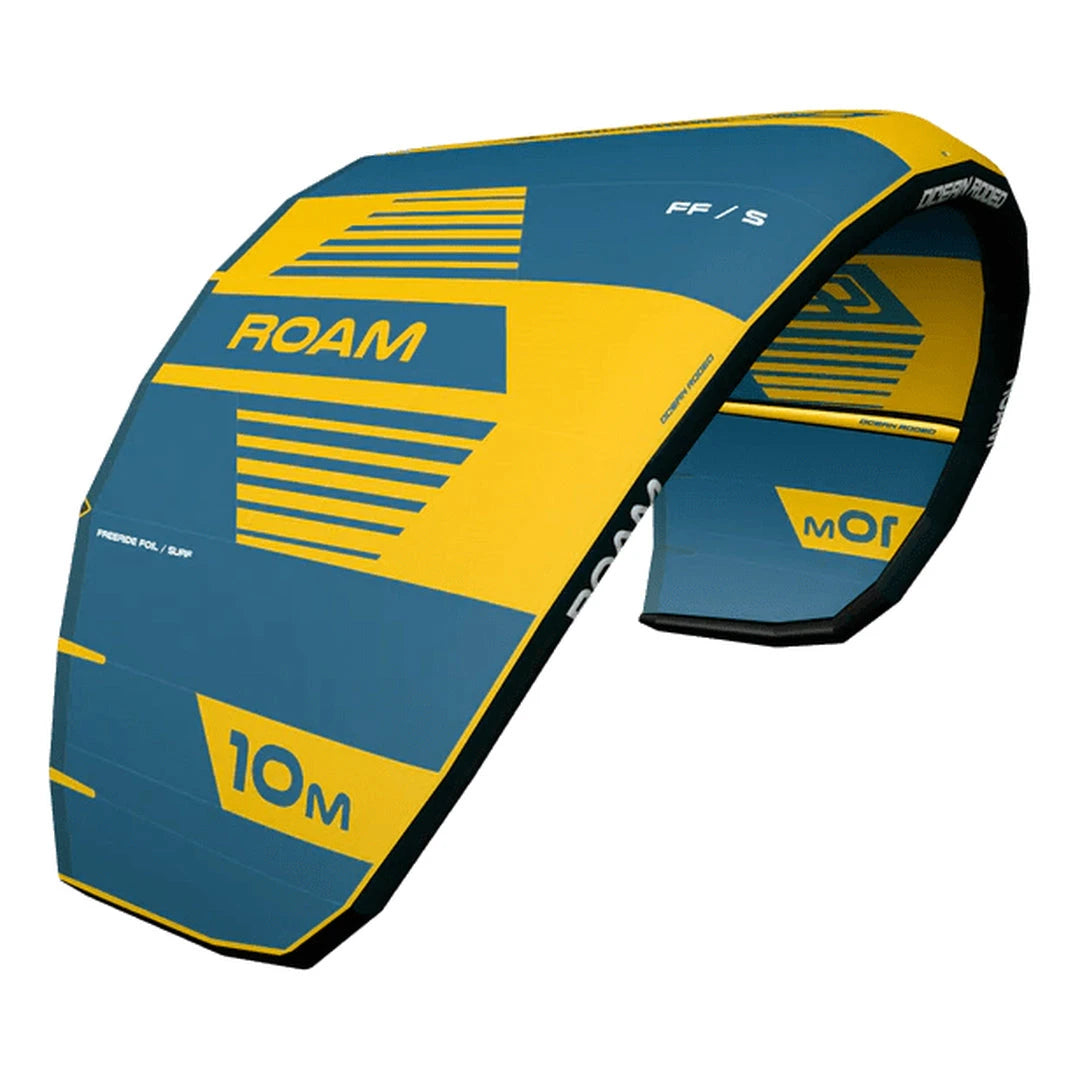
The kite is the engine of kitesurfing, and choosing the right one shapes every session. The correct size for the wind, the right type for your style, and a bar you trust all make the difference between fighting the conditions and flying across the water. Get it right and the kite feels like an extension of you.
Our kitesurfing kites range covers freeride, wave, freestyle, big air, and foil kites from leading brands, in a full spread of sizes, plus the bars and lines to control them. Whether you are buying your first kite or adding to a quiver, there is a kite here to match your weight, your spot, and your riding.
New to kites, or sizing up your quiver? The guide below explains the types, sizing, and wind ranges. Browse the range below, and pair your kite with a board from our kiteboards collection.
How Does a Kitesurfing Kite Work?
A kitesurfing kite is a large inflatable wing flown on lines and controlled by a bar. As the wind fills the kite, it generates pull, and by steering the kite through the wind window you control how much power you get. Sheet in or steer the kite dynamically and the power builds; depower it and the pull eases off.
That control is what makes kitesurfing work. You use the kite's power to ride across the water, carve turns, and launch into the air, adjusting the power constantly to match the gusts and your riding. Modern kites are designed to be stable and to depower safely, which has made the sport far more accessible.
Types of Kitesurfing Kite
Kites are designed around different riding styles and shapes.
- Freeride kites: stable, easy-to-fly all-rounders, ideal for learning and general riding
- Wave kites: designed to drift with you in the waves, with quick, direct handling for surf
- Freestyle kites: built for power, pop, and unhooked tricks
- Big air kites: designed to lift you high and bring you down softly for massive jumps
- Foil kites: enclosed-cell or framed kites with excellent light-wind performance, popular for foiling and racing
Kite shapes such as delta, bow, and hybrid designs affect handling, relaunch, and depower. Most riders start with a stable freeride kite, which handles a wide range of conditions as they learn.
Kite Sizing and Wind Range
Kites are measured in square metres, typically from around 5m² up to 17m² or more. The size you need depends on the wind strength and your weight: bigger kites generate more power for lighter winds, while smaller kites stay controllable as the wind builds. A heavier rider needs a larger kite than a lighter rider in the same wind.
As a rough starting point, many riders in average conditions use a mid-sized kite around 9m² to 12m², then add a larger kite for light days and a smaller one for strong winds. Each kite has a wind range, and building a quiver of two or three sizes lets you ride comfortably across the conditions at your spot.
Building a Quiver
Few riders can cover all conditions with one kite, which is why most build a small quiver. A common setup is a larger kite for light wind, a medium kite as your everyday size, and a smaller kite for strong days. The exact sizes depend on your weight and your local wind, so it is worth thinking about the conditions you ride in most.
Sticking to one brand and model across your quiver gives a consistent feel, as the kites handle and depower in the same way. Our team can help you plan a quiver that suits your weight and spot.
Bars and Lines
The control bar and lines are how you fly the kite, and they are a safety-critical part of your setup. The bar lets you steer, adjust power, and activate the safety release that depowers the kite in an emergency. Lines should be matched to your kite and kept in good condition, as worn or mismatched lines affect handling and safety.
Many kites are sold with a compatible bar, but bars can also be bought separately. Always make sure your bar and lines suit your kite, and replace any lines that are frayed or damaged.
Caring for Your Kite
Good care keeps a kite safe and lasting.
- Rinse off salt and sand and dry the kite before long-term storage
- Avoid dragging the kite across rough ground, which wears the material
- Do not leave a kite flapping or baking in the sun, as UV degrades the fabric
- Check the bladder, valves, and bridle for wear, and repair small issues early
- Inspect lines regularly and replace them if frayed or damaged
UV and abrasion are the main enemies of a kite, so pack it down when you are not riding and store it dry.
How Much Do Kitesurfing Kites Cost?
Prices depend on the type, construction, and whether a bar is included. Previous-season kites offer an accessible way in, current freeride kites fall in the middle, and premium big air and performance kites sit at the top. Bars and lines are usually priced separately unless sold as a package.
For a first kite, a stable freeride model, new or from a previous season, is a sensible investment that will serve you well as you learn. As you progress, you can add sizes and styles to your quiver. You'll find a spread of budgets across the range.
Why Buy Your Kitesurfing Kite from Surface2Air Sports?
We have been part of the UK kitesurfing scene since 2002, with a shop in Poole and a full range online.
- Freeride, wave, freestyle, big air, and foil kites
- A full spread of sizes, plus bars and lines
- Leading kitesurfing brands
- Honest advice on sizing for your weight and local wind
- In-store help and online support
Whether you are buying your first kite or sizing up your quiver, we can help you choose. Explore the wider kitesurfing range and matching kitesurfing equipment to complete your kit.
Frequently Asked Questions About Kitesurfing Kites
What size kite do I need?
It depends on your weight and the wind. Bigger kites suit lighter winds and heavier riders; smaller kites suit stronger winds. Many riders start with a mid-sized kite and build a quiver.
What kite is best for beginners?
A stable freeride kite. These are easy to fly, relaunch well, and have good depower, which makes them forgiving and safe to learn on.
How many kites do I need?
One kite can get you started, but most riders build a quiver of two or three sizes to cover light, average, and strong winds at their spot.
What is the difference between freeride and wave kites?
Freeride kites are stable all-rounders for general riding, while wave kites drift with you in the surf and offer quick, direct handling for riding waves.
Do kites come with a bar?
Some are sold with a compatible bar and others separately. Always make sure your bar and lines suit your kite, and replace worn lines.
What are foil kites for?
Foil kites offer excellent light-wind performance and are popular for foiling and racing. They have a different design to inflatable tube kites.
How do I look after my kite?
Rinse and dry it, avoid dragging it on rough ground, keep it out of prolonged sun, and check the lines, valves, and bladder regularly.
Do you sell kiteboards too?
Yes. We stock a full range of kiteboards and bindings to complete your setup.
Let customers speak for us
the whole exercise

item as dscribed, looks fantastic

As described and looks fantastic. thank you
My first board and binding set up after using hire equipment for over a year. These will take some getting used to but step in and strap is a vast improvement. Large to size 12UK looks like it only just fits across the toe strap.
S2AS are my go to online store for anything Snowboarding related and as they say any query just pick up the phone and speak to Ollie (who sounds a lot like Jamie Lang)

Wait for snow
Loved the service in the shop Ollie was very helpful and a pleasure to deal with. Recommend highly
Kind regards
Matt

2026 Slingshot KTV EverShred Wakeboard Bindings

Exceptionally quick delivery, would definitely recommend buying from this site

Hi my in store experience was fantastic from email to shop with your representative Ollie could not have been more polite & helpful
Once I’ve tried the bourd I will send further feedback
Hope your all well
Kind regards
Matt

We ordered a large amount of items that all arrived safely, we kept everything save two jackets which we ordered wrong, but the team were great, we sent them back and got a refund with no hassle. Will definitely use in the future!

Great graphics, good fit and quality

I purchased a wing that was 70% off and I am delighted with my new toy. I had it out today for the first time and despite only being a 2.8m wing, the power and control was amazing. It is so good that I am tempted to buy a bigger size to add to my collection. Thanks again S2AS for another great product for a bargain price 😊

Great carbonboard from Shinn and Raptor fin set at a good price from Surface2Air Sports. Delivered without any problems.

Really well made, super comfortable and love the carry wrap that they are supplied in. Much better than the usual drawstring bags that disintegrate. Best beach chair yet

Excellent item really pleased with it good delivery

2026 Mystic Patrol Boots wakeboard Bag