Kiteboards
Sort by
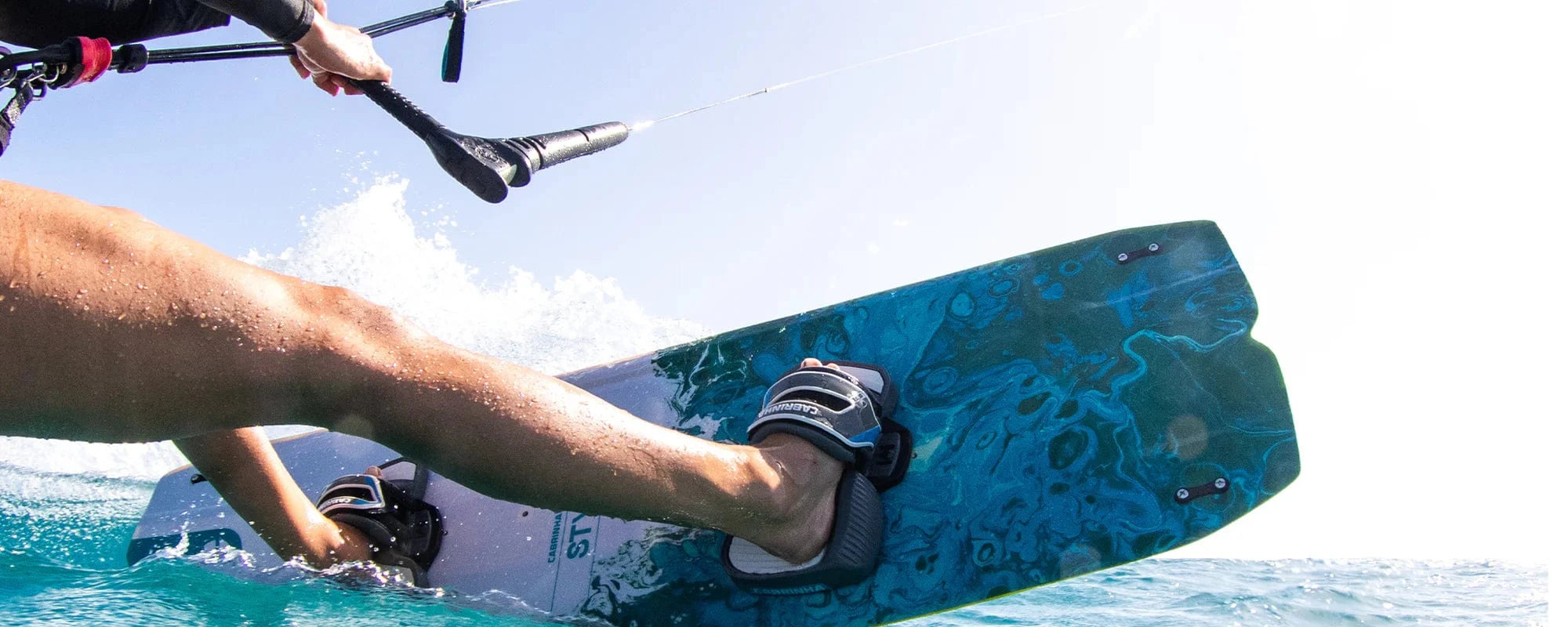
The kite provides the power, but the board is what you ride, and it shapes how kitesurfing feels. The right board makes learning quicker, riding more comfortable, and tricks more achievable, while the wrong size or style can hold you back. Matching the board to your weight, your level, and the way you want to ride is the key.
Our kiteboards range covers twintips, directional surf-style boards, and the bindings, pads, and straps that go with them, from respected brands. Whether you are learning your first water starts or progressing into waves and freestyle, there is a board here to suit you.
New to kiteboards, or choosing your next one? The guide below explains the types, sizing, and setup. Browse the range below, and pair your board with a kite from our kitesurfing kites collection.
What Is a Kiteboard?
A kiteboard is the board you stand on while the kite pulls you across the water. The most common type is the twintip, a symmetrical board that rides the same in both directions, so you do not need to change your stance when you change direction. Directional boards, which look more like surfboards, are ridden nose-first and are used mainly for riding waves.
The board you choose affects how easily you get going, how comfortable you are, and what kind of riding you can do. For most riders, especially beginners, a twintip is the natural starting point.
Types of Kiteboard
- Twintips: symmetrical boards with bindings or straps, ridden in both directions, ideal for freeride and freestyle
- Directional and surf-style boards: surfboard-shaped boards for riding waves, ridden nose-first
- Light-wind boards: larger twintips designed to get going and keep moving in lighter winds
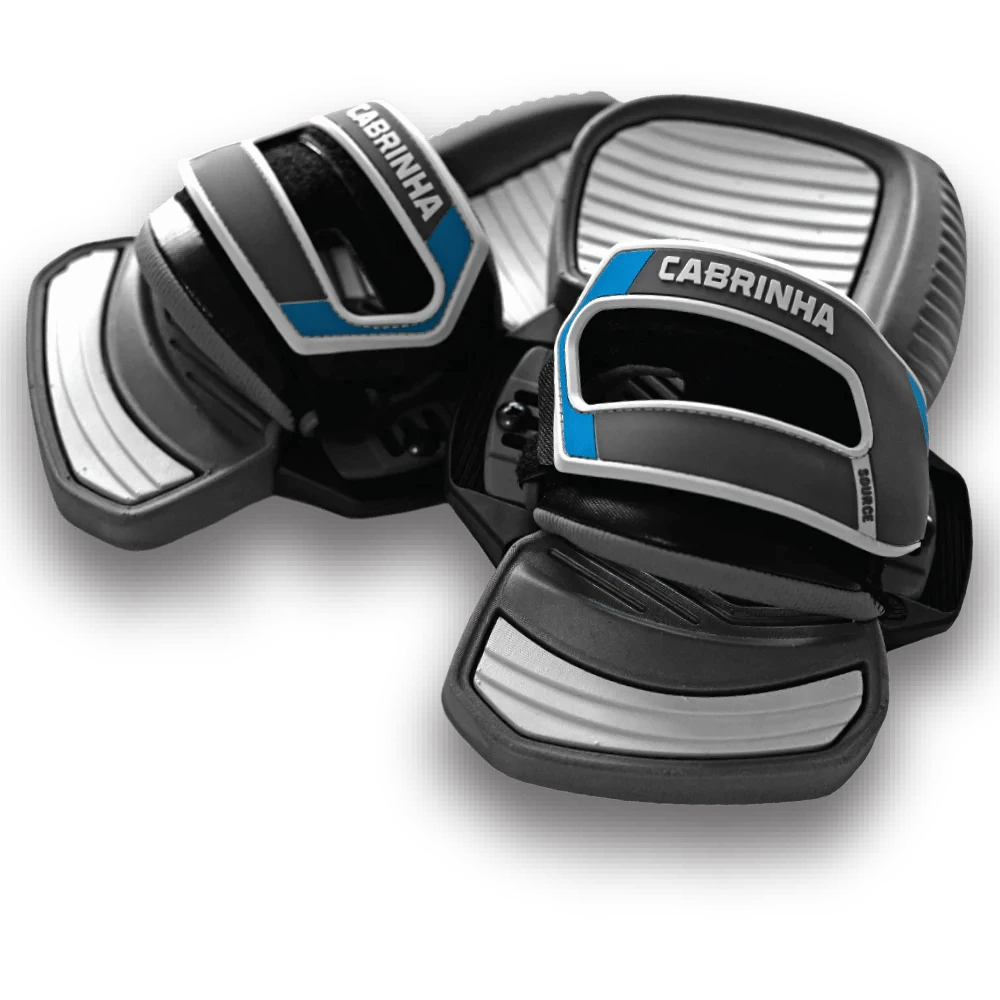
- Bindings, pads, and straps: the footstraps and pads that connect you to a twintip, or the traction pads and straps for a surfboard
Most riders learn and spend most of their time on a twintip, and some add a directional board later for waves.
Choosing a Twintip
Twintip size is matched to your weight, the wind you ride in, and your ability. Larger boards have more surface area, which makes them easier to get going on and better in lighter winds, so beginners and lighter-wind riders benefit from going a little larger. Smaller boards are more manoeuvrable and better in strong winds but need more power to ride.
As a rough guide, a heavier rider or lighter winds call for a bigger board, and a lighter rider or stronger winds call for a smaller one. Board flex and shape also affect the ride, with softer boards being more comfortable over chop and stiffer boards offering more pop and response.
Twintip or Surfboard?
Choosing between a twintip and a directional surf-style board comes down to how you want to ride. Twintips are versatile, easy to learn on, and great for freeride and freestyle, as you can ride and jump in both directions without changing your feet. Surf-style boards are designed for riding waves with a surfy, carving feel and are ridden nose-first, which takes more skill.
Beginners should start on a twintip, which is far more forgiving. Riders drawn to waves can add a directional board once they are comfortable, for a different style of riding.
Bindings, Pads, and Straps
Twintips connect to your feet through pads and footstraps, which should hold you securely without pinching and allow a comfortable, natural stance. Adjustable straps make it easy to dial in the fit and to share a board. Surf-style boards use traction pads and sometimes straps, with strapless riding being a popular, more advanced option.
A comfortable, secure connection to the board gives you control and confidence, so it is worth getting the pads and straps set up properly for your feet and stance.
Caring for Your Kiteboard
A little care keeps a board riding well and lasting.
- Rinse the board with fresh water after every session
- Dry it and store it out of direct sunlight and heat
- Check and tighten fin and binding screws regularly
- Repair base and rail damage before it spreads
- Use a board bag to protect it in transport and storage
Heat and UV damage boards over time, so avoid leaving yours baking in a hot car, and keep an eye on the screws that hold fins and straps in place.
If you are unsure where to start, a mid-sized all-round twintip is the safest first board, as it covers the widest range of conditions while you learn. You can always add a board tuned to waves or freestyle later, once you know which direction your riding is taking, and the rest of our kitesurfing range makes it easy to build out your kit as you progress.
How Much Do Kiteboards Cost?
Prices depend on the type, construction, and whether pads and straps are included. Previous-season and entry-level twintips offer an affordable way in, current all-round boards fall in the middle, and premium freestyle and wave boards sit at the top. Bindings and pads are sometimes sold separately.
For a first board, a well-sized twintip, new or from a previous season, will take you a long way as you learn. As you progress, you can add boards tuned to freestyle, waves, or light wind. You'll find a spread of budgets across the range.
Why Buy Your Kiteboard from Surface2Air Sports?
We have been part of the UK kitesurfing scene since 2002, with a shop in Poole and a full range online.
- Twintips, directional boards, and light-wind boards
- Bindings, pads, and straps to complete your setup
- Respected kiteboard brands
- Honest advice on sizing for your weight, wind, and level
- In-store help and online support
Whether you are learning your first water starts or progressing into waves and freestyle, we can help you choose. Explore the matching kitesurfing kites and harnesses to complete your kit.
Frequently Asked Questions About Kiteboards
What size kiteboard do I need?
Twintip size depends on your weight, the wind, and your level. Heavier riders and lighter winds suit bigger boards; lighter riders and strong winds suit smaller boards.
What is a twintip?
A symmetrical kiteboard that rides the same in both directions, so you do not change your stance when you change direction. It is the most popular and beginner-friendly type.
Should a beginner use a twintip or a surfboard?
A twintip. It is more forgiving and versatile, and you can ride and jump in both directions. Directional surf-style boards are better added later for waves.
What is a light-wind board?
A larger twintip designed to help you get going and keep moving in lighter winds, extending the days you can ride.
How do bindings and straps work?
Twintips use pads and footstraps that hold your feet securely while allowing a natural stance. Adjustable straps make it easy to set the fit and share a board.
Can I ride a surfboard without straps?
Yes. Strapless riding on a directional board is popular but more advanced. Many surf-style boards can be ridden with or without straps.
How do I look after my kiteboard?
Rinse it after each session, store it out of heat and sun, check the fin and binding screws, and repair any damage before it spreads.
Do you sell kites too?
Yes. We stock a full range of kitesurfing kites, bars, and lines to complete your setup.
Let customers speak for us
the whole exercise

item as dscribed, looks fantastic

As described and looks fantastic. thank you
My first board and binding set up after using hire equipment for over a year. These will take some getting used to but step in and strap is a vast improvement. Large to size 12UK looks like it only just fits across the toe strap.
S2AS are my go to online store for anything Snowboarding related and as they say any query just pick up the phone and speak to Ollie (who sounds a lot like Jamie Lang)

Wait for snow
Loved the service in the shop Ollie was very helpful and a pleasure to deal with. Recommend highly
Kind regards
Matt

2026 Slingshot KTV EverShred Wakeboard Bindings

Exceptionally quick delivery, would definitely recommend buying from this site

Hi my in store experience was fantastic from email to shop with your representative Ollie could not have been more polite & helpful
Once I’ve tried the bourd I will send further feedback
Hope your all well
Kind regards
Matt

We ordered a large amount of items that all arrived safely, we kept everything save two jackets which we ordered wrong, but the team were great, we sent them back and got a refund with no hassle. Will definitely use in the future!

Great graphics, good fit and quality

I purchased a wing that was 70% off and I am delighted with my new toy. I had it out today for the first time and despite only being a 2.8m wing, the power and control was amazing. It is so good that I am tempted to buy a bigger size to add to my collection. Thanks again S2AS for another great product for a bargain price 😊

Great carbonboard from Shinn and Raptor fin set at a good price from Surface2Air Sports. Delivered without any problems.

Really well made, super comfortable and love the carry wrap that they are supplied in. Much better than the usual drawstring bags that disintegrate. Best beach chair yet

Excellent item really pleased with it good delivery

2026 Mystic Patrol Boots wakeboard Bag